Introduction to Signal Iduna Park
Signal Iduna Park, located in Dortmund, Germany, is one of the most iconic football stadiums in the world. Known for its electrifying atmosphere, architectural grandeur, and deep-rooted association with borussia dortmund, the stadium stands as a symbol of footballing passion and community pride. Its significance extends beyond being a mere venue for matches—it is a living testament to the city's love for the sport and the club that calls it home.
Originally opened in 1974 as the Westfalenstadion, the stadium was built to host matches for the 1974 FIFA World Cup. This was a period of transformation for German football, as the country sought to establish itself as a global leader in the sport following the post-war era. The construction of the Westfalenstadion was part of a larger initiative to modernize football infrastructure in Germany. However, over time, the stadium evolved not just in name—being rebranded as Signal Iduna Park in 2005 due to a sponsorship agreement—but also in its role as a central figure in European football culture.
The stadium's design is a marvel of engineering and functionality. With a seating capacity of over 81,000 for Bundesliga matches, it is the largest stadium in Germany and one of the biggest in Europe. What sets Signal Iduna Park apart is not merely its size but its ability to create an intimate yet expansive experience for fans. The steep stands, which rise sharply around the pitch, ensure that spectators feel close to the action, fostering an atmosphere that is both intimidating for visiting teams and exhilarating for home supporters. This design choice is no accident; it reflects a deliberate effort to amplify the energy of the crowd, which has become a hallmark of matches played here.
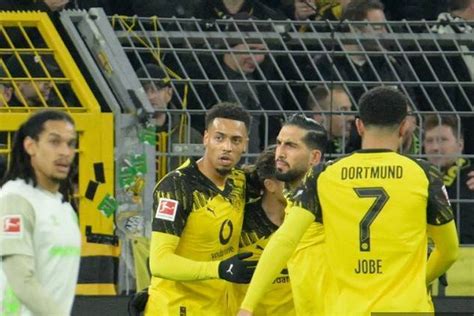
Signal Iduna Park's association with Borussia Dortmund is inseparable from its identity. Founded in 1909, Borussia Dortmund is one of Germany's most successful football clubs, with a rich history that includes multiple Bundesliga titles, DFB-Pokal victories, and a UEFA Champions League triumph in 1997. The stadium serves as the physical embodiment of the club's ethos—a blend of grit, flair, and unwavering support from its fans. The "Yellow Wall," as the stadium's South Stand is affectionately known, is the largest free-standing grandstand in Europe, accommodating around 25,000 standing spectators. This section of the stadium is not just a place to watch football; it is a cauldron of noise, color, and unrelenting support that has become legendary in football circles.
The South Stand is more than a structural feature—it is a cultural phenomenon. The sight of thousands of fans, draped in the club's signature yellow and black, chanting in unison, creates a spectacle that is as much about community as it is about sport. This stand has been instrumental in cultivating Borussia Dortmund's reputation as a club with one of the most passionate fan bases in the world. For many, the experience of being part of the "Yellow Wall" is akin to a rite of passage for football enthusiasts. It is this unique blend of architectural design and fan culture that makes Signal Iduna Park not just a venue but a destination for those seeking to understand the soul of European football.
The stadium's significance is also tied to its role in Borussia Dortmund's modern resurgence. In the early 2000s, the club faced financial difficulties, teetering on the edge of bankruptcy. However, the unwavering support of its fans, coupled with strategic management and the revenue generated by the rebranded Signal Iduna Park, helped the club recover and thrive. This period underscored the symbiotic relationship between the stadium and the club—Signal Iduna Park was not just a place where Borussia Dortmund played; it was a lifeline that enabled the club to rebuild and compete at the highest level.
Beyond its role as Borussia Dortmund's home ground, Signal Iduna Park has also played host to some of the most memorable moments in football history. It was a venue for the 2006 FIFA World Cup, where it hosted several matches, including a quarter-final. The stadium has also been a site for UEFA Champions League fixtures, where the atmosphere has often been cited as a decisive factor in Dortmund's success. These high-profile events have cemented the stadium's reputation as a global stage for footballing excellence.
The stadium’s significance is also evident in its economic and cultural impact on Dortmund. As one of the city's most prominent landmarks, Signal Iduna Park attracts visitors year-round, not just during match days. Tours of the stadium are a popular attraction, offering fans and tourists a chance to explore its inner workings, from the players' tunnel to the VIP areas. These tours highlight the stadium's dual role as a sporting venue and a cultural touchpoint for the city. For Dortmund, a city with a strong industrial heritage, the stadium represents a modern identity—a fusion of tradition and progress that mirrors Borussia Dortmund's journey as a club.
The association between Signal Iduna Park and Borussia Dortmund is further enriched by the club's philosophy of community engagement. Dortmund is a city where the football club is deeply embedded in the social fabric. The stadium serves as a hub for initiatives that go beyond football, such as youth development programs, local events, and charity drives. This integration of sport and society reinforces the idea that Signal Iduna Park is not just a structure but a living, breathing part of the city’s identity.
From a broader perspective, Signal Iduna Park embodies the evolution of football stadiums from functional spaces to experiential hubs. In an era where fan engagement and commercial viability are critical, the stadium has adapted to meet the demands of modern football. With state-of-the-art facilities, including premium hospitality suites, interactive fan zones, and advanced broadcasting capabilities, it exemplifies how a stadium can balance tradition with innovation. This adaptability ensures that Signal Iduna Park remains relevant not just as a venue for football but as a beacon of how sports infrastructure can enhance the fan experience.
In summary, Signal Iduna Park is more than a football stadium—it is a microcosm of Borussia Dortmund's journey, the city's spirit, and the global appeal of football. Its towering stands, pulsating atmosphere, and storied history make it a symbol of what football represents at its best: passion, unity, and the pursuit of greatness. Whether you are a die-hard Borussia Dortmund fan, a neutral football enthusiast, or simply a curious visitor, the stadium offers an experience that is as profound as it is unforgettable.
- It is the largest stadium in Germany with over 81,000 capacity for Bundesliga matches.
- The "Yellow Wall" is Europe's largest free-standing grandstand, embodying fan passion.
- It has hosted major events like the 1974 and 2006 FIFA World Cups and UEFA Champions League matches.
- The stadium is a key driver of Borussia Dortmund's financial and cultural resurgence.
- It serves as a symbol of Dortmund's identity, blending tradition and modernity.
This deep connection between a stadium and its club is rare, making Signal Iduna Park a unique case study in how sports venues can transcend their primary purpose to become cultural landmarks.
History and Evolution of the Stadium
The history and evolution of Signal Iduna Park, home to Borussia Dortmund, is a fascinating tale of ambition, engineering ingenuity, and adaptability. This iconic stadium has not only served as a fortress for one of Germany's most passionate football clubs but has also evolved into a symbol of the city's identity and a benchmark for modern stadium design. To fully appreciate its significance, one must delve into its origins, the intricacies of its construction, and the major renovations that have kept it at the forefront of sporting venues.
The origins of Signal Iduna Park can be traced back to the mid-20th century. Originally known as the Westfalenstadion, the stadium was conceived as part of Germany's preparations for the 1974 FIFA World Cup. Dortmund, a city with a rich industrial heritage and a burgeoning football culture, was chosen as one of the host cities. The project was ambitious for its time, aiming to create a venue that could accommodate large crowds while embodying the spirit of post-war German reconstruction. Construction began in 1971, and the stadium was completed in just three years at a cost of approximately 32 million Deutsche Marks. When it opened in 1974, it had a capacity of around 54,000 spectators, with a design that emphasized functionality over extravagance. The stadium featured a simple bowl-shaped structure with terraces that reflected the practical needs of the era, prioritizing high attendance over luxury.
However, the true character of Signal Iduna Park began to emerge in the decades following its inauguration. The 1990s marked a turning point, both for Borussia Dortmund and its home ground. The club's success in the Bundesliga and its 1997 UEFA Champions League victory brought increased attention and demand for a more modern and expansive facility. This period saw the first significant renovations aimed at enhancing the stadium's capacity and comfort. The terraces were partially converted into seating areas to comply with new safety regulations, reducing the overall capacity but improving the spectator experience. Despite these changes, the stadium retained its distinctive atmosphere, fueled by the passionate "Yellow Wall" — the southern terrace that remains Europe's largest free-standing grandstand, capable of holding over 25,000 standing fans.
The most transformative phase in the stadium's history came with Germany's successful bid to host the 2006 FIFA World Cup. As one of the chosen venues, Signal Iduna Park underwent a massive overhaul between 2002 and 2005. This renovation was not merely cosmetic but a comprehensive reimagining of the venue's infrastructure. The capacity was expanded to over 80,000 for international matches (66,099 for Bundesliga games due to all-seater requirements), and modern amenities were introduced. A new roof was installed, covering all seats while preserving the open-air feel of the pitch. This roof, supported by a striking steel cable structure, is one of the stadium's most recognizable features today. It not only provides shelter to fans but also incorporates sustainable design elements, such as rainwater collection systems, which underline the stadium's commitment to environmental responsibility.
A unique aspect of the 2006 renovations was the integration of technology to enhance the fan experience. High-definition video screens, improved acoustics, and advanced lighting systems were installed to ensure that matches were not just sporting events but immersive experiences. These upgrades were also a nod to Dortmund's identity as a club deeply connected to its fanbase. Signal Iduna Park became a venue where the roar of the crowd and the energy of the game were amplified by thoughtful design choices. For instance, the proximity of the stands to the pitch — one of the closest in European football — ensures that fans feel intimately connected to the action, a feature that has become a hallmark of the stadium.
Beyond the World Cup upgrades, Signal Iduna Park has continued to evolve in response to the changing demands of modern football and entertainment. In recent years, the stadium has embraced digital transformation. Features such as high-speed Wi-Fi, mobile ticketing, and cashless payment systems have been introduced to cater to tech-savvy audiences. Additionally, the venue has diversified its use beyond football. Concerts, corporate events, and even esports tournaments have found a home here, reflecting a broader trend of stadiums becoming multi-purpose spaces. This adaptability has ensured that Signal Iduna Park remains economically viable and culturally relevant in an era where stadiums must serve as more than just sports venues.
The stadium's name itself has undergone changes, reflecting the commercial realities of modern sports. In 2005, a sponsorship deal with the German insurance company Signal Iduna led to the renaming of the stadium to Signal Iduna Park. While purists initially resisted this change, the name has since become synonymous with the venue's legacy. The sponsorship has also provided financial stability, enabling ongoing maintenance and innovation.
Another layer to the stadium's evolution lies in its role as a symbol of Dortmund's post-industrial transformation. The city, once defined by coal mines and steel mills, has reinvented itself as a hub of culture and sport. Signal Iduna Park stands as a physical manifestation of this shift, a place where the community gathers not just to support their team but to celebrate their collective identity. This social dimension is often overlooked in discussions of stadium history but is a critical part of what makes Signal Iduna Park unique.
Major events have also shaped the stadium's narrative. Hosting matches during the 1974 and 2006 World Cups, as well as the 2001 UEFA Cup Final, has cemented its reputation on the global stage. These events have not only showcased the stadium's capabilities but have also brought international recognition to Dortmund as a city capable of hosting world-class sporting spectacles. Each of these occasions has left an indelible mark on the stadium's history, with upgrades and adjustments made to meet the demands of such high-profile events.
In summary, the history and evolution of Signal Iduna Park is a story of continuous reinvention. From its humble beginnings as a functional venue for the 1974 World Cup to its current status as a state-of-the-art facility, the stadium has consistently adapted to the needs of its time. Its construction and renovations reflect not only the progression of football infrastructure but also the broader social and economic shifts in Dortmund and Germany as a whole. As it stands today, Signal Iduna Park is more than a stadium; it is a living monument to the enduring power of football and community.
What Makes Signal Iduna Park Unique
Signal Iduna Park, home to Borussia Dortmund, is not just a stadium—it is a living, breathing embodiment of football passion. Located in Dortmund, Germany, this iconic venue is celebrated not only for its size and modernity but for the unique elements that set it apart from other football arenas worldwide. To truly understand what makes Signal Iduna Park unique, one must delve into its atmosphere, design, and fan culture—three pillars that define its identity and elevate it beyond a mere sports facility.
The atmosphere of Signal Iduna Park is perhaps its most defining characteristic. Often referred to as the "Yellow Wall," the stadium's south stand, known as the Südtribüne, is the largest free-standing grandstand in Europe, capable of holding over 25,000 spectators. This stand is not just a physical structure but a symbol of the collective energy and unity of Borussia Dortmund's fans. When filled to capacity, the Südtribüne becomes a sea of yellow and black, with fans chanting, singing, and waving flags in unison. The acoustics of the stadium amplify this energy, creating a soundscape that can reach up to 100 decibels during critical moments of a match. This immersive experience is not just for the fans—it also impacts the players. Many have described the sensation of playing in front of such a fervent crowd as electrifying, with the noise level often likened to a force that pushes the team forward. The atmosphere here is not manufactured; it is organic, born from decades of tradition and an unwavering commitment to the club's ethos.
The design of Signal Iduna Park further enhances its uniqueness. Originally opened in 1974 as the Westfalenstadion for the FIFA World Cup, the stadium has undergone several renovations to keep it modern while preserving its historic charm. One of its standout features is the proximity of the stands to the pitch. Unlike many modern stadiums where seating is set back to accommodate luxury boxes or wider concourses, Signal Iduna Park keeps fans as close to the action as possible. This design choice fosters an intimate connection between the players and the supporters, making every pass, tackle, and goal feel personal. The roof design is another distinctive feature. The partially transparent roof allows natural light to filter onto the pitch, creating a vibrant and dynamic visual environment during day games. At the same time, it provides ample cover for spectators without fully enclosing the stadium, which helps preserve the open-air feel that many traditional football grounds are known for. This balance of modern functionality and traditional openness is a testament to the thoughtful approach taken in the stadium's evolution.
Another aspect of the design worth noting is the use of innovative technology to enhance the fan experience. Signal Iduna Park was one of the first stadiums to incorporate large LED screens and high-quality sound systems to ensure that every fan, regardless of where they are seated, can follow the action and feel connected. Additionally, the stadium's infrastructure supports high-speed Wi-Fi and mobile connectivity, catering to the tech-savvy generation of fans who want to share their experiences in real time. These design choices are not just about aesthetics or convenience—they reflect a deep understanding of how a stadium can serve as a bridge between tradition and modernity.
The fan culture surrounding Signal Iduna Park is perhaps its most intangible yet powerful feature. Borussia Dortmund has one of the most loyal and passionate fan bases in the world, and this is reflected in every aspect of the matchday experience. The club's motto, "Echte Liebe" (True Love), is not just a marketing slogan—it is a lived reality for the fans who fill the stands. The culture here is rooted in inclusivity and community. Unlike some football environments where rivalries spill into hostility, Dortmund's fans are known for their warmth and camaraderie. This is particularly evident in the way they welcome visiting supporters, creating an environment where the love of the game takes precedence over animosity. However, this does not mean the fans lack intensity—far from it. The chants, songs, and coordinated displays of support are meticulously planned and executed, often involving thousands of fans working in unison to create stunning visual and auditory spectacles.
One of the most striking examples of this fan culture is the tifo displays that often grace the stands before important matches. These are large-scale choreographed visuals, often involving banners, flags, and colored cards, that convey messages of support, club history, or even subtle jabs at rivals. The level of coordination required for these displays speaks to the deep engagement of the fan base, who see their role not just as spectators but as active participants in the matchday narrative. This sense of ownership and pride is rare and is a key reason why Signal Iduna Park feels less like a venue and more like a home.
Beyond the stands, the surrounding area also contributes to the stadium's uniqueness. The neighborhood of Dortmund-Westfalenhalle is steeped in football tradition, with local businesses, pubs, and fan zones all geared toward enhancing the pre- and post-match experience. Fans often gather hours before kick-off to share stories, sing songs, and build anticipation for the game. This organic extension of the stadium's atmosphere into the surrounding community underscores how deeply embedded the club is in the fabric of the city.
Another distinctive element of Signal Iduna Park is its role as a symbol of resilience and renewal. Dortmund, as a city, has undergone significant economic and social transformations over the decades, particularly in the wake of the decline of its coal and steel industries. The stadium, and by extension Borussia Dortmund, has been a unifying force during these times, offering a sense of pride and identity to the local population. This connection between the stadium and the city's socio-economic journey adds a layer of depth to its significance. It is not just a place to watch football—it is a beacon of hope and solidarity for the people of Dortmund.
Finally, Signal Iduna Park's uniqueness is also reflected in its record-breaking attendance figures. The stadium has consistently ranked among the highest in average attendance for club football globally. This is not merely a result of the team's success but a reflection of how the stadium has been designed and managed to prioritize accessibility and inclusivity. Affordable ticket pricing, family-friendly initiatives, and a focus on fostering a sense of belonging ensure that the stadium remains a space for everyone, from lifelong supporters to first-time visitors.
In summary, Signal Iduna Park is more than just a venue for football matches—it is a microcosm of passion, history, and community. Its distinctive atmosphere, thoughtful design, and vibrant fan culture combine to create an experience that is both deeply personal and universally inspiring. For those who have had the privilege of visiting, the stadium is not just a place—it is an emotion, a memory, and a testament to the enduring power of football to bring people together.
Overview of the Tour Experience
A Signal Iduna Park tour offers visitors an immersive experience into one of Europe's most iconic football stadiums, home to Borussia Dortmund. Located in Dortmund, Germany, this stadium is not just a venue for high-stakes matches but also a symbol of the city’s deep-rooted passion for football. The tour is designed to provide an in-depth look at the history, architecture, and behind-the-scenes operations of this world-renowned facility. Whether you are a die-hard football fan or simply curious about stadium dynamics, the tour delivers a memorable blend of education, entertainment, and engagement.
The experience begins at the stadium entrance, where visitors are greeted by the striking yellow facade that encapsulates Borussia Dortmund's vibrant identity. Guides often start by explaining the stadium's significance in German football history, particularly its role as a venue for the 2006 FIFA World Cup and its status as one of the largest stadiums in Europe with a seating capacity of over 81,000. This initial introduction sets the stage for what is to come, emphasizing how Signal Iduna Park is more than just a sports venue—it is a cultural landmark.
One of the first stops on the tour is the player's tunnel, a space that resonates with the energy of match days. Visitors are encouraged to imagine the roar of the crowd as they walk through the same pathway players use to enter the pitch. Guides often share anecdotes about how the atmosphere in this tunnel can be electrifying, especially before high-stakes games like the Revierderby against Schalke 04. This part of the tour is particularly engaging because it allows visitors to connect emotionally with the stadium's atmosphere, even when it is empty. The guides may also point out the "You'll Never Walk Alone" signage, a nod to the club's anthem that underscores the communal spirit of the fans.
The pitch-side experience is another highlight. Visitors are taken to the edge of the field, where they can see the meticulously maintained grass and the vastness of the stadium from the players' perspective. Here, the guides explain the technology and effort that goes into maintaining the pitch to meet professional standards. For instance, the hybrid grass system used at Signal Iduna Park is a blend of natural and artificial fibers, designed to withstand intense matches and variable weather conditions. This detail often surprises visitors, as it reveals the level of precision required to support world-class football.
A visit to the media center and press conference room offers a glimpse into the operational side of the stadium. This is where post-match interviews and press briefings take place, and visitors can sit in the same seats used by coaches, players, and journalists. Guides often discuss how the media setup is tailored to handle the intense scrutiny of international sports coverage. This part of the tour provides a unique perspective on the intersection of sports and media, emphasizing how the stadium is not just a place for athletic performance but also a hub for global communication.
The locker rooms are another fascinating stop. Unlike the often-sterile depictions of such spaces in media, the locker rooms at Signal Iduna Park are designed to balance functionality with comfort. Visitors can see where players prepare for matches, including the individual lockers personalized for each team member. Guides may share stories about how players use this space to mentally and physically prepare, adding a human element to the otherwise technical tour. Additionally, the physiotherapy and recovery areas are highlighted, showcasing the advanced facilities that support player health and performance.
A particularly unique aspect of the tour is the exploration of the fan culture embedded in the stadium. Borussia Dortmund is renowned for its passionate supporters, and the tour often includes a visit to the Südtribüne, also known as the "Yellow Wall." This standing terrace is the largest of its kind in Europe, capable of holding over 25,000 fans. Guides explain how this section embodies the club's ethos of inclusivity and energy, with fans creating a sea of yellow and black on match days. Visitors are often amazed by the sheer scale of this area and the stories of how the fans’ chants and synchronized displays create an unparalleled atmosphere.
The Borusseum, the club's museum, is an integral part of the tour. This section delves into Borussia Dortmund's history, from its founding in 1909 to its modern-day successes. Interactive exhibits allow visitors to relive key moments, such as the club's UEFA Champions League victory in 1997 or its Bundesliga triumphs. The museum also features memorabilia like historic jerseys, trophies, and video montages of legendary goals. This part of the tour caters to both casual visitors and hardcore fans, as it provides context to the club's legacy and its impact on German football.
For those interested in the technical and operational aspects of stadium management, the tour offers insights into how Signal Iduna Park accommodates massive crowds. Guides explain the logistics of crowd control, ticketing systems, and security measures. They may also discuss the stadium's sustainability initiatives, such as the use of renewable energy sources and waste management programs. These details are particularly appealing to visitors with an interest in infrastructure and event management, as they reveal the complexity of running a venue of this magnitude.
Another intriguing feature of the tour is the view from the VIP areas and executive boxes. These spaces are designed to offer premium experiences for corporate guests and high-profile attendees. Visitors can see how these areas are equipped with luxury seating, private catering, and unobstructed views of the pitch. This part of the tour contrasts sharply with the energetic, communal vibe of the Südtribüne, illustrating how the stadium caters to diverse audience needs.
The conclusion of the tour often takes place at the stadium's club shop, where visitors can purchase memorabilia ranging from jerseys to limited-edition items. Guides may also point out nearby attractions in Dortmund, encouraging visitors to explore the city further. This thoughtful touch ensures that the tour experience extends beyond the stadium itself, embedding it within the broader context of the region's culture and attractions.
- The tour is highly interactive, with guides often tailoring their commentary to the group's interests, whether it be architecture, sports history, or fan culture.
- It is family-friendly, with activities and explanations designed to engage younger visitors as well as adults.
- Special themed tours, such as those focusing on the club's history or match-day preparations, are occasionally available for a more niche experience.
Overall, the Signal Iduna Park tour is a multifaceted experience that combines the thrill of football fandom with the intrigue of behind-the-scenes access. It is not merely a walk through a stadium but a journey into the heart of a community that lives and breathes football. Whether you are marveling at the Yellow Wall, sitting in the press room, or learning about pitch maintenance, the tour offers a rich tapestry of experiences that cater to a wide range of interests. For anyone seeking to understand why Signal Iduna Park is considered one of the most iconic football venues in the world, this tour is an unmissable opportunity to see it through the eyes of those who built, manage, and celebrate it.
Notable Highlights of the Tour
The Signal Iduna Park tour is a captivating journey into the heart of one of Germany's most iconic football stadiums, home to Borussia Dortmund. This tour offers fans and visitors a chance to experience the stadium beyond match days, delving into its rich history, unique features, and the electric atmosphere that has made it a mecca for football enthusiasts. Among the many stops on the tour, certain highlights stand out for their ability to immerse visitors in the essence of the club and its storied venue. These include the player tunnel, the pitch view, and the museum exhibits, each offering a distinct perspective on what makes Signal Iduna Park a symbol of football culture.
The player tunnel is one of the most emotionally charged stops on the tour. Walking through this space, visitors can almost feel the adrenaline that courses through players' veins as they prepare to step onto the pitch. The tunnel is designed to replicate the experience of a match day, complete with the sounds of cheering crowds piped in to heighten the atmosphere. Visitors can stand where legendary players like Marco Reus, Jürgen Kohler, and Robert Lewandowski once stood, moments before they emerged to face thousands of roaring fans. What sets this part of the tour apart is the attention to detail in recreating the pre-match tension. For instance, the walls of the tunnel are lined with motivational quotes and emblems that serve as a reminder of the club's fighting spirit. These details are not just decorative; they are a nod to the psychological preparation that goes into every game. Visitors often remark on how the low lighting and narrow passageway add to the drama, making them feel as though they are part of the team’s journey onto the field. This stop is particularly popular among younger fans, who often imagine themselves as part of the starting eleven, walking beside their heroes.
The pitch view is another unforgettable highlight. From the stands, visitors are treated to a panoramic view of the stadium, which seats over 81,000 spectators. The tour guides often point out the Yellow Wall, the stadium's famous South Stand, which is the largest free-standing grandstand in Europe. This section is a sea of yellow and black on match days, embodying the passion of Borussia Dortmund’s supporters. What makes the pitch view so striking is the sheer scale of the stadium when seen up close. Visitors can appreciate the intricate design of the turf, maintained to perfection for optimal play. Guides often share insights into the technology and care that go into maintaining the pitch, including underground heating systems to combat winter frost and advanced drainage systems for rainy days. This stop also provides a unique opportunity to understand the stadium’s acoustics. The design of Signal Iduna Park amplifies crowd noise, creating an atmosphere so intense that it has been described as the "eighth man" on the field. Visitors are often encouraged to clap or shout to experience how sound travels and reverberates in this space, giving them a sense of the energy that fuels the team during games. For many, this is a moment of awe, as they realize how the physical design of the stadium contributes to Borussia Dortmund’s home advantage.
The museum exhibits offer a deep dive into the history and legacy of Borussia Dortmund. Unlike generic sports museums, this collection is tailored to tell the story of the club in a way that resonates with both die-hard fans and casual visitors. One of the standout exhibits is the display of trophies won by the club, including the UEFA Champions League trophy from 1997 and multiple Bundesliga titles. These trophies are presented alongside video montages of key moments in the club's history, allowing visitors to relive dramatic goals, last-minute saves, and triumphant celebrations. Another fascinating exhibit focuses on the evolution of the team’s jerseys over the years. Each jersey on display is accompanied by a description of the season it represents, complete with anecdotes about the players who wore them and the matches where they made history. This exhibit not only showcases the visual evolution of the club’s branding but also provides a timeline of its growth and challenges.
A particularly unique feature of the museum is the section dedicated to the fan culture of Borussia Dortmund. This exhibit emphasizes the symbiotic relationship between the team and its supporters, showcasing items like handmade banners, scarves, and even audio recordings of famous chants. Visitors can learn about the origins of the club's anthem, "You’ll Never Walk Alone," and how it has become a unifying cry for fans across generations. Interactive elements, such as a station where visitors can record their own chant or design a virtual banner, add a layer of engagement that is rare in traditional museum settings. This focus on fan involvement underscores the idea that Signal Iduna Park is not just a venue but a community space where the energy of the crowd is as much a part of the experience as the players on the field.
Another compelling aspect of the museum is its focus on the economic and social impact of the club. Exhibits detail how Borussia Dortmund has contributed to the local economy, from job creation to its role in promoting Dortmund as a global destination. For instance, the tour highlights how the stadium has been used for non-football events, such as concerts and international tournaments, further cementing its status as a multifaceted venue. This section of the tour is particularly enlightening for visitors interested in the broader implications of sports on urban development and community building.
The tour also includes lesser-known but equally fascinating stops, such as the media center and the locker rooms. While these areas are not always open to the public, they provide a behind-the-scenes look at the logistics of a match day. The locker room, for example, is a space where strategy and camaraderie converge. Visitors can see where players prepare mentally and physically, with personalized lockers and team huddle areas that reflect the club’s emphasis on unity. The media center, on the other hand, offers a glimpse into the post-match press conferences and the role of media in shaping the narrative around the team’s performance. These stops may not be as visually dramatic as the pitch or tunnel, but they provide valuable context for understanding the operational side of a world-class football club.
What truly sets the Signal Iduna Park tour apart is its ability to blend tangible experiences with storytelling. Each stop is not just a physical location but a gateway to understanding the ethos of Borussia Dortmund. Whether it is standing in the player tunnel and imagining the weight of expectation, marveling at the vastness of the pitch and its acoustics, or exploring the museum’s rich tapestry of history and fan culture, the tour offers something for everyone. It is this blend of immersive experiences and educational insights that makes the tour more than just a walk through a stadium—it is a journey into the soul of one of football’s most beloved institutions.
- The player tunnel captures the pre-match intensity with sound effects and motivational design elements.
- The pitch view showcases the stadium's scale, acoustics, and the famous Yellow Wall.
- The museum exhibits combine trophies, jersey history, and fan culture to tell a comprehensive story of the club.
- Interactive elements in the museum make the experience engaging and personalized for visitors.
- Behind-the-scenes areas like the locker room and media center provide a holistic view of match-day operations.
In conclusion, the Notable Highlights of the Tour at Signal Iduna Park go beyond mere sightseeing. They offer a multisensory and intellectual exploration of what makes this stadium and its associated club so special. Whether you are a lifelong Borussia Dortmund fan or a curious traveler, this tour promises an experience that is as educational as it is exhilarating.
Behind-the-Scenes Insights
The Signal Iduna Park, home to Borussia Dortmund, is one of the most iconic football stadiums in the world. Beyond its electrifying matchday atmosphere and towering yellow wall of passionate fans, the stadium holds a wealth of lesser-known stories and operational intricacies that make it a marvel of modern sports architecture and management. This section delves into the behind-the-scenes insights that reveal the stadium's hidden layers of functionality, history, and innovation.
One of the most fascinating aspects of Signal Iduna Park is its modular construction philosophy. When the stadium was originally built in 1974 for the FIFA World Cup, it was designed with a vision for adaptability. Few fans realize that the stadium has undergone multiple transformations over the decades to keep pace with Borussia Dortmund’s growing fanbase and the demands of modern football. For instance, the south stand—now famously known as the “Yellow Wall”—was expanded in the early 2000s to accommodate over 25,000 standing spectators. This expansion was not merely about increasing capacity; it was a deliberate effort to preserve the club’s identity as a working-class team with affordable ticket prices. The standing section symbolizes Dortmund’s commitment to inclusivity, a principle that is often overshadowed by the stadium’s grandeur.
Another intriguing operational detail is the innovative pitch maintenance system. Maintaining a pristine playing surface in a stadium that hosts over 30 matches a season, along with concerts and other events, is no small feat. Signal Iduna Park employs a hybrid grass system that combines natural grass with artificial fibers woven into the turf. This system not only ensures durability but also provides players with optimal ball control and traction. What many don’t know is that the stadium has a sophisticated underground heating system. This network of pipes, powered by a centralized boiler, prevents the pitch from freezing during harsh German winters. The heating system is so advanced that it can be controlled remotely, allowing groundskeepers to monitor and adjust the pitch temperature from their smartphones. This level of technological integration is a testament to the stadium’s forward-thinking approach to facility management.
The logistics of matchday operations are equally impressive. On a typical Bundesliga matchday, Signal Iduna Park transforms into a small city teeming with activity. Over 80,000 fans converge on the venue, and the behind-the-scenes machinery required to manage this influx is staggering. For example, the stadium has a dedicated team of over 1,200 staff members working in shifts to ensure smooth operations. This team includes not just security personnel and ticket takers but also an army of volunteers who help guide fans, manage crowd flow, and even assist with first aid. What is particularly unique is the stadium’s use of a real-time crowd management system. Using sensors and cameras placed throughout the venue, operators can monitor crowd density in various sections of the stadium. If one area becomes too crowded, digital signage and app notifications are used to redirect fans to less congested zones. This proactive approach minimizes bottlenecks and ensures a safer experience for everyone.
Signal Iduna Park also has a rich history of fan engagement initiatives that are less talked about. For instance, the stadium has a “Fan Project” office located within its premises. This initiative, started in the 1980s, was one of the first of its kind in German football. The office serves as a hub for fan representatives to voice concerns, propose ideas, and collaborate with the club on community outreach programs. One lesser-known story involves the “Dortmund Food Bridge,” a program where unsold food from matchdays is collected and distributed to local shelters. This initiative not only reduces waste but also reinforces the club’s ties to the local community. Such efforts highlight how the stadium is not just a venue for sport but also a platform for social responsibility.
Another fascinating story lies in the stadium’s acoustics and design. The south stand, with its steep incline and sheer size, is engineered to amplify the noise generated by fans. This design choice was not accidental; it was a deliberate attempt to make the stadium one of the loudest in Europe. Studies have shown that the decibel levels during key moments of a match, such as a goal celebration, can rival those of a jet engine taking off. What many don’t realize is that this acoustic design also serves a psychological purpose. The intense noise levels are intended to intimidate visiting teams while energizing the home side. It’s a subtle yet powerful example of how stadium architecture can directly influence the outcome of a game.
The stadium’s energy efficiency measures are another area of innovation. Signal Iduna Park has made significant strides in reducing its carbon footprint. For example, the venue has installed over 1,000 solar panels on its roof, generating a portion of the energy needed to power the stadium’s operations. Additionally, the lighting system has been upgraded to energy-efficient LEDs, which not only reduce energy consumption but also enhance the visual experience for spectators and broadcasters. These green initiatives are part of a broader sustainability strategy that includes waste segregation, water recycling, and the use of locally sourced materials for ongoing maintenance and upgrades.
One of the more quirky yet endearing facts about Signal Iduna Park is its “secret rooms.” Beneath the stands, there are a series of rooms and corridors that are off-limits to the public but play a crucial role in the stadium’s day-to-day operations. These include storage areas for matchday paraphernalia, such as banners, flags, and even the famous tifo displays created by fan groups. There is also a dedicated room for the club’s mascot, Emma the Bee, where costumes and props are stored. These spaces, though mundane in appearance, are vital cogs in the machine that keeps the stadium running smoothly. They also serve as a reminder of the human effort and creativity that go into creating the magic fans see on matchdays.
Another underappreciated aspect of the stadium is its role as a hub for training and education. Signal Iduna Park is not just a venue for professional football; it also hosts workshops, seminars, and even university courses related to sports management and event planning. The stadium’s management team collaborates with local educational institutions to provide hands-on learning experiences for students. For instance, during non-match days, guided tours often include sessions where visitors can learn about the intricacies of event management, from ticketing systems to crowd psychology. This educational outreach is a way for the stadium to give back to the community while also nurturing the next generation of sports professionals.
Finally, the emotional resonance of the stadium is worth exploring. For many fans, Signal Iduna Park is more than a place to watch football—it is a symbol of identity and pride. This sentiment is perhaps best captured by the “Dortmund Wall of Fame,” a less-publicized feature located in one of the stadium’s inner concourses. This wall displays memorabilia, photographs, and messages from fans and players alike, chronicling the club’s highs and lows over the years. From handwritten notes by supporters to signed jerseys from legendary players, the wall is a living archive of the emotions tied to the stadium. It serves as a reminder that, beyond the technical marvels and operational efficiencies, Signal Iduna Park is a space steeped in history and human connection.
In conclusion, Signal Iduna Park is not just a stadium; it is a dynamic organism with stories and systems that go far beyond what meets the eye. From its innovative pitch maintenance and crowd management technologies to its deep-rooted community initiatives and acoustic design, the stadium is a blend of tradition, innovation, and passion. These behind-the-scenes insights reveal why it remains one of the most beloved venues in world football.
Planning Your Visit
Planning a visit to Signal Iduna Park, the iconic home of Borussia Dortmund, requires thoughtful preparation to ensure a seamless and enjoyable experience. This section delves into the nitty-gritty of booking tickets, understanding tour timings, navigating accessibility options, and exploring nearby amenities to enhance your visit.
Booking Tickets Tickets for the Signal Iduna Park tour are highly sought after, especially during peak seasons such as school holidays or match weekends. To avoid disappointment, it is strongly advised to book your tickets well in advance through the official Borussia Dortmund website or authorized resellers. While walk-in tickets are sometimes available, they are subject to availability and may not include preferred time slots. The online booking system is user-friendly, allowing you to select your preferred date and time. One unique feature of the booking process is the option to choose themed tours, such as "Legends Tours," where former players guide visitors, offering personal anecdotes and insider stories about the stadium’s history. For group visits of 10 or more people, discounted rates are often available, but these must be arranged directly with the stadium’s tour office via email or phone. Keep in mind that some tours may include access to restricted areas like the players’ tunnel or locker rooms, so check the tour description carefully before finalizing your booking.
Tour Timings Signal Iduna Park offers tours throughout the week, but timings can vary depending on the season and stadium events. Standard tours usually run between 10:00 AM and 5:00 PM, with the last tour starting an hour before closing time. However, it is crucial to check the schedule on the day of your visit, as tours may be canceled or rescheduled due to private events, maintenance, or match preparations. For instance, during the Bundesliga season, tours are less frequent on match days, and the areas accessible to visitors might be limited. If you are particularly interested in exploring the stadium during a less crowded time, consider booking a weekday morning slot, as these are generally quieter compared to weekends. Additionally, special evening tours are occasionally offered, providing a unique atmosphere as the stadium lights illuminate the pitch. These are rare and often announced only a few weeks in advance, so subscribing to the stadium’s newsletter or following their social media channels can give you a competitive edge in securing these exclusive slots.
Accessibility Signal Iduna Park is committed to inclusivity, and its tour offerings are designed to accommodate visitors with diverse needs. The stadium is equipped with ramps, elevators, and accessible seating areas to ensure that individuals with mobility challenges can participate fully in the tour experience. When booking your ticket, there is an option to specify any accessibility requirements, which helps the staff prepare in advance. For instance, wheelchair users are provided with designated paths and can access most areas of the tour, though some sections, like the uppermost tiers, may be excluded for safety reasons. Additionally, the stadium offers audio guides with adjustable volume settings and text-based alternatives for those with hearing impairments. If you are visiting with a service animal, the staff is trained to accommodate them, but it is a good idea to inform the tour office beforehand to avoid any logistical hiccups. Families with young children in strollers are also catered to, though some narrow walkways in older parts of the stadium may require extra care. Overall, the proactive approach to accessibility makes Signal Iduna Park a welcoming destination for all.
Nearby Amenities A visit to Signal Iduna Park is not just about the tour; the surrounding area offers a wealth of amenities to make your trip more enjoyable. Located in the vibrant city of Dortmund, the stadium is surrounded by facilities that cater to both tourists and locals. For those arriving early or looking to unwind after the tour, the Borusseum, the official museum of Borussia Dortmund, is a must-visit. Situated within the stadium complex, it provides an immersive experience into the club’s history, showcasing trophies, jerseys, and interactive exhibits. Entry to the Borusseum can often be bundled with your tour ticket at a discounted rate.
For dining options, the Kickers Sports Bar near the stadium is a popular choice among visitors. It offers a range of German and international dishes, along with a selection of local beers, making it an ideal spot to relax and discuss the highlights of your tour. If you prefer something lighter, there are several cafés and snack kiosks within walking distance. During match days or special events, food trucks often set up around the stadium, offering quick bites like bratwurst, pretzels, and currywurst—staples of German street food culture.
Parking can be a concern for visitors driving to the stadium. Signal Iduna Park has ample parking spaces, but these can fill up quickly during busy periods. To avoid the hassle, consider using public transportation. The stadium is well-connected by the Dortmund U-Bahn system, with the "Westfalenhallen" and "Signal Iduna Park" stations located just a short walk away. If you are staying in central Dortmund, the train ride takes less than 15 minutes, and the frequency of services ensures convenience. For those looking to explore further, the nearby Westfalenpark is a serene green space ideal for picnics or a leisurely stroll. It features a rose garden, a viewing tower, and seasonal events like open-air concerts, making it a great addition to your itinerary.
If you are planning to extend your stay, Dortmund offers a range of accommodations suited to various budgets. Hotels like the Hotel Unique and Novum Hotel Excelsior are located within a 10-minute drive of the stadium and provide comfortable stays with easy access to other city attractions. For budget-conscious travelers, hostels and Airbnb options in the city center are plentiful and often include recommendations for local experiences beyond the stadium.
Pro Tips for a Smooth Visit To make the most of your visit, here are some practical insights:
- Wear comfortable shoes, as the tour involves walking through various parts of the stadium, including stairs and uneven surfaces.
- Check the weather forecast, as some portions of the tour are outdoors, particularly when visiting the stands or pitch-side areas.
- Bring a camera to capture the panoramic views from the stadium’s highest points, but be mindful of restrictions in certain areas like the players’ tunnel, where photography may be limited.
- If you are a die-hard fan, consider purchasing souvenirs from the stadium’s official store. Items like jerseys, scarves, and limited-edition memorabilia are often available at better prices on-site compared to online retailers.
In conclusion, a well-planned visit to Signal Iduna Park can be a memorable experience that goes beyond the standard stadium tour. By paying attention to ticket availability, understanding tour timings, accommodating accessibility needs, and leveraging nearby amenities, you can craft a visit that is both enriching and hassle-free. Whether you are a football enthusiast or a casual traveler, the blend of history, modern facilities, and local charm ensures that Signal Iduna Park offers something for everyone.
Impact of Signal Iduna Park on Local Tourism
Signal Iduna Park, home to Borussia Dortmund, is more than just a football stadium; it is a cornerstone of Dortmund's local economy and a key driver of its cultural identity. Located in the heart of the Ruhr region, this stadium has evolved into a symbol of the city's resilience, community spirit, and global appeal. Its impact on local tourism can be dissected through its role as a revenue generator, an emblem of regional pride, and a venue that attracts diverse audiences beyond sports enthusiasts.
One of the most significant ways Signal Iduna Park contributes to Dortmund's economy is through its direct and indirect revenue streams. The stadium hosts over 80,000 spectators during home matches, making it one of the largest and most visited venues in Germany. These events bring in not only ticket sales but also a surge in spending on local businesses such as hotels, restaurants, and transportation services. For instance, match days often see a spike in hotel occupancy rates, with many visitors choosing to extend their stay to explore the city. This ripple effect creates a steady influx of revenue for small and medium enterprises (SMEs) in Dortmund, particularly those in the hospitality sector. Research indicates that a single home game can generate millions of euros in economic activity, underscoring the stadium's role as an economic engine for the city.
Beyond match days, Signal Iduna Park has become a year-round tourist attraction through its guided tours and event hosting capabilities. The stadium offers fans and curious travelers an opportunity to explore its iconic features, such as the "Yellow Wall"—the southern stand that holds the record for being the largest free-standing grandstand in Europe. These tours not only generate revenue for the stadium itself but also enhance Dortmund's reputation as a destination for sports tourism. Visitors who come for the stadium often stay to discover other facets of the city, including its industrial heritage sites like the Zeche Zollern or its vibrant arts scene. This cross-pollination of interests helps diversify Dortmund's tourism portfolio, making it a city that appeals to both football fans and general travelers.
The stadium also reinforces Dortmund's cultural identity by acting as a unifying symbol for its residents. Football in Germany, and particularly in cities like Dortmund, is deeply intertwined with local traditions and community life. Signal Iduna Park serves as a physical manifestation of this connection, embodying the city's working-class roots and its transformation into a modern urban center. The passionate support of Borussia Dortmund fans, often cited as some of the most fervent in the world, has turned the stadium into a space where cultural narratives are both preserved and celebrated. For instance, the singing of club anthems and the display of yellow and black banners during matches are not merely acts of fandom but rituals that strengthen the collective identity of Dortmunders. Tourists who witness this atmosphere often leave with a deeper appreciation of the city's character, which in turn fosters a positive image of Dortmund as a place of authenticity and vibrancy.
Moreover, Signal Iduna Park has played a role in positioning Dortmund on the global stage. The stadium has hosted major international events, including FIFA World Cup matches and UEFA Champions League fixtures, which bring global attention to the city. These high-profile events not only draw international visitors but also showcase Dortmund's infrastructure and hospitality capabilities. For a city that might otherwise remain overshadowed by larger metropolitan areas like Berlin or Munich, such exposure is invaluable. It helps Dortmund carve out a niche as a city that combines industrial heritage with modern dynamism, appealing to a global audience. The stadium's visibility in media coverage of these events further amplifies its role as a cultural and economic ambassador for the city.
Another dimension of the stadium's impact on tourism is its adaptability as a multi-purpose venue. While football remains its primary function, Signal Iduna Park has hosted concerts, corporate events, and even public viewing parties for major tournaments. This versatility ensures that the stadium remains a year-round contributor to local tourism rather than a seasonal attraction. For example, concerts by globally renowned artists at the stadium attract a different demographic of visitors who might not otherwise consider Dortmund as a travel destination. These events not only diversify the city's tourism offerings but also create opportunities for cross-promotion, where visitors are introduced to Dortmund's other attractions through bundled travel packages or city guides.
The economic benefits of Signal Iduna Park are complemented by its role in fostering community engagement and pride. Many of the stadium's initiatives, such as youth programs and local outreach, ensure that its benefits extend beyond mere financial gains. For instance, Dortmund residents often take part in stadium-related activities, whether as employees, volunteers, or participants in community events held at the venue. This creates a sense of ownership and pride among locals, which indirectly enhances the city's appeal to tourists. A city where residents are visibly invested in their cultural landmarks is inherently more attractive to visitors seeking authentic experiences.
However, the relationship between Signal Iduna Park and Dortmund's tourism is not without challenges. The city must balance the stadium's commercial success with the need to manage its environmental and social impacts. Increased foot traffic on match days can strain public infrastructure, and the city must invest in sustainable practices to mitigate these effects. For example, initiatives like improved public transportation options and waste management systems are critical to ensuring that the stadium's economic benefits do not come at the cost of local quality of life. Addressing these challenges is essential to maintaining the positive relationship between the stadium and the city's tourism ecosystem.
In summary, Signal Iduna Park is a linchpin of Dortmund's tourism landscape, driving economic growth while embedding itself in the city's cultural fabric. Its ability to attract diverse audiences, generate substantial revenue, and serve as a symbol of local pride makes it an indispensable asset for Dortmund. As the city continues to leverage the stadium's appeal, it must also focus on sustainable development to ensure that its impact remains positive and enduring. In this way, Signal Iduna Park is not just a venue for football but a dynamic force shaping Dortmund's identity and its place in the global tourism market.
Testimonials and Visitor Experiences
The "Testimonials and Visitor Experiences" section of this white paper aims to provide a comprehensive look at how the Signal Iduna Park tour resonates with its visitors. By delving into specific anecdotes and quotes, we can uncover the unique aspects of the tour that make it a standout experience for football enthusiasts, casual travelers, and families alike. This section will explore not only the emotional impact of the tour but also the practical elements that visitors appreciate, from the organization to the immersive storytelling presented during the experience.
One of the most common themes in visitor feedback is the sense of being transported into the heart of Borussia Dortmund's rich football history. Many past attendees describe the tour as more than just a walk through a stadium—it is an emotional journey into the soul of one of Germany's most iconic football clubs. For instance, a visitor from the United States shared, “I’ve been to many stadium tours before, but this one felt different. When the guide told us about the 'Yellow Wall' and how it symbolizes the unwavering support of Dortmund fans, I could almost hear the roar of the crowd even though the stadium was empty. It gave me chills.” This kind of visceral reaction is a testament to how well the tour integrates the club's legacy into its narrative.
The Yellow Wall, the massive standing terrace that can hold over 25,000 fans, is often a highlight for visitors. Anecdotes from tourists frequently mention how seeing this area up close provides a new appreciation for the scale and passion of German football culture. A family from the Netherlands noted, “Our kids were amazed when the guide explained how the Yellow Wall isn’t just a place to watch a match—it’s a symbol of unity and energy. They even let us stand in the area for a photo, and it felt like we were part of something much bigger than ourselves.” This hands-on element of the tour, where visitors can physically engage with spaces that are usually reserved for match days, adds a layer of interactivity that is both educational and exhilarating.
Another aspect that stands out in testimonials is the personal touch provided by the guides. Unlike generic tours where information is delivered in a detached manner, Signal Iduna Park guides are often praised for their enthusiasm and deep knowledge of the club. A visitor from France recalled, “Our guide wasn’t just someone reading from a script. He was a lifelong Dortmund fan who shared personal stories about watching games with his father in the 1980s. It made the experience feel authentic and heartfelt, as though we were being let in on club secrets rather than just being given facts.” This human element fosters a connection between visitors and the club, turning the tour into a shared celebration of football rather than a passive observation.
Visitors also frequently comment on the access to exclusive areas that are typically off-limits to the public. A young couple from Italy shared their excitement about stepping into the player’s tunnel, saying, “Walking down the same path as players like Marco Reus and Erling Haaland was surreal. The guide encouraged us to imagine the adrenaline of match day, and it felt like we were living a small part of that dream. Even the way the light hits the pitch as you emerge from the tunnel is something we’ll never forget.” This kind of access allows visitors to momentarily step into the shoes of their football idols, creating a sense of wonder that is hard to replicate in other stadium tours.
The tour’s appeal is not limited to hardcore football fans. Many testimonials highlight how the experience is designed to be inclusive and engaging for all ages and interests. A grandmother from Germany who visited with her grandson explained, “I’m not much of a football fan, but I was fascinated by the history of the stadium and the way the guide made it relatable. They even showed us the VIP areas and explained how the stadium hosts concerts and events beyond football. It felt like a well-rounded experience, not just a one-note tour for sports enthusiasts.” This versatility ensures that the tour can cater to diverse groups, from die-hard fans to those simply curious about the infrastructure and cultural significance of such a venue.
The practical organization of the tour is another area where visitors often express satisfaction. A family from the UK mentioned, “Everything was so well-planned. From the clear meeting point to the timed entry into different sections of the stadium, we never felt rushed or lost. The staff were friendly and accommodating, even when our youngest wanted to linger a bit longer in the locker room area to take more photos.” This attention to detail ensures that the logistical aspects of the tour enhance rather than detract from the overall experience. Visitors consistently praise the smooth flow of the itinerary, which allows them to focus on enjoying the moment rather than worrying about the next step.
Another unique insight from testimonials is the emotional resonance of the club’s community-focused ethos. A visitor from Spain reflected, “What surprised me most was how the guide emphasized the club's connection to the city of Dortmund. They didn’t just talk about trophies and matches—they explained how the club supports local initiatives and how the fans are seen as part of the family. It made me see Signal Iduna Park not just as a stadium but as a symbol of community pride.” This broader context helps visitors understand the deeper cultural significance of the club and its home, adding depth to the experience beyond the surface-level attractions of a stadium tour.
Some visitors also share how the tour inspired them to engage more deeply with football culture. A young traveler from Brazil said, “After the tour, I started following Borussia Dortmund more closely. The way the guide explained the team’s playing style and the passion of the fans made me want to learn more. I even bought a jersey from the club shop at the end of the tour—something I never thought I’d do as a neutral fan.” This kind of ripple effect demonstrates how the tour can serve as a gateway for visitors to explore and appreciate football on a broader scale, even if they arrived with little prior interest in the sport.
Finally, many testimonials touch on the memorability of the experience. A group of friends from Australia summed it up by saying, “We’ve been on a lot of tours during our trip through Europe, but the Signal Iduna Park tour stands out as one of the most memorable. Whether it was standing in the dugout, seeing the championship trophies up close, or simply soaking in the atmosphere of the empty stadium, it felt like we were part of something special. We still talk about it months later.” This lasting impact is a clear indicator of the tour’s ability to leave a lasting impression, turning a simple visit into a cherished memory.
In conclusion, the Signal Iduna Park tour is not just a behind-the-scenes look at a football stadium—it is a multi-faceted experience that combines history, emotion, and accessibility. Through the voices of past visitors, we see how the tour captures the essence of Borussia Dortmund’s identity while offering something meaningful for everyone, whether they are lifelong fans or first-time stadium visitors. The blend of personal stories, exclusive access, and thoughtful organization ensures that this tour stands out as a must-do experience for anyone visiting Dortmund.
Conclusion and Future of Stadium Tours
The Signal Iduna Park tour offers an immersive experience that goes beyond the typical stadium visit. It is not merely a walk through the stands or a glimpse of the pitch; it is a journey into the heart of Borussia Dortmund's rich football culture. For fans, the tour is a tangible connection to the club's storied history, its iconic moments, and the passion that defines one of Germany's most beloved football institutions. From walking through the player tunnel to sitting in the "Yellow Wall" (the Sudtribune), visitors are offered a unique opportunity to relive the energy and atmosphere of match days. This value lies not just in nostalgia or fandom but in the way the tour bridges the gap between the club and its global audience, making the intangible—team spirit, legacy, and community—tangible.
One of the key aspects of the tour's value is its ability to create a sense of belonging. Stadiums like Signal Iduna Park are more than venues; they are sacred spaces for fans. By allowing people to explore areas typically reserved for players, coaches, and staff—such as the locker rooms, press rooms, and VIP boxes—the tour demystifies the professional football environment while simultaneously elevating its mystique. Fans leave with a deeper understanding of what goes into preparing for a match, from the psychological preparation in the locker room to the logistical coordination in the control rooms. This blend of education and entertainment ensures the tour appeals not only to die-hard supporters but also to casual visitors curious about the mechanics of professional sports.
However, as we look to the future of stadium tours, it is clear that advancements in technology and shifts in fan engagement paradigms will play a transformative role. Currently, most stadium tours rely on guided walks, static exhibits, and occasional multimedia presentations. While effective, these methods are limited in their ability to fully immerse visitors in the experience. With augmented reality (AR) and virtual reality (VR) technologies becoming more accessible, stadium tours could evolve into highly interactive, personalized journeys.
Imagine, for instance, donning a pair of AR glasses during the Signal Iduna Park tour. As you walk through the tunnel, you could see a holographic projection of past Borussia Dortmund legends, hear their pre-match speeches, or even "experience" the roar of the crowd from a historic game. Such technology could allow visitors to step into iconic moments, like the 1997 Champions League victory or dramatic Bundesliga comebacks, making history feel alive and present. This kind of immersive storytelling would not only deepen the emotional connection fans have with the club but also attract a younger, tech-savvy audience who expect digital integration in their entertainment experiences.
Another area of evolution is the integration of data-driven personalization. Modern stadiums are equipped with vast amounts of data about fan preferences, behaviors, and engagement patterns. Tours could leverage this data to offer tailored experiences. For example, a visitor who is particularly interested in Borussia Dortmund's youth academy could receive a customized tour route that emphasizes the club's development programs, complete with video testimonials from academy graduates. Similarly, international fans might receive content in their native language or tailored to their cultural context, enhancing inclusivity and accessibility.
The rise of fan engagement platforms also presents opportunities for stadium tours to become more interactive and community-driven. Apps or wearables could allow visitors to participate in challenges or scavenger hunts during the tour, earning points for answering trivia questions about the club's history or locating hidden "easter eggs" within the stadium. These gamified elements would not only make the tour more engaging but also foster a sense of camaraderie among participants, mirroring the collective spirit of match days.
Additionally, the future of stadium tours could see a stronger emphasis on sustainability and inclusivity. As sports organizations increasingly prioritize environmental responsibility, Signal Iduna Park could incorporate features that highlight the stadium's green initiatives. For instance, sections of the tour could focus on the stadium's energy-efficient lighting systems, waste management practices, or water conservation efforts. This not only educates visitors about sustainability but also reinforces the club's commitment to broader societal values, which resonates with modern audiences who expect brands—including sports teams—to align with ethical practices.
In terms of inclusivity, future tours could integrate features designed for visitors with disabilities. Virtual tours, for example, could allow individuals unable to physically visit the stadium to explore it remotely through high-quality 360-degree video or VR headsets. Audio guides with customizable settings for the visually impaired or sign language interpretation for the hearing impaired would ensure that the experience is accessible to all. These adaptations would not only broaden the tour's reach but also underscore the club's dedication to its diverse fan base.
Another speculative evolution lies in the potential for hybrid tour models. With the advent of hybrid events in other industries, it is conceivable that stadium tours could blend physical and digital components. A fan in Tokyo, for instance, could join a live-streamed tour of Signal Iduna Park, interacting in real-time with a guide on-site while exploring digital overlays of the stadium through their device. This approach would not replace the in-person experience but complement it, allowing the club to engage with a global audience without requiring them to travel.
Furthermore, as artificial intelligence (AI) becomes more sophisticated, stadium tours could incorporate AI-driven guides. Instead of a human guide delivering a scripted narrative, visitors might interact with an AI companion capable of answering nuanced questions about the club's history, player statistics, or even hypothetical scenarios (e.g., "What would have happened if this match had ended differently?"). Such interactivity would make the tour feel less like a one-way presentation and more like a dynamic conversation.
Finally, the future of stadium tours might also see them becoming more integrated into the broader fan experience ecosystem. For instance, Signal Iduna Park tours could be bundled with other offerings, such as virtual meet-and-greets with players, exclusive access to training sessions, or even post-tour perks like discounted merchandise or match tickets. This integration would not only increase the perceived value of the tour but also position it as a central component of the fan journey rather than a standalone activity.
In conclusion, the Signal Iduna Park tour is already a powerful tool for fan engagement, education, and immersion. However, its potential is far from exhausted. By embracing technological innovations, prioritizing personalization and inclusivity, and aligning with modern expectations of sustainability and interactivity, the tour can evolve into an even more compelling experience. As the lines between physical and digital spaces continue to blur, the future of stadium tours lies in their ability to not just showcase history but to create new, dynamic ways for fans to connect with the club and each other. In this sense, the tour is not just a reflection of Borussia Dortmund's past but a gateway to its future.