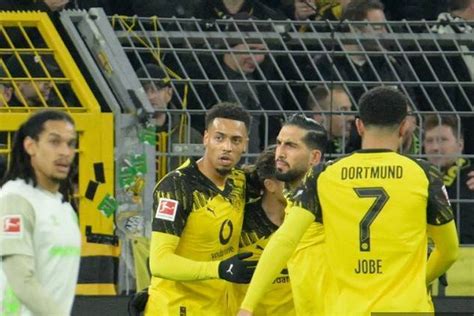
Introduction to Bundesliga Atmosphere
The Bundesliga is often celebrated as the pinnacle of fan culture in world football, and its reputation for vibrant and electric atmospheres is well-deserved. Unlike other top-tier leagues, where commercialization and a focus on TV-friendly experiences sometimes dampen the raw passion of the stands, the Bundesliga thrives on a unique blend of tradition, inclusivity, and fan-driven energy. This section delves into why the Bundesliga stands out and what makes its matchday atmospheres so distinctive.
One of the most compelling reasons for the Bundesliga's unparalleled atmosphere is its **deep-rooted fan culture**. German football clubs are often community-owned, operating under the "50+1 rule," which ensures that the majority of voting rights in a club remain with its members. This structure fosters a sense of belonging and loyalty among fans, who feel directly invested in their team's success. Unlike clubs in other leagues, where wealthy owners or corporate entities often dictate decisions, Bundesliga clubs are more accountable to their supporters. This close connection between fans and clubs creates a sense of collective identity, fueling the passionate displays seen in the stands.
Another key factor is the **affordability of tickets**. The Bundesliga is known for offering some of the most affordable matchday experiences in Europe. For instance, a standing ticket at many Bundesliga stadiums costs less than €20, making it accessible to a broad demographic, including students, families, and working-class supporters. This inclusivity contrasts sharply with leagues like the Premier League, where ticket prices can be prohibitively high for many fans. The lower cost ensures that stadiums are filled with a diverse mix of people, all united by their love for the game. This accessibility helps maintain a grassroots connection to the sport, which is often lost in more commercially driven leagues.
The **stadium design and infrastructure** in the Bundesliga also play a significant role in amplifying the atmosphere. Many Bundesliga stadiums are designed with fans in mind, featuring steep stands that bring spectators closer to the action. The **Sudkurve** (south stand) in many grounds, such as borussia dortmund's Signal Iduna Park or Bayern Munich's Allianz Arena, is a prime example of how architecture can enhance fan engagement. These stands are often home to the most vocal supporters, creating a cauldron of noise that reverberates around the stadium. Additionally, the widespread use of safe standing areas—a feature that has been phased out in many other leagues—allows for larger crowds in certain sections, further intensifying the noise levels and communal energy.
The **role of ultra groups** cannot be overlooked when discussing Bundesliga atmospheres. Ultra groups in Germany are highly organized and creative, orchestrating choreographed displays, pyrotechnics, and coordinated chants that transform matches into theatrical events. These groups often spend weeks preparing **tifos**—large banners or visual displays—that set the tone for the match. For example, the tifos at matches involving clubs like FC Köln or Eintracht Frankfurt often carry deep symbolic meaning, reflecting the club's history, local culture, or even social issues. This level of dedication is a testament to how seriously fans take their role in creating an electric environment.
Another unique aspect of the Bundesliga's atmosphere is its **focus on local identity**. Many clubs incorporate regional traditions, songs, and even dialects into their matchday rituals. For instance, the **"Schalalala" chant** of Schalke 04 or the folk-inspired songs of FC St. Pauli are deeply tied to their respective regions. This emphasis on local pride contrasts with the more globalized and homogenized fan experiences in other leagues, where commercial branding often overshadows regional uniqueness. In the Bundesliga, fans are not just spectators; they are active participants in a cultural expression that extends beyond football.
The **absence of over-commercialization** is another reason the Bundesliga stands out. While other leagues prioritize revenue generation through corporate hospitality and VIP boxes, the Bundesliga strikes a better balance between commercial interests and fan experience. For example, many Bundesliga clubs limit the number of corporate seats in their stadiums, ensuring that the majority of the crowd consists of genuine supporters rather than passive observers. This approach ensures that the energy in the stadium remains authentic and undiluted by the presence of disengaged corporate guests.
Furthermore, the **inclusive nature of German football culture** contributes significantly to the atmosphere. The Bundesliga has a reputation for being welcoming to all, regardless of age, gender, or background. Initiatives like family-friendly zones, discounted tickets for children, and campaigns against discrimination help foster an environment where everyone feels safe and included. This inclusivity contrasts with some other leagues, where certain stadiums have gained notoriety for hostile or exclusionary atmospheres. In the Bundesliga, the focus is on unity and shared enjoyment, which naturally enhances the vibrancy of the stands.
It is also worth noting the **historical and cultural context** of German football. The Bundesliga was established in 1963, at a time when football was deeply embedded in local communities. This historical foundation has shaped the league's ethos, emphasizing fan participation and collective celebration over individualistic or profit-driven motives. Even as the league has grown into a global brand, it has managed to preserve the essence of what made it special in its early days. This heritage is evident in the unwavering support seen in even the smaller clubs, such as Union Berlin or Freiburg, where the atmosphere often rivals that of larger clubs despite smaller crowds.
The **matchday rituals** in the Bundesliga also contribute to its unique atmosphere. From the pre-match **"You'll Never Walk Alone"** singalongs at Borussia Dortmund to the post-match applause exchanged between players and fans, these traditions reinforce a sense of solidarity and shared purpose. Such rituals are not mere formalities but are deeply ingrained in the Bundesliga experience, making each match feel like a communal celebration rather than a commercial event.
Lastly, the **competitive nature of the league** itself adds to the electric atmosphere. Unlike some leagues where one or two teams dominate season after season, the Bundesliga often features unpredictable results and tight title races. This competitiveness keeps fans engaged and invested, as every match feels significant. The passion of fans is further fueled by the knowledge that their support can make a tangible difference in close contests.
In summary, the Bundesliga's vibrant and electric atmospheres are the result of a combination of factors: community ownership, affordable access, fan-focused stadium design, ultra group creativity, local identity, inclusivity, historical roots, and a competitive league structure. These elements work together to create an environment where football is not just a sport but a shared cultural experience. This deep connection between the fans and the game is what sets the Bundesliga apart, making it a benchmark for how football atmospheres should be.
Historical Context of Fan Culture in Germany
The evolution of German football fan culture is deeply rooted in the country's social, political, and economic history. Unlike many other football cultures that emerged primarily as entertainment spectacles, German fan culture has always been intertwined with community identity, grassroots movements, and a strong sense of collective belonging. To understand why the Bundesliga boasts some of the most vibrant and passionate atmospheres in world football, it is essential to trace the historical roots of how German fans shaped the game beyond the pitch.
The origins of German football fan culture can be traced back to the late 19th and early 20th centuries when the sport was introduced to Germany by English expatriates and students. Early football clubs were small, localized entities often tied to specific neighborhoods or industrial workplaces. These clubs were not merely teams but extensions of the community, with fans seeing themselves as active participants rather than passive spectators. This foundational ethos of inclusivity and local pride laid the groundwork for what would later become the raucous and communal atmosphere synonymous with German stadiums.
However, the evolution of fan culture took a more defined shape in the post-World War II era. After the devastation of the war, football became a unifying force in a divided nation. In West Germany, football clubs served as symbols of resilience and rebuilding. Clubs like Bayern Munich, Borussia Dortmund, and Hamburger SV grew rapidly, not just in terms of sporting success but also as community hubs. Fans began to see their clubs as representatives of their cities and regions, often rallying around them as a form of collective identity in a time of uncertainty. This period also saw the rise of Ultra groups, which would later play a pivotal role in shaping the modern atmosphere of the Bundesliga.
The 1960s and 1970s marked a turning point with the establishment of the Bundesliga in 1963. This professional league system brought structure and visibility to German football, but it also introduced challenges. As clubs became more commercialized, there was a risk of alienating the grassroots fan base. However, German fans resisted this shift by emphasizing the importance of affordable ticket prices, accessible stadiums, and a focus on local talent. This resistance to over-commercialization is a key reason why German football atmospheres remain so distinctive today. Fans insisted on maintaining a sense of authenticity, where the matchday experience was as much about camaraderie and shared passion as it was about the game itself.
The 1980s saw the emergence of Ultra groups, which added a new dimension to fan culture. Influenced by similar movements in Italy and other parts of Europe, these groups were characterized by their organized displays of support, including choreographed chants, banners, and pyrotechnics. However, what set German Ultras apart was their strong emphasis on fan autonomy and anti-commercialism. Unlike in some other leagues where Ultras were often co-opted by club management, German Ultras maintained a fiercely independent stance. They viewed themselves as guardians of the club’s identity and were quick to protest against perceived threats like high ticket prices, corporate influence, or the mistreatment of fan interests. This activist streak within German fan culture has been a defining feature, ensuring that the atmosphere in Bundesliga stadiums remains organic and fan-driven rather than manufactured.
Another critical phase in the development of German fan culture came during the reunification of East and West Germany in 1990. The integration of East German clubs into the Bundesliga brought a new wave of fans into the fold, each with their own unique traditions and histories. Clubs like Dynamo Dresden and Union Berlin introduced a raw, unfiltered passion that contrasted with the more established fan bases in the west. Union Berlin, in particular, became a symbol of fan-driven resilience. Their supporters famously helped rebuild their stadium by hand in the early 2000s, epitomizing the DIY spirit that permeates German fan culture. This period also saw the Bundesliga solidify its reputation as a league where fan power was not just tolerated but celebrated.
The early 2000s brought new challenges as the forces of globalization and commercialization began to reshape European football. The rise of the Premier League and La Liga as global entertainment products posed a threat to the Bundesliga’s more localized ethos. However, German fans responded by doubling down on their commitment to tradition. Initiatives like “50+1” rule, which ensures that club members retain majority ownership, became a cornerstone of the Bundesliga’s identity. This rule, unique to German football, has been instrumental in preserving the fan-first atmosphere. It prevents external investors from taking full control of clubs, ensuring that decisions prioritize fan welfare over profit. This legal and cultural safeguard has allowed Bundesliga stadiums to remain bastions of affordable, inclusive, and passionate support.
Another layer of German fan culture’s evolution is its political consciousness. From the 1980s onward, many fan groups have used football as a platform to address social issues. Anti-fascist banners, solidarity with migrant communities, and campaigns against racism are common sights in Bundesliga stadiums. This political engagement is not incidental but deeply rooted in Germany’s post-war commitment to confronting its past. Fans often see their clubs as vehicles for promoting progressive values, further deepening the emotional connection between supporters and their teams.
In recent years, the Bundesliga has faced criticism for the increasing commercial pressures on clubs, such as the involvement of Red Bull in RB Leipzig. However, even in the face of such challenges, the league’s fan culture has remained resilient. For instance, the atmosphere at Borussia Dortmund’s Signal Iduna Park, with its famous Yellow Wall, or the passionate displays at Union Berlin’s Stadion An der Alten Försterei, are testaments to how deeply ingrained fan culture is in the Bundesliga.
What makes the Bundesliga’s fan culture so enduring is its adaptability. While the league has embraced modernity—stadiums are equipped with state-of-the-art facilities, and clubs have global fan bases—it has done so without losing its essence. This balance between tradition and innovation is rare in global football. For example, while many top-tier leagues have seen a decline in atmosphere due to sanitized, corporate-driven matchday experiences, the Bundesliga continues to prioritize the fan experience. Initiatives like safe standing areas, affordable season tickets, and fan-led matchday rituals ensure that the atmosphere remains vibrant and authentic.
In summary, the historical context of German fan culture reveals a story of resistance, community, and adaptability. From its humble beginnings as a localized pastime to its current status as a global benchmark for fan-driven atmospheres, German football has always been shaped by its fans. The Bundesliga’s unique atmosphere is not a product of chance but a deliberate outcome of decades of fan activism, social consciousness, and an unwavering commitment to keeping the game rooted in its community origins. This rich history explains why, even today, a Bundesliga match feels less like a corporate event and more like a celebration of collective identity.
Top Stadiums with the Best Atmosphere
The Bundesliga is globally renowned for its electrifying atmosphere, where the passion of the fans transforms football matches into unforgettable experiences. This section delves into the top stadiums that epitomize this energy, focusing on their unique characteristics and the factors that make their atmospheres stand out.
One cannot discuss Bundesliga atmospheres without starting with Signal Iduna Park, the home of Borussia Dortmund. Known as the "Yellow Wall," the stadium's South Stand is Europe's largest free-standing grandstand, accommodating over 25,000 fans. This section alone is a spectacle, with supporters standing shoulder to shoulder, chanting in unison, and waving flags that create a sea of yellow and black. The acoustics of the stadium amplify the noise, making it feel as though the crowd is a living, breathing entity. What sets Signal Iduna Park apart is the organic connection between the fans and the team. Dortmund’s supporters are known for their loyalty even during lean seasons, and this unwavering support fosters an almost symbiotic relationship between the players and the crowd. For instance, the pre-match rendition of "You'll Never Walk Alone" resonates deeply, not just as a song but as a shared mantra of solidarity. This stadium doesn’t just host games—it creates moments that linger in the memory of players and spectators alike.
Another iconic venue is the Allianz Arena, home to Bayern Munich. While it may not have the raucous, standing-only sections of Signal Iduna Park, the Allianz Arena offers a different kind of energy—one that blends modernity with tradition. The stadium’s exterior, illuminated in the team’s colors, sets the tone even before fans enter. Inside, the atmosphere is shaped by Bayern’s dominance in German football, which has created a fanbase accustomed to success. However, this does not dilute the intensity of the crowd. During high-stakes matches, such as Der Klassiker against Dortmund or Champions League fixtures, the Allianz Arena transforms into a cauldron of noise. The organized chants led by the "Schickeria München," a prominent ultra group, showcase how even a more corporate-styled stadium can deliver a pulsating atmosphere when the stakes are high. Additionally, the Allianz Arena benefits from its design—the steep seating ensures that sound travels directly onto the pitch, enveloping players in an auditory embrace that can both inspire and intimidate.

Moving beyond the two most famous venues, Mercedes-Benz Arena in Stuttgart deserves mention for its unique blend of tradition and energy. The stadium is home to VfB Stuttgart, a club with a rich history and a fanbase known for their creativity. The "Cannstatter Kurve," a standing section in the stadium, is the heart of the atmosphere. Here, fans often choreograph elaborate displays with banners and pyrotechnics that reflect both their love for the club and their regional pride. What makes this stadium special is its ability to balance a family-friendly environment with moments of raw passion, particularly during relegation battles or matches against rivals like Karlsruher SC. The intimate feel of the Mercedes-Benz Arena, despite its 60,000 capacity, ensures that even smaller crowds can generate immense energy, particularly when the team is pushing for a comeback.
The Volksparkstadion in Hamburg, home to Hamburger SV (or HSV), is another stadium where atmosphere takes center stage. Despite HSV’s recent stints in the second division, their fans have maintained an unwavering commitment to creating a vibrant matchday experience. Known for their tifo displays and non-stop chanting, the supporters in the "Nordtribüne" (North Stand) embody the resilience of a club with a proud history. One of the most striking features of the Volksparkstadion atmosphere is its unpredictability—fans can switch from celebratory euphoria to defiant support in moments of adversity. This dynamism reflects the emotional investment of HSV’s fanbase, who see their role as more than spectators; they are active participants in the club’s journey.
Another standout is Red Bull Arena in Leipzig, a relatively newer addition to the Bundesliga stadium landscape. While RB Leipzig has faced criticism for its corporate origins, the atmosphere in the Red Bull Arena has grown organically, driven by a younger, energetic fanbase. The stadium’s modern design, with its steep tiers and excellent sightlines, ensures that even smaller crowds can produce a concentrated roar. Notably, RB Leipzig’s fans have developed unique chants and traditions that blend their club’s short history with a sense of defiance against critics. Matches against traditional powerhouses like Bayern or Dortmund often see the Red Bull Arena at its loudest, as the fans rally to prove their legitimacy in the Bundesliga hierarchy.
It is also worth highlighting RheinEnergieStadion in Cologne, home to FC Köln. This stadium is famous for its carnival-like atmosphere, driven by the club’s deep ties to the city’s culture. The fans, often dressed in the club’s colors of white and red, are known for their humorous and creative chants, as well as their iconic mascot, a goat named Hennes, who is present at matches. The RheinEnergieStadion atmosphere is less about aggression and more about celebration, making it a unique experience in the Bundesliga. The pre-match festivities often include local bands and parades, turning matchdays into city-wide events that emphasize community over competition.
What ties these stadiums together is not just the volume of the crowds but the authenticity of their passion. Unlike some leagues where corporate influence can dilute fan culture, the Bundesliga prides itself on affordable ticket pricing and fan ownership models that keep the supporters at the heart of the experience. This accessibility ensures that the energy in these stadiums is genuine, driven by people who live and breathe their clubs rather than casual attendees.
Another factor contributing to the exceptional atmosphere is the standing sections, which are a hallmark of German football. Unlike many other top European leagues, the Bundesliga has preserved safe standing areas, which not only increase capacity but also enhance the communal feel of the crowd. Standing fosters a sense of unity, as fans are physically closer to one another, feeding off each other’s energy in a way that seated sections cannot replicate.
Lastly, the role of ultras and fan groups cannot be overstated. These organized groups are the lifeblood of the atmosphere, coordinating chants, displays, and even protests when necessary. For example, Dortmund’s "The Unity" and Bayern’s "Schickeria München" are not just cheerleaders—they are cultural custodians who ensure that the spirit of their clubs is preserved and projected onto the global stage.
In conclusion, the Bundesliga’s top stadiums, from the iconic Signal Iduna Park to the modern Allianz Arena and the spirited RheinEnergieStadion, offer atmospheres that are as diverse as they are intense. Each venue has its own character, shaped by the history, culture, and passion of its supporters. This variety ensures that no two matchday experiences are the same, making the Bundesliga a league where the atmosphere is not just a backdrop—it is a central protagonist in the drama of German football.
Role of Supporters' Clubs and Ultra Groups
The Bundesliga is renowned for its electric matchday atmosphere, a hallmark of German football culture. At the heart of this phenomenon are the **supporters' clubs** and **ultra groups**, which play a pivotal role in crafting experiences that are as much about passion and community as they are about the sport itself. These organized groups are not mere spectators; they are active participants in the creation of an immersive environment that distinguishes the Bundesliga from other leagues. Their influence extends beyond the stands, shaping the identity of clubs and the broader football culture in Germany.
One of the most striking features of Bundesliga supporter groups is their **high level of organization and coordination**. Unlike in many other leagues where fan engagement can be more passive, German supporter clubs are structured entities with clear leadership hierarchies, regular meetings, and well-defined goals. This organization allows them to plan and execute elaborate displays, such as **choreographed tifos, synchronized chants, and pyrotechnic shows**, which are hallmarks of Bundesliga matches. For instance, Borussia Dortmund's Yellow Wall at Signal Iduna Park is not just a stand filled with fans—it is a carefully curated spectacle where ultra groups like The Unity and Desperados coordinate massive banners, songs, and visual displays that ripple across 25,000 standing supporters. Such efforts require weeks of planning, underscoring the dedication of these groups to elevate the matchday experience.
The **ultra groups**, in particular, are the vanguard of this atmosphere. These groups are often characterized by their **ideological commitment to their clubs**, which goes beyond mere fandom. Ultras view themselves as guardians of their club's traditions and values, which can include a staunch opposition to commercialization, a focus on local identity, and a rejection of what they perceive as the "modern football" ethos of profit-driven leagues. This ideological stance often manifests in **creative and provocative displays**. For example, ultra groups at FC St. Pauli are known for their politically charged banners that address social issues, reflecting the club's left-wing, community-oriented ethos. This adds a layer of depth to the matchday experience, as fans are not just there to support a team but to participate in a broader cultural statement.
Another unique aspect of supporter groups in the Bundesliga is their **close relationship with the clubs themselves**. Unlike in some other leagues where tensions between clubs and organized fan groups can be high, German clubs often work in tandem with their supporters to ensure a vibrant atmosphere. Clubs provide logistical support, such as space for banner creation or even subsidized travel for away matches, recognizing that a strong supporter culture benefits the club's brand and appeal. This symbiotic relationship fosters a sense of mutual respect and shared purpose, which is evident in the seamless integration of supporter-led initiatives into matchday proceedings. For example, RB Leipzig, despite its controversial origins as a Red Bull-backed club, has seen its supporter groups like Rasenballisten work to create an atmosphere that feels authentic and rooted in local pride rather than corporate sponsorship.
The **impact of ultra and supporter groups on matchday energy** is perhaps most evident in the **non-stop singing and chanting** that defines Bundesliga games. Unlike in some other leagues where crowd noise can ebb and flow with the action on the pitch, Bundesliga stadiums are often filled with a relentless wall of sound. This is not spontaneous but meticulously planned by ultra groups, who distribute song sheets, rehearse chants, and even use megaphones or drummers to maintain rhythm and energy. For instance, at Bayern Munich's Allianz Arena, groups like the Schickeria München ensure that chants are diverse and inclusive, ranging from traditional songs about the club's history to more contemporary taunts aimed at rivals. This creates an environment where even neutral fans or first-time attendees feel compelled to join in, amplifying the collective energy of the stadium.
Beyond the audible and visual elements, these groups also contribute to the **sense of belonging and community** that is central to the Bundesliga experience. Supporter clubs often serve as social hubs, organizing events outside of matchdays such as charity drives, fan festivals, and even protests against issues like rising ticket prices or perceived mismanagement by club boards. This community-building aspect ensures that the matchday experience is not isolated to 90 minutes of football but extends into a broader cultural phenomenon. For instance, when Hertha BSC faced financial troubles in recent years, their ultra group Harlekins Berlin played a significant role in rallying support, organizing demonstrations, and keeping the fanbase engaged despite on-field struggles. This demonstrates how these groups act as a stabilizing force for clubs during challenging times.
However, it is important to acknowledge the **challenges and controversies** associated with ultra groups. While their passion is undeniable, some groups have been criticized for **excessive use of pyrotechnics**, clashes with rival fans, or occasional political extremism. These issues can sometimes overshadow their positive contributions. Yet, it is precisely because of their organized nature that many clubs and leagues can engage in dialogue with these groups to address concerns while preserving the essence of their support. For example, Bundesliga clubs have worked with supporter representatives to implement safer pyrotechnic practices or mediate disputes between rival fan groups, showing that even contentious aspects of ultra culture can be managed constructively.
The **global appeal of the Bundesliga's atmosphere** can also be attributed to the inclusivity fostered by these supporter groups. Unlike in some leagues where matchday experiences can feel exclusionary or commercialized, German supporter clubs prioritize accessibility. Ticket prices in the Bundesliga are relatively affordable, and ultra groups often emphasize that their sections are open to anyone willing to participate actively in the atmosphere. This inclusivity ensures that the vibrant energy of the stands is not limited to a privileged few but is a collective effort that welcomes diverse participants. For example, the atmosphere at Union Berlin's Stadion An der Alten Försterei, driven by their ultra group Wuhlesyndikat, is known for its grassroots, community-first approach, where even visiting fans often comment on the warmth and authenticity of the experience.
In conclusion, the role of **supporter clubs and ultra groups** in shaping the Bundesliga's matchday atmosphere is both profound and multifaceted. They are not just cheerleaders but **architects of an experience** that blends tradition, creativity, and community. Their organizational prowess, ideological depth, and close ties with clubs ensure that Bundesliga matches are not just sporting events but cultural spectacles. While challenges exist, the overarching impact of these groups is overwhelmingly positive, making the Bundesliga a league where the supporters are as much a part of the story as the players on the pitch. This deep engagement between fans and their clubs is a testament to the unique football culture in Germany, where the atmosphere is not a byproduct of the game but a central element of its identity.
Iconic Moments That Defined Atmosphere
The Bundesliga is renowned for its electrifying atmosphere, where fans play an integral role in shaping the energy and drama of matches. This section delves into some of the most iconic moments in Bundesliga history where the atmosphere was not just a backdrop but a central character in the narrative of the game. These moments showcase how the symbiotic relationship between fans and players can elevate matches into unforgettable experiences.
One of the most vivid examples of atmosphere defining a match occurred during the 2001 title-deciding game between Bayern Munich and Hamburg SV. Bayern needed a win to secure the title, and the atmosphere at the Olympiastadion was charged with anticipation. Fans created a cacophony of chants, drumbeats, and synchronized cheers that echoed the team's desperation for victory. When Patrik Andersson scored a last-minute free-kick goal to clinch the championship, the eruption of joy from the stands was seismic. This moment is often cited as a testament to how the collective will of fans can seemingly push players to achieve the improbable. The atmosphere here was not merely celebratory; it was an active participant in Bayern's triumph, as the players later acknowledged the crowd's energy as a psychological boost during their tense final minutes.
Another unforgettable instance of atmosphere shaping the experience was during the Revierderby between Borussia Dortmund and Schalke 04 in 2017. The Signal Iduna Park, home to Dortmund's famed Yellow Wall—a 25,000-strong standing section—was at its most vociferous. This match was particularly intense because Schalke, Dortmund's bitter rivals, were in excellent form. The Yellow Wall, known for its tifos, chants, and sheer volume, set the tone even before kickoff. As Dortmund took an early lead, the stadium seemed to vibrate with the collective roar of the fans. However, what made this atmosphere stand out was how it responded to adversity. When Schalke equalized in the second half, rather than dampening the mood, the crowd redoubled their efforts, urging Dortmund forward. The players fed off this energy, and the eventual 4-4 draw—dubbed the mother of all derbies—was as much a product of the fans' unrelenting support as it was of the players' resilience. This match underscored how atmosphere can act as a psychological anchor for players, especially in high-stakes, emotionally charged games.
The 2012 relegation battle between Hertha BSC and Fortuna Düsseldorf offers a different but equally compelling example of atmosphere's impact. This match, played at Berlin's Olympiastadion, was a tense affair as Hertha fought to avoid relegation. The home crowd, despite their team's struggles, created an atmosphere of defiance rather than despair. Chants of "Nur nach vorn" (only forward) reverberated throughout the stadium, even as the game teetered on the edge of chaos—there were pitch invasions and flare-ups in the stands. While the match itself ended in a draw that sealed Hertha's relegation, the atmosphere was a stark reminder of how fans can rally around a team even in defeat. This moment highlighted the duality of atmosphere: while it often fuels victory, it can also serve as a source of solace and solidarity in moments of loss.
A more recent example is the 2019 match between RB Leipzig and Bayern Munich, which took place in Leipzig's Red Bull Arena. Leipzig, a relatively new club often criticized for its corporate origins, has faced hostility from traditionalist fans across the league. However, in this match, the home crowd was determined to prove their legitimacy. The atmosphere was electric, with fans creating elaborate tifos and synchronized chants that conveyed both defiance and pride. When Leipzig took an early lead, the stadium's energy was palpable, almost as if the fans were daring Bayern to respond. Although Bayern eventually won 1-0, the match is remembered for how Leipzig's supporters transformed their stadium into a fortress of passion. This moment demonstrated how atmosphere can serve as a statement of identity, particularly for clubs navigating complex reputations within the league.
The 2007 "Miracle of the Betzenberg" is another instance where atmosphere played a decisive role. Kaiserslautern, facing relegation, hosted Bayern Munich in a must-win game at their Fritz-Walter-Stadion. Known for its steep stands and intimate setting, the stadium was a cauldron of noise that day. Fans, aware of the stakes, turned up in droves, creating an almost suffocating pressure for the visiting team. Kaiserslautern's players, buoyed by this support, delivered a stunning 2-0 victory over the reigning champions. The atmosphere here was not just about volume but about the emotional intensity that fans brought into the stadium. Players later described how the crowd's unwavering belief gave them the confidence to execute their game plan under immense pressure. This match is a prime example of how atmosphere can act as a psychological equalizer, allowing smaller clubs to punch above their weight against giants like Bayern.
Beyond individual matches, the 2020 COVID-19 pandemic provided a unique contrast that emphasized the importance of atmosphere. During the period of Geisterspiele (ghost games), where matches were played without fans, the absence of atmosphere was starkly felt. Matches like Borussia Mönchengladbach vs. Bayer Leverkusen, played in eerily silent stadiums, felt hollow despite the quality of play on the field. This period served as a reminder of how integral fans are to the Bundesliga experience. When fans eventually returned, moments like Dortmund's first post-lockdown home game against Schalke showcased the rejuvenating power of atmosphere. The reduced-capacity crowd still managed to create a wall of sound that underscored how much the players and the league had missed this vital element of the game.
What ties these moments together is the idea that atmosphere in the Bundesliga is not passive; it is a dynamic force that shapes outcomes, inspires players, and defines the emotional landscape of matches. Whether it is the roar of Dortmund's Yellow Wall, the defiance of Hertha's supporters in defeat, or the collective defiance of Leipzig's fans against traditionalist criticism, these moments illustrate how atmosphere is woven into the fabric of Bundesliga football. It is not just about noise but about the shared emotional journey that fans and players undertake together.

- The 2001 Bayern Munich title win highlighted how atmosphere can directly influence on-field results.
- The 2017 Revierderby showed how fans can sustain energy even in the face of setbacks.
- The 2012 Hertha BSC relegation match demonstrated atmosphere as a source of solidarity in adversity.
- RB Leipzig's 2019 match against Bayern showcased atmosphere as a tool for identity assertion.
- The 2007 Kaiserslautern victory over Bayern proved how smaller stadiums can amplify fan impact.
- The post-pandemic return of fans emphasized how atmosphere is irreplaceable in the Bundesliga experience.
In summary, these iconic moments illustrate how the Bundesliga's atmosphere is not just a feature of the league but a cornerstone of its identity. The interplay between fans and players in these instances reveals how atmosphere can elevate football from a sport to a collective emotional experience, making the Bundesliga a league like no other.
Comparison with Other Football Leagues
The atmosphere in football stadiums is a critical element that defines the fan experience and contributes to the identity of a league. While all major football leagues have their unique characteristics, the Bundesliga stands out for its unparalleled vibrancy, inclusivity, and fan-driven culture. To understand what makes the Bundesliga's atmosphere so distinctive, it is essential to contrast it with the Premier League, La Liga, and Serie A—three of Europe's other prominent leagues.
The Premier League is often considered the most-watched and commercially successful football league in the world. Its stadiums are regularly filled, and the global appeal of English football ensures a diverse audience. However, the atmosphere in Premier League matches often leans toward the corporate. High ticket prices and the increasing presence of "tourist fans" have diluted the traditional fan culture in many stadiums. For instance, chants and songs are still a hallmark of Premier League games, but the noise levels and fan engagement are not as consistently high across all clubs. Matches at Anfield or St. James' Park can offer spine-tingling moments, particularly during iconic fixtures like the Merseyside derby or a clash against Manchester United. Yet, many mid-table or lower-tier clubs in the Premier League struggle to maintain the same level of intensity in their stands. This contrasts with the Bundesliga, where even smaller clubs like Union Berlin or Freiburg boast atmospheres that are organic, loud, and deeply rooted in local fan traditions. The Bundesliga's 50+1 rule, which ensures that fans retain majority ownership of their clubs, plays a significant role in fostering this connection.
In La Liga, the atmosphere can vary drastically depending on the club. Clubs like Barcelona and Real Madrid have world-famous stadiums—Camp Nou and Santiago Bernabéu—that host some of the most iconic matches in football history. However, the atmosphere in these venues often suffers from a sense of expectation rather than raw passion. Large sections of the crowd are more subdued, partly due to the prevalence of tourists and VIP ticket holders who are less invested in creating a raucous environment. Smaller La Liga clubs, such as Athletic Bilbao or Sevilla, do offer vibrant atmospheres, particularly during regional derbies. Yet, the overall fan culture in La Liga is less uniform compared to the Bundesliga. One reason for this is the centralized nature of Spanish football, where power is concentrated among the "big two" clubs. This has led to a fan culture that is more focused on global branding than local community engagement. In the Bundesliga, even in matches without high-stakes implications, fans are deeply engaged, often creating tifos, choreographies, and non-stop singing that reflect a sense of ownership and pride in their clubs.
The Serie A atmosphere is perhaps the closest to the Bundesliga in terms of its potential for passion. Italian football has a rich history of ultra groups that bring color, noise, and intensity to matches. Stadio San Paolo (now Diego Armando Maradona Stadium) in Naples or the Curva Sud at the San Siro are examples of stands where fans create an almost theatrical display of support. However, Serie A's atmosphere is often marred by negative elements such as hooliganism, political undertones, and a reputation for hostility. Some ultra groups have been associated with violence or discriminatory chants, which can overshadow the positive aspects of fan culture. In contrast, the Bundesliga manages to maintain a largely positive and inclusive atmosphere. While there are occasional incidents of misconduct, German football authorities and clubs work proactively to address these issues, emphasizing anti-discrimination campaigns and fan education. The Bundesliga's focus on family-friendly environments and affordable ticket pricing ensures that matches are accessible to a broad demographic, including younger fans and families. This inclusivity enhances the overall atmosphere, as it is not driven solely by ultra-groups but by a collective fan base that values community and celebration.
Another key differentiator is the role of stadium design and acoustics. Bundesliga stadiums are often praised for their modern yet fan-focused designs. Many grounds, such as the Signal Iduna Park (home to Borussia Dortmund), are built to amplify crowd noise. The Yellow Wall—a 25,000-capacity standing section—is a symbol of how stadium architecture can enhance the atmosphere. In contrast, while Premier League stadiums like Old Trafford and the Etihad are impressive in size and facilities, many were not designed with acoustics as a primary consideration. Similarly, La Liga and Serie A stadiums often include older venues with open designs that dissipate sound rather than concentrate it. The Bundesliga's emphasis on standing sections—permitted in Germany but largely phased out in other leagues for safety reasons—also contributes to a more dynamic and energetic atmosphere. Standing fans are more likely to chant, jump, and engage physically with the game, creating a wall of sound that is hard to replicate in seated-only stadiums.
The pricing structure of tickets is another area where the Bundesliga outshines its counterparts. The average cost of attending a Bundesliga match is significantly lower than in the Premier League, where ticket prices can be prohibitively high for many local fans. This affordability ensures that German stadiums are filled with passionate, local supporters rather than corporate guests or casual viewers. In La Liga and Serie A, while ticket prices are generally lower than in the Premier League, the distribution of wealth among clubs means that smaller teams often struggle to fill their stadiums, leading to a less consistent atmosphere across the league. The Bundesliga's affordability and fan-first approach create a more egalitarian environment where the focus is on the game and the collective experience rather than profit maximization.
The cultural emphasis on fan rituals is another area where the Bundesliga shines. German fans are known for their creativity in crafting unique chants, banners, and tifos that reflect local culture and club history. For example, Dortmund fans often display massive tifos that tell stories of their club's journey, while RB Leipzig fans (despite the controversy surrounding their club's ownership model) have developed their own identity through innovative displays. In Serie A, while ultra groups are known for their elaborate displays, these are often tied to political or regional ideologies, which can alienate neutral fans. In the Premier League, while there are iconic chants and traditions, the emphasis on global appeal sometimes reduces the spontaneity and local flavor of fan rituals. The Bundesliga strikes a balance by maintaining a strong connection to its roots while also welcoming new ideas and expressions from its fan base.
Finally, the community-driven ethos of the Bundesliga sets it apart. German clubs often engage in initiatives that involve their local communities, such as charity events, youth programs, and open training sessions. This fosters a sense of belonging among fans, who feel that their support extends beyond match days. In the Premier League, the focus on commercial success can sometimes alienate local fans who feel priced out or disconnected from their clubs. In La Liga and Serie A, while there are community-focused clubs, the centralized power structures and financial disparities often mean that smaller clubs struggle to maintain the same level of engagement as their Bundesliga counterparts.
In summary, while each league has its moments of brilliance in terms of atmosphere, the Bundesliga offers a more consistent, inclusive, and fan-driven experience. Its combination of affordable pricing, modern stadiums, community-focused club management, and a vibrant fan culture rooted in local identity creates an atmosphere that is both electric and authentic. This uniqueness is not just about volume or passion—it is about a holistic approach to football that prioritizes the fans as the lifeblood of the sport.
The Impact of Atmosphere on Player Performance
The atmosphere in a football stadium is often described as the "12th man" on the pitch, and in the Bundesliga, this phenomenon is particularly pronounced. The league is renowned for its vibrant, passionate crowds that create an electric energy capable of influencing not just the mood of the game but also the performance of the players. This section delves into how the unique atmosphere in Bundesliga stadiums impacts player motivation and, ultimately, game outcomes.
One of the most striking features of the Bundesliga atmosphere is the sheer volume and consistency of crowd engagement. Unlike some leagues where crowd energy fluctuates based on the scoreline, Bundesliga fans are known to sing, chant, and create a spectacle regardless of their team's position in the match. This unwavering support can have a profound psychological effect on players. For instance, studies in sports psychology suggest that positive crowd energy can reduce perceived exertion for athletes. When players feel buoyed by the crowd, they are more likely to push through physical fatigue, take risks in play, and maintain higher levels of focus during critical moments of the game. This is particularly evident in matches where home teams are trailing but manage to mount comebacks fueled by the crowd's refusal to let the energy dip.
The concept of social facilitation is highly relevant here. This psychological theory posits that individuals perform better on simple or well-learned tasks when observed by others. In the context of football, players executing routine skills—like passing, dribbling, or even shooting—can experience an unconscious boost in confidence and precision when surrounded by a roaring crowd. A clear example of this is seen in matches at Signal Iduna Park, home to Borussia Dortmund. The "Yellow Wall," a stand comprising over 25,000 standing fans, creates a wall of sound that can be both intimidating for opponents and empowering for Dortmund players. This environment often leads to Dortmund outperforming expectations in high-pressure situations, as players feel a heightened sense of accountability to meet the crowd's energy with their own effort.
However, the impact of atmosphere is not solely positive; it can also create psychological pressure that affects performance. For visiting teams, the hostile energy of a packed Bundesliga stadium can lead to what is known as "away team anxiety." Players unaccustomed to such intense environments may struggle with decision-making under pressure. A study conducted on player performance in high-decibel settings found that visiting teams are more prone to unforced errors, such as misplaced passes or mistimed tackles, when subjected to relentless crowd noise. This phenomenon is particularly noticeable in stadiums like Bayern Munich's Allianz Arena or RB Leipzig's Red Bull Arena, where the acoustics are designed to amplify crowd sounds. In these settings, even seasoned professionals can falter, as the atmosphere disrupts their usual rhythm and focus.
The influence of atmosphere extends beyond individual player performance to affect team dynamics and strategies. Home teams often adapt their style of play to harness the energy of the crowd. For example, teams with a strong fan base might prioritize high-pressing tactics or aggressive attacking play to sustain the crowd's enthusiasm. This dynamic is evident in matches involving clubs like Union Berlin or FC Köln, where the fans' passion for high-energy football often aligns with the team's tactical approach. Conversely, visiting teams might adopt more conservative strategies to mitigate the crowd's impact, such as playing a low defensive block or slowing down the tempo of the game. These strategic shifts demonstrate how the atmosphere indirectly shapes the flow and outcome of matches.
Game outcomes are also influenced by how the atmosphere affects referee decision-making. Research has shown that referees, being human, are not immune to the influence of crowd noise. In highly charged environments, referees are statistically more likely to award decisions in favor of the home team, such as penalties or free kicks in contentious situations. This "home bias" can tilt the balance of a closely fought match. For instance, in tight contests where a single goal can decide the result, the crowd's vocal protests or celebrations might subconsciously nudge a referee toward favoring the home side. While this is not a deliberate act, it underscores how the atmosphere can have tangible effects on the game's outcome beyond just player performance.
Another layer to consider is the emotional contagion that occurs within teams due to crowd energy. Players are highly attuned to the emotional states of their teammates, and a charged atmosphere can create a feedback loop of positivity or negativity. When a home crowd roars after a goal or a critical defensive play, it can galvanize the entire team to maintain momentum. On the other hand, when the atmosphere turns tense—such as after a series of missed opportunities—it can lead to a drop in team morale. This dynamic is particularly evident in relegation battles or high-stakes matches, where the emotional stakes are amplified by the crowd's palpable reactions.
It is also worth noting how the Bundesliga's atmosphere differs from other leagues in its cultural emphasis on fan involvement. The league's "50+1 rule," which ensures that fans retain majority ownership of their clubs, fosters a unique bond between supporters and players. This connection often translates into a more personal motivation for players to perform well. Knowing that the fans are not just spectators but stakeholders in the club can inspire players to view their efforts as a direct contribution to the community. This sense of purpose can lead to more consistent performances, particularly in matches where the result holds significant emotional weight for the fans.
To quantify the impact of atmosphere on game outcomes, one can look at home-field advantage statistics in the Bundesliga. Historically, home teams in the league have a higher win percentage compared to many other top European leagues. While factors like travel fatigue and familiarity with the pitch play a role, the atmosphere is a key differentiator. Teams with the most vocal and engaged fan bases—such as Borussia Dortmund, FC Bayern Munich, and Schalke 04—consistently post better home records. This correlation suggests that the energy of the crowd is not merely a backdrop but an active contributor to success.
In conclusion, the atmosphere in Bundesliga stadiums is far more than a spectacle for viewers; it is a force that shapes player motivation, team strategies, and even referee decisions. The energy of the crowd can inspire home teams to exceed their potential while simultaneously creating a challenging environment for visitors. This interplay of psychology, strategy, and emotion highlights why the Bundesliga is often hailed as having some of the best atmospheres in world football. For players, the roar of the crowd is not just noise—it is a dynamic element of the game that can elevate their performance or test their resilience in equal measure.
Challenges to Maintaining Atmosphere
The Bundesliga is often celebrated for having some of the most electric and passionate atmospheres in world football. From the famous Yellow Wall at Borussia Dortmund's Signal Iduna Park to the raucous chants of Bayern Munich supporters, the league thrives on the energy generated by its fans. However, maintaining this unique atmosphere is not without its challenges. Several factors, including commercialization, modern stadium designs, and fan restrictions, pose significant threats to the organic vibrancy that defines German football culture.
One of the most pressing challenges is the growing influence of commercialization in football. As clubs seek to maximize revenue, there is a growing emphasis on catering to corporate sponsors and VIP audiences. This often manifests in the creation of exclusive lounges, luxury boxes, and hospitality areas that are far removed from the traditional standing terraces where the most passionate fans congregate. While these facilities are lucrative for clubs, they can dilute the communal energy of a matchday. For instance, when sections of a stadium are reserved for high-paying corporate guests who may not actively participate in chants or songs, it creates "dead zones" in the crowd. These areas lack the vocal intensity and engagement that help sustain the overall atmosphere. Furthermore, clubs may prioritize branding opportunities over fan experience—replacing locally resonant traditions with more generic, marketable elements. For example, curated light shows or pre-recorded music can sometimes overshadow organic fan-led initiatives like coordinated chants or tifo displays.
Another area of concern is the impact of modern stadium designs. While new stadiums are often built with enhanced amenities, safety standards, and accessibility in mind, they can inadvertently undermine the atmosphere. Many modern venues prioritize comfort and sightlines over the rawness of older, more intimate grounds. For instance, all-seater stadiums, mandated for safety reasons following tragedies like Hillsborough, have replaced terraces in many Bundesliga venues. While this has improved safety and inclusivity, it has also reduced the density of fans in key areas, which is a critical factor in generating the intense sound and energy associated with Bundesliga matches. Older stadiums like Hamburg’s Volksparkstadion or Cologne’s Müngersdorfer Stadion were designed with terracing that allowed for a higher concentration of supporters in smaller spaces, amplifying their voices. In contrast, newer venues often have wider aisles, more spacious seating arrangements, and larger concourses—features that distribute fans more thinly and can dampen the collective roar of the crowd.
Additionally, the push for larger capacities in modern stadiums can sometimes backfire. A bigger stadium does not always equate to a better atmosphere. When the focus is on sheer numbers rather than fan proximity to the pitch, the emotional connection between players and supporters can weaken. The further fans are seated from the action, the less engaged they may feel. This is particularly evident in newly constructed arenas where upper-tier seats are positioned far from the field. The result is a more passive viewing experience that contrasts sharply with the closeness and intensity of older venues like Dortmund's Westfalenstadion, where the proximity of the Yellow Wall to the pitch creates a visceral connection between players and fans.
Fan restrictions also present a significant challenge to maintaining the Bundesliga's vibrant atmosphere. In recent years, security measures and regulatory changes have increasingly limited the freedom of supporters. For example, stricter controls on pyrotechnics—a staple of ultra-group displays—have led to clashes between fans and authorities. While safety is a legitimate concern, overly punitive measures can alienate the very supporters who are responsible for creating the atmosphere. When ultras or organized fan groups feel marginalized or unfairly targeted, they may withdraw their energy and participation. This has been seen in instances where fan groups have staged walkouts or silent protests to voice their dissatisfaction with club policies or league-imposed restrictions. Such actions not only disrupt the matchday experience but also highlight the delicate balance clubs must strike between enforcing rules and preserving fan culture.

Additionally, the rise of digital engagement and streaming options has subtly altered the way fans interact with the game. While streaming revenue is a boon for clubs, it has also created a scenario where some supporters opt to watch matches from home rather than attend in person. The convenience of high-definition broadcasts, coupled with the rising cost of tickets, can discourage regular attendance. This trend risks eroding the in-stadium energy that is so integral to the Bundesliga's identity. If stadiums begin to feel less full or less lively, it could trigger a negative feedback loop where even passionate fans are less inclined to attend because the atmosphere no longer feels as compelling.
Another nuanced threat comes from the globalization of the Bundesliga audience. While international fans bring new revenue streams and global visibility, they can sometimes lack the deep-rooted emotional connection to a club that local supporters possess. Tourists or casual fans attending matches may not participate in chants, songs, or rituals with the same fervor as longtime season-ticket holders. This can create an atmosphere that feels more muted or fragmented, particularly in high-profile matches that attract a significant number of international visitors. Clubs must therefore find ways to educate and engage these newer audiences without alienating their core supporter base.
Addressing these challenges requires a proactive approach from clubs, leagues, and even fans themselves. For instance, clubs could designate specific sections of the stadium as "atmosphere zones" where standing terraces, affordable ticket pricing, and fan-led initiatives are prioritized. This model has been successfully implemented in some Bundesliga stadiums, such as Union Berlin’s An der Alten Försterei, where the club has maintained a strong connection to its supporter culture despite modernization pressures. Similarly, clubs can work closely with ultra groups to establish clear communication channels and find compromises on issues like pyrotechnics or security protocols. This collaborative approach ensures that safety measures do not come at the expense of fan passion.
Furthermore, clubs can leverage technology to enhance rather than undermine the atmosphere. For example, apps or social media platforms can be used to coordinate chants, share matchday traditions, or even provide real-time feedback on fan engagement. By integrating modern tools while respecting the grassroots nature of supporter culture, clubs can strike a balance between innovation and tradition.
In conclusion, the challenges to maintaining the Bundesliga's unparalleled atmosphere are multifaceted and require careful navigation. Commercialization, modern stadium designs, and fan restrictions each pose distinct threats, but they are not insurmountable. By prioritizing fan experience over profit, preserving the physical and emotional closeness between supporters and players, and fostering open dialogue with supporter groups, the Bundesliga can continue to uphold its reputation as a league where atmosphere is not just a feature—it is the heartbeat of the game.
How to Experience the Atmosphere as a Visitor
Experiencing the atmosphere of a Bundesliga match is a bucket-list item for many football fans and tourists. The league is renowned for its passionate crowds, vibrant chants, and electric energy that fills stadiums from Munich to Dortmund. However, simply attending a match is not enough to fully immerse yourself in the experience. To truly absorb the essence of Bundesliga's atmosphere, you need to prepare, participate, and engage in ways that go beyond being a passive observer. Here’s a detailed guide on how to make the most of your visit.
The first step to experiencing the Bundesliga atmosphere as a visitor is **choosing the right match and stadium**. While every Bundesliga venue has its unique charm, certain stadiums are synonymous with legendary atmospheres. For instance, Signal Iduna Park in Dortmund is famous for its "Yellow Wall," a towering stand of 25,000 standing fans who create a sea of noise and color. Similarly, Allianz Arena in Munich offers a visually stunning experience with its illuminated exterior and the fervor of Bayern Munich's supporters. Research the teams and their fan culture before booking your ticket. Smaller clubs like Union Berlin or Freiburg may not have the global prestige of Bayern or Dortmund, but their intimate stadiums and die-hard local support offer an equally immersive experience.
Once you’ve selected your match, **securing the right tickets is crucial**. To fully immerse in the atmosphere, aim for tickets in the **active supporter sections** rather than the more sedate seating areas. These sections, often located behind the goals, are where the most passionate fans congregate. Be prepared for standing, chanting, and possibly some light-hearted banter with locals. However, keep in mind that these areas often have strict rules about standing and participating in chants, so familiarize yourself with the club’s supporter etiquette. Websites like the official Bundesliga ticket portal or third-party platforms can help you find seats in these zones.
**Arrive early to soak in the pre-match rituals.** Bundesliga matchdays are not just about the 90 minutes of play; they are full-day events. Arriving at the stadium a few hours before kickoff allows you to experience the build-up. Many fans gather at local pubs or fan zones near the stadium to sing songs, share stories, and enjoy a pre-match beer. For example, in Dortmund, the area around Borsigplatz is a hub of fan activity, while in Munich, the beer gardens near the Allianz Arena are perfect for mingling with supporters. This is also a great opportunity to observe or even join in the singing of club anthems, which are often rooted in local traditions and history. Learning a few key chants or songs beforehand can help you feel more connected to the crowd.
When you enter the stadium, **pay attention to the visual and auditory cues that define the Bundesliga experience**. German football is known for its tifos—large, coordinated displays of banners, flags, and sometimes pyrotechnics—that fans unveil before kickoff. These displays are often deeply symbolic, reflecting the club’s identity, history, or current rivalries. Take time to admire these efforts, as they are a testament to the creativity and dedication of the fans. Similarly, listen to the rhythmic drumbeats and coordinated chants led by capos (fan leaders) in the supporter sections. These chants are not random; they often have specific meanings tied to the team’s performance or the opposition. While you may not understand every word if you’re not fluent in German, the energy is universal and contagious.
During the match, **engage actively rather than passively**. The Bundesliga atmosphere thrives on collective participation. Don’t be shy about joining in the chants, clapping along, or even starting a wave if the moment feels right. While it might feel intimidating at first, especially if you’re unfamiliar with the language, most fans are welcoming to tourists who show enthusiasm. A simple way to participate is by learning the club’s main chant or anthem—these are often repeated throughout the match and are easy to pick up. Additionally, observe how the crowd reacts to key moments, such as a goal, a near miss, or a referee's controversial decision. These reactions are part of the communal experience and can teach you a lot about the emotional investment of Bundesliga fans.
Another way to enhance your experience is by **embracing local food and drink traditions**. German football stadiums are known for offering a range of culinary delights beyond the standard hot dogs and chips found in other leagues. From Bratwurst to Currywurst, and even regional specialties like Weisswurst in Bavaria, the food is an integral part of the matchday experience. Pair this with a local beer (if available) to fully embrace the culture. However, be mindful of stadium rules about alcohol consumption and always drink responsibly. Sharing a meal or drink with fellow fans can also be a great way to strike up conversations and learn more about the club’s history and fanbase.
For those looking to go a step further, consider **immersing yourself in the local fan culture before matchday**. Many Bundesliga clubs have fan shops, museums, or walking tours that provide insights into the team’s history and its connection to the city. For instance, Dortmund’s club museum offers a deep dive into the team’s working-class roots, while Bayern Munich’s Allianz Arena tour showcases the club’s modern success story. Participating in these activities can give you a richer understanding of what the fans are cheering for and why certain moments in the match carry emotional weight.
Finally, **respect the culture and traditions of the home team**. While the Bundesliga is welcoming to visitors, it’s important to remember that you are a guest in a space that holds deep meaning for local supporters. Avoid wearing the colors of rival teams, especially in high-tension matches, and be cautious about making overly critical comments about the home team. At the same time, don’t hesitate to show appreciation for great plays, even if they come from the opposition—this is often seen as a sign of good sportsmanship. If you’re unsure about certain behaviors, observing the locals can provide valuable cues.
To summarize, experiencing the Bundesliga atmosphere as a visitor involves more than just showing up. It requires research, participation, and a willingness to immerse yourself in the culture of the club and its fans. By choosing the right match, engaging with pre-match rituals, actively participating during the game, and respecting local traditions, you can turn a simple football outing into a deeply memorable cultural experience. Whether you’re chanting with the Yellow Wall in Dortmund or savoring a Bavarian pretzel in Munich, the Bundesliga offers an atmosphere like no other—one that deserves to be experienced to its fullest.
Conclusion: The Legacy of Bundesliga Atmosphere
The Bundesliga is not just a football league; it is a cultural phenomenon that has captivated fans worldwide. At its core lies an atmosphere so electric, so immersive, that it has become synonymous with the league itself. This atmosphere is more than just noise or spectacle—it is the embodiment of community, tradition, and passion. To understand why the Bundesliga atmosphere is a cornerstone of its global appeal, one must delve into its roots, its impact on the sport, and the mechanisms by which it can be preserved for future generations.
One of the most striking aspects of the Bundesliga atmosphere is its **authenticity**. Unlike many other top-tier football leagues, where corporate interests often dominate the in-stadium experience, Bundesliga matches are characterized by a grassroots, fan-driven ethos. The **50+1 rule**, which ensures that club members retain majority ownership, plays a pivotal role in this. This rule prevents external investors from taking complete control of clubs, thereby preserving a sense of identity and connection between the fans and their teams. The result is an environment where chants, tifos, and traditions are not manufactured for television but are organically created by the people who live and breathe the club. This authenticity resonates with global audiences who crave a genuine experience in an increasingly commercialized sporting world.
The **role of ultra groups** in cultivating this atmosphere cannot be overstated. These organized groups of supporters are the heartbeat of the Bundesliga’s matchday experience. Through their elaborate choreographies, relentless chanting, and unwavering support, they create an energy that is palpable even to those watching from afar. Take, for instance, Borussia Dortmund’s **Yellow Wall** at Signal Iduna Park—a standing terrace that accommodates nearly 25,000 fans. This section of the stadium is not merely a place to watch football; it is a symbol of collective identity and solidarity. The ultra groups’ dedication to their craft—often spending weeks preparing displays and coordinating chants—shows how deeply embedded the culture of atmosphere is within the league. However, this also raises questions about how such intensity can be balanced with inclusivity and accessibility to ensure that the atmosphere remains welcoming to all fans, not just the most fervent.
Another key factor is the Bundesliga’s **affordability and accessibility**. Ticket prices in the league are notably lower than those in other major European leagues like the Premier League or La Liga. This affordability ensures that a diverse range of people—students, families, and working-class fans—can attend matches regularly. The democratization of access means that the stands are filled with a broad cross-section of society, contributing to a more vibrant and inclusive atmosphere. When fans from all walks of life can participate, the energy in the stadium becomes a microcosm of the league’s broader appeal. Preserving this affordability is critical, as rising costs could alienate the very people who contribute most to the atmosphere.
The **emphasis on tradition** also sets the Bundesliga apart. Many clubs have deep historical ties to their local communities, and this is reflected in the rituals and symbols that define matchdays. For example, FC St. Pauli’s left-wing, socially conscious fan culture or FC Köln’s billy goat mascot, Hennes, are not mere marketing tools but integral parts of the clubs’ identities. These traditions create a sense of continuity and belonging that fans can rally around. In an era where global football is increasingly homogenized, the Bundesliga’s commitment to its roots is a refreshing counterpoint. However, this tradition must be actively nurtured. Clubs must resist the temptation to prioritize global branding over local connection, as losing this link could erode the very essence of what makes the Bundesliga special.
The global appeal of the Bundesliga atmosphere also stems from its **visibility and storytelling**. Broadcasters and content creators have played a significant role in showcasing the league’s unique matchday experience to international audiences. Slow-motion shots of roaring crowds, close-ups of emotional fans, and detailed coverage of ultra displays help convey the intensity of the atmosphere to those who may never set foot in a Bundesliga stadium. This storytelling not only enhances the league’s reputation but also serves as a form of soft power, drawing new fans into the fold. To sustain this appeal, the league and its clubs must continue to innovate in how they present their atmosphere—whether through immersive VR experiences, behind-the-scenes documentaries, or interactive fan engagement platforms.
However, the preservation of the Bundesliga atmosphere is not without its challenges. **Commercial pressures** are growing as the league seeks to compete with the financial might of the Premier League and other rivals. There is a risk that increased merchandising, sponsorship deals, and stadium modernization could dilute the organic fan culture that underpins the atmosphere. For instance, the introduction of more seating in traditionally standing areas or the over-policing of ultra groups could stifle the very energy that makes the Bundesliga unique. To counter this, league officials and club executives must adopt a **balanced approach**—one that embraces modernization without sacrificing the soul of the experience. This could involve designating certain areas of stadiums as "fan zones" where traditional standing and chanting are prioritized, while other sections cater to more casual or corporate spectators.
Additionally, **education and mentorship** within fan communities can play a role in preserving the atmosphere. Older generations of fans, who have lived through the evolution of Bundesliga culture, can pass down their knowledge and values to younger supporters. Clubs can facilitate this by organizing workshops, fan forums, and even intergenerational events that emphasize the importance of tradition while encouraging innovation. For example, teaching younger fans how to create tifos or lead chants can ensure that these practices are not lost to time.
Another avenue for preservation is **global collaboration**. The Bundesliga can learn from other leagues and sports while also sharing its own best practices. For instance, the NBA has successfully exported its vibrant in-arena culture to international markets through tailored fan experiences and digital content. The Bundesliga could adopt similar strategies, such as hosting fan festivals in key global cities or partnering with international supporter groups to amplify its atmosphere on a global stage. At the same time, the league must remain vigilant about maintaining its distinct identity rather than mimicking others.
Ultimately, the **legacy of Bundesliga atmosphere** lies in its ability to strike a balance between evolution and tradition. It is a dynamic force that has grown from the passion of local communities into a global phenomenon. To preserve this legacy, the league must prioritize the fan experience above all else—ensuring that affordability, inclusivity, and authenticity remain at the forefront. By doing so, the Bundesliga can continue to stand as a beacon of what football can be: not just a sport, but a shared celebration of human connection and collective joy.
In conclusion, the Bundesliga atmosphere is not merely a byproduct of football matches—it is the league’s greatest asset. It encapsulates the spirit of the sport in its purest form, drawing fans into a world where every goal, every chant, and every moment feels larger than life. Preserving this atmosphere requires a commitment to the values that have defined the league: community, tradition, and accessibility. If the Bundesliga can navigate the challenges of commercialization and globalization while staying true to its roots, its atmosphere will not only endure but thrive—continuing to inspire fans around the world for generations to come.