Introduction to CV Evolution
The job market in 2024 is a dynamic and ever-evolving space, shaped by technological advancements, shifting employer expectations, and the global nature of work. This evolution has rendered traditional CV formats insufficient for effectively showcasing a candidate’s potential. As hiring processes become more data-driven and candidate pools grow increasingly competitive, the need for an updated CV format in 2024 is not merely a matter of aesthetics or trend-following—it is a strategic necessity for job seekers aiming to stand out in a crowded field. This section delves into why the CV format must adapt to modern job market dynamics and how these changes impact both candidates and employers.
One of the primary drivers behind the need for an updated CV format is the rise of applicant tracking systems (ATS). These software tools, widely adopted by companies of all sizes, are designed to parse and rank CVs based on specific keywords, skills, and experience. However, many traditional CVs are not optimized for ATS compatibility. For instance, older formats often rely on visual elements like tables, graphics, or non-standard fonts that ATS algorithms struggle to interpret. This can result in qualified candidates being overlooked simply because their CVs fail to pass the initial digital screening. An updated CV format in 2024 should prioritize clean, text-based layouts with clear section headings, bullet points, and keyword-rich content tailored to the job description. This ensures that both human recruiters and ATS systems can easily identify relevant information.
Another significant influence on CV evolution is the shift toward skills-based hiring. Traditional CVs often emphasize job titles, company names, and chronological work history as the primary markers of a candidate’s suitability. However, employers in 2024 are increasingly prioritizing skills over pedigree. This shift is partly driven by the gig economy, where individuals accumulate diverse experiences across multiple roles, and partly by the growing importance of transferable skills in a rapidly changing economy. For example, a candidate who has worked as a freelance project manager, a community organizer, and a part-time data analyst might possess a unique blend of problem-solving, communication, and technical skills that are highly valuable. A modern CV format must reflect this by including a dedicated skills section that highlights both hard and soft skills, perhaps even using a hybrid approach that combines a chronological work history with a competency-based framework. This allows candidates to present themselves as adaptable professionals capable of contributing across various domains.
The globalization of the job market is another factor influencing CV design. In 2024, remote work and international hiring are no longer niche practices but mainstream components of the job landscape. Candidates are now competing not just with local talent but with professionals from around the world. This has led to a higher demand for CVs that are globally relevant and culturally adaptable. For instance, while some countries prefer detailed, multi-page CVs with personal information such as marital status or a photograph, others favor concise, one-page summaries with a focus on professional achievements. An updated CV format in 2024 must strike a balance between providing enough detail to demonstrate expertise and maintaining brevity to respect the time constraints of recruiters. Additionally, it should include optional elements like a LinkedIn profile link or a personal portfolio website to showcase global competencies and cross-cultural adaptability.
Another critical aspect of CV evolution is the emphasis on storytelling and impact-driven content. Employers in 2024 are not just looking for a list of responsibilities; they want to understand the tangible outcomes of a candidate’s work. Traditional CVs often fail to convey the why behind a candidate’s actions or the impact of their contributions. For example, instead of stating, “Managed a team of five sales representatives,” a modern CV might say, “Led a team of five sales representatives to achieve a 25% increase in quarterly revenue by implementing a new customer retention strategy.” This focus on quantifiable results not only demonstrates a candidate’s ability to deliver value but also aligns with the data-oriented mindset of modern employers. To support this approach, an updated CV format might incorporate action-oriented language and metrics-driven achievements in every role description, using phrases like “increased,” “reduced,” “improved,” or “developed” to emphasize impact.
The integration of technology into job applications has also influenced the need for updated CV formats. With platforms like LinkedIn, GitHub, and Behance becoming standard parts of the hiring ecosystem, candidates are expected to present a cohesive personal brand across multiple channels. A CV in 2024 should not exist in isolation but should complement and enhance a candidate’s online presence. This means including links to professional profiles, project portfolios, or even video introductions where appropriate. Furthermore, as video interviews and AI-driven assessments become more common, the CV serves as the first point of engagement in what is often a multi-step, tech-enabled hiring process. A modern CV format should therefore be designed with this journey in mind, ensuring it is not only a static document but a gateway to a candidate’s broader professional ecosystem.
Another unique insight into the evolution of CVs in 2024 is the growing importance of inclusivity and accessibility. Employers are increasingly mindful of diversity, equity, and inclusion (DEI) in their hiring practices. This has implications for how CVs are structured and presented. For example, some candidates may choose to omit details like graduation dates or photos to minimize unconscious bias. An updated CV format should accommodate these preferences while still presenting a compelling case for the candidate’s suitability. Additionally, the use of plain, readable fonts and high-contrast designs can make CVs more accessible to individuals with visual impairments or those using screen readers, further aligning with the principles of inclusivity.
Finally, the psychological aspect of job applications cannot be overlooked. The 2024 job market is characterized by high levels of competition and, in some cases, candidate burnout. A well-designed CV format can alleviate some of this stress by providing a clear, structured template that candidates can customize without reinventing the wheel. This not only saves time but also ensures that candidates can focus on tailoring their content to specific roles rather than worrying about layout or formatting issues. Moreover, an updated CV format can instill confidence in candidates by signaling that they are abreast of current trends and invested in presenting themselves professionally.
In summary, the need for an updated CV format in 2024 is driven by a confluence of factors: the rise of ATS, the shift toward skills-based hiring, the globalization of work, the demand for impact-driven storytelling, the integration of technology, and the emphasis on inclusivity. These dynamics reflect a broader transformation in how employers evaluate talent and how candidates must position themselves to succeed. A modern CV is no longer just a summary of past experiences—it is a strategic tool that communicates a candidate’s value proposition in a way that resonates with the realities of the contemporary job market.
Key Trends Shaping CV Design in 2024
The year 2024 has ushered in a new era of resume design, driven by the intersection of technology, user experience, and the evolving expectations of hiring managers. As job markets grow increasingly competitive and digital tools play a larger role in recruitment, the way candidates present their credentials must adapt. This section delves into the **Key Trends Shaping CV Design in 2024**, with a particular focus on **minimalist layouts**, **AI-friendly formats**, and **ATS compatibility**, offering unique insights into how these elements are transforming the traditional CV.
One of the most prominent shifts in CV design is the rise of **minimalist layouts**. This trend is not merely an aesthetic choice but a strategic response to the overwhelming volume of applications recruiters process daily. A minimalist CV avoids clutter, focusing on clean lines, ample white space, and a clear hierarchy of information. For instance, instead of using multiple columns or overly decorative fonts, minimalist designs prioritize readability through simple, sans-serif typefaces like Arial or Helvetica. The intent is to guide the reader's eye effortlessly from one section to the next, ensuring that key details—such as job titles, skills, and achievements—are immediately apparent. This approach also caters to the growing preference for digital-first content, where screens (rather than print) are the primary medium for viewing resumes. A minimalist layout reduces visual fatigue, making it easier for recruiters to absorb information quickly on devices ranging from laptops to smartphones.
However, minimalist does not mean devoid of personality. In 2024, candidates are finding ways to inject subtle creativity into their CVs without overwhelming the design. This might include using a monochromatic color scheme with a single accent color to highlight section headers or including a small, professional logo or icon to represent their personal brand. These touches add a layer of sophistication while maintaining the uncluttered ethos of the minimalist trend. This balance reflects a deeper understanding of how modern hiring operates—recruiters value professionalism but are also drawn to candidates who demonstrate a sense of intentional design in how they present themselves.
Another significant trend in 2024 is the emphasis on **AI-friendly formats**. With artificial intelligence (AI) tools being increasingly integrated into recruitment processes, CVs must now be designed not just for human readers but also for machine learning algorithms. AI-driven applicant tracking systems (ATS) are programmed to parse CVs for specific keywords, skills, and phrases that match job descriptions. This has led to a rethinking of how information is structured. For example, candidates are now advised to avoid overly creative section headers like “What I Bring to the Table” in favor of standard labels such as “Skills” or “Experience.” These conventional headings are more easily recognized by AI systems, ensuring that the CV is not misclassified or overlooked during automated screening.
Additionally, the rise of AI has made it necessary for candidates to consider how their CV is written at a granular level. For instance, using **plain text formatting** for bullet points (e.g., avoiding special characters like arrows or checkmarks) and avoiding tables or complex graphics can improve readability for AI parsers. A surprising nuance of this trend is the growing importance of **contextual phrasing**. While keywords are essential, AI systems are becoming more sophisticated in understanding the context in which these terms are used. For example, simply listing “project management” as a skill is less effective than phrasing it as “led a cross-functional team of 10 to deliver a $1M project ahead of schedule.” This shift underscores the need for candidates to craft CVs that are not only keyword-rich but also contextually meaningful, offering a narrative that AI can interpret as indicative of relevant experience.
Closely tied to AI-friendliness is the importance of **ATS compatibility**, which remains a cornerstone of effective CV design in 2024. ATS systems are not new, but their capabilities are evolving, and so too must the strategies for designing CVs that perform well within them. A common misconception is that ATS-compatible CVs must be bland or overly simplistic. While it is true that some design elements (like embedded images or unconventional fonts) can confuse ATS parsers, this does not preclude creativity altogether. Instead, it requires a strategic approach.
For instance, **file format matters** more than ever. While PDFs are often preferred for their visual consistency, many ATS platforms are better equipped to handle Word documents (.docx) because they are easier to parse. Candidates should research the preferred format of the company or platform they are applying to. Furthermore, the use of **structured data fields** is becoming a best practice. This means explicitly labeling sections like “Education,” “Certifications,” and “Technical Skills” with clear markers so that ATS can categorize the information correctly. A pro tip for 2024 is to test your CV using free ATS simulation tools available online; these tools can highlight potential issues, such as unparsed sections or missing keywords, before submission.
A less discussed but equally critical aspect of ATS compatibility is the **avoidance of over-optimization**. Some candidates, in their eagerness to include all possible keywords, resort to “keyword stuffing”—a practice that can backfire. Modern ATS algorithms are increasingly capable of detecting when a CV is artificially inflated with irrelevant terms. Instead, the focus should be on **authentic alignment** between the job description and the candidate’s actual experience. For instance, if a job listing emphasizes “collaboration across global teams,” the CV should include specific examples of such collaboration rather than simply listing “global teams” as a buzzword.
Another emerging trend in 2024 is the integration of **dynamic content elements** within CVs. While not yet mainstream, some forward-thinking candidates are experimenting with embedding QR codes or links to digital portfolios, personal websites, or even short video introductions. These additions are particularly effective in industries like tech, design, and marketing, where showcasing a portfolio or project work can be as important as listing past job titles. However, this trend comes with a caveat: such elements must be implemented thoughtfully to avoid overwhelming the document or distracting from its primary purpose. A well-placed QR code linking to a portfolio is valuable, but embedding one in every section of the CV risks appearing gimmicky rather than professional.
Lastly, **personalization for target roles** is a trend that has gained significant traction. In 2024, generic, one-size-fits-all CVs are becoming obsolete. Candidates are increasingly tailoring their CVs not just to industries but to specific job roles. This involves more than swapping out a few keywords; it requires a deep understanding of what the employer values in a candidate for that particular position. For example, a CV for a project management role might emphasize metrics like “reduced project delivery time by 20%” while a CV for a creative director role might focus on “led the conceptualization of a campaign that increased brand engagement by 35%.” This level of customization demonstrates to recruiters that the candidate has taken the time to understand the role and align their skills accordingly.
In summary, the CV design trends of 2024 reflect a broader shift toward **precision, authenticity, and technological alignment**. Minimalist layouts ensure clarity and focus, AI-friendly formats demand a balance between keyword optimization and contextual storytelling, and ATS compatibility requires both technical awareness and strategic personalization. As the job market continues to evolve, candidates who embrace these trends will not only stand out but also position themselves as forward-thinking professionals ready to meet the challenges of modern recruitment.
Structural Overhaul: What’s Changed?
The job market in 2024 has seen a significant shift in how candidates present themselves through their CVs. The traditional approach—rooted in a linear, chronological format emphasizing work history and academic credentials—has given way to a more dynamic, skills-focused structure. This structural overhaul is not merely cosmetic but a response to evolving employer expectations and the growing influence of technology in recruitment. Understanding what has changed and why is essential for job seekers aiming to stay competitive.
The traditional CV structure typically followed a predictable sequence: personal information at the top, followed by a career objective, then a detailed work experience section listed in reverse chronological order, followed by education, and finally additional skills or hobbies as optional add-ons. This format worked well in an era where steady career progression and long tenures at a single organization were the norm. However, this approach often failed to highlight the most relevant information for modern, fast-paced industries where adaptability and specific skillsets are prioritized over tenure.
The 2024 CV approach introduces a more fluid and strategic structure. One of the most notable changes is the reordering of sections to prioritize what employers care about most in the current landscape. Instead of leading with a career objective—a section often criticized for being generic and self-serving—many new CVs begin with a professional summary or value proposition. This concise, 3-4 sentence section serves as a high-level pitch, immediately communicating the candidate’s unique value to the employer. For example, instead of saying “Seeking a challenging role to grow my skills,” a 2024 CV might state, “Experienced data analyst with a proven track record of reducing operational costs by 15% through predictive modeling.” This shift transforms the CV into a marketing tool rather than a static document.
Another key change is the deprioritization of chronological work history in favor of a skills-first or project-based layout. Traditional CVs often buried critical skills under job titles, assuming that the employer would infer competencies from job descriptions. However, in 2024, many CVs now feature a “Key Skills” or “Core Competencies” section prominently near the top. This section is tailored to the job description and often uses keywords directly from the role the candidate is applying for. For instance, a software developer might list “Python, DevOps, Cloud Architecture, Agile Methodologies” as a bulleted list right after the professional summary. This ensures that applicant tracking systems (ATS) and human recruiters can quickly identify the candidate’s fit for the role.
The work experience section has also undergone a transformation. While it still exists, its role has shifted from being the centerpiece of the CV to being a supporting element. In 2024, this section is often reimagined as a “Selected Achievements” or “Impact Highlights” subsection. Rather than listing every job duty, candidates now focus on quantifiable outcomes and specific contributions. For example, instead of writing “Managed a team of five,” a 2024 CV might say, “Led a cross-functional team of five to deliver a SaaS product 20% under budget and three months ahead of schedule.” This approach not only demonstrates results but also emphasizes the candidate’s ability to deliver value, which resonates more with modern employers.
The education section has also seen a shift in prioritization. While it remains important for entry-level candidates, for mid-career professionals, it is often moved lower in the CV or condensed. This is because employers increasingly value practical experience and certifications over formal degrees, especially in tech-heavy or rapidly evolving fields. In 2024, a candidate might list a micro-credential in “Machine Learning from Coursera” above their bachelor’s degree if the credential is more relevant to the job. This reflects the growing emphasis on lifelong learning and the recognition of non-traditional educational pathways.
A new addition to the 2024 CV structure is the optional inclusion of a “Personal Branding” or “Digital Presence” section. With the rise of platforms like LinkedIn and GitHub, employers often expect candidates to have an online presence that complements their CV. This section might include links to a portfolio, a professional website, or even a QR code that directs recruiters to a video introduction or project showcase. While not mandatory, this addition signals a candidate’s comfort with digital tools and their proactive approach to career management.
One of the more subtle yet impactful changes is the emphasis on prioritization through formatting. Traditional CVs often used a uniform layout, with equal weight given to each section. In contrast, 2024 CVs employ visual hierarchy to guide the reader’s attention. For instance, bold headers, bullet points, and white space are used strategically to draw focus to the most critical information first. This reflects a broader understanding that recruiters spend an average of 7-10 seconds scanning a CV before deciding whether to read further. By front-loading the most relevant sections—skills, achievements, and professional summary—candidates increase their chances of making a strong first impression.
The reordering of sections also aligns with a broader trend in hiring: the focus on role-specific fit rather than general employability. Traditional CVs often assumed that a candidate’s general experience and education would make them suitable for a wide range of roles. However, 2024 CVs are increasingly tailored to specific job applications. This means that the structure might vary slightly depending on the role. For example, a marketing professional might prioritize a “Campaign Results” section over general work experience, while a project manager might emphasize a “Project Outcomes” section with metrics like budget savings or team performance improvements.
Another critical aspect of the 2024 approach is the removal of outdated elements. Traditional CVs sometimes included sections like “References Available Upon Request” or “Hobbies and Interests,” which added little value and consumed precious space. In 2024, these are generally omitted unless directly relevant to the role (e.g., a photographer including a hobby in landscape photography). This streamlining ensures that every line of the CV serves a purpose, reinforcing the candidate’s suitability for the role.
In summary, the structural overhaul of CVs in 2024 is a reflection of a more dynamic, results-driven job market. By reordering sections to prioritize skills, achievements, and role-specific fit, candidates can better align their CVs with employer expectations. This shift not only improves the candidate’s visibility in a crowded job market but also demonstrates their understanding of how modern recruitment works. While the traditional CV was a static record of one’s career, the 2024 CV is a targeted, adaptable document designed to communicate value quickly and effectively in an increasingly competitive landscape.
The Role of AI and Automation in CV Screening
The landscape of job applications has undergone a significant transformation in recent years, driven largely by the integration of artificial intelligence (AI) and automation tools in recruitment processes. One of the most impactful areas of this shift is in **CV screening**, where AI tools and applicant tracking systems (ATS) play a pivotal role in determining which candidates move forward in the hiring pipeline. Understanding how these technologies function is crucial for job seekers aiming to craft a CV that aligns with modern recruitment standards.
ATS systems are software applications used by organizations to manage and streamline the recruitment process. They are designed to parse, sort, and rank CVs based on predefined criteria set by the employer. With over **75% of large companies** and an increasing number of smaller businesses utilizing ATS, it is no longer optional for candidates to tailor their CVs to meet the technical demands of these systems. AI tools, often integrated into ATS or used as standalone solutions, further enhance this process by employing machine learning algorithms to identify patterns, predict candidate suitability, and even conduct initial screenings of recorded video applications or responses.
One of the most immediate impacts of these technologies on **CV design** is the need for **structured formatting**. ATS relies on optical character recognition (OCR) and parsing algorithms to extract information from a CV. This means that overly creative or non-standard layouts, such as the use of tables, graphics, or unconventional fonts, can confuse the system and result in key details being misread or omitted. For instance, a candidate who embeds their contact information within an image header might find that this critical data is not captured by the ATS. Therefore, a **clean, linear structure** with clear section headings—such as "Work Experience," "Education," and "Skills"—is essential. Using standard fonts like Arial or Times New Roman and avoiding embedded images or logos ensures that the document is machine-readable.

However, it is not just about avoiding pitfalls; there are also opportunities to **optimize CV content** for AI and ATS. Many systems are configured to prioritize specific keywords related to the job description. For example, if a role requires expertise in "Python programming" or "data visualization," these terms should appear explicitly in the CV, ideally in the context of measurable achievements. A candidate might write, "Developed a Python-based analytics dashboard that improved data processing efficiency by 30%." This approach not only includes the keyword but also demonstrates its practical application, which can boost the candidate’s ranking within the system. Job seekers should carefully analyze job postings and incorporate relevant terms organically, avoiding "keyword stuffing" that can make the CV seem unnatural to human reviewers.
The rise of AI tools has also introduced a new layer of complexity: **contextual understanding and semantic analysis**. Modern ATS and AI-driven recruitment platforms are increasingly capable of interpreting not just the presence of keywords but their relevance within a broader context. For instance, an ATS might differentiate between a candidate who lists "project management" as a skill and one who describes leading a cross-functional team to deliver a project on time and under budget. This shift underscores the importance of **action-oriented language** and **quantifiable results** in CV content. Instead of generic phrases like "responsible for team leadership," candidates should aim for specificity: "Led a team of 10 to launch a product that generated $1.2 million in revenue within the first quarter." Such phrasing not only includes keywords but also provides a clearer picture of the candidate's capabilities.
Another area where AI is reshaping CV strategy is in the realm of **skills-based hiring**. Many organizations are moving away from traditional experience-focused hiring to prioritize specific, verifiable skills. AI tools can assess a candidate’s proficiency by cross-referencing their stated skills with external data sources, such as online portfolios, GitHub repositories, or LinkedIn endorsements. This trend necessitates a **skills-first approach** in CV design. Candidates should include a dedicated "Skills" section that lists both hard and soft skills, ensuring these align with the job requirements. For example, instead of merely stating "strong communication skills," a candidate might highlight "Facilitated cross-departmental workshops that improved team collaboration scores by 20%."
AI is also influencing how **personalization** is perceived in the application process. While it was once advisable to create a unique CV for every job application, AI tools now allow recruiters to compare large volumes of applications against a standardized set of criteria. This means that a **highly tailored CV** can stand out, but only if the personalization is rooted in substance rather than superficial tweaks. For example, referencing a company’s mission statement or recent projects in a cover letter or objective statement can demonstrate genuine interest, but the core structure and content of the CV must still align with ATS expectations.
The integration of AI has also raised concerns about **bias and fairness** in recruitment. While these tools are designed to be objective, they can inadvertently perpetuate biases present in the data used to train them. For instance, if an ATS is trained on a dataset of previously successful candidates who all have a particular background, it might favor similar profiles in future screenings. This has led to a growing emphasis on **inclusive CV design**. Candidates from underrepresented groups might consider using tools that analyze their CVs for potential red flags, such as gendered language or terms that could be misinterpreted by an ATS. Additionally, some organizations are adopting AI tools specifically designed to mitigate bias by anonymizing certain details, such as names and educational institutions, during the initial screening process.
On the flip side, candidates can also leverage AI tools to their advantage. Platforms like **Resume Worded** or **Jobscan** allow users to compare their CVs against job descriptions and receive actionable feedback on how to improve their alignment with ATS requirements. These tools can suggest tweaks to phrasing, identify missing keywords, and even evaluate the overall impact of the document. However, it is important to use such tools as a guide rather than a crutch; over-reliance on automated suggestions can lead to a CV that feels impersonal or overly mechanical.
Looking ahead, the role of AI and automation in CV screening is likely to expand further. Some organizations are experimenting with **AI-driven interviews** that analyze not just the content of a candidate's responses but also their tone, word choice, and even facial expressions. This means that the **content strategy** for a CV must extend beyond the document itself to encompass how a candidate presents their skills and experiences in other formats, such as video or dynamic online profiles. A cohesive personal brand that aligns across all touchpoints—CV, LinkedIn, and application materials—will become increasingly important.
In conclusion, the integration of AI and automation in CV screening has fundamentally altered the way candidates must approach their application materials. From adhering to machine-readable formats to crafting content that balances keyword optimization with authentic storytelling, the modern CV must be both technically compliant and strategically compelling. By understanding the capabilities and limitations of these technologies, job seekers can position themselves as not just compatible with but optimized for the AI-driven recruitment landscape of 2024.
Personal Branding in Your CV
In the competitive job market of 2024, a well-crafted CV is no longer just a list of qualifications and experiences—it is a tool for personal branding. Personal branding in your CV involves presenting yourself as a distinct professional with a clear value proposition, tailored to the specific roles and industries you are targeting. This approach ensures that your CV not only communicates your skills but also positions you as a memorable and desirable candidate. Incorporating elements like a professional summary, LinkedIn integration, and portfolio links can significantly enhance the impact of your CV by aligning it with modern hiring practices and employer expectations.
The Role of a Professional Summary
The professional summary is often the first section of your CV that a recruiter or hiring manager reads, making it a critical component of personal branding. Unlike a generic objective statement, a professional summary should be a concise, impactful paragraph that encapsulates your unique value. For instance, instead of writing "Seeking a challenging role in marketing," consider something like, "Data-driven marketing professional with 5+ years of experience in developing high-ROI campaigns for global brands, specializing in digital transformation and customer engagement strategies."
To craft an effective professional summary, focus on these key aspects:
- Highlight your top 2-3 skills or areas of expertise that are most relevant to the role you are applying for. For example, if you are a software developer, emphasize your proficiency in specific programming languages or frameworks like React or Python.
- Include quantifiable achievements to demonstrate your impact. For instance, "Increased organic website traffic by 40% through SEO optimization" immediately conveys your ability to deliver results.
- Tailor the summary to the job description. Use keywords from the job listing to ensure your CV passes applicant tracking systems (ATS) and resonates with the employer’s priorities.
A well-written professional summary serves as the "elevator pitch" of your CV, immediately establishing your personal brand and setting the tone for the rest of the document. It transforms your CV from a generic application into a targeted representation of your professional identity.
Leveraging LinkedIn Integration
In 2024, LinkedIn is more than just a supplementary tool—it is a core part of your professional identity. Including your LinkedIn profile link in your CV is no longer optional; it is expected. However, simply adding the link is not enough. Your LinkedIn profile must complement and enhance your CV by offering additional insights into your personal brand.
Here are some strategies to ensure seamless LinkedIn integration:
- Optimize your LinkedIn profile: Before including the link, ensure your profile is up-to-date and aligned with your CV. This means using the same professional photo, headline, and key accomplishments. For example, if your CV mentions a recent certification in project management, your LinkedIn profile should reflect this achievement in the "Licenses & Certifications" section.
- Showcase endorsements and recommendations: LinkedIn allows peers and managers to endorse your skills and write recommendations. These elements add credibility to your personal brand and can reinforce the claims made in your CV. For instance, if your CV states you are skilled in "team leadership," a LinkedIn recommendation from a former manager highlighting this trait can provide additional weight.
- Highlight additional content: Your LinkedIn profile can include posts, articles, or projects that go beyond the scope of your CV. For example, if you are a graphic designer, you might share a case study of a recent branding project on LinkedIn, which can be linked to in your CV under a "Selected Projects" section.
By integrating LinkedIn effectively, you demonstrate to employers that you are not only aware of digital networking trends but are also actively managing your professional presence in a way that supports your personal brand.
Incorporating Portfolio Links
For professionals in creative fields—such as design, writing, marketing, or software development—a portfolio is often the most compelling representation of their work. Including portfolio links in your CV is a direct way to showcase your capabilities and differentiate yourself from other candidates. However, how you present these links matters.
Consider the following best practices for portfolio integration:
- Curate your portfolio: Instead of linking to a general portfolio with all your work, create a curated selection of projects that are most relevant to the role you are applying for. For example, if you are a UX designer applying for a position in e-commerce, include case studies of e-commerce websites you have designed rather than unrelated projects like mobile app interfaces.
- Use a clean and accessible platform: Ensure your portfolio is hosted on a professional and easy-to-navigate platform like Behance, Dribbble, or a personal website. Avoid broken links or platforms with intrusive ads, as these can detract from your professionalism.
- Contextualize your work: In your CV, briefly describe the portfolio link by specifying what it contains. For instance, "Portfolio: [Link] includes case studies of branding projects for Fortune 500 clients, showcasing logo design, typography, and campaign strategy development." This gives recruiters a clear idea of what to expect when they click the link.
Portfolio integration not only demonstrates your skills but also allows employers to visualize your potential contributions. For non-creative fields, consider alternative "portfolios" such as a GitHub repository for developers, a blog for content writers, or a case study document for consultants. These serve the same purpose of providing tangible evidence of your expertise.
Aligning Personal Branding with Employer Expectations
While incorporating personal branding elements, it is essential to strike a balance between self-promotion and professionalism. Employers in 2024 are looking for authenticity and alignment with company culture. Therefore, your personal branding efforts should reflect not only your skills but also your values and how they align with the organization’s mission.
For example, if you are applying to a company with a strong focus on sustainability, your professional summary might include a line like, "Passionate about leveraging marketing strategies to promote eco-friendly products and drive consumer awareness of sustainable practices." Similarly, your LinkedIn profile and portfolio can include examples of work that align with these values, such as campaigns for green energy products or volunteer projects related to environmental causes.
Another critical aspect is ensuring consistency across all platforms. Your CV, LinkedIn profile, and portfolio should tell a cohesive story about who you are as a professional. Discrepancies—such as a CV that emphasizes teamwork while your LinkedIn profile focuses solely on individual achievements—can create confusion and weaken your personal brand.
Emerging Trends in Personal Branding for CVs
As hiring practices evolve, new trends are shaping how personal branding is approached in CVs. For instance, some professionals are now embedding QR codes in their CVs that link directly to their portfolios or LinkedIn profiles. This not only saves space but also creates a seamless experience for recruiters who want to explore your work further. Additionally, video CVs or personal websites are becoming more common, particularly in creative and tech-forward industries. While these are not yet mainstream, they can set you apart if used thoughtfully.
Another trend is the inclusion of "personal value statements" that go beyond skills to articulate your broader professional philosophy. For example, a data analyst might write, "I believe in using data to tell stories that drive informed decision-making and create positive societal impact." Such statements can humanize your CV and make it stand out in a sea of applications.
In conclusion, personal branding in your CV is about more than aesthetics or adding flashy elements—it is about strategically presenting yourself as a well-rounded, capable, and authentic professional. By crafting a compelling professional summary, optimizing LinkedIn integration, and thoughtfully including portfolio links, you can ensure your CV not only meets but exceeds the expectations of modern employers. In doing so, you position yourself as a candidate who is not just qualified but also memorable and aligned with the organization’s goals.
Visual and Aesthetic Enhancements
In the evolving landscape of professional documentation, the visual and aesthetic aspects of a CV have become as critical as the content itself. A well-designed CV not only communicates professionalism but also captures the attention of hiring managers who often sift through hundreds of applications. The year 2024 brings new opportunities to reimagine how a CV can blend form and function to stand out in a competitive job market. This section delves into how modern fonts, color schemes, and layout techniques can be leveraged to create a CV that is both visually appealing and highly readable.
One of the first considerations when enhancing the aesthetics of a CV is the choice of modern fonts. While traditional fonts like Times New Roman and Arial have their place, they can feel outdated in today’s design-forward environment. Fonts such as Sans Serif families—including Calibri, Open Sans, and Roboto—are excellent choices for a clean, modern look. These fonts are not only easy to read on both digital and printed formats but also convey a sense of contemporary professionalism. However, it is essential to maintain consistency. Using more than two font types in a CV can create visual dissonance. A good rule of thumb is to use one font for headings (e.g., Montserrat for a bold, impactful look) and another for body text (e.g., Lato for readability). Additionally, pay attention to font size. Headings should typically range between 14-16 points, while body text should remain between 10-12 points to ensure readability without overwhelming the reader.
Another critical aspect is the use of color schemes to subtly draw attention to key areas of the CV. While a CV is not a graphic design portfolio, strategic use of color can make a significant difference. For instance, using a muted color (like navy blue or dark gray) for section headers can help break up the monotony of black text without appearing garish. A subtle accent color, such as a soft teal or muted orange, can be used to highlight specific elements like your name, job titles, or key achievements. This approach ensures that the CV does not feel overly colorful but still leverages visual cues to guide the reader's eye. A common mistake is overusing bright colors or gradients, which can make the document appear unprofessional. Instead, consider a monochromatic or analogous color palette that complements the overall tone of the CV. For instance, a CV for a creative role might incorporate slightly more vibrant accents than one for a corporate position, but the emphasis should always remain on subtlety.
The layout of the CV is equally important in creating a visually appealing document. A well-structured layout ensures that the reader can quickly locate key information without feeling overwhelmed. In 2024, the trend is moving towards modular designs where information is grouped into clear sections with ample white space. For example, instead of listing all your skills in a dense paragraph, use a two-column format to present them in a more digestible manner. Tools like tables or bullet points can help organize content while maintaining a clean look. Consider using vertical alignment to separate sections like "Education," "Work Experience," and "Skills" with clear dividers or subtle lines. This structure not only enhances readability but also helps hiring managers scan the document efficiently.
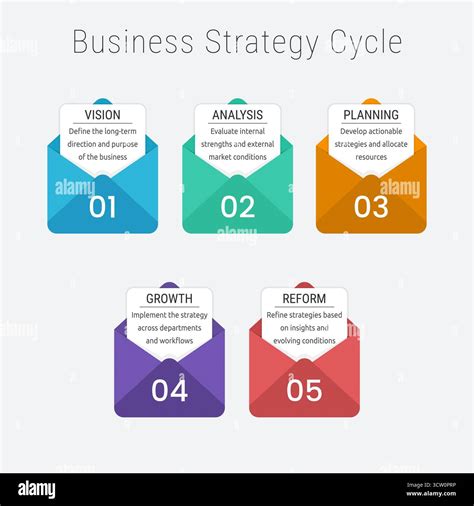
A unique insight into layout design is the growing popularity of grid-based designs. Inspired by web and graphic design principles, grid layouts allow for a balanced distribution of text and white space. For instance, you might place your contact information in a small box in the top-right corner while aligning your professional summary and work experience in adjacent columns. This approach creates a sense of order and elegance. However, it is important to test such layouts across different devices and formats, as some ATS (Applicant Tracking Systems) may struggle with overly complex designs. A good practice is to export the CV as a PDF to ensure the layout remains intact when viewed on various platforms.
One often-overlooked element of aesthetic enhancement is the use of typographic hierarchy. This involves using variations in font size, weight, and spacing to create a visual order of importance. For example, your name at the top of the CV should be the most prominent element, perhaps in 20-24 point bold font, while section headers like "Professional Experience" can be in 14-16 point bold. Body text should remain consistent in size but can use italics or bold to emphasize specific details, such as job titles or measurable achievements. This hierarchy not only improves readability but also subtly directs the reader's focus to the most critical parts of the CV.
Another area of innovation in CV aesthetics is the integration of visual elements such as icons or small graphics. For instance, you might use simple icons to represent contact methods (e.g., a phone icon next to your phone number or an envelope icon for email). These visual cues can make the document feel more dynamic without detracting from its professional nature. However, it is crucial to ensure that these elements are used sparingly and are relevant to the content. Overloading the CV with graphics can distract from the primary purpose of the document—to communicate your qualifications effectively.
The role of white space in modern CV design cannot be overstated. White space refers to the empty areas between text, sections, and margins. A cluttered CV can feel overwhelming, while one with generous white space appears clean and approachable. In 2024, designers are emphasizing the importance of margin balance—leaving at least 0.5 inches of space around the edges of the document and ensuring that text blocks are not cramped. This approach not only improves readability but also conveys a sense of organization and thoughtfulness in presentation.
Finally, consider the role of consistency and alignment in enhancing the overall appeal of the CV. Every element, from the spacing between bullet points to the alignment of dates in the "Work Experience" section, should follow a logical pattern. For instance, if you use a tab to indent the dates in one section, ensure this is replicated across all sections. Inconsistencies, even minor ones, can create a sense of disorganization that undermines the professionalism of the document. Tools like Microsoft Word, Google Docs, or dedicated design platforms such as Canva or Adobe InDesign can help maintain this consistency through pre-built templates or alignment guides.
In conclusion, the visual and aesthetic enhancements of a CV in 2024 are not merely about making the document "look pretty." They are about creating a seamless experience for the reader while emphasizing your professionalism and attention to detail. By choosing modern fonts, employing strategic color schemes, adopting thoughtful layouts, and maintaining consistency, you can craft a CV that not only stands out but also communicates your suitability for the role at a glance. These enhancements are not just cosmetic—they are a reflection of how you approach your work and present yourself to potential employers.
Essential Sections for a 2024 CV
In 2024, the job market is more competitive and dynamic than ever before. To stand out, a CV must not only showcase your qualifications but also align with modern hiring practices and expectations. This means rethinking the structure and content of your CV to ensure it captures the attention of recruiters and hiring managers. In this section, we will explore the essential sections for a 2024 CV, focusing on the must-have elements that can elevate your application and position you as a top candidate.
The first and perhaps most critical section of a contemporary CV is the Skills section. While skills have always been a part of CVs, the way they are presented in 2024 requires a strategic approach. Gone are the days of listing generic skills like "team player" or "hardworking." Instead, the skills section should be highly tailored to the job you are applying for. For instance, if you are applying for a role in data analytics, your skills should include specific tools and methodologies such as "Python, SQL, Tableau, and predictive modeling." Additionally, it is essential to differentiate between hard skills (technical abilities like software proficiency) and soft skills (interpersonal traits like communication). A hybrid approach can work well, where you group hard skills under subheadings like "Technical Skills" and soft skills under "Interpersonal Competencies." This not only makes it easier for recruiters to quickly assess your fit but also demonstrates that you understand the nuances of the role.
Another pivotal section is Achievements. In 2024, simply listing job responsibilities is no longer sufficient. Recruiters want to see tangible results and impact. For instance, instead of writing "Managed a team of five employees," consider rephrasing it as "Led a team of five to achieve a 20% increase in quarterly sales through process optimization and targeted training programs." This approach provides context and quantifiable outcomes, which are far more compelling than vague statements. When detailing achievements, use the STAR method (Situation, Task, Action, Result) to craft concise yet impactful bullet points. For example: "In a challenging market, identified underperforming product lines (Situation), developed a targeted marketing strategy (Task), resulting in a 15% revenue boost within six months (Result)." This not only highlights what you did but also underscores the value you brought to the organization. Achievements should be specific, measurable, and relevant to the role you are targeting.
The Certifications section has gained significant importance in 2024 due to the rapid evolution of industries and the demand for upskilling. Certifications act as proof of your willingness to learn and adapt to new trends. However, not all certifications are created equal. It is crucial to include only those that are relevant to the job or industry. For example, a project manager might list "Certified Scrum Master (CSM)" or "PMP Certification," while a digital marketer might prioritize "Google Analytics Certification" or "HubSpot Content Marketing Certification." It is also helpful to include the date of certification and, where applicable, its expiration date to show that your knowledge is current. Additionally, if you have completed online courses from platforms like Coursera, edX, or LinkedIn Learning, ensure that the certifications are from recognized institutions or are directly applicable to the role. This demonstrates not only your expertise but also your proactive approach to professional development.
The Tailored Job Descriptions section is where many candidates falter. In 2024, one-size-fits-all CVs are no longer effective. Each job application should include a customized job description section that aligns closely with the specific role. This means rephrasing your past experiences to emphasize the skills and responsibilities that are most relevant to the position. For instance, if you are applying for a role in product management, your previous experience in marketing should be reframed to highlight tasks like "collaborating with cross-functional teams to define product requirements" rather than focusing solely on campaign execution. This requires careful attention to the job description provided by the employer. Look for keywords and phrases in the job listing and incorporate them naturally into your CV. Tools like job-specific keyword optimization can help ensure your CV passes through Applicant Tracking Systems (ATS) while still sounding human-readable. A tailored approach not only showcases your adaptability but also signals to the recruiter that you have taken the time to understand their needs.
An often-overlooked yet increasingly important section is Digital Presence. In 2024, many employers expect candidates to have a professional online footprint. This can include links to a well-curated LinkedIn profile, a personal portfolio website, or even a GitHub repository for technical roles. Including a section like "Online Profiles" with hyperlinks can make it easy for recruiters to explore your work further. However, it is vital to ensure that these profiles are polished and up-to-date. For example, your LinkedIn profile should mirror the achievements and skills on your CV while also showcasing endorsements or recommendations from colleagues. A GitHub profile should feature well-documented projects that highlight your coding abilities. This section is particularly valuable for roles in tech, design, or creative fields where a visual or interactive element can enhance your application.
Another modern addition to the 2024 CV is the Impact Metrics section. While this can be embedded within achievements, it is worth considering as a standalone element for roles where data-driven results are highly valued. This section allows you to succinctly list key performance indicators (KPIs) or milestones you have achieved. For example:
- Increased customer retention by 25% through personalized engagement strategies.
- Reduced operational costs by $50,000 annually by streamlining supply chain processes.
- Grew social media following by 10,000 within three months through targeted campaigns.
Including such metrics not only demonstrates your ability to deliver results but also helps your CV stand out in a sea of generic applications. Even if your role is not traditionally metrics-focused, think creatively about how you can quantify your contributions—whether it is the number of clients served, the efficiency improvements you implemented, or the training sessions you conducted.
Finally, the Custom Sections tailored to your unique value proposition can set your CV apart. For instance, if you are in a creative field, a "Selected Projects" section can showcase specific work samples with brief descriptions of their objectives and outcomes. For leadership roles, a "Leadership Philosophy" or "Team Impact" section can provide insight into your management style. For technical roles, a "Technical Projects" section can dive deeper into the tools, frameworks, and outcomes of your work. These custom sections should be used sparingly and only when they add clear value to your application. They should always align with the job's requirements and your personal brand.
In summary, the essential sections for a 2024 CV go beyond traditional formats to embrace a more dynamic and results-oriented approach. By focusing on skills, achievements, certifications, tailored job descriptions, digital presence, impact metrics, and custom sections, you can craft a CV that not only meets modern expectations but also positions you as a forward-thinking and results-driven professional. Each section should be treated as an opportunity to demonstrate your unique value, ensuring that your CV resonates with recruiters and hiring managers in a competitive job market.
Common Mistakes to Avoid in 2024 CVs
Creating a compelling CV in 2024 requires more than just listing your qualifications and experiences. With the advent of AI-driven applicant tracking systems (ATS), evolving employer expectations, and increased competition, avoiding common pitfalls is critical to making a strong impression. While the goal of a CV is to showcase your suitability for a role, certain missteps can sabotage your chances before you even get to the interview stage. Here, we delve into the most significant mistakes to avoid in your 2024 CV and provide actionable insights to help you stand out positively.
1. Overloading the CV with Keywords
In an attempt to "game" ATS systems, many candidates stuff their CVs with excessive keywords related to the job description. While it is true that ATS often scans for specific terms, overloading your CV with keywords can backfire in multiple ways. First, it can make your content appear unnatural and robotic, which detracts from readability when a human recruiter eventually reviews it. For example, repeatedly inserting phrases like "team player," "results-driven," or "dynamic" without context dilutes their impact. Instead of impressing, this approach can signal a lack of originality or effort.
A better approach is to integrate keywords organically within well-structured sentences that demonstrate how you applied those skills or traits in real-world scenarios. For instance, instead of saying "Experienced in project management," specify "Led a cross-functional team of 10 to deliver a $1M project ahead of schedule, utilizing agile project management techniques." This not only includes the keyword but also provides evidence of its application, making your CV more compelling.
2. Relying on Outdated Formats
The design and structure of CVs have evolved significantly over the years. Using an outdated format can make your application look stale and unprofessional. For instance, the traditional chronological format—listing every job you’ve held in reverse order—may not be the best choice for certain industries or roles in 2024. Creative fields, tech roles, and even some corporate positions now favor hybrid or skills-based formats that emphasize relevant accomplishments over a rigid timeline.
Additionally, visual elements like overly complex graphics, fancy fonts, or unconventional layouts can confuse ATS systems and frustrate recruiters. While a clean, modern design is appreciated, balance is key. Avoid using templates with excessive color blocks, icons, or non-standard section placements. Instead, opt for a minimalist design with clear headings, consistent formatting, and ample white space to enhance readability. Tools like Canva or professional CV builders can help create visually appealing yet ATS-compatible CVs.
3. Including Generic Phrases
Phrases like "hardworking," "detail-oriented," or "team player" have become so overused that they no longer hold weight. Recruiters often gloss over these generic descriptors because they fail to provide specific evidence of your abilities. A 2024 CV must focus on unique value propositions rather than clichés. For example, instead of stating "excellent communication skills," illustrate this with a concrete example: "Presented quarterly sales performance reports to a board of 15 stakeholders, leading to a 20% increase in budget allocation for marketing initiatives."
To further avoid generic phrasing, consider tailoring your CV for each role. Analyze the job description and identify the specific skills or experiences the employer is seeking. Then, craft statements that directly address those needs. This not only makes your CV more relevant but also demonstrates that you’ve taken the time to align your application with the company’s expectations.
4. Neglecting Achievements in Favor of Responsibilities
A common pitfall is focusing too much on job responsibilities rather than measurable achievements. While it’s important to outline what you were tasked with, recruiters are far more interested in what you accomplished in those roles. For instance, instead of saying "Managed a team of five sales representatives," highlight "Increased regional sales by 35% over 12 months by implementing a new training program for a team of five sales representatives."
Quantifiable results are particularly impactful. Use metrics, percentages, or other tangible outcomes to showcase your contributions. Even if your role doesn’t have direct numerical outputs, think about ways to frame your impact. For example, "Streamlined the onboarding process, reducing new hire training time by 15 hours per employee" demonstrates efficiency and initiative.
5. Ignoring Tailoring for the Role
Sending out a generic CV for every application is a critical mistake in 2024. Employers expect candidates to tailor their applications to the specific role they are applying for. A one-size-fits-all approach signals laziness and a lack of genuine interest in the position. To avoid this, carefully read the job description and identify the key skills, experiences, and attributes the employer is prioritizing.
Tailoring doesn’t mean rewriting your entire CV for every application. Instead, adjust your summary section, key skills, and the order of your experiences to emphasize the most relevant aspects. For instance, if you’re applying for a role in digital marketing, prioritize your experience with SEO, content strategy, and analytics over unrelated skills like event planning (unless explicitly requested).
6. Overlooking the Importance of a Professional Summary
The professional summary—a brief paragraph at the top of your CV—serves as your elevator pitch. However, many candidates either omit this section or write a vague, uninspiring description. A poorly written summary can fail to capture the recruiter’s attention, leading them to skim or dismiss your application. For example, "Experienced professional seeking a challenging role" tells the recruiter nothing about your unique value.
Instead, craft a targeted summary that succinctly highlights your key skills, most relevant experiences, and what you bring to the table. For example: "Results-oriented marketing specialist with 7+ years of experience in digital campaign management, driving a 40% increase in lead generation through data-driven strategies. Seeking to leverage expertise in analytics and content creation to support Company X’s growth objectives." This approach immediately communicates your value and alignment with the role.
7. Including Irrelevant or Outdated Information
In 2024, brevity and focus are more important than ever. Including outdated or irrelevant information—such as jobs from over 15 years ago that have no bearing on the role you’re applying for—can clutter your CV and distract from your most relevant qualifications. Similarly, listing skills that are no longer in demand (e.g., proficiency in outdated software) can raise questions about your adaptability.
Be selective about what you include. Focus on the last 10–15 years of experience, unless earlier roles are highly pertinent to the position. Additionally, remove personal details like your marital status, date of birth, or a photo unless specifically required for the region or industry. These elements are not only unnecessary but can also inadvertently introduce bias into the hiring process.
8. Failing to Proofread
Even in 2024, with advanced spell-check tools and grammar software, errors in spelling, grammar, or formatting can leave a poor impression. A CV riddled with typos or inconsistent formatting suggests carelessness, which can be interpreted as a lack of attention to detail—a trait most employers value highly.
Before submitting your CV, proofread it multiple times and consider using tools like Grammarly or Hemingway to catch errors. Additionally, have a trusted colleague or mentor review your CV for clarity and coherence. A fresh pair of eyes can often spot issues you might have missed.
9. Underestimating the Importance of ATS Compatibility
Many companies use ATS to filter applications before a human ever sees them. A visually stunning CV that isn’t ATS-compatible might never make it past this initial screening. Avoid using images, charts, or non-standard fonts that ATS systems cannot parse. Stick to standard section headers like "Work Experience," "Education," and "Skills" to ensure your CV is easily scannable.
Additionally, save your CV as a PDF unless the job application specifically requests a different format. This ensures your document retains its formatting across devices and platforms.
10. Neglecting Online Presence
In 2024, your CV is often just one piece of the puzzle. Recruiters frequently cross-reference CVs with online profiles, particularly LinkedIn. If your CV claims expertise in a particular area but your LinkedIn profile or portfolio doesn’t reflect it, this inconsistency can raise red flags. Ensure your online presence aligns with the narrative presented in your CV.
Moreover, consider including a link to your LinkedIn profile or a personal website (if relevant) in your contact section. This not only demonstrates professionalism but also provides recruiters with additional context about your skills and experiences.
By avoiding these common pitfalls, your 2024 CV can become a powerful tool that effectively communicates your value to potential employers. The key is to balance modern design, tailored content, and a results-driven approach while staying authentic and professional.
Case Studies: Successful 2024 CV Examples
The introduction of the **2024 CV format** has brought with it a paradigm shift in how job seekers present their professional profiles. This format emphasizes clarity, adaptability, and a focus on quantifiable achievements rather than traditional, verbose narratives. To better understand its impact, we can examine **real-world case studies** of individuals who leveraged this format to secure high-profile roles. These examples provide not only a glimpse into the practical application of the new CV structure but also actionable insights for those looking to adopt it.
One such example comes from **Jennifer Lee**, a mid-level data analyst who transitioned into a **Lead Data Scientist role at a Fortune 500 company**. Jennifer’s previous CV followed a conventional structure, with long paragraphs detailing her responsibilities in past roles. However, when she revamped her CV to align with the 2024 format, she made three key changes: (1) she introduced a **skills-focused summary section** at the top, (2) replaced lengthy descriptions of tasks with **bulleted, metric-driven accomplishments**, and (3) incorporated a **hyperlinked portfolio** of her data visualization projects directly into the document. The result was a streamlined, two-page CV that immediately captured attention. For instance, instead of writing "Managed a team of junior analysts to deliver monthly reports," her CV stated: "Led a team of 5 analysts to produce 20% more accurate monthly sales forecasts, contributing to a $2M increase in quarterly revenue." This approach not only quantified her impact but also aligned her CV with the expectations of hiring managers in data-driven industries.
The second case study involves **Raj Sharma**, a marketing professional with 10 years of experience who applied for a **Global Marketing Director position** at a leading tech firm. Raj faced a challenge common to many seasoned professionals: how to condense a decade of diverse experience into a format that felt modern and relevant. Using the 2024 CV format, he adopted a **functional layout with thematic sections**, grouping his experience into categories such as "Campaign Strategy," "Brand Development," and "Data-Driven Marketing." Within each section, he listed **three to four high-impact achievements**, each tied to specific outcomes. For example, under Campaign Strategy, he wrote: "Designed and executed a $1M ad campaign that increased brand awareness by 35% within 6 months in the APAC region." This thematic clustering allowed hiring managers to quickly identify his expertise in key areas without wading through chronological redundancies. Additionally, Raj included a **personal branding statement** at the top of his CV: "Innovative marketer with a proven track record of growing market share in competitive landscapes." This succinct positioning statement reinforced his candidacy for a leadership role in a competitive field.
A third example involves **Dr. Amara Patel**, a physician transitioning into **healthcare administration**. Traditionally, her CV had been tailored for clinical roles, heavily weighted toward academic credentials and patient care experience. However, when applying for a **Director of Operations role at a hospital network**, she needed to shift the focus toward her leadership and operational skills. Using the 2024 CV format, she implemented a **two-column structure** for the first page, with one column highlighting her **core competencies** (e.g., "Strategic Planning," "Budget Management," "Team Leadership") and the other providing a brief narrative of her **career trajectory**. On the second page, she included a **case study section** detailing a project she led: "Streamlined patient admission processes across three hospitals, reducing average wait times by 40% and improving patient satisfaction scores by 15%." This hybrid approach—combining traditional credentials with a modern, outcome-oriented presentation—helped her stand out in a field where administrative roles often require a blend of technical expertise and strategic thinking. Her CV not only secured her an interview but also demonstrated how professionals in specialized fields can adapt the new format to their unique needs.
Another compelling example is **Alex Nguyen**, a recent graduate who landed a **Product Manager role at a high-growth startup** despite limited work experience. Alex’s CV exemplifies how the 2024 format can be tailored for those early in their careers. He replaced the traditional "Education" section at the top with a **project-based experience section**, emphasizing his work on **two capstone projects** during his master’s program. For instance, he detailed how he "Led a cross-functional team of 4 to develop a prototype for a mental health app, resulting in a 90% user satisfaction rate during beta testing." This approach allowed him to position his academic work as equivalent to professional experience, a critical strategy for candidates without extensive job histories. Furthermore, he included a **"Certifications and Tools" section**, listing relevant credentials like "Certified Scrum Product Owner" and tools such as Jira and Tableau. By doing so, he signaled to employers that he was equipped with both the theoretical knowledge and practical skills required for the role.
These examples collectively highlight a few key takeaways about the success of the 2024 CV format. First, the emphasis on **quantifiable outcomes** is non-negotiable. Hiring managers are increasingly focused on results rather than responsibilities, and the new format facilitates this by encouraging candidates to frame their experiences in terms of impact. For instance, "Increased customer retention by 25% through targeted engagement strategies" is far more compelling than "Managed customer engagement campaigns."
Second, the **adaptability of the format** allows it to cater to diverse industries and career stages. Whether you are a seasoned executive like Raj, a specialist like Jennifer, or a recent graduate like Alex, the 2024 CV format can be molded to emphasize what matters most for the role you are targeting. This flexibility is particularly evident in how candidates incorporate **hyperlinks, portfolios, and certifications**—elements that were often relegated to cover letters or supplementary materials in older formats.
Third, the inclusion of **modern design elements** such as two-column layouts, color accents, and visual hierarchy has proven effective in making CVs more visually engaging without compromising professionalism. However, it is worth noting that these design choices must remain subtle and functional; overly elaborate designs can distract from the content. For example, Dr. Amara Patel’s use of a two-column layout was purposeful—it allowed her to present key skills upfront while maintaining a clean, readable format.
Finally, a recurring theme across these case studies is the importance of **tailoring the CV to the specific role**. Each of these individuals identified the core competencies and achievements most relevant to their target jobs and structured their CVs accordingly. This is a departure from the "one-size-fits-all" approach of older CV formats, which often led to generic, unfocused documents.
In conclusion, the **2024 CV format** is not merely a cosmetic update but a strategic tool that enables candidates to present themselves as results-driven professionals. Through these case studies, we see how individuals across industries and career stages have leveraged its principles to secure high-profile roles. Whether you are revamping your own CV or advising others, these examples serve as a blueprint for success in a competitive job market.
Conclusion and Actionable Steps
The job market of 2024 is more dynamic and competitive than ever before. With the advent of AI-driven recruitment tools, hybrid work models, and a growing emphasis on soft skills alongside technical expertise, crafting a CV that stands out requires a thoughtful and strategic approach. This section summarizes the key takeaways from our exploration of the new CV format for 2024 and provides a detailed, actionable checklist to help you create an optimized document that resonates with modern employers.
One of the most significant takeaways is the shift from traditional, text-heavy CVs to more visually structured and data-supported formats. Employers are no longer looking for a laundry list of past responsibilities. Instead, they want to see measurable results, transferable skills, and a clear alignment between your experiences and the role you are applying for. The emphasis on brevity and clarity has never been greater, as recruiters spend an average of 7 seconds scanning a CV before deciding whether to move forward. This means every word and visual element must serve a purpose.
Another key trend in 2024 is the integration of personal branding into the CV. Your CV is no longer just a document—it is a representation of your professional identity. This includes not only what you have accomplished but also how you present yourself as a unique candidate in a sea of applicants. For instance, including a short professional summary or "elevator pitch" at the top of your CV can set the tone and immediately capture the recruiter's attention. This summary should be tailored for each role, highlighting the most relevant skills and experiences rather than being a generic introduction.
Moreover, the rise of AI-powered applicant tracking systems (ATS) has made it imperative to design CVs with both human and machine readers in mind. Keywords relevant to the job description should be naturally woven into your CV, particularly in sections like your skills, job titles, and achievements. However, overstuffing with keywords can backfire, making the document feel unnatural or robotic. The balance lies in using precise, job-specific language while maintaining a human tone.
The inclusion of quantifiable achievements is another standout feature of the 2024 CV. Employers are increasingly drawn to candidates who can demonstrate their impact in previous roles through numbers and outcomes. For example, instead of saying "Managed a team," you could write, "Led a team of 10 to achieve a 20% increase in quarterly sales within 6 months." This approach not only showcases your capabilities but also provides concrete evidence of your effectiveness. Even if your role is not traditionally metrics-driven, think creatively about how you can quantify your contributions—whether it’s the number of clients served, projects completed, or time saved through process improvements.
A modern CV also benefits from dynamic formatting. While traditional one-page CVs are still preferred in some industries, many roles now allow for two-page documents, particularly for mid-career professionals or those in technical fields. However, the second page should only be used if the content is truly valuable. Use clean, professional layouts with clear section dividers, bullet points, and consistent fonts. Visual elements like a small timeline for career progression or a skills matrix can make your CV more engaging without overwhelming the reader.
Another insight is the growing importance of soft skills and adaptability. While technical expertise remains critical, employers are placing greater emphasis on qualities like emotional intelligence, adaptability, and collaboration. These can be subtly highlighted in your CV by framing your achievements in terms of teamwork, problem-solving, or leadership. For instance, "Facilitated cross-departmental collaboration to streamline project delivery by 15%" demonstrates both technical and interpersonal skills.
Finally, the concept of a living CV has emerged. This means your CV is no longer a static document updated only when you are job hunting. Instead, it should be a continuously evolving representation of your professional journey. Regularly updating your CV—even when you are not actively looking for a job—ensures that you are ready to seize opportunities as they arise and helps you track your own growth over time.
With these takeaways in mind, here is a step-by-step checklist for creating an optimized 2024 CV:
- Step 1: Understand the job description
- Analyze the job posting to identify key skills, responsibilities, and keywords.
- Tailor your CV to reflect how your experiences align with the role’s requirements.
- Step 2: Craft a compelling professional summary
- Write a 3-4 sentence summary that highlights your top skills, most relevant experiences, and what you bring to the role.
- Avoid generic phrases like "hardworking professional"; instead, focus on unique value propositions.
- Step 3: Reorganize your experience section
- Use reverse chronological order to list your roles, starting with the most recent.
- For each role, include 2-3 bullet points that focus on achievements rather than duties. Use the STAR method (Situation, Task, Action, Result) to structure these points.
- Quantify your results wherever possible (e.g., percentages, timeframes, revenue growth).
- Step 4: Highlight relevant skills
- Create a dedicated "Skills" section that includes both hard and soft skills.
- If applicable, use a skills matrix or categorize skills (e.g., technical, management, communication).
- Ensure the skills listed are directly relevant to the job you are applying for.
- Step 5: Optimize for ATS
- Use standard section headings like "Experience," "Education," and "Skills" to ensure compatibility with ATS.
- Avoid graphics, images, or unconventional fonts that might confuse the system.
- Save your CV as a PDF unless the job application specifically requests a different format.
- Step 6: Include personal branding elements
- Add a professional photo or link to your LinkedIn profile, portfolio, or personal website if appropriate for your industry.
- Ensure your contact information is up-to-date and professional (e.g., no quirky email addresses).
- Step 7: Proofread and test
- Run your CV through an ATS simulator or ask a peer to review it for clarity and coherence.
- Check for typos, grammatical errors, and inconsistencies in formatting.
- Step 8: Keep it concise
- Stick to a one- or two-page format, depending on your experience level.
- Remove outdated or irrelevant information, such as jobs from over 10-15 years ago unless highly pertinent.
- Step 9: Regularly update your CV
- Set a reminder to review and update your CV every 6 months, even if you are not actively job hunting.
- Track new skills, certifications, or accomplishments as they occur.
- Step 10: Test your CV’s impact
- Share your CV with mentors, peers, or career coaches for feedback.
- Consider A/B testing different versions of your CV when applying to similar roles to see what resonates best with recruiters.
By following this checklist, you can ensure your CV is not only aligned with 2024 trends but also tailored to make a strong impression on both human recruiters and ATS systems. The job market is evolving, and so should your approach to self-presentation. A well-crafted CV is more than a summary of your professional history—it is a strategic tool that opens doors to new opportunities. Taking the time to optimize your CV according to these principles can give you a significant edge in a competitive landscape.