Introduction to the Treble in Football
The concept of the "treble" in football refers to a team winning three major trophies in a single season. While the specific composition of these trophies can vary depending on the league and region, the most widely recognized treble involves capturing the domestic league title, the primary domestic cup, and the UEFA Champions League (or its continental equivalent). This rare and prestigious feat symbolizes not just dominance across multiple competitions but also the ability of a team to sustain peak performance over an entire season under immense pressure.
The treble is often seen as the pinnacle of achievement in club football because it requires a team to excel in three distinct arenas of competition. Winning the domestic league demonstrates consistency and the ability to outperform rivals over a grueling 30 to 40-game schedule. The domestic cup, such as the FA Cup in England or the DFB-Pokal in Germany, tests a team's adaptability and mental fortitude in knockout scenarios, where a single poor performance can end their campaign. The Champions League, arguably the most challenging of the three, pits the best clubs from across Europe against one another, requiring tactical sophistication, world-class talent, and the ability to perform in high-stakes, one-off matches in front of global audiences.
What makes the treble so significant is the sheer rarity of its occurrence. Since the establishment of modern football competitions, only a handful of teams have managed to achieve this milestone. This rarity arises from the multifaceted challenges that football presents. A team must not only have exceptional players but also a deep squad capable of rotating effectively to avoid burnout. Injuries, fixture congestion, and the psychological toll of competing on multiple fronts often derail even the most talented squads. Moreover, the treble demands a level of managerial brilliance to balance priorities, as coaches must decide when to field their strongest team and when to rest key players without compromising results.
One of the unique aspects of the treble is how it encapsulates the unpredictability of football. While some teams may dominate their domestic league or excel in the Champions League, the combination of all three trophies in one season involves an element of luck and timing that is hard to quantify. For instance, a controversial refereeing decision, an unexpected injury to a star player, or even a weather-affected match can disrupt the delicate balance required to sustain treble-winning momentum. This unpredictability is part of what makes the treble so revered—it is not just about skill and strategy but also about navigating the chaotic nature of the sport itself.
Historically, the treble has been achieved by only a select group of teams, which underscores its exclusivity. For example, Manchester United's treble in 1999 is often cited as one of the most dramatic. They won the Premier League, the FA Cup, and the UEFA Champions League, with the latter being secured in the dying minutes of the final against Bayern Munich. This victory is emblematic of how the treble often hinges on moments of brilliance or resilience in critical situations. Similarly, Barcelona's treble in 2009 under Pep Guardiola showcased a blend of tactical innovation and individual brilliance, with players like Lionel Messi, Xavi, and Andrés Iniesta operating at the peak of their powers. These examples highlight how the treble often becomes a defining moment in a club's history, immortalizing both the team and its manager.
The treble's significance extends beyond the trophies themselves. It serves as a benchmark for greatness, a standard against which future generations of players and managers are measured. Achieving the treble requires not just technical excellence but also a cohesive team culture, where every player understands their role and is willing to make sacrifices for the collective good. This is why treble-winning teams are often remembered not just for their results but for the narratives they create—stories of comebacks, last-minute goals, and unbreakable team spirit.
Another layer of the treble's allure is its impact on a club's legacy. A treble-winning season often elevates a team to legendary status within its fanbase and the wider football community. For instance, Celtic's treble in 1967, achieved with a squad composed entirely of players from the local area, is remembered not just for its sporting achievement but for its cultural significance in Scottish football. Similarly, treble victories by clubs like Ajax in 1972 or Inter Milan in 2010 are seen as moments that redefined what was possible for their respective leagues and regions.
From a statistical perspective, the treble is also a testament to the diminishing probability of such an achievement as football becomes more competitive. The globalization of the sport has led to increased parity among top teams, with financial resources, scouting networks, and player development programs narrowing the gap between traditional powerhouses and emerging challengers. This has made it harder for any one team to dominate across all competitions in a single season. For example, the financial might of clubs like Paris Saint-Germain and Manchester City has introduced new dynamics, yet even these well-resourced teams have found the treble elusive, further illustrating its difficulty.
The psychological aspect of pursuing the treble cannot be overlooked. As the season progresses and a team remains in contention for all three trophies, the pressure mounts exponentially. Every match becomes a potential turning point, and the weight of expectation can either galvanize a team or lead to costly mistakes. This is why treble-winning campaigns are often associated with exceptional leadership, both on and off the field. Managers like Sir Alex Ferguson and Pep Guardiola are celebrated not just for their tactical acumen but for their ability to instill belief and focus in their players during the most challenging moments of a season.
In summary, the treble is more than just a collection of trophies—it is a symbol of footballing excellence that few teams can aspire to, let alone achieve. Its rarity stems from the unique combination of skill, strategy, resilience, and fortune required to conquer three distinct competitions in a single season. As football continues to evolve, the treble remains a touchstone for what is possible when a team reaches the zenith of its potential, making it one of the most celebrated and analyzed achievements in the sport.
History of the Treble Concept
The term 'treble' in football refers to the achievement of winning three major trophies in a single season. While this concept may seem straightforward today, its origins and evolution are deeply rooted in the history of the sport and the competitive structures that shaped it. To understand how the treble became a benchmark for football greatness, we must first explore the early days of organized football and the development of multi-tiered competitions that allowed such a feat to be recognized and celebrated.
The idea of a 'treble' did not exist in the earliest days of football. When the sport began to formalize in the late 19th century, competitions were limited, and the idea of a team competing across multiple fronts was not yet a structured reality. The FA Cup, established in 1871, was the first major tournament in England, and for decades, it stood as the pinnacle of club success. As football spread across Europe and other continents, domestic leagues began to emerge, offering another layer of competition. However, the idea of winning both a league title and a cup in the same season—let alone adding a third trophy—was not yet part of the football lexicon.
The concept of a 'double'—winning both the league and a major cup in the same season—began to take shape in the early 20th century. In England, for instance, Preston North End achieved the first-ever 'double' in 1889 by winning the league and the FA Cup. This dual success set a precedent for what could be considered an exceptional season. However, it was not until the mid-20th century, with the expansion of European competitions, that the idea of a 'treble' began to take form.
The introduction of the European Cup (now the UEFA Champions League) in 1955 was a turning point. This pan-European tournament allowed the champions of domestic leagues to compete against one another, creating a new layer of prestige. Winning the European Cup was immediately seen as a marker of greatness, separate from domestic achievements. However, it took time for the idea of combining domestic and European success to become a defined achievement. Early European Cup winners like Real Madrid, who dominated the competition in its first five years, were celebrated for their European success but were not yet measured against a 'treble' standard because the idea of synchronizing three major trophies in one season had not yet crystallized.
The first widely recognized treble came in 1967, when Celtic won the Scottish League, the Scottish Cup, and the European Cup. This achievement was groundbreaking because it demonstrated that a single team could dominate on multiple fronts within a single calendar year. Celtic’s feat was particularly notable because it involved success in both domestic and international competitions, setting a template for what would later be considered the ultimate measure of a team’s dominance. However, even after Celtic’s achievement, the term 'treble' was not yet universally used or understood as a distinct concept in football.
The 1970s and 1980s saw a gradual evolution in how football greatness was measured. The increasing professionalism of the sport, coupled with the growth of televised matches and global audiences, elevated the stakes of winning multiple trophies. Clubs like Ajax and Bayern Munich, who achieved European Cup three-peats during this era, were celebrated for their continental dominance, but the treble as a specific benchmark was still not a standardized term. Instead, the focus was often on individual competitions or the broader idea of a "golden generation" of players.
The modern understanding of the treble began to solidify in the 1990s, a decade marked by the increasing commercialization of football and the standardization of competitions. The introduction of the UEFA Cup Winners' Cup and later the UEFA Europa League added new dimensions to what could constitute a treble. However, it was the unique combination of winning a domestic league, a primary domestic cup, and a European trophy that became the gold standard. This was exemplified by Manchester United’s historic treble in the 1998-99 season, where they won the Premier League, the FA Cup, and the UEFA Champions League. This achievement was widely publicized and celebrated, firmly entrenching the treble as a definitive marker of football greatness.
What made Manchester United’s treble particularly significant was not just the difficulty of the feat but also the narrative surrounding it. Their last-minute victory in the Champions League final against Bayern Munich, secured through late goals by Teddy Sheringham and Ole Gunnar Solskjær, added a dramatic element that elevated the treble in public consciousness. This moment demonstrated how the treble was not just about statistical success but also about the emotional and symbolic weight of achieving something so rare and demanding.
The treble also gained prominence because of its scarcity. While doubles are relatively common in football history, trebles remain exceedingly rare. Only a handful of teams have achieved it, and each instance is viewed as a historic milestone. For example, Barcelona under Pep Guardiola in 2009 and Bayern Munich in 2013 and 2020 are among the few clubs to have replicated this level of success. Each treble-winning team is studied not just for their results but for the tactical innovations, managerial brilliance, and squad depth that enabled such a comprehensive domination of the football calendar.
The treble’s status as a benchmark for greatness is also tied to the globalization of football. In the modern era, where clubs compete in multiple competitions simultaneously—domestic leagues, domestic cups, and European tournaments—the treble represents the pinnacle of multitasking excellence. It is a testament to a team’s ability to balance the physical and mental demands of competing on three fronts, often with squad rotation and strategic depth playing crucial roles. This makes the treble not just a measure of results but of a club's infrastructure, coaching philosophy, and player management.
Additionally, the treble has become a cultural touchstone in football discourse. It is often used as a yardstick to compare teams across eras. For instance, debates about whether a treble-winning team from the 1960s could compete with a modern treble-winning side reflect how the concept has transcended its original context to become a universal measure of excellence. This cultural weight is amplified by the media, which often frames treble-winning campaigns as the stuff of legend, further embedding the term in the sport’s mythology.
In summary, the origins of the treble concept can be traced back to the gradual expansion of football’s competitive landscape. From the early days of domestic dominance to the introduction of European tournaments, the idea of achieving three major trophies in one season evolved alongside the sport itself. The treble became a benchmark for football greatness not merely because of its statistical rarity but because it encapsulates the essence of what makes football so compelling: the pursuit of excellence across multiple arenas, the drama of high-stakes matches, and the legacy left by teams who manage to etch their names into history. This rich history ensures that the treble will remain a central part of football’s narrative for generations to come.
Criteria for a Treble Win
The concept of a "treble win" in football is one of the most prestigious achievements a team can accomplish, signifying dominance across multiple competitions in a single season. To define the criteria for a treble win, it is essential to identify the specific competitions that must be won. While the term "treble" is used broadly in various sports, in football, it typically refers to winning three major titles in one season: the **domestic league**, the **domestic cup**, and a **continental championship**—most commonly the UEFA Champions League for European clubs. This section will explore the exact competitions involved, the nuances of what qualifies as a treble, and the historical context of how this definition has evolved.
The first component of a treble is the **domestic league title**. This is often considered the most grueling and consistent test of a team’s quality because it involves a full season of matches against all competitors in a league. For instance, in England, this means winning the Premier League, which comprises 38 matches. In Spain, it is La Liga, with a similar structure. The domestic league is a marathon rather than a sprint, requiring not just skill but also endurance, squad depth, and the ability to maintain form over a long period. Winning the league establishes a team as the best in their country for that season, but it is only one-third of the treble equation.
The second component is the **domestic cup**, which varies by country but is typically a knockout competition. Examples include the FA Cup in England, the Copa del Rey in Spain, or the DFB-Pokal in Germany. Unlike the league, the domestic cup is unpredictable and can involve teams from lower divisions, making it a unique challenge. A treble-winning team must navigate this format, which often includes high-pressure knockout matches, sometimes against underdog opponents who have little to lose. This unpredictability makes the domestic cup a wildcard in the treble pursuit. For example, a team might face a lower-tier club in an early round and then a fierce rival in the final. Success in this competition demonstrates a team’s ability to handle different styles of play and maintain focus amidst a congested fixture schedule.
The third and arguably most prestigious component of the treble is the **continental championship**, which for most European clubs means winning the **UEFA Champions League**. This competition pits the best teams from across Europe against one another in a format that includes group stages followed by knockout rounds. The Champions League is distinct because it not only tests a team’s quality against domestic rivals but also against the cream of European football. To win this title, a team must excel in high-stakes, one-off matches, often under immense pressure. The Champions League also introduces the challenge of travel, differing playing conditions, and facing squads with varying tactical approaches. For instance, a team like Barcelona in 2009 had to overcome the tactical discipline of Manchester United in the final after navigating past other European giants like Chelsea in earlier rounds. The Champions League is often seen as the pinnacle of club football, and its inclusion in the treble criteria elevates the achievement to legendary status.
It is worth noting that while the UEFA Champions League is the standard for European trebles, the definition of a treble can vary slightly in other regions. For example, in South America, a treble might include winning the **Copa Libertadores** (the continental championship), a domestic league, and a domestic cup like the Copa do Brasil. Similarly, in some African or Asian contexts, treble definitions might include regional cups or league cups instead of the traditional domestic cup. However, for the purposes of this discussion, we focus on the European model as it is the most widely recognized and celebrated.
The specificity of these three competitions creates a unique dynamic. A team pursuing a treble must balance the physical and mental toll of competing on three fronts simultaneously. This is no small feat, as fixture congestion often leads to player fatigue, injuries, and tactical adjustments. For example, in the 1998–99 season, Manchester United famously achieved the treble by winning the Premier League, the FA Cup, and the Champions League. Their run included dramatic late goals, such as their injury-time comeback against Bayern Munich in the Champions League final. This underscores how the treble is not just about skill but also about resilience and the ability to perform under extraordinary circumstances.
Another layer of complexity in the treble criteria is the **timing and overlap of competitions**. Domestic leagues and cups often run concurrently, while the Champions League stretches across the season with key matches in the spring, just as domestic campaigns are reaching their climax. This overlap can create scenarios where a team must prioritize one competition over another, especially if injuries or suspensions arise. For instance, treble-winning managers like Pep Guardiola and Sir Alex Ferguson often had to make difficult decisions about squad rotation to keep players fresh for critical matches across all three competitions.
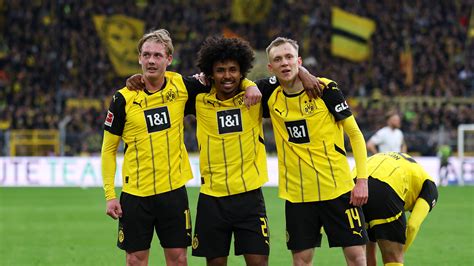
A lesser-discussed aspect of the treble criteria is the **psychological hurdle**. Teams chasing a treble often face heightened expectations as the season progresses. Media scrutiny intensifies, and opponents are increasingly motivated to spoil the treble bid. This was evident in the 2012–13 season when Bayern Munich achieved the treble under Jupp Heynckes. They not only had to outperform domestic rivals like borussia dortmund but also overcome the psychological weight of previous near-misses, such as their Champions League final loss the year before.
The treble also requires a degree of **luck and favorable circumstances**. Injuries to key players, refereeing decisions, or even weather conditions can play a role in whether a team succeeds. While this might seem like a minor factor, it is often the difference between a treble-winning season and falling short. For example, Liverpool came close to a treble in 2021–22, winning the FA Cup and the EFL Cup but losing the Champions League final to Real Madrid by a narrow margin. Such near-misses highlight how narrowly defined the criteria are and how demanding the achievement is.
In summary, the criteria for a treble win are clear but exceedingly difficult to meet. A team must win their **domestic league**, which tests their consistency; the **domestic cup**, which challenges their adaptability and mental fortitude; and the **UEFA Champions League**, which demands excellence on the continental stage. These three competitions together create a benchmark of greatness that few teams in history have achieved. The treble is not just about winning matches but about mastering the art of competing across diverse formats, enduring physical and mental challenges, and etching a team’s name into football folklore.
List of Teams That Have Won the Treble
The "treble" in football refers to the achievement of winning three major trophies in a single season. For most European clubs, this typically means winning the domestic league, the primary domestic cup, and a continental competition such as the UEFA Champions League. Achieving the treble is an extraordinary feat that requires a combination of skill, strategy, resilience, and often a touch of luck. Below is a detailed chronological list of teams that have won the treble, with insights into the years, competitions, and key players involved in these historic campaigns.
The first team to achieve the treble was Celtic in the 1966-67 season. Under the management of Jock Stein, Celtic won the Scottish League, the Scottish Cup, and the European Cup. This team, nicknamed the "Lisbon Lions" because they clinched the European Cup in Lisbon, featured an entirely homegrown squad. Key players included Billy McNeill, the captain, and Jimmy Johnstone, a dynamic winger whose dribbling prowess was instrumental in Celtic's success. This achievement set a precedent for what would become one of football's most coveted accomplishments.
In the 1971-72 season, Ajax became the second team to win the treble. Led by the legendary Johan Cruyff, Ajax dominated Dutch football and European competitions. They secured the Eredivisie title, the KNVB Cup, and the European Cup. Cruyff, widely regarded as one of the game's greatest players, was supported by a team built on the principles of "Total Football," a tactical system emphasizing fluid positional play. The influence of manager Rinus Michels was evident in how Ajax controlled games with their technical superiority and coordinated movement.
The 1987-88 season saw PSV Eindhoven achieve the treble under manager Guus Hiddink. While PSV's treble is often overshadowed by other treble-winning teams, their achievement was no less remarkable. They won the Eredivisie, the KNVB Cup, and the European Cup, with a team that relied on a solid defense and efficient counterattacking play. Key players included Ronald Koeman, a versatile defender capable of scoring crucial goals, and Eric Gerets, whose leadership at the back was pivotal.
In 1998-99, Manchester United became the first English team to win the treble. This campaign is often regarded as one of the most dramatic in football history. Under Sir Alex Ferguson, United won the Premier League, the FA Cup, and the UEFA Champions League. The Champions League final against Bayern Munich is particularly memorable, as United scored two injury-time goals to snatch victory from the jaws of defeat. Key players included David Beckham, whose pinpoint crosses were a constant threat, Roy Keane, the tenacious midfield general, and Ole Gunnar Solskjær, whose late goals often turned games in United's favor. This treble is considered a testament to United's never-say-die attitude.
The early 2000s saw Barcelona achieve the treble twice, first in the 2008-09 season under manager Pep Guardiola. This Barcelona side is often hailed as one of the greatest teams in football history. They won La Liga, the Copa del Rey, and the UEFA Champions League with a style of play that emphasized possession and quick passing, known as "tiki-taka." The team was spearheaded by Lionel Messi, who scored 38 goals that season, alongside Xavi and Andrés Iniesta, whose midfield mastery defined Barcelona's dominance. This treble set the stage for Barcelona's golden era.
In 2012-13, Bayern Munich became the first German team to win the treble. Under manager Jupp Heynckes, Bayern won the Bundesliga, the DFB-Pokal, and the UEFA Champions League. This team combined physicality with technical brilliance, exemplified by players like Franck Ribéry and Arjen Robben, whose wing play tormented defenses. Philipp Lahm provided stability in defense and midfield, while Thomas Müller contributed with his intelligence and goal-scoring ability. Bayern's treble was a culmination of years of investment in both youth development and experienced players.
Barcelona repeated the treble in the 2014-15 season, this time under manager Luis Enrique. While the core of the team still included Messi, the addition of Luis Suárez and Neymar created a formidable attacking trio known as "MSN." They won La Liga, the Copa del Rey, and the Champions League, with Messi, Suárez, and Neymar collectively scoring over 120 goals that season. This treble demonstrated how a balanced attack could complement Barcelona's traditional midfield strength.
In 2019-20, Bayern Munich achieved the treble again, this time under manager Hans-Dieter Flick. This campaign was particularly impressive because Bayern won every game in the Champions League, a perfect run capped by their victory in the final against Paris Saint-Germain. Key players included Robert Lewandowski, who scored 55 goals across all competitions, and Joshua Kimmich, whose versatility as a defender and midfielder was crucial. This treble highlighted Bayern's ability to adapt to a high-pressing, aggressive style of play.
The most recent team to join the treble winners' list is Manchester City in the 2022-23 season. Under Pep Guardiola, City won the Premier League, the FA Cup, and the UEFA Champions League. This treble was characterized by City's tactical flexibility and the influence of Erling Haaland, who scored 52 goals in his debut season for the club. Players like Kevin De Bruyne and Rodri provided the creative and defensive balance necessary for such a feat. City's treble was a culmination of years of investment and Guardiola's meticulous planning.
Looking at this list, several patterns emerge. Teams that win the treble often have exceptional managers who can instill a clear vision and adapt to challenges. They also tend to have world-class players in key positions, particularly in attack and midfield. Additionally, treble-winning teams often display resilience in high-pressure situations, as seen in Manchester United's last-minute heroics in 1999 or Bayern's perfect Champions League run in 2020.
Another insight is the evolution of treble-winning teams over time. Early treble winners like Celtic and Ajax relied heavily on homegrown talent and cohesive team play, while modern teams like Manchester City and Bayern Munich benefit from global scouting networks and financial power. However, the core requirement of skill, teamwork, and tactical innovation remains constant.
The treble is a rare achievement, with only a handful of teams managing it in over half a century of competitive football. Each team on this list has left an indelible mark on the sport, not just for their trophies but for the way they redefined excellence in their respective eras. Whether through the flair of Cruyff's Ajax, the drama of Ferguson's United, or the precision of Guardiola's Barcelona and City, the treble represents the pinnacle of footballing achievement.
- Celtic (1966-67): Scottish League, Scottish Cup, European Cup
- Ajax (1971-72): Eredivisie, KNVB Cup, European Cup
- PSV Eindhoven (1987-88): Eredivisie, KNVB Cup, European Cup
- Manchester United (1998-99): Premier League, FA Cup, UEFA Champions League
- Barcelona (2008-09): La Liga, Copa del Rey, UEFA Champions League
- Bayern Munich (2012-13): Bundesliga, DFB-Pokal, UEFA Champions League
- Barcelona (2014-15): La Liga, Copa del Rey, UEFA Champions League
- Bayern Munich (2019-20): Bundesliga, DFB-Pokal, UEFA Champions League
- Manchester City (2022-23): Premier League, FA Cup, UEFA Champions League
This exhaustive list not only highlights the teams but also underscores the rarity and prestige of the treble. It serves as a reminder of how football's greatest teams are often defined by their ability to excel across multiple fronts in a single season.
Analysis of Treble-Winning Seasons
The concept of a "treble" in football refers to a team winning three major trophies in a single season, typically the domestic league, the primary domestic cup, and a continental competition such as the UEFA Champions League. Achieving this feat is extraordinarily rare and requires a combination of skill, strategy, resilience, and often a bit of luck. In this section, we will delve into the strategies, challenges, and standout moments of select treble-winning campaigns to understand what sets these teams apart.
One of the most iconic treble-winning campaigns was by **Manchester United in the 1998-99 season**. Under the management of Sir Alex Ferguson, the team demonstrated an extraordinary blend of tactical flexibility and mental fortitude. A key strategy employed by Ferguson was squad rotation. With a relatively small squad compared to modern standards, he managed to keep players fresh by rotating his lineup without compromising performance. This was particularly evident in the FA Cup and Premier League, where players like **Ole Gunnar Solskjær** and **Teddy Sheringham** often came off the bench to make decisive contributions. The Champions League final against Bayern Munich exemplified this, as both Solskjær and Sheringham scored in injury time to overturn a 1-0 deficit. This match highlighted not just the depth of the squad but also their **refusal to accept defeat**—a psychological edge that is a hallmark of treble winners.
The **challenges** faced by Manchester United that season were immense. They were up against a strong Arsenal side in the Premier League, which pushed them to the brink. The physical toll of competing on three fronts was significant, and injuries to key players like **Roy Keane** and **Paul Scholes** during critical stages of the campaign tested the squad's depth. However, what stood out was their ability to **adapt tactically**. For instance, in Europe, they often adopted a more cautious approach, prioritizing defensive solidity in away matches before unleashing their attacking prowess at Old Trafford. This balance of pragmatism and ambition was a defining feature of their treble journey.
Another compelling example is **Barcelona in the 2008-09 season**, managed by Pep Guardiola in his debut season as a senior team coach. Barcelona's treble was built on a foundation of **possession-based football**, a style that became synonymous with the club under Guardiola. The strategy was to dominate games through relentless pressure and quick passing, often suffocating opponents in their own half. The standout player was **Lionel Messi**, who scored 38 goals across all competitions, but the team's success was not reliant on a single individual. The midfield trio of **Xavi**, **Andrés Iniesta**, and **Sergio Busquets** controlled the tempo of matches, while the high defensive line and pressing system disrupted opponents' ability to build attacks. This cohesive system made Barcelona nearly unplayable at their peak.
However, the path was not without **challenges**. Guardiola inherited a team that had underperformed the previous season, and he made bold decisions such as phasing out high-profile players like **Ronaldinho** and **Deco** to instill a new culture of discipline and work ethic. One of the most significant moments of the season was the Champions League semifinal against Chelsea, where Barcelona faced immense pressure and were fortunate to progress thanks to a late **Andrés Iniesta goal**. This match underscored the fine line between success and failure in treble campaigns—a single moment can swing the narrative. Moreover, Barcelona's treble required them to overcome **Real Madrid's dominance in La Liga**, a psychological hurdle given the historic rivalry.
A more recent example is **Bayern Munich in the 2012-13 season**, a campaign that showcased the importance of **mental resilience** after the heartbreak of losing the Champions League final the previous year. Under **Jupp Heynckes**, Bayern adopted a high-intensity pressing game combined with clinical efficiency in front of goal. The team boasted a balanced squad with world-class players in every position, from **Manuel Neuer** in goal to **Franck Ribéry** and **Arjen Robben** in attack. A standout moment was their 7-0 aggregate demolition of Barcelona in the Champions League semifinals, a result that signaled a shift in European football power. Bayern's ability to **learn from past failures**—particularly their loss to Chelsea in the 2012 final—was a driving force behind their success.
The **challenges** for Bayern included managing the psychological weight of expectations, especially after falling short in prior seasons. Additionally, they had to contend with a highly competitive Bundesliga, where **Borussia Dortmund** had been the dominant force in the prior two seasons. Bayern's response was to **reinforce their squad depth**, signing players like **Javi Martínez** to add steel to their midfield. Their 25-point margin in the league and a record 91 points highlighted their dominance, but it was their ability to **peak at the right time** in the Champions League that set them apart. The final against Dortmund at Wembley was a tense affair, decided by a late Robben goal, emphasizing how treble-winning seasons often hinge on **individual brilliance in decisive moments**.

What is common across these treble-winning campaigns is the presence of **exceptional leadership**, both on and off the pitch. Whether it was Ferguson's man-management, Guardiola's tactical innovation, or Heynckes' ability to instill belief after disappointment, leadership played a pivotal role. Another shared element is the **depth of the squad**. Treble-winning teams often have players who can step up when stars are injured or fatigued. For instance, Manchester United's bench players, Barcelona's rotational options like **Pedro**, and Bayern's ability to rely on **Mario Gómez** and **Thomas Müller** in different matches illustrate this point.
Standout moments in these campaigns often revolve around **high-pressure scenarios**. Whether it was Manchester United's last-gasp goals in Barcelona, Bayern's statement win over Barcelona, or **Liverpool's comeback against Barcelona in 2019** (a treble near-miss but illustrative of the drama in such campaigns), these moments encapsulate the thrill and unpredictability of football. They also highlight how treble-winning teams often have a **knack for delivering when it matters most**, a quality that separates them from other great teams that fall short.
Another layer of analysis involves the **role of luck and refereeing decisions**. While skill and strategy are paramount, treble-winning teams often benefit from **favorable circumstances**. For example, Barcelona's progression past Chelsea in 2009 was controversial due to disputed refereeing decisions. Similarly, Manchester United's injury-time heroics in 1999 could be viewed as a mix of fortune and determination. This is not to diminish their achievements but to acknowledge that the margins in treble campaigns are often razor-thin.
In conclusion, the analysis of treble-winning seasons reveals a blend of **strategic mastery, mental resilience, squad depth, and moments of brilliance**. Each campaign is unique in its challenges and triumphs, but they all share a common thread of excellence under pressure. These seasons are not just about winning trophies but about **creating legacies** that define eras in football history. Understanding the nuances of these achievements provides valuable insight into what it takes to reach the pinnacle of the sport.
Comparing Treble Winners Across Eras
The concept of a "treble" in football—winning the domestic league, domestic cup, and the UEFA Champions League (or its equivalent) in a single season—is a rare and prestigious achievement. Only a handful of teams across eras have managed this feat, and each instance provides a fascinating lens to examine how football has evolved. When comparing treble-winning teams from different decades, we must consider how they adapted to shifting football **dynamics** and **competition levels**, shaped by changes in technology, tactics, player fitness, and globalization.
One of the earliest treble winners, **Celtic in 1967**, achieved their success in a time when football was far less globalized. The "Lisbon Lions," as they were known, were a team composed entirely of players from the local area. This was a time when the physical demands of the game were high, but the tactical sophistication and athletic preparation were rudimentary compared to modern standards. Teams relied heavily on work rate, individual brilliance, and direct play. Celtic's treble was built on a high-tempo, attacking style that exploited the relatively slower pace of European football in the 1960s. Their opponents, while skilled, were not as physically conditioned or tactically diverse as teams today. This era's treble was less about adapting to competition and more about outperforming within a less stratified football landscape.
Fast forward to the **1999 treble-winning Manchester United**, and we see a stark contrast in how teams adapted to a more competitive environment. The 1990s saw the rise of more organized defensive systems, especially in Italy and Spain, and the emergence of high-pressing, counterattacking football in Europe. Sir Alex Ferguson's side had to navigate a landscape where the Champions League had become more competitive due to the inclusion of more top-tier teams from across Europe. Additionally, the Premier League itself was becoming one of the most physically demanding leagues in the world. United's treble required not just talent but **adaptability**—they often changed formations mid-game, rotated squads effectively, and relied on late-game heroics (famously against Bayern Munich in the Champions League final). This era marked the beginning of football's transition into a more **athletically demanding** and **globally broadcasted** sport, where recovery times, squad depth, and mental resilience became critical.
By the **2010s**, the game had entered a new phase of **tactical evolution** and **technological integration**. Teams like **Barcelona in 2009** and **Bayern Munich in 2013** exemplify how treble-winning sides adapted to an era defined by **positional play**, **high pressing**, and **data-driven performance analysis**. Barcelona's treble under Pep Guardiola was rooted in their mastery of **tiki-taka**, a system that prioritized possession, spatial control, and rapid passing sequences. This style was not just a reflection of their philosophy but also a response to how European football had become more compact and defensively disciplined. Teams were now better organized, and breaking them down required a level of technical precision and patience unseen in earlier decades. Barcelona's success also hinged on their ability to maintain a core group of players who understood this system deeply—a luxury afforded by their La Masia academy.
Bayern Munich's treble in 2013, under Jupp Heynckes, showcased a different kind of adaptation. While they still emphasized possession, their approach was more **vertical** and **direct** compared to Barcelona's horizontal play. Bayern also benefited from the growing **commercialization** of football, which allowed them to build a squad with world-class talent across all positions. The Bundesliga’s competitive structure, combined with Bayern’s financial dominance, gave them an edge in Europe. Moreover, this era saw the widespread adoption of **sports science**, with teams using advanced metrics to optimize player fitness, recovery, and injury prevention. Bayern's ability to maintain peak physical condition throughout a grueling season was a testament to how treble-winning teams now had to manage not just matches but entire campaigns with scientific precision.
The most recent treble winners, such as **Liverpool in 2019** and **Bayern Munich in 2020**, operated in an era where **globalization** and **market dynamics** had reached their peak. The Champions League had become a battleground for superclubs with vast financial resources, making the competition fiercer than ever. Liverpool's treble-winning campaign under Jürgen Klopp was built on a system of **gegenpressing**—a high-energy, counter-pressing style that required exceptional physical conditioning and mental sharpness. Their success was also bolstered by the use of **data analytics**, which allowed them to identify and exploit weaknesses in opponents with surgical precision. The role of technology in scouting, match preparation, and even fan engagement had grown immensely, turning treble campaigns into multi-faceted operations that extended beyond the pitch.
When we look at these teams across eras, several key **trends** emerge. First, **squad depth** has become increasingly important. While Celtic's treble was achieved with a small, tightly-knit group, modern treble winners like Bayern or Liverpool rely on squads of 20+ players who can perform at the highest level. Second, the **role of coaching** has evolved. Managers like Guardiola, Heynckes, and Klopp are not just tacticians but also leaders who must navigate media scrutiny, player egos, and the pressures of commercial success. Third, the **physical and mental demands** of the game have skyrocketed. Modern treble winners must endure a season that often includes 50+ games, international duties, and the mental toll of constant media attention.
Another critical factor is the **globalization of talent**. Earlier treble winners like Celtic and Ajax (1972) often fielded teams with players from a single nation or region. In contrast, modern treble winners are a mosaic of international stars. This shift has required teams to develop **cultural adaptability** within their dressing rooms, ensuring that players from diverse backgrounds can coalesce around a shared goal. For instance, Bayern Munich’s 2020 treble squad featured players from over 10 different countries, a far cry from the localized squads of the 1960s.
Finally, the **competition level** has increased exponentially. The UEFA Champions League is no longer a competition dominated by a few powerhouse nations; it is a stage where teams from smaller leagues (like Ajax in 2019) can challenge the status quo. This has forced treble-winning teams to be more **versatile** in their approach, capable of transitioning between different styles of play depending on the opponent. For example, Liverpool’s ability to switch between high-intensity pressing and controlled possession against varied opposition was a hallmark of their treble-winning season.
In conclusion, comparing treble-winning teams across eras reveals how football's evolution—driven by globalization, technology, and tactical innovation—has shaped the nature of success. Each team’s treble is a reflection of the challenges and opportunities of its time, from Celtic’s localized brilliance to Bayern’s globally integrated dominance. While the essence of the achievement remains constant, the **path to treble glory** has grown increasingly complex, demanding ever-greater levels of adaptation and excellence.
The Role of Managers in Treble Wins
The achievement of a treble win—winning a domestic league, a primary domestic cup, and a continental championship in a single season—is one of the rarest and most prestigious feats in football. While players often receive the lion's share of praise for their on-field brilliance, the role of managers in orchestrating such triumphs cannot be overstated. Legendary managers have consistently demonstrated an ability to shape teams, instill winning mentalities, and navigate the complexities of high-pressure campaigns. This section delves into how these tactical maestros have been instrumental in guiding their teams to treble victories.
One of the most striking examples of managerial impact is **Sir Alex Ferguson**, who led Manchester United to a treble in the 1998-99 season. Ferguson's ability to foster a culture of resilience and adaptability was pivotal. United faced numerous moments of near-defeat during that season, including their famous comeback against Bayern Munich in the UEFA Champions League final. Ferguson’s man-management skills were on full display as he rotated his squad effectively, keeping players like **Ole Gunnar Solskjær** motivated despite limited starts. His tactical flexibility was evident in how he adjusted formations mid-game, often switching from a 4-4-2 to a more attacking 4-3-3 when chasing results. This adaptability ensured United could thrive in multiple competitions without burning out. Ferguson’s emphasis on team spirit and his knack for making bold substitutions—such as bringing on Solskjær in the final minutes of the Champions League final—were hallmarks of his treble-winning campaign.
Another iconic figure is **Pep Guardiola**, who achieved a treble with Barcelona in the 2008-09 season, his first year as the club's manager. Guardiola’s influence extended beyond tactical brilliance; he redefined how Barcelona approached the game. His implementation of **tiki-taka**, a possession-oriented style of play, allowed Barcelona to dominate opponents across all competitions. However, what set Guardiola apart was his ability to instill a sense of purpose and identity in his players. He took a team that had underperformed the previous season and transformed them into a cohesive unit. His trust in young talents like **Lionel Messi**, **Sergio Busquets**, and **Pedro** was a gamble that paid off spectacularly. Guardiola’s attention to detail, from meticulously planning training sessions to his in-depth video analysis of opponents, ensured Barcelona could outthink and outplay their rivals. This treble win wasn’t just about tactics; it was about Guardiola’s ability to create a winning culture centered on discipline, innovation, and collective effort.
Moving beyond Europe, **Luiz Felipe Scolari** guided Brazil to a treble of sorts in 2002 by winning the FIFA World Cup alongside victories in the CONMEBOL qualifiers and the friendly Confederations Cup earlier that cycle. While not a traditional treble, Scolari’s impact on Brazil’s campaign showcased how a manager can unify a team of superstars. He simplified Brazil’s approach, emphasizing a direct style of play that maximized the strengths of **Ronaldo**, **Rivaldo**, and **Ronaldinho**. Scolari’s focus on psychological preparation was also a key factor. He shielded his players from media pressure and built a tight-knit group that thrived under his leadership. This example underscores how managers in treble-winning scenarios often act as psychologists and motivators as much as tacticians.
A more recent example is **Hans-Dieter Flick**, who led Bayern Munich to a treble in the 2019-20 season. Flick took over a struggling Bayern mid-season and transformed them into a relentless winning machine. His emphasis on high-intensity pressing and fluid attacking football revitalized the team. Flick’s man-management was particularly noteworthy; he restored confidence in players like **Thomas Müller**, who had been marginalized under previous management, and integrated younger talents like **Alphonso Davies** into the squad. Flick’s success also stemmed from his ability to maintain player fitness during a congested schedule. Bayern’s treble was as much a testament to Flick’s ability to manage fatigue and rotate his squad intelligently as it was to their on-field dominance.
The common thread among these managers is their ability to balance **micro-management with macro-vision**. Treble-winning managers must not only devise game-specific strategies but also oversee the broader trajectory of their teams across multiple competitions. This requires an almost unparalleled level of **workload management**. For instance, **Jürgen Klopp**, who led Liverpool to a treble-like achievement in 2019 by winning the UEFA Champions League, UEFA Super Cup, and FIFA Club World Cup (though not a traditional treble), demonstrated how a manager can inspire a team to excel under physical and mental strain. Klopp’s “heavy metal football” required immense physical output from his players, yet he managed their energy levels expertly, often prioritizing recovery and rotation during less critical league matches.
Another critical aspect of managerial impact is their role in **squad building and recruitment**. Managers like **Helenio Herrera**, who led Inter Milan to a treble-equivalent achievement in the 1960s (Serie A, Coppa Italia, and European Cup), were pioneers in understanding how to build squads tailored to their tactical systems. Herrera’s emphasis on defensive solidity through the **Catenaccio** system was a calculated approach that prioritized efficiency over flair. His ability to identify and sign players who fit his philosophy—such as **Luis Suárez** and **Giacinto Facchetti**—was instrumental in Inter’s success. This highlights how treble-winning managers often act as architects, constructing teams that are greater than the sum of their parts.
It is also worth noting how **psychological resilience** is a trait shared by treble-winning managers. The pressure of competing on three fronts often leads to moments of crisis, whether through injury setbacks, unexpected losses, or media scrutiny. Managers like **Carlo Ancelotti**, who achieved a treble with AC Milan in 2007, have shown how calmness under pressure can permeate through the team. Ancelotti’s ability to remain composed during high-stakes matches allowed his players to focus on their roles without being overwhelmed by external expectations.
Finally, the role of **innovation** in treble wins deserves mention. Managers who achieve this feat often introduce new ideas that disrupt the status quo. Guardiola’s reinvention of positional play, Ferguson’s use of squad depth, and Klopp’s high-press system are all examples of how managers have redefined what is possible within the sport. These innovations are not just about winning games but about setting a standard that future generations of managers aspire to emulate.
In conclusion, the impact of legendary managers in treble wins extends far beyond the tactical chalkboard. They are **strategists, motivators, psychologists, and visionaries** who navigate the multifaceted challenges of modern football. Their ability to balance immediate results with long-term planning, to inspire players while managing egos, and to innovate while respecting tradition makes them the linchpins of treble-winning campaigns. Without their guidance, the extraordinary synergy required for such achievements would remain an elusive dream.
Statistical Insights and Records
The concept of a "treble" in football refers to a team winning three major trophies in a single season, typically comprising the domestic league, a primary domestic cup, and a continental championship such as the UEFA Champions League or its equivalent. Achieving this feat is a testament to a team's dominance, consistency, and resilience across multiple competitions. In this section, we delve into the **statistical insights and records** that highlight the extraordinary nature of treble-winning seasons.
One of the most striking aspects of treble-winning campaigns is the **goal-scoring prowess** of the teams involved. For instance, Barcelona's 2008-09 treble-winning season saw them score 105 goals in La Liga alone, a figure that was not only the highest in the league that year but also demonstrated their attacking fluidity under Pep Guardiola. This was complemented by 32 goals in the Champions League and 13 in the Copa del Rey, bringing their total to over 150 goals across all competitions. Such a tally is a clear indicator of how treble winners often combine prolific scoring with efficient conversion rates. Similarly, Manchester United in 1998-99 scored 80 Premier League goals, but their Champions League run was marked by dramatic late goals—a hallmark of their treble season. Their 2-1 win over Bayern Munich in the final, with both goals scored in injury time, epitomized their ability to deliver under pressure.
Another critical statistic is the **unbeaten streaks** maintained by treble-winning teams. Bayern Munich in 2012-13 went unbeaten in their final 20 Bundesliga matches, a streak that underscored their dominance in the league. Furthermore, they won 14 of their 16 Champions League games that season, losing only once in the group stage to BATE Borisov—a rare blemish in an otherwise impeccable campaign. Unbeaten runs are not merely about avoiding losses; they often involve grinding out results in high-stakes matches. For example, Inter Milan in 2009-10 managed a 10-game unbeaten run in the Champions League en route to their treble, including a hard-fought 1-0 semifinal win over Barcelona, where they defended resolutely with 10 men for over an hour.
The **defensive records** of treble winners are equally compelling. While the focus is often on attacking brilliance, the ability to keep clean sheets is a hallmark of champions. Liverpool in 2000-01 conceded just 30 goals in the Premier League, the joint-best defensive record that season, while also keeping clean sheets in key FA Cup and UEFA Cup matches. Their treble was built on a foundation of defensive solidity combined with moments of attacking brilliance, such as Michael Owen's late double in the FA Cup final against Arsenal. In contrast, Ajax in 1971-72 showcased a blend of attacking and defensive excellence, conceding only 20 goals in the Eredivisie while scoring 104—a goal difference of +84 that remains one of the most impressive in treble-winning history.
A unique insight into treble-winning seasons is the frequency of **high-pressure knockout victories**. Teams that achieve this feat often excel in one-off or two-legged matches where the margin for error is minimal. For example, Barcelona in 2014-15 won all their Champions League knockout ties without needing extra time or penalties, including a comprehensive 5-3 aggregate win over Bayern Munich in the semifinals. This ability to close out tight contests is a recurring theme. Celtic in 1966-67, the first British team to win the European Cup as part of their treble, demonstrated a similar trait by winning the European Cup final 2-1 against Inter Milan, overturning an early deficit with relentless attacking play.
Another fascinating record is the **player contributions** during treble-winning seasons. In treble campaigns, it is common for a small group of players to shoulder the bulk of the workload. For instance, Bayern Munich's 2019-20 treble saw Robert Lewandowski score 55 goals across all competitions, including 15 in the Champions League—a record for that season. This level of individual contribution is often necessary to sustain a team's momentum across three competitions. Similarly, Manchester United's treble in 1999 was marked by the contributions of their forward trio of Dwight Yorke, Andy Cole, and Ole Gunnar Solskjær, who combined for over 75 goals. However, it is worth noting that treble winners often rely on squad depth. In Barcelona's 2008-09 season, players like Thierry Henry, Samuel Eto'o, and Lionel Messi all scored over 30 goals, showcasing how treble-winning teams distribute the responsibility across their attacking lineup.
The **margin of victory in key matches** is another area where treble winners often set themselves apart. For instance, Real Madrid in 2016-17 won several Champions League matches by wide margins, including a 4-2 victory over Juventus in the final. Their ability to dominate games was not just about scoring but also about controlling possession and stifling opponents. In contrast, Inter Milan in 2009-10 often won by narrow margins, such as their 1-0 victories in the Champions League knockout stages, which highlighted their tactical discipline under José Mourinho.
Treble-winning teams also tend to set records for points accumulated in domestic leagues. Manchester City in 2022-23 amassed 94 points en route to their treble, losing just five games in the Premier League. This points total was not only a reflection of their consistency but also their ability to recover from setbacks, such as their early-season loss to Tottenham. Similarly, Bayern Munich in 2012-13 set a Bundesliga record with 91 points, losing just once in the league. These point tallies illustrate how treble winners often establish a level of domestic supremacy that complements their success in cup competitions.
One of the more nuanced records involves **the role of comebacks** in treble-winning seasons. Teams that win the treble often display a psychological edge in overturning deficits. Liverpool in 2004-05, while not a traditional treble winner (they won the Champions League, FA Cup, and League Cup), showcased this trait in their Champions League final comeback against AC Milan, recovering from 3-0 down to win on penalties. While this was not a conventional treble, it underscores the mental fortitude required to achieve such feats. Similarly, Barcelona in 2015 overturned a 1-0 first-leg deficit against Paris Saint-Germain in the Champions League quarterfinals, demonstrating their ability to perform under pressure.
Finally, the **consistency of results across competitions** is a hallmark of treble winners. Teams that achieve this feat rarely experience prolonged slumps. For example, Bayern Munich in 2020 went on a 23-match winning streak across all competitions during their treble season, a streak that included their Champions League run where they won every single game—a first in the competition's history. This level of consistency is a rare feat and underscores the mental and physical endurance required to sustain excellence across multiple tournaments.
In summary, the statistical insights and records of treble-winning seasons reveal a pattern of prolific scoring, defensive resilience, unbeaten streaks, and mental fortitude in high-stakes matches. These teams not only excel in individual matches but also maintain a level of performance that is sustainable over an entire season. Whether through record goal tallies, defensive solidity, or the ability to win under pressure, treble winners etch their names into football history through a combination of skill, strategy, and sheer determination.
Cultural and Fan Impact of Treble Wins
Treble victories—winning a domestic league, a primary domestic cup, and a continental trophy in a single season—are among the rarest and most celebrated feats in football. These triumphs are not merely statistical achievements; they carry profound cultural and emotional weight that reverberates through fan communities, club legacies, and the sport's broader narrative. The impact of treble wins extends far beyond the immediate euphoria of the moment, shaping how clubs are perceived, how fans connect with their teams, and how future generations are inspired to dream of similar glory.
For fans, a treble win is often the pinnacle of their emotional investment in their club. Unlike isolated victories, which may be celebrated as milestones, a treble represents a season-long journey of near-perfection. It is a narrative arc that fans live through, from the early-season optimism to the mid-season grind, and finally to the crescendo of triumph in multiple competitions. This shared experience fosters a sense of collective identity among supporters. Fans of treble-winning teams often describe the feeling as transformative—not just because their club has achieved something extraordinary, but because they feel they have been part of history. This is particularly true for clubs with large, global fan bases, such as Barcelona, Bayern Munich, or Manchester United. A treble win becomes a unifying moment, where fans across continents feel a shared sense of pride and belonging that transcends geographical and cultural boundaries.
The cultural resonance of a treble win is also evident in how it shapes a club's legacy. Clubs that achieve this feat are often elevated to a mythical status within the football world. Consider Barcelona's 2008-09 season under Pep Guardiola, a campaign that not only showcased tactical brilliance but also redefined modern football philosophy with its tiki-taka style. This treble win cemented Barcelona as a symbol of innovation and excellence, influencing how smaller clubs and academies approached player development and tactical systems. Similarly, Manchester United's 1998-99 treble win under Sir Alex Ferguson is remembered not just for the dramatic nature of its climax—such as the last-minute goals in the UEFA Champions League final—but for how it reinforced the club's identity as a relentless, never-say-die team. These legacies are not confined to trophies in a cabinet; they become part of the club's DNA, influencing how it markets itself, attracts talent, and even negotiates sponsorship deals. A treble win serves as irrefutable proof of a club's capability to operate at the highest level across multiple fronts, a badge of honor that few can claim.
The impact on future generations of players and fans is equally significant. Treble wins often become touchstones for young supporters, who grow up hearing about these legendary seasons. For instance, children who watched Bayern Munich's 2012-13 treble under Jupp Heynckes might have been inspired not just by the victories but by the stories of perseverance, such as how the team rebounded from the heartbreak of losing the Champions League final the previous year. These narratives instill a sense of possibility and ambition in young fans and players. They learn that greatness is not achieved through isolated brilliance but through sustained effort, teamwork, and resilience. This inspiration can manifest in various ways—from a young player dedicating themselves to mastering a particular skill to a fan choosing to support a club because of the emotional connection forged during a treble-winning campaign.
At a deeper level, treble wins often serve as cultural milestones that reflect broader societal shifts. For example, Liverpool's 1983-84 treble win occurred during a period when the city was grappling with economic hardship and political marginalization. The victory became a source of collective pride and defiance for Liverpool fans, a statement that their city and its people could still achieve greatness despite external challenges. In this way, treble wins can act as a form of cultural catharsis, allowing fans to channel their hopes and frustrations into something tangible and triumphant. This dynamic is particularly evident in clubs that represent regions or communities with a strong sense of identity, such as Celtic's 1967 European Cup win as part of their treble, which symbolized more than football success—it was a victory for Scottish pride on the European stage.
The legacy of treble wins also extends to rivalries and the competitive landscape of football. For fans of rival clubs, a treble win by their adversary can be a source of both frustration and motivation. It sharpens the competitive edge, as these fans and their clubs are often driven to match or surpass such achievements. This dynamic can lead to a golden era of competition, as seen in Spain during the late 2000s and early 2010s, where Barcelona's treble successes spurred Real Madrid to invest heavily and aim for similar dominance. In this sense, treble wins do not just belong to the victorious club; they ripple through the entire football ecosystem, pushing other teams to innovate and strive for excellence.
Another dimension of the cultural impact lies in how treble wins are memorialized and commemorated. Clubs often produce documentaries, books, and merchandise to celebrate these achievements, ensuring that the narrative of the treble is preserved and passed down. These efforts are not merely commercial; they are an attempt to enshrine the emotional and historical significance of the victory. For instance, Manchester United's treble-winning season has been immortalized in films and anniversary events, ensuring that even fans born long after 1999 can feel connected to that moment. This memorialization reinforces the idea that treble wins are not just about the players or the matches; they are about the stories, the emotions, and the enduring sense of wonder they create.
Finally, the inspiration drawn from treble wins is not limited to fans and players. It extends to coaches, administrators, and even governing bodies. A treble win often prompts introspection within the football community about what it takes to achieve such success. Clubs may invest more in youth academies, sports science, or tactical innovation in an attempt to replicate the conditions that led to the treble. For instance, after Inter Milan's 2009-10 treble under José Mourinho, there was a renewed focus across Serie A on defensive solidity combined with counter-attacking efficiency. This ripple effect ensures that the impact of a treble win is not confined to a single season but influences the sport's evolution over time.
In conclusion, the cultural and fan impact of treble wins is multifaceted and profound. These victories are not just about lifting three trophies; they are about creating moments that define eras, inspire communities, and shape the future of football. They are a testament to the power of sport to unite, challenge, and elevate, leaving an indelible mark on the clubs that achieve them and the fans who cherish them.
Conclusion and Future Prospects
The concept of a "treble win" in football—winning a domestic league, a primary domestic cup, and a continental championship in a single season—is one of the rarest feats in the sport. This rarity is underscored by the fact that only a handful of teams across the world have managed to achieve it. To contextualize this, consider that thousands of professional football clubs compete globally each year, yet the treble has been accomplished by fewer than 30 teams in history. This scarcity makes the treble not just a measure of excellence but a testament to near-flawless execution across multiple competitions over an entire season. The psychological and physical toll it takes on players, coaches, and even the club infrastructure is immense, which is why it stands as a pinnacle of achievement in football.
When we examine the list of treble winners, certain patterns emerge. Teams like Manchester United (1999), Barcelona (2009, 2015), and Bayern Munich (2013, 2020) are frequently highlighted because they represent not just one-off successes but clubs with a sustained culture of excellence. These teams often had exceptional managers—Sir Alex Ferguson, Pep Guardiola, and Hansi Flick, for instance—who were able to instill a winning mentality while managing squad depth and player fatigue. Their treble-winning campaigns were marked by moments of individual brilliance (think of Ole Gunnar Solskjær’s stoppage-time winner in the 1999 Champions League final or Lionel Messi’s virtuoso performances in 2009) combined with collective resilience. However, even among these elite clubs, treble wins are not routine; they are outliers even for the best teams in the world.
There are also teams that came agonizingly close to the treble but fell short, often due to factors beyond their control. For instance, Liverpool in 2019 won the Champions League and were runners-up in the Premier League by a single point, while also reaching the final of the domestic cup. Similarly, Paris Saint-Germain (PSG) in 2020 won a domestic double but faltered in the Champions League final against Bayern Munich. These near-misses highlight how fine the margins are in football. A single injury to a key player, a contentious refereeing decision, or even a momentary lapse in concentration can derail a treble campaign. This fragility of success underscores why treble wins are so celebrated—they require not just skill and strategy but also an element of fortune that aligns perfectly with ambition.
Another layer of complexity in discussing treble winners is the evolution of the sport itself. Modern football is more physically demanding and tactically nuanced than ever before. The rise of data analytics, sports science, and global scouting networks has made it easier for clubs to maintain high levels of performance across competitions. However, this evolution has also increased competition. For instance, the financial muscle of clubs in the Premier League or the tactical innovations seen in Serie A and Bundesliga have created scenarios where more teams are capable of challenging for multiple trophies simultaneously. This dynamic raises the question: are treble wins becoming more achievable, or are they becoming even rarer due to the increased competitiveness of leagues and cups?
Speculating on future contenders requires an understanding of the systemic factors that enable treble wins. One obvious candidate is Manchester City, which has demonstrated dominance in the Premier League under Pep Guardiola and finally broke through in the Champions League in 2023. With their financial resources, tactical sophistication, and squad depth, they are perhaps the closest to replicating a treble-winning campaign. However, their reliance on a small core of key players, such as Kevin De Bruyne and Erling Haaland, introduces a vulnerability that could disrupt their ambitions. Similarly, Bayern Munich remains a perennial contender due to their consistent domestic dominance and European pedigree. Yet, their recent struggles in maintaining squad harmony and adapting to new managerial styles suggest that even established giants are not immune to the pressures of modern football.
Emerging forces in world football also warrant attention. Paris Saint-Germain, despite their near-miss in 2020, has the resources and talent pool to mount another serious treble challenge. The presence of players like Kylian Mbappé and the club’s aggressive recruitment strategy positions them as a threat, though their lack of European consistency remains a major hurdle. Similarly, Manchester United, with their storied history and recent investments in squad rebuilding, could re-emerge as a contender if they find the right balance of youth and experience under a capable manager. However, their inconsistency in recent years suggests that a return to treble-winning form is more aspirational than imminent.
Another intriguing angle is the potential of clubs from outside the traditional powerhouses of Europe. Ajax in 2019 came close to a treble, winning the Eredivisie and reaching the Champions League semi-finals while playing an attractive brand of football. While their financial limitations and the inevitable poaching of key players by bigger clubs make sustained success difficult, their example shows that smaller clubs can, under the right circumstances, challenge for treble glory. This possibility is bolstered by the increasing unpredictability of European competitions, where underdogs like RB Leipzig or Atalanta have shown they can upset the established order on their day.
Looking further ahead, the question of treble winners may also be influenced by broader changes in football’s structure. The proposed European Super League (even in its failed initial iteration) hinted at a future where elite clubs might compete in a more exclusive, high-stakes environment. If such a system were to materialize, the treble might take on a different meaning, as domestic cup competitions could be de-emphasized in favor of continental success. Conversely, the growing popularity of global tournaments like the Club World Cup could add another layer of complexity to what constitutes a "treble," potentially redefining the feat altogether.
In conclusion, the rarity of treble wins is rooted in the sheer difficulty of maintaining peak performance across three demanding competitions. While teams like Barcelona, Bayern Munich, and Manchester United have set the standard, the list of contenders is fluid and influenced by evolving dynamics in football. The future of treble wins may see new names emerge, particularly as clubs from non-traditional leagues gain resources and tactical sophistication. However, the fundamental challenge of balancing domestic and European success while navigating the pitfalls of injuries, fatigue, and luck ensures that treble wins will remain an extraordinary and elusive achievement for years to come.