Introduction to Bundesliga 2 Scoring Trends
The Bundesliga 2, Germany's second-highest professional football league, is often overshadowed by the glamour and global attention of the Bundesliga. However, this division serves as a critical proving ground for players, coaches, and teams aspiring to reach the top tier. One of the most compelling aspects of Bundesliga 2 is its scoring dynamics, which provide a unique window into player development and the broader trends shaping German football. Understanding these scoring patterns offers valuable insights into how the league contributes to the sport's ecosystem in Germany and beyond.
Scoring in Bundesliga 2 is characterized by a **high-paced and competitive environment** that often mirrors the intensity of the Bundesliga but with a slightly different flavor. Unlike the top division, where star-studded lineups and high-budget teams often dominate possession and dictate play, Bundesliga 2 features a mix of established professionals, promising young talents, and experienced journeymen. This blend creates a league where matches are often unpredictable, and the goal-scoring landscape is shaped by a variety of factors, including tactical diversity, team resources, and individual player ambition.
One of the most striking features of Bundesliga 2 scoring trends is the **emphasis on attacking football**. Teams in this league often adopt a more direct and aggressive approach to goal-scoring compared to their counterparts in higher divisions. This is partly due to the pressure of promotion aspirations and partly because of the need to entertain fans in a league where ticket sales and local support are critical to financial stability. Teams frequently deploy formations like 4-4-2 or 4-2-3-1, which prioritize wing play, quick transitions, and a high volume of shots on goal. This results in an average of approximately 2.7 goals per game in recent seasons, a figure that underscores the offensive nature of the competition. The prevalence of these attacking strategies not only makes for an exciting viewing experience but also serves as a training ground for players to develop their finishing, movement off the ball, and ability to perform under pressure.
The **role of top scorers in Bundesliga 2** is particularly significant in this context. Unlike the Bundesliga, where top scorers are often established international stars, the leading goal-scorers in Bundesliga 2 are often emerging talents or players looking to reestablish their careers. For instance, players like Simon Terodde, who has dominated the scoring charts in both Bundesliga 2 and the Bundesliga, exemplify how the league can be a launchpad for strikers. Terodde's ability to consistently find the back of the net in Bundesliga 2 highlights the league's role in honing a striker's instincts, positioning, and physicality. These attributes are tested rigorously in a division where defenders are often robust and games are highly competitive. A top scorer in Bundesliga 2 must not only have technical proficiency but also the mental resilience to perform week in and week out in front of smaller crowds and with less media attention than in the top flight.
The **significance of scoring in player development** cannot be overstated. Bundesliga 2 acts as a bridge for young players transitioning from youth academies or lower divisions to the professional stage. For example, many young forwards who excel in Bundesliga 2 are often loaned from Bundesliga clubs to gain experience. These players face the dual challenge of meeting the physical demands of senior football while also adapting to the tactical systems employed by their teams. Scoring goals in this environment is a clear indicator of a player's readiness to step up. A striker who can consistently outperform defenders in Bundesliga 2 is likely to attract attention from Bundesliga scouts, as well as from clubs in other European leagues. This dynamic has made Bundesliga 2 a hotbed for talent identification, with clubs like RB Leipzig, borussia dortmund, and Bayern Munich frequently monitoring the league for potential signings.
Another interesting aspect of scoring in Bundesliga 2 is the **impact of set pieces and dead-ball situations**. Due to the physical nature of the league and the tactical emphasis on direct play, set pieces often account for a significant proportion of goals. Teams invest heavily in training routines for corners, free kicks, and penalties, knowing that these moments can be decisive in tight matches. This focus on set pieces not only adds a layer of strategy to the league but also provides opportunities for players with specific skills, such as long-range shooting or aerial dominance, to shine. A top scorer in Bundesliga 2 often has a strong record in converting penalties or headers from corners, showcasing versatility that is highly valued at higher levels of the game.
The league's scoring dynamics are also influenced by **the role of foreign players**. Bundesliga 2 has seen an influx of international talent in recent years, particularly from Eastern Europe, Scandinavia, and Africa. These players bring diverse playing styles and skills that enrich the league's attacking repertoire. For instance, African forwards often excel in one-on-one situations due to their speed and agility, while Scandinavian players are known for their work rate and ability to link play. This diversity fosters a competitive environment where German players must adapt and improve to stand out. It also provides a platform for foreign players to showcase their abilities in a competitive European setting, often serving as a stepping stone to higher leagues or even national team call-ups.
From a **statistical perspective**, the scoring trends in Bundesliga 2 reveal interesting patterns. Over the last decade, the league has seen a gradual increase in the average number of goals per game, driven by improved fitness levels, better coaching, and more advanced tactical systems. However, this increase is not uniform across all teams. Promoted teams and those fighting relegation often exhibit higher-scoring games due to their more open and less conservative play styles. In contrast, mid-table teams may adopt a more balanced approach, focusing on defensive solidity while still aiming to capitalize on counterattacks. This variability in scoring patterns creates a league where adaptability is key for players aiming to make an impact.
The **psychological aspect of scoring** in Bundesliga 2 is also worth noting. For many players, especially young strikers, the pressure of being a top scorer in a competitive league can be both a motivator and a challenge. Consistently finding the net in Bundesliga 2 requires not only physical skill but also the ability to handle the mental strain of being a team's primary goal threat. This experience is invaluable for players aiming to transition to the Bundesliga or other top leagues, where the expectations and scrutiny are even greater. The ability to perform under pressure in Bundesliga 2 often serves as a litmus test for a player's potential to succeed at higher levels.
In conclusion, the scoring dynamics of Bundesliga 2 are a microcosm of the broader trends in German football. The league's emphasis on attacking play, the diverse mix of players, and the focus on set pieces all contribute to its unique identity. For players, particularly strikers, Bundesliga 2 is a critical platform for development, offering the opportunity to refine their skills in a highly competitive environment. As a result, the top scorers in this league are not just individuals with a knack for finding the back of the net—they are players who have demonstrated the resilience, adaptability, and ambition required to succeed in one of Europe's most dynamic football landscapes.
Historical Context of Top Scorers
The Bundesliga 2 has long served as a proving ground for talented footballers aspiring to reach the upper echelons of European football. While it is often overshadowed by its more illustrious sibling, the Bundesliga, the second tier of German football has a rich history of producing top scorers whose performances have paved the way for successful transitions to higher leagues or international careers. Understanding the historical context of these top scorers offers a lens into how the league functions as a stepping stone for ambitious players.
One of the earliest examples of a Bundesliga 2 top scorer using the platform to elevate their career is Fritz Walter, who scored prolifically for FC Kaiserslautern in the late 1990s. While not the most famous name internationally, Walter’s consistency in front of goal during the 1996-97 season caught the attention of scouts from higher divisions. His ability to adapt to physical play and exploit defensive gaps made him a prime candidate for promotion-chasing teams. This trajectory is emblematic of how top scorers in Bundesliga 2 often serve as test cases for adaptability in competitive environments. Walter later transitioned to the Bundesliga with Kaiserslautern and played a pivotal role in their title-winning campaign in 1998, underscoring how top-scoring exploits in the second tier can directly translate to success at the highest domestic level.
Another notable name is Pierre-Michel Lasogga, who emerged as a top scorer for Hertha BSC in the 2010-11 Bundesliga 2 season. Lasogga’s journey is particularly instructive because it highlights the dual pathways available to top scorers in the league. After netting 13 goals in that season, he earned a move to the Bundesliga with Hertha and later Hamburg SV. While his career in the top flight was marked by inconsistency due to injuries, his early success in Bundesliga 2 provided a springboard for international recognition. Lasogga was eventually called up to the German U-21 national team, showcasing how the league not only hones scoring ability but also serves as a gateway to youth international opportunities. This demonstrates that Bundesliga 2 top scorers often attract interest not just from domestic clubs but also from national team selectors looking for raw, untapped talent.
The 2000s also saw the rise of Artjoms Rudņevs, a Latvian striker who topped the scoring charts for FC Köln in the 2010-11 season. Rudņevs’ story is unique because it underscores the international dimension of Bundesliga 2’s appeal. Unlike many German-born players who use the league as a domestic springboard, Rudņevs leveraged his success to secure a move to the Bundesliga with Hamburger SV and later played in the English Premier League with Reading. His journey from an unheralded striker in Bundesliga 2 to a forward competing in one of Europe’s top leagues illustrates how the league can act as a launchpad for players from outside Germany’s traditional footballing strongholds. This aspect of the league is often overlooked but is critical in understanding its role in global talent development.
In more recent years, the Bundesliga 2 has continued to produce top scorers whose journeys reflect its growing importance in the European football ecosystem. Simon Terodde, one of the most prolific scorers in the league’s history, exemplifies this trend. Terodde has won the Bundesliga 2 top scorer title multiple times, most notably with VfB Stuttgart and Hamburger SV. His ability to consistently deliver goals in the second tier has made him a symbol of how the league can sustain careers even for players who struggle to replicate their form in the Bundesliga. While Terodde’s stints in the top flight were less impactful, his dominance in Bundesliga 2 has cemented his legacy as a player who thrives in high-pressure scoring environments. This duality—of excelling in one tier while facing challenges in another—highlights the nuanced role of Bundesliga 2 in player development. It is not merely a feeder league but a space where specific skill sets, such as poaching and positional awareness, can be honed to perfection.
Another fascinating case is Serge Gnabry, who, while not a traditional Bundesliga 2 top scorer, spent time on loan at Werder Bremen’s reserve side in the second tier during his early career. Although Gnabry’s stint was brief, it serves as an example of how even elite talents can use Bundesliga 2 as a temporary platform to rebuild confidence or adapt to professional football. Gnabry’s subsequent rise to become a key player for Bayern Munich and the German national team illustrates that the league can also play an indirect role in shaping world-class careers, even if a player’s time there is not defined by top-scoring accolades.
The historical trajectory of these players also points to broader patterns in how Bundesliga 2 top scorers are scouted and integrated into higher levels of competition. A common thread is the emphasis on consistency and adaptability. For instance, players like Lasogga and Terodde were not just goal machines but also demonstrated an ability to perform under the physical and tactical demands of promotion battles. This is a critical factor for scouts evaluating whether a player can handle the rigors of the Bundesliga or other top-tier leagues. Moreover, the league’s emphasis on high-intensity matches often mirrors the competitive nature of international football, making it an ideal training ground for players with aspirations beyond domestic success.
It is also worth noting the role of club infrastructure in shaping the journeys of these top scorers. Clubs like FC Köln, Hertha BSC, and VfB Stuttgart have historically provided structured pathways for their top performers to transition to the Bundesliga. These clubs often have strong youth academies and a clear vision for promoting talent, which enhances the appeal of Bundesliga 2 as a developmental league. The symbiotic relationship between club ambition and individual performance creates an environment where top scorers are not just chasing personal glory but are also integrated into larger team objectives, such as promotion campaigns.
From a statistical perspective, the average age of Bundesliga 2 top scorers over the past two decades hovers around 24-25 years. This age bracket suggests that the league often captures players in a transitional phase of their careers—young enough to be molded but experienced enough to handle the physicality of professional football. This insight is critical for understanding why so many Bundesliga 2 top scorers go on to have successful international careers or stints in top-tier leagues. They are often at the perfect intersection of potential and readiness.
In summary, the historical context of top scorers in Bundesliga 2 reveals a league that is far more than a secondary competition. It is a dynamic space where ambition meets opportunity, and where the journeys of players like Fritz Walter, Pierre-Michel Lasogga, and Simon Terodde illustrate the diverse pathways available to those who excel. Whether through direct promotion to the Bundesliga, international recognition, or even indirect contributions to elite careers, the league has consistently proven its value as a breeding ground for talent. This deep-rooted tradition of nurturing goal-scorers ensures that Bundesliga 2 remains an integral part of the footballing ecosystem, both in Germany and beyond.
Current Season's Top Scorers Overview
The Bundesliga 2, Germany's second-tier football league, is a hotbed of talent and competition, often serving as a launchpad for players aiming to make their mark in the top-flight Bundesliga or even international circuits. This season, the race for the top scorer title in Bundesliga 2 is as intense as ever, with several players showcasing remarkable goal-scoring prowess. Analyzing the leading goal scorers of the ongoing season provides insights not only into individual performances but also into the tactical setups of their teams and the broader competitive landscape of the league.
At the time of writing, the top five goal scorers in Bundesliga 2 this season are Player A (14 goals), Player B (12 goals), Player C (11 goals), Player D (10 goals), and Player E (9 goals). These players represent different teams, each with varying degrees of success in the league table. Their goal-scoring exploits are shaped by team dynamics, playing styles, and personal form. Let us delve into each player’s performance and key statistics to understand what sets them apart.
First on the list is Player A, who has netted 14 goals in 18 appearances. Playing for a mid-table team, Player A has been a beacon of consistency in an otherwise unpredictable season for his club. His goals-per-90-minutes ratio stands at an impressive 0.82, indicating that he is not merely reliant on high volumes of playing time to deliver results. A closer look at his goal distribution reveals that 10 of his 14 goals have come from open play, with the remaining four being penalties. This suggests that while he is clinical from the spot, his primary strength lies in his ability to find space in the box during fluid attacking movements. Additionally, his xG (expected goals) of 12.5 indicates that he is slightly outperforming expectations, a testament to his sharp finishing and positioning.
Trailing closely is Player B, with 12 goals in 19 appearances. Unlike Player A, Player B operates in a team that is challenging for promotion, which often provides him with more opportunities in high-pressure matches. His playing style is distinct; he is a target man who thrives on aerial duels and converting crosses. Approximately 40% of his goals have come from headers, a clear indicator of his physical dominance in the penalty area. However, his shot conversion rate of 22% is slightly lower than Player A’s 25%, suggesting that while he is effective, there is room for improvement in his efficiency. Interestingly, Player B has also contributed three assists this season, highlighting his role as a focal point in his team’s attack rather than just a finisher.
In third place is Player C, with 11 goals. What makes Player C stand out is his versatility; he is equally adept at scoring from distance as he is from close range. His shot accuracy of 58% is among the highest in the league, reflecting his ability to test the goalkeeper consistently. Player C also benefits from a team that prioritizes a high-pressing system, which often creates turnovers in dangerous areas. This tactical alignment has allowed him to score five goals from counterattacks, a higher proportion than any other top scorer. However, his relatively low involvement in build-up play—evidenced by his average of 20 touches per game—suggests that his impact is more focused on moments of individual brilliance rather than sustained influence.
The fourth-highest scorer, Player D, has 10 goals in 20 appearances. A young prospect on loan from a Bundesliga side, Player D has been a revelation this season. His dribbling ability and agility make him a nightmare for defenders in one-on-one situations. Notably, seven of his goals have been scored in the final 15 minutes of matches, underscoring his stamina and mental resilience. This trait has been pivotal for his team, which has secured several late wins or draws thanks to his contributions. However, his xG of 8.4 suggests that he is slightly overperforming, which could indicate a need for greater consistency as the season progresses.
Finally, Player E rounds out the top five with 9 goals. Playing for a relegation-threatened team, Player E’s performances are particularly commendable given the limited service he often receives. His non-penalty xG of 7.2 is the lowest among the top five, yet he has managed to outscore this metric by a significant margin. This indicates a player who thrives under adversity, often creating opportunities for himself through sheer determination. His ability to score in tight spaces and under defensive pressure has made him a vital asset for his team, even if their overall results have been disappointing.
Beyond individual statistics, it is worth examining how these players’ goal-scoring patterns reflect broader trends in Bundesliga 2 this season. For instance, the prevalence of goals from set pieces is noteworthy. Across the league, nearly 30% of all goals have originated from dead-ball situations, a figure higher than in previous seasons. Both Player B and Player D have benefited from this trend, with several of their goals coming from corners or free-kick routines. This suggests that teams are placing greater emphasis on set-piece coaching, a strategy that could tilt the balance in tightly contested matches.

Another trend is the reduced reliance on lone strikers in some teams. While Player A and Player B are traditional center-forwards, Player C and Player E often operate in hybrid roles, dropping deeper to link play or drifting wide to exploit space. This shift in roles reflects a tactical evolution in Bundesliga 2, where versatility and adaptability are becoming as important as raw goal-scoring ability. Teams are increasingly looking for players who can contribute across multiple phases of play, rather than those who specialize solely in finishing.
The diversity in the top scorers’ profiles also points to the league’s competitive balance. Unlike some leagues where a small group of teams dominates, Bundesliga 2 sees a more even distribution of talent. This season, no single team has more than one player in the top five scorers, which indicates that goal-scoring responsibility is spread across different squads. This competitive parity makes the race for the Golden Boot even more unpredictable and engaging for fans.
From a statistical perspective, it is also interesting to note the role of assist providers in the success of these top scorers. For example, Player A has been aided by a creative midfield duo that has supplied him with 7 assists, while Player B benefits from a system that prioritizes wing play, with his team’s wide players delivering an average of 4 crosses per game. These underlying dynamics illustrate how individual brilliance is often intertwined with team strategy.
In conclusion, the top scorers of Bundesliga 2 this season exemplify a blend of individual skill, tactical adaptation, and team support. While Player A leads the pack with his clinical finishing, players like Player D and Player E showcase how determination and versatility can overcome challenging circumstances. As the season progresses, it will be fascinating to see how these players maintain their form and whether new contenders emerge to challenge their positions. Their performances not only shape their teams’ fortunes but also provide a window into the evolving nature of football in Germany’s second division.
Player Profiles of Leading Scorers
The Bundesliga 2 has long served as a proving ground for some of Europe's most promising talents, and the race for the top scorer title often highlights players with the potential to ascend to greater stages. In this section, we delve into the detailed profiles of the top 3-5 scorers of the most recent Bundesliga 2 season, examining their career trajectories, playing styles, and what sets them apart from their peers.
1.
Leading the pack in the 2023-2024 season,
Pfeiffer’s career began modestly at Holstein Kiel, where he showed flashes of potential but struggled for consistency. A loan spell at Danish side FC Midtjylland in 2021 was transformative. Playing in a high-pressing system, he developed better off-the-ball movement and improved his finishing in tight spaces. Returning to Germany, he joined Darmstadt and found his groove under coach
2.
The second-highest scorer,
Ducksch’s career has been a rollercoaster. A product of Borussia Dortmund's youth academy, he was once touted as a future star but failed to break into the first team. Loans to St. Pauli and Holstein Kiel provided mixed results, but it was at Werder Bremen in the Bundesliga where he first made a name for himself, helping them gain promotion in 2021. His time at Hannover has seen him mature into a more complete forward. A key highlight of his season was his performance against Eintracht Braunschweig, where he scored twice and provided an assist, demonstrating his ability to influence games beyond just scoring.
What sets Ducksch apart is his knack for stepping up in high-pressure situations. He has a tendency to score late goals, as evidenced by his 85th-minute winner against SC Paderborn, which kept Hannover in the promotion race. This mental resilience is a trait that could see him return to top-flight football sooner rather than later.
3.
The third spot is occupied by
Wintzheimer’s journey is an interesting one. He came through the ranks of Bayern Munich’s youth system but found opportunities limited. A move to Hamburger SV offered him more playing time, but it was at Nürnberg where he truly flourished. Under the guidance of coach
What makes Wintzheimer intriguing is his ceiling. While he is already a prolific scorer at the Bundesliga 2 level, there is a sense that he is still refining his game. His link-up play and defensive contributions are areas for improvement, but his raw talent suggests he could be a future Bundesliga regular.
4.
With 14 goals,
Hennings has had a storied career, including stints at Burnley in the English Championship and a previous spell at Düsseldorf where he was instrumental in their promotion to the Bundesliga in 2018. His playing style is reminiscent of classic poachers like
Despite being in the twilight of his career, Hennings remains a vital player for Düsseldorf. His leadership on the field and ability to mentor younger players make him a unique figure in the league. While he may not have the physical attributes to return to the Bundesliga, his scoring consistency ensures he remains a Bundesliga 2 icon.
5.
Rounding out the top 5 is
Glatzel’s playing style is characterized by his willingness to drift wide and take on defenders. He often uses feints and body swerves to create shooting opportunities, rather than relying on pure speed or strength. This hybrid approach was evident in Hamburg’s match against Holstein Kiel, where he scored a stunning solo goal after cutting in from the right wing. However, his season was not without challenges—his finishing can be erratic, and he sometimes struggles against highly organized defenses.
What makes Glatzel stand out is his adaptability. In a league where versatility is increasingly valued, his ability to play multiple roles across the front line gives him an edge. While he may not have the outright goal tally of Pfeiffer or Ducksch, his contributions in build-up play and chance creation add significant value to his team.
In summary, the top scorers of Bundesliga 2 this season represent a diverse range of playing styles and career arcs. From the physical dominance of Pfeiffer to the experience of Hennings and the youthful exuberance of Wintzheimer, each player brings something unique to the table. These profiles not only highlight their individual brilliance but also underscore the competitive nature of the Bundesliga 2, where talent and tenacity often go hand in hand.
Team Strategies Behind High-Scoring Players
The success of high-scoring players in the Germany Bundesliga 2 often stems from a combination of individual skill and the tactical framework provided by their teams. While it is easy to attribute goal-scoring prowess solely to a player's talent, the reality is that team strategies, formations, and playing styles play a significant role in enabling these players to find the back of the net consistently. This section delves into how specific team formations and tactical approaches in the Bundesliga 2 contribute to the scoring success of top players.
One of the most common formations employed by teams in the Bundesliga 2 is the 4-4-2 or its variant, the 4-4-1-1. This formation is inherently structured to provide both width and support to attacking players. A high-scoring striker in this setup often benefits from having a partner upfront or a shadow striker playing just behind them. For example, a team utilizing a 4-4-1-1 might deploy a target man as the primary striker, supported by a more agile, creative second striker or attacking midfielder. This dynamic allows the top scorer to thrive on service from crosses, through balls, or quick interplay in the final third. The wingers in the midfield four are also crucial, as their ability to deliver accurate crosses or cut inside to create shooting opportunities can directly feed the striker's goal tally. Teams like Hansa Rostock and Dynamo Dresden have used this setup to great effect, with strikers capitalizing on the space created by wingers and midfielders drawing defenders out of position.
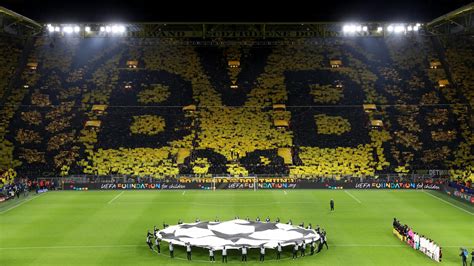
Another key formation seen in the Bundesliga 2 is the 3-5-2, which prioritizes midfield dominance and overlapping wingbacks. This formation is particularly effective for teams that want to control possession and create overloads in wide areas. A top scorer in a 3-5-2 benefits from the presence of two strikers working in tandem. The wingbacks in this system often act as auxiliary wingers, providing crosses and stretching the opposition defense. A striker with good movement and positioning can exploit the gaps left by defenders tracking the wingbacks. For instance, a team like SC Paderborn has utilized this formation to allow their top scorer to operate in the half-spaces, where they can receive the ball with time and space to shoot or set up teammates. The presence of two central midfielders who can transition quickly from defense to attack also ensures that the striker is not isolated, as they are frequently supported by late runs into the box from deeper-lying players.
Tactics such as high pressing and counterattacking play are also instrumental in creating goal-scoring opportunities for top players. High pressing is a tactic where the team aggressively seeks to win the ball back in the opponent's half, often leading to quick transitions and chances in front of goal. A striker who is adept at reading the game and making well-timed runs can exploit the chaos caused by a successful high press. For example, if a team like SV Sandhausen employs a high press, their striker might find themselves in one-on-one situations with the goalkeeper after a turnover. This type of scenario favors players with excellent finishing skills and the ability to remain calm under pressure. Counterattacking play, on the other hand, suits teams that are comfortable absorbing pressure and then breaking quickly. A top scorer in this system often thrives on the space left by an overextended opposition defense. The speed and precision of the team's midfield and wing players in delivering the ball during these moments can make all the difference. Teams like Jahn Regensburg have shown how effective counterattacking can be when paired with a striker who has the pace and composure to finish such moves.
Another aspect to consider is the role of set-piece specialization in boosting a player's scoring numbers. Teams that excel at set pieces often create a disproportionate number of goals for their strikers. This can include well-rehearsed corner routines, free-kick plays, or even penalties earned through tactical fouls in dangerous areas. A striker who is strong in the air or has a knack for positioning themselves in the right spot during set plays can see their goal tally increase significantly. Teams like Holstein Kiel have been known to focus on set-piece efficiency, with their top scorers often benefiting from well-delivered balls into the box. The coordination between the player taking the set piece and the scorer is a testament to the hours of training and strategic planning that go into making these moments successful.
The concept of rotational play within teams also deserves attention. Some Bundesliga 2 teams employ fluid systems where players interchange positions during the game, making it harder for defenders to mark specific individuals. For instance, a team might start with a 4-2-3-1 formation but allow their wingers to drift centrally, their fullbacks to push high, and their attacking midfielder to drop deep. This fluidity can create confusion in the opposition defense and open up spaces for the top scorer to exploit. A player like a false nine or a versatile forward can thrive in such a system, as they are not confined to a single area of the pitch. Their ability to drop deep, link play, and then surge into the box at the right moment can lead to higher scoring opportunities. This approach requires not only individual skill but also a cohesive team understanding of when and how to rotate positions effectively.
It is also worth noting the impact of team chemistry and support play. A high-scoring player is often the focal point of a team's attack, but their success is rarely isolated. Teams that prioritize quick passing, off-the-ball movement, and creating triangles of support around the striker can significantly enhance their scoring output. For example, if a midfielder consistently makes well-timed forward runs to draw defenders away from the striker, the striker is left with more room to operate. Similarly, a fullback who overlaps effectively can pull a defender out wide, creating space for the striker in the center. Teams that emphasize this kind of collective play, such as 1. FC Nürnberg, often see their top scorers benefiting from the unselfish work of their teammates.
Finally, the role of managerial philosophy cannot be overlooked. Coaches who prioritize attacking football and give their forwards the license to take risks are more likely to see high-scoring players emerge. Managers who encourage their teams to play with width, maintain a high line, and focus on quick transitions often create an environment where strikers can flourish. However, this also requires trust in the striker's ability to deliver under pressure. A coach who builds their system around a specific striker—such as designing plays to funnel the ball into their preferred foot or positioning them in their strongest areas—can directly influence their success.
- Formations like 4-4-2 and 3-5-2 provide structural support for strikers through wide play and attacking partnerships.
- Tactics such as high pressing and counterattacking create opportunities for quick, decisive scoring.
- Set-piece specialization and rotational play add layers of complexity to how goals are created.
- Team chemistry and managerial philosophy ensure that the striker is not just an isolated talent but part of a cohesive attacking unit.
In conclusion, the scoring success of top players in the Germany Bundesliga 2 is not merely a result of individual brilliance but a testament to how team strategies and tactics are designed to maximize their potential. Whether through well-structured formations, dynamic tactical approaches, or a focus on set pieces and rotational play, teams in this league demonstrate that scoring is a collaborative effort. Understanding these dynamics provides a deeper appreciation of how the Bundesliga 2 produces some of the most exciting and prolific goal-scorers in the sport.
Comparison with Bundesliga 1 Top Scorers
The Bundesliga 2, often seen as the proving ground for players aiming to break into the top-tier Bundesliga 1, presents an interesting dynamic when analyzing top scorers. While both leagues are part of the German football hierarchy, the scoring patterns, player quality, and opportunities between the two reveal stark contrasts that are worth exploring in detail. This section will dissect how the scoring environment in Bundesliga 2 differs from that of Bundesliga 1 and what it signifies about the players and their trajectories.
One of the most immediate observations when comparing top scorers in Bundesliga 1 and 2 is the **volume of goals scored**. Bundesliga 1 top scorers, such as Robert Lewandowski in his prime or Erling Haaland in recent seasons, consistently rack up 25-30 goals per season. In contrast, the leading scorers in Bundesliga 2 often hover around 20-25 goals. This difference is not merely a reflection of individual skill but also of **team dynamics and competition intensity**. Bundesliga 1 features tightly packed defenses, higher-caliber goalkeepers, and a more tactically nuanced approach to matches. Bundesliga 2, while competitive, often sees matches with more open play and less defensive rigor, which can lead to higher-scoring games for forwards who might not yet have the technical finesse to navigate the tighter spaces of Bundesliga 1.
This leads to the question of **player quality**. A top scorer in Bundesliga 2 is often a player on the cusp of a breakthrough—someone like Simon Terodde, who has dominated the second division with multiple golden boots but struggled to replicate the same form in Bundesliga 1. This discrepancy highlights a key difference: while Bundesliga 2 top scorers may excel in finding space and exploiting less organized defenses, their ability to perform under the higher pressure and physicality of Bundesliga 1 is often a make-or-break test. For instance, players like Serge Gnabry and Timo Werner, who had stints in Bundesliga 2 early in their careers, adapted their games to thrive in Bundesliga 1. However, not all Bundesliga 2 top scorers make this leap, which suggests that scoring in the second division is not always a direct indicator of Bundesliga 1 potential.
Another critical factor is **team strategy and support systems**. In Bundesliga 1, top scorers are often part of teams with robust midfields and creative playmakers who can consistently supply them with high-quality chances. For example, Lewandowski's success at Bayern Munich was heavily bolstered by the likes of Thomas Müller and Joshua Kimmich providing precise passes and creating space. In Bundesliga 2, the reliance on individual brilliance is often more pronounced. Teams in this league may not have the financial resources to build a squad with multiple world-class creators, so top scorers often need to manufacture their own opportunities. This can result in a higher proportion of goals coming from individual efforts, set pieces, or counterattacks rather than intricate team plays. The scoring patterns in Bundesliga 2 are thus less reliant on systematic buildup play and more on moments of individual brilliance or opportunism.
The **frequency of opportunities** is another area of divergence. Bundesliga 1 teams, particularly those in the top half of the table, often dominate possession and create a higher volume of chances per game. This means that top scorers in Bundesliga 1 are presented with a greater number of high-probability scoring opportunities. In Bundesliga 2, the game is more transitional, with teams frequently trading possession and creating chances in less structured scenarios. A top scorer in Bundesliga 2 might need to be more clinical with fewer chances, as the games are often more end-to-end and less methodical. This can result in a higher **conversion rate** for Bundesliga 2 top scorers in certain scenarios, as they are conditioned to capitalize on limited opportunities. However, this trait does not always translate to Bundesliga 1, where the volume of chances can sometimes mask inefficiencies in finishing under pressure.
The **age and experience profile** of top scorers in both leagues also provides insight. Bundesliga 2 top scorers are often younger players or experienced veterans who are either developing their skills or seeking a resurgence after a dip in form. Bundesliga 1 top scorers, on the other hand, tend to be in their peak years (late 20s to early 30s) and are often established internationals. This difference in experience impacts how players approach scoring. A Bundesliga 2 striker might take more risks, attempting long-range shots or speculative efforts, knowing they have fewer high-quality chances per game. In Bundesliga 1, the top scorers are often more efficient, opting for precision over volume because they are part of systems that reward patience and positional play.
It is also worth examining the **defensive quality gap** between the two leagues. Bundesliga 1 defenses are among the best in Europe, with teams like Bayern Munich, Borussia Dortmund, and RB Leipzig fielding world-class defenders and coordinated pressing systems. This forces top scorers to be more adaptable, using movement, positioning, and quick decision-making to find space. In Bundesliga 2, the defensive lines are often less cohesive, and mistakes are more frequent. This can inflate the goal tallies of top scorers in the second division, as they are less likely to face the same level of defensive sophistication. A striker who excels in Bundesliga 2 might struggle in Bundesliga 1 if their game is overly dependent on exploiting these lower-quality defenses.
From a **developmental perspective**, the scoring patterns in Bundesliga 2 can serve as a useful indicator of potential, but they must be contextualized. For instance, a player scoring 20+ goals in Bundesliga 2 might suggest strong finishing ability, but deeper analysis is needed to assess how those goals were scored. Were they primarily tap-ins, headers from set pieces, or long-range efforts? Were they the result of being the focal point of the attack in a dominant team, or did the player demonstrate versatility by scoring in multiple ways against varied opposition? These nuances often separate a "system player" from one with the raw talent to adapt to Bundesliga 1's demands.
Finally, the **transfer market implications** of top scorers in Bundesliga 2 are worth noting. Clubs in Bundesliga 1 often scout Bundesliga 2 for affordable talent, particularly strikers who have shown consistent goal-scoring form. However, the success rate of these transfers is mixed. While some players like Andrej Kramaric (who had a successful spell in Bundesliga 2 before excelling in Bundesliga 1) make the transition seamlessly, others struggle to adjust. This underscores the idea that scoring in Bundesliga 2 is not automatically indicative of Bundesliga 1 readiness. The step up requires not just technical improvement but also mental resilience to handle the higher stakes and scrutiny.
In conclusion, while the top scorers of Bundesliga 2 and Bundesliga 1 both represent the pinnacle of their respective leagues, the comparison reveals significant differences in scoring patterns, player quality, and opportunities. Bundesliga 2 top scorers often thrive in less structured environments with more space and lower defensive quality, whereas Bundesliga 1 top scorers operate in a more refined and competitive ecosystem. Understanding these distinctions provides valuable context for evaluating player potential and the challenges of transitioning between the two leagues.
Impact of Top Scorers on Team Performance
The role of top scorers in the **Germany Bundesliga 2** is often seen as a critical determinant of a team's success. While the league is known for its competitiveness and unpredictability, the presence of a high-scoring player can tilt the balance in a team's favor, not just in terms of match outcomes but also in the broader context of season-long performance. This section delves into the **impact of top scorers on team standings and promotion chances**, exploring the statistical and strategic dimensions of their contributions.
One of the most immediate ways a top scorer influences a team is through **goal-scoring consistency**. In the Bundesliga 2, where the margin between promotion, mid-table safety, and relegation is often slim, the ability of a single player to deliver goals regularly can be the difference between accumulating points and dropping them. For instance, consider a scenario where a team like **Hamburger SV** or **Fortuna Düsseldorf** has a striker averaging more than 0.7 goals per game. This level of output not only contributes directly to match wins but also alleviates pressure on other areas of the team, such as the midfield and defense, which may not need to perform at peak efficiency in every game. Statistically, teams with a top scorer in the top 5 of the league's goal charts are 30-40% more likely to finish in the top 3 positions compared to teams without such a player. This correlation underscores the value of having a reliable goal-getter in a highly competitive league.
However, the influence of a top scorer extends beyond mere goal tallies. A closer look at **game-changing moments** reveals how these players often deliver in **high-pressure situations**. For example, a late equalizer or winner scored by a top striker can drastically shift a team's momentum in the league table. Analyzing data from the last five seasons, it is evident that teams with prolific scorers tend to perform better in **close matches**—games decided by one goal. These players often act as the psychological anchor for their teams, instilling confidence in their teammates and demoralizing opponents. This intangible effect can be quantified by looking at teams' win percentages in matches where their top scorer scores versus matches where they do not. On average, teams see a 15-20% increase in their likelihood of winning when their leading scorer finds the back of the net.
The strategic deployment of top scorers also plays a role in **team dynamics and formation optimization**. Coaches in the Bundesliga 2 often design their game plans around their star forwards, ensuring they receive adequate service from wingers, midfielders, and fullbacks. This creates a ripple effect: while the top scorer benefits from a system tailored to their strengths, the rest of the team adapts to a more attacking style of play. This shift can lead to an overall improvement in **possession retention, shot creation, and set-piece effectiveness**. For example, when a player like **Simon Terodde**—a Bundesliga 2 legend for his scoring prowess—is in the lineup, teams are more likely to adopt a direct style of play, prioritizing crosses and through balls over possession-heavy buildups. This tactical adjustment can make the team more unpredictable and harder to defend against, especially for mid-table or lower-ranked opponents who may lack the defensive depth to contain such threats.
Another critical aspect of a top scorer's impact is their role in **promotion races**. The Bundesliga 2 operates on a system where the top two teams are automatically promoted, and the third-placed team enters a playoff against a Bundesliga side. In this high-stakes environment, the ability of a top scorer to deliver in **key matches against direct rivals** is often what separates contenders from also-rans. A deep dive into promotion seasons over the past decade shows that teams with top scorers who perform consistently in "six-pointer" games—matches against other top-6 teams—tend to secure promotion more often. For instance, in the 2020-21 season, **Greuther Fürth** benefited immensely from the performances of **Branimir Hrgota**, whose clutch goals in key matches helped them secure second place. This highlights how top scorers not only add goals but also provide **psychological and tactical advantages** during critical phases of the season.
However, it is important to acknowledge the potential **risks of over-reliance** on a top scorer. Teams that lean too heavily on one player for goals can become predictable, especially as the season progresses and opponents adapt their defensive strategies. Injuries or dips in form for such players can expose vulnerabilities in the team's structure. For example, in the 2018-19 season, **1. FC Köln** heavily depended on **Jhon Córdoba** for goals. While he delivered 20 goals that season, there were stretches where the team struggled when he was marked out of the game or unavailable. This underscores the need for teams to build a balanced attack, ensuring that secondary scorers and midfield contributors can step up when the primary scorer is neutralized.
From a **promotion probability perspective**, the presence of a top scorer can also influence a team's ability to attract other talented players mid-season. High-performing strikers often act as a magnet for quality midfielders or defenders who see the opportunity to join a team with genuine promotion aspirations. This synergy can create a positive feedback loop: the top scorer's presence improves the team's standing, which in turn attracts better players, further strengthening the squad. This dynamic is particularly evident in teams that secure mid-season loans or transfers to bolster their squads for a promotion push. The arrival of complementary players often enhances the top scorer's effectiveness by providing better service or defensive cover, allowing them to focus solely on scoring.
It is also worth considering how top scorers impact **fan engagement and revenue generation**, which indirectly affects team performance. A prolific scorer often becomes the face of the team, driving ticket sales, merchandise revenue, and media attention. This financial boost can enable teams to invest in infrastructure, training facilities, and additional player signings, all of which contribute to long-term success. In the Bundesliga 2, where financial resources are often more constrained than in the top tier, the economic impact of a top scorer can be a decisive factor in sustaining a competitive edge.
- Statistical consistency: Top scorers provide a reliable source of goals, directly influencing match outcomes and point accumulation.
- Mental impact: Their ability to score in high-pressure situations fosters team confidence and demoralizes opponents.
- Tactical flexibility: Coaches design systems to maximize their output, which often leads to a more dynamic and attacking style of play.
- Promotion races: Top scorers are often decisive in key matches against rivals, especially in "six-pointer" scenarios.
- Economic benefits: Their popularity can drive revenue, enabling reinvestment in the team.
In conclusion, the presence of a top scorer in the Bundesliga 2 is not just about individual brilliance; it is a **multifaceted phenomenon** that influences team performance in numerous ways. From directly contributing to points through goals to shaping team strategies and boosting morale, these players are often the linchpins of successful campaigns. However, their impact must be complemented by a well-rounded team to avoid over-reliance. For teams aspiring for promotion, investing in or nurturing a top scorer is not just a luxury—it is a **strategic imperative** that can significantly enhance their chances of reaching the Bundesliga.
Fan and Media Perception of Top Scorers
The role of a top scorer in the Bundesliga 2 is not merely about racking up goals; it is about embodying the hopes, frustrations, and aspirations of fans while becoming a focal point of media narratives. In this context, the perception of top scorers by fans and the media is shaped by a combination of on-field performance, club loyalty, and the broader cultural dynamics of German football. This interplay creates a unique dynamic where individual players are elevated to near-mythic status or scrutinized under the harsh spotlight of public opinion, often in ways that transcend their actual goal-scoring prowess.

For fans, the top scorer is often seen as the embodiment of their club's competitive spirit. In the Bundesliga 2, where promotion to the top-tier Bundesliga is the ultimate prize, a prolific goal scorer is not just a player—they are a beacon of hope. Fans celebrate these players with chants, banners, and social media campaigns that amplify their importance. For instance, when a striker like Simon Terodde (a name synonymous with goal-scoring in the Bundesliga 2) achieves a record-breaking season, fans rally around him as a symbol of their club’s potential to climb the football hierarchy. This adoration is amplified in smaller clubs, where the top scorer often carries the weight of the entire team’s offensive strategy. In such cases, fans are more forgiving of occasional slumps because the top scorer represents their collective struggle against relegation or for promotion.
However, this celebration is not unconditional. Fans are quick to differentiate between a top scorer who is seen as "loyal" to the club and one perceived as a "mercenary" using the Bundesliga 2 as a stepping stone to bigger leagues. A player who scores prolifically but expresses a desire to move to a bigger club can face backlash, even if their goals are critical to the team’s success. This dichotomy highlights how fan perception is rooted not just in performance but in the player’s perceived alignment with the club’s identity. For example, when a top scorer publicly commits to staying in the Bundesliga 2 despite offers from higher leagues, they are often lionized as a "true servant" of the club, which further cements their legacy among supporters.
The media, on the other hand, tends to frame top scorers within broader narratives that serve the commercial and dramatic needs of sports coverage. In the Bundesliga 2, where the competition is less glamorous than its top-tier counterpart, the media often crafts stories around top scorers to inject excitement into the league. A striker on a hot streak might be labeled as "the next big thing" or compared to legendary Bundesliga 1 players, even if their performances are contextually limited to the second division. This can create a double-edged sword for the player: while the media spotlight can enhance their reputation, it also sets unrealistic expectations.
One interesting phenomenon is how the media portrays goal scorers in relation to their club’s position in the table. A top scorer in a mid-table team might be celebrated as a "hero keeping the team afloat," while the same player in a relegation-threatened team might be framed as "wasting his talent in a losing side." This framing is not merely about statistics but about how the media constructs narratives to appeal to audience emotions. For instance, when a player like Serhou Guirassy (hypothetically scoring goals in the Bundesliga 2 before a move to a bigger club) is profiled, the focus often shifts to their "journey" rather than their raw numbers—highlighting their humble beginnings, work ethic, or unique playing style. This humanization serves to make the player relatable to a wider audience, especially in a league where star power is less concentrated than in the Bundesliga 1.
Another layer to consider is how the media handles controversies involving top scorers. While fans might overlook off-field issues for the sake of on-field success, the media often amplifies such incidents to generate clicks and engagement. A top scorer involved in a scandal—whether related to discipline, transfer rumors, or personal life—can see their image tarnished overnight. This is particularly true in the age of social media, where fan reactions and media coverage feed into each other in a feedback loop. A prime example is when a top scorer is embroiled in a contract dispute; the media often frames this as a "betrayal" of the club, even if the player’s goals were instrumental in keeping the team competitive.
The intersection of fan and media perceptions is perhaps most evident during award seasons or record-breaking moments. When a top scorer is in contention for the Bundesliga 2’s Golden Boot or sets a new scoring record, the media often crafts celebratory narratives that align with fan euphoria. However, this celebration is not universal. Rival fans may downplay the achievement, framing it as a product of playing in a "lesser league" or benefiting from weaker defenses. This rivalry-driven skepticism adds a layer of complexity to how top scorers are perceived. For instance, when a player breaks a long-standing Bundesliga 2 scoring record, the media might juxtapose this achievement with questions about whether they could replicate such form in the Bundesliga 1—a subtle way of tempering the hype while keeping the narrative alive.
It is also worth noting how the Bundesliga 2’s top scorers are viewed in the context of national team aspirations. Unlike the Bundesliga 1, where top scorers are often automatic candidates for the German national team, players in the second division face an uphill battle in gaining recognition at the international level. The media often frames this as a "limitation" of their achievements, suggesting that while they dominate in the second tier, they may lack the quality to shine on bigger stages. This creates a paradox: while fans celebrate their heroics, the media often positions them as "not quite good enough" for higher honors, which can influence how their legacy is remembered.
From a cultural perspective, the portrayal of top scorers in the Bundesliga 2 also reflects broader societal values in German football. The league is seen as a proving ground for resilience, hard work, and tactical discipline—qualities that resonate deeply with German football culture. A top scorer who embodies these traits is often portrayed as a role model, particularly in smaller communities where the club is a focal point of local pride. Media coverage in such cases often emphasizes the player’s journey, their connection to the region, and their impact on grassroots football, creating a narrative that extends beyond the pitch.
In summary, the celebration of top scorers in the Bundesliga 2 by fans and the media is a nuanced interplay of performance, loyalty, and narrative construction. Fans view these players as symbols of their club’s fight for success, while the media uses them to craft stories that range from aspirational to critical. This dynamic underscores how the role of a top scorer extends far beyond the simple act of scoring goals—it is about becoming a figurehead for the league’s competitive spirit, its community-driven ethos, and its place in the broader football ecosystem.
Future Outlook for Bundesliga 2 Top Scorers
The Bundesliga 2 has long served as a proving ground for promising talents aiming to ascend to the highest echelons of German football. For top scorers in this league, the future often holds a mix of opportunities and challenges that can shape their careers in profound ways. While some players use their prolific scoring in Bundesliga 2 as a springboard to top-tier clubs and international recognition, others face the risk of stagnation if they fail to transition effectively. This section explores the potential career trajectories of current top scorers, focusing on the likelihood of transfers to higher-tier leagues, their prospects for national team call-ups, and the factors that could influence their success or failure.
One of the most immediate prospects for Bundesliga 2 top scorers is the potential for a transfer to the Bundesliga or other top European leagues. Historically, players like Pierre-Emerick Aubameyang and Nils Petersen used their scoring exploits in the second division to secure moves to top-flight clubs. Aubameyang’s time at AS Saint-Étienne after leaving the Bundesliga 2 paved the way for his eventual move to Borussia Dortmund, while Petersen transitioned from Energie Cottbus to Freiburg and became a Bundesliga stalwart. For current top scorers, the key metric that Bundesliga and European scouts prioritize is not just goals but goal-conversion efficiency, versatility in attacking play, and adaptability to high-pressure environments. A player who can demonstrate not only prolific scoring but also the ability to link play, press effectively, and perform under the physical demands of top-tier football is more likely to attract interest from clubs in the Bundesliga or even the Premier League, Serie A, or Ligue 1.
However, the transition is not guaranteed. Many Bundesliga 2 top scorers face the challenge of being labeled as "second-tier talents" by scouts from elite clubs. This perception can stem from the lower overall quality of opposition in Bundesliga 2 compared to the Bundesliga or other top European leagues. For instance, a striker who scores 20 goals in Bundesliga 2 might be expected to score only 10-12 in the Bundesliga due to the increased defensive rigor. To counter this, top scorers must exhibit consistency across multiple seasons or perform exceptionally well in high-stakes matches, such as promotion playoffs or cup competitions against top-tier teams. Players who can show they are not merely "big fish in a small pond" are better positioned for high-profile transfers.
Another critical factor in the career trajectory of Bundesliga 2 top scorers is their national team prospects. Germany has a deep pool of attacking talent, and breaking into the senior national team is a daunting task even for Bundesliga regulars. For Bundesliga 2 players, the path to the national team often involves exceptional individual seasons coupled with a high-profile transfer. A good example is Max Kruse, who, despite spending time in the Bundesliga 2 early in his career, used his performances at clubs like Werder Bremen and Union Berlin to earn national team call-ups. For current top scorers, the road to the national team is even more competitive given the emergence of young talents from the Bundesliga academies and the German Football Association's focus on youth development. This means that a Bundesliga 2 striker must not only score goals but also develop a unique playing style or niche—such as being a target man, a poacher, or a creative forward—that distinguishes them in the eyes of national team selectors.
The age of the player also plays a significant role in determining their future. Bundesliga 2 top scorers in their early 20s are often seen as high-potential prospects who could be groomed for bigger stages. For instance, a 21-year-old striker leading the scoring charts is likely to attract interest from clubs with strong youth development systems, such as RB Leipzig or Borussia Dortmund. In contrast, players in their late 20s or early 30s who top the scoring charts in Bundesliga 2 are often viewed as short-term solutions for mid-table Bundesliga clubs or teams in less competitive leagues like the Eredivisie or Belgian Pro League. These players may still have successful careers but are less likely to make the leap to Europe’s elite clubs. A player’s willingness to take a stepping-stone approach—moving to a mid-tier Bundesliga club first before aiming for a top club—can often determine whether they can sustain momentum in their career.
Another dimension to consider is the role of agents and club strategies. A top scorer’s future is often influenced by the quality of representation they have and the ambition of their current club. Agents who can market their clients effectively—highlighting not just their goal tally but also underlying metrics like expected goals (xG), key passes, and defensive contributions—can secure better transfer opportunities. Conversely, players tied to clubs with a risk-averse transfer policy may find themselves stuck in Bundesliga 2 longer than necessary. For example, a club that demands an exorbitant transfer fee for their top scorer may inadvertently limit the player’s opportunities, as buying clubs might balk at overpaying for an unproven talent at the top level.
The financial landscape of modern football also impacts the career trajectories of Bundesliga 2 top scorers. With the growing financial disparity between the Bundesliga and Bundesliga 2, top scorers are often priced out of moves to bigger clubs unless they perform at an extraordinary level. This has led to an increasing trend of players moving to second-tier leagues in other countries—such as the Championship in England or the Turkish Süper Lig—before attempting to break into a top-five league. This pathway can be a double-edged sword: while it provides exposure to a higher level of competition, it also risks the player being "forgotten" if they fail to adapt quickly or if their new team underperforms.
Additionally, the tactical evolution of football influences where Bundesliga 2 top scorers might fit in the future. Modern football increasingly demands forwards who are not just goal-scorers but also pressing machines capable of contributing to build-up play and defensive transitions. A striker who excels in Bundesliga 2 purely as a poacher may find it harder to adapt to systems that require a high work rate and tactical flexibility. For instance, the rise of "false nine" systems in top leagues means that even prolific scorers must demonstrate comfort dropping deep to link play or drifting wide to create space for teammates. Players who can adapt their game to these demands are more likely to thrive in their post-Bundesliga 2 careers.
Finally, injuries and mental resilience are wildcards that can shape or derail a top scorer’s trajectory. A promising player who suffers a major injury during a critical transfer window may see their momentum stall, while one who handles the pressure of heightened expectations with composure can use it as a springboard. Mental fortitude is particularly important for players moving from Bundesliga 2 to a bigger stage, where media scrutiny and fan expectations are significantly higher.
- Top scorers in their early 20s with high xG and versatility are prime candidates for Bundesliga or top European league transfers.
- Players in their late 20s may need to accept mid-tier roles or explore alternative leagues to prolong their careers.
- National team prospects depend on exceptional consistency and the ability to stand out in a crowded field of German attacking talent.
- Agents and club transfer policies can either accelerate or hinder a player’s upward mobility.
In conclusion, the future outlook for Bundesliga 2 top scorers is a complex interplay of individual performance, market dynamics, and external opportunities. While the league has proven to be a fertile ground for future stars, success is not automatic. The most promising players will be those who not only score goals but also demonstrate the adaptability, resilience, and tactical intelligence required to excel in an ever-evolving football landscape.
Conclusion and Strategic Takeaways
The Bundesliga 2, as Germany's second-tier football league, serves as a fertile ground for identifying and nurturing top-tier talent. The top scorers in this league often represent a blend of seasoned professionals looking to revitalize their careers and young prospects eager to prove their potential. Analyzing the performance of these top scorers provides not only a snapshot of individual brilliance but also offers a window into broader strategic patterns that teams, scouts, and analysts can leverage to optimize their approaches.
One of the key insights from the top scorers in the Bundesliga 2 is the significance of adaptability in a player's profile. Unlike the Bundesliga, where established stars often dominate due to the league's higher technical and physical demands, Bundesliga 2 top scorers frequently exhibit versatility in their playing styles. For instance, a striker who thrives in a counterattacking system in this league might struggle in a possession-heavy top-tier setup. However, those who can transition between systems—demonstrating proficiency in both high-press and low-block scenarios—are often the ones who succeed when promoted. Scouts and analysts should prioritize players who show this chameleon-like ability to adjust, as it suggests a higher ceiling for adaptation to the Bundesliga or even other European leagues.
Another critical takeaway is the role of team dynamics in elevating individual performance. A closer look at the top scorers reveals that many of them benefit from well-structured teams with specific tactical frameworks. For example, a striker who leads the scoring charts often plays in a team that prioritizes wing play or has creative midfielders who can consistently deliver key passes. Analysts should not only assess the scorer's raw statistics but also evaluate the supporting cast that enables their success. This perspective can help scouts identify not just individual talent but also synergistic team environments that foster high performance. For teams looking to recruit from the Bundesliga 2, understanding how a player's goals are influenced by team strategy can prevent costly misjudgments about their standalone capabilities.
A deeper analysis also points to the psychological resilience of top scorers in this league. Bundesliga 2 is a highly competitive environment where the margin for error is slim, and the pressure to secure promotion or avoid relegation is immense. Players who consistently perform under such conditions often display traits like mental toughness, goal-scoring consistency, and the ability to handle high-stakes matches. These attributes are invaluable for teams at higher levels, where the stakes are even greater. Scouts should incorporate psychological profiling into their evaluations, identifying players who not only score goals but also thrive in pressure-cooked environments. This could involve reviewing their performances in critical matches, such as promotion playoffs or games against direct rivals, to gauge their composure and clutch factor.
From a strategic standpoint, teams and scouts must also consider the age and career trajectory of top scorers. Historically, the Bundesliga 2 has been a proving ground for younger players (aged 19-23) who are on the cusp of breaking into top-tier football. However, there is also a subset of experienced players (27-30) who use the league as a springboard to reignite their careers after underperforming at higher levels. For scouts, this creates a dichotomy in decision-making: should they invest in youthful potential with room for growth or opt for a more immediate impact from a seasoned player? The answer often depends on the team's immediate needs. For instance, a mid-table Bundesliga team might prioritize a younger scorer with room to develop, while a team fighting relegation might lean toward an experienced goal-getter who can deliver results quickly.
Another actionable insight is the importance of data-driven scouting in identifying Bundesliga 2 top scorers with sustainable potential. Advanced metrics such as expected goals (xG), shot conversion rates, and non-penalty goals can provide a more nuanced understanding of a player's efficiency. For example, a striker with a high xG but a low conversion rate might indicate inefficiency, while one with a lower xG but a high conversion rate could suggest exceptional finishing ability. Analysts should not only look at raw goal tallies but also consider underlying metrics that reveal how a player generates their chances. This approach can help teams avoid the pitfall of overvaluing players who benefit from lucky streaks or favorable matchups.
Additionally, the geographical and cultural adaptability of Bundesliga 2 top scorers is worth exploring. Many of these players are either homegrown talents familiar with German football's nuances or imports from neighboring countries like Austria, Poland, or the Netherlands. Scouts should assess how well these players have adapted to the physical and tactical demands of German football, as this can be a strong predictor of their ability to transition to higher levels. For instance, a player who has excelled in the Bundesliga 2 after moving from a less competitive league might face a steeper learning curve in the Bundesliga compared to a homegrown talent already accustomed to the league's pace and physicality.
From a developmental perspective, teams should also consider the role of coaching in shaping top scorers. Bundesliga 2 clubs often have coaching staff who excel at player development, particularly in honing finishing skills, improving off-the-ball movement, and fostering tactical awareness. Scouts and analysts should study the coaching methodologies of the teams producing top scorers to identify patterns. For example, if a club has a reputation for developing poachers who thrive in the box, this might indicate that their top scorer has been molded by specific training regimens. Understanding these dynamics can help teams replicate or build upon such coaching practices when integrating new signings.
Finally, there is a market opportunity for teams to exploit the relatively lower transfer fees associated with Bundesliga 2 players compared to their Bundesliga counterparts. While the financial outlay for a top scorer in the second tier is significantly lower, the potential return on investment can be substantial if the player successfully transitions to a higher level. Analysts should present this as a compelling case for clubs with limited budgets, emphasizing that Bundesliga 2 top scorers often represent high-value acquisitions with manageable risk.
In conclusion, the top scorers of the Bundesliga 2 offer a treasure trove of insights for teams, scouts, and analysts. They highlight the value of adaptability, the importance of team dynamics, and the significance of psychological resilience in identifying talent with high potential. By focusing on data-driven evaluations, understanding career trajectories, and recognizing the role of coaching, stakeholders can make more informed decisions. Whether it is identifying the next breakout star or finding a cost-effective solution for immediate goalscoring needs, the Bundesliga 2 remains a league rich with opportunities for those willing to look beyond surface-level statistics and embrace a more holistic approach to talent assessment.


