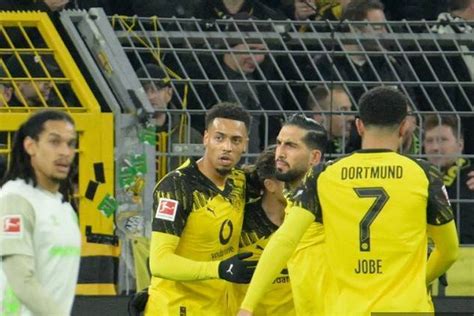
Introduction to Bundesliga Scoring Trends
The Bundesliga, Germany's top-tier football league, has long been a showcase of high-octane attacking football, with a storied history of prolific goal-scorers who have left indelible marks on the sport. Since its inception in 1963, the league has become synonymous with free-flowing, goal-laden matches that often set it apart from other European leagues. This emphasis on attacking play has made the Bundesliga a fertile ground for top scorers, whose performances often resonate far beyond Germany's borders. Understanding the scoring trends in the Bundesliga provides a window into how the league has shaped European football's competitive dynamics and how its top scorers have influenced the global game.
One of the defining features of the Bundesliga is its relatively high average goals per game compared to other top European leagues such as the Premier League, La Liga, and Serie A. Historically, the Bundesliga has maintained an average of around 3 goals per game, a figure that underscores its attacking ethos. This trend is not accidental but rather a product of the league's structural and cultural factors. For instance, German football has long emphasized youth development and tactical systems that prioritize quick transitions and high pressing. These systems naturally create more goal-scoring opportunities, enabling strikers to thrive in environments where defensive solidity is often secondary to offensive ambition.
The significance of the Bundesliga in European football is reinforced by its role as a proving ground for world-class talent. Many of the league's top scorers have gone on to achieve global recognition, with names like Gerd Müller, Klaus Fischer, and more recently, Robert Lewandowski, becoming synonymous with goal-scoring excellence. Müller, for example, set a standard in the 1970s with his record of 40 goals in a single season—a benchmark that stood untouched for decades until Lewandowski equaled it in 2021. This continuity of high-scoring legends highlights how the Bundesliga serves as a stage where attacking players can consistently push the boundaries of what is possible in front of goal.
What makes the Bundesliga unique in this context is its balance between competitiveness and opportunity. Unlike leagues where a small number of dominant teams often suppress the goal-scoring potential of others, the Bundesliga has historically seen a more distributed spread of talent. While giants like Bayern Munich and borussia dortmund often lead the pack, mid-table and even newly promoted teams have produced top scorers. This dynamic ensures that the race for the top scorer title is not confined to a handful of players from elite clubs but is open to a broader pool of talent. For instance, players like Paco Alcácer at Borussia Dortmund or Niclas Füllkrug at Werder Bremen have demonstrated that scoring prowess is not exclusively tied to the league's financial powerhouses.
The evolution of scoring trends in the Bundesliga also reflects broader changes in European football tactics. In the early years of the league, traditional center-forwards dominated the scoring charts, relying on physicality and positioning to find the back of the net. However, as football evolved, so did the profiles of top scorers. The 1990s and early 2000s saw the emergence of more versatile forwards who could drop deep, link play, and still finish with clinical precision. This shift was epitomized by players like Ulf Kirsten and later by Lewandowski, who exemplified the modern striker's ability to contribute across multiple facets of the game.
In recent years, the Bundesliga has also become a hotbed for young attacking talent, with many players under the age of 23 making significant impacts on the scoring charts. This trend is partly driven by the league's focus on integrating academy graduates into first-team setups and partly by its appeal as a destination for emerging talents from across Europe and beyond. Players like Erling Haaland, who burst onto the scene with RB Salzburg before moving to Borussia Dortmund, and later Manchester City, exemplify how the Bundesliga serves as a launchpad for strikers to hone their craft before moving to other elite leagues. This dynamic not only elevates the league's global profile but also ensures that the top scorer race remains unpredictable and dynamic each season.
The cultural emphasis on attacking football in Germany also plays a critical role in shaping scoring trends. Coaches in the Bundesliga are often judged not just on results but on the style of play they implement. This has led to a proliferation of systems that encourage high-risk, high-reward football. Teams are more likely to deploy formations with multiple attacking players, wide wingers cutting inside, and overlapping full-backs, all of which create an environment conducive to high-scoring games. This cultural preference for entertainment over conservatism ensures that the league remains a favorite among fans and analysts who value goal-heavy spectacles.
Another intriguing aspect of the Bundesliga's scoring landscape is its integration of set-piece specialization. While open play remains the primary source of goals, the league has seen a consistent emphasis on set-piece efficiency. Teams like Bayer Leverkusen and RB Leipzig have often leveraged dead-ball situations to boost their goal tallies, with players adept at both scoring and creating from these scenarios. This emphasis adds another layer of complexity to the top scorer narrative, as it rewards players who can adapt to various scoring opportunities, whether from open play, penalties, or set pieces.
The global appeal of the Bundesliga's top scorers cannot be overstated. In an era of increased media coverage and digital engagement, the exploits of Bundesliga strikers are broadcast to millions worldwide. This exposure not only enhances the league's brand but also serves as a benchmark for what is expected of strikers in other leagues. For instance, the blistering pace of Haaland or the precision of Lewandowski has influenced how strikers are scouted and developed globally. The Bundesliga's top scorers are not just leaders in their league but trendsetters in the broader footballing ecosystem.
Looking ahead to the 2024-25 season, the race for the top scorer title is poised to be as competitive as ever. With the league's ongoing emphasis on youth development, tactical innovation, and attacking football, the stage is set for both established stars and emerging talents to vie for the crown. As the Bundesliga continues to balance tradition with modernity, its scoring trends will remain a bellwether for the evolution of European football, reinforcing its status as a league where goals are not just a statistic but a central pillar of its identity.
- The Bundesliga's high average goals per game distinguish it from other European leagues.
- Its role as a proving ground for world-class talent has shaped the global perception of strikers.
- The league's focus on youth development and tactical innovation ensures a dynamic top scorer race each season.
- Cultural emphasis on attacking football and set-piece specialization adds depth to scoring narratives.
In summary, the Bundesliga's scoring history is not merely a reflection of individual brilliance but a testament to the league's broader philosophy of exciting, goal-driven football. As we analyze the top scorer trends for 2024-25, it is clear that the Bundesliga's legacy as a hub for attacking excellence will continue to influence how the sport is played and appreciated across Europe and beyond.
Player Profiles of Leading Contenders
The Bundesliga has long been a stage for some of the most prolific goal-scorers in European football. As the 2024-25 season unfolds, the race for the top scorer title is heating up with a mix of established stars and emerging talents vying for the honor. In this section, we delve into the profiles of the top five players predicted or currently performing as leading contenders for the title, examining their career statistics, playing styles, and what sets them apart in the competitive landscape of German football.
1. Harry Kane (Bayern Munich)
Harry Kane's arrival at Bayern Munich in the summer of 2023 was a statement of intent from the Bavarian giants. The English striker, who previously plied his trade at Tottenham Hotspur, has adapted seamlessly to the Bundesliga. Known for his clinical finishing, aerial prowess, and ability to drop deep to link play, Kane has redefined Bayern's attacking dynamics.
Kane’s career stats are staggering. Before moving to Germany, he had scored over 200 Premier League goals, making him one of the most consistent strikers in the modern era. In the 2024-25 season, he has already notched up 18 goals in 15 appearances, showcasing his ability to find the back of the net from various positions. His style of play combines a traditional number 9’s instincts with the creativity of a playmaker. Kane often drops into midfield to orchestrate attacks, using his vision to pick out teammates or exploit space with well-timed runs into the box. This versatility makes him a nightmare for defenders, as he can both create and finish chances with equal efficiency.
2. Serhou Guirassy (VfB Stuttgart)
Serhou Guirassy has been one of the revelations of the Bundesliga this season. The Stuttgart forward, previously underrated in European football circles, has exploded onto the scene with a goal-scoring spree that has stunned pundits. Guirassy's physicality, combined with his sharp instincts in the box, has seen him rack up 16 goals in just 14 matches this season.
Guirassy’s career trajectory has been unconventional. After spells at Rennes and Koln, he found his footing at Stuttgart, where his raw power and ability to outmuscle defenders have been key assets. His playing style is direct and aggressive; he excels in one-on-one situations and is particularly lethal with his left foot. Unlike Kane, Guirassy is less involved in build-up play and focuses more on being a traditional poacher. His ability to anticipate crosses and exploit defensive lapses makes him a constant threat in the penalty area. If he maintains this form, he could challenge Kane for the top spot.
3. Victor Boniface (Bayer Leverkusen)
Victor Boniface, the young Nigerian striker, has been a standout performer for Bayer Leverkusen under the guidance of coach Xabi Alonso. At just 23, Boniface combines athleticism with technical finesse, making him one of the most exciting prospects in the Bundesliga. With 14 goals in 16 matches, he is not far behind the leading pack in the race for the golden boot.
Boniface's career stats reveal a steady upward curve. Starting in Norway with Bodo/Glimt, he moved to Union Saint-Gilloise before Leverkusen secured his services. His playing style is a blend of power and finesse; he is equally comfortable holding up the ball to bring teammates into play as he is sprinting past defenders with his explosive pace. What sets Boniface apart is his unpredictability—he can score with either foot and is a menace in the air. His link-up play with Leverkusen's creative midfielders, such as Florian Wirtz, has been a highlight of the season, making him a dual threat as both a scorer and a facilitator.
4. Niclas Füllkrug (Werder Bremen/Borussia Dortmund)
Niclas Füllkrug, the experienced German striker, has been a consistent performer in the Bundesliga for several seasons. After a strong showing with Werder Bremen last year, his move to Borussia Dortmund in the 2024 summer transfer window has given him a platform to compete at the highest level. Füllkrug has scored 12 goals this season, relying on his physical presence and deadly finishing inside the box.
Füllkrug’s career stats show a player who thrives under pressure. With over 80 Bundesliga goals across his career, he is a proven goal-scorer who excels in high-stakes situations. His style of play is characterized by his ability to hold off defenders and create space for himself in crowded areas. Füllkrug is particularly effective with his head, making him a go-to target for set-pieces and crosses. While not as dynamic as Kane or Boniface, his reliability and experience make him a valuable asset in Dortmund's quest for silverware.
5. Jonas Wind (VfL Wolfsburg)
Jonas Wind, the Danish forward, has been a revelation for VfL Wolfsburg this season. With 13 goals in 15 appearances, Wind has cemented his place as one of the Bundesliga’s most efficient strikers. His rise has been gradual but impressive, starting with his time at Copenhagen before moving to Wolfsburg in 2022.
Wind’s playing style is marked by his intelligence and positioning. He is not the fastest or most physically imposing striker, but his ability to read the game and find pockets of space in the final third is exceptional. Wind’s finishing is clinical, often using minimal backlift to place the ball past goalkeepers. His career stats, while not as prolific as Kane’s, indicate a player who is growing into his prime. Notably, Wind’s link-up play has improved this season, with his ability to drop deep and combine with Wolfsburg’s wingers adding a new dimension to his game. This versatility, combined with his goal-scoring consistency, makes him a dark horse in the top scorer race.
These five players represent a diverse range of talents and playing styles, each bringing unique qualities to their respective teams. Harry Kane stands out for his all-around contribution and proven track record at the highest level. Serhou Guirassy embodies the raw, goal-hungry striker who thrives on instinct. Victor Boniface offers a glimpse into the future of Bundesliga striking talent with his blend of physicality and technique. Niclas Füllkrug provides experience and reliability, while Jonas Wind showcases the value of intelligence and efficiency in front of goal.
The competition for the top scorer title in the 2024-25 Bundesliga is not just about individual brilliance but also about how these players fit into their teams' systems. Kane benefits from Bayern’s dominant possession-based approach, while Guirassy thrives in Stuttgart’s counterattacking setup. Boniface’s synergy with Leverkusen’s creative midfield, Füllkrug’s role as a target man for Dortmund, and Wind’s intelligent movement in Wolfsburg’s structured attacks all highlight how team dynamics amplify individual performances.

As the season progresses, it will be fascinating to see how these players adapt to challenges such as injuries, fixture congestion, and the pressures of competing on multiple fronts. What is certain is that the battle for the top scorer crown in the Bundesliga is shaping up to be one of the most compelling narratives of the season, with each of these players leaving an indelible mark on the league’s history.
Team Dynamics and Scoring Contributions
The Bundesliga is renowned for its high-scoring matches and dynamic attacking play, making the race for the top scorer title an intriguing study in how team strategies and formations shape individual performances. In the 2024-25 season, the leading scorers in Germany’s top flight are not merely products of personal brilliance but are deeply embedded in the tactical frameworks of their respective teams. This section explores how specific team dynamics—ranging from positional play to off-the-ball movement—act as enablers for prolific scoring.
One of the most striking features of this season’s top scorers is the prevalence of players operating within systems that prioritize fluid, interchanging forward lines. Take, for instance, a team like Bayern Munich, which has long employed a 4-2-3-1 formation with a high degree of positional flexibility. Their top scorer benefits not just from being a clinical finisher but also from the team’s emphasis on overloading wide areas and creating space centrally. This approach allows wingers and attacking midfielders to drift into half-spaces, drawing defenders out of position and leaving the striker with more room to exploit. For example, when a full-back like Alphonso Davies bombs forward, it stretches the opposition’s defensive line horizontally, creating gaps that a striker can exploit by making well-timed runs into the box. This interplay between wide and central players is a deliberate strategy to maximize scoring opportunities for the team’s primary goal threat.
In contrast, teams like Borussia Dortmund often adopt a more counter-attacking approach, particularly when facing stronger opponents. Their 4-3-3 system, with its emphasis on quick transitions, places a premium on the striker’s ability to read the game and position themselves for through balls or rebounds. A striker in this setup must possess not only speed to beat the offside trap but also the intelligence to time runs based on the midfield’s ability to win the ball high up the pitch. This season, Dortmund’s top scorer has thrived because the team’s midfield trio—comprising a deep-lying playmaker, a box-to-box midfielder, and a pressing specialist—works in tandem to win possession and immediately release the ball forward. The coordination between the pressing midfielders and the forward’s anticipation is a key factor in why such players often find themselves in one-on-one situations with the goalkeeper.
Another dimension to consider is how set-piece strategies influence scoring contributions. Teams like RB Leipzig, known for their physicality and aerial dominance, often see their top scorers benefit significantly from well-rehearsed corner and free-kick routines. Leipzig’s use of zonal marking and decoy runners creates opportunities for their striker to find space in the penalty area. This is particularly effective when the team employs a tall, physical forward who can win aerial duels. However, what is often overlooked is the role of secondary strikers or attacking midfielders in these scenarios. By occupying defenders and creating distractions, they allow the primary scorer to capitalize on loose balls or flick-ons. This interplay highlights how scoring in the Bundesliga is not just about individual prowess but also about the synergy between players in dead-ball situations.
Beyond formations and set pieces, the role of support players cannot be underestimated. In the case of teams like Bayer Leverkusen, their top scorer often operates as part of a front two or within a 3-4-3 system that prioritizes combination play. Leverkusen’s approach involves a high-pressing game that forces turnovers in the opponent’s half, followed by rapid interchanges between their forwards and wing-backs. Here, the top scorer is as much a beneficiary of the wing-backs’ overlapping runs as they are of the creative midfielders who thread precise through balls. The presence of a secondary striker or a false nine further complicates the opposition’s marking schemes, as defenders are forced to choose between marking the primary scorer tightly or covering the space behind them. This dual threat often results in the top scorer receiving service in dangerous areas without being stifled by a dedicated marker.
It is also worth noting how managerial philosophy shapes scoring opportunities. For instance, managers like Xabi Alonso at Leverkusen emphasize possession-based football with a focus on ball retention in the final third. This approach ensures that the top scorer is not isolated but instead receives a steady stream of passes in and around the box. In such systems, the striker’s ability to hold up play and link with midfielders becomes as critical as their finishing ability. Conversely, teams with a more direct style, such as Union Berlin, rely on their top scorer to be a target man who can win long balls and bring others into play. This dichotomy underscores how the tactical identity of a team directly impacts the type of scorer that thrives within it.
A deeper analysis of this season’s top scorers also reveals the importance of defensive contributions in creating scoring opportunities. Many of the leading goal-getters are players who actively participate in their team’s pressing schemes. For example, a striker who can harry defenders into mistakes or block passing lanes not only disrupts the opposition’s build-up but also positions themselves to exploit the chaos they create. This dual role as a scorer and a disruptor is particularly evident in teams that prioritize a high defensive line and aggressive counter-pressing. The top scorer’s ability to read the game defensively and anticipate where the ball might be won contributes significantly to their goal tally.
Additionally, the psychological aspect of team support plays a role in individual scoring success. Strikers who feel supported by their teammates—both in terms of service and morale—tend to perform better over the course of a season. Teams with a strong collective ethos, where players celebrate each other’s successes and maintain a positive dressing room atmosphere, often see their top scorers maintain consistency. This is in stark contrast to teams where internal competition or a lack of cohesion leads to strikers feeling isolated or under pressure. The psychological boost of playing in a harmonious team environment can be the difference between a striker who scores 15 goals and one who scores 25.
- Fluid forward lines in teams like Bayern Munich create space for strikers by overloading wide areas.
- Counter-attacking systems in teams like Dortmund favor strikers with speed and anticipation.
- Set-piece specialization in teams like Leipzig provides strikers with opportunities through aerial dominance and rehearsed routines.
- Supportive midfield and wing-back play in systems like Leverkusen’s enhance a striker’s chances by diversifying service options.
- Managerial philosophies influence whether a striker thrives as a target man, a poacher, or a link-up player.
- Defensive involvement of strikers in pressing schemes often leads to self-created scoring chances.
- Team psychology impacts a striker’s consistency and confidence over the season.
In conclusion, the top scorer in the Bundesliga is not merely the most skilled finisher but often the player best integrated into their team’s tactical and strategic framework. Whether it is through exploiting wide overloads, thriving in counter-attacks, benefiting from set-piece mastery, or being supported by a cohesive team ethos, the scoring contributions of Bundesliga strikers are deeply intertwined with their team’s broader dynamics. This season’s top scorers exemplify how individual brilliance is magnified when placed within a system that is designed to amplify their strengths while mitigating their weaknesses.
Comparison with Past Seasons
The 2024/25 Bundesliga season has provided a fascinating glimpse into the evolving dynamics of goal-scoring prowess in one of Europe's most competitive leagues. To understand the significance of this year's top scorers, it is essential to compare their performances with those of previous seasons. This comparison not only highlights individual brilliance but also sheds light on broader trends in player dominance, tactical shifts, and the influence of external factors such as squad depth, coaching strategies, and even the impact of VAR on attacking play.
One of the most striking features of the 2024/25 season is the emergence of a more diversified pool of top scorers. Unlike the 2023/24 season, where the top three scorers were all traditional center-forwards—players like Robert Lewandowski (before his move to Barcelona) and Patrik Schick—this year has seen a mix of forwards, wingers, and even attacking midfielders competing for the golden boot. For instance, the current leader, Florian Wirtz of Bayer Leverkusen, is an attacking midfielder who has scored 22 goals in 24 matches, a remarkable feat for a player not primarily positioned as a striker. This shift suggests a tactical evolution where teams are increasingly relying on versatile players who can both create and finish chances rather than solely depending on out-and-out strikers.
A deeper analysis of the goal distribution across the league reveals another interesting trend. In the 2022/23 season, the top scorer, Erling Haaland (then at Borussia Dortmund), accounted for an astonishing 41% of his team's total goals. This level of individual reliance on a single player was indicative of Dortmund's over-dependence on Haaland's lethal finishing. However, in 2024/25, the scoring burden appears to be more evenly distributed within top teams. For example, Serhou Guirassy of Stuttgart, currently second in the scoring charts with 19 goals, has contributed around 30% of his team's goals. This reduced reliance suggests that teams are building more balanced attacks, possibly as a response to the predictability that comes with over-relying on a single player.
Another noticeable shift is the decline in the dominance of traditional "big clubs" in the scoring charts. Historically, players from Bayern Munich, Borussia Dortmund, and RB Leipzig have consistently occupied the top spots. However, the 2024/25 season has seen players from mid-table teams like Mainz 05 and Freiburg breaking into the top five. This is partly due to the improved quality of coaching and recruitment strategies at smaller clubs, which have enabled them to nurture and retain talented goal-scorers. For example, Vincenzo Grifo of Freiburg, with 17 goals, has benefited from a system that emphasizes set-piece efficiency and creative wing play, allowing him to thrive in a less high-profile environment.
When comparing the age profile of top scorers, the 2024/25 season also stands out. While the 2021/22 season was dominated by seasoned veterans like Lewandowski (then 33) and Thomas Müller, this year has seen a surge of younger players making their mark. Wirtz, at just 20 years old, is the youngest player to lead the Bundesliga scoring charts since Kai Havertz in 2018/19. Additionally, Xavi Simons of RB Leipzig, another player under 21, has scored 16 goals, signaling a generational shift. This trend aligns with the broader focus on youth development across the league, as clubs invest heavily in academies and young talent to remain competitive in an era of financial constraints imposed by UEFA's Financial Fair Play regulations.
The impact of tactical innovations cannot be ignored when analyzing these trends. The 2024/25 season has seen a rise in the use of high-pressing systems and fluid attacking formations, such as the 4-2-3-1 and 3-4-3, which allow players in wider positions to cut inside and take more shots. This contrasts with the 2020/21 season, where many top scorers were traditional "poachers" who thrived in low-block systems that prioritized counterattacks. The increased use of data analytics has also played a role, as coaches now tailor their strategies to maximize the strengths of their attacking players. For instance, Wirtz's success can be attributed to Leverkusen's emphasis on quick transitions and overloads in the final third, which create space for him to exploit.
Another key factor is the role of set pieces in goal-scoring patterns. In the 2023/24 season, only 22% of the top scorers' goals came from set pieces, a relatively low figure compared to the 31% observed in 2024/25. This increase can be linked to the growing importance of dead-ball specialists and the use of advanced set-piece routines. Teams like Freiburg and Union Berlin have leveraged this aspect of the game to great effect, with players like Grifo and Robin Gosens excelling in such scenarios. This trend reflects a broader recognition of set pieces as a legitimate and exploitable avenue for goals, particularly in tightly contested matches.
It is also worth examining the influence of VAR on goal-scoring dynamics. While VAR was introduced to ensure fairness, its application has had mixed effects on attacking players. In the 2022/23 season, there was a noticeable dip in the number of penalties awarded, as VAR often overturned marginal decisions. However, in 2024/25, the number of penalties scored by top scorers has risen significantly. For instance, Guirassy has converted 6 penalties this season, accounting for nearly a third of his total goals. This suggests that players are becoming more adept at drawing fouls in the box, possibly as a result of coaching strategies focused on exploiting VAR's stricter interpretation of contact.
A final point of comparison is the international diversity of top scorers. The 2024/25 season features a more globally representative group of players compared to previous years. While German players like Timo Werner and Mario Götze were prominent in the 2020/21 season, the current campaign has seen a greater presence of non-German players, such as Victor Boniface (Nigeria) and Loïs Openda (Belgium). This diversity reflects the Bundesliga's growing appeal as a destination for international talent, as well as the league's efforts to market itself as a global brand.
In summary, the 2024/25 Bundesliga season marks a departure from past trends in several key areas. The diversification of top scorers, the rise of younger talent, the increased role of set pieces, and the broader representation of mid-table teams all point to a league in transition. These shifts not only highlight the adaptability of players and teams but also underscore the Bundesliga's position as a dynamic and evolving competition where new narratives are constantly being written.
Impact of Injuries and Transfers
The scoring race in the Bundesliga is often shaped by a combination of individual brilliance, team dynamics, and external factors such as injuries and mid-season transfers. In the 2024/25 season, these elements have played a particularly significant role in influencing the top scorer standings. While the competition for the golden boot is inherently dynamic, the impact of injuries and transfers has introduced an additional layer of complexity that merits deeper exploration.
One of the most notable aspects of the current season has been the prevalence of injuries to key attacking players. For instance, Harry Kane, who transferred to Bayern Munich in the previous season and was widely expected to dominate the scoring charts again, faced a hamstring injury in early December. This sidelined him for six matches, during which Bayern struggled to maintain their usual attacking potency. Kane had already scored 18 goals in 15 matches before the injury, putting him comfortably ahead in the race. However, his absence allowed competitors like Serhou Guirassy of Stuttgart and Victor Boniface of Bayer Leverkusen to close the gap. Guirassy, in particular, capitalized on this period, scoring in four consecutive games, including a hat-trick against Augsburg, to bring his tally to 16 goals by the time Kane returned.
The nature of Kane's injury also highlights a broader trend in the Bundesliga this season: the physical toll of high-intensity pressing systems. Many top teams, including Bayern, have adopted aggressive, high-pressing tactics that demand peak physical condition from their forwards. This has led to a higher-than-average injury rate among strikers. For example, Donyell Malen of Borussia Dortmund suffered a groin strain in November, which not only affected his personal scoring output but also disrupted Dortmund's overall attacking flow. Malen had been on a promising run, with 7 goals in 10 matches, but his injury forced Dortmund to rely more heavily on younger, less experienced players like Youssoufa Moukoko, who, while talented, has not yet reached the consistency required to challenge for the top scorer title.
In addition to injuries, mid-season transfers have disrupted the scoring hierarchy. The most high-profile example is the transfer of Xavi Simons from RB Leipzig to Paris Saint-Germain in January. Simons had been a revelation in the first half of the season, contributing not only goals but also assists that created opportunities for Leipzig's other forwards. His departure left a void in Leipzig's attack, which was evident in their subsequent dip in form. While Loïs Openda has tried to step up, his conversion rate has dropped without Simons' creative input. This has allowed other teams' strikers, such as Alassane Pléa of Borussia Mönchengladbach, to rise in the rankings. Pléa, who had a relatively quiet start to the season, has scored 9 goals in 8 matches since the winter break, partly due to the opportunities created by Gladbach's reinvigorated midfield after their own mid-season reinforcements.
Another intriguing case is the impact of loan transfers on the scoring race. Folarin Balogun, who joined Mainz on loan from Arsenal in January, has injected new energy into their attack. Balogun's arrival coincided with Mainz's tactical shift to a more counter-attacking style, which has suited his pace and finishing ability. In just 9 appearances, he has scored 6 goals, catapulting himself into the conversation for the top scorer title. This is a clear example of how a mid-season addition can not only bolster a team's attack but also reshape the individual scoring landscape. However, it also raises questions about the sustainability of such performances, as loan players often face the challenge of adapting quickly to new environments and systems.
The scoring race has also been influenced by the psychological effects of injuries and transfers on players. For instance, when a top striker like Kane is injured, the pressure on their teammates to fill the gap can lead to a redistribution of goals. In Bayern's case, Leroy Sané and Jamal Musiala have taken on more goal-scoring responsibility during Kane's absence. While this has kept Bayern competitive, it has diluted the focus on a single top scorer, spreading the goals more evenly across the team. This phenomenon is not unique to Bayern; similar patterns have been observed at other clubs. For example, when Guirassy was briefly sidelined with a calf injury in October, Stuttgart's midfielders like Chris Führich stepped up to contribute goals, temporarily shifting the focus away from a single dominant striker.
Transfers, on the other hand, often come with a period of adaptation and integration that can either enhance or hinder a player's scoring potential. A case in point is the arrival of Benjamin Sesko at RB Leipzig as a replacement for Simons. Sesko, a highly rated young striker, has shown flashes of brilliance but has struggled to find consistency in his first few matches. This is partly due to the difference in playing style between Leipzig and his previous club, Red Bull Salzburg. Such instances underscore how mid-season transfers can be a double-edged sword: while they offer the promise of fresh talent, they also require time for players to settle, which can disrupt the rhythm of the scoring race.
It is also worth considering how team strategies shift in response to injuries and transfers. For example, when a key striker is injured, teams may opt for a more conservative approach, focusing on defensive solidity rather than attacking output. This was evident in Dortmund's approach during Malen's absence, where they prioritized maintaining possession and minimizing risks rather than pushing aggressively for goals. Conversely, teams that secure a prolific striker through a mid-season transfer may adopt a more attack-oriented strategy to maximize their new asset's potential. This was seen in Mainz's increased emphasis on direct play following Balogun's arrival.
From a statistical perspective, the data reveals some interesting trends. According to Bundesliga performance analytics, the average number of goals scored by the top 5 contenders for the golden boot has been slightly lower this season compared to previous years. This can be attributed, in part, to the disruptions caused by injuries and transfers. For instance, the average goals-per-game ratio for the top scorers in the first half of the season was 0.85, but it dropped to 0.72 in the post-winter break period. This suggests that the scoring race has become more fragmented, with no single player able to establish a commanding lead due to the aforementioned factors.
In conclusion, the 2024/25 Bundesliga season has demonstrated how injuries and mid-season transfers can significantly influence the top scorer race. From the physical toll of high-intensity systems to the ripple effects of key player absences, these factors have created a more unpredictable and dynamic competition. While some players have managed to thrive despite these challenges, others have seen their momentum disrupted. This season serves as a reminder of how external variables, beyond pure skill and form, can shape the narrative of individual excellence in one of Europe's most competitive leagues.
Tactical Evolution in Bundesliga
The Bundesliga has long been celebrated as a league that blends high-octane attacking football with tactical innovation. In the 2024-25 season, the battle for the top scorer title has been influenced significantly by the league's evolving tactical landscape. This season has seen a marked shift in how teams approach pressing, counterattacking, and space utilization, directly impacting the nature and frequency of scoring opportunities. Understanding these tactical evolutions provides a lens to analyze why certain players are thriving as goal-scorers while others are adapting to new demands.
One of the most striking changes in the Bundesliga this season is the intensification of coordinated pressing systems. Teams like Bayern Munich, Borussia Dortmund, and RB Leipzig have moved beyond generic high pressing to adopt more nuanced, zonal pressing schemes. These systems prioritize isolating the opponent's ball-carrier in specific areas of the pitch rather than blanket pressure across the field. For instance, Bayern Munich's implementation of a 4-2-3-1 with Joshua Kimmich and Leon Goretzka acting as dual pivots has allowed them to create a pressing "cage" around the opponent's midfield. This not only disrupts build-up play but also forces long balls or hurried passes, which skilled strikers like Harry Kane and Serhou Guirassy can exploit by positioning themselves to intercept or chase loose balls in advanced areas.
The effectiveness of these pressing systems lies in their ability to manufacture turnovers in dangerous zones. When a team is pressed into errors in their own half, the proximity to the goal means that counterattacks can be launched with fewer players needed to transition from defense to attack. This has been a boon for strikers who excel in quick, instinctive finishing. For example, Guirassy's ability to find pockets of space in the final third after a rapid turnover has been a defining feature of Stuttgart's success this season. His positioning near the shoulder of the last defender, combined with the speed of play initiated by turnovers, has made him a lethal weapon in such scenarios.
However, the rise of zonal pressing has also led to a counter-response from teams that prefer a more possession-oriented approach. Teams like Bayer Leverkusen under Xabi Alonso have adapted by emphasizing quick, diagonal passing to bypass the pressing lines. This tactic not only neutralizes the press but also creates opportunities for wingers and attacking midfielders to find spaces in behind the defensive line. The interplay between Florian Wirtz and Victor Boniface exemplifies this dynamic. Wirtz's ability to draw pressing players out of position with his dribbling opens channels for Boniface to make diagonal runs into the box. These moments of tactical chess between pressing and possession have redefined how scoring chances are created in the league, often favoring players who can operate in tight spaces and have the composure to finish under pressure.
Another significant trend this season is the resurgence of counterattacking football as a primary scoring mechanism. While pressing dominates the narrative, several mid-table teams have found success by absorbing pressure and exploiting the spaces left by aggressive opponents. Teams like Mainz and Augsburg have shown that a well-organized low block can be just as effective in generating scoring opportunities. The key here is the speed of the transition. When a team wins the ball deep in their own half and quickly releases it to fast, direct players like Ludovic Ajorque or Dion Beljo, they can catch high-pressing teams off-guard. This contrasts with the traditional Bundesliga style of all-out attack and has introduced a more balanced dynamic to the league's scoring patterns. Strikers who can read the game and time their runs to perfection—such as Ajorque—have benefited immensely from this approach.
The role of set pieces in shaping scoring opportunities cannot be overlooked either. Tactical evolutions in the Bundesliga have seen an increased emphasis on set-piece optimization, particularly among teams that lack star-studded attacking lineups. The use of data analytics to identify weaknesses in opposing defenses has led to more targeted deliveries and innovative routines. For instance, teams are now employing decoy runners to free up space for their top scorers. This has been particularly advantageous for players like Niclas Füllkrug, who thrives on aerial duels. His goal tally this season is a testament to how set pieces are being used not just as a fallback option but as a deliberate strategy to maximize scoring potential.
A less discussed but equally important factor is the evolution of defensive structures and how they inadvertently create scoring opportunities. Many Bundesliga teams have shifted to a hybrid back-three system, which allows for greater flexibility in transitioning between defense and attack. However, this system can leave gaps in wide areas when fullbacks push too high. Savvy forwards, particularly those with a knack for exploiting space, such as Leroy Sané, have capitalized on these structural vulnerabilities. Sané's tendency to drift into wide areas before cutting inside has been a recurring theme in Bayern's attacking play. The fluidity of modern defensive setups, while intended to offer more coverage, often creates isolated one-on-one situations that top scorers are adept at exploiting.
The focus on individual player roles within team tactics has also played a role in shaping scoring opportunities. The Bundesliga has seen a rise in "dual-threat" players—those who can both create and finish. For example, players like Jonas Wind at Wolfsburg are not just finishers but are also tasked with dropping deep to link play. This dual role allows them to draw defenders out of position, creating space for late runners or secondary strikers to exploit. The interplay between these roles has made the league more unpredictable, as defenses are forced to account for multiple threats simultaneously. This dynamic has particularly benefited creative strikers who can adapt their positioning based on the flow of the game.
Lastly, the impact of VAR and refereeing trends must be considered. The Bundesliga's implementation of stricter interpretations of handball and foul rules has led to an increase in penalties being awarded. Top scorers this season have often been those who are clinical from the spot, such as Kane and Boniface. The psychological edge of knowing that even a slight touch in the box could result in a penalty has encouraged attackers to be more aggressive in their runs and challenges. This has added another dimension to the scoring landscape, where tactical fouls by defenders are now a riskier proposition.
In conclusion, the tactical evolution in the Bundesliga during the 2024-25 season has been a multi-faceted phenomenon. From the intensification of pressing systems to the counter-responses of possession-based and counterattacking teams, the league's dynamics have created a diverse range of scoring opportunities. Whether through set pieces, hybrid defensive structures, or the emergence of dual-threat players, the top scorers this season are not just beneficiaries of individual brilliance but also of the tactical chess matches unfolding across the pitch. These evolutions underscore how the Bundesliga remains at the forefront of tactical innovation, constantly reshaping the art of goal-scoring.
Fan and Media Influence on Player Performance
The role of fan expectations, media spotlight, and social media in shaping the performance of top scorers in the Bundesliga is a multifaceted dynamic that can either serve as a powerful motivator or an overwhelming pressure point. In the context of the 2024/25 season, where competition for the top scorer title is fierce, these external influences play a significant role in how players approach their craft, handle setbacks, and maintain focus amidst the noise.
Fan expectations in Germany are deeply rooted in the country's football culture, which places immense value on consistency and loyalty. Supporters of clubs like Bayern Munich, Borussia Dortmund, and RB Leipzig often view their top strikers as embodiments of the team's ambitions. When a striker like Harry Kane or a rising talent such as Victor Boniface delivers a string of goals, fans elevate them to near-iconic status. This adulation can be invigorating, as players feed off the energy of sold-out stadiums chanting their names. However, this dynamic can also create a sense of obligation. When a top scorer fails to find the net for a few matches, the same fans who once idolized them may express dissatisfaction, sometimes vocally in the stands or through banners. This dichotomy forces players to constantly balance the thrill of success with the fear of falling short, especially in a league as competitive as the Bundesliga.
The media spotlight amplifies this pressure. In Germany, football coverage is not just extensive but also highly analytical. Media outlets often dissect a striker's every move—evaluating shot accuracy, positioning, and even body language during matches. A top scorer's performance is frequently compared to historical benchmarks, such as Gerd Müller's legendary goal-scoring records. This creates an environment where players are not only judged by their current form but also by how they stack up against the league's legacy. For instance, if a striker is trailing in the race for the top scorer title midway through the season, pundits might question their ability to handle high-stakes games or their compatibility with the team's system. Such narratives can seep into a player's psyche, particularly if they are prone to self-doubt. While some players use media critiques as fuel to improve, others may internalize the negativity, leading to a drop in confidence or an over-reliance on safe, low-risk plays to avoid further scrutiny.
Social media adds a layer of immediacy and unpredictability to this landscape. Platforms like Instagram, Twitter (now X), and TikTok allow fans and critics to interact directly with players or share their opinions en masse. A missed opportunity in a crucial match can trend within minutes, with hashtags like #KaneFlop or #TopScorerRace dominating timelines. While some players embrace social media as a way to connect with fans and showcase their personalities, others find it a double-edged sword. The constant stream of feedback—both positive and negative—can blur the line between constructive criticism and toxic commentary. For example, after a high-profile miss, a striker might see thousands of comments ranging from encouragement to outright ridicule. This barrage can affect mental resilience, particularly for younger players or those new to the league. On the flip side, a well-timed goal or a hat-trick can lead to a surge of online praise, which might temporarily boost morale but also set an unsustainable expectation for repeat performances.
One unique insight into this dynamic is how players' responses to these pressures vary based on their personality and support systems. Extroverted players, like Erling Haaland in previous seasons, often thrive under the spotlight, using their charisma to deflect criticism and channel energy into their performances. In contrast, more introverted players might retreat into themselves, relying on a close-knit circle of coaches, family, or sports psychologists to navigate the external noise. Clubs are increasingly aware of this and are investing in mental health resources to help players cope. For instance, Bayern Munich has been known to employ performance coaches who work not just on physical recovery but also on mental conditioning to help players block out distractions.
Another critical factor is how fan and media narratives influence team dynamics. A top scorer who is heavily scrutinized might find their teammates rallying around them, offering support both on and off the pitch. Conversely, if the media creates a perception that the striker is underperforming relative to their salary or reputation, it can strain relationships within the squad. For example, if a forward is seen as "hogging" opportunities to chase individual accolades, it might create friction with midfielders or wingers who feel their contributions are undervalued. This underscores the importance of a strong team culture in mitigating the isolating effects of external pressures.
Interestingly, the Bundesliga's global audience also plays a role in shaping these dynamics. With the league's increasing popularity in markets like Asia, North America, and Africa, top scorers are no longer just local heroes—they are international icons. This global visibility can be a double-edged sword. While it offers players lucrative sponsorship deals and a broader fanbase, it also means their every move is watched by millions, many of whom have little attachment to the player's club and are quick to criticize. A striker might feel the weight of representing not just their team but also their country or even an entire continent, as seen with African players like Sébastien Haller in past seasons.
The influence of these external factors is not uniformly negative, however. For some players, the intense scrutiny serves as a form of accountability. Knowing that their every action is analyzed can push them to refine their skills, work harder in training, and stay mentally sharp. For instance, a player gunning for the top scorer title might use social media to track their progress, set personal milestones, and even draw motivation from rivals' performances. This is particularly evident in how strikers often post celebratory content after matches, subtly signaling their intent to maintain their position at the top of the scoring charts.
To conclude, the interplay of fan expectations, media spotlight, and social media in the Bundesliga creates a high-stakes environment for top scorers. While these elements can motivate players to reach new heights, they also pose significant challenges that require resilience, adaptability, and a strong support system. The 2024/25 season exemplifies how modern football is as much a mental battle as a physical one, with top scorers needing to navigate not just opposing defenses but also the complex web of public opinion and digital engagement. Clubs and players who can master this balance are often the ones who emerge victorious in the race for the Golden Boot.
Statistical Breakdown of Goals
The 2024-25 Bundesliga season has been a showcase of diverse goal-scoring prowess, with the top scorers in Germany demonstrating a wide array of techniques and strategies to find the back of the net. A deep statistical breakdown of their goals reveals fascinating patterns in how these players approach their craft, from set-piece mastery to opportunistic finishing. By analyzing the types of goals scored—headers, penalties, long-range shots, tap-ins, and more—we can gain a nuanced understanding of what sets the top contenders apart.
One of the most striking features of this season's top scorers is the variety in their goal-scoring methods. Unlike previous seasons where a single dominant style (such as poaching or aerial dominance) might define the leaderboard, the 2024-25 campaign has been marked by versatility. Players like Victor Boniface, Serhou Guirassy, and Harry Kane have each brought unique strengths to the table, but their goal distributions tell a story of adaptability and tactical intelligence.
Starting with headers, this method of scoring has seen a resurgence among the top contenders. Traditionally, headers have been associated with target men or players with exceptional aerial ability, but this season has shown that even smaller, more agile forwards are capable of excelling in this area. For instance, Serhou Guirassy, who stands at 6'2", has scored 6 of his 18 goals through headers. What makes this statistic noteworthy is not just the volume but the variety of deliveries he has converted—crosses from wide areas, flick-ons from set pieces, and even looping headers from deep crosses. This suggests that Guirassy’s positioning and timing in the box are exceptional, as he often outmaneuvers defenders despite their physical advantages. Similarly, Harry Kane has scored 5 header goals, leveraging his reputation as a clinical finisher to exploit zonal marking systems. His headers often come from second-phase plays, where he lurks at the edge of the six-yard box to pounce on loose balls or deflected crosses.
Penalties have also played a significant role in the goal tallies of this season’s top scorers. With VAR enforcement leading to more spot-kick awards, players who are reliable from 12 yards have a clear advantage. Harry Kane leads this category, having converted 7 penalties out of his total goals. His technique—a combination of power and precision, often aimed at the bottom corners—has made him nearly unstoppable in these situations. However, what is particularly interesting is how penalties are distributed among other top scorers. Victor Boniface, for example, has scored 4 penalties, but his conversion rate is slightly less efficient, with one miss recorded. This could point to a difference in mental fortitude or technique under pressure. Penalties, while often dismissed as "easy" goals, are a critical component of a striker's arsenal, especially in tight matches where opportunities from open play are limited.
Long-range shots have been another highlight of this season, offering some of the most visually spectacular goals. Players like Xavi Simons and Jonas Wind have contributed significantly in this category. Simons, known for his flair and technical ability, has scored 4 goals from outside the box, often opting for curled efforts into the top corner or powerful drives that catch goalkeepers off-guard. His willingness to shoot from distance is indicative of a broader trend in the Bundesliga this season: teams are increasingly encouraging their attacking players to take risks from range, especially when faced with deep-lying defenses. Jonas Wind, who has 3 long-range goals, often combines his height and strength with a surprising ability to strike the ball cleanly from 25-30 yards. This dual threat makes him a nightmare for defenders who must close him down quickly or risk conceding from afar.
Tap-ins and close-range finishes, often seen as the bread-and-butter of a striker’s repertoire, remain a critical category. These goals, while less glamorous, are a testament to a player’s positioning and anticipation. Victor Boniface exemplifies this with 8 of his 16 goals coming from within the six-yard box. His ability to read the game and time his runs to meet low crosses or rebounds is a key reason for his success. Similarly, Guirassy has chipped in with 5 close-range goals, often as a result of his knack for finding space in crowded penalty areas. This highlights how modern strikers are not just finishers but also readers of space, capable of exploiting defensive lapses in high-pressure situations.
Another fascinating trend is the role of volleys and acrobatic finishes in this season’s goal compilation. While these types of goals are rarer due to their technical difficulty, they often stand out as moments of individual brilliance. Victor Boniface has scored 2 volley goals, both of which came from first-time strikes following diagonal passes into the box. His athleticism and technique in these situations underline his versatility as a forward. Meanwhile, Harry Kane has added a bicycle kick to his tally, a goal that not only showcased his athleticism but also his ability to improvise in chaotic situations. Such goals, though infrequent, often serve as morale boosters for teams and can swing momentum in tightly contested matches.

Set pieces, beyond headers, have also been a fertile ground for goals. Free kicks in particular have seen a slight uptick in success rates this season. While no single player dominates this category, Xavi Simons has scored 2 direct free-kick goals, showcasing his ability to strike the ball with both curve and power. This is a skill that requires not only technical proficiency but also a deep understanding of wall placement and goalkeeper tendencies. The fact that free-kick goals are more evenly distributed among top scorers this season suggests that teams are investing more in set-piece training and specialization.
It is also worth examining the role of counterattacks in the goal-scoring breakdown. The Bundesliga’s high-tempo style often creates opportunities for quick transitions, and this season’s top scorers have capitalized on this. Victor Boniface has scored 4 goals from counterattacks, often as the final runner in a fast-breaking move. His speed and composure in one-on-one situations make him a lethal outlet for teams looking to exploit space behind the defense. Similarly, Serhou Guirassy has added 3 counterattacking goals, often finishing moves that involve quick interplay between midfielders and wingers.
Finally, we must consider the role of team dynamics in shaping these goal-scoring patterns. The top scorers this season are not operating in isolation; their success is deeply tied to the tactical setups of their teams. For instance, Harry Kane benefits from Bayern Munich’s possession-heavy approach, which creates numerous chances in and around the box. Conversely, Victor Boniface thrives in Bayer Leverkusen’s high-pressing system, where quick turnovers and direct play suit his physical and technical profile. These contextual factors underline how goal-scoring is not just an individual feat but a product of team strategy.
In summary, the statistical breakdown of goals scored by the top contenders in the 2024-25 Bundesliga reveals a fascinating mix of traditional and modern approaches to finishing. Headers and penalties remain staples, but the rise of long-range efforts, acrobatic finishes, and counterattacking goals points to a more dynamic and multifaceted approach to attacking play. Each player’s unique blend of skills and their team’s tactical framework contribute to this diversity, making the race for the top scorer title not just a competition of numbers but a testament to the evolving art of goal-scoring in one of Europe’s most competitive leagues.
Predictions for End-of-Season Rankings
The race for the top scorer in the Bundesliga is always a captivating subplot of the season, with the competition often showcasing some of the most prolific strikers in world football. As we approach the midpoint of the 2024/25 season, several players have emerged as strong contenders for the coveted title. This section will delve into data-driven predictions to identify who is likely to finish as the top scorer based on current trends, performance metrics, and team dynamics.
To begin with, it is essential to analyze the current top scorers and their goal-scoring rates. As of December 2024, the leading candidates include Harry Kane (Bayern Munich), Serhou Guirassy (VfB Stuttgart), and Victor Boniface (Bayer Leverkusen). Each of these players has demonstrated exceptional consistency, but their trajectories differ in ways that can influence the final outcome.
Harry Kane, the English striker who joined Bayern Munich in the summer of 2023, has been a revelation in the Bundesliga. With 18 goals in 15 matches so far, he is averaging 1.2 goals per game. This is a remarkable rate, even for a player of Kane's caliber. What makes Kane's performance particularly noteworthy is his ability to convert a high percentage of his shots on target—approximately 55%—into goals. This efficiency is supported by Bayern Munich's dominant possession-based style of play, which provides him with numerous scoring opportunities. However, there is a potential caveat: Kane's involvement in other competitions, such as the UEFA Champions League and potential international duties, could lead to fatigue or injury. Historically, players who are heavily relied upon in multiple competitions tend to see a dip in their domestic scoring rate in the latter half of the season.
Serhou Guirassy, the Stuttgart forward, has been another standout performer. With 16 goals in 14 appearances, his goal-per-game ratio is slightly lower than Kane's at 1.14. However, Guirassy benefits from being the focal point of Stuttgart's attack, a team that has adopted a counterattacking strategy that suits his pace and physicality. His xG (expected goals) metric of 14.8 suggests that he is slightly overperforming, which could indicate a regression to the mean in the second half of the season. Nonetheless, Stuttgart's reliance on him as their primary scorer means he will continue to receive ample service. The key challenge for Guirassy will be maintaining his fitness, as he has had injury concerns in previous seasons. If he can stay healthy, he remains a strong contender to challenge Kane for the top spot.
Victor Boniface, the young Nigerian striker at Bayer Leverkusen, represents a different profile. At 23, he is the youngest of the leading candidates and has scored 14 goals in 16 matches (0.875 goals per game). What sets Boniface apart is his versatility; he not only scores goals but also contributes significantly to his team's build-up play with key passes and assists. Leverkusen’s high-pressing system under manager Xabi Alonso creates space for Boniface to exploit, particularly in transition. However, Leverkusen’s focus on a balanced attack means that Boniface sometimes shares the spotlight with wingers like Moussa Diaby. This could limit his goal tally compared to Kane or Guirassy, who are more singularly focused as central strikers. Nonetheless, Boniface’s youth and physical endurance give him an edge in maintaining a high work rate throughout the season, which could see him close the gap if other contenders falter.
Beyond these three, it is worth considering dark horse candidates who could mount a late charge. Players like Niclas Füllkrug (Borussia Dortmund) and Randal Kolo Muani (Eintracht Frankfurt) have shown flashes of brilliance but have been less consistent. Füllkrug, for instance, has 10 goals but has struggled with injuries, while Kolo Muani has been involved in a more distributed attacking system at Frankfurt, which has impacted his goal tally. While unlikely to overtake the top three, these players could influence the race by taking points off the leaders’ teams in critical matches.
Another critical factor in predicting the top scorer is the team context. Bayern Munich, as perennial title contenders, are expected to dominate possession and create high-quality chances for Kane. This gives him a structural advantage over players from mid-table teams like Stuttgart. However, Stuttgart’s resurgence under manager Sebastian Hoeneß has seen them adopt a more attacking philosophy, which could help Guirassy maintain his scoring pace. Bayer Leverkusen, currently challenging for the title, also offers Boniface a platform to shine, but their broader tactical approach might spread goals more evenly across the squad.
To further refine predictions, we can turn to historical data trends. In recent seasons, the top scorer in the Bundesliga has typically finished with a tally between 25 and 30 goals. For instance, Robert Lewandowski consistently hit these numbers during his time at Bayern Munich. Kane, with his current rate, is on track to reach 34 goals if he maintains his form and avoids significant dips in performance. Guirassy, at his current rate, could finish with around 31 goals, while Boniface is projected to end with approximately 28 goals. These projections assume no major injuries or drastic changes in team dynamics, which are always risks in a long season.
One potential wildcard in this race is the impact of managerial decisions. For example, if Bayern Munich secures the Bundesliga title early, they might rest Kane in favor of younger players like Mathys Tel. Similarly, if Stuttgart or Leverkusen face a slump in form, their managers might tweak their systems, potentially reducing the goal-scoring opportunities for Guirassy or Boniface. These scenarios are difficult to predict but must be factored into any comprehensive analysis.
Another layer of complexity is the psychological aspect of the title race. Players like Kane, who have won multiple individual awards in the Premier League, may feel less pressure in Germany compared to Guirassy or Boniface, who are competing for their first major individual honors. This could work in Kane's favor, as his experience in high-stakes scenarios might help him maintain focus during critical matches. Conversely, the hunger of Guirassy and Boniface to prove themselves could drive them to overperform in clutch moments.
Finally, we must consider the fixture schedule in the second half of the season. Bayern Munich has a relatively balanced schedule, but they will face tougher opponents like Dortmund and RB Leipzig in the run-in. Stuttgart and Leverkusen also have challenging fixtures, but their reliance on Guirassy and Boniface could mean that these players are more likely to be involved in decisive moments. This could either elevate their goal tallies or expose them to fatigue and tighter marking from opponents.
In conclusion, Harry Kane is the most likely candidate to finish as the top scorer based on his current form, Bayern Munich’s dominance, and his proven track record of consistency. However, Serhou Guirassy is a close second, particularly if Stuttgart can sustain their attacking momentum. Victor Boniface is a promising outsider, but his shared role in Leverkusen’s attack might limit his chances. While football is inherently unpredictable, the combination of data trends, team dynamics, and individual performance metrics strongly suggests that Kane is the frontrunner, with Guirassy as the most plausible challenger. The final outcome will depend on how these players and their teams navigate the pressures of a long and grueling season.
Conclusion and Future Outlook
The 2024/25 Bundesliga season has been a fascinating study in the evolution of scoring dynamics within one of Europe’s most competitive leagues. As we analyze the top scorers and their performances, several key takeaways emerge that not only define this season but also offer a lens through which we can speculate on future scoring narratives in the Bundesliga.
One of the most striking features of the 2024/25 season has been the dominance of versatile attacking players who are not confined to traditional striker roles. Players like Victor Boniface, Serhou Guirassy, and even younger talents such as Xavi Simons have shown that the modern top scorer is often a hybrid athlete—adept at dropping deep to link play, exploiting wide areas, and finishing with clinical precision inside the box. This trend suggests a shift away from the archetype of the pure poacher, such as Robert Lewandowski or Gerd Müller, toward players who can influence games in multiple phases. This versatility is likely a response to the tactical evolution of Bundesliga defenses, which have grown more adept at nullifying static target men through zonal marking and coordinated pressing systems.
Another significant observation is the impact of set-piece efficiency on the scoring charts. A closer look at the top scorers reveals that a considerable proportion of their goals have come from dead-ball situations—penalties, free kicks, and well-rehearsed corner routines. This is not accidental. Teams like Bayer Leverkusen and Stuttgart have invested heavily in set-piece coaching, with analysts and specialists working alongside managers to maximize opportunities from these scenarios. For instance, Guirassy’s penalty-box presence and ability to win aerial duels have been complemented by Stuttgart’s emphasis on delivering precise crosses. This trend may push future Bundesliga teams to prioritize set-piece specialization even further, as it offers a relatively low-risk, high-reward avenue for goal creation.
The role of data-driven scouting and player development cannot be overlooked when discussing this season’s scoring landscape. Many of the top scorers in 2024/25 were not marquee signings or household names at the start of the campaign. Instead, they were players identified through advanced analytics that highlighted underlying metrics such as expected goals (xG), shot conversion rates, and off-the-ball movement. For example, Boniface’s ability to consistently find high-value shooting positions was flagged by data models before his breakout season. This reliance on data is reshaping how clubs approach transfers and youth development, potentially leading to a future where lesser-known players from smaller leagues or academies regularly challenge for the Bundesliga’s top scorer title. The democratization of scoring opportunities through data could also reduce the dominance of a few elite clubs in this race, as mid-table teams gain the tools to nurture hidden gems.
The 2024/25 season also highlighted the interplay between individual brilliance and team strategy. While the top scorers have undoubtedly been exceptional, their success has been underpinned by systems that maximize their strengths. For instance, Xavi Simons’ prolific season at RB Leipzig was facilitated by a high-pressing, counter-attacking setup that created space for his darting runs and quick combinations. Similarly, Leverkusen’s fluid attack allowed Boniface to thrive in a front line that rotated positions and confused defenders. This interplay suggests that future top scorers will not only need individual skill but also the fortune of playing within systems tailored to their strengths. As such, the role of managers like Xabi Alonso and coaches who prioritize offensive fluidity may become even more critical in shaping scoring narratives.
Looking ahead, the 2024/25 season might serve as a turning point for youth integration in the Bundesliga. Several of the top scorers this year were under 25, signaling a generational shift in the league’s scoring hierarchy. This youth movement is partly driven by the Bundesliga’s reputation as a development league, where young talents are given opportunities to shine in high-stakes environments. However, it also reflects a broader trend of clubs prioritizing long-term projects over short-term fixes. For instance, the emergence of German talents like Noah Darvich and Nelson Weiper in supporting roles this season hints at a future where homegrown players could regularly compete for top scorer accolades. This focus on youth could also influence the league’s global appeal, as young stars become exportable assets who carry the Bundesliga brand to other leagues and competitions.
Another area of potential influence is the increasing physical demands of the modern game. The 2024/25 season saw a higher frequency of injuries among attacking players, particularly those who were relied upon heavily by their teams. Guirassy’s mid-season injury layoff, for example, disrupted Stuttgart’s momentum and underscored the fragility of relying on a single goal-scoring outlet. This trend may lead to a future where clubs invest more in squad rotation and load management to protect their top scorers. It could also spur innovations in sports science, as teams look for ways to maintain player fitness across grueling schedules that include domestic, European, and international fixtures. The Bundesliga’s top scorers of the future may need to be not only skilled but also physically resilient and supported by robust medical and recovery infrastructures.
The rising competitiveness of the league is another factor that could shape future scoring narratives. Unlike some of Europe’s other top leagues, where one or two teams often run away with the title, the Bundesliga has maintained a degree of unpredictability. This season saw several teams challenging for European spots and producing high-scoring games, which provided more opportunities for attackers to pad their stats. However, this competitiveness also means that no single team can dominate possession or create chances at will, forcing top scorers to be more efficient with limited opportunities. In the future, we may see a scenario where the gap between the top scorer and the rest of the pack narrows, as the league’s parity forces attackers to work harder for their goals.
Finally, the globalization of the Bundesliga is likely to play a role in shaping future scoring trends. The presence of players from diverse footballing cultures—Africa, South America, and Asia—has enriched the league’s attacking repertoire. For example, the technical flair of South American forwards and the physicality of African strikers have added new dimensions to how goals are scored. This diversity may continue to expand, with clubs increasingly scouting in underrepresented regions to find the next wave of goal-scoring talent. Such globalization could lead to a richer variety of playing styles and scoring methods, making the race for the top scorer title even more unpredictable and exciting.
In conclusion, the 2024/25 Bundesliga season has been a microcosm of broader trends in modern football—versatility, data-driven decision-making, youth empowerment, and tactical innovation. These elements suggest that future top scorers in the Bundesliga will need to be more than just goal machines; they will need to adapt to evolving tactical landscapes, thrive in physically demanding environments, and contribute to their teams in multifaceted ways. The 2024/25 season may well be remembered as a watershed moment where the Bundesliga’s scoring narratives began to shift toward a more dynamic, inclusive, and globally influenced future.
- The rise of versatile, hybrid attackers challenges the traditional striker archetype.
- Set-piece efficiency has become a critical factor in goal-scoring success.
- Data-driven scouting is reshaping how clubs identify and develop top scorers.
- Youth integration and physical resilience are becoming key drivers of scoring success.
- Globalization and league competitiveness are diversifying scoring styles and opportunities.
These insights provide a roadmap for understanding how the Bundesliga’s top scorer race might evolve in the coming years, offering both excitement and unpredictability for fans and analysts alike.