Introduction to Transfer Gossip
Transfer gossip is a pervasive and dynamic element of modern sports journalism, particularly in the realm of football (soccer) and other team sports. At its core, transfer gossip refers to the speculative discussions, rumors, and reports surrounding the potential movement of players between clubs during transfer windows or outside of them. These rumors often involve details about player negotiations, club interest, agent activity, and even personal preferences of the athletes themselves. While some instances of transfer gossip are rooted in verified insider information, much of it exists in the gray area between fact and sensationalism, making it a unique and sometimes controversial feature of sports media.
The role of transfer gossip in modern sports journalism is multifaceted. On one hand, it serves as a tool for audience engagement. Fans are deeply invested in the movements of their favorite players and teams, and transfer gossip provides a constant stream of content that keeps them hooked. In the digital age, where clicks and views drive revenue, sports websites and publications often rely on transfer gossip as a primary driver of traffic. A well-placed rumor about a high-profile player considering a move can generate thousands of interactions within minutes, feeding the 24/7 news cycle that dominates sports coverage today. This dynamic has turned transfer gossip into a central pillar of sports journalism, particularly during transfer windows when the volume of such content spikes exponentially.
However, transfer gossip is not merely a product of media opportunism; it also reflects the complex ecosystem of modern sports business. The transfer market itself is a multi-billion-dollar industry, involving agents, clubs, intermediaries, and even financial speculators. Gossip often emerges as a byproduct of this ecosystem, where leaks—intentional or otherwise—serve various purposes. For instance, a club might deliberately plant a rumor about its interest in a player to gauge fan reaction, test the waters with the player’s current club, or even apply pressure in ongoing negotiations. Similarly, agents may use transfer gossip to enhance their clients’ market value or attract offers from competing clubs. In this sense, transfer gossip is not just idle chatter; it is a strategic tool within the broader landscape of sports economics.
From a journalistic perspective, transfer gossip poses unique challenges. Unlike match reports or player profiles, which are grounded in observable events, transfer gossip often relies on unnamed sources, ambiguous phrasing, and speculative scenarios. This creates a tension between the need for compelling content and the ethical responsibility to provide accurate information. Many sports journalists walk a fine line, balancing the demand for exclusive stories with the risk of reporting unverified claims. Some outlets have built their reputation on being reliable sources of transfer news, while others embrace the speculative nature of gossip as part of their brand identity. This dichotomy highlights how transfer gossip can both enhance and complicate the credibility of sports journalism.
Another layer to consider is the psychological appeal of transfer gossip to fans. Sports fandom is deeply emotional, and the prospect of a new signing or the departure of a beloved player can evoke strong reactions. Transfer gossip feeds into this emotional investment by offering fans a sense of participation in the unfolding narrative of their team. It allows them to speculate, debate, and imagine hypothetical scenarios about how a new player might fit into the squad or how the team might cope with a loss. This participatory element is amplified by social media, where fans can share, comment on, and even create their own transfer rumors. Platforms like Twitter and Reddit have become hotbeds for transfer gossip, blurring the lines between professional reporting and fan-driven speculation. In this way, transfer gossip has become a communal activity, binding fans together in shared anticipation and speculation.
The evolution of technology and data has further shaped the nature of transfer gossip. In the past, rumors were largely confined to print media or word of mouth, with limited avenues for verification. Today, advanced analytics, player performance data, and even machine learning algorithms are used to predict potential transfers. Websites and apps now offer "transfer probability ratings" based on factors like a player’s contract status, club financials, and historical transfer patterns. While these tools add a layer of perceived objectivity to transfer gossip, they also risk oversimplifying a process that is inherently human and unpredictable. A player’s decision to move might be influenced by personal reasons—family, lifestyle preferences, or even a desire for a new challenge—that no algorithm can fully capture.
It is also worth noting the globalization of sports as a key driver of transfer gossip. The interconnected nature of modern football, where players from diverse countries and leagues are constantly on the move, has made the transfer market a truly global phenomenon. This globalization has expanded the scope of transfer gossip, as fans and media outlets now track rumors from leagues and regions that were once considered peripheral. For example, a young talent from a lower-tier Brazilian league might become the subject of intense speculation in European media, illustrating how transfer gossip has become a bridge between different football cultures. This interconnectedness has also given rise to "transfer sagas," where a single player’s potential move is dissected and discussed for months, sometimes even years, across multiple platforms.
However, the prevalence of transfer gossip is not without its critics. Detractors argue that the focus on rumors detracts from more substantive coverage of the sport, such as tactical analysis, player development, or the socio-economic impact of sports. They claim that transfer gossip prioritizes sensationalism over substance, creating a culture of impatience and short-term thinking among fans and stakeholders. Moreover, the monetization of transfer gossip can sometimes lead to ethical lapses, with outlets prioritizing clickbait over responsible reporting. These criticisms highlight the need for a balanced approach to transfer gossip, where its entertainment value is acknowledged without compromising journalistic integrity.
In summary, transfer gossip is a complex and integral part of modern sports journalism. It serves as a bridge between the business of sports and the emotional investment of fans, offering both opportunities and challenges for media outlets. While it can be a source of excitement and engagement, it also demands careful navigation to maintain credibility and ethical standards. As the sports industry continues to evolve, transfer gossip will likely remain a central feature of the discourse, reflecting the ever-changing dynamics of player movement, fan culture, and the global sports economy.
Historical Context of Transfer Speculations
The phenomenon of **transfer gossip** in football has deep historical roots that intertwine with the sport's commercialization, media evolution, and fan culture. To understand its origins and evolution, we must trace back to the early days of professional football and examine how speculation about player movements became a staple of the sport's narrative.
In the late 19th and early 20th centuries, football was still in its infancy as a professional sport. During this period, player transfers were relatively rare and often conducted with little fanfare. Clubs operated within localized networks, and players were often tied to their teams through informal agreements or long-term loyalty. However, as football grew in popularity and clubs began to see financial potential in the sport, the dynamics of player movement started to shift. The establishment of formal leagues and structured competitions in England and other European countries created a framework where player transfers became more frequent and, by extension, more newsworthy.
The first traces of what we now call **transfer gossip** can be linked to the rise of sports journalism in the early 20th century. Newspapers, eager to capitalize on the growing interest in football, began reporting not just on match results but also on off-field activities, including player signings and potential moves. This marked a shift from purely game-focused reporting to a broader interest in the human stories behind the sport. For instance, the transfer of Alf Common in 1905 for a then-record fee of £1,000 between Sunderland and Middlesbrough was widely reported, not just for its financial significance but also because it stirred public debate about the commercialization of players. This early example illustrates how player transfers began to attract attention beyond the immediate football community, setting the stage for speculative narratives to take root.
The post-World War II era saw a significant expansion in football's global appeal, fueled by advancements in media and communication technologies. Radio broadcasts and, later, television brought matches and player stories into living rooms, making footballers household names. This period also saw the professionalization of sports journalism, with dedicated football reporters beginning to cultivate sources within clubs. The emergence of tabloid newspapers in the 1950s and 1960s further amplified the space for **transfer speculation**. These outlets thrived on sensational headlines and often published unverified rumors to drive sales. A player’s visit to another city or a cryptic quote from a manager could be spun into a story about a potential transfer, regardless of its veracity. This marked the beginning of **transfer gossip** as a deliberate editorial strategy to engage readers and sustain interest during off-seasons or lulls in competitive action.
The 1990s brought another pivotal moment in the evolution of transfer gossip with the advent of the Bosman ruling in 1995. This European Court of Justice decision allowed players in the European Union to move freely at the end of their contracts without a transfer fee, dramatically altering the transfer market. The ruling not only increased the volume of transfers but also heightened the stakes of speculation. Agents and clubs began using the media to float potential deals, creating a new layer of strategic gossip. For example, agents would leak interest from multiple clubs to drive up a player’s value or secure better contract terms. This era also saw the rise of **exclusive transfer scoops** as a badge of honor for journalists, further embedding gossip into the fabric of football media.
The internet age, particularly the 2000s, transformed transfer gossip into a global, 24/7 phenomenon. Online platforms, forums, and social media allowed rumors to spread with unprecedented speed and reach. Websites like Transfer Markt and Sky Sports dedicated sections to tracking player movements, while fan forums became breeding grounds for speculation. The immediacy of digital media meant that even the flimsiest of rumors could gain traction, with fans and journalists alike dissecting every tweet, Instagram post, or ambiguous comment from players and managers. This period also saw the professionalization of **transfer reporting**, with some journalists building careers around breaking transfer news. However, the sheer volume of gossip also led to skepticism, with fans often questioning the credibility of sources amid a sea of conflicting reports.
One unique insight into the historical context of transfer gossip is its role as a proxy for broader socio-economic shifts in football. In the early days, speculation was limited because the sport was less commercialized and player mobility was restricted. As football became a global industry, transfer gossip mirrored the sport's increasing financialization. The rise of super-agents like Jorge Mendes and Mino Raiola in the 2000s and 2010s shows how gossip became not just a byproduct of transfers but a tool for negotiation and brand-building. Agents actively fed the media with rumors to position their clients as highly sought-after commodities, turning transfer windows into theatrical events.
Another dimension of this evolution is the role of fan engagement. Transfer gossip has always been a way for fans to feel connected to the sport during periods of inactivity. In the pre-digital era, this took the form of watercooler conversations or debates in local pubs. Today, it manifests in online communities where fans analyze every snippet of news, often creating their own speculative narratives. This participatory aspect of gossip underscores its psychological appeal—it allows fans to dream about their team's potential success or vent frustration about perceived mismanagement.
The historical trajectory of transfer gossip also reveals its paradoxical nature. While it is often dismissed as frivolous or unreliable, it serves a critical function in maintaining year-round interest in football. Clubs and leagues benefit indirectly from the buzz generated by gossip, as it keeps fans engaged even when no matches are being played. At the same time, the saturation of transfer rumors has led to "gossip fatigue," with many fans and even some journalists lamenting the lack of substance in much of the reporting.
In summary, the origins of transfer gossip lie in the intersection of football’s professionalization, media expansion, and fan culture. From early newspaper reports on record transfers to the digital-age explosion of rumors, transfer speculation has evolved into a complex, multi-faceted phenomenon. It reflects not just the sport’s commercial growth but also its ability to capture imaginations and sustain narratives beyond the pitch. As football continues to globalize and innovate, transfer gossip will likely remain a central, if contentious, element of its storytelling tradition.
- The early 20th century saw the first instances of transfer-related reporting as sports journalism expanded.
- The post-WWII era amplified transfer gossip through mass media like radio and television.
- The Bosman ruling in 1995 increased the volume and strategic nature of transfer speculation.
- The internet and social media turned transfer gossip into a global, interactive phenomenon in the 2000s.
This historical lens not only illuminates how transfer gossip became a cornerstone of football discourse but also highlights its enduring appeal and adaptability in an ever-changing media landscape.
The Role of Media in Amplifying Rumors
The media plays a central role in the proliferation of transfer gossip, acting as both a conduit and an amplifier for rumors that swirl around player movements in the world of sports, particularly football. This section delves into how traditional and digital media platforms contribute to the propagation of transfer speculation, examining their methods, motivations, and the ripple effects of their actions.
Traditional media outlets, such as newspapers, radio, and television, have long been the bedrock of sports reporting. These platforms often have established relationships with agents, clubs, and insiders, making them privy to early whispers of potential transfers. However, the commercial incentives to break stories first often lead to a prioritization of speed over accuracy. For instance, a reputable sports daily might publish a speculative headline like "Star Player Linked to Mega-Move" based on minimal evidence, knowing that such a headline will drive sales or website clicks. The sensationalism inherent in traditional media creates a feedback loop where even unverified claims gain traction because they are presented with authority.
Take, for example, the role of exclusive interviews in traditional media. A journalist might secure a quote from a player or coach that is vaguely suggestive of a potential transfer—something as innocuous as "I’m happy here, but you never know what the future holds." This statement, stripped of context, is often reframed as a clear indication of unrest or a desire to move. Traditional media’s reliance on headline-driven narratives means that even tentative or speculative comments are magnified into full-blown transfer sagas. Moreover, traditional outlets often engage in a form of competitive escalation, where one outlet’s story is countered or amplified by another, creating a snowball effect of rumors that may bear little resemblance to reality.
Digital media, particularly social media platforms and online sports websites, has further transformed the landscape of transfer gossip. Unlike traditional media, which operates on a fixed publishing schedule, digital platforms thrive on immediacy. A rumor originating from an anonymous Twitter account can be picked up by a sports blog within minutes, repackaged with a semblance of legitimacy, and shared across millions of feeds. The viral nature of digital media means that even baseless claims can gain widespread attention before they are debunked. For example, during transfer windows, hashtags like #Transfers or player-specific tags trend globally, often fueled by unverified "in-the-know" accounts that claim insider knowledge.
One of the unique characteristics of digital media is its democratization of content creation. Anyone with a smartphone and an internet connection can contribute to the transfer rumor mill. This has given rise to user-generated content platforms like forums, fan sites, and YouTube channels dedicated exclusively to transfer speculation. These platforms often cite "sources close to the club" or "insider information" without providing verifiable evidence. While some of these sources may occasionally be accurate, the sheer volume of unsubstantiated claims dilutes the credibility of the space as a whole. Yet, the allure of being the first to "break" a story drives many digital creators to prioritize speed over fact-checking.

Another critical aspect of digital media's role is its algorithmic amplification. Platforms like Twitter, Instagram, and Facebook use engagement metrics to determine what content is shown to users. Transfer gossip, with its inherently dramatic and emotionally charged nature, often outperforms other sports content in terms of likes, shares, and comments. This algorithmic bias creates a self-reinforcing cycle where the most sensational or controversial rumors are given disproportionate visibility. For instance, a rumor about a high-profile player being "spotted at an airport" can quickly become a trending topic, even if the sighting is entirely coincidental or fabricated. The feedback loop of virality ensures that such stories dominate online discourse, often overshadowing more substantive sports news.
The interplay between traditional and digital media is also worth examining. Traditional outlets often monitor digital platforms for leads, particularly during transfer windows. A rumor that gains significant traction on social media might be picked up by a newspaper or TV channel, which then reports it as "according to reports on social media." This cross-pollination of rumor between media types further legitimizes speculative content, even when its origins are dubious. For example, a prominent sports website might cite a tweet from a well-followed account as evidence of a potential transfer, despite the tweet being based on hearsay. This blending of sources creates a perception of authority around gossip that might otherwise be dismissed as baseless.
Another layer of complexity is added by the financial motivations of media platforms. Both traditional and digital outlets generate revenue through advertising, and transfer gossip is a proven traffic driver. Stories about player transfers generate higher engagement than match reports or tactical analyses, making them a lucrative focus for media companies. This has led to the rise of clickbait headlines such as "Is This the End for [Player Name] at [Club Name]?" which are designed to entice users to click without providing substantive information. The monetization of transfer gossip incentivizes media platforms to keep the rumor mill spinning, even when there is little factual basis for the stories being reported.
The consequences of this media-driven amplification are significant. For clubs and players, the constant barrage of transfer speculation can create unwanted distractions. A player falsely linked to a move might face questions from teammates, coaches, or fans, even if they have no intention of leaving. Similarly, clubs may find it harder to negotiate deals when their targets are embroiled in media-fueled transfer sagas. For fans, the relentless stream of rumors can lead to emotional investment in outcomes that never materialize, fostering frustration and disillusionment. The media’s role in perpetuating this cycle often goes unchallenged because the entertainment value of transfer gossip is so high.
In conclusion, the role of media in amplifying transfer gossip is multifaceted and deeply ingrained in the modern sports ecosystem. Traditional media leverages its authority and established networks to sensationalize rumors, while digital media exploits immediacy, virality, and algorithmic biases to spread speculation at an unprecedented scale. Together, these forces have created a transfer gossip industry that thrives on drama, speculation, and audience engagement. While this dynamic undoubtedly fuels interest and revenue, it also raises questions about the ethical responsibilities of media platforms in an era where misinformation can spread faster than truth.
Psychological Impact on Players and Clubs
The phenomenon of 'transfer gossip' is not merely a media-driven sideshow in the world of sports; it carries tangible psychological and operational consequences for players and clubs. At its core, transfer gossip involves speculations, rumors, and unverified claims about player movements between clubs, often fueled by journalists, agents, and even social media platforms. While it may seem like harmless chatter to outsiders, the psychological impact on players and clubs can be profound, often influencing performance, morale, and the broader dynamics within a team.
For players, the constant barrage of transfer rumors can create a mental environment fraught with uncertainty. Players are often highly driven individuals whose careers are built on a combination of skill, focus, and confidence. When their names are linked to potential transfers—whether as a target for a high-profile club or as a player on the verge of being offloaded—it can lead to a range of emotional responses. For instance, a player who is rumored to be on the cusp of a dream move to a bigger club might experience a surge of motivation, believing that their hard work is being recognized. However, this can also introduce a sense of distraction. The player might begin to envision life at the new club, subconsciously detaching themselves from their current team’s objectives. This mental split can result in a dip in on-field performance, as their focus drifts away from the immediate tasks at hand.
Conversely, players who are the subject of rumors suggesting they are no longer wanted by their current club often face a more damaging psychological toll. Being labeled as "surplus to requirements" or "on the transfer list" can erode a player’s self-esteem and sense of belonging. Football, like many team sports, thrives on camaraderie and a shared sense of purpose. When a player feels ostracized or undervalued due to transfer gossip, it can lead to feelings of isolation. This not only affects their individual performance but can also ripple through the team. A demoralized player may withdraw from group activities, display reduced effort in training, or even harbor resentment toward management or teammates, further destabilizing the squad.
The impact of transfer gossip is not limited to the individual player. It extends to the club dynamics as well. Teams are intricate ecosystems where trust, cohesion, and shared goals are paramount. When rumors swirl about key players potentially leaving, it can create a sense of instability among the squad. For example, if a star player is linked with a move away, teammates might begin to question the club's ambition or long-term strategy. This can lead to a ripple effect where other players start considering their own futures, wondering if they too might be better off seeking opportunities elsewhere. Such speculation can breed a culture of insecurity, where players are more focused on protecting their careers than committing fully to the team’s collective goals.
Moreover, the role of management and coaching staff becomes critical in mitigating the psychological fallout of transfer gossip. Managers often find themselves in a precarious position, needing to balance public reassurances with private negotiations. If a manager publicly dismisses transfer rumors but privately entertains offers for a player, it can create a sense of betrayal among the squad. This duality can damage the trust players place in their leadership, further fracturing the team’s cohesion. On the other hand, if a manager openly addresses transfer gossip with transparency and empathy, it can help maintain morale. For instance, clear communication about a player’s role and value to the team—even amid speculation—can reassure not just the player in question but the entire squad that their contributions are recognized and valued.
Another layer of complexity arises from the role of social media in amplifying transfer gossip. Unlike traditional media, where rumors are typically filtered through journalists and editors, social media platforms allow unverified claims to spread rapidly and widely. Players are often tagged in posts or bombarded with comments speculating about their future. This constant exposure can be overwhelming, particularly for younger or less experienced players who may lack the mental resilience to compartmentalize such noise. The 24/7 nature of social media means that players are never truly free from the speculation, even outside of training or match days. This can lead to anxiety, sleep disturbances, and a general sense of being under siege, all of which are detrimental to peak athletic performance.
From a club’s perspective, transfer gossip can also impact their strategic planning and public image. Clubs invest heavily in building a cohesive squad and often have multi-season plans that involve player development, retention, and acquisition. When transfer rumors surface, particularly those involving high-profile players, it can disrupt these plans. Clubs may find themselves fielding questions from sponsors, fans, and even other players about the validity of the rumors. This can force clubs into a reactive stance, where they are constantly managing perceptions rather than focusing on their long-term objectives. Additionally, if a club is perceived as a "seller" of talent due to persistent transfer rumors, it can affect their reputation in the transfer market. Potential signings might hesitate to join a club seen as a stepping stone rather than a destination.
There are also financial implications tied to transfer gossip. For players, the uncertainty caused by rumors can influence contract negotiations. A player who feels undervalued due to rumors might demand higher wages or better terms to stay, leveraging the speculation as a bargaining tool. For clubs, this can lead to inflated wage bills or the need to make hasty decisions to quell unrest. On the flip side, if a player’s performance dips due to transfer-related distractions, their market value might decrease, leaving the club in a weaker negotiating position should they decide to sell.
To illustrate the broader impact, consider the case studies of high-profile transfers. When a player like Neymar was heavily linked with a move from Barcelona to Paris Saint-Germain in 2017, the rumors dominated headlines for weeks. While Neymar eventually made the move, the prolonged speculation reportedly caused friction within the Barcelona dressing room, as teammates questioned his commitment. Similarly, when rumors of Cristiano Ronaldo’s potential departure from Real Madrid surfaced in 2018, the club experienced a period of uncertainty that coincided with a dip in form. These examples underscore how transfer gossip can seep into the very fabric of a team, influencing not just the player in question but the collective mindset of the squad.
In conclusion, the psychological impact of transfer gossip is multi-faceted and far-reaching. It affects players’ mental health, performance, and sense of security while also influencing team cohesion and club strategy. Clubs and managers must navigate this landscape carefully, fostering open communication and providing support to players to minimize the negative effects. At the same time, players need to develop mental resilience to withstand the pressures of modern football, where transfer gossip is an inescapable reality. Understanding and addressing these dynamics is not just about preserving individual well-being but also about maintaining the competitive edge and stability of the sport as a whole.
Economic Implications of Transfer Gossip
The phenomenon of transfer gossip is more than just idle speculation or entertainment for football fans; it is a powerful force that can significantly shape the economic landscape of the sport. While transfer gossip is often dismissed as frivolous or unsubstantiated, its ripple effects on market values, sponsorships, and club revenues are profound and warrant closer examination. This section delves into how the mere existence of transfer rumors can create tangible economic outcomes for players, clubs, and the broader football ecosystem.
One of the most immediate impacts of transfer gossip is its influence on player market values. In the modern football market, a player’s worth is often determined by a combination of performance metrics, contract length, and perceived demand. Transfer gossip can artificially inflate or deflate a player’s market value by creating a sense of urgency or scarcity. For instance, when rumors circulate about a high-profile club's interest in a player—say, a young striker from a mid-tier league being linked to a club like Manchester City—this can drive up the player’s perceived value. Scouts, agents, and even rival clubs may begin to view the player as a hot commodity, leading to speculative pricing. Clubs that own the player may seize this opportunity to demand higher transfer fees, even if the rumors are baseless. Conversely, negative gossip—such as rumors of a player’s poor attitude or off-field issues—can depress their value, sometimes irreparably. This dynamic underscores how transfer gossip acts as a form of market signaling, where perceived interest can override objective performance data in setting prices.
Sponsorships are another area where transfer gossip exerts significant influence. Sponsorship deals are often tied to a player or club’s visibility and marketability. When a player is frequently mentioned in transfer gossip, especially if the rumors involve high-profile moves to iconic clubs, their personal brand value can soar. For example, when rumors linked Erling Haaland to Manchester City before his eventual transfer, his social media following and engagement metrics spiked. This heightened visibility makes players more attractive to sponsors, who are eager to capitalize on the buzz. Similarly, clubs can benefit from transfer gossip by association. If a club is frequently mentioned as a potential destination for top talent, it signals to sponsors that the club is ambitious and competitive, potentially leading to more lucrative sponsorship deals. However, this effect is a double-edged sword. If a club is constantly linked to players they fail to sign, it can damage their reputation as a serious contender in the transfer market, potentially discouraging both players and sponsors.
Club revenues are also intricately tied to transfer gossip, particularly in the context of ticket sales, merchandise, and media rights. When a club is rumored to be pursuing a star player, it can generate excitement among fans, leading to increased ticket sales for matches where the rumored player might debut. Merchandise sales can also see a temporary boost as fans speculate about the arrival of a new star and preemptively purchase jerseys or other branded items. For instance, when rumors of Cristiano Ronaldo’s potential return to Manchester United circulated in 2021, the club saw a surge in online traffic and merchandise pre-orders even before the deal was confirmed. This phenomenon highlights how gossip can act as a form of free marketing for clubs, driving engagement and revenue without any formal announcement. However, the economic benefits of such speculation are often short-lived. If the transfer does not materialize, the initial excitement can turn into disappointment, potentially alienating fans and eroding trust in the club’s transfer strategy.
Another layer of economic implication lies in the role of media and broadcasting revenues. Transfer gossip is a content goldmine for sports media outlets, which thrive on the constant churn of rumors to drive traffic, subscriptions, and advertising revenue. Media companies often amplify transfer gossip to sustain audience interest during off-seasons or lulls in actual football action. This dynamic creates a feedback loop where clubs and players are incentivized to leak or fuel rumors to maintain their public profile. For instance, a club might deliberately allow speculation about a big-name signing to persist because the resulting media coverage can enhance their brand visibility. However, the economic downside of this strategy is the risk of over-promising and under-delivering. If a club is repeatedly linked to high-profile transfers that do not come to fruition, it can lead to a loss of credibility, which may impact future broadcast negotiations or fan engagement metrics.
The role of agents and intermediaries in perpetuating transfer gossip cannot be overlooked. Agents often use rumors as a strategic tool to drum up interest in their clients, whether to secure better contract extensions with their current clubs or to attract concrete offers from elsewhere. This practice can lead to a distorted market where players are overvalued based on hypothetical interest rather than proven performance. For clubs, this can result in inefficient spending, as they may feel pressured to overpay for a player simply to avoid losing out to a competitor. Such inefficiencies can have long-term economic consequences, particularly for smaller clubs with limited budgets, as they may find themselves priced out of the market for players who were never genuinely available.
On a macro level, transfer gossip also influences global football economics by shaping how resources are distributed across leagues and regions. When rumors suggest that a player from a smaller league is being scouted by a major European club, it can lead to increased investment in that league as other clubs and investors hope to uncover similar talents. This can drive up wages, transfer fees, and infrastructure spending in less prominent football markets. However, it can also create an uneven playing field, as smaller clubs may struggle to retain their best talents in the face of speculative interest from wealthier clubs. The economic imbalance perpetuated by transfer gossip thus reinforces the dominance of elite clubs and leagues, further widening the gap between football’s haves and have-nots.
In conclusion, transfer gossip is far from a trivial aspect of the football world; it is a powerful economic driver with wide-ranging implications. From inflating player market values to influencing sponsorship deals, ticket sales, and even global resource allocation, the economic footprint of transfer gossip is both significant and multifaceted. While it can create opportunities for clubs and players to enhance their financial standing, it also introduces risks of market inefficiencies, reputational damage, and long-term economic distortions. Understanding these dynamics is essential for stakeholders in the football industry to navigate the complex interplay between speculation and strategy in the modern transfer market.
Ethical Concerns in Reporting Transfer Rumors
The world of sports journalism, particularly in the realm of transfer rumors, operates at the intersection of public curiosity, commercial interests, and journalistic ethics. Transfer gossip is a lucrative niche, fueled by fans' insatiable appetite for updates on potential player movements. However, this landscape is fraught with ethical dilemmas that challenge journalists to balance their professional responsibilities with the pressures of the industry. Reporting unverified news, in particular, raises significant ethical concerns that demand critical evaluation.
One of the foremost ethical dilemmas in reporting transfer rumors is the tension between accuracy and audience engagement. Journalists are often under immense pressure to break stories first, as being the first to report a potential transfer can drive traffic, boost social media engagement, and enhance a publication's reputation. This creates a scenario where the rush to publish can override the duty to verify information. For instance, a journalist might receive a tip from a "reliable source" about a high-profile player being in talks with a club. While the source might have a track record of accuracy, the absence of corroborating evidence or official confirmation leaves room for error. Publishing such information without due diligence risks damaging the credibility of the journalist and the outlet, especially if the rumor turns out to be false. Yet, the fear of being scooped by competitors often leads to a "publish first, verify later" mindset, which can erode trust over time.
Another critical ethical concern is the impact on the individuals involved. Transfer rumors often involve players, their families, and club staff, all of whom can be affected by unverified reports. For example, a rumor suggesting that a player is negotiating with another club might strain relationships within their current team. Teammates and coaches may view the player with suspicion, assuming they are disloyal or distracted. Similarly, the player's family might face unwanted attention or speculation about their future. In some cases, unverified reports can even lead to harassment on social media, as fans react emotionally to rumors. Journalists must grapple with the knowledge that their reporting, even if speculative, can have real-world consequences for those they write about. This raises the question: is the potential for clicks and revenue worth the personal toll on the individuals implicated in the story?
The issue of source reliability further complicates the ethical landscape. In the world of transfer gossip, sources range from agents and club insiders to anonymous tipsters and even fabricated accounts on social media. While some sources are genuinely well-informed, others may have ulterior motives, such as agents trying to drum up interest in their clients or clubs using the media to test the waters of public opinion. Journalists must navigate this murky terrain, deciding whether to trust a source enough to report their claims. However, even well-intentioned journalists can be manipulated by sources with hidden agendas. For instance, an agent might leak a rumor about interest from a major club to increase their client’s market value, even if no such interest exists. When journalists fail to critically assess the motives behind their sources, they risk becoming unwitting participants in misinformation campaigns.
A related ethical challenge is the role of speculation in reporting. Many transfer stories are framed as "exclusive" or "breaking news," even when they are based on little more than conjecture. Phrases like "according to sources close to the player" or "rumored to be in talks" are often used to lend an air of credibility to unverified claims. While such language might protect the journalist legally by avoiding outright falsehoods, it does little to address the ethical implications of presenting speculation as news. Readers, particularly casual fans, may not distinguish between verified reporting and speculative gossip, leading them to form opinions or take actions—such as criticizing a player or club—based on incomplete or inaccurate information. This blurs the line between journalism and entertainment, raising questions about the responsibility of journalists to clearly differentiate between the two.
The rise of social media and digital platforms has exacerbated these ethical challenges. In the fast-paced world of online sports journalism, where updates are expected in real time, there is little room for pause or reflection. A tweet or post suggesting a player is "spotted at an airport" can quickly spiral into widespread speculation, even if the journalist intended it as a minor, unconfirmed observation. Social media amplifies the reach of transfer rumors, often stripping them of context or nuance. Journalists must consider how their reporting will be interpreted and shared in this environment, as even a carefully worded article can be distorted when repackaged into a sensationalized headline or tweet. This dynamic places an additional burden on journalists to anticipate the ripple effects of their work.
There is also the question of financial incentives in reporting transfer rumors. Media outlets often monetize transfer gossip through sponsored content, affiliate links, and increased ad revenue during peak transfer windows. This creates a conflict of interest: the more sensational or frequent the rumors, the greater the financial return. Journalists may feel pressured to prioritize stories that attract clicks over those that uphold journalistic integrity. For example, a rumor about a star player moving to a rival club might generate more traffic than a well-researched piece on a lesser-known transfer. This profit-driven approach can compromise the ethical standards of reporting, as journalists might feel incentivized to exaggerate or overhype stories to meet commercial expectations.
Addressing these ethical dilemmas requires a commitment to transparency and accountability. Journalists should adopt clear practices for verifying transfer rumors, such as cross-referencing information with multiple sources and explicitly stating the level of confidence in their reporting. For instance, a story could include a disclaimer like, "This report is based on unconfirmed sources and should be treated as speculation." While this might temper the sensationalism of the story, it fosters trust by setting realistic expectations for the audience. Additionally, outlets could establish internal guidelines that prioritize accuracy over speed, even if it means losing out on being the first to report a story. Such measures can help restore the balance between ethical reporting and the demands of a competitive media landscape.
Furthermore, journalists should be mindful of the long-term implications of their work. While a sensational transfer rumor might generate short-term traffic, repeated lapses in ethical reporting can erode audience trust and damage the reputation of the profession as a whole. By focusing on responsible reporting practices—such as avoiding clickbait headlines, clearly labeling speculative content, and providing context for rumors—journalists can contribute to a healthier media ecosystem. This approach not only benefits the public but also safeguards the integrity of sports journalism in an era where misinformation is rampant.
In conclusion, the ethical dilemmas in reporting transfer rumors are multifaceted and deeply rooted in the interplay of commercial interests, audience expectations, and journalistic principles. While the allure of breaking a major story is undeniable, journalists must weigh this against their duty to report responsibly. By prioritizing accuracy, transparency, and the well-being of those affected by their reporting, journalists can navigate these challenges with integrity, ensuring that transfer gossip serves as a source of informed discussion rather than a vehicle for unchecked speculation.
Fan Engagement and Transfer Speculation
Transfer gossip is a phenomenon that has become deeply ingrained in modern football culture, serving as both a source of excitement and frustration for fans worldwide. At its core, transfer speculation operates as a form of narrative-building that fuels fan engagement in ways that extend far beyond the confines of the pitch. This section delves into how the constant churn of transfer rumors impacts fan discussions, forums, and social media trends, highlighting the psychological and sociological dynamics at play.
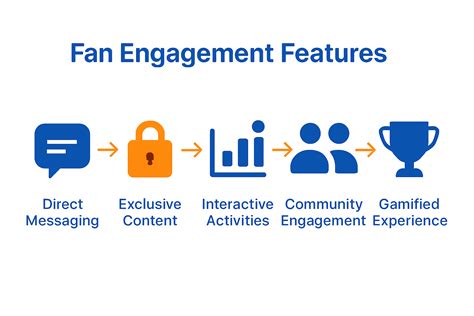
One of the most significant ways transfer gossip engages fans is by providing a near-constant stream of content that keeps them emotionally invested in the sport even during the off-season. The transfer window, particularly in European football, has evolved into a spectacle of its own. Fans eagerly consume rumors about potential signings, outgoings, and contract negotiations, often with the same fervor they reserve for matchdays. This is not accidental; clubs, agents, and media outlets are well aware of the commercial value of keeping fans hooked. By releasing snippets of information—or sometimes outright fabrications—they create a sense of anticipation and uncertainty that mirrors the drama of the sport itself. For instance, when a high-profile player is linked to multiple clubs, fans of each team begin to imagine scenarios where this player could elevate their squad. This imaginative exercise not only sustains interest but also drives traffic to forums, blogs, and social platforms where these ideas are debated.
Online forums and fan communities are perhaps the most obvious beneficiaries of transfer gossip. Sites like Reddit, dedicated club forums, and even niche platforms like Transfer Markt see a surge in activity during transfer windows. Fans congregate to share the latest rumors, analyze potential impacts on team dynamics, and even speculate about the financial implications of a deal. These discussions are often highly detailed, with fans citing player statistics, salary data, and even tactical analyses to support their opinions. The depth of these interactions underscores how transfer gossip serves as a catalyst for intellectual engagement. Fans are no longer passive consumers of the sport; they become amateur analysts, scouts, and strategists. This participatory culture is amplified by the ease of access to information in the digital age. A fan in one country can read a report from a foreign newspaper, translate it using online tools, and share it with a global audience within minutes. Such interconnectedness has turned transfer gossip into a global conversation rather than a localized one.
Social media trends further illustrate the pervasive influence of transfer speculation. Platforms like Twitter, Instagram, and TikTok have become arenas where transfer gossip thrives. Hashtags such as #Announce[PlayerName] or #Welcome[PlayerName] often trend globally when a rumor gains traction. These trends are not merely organic; they are often orchestrated by fan accounts, influencers, and even clubs themselves to generate buzz. The visual nature of social media allows for creative expressions of transfer speculation, such as mock-up jerseys featuring a rumored signing or edited videos showcasing a player in a new team’s colors. This fusion of visual storytelling and speculative content ensures that transfer gossip remains visually appealing and highly shareable. However, the fast-paced nature of social media also introduces challenges. False rumors can spread rapidly, leading to misinformation and, in some cases, backlash against clubs or players. This dynamic creates a paradox: while transfer gossip fosters engagement, it can also erode trust if the information is unreliable.
Another intriguing aspect of transfer gossip is its role in shaping fan identity and tribalism. When a club is linked with a star player, fans often experience a surge of pride and optimism, seeing the rumor as a validation of their team’s ambition. Conversely, if a rival club is rumored to be signing a top player, it can provoke anxiety or even hostility. This emotional rollercoaster is a testament to how transfer gossip taps into the tribal nature of sports fandom. Fans are not just discussing players; they are staking claims about their club’s status, legacy, and future. For example, when Manchester City was linked with Erling Haaland before his move, the rumor alone was enough to fuel debates about whether this signing would solidify their dominance in English football. Such discussions are not merely about the player but about what the player represents in the broader narrative of club rivalry and success.
The economics of transfer gossip also warrant attention. Media outlets, both traditional and digital, have monetized transfer speculation by creating dedicated sections, podcasts, and YouTube channels focused solely on rumors. These platforms thrive on the insatiable appetite of fans for new information, often leveraging clickbait headlines to drive traffic. While this approach can be criticized for prioritizing quantity over quality, it underscores how transfer gossip has become a lucrative industry in its own right. Fans are not just passive recipients of this content; they actively contribute by sharing articles, commenting on posts, and even creating their own content in response. This participatory loop ensures that transfer gossip remains a self-sustaining ecosystem, with fans and media feeding off each other’s energy.
From a psychological perspective, transfer gossip fulfills a fundamental human need for storytelling and speculation. Sports fandom is often driven by a desire to belong to a community and to experience shared emotions. Transfer gossip provides an outlet for these desires by offering a narrative that fans can collectively follow, debate, and anticipate. This is particularly evident during quieter periods in the football calendar, such as the summer break, when the absence of matches leaves a void that transfer rumors eagerly fill. Fans discuss potential lineups, analyze how a new signing might fit into the team’s system, and even express frustrations about missed opportunities. This ongoing dialogue ensures that the sport remains relevant and emotionally charged even when no games are being played.
However, it is important to recognize the potential downsides of this phenomenon. The relentless focus on transfer gossip can sometimes overshadow the actual football being played. Players may feel pressured or unsettled by constant rumors about their future, while clubs might struggle to manage expectations when a highly anticipated signing fails to materialize. Moreover, the commercialization of transfer speculation can sometimes prioritize sensationalism over substance, leading to a distorted view of the sport. For instance, a young player might be hyped beyond reason based on a single strong performance, only for the narrative to collapse if the move does not happen or the player underperforms.
In conclusion, transfer gossip is a double-edged sword in the world of football. It fuels fan engagement by providing endless fodder for discussions, forums, and social media trends, but it also introduces challenges related to trust, emotional volatility, and the commercialization of the sport. By exploring the underlying mechanisms of this phenomenon, we gain a deeper understanding of how modern football fandom is shaped not just by what happens on the pitch, but by the stories and speculations that surround it. This dynamic highlights the evolving nature of sports culture in the digital age, where fan participation is as much about the narrative as it is about the game itself.
Case Studies of High-Profile Transfer Gossip
Transfer gossip is an integral part of modern football, often serving as a double-edged sword that can elevate or tarnish the reputation of players and clubs. While much of the speculation amounts to little more than idle chatter, certain rumors have had profound implications on player careers, club dynamics, and even the broader football ecosystem. In this section, we will explore high-profile cases of transfer gossip that not only captured public imagination but also left lasting imprints on the trajectories of those involved.
One of the most infamous examples of transfer gossip shaping a player's career is the prolonged saga surrounding **Neymar's potential return to Barcelona** in 2019. After his world-record move to Paris Saint-Germain (PSG) in 2017, rumors began circulating almost immediately about his unhappiness in France and a desire to return to the Camp Nou. This gossip was fueled by Neymar's public expressions of nostalgia for his time at Barcelona, coupled with reports of strained relationships with PSG's hierarchy. The rumors escalated to the point where Barcelona players, including Lionel Messi, publicly expressed their support for Neymar's return. This not only created a sense of inevitability around the move but also placed immense pressure on Barcelona's board to deliver. However, the deal fell through due to financial and legal complexities, leaving Neymar in a state of limbo. The gossip, while unfulfilled, had a dual effect: it reinforced Neymar's star power as a player who could command such attention, but it also tarnished his image as someone perceived to be disloyal or indecisive. This case demonstrates how transfer gossip can act as a narrative force, even when no actual transfer occurs.
Another compelling case is the **"Willian to Tottenham" debacle of 2013**, which underscores how transfer gossip can disrupt not just player careers but also club strategies. Willian, then at Anzhi Makhachkala, was on the verge of completing a move to Tottenham Hotspur. The deal was so far advanced that the Brazilian winger had reportedly undergone a medical with Spurs. However, Chelsea swooped in at the last minute, hijacking the transfer and signing Willian instead. This turn of events was not just a logistical shock but also a psychological blow to Tottenham, as it symbolized their inability to compete with Chelsea's financial and strategic clout. The gossip surrounding Willian's potential move to Tottenham had created excitement among fans and players, setting expectations for a strengthened squad. When the deal collapsed, it left Tottenham scrambling to adjust their plans, while Chelsea gained a player who would become a key figure in their squad for years. This example shows how transfer gossip can create momentum and expectations that, when unmet, can destabilize clubs and their fan bases.
A third example worth exploring is the **"Cristiano Ronaldo to Juventus" rumors of 2018**, which were initially dismissed as fantasy by many pundits. At the time, Ronaldo was still at the peak of his powers at Real Madrid, and the idea of him leaving for Serie A seemed far-fetched. However, as the gossip persisted, it became clear that there was substance to the rumors. Juventus had been quietly laying the groundwork for the move, leveraging their ambition to win the UEFA Champions League as a key selling point. The transfer gossip in this case served a dual purpose: it allowed Juventus to project themselves as a club capable of attracting the world's best talent, and it set the stage for Ronaldo to seek a new challenge after achieving almost everything at Real Madrid. When the move was eventually confirmed, it reshaped not just Juventus' narrative but also the landscape of Serie A, as other clubs were forced to respond to the arrival of such a high-profile player. This case illustrates how persistent transfer gossip, even when initially dismissed, can evolve into a self-fulfilling prophecy that alters the competitive balance of leagues.
Another fascinating instance is the **"Paul Pogba to Manchester United" saga of 2016**, which was characterized by a mix of leaks, denials, and dramatic twists. Pogba had left Manchester United on a free transfer to Juventus in 2012, a move that was seen as a failure of the club to recognize his potential. When rumors of a return began circulating four years later, they were met with skepticism. However, the gossip was stoked by Pogba's agent, Mino Raiola, who is known for his ability to manipulate media narratives to drive up interest and transfer fees. The rumors were so pervasive that they became a central topic of discussion in the football world, with fans and analysts dissecting every cryptic social media post from Pogba and Raiola. When the transfer was eventually completed for a then-world-record fee of £89 million, it not only marked a triumphant return for Pogba but also served as a statement of intent from Manchester United under their new management. This case shows how transfer gossip, when amplified by agents and media, can become a tool for negotiation and branding, both for players and clubs.
A final example worth examining is the **"Kylian Mbappé to Real Madrid" rumors that have persisted for years**. Mbappé's meteoric rise at AS Monaco and subsequent move to PSG in 2017 were accompanied by constant speculation about his eventual move to Real Madrid. The gossip has been fueled by Mbappé's open admiration for Real Madrid and its former star Cristiano Ronaldo, as well as the club's long-standing interest in signing him. Each transfer window, the rumors resurface with new intensity, often accompanied by reports of secret meetings, player demands, and financial offers. While Mbappé has yet to make the move as of this writing, the persistent gossip has shaped his persona as a player destined for greatness at one of football's most storied clubs. For Real Madrid, the rumors have served as a form of long-term narrative building, reinforcing their image as the ultimate destination for top talent. For PSG, the constant speculation has created a sense of instability, as they are forced to continually reaffirm their ability to retain their star player. This example demonstrates how transfer gossip can linger over years, influencing not just immediate transfer windows but also the long-term branding of players and clubs.
These examples illustrate the multifaceted nature of transfer gossip and its impact on the football world. In Neymar's case, the rumors highlighted the power of player agency and the emotional weight of unfulfilled expectations. In Willian's situation, the gossip underscored how last-minute interventions can reshape club fortunes. Ronaldo's transfer showed how gossip can serve as a harbinger of seismic shifts in league dynamics. Pogba's return exemplified the role of agents in stoking and leveraging speculation. Finally, Mbappé's ongoing saga reveals how gossip can act as a long-term branding strategy for all parties involved.
Transfer gossip is not merely idle speculation; it is a potent force that can define careers, influence fan sentiment, and reshape club strategies. By examining these high-profile cases, we see that the ripple effects of such rumors extend far beyond the confines of a single transfer window, often leaving indelible marks on the football landscape.
The Future of Transfer Gossip in a Data-Driven Era
The landscape of transfer gossip has long been fueled by rumors, insider whispers, and speculative reporting. Traditionally, this domain has thrived on human intuition, journalistic networks, and the occasional leak from club insiders. However, as we transition into a data-driven era, the role of analytics and artificial intelligence (AI) is poised to reshape the very nature of transfer speculations. This transformation is not merely about automation but about redefining how transfer narratives are constructed, validated, and consumed.
One of the most significant ways analytics will impact transfer gossip is through the quantification of player value. Traditionally, player valuation has been a murky area, influenced by subjective opinions, market trends, and club needs. Advanced analytics tools, such as expected goals (xG), expected assists (xA), and player performance indices, are already providing a more objective framework for assessing a player's contribution. When paired with AI algorithms capable of processing vast datasets—spanning match statistics, training performance, and even social media sentiment—clubs and analysts can derive a more accurate picture of a player's potential impact. This objectivity may reduce the reliance on sensationalized narratives and instead anchor transfer gossip in data-backed projections.
For instance, imagine a scenario where AI models analyze a young midfielder's performance across multiple leagues, factoring in not just goals and assists but also metrics like pass completion under pressure, defensive work rate, and even injury susceptibility. Such granular insights could inform not only club decisions but also the media's framing of transfer stories. A speculative report claiming "Player X is the next big thing" might be accompanied by visualizations of their heatmaps, progression stats, and comparative benchmarks against similar players in their age bracket. This shift from anecdotal evidence to empirical validation could make transfer gossip more credible and less prone to wild exaggerations.
AI's predictive capabilities will also play a pivotal role in reshaping the timing and nature of transfer rumors. Machine learning models can assess patterns in player movement, club financial health, and even managerial preferences to forecast potential transfers before they enter the public domain. For example, if an AI system identifies that a club consistently targets players under 23 with high ball recovery rates and a history of playing in specific tactical systems, it could predict which players might be on their radar. This predictive power could lead to a new genre of transfer gossip: preemptive speculation, where rumors are rooted in data trends rather than reactive reporting.
However, this predictive capability raises questions about the ethics of AI in transfer gossip. If AI can predict transfers with high accuracy, it risks turning the transfer market into a self-fulfilling prophecy. Clubs might feel pressured to act on AI-generated insights, even if they contradict their broader strategy. Moreover, players might feel their careers are being shaped by algorithms rather than human judgment. This dynamic could lead to a scenario where transfer gossip becomes less about what might happen and more about what the data predicts will happen—potentially stifling the element of surprise that makes the transfer window so captivating.
Another area of transformation lies in the role of social media and fan engagement. Transfer gossip has always been a participatory sport for fans, who eagerly share, debate, and amplify rumors. AI tools can now analyze vast amounts of social media data to gauge fan sentiment and predict which rumors are likely to gain traction. For example, if a particular transfer link generates high engagement among fans of both the buying and selling clubs, AI could flag it as a "hot topic" for further reporting. This could create a feedback loop where transfer gossip is not just reported but also shaped by audience behavior, leading to stories that are more attuned to fan interests but potentially less grounded in reality.
The integration of AI into transfer gossip also opens the door to personalized content delivery. Platforms could use machine learning to curate transfer news tailored to individual preferences. A fan of a mid-table Premier League team, for instance, might receive updates prioritizing links to affordable, high-potential players from lower leagues, while a supporter of a top-tier club might see stories about marquee signings. While this personalization enhances user experience, it could also create information silos, where fans are exposed only to gossip that aligns with their biases or interests, further polarizing transfer discourse.
On the flip side, analytics and AI could also serve as a counterbalance to sensationalism. Transfer gossip has long been criticized for its lack of accountability, with outlets often publishing unverified claims to drive clicks. AI-driven fact-checking tools could assess the validity of rumors by cross-referencing them with publicly available data, such as a club's transfer budget, a player's contract status, or even historical transfer patterns. For example, if a rumor suggests a financially constrained club is pursuing a high-profile player, AI could flag this as improbable based on financial data, encouraging more responsible reporting.
However, it is important to recognize that the human element of transfer gossip will not disappear entirely. While AI can process data and identify patterns, the narrative framing of transfer stories will still require human creativity and judgment. A player's off-field personality, their fit within a club's culture, or even the emotional resonance of a homecoming transfer are aspects that analytics alone cannot capture. This interplay between data and storytelling will define the future of transfer gossip—a blend of cold, hard numbers and the art of speculation.
In the long term, the rise of analytics and AI in transfer gossip could lead to a paradigm shift in how fans and media interact with the transfer market. Rather than viewing transfer windows as periods of chaotic speculation, stakeholders might approach them with a more analytical mindset, using data to separate credible rumors from baseless noise. This could foster a more informed fan base, where discussions about transfers are rooted in contextual understanding rather than knee-jerk reactions.
- Analytics will provide a more objective framework for player valuation, reducing sensationalism.
- AI's predictive models could forecast transfers before they happen, creating a new type of preemptive speculation.
- Social media sentiment analysis might shape the direction of transfer gossip, making it more fan-centric.
- Personalized content delivery could enhance user experience but risk creating information silos.
- Fact-checking tools powered by AI could promote more accountable transfer reporting.
In conclusion, the future of transfer gossip in a data-driven era is one of evolution rather than eradication. While analytics and AI will inject greater precision and accountability into the space, they will not eliminate the human elements of intrigue, emotion, and storytelling. Instead, they will act as tools to refine the art of transfer speculation, offering fans and stakeholders a richer, more nuanced understanding of the beautiful game's most unpredictable aspect.
Conclusion and Recommendations
The phenomenon of transfer gossip, while a staple of sports media and fan culture, carries significant implications for the stakeholders involved—players, clubs, agents, and fans. As explored earlier, the unchecked proliferation of transfer rumors can lead to misinformation, emotional distress for players, and an erosion of trust in media outlets. To address these challenges, it is essential to propose strategies for both **responsible reporting** and **discerning consumption** of transfer gossip. This requires a nuanced understanding of the dynamics at play and the introduction of actionable measures to mitigate negative outcomes while preserving the entertainment value of such content.
One of the key **insights** from the analysis of transfer gossip is the role of **click-driven journalism** in amplifying sensationalism. Media outlets often prioritize stories with high engagement potential over verified facts, as the economic model of digital media rewards traffic and shares. This creates a feedback loop where even baseless rumors gain traction due to their virality. To counter this, **media organizations must adopt a framework of ethical reporting** that prioritizes accuracy over immediacy. For instance, implementing a policy where transfer stories are only published after corroboration from at least two independent sources can significantly reduce the spread of false information. While this might slow down the news cycle, it would enhance the credibility of the outlet in the long term, fostering trust among readers.
Another critical insight is the **power of framing** in transfer gossip. How a rumor is presented—whether as a speculative "what if" scenario or as a near-certainty—can significantly influence its reception. Journalists and content creators should adopt **transparent language** when discussing transfer rumors. For example, instead of saying "Player X is set to join Club Y," a more responsible phrasing would be "Rumors suggest Player X might be in talks with Club Y, though no official confirmation has been provided." This approach signals to the audience that the information is speculative rather than definitive, tempering expectations and reducing the emotional investment in unverified claims.
On the **consumption side**, fans and readers also bear responsibility for how they engage with transfer gossip. A key recommendation is to promote **media literacy** among sports audiences. This involves educating fans about the economic incentives driving sensational reporting and encouraging them to critically evaluate the sources of their information. For instance, media literacy initiatives could include workshops or online resources that teach fans how to identify credible sports journalists or outlets, how to cross-check rumors against official club statements, and how to differentiate between informed analysis and clickbait. By equipping fans with these tools, the ecosystem can move toward a more informed and skeptical audience base that demands higher standards from content creators.
From a **regulatory perspective**, there is room for collaboration between sports organizations, media bodies, and independent watchdogs to establish **guidelines for transfer reporting**. While outright censorship is neither desirable nor feasible, voluntary codes of conduct can be developed to encourage responsible practices. For example, a "Transfer Reporting Charter" could outline principles such as avoiding the use of anonymous sources without context, refraining from publishing rumors that are known to be baseless, and providing updates or corrections when a rumor is proven false. Enforcement of such a charter could be incentivized through public recognition of outlets adhering to these standards, as well as potential penalties for repeated violations, such as loss of access to club press conferences or player interviews.
Additionally, **technology can play a role** in curbing the negative effects of transfer gossip. Social media platforms, where much of this content is shared and amplified, can implement algorithms that deprioritize unverified rumors in users' feeds. By partnering with fact-checking organizations or sports governing bodies, platforms like Twitter or Instagram could flag posts containing unsubstantiated transfer claims with a disclaimer, similar to the approach taken with political misinformation. This not only reduces the visibility of harmful content but also signals to users that the platform values accuracy over engagement metrics.
From the perspective of **clubs and players**, there is an opportunity to take a more proactive role in managing the narrative around transfers. Clubs could establish **dedicated communication channels** for addressing transfer-related inquiries, such as verified social media accounts or press releases that provide updates on negotiations. While complete transparency is not always possible due to the confidential nature of deals, even a simple acknowledgment of ongoing talks or a denial of false claims can help quell speculation. Players, too, can use their platforms to address misinformation directly, as some have done in recent years by publicly debunking rumors or expressing frustration with the media's handling of their situations. This not only humanizes the players but also reinforces the idea that transfer gossip has real-world consequences for the individuals involved.
For fans, a more **mindful approach to consumption** is necessary. While transfer gossip is undeniably entertaining, it is important to recognize its limitations as a form of entertainment rather than a reliable source of truth. Fans can adopt practices such as limiting their exposure to gossip-heavy outlets during transfer windows, focusing instead on in-depth analysis of player performances or club strategies. This shift in focus can help fans derive more meaningful enjoyment from the sport without becoming overly invested in speculative narratives.
Finally, there is a need to address the **psychological impact** of transfer gossip on players and their families. The constant barrage of rumors, particularly those involving high-profile players, can lead to stress, anxiety, and a sense of instability. To mitigate this, stakeholders in the football ecosystem—clubs, player associations, and media organizations—can work together to create **support systems** for players affected by transfer speculation. This might include access to mental health resources, public statements of support from clubs, or even campaigns that highlight the human cost of irresponsible reporting. Such measures not only protect players but also underscore the broader ethical responsibility of the sports media landscape.
In conclusion, the world of transfer gossip is a double-edged sword that offers both entertainment and potential harm. By adopting **responsible reporting practices**, promoting **media literacy** among fans, leveraging **technological tools**, and fostering **collaboration across stakeholders**, the negative impacts of transfer gossip can be mitigated without stifling its appeal. These strategies aim not to eliminate transfer gossip but to reshape it into a more constructive and ethical aspect of sports culture. In doing so, we can preserve the excitement of the transfer window while ensuring that the dignity and well-being of those involved are not compromised.