Introduction to the UEFA Champions League
The UEFA Champions League is one of the most prestigious and widely watched football competitions in the world. It brings together the top clubs from Europe’s premier leagues to compete for the coveted trophy. With millions of fans tuning in from across the globe, the Champions League is more than just a tournament—it's a cultural phenomenon.
History of the UEFA Champions League
Originally founded in 1955 as the European Cup, the UEFA Champions League evolved over the years to become a more inclusive and competitive tournament. The name was officially changed to Champions League in 1992, reflecting the broader participation of clubs beyond just domestic champions. The competition has produced iconic moments, legendary players, and unforgettable matches that have become part of football history.
- 1956: Real Madrid wins the first European Cup with a 4-3 victory over Reims.
- 1966: Benfica defeats Real Madrid in the final, marking a shift in dominance.
- 1992: The name change to Champions League and the introduction of group stages.
- 2008: Manchester United defeats Chelsea in a dramatic penalty shootout in Moscow.
- 2013: Bayern Munich wins the final against Borussia Dortmund in a all-German showdown.
Current Format of the UEFA Champions League
The Champions League operates on a multi-stage format that includes qualification rounds, group stages, knockout rounds, and the final. Understanding the structure is key to appreciating the competition.
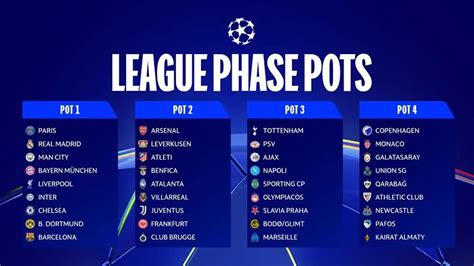
- Qualification Rounds: Clubs from smaller leagues or those that did not qualify via domestic leagues enter through qualifying rounds. These are split into two phases: the Champions Path and the League Path.
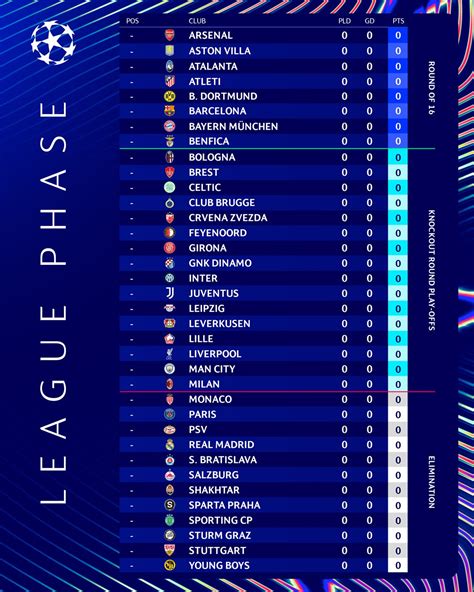
- Group Stage: 32 teams are divided into eight groups of four. Teams play each other home and away, with the top two advancing to the knockout stages. The third-placed teams drop into the Europa League.
- Knockout Stages: After the group stage, the remaining 16 teams enter a knockout format. This includes the Round of 16, Quarter-finals, Semi-finals, and the final.
- Final: The final is a single-match showdown between the two semi-final winners, held at a neutral venue.
Top Teams and Historical Performance
Certain clubs have consistently dominated the Champions League, creating a legacy of excellence. Here are some of the most successful teams:
- Real Madrid: With 14 titles, Real Madrid is the most successful club in Champions League history.
- Bayern Munich: The German giants have won 7 titles and are known for their aggressive style and consistency.
- Liverpool: The Reds have won 6 titles and are remembered for legendary comebacks like the 2005 Istanbul final.
- Manchester United: With 3 titles, United’s success in the 90s and early 2000s is still celebrated.
- AC Milan: AC Milan has won 7 titles and is among the most feared European clubs.
Key Players and Legends
The Champions League has also witnessed the rise of some of the greatest players in football history. These icons have left an indelible mark on the competition:
- Cristiano Ronaldo: With 140 goals, Ronaldo is the all-time top scorer in Champions League history.
- Lionel Messi: Messi has won the Ballon d’Or multiple times and is a consistent threat in the competition.
- Zinedine Zidane: The French legend won the Champions League as both a player and a coach.
- Franz Beckenbauer: Known as 'Der Kaiser,' Beckenbauer is a former player and manager who helped Bayern Munich win multiple titles.
How to Watch the UEFA Champions League
Fans around the world can watch the Champions League through a variety of platforms. Here’s a breakdown of the options available:
- Television Networks: Major broadcasters like BT Sport (UK), Sky Sports (UK), ESPN (USA), and beIN Sports (Middle East) carry the Champions League matches.
- Streaming Services: Platforms like DAZN, Amazon Prime Video, and the official UEFA website offer live streaming options for fans who prefer digital access.
- Mobile Apps: The UEFA Champions League app provides real-time updates, match schedules, and live streaming for mobile users.
Upcoming UEFA champions league 2024
The 2024 season is already generating excitement among fans. Here’s what to expect:
- Qualification Round Dates: The preliminary rounds began in June 2023, with the group stage starting in September 2023.
- Group Stage Schedule: Matches will be played in a regular format through December 2023, with the knockout stages beginning in February 2024.
- Final Location: The 2024 final will be held at Wembley Stadium in London, UK.
FAQ
- Q1: How many teams qualify for the champions league group stage?
- A1: 32 teams qualify for the group stage of the UEFA Champions League.
- Q2: Can a team from a non-top league qualify for the Champions League?
- A2: Yes, clubs from smaller leagues can qualify via the Champions Path in the qualification rounds.
- Q3: What is the format of the Champions League group stage?
- A3: The group stage consists of 8 groups of 4 teams each. Teams play home and away, with the top 2 advancing.
- Q4: Who is the current holder of the Champions League trophy?
- A4: The current holder is Manchester City, who won the 2023 final against Inter Milan.
- Q5: How can I stream the Champions League online?
- A5: You can stream the Champions League via DAZN, Amazon Prime Video, or the official UEFA website, depending on your region.
- Q6: Which team has won the most Champions League titles?
- A6: Real Madrid holds the record with 14 Champions League titles.
The UEFA Champions League continues to captivate audiences worldwide with its blend of elite competition, history, and drama. Whether you’re a die-hard fan or a casual viewer, the tournament offers something for everyone. Stay tuned for the 2024 season and beyond—this is the pinnacle of European football.


