Introduction to UEFA Champions League Player of the Week
The UEFA Champions League is widely regarded as the pinnacle of club football, bringing together the best teams and players from across Europe to compete for the most prestigious trophy in the sport. Within this high-stakes environment, individual brilliance often shines through, and the **UEFA Champions League Player of the Week** award serves as a formal recognition of these standout performances. This award not only celebrates the athletes who deliver exceptional displays on the pitch but also reinforces the competition's identity as a stage where excellence is both expected and celebrated.
The **purpose of the Player of the Week award** is multifaceted. At its core, it is a mechanism to highlight and honor the players who make the most significant impact in a given matchweek of the tournament. Unlike season-long accolades like the Ballon d'Or or UEFA Men’s Player of the Year, this award operates on a micro-level, focusing on short-term excellence within the confines of a single round of matches. This specificity allows fans, analysts, and even players themselves to engage with the competition week by week, tracking not just team successes but also the individuals who drive those successes.
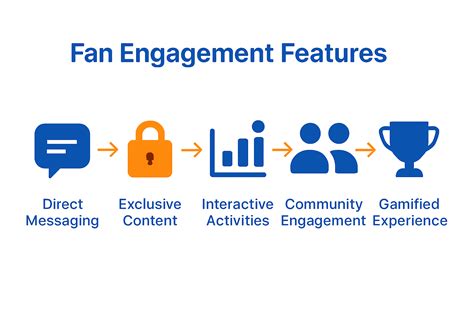
From a **strategic perspective**, the award plays a crucial role in maintaining fan engagement throughout the tournament. UEFA has long understood that while team rivalries and trophy pursuits are central to the Champions League's appeal, individual narratives are equally compelling. Fans are drawn to stories of players who rise to the occasion—be it a striker scoring a hat-trick in a must-win game, a goalkeeper making a series of pivotal saves, or a midfielder orchestrating play with unmatched precision. By designating a Player of the Week, UEFA ensures that these moments are not lost in the broader sweep of team results. Instead, they are elevated, giving fans a reason to tune in each matchweek, not just for their favorite teams but also to see who might emerge as the standout performer.
Another key aspect of the award's role is its **contribution to player branding and marketability**. In an era where football is as much a business as it is a sport, individual accolades like this one serve as valuable milestones for players' careers. Being named Player of the Week can significantly enhance a player's visibility, particularly for those who may not yet be global superstars. For instance, a young player from a lesser-known club who delivers a breakthrough performance against a European giant can use this recognition as a springboard to greater opportunities, whether in the form of transfer interest, sponsorship deals, or even national team call-ups. This dynamic underscores how the award is not just about the here and now but also about shaping the trajectories of players' careers.
The **selection process** for the Player of the Week award also adds an element of fan interaction, which is vital in modern sports. While the final decision is often informed by a combination of match statistics, expert opinions, and fan votes, the inclusion of public participation ensures that the award resonates with a broader audience. Fans are not merely passive observers but active contributors to the narrative of the competition. This participatory element fosters a sense of ownership and investment in the award, further deepening the connection between the Champions League and its global fanbase. However, it is worth noting that this blend of statistical rigor and public opinion can sometimes lead to debates about the fairness of the selection—a dynamic that only adds to the award's intrigue and discussion value.
From a **historical context**, the introduction of the Player of the Week award can be seen as part of UEFA's broader efforts to modernize and diversify its engagement strategies. In the early years of the Champions League, the focus was primarily on team achievements, with individual recognition often limited to end-of-season awards. However, as the tournament grew in scale and viewership, particularly with the advent of digital media and social platforms, there was a clear need to create more frequent touchpoints for fan interaction. The Player of the Week award emerged as a response to this need, offering a way to keep the competition in the spotlight even during the lulls between major knockout stages or group conclusions.
The award also serves as a **barometer of performance trends** within the competition. By analyzing the players who frequently win this accolade, one can identify broader patterns in the style of play and tactical approaches prevalent in the Champions League. For example, in seasons dominated by high-scoring matches, it is not uncommon to see forwards and attacking midfielders dominate the Player of the Week selections. Conversely, in more defensively oriented campaigns, goalkeepers and center-backs might find themselves in the spotlight more often. This dynamic provides analysts and enthusiasts with a lens through which to examine how the game is evolving at the elite level.
It is also important to consider the **psychological impact** of the award on players. Being named Player of the Week is not just a pat on the back; it is a form of validation that can boost a player's confidence and morale. Competing in the Champions League is an immense pressure cooker, where the margins between success and failure are razor-thin. For a player to be singled out as the best in a given week can provide a psychological edge, reinforcing their belief in their abilities and motivating them to maintain or even elevate their performance levels in subsequent matches.
The award's **role in fostering healthy competition** among players should not be overlooked. While football is inherently a team sport, individual recognition like this can spur players to outdo not only their opponents but also their peers. A forward, for instance, might feel an added drive to score more goals if they see a fellow striker winning the award repeatedly. This friendly rivalry can push players to new heights, benefiting both their teams and the overall quality of the competition.
In terms of **fan engagement and media coverage**, the Player of the Week award has become a staple of post-match discussions. Media outlets, both traditional and digital, often dedicate segments to analyzing the performances of the selected player, breaking down their key moments, and debating whether the choice was justified. This extended conversation not only keeps the Champions League in the news cycle but also provides content creators and journalists with a steady stream of material to explore. For fans, it offers an opportunity to dive deeper into the nuances of individual performances, fostering a richer understanding of the game.
Finally, the award reflects the **global nature of the Champions League**. With players from diverse leagues, nations, and backgrounds participating, the Player of the Week accolade often highlights the diversity of talent on display. It is not uncommon to see players from smaller footballing nations or less heralded clubs being recognized, which reinforces the idea that the Champions League is a stage where anyone can shine, provided they have the skill and determination to do so. This inclusivity is a subtle yet powerful message about the competition's ethos.
In conclusion, the **UEFA Champions League Player of the Week award** is far more than a simple honorific. It is a carefully designed mechanism that serves multiple purposes—celebrating excellence, engaging fans, enhancing player visibility, and contributing to the narrative fabric of the tournament. By recognizing top-performing players on a weekly basis, UEFA not only elevates the individual brilliance that defines football but also ensures that the Champions League remains a vibrant, dynamic, and deeply engaging competition for all stakeholders involved.
History and Evolution of the Award
The UEFA Champions League Player of the Week award is a relatively modern addition to the pantheon of accolades associated with Europe's premier club football competition. While the UEFA Champions League itself has a storied history dating back to its inception as the European Cup in 1955, the Player of the Week award is a more recent innovation, reflecting the evolution of fan engagement, digital media, and the commercialization of football in the 21st century. Understanding its origins and evolution provides a lens into how UEFA has adapted its branding and fan interaction strategies over time.
The concept of recognizing individual player excellence in the Champions League can be traced back to the broader tradition of post-match awards in football. Historically, the competition focused on team achievements—winning matches, advancing through knockout stages, and ultimately lifting the trophy. However, as football grew into a global spectacle with increasing emphasis on individual stars, UEFA began to explore ways to spotlight standout performances within matches. This shift was partly driven by the commercial success of football in the 1990s and early 2000s, when players like Zinedine Zidane, Ronaldo Nazário, and David Beckham became household names whose individual brilliance often eclipsed team narratives.
The formal introduction of the Player of the Week award came in the mid-2010s, as UEFA sought to capitalize on the rise of social media and digital platforms. Unlike traditional end-of-tournament awards like the UEFA Best Player in Europe Award (later rebranded as the UEFA Men's Player of the Year), the Player of the Week was designed to be a weekly, fan-driven recognition. This decision was not merely about celebrating individual brilliance but also about fostering a sense of immediacy and interactivity. Fans could vote for their favorite performers via UEFA's website and social media channels, turning the award into a participatory experience rather than a unilateral decision by football authorities.
The integration of this award into UEFA's broader branding strategy is particularly noteworthy. In the early 2000s, UEFA began a concerted effort to rebrand the Champions League as more than just a competition—it was positioned as a "theatre of dreams" where the world's best players showcased their talents. The Player of the Week award aligned perfectly with this narrative. By highlighting a single player each matchweek, UEFA reinforced the idea that the Champions League was not only about crowning the best team but also about celebrating the artistry and skill of individuals. This focus on individual moments helped create shareable content for digital platforms, from video compilations of a player's key contributions to graphics showcasing their stats.
The award's evolution also reflects the changing dynamics of football fandom. In the early days of the Champions League, fan engagement was largely confined to match attendance, television broadcasts, and post-match discussions in traditional media. However, the explosion of social media platforms like Twitter, Instagram, and TikTok in the 2010s introduced new avenues for fan participation. The Player of the Week award became a tool to drive traffic to UEFA's digital properties. For instance, fans who voted for the award were often encouraged to share their choices on social media, amplifying the competition's visibility. This strategy not only increased engagement but also allowed UEFA to gather valuable data on fan preferences and behaviors, further enhancing their ability to tailor marketing campaigns.
Another dimension of the award's evolution is its role in leveling the playing field for recognition. While the Ballon d'Or and similar accolades often favor players from the most successful teams or those with high-profile narratives, the Player of the Week award has occasionally spotlighted less heralded players. For example, a midfielder from a mid-table team who scores a stunning goal or provides a game-changing assist in a group-stage match might win the award, even if their team does not advance far in the competition. This inclusivity has added a layer of unpredictability and charm to the award, making it accessible to a wider range of players and fan bases.
The award has also been shaped by sponsorship and commercial interests. As UEFA partnered with global brands like Nissan, Mastercard, and PlayStation, the Player of the Week award became a vehicle for cross-promotion. Sponsors often featured the winning player in branded content, such as short videos or social media posts, further embedding the award into the commercial ecosystem of the Champions League. This synergy between UEFA's objectives and sponsor goals demonstrates how the award is not just a celebration of football but also a carefully curated element of the competition's commercial framework.
Over time, the award has also adapted to technological advancements. Initially, voting was primarily conducted through UEFA's website, but as mobile apps and instant platforms like WhatsApp and Telegram gained prominence, UEFA expanded the voting mechanisms to include these channels. Additionally, the use of performance data and analytics has become more sophisticated. While early iterations of the award relied heavily on fan sentiment and match highlights, modern iterations often incorporate advanced metrics such as expected goals (xG), key passes, and defensive actions. This blend of subjective fan input and objective data analysis has added credibility to the award while still maintaining its accessible, fan-first ethos.
Critics of the award, however, have pointed out that its weekly nature can sometimes dilute its significance. Unlike end-of-season awards that are based on a player's consistent performance over an entire campaign, the Player of the Week is inherently tied to the immediacy of a single match. This has led to debates about whether the award truly reflects the best player or simply the one who had the most eye-catching performance in a given week. Nevertheless, this critique underscores the award's purpose: it is not meant to be a definitive measure of a player's quality but rather a celebration of standout moments that add to the drama and narrative of the Champions League.
In summary, the history and evolution of the UEFA Champions League Player of the Week award reveal how UEFA has adapted to the changing landscape of football and fan engagement. From its origins as a response to the growing emphasis on individual stars to its role as a digital-age tool for interactivity and branding, the award exemplifies UEFA's ability to blend tradition with innovation. It serves as both a celebration of footballing excellence and a strategic element of the Champions League's identity, demonstrating how even a seemingly simple recognition can carry deep significance in the broader context of the sport's globalization and commercialization.
- The award emerged as part of UEFA's efforts to modernize fan engagement through digital platforms.
- It aligns with the rebranding of the Champions League as a showcase for individual brilliance.
- Sponsorship and data integration have enhanced its commercial and analytical dimensions.
- Despite its weekly nature, the award provides inclusivity by recognizing performers from diverse teams and roles.
As the UEFA Champions League continues to evolve, the Player of the Week award will likely remain a dynamic and adaptable feature, reflecting both the competition's prestige and the ever-changing ways in which fans interact with the beautiful game.
Selection Criteria for Player of the Week
The selection of the UEFA Champions League Player of the Week is a process that combines both **objective statistical evaluation** and **subjective judgment** to recognize outstanding individual performances in Europe's premier club competition. While the award is highly coveted and often serves as a barometer of a player's impact in a given match week, the criteria used by UEFA are not entirely transparent to the public. However, by analyzing official announcements, fan engagement mechanisms, and the broader context of player evaluation in football, we can dissect the likely elements that contribute to this decision.
At its core, the **Player of the Week** selection is influenced by **performance metrics** derived from match statistics. UEFA, like many modern football organizations, relies on data analytics to quantify player contributions. These include but are not limited to:
- Goals scored: A straightforward and high-impact metric. Players who score multiple goals, especially in critical matches or against top-tier opponents, are often strong contenders for the award. For example, a hat-trick in the group stage or a decisive goal in the knockout rounds carries significant weight.
- Assists: While assists are slightly less emphasized than goals in some contexts, they are a vital indicator of a player’s creative influence. A player who provides two or more assists in a match, particularly if those assists lead to game-changing goals, is often in the running.
- Expected Goals (xG) and Expected Assists (xA): Advanced metrics like xG and xA provide a deeper understanding of a player's effectiveness beyond raw numbers. A striker who consistently creates high-quality chances or a midfielder whose passes lead to dangerous opportunities might be favored even if they do not directly score or assist.
- Defensive contributions: While the award often leans toward attacking players, defenders and goalkeepers are not excluded. Clean sheets, successful tackles, interceptions, and aerial duels won are factored in for players in these positions. A goalkeeper making a string of critical saves or a defender scoring from a set piece while maintaining defensive solidity could earn recognition.
- Match impact and key moments: Statistics such as big chances created, key passes, and even match-winning contributions in the dying minutes of a game are given extra consideration. For instance, a last-minute goal to secure a draw or victory in a high-stakes match often tips the balance in favor of that player.
However, statistics alone do not tell the full story. UEFA also incorporates **subjective factors** that are harder to quantify but equally important in determining the Player of the Week. These include:

- Context of the match: The stakes of the game play a significant role. A standout performance in a group stage match against a lower-ranked team may not carry as much weight as a similar performance in the quarter-finals or semi-finals. For example, a player delivering a masterclass in a must-win game against a traditional rival or in a tightly contested knockout tie is more likely to be recognized.
- Team result: Individual brilliance is often tied to team success. A player whose performance directly contributes to a win—especially in a challenging fixture—has a stronger case. Conversely, an exceptional performance in a losing effort might still be acknowledged but is less likely to result in the award.
- Highlight-reel moments: Spectacular goals, breathtaking dribbles, or game-changing saves often capture the imagination of both fans and UEFA's selection panel. A long-range screamer, an audacious piece of skill, or a last-ditch tackle that prevents a certain goal can elevate a player’s candidacy even if their overall statistical output is modest.
- Fan engagement and media buzz: UEFA takes into account the visibility and excitement generated by a player’s performance. Social media trends, post-match discussions, and media coverage can indirectly influence the selection. A player whose performance dominates headlines or sparks widespread admiration is more likely to be shortlisted or selected.
Another layer of complexity in the selection process is UEFA's use of **fan voting**. After each match week, UEFA presents a shortlist of candidates for the Player of the Week award, often comprising four to six standout performers. This shortlist is curated by UEFA’s technical observers, who are tasked with evaluating matches based on both statistical and subjective criteria. Fans are then invited to vote for their preferred candidate through UEFA’s official platforms. While the fan vote does not solely determine the winner, it often serves as a tiebreaker or a strong indicator of public sentiment, which UEFA considers when making the final decision.
It is worth noting that the **technical observers panel**, composed of former players, coaches, and football experts appointed by UEFA, has a significant say in the process. These observers are tasked with providing a balanced view that considers both the tangible and intangible aspects of a player’s performance. Their expertise ensures that the award is not solely a popularity contest driven by fan votes or media narratives but is grounded in an understanding of footballing excellence.
One unique aspect of the UEFA Champions League is its **global audience and diverse fanbase**, which introduces an element of subjectivity influenced by regional biases and player popularity. For instance, a player from a high-profile club like Real Madrid or Manchester City might receive more attention than a similarly impressive performance from a player in a less-followed team. This dynamic can sometimes lead to debates about whether the award truly reflects the best performance of the week or is swayed by external factors such as a player’s marketability or the prominence of their club.
Additionally, UEFA’s approach to the Player of the Week selection has evolved over time to incorporate **technological advancements** in football analytics. The use of tools like **video analysis software** and **heat maps** allows for a more granular assessment of a player’s movement, positioning, and overall contribution. For example, a midfielder who dominates possession and controls the tempo of the game might be recognized even if their direct statistical output (e.g., goals or assists) is limited. This reflects a broader trend in football where analytics are increasingly used to identify players who excel in less obvious but equally critical roles.
It is also important to consider the **historical context** of the award. UEFA has occasionally used the Player of the Week designation to highlight emerging talents or players who deliver breakout performances. This can serve as a way to promote the competition’s narrative of unpredictability and excitement. For instance, a young player scoring their first Champions League goal in a high-profile match might be favored over a more established star who delivers a routine strong performance.
In summary, the selection of the UEFA Champions League Player of the Week is a **multifaceted process** that blends hard data with human judgment. While statistical benchmarks like goals, assists, and defensive actions provide a foundation, the award also takes into account the **context of the match**, **team success**, **highlight-reel moments**, and **public perception**. The involvement of technical observers and fan voting adds layers of complexity and ensures that the award reflects both individual brilliance and the collective excitement of the competition. This blend of objectivity and subjectivity makes the award a dynamic and sometimes contentious recognition of excellence in European football.
Impact on Players' Careers and Teams
The UEFA Champions League is one of the most prestigious club football competitions in the world, and being named the **Player of the Week** in this tournament is a significant milestone for any footballer. While the award is often seen as a recognition of individual brilliance in a single match, its implications extend far beyond the immediate glory. Winning this accolade can have a profound impact on a player’s **career trajectory**, **market value**, and **role within their team**. This section delves into how this recognition serves as a catalyst for players and how it reverberates through their professional journeys.
Firstly, the **profile boost** that comes with being named UEFA Champions League Player of the Week is undeniable. The award is widely publicized across UEFA’s official channels, social media platforms, and global sports media outlets. For players, particularly those who are not yet household names, this exposure can be transformative. A young player like Erling Haaland or Jude Bellingham, for instance, may already be on the radar of top clubs, but such recognition amplifies their visibility to an international audience. This heightened profile is not limited to fans; it also attracts the attention of **sponsors** and **agents** who are eager to associate with players who are performing on Europe’s biggest stage. The Player of the Week award often serves as a **seal of approval**, signaling to the broader football community that the player is capable of delivering standout performances under pressure.
The impact on a player’s **market value** is another critical dimension. Football is as much a business as it is a sport, and market value is a tangible metric influenced by a player’s recent performances. For instance, when a midfielder like Kevin De Bruyne delivers a masterclass in a Champions League knockout match and is named Player of the Week, it reinforces his status as one of the most valuable playmakers in the world. TransferMarkt and other football analytics platforms often see a spike in a player’s estimated value following such recognition. This is particularly true for players from smaller leagues or clubs, where a strong Champions League showing can act as a springboard. A prime example is Vinícius Júnior’s rise after his impactful performances for Real Madrid in the Champions League, which culminated in his game-winning goal in the 2022 final. His market value surged not just because of his goal-scoring but also due to the consistent high-level displays that earned him Player of the Week honors during earlier rounds.
From the perspective of **team dynamics**, being named Player of the Week can enhance a player’s **influence within their squad**. Football teams are hierarchical ecosystems where confidence and respect are earned through performance. A Player of the Week award often signifies that the player has outshone their peers in a high-stakes environment, which can elevate their status among teammates. For example, when Lionel Messi won the award multiple times during Barcelona’s dominant Champions League campaigns, it reinforced his role not just as a goal scorer but as the team’s **strategic linchpin**. This recognition can also foster a sense of **leadership** in younger or less experienced players. If a relatively unheralded player like Sébastien Haller (during his time at Ajax) receives the award after a hat-trick in the group stages, it signals to the team that he is a player who can deliver when it matters most. This can lead to greater trust from the coaching staff and increased responsibility in critical matches.
Another nuanced effect is how the award can shape a player’s **psychological resilience**. The UEFA Champions League is a grueling competition, and the pressure to perform is immense. Winning Player of the Week in such a competitive environment can act as a **confidence booster**, particularly for players who may have faced criticism or periods of inconsistency. Consider the case of Mohamed Salah after his remarkable goal against Manchester City in the 2022 group stage, which earned him the award. This moment came during a time when questions were being raised about his form post-contract renewal. The award not only silenced critics but also provided Salah with a psychological edge, reaffirming his belief in his abilities. For players, such moments of external validation can serve as **anchors** during challenging periods, helping them maintain focus and drive.
The award also has implications for **contract negotiations and transfers**. Clubs are acutely aware of the marketability of players who consistently perform in the Champions League. A Player of the Week accolade can be a **bargaining chip** for players and their agents during contract discussions. It provides tangible proof of a player’s ability to deliver in high-profile matches, which is often a key factor for clubs considering multi-million-euro investments. For instance, when Kylian Mbappé was named Player of the Week for his performances against Bayern Munich in 2021, it not only bolstered his case for a lucrative contract extension with Paris Saint-Germain but also increased his leverage in potential transfer talks with other European giants like Real Madrid. The award serves as a **showcase of value**, particularly for players entering the final years of their contracts or seeking moves to more prominent clubs.
On a broader scale, the award can influence a player’s **international career**. National team coaches often monitor Champions League performances closely when selecting squads for major tournaments like the FIFA World Cup or UEFA European Championship. A Player of the Week recognition can serve as a **highlight reel moment** that cements a player’s position in their national team. For example, when Karim Benzema won the award during Real Madrid’s 2021-2022 Champions League campaign, it was a clear indicator of his form and importance, which carried over into his role as a key figure for France in subsequent international fixtures.
However, the impact is not always positive or straightforward. There is a risk of **overexposure or inflated expectations** following such recognition. A Player of the Week honor can sometimes place undue pressure on players to maintain that level of performance in subsequent matches. This is particularly true for players in smaller teams who may not have the same level of support or squad depth as top-tier clubs. For example, when Christopher Nkunku won the award for his hat-trick against Manchester City in 2021 while playing for RB Leipzig, the subsequent focus on him led to increased defensive attention from opponents, which sometimes limited his effectiveness in later games. This dynamic underscores how the award can be a **double-edged sword** for players who are not yet accustomed to consistent high-level scrutiny.
In conclusion, the UEFA Champions League Player of the Week award is far more than a ceremonial recognition. It has tangible and far-reaching effects on a player’s **career trajectory**, **market value**, and **influence within their team**. From boosting profiles and enhancing psychological resilience to shaping contract negotiations and international opportunities, the award serves as a **milestone moment** in a player’s journey. However, it also comes with challenges, such as heightened expectations and increased scrutiny. For players who can navigate these dynamics, the award is not just a reflection of a single great performance but a stepping stone toward sustained success at the highest level of the sport.
Statistical Analysis of Past Winners
The UEFA Champions League is a stage where the world's best footballers showcase their skills, often elevating their performances to extraordinary levels. The "Player of the Week" accolade is a recognition of individual brilliance within this fiercely competitive tournament. To understand what it takes to win this honor, we must delve into the statistical analysis of past winners and examine how key performance metrics such as goals, assists, and defensive actions have contributed to their selection.
One of the most prominent metrics in determining Player of the Week is goal-scoring. Forwards and attacking midfielders often dominate this category due to their direct impact on the scoreline. Players like Cristiano Ronaldo and Lionel Messi, who have won this award multiple times, exemplify how prolific goal-scoring can be a decisive factor. Ronaldo, for instance, has scored hat-tricks in Champions League matches that earned him the award. In a 2017 match against Atlético Madrid, he netted all three goals in a 3-0 victory, showcasing not just quantity but also the quality of his finishes—two headers and a long-range effort. This highlights how goal tallies alone are not enough; the context of the goals (e.g., game-winners, high-pressure situations) often amplifies their importance in the selection process.
However, it is not just forwards who shine. Midfield maestros like Kevin De Bruyne have also been recognized for their ability to influence games through assists and playmaking. Assists are a less celebrated but equally critical metric. In the 2020-21 season, De Bruyne was named Player of the Week after providing two assists and dictating the tempo in a dominant Manchester City performance. His ability to deliver pinpoint through-balls and create opportunities for teammates underscores how assists can sometimes carry as much weight as goals, especially when they come in high-stakes knockout matches. Analyzing past winners, we see that players who contribute both goals and assists in the same game—a "double-double" performance—are often shoo-ins for the award. For example, Neymar's performance against Red Star Belgrade in 2018, where he scored a goal and provided two assists, demonstrated this dual impact.
While attacking contributions naturally receive more attention, defensive actions are not overlooked when evaluating Player of the Week candidates. Defenders and goalkeepers occasionally break through the offensive bias of the award by delivering performances that are both statistically impressive and contextually significant. A prime example is Sergio Ramos's Player of the Week recognition during the 2017-18 season. In a match against Bayern Munich, Ramos recorded 10 clearances, 4 interceptions, and won 7 aerial duels. These numbers, combined with his leadership in a high-pressure Champions League semifinal, elevated his defensive contribution to award-worthy status. Similarly, goalkeepers like Manuel Neuer and Jan Oblak have been honored for their shot-stopping heroics. Neuer’s 2020 performance against Paris Saint-Germain, where he made 8 saves including several point-blank denials, showcased how a goalkeeper's impact can be quantified and celebrated in this context.
Another layer of analysis involves the consistency of performance across a match. While isolated moments of brilliance can secure the award, players who dominate across multiple phases of the game are often favored. For instance, Robert Lewandowski’s Player of the Week performance in 2020 included not only a hat-trick but also a high volume of successful pressures and hold-up play that enabled his team to maintain possession in critical areas. This holistic contribution is often tracked through advanced metrics like expected goals (xG), pass completion rates in the final third, and defensive actions per 90 minutes. These metrics provide a more nuanced understanding of a player's influence beyond raw goal or assist numbers.
It is also worth noting how team success correlates with individual recognition. Players from winning teams, especially in high-profile matches like quarterfinals or semifinals, are more likely to be considered for the award. This is not merely a bias but a reflection of how individual brilliance often aligns with team success in the Champions League. A player might score three goals in a group-stage match against a weaker opponent, but such a performance is less likely to earn Player of the Week compared to a decisive goal in a tightly contested knockout match. For example, Mohamed Salah’s performance in Liverpool's 2019 comeback against Barcelona, where he didn’t score but contributed through work rate and key passes, was overshadowed by teammates with more visible contributions (like Divock Origi scoring twice). However, in other instances, such as his solo goal against Manchester City in 2022, Salah's individual effort was enough to secure the honor because it came in a critical phase of the competition.
Analyzing the data of past winners also reveals interesting patterns in positional trends. Forwards have historically dominated the award, accounting for approximately 60-70% of all Player of the Week recognitions. This is unsurprising given the premium placed on goals in football. However, there has been a noticeable uptick in midfielders and defenders winning the award in recent years, reflecting both tactical evolutions in the game and a growing appreciation for non-traditional contributions. Full-backs like Trent Alexander-Arnold have been recognized for their dual role in defense and attack, particularly when they rack up assists from wide areas or make last-ditch tackles to preserve a clean sheet.
Another intriguing trend is the impact of individual milestones on Player of the Week selections. For instance, when a player breaks a record—such as scoring their 100th Champions League goal—this often tips the scale in their favor, even if their overall performance in the match is not the most dominant. Cristiano Ronaldo’s Player of the Week award in 2019 came after he scored a stunning hat-trick against Atlético Madrid, a performance that also marked a personal milestone in his Champions League journey. These milestones not only add narrative weight to the selection but also align with UEFA's interest in highlighting the tournament's historic moments.
Finally, we must consider how advanced analytics have begun to influence the perception of Player of the Week performances. Traditional stats like goals and assists are now complemented by metrics such as progressive carries, passes into the penalty area, and defensive actions in the final third. For example, a defender like Virgil van Dijk might not score or assist in a match but could win the award based on his ability to neutralize an opponent's star striker while maintaining a high pass completion rate under pressure. These advanced stats provide a richer picture of a player’s contribution and have made it possible for less flashy but equally vital performances to be recognized.
In conclusion, the statistical analysis of past UEFA Champions League Players of the Week reveals a fascinating interplay of goals, assists, and defensive actions, with context and competition stage playing significant roles. While attacking players dominate due to the inherent value of goals, the growing recognition of defensive contributions and advanced metrics demonstrates how the award has evolved to reflect the multifaceted nature of football. This blend of traditional and modern analysis ensures that the Player of the Week accolade remains a celebration of individual excellence within the collective pursuit of European glory.
Role of Fan Voting in the Process
The UEFA Champions League is one of the most prestigious football competitions in the world, and the "Player of the Week" award serves as a recognition of outstanding individual performances during matchdays. While the award is rooted in the objective analysis of on-field performance, the **role of fan voting** introduces a dynamic element that blends sporting merit with public sentiment. This section delves into how fan engagement through voting systems shapes the selection process and amplifies public interest in the award.
Fan voting for the UEFA Champions League Player of the Week is facilitated through UEFA's digital platforms, such as its official website and social media channels. This system allows supporters from across the globe to participate in the selection process by choosing their preferred candidate from a shortlist of players. The shortlist is typically curated by UEFA's technical observers, who assess player statistics, match impact, and overall influence on the game. However, the final decision is influenced by the weight of fan votes, which often determines the winner. This interplay between expert selection and public opinion creates a unique dynamic that has several implications for both the award's credibility and its broader appeal.
Enhancing Fan Engagement One of the primary benefits of incorporating fan voting into the Player of the Week process is the heightened level of engagement it fosters. Voting systems serve as a bridge between the competition and its audience, allowing fans to feel directly involved in the narrative of the tournament. Unlike passive spectatorship, where fans merely observe the outcome of matches, the ability to vote transforms them into active participants. This sense of agency can deepen their emotional connection to the competition, as they feel their voices are being heard and acknowledged by UEFA.
For instance, fans of smaller clubs or less globally popular teams often view fan voting as an opportunity to rally behind their players. When a player from an underdog team is shortlisted, their fan base can mobilize en masse to secure votes, sometimes outpacing support for players from more prominent clubs. This phenomenon not only democratizes the process but also provides a platform for lesser-known players to gain recognition. A classic example is when players from teams like Sheriff Tiraspol or Atalanta have won the award, largely due to passionate and coordinated voting efforts by their supporters. Such outcomes highlight how fan voting can level the playing field in terms of visibility for players from diverse footballing ecosystems.
Public Interest and Social Media Amplification The integration of fan voting has also significantly boosted the award's visibility on social media platforms. Each voting cycle generates a flurry of online activity, as fans campaign for their chosen players through hashtags, posts, and even playful rivalries. This organic engagement serves as free publicity for the UEFA Champions League, extending its reach beyond traditional football audiences. Social media algorithms further amplify this effect by prioritizing trending topics, which means that Player of the Week discussions often dominate football-related feeds during voting periods.
The competitive nature of fan voting also encourages clubs and players to actively participate in promoting their candidates. Clubs frequently use their official accounts to urge fans to vote, often pairing these calls to action with highlights of the player's performance. Players themselves may share voting links or express gratitude for fan support, creating a reciprocal relationship that strengthens their bond with supporters. This dynamic not only increases the award's profile but also reinforces the idea that the UEFA Champions League is a competition deeply intertwined with its global fan base.
Influence of Fan Sentiment on Selection While the technical shortlist ensures that only deserving players are considered, the weight of fan votes introduces an element of subjectivity that can sometimes skew the results. For example, a player who scores a spectacular goal or delivers a match-winning performance in a high-profile game is more likely to attract votes, even if their overall statistical contribution is less significant than another shortlisted player. This can lead to debates about whether the award truly reflects the "best" performance of the week or simply the most popular one. However, this subjectivity is not necessarily a flaw—it reflects the subjective nature of sports fandom itself, where emotional resonance often outweighs pure objectivity.
Moreover, the fan-driven aspect of the award often aligns with broader narratives within the competition. For instance, when a young player or a debutant delivers an exceptional performance, fan voting can serve as a mechanism to celebrate their breakthrough moment. This was evident when players like Kylian Mbappé or Erling Haaland won the award early in their Champions League careers, with fans eager to celebrate the emergence of new talent. In such cases, the award becomes not just a recognition of individual brilliance but also a celebration of the evolving storylines within European football.
Challenges and Criticisms Despite its benefits, the role of fan voting is not without its challenges. One criticism is that the system can be influenced by organized campaigns or "bot voting," where automated scripts or coordinated groups skew the results. UEFA has implemented measures to mitigate this, such as limiting the number of votes per user and monitoring suspicious activity. However, the potential for manipulation remains a point of contention, particularly when the margin of victory is narrow.
Another challenge is the risk of homogenizing the award's recipients. Players from highly popular clubs like Real Madrid, Barcelona, or Manchester United often dominate the shortlist due to their larger fan bases and media exposure. This can create a perception that the award is biased toward players from these clubs, even if their performances are not objectively the best. UEFA addresses this by ensuring that the shortlist is curated by experts, but the final outcome still depends on fan participation, which can perpetuate this bias.
Broader Implications for Football Culture The inclusion of fan voting in the Player of the Week process reflects a broader trend in modern football: the increasing emphasis on fan-centric experiences. As the sport becomes more commercialized, leagues and organizations are seeking ways to monetize and deepen fan loyalty. Voting systems are a low-cost, high-impact way to achieve this, as they require minimal infrastructure but yield significant engagement benefits. Additionally, the data collected through voting—such as geographic distribution of votes or player popularity metrics—can provide UEFA with valuable insights into its audience, which can inform marketing strategies and content creation.
From a cultural perspective, the act of voting also reinforces the idea that football is a participatory sport, not just in terms of playing or watching but also in shaping its narratives. This participatory element is particularly important in an era where fans are increasingly vocal about their role in the sport's governance, as seen in movements against initiatives like the European Super League. By giving fans a say in something as visible as the Player of the Week award, UEFA signals its commitment to inclusivity and fan empowerment.
Conclusion The role of fan voting in the UEFA Champions League Player of the Week process is multifaceted. It enhances engagement by making fans active participants in the competition's narrative, amplifies public interest through social media dynamics, and celebrates both established stars and emerging talent. While it introduces elements of subjectivity and potential bias, these are outweighed by the broader benefits of inclusivity and fan empowerment. Ultimately, fan voting transforms the award into more than just a recognition of performance—it becomes a celebration of the symbiotic relationship between the competition and its global audience.
Comparison with Other UEFA Awards
The UEFA Champions League Player of the Week award is a relatively recent addition to UEFA's roster of recognitions, designed to celebrate standout individual performances in Europe's most prestigious club competition on a weekly basis. Compared to other UEFA awards like the Player of the Tournament or Team of the Year, this accolade has distinct characteristics that set it apart in terms of scope, frequency, and the criteria for selection. Understanding these differences provides a clearer picture of how UEFA frames individual excellence within different temporal and competitive contexts.
The Player of the Week award is inherently tied to short-term, match-specific brilliance. It is determined after each matchday in the Champions League, with fans playing a significant role in the selection process through online voting. This immediacy and interactivity make it a dynamic and fan-driven honor. In contrast, the Player of the Tournament is awarded at the conclusion of the entire competition, usually after the final, and is intended to recognize consistent excellence over the course of the season. Similarly, the Team of the Year is an annual recognition that evaluates players based on their performances not just in the Champions League but across all competitions, often factoring in their contributions to their national teams as well. These temporal distinctions mean that while the Player of the Week focuses on a micro level of performance—how a player shone in a specific game—the other two awards emphasize a macro view of sustained impact and influence over a longer period.
One key difference lies in the selection process. The Player of the Week is largely decided by fan votes, which introduces an element of popularity and emotional connection. For instance, a player from a smaller club who scores a sensational goal might win the award over a more established star who had a solid but less flashy performance. This democratization of the process can lead to some surprising or unconventional winners, which is less likely in the more curated selection of the Player of the Tournament or Team of the Year. These latter awards are typically chosen by a panel of experts, including former players and coaches, who apply more objective and holistic criteria. For example, the Player of the Tournament often goes to a player who not only performed exceptionally in key matches but also had a tangible impact on their team’s progression through the competition. Cristiano Ronaldo’s 2016–17 campaign, where he scored 12 goals and led Real Madrid to the title, exemplifies this type of recognition. Similarly, the Team of the Year is a composite honor that considers a player's role within a system, their statistical output, and their broader influence on the sport.
The frequency of these awards also reflects their differing purposes. The Player of the Week is a weekly occurrence during the Champions League season, creating a steady stream of engagement for fans and media. This frequency allows for a broader range of players to be recognized, including those from less prominent teams who might not sustain their form over an entire tournament. In contrast, the Player of the Tournament and Team of the Year are much rarer honors, awarded only once per season or tournament cycle. This scarcity adds to their prestige; being named in the Team of the Year, for instance, is often seen as a career-defining milestone, while winning Player of the Week might be a fleeting moment of glory for a player.
Another point of comparison is the type of player these awards tend to highlight. The Player of the Week often celebrates individual moments of brilliance—a stunning solo goal, a last-minute save, or a hat-trick in a high-stakes match. This makes it more accessible to attacking players, particularly forwards and wingers, who are more likely to produce such moments. In contrast, the Player of the Tournament and Team of the Year often recognize players in less glamorous but equally vital roles, such as defensive midfielders, center-backs, or even goalkeepers. For example, Fabio Cannavaro was named UEFA Club Footballer of the Year in 2006 after his commanding defensive performances for Juventus, even though his role was not as overtly spectacular as that of a forward. The Team of the Year, in particular, aims to represent a balanced squad, often including players who excel in positions that might not grab headlines but are essential to team success.
There is also a narrative element to consider. The Player of the Week award often aligns with the immediate buzz of a matchday, capturing the zeitgeist of a particular moment. A player might win this award for a performance that becomes the talking point of the week, such as a young debutant scoring a brace or an underdog team's goalkeeper making a string of saves to secure a draw against a giant. On the other hand, the Player of the Tournament and Team of the Year are often influenced by the broader narrative of the season. A player might be recognized not just for their statistical output but for their role in a Cinderella story (like Leicester City’s unexpected run in 2016–17) or for breaking records (like Lionel Messi’s goal-scoring feats). These awards are as much about the story they tell as the performances they honor.
From a commercial and branding perspective, the Player of the Week award serves as a tool for UEFA to maintain weekly engagement with fans. It drives traffic to UEFA's digital platforms, encourages social media interaction, and keeps the Champions League in the public eye even during less eventful matchdays. In contrast, the Player of the Tournament and Team of the Year are more reflective honors, often used to cap off the season or tournament with a sense of finality and closure. They are less about keeping fans engaged week-to-week and more about reinforcing the prestige of the competition as a whole.
There is also a generational appeal to consider. The Player of the Week award, with its fan-voting mechanism and digital-first approach, resonates strongly with younger audiences who are accustomed to real-time engagement and interactivity. This contrasts with the more traditional and solemn aura of the Player of the Tournament and Team of the Year, which are often seen as hallmarks of a player’s legacy rather than a momentary celebration. For instance, being named in the Team of the Year is often a talking point in a player’s career retrospectives, whereas a Player of the Week award might be quickly forgotten unless it is part of a larger trend of excellence.
In summary, while the Player of the Week award is immediate, interactive, and focused on isolated brilliance, the Player of the Tournament and Team of the Year recognitions are more deliberate, holistic, and rooted in long-term impact. Each serves a unique purpose within UEFA's ecosystem of awards: the former keeps fans engaged and celebrates the weekly drama of the Champions League, while the latter immortalizes players who define the competition’s legacy over a season or career. Together, they form a complementary system that honors both the flash of a single moment and the sustained brilliance of a season’s journey.
Case Studies of Iconic Winners
The UEFA Champions League is a stage where football's elite showcase their talent, and the "Player of the Week" award serves as a recognition of individual brilliance in this fiercely competitive tournament. Some players have not only won this accolade once but multiple times, etching their names into the annals of the competition's history. These iconic winners are not just defined by their awards but by the unforgettable moments they delivered in pivotal matches. This section delves into the case studies of such standout players, analyzing their memorable performances and the traits that made them repeat winners.
One of the most celebrated names in this context is Cristiano Ronaldo. The Portuguese forward has won the Player of the Week award multiple times, a testament to his consistency and ability to rise to the occasion. A prime example of his impact came during the 2016-17 season when he scored a hat-trick against Atletico Madrid in the semi-finals. Ronaldo's three goals in a 3-0 first-leg win were not just about the numbers; they were about timing and execution. His first goal was a powerful header, showcasing his aerial dominance. The second was a poacher's finish from close range, while the third was a perfectly placed free-kick. This performance encapsulated Ronaldo’s versatility—he was as lethal in the air as he was with his feet. Moreover, this hat-trick was instrumental in Real Madrid’s march to the final, where they eventually lifted the trophy. Ronaldo’s ability to deliver in high-pressure knockout games distinguishes him. His repeat wins of this award also highlight his knack for performing under the brightest lights, a quality that has made him a statistical outlier in the competition.
Another player who has left an indelible mark is Lionel Messi. The Argentine maestro has also been a frequent recipient of the Player of the Week award, with performances that often border on the surreal. One of his most iconic outings came in the 2014-15 season during Barcelona's clash with Bayern Munich in the semi-finals. Messi scored two goals in the closing stages of the first leg, but it was the manner of these goals that stood out. His first was a low, driven shot from outside the box, but his second was a moment of pure genius—a dribble past Jerome Boateng so bewildering that the defender fell to the ground, followed by a delicate chip over Manuel Neuer. This goal exemplified Messi's ability to combine technical skill with psychological intimidation. His repeat wins of the award are rooted in his capacity to produce such moments of individual brilliance that not only win games but also demoralize opponents. Messi’s repeat success as Player of the Week can also be attributed to his role as Barcelona’s focal point in attack, where his dribbling, vision, and finishing often made the difference in tightly contested matches.

Moving beyond the traditional giants of the sport, Robert Lewandowski provides an interesting case study of a player who has dominated the award in recent years. During his time at Bayern Munich, Lewandowski won the Player of the Week award multiple times, particularly for his performances in group-stage and knockout matches. A standout example was his five-goal haul against Wolfsburg in the Bundesliga in 2015, which showcased his goal-scoring prowess, but his Champions League exploits are equally noteworthy. In the 2019-20 season, Lewandowski was instrumental in Bayern Munich’s treble-winning campaign. In the quarter-finals against Barcelona, he contributed two goals and an assist in an 8-2 rout. This performance was not just about scoring but also about his link-up play and movement off the ball, which created space for his teammates. Lewandowski’s repeated recognition as Player of the Week stems from his ability to blend individual excellence with team-oriented play. Unlike Ronaldo or Messi, who often operated in systems tailored to their strengths, Lewandowski’s success is rooted in his adaptability within Bayern’s fluid attacking system, making him a unique case among repeat winners.
It is also worth highlighting Kylian Mbappé, the young French forward who has already claimed the award multiple times at a remarkably young age. Mbappé’s breakout performance came in the 2016-17 season when he was part of AS Monaco’s surprising run to the semi-finals. In the Round of 16 against Manchester City, Mbappé scored in both legs, showcasing blistering pace and composure in front of goal. His ability to perform on such a stage at just 18 years old was a harbinger of his future dominance. Mbappé’s repeat wins of the award in subsequent seasons with Paris Saint-Germain, particularly in matches against top-tier defenses like Bayern Munich and Real Madrid, underline his growth into a player who can influence games at the highest level. His inclusion in this list is significant because it demonstrates how the Player of the Week award is not just the domain of established superstars but also of emerging talents who can make their mark early.
A deeper analysis of these players reveals common traits that contribute to their repeated success. First, there is the ability to perform in high-stakes games. Whether it is Ronaldo’s hat-tricks in knockout stages, Messi’s solo brilliance in semi-finals, or Lewandowski’s consistency in group-stage thrashings, these players excel when the pressure is highest. Second, there is the multifaceted nature of their contributions. While goals are often the headline, these players also provide assists, create space for teammates, and execute defensive work when required. For instance, Ronaldo’s defensive headers in set-piece situations or Messi’s ability to drop deep and dictate play are often overlooked but vital.
Another factor is their psychological impact on opponents. Players like Messi and Ronaldo often force opposing teams to alter their tactics to contain them, which can open up opportunities for their teammates. This intangible quality—being a game-changer even before the first whistle—is a hallmark of repeat winners. Additionally, these players often have longevity and adaptability. Ronaldo and Messi, in particular, have sustained their excellence over more than a decade, evolving their styles as they age. Ronaldo transitioned from a winger to a penalty-box predator, while Messi has increasingly embraced a playmaker role alongside his goal-scoring duties.
Finally, it is worth noting the narrative power of their performances. Each of these players has had moments that transcend the sport, becoming cultural touchstones. Ronaldo’s overhead kick against Juventus in 2018, though not a Player of the Week-winning performance, is an example of how these players create moments that live on in fans' memories. Such moments reinforce their legacy and make their repeat wins of the award more than just a statistic—they become part of the competition's lore.
In conclusion, the case studies of iconic winners like Ronaldo, Messi, Lewandowski, and Mbappé reveal that the UEFA Champions League Player of the Week award is not merely about individual brilliance but about consistency, adaptability, and the ability to shape the narrative of the tournament. These players are not just winners of an award; they are architects of some of the most memorable moments in modern football history, and their repeated recognition is a reflection of their unparalleled impact on the world’s most prestigious club competition.
Marketing and Commercial Implications
The UEFA Champions League is one of the most prestigious football tournaments globally, drawing millions of viewers and creating a massive platform for brands, clubs, and players to gain visibility. Among its many features, the 'Player of the Week' award stands out as a unique element that not only celebrates individual brilliance but also serves as a powerful marketing and commercial tool. This section delves into the ways this award enhances UEFA's brand value and provides commercial opportunities for sponsors and clubs.
The 'Player of the Week' award is more than just a ceremonial acknowledgment; it is a carefully curated mechanism that leverages the tournament's global audience to amplify UEFA's brand. By associating itself with exceptional individual performances, UEFA positions itself as a promoter of excellence in football. This enhances its reputation not only as a competitive organizer of elite football but also as a body that values and celebrates the artistry of the sport. The award reinforces UEFA's image as a steward of high-quality football, which indirectly strengthens its brand equity in the eyes of fans, stakeholders, and even potential partners. When fans see UEFA recognizing outstanding players, it solidifies the idea that the organization is deeply invested in the sport's integrity and spectacle, making it a more trusted entity in the global football ecosystem.
From a commercial perspective, the award creates a direct avenue for sponsors to gain visibility. Sponsors of the UEFA Champions League, such as global brands like Heineken, Nissan, and Mastercard, often have their logos prominently displayed during the announcement of the 'Player of the Week.' This association is not incidental—it is a deliberate strategy to link their brands with moments of triumph and excellence. When a player is celebrated, the spotlight inevitably shines on the brands supporting the event, creating a halo effect for their products or services. For instance, if a sponsor’s logo is featured alongside a viral clip of a 'Player of the Week' dribbling past defenders or scoring a stunning goal, that moment becomes a subtle yet effective advertisement. Over time, this repeated association helps sponsors embed their brand in the minds of millions of football fans, fostering brand recall and loyalty.
Clubs also benefit significantly from the 'Player of the Week' award. When a player from a specific club wins the award, it elevates the club's profile on the European stage. This is particularly important for smaller or less prominent clubs that may not always receive widespread media attention. A 'Player of the Week' accolade can act as a form of free publicity, drawing attention to the club’s training methods, scouting network, or even its philosophy of play. For example, if a relatively unknown player from a mid-tier club like Red Bull Salzburg wins the award after a standout performance against a football giant, it not only boosts the player’s career but also positions the club as a breeding ground for talent. This can attract transfer interest, improve sponsorship deals for the club, and even increase merchandise sales as fans globally take notice of the club’s achievements.
Another layer of commercial opportunity lies in the digital engagement surrounding the award. UEFA actively promotes the 'Player of the Week' through its social media channels, where fans are encouraged to vote for their preferred player. This interactive element not only increases fan engagement but also serves as a marketing goldmine. The voting process often involves branded hashtags, sponsored polls, and even exclusive content from partners, all of which drive traffic and engagement for UEFA and its sponsors. For instance, a sponsor like PlayStation might collaborate with UEFA to create a mini-campaign around the 'Player of the Week,' such as offering exclusive in-game rewards for fans who participate in the voting. This not only incentivizes fan participation but also deepens the sponsor’s integration into the UEFA ecosystem.
Furthermore, the award creates storytelling opportunities that can be monetized. Media outlets, both traditional and digital, often produce content around the 'Player of the Week,' ranging from highlight reels to player profiles and analytical breakdowns of their performances. This content is not only consumed by fans but also serves as an advertising platform for UEFA and its sponsors. For example, a YouTube video showcasing the 'Player of the Week' might feature pre-roll ads from UEFA’s commercial partners, further monetizing the award. Additionally, clubs often use the award as a content hook for their own social media and marketing campaigns, creating behind-the-scenes footage, interviews, or celebratory posts that keep their fanbase engaged.
The award also has a ripple effect on player marketability. When a player is named 'Player of the Week,' their personal brand often sees a surge in value. This can lead to increased interest from sponsors looking to sign endorsement deals with the player. For UEFA, this dynamic creates an ecosystem where player success directly feeds into the tournament’s commercial appeal. A high-profile player winning the award repeatedly, like Cristiano Ronaldo or Lionel Messi in their prime, not only drives viewership but also increases the attractiveness of UEFA’s commercial packages for future sponsors. Brands are willing to pay a premium to associate themselves with players who are synonymous with excellence in the Champions League.
Another commercial implication is the potential for cross-promotion between UEFA and clubs. When a club’s player wins the award, UEFA often collaborates with the club to create co-branded content. This symbiotic relationship allows UEFA to tap into the club’s local and regional fanbase while providing the club with access to UEFA’s broader European and global audience. This co-branding can take the form of exclusive interviews, joint social media campaigns, or even special merchandise tied to the award. Such collaborations not only enhance the visibility of both parties but also create new revenue streams, such as limited-edition merchandise or subscription-based access to premium content.
It is also worth considering the long-term brand-building implications of the award. By consistently recognizing top-tier performances, UEFA reinforces the idea that the Champions League is the pinnacle of club football. This perception not only attracts top players and clubs to prioritize the tournament but also ensures that sponsors view it as a premium advertising platform. The 'Player of the Week' award, in this context, becomes a microcosm of UEFA’s broader strategy to position the Champions League as the most coveted club competition in the world. Every time a player is celebrated, it reinforces the narrative that the Champions League is where history is made, further solidifying its status as a must-watch event for fans and a must-sponsor event for brands.
In summary, the 'Player of the Week' award is a multifaceted tool that enhances UEFA’s brand value while opening avenues for sponsors and clubs to capitalize on its commercial potential. Through fan engagement, co-branding opportunities, and the elevation of player and club profiles, the award serves as a cornerstone of UEFA’s marketing and commercial strategy. By celebrating individual brilliance within the context of a team sport, UEFA not only honors the players but also ensures that its brand and its partners remain at the forefront of global football culture.
Conclusion and Future Outlook
The UEFA Champions League Player of the Week award holds a unique place in modern football, serving as both a recognition of individual brilliance and a reflection of the sport's evolving emphasis on fan engagement and performance analytics. This award, determined by a combination of fan votes and match statistics, encapsulates the symbiotic relationship between players, supporters, and the digital age of football. It not only celebrates standout performances but also reinforces the idea that football is as much about the individual narratives woven into the collective fabric of the game as it is about team success.
In the context of modern football, the significance of this award lies in its dual role as a **performance metric** and a **fan-driven accolade**. Unlike traditional end-of-season awards like the Ballon d'Or or UEFA Men's Player of the Year, which often consider a player's entire body of work over a season or calendar year, the Player of the Week award is tightly focused on **short-term excellence**. This immediacy resonates with the fast-paced consumption patterns of today's football audience, who are accustomed to real-time highlights, instant replays, and live voting mechanisms. By spotlighting a player’s impact within the confines of a single matchweek, the award aligns with the **attention economy** that governs much of sports media today. It ensures that even in a competition as sprawling and prestigious as the Champions League, individual moments of brilliance—be it a last-minute goal, a masterful assist, or a commanding defensive display—are not lost in the shuffle of broader narratives.
From a **commercial perspective**, the award serves as a vehicle for engagement. UEFA, in collaboration with its sponsors and partners, uses the Player of the Week platform to drive traffic to its digital channels, encourage fan participation, and enhance the visibility of the competition. The fan voting component is particularly noteworthy here. It transforms passive spectators into active participants, fostering a sense of ownership and investment in the outcome. This participatory model not only boosts viewer loyalty but also provides UEFA with valuable data on fan preferences and engagement patterns. For instance, analyzing which players consistently garner high vote shares—regardless of their team’s overall success—can offer insights into which athletes have the most **global appeal** or resonate with younger, digitally native audiences.
However, the award is not without its **limitations**. While it is an excellent tool for celebrating individual performances, it often favors players in attacking roles. Forwards and midfielders who score goals or provide assists are naturally more likely to capture the public imagination than defenders or goalkeepers, whose contributions are less immediately quantifiable in a highlight-driven format. This bias can inadvertently undermine the visibility of players in less glamorous positions, even when their performances are equally pivotal to their team's success. For example, a center-back who neutralizes a world-class striker through impeccable marking or a goalkeeper who pulls off a string of game-changing saves might not receive the same level of recognition as a forward who scores a brace. This raises questions about whether the criteria for the award could be expanded or diversified to better represent the full spectrum of footballing excellence.
Looking to the **future**, there are several potential changes or expansions that could enhance the format of the Player of the Week award. One possibility is the **introduction of subcategories** within the award. For instance, UEFA could consider recognizing a **Defender of the Week**, **Goalkeeper of the Week**, or even **Young Player of the Week** to ensure that standout performances across all positions are given due credit. This approach would not only diversify the types of players highlighted but also deepen the narrative richness of the Champions League by showcasing how different roles contribute to the drama and strategy of the competition. A goalkeeper making a penalty save in stoppage time or a defender executing a last-ditch tackle to preserve a clean sheet could thus receive the spotlight they deserve.
Another intriguing avenue for evolution is the **integration of advanced analytics** into the selection process. While fan votes currently play a significant role, incorporating more nuanced performance metrics—such as expected goals (xG), expected assists (xA), defensive actions per 90 minutes, or even pressure success rates—could provide a more balanced view of player impact. These metrics, already widely used in performance analysis by clubs and analysts, could help identify players whose contributions might not be immediately visible to the casual viewer but are critical to their team’s success. For example, a midfielder who completes 95% of their passes in a high-pressure match or a defender who wins 10 aerial duels against a physically dominant opponent might be recognized through such an approach. This would not only add credibility to the award but also educate fans about the deeper intricacies of the game.
The **globalization of football** also presents opportunities for the award's format. As the Champions League continues to attract a more diverse and international audience, UEFA could experiment with **regional Player of the Week awards** or even allow fans from different continents to vote for their own regional favorites. This could create a more inclusive and representative system, acknowledging that a player's impact might be felt differently in various parts of the world. A South American player lighting up the competition might resonate more strongly with fans in that region, while a European midfielder might capture the imagination of fans closer to home. Such an expansion would not dilute the award’s prestige but rather emphasize its universality and adaptability in a globalized sporting landscape.
Additionally, the **role of technology** in shaping the future of the award cannot be ignored. With the rise of augmented reality (AR), virtual reality (VR), and immersive fan experiences, UEFA could leverage these tools to create more interactive and dynamic ways of presenting the Player of the Week. Imagine a scenario where fans can use AR to relive a winning player’s key moments in 3D or VR to step into their shoes during a match-winning performance. Such innovations would not only enhance the award’s appeal but also position the Champions League as a leader in blending sports with cutting-edge technology.
Finally, there is the question of **sustainability and legacy**. As football increasingly grapples with issues like climate change, inclusivity, and social responsibility, the Player of the Week award could be linked to broader initiatives. For example, UEFA might consider partnering with charitable organizations to donate funds or resources based on the number of votes a player receives. This would not only elevate the award’s purpose beyond recognition but also embed it within a framework of positive social impact. Similarly, the award could be used to highlight players who exemplify values like sportsmanship, teamwork, or community engagement, further enriching its meaning in the modern era.
In conclusion, the UEFA Champions League Player of the Week award is a microcosm of the evolving relationship between football, technology, and fandom. While it effectively captures the immediacy and excitement of top-tier European football, there is room for growth and innovation. By diversifying its criteria, integrating advanced analytics, embracing regional variations, and leveraging technology, the award can continue to evolve as a dynamic and meaningful part of the Champions League experience. In doing so, it would not only honor the players who light up the pitch but also ensure that the award remains a relevant and resonant symbol of excellence in an ever-changing sport.