Introduction to Champions League Spots
The concept of Champions League spots in English football is intrinsically tied to the competitive structure of the Premier League and its relationship with UEFA’s premier club competition, the UEFA Champions League. These "spots" refer to the allocated berths that the English football system receives in the Champions League each season, allowing top-performing Premier League teams to compete against Europe's elite clubs. This section delves into the origins, mechanics, and significance of these spots, particularly in the context of English football's stature and the broader ecosystem of European competition.
The Champions League, established in 1992 as a rebranding of the European Cup, is UEFA's flagship tournament for club teams. Initially limited to league champions, it has since expanded to include multiple entrants from major footballing nations based on their UEFA coefficients—a ranking system that evaluates the performance of clubs and leagues in European competitions over a five-year period. For England, this means that the Premier League is granted a specific number of spots each season, typically four, though this can vary based on the league's performance in European competitions relative to other nations.
The importance of these spots cannot be overstated. For English clubs, qualifying for the Champions League is not merely a matter of prestige but also a critical component of their financial and competitive strategies. Participation in the tournament brings substantial revenue through UEFA prize money, broadcast rights, and commercial opportunities. For instance, clubs can earn tens of millions of pounds from group stage participation alone, with additional incentives for progressing further in the competition. This financial windfall is a lifeline for clubs aiming to sustain high levels of performance, invest in world-class players, and maintain their competitive edge in the Premier League and beyond.
From a sporting perspective, Champions League spots symbolize the pinnacle of domestic achievement. Finishing in the top four of the Premier League—the usual threshold for qualification—requires a season-long demonstration of consistency, tactical acumen, and squad depth. This creates a dynamic where even mid-table teams harbor ambitions of breaking into the elite group, fueling intense competition across the league. The pursuit of these spots often defines the narrative of the Premier League season, as clubs jostle not just for the title but also for the coveted positions that grant entry into Europe's most prestigious tournament.
The allocation of Champions League spots has also played a transformative role in the evolution of English football. Prior to the Premier League's inception in 1992 and the subsequent commercial boom driven by television rights, English clubs were not as dominant in European competitions as they are today. The advent of the Champions League and the financial incentives it brought catalyzed a shift in priorities for English clubs. Investment in infrastructure, youth academies, and high-profile signings became imperative to remain competitive both domestically and in Europe. This has created a feedback loop where success in the Champions League reinforces a club's ability to attract top talent, which in turn strengthens their chances of securing future spots.
Another dimension of the importance of Champions League spots lies in their impact on the global perception of the Premier League. The league's ability to consistently field multiple teams in the tournament is a testament to its depth and quality. This has positioned the Premier League as the most-watched and arguably the most competitive domestic league in the world. The inclusion of multiple English teams in the Champions League each season reinforces this perception, as these clubs often perform well, with several—such as Manchester United, Liverpool, and Chelsea—having won the tournament in the modern era. This success enhances the league's brand, driving international fan engagement and lucrative broadcasting deals that benefit all Premier League clubs, not just those participating in the Champions League.
However, the fight for Champions League spots is not without its controversies and challenges. The fixed number of berths means that only a select few teams can qualify each season, leading to a concentration of resources and success among the so-called "Big Six" clubs—Manchester City, Liverpool, Chelsea, Arsenal, Manchester United, and Tottenham Hotspur. This has sparked debates about the growing financial and competitive divide in English football. Smaller clubs, even those with strong seasons, often find it nearly impossible to break into the top four due to the financial disparities. This dynamic has led to calls for reforms in how European spots are allocated, with some suggesting a more meritocratic system that rewards performance over a longer period or across multiple competitions.
The introduction of the UEFA Europa Conference League and the reformatting of the Europa League have also added layers of complexity to the importance of Champions League spots. While the Champions League remains the most prestigious competition, the financial and sporting incentives of the Europa League and Conference League have provided alternative pathways for clubs that miss out on the top four. Nevertheless, these competitions are often seen as a consolation prize rather than a primary objective, underscoring the unparalleled allure of the Champions League.
The mechanics of how Champions League spots are determined also warrant closer examination. In most seasons, the top four teams in the Premier League automatically qualify for the group stage of the Champions League. However, there are scenarios where this can change. For example, if an English team wins the Champions League or the Europa League but finishes outside the top four, they may still qualify at the expense of the fourth-placed team, depending on UEFA rules. This has led to dramatic end-of-season permutations, where a team's European fate hinges not only on their own results but also on the performance of others in parallel competitions.
The cultural significance of Champions League spots extends beyond the boardrooms and training grounds. For fans, the opportunity to see their team compete on the European stage is a source of immense pride and excitement. The Champions League anthem, the midweek matches under the floodlights, and the chance to witness their club face off against storied European rivals create moments that are etched into the collective memory of supporters. This emotional connection further underscores why securing a Champions League spot is such a high-stakes objective for clubs and their communities.
In summary, Champions League spots are a cornerstone of English football's competitive and financial landscape. They represent more than just a pathway to European glory; they are a marker of domestic success, a driver of economic growth, and a symbol of the Premier League's global influence. As the competition for these spots intensifies each season, they continue to shape the narratives, strategies, and aspirations of clubs, players, and fans alike, cementing their role as one of the most significant elements of modern English football.
History of UEFA Champions League Qualification
The history of England's participation in the UEFA Champions League is a fascinating journey that reflects the evolving dynamics of European football, domestic competition structures, and the commercialization of the sport. England's relationship with the tournament has been shaped by its early dominance in European football, subsequent challenges, and adaptations to UEFA's changing qualification criteria.
The roots of England's involvement in European club competitions can be traced back to the 1950s, when the European Cup (the precursor to the Champions League) was established. The competition was initially exclusive to league champions, and England's first representative was Manchester United in the 1956-57 season. This marked a significant step as English clubs began to test themselves against the continent's best. However, it was not until the 1970s and 1980s that English clubs truly left an indelible mark on European football, with Liverpool, Nottingham Forest, and Aston Villa winning multiple European Cups. During this era, qualification was straightforward: the league champion earned the sole berth in the European Cup.
This era of success was interrupted in the late 1980s due to the Heysel Stadium disaster in 1985, which led to a five-year ban for English clubs from European competitions. This ban not only halted England's European ambitions but also allowed other nations to gain a foothold in the competition. By the time English clubs were re-admitted in the early 1990s, the landscape of European football had changed significantly. The European Cup underwent a transformation in 1992, rebranding as the UEFA Champions League, which expanded to include not just league champions but also other high-performing teams from top leagues.
The evolution of qualification criteria for the Champions League had a profound impact on English football. In the early 1990s, England was allocated one or two spots depending on its UEFA coefficient ranking. However, as the Premier League grew in stature and commercial appeal following its inception in 1992, English clubs began to consistently perform well in Europe. This success, coupled with the Premier League's lucrative broadcasting deals, elevated England's UEFA coefficient, allowing more teams to qualify. By the late 1990s, England secured three automatic qualification spots for the Champions League, a testament to the Premier League's rising global profile.
The turn of the millennium saw further changes as UEFA sought to make the tournament more inclusive—or, as some critics argued, more commercially appealing. The introduction of a group stage format with multiple entrants from top-ranked nations meant that England could send not just its champion but also teams finishing in second, third, and eventually fourth place. This shift was partly driven by the desire to include more matches and generate greater revenue, but it also reflected the growing influence of the "Big Five" European leagues, of which the Premier League was a central player.
A critical milestone came in the 2000s when England consistently had four Champions League spots, a privilege afforded to only a handful of leagues (Spain, Italy, and Germany being the others). This was a direct result of the Premier League's dominance in UEFA's coefficient rankings, which are calculated based on the performance of a country's clubs in European competitions over a five-year period. During this period, English clubs like Manchester United, Chelsea, Liverpool, and Arsenal were not only regular participants but also frequent contenders for the title, with Chelsea and Manchester United even contesting the 2008 final—an all-English affair that underscored the league's strength.
However, this era of four guaranteed spots was not without its controversies. The inclusion of teams finishing fourth—often termed the "fourth-place trophy"—sparked debates about meritocracy versus commercial interests. Critics argued that this system diluted the prestige of the Champions League by allowing teams that were not domestic champions to compete. On the other hand, proponents pointed to the competitive balance it brought, enabling leagues like the Premier League to showcase a broader range of talent and maintain high levels of interest throughout the season.
Another significant development occurred in 2018 when UEFA introduced the Champions League reform, which slightly altered the allocation of spots. While the top four leagues (including England) were still guaranteed four places, the reform aimed to give greater weight to a club's individual performance in Europe over the past ten years. This change was designed to reward historic success and ensure that traditional powerhouses, even if they had a poor domestic season, had a safety net for qualification. For English clubs, this meant that their consistent European performances provided an added layer of security in maintaining their Champions League presence.
The financial implications of Champions League qualification for English clubs cannot be overstated. With the Premier League's broadcasting deals and the prize money from UEFA, participation in the Champions League has become a financial lifeline for clubs. For instance, the difference between finishing fourth and fifth in the Premier League can amount to tens of millions of pounds in revenue. This has created intense competition among clubs, particularly in the race for the top four, which is often as fiercely contested as the title race itself.
England's participation in the Champions League has also been influenced by external factors such as the emergence of new footballing powers and UEFA's efforts to balance representation across Europe. For example, the rise of the UEFA Europa League (and its evolution into a pathway to Champions League qualification for the winner) has added another dimension to the competition for spots. English clubs have occasionally prioritized the Europa League when Champions League qualification through domestic performance seemed out of reach, as was the case with Manchester United in 2017.
Looking ahead, the landscape of Champions League qualification for English clubs may evolve further. Proposals like the European Super League (which briefly threatened to reshape the structure of European football in 2021) and UEFA's planned expansion of the Champions League in 2024 suggest that the competition will continue to adapt. These changes could either consolidate the Premier League's dominance or challenge its hegemony, depending on how UEFA balances the interests of smaller leagues and the elite clubs.
In summary, the history of England's participation in the Champions League is one of adaptation and growth. From the early days of the European Cup to the modern, commercially driven era of the Champions League, English football has navigated challenges and opportunities to maintain its position as one of the dominant forces in European club football. The evolution of qualification criteria, driven by both sporting and commercial factors, reflects the dynamic nature of the sport and the Premier League's ability to stay at the forefront of European competition.
- The European Cup initially only allowed league champions, with England's first representative being Manchester United in 1956-57.
- The Heysel Stadium disaster led to a five-year ban for English clubs, temporarily halting their European ambitions.
- The Premier League's rise in the 1990s and 2000s secured England's place as a top-four league in UEFA coefficient rankings.
- Recent reforms and proposed changes suggest ongoing evolution in how Champions League spots are allocated.
This deep-rooted history underscores not just the prestige of the Champions League but also its role as a barometer of English football's health and influence on the global stage.
Current Allocation of Champions League Spots in England
The allocation of Champions League spots in England is a topic of significant interest for football enthusiasts, clubs, and analysts alike. The UEFA Champions League, as one of the most prestigious club competitions in the world, offers not just sporting glory but also substantial financial rewards. Understanding how England's allocation works involves delving into the rules set by UEFA, the performance of Premier League teams, and the broader European football landscape.
Currently, England is allocated four Champions League spots each season. This allocation is determined by the country's position in the UEFA coefficient rankings, which measure the performance of clubs from each nation in European competitions over a five-year period. England has consistently ranked among the top four nations in these rankings, ensuring it retains four direct spots. These spots are distributed among the top-performing teams in the Premier League, the top tier of English football.
The distribution is straightforward at first glance: the top four teams in the premier league table at the end of the season qualify directly for the group stage of the Champions League. This system has been in place since the 2018-19 season, following changes to UEFA's access list. Before this, the fourth-placed team often had to navigate a playoff round to secure their place in the group stage. However, England's strong UEFA coefficient has eliminated this hurdle, allowing all four qualified teams to enter directly into the group stage.
This direct allocation reflects England's dominance in European football over the past decade. The Premier League is home to some of the richest and most competitive clubs globally, including Manchester City, Liverpool, Chelsea, Arsenal, Manchester United, and Tottenham Hotspur. These clubs not only perform well domestically but also tend to advance deep into European competitions, bolstering England's coefficient. For instance, the success of Liverpool and Chelsea in recent Champions League finals, as well as consistent strong showings by Manchester City and Tottenham in the latter stages, has reinforced England's position in the top echelon of UEFA nations.

However, the simplicity of "top four qualify" belies some nuances in how this system interacts with other European competitions and exceptional circumstances. For example, if an English team wins the UEFA Champions League or the UEFA Europa League but finishes outside the top four in the Premier League, they are also granted a Champions League spot. This is a rule introduced by UEFA to reward European success. In such cases, England could theoretically have five representatives in the Champions League. However, UEFA's rules cap the number of teams from a single country at five, so this scenario would not expand England's representation beyond that limit.
A hypothetical example illustrates this well. Suppose the Premier League's top three teams qualify for the Champions League through their domestic finish, and the fourth-placed team is joined by the Europa League winner (who finished fifth in the Premier League). In this case, the fifth-placed team would take the "Europa League winner's spot," while the Champions League winner retains their berth. This dynamic has occurred in the past, such as in the 2018-19 season when Tottenham Hotspur (fourth in the Premier League) and Liverpool (Champions League winners, finishing second domestically) were joined by Chelsea (Europa League winners, finishing third domestically) and Manchester City in the Champions League.
Another layer of complexity arises when considering the Fair Play rule or scenarios where English teams underperform in Europe. If English clubs consistently fail to progress in European competitions, their coefficient ranking could decline, potentially reducing their Champions League spots from four to three. While this has not happened in recent memory due to the Premier League's strong performances, it is a reminder of the competitive pressure on English clubs to maintain their European success. Countries like Italy and Germany are close behind in the rankings, and a few poor seasons could shift the balance of power.
The distribution of these spots also has economic implications for Premier League teams. Qualification for the Champions League is a financial windfall, with participation bringing in tens of millions of pounds in TV rights, prize money, and sponsorship opportunities. For mid-tier teams like Newcastle United or West Ham United, who may not have the financial muscle of the "Big Six," securing a top-four finish can be transformative. It not only elevates their global profile but also provides the resources to compete more effectively in subsequent seasons. This dynamic has led to increased competition among Premier League teams, particularly those just outside the traditional elite group, to break into the top four.
The importance of Champions League spots is also evident in how clubs approach the Premier League season. Managers and players often prioritize league performance over domestic cup competitions, recognizing that Champions League qualification is a more reliable path to long-term success and stability. This focus can sometimes lead to rotation of squads in competitions like the FA Cup or EFL Cup, particularly for teams in the upper echelons of the table. For instance, a team like Arsenal might field a weaker side in a midweek cup match if they are in a tight race for a top-four finish, as the financial and sporting rewards of Champions League participation outweigh those of a domestic cup win.
There are also strategic implications for clubs that miss out on the top four. The Europa League, while still lucrative, offers less prestige and revenue compared to the Champions League. Teams like Leicester City or Brighton & Hove Albion, who have flirted with European qualification in recent years, often find themselves grappling with the trade-offs of participating in the Europa League while maintaining domestic form. This can create a "bottleneck effect," where the fight for Champions League spots becomes even more intense among a broader range of clubs.
It is also worth noting how the allocation of Champions League spots interacts with the wider Premier League ecosystem. The league's competitive balance—where "anyone can beat anyone" on their day—makes the race for the top four unpredictable. Unlike some other leagues, such as Germany's Bundesliga or France's Ligue 1, where one or two teams often dominate, the Premier League sees regular upsets and challenges from unexpected quarters. This unpredictability adds drama to the race for Champions League spots and ensures that even teams outside the traditional elite have a fighting chance.
In summary, the current allocation of four Champions League spots in England is a reflection of the Premier League's strength and the performance of its clubs in European competitions. While the system is largely predictable—rewarding the top four finishers—it is shaped by nuances such as European success, the Fair Play rule, and the broader competitive landscape of European football. These dynamics make the race for Champions League qualification one of the most compelling narratives of each Premier League season, impacting not just the clubs involved but the league's global standing and economic health.
Role of Premier League Standings
The Premier League, as one of the most competitive football leagues in the world, plays a pivotal role in determining which English clubs secure spots in the UEFA Champions League. The **final standings** of the Premier League table are not just a reflection of a team's performance over the course of a season but also a direct gateway to participation in Europe's most prestigious club competition. This section delves into the intricacies of how the standings influence Champions League qualification, the associated rules, and the broader implications for English football.
The **UEFA Champions League** allows a maximum of five teams from any single nation to participate, depending on the league's coefficient ranking and the outcomes of certain European competitions. For England, which consistently ranks among the top associations in UEFA's coefficient table, the top **four teams** in the Premier League standings at the end of the season automatically qualify for the group stage of the Champions League. This rule, established under UEFA's competition guidelines, ensures that the most consistent performers in the domestic league are rewarded with a chance to compete on the continental stage. However, the simplicity of this "top four" rule belies the complexities and pressures that come with the race for these coveted positions.
The **pressure to finish in the top four** is immense for several reasons. First, the **financial incentives** of Champions League participation are substantial. Teams that qualify receive a share of UEFA's prize money, which includes payments for participation, performance bonuses, and a portion of the market pool allocated based on a country's TV rights deals. For instance, in recent years, even a team that exits in the group stage can expect to earn tens of millions of euros. This financial windfall is a critical component of a club's revenue stream, enabling them to invest in better players, infrastructure, and youth academies. A failure to qualify can often result in a financial shortfall that hampers a team’s long-term competitiveness.
Another dimension of the top-four race is the **prestige and appeal** it brings to clubs. Finishing in the Champions League spots signals to players, sponsors, and fans that a team is among the elite in English football. This prestige can be particularly important for clubs like **Manchester United**, **Liverpool**, and **Arsenal**, who have storied histories in European competition. For these teams, missing out on the Champions League can tarnish their reputation and make it harder to attract top-tier talent. Conversely, for clubs like **Newcastle United** or **Brighton & Hove Albion**, qualifying for the Champions League can represent a watershed moment in their modern history, catapulting them into a new tier of competitiveness and global recognition.
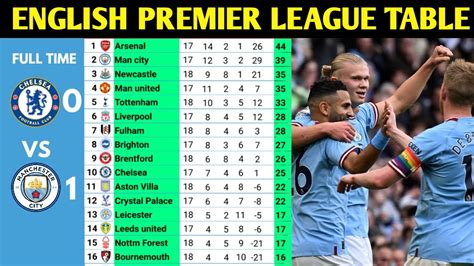
The **dynamics of the Premier League table** also add layers of complexity to this race. Unlike some leagues where a small group of teams dominates, the Premier League often sees a broader range of clubs vying for the top positions. For example, in the 2022-2023 season, **Tottenham Hotspur**, **Manchester United**, and **Newcastle United** were locked in a tense battle for the final two Champions League spots alongside perennial contenders like **Manchester City** and **Liverpool**. This competitive balance means that even a slight dip in form—such as a string of draws or injuries to key players—can shift the standings dramatically. Teams must not only aim for consistency but also capitalize on the failings of their rivals. This creates a high-stakes environment where every match, particularly those against direct competitors, takes on added significance.
There are also **anomalies and exceptions** that can affect Champions League qualification through the Premier League standings. One such scenario involves the **winners of the Champions League or Europa League**. If an English team wins the Champions League but finishes outside the top four in the Premier League (as was the case with **Chelsea** in 2012), they are still granted a spot in the following season's Champions League. However, this does not expand England's allotment of spots; instead, the team that finishes fourth in the Premier League is relegated to the Europa League. This rule has created dramatic situations where a team that finishes fourth must anxiously watch the outcomes of European finals, as their fate could hinge on another team's success. While rare, this dynamic underscores the interconnectedness of domestic and European competitions.
Another unique aspect is the **fifth-place fallback**. If the winners of the Champions League or Europa League are English teams that have already qualified for the Champions League through their Premier League position, the spot reserved for the Champions League winner (or Europa League winner, in some cases) is reallocated to the next-highest finisher in the Premier League. This means that a team finishing fifth could still secure a Champions League berth if the circumstances align. For instance, in the 2018-2019 season, **Chelsea** and **Arsenal** reached the Europa League final, with Chelsea already guaranteed a top-four finish. This ensured that the fifth-place team (in this case, **Manchester United**) had an outside chance of qualifying if certain conditions were met.
The **strategic implications** of this system are profound. Clubs must not only focus on their own results but also monitor the performances of rivals in multiple competitions. For example, if a team like **Liverpool** is in a tight race for fourth place but also reaches the latter stages of the Europa League, their managerial decisions—such as squad rotation—can be influenced by the dual objective of securing a higher Premier League position and potentially winning a European trophy. This juggling act adds a layer of tactical nuance to the season's final weeks.
The **psychological aspect** of the top-four race should also not be underestimated. Teams that are in contention for Champions League spots often experience heightened pressure as the season progresses. This is particularly true for teams that are not accustomed to such high-stakes scenarios. A club like **Leicester City**, which narrowly missed out on a top-four finish in the 2020-2021 season, faced immense scrutiny as they faltered in the closing stages. The psychological toll of such near-misses can affect team morale and future performances, making the quest for Champions League spots as much a mental challenge as a physical one.
Additionally, the **role of head-to-head results and goal difference** often comes into play when teams are tied on points. The Premier League uses goal difference as the first tiebreaker, followed by goals scored, and then head-to-head results. This means that even a high-scoring draw or a narrow victory in a key match can have outsized implications for a team's Champions League ambitions. Teams must therefore approach every game with an awareness of these tiebreakers, especially in the final stretch of the season when margins are razor-thin.
In summary, the **Premier League standings** are far more than a simple ranking of teams based on points. They are the battleground where clubs fight not just for domestic glory but for the opportunity to compete among Europe's elite. The top-four race is a microcosm of the Premier League's competitive nature, blending financial stakes, prestige, and strategic maneuvering. For English football, the interplay between the Premier League table and Champions League qualification is a dynamic and ever-evolving narrative that underscores the league's global significance.
Impact of European Performance on Spots
The allocation of UEFA Champions League spots for England, like other nations, is governed by the UEFA coefficient system, which evaluates the collective performance of clubs from a particular country in European competitions over a rolling five-year period. This system is pivotal in determining how many spots a league is granted in the Champions League, Europa League, and Europa Conference League. Understanding the **impact of European performance on spots** requires a detailed look at how England’s UEFA coefficient is calculated, how performance trends influence rankings, and the broader implications of fluctuations in this metric.
The **UEFA coefficient** is a weighted scoring system where points are awarded to clubs based on their results in European competitions. These points are aggregated at the national level, with each country’s coefficient determined by summing the points of all its participating clubs. For England, the performance of clubs in the Champions League, Europa League, and Europa Conference League directly affects this score. A strong showing—such as multiple clubs advancing to the knockout stages of the Champions League or winning Europa League titles—boosts the coefficient. Conversely, early eliminations or underperformance can lead to a decline. England’s position in the UEFA country rankings determines the number of automatic qualifying spots and whether a fourth team can enter directly into the group stage of the Champions League.
Historically, England has been one of the top-performing nations in UEFA competitions, often ranked within the top three alongside Spain and Germany. This has ensured that the Premier League consistently receives four Champions League spots. However, the **dynamics of European performance** can shift this advantage. For instance, if English clubs collectively underperform over several seasons—failing to progress beyond the group stages or suffering early knockout defeats—their coefficient could drop. This would threaten the fourth spot, potentially reducing England’s allocation to three direct entries, with the fourth-place team having to navigate a qualifying round. Such a scenario last loomed in the mid-2000s when the Premier League faced stiff competition from Italy’s Serie A for the coveted fourth spot.
A deeper analysis reveals how **individual club performances ripple across the national coefficient**. For example, Liverpool’s Champions League triumphs in 2019 and strong runs in subsequent years contributed heavily to England’s coefficient, as did Chelsea’s victories in 2021 and their consistent deep runs. These successes not only bolster the individual clubs but also protect the overall standing of the Premier League. On the other hand, a lack of representation in the later stages of European competitions can have a compounding negative effect. If mid-table Premier League teams that qualify for the Europa League or Europa Conference League fail to capitalize on their opportunities—such as exiting in the early rounds—it dilutes the coefficient. This was evident in the 2022-2023 season when some English clubs in the Europa League struggled to advance, slightly denting the cumulative score.
The **competitive landscape of European football** also plays a role in this equation. While England’s top clubs are often among the favorites in the Champions League, the rise of other leagues—such as the resurgence of Serie A with clubs like Napoli and the consistent strength of Bundesliga teams like Bayern Munich—creates a more level playing field. This means that even a slight dip in English performance can allow other nations to close the gap. For instance, if Italy or France see their top clubs consistently outperform their English counterparts in Europa League or Champions League matches, they could inch closer to England in the rankings. This highlights the **fragility of the four-spot privilege**, despite the Premier League’s dominance in terms of revenue and global viewership.
Another key factor is the **UEFA’s periodic review of the coefficient system**. Changes in how points are allocated or how many spots are available for each league can shift the dynamics. For example, UEFA’s expansion of the Champions League format starting in 2024 introduces more group stage slots for top-performing leagues. While this benefits England due to its current high ranking, it also underscores the need for continued strong European performances. If the Premier League’s clubs falter during this transitional period, they risk losing ground to other leagues that might better adapt to the new format.
It is also worth considering the **financial implications of spot allocation**. The Champions League is a lucrative competition, with group stage participation alone worth tens of millions of euros to clubs. A reduction in spots would not only limit the number of Premier League teams in the competition but also reduce the financial windfall for the league as a whole. This could indirectly affect the league’s ability to attract top talent, as the financial incentives of Champions League football are a major draw for players. Additionally, the prestige associated with having four teams in the competition enhances the Premier League’s global brand, which could suffer if England were to lose a spot.
From a **strategic perspective**, the responsibility for maintaining England’s UEFA coefficient does not rest solely on the traditional "Big Six" clubs. While Manchester City, Liverpool, Chelsea, Manchester United, Arsenal, and Tottenham have often carried the weight of European representation, the broader ecosystem of the Premier League must also step up. Clubs like West Ham, Leicester City, and Brighton—when they qualify for Europea League or Conference League—play a critical role in accumulating points. Their ability to perform well in these competitions can act as a buffer against potential underperformance by the bigger clubs in the Champions League. For instance, West Ham’s Europa Conference League win in 2023 provided a welcome boost to England’s coefficient at a time when some higher-ranked clubs had mixed results in their European campaigns.
In summary, the **impact of European performance on Champions League spots for England** is multi-faceted. It involves not just the success of top-tier clubs in the Champions League but also the broader contributions of mid-tier teams in secondary competitions. England’s position as a dominant footballing nation is not guaranteed indefinitely; it must be actively maintained through consistent success across all levels of European competition. The interplay of UEFA’s coefficient system, the competitive pressures from other leagues, and the financial stakes of Champions League participation make this a high-stakes issue for the Premier League. As the football landscape evolves, England’s ability to sustain its four-spot advantage will depend on both the elite clubs’ continued excellence and the collective strength of the league’s European representatives.
Comparison with Other European Leagues
The allocation of Champions League spots among European leagues is a topic of significant interest, as it reflects not only the competitive structure of each league but also the broader dynamics of UEFA's coefficient system. England, as one of the leading football nations, has a robust representation in the Champions League. However, understanding how this compares to other top European leagues like Spain, Italy, and Germany offers a nuanced view of the competitive balance and the strategic priorities of these footballing powerhouses.
In England, the Premier League is allocated **four direct Champions League spots** for the teams finishing in the top four positions of the league table. This system has been in place since the 2018-19 season, when UEFA expanded the competition to include more teams from the top-performing leagues based on their coefficient rankings. This direct qualification approach is a reflection of the Premier League's dominance in European competitions over the past decade, as English teams have consistently performed well in both the Champions League and Europa League. The lack of a playoff round for English teams, unlike in some other leagues, underscores the Premier League's elite status and its teams' ability to maintain high levels of competitiveness year after year.
In **Spain**, La Liga also receives four Champions League spots, but the dynamics are slightly different. While the top three teams qualify directly for the group stage, the **fourth-placed team must go through a playoff round**. This introduces an additional layer of uncertainty for the fourth-ranked team, as they must navigate a two-legged tie against another European contender before securing a spot in the group stage. This distinction highlights a key difference in how Spain manages its allocation compared to England. The Spanish league has historically been dominated by Barcelona, Real Madrid, and, to a lesser extent, Atlético Madrid. However, the playoff requirement for the fourth team suggests a slightly more cautious approach by UEFA, perhaps acknowledging that La Liga's competitive depth beyond the top three is not as strong as that of the Premier League.
In **Italy**, Serie A is also granted four Champions League spots, but the scenario here is more complex. The top **three teams qualify directly**, while the **fourth-placed team enters the group stage without a playoff**. This is a recent change, as Serie A benefited from UEFA's coefficient adjustments. Italy's league had fallen behind in the rankings during the early 2010s due to underperformance in European competitions, but a resurgence led by teams like Napoli, Inter Milan, and AC Milan has bolstered its standing. The direct entry for the fourth team is a testament to Serie A's improved standing in UEFA's rankings, though it still lags slightly behind the Premier League in terms of overall competitiveness. Italian football has also faced challenges related to financial sustainability and stadium infrastructure, which may explain why its allocation system is not as streamlined as England's.
In **Germany**, the Bundesliga is allocated four Champions League spots as well, mirroring the Premier League's approach. The top **four teams qualify directly for the group stage**, with no playoff hurdle. This system reflects the Bundesliga's strong coefficient performance, driven primarily by the dominance of Bayern Munich and the consistent European success of teams like borussia dortmund and RB Leipzig. However, the Bundesliga's allocation system also reveals a structural difference: the league has a more pronounced **competitive imbalance** compared to the Premier League. Bayern Munich's near-monopoly on the league title has created a situation where the fight for Champions League spots is often concentrated among a small group of teams, such as Dortmund, Leipzig, and occasionally Bayer Leverkusen. This contrasts with the Premier League, where the battle for top-four positions is often fiercely contested among at least six or seven teams in a given season.
One of the most striking differences between England and these other leagues lies in the **depth of competition** for Champions League spots. In the Premier League, the race for the top four is often unpredictable and involves a larger pool of teams. For instance, in the 2022-23 season, teams like Newcastle United and Brighton & Hove Albion challenged traditional powerhouses like Chelsea and Manchester United for European spots. This level of competition is less common in Spain, where the dominance of Barcelona and Real Madrid often leaves the other spots contested by only one or two additional teams. Similarly, in Germany, Bayern Munich's hegemony reduces the suspense in the title race, though the competition for the remaining spots can still be intense.
Another area of comparison is the **impact of financial structures** on Champions League spot allocation. The Premier League benefits from its immense commercial success, which allows even mid-table teams to invest heavily in squad depth and quality. This financial muscle has contributed to the league's ability to field multiple competitive teams in European competitions. In contrast, leagues like Serie A and La Liga have faced financial difficulties, with many clubs operating under stricter budget constraints. For example, Barcelona's recent struggles with financial fair play regulations have limited their ability to consistently field a dominant team in the Champions League. This financial disparity affects not only the allocation of spots but also the ability of teams from these leagues to perform consistently at the highest level.
The **coefficient system** used by UEFA to determine league allocations also plays a critical role in shaping these differences. England's high coefficient is a result of its teams' strong performances in both the Champions League and Europa League over multiple seasons. This has allowed the Premier League to maintain its four direct spots. In contrast, leagues like Serie A and La Liga have had to work harder to regain or maintain their allocations after periods of underperformance. Germany's consistent but less varied success (driven largely by Bayern Munich) has kept its coefficient high but has not necessarily expanded the league's overall competitive profile in the same way the Premier League has.
A deeper look at the **historical trends** also reveals how these leagues adapt to UEFA's evolving rules. For instance, Italy once had three guaranteed Champions League spots (before 2018) and had to fight to regain its fourth spot. This was partly due to a lack of strong performances in European competitions during the early 2010s. England, on the other hand, has consistently been among the top-ranked leagues in UEFA's coefficient table, ensuring its teams face fewer barriers to entry. Spain, despite its top-heavy nature, has also maintained its four spots due to the enduring success of its top clubs in European tournaments.
In summary, while all four leagues—England, Spain, Italy, and Germany—receive four Champions League spots, the **pathways to qualification and the competitive dynamics** differ significantly. England's system is the most straightforward, reflecting the Premier League's depth and financial power. Spain and Italy introduce additional challenges for their fourth-placed teams, while Germany's allocation mirrors England's but is shaped by a less competitive title race. These differences highlight not only the unique characteristics of each league but also the broader influence of UEFA's ranking system and the financial realities of modern football.
- England: Four direct spots, reflecting Premier League depth and financial strength.
- Spain: Four spots, with the fourth team facing a playoff hurdle, indicative of La Liga's top-heavy nature.
- Italy: Four spots, with direct entry for the fourth team, showing Serie A's resurgence in UEFA rankings.
- Germany: Four direct spots, but a more predictable title race limits broader league competitiveness.
This comparative analysis underscores how each league's allocation system is shaped by its historical performance, financial landscape, and UEFA's evolving policies. England's approach stands out for its simplicity and competitiveness, setting a benchmark for how a league can maximize its Champions League representation while maintaining high levels of domestic and international appeal.
Financial Implications of Champions League Qualification
Securing a spot in the UEFA Champions League is one of the most coveted achievements for football clubs in England. Beyond the prestige and the opportunity to compete against Europe's elite, the financial rewards of Champions League qualification are substantial and multifaceted. These benefits extend far beyond the immediate prize money, influencing a club's long-term financial stability, brand value, and marketability. This section explores the intricate financial implications of Champions League qualification for English clubs.
The most direct financial impact of Champions League participation comes from the prize money distributed by UEFA. For the 2023/2024 season, UEFA allocated over €2 billion in total revenues for the Champions League, with participating clubs receiving a share based on their performance and the market pool. English clubs benefit significantly from the market pool due to the high value of broadcasting rights in the UK. For instance, a club that reaches the group stage is guaranteed around €15.64 million, with additional payouts for each win (€2.8 million) and draw (€930,000) in the group stage. Progressing to the knockout stages can add tens of millions more. A club that reaches the final can earn upwards of €100 million in prize money alone, not accounting for other revenue streams.
However, the financial windfall of Champions League qualification is not limited to UEFA prize money. One of the most critical revenue streams is broadcasting rights. The Premier League has some of the most lucrative TV deals globally, and Champions League participation amplifies a club's exposure on both domestic and international platforms. Clubs that qualify for the Champions League are featured in more high-profile matches, which are often broadcast during prime time. This increased visibility can lead to higher viewership numbers, which in turn increases the value of future TV deals for the Premier League as a whole. For individual clubs, this exposure can translate into better sponsorship deals, as brands are eager to associate with high-profile teams that regularly appear in Europe's most-watched competition.
Another key financial benefit is the sponsorship and commercial revenue boost. Qualification for the Champions League often acts as a signal of a club's elite status, making them more attractive to global sponsors. For example, clubs like Manchester City, Liverpool, and Chelsea have leveraged their consistent Champions League appearances to secure lucrative sponsorship deals with brands such as Nike, Adidas, and Puma. These deals are not just about kit sponsorships; they often include partnerships for stadium naming rights, training facilities, and even digital content collaborations. A club's ability to showcase itself on the European stage can also attract sponsors from non-traditional markets, particularly in Asia and the Middle East, where the Champions League has a massive following.
The matchday revenue associated with Champions League games is another significant factor. Hosting European nights at home stadiums brings in additional ticket sales, premium seating, and hospitality packages. English clubs often charge a premium for Champions League fixtures, as the demand for these matches is higher than for domestic league games. For instance, a club like Tottenham Hotspur, with its state-of-the-art stadium, can generate upwards of £3-4 million in matchday revenue per Champions League home game. This is particularly important for clubs that are investing heavily in infrastructure or looking to balance their books amidst Financial Fair Play (FFP) regulations.
Qualification also has a profound impact on a club's player recruitment and retention strategies. The financial boost from Champions League participation allows clubs to offer higher wages and signing bonuses to attract top-tier talent. Players often prioritize joining teams that can offer them the chance to compete in Europe's premier competition, as it enhances their personal brand and increases their chances of winning individual accolades like the Ballon d'Or. Moreover, existing players are more likely to stay at a club that consistently qualifies for the Champions League, as it provides them with a platform to perform at the highest level. This retention of star players not only maintains the club's competitive edge but also protects its asset value, as top players often represent significant financial investments.
There is also a less obvious but equally important benefit in the form of long-term brand equity. Repeated Champions League participation helps to establish a club as a "big club" in the global football ecosystem. This perception can lead to a self-reinforcing cycle of success. For example, clubs like Manchester United and Arsenal, even during periods of on-field struggles, have maintained strong commercial appeal due to their historical association with the Champions League. This brand equity can be monetized through merchandise sales, international tours, and partnerships with global entities. For newer or less historically successful clubs, such as Leicester City during their 2016/2017 campaign, a single season in the Champions League can elevate their profile immensely, opening doors to markets and opportunities that were previously inaccessible.
The financial implications also extend to infrastructure investment. The additional revenue from Champions League participation often enables clubs to invest in state-of-the-art training facilities, youth academies, and stadium upgrades. These investments are not just about immediate returns but are part of a broader strategy to ensure long-term competitiveness. For instance, Liverpool's redevelopment of their training ground at Kirkby and the expansion of Anfield's Main Stand were partly funded by the financial stability provided by consistent Champions League appearances. Such projects not only improve the club's operational efficiency but also enhance its appeal to players, fans, and sponsors.
However, it is important to note that failure to qualify can have detrimental financial consequences. Clubs that miss out on the Champions League, particularly those with high wage bills or significant debt, can face a sharp decline in revenue. This can lead to cost-cutting measures, such as player sales or reduced investment in infrastructure. For example, Arsenal's prolonged absence from the Champions League in the late 2010s had a noticeable impact on their ability to compete in the transfer market and maintain their status as a top-tier club. This underscores the high stakes of qualifying for the competition, particularly for clubs operating in the highly competitive environment of the Premier League.
Finally, the economic ripple effect of Champions League qualification extends beyond the club itself. Local economies benefit from the influx of fans traveling for European matches, particularly for knockout stage games. Hotels, restaurants, and local businesses in cities like Manchester, Liverpool, and London see increased activity during these events. Additionally, the global exposure of the city associated with the club can boost tourism and international interest in the region.
In conclusion, the financial implications of Champions League qualification for English clubs are profound and far-reaching. From direct prize money and broadcasting revenues to enhanced commercial opportunities and long-term brand equity, the benefits are both immediate and enduring. However, the competition for these spots is fierce, and the financial risks of failing to qualify highlight the pressure on clubs to consistently perform at the highest level. For English football, the Champions League is not just a competition—it is a financial lifeline that shapes the destiny of clubs both on and off the pitch.
Challenges and Controversies
The allocation of Champions League spots in England has long been a subject of debate, intrigue, and occasional controversy. While the Premier League is widely regarded as one of the most competitive football leagues in the world, the process of determining which teams earn the coveted places in Europe's premier club competition has not been without its challenges. These issues often stem from the intersection of sporting merit, financial implications, and the broader dynamics of European football governance.
One of the most persistent challenges in this area is the tension between the traditional "top four" narrative and the increasing competitiveness of the Premier League. Historically, the Champions League spots were largely seen as the domain of a small group of elite clubs—Manchester United, Arsenal, Chelsea, and Liverpool—who dominated the league during the late 1990s and early 2000s. This created a sense of predictability in the qualification process, as these clubs consistently finished in the top four positions. However, the landscape began to shift in the 2010s with the emergence of clubs like Manchester City and Tottenham Hotspur as regular contenders. This shift disrupted the established order and introduced a new dynamic where the "big six" (adding Manchester City and Spurs to the traditional four) were vying for limited opportunities. The increased competition raised questions about whether the Champions League qualification system adequately rewards genuine sporting merit or simply reinforces the dominance of wealthier clubs.
The introduction of Financial Fair Play (FFP) regulations by UEFA added another layer of complexity. While FFP was designed to ensure that clubs operated within their means and did not gain an unfair advantage through excessive spending, it also had unintended consequences for spot allocation. Wealthier clubs with strong commercial revenues—such as Manchester City and Chelsea—were better positioned to navigate FFP rules while still investing heavily in their squads. This created a perception among some mid-table or smaller clubs that the system was rigged in favor of those with deeper pockets. For instance, when Leicester City famously won the Premier League in 2015-16, their subsequent qualification for the Champions League was celebrated as a triumph of underdog spirit. However, it also underscored how rare such occurrences are in a league where financial disparities often dictate long-term success. The controversy here is not about Leicester’s achievement but about whether the Champions League qualification process allows for enough fluidity to accommodate genuine surprises without being overly influenced by financial clout.
Another area of controversy has been the impact of UEFA’s evolving competition rules on English spot allocation. In 2018, UEFA introduced a new format where the winners of the Europa League were granted automatic entry into the following season's Champions League. This change had direct implications for English teams, particularly when clubs like Manchester United and Chelsea won the Europa League while finishing outside the top four in the Premier League. A notable example occurred in the 2018-19 season when Chelsea won the Europa League and finished third in the Premier League, while Arsenal, as Europa League runners-up, missed out on Champions League qualification despite finishing fifth. This scenario led to debates about whether the Europa League route diluted the importance of domestic league performance. Critics argued that a team finishing fifth or sixth in the Premier League should not be "leapfrogged" by a Europa League winner, especially if that team had underperformed domestically.

The COVID-19 pandemic also created unique challenges for spot allocation. During the 2019-20 season, the pandemic disrupted the football calendar, leading to the suspension and eventual resumption of matches behind closed doors. This period saw some clubs, such as Liverpool, secure their Champions League spots earlier than usual due to the compressed schedule, while others struggled to maintain form amid the uncertainty. The financial strain on clubs during this time also highlighted how much Champions League qualification matters not just for prestige but for survival. Smaller clubs that had flirted with European spots—like Sheffield United in their impressive 2019-20 campaign—found themselves at a crossroads when they narrowly missed out. The pandemic exposed how much the financial windfall of Champions League football can act as a double-edged sword: it rewards success but also deepens the gulf between the haves and have-nots in the league.
A related issue is the role of European Super League (ESL) proposals in reshaping perceptions of Champions League qualification. In 2021, several top English clubs—including Manchester United, Liverpool, Arsenal, Chelsea, Manchester City, and Tottenham—were among the founders of the ill-fated ESL. This proposed breakaway league was framed as a direct challenge to the existing UEFA Champions League structure, promising guaranteed spots for its founding members regardless of domestic performance. While the ESL collapsed within days due to widespread backlash from fans, players, and governing bodies, it revealed a deeper tension: some elite clubs were dissatisfied with the unpredictability of Champions League qualification through domestic leagues. This dissatisfaction suggested that certain clubs viewed the traditional route of earning spots through league performance as a potential hindrance to their global ambitions. For fans and pundits, this raised uncomfortable questions about whether the allure of the Champions League was being undermined by the self-interest of a few powerful entities.
The issue of fourth-place finishers and the "Champions Route" in Champions League qualifying has also sparked debate. Under UEFA rules, the fourth-placed team in the Premier League must often navigate a playoff round to secure their place in the group stage. While this is a formality for most top-tier English teams given their coefficient ranking, it still introduces an element of risk. There have been calls to automatically grant the fourth-placed Premier League team a group stage berth, given the league’s high UEFA coefficient. However, this proposal has been met with resistance from other European leagues, who argue that it would further entrench the dominance of the "big five" leagues (England, Spain, Germany, Italy, and France). This tension reflects a broader geopolitical struggle within European football over resource distribution and representation.
Another challenge lies in the fairness of spot reallocation due to UEFA coefficient shifts. England’s strong position in the UEFA rankings has often ensured it receives four guaranteed Champions League spots. However, there is always the possibility that a decline in English clubs' European performances could lead to a reduction in spots. For instance, if Italian or German clubs consistently outperform their English counterparts in European competitions, England could lose its fourth spot to another league. This possibility has fueled debates about whether the Premier League should prioritize collective European success—encouraging its teams to perform better in the Champions League and Europa League—to safeguard its allocation. Some have suggested that the league could adopt measures to incentivize strong European performances, such as bonus payments or enhanced revenue sharing for teams that advance deep into UEFA competitions.
Finally, there is the question of parity and long-term sustainability. The concentration of Champions League spots among a small number of clubs has led to concerns about stagnation in the Premier League. While the "big six" regularly compete for these spots, the lack of opportunities for teams outside this group can stifle ambition and investment. Clubs like West Ham, Everton, and Aston Villa have shown flashes of potential in recent years but often find themselves unable to break into the top tier due to the financial and structural advantages enjoyed by the established elite. This has prompted calls for reforms, such as expanding the number of Champions League spots available to English teams or introducing a more dynamic system that rewards consistent overachievers, even if they are not part of the traditional elite.
In summary, the challenges and controversies surrounding Champions League spot allocation in England are deeply rooted in the interplay of sporting merit, financial power, and the evolving landscape of European football. From the dominance of wealthier clubs to the impact of external factors like FFP and the ESL, these issues highlight the delicate balance between rewarding success and ensuring fairness. As the Premier League continues to grow in global prominence, addressing these challenges will be crucial to maintaining its reputation as a competitive and equitable league.
Future Trends and Potential Changes
The landscape of European football is constantly evolving, and the Champions League format is no exception. UEFA has shown a propensity for reform in recent years, driven by commercial interests, competitive balance, and the desire to maintain the tournament's prestige. For English clubs, these changes could have far-reaching implications, both in terms of qualification pathways and the competitive dynamics of the domestic Premier League. This section delves into the potential future trends and how they might reshape the prospects of English clubs vying for Champions League spots.
One of the most discussed potential changes is the introduction of a revised group stage structure under UEFA's "Swiss Model," which was initially proposed for the 2024-25 season. Instead of the traditional group stage with 32 teams divided into eight groups of four, the Swiss Model envisions a single league table of 36 teams. Each team would play eight or ten matches against opponents of varying strengths, determined by a seeding system. This change is designed to increase the number of high-profile fixtures and maximize broadcasting revenue. For English clubs, this could mean more opportunities to compete against top-tier European sides earlier in the competition, but it also introduces a challenge: the increased physical and logistical strain on squads. With the Premier League already being one of the most physically demanding leagues, the additional high-stakes matches could test squad depth and increase the risk of player burnout, potentially affecting domestic performance.
Another trend that could influence English clubs is the expansion of qualification pathways for teams from smaller leagues or those with strong historical coefficients. UEFA has been experimenting with giving more access to clubs from nations that traditionally struggle to qualify. For instance, there are discussions about allocating extra spots to teams based on their historical performance in UEFA competitions over a five-year period. While this could open the door for more diversity in the tournament, it might also create a scenario where English clubs face stiffer competition from unexpected entrants. For example, if a team like Ajax or Porto secures a spot through historical coefficients rather than current season performance, it could dilute the advantage that Premier League teams currently enjoy by virtue of the league's high coefficient ranking. This shift could make the battle for the top four in the Premier League even more intense, as the safety net of guaranteed spots might no longer be as secure.
The financial implications of these changes are also critical to consider. The Champions League is a massive revenue generator for clubs, and English teams have been among the biggest beneficiaries due to their strong performances and lucrative TV deals. However, the proposed format changes could see a redistribution of prize money. If UEFA decides to reward participation rather than strictly performance—by increasing payments for simply being part of the expanded league table—smaller clubs could see a financial windfall. This might narrow the financial gap between Premier League giants and mid-tier European clubs, potentially leveling the playing field in terms of transfer market power. English clubs, which have often used Champions League revenue to outspend competitors, might find this advantage eroded over time.
There is also the question of how the European Super League (ESL) saga might influence future changes. Although the ESL proposal was widely rejected by fans and stakeholders, the underlying issues it sought to address—namely, the financial dominance of a few elite clubs—remain relevant. UEFA might feel compelled to introduce elements that appease top clubs, including those in England, to prevent future breakaway attempts. This could manifest in guaranteed spots for historically successful teams or a more lenient approach to qualification for "big-name" clubs that underperform domestically. For English clubs like Manchester United, Arsenal, or Chelsea—teams with global brands but fluctuating domestic form—such a change could offer a safety net. However, this could also stoke criticism of the competition becoming too exclusive or favoring legacy over merit.
Another area of potential change is the integration of technology and data-driven decisions in determining tournament formats and participant selection. UEFA has been increasingly open to using performance metrics, such as Expected Points (xP) or Strength of Schedule, to evaluate teams. In the future, we might see a scenario where qualification for the Champions League is influenced not just by league position but by advanced analytics that consider a team's "true strength" over the course of a season. For English clubs, this could be a double-edged sword. While the Premier League is known for its competitiveness, the presence of "big six" dominance means that some teams consistently outperform their expected metrics due to superior resources. If UEFA begins factoring in such data, it might create scenarios where a team like Brighton or Aston Villa—currently overperforming in the Premier League—could challenge the traditional top four for a spot, adding unpredictability to the qualification race.
The impact of multi-club ownership is another trend worth considering. As more investment groups acquire stakes in multiple clubs across Europe, there is growing concern about potential conflicts of interest. For instance, if a single ownership group controls clubs in England, Italy, and Germany, UEFA might need to introduce rules to prevent those clubs from all participating in the same Champions League season. This could indirectly affect English clubs by altering the pool of eligible participants. Moreover, multi-club ownership models might incentivize UEFA to create a more inclusive format that allows subsidiary clubs to qualify through alternative pathways, such as a "wildcard" system based on group performance.
Finally, the sustainability and environmental concerns surrounding European football could lead to changes that impact English clubs. With growing pressure to reduce the carbon footprint of sports, UEFA might consider regionalizing parts of the competition to minimize travel. For example, early-stage matches could be grouped geographically to reduce long-haul flights. While this might seem like a logistical adjustment, it could alter the dynamics of fixture scheduling for English clubs. A regionalized approach might see them face more frequent matches against other strong Western European teams (like those from Spain or Germany) early on, potentially intensifying the competitive pressure before the knockout stages.
In summary, the future of Champions League spots for English clubs will likely be shaped by a combination of format innovations, financial redistributions, and external pressures such as sustainability and multi-club ownership. While these changes could create new opportunities—such as more high-profile matches and alternative qualification routes—they also introduce risks, including increased competition, logistical challenges, and potential dilution of the Premier League's dominance in Europe. English clubs will need to adapt strategically, both on and off the pitch, to maintain their stronghold in European football amid these shifting dynamics.
- The Swiss Model could increase high-profile fixtures but strain squad depth.
- Expanded qualification pathways might introduce unexpected competitors.
- Financial redistribution could erode the Premier League's financial edge.
- Data-driven decisions might introduce unpredictability in qualification races.
- Multi-club ownership could alter participant eligibility rules.
- Sustainability concerns might lead to regionalized fixtures, impacting scheduling.
Ultimately, the interplay of these factors will test the adaptability of English clubs, requiring them to balance domestic success with European ambitions in an era of unprecedented change.
Conclusion and Strategic Insights
The race for Champions League spots in England is one of the most competitive and high-stakes battles in European football. With only four slots available in the Premier League for Europe's premier club competition, the margin for error is slim, and the financial and reputational rewards are immense. This section will distill key takeaways from the dynamics of this competition and offer strategic recommendations for clubs aspiring to consistently secure or regain a place among Europe's elite.
One of the most critical takeaways is that sustainability in squad management is paramount. Over the past decade, clubs like Manchester City, Liverpool, and Chelsea have demonstrated that maintaining a deep, versatile squad is not just advantageous but essential. Injuries, fatigue, and fixture congestion are inevitable in a league as physically demanding as the Premier League, compounded by domestic cup runs and European competitions. Clubs that have thrived in this environment often have at least two high-quality players for every position. For instance, Liverpool's success under Jürgen Klopp was built not only on a strong starting XI but also on players like Divock Origi and Xherdan Shaqiri stepping up in critical moments. This underscores the need for clubs to invest not just in star players but in a well-rounded bench capable of maintaining performance levels during long campaigns.
Another key insight is the role of managerial stability and tactical flexibility. Clubs that frequently rotate managers in search of instant success often find themselves in a cycle of instability. Tottenham Hotspur's recent history is a case in point; despite occasional bursts of form under various managers, the lack of a consistent vision has hindered their ability to sustain top-four finishes. In contrast, clubs like Manchester City and Arsenal have benefited from clear, long-term managerial strategies. Pep Guardiola's philosophy at City and Mikel Arteta's patient rebuild at Arsenal highlight how a cohesive vision can yield dividends over time. Tactical flexibility is equally critical—teams that can adapt their style of play to counter specific opponents or weather challenging periods are more likely to accumulate points consistently. For example, Arsenal's ability to switch between possession-based play and a more pragmatic approach in tough away games has been a factor in their recent resurgence.
Financial planning also plays a decisive role. While the Premier League's revenue-sharing model provides significant resources to all clubs, efficient use of transfer budgets and wage structures can separate contenders from pretenders. Clubs like Newcastle United, backed by new ownership, are learning that simply spending big does not guarantee success. Their initial struggles to balance the books while meeting sporting objectives highlight the importance of targeted investments. Leicester City's rise to Champions League qualification in 2016 was not merely a result of their underdog story but also of shrewd scouting and player development. Clubs should prioritize data-driven recruitment strategies, focusing on players who fit their system rather than chasing marquee names who may disrupt team dynamics. Additionally, maintaining a sustainable wage bill prevents the financial overreach that has plagued teams like Everton, who have spent heavily without securing consistent top-four finishes.
Another area of focus is the integration of youth and academy talent. The Premier League's homegrown player rules and the financial advantages of developing talent in-house make this a strategic imperative. Clubs like Chelsea and Manchester United have seen mixed success with their academies—while Chelsea has produced a conveyor belt of talent, many of their young players have been loaned out or sold rather than integrated into the first team. In contrast, clubs like Arsenal have reaped rewards by giving opportunities to players like Bukayo Saka and Emile Smith Rowe. Investing in academy infrastructure and ensuring a clear pathway to the first team can provide both sporting and financial benefits. For clubs outside the traditional "Big Six," this approach can level the playing field, as seen with Brighton & Hove Albion’s emergence as a team capable of challenging for European spots through smart youth integration and astute transfers.
A less discussed but equally important factor is the psychological resilience of the squad. The pressure of competing for Champions League spots often leads to high-stakes matches in the final weeks of the season. Teams that crumble under this pressure—such as Tottenham in 2022 or Arsenal in 2019—often lack the mental fortitude to close out their campaigns. Clubs should invest in sports psychology and leadership training to ensure players can handle the mental toll of a grueling season. Leaders on the pitch, such as Vincent Kompany during Manchester City's early title-winning years or Jordan Henderson at Liverpool, have shown how a strong captain can galvanize a team during critical moments.
From a strategic perspective, clubs aiming for Champions League spots should also consider the broader European football landscape. The introduction of the UEFA Europa Conference League and the financial incentives of the Champions League have made mid-table clubs more ambitious. This means that even teams outside the traditional top four are investing heavily to break into the elite group. For instance, West Ham's recent European success and Aston Villa's rapid improvement under Unai Emery signal that the competition for top-four spots is no longer limited to a handful of clubs. Aspiring teams must therefore adopt a forward-looking approach, not only focusing on immediate results but also building a foundation for sustained competitiveness.
Based on these insights, the following strategic recommendations can guide clubs in their pursuit of Champions League qualification:
- Prioritize squad depth with a focus on versatility: Ensure that the squad has players who can perform in multiple roles, reducing dependency on a small group of star players.
- Invest in long-term managerial projects: Avoid the temptation of frequent managerial changes and instead back a coach with a clear vision for at least three to five seasons.
- Adopt a data-driven approach to recruitment: Use advanced analytics to identify undervalued players who fit the team's system rather than overpaying for big names.
- Leverage youth development: Build a robust academy system and provide opportunities for young players to integrate into the first team, reducing reliance on expensive transfers.
- Strengthen mental resilience: Incorporate sports psychology into training regimens and cultivate leaders within the squad who can handle high-pressure situations.
- Monitor and adapt to competition: Recognize that mid-table teams are becoming more ambitious and prepare for a broader range of challengers by staying ahead in areas like scouting and infrastructure.
Finally, clubs must recognize that the quest for Champions League spots is not just a seasonal objective but a long-term endeavor. The teams that have consistently performed well in this regard—such as Manchester City, Liverpool, and Chelsea—have done so by aligning their on-field strategies with off-field stability. This includes strong ownership backing, clear communication of goals to fans and stakeholders, and a commitment to innovation in areas like sports science and analytics. For clubs outside the established elite, the path may be steeper, but examples like Leicester City and Tottenham under Mauricio Pochettino show that with the right mix of strategy, resilience, and opportunism, breaking into the top tier is achievable.
In conclusion, the battle for Champions League spots in England is a multifaceted challenge that requires clubs to excel across multiple dimensions—squad management, tactical adaptability, financial prudence, and psychological preparedness. By internalizing these lessons and implementing targeted strategies, clubs can not only aim for short-term success but also position themselves as perennial contenders in one of football's most competitive arenas.


