Introduction to Coefficient Points
Coefficient points in football are a metric used to quantify the performance of clubs and national teams in international competitions. These points play a pivotal role in determining rankings, seeding, and qualification pathways for tournaments. While the term "coefficient" might sound technical and abstract, its application in football is both practical and deeply impactful. Coefficient points are not merely numbers; they represent a club or nation's competitive stature on the global stage, influencing everything from financial rewards to prestige.
At its core, the concept of coefficient points revolves around **performance-based evaluation**. For clubs, these points are awarded based on their results in UEFA-sanctioned competitions like the UEFA Champions League, Europa League, and Conference League. For national teams, coefficients are calculated from results in FIFA World Cup qualifiers, UEFA European Championship qualifiers, and the Nations League. The calculation is not arbitrary; it is governed by a structured system designed to reward consistent success and penalize underperformance. This system ensures that the strongest teams and nations are recognized, creating a meritocratic framework within the sport.
The significance of coefficient points can be understood through their **multi-dimensional impact**. First and foremost, they determine **rankings**. For clubs, the UEFA club coefficient ranking influences their seeding in draws for European competitions. A higher coefficient means a team is more likely to avoid other top-ranked clubs in the early stages of tournaments, giving them a better chance of progression. For example, a club like Bayern Munich or Manchester City, with consistently high coefficient points, is often placed in favorable groups, whereas a lower-ranked team might face stiffer competition from the outset. This dynamic not only affects match outcomes but also the financial prospects of clubs, as advancing in these competitions brings substantial prize money and commercial exposure.
On the national team side, coefficient points influence the **seeding for major tournaments**. A higher FIFA or UEFA coefficient ranking can place a national team in Pot 1 during a tournament draw, ensuring they avoid other top-seeded teams in the group stage. This can be a game-changer in competitions like the World Cup or Euros, where group composition often determines whether a team progresses to the knockout stages. For instance, a team like Belgium or France benefits from their strong coefficient, often avoiding early clashes with equally formidable opponents. This advantage underscores how coefficient points shape the competitive landscape even before a ball is kicked.
Another critical aspect of coefficient points is their role in **access and allocation of slots** for competitions. UEFA uses club coefficients to allocate slots for its member associations in European club tournaments. Associations with higher-performing clubs in European competitions over a five-year period are rewarded with more slots or better-quality slots (e.g., direct entry into the group stage rather than having to qualify through preliminary rounds). This creates a **feedback loop** where successful clubs not only elevate their own standing but also boost the overall coefficient of their national association. For example, the English Premier League's dominance in recent years, driven by clubs like Liverpool, Chelsea, and Manchester City, has led to England securing more slots in European competitions, further solidifying its status as a footballing powerhouse.
The calculation of coefficient points is nuanced and involves both **individual match performance** and **historical consistency**. For clubs, points are awarded for wins, draws, and progression through rounds in European competitions. Bonus points are given for reaching specific milestones, such as qualifying for the group stage or advancing to the knockout phases. These points are weighted by the importance of the competition—Champions League performances carry more weight than Europa League or Conference League achievements. Additionally, the points are adjusted by a **five-year rolling system**, meaning recent success is more heavily weighted than older results. This rolling system ensures that the rankings remain dynamic, reflecting current form rather than past glory. For example, a club like Ajax might experience a surge in its coefficient after a deep Champions League run, even if its historical performance has been modest.
For national teams, the system is similarly performance-driven but incorporates a broader time frame. Results in World Cup and European Championship qualifiers, as well as the tournaments themselves, are factored into the coefficient. A strong showing in these high-stakes competitions not only boosts a nation's ranking but also enhances its reputation and draw in future events. This is particularly important for smaller nations, as a higher coefficient can provide them with better seeding and potentially easier qualification paths in subsequent cycles.
The concept of coefficient points also has **economic implications**. For clubs, higher rankings can lead to greater revenue through increased prize money and television rights. Moreover, the prestige associated with a high coefficient can attract better players, sponsors, and investors. For national associations, a strong coefficient can lead to better financial support from governing bodies and increased visibility for their domestic leagues. This economic dimension highlights how coefficient points are not just a measure of performance but also a driver of growth and sustainability within the sport.
However, the system is not without its **criticisms and challenges**. One common critique is that it can perpetuate a cycle of dominance by historically successful clubs and nations. A team or association that has performed well in the past five years is more likely to gain favorable draws and access to resources, making it easier for them to maintain their position. This can create a barrier for emerging teams or associations trying to break into the upper echelons of the sport. For instance, a smaller club from a less prominent league might struggle to accumulate points due to limited opportunities to compete in high-level European competitions.
Another challenge is the **subjectivity in weighting**. While the system is designed to be fair, debates often arise about whether certain competitions or results are over- or undervalued. For example, should a victory in the group stage of the Champions League carry significantly more weight than a win in the Europa League? These questions point to the evolving nature of the coefficient system and the need for periodic reviews to ensure it remains equitable and reflective of modern football dynamics.
In summary, coefficient points in football are far more than a statistical abstraction. They are a **cornerstone of competitive fairness and strategic planning** in the sport. By rewarding performance and consistency, they shape the trajectories of clubs and national teams, influencing everything from tournament seeding to economic viability. While the system has its complexities and criticisms, its role in maintaining a structured and competitive environment in football is undeniable. For stakeholders—be they clubs, national associations, or fans—understanding the intricacies of coefficient points is essential for appreciating the broader mechanics of international football.
History and Evolution of the Coefficient System
The concept of a **coefficient points system** in global football has its roots in the need to quantify and rank the performance of clubs and national teams across different competitions. This system was introduced to provide a structured way of measuring success and determining eligibility for prestigious tournaments. The origins of this system can be traced back to the early 20th century when football began to formalize into an organized sport with international competitions.
One of the earliest instances of a ranking mechanism can be seen in the **FIFA World Rankings**, which were introduced in 1992 for national teams. However, the idea of a coefficient system specifically for clubs emerged as European football grew more competitive and interconnected. The **Union of European Football Associations (UEFA)** played a pivotal role in developing and popularizing the coefficient points system, particularly in the context of club competitions like the UEFA Champions League and UEFA Europa League.
The **origins of the coefficient system** can be linked to the increasing complexity of European club football in the mid-20th century. After World War II, European football saw the establishment of the **European Champion Clubs' Cup** (now the UEFA Champions League) in 1955. Initially, participation was limited to the champions of each domestic league, but as the competition expanded, it became apparent that a fair method was needed to determine how many teams each country could send to these tournaments and how they would be seeded.
The first semblance of a coefficient system was introduced in the **1950s and 1960s**, albeit in a rudimentary form. Countries were granted slots in European competitions based on their historical success in international club football. For instance, nations like Spain, Italy, and England, which had strong domestic leagues and successful clubs, were often given more representation. However, this approach was subjective and lacked a transparent, quantitative basis.
The modern **coefficient points system** began to take shape in the **1970s and 1980s**, as UEFA sought to address disparities in the quality and competitiveness of European leagues. A more formalized approach was necessary to ensure that the allocation of slots in European competitions was fair and reflective of current performance rather than past glory. UEFA introduced a points-based methodology that assigned values to a team’s performance in European competitions. For example, winning a match earned a team more points than a draw, and advancing to later stages of a tournament carried greater weight. This approach incentivized clubs to perform well consistently, as their success directly impacted their country's standing in the coefficient rankings.
The **1990s marked a significant evolution** in the coefficient system due to the globalization of football and the commercialization of the sport. The **formation of the UEFA Champions League in 1992**, which replaced the European Champion Clubs' Cup, brought about a seismic shift. The new tournament allowed multiple teams from the top-performing nations to participate, increasing the stakes for countries to accumulate coefficient points. UEFA's ranking system now considered not just the performance of individual clubs but also the collective performance of all clubs from a given country over a five-year rolling period. This change emphasized the importance of sustained excellence across multiple teams within a nation's football ecosystem.
A key feature of the modern system is its **five-year rolling cycle**, which ensures that recent performance is given more weight than older results. This approach was introduced to prevent countries with historically strong teams but declining performance from maintaining an unfair advantage. For instance, if a country like the Netherlands had dominated European football in the 1970s but failed to produce competitive teams in the 1990s, their coefficient ranking would naturally decline over time. This dynamic nature of the system reflects the fluidity of football's competitive landscape.
Another critical development was the **inclusion of performance in the UEFA Europa League** (and its predecessors like the UEFA Cup) in the coefficient calculations. While the Champions League remained the premier competition, the Europa League provided a platform for mid-tier clubs to contribute to their nation's coefficient. This inclusion broadened the scope of the system, making it more inclusive of clubs from smaller leagues that might not regularly compete in the Champions League.
The **2000s saw further refinements** to the coefficient system as football became increasingly data-driven. UEFA introduced **bonus points** for reaching specific milestones, such as qualifying for the group stage of the Champions League or advancing to the knockout stages. These bonus points were designed to reward exceptional achievements and further differentiate between high-performing and average teams. Additionally, the system began to account for the **strength of a league's domestic structure**, with UEFA factoring in the quality of the league when assigning initial points for participation in European competitions. This meant that clubs from stronger leagues, like the English Premier League or La Liga, started with a slight advantage in the rankings due to the perceived higher quality of their domestic competitions.
One of the most fascinating aspects of the coefficient system is its **impact on national team rankings**. While the system was originally designed for club football, its principles have influenced how UEFA and FIFA assess the overall strength of a country's football infrastructure. For example, a country with consistently high-performing clubs in European competitions often sees its national team benefit in terms of seeding and prestige in international tournaments. This interplay between club and national team success highlights the interconnected nature of modern football.
The coefficient system has not been without **controversy and criticism**. Some argue that it favors nations with larger, wealthier leagues, creating a feedback loop where richer clubs and leagues continue to dominate. Smaller nations and leagues often struggle to break into the upper echelons of the rankings due to limited opportunities to compete in high-stakes European matches. This has led to calls for a more equitable system that considers factors like the size of a league or the resources available to clubs. However, UEFA has defended the system, arguing that it rewards merit and encourages leagues to improve their standards to compete at the highest level.
In recent years, the **advent of advanced analytics and big data** has added a new dimension to the coefficient system. UEFA now uses sophisticated algorithms to adjust and refine the weightings of various performance metrics. For example, the points awarded for a victory in the group stage of the Champions League might differ slightly from those awarded in the group stage of the Europa League, reflecting the differing levels of competition. This evolution demonstrates how the system has adapted to the increasing complexity of football analytics.
The **future of the coefficient points system** is likely to involve further integration of technology and possibly a more holistic approach that considers factors beyond match results, such as youth development, financial fairness, and grassroots contributions. As football continues to grow as a global sport, the coefficient system will need to evolve to remain relevant and equitable.
- The system's origins lie in the need to fairly allocate slots in European competitions.
- The introduction of the five-year rolling cycle was a major innovation to ensure fairness.
- The inclusion of the Europa League expanded the system's inclusivity.
- Modern refinements incorporate advanced analytics to maintain relevance.
In conclusion, the **history and evolution of the coefficient points system** in football is a testament to the sport's adaptability and the ongoing effort to balance fairness, competitiveness, and inclusivity. From its humble beginnings as a means to allocate slots in European tournaments to its current role as a sophisticated ranking mechanism, the system has undergone significant transformation. It remains a cornerstone of European football, shaping how clubs and nations navigate the competitive landscape of the beautiful game.
How Coefficient Points Are Calculated
Coefficient points in football are a critical metric used by governing bodies like UEFA to rank clubs and national associations based on their performance in European competitions. These points serve as a basis for seeding teams in tournaments, determining the number of slots allocated to each country in European competitions, and even influencing prize money distribution. Understanding how coefficient points are calculated requires a detailed look at the methodology and formulas employed, which are rooted in a structured system designed to reward performance and consistency over time.
The calculation of coefficient points begins with **the distinction between club coefficients and association coefficients**. While club coefficients focus on individual team performances, association coefficients aggregate the performance of all clubs from a particular country in a given season. Both are derived using similar principles but are applied at different levels of analysis.
For **club coefficients**, points are awarded based on results in UEFA Champions League, Europa League, and Conference League matches. The formula for earning points is straightforward: teams earn points for wins, draws, and progression through rounds. Specifically:
- A win in any match earns **2 points**.
- A draw earns **1 point**.
- Bonus points are awarded for reaching certain stages of the competition:
- Qualification for the group stage of the Champions League: **4 points**.
- Reaching the round of 16 in the Champions League: **5 points**.
- Reaching the quarter-finals, semi-finals, and finals of the Champions League or Europa League earns progressively higher bonus points (e.g., **1 point** for the quarter-finals, **2 points** for the semi-finals, and **3 points** for reaching the final).
These base points are then **adjusted by a coefficient multiplier** that depends on the competition and the season. For example, matches in the Champions League carry more weight than those in the Europa League or Conference League. The multipliers for recent seasons are as follows:

- Champions League: **2.0** (applied to points earned in this competition).
- Europa League: **1.5**.
- Conference League: **1.0**.
This means that a win in the Champions League is worth **4 points (2 points for the win × 2.0 multiplier)**, whereas a win in the Europa League is worth **3 points (2 points for the win × 1.5 multiplier)**. These multipliers are designed to reflect the prestige and difficulty of each competition, incentivizing clubs to aim for the highest level of play.
Another layer of complexity is the **10-year rolling system** used to calculate club coefficients. Points earned in the current season are added to points from the previous nine seasons, with each season weighted equally. This rolling system ensures that a club's historical performance is considered but gradually phases out older results to maintain relevance. For instance, a team that performed exceptionally well five years ago but has struggled recently may see its coefficient decline as newer seasons replace older ones in the calculation.
For **association coefficients**, the process is slightly different. Here, the performance of all clubs from a given country is aggregated over a season. The formula considers the points earned by each club, scaled by the number of teams the association has participating in European competitions. This is expressed as:
Association Coefficient = (Sum of all club points) ÷ (Number of participating teams)
This normalization ensures that countries with fewer participating teams are not unfairly disadvantaged. For example, if a smaller association has only two teams in European competitions and both perform well, their association coefficient can still be competitive compared to a larger association with more teams but mixed results.
Additionally, **historical bonuses** are factored into association coefficients. UEFA awards extra points to associations based on the performance of their clubs in the previous five seasons. These bonuses are distributed as follows:
- If a club from the association wins the Champions League or Europa League, the association receives **2 bonus points**.
- If a club reaches the semi-finals of either competition, the association earns **1 bonus point**.
These bonuses reward associations that consistently produce high-performing clubs and help maintain a level of prestige for nations with a strong football tradition. However, they also introduce a dynamic where smaller associations can see rapid improvements in their rankings if one or two clubs overperform in a given season.
A unique aspect of the coefficient system is the **weight of preliminary round matches**. Teams that enter competitions in the early qualifying rounds (e.g., Champions League first qualifying round) earn fewer points for the same results compared to teams that enter later stages. For instance, a win in the group stage of the Champions League is worth more than a win in the second qualifying round. This is intended to reward teams that progress deeper into the competition, as they face tougher opposition and higher stakes.
It is also worth noting that **away goals and extra time outcomes** are treated equally in the point system. A win in extra time or on penalties is still considered a win for coefficient purposes, and there is no additional weight given to away goals. This ensures fairness and avoids penalizing teams for the specific circumstances of their victories.
The **timeframe and periodic updates** of the coefficient system are also worth exploring. UEFA recalculates coefficients at the end of each season, updating the rankings for both clubs and associations. This real-time adjustment allows for dynamic shifts in rankings, which can have immediate implications for seeding and tournament allocations in the following season. For example, a club that performs exceptionally well in one season might leapfrog others in the rankings, earning a higher seeding and potentially an easier path in the next tournament.
The system also has a **fairness mechanism** built in to account for teams that do not participate in European competitions regularly. For instance, if a club qualifies for a competition but is eliminated early due to a tough draw or other factors, their points contribution is limited but not entirely nullified. This prevents associations with fewer resources from being completely overshadowed by those with more established clubs.
One of the more **controversial elements** of the coefficient system is the reliance on a 10-year window. Critics argue that this timeframe can be too long to accurately reflect a club's current strength, especially in cases where a club undergoes significant changes in management, finances, or squad quality. However, UEFA defends this approach as a way to balance short-term volatility with long-term consistency, ensuring that a club’s historical success is not entirely erased by one bad season.
In summary, the calculation of coefficient points is a multi-faceted process that combines **match results, competition weightings, rolling averages, and historical bonuses** into a comprehensive framework. The system rewards both immediate success and sustained excellence, while also attempting to balance the diverse strengths of European football associations. By understanding the detailed methodology and formulas behind coefficient points, stakeholders in football—be they clubs, associations, or fans—can better appreciate the strategic implications of every match and tournament result.
Role of Coefficient Points in Tournament Qualification
Coefficient points play a pivotal role in shaping the competitive landscape of football tournaments, particularly in determining team eligibility and seeding for major events like the UEFA Champions League. These points are not merely abstract figures but represent a structured mechanism to quantify a team's or league's performance over time, ensuring that the most deserving participants gain access to high-stakes competitions. This section delves into the intricate ways coefficient points influence team eligibility, with a particular emphasis on their impact on the UEFA Champions League.
At its core, the **UEFA coefficient system** is a ranking mechanism designed to evaluate the performance of clubs and their associated leagues in European competitions over a rolling five-year period. Each club earns points based on its results in UEFA-organized tournaments, such as the Champions League, Europa League, and Conference League. These points are aggregated at both the club and national association levels, with the latter used to determine how many slots a league is granted in the subsequent season's tournaments. This dual-layer approach ensures that both individual club excellence and the overall strength of a league are factored into the qualification process.
For **teams aspiring to qualify for the UEFA Champions League**, coefficient points serve as a critical determinant in two key areas: **direct qualification** and **seeding**. Direct qualification is often the most visible impact of coefficient rankings. For instance, the top-ranked leagues in the UEFA association coefficient table—typically the English Premier League, Spanish La Liga, German Bundesliga, and Italian Serie A—are granted **four automatic group stage slots** for their highest-performing teams. This privilege is a direct result of these leagues consistently accumulating high coefficient points due to the strong performances of their clubs in European competitions. Conversely, leagues with lower rankings, such as those from smaller nations like Hungary or Norway, may only receive one or two slots, often requiring their teams to navigate through preliminary rounds before reaching the group stage.
The **preliminary rounds** themselves are heavily influenced by coefficient points. Teams from lower-ranked leagues or those that do not automatically qualify for the group stage must compete in a series of knockout matches to secure their place. Here, the coefficient ranking determines the seeding for these preliminary rounds, ensuring that stronger teams from higher-ranked leagues face theoretically weaker opponents in the early stages. This system is not merely about fairness but also about **maintaining the competitive integrity of the tournament**. A highly ranked team from a small league, such as a champion from a nation like Cyprus, might still face a challenging path due to its lower individual coefficient, even though it is a domestic champion. This illustrates how the system balances **domestic achievement** with **European competitiveness**.
Another less discussed but equally significant aspect is the role of **historical performance** in shaping a team's eligibility. Coefficient points are not solely derived from the current season's results; they are a cumulative measure of a team's and league's performance over five years. This means that a team enduring a temporary dip in form might still benefit from strong past performances by its league or compatriot clubs. For example, a club like Ajax, despite occasional struggles in domestic competitions, often finds itself in a favorable position for Champions League qualification due to the Netherlands' historical coefficient strength and Ajax's own legacy of success in Europe. This dynamic creates a **feedback loop** where strong leagues and clubs perpetuate their dominance by consistently earning high coefficient points, while weaker leagues struggle to break through the glass ceiling.
The **seeding system** within the Champions League group stage is another area where coefficient points exert considerable influence. Teams are ranked within pots based on their UEFA club coefficients, which are derived from their individual performances in European competitions over the same five-year period. A higher coefficient ensures placement in **Pot 1**, alongside other top-ranked teams such as the defending Champions League winner and the domestic champions of the top-ranked leagues. This placement can significantly impact a team's journey through the tournament. Being in Pot 1 often means avoiding other heavyweight clubs in the group stage, increasing the likelihood of progression to the knockout rounds. For instance, a team like Bayern Munich, with its consistently high coefficient, is almost guaranteed a favorable draw compared to a team from a mid-tier league placed in Pot 3 or 4.
However, the system is not without its **criticisms and complexities**. One common critique is that the heavy reliance on historical performance can create a **self-reinforcing hierarchy**, where established giants of European football maintain their privileged positions while newer or resurgent teams from smaller leagues find it nearly impossible to break through. A concrete example is the rise of clubs like RB Leipzig or Atalanta, which, despite strong recent performances, often face tougher paths due to their leagues' or their own relatively lower historical coefficients. This has sparked debates about whether the system should place greater emphasis on **recent form** rather than a five-year rolling average, particularly as football becomes more dynamic with the emergence of well-funded clubs from non-traditional powerhouses.
Additionally, the **national association coefficient** introduces an element of **collective responsibility** for teams within a league. A league's overall ranking is determined by the aggregate performance of all its participating teams in European competitions. This means that a poorly performing team can negatively impact its league's standing, potentially reducing the number of slots available for other teams from the same league in future seasons. For example, if a league's fourth-ranked team consistently underperforms in the Champions League, it might jeopardize the league’s ability to retain four group stage slots. This creates a **strategic imperative** for teams to not only pursue their own success but also consider the broader implications for their league’s standing.
Another nuanced impact of coefficient points is their role in **financial distribution**. Teams that qualify for the Champions League through high coefficient rankings often benefit from increased revenue sharing, as UEFA allocates funds partly based on a team’s coefficient ranking. This financial incentive further underscores the importance of coefficient points, as they directly influence not just sporting success but also a club’s **economic viability** and ability to invest in talent and infrastructure. For smaller clubs, even a single season of strong European performance can lead to a significant bump in their coefficient, opening doors to better seeding and financial rewards in subsequent years.
In summary, coefficient points are far more than a technical metric; they are a **gatekeeper and enabler** in the ecosystem of European football. They determine who gets to compete in the UEFA Champions League, how challenging their path will be, and even the financial rewards they might reap. While the system has its flaws—particularly in reinforcing established hierarchies—it remains a sophisticated attempt to balance **historical legacy**, **current performance**, and **league strength**. For teams and leagues, understanding and leveraging the nuances of coefficient points is not just about qualifying for tournaments but about **strategically positioning themselves for long-term success** in the highly competitive world of European football.
Impact on National Team Rankings
The relationship between **club coefficient points** and **national team rankings** in global football is a nuanced and often misunderstood dynamic. While club football and international football operate as distinct entities, the performance of clubs in continental competitions has a tangible impact on how national teams are perceived and ranked on the global stage. This section delves into the mechanisms through which club coefficient points influence national team standings, highlighting the interconnectedness of club and country success.
At its core, **club coefficient points** are awarded based on the performance of clubs in UEFA-sanctioned competitions like the Champions League, Europa League, and Conference League. These points are aggregated at the national association level to determine a **country coefficient**, which in turn determines the number of slots each nation receives in these competitions. While this system primarily governs club football, its ripple effects extend to national team rankings through several key channels.
One of the most direct impacts is the **financial and infrastructural boost** that strong club performances provide to a country's football ecosystem. Clubs that accumulate high coefficient points often benefit from increased revenue streams—prize money, broadcasting rights, and sponsorship deals—which can be reinvested into youth academies, training facilities, and grassroots development. These investments indirectly bolster the talent pool available to national teams. For example, Spain's dominance in the UEFA Champions League during the late 2000s and early 2010s, spearheaded by Barcelona and Real Madrid, coincided with a golden era for the Spanish national team, which won the 2010 World Cup and two consecutive European Championships (2008, 2012). The success of these clubs enabled Spain to cultivate a generation of technically gifted players who thrived both at club and international levels.
However, the influence is not solely financial. The **exposure and experience** gained by players competing in high-stakes club competitions contribute significantly to their readiness for international football. Players from nations with strong club performances are more likely to face top-tier opposition week in and week out, which hones their skills, tactical understanding, and mental resilience. For instance, players from the English Premier League—where clubs consistently perform well in European competitions—often bring a higher level of match sharpness to the England national team. This exposure creates a feedback loop: better club performances lead to better-prepared players, which can elevate a national team's competitiveness in global tournaments.
Another critical aspect is the **ranking of national associations** determined by UEFA's coefficient system. While this ranking does not directly alter FIFA's national team rankings, it has an **indirect influence** through the competitive pathways it creates. Nations with higher association coefficients are granted more slots in prestigious club tournaments, which means their players are more likely to participate in high-level international club matches. This increased exposure to elite competition enhances the overall quality of the player pool available to national team coaches. For example, Belgium's rise in the FIFA rankings during the 2010s was supported by the strong performances of Belgian clubs like Club Brugge and Genk in European competitions. These clubs not only provided a platform for Belgian players to grow but also ensured that the national team had a steady supply of battle-tested talent.

It is also worth examining how the **allocation of tournament slots** impacts the visibility and development of national teams. Countries with more clubs in European competitions often see their domestic leagues gain prestige, attracting better foreign talent and creating a more competitive environment for local players. This competitive pressure fosters improvement among domestic players, many of whom are also part of the national team setup. A clear example is Portugal, where the success of clubs like Porto and Benfica in the Champions League has helped maintain a steady pipeline of players for the national team. Portuguese players are exposed to diverse playing styles and high-pressure scenarios, which translate into better performances for the national team in tournaments like the UEFA Nations League and the World Cup.
However, the system is not without its **inequities**. Smaller nations with fewer club representatives in European competitions often struggle to accumulate sufficient coefficient points, which limits their access to top-tier competitions. This can create a self-perpetuating cycle where their national teams lack the exposure and resources needed to compete at the highest level. For instance, nations like Wales or Iceland, despite occasional success in international tournaments, face structural disadvantages because their clubs rarely advance far in European tournaments. This disparity underscores how the club coefficient system can inadvertently widen the gap between footballing "haves" and "have-nots" at the national level.
There is also a **psychological dimension** to consider. The success of clubs from a particular country can instill a sense of pride and momentum among players and fans, which can carry over to the national team. When clubs from a single nation dominate European competitions, it often fosters a collective belief in the quality of that country's football. For example, the resurgence of Italian football in the 2020-21 season, marked by Inter Milan's Serie A title and Italy's Euro 2020 victory, was accompanied by strong performances from Atalanta and other Italian clubs in Europe. This synergy between club and national team success is not merely coincidental but rooted in shared confidence and heightened expectations.
Conversely, **underperformance at the club level** can have adverse effects on national team rankings. If a country’s clubs fail to perform in European competitions, their coefficient points diminish, potentially reducing the number of slots available for future tournaments. This can lead to a decline in the quality of domestic leagues, as fewer opportunities for European exposure stunt player development. In turn, the national team may struggle to field players accustomed to high-pressure, high-level football. A case in point is the Netherlands in the early 2010s, where the decline of traditional powerhouses like Ajax and PSV in European competitions coincided with a period of underachievement for the Dutch national team.
It is also important to note that the **FIFA national team rankings** are calculated based on results in international matches, not club performances. However, the quality of players available to a national team—shaped significantly by their club experiences—directly affects their ability to win matches and climb the rankings. This interplay reveals how club coefficient points serve as a **foundational pillar** for the long-term health of national teams, even if the connection is not immediately apparent.
- Club coefficient points drive financial and infrastructural investments that enhance player development.
- Players exposed to elite club competitions are better prepared for international football.
- Strong club performances can boost national pride and belief, indirectly improving national team outcomes.
- Smaller nations face structural disadvantages due to limited club representation in Europe.
In conclusion, while **club coefficient points** are not a direct determinant of national team rankings, their influence is profound and multifaceted. They shape the quality of players, the competitive environment of domestic leagues, and the financial health of football associations. Understanding this dynamic is crucial for stakeholders in global football, as it highlights the symbiotic relationship between club and country success. Addressing inequities in the coefficient system could further enhance the global competitiveness of national teams, ensuring a more level playing field for all nations in the international arena.
Case Studies of High-Performing Teams
Coefficient points in football are a critical measure of a club or nation's success in international competitions. These points, awarded based on performance in UEFA or other confederation tournaments, influence rankings that can shape future draws, seeding, and even revenue distribution. Examining high-performing teams provides a lens into how strategic planning, strong squad management, and consistent results contribute to coefficient excellence. Below are detailed case studies of clubs and nations that have leveraged strong coefficient point performance to establish dominance in their respective arenas.
One of the most compelling examples of club-level success driven by coefficient points is **FC Barcelona** during their peak years in the late 2000s and early 2010s. Under managers like Pep Guardiola, Barcelona not only dominated La Liga but also consistently reached the latter stages of the UEFA Champions League. Their run of success—winning the Champions League in 2009, 2011, and 2015—was underpinned by a high volume of coefficient points earned through both group stage and knockout performances. Barcelona's ability to secure top seeding in subsequent draws was not just a byproduct of their domestic league dominance but also their ability to amass points in Europe. For instance, their unbeaten group stage runs and deep runs into semifinals or finals ensured they were consistently among the top-ranked clubs in UEFA's coefficient table. This performance had cascading effects: easier group stage draws in subsequent seasons, home advantage in key knockout ties, and the ability to attract top-tier talent who wanted to play for a club with guaranteed European exposure.
The financial and competitive edge gained by Barcelona due to their coefficient performance also allowed them to reinvest in youth development and scouting. Players like Lionel Messi, Andrés Iniesta, and Xavi were not only products of La Masia but also beneficiaries of a system where regular high-level European competition sharpened their skills. This cycle of success created a feedback loop where strong performances in Europe reinforced domestic success and vice versa. The lesson here is that clubs excelling in coefficient points often do so because of a holistic approach to squad depth, tactical flexibility, and long-term planning rather than short-term tournament wins alone.
On the national level, **Germany** provides an excellent case study of how cumulative coefficient points can transform a country's standing in international football. Following a period of underperformance in the early 2000s, the German Football Association (DFB) undertook a systematic overhaul of their youth development programs after their disappointing showing at the 1998 World Cup and Euro 2000. This overhaul—focused on creating academies, improving coaching standards, and increasing participation—began to bear fruit in the mid-2000s. By the 2010 World Cup, Germany had a squad brimming with young talent like Mesut Özil, Thomas Müller, and Manuel Neuer, which not only performed well in the tournament (finishing third) but also contributed significantly to the nation's UEFA coefficient.
Germany's clubs, particularly **Bayern Munich** and **borussia dortmund**, played a pivotal role in this resurgence. Between 2010 and 2020, Bayern Munich reached the Champions League final three times, winning in 2013, while Dortmund made a memorable run to the final in 2013. These performances were complemented by strong showings from other German clubs in the Europa League, such as Eintracht Frankfurt and Bayer Leverkusen. The cumulative effect of these results saw Germany overtake England in the UEFA coefficient rankings for a period, ensuring that the Bundesliga received four guaranteed Champions League spots starting from the 2016-17 season. This shift underscores how consistent club-level success can elevate an entire nation's standing, providing more opportunities for its teams to compete at the highest level.
Another fascinating example is **Portugal**, a smaller footballing nation that has consistently punched above its weight in coefficient rankings. While Portugal’s national team has had its moments of glory—such as winning Euro 2016—it is the performance of its clubs, particularly **FC Porto** and **Benfica**, that has kept the nation competitive in European rankings. FC Porto, in particular, has been a model of efficiency, regularly progressing deep into the Champions League despite operating on a fraction of the budget of clubs from larger leagues. Their 2004 Champions League win under José Mourinho is a standout moment, but their consistent qualification for the group stages and ability to advance to the knockout rounds have been equally important. Benfica, too, has played a role by frequently appearing in the Europa League finals or semifinals, adding valuable points to Portugal's coefficient tally.
What makes Portugal’s case unique is its resource optimization. Unlike the financial behemoths of England, Spain, or Germany, Portuguese clubs have thrived by focusing on player trading strategies, developing young talent, and selling at a premium while maintaining competitive squads. This approach has allowed them to remain relevant in European competitions despite financial constraints. For instance, Porto's ability to scout and develop players like James Rodríguez, Hulk, and Pepe has not only brought them sporting success but also ensured they remain a fixture in the coefficient table. This case demonstrates how smaller nations can leverage smart management and a clear strategy to remain competitive in the coefficient race, even when outspent by rivals.
A more recent example of coefficient-driven success is **Manchester City** under Pep Guardiola in the modern era. Since Guardiola’s arrival in 2016, City has not only dominated the Premier League but also made significant strides in the Champions League, culminating in their 2023 victory. Their consistent deep runs in Europe—combined with their ability to secure maximum points in group stages—have propelled them to the top of the UEFA club rankings. This rise is not incidental; it is the result of systematic investment in infrastructure, data-driven scouting, and a clear playing philosophy. Manchester City’s success highlights how modern football’s elite clubs use coefficient points as both a marker of prestige and a tool for long-term strategic positioning. Their ability to secure favorable draws and maintain momentum in Europe has been a cornerstone of their multi-year dominance.
Finally, it is worth considering the impact of smaller clubs that have had outsized impacts on their nations' rankings. **Ajax** in the 2018-19 season provides a prime example. Despite being from the Eredivisie, a league with lower overall coefficient strength, Ajax reached the Champions League semi-finals, defeating giants like Real Madrid and Juventus along the way. Their performance injected a significant boost into the Dutch coefficient, which had been flagging. This case illustrates that even a single season of exceptional performance by a club can reinvigorate an entire nation’s standing in the rankings, opening doors for other teams from the same league to benefit from improved seeding and draw opportunities.
In conclusion, the case studies of Barcelona, Germany, Portugal, Manchester City, and Ajax reveal that coefficient points are not merely a reflection of past success but a driver of future opportunities. Whether through strategic youth development, efficient resource use, or consistent top-tier performances, these examples show how clubs and nations can use the coefficient system to their advantage. The key takeaway is that while individual tournament wins are important, the cumulative impact of sustained high-level performance across multiple seasons is what truly defines success in the coefficient framework.
Criticisms and Controversies of the System
The coefficient points system in football, used primarily by UEFA to rank clubs and national associations based on their performance in European competitions, has been a subject of intense scrutiny over the years. While it serves as a mechanism to determine seeding, qualification spots, and revenue distribution, several criticisms and controversies have arisen regarding its structure, application, and perceived fairness. These criticisms often stem from the framework's inherent biases, the weighting of certain competitions, and the impact on smaller or less competitive leagues.
One of the most frequently raised criticisms is the **disproportionate weight given to the UEFA Champions League** compared to other competitions like the Europa League or the newly introduced Conference League. The Champions League, as the premier club competition in Europe, naturally garners more attention and revenue. However, the coefficient system amplifies this disparity by awarding significantly higher points for matches played in the Champions League. For instance, a win in the group stage of the Champions League is worth more coefficient points than a win in the Europa League, even though both require similar levels of effort and skill from the participating teams. This creates a self-reinforcing cycle where top clubs from stronger leagues dominate the rankings because they consistently qualify for the Champions League, while teams from smaller leagues are relegated to lower-tier competitions with fewer points on offer. This system perpetuates inequality by making it harder for clubs from less prestigious leagues to climb the rankings, as they are denied the opportunity to earn comparable points.
Another point of contention is the **historical bias embedded in the system**. The coefficient points framework considers performance over a rolling five-year period. While this approach is intended to provide a fair reflection of recent form, it often penalizes emerging clubs or leagues that have recently improved their standards. For example, a club that has had a meteoric rise in domestic competition may still struggle to earn high coefficient points because their past performances in European competitions were weak or nonexistent. This lag effect means that the system is not as responsive to current competitiveness as it claims to be. Instead, it favors established powerhouses that have consistently participated in European competitions over the years, even if their recent form does not justify their high ranking.
The **allocation of points for draws and bonus points** is also a source of debate. Teams are awarded points for draws in European competitions, which some argue incentivizes cautious play, particularly in the group stages. A team might prioritize securing a draw over taking risks to win a match, as a draw still yields coefficient points. This can lead to less entertaining football, as teams adopt defensive strategies to "grind out" results. Additionally, bonus points for reaching certain stages of the competition—such as qualifying for the knockout rounds or winning a tournament—are weighted heavily. While these bonuses are meant to reward success, they can disproportionately benefit teams that are already strong, further widening the gap between elite clubs and the rest.
A related issue is the **impact of seeding and qualification pathways**. The coefficient system plays a significant role in determining which teams are seeded in European competitions and which must navigate qualifying rounds. Stronger teams, as determined by their coefficient ranking, are often given easier pathways to the group stages, while teams from smaller leagues face a more arduous journey. This creates a **feedback loop** where top teams are not only rewarded for past success but are also given an easier route to maintain their dominance. Critics argue that this undermines the principle of fair competition, as it effectively stacks the odds in favor of the already advantaged.
There is also the question of **geographical and economic disparities**. The coefficient system tends to favor nations with well-established football infrastructures and financial resources. For example, clubs from leagues like the English Premier League, La Liga, or the Bundesliga benefit not only from stronger domestic competition but also from superior financial backing, which allows them to attract top talent. This creates a situation where the coefficient system indirectly rewards economic power rather than purely sporting merit. Smaller leagues, such as those in Eastern Europe or Scandinavia, often struggle to compete because their clubs lack the resources to retain top players or invest in high-level coaching and facilities. As a result, the system can be seen as reinforcing existing power structures rather than providing a level playing field for all associations.
Another criticism is the **subjectivity in how points are distributed across different stages of competitions**. For instance, the group stage of the Champions League awards points for each match, but the earlier qualifying rounds of the same competition, which are often contested by teams from smaller leagues, are given minimal weight. This discrepancy suggests that the system undervalues the effort required for teams from less prestigious leagues to even reach the group stage. Some argue that this devalues the contributions of these teams and fails to adequately recognize the challenges they face in simply participating at the European level.
The **lack of transparency in how the system is updated or revised** has also been a point of frustration. UEFA periodically adjusts the coefficient formula, but these changes are not always communicated clearly to stakeholders. For example, when the Europa Conference League was introduced, there was confusion about how its matches would impact the overall rankings. Some critics suggest that UEFA has a vested interest in maintaining the status quo because the current system benefits the most marketable and financially lucrative clubs, which in turn drives television rights and sponsorship deals. This perceived lack of objectivity fuels suspicions that the system is designed more to serve commercial interests than to promote genuine sporting fairness.
Additionally, there is a growing concern about the **overemphasis on European performance at the expense of domestic success**. The coefficient system prioritizes how well a club or association performs in UEFA competitions, which can sometimes clash with the importance of domestic league titles. A club might prioritize European matches over domestic fixtures to maximize their coefficient points, potentially compromising their league position. This can lead to a scenario where a club's success in Europe is prioritized over their responsibilities to their local league, which some argue is detrimental to the overall health of football at the national level.
Finally, there is the issue of **how the system interacts with financial fair play (FFP) regulations**. While FFP is intended to ensure that clubs operate within their means, the coefficient system can indirectly reward clubs that spend heavily to achieve success in European competitions. Teams with wealthy owners can invest in expensive squads, which increases their chances of performing well in Europe and earning high coefficient points. This creates a **paradox** where the coefficient system rewards financial power while FFP is supposed to curb it, leading to criticisms of inconsistency in UEFA's overarching policies.
In summary, while the coefficient points system is a practical tool for ranking and organizing European football, it is not without its flaws. From biases favoring established elites to the reinforcement of economic and geographical disparities, the system has been accused of perpetuating inequality rather than fostering fair competition. Addressing these criticisms would require a more dynamic and responsive framework that better reflects current competitiveness and rewards effort across all levels of European football, not just at the top tier. Until such reforms are made, the controversies surrounding the system are likely to persist, fueling debates about its role in shaping the future of the sport.
Strategies for Improving Coefficient Points
Improving coefficient points in football is a strategic endeavor that requires a combination of long-term planning, resource allocation, and tactical adjustments by clubs and associations. Coefficient points, which determine a team or nation's ranking in European competitions, are influenced by performance in UEFA tournaments such as the Champions League and Europa League. To enhance these scores, clubs and associations must adopt targeted strategies that address both on-field performance and off-field organizational excellence.

One of the most impactful strategies is to prioritize consistent participation in European competitions. Clubs that regularly qualify for the Champions League or Europa League accrue points over time, even if they do not advance far in the tournament. For associations, this means fostering a competitive domestic league where multiple teams can vie for top spots. Associations should consider revamping their league structures to ensure a fair and challenging environment that allows mid-table teams to grow and occasionally break into European spots. This can include measures like introducing playoffs for lower-ranked teams or rewarding consistent performers with additional opportunities to qualify for preliminary rounds.
For clubs, investing in squad depth and quality is non-negotiable. Competing at the European level often stretches squads thin due to the physical and mental demands of playing multiple high-stakes matches in quick succession. Clubs must therefore focus on recruitment strategies that balance experienced players with promising youth talent. A well-rounded squad not only reduces the risk of burnout but also ensures that the team can remain competitive in domestic leagues while pursuing European success. Additionally, clubs should establish robust scouting networks to identify undervalued players in less prominent leagues who can provide immediate impact without exorbitant transfer fees. This approach not only improves squad quality but also aligns with financial sustainability goals.
Another critical area of focus is tactical preparation and adaptability. Clubs often struggle in European competitions because they fail to adjust their playing style to the demands of different opponents. European football often requires a more possession-based, disciplined, and defensively sound approach compared to the high-intensity, direct play seen in many domestic leagues. Clubs should invest in coaching staff with experience in European competitions and prioritize match preparation that includes detailed analysis of opponents’ strengths and weaknesses. For example, adopting flexible formations or training players to switch between systems mid-game can provide a competitive edge. Associations can support this by organizing workshops and training programs for domestic coaches to familiarize them with the nuances of European football.
On the administrative side, enhancing infrastructure and facilities can indirectly improve coefficient points. Modern training centers, state-of-the-art stadiums, and advanced sports science support systems create an environment where players can perform at their peak. Associations should encourage clubs to invest in facilities that meet UEFA standards, as this not only improves player performance but also enhances the likelihood of hosting matches at home venues rather than being forced to play at neutral locations. A strong home advantage, supported by passionate fans in a well-maintained stadium, can be a decisive factor in tight European fixtures.
Associations must also focus on youth development and grassroots programs to build a sustainable pipeline of talent. A strong national team often correlates with strong club performances in Europe, as the talent pool available to clubs is enriched by locally developed players. Associations can partner with clubs to establish academies that emphasize technical skills, tactical awareness, and physical conditioning from a young age. Furthermore, associations should ensure that youth leagues are competitive and well-organized, providing young players with the experience needed to transition smoothly into professional football. This approach not only improves domestic league quality but also bolsters the overall standard of players representing clubs in Europe.
Financial management is another area where clubs can make a significant impact. European success often requires substantial investment, but reckless spending can lead to financial instability that hampers long-term performance. Clubs should adopt data-driven financial planning that balances the need for high-quality signings with sustainable wage structures. Associations can support this by implementing financial fair play regulations that encourage prudent spending while still allowing clubs to compete. Transparent and well-regulated financial systems can prevent situations where clubs overspend to achieve short-term success, only to face penalties or relegation that damages their long-term coefficient prospects.
Clubs and associations should also leverage analytics and technology to gain a competitive edge. Advanced performance analytics can help clubs identify patterns in their play that need improvement, such as defensive vulnerabilities or inefficiencies in attack. Associations can subsidize access to analytics tools for smaller clubs, leveling the playing field and enabling them to compete more effectively in Europe. Additionally, technology can support injury prevention and recovery, ensuring that key players are available for crucial European fixtures. For example, using wearables to monitor player workload can help coaching staff make informed decisions about rotation and rest.
From a broader perspective, building strong relationships with UEFA and other football governing bodies can provide clubs and associations with opportunities to advocate for rule changes or initiatives that benefit their coefficient prospects. For instance, associations can lobby for more favorable seeding mechanisms or additional spots in European competitions for nations that show consistent improvement. Clubs can also engage in partnerships with other European clubs for friendly matches, training exchanges, or even co-ownership of young talents. These collaborations not only enhance the club's reputation but also expose players to different styles of play, which can be beneficial in European competitions.
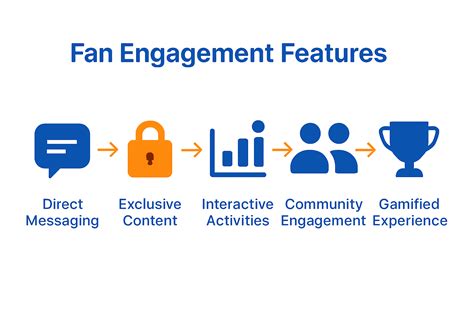
Lastly, fan engagement and marketing play an understated role in improving coefficient points. A strong and loyal fan base can create a formidable home atmosphere that intimidates visiting teams and boosts player morale. Associations and clubs should invest in digital marketing campaigns to grow their global fan base, particularly among expatriate communities and younger audiences. Social media, streaming platforms, and exclusive content can help clubs cultivate a larger following, which translates into higher revenues and better resources for on-field success. Associations can also promote their leagues internationally by organizing high-profile exhibition matches or tournaments featuring top domestic teams, thereby increasing the visibility and appeal of their football ecosystem.
In summary, improving coefficient points requires a holistic approach that combines strategic investments in talent, infrastructure, and analytics with administrative foresight and fan-focused initiatives. Clubs and associations must work in tandem to create an ecosystem where domestic success feeds into European competitiveness, ensuring sustained growth in ranking points. By adopting these actionable strategies, football entities can not only improve their standing in UEFA rankings but also contribute to the overall development of the sport within their region.
Future Trends and Potential Reforms
The coefficient system in football, used to rank clubs and national associations based on their performance in European competitions, has been a cornerstone of UEFA's framework for decades. However, as the landscape of football evolves—driven by factors such as increased commercialization, global fan engagement, and the rise of data-driven analytics—questions about the system's fairness and adaptability have come to the fore. This section explores potential future trends in the coefficient system and proposes reforms that could address its current limitations while fostering greater equity across the sport.
One of the most significant trends that could shape the evolution of the coefficient system is the growing influence of financial disparities between clubs. The current system rewards performance in UEFA competitions like the Champions League and Europa League, which are themselves heavily influenced by a club's financial resources. Wealthier clubs can attract top talent, invest in state-of-the-art facilities, and maintain a competitive edge, creating a self-reinforcing cycle where the rich get richer. In the future, we might see the coefficient system incorporate metrics beyond pure competition results to account for these disparities. For instance, UEFA could introduce a weighted system where clubs from less financially dominant leagues receive a "fairness adjustment" coefficient. This adjustment could be derived from economic benchmarks, such as average league revenue or wage bills, to ensure that smaller clubs from less affluent leagues are not perpetually disadvantaged in the rankings.
Another area of potential evolution is the increasing role of data analytics in football. Advanced metrics such as expected goals (xG), possession efficiency, and defensive solidity are now commonly used to evaluate team performance. While the current coefficient system is based on binary outcomes (wins, draws, and losses), integrating more granular performance data could provide a more nuanced picture of a team's true quality. For example, a club that consistently outperforms its xG or concedes fewer goals than expected might receive additional points in the coefficient calculation, even if their competitive results are modest. This approach would not only reward teams for underlying performance but also incentivize strategic and technical improvements rather than simply chasing wins at all costs.
The rise of new competition formats also presents an opportunity to reimagine how the coefficient system operates. UEFA has already experimented with changes such as the Europa Conference League, aimed at giving more teams access to European competition. However, this has also raised concerns about dilution of quality and the potential for the coefficient system to become bloated with too many variables. A possible reform could involve tiering the coefficient system based on the prestige of the competitions. For example, points earned in the Champions League could carry a higher weight than those earned in the Europa Conference League, reflecting the differing levels of difficulty and resources required to succeed in each tournament. This stratification would ensure that the coefficient system remains a meaningful measure of excellence rather than a catch-all metric.
A related issue is the impact of super leagues and breakaway competitions on the coefficient system. The short-lived European Super League proposal highlighted tensions between UEFA and elite clubs seeking greater control over revenue and competition structures. If such breakaway leagues were to gain traction in the future, the coefficient system might need to adapt to include non-UEFA-sanctioned events or risk becoming irrelevant. A reform could involve creating a global points exchange framework where performance in non-UEFA competitions (should they emerge as legitimate alternatives) is factored into the coefficient system. While this would require unprecedented levels of cooperation between football governing bodies, it could serve as a mechanism to maintain the system's relevance in a rapidly changing environment.
Another critical area for reform is the inclusion of non-competitive factors in the coefficient calculation. Currently, the system is purely performance-based, but there is a growing recognition that off-field behaviors—such as financial fair play compliance, youth development, and sustainability initiatives—should play a role in how clubs and associations are ranked. A proposed reform could introduce a "good governance" multiplier that rewards clubs and associations for meeting certain ethical and developmental standards. For example, a club that invests heavily in its academy and produces a high percentage of homegrown players for its first team might receive a small but meaningful boost to its coefficient score. This would not only promote fairness but also encourage long-term investments in the sport's infrastructure and talent pipeline.
The globalization of football also necessitates a rethink of how the coefficient system interacts with non-European clubs. While the system is inherently Eurocentric, the growing influence of clubs from South America, Asia, and Africa in global competitions suggests that a more inclusive approach might be needed. UEFA could explore partnerships with other confederations to create a worldwide coefficient ranking, which would not replace the existing system but could serve as a parallel metric for evaluating clubs on a global scale. This could foster greater cross-continental competition and provide European clubs with new benchmarks for success.
Finally, there is the question of fan engagement and transparency. The current coefficient system is often criticized for being opaque, with many fans and even some stakeholders unclear about how points are awarded and weighted. A reform could involve publishing detailed, real-time updates on how each team's coefficient is calculated, perhaps through an interactive digital platform. This would not only demystify the system but also allow fans to engage more deeply with the competitive narrative of European football. Additionally, incorporating fan voting or feedback mechanisms into proposed changes to the system could help ensure that reforms are aligned with the values and expectations of the global football community.
In conclusion, the future of the coefficient system in football will likely involve a blend of technological integration, ethical considerations, and adaptability to new competition structures. Proposed reforms such as fairness adjustments for financially weaker leagues, the inclusion of off-field metrics, and greater transparency could address some of the system's inherent biases and limitations. By evolving in these ways, the coefficient system can remain a relevant and equitable tool for measuring success in European football while also adapting to the sport's dynamic and globalized future.
Conclusion and Takeaways
The concept of **coefficient points** in football is not merely a statistical metric; it is a reflection of a team's or league's performance, competitiveness, and strategic acumen on the international stage. Understanding the nuances of coefficient points is essential for clubs, leagues, and national associations aiming to optimize their strategies for long-term success. This section distills the key insights derived from the discussion and emphasizes why a deep understanding of coefficient points is a cornerstone of effective football strategy.
One of the most critical takeaways is that **coefficient points are a direct measure of competitive strength**. They are not awarded arbitrarily but are rooted in tangible outcomes—match results, progression in tournaments, and overall performance in UEFA-sanctioned competitions like the Champions League and Europa League. For instance, when a team secures a victory or a draw against a higher-ranked opponent, it not only garners points for itself but also contributes to the overall ranking of its league. This dual-layer impact underscores the interconnected nature of club and league performance. Clubs cannot afford to view their participation in European competitions as isolated events; instead, they must treat every match as a step toward elevating the stature of their domestic league. This interdependence highlights the strategic importance of fielding competitive teams even when the immediate goal of winning a tournament may seem out of reach. A well-rounded approach that prioritizes consistent performance can yield compounding benefits over time, as seen in leagues like the **English Premier League** or **La Liga**, which consistently rank highly due to their clubs' sustained excellence.
Another insight is the **role of coefficient points in resource allocation and financial planning**. Clubs that perform well in European competitions not only earn coefficient points but also unlock significant financial rewards. These rewards, often tied to TV rights, prize money, and sponsorship deals, can be reinvested into player development, infrastructure, and scouting networks. This creates a virtuous cycle where better performance leads to greater resources, which in turn fosters better performance. However, this cycle is not automatic. Clubs must have a clear understanding of how coefficient points influence their access to these resources. For example, smaller clubs or leagues that historically struggle to compete at the highest level can use coefficient-driven financial incentives as a ladder to climb the hierarchy. A case in point is **Ajax Amsterdam**, a club from a relatively smaller league (the Eredivisie) that leveraged strong European performances to remain competitive despite the financial dominance of larger leagues. Their ability to consistently punch above their weight is a testament to how coefficient-focused strategies can level the playing field.
The **impact of coefficient points on league dynamics** is another area of profound importance. Leagues with higher coefficient rankings are granted more slots in prestigious tournaments, such as direct qualification to the group stages of the Champions League. This not only enhances the competitive landscape of the league but also creates a more attractive environment for top-tier talent. Players and managers are drawn to leagues where the prospect of regular European exposure is higher. For instance, the rise of the **German Bundesliga** in coefficient rankings over the past decade has made it a more appealing destination for international stars, further solidifying its status as one of Europe's elite competitions. Conversely, leagues that fail to prioritize coefficient-friendly strategies risk stagnation or even decline. The recent struggles of leagues like the **Scottish Premiership** to maintain a strong presence in European competitions serve as a cautionary tale. Without a concerted effort to improve their clubs' performances on the continental stage, such leagues may find themselves marginalized in the broader football ecosystem.
A deeper look into the mechanics of coefficient points also reveals their **strategic implications for match scheduling and squad management**. Clubs often face a dilemma when balancing domestic league obligations with European fixtures. Overcommitting to one at the expense of the other can have dire consequences. For example, a club that prioritizes domestic success at the cost of European elimination may see its coefficient ranking suffer, which could affect its future ability to attract top-tier talent or secure favorable seeding in subsequent tournaments. On the other hand, overextending resources in pursuit of European glory can lead to fatigue and poor domestic results, potentially jeopardizing qualification for future European campaigns. This delicate balancing act requires clubs to adopt a **holistic approach to squad rotation and tactical planning**. Top-performing teams, such as **Manchester City** or **Bayern Munich**, exemplify this by maintaining deep squads capable of competing on multiple fronts without compromising their overall performance. Their success serves as a blueprint for other clubs aiming to maximize their coefficient potential.
It is also worth emphasizing the **long-term vision required to optimize coefficient points**. While short-term victories are gratifying, the true value of coefficient points lies in their cumulative nature. A single season of poor performance can take years to recover from, as the points are averaged over a rolling five-year period. This means that clubs and leagues must adopt a **multi-year strategic framework** rather than focusing solely on immediate results. For instance, leagues like the **Italian Serie A** have faced challenges in maintaining their top-four UEFA coefficient ranking due to inconsistent performances by their top clubs in European competitions. This has led to a loss of direct qualification spots, which in turn affects the league's ability to attract investment and talent. Understanding this long-term dynamic is crucial for stakeholders who wish to avoid such pitfalls.
Another often-overlooked aspect is the **role of coefficient points in shaping national team success**. While the points are primarily associated with club football, their indirect impact on national teams is significant. Strong club performances in European competitions often translate to better-prepared players for international duty. This synergy is particularly evident in nations like **Spain** and **Germany**, where the success of clubs in the Champions League has coincided with strong showings by their national teams in FIFA World Cups and UEFA European Championships. This interplay reinforces the idea that coefficient points are not just a club-specific metric but a barometer of a nation's footballing health.
From a **fan engagement perspective**, coefficient points also play a subtle yet powerful role. Fans are more likely to support teams and leagues that consistently perform well in Europe, as these competitions offer a sense of prestige and global visibility. Clubs that invest in understanding and leveraging coefficient points can foster a stronger connection with their fan base by delivering the kind of high-stakes, high-reward football that captivates audiences. This is particularly important in the era of globalized football, where fan loyalty is increasingly influenced by a club’s international reputation.
In conclusion, the importance of understanding coefficient points in football strategy cannot be overstated. They are not just numbers on a table but a reflection of a club's or league's ability to compete, adapt, and thrive in an increasingly competitive global landscape. Clubs must view coefficient points as a **strategic tool** that informs decisions related to player recruitment, financial planning, and match strategy. Leagues must recognize them as a **collective asset** that can elevate the status of all their member clubs. And for national associations, coefficient points serve as a **proxy for footballing excellence** that can drive both club and international success. By internalizing these insights, football stakeholders can craft more informed, forward-looking strategies that not only enhance their immediate standing but also secure their place in the sport's future.
- Coefficient points are a measure of competitive strength and interconnected club-league performance.
- They influence resource allocation, financial rewards, and long-term planning.
- Balancing domestic and European priorities is a key challenge for clubs.
- A multi-year strategic approach is essential to sustain and improve rankings.
- The synergy between club and national team success underscores their broader impact.
By focusing on these takeaways, football organizations can navigate the complexities of the modern game with greater clarity and purpose, ensuring that their strategies are not only reactive but also proactive in shaping their destinies.