Introduction to Coefficient Points
The concept of **UEFA coefficient points** is a cornerstone of European football's competitive framework, yet it remains a topic that is often misunderstood or oversimplified. These points are not merely a ranking system but a sophisticated mechanism that determines the influence and representation of clubs and national associations in UEFA competitions. To understand their significance, one must delve into their definition, calculation, and broader purpose within the ecosystem of European football.
At its core, **UEFA coefficient points** are numerical values assigned to clubs and national associations based on their performance in UEFA-organized competitions, such as the UEFA Champions League, UEFA Europa League, and UEFA Europa Conference League. These points serve as a metric to measure the relative strength of teams and leagues across Europe. The purpose is twofold: to ensure **fair distribution of resources and opportunities** in future competitions and to maintain a **dynamic hierarchy** that reflects current performance rather than historical prestige alone.
The primary **purpose of UEFA coefficient points** is to establish a merit-based system that governs the **access list** for European competitions. This system determines how many slots each national association is allocated in tournaments like the Champions League and Europa League. For example, associations with higher cumulative coefficients are rewarded with more direct entries into the group stages of these competitions, while weaker associations may have to navigate through qualifying rounds. This approach ensures that the most competitive leagues and clubs are adequately represented, fostering a higher standard of play and viewer engagement.
The calculation of **coefficient points** is rooted in a **performance-based formula**. Clubs earn points for their results in each match of a UEFA competition. A win earns two points, a draw earns one point, and bonus points are awarded for reaching specific stages of a tournament (e.g., group stage qualification, quarterfinals, semifinals, and finals). These points are then aggregated over a rolling five-year period to create a **club coefficient**. Separately, the **association coefficient** is derived by summing the points of all clubs from a given national association and dividing by the number of participating clubs. This dual-layer system ensures that both individual club success and the overall strength of a league are considered.
One unique insight into the **significance of coefficient points** is their role in **shaping long-term competitive dynamics**. While they are often seen as a reflection of current performance, they also have a **feedback effect** on the development of national leagues. Associations with higher coefficients can send more teams to UEFA competitions, which in turn provides those leagues with greater exposure, sponsorship opportunities, and revenue. This creates a **virtuous cycle** where stronger leagues attract better talent, further enhancing their competitive edge. Conversely, leagues with lower coefficients may struggle to break this cycle, as limited representation in European tournaments restricts their growth opportunities.
Another critical aspect of **UEFA coefficient points** is their impact on **seeding in draws**. Clubs with higher coefficients are placed in more favorable pots during the group stage draws of competitions like the Champions League. This reduces the likelihood of being paired with other top-tier teams early in the competition, offering a strategic advantage. For instance, a club like Bayern Munich or Manchester City, with consistently high coefficients, is more likely to face relatively weaker opponents in the group stage, increasing their chances of advancing further. This aspect of the system underscores how coefficient points are not just a passive measure but a **direct influencer of competitive outcomes**.
The system also has a **geopolitical dimension**. Smaller nations, such as Moldova or Luxembourg, often find it challenging to accumulate significant coefficient points due to the limited resources and infrastructure of their clubs. However, UEFA has introduced mechanisms like **bonus points for underdog performances** (e.g., a team from a low-ranked association defeating a high-ranked team) to provide some level of **equity**. These bonus points can be transformative for smaller clubs, as they offer a chance to punch above their weight and gain access to resources that would otherwise be out of reach. This element of the system highlights UEFA's attempt to balance **meritocracy with inclusivity**, although the effectiveness of this balance is often debated.
It is also worth noting that **coefficient points are not static**. The rolling five-year period means that older results are gradually phased out, ensuring that the rankings remain relevant to current form. This dynamic nature can lead to **shifts in power** over time. For example, the rise of clubs from leagues like the Portuguese Primeira Liga or the Dutch Eredivisie in recent years can be attributed to their strong performances in UEFA competitions, which have boosted their association coefficients. Conversely, traditional powerhouses like Italy's Serie A have faced challenges maintaining their historical dominance due to inconsistent club performances.
Beyond the competitive implications, **coefficient points play a financial role**. Associations and clubs with higher coefficients often benefit from increased prize money and television revenue. This financial incentive aligns with UEFA's broader goal of **promoting sustainable growth** across European football. However, it also raises questions about **inequality**—richer leagues with more resources are better positioned to succeed in UEFA competitions, further widening the gap between the elite and the rest. This has led to calls for reforms to make the system more equitable, particularly from mid-tier leagues that feel marginalized.
Another nuanced perspective is the **psychological impact** of coefficient points on clubs and associations. For clubs in smaller leagues, the pursuit of coefficient points can become a **source of national pride**. A single strong performance by a club can elevate the standing of an entire association, as seen when teams like APOEL Nicosia (Cyprus) or Sheriff Tiraspol (Moldova) have achieved remarkable runs in the Champions League. These moments not only boost the club's profile but also inspire broader investment in football infrastructure within their home countries.
In summary, **UEFA coefficient points** are far more than a ranking system—they are a **multifaceted tool** that shapes the competitive, financial, and developmental landscape of European football. They balance the need for **merit-based representation** with the challenges of fostering **inclusivity** for smaller associations. By rewarding performance while influencing future opportunities, coefficient points create a feedback loop that drives the evolution of the sport. Understanding their intricacies is essential for anyone seeking to grasp the deeper mechanics of how UEFA competitions are structured and how the power dynamics of European football are perpetuated or disrupted.
- Coefficient points measure club and association performance over a five-year period.
- They influence access to competitions, seeding, and financial rewards.
- The system has a feedback effect on league development and national pride.
- Smaller nations benefit from bonus points for underdog performances.
This comprehensive framework ensures that UEFA coefficient points are not just a measure of success but a **driver of evolution** in European football, shaping its present and future in profound ways.
Historical Context of UEFA Rankings
The UEFA coefficient system, a mechanism used to rank clubs and national associations based on their performance in European competitions, has a rich historical context that reflects the evolution of European football governance and competition. Its origins are rooted in the need to create a fair and structured way to organize tournaments while rewarding consistent excellence on the continental stage. Understanding its development requires a look at the early days of UEFA competitions and how the organization sought to balance sporting merit with administrative practicality.
The concept of a ranking system emerged in the 1950s and 1960s when UEFA began organizing its flagship club competitions, such as the European Cup (now the UEFA Champions League) and the UEFA Cup (now the UEFA Europa League). At this time, there was no formalized method to assess or compare the performance of clubs or nations across seasons. Instead, qualification for these tournaments was often based on subjective criteria, such as invitations or the discretion of national associations. This lack of a standardized approach led to inconsistencies, with some strong teams excluded while others with less competitive records were included.
The first step toward a more structured system came in the late 1960s when UEFA introduced preliminary rounds to ensure that only the most competitive teams from each nation participated in the main draw of its competitions. However, this still did not address the broader issue of how to measure and reward sustained success across multiple seasons. By the 1970s, the increasing number of participating clubs and the growing commercial significance of European football necessitated a more objective and transparent system to determine seeding and qualification.
The introduction of the **coefficient system** in the 1979-1980 season was a watershed moment. UEFA recognized the need for a points-based mechanism to rank clubs and associations based on their performance in European competitions over a rolling period. The initial system was relatively simple: points were awarded for wins, draws, and progression through rounds in UEFA competitions. These points were aggregated at both the club and national association levels. For instance, a club earning a win in the European Cup would contribute points not only to its own tally but also to the coefficient of its national association. This dual-level approach was innovative because it incentivized both individual club success and collective national performance, fostering a sense of shared responsibility among clubs within the same country.
One of the key drivers behind the development of the coefficient system was the **desire to ensure competitive balance**. As European football grew more commercialized, the gap between the financially powerful clubs and smaller teams widened. The coefficient system aimed to level the playing field by offering higher-ranked teams advantages, such as direct qualification to later rounds or being seeded in draws. This was particularly important as the European Cup transitioned into the Champions League format in the 1990s, which expanded participation and introduced group stages. The coefficient system played a critical role in determining which nations could send more teams to these expanded competitions, further embedding its importance in the European football landscape.
Over time, the coefficient system evolved to address new challenges and complexities. For example, in the 1990s, UEFA introduced **historical weighting**, where more recent performances were given greater importance than older ones. This change reflected the dynamic nature of football, where a club's form could fluctuate significantly across decades. Additionally, the system began to account for the specific stage of competition reached—reaching the group stage of the Champions League was rewarded more heavily than progressing through earlier knockout rounds. This evolution was partly driven by the increasing financial stakes of European football, as prize money and broadcasting revenues became major factors in club sustainability.
Another significant shift occurred in the early 2000s when UEFA adjusted the system to better reflect the **diversity of European football**. Smaller nations, whose clubs often struggled to compete with the financial might of teams from larger leagues, were given opportunities to earn points through strong performances relative to their league size. This was embodied in the **association coefficient**, where even a single club from a smaller nation reaching the latter stages of a tournament could significantly boost their national ranking. This tweak was a nod to UEFA's broader mission of inclusivity and the promotion of football across all member associations, not just the traditional powerhouses.
The coefficient system also adapted to address **criticisms of favoritism toward wealthier leagues**. For instance, the "country protection" rule in draws—where teams from the same association could not face each other in early rounds—was partly influenced by how the coefficient system shaped seeding. While this rule was sometimes seen as perpetuating the dominance of top-ranked associations, it also underscored how the system was intertwined with UEFA's broader tournament design. Critics argued that the system sometimes rewarded historical success too heavily, allowing established giants to maintain an advantage even during periods of underperformance. This tension between rewarding legacy and fostering new competitiveness remains a point of debate in modern football discourse.
In recent years, UEFA has further refined the coefficient system to include **performance in the UEFA Nations League** and other international competitions, blending club and national team success into a more holistic ranking framework. This shift highlights how the coefficient system is not static but rather a living framework that adapts to the changing dynamics of the sport. The inclusion of more data-driven metrics, such as expected goals (xG) or strength of schedule, has been discussed as a potential future enhancement to make the rankings even more precise.
The historical context of the UEFA coefficient system also reveals its role in shaping the **global perception of European football**. By creating a transparent and quantifiable measure of success, the system has contributed to the prestige of European competitions. A high coefficient ranking is not just a matter of seeding or qualification—it is a badge of honor for clubs and nations, signaling their place in the hierarchy of European football. This prestige has, in turn, influenced how clubs approach their domestic and international campaigns, often prioritizing European success to maintain or improve their coefficient standing.
- The system's origins lie in addressing the lack of a fair mechanism for tournament participation in the 1960s and 1970s.
- Its evolution has been shaped by the need to balance sporting merit, commercial interests, and inclusivity across different-sized associations.
- The introduction of historical weighting and adjustments for smaller nations reflect UEFA's attempts to maintain relevance and fairness in a rapidly changing football environment.
In conclusion, the historical context of the UEFA coefficient system illustrates how it has grown from a practical tool for managing competition logistics into a cornerstone of European football's organizational framework. Its evolution mirrors the broader transformation of the sport, from a regional passion to a globally commercialized phenomenon. While the system has its imperfections and critics, its adaptability and foundational role in shaping the modern European football landscape cannot be understated.
How Coefficient Points Are Calculated
The calculation of UEFA coefficient points is a detailed and structured process that underpins the competitive framework of European football. These points are used to rank both clubs and national associations, determining their access to prestigious tournaments like the UEFA Champions League, UEFA Europa League, and UEFA Europa Conference League. Understanding the methodology behind these calculations is essential for grasping how clubs and associations secure their positions in the European football hierarchy.
At its core, the UEFA coefficient system is designed to measure performance over a rolling five-year period. This means that the points earned in the most recent five seasons are taken into account, with older seasons dropping off as new ones are added. The system ensures that the rankings remain dynamic, reflecting current performance rather than historical dominance. This approach fosters a competitive environment where clubs and associations must consistently perform well to maintain or improve their standings.
For clubs, UEFA coefficient points are awarded based on their performance in UEFA-sanctioned competitions. The methodology is straightforward but detailed. Each match a club plays in a UEFA competition earns points, with the amount depending on the stage of the competition and the result of the match. Here is a breakdown of how these points are awarded:
- Group stage participation: Clubs earn 4.0 points for reaching the group stage of the Champions League, 2.0 points for the Europa League, and 1.0 point for the Europa Conference League. This initial allocation reflects the prestige and difficulty of qualifying for these stages.
- Match results: Clubs earn 2.0 points for a win and 1.0 point for a draw in any match within these competitions. Losses do not accrue points, emphasizing the importance of positive results.
- Bonus points: Additional points are awarded for reaching specific milestones. These include 4.0 points for qualifying for the round of 16, 1.0 point for reaching the quarter-finals, 1.0 point for the semi-finals, and 1.0 point for reaching the final. Winning the tournament provides an extra 1.0 point.
These points are summed up for each club at the end of the season. However, it is important to note that the points earned by clubs are also aggregated at the association level. This means that the performance of all clubs from a particular national association contributes to that association's overall ranking. For instance, if multiple clubs from the same association perform well in a season, the association benefits collectively, which can lead to more spots in UEFA competitions for that country in future seasons.
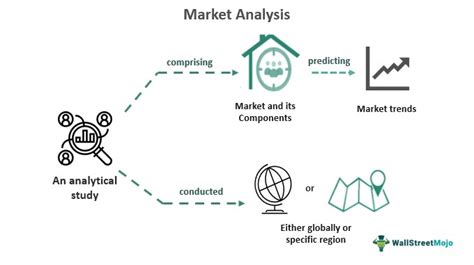
The association coefficient is calculated differently but is closely linked to the club coefficient. Each association's points are determined by summing the points of its participating clubs and then applying a weighting system. The weighting ensures that more recent performances are given greater importance. Specifically:
- The points from the current season are multiplied by 1.0 (full weight).
- The points from the previous season are multiplied by 0.9.
- The points from two seasons ago are multiplied by 0.8, and so on, with a decreasing weight for older seasons.
This weighting system ensures that associations with consistent performance over multiple seasons are rewarded, while those with sporadic success do not maintain high rankings indefinitely. Additionally, associations receive a bonus of 20% of the total points earned by their top club in each season. This bonus incentivizes associations to support their leading clubs, as their success directly impacts the national ranking.
Another critical aspect of the methodology is the differentiation between club and association responsibilities. Clubs are primarily focused on their individual performance, aiming to maximize their own coefficient points to secure better seeding and easier draws in future competitions. Associations, on the other hand, must consider the collective performance of their clubs. A strong showing by even one club can elevate the entire association, while poor performances across the board can lead to a drop in rankings and fewer guaranteed spots in UEFA tournaments.
There are also special adjustments in the system to account for unique scenarios. For example, if a club qualifies for a UEFA competition but withdraws or is disqualified, no points are awarded for their participation. Similarly, if a club is involved in a match that is decided by administrative decisions (e.g., a forfeit or a walkover), the points allocation may differ. These rules are in place to maintain the integrity of the system and ensure that points reflect actual competitive outcomes rather than external factors.
An often-overlooked nuance of the system is how historical performance impacts future opportunities. Associations with higher rankings can enter more clubs directly into the group stages of UEFA competitions, bypassing preliminary rounds. This creates a feedback loop where higher-ranked associations have an easier path to accumulate points, further solidifying their position. For example, the top-ranked associations like Spain, England, and Germany benefit from having multiple clubs starting in advanced stages of competitions, which in turn gives them a better chance to earn high points year after year.
The system also has a normalization factor to ensure fairness when clubs from smaller associations compete against those from larger ones. While clubs from smaller footballing nations might face fewer high-stakes matches due to the structure of the competitions, their points are not disproportionately penalized. Instead, the system allows for proportional representation, ensuring that even a deep run by a club from a lower-ranked association can significantly boost their standing.
One of the more controversial aspects of the coefficient system is how it can perpetuate disparities between footballing powerhouses and smaller nations. Critics argue that the system favors established football nations with well-resourced clubs, as these teams are more likely to compete in and advance through UEFA competitions. However, UEFA defends the system as a fair reflection of competitive merit, emphasizing that it rewards performance rather than size or history of the association.
In practice, the coefficient system has a profound impact on the strategic decisions made by clubs and associations. Clubs may prioritize certain competitions over others based on the points available, and associations may invest in infrastructure and talent development to improve the overall quality of their participating teams. This interplay between individual club ambition and national association strategy highlights the interconnected nature of the UEFA coefficient system.
In summary, the calculation of UEFA coefficient points is a multi-faceted process that balances individual club performance with collective association success. By rewarding consistent excellence and providing incentives for improvement, the system ensures that European football remains dynamic and competitive. While not without its criticisms, the methodology is a cornerstone of UEFA's efforts to maintain a fair and merit-based structure for its competitions.
Impact on Club Competitions
Coefficient points in UEFA competitions play a critical role in shaping the landscape of club football across Europe. These points are a numerical representation of a club's or association's performance in UEFA tournaments over a rolling five-year period. Their influence extends beyond mere rankings, directly impacting club seeding and qualification pathways for UEFA's flagship tournaments, including the UEFA Champions League, Europa League, and Conference League. This section delves into the nuanced ways coefficient points shape the competitive dynamics of club football.
At its core, the UEFA coefficient system is designed to reward consistency and success in European competitions. Clubs earn points based on their results in each match, with bonus points awarded for reaching specific stages of a tournament (e.g., group qualification, quarterfinals, semifinals, and finals). These points are aggregated at both the club level and the association level, with the latter used to determine how many slots each national association is allocated in UEFA competitions. This dual-layer structure has profound implications for clubs aspiring to compete at the highest level.
One of the most immediate impacts of coefficient points is on seeding in tournament draws. In the Champions League, for instance, the group stage draw is divided into four pots, with Pot 1 reserved for the defending champions of the Champions League and Europa League, as well as the champions of the top six associations based on their coefficient rankings. The remaining pots are determined by club coefficients. A higher coefficient ensures a club is placed in a more favorable pot, which can significantly reduce the likelihood of being drawn into a "group of death" alongside other heavyweight clubs. For example, a club like Bayern Munich or Manchester City, with consistently high coefficients, often finds itself in Pot 1, giving them a smoother path through the group stage. Conversely, a club with a lower coefficient might be placed in Pot 3 or 4, facing steeper competition from the outset. This dynamic not only affects a club's chances of progressing but also impacts their revenue potential, as progression through the group stage is tied to lucrative prize money.
The seeding system also creates a feedback loop where strong performances in one season can bolster a club's position in future tournaments. A club that overperforms relative to its initial seeding—such as a smaller club reaching the knockout stages from a lower pot—can accumulate enough points to improve its ranking for subsequent years. This improvement can lead to better seeding, creating a virtuous cycle of competitive advantage. Conversely, underperformance by traditionally strong clubs can see them slide down the coefficient table, making future qualifications and favorable draws harder to achieve. This aspect of the system introduces a layer of dynamism, as clubs must continually prove their worth to maintain their status.
Beyond seeding, coefficient points have a direct bearing on qualification pathways for UEFA tournaments. Associations with higher aggregate coefficients are granted more automatic qualification spots and fewer preliminary rounds for their clubs. For instance, the top-ranked associations like Spain, England, and Germany often see multiple clubs from their leagues enter the Champions League directly in the group stage. In contrast, lower-ranked associations might only secure a single spot, and their representative must navigate multiple qualifying rounds to reach the group stage. This disparity creates a competitive imbalance, as clubs from stronger associations enjoy a logistical and financial advantage by bypassing energy-intensive early rounds.
The system also has a geopolitical dimension, as it incentivizes national associations to improve their overall standing. Smaller leagues, such as those in Eastern Europe or Scandinavia, often focus on collective improvement to elevate their association's coefficient. This can involve strategic investments in youth development, infrastructure, and even collaboration between clubs to ensure better performances in European competitions. A notable example is the rise of clubs from associations like Portugal and the Netherlands, which have leveraged strong performances by a few key clubs (e.g., Porto, Benfica, Ajax) to maintain a competitive edge in the rankings. This illustrates how the coefficient system not only rewards individual clubs but also encourages broader strategic thinking at the association level.
Another critical aspect is the impact on mid-tier clubs striving to break into the upper echelons of European football. For these clubs, coefficient points act as both a ladder and a barrier. A mid-tier club that consistently performs well in the Europa League or Conference League can gradually build its coefficient, potentially earning a spot in the more prestigious Champions League. This was evident in the case of clubs like RB Salzburg and Atalanta, which used strong European showings to enhance their rankings and secure better opportunities in subsequent seasons. However, the system also poses challenges for such clubs, as they must often outperform clubs from stronger leagues with pre-existing coefficient advantages. This creates a steep climb for ambitious clubs outside the traditional powerhouses.
The system is not without its criticisms and controversies. Some argue that the heavy reliance on historical performance can entrench the dominance of established elite clubs, creating a self-perpetuating cycle where only a select few clubs consistently benefit from favorable seeding and direct qualifications. This has led to debates about whether the system should place greater emphasis on recent performance or introduce mechanisms to level the playing field for emerging clubs. For example, the introduction of the Europa Conference League was partly aimed at giving clubs from lower-ranked associations a better chance to compete and accumulate points, though its effectiveness in addressing structural inequalities remains a topic of discussion.
From a financial perspective, coefficient points also influence prize money distribution. Clubs with higher coefficients often receive larger shares of market pool revenue, which is distributed based on factors like a club's historical success and the television market size of its home association. This financial incentive further underscores the importance of maintaining a strong coefficient, as it directly impacts a club's budget and ability to attract top talent. For instance, a club that consistently performs well in UEFA competitions can reinvest its earnings into squad strengthening, perpetuating its competitive edge.
In summary, coefficient points are a cornerstone of UEFA's competitive framework, shaping club seeding, qualification routes, and even the broader strategic priorities of national associations. While they reward excellence and consistency, they also introduce systemic challenges, particularly for smaller or less historically successful clubs. Understanding the interplay between coefficient points and club competitions reveals a complex ecosystem where performance, strategy, and structural advantages converge to define the European football hierarchy. Clubs and associations must navigate this landscape with a mix of on-field excellence and off-field planning to thrive in an environment where every point matters.
Role in National Team Rankings
The role of **coefficient points** in shaping the landscape of national team competitions within UEFA is both complex and deeply impactful. These points, derived from the performance of clubs and national teams in UEFA-sanctioned competitions, serve as a barometer of a nation's overall footballing strength. In the context of national team rankings, coefficient points play a pivotal role in determining **allocations, seedings, and opportunities** for participation in high-profile events like the UEFA Nations League, European Championship qualifiers, and even World Cup pathways. This section delves into how coefficient points specifically influence national team rankings and allocations in competitions such as the UEFA Nations League, shedding light on the mechanisms that govern this process.
At its core, the **UEFA coefficient system** is designed to measure the performance of teams and nations over a rolling period, typically five years. For national teams, this involves aggregating results from competitive matches in tournaments like the UEFA Nations League, European Championship qualifiers, and the tournament itself. The better a nation's teams perform in these matches, the higher their coefficient score. This score is then used to rank nations in a hierarchical order, creating a **merit-based system** that determines how resources, opportunities, and competitive advantages are distributed.
One of the most direct ways in which coefficient points influence national team rankings is through **seeding in competitions**. In the UEFA Nations League, for instance, the allocation of teams into leagues (A, B, C, and D) is not arbitrary but rooted in the coefficient rankings. Teams with higher coefficients are placed in League A, where they compete against similarly strong opponents for the chance to win the tournament and gain access to additional competitive pathways, such as playoff spots for the European Championship. This means that nations with consistently strong performances in prior competitions are rewarded with a higher likelihood of facing elite competition, which can be both a boon and a challenge depending on the team's current form.
The **tiered structure of the UEFA Nations League** exemplifies how coefficient points create a self-reinforcing cycle. A nation that performs well in one edition of the Nations League not only accrues points for its coefficient but also solidifies its position in a higher league for the next iteration. This dynamic creates a scenario where strong teams are incentivized to maintain their performance levels, as falling into a lower league could result in reduced exposure to top-tier opponents and diminished opportunities for growth. For example, a team like **France or Belgium**, which frequently ranks high in the coefficient tables, benefits from playing in League A, where the matches are not only more prestigious but also contribute more heavily to their coefficient if they succeed. Conversely, a lower-ranked team in League D faces a steeper climb to ascend the hierarchy, as their matches contribute fewer points and offer less visibility on the international stage.
Another critical aspect of coefficient points is their influence on **qualification pathways for major tournaments**. While the UEFA Nations League is a standalone competition, its outcomes are intertwined with the European Championship and World Cup qualification processes. Nations with higher coefficients often receive **favorable seeding in qualification draws**, which can mean being placed in easier groups or having a better chance of securing a playoff spot if they fail to qualify directly. This is not merely about prestige; it is about practicality. A higher coefficient can mean the difference between a straightforward path to a major tournament and a convoluted one requiring multiple playoff rounds against equally ambitious opponents.
The **psychological and strategic implications** of coefficient points should not be overlooked. For national teams, the knowledge that their performance contributes to their country's overall standing in the UEFA ecosystem can create added pressure. Coaches and federations are often acutely aware that every match in the Nations League or qualifiers carries weight beyond the immediate result. A string of poor results can lead to a **downward spiral in the rankings**, which might take years to recover from due to the rolling nature of the coefficient calculation. This long-term perspective forces national teams to approach even "lower-stakes" matches with a sense of urgency, as the shadow of the coefficient looms large over their planning.
Furthermore, the **financial and logistical benefits** tied to higher coefficient rankings are significant. Teams in higher leagues of the UEFA Nations League often enjoy greater revenue from matchday attendance, broadcasting rights, and sponsorship deals. These financial incentives are not trivial; they allow federations to invest in youth development, infrastructure, and coaching staff, all of which contribute to a nation's long-term footballing health. For smaller nations, the ability to rise in the coefficient rankings can open doors to **increased funding and exposure**, which might otherwise be out of reach. This dynamic underscores how coefficient points are not just a measure of past success but a driver of future opportunities.

It is also worth considering how the **UEFA coefficient system promotes competitive balance**—or, in some cases, exacerbates existing disparities. While the system rewards strong performers, it can inadvertently widen the gap between footballing powerhouses and less competitive nations. For instance, a team like **San Marino or Liechtenstein**, which struggles to win matches against higher-ranked opponents, finds it nearly impossible to accumulate meaningful coefficient points. This can trap such nations in the lower leagues, limiting their exposure to competitive matches and perpetuating their struggles. UEFA has attempted to address this through mechanisms like **preferential pots for lower-ranked teams in certain draws**, but the inherent challenge of balancing meritocracy with inclusivity remains a contentious issue.
The **dynamic nature of the coefficient system** also means that it is not static. A nation's ranking can shift dramatically based on recent performances. For example, a team that underperforms in a European Championship or Nations League cycle may see its coefficient drop sharply, affecting its seeding and allocation for the next cycle. This volatility adds an element of unpredictability to the system, which can be both exciting and frustrating for federations. A nation like **Italy**, which failed to qualify for the 2018 World Cup but rebounded to win the European Championship in 2020, demonstrates how quickly fortunes can change based on a few key results.
In summary, **coefficient points are not merely a statistical abstraction**; they are a cornerstone of how UEFA structures its national team competitions. Their influence on the UEFA Nations League extends beyond mere placement in leagues—they shape the competitive landscape, financial health, and long-term prospects of national teams. By creating a system that rewards success while posing challenges for underperformers, UEFA has built a framework that is both meritocratic and aspirational. However, the system is not without its flaws, particularly in how it handles the disparities between footballing giants and smaller nations. Understanding the role of coefficient points in national team rankings is essential for appreciating the intricacies of modern international football, where every goal, win, and draw carries implications far beyond the pitch.
- Coefficient points determine league placement in the UEFA Nations League, affecting the quality of competition teams face.
- They influence seeding in qualification draws for major tournaments, offering strategic advantages to higher-ranked nations.
- The system creates a self-reinforcing cycle, where strong teams are rewarded with better opportunities, while weaker teams face steeper challenges.
- Financial and developmental benefits tied to higher rankings provide incentives for sustained performance.
- The system is not without its challenges, particularly in addressing disparities between strong and weaker footballing nations.
This interplay of rewards and challenges underscores the nuanced role of coefficient points in shaping the narrative of national team football within UEFA, making them a critical element of the sport's competitive and administrative framework.
Case Studies of High-Performing Clubs and Nations
The UEFA coefficient system is a metric used to rank clubs and national associations based on their performances in European competitions over a rolling five-year period. High-performing clubs and nations often share a combination of strategic planning, strong domestic league structures, and consistent success in European tournaments. Examining case studies of such entities offers valuable insights into what drives their success.
One of the most striking examples of a high-performing club is **FC Barcelona** during its peak years from 2008 to 2015. During this period, Barcelona won the UEFA Champions League three times (2009, 2011, and 2015) and consistently reached the latter stages of the competition. Their success was underpinned by a philosophy of **"tiki-taka" football**—a possession-oriented style that emphasized quick passing, positional play, and high pressing. This approach was not merely tactical but deeply embedded in the club's identity, nurtured through their famed **La Masia academy**. Players like Lionel Messi, Xavi Hernández, and Andrés Iniesta, all products of La Masia, were central to Barcelona's dominance. The club's high UEFA coefficient was also bolstered by their consistent performance in the UEFA Super Cup and FIFA Club World Cup, competitions where they frequently represented Europe as Champions League winners. Barcelona's success demonstrates how a well-defined playing philosophy, coupled with a robust youth development system, can sustain a club's competitive edge over time.
Another notable example is **Bayern Munich**, which has been a dominant force in the UEFA rankings for over a decade. Bayern's high coefficient is driven by their near-annual presence in the Champions League knockout stages and their 2020 treble-winning campaign. What sets Bayern apart is their **financial stability** and **strategic squad building**. Unlike many top clubs, Bayern operates within a sustainable financial model, avoiding excessive debt while maintaining a squad capable of competing at the highest level. Their ability to attract and retain top German talent—such as Manuel Neuer, Thomas Müller, and Joshua Kimmich—while integrating high-value international signings like Robert Lewandowski and Alphonso Davies, reflects a balanced approach to squad management. Furthermore, Bayern benefits from the **strength of the Bundesliga**, where their dominance often ensures direct qualification for the Champions League. This stability in domestic performance reduces the variability that plagues clubs in more competitive leagues, allowing Bayern to focus resources on European success.
On the national level, **Spain** has been a powerhouse in UEFA coefficient rankings, driven by the performances of its clubs in European competitions. Between 2009 and 2018, Spanish clubs won the Champions League six times and the Europa League seven times. This era of dominance can be attributed to the **competitive depth of La Liga**, where teams like Barcelona, Real Madrid, Atlético Madrid, and Sevilla regularly excel in Europe. Sevilla's dominance in the Europa League, with six titles between 2006 and 2020, is particularly noteworthy. The club has mastered the art of **squad rotation and targeted recruitment**, often identifying undervalued players from smaller leagues and transforming them into European stalwarts. Spain's success is also tied to the **revenue-sharing model of La Liga**, which, while favoring top clubs, still allows mid-table teams to invest in infrastructure and youth development. This creates a system where even non-elite Spanish clubs can occasionally punch above their weight in Europe, contributing to the nation's overall coefficient.
In contrast, **England** has seen a resurgence in its UEFA coefficient rankings in recent years, largely due to the success of its clubs in the Champions League and Europa League. The **Premier League's financial power**, driven by lucrative broadcast deals, has enabled clubs like Manchester City, Liverpool, Chelsea, and Tottenham Hotspur to invest heavily in world-class talent and infrastructure. Manchester City's 2023 Champions League victory and consistent deep runs by Liverpool and Chelsea have significantly boosted England's coefficient. A unique aspect of English clubs' success is their **focus on sports science and analytics**. Clubs like Liverpool under Jürgen Klopp have leveraged data-driven approaches to optimize player performance, reduce injuries, and tailor strategies for European competitions. The Premier League's intense competition also serves as a double-edged sword; while it can lead to fatigue, it also prepares teams for the high-stakes nature of European football.
Another intriguing case is **Portugal**, a smaller footballing nation that consistently outperforms its size in UEFA rankings. This is largely due to the success of **Porto and Benfica**, two clubs that have become experts in **maximizing revenue from player sales** while maintaining competitive squads. Porto's 2004 Champions League victory under José Mourinho and their regular appearances in the knockout stages of European competitions highlight their ability to punch above their weight. Both clubs excel in **talent identification and development**, often scouting players from South America and Africa and selling them at a premium after a few successful seasons. This model allows Portuguese clubs to remain competitive despite limited domestic television revenues. Additionally, Portugal benefits from the UEFA coefficient system's weighting, where strong performances by two or three clubs can disproportionately boost the nation's ranking.
A less conventional but equally compelling example is **Ajax Amsterdam**, a club that experienced a resurgence in the late 2010s. Ajax's run to the 2019 Champions League semi-finals, fueled by a young squad featuring players like Frenkie de Jong, Matthijs de Ligt, and Donny van de Beek, showcased the power of **youth development and tactical innovation**. Ajax's ability to compete at the highest level despite operating on a fraction of the budget of Europe's elite clubs is a testament to their philosophy of **vertical football**—a high-energy, attacking style that prioritizes quick transitions and aggressive pressing. Their success also underscores the importance of **UEFA's financial distribution model**, which rewards clubs for progressing through rounds. Ajax's deep run in 2019 not only boosted their individual coefficient but also contributed significantly to the Netherlands' overall standing.
These case studies reveal several common threads among high-performing clubs and nations. First, there is a clear emphasis on **consistent participation and success in European competitions**, which directly impacts coefficient points. Second, many successful entities prioritize **youth development and strategic recruitment**, ensuring a steady pipeline of talent. Third, the role of **financial stability and sustainability** cannot be overlooked; clubs like Bayern Munich and Ajax demonstrate that success does not always require the exorbitant spending seen in some leagues. Finally, the **strength of the domestic league** plays a pivotal role, as it provides a platform for clubs to prepare for European challenges.
In summary, the examples of Barcelona, Bayern Munich, Spanish clubs, English teams, Portuguese sides, and Ajax illustrate that high UEFA coefficients are not accidental but the result of deliberate strategies. Whether through youth academies, financial models, or tactical innovation, these entities have found ways to thrive in the competitive landscape of European football. Their success serves as a blueprint for other clubs and nations aiming to climb the UEFA coefficient ladder.
Challenges and Criticisms of the System
The UEFA coefficient system is designed to rank clubs and national associations based on their performance in European competitions over a five-year period. While the system serves as a mechanism to allocate slots in tournaments like the UEFA Champions League and Europa League, it is not without its share of criticisms. These critiques often revolve around perceptions of bias, favoritism, and structural inequalities that may disproportionately benefit certain leagues or clubs. Below, we explore some of the most common criticisms of the coefficient system and analyze whether these concerns are warranted or indicative of deeper systemic issues.
One of the foremost criticisms is the weighting of results from different competitions. Under the current system, points are awarded for wins, draws, and progression through knockout stages in both the Champions League and Europa League. However, the Champions League inherently offers more points due to its higher-stakes nature and the caliber of teams involved. This creates a self-reinforcing cycle where top-performing leagues—such as the English Premier League, La Liga, and the Bundesliga—consistently dominate the rankings. Smaller leagues, like those in Eastern Europe or Scandinavia, often struggle to accumulate points because their clubs are less likely to qualify for the Champions League and are instead funneled into the Europa League or Europa Conference League. This disparity is seen as a structural bias that favors wealthier leagues with greater financial resources and global exposure.
The issue of historical advantage further exacerbates this imbalance. The coefficient system uses a rolling five-year window, meaning that leagues with a strong performance in recent years benefit from a cumulative effect. For instance, the Premier League’s dominance in the 2010s and 2020s has allowed English clubs to secure multiple slots in the Champions League, even for teams finishing fourth in their domestic league. This creates a competitive edge for those leagues, as more representation in top-tier European competitions allows them to accrue even more points. Critics argue that this system does not adequately account for historical context or the potential for emerging leagues to rise. A newly wealthy league, such as the Saudi Pro League, or a resurgent league in a smaller footballing nation, might find it nearly impossible to break into the upper echelons of the coefficient rankings because the system is weighted toward sustained, rather than emergent, success.
Another point of contention is the perceived favoritism towards "big five" leagues—England, Spain, Germany, Italy, and France. These leagues are often seen as having a disproportionate influence on UEFA’s decision-making processes, including how the coefficient system is structured. This criticism is rooted in the fact that these leagues contribute the majority of revenue to UEFA through broadcasting rights and sponsorships. As a result, there is a suspicion that the system is subtly designed to keep these leagues at the top of the hierarchy. For example, the allocation of automatic group stage spots in the Champions League for certain leagues, regardless of their recent performance, reinforces this perception. Smaller associations often feel marginalized, as their clubs must navigate more qualifying rounds to reach the same stage, putting them at a disadvantage both in terms of player fatigue and financial strain.
The subjectivity in point distribution is another area of critique. While the coefficient system is ostensibly objective, relying on a points-based framework, the way points are awarded can be seen as inherently uneven. For example, a win in the group stage of the Champions League is worth more than a win in the equivalent stage of the Europa League, even though both require similar levels of effort and resources for the participating teams. This discrepancy can feel unfair to clubs from smaller leagues who are often competing in the "lesser" tournaments due to no fault of their own but rather because of the structural limitations of their domestic league. Furthermore, the system does not account for the relative strength of opposition faced by clubs. A team from a smaller league that manages to upset a top-tier club in a knockout stage does not receive any bonus points for the scale of their achievement, which some argue diminishes the value of such upsets in the broader context of the rankings.
There is also the issue of geopolitical and economic factors that influence the coefficient system indirectly. Clubs from wealthier nations often have access to better infrastructure, training facilities, and financial incentives to attract top talent. This creates a scenario where the playing field is not level even before the coefficient system comes into play. For instance, a club from the Dutch Eredivisie or the Portuguese Primeira Liga might produce a golden generation of players, only to see them poached by wealthier clubs in the "big five" leagues. This talent drain not only weakens the competitive standing of smaller leagues but also ensures that their clubs are less likely to perform well in European competitions, further entrenching the dominance of the wealthier associations in the rankings.
Critics also point to the lack of adaptability in the system. The UEFA coefficient has remained largely static in its methodology for years, despite significant changes in the football landscape. The rise of state-owned clubs, the emergence of new financial powers like the aforementioned Saudi Pro League, and the increasing commercialization of the sport have all altered the dynamics of competition. However, the coefficient system does not seem to reflect these shifts. For example, there is no mechanism to account for clubs or leagues that invest heavily in youth development or community-driven football programs, which might be seen as equally valuable contributions to the sport. This rigidity is seen as a missed opportunity to make the system more inclusive and reflective of modern football’s complexities.
Additionally, there are concerns about transparency and accountability in how the system is maintained and updated. While UEFA publishes the rules and point allocations, there is limited public discussion or stakeholder input into how the system might evolve. This lack of openness has led to accusations that the coefficient system is designed more to serve the interests of UEFA and its major stakeholders rather than to create a fair and equitable framework for all associations. Smaller leagues and clubs often feel that their voices are not heard in discussions about potential reforms, leading to a sense of disenfranchisement.
Some have also suggested that the system could be seen as punishing ambition in smaller leagues. For example, if a club from a lower-ranked association invests heavily to build a competitive team and qualifies for the Champions League, they are often drawn against significantly stronger opposition in the group stages. This can result in early elimination and a minimal points haul, which may discourage future investment. In contrast, clubs from top-ranked leagues can afford to underperform in one season without significant long-term repercussions to their coefficient standing, thanks to the buffer provided by their league’s overall strength.
In summary, while the UEFA coefficient system is a pragmatic attempt to rank associations and allocate European competition slots, it is far from perfect. Critics argue that it perpetuates structural inequalities, favors established powers, and fails to adapt to the evolving dynamics of modern football. Addressing these criticisms would require UEFA to consider more dynamic and inclusive methodologies, perhaps incorporating metrics beyond simple match results—such as investment in grassroots football or the promotion of fair competition. Without such changes, the system risks being seen not as a measure of merit, but as a reflection of entrenched power dynamics within European football.
Proposed Reforms and Future Trends
The UEFA coefficient points system, which determines the ranking of clubs and national associations in European football, has long been a cornerstone of competitive balance in continental tournaments. However, as the landscape of football evolves—driven by financial disparities, globalization, and shifting fan expectations—there is growing debate about whether the current system remains fit for purpose. This section delves into **proposed reforms and future trends** that could reshape how the coefficient operates and its broader implications for European football's competitive dynamics.
One of the most discussed potential reforms is the **introduction of a more dynamic weighting system** for coefficient points. Currently, points are awarded based on performance in the UEFA Champions League, Europa League, and Conference League, with additional weight given to results in later stages of these competitions. Critics argue that this approach disproportionately benefits clubs from wealthier leagues, such as the English Premier League, La Liga, and the Bundesliga, which already enjoy significant financial and infrastructural advantages. A proposed change could involve **time-decayed weighting**, where more recent performances are given greater importance. This would allow emerging clubs or leagues to climb the rankings more quickly if they consistently perform well, rather than being shackled by historical underperformance.
Another area of focus is the **inclusion of domestic league performance in the coefficient calculation**. At present, the system primarily rewards success in UEFA competitions, which can create a self-reinforcing cycle: strong clubs from strong leagues dominate European tournaments, earning more points and further solidifying their dominance. By factoring in domestic league performance—such as points per game or a weighted average of league position over several seasons—smaller leagues like those in Eastern Europe or Scandinavia might gain a fairer shot at improving their standing. This reform could also incentivize clubs to prioritize domestic success alongside European ambitions, diversifying the competitive landscape.
A related trend is the **debate over whether the coefficient system should account for financial fairness**. UEFA has made strides in recent years to enforce Financial Fair Play (FFP) regulations, but these measures have not been directly linked to coefficient points. Some experts propose that clubs demonstrating compliance with FFP or other financial sustainability metrics could receive **bonus points** in their coefficient rankings. This would not only reward prudent management but also discourage reckless spending that inflates wage bills and transfer fees, potentially leveling the playing field for clubs with more modest budgets. However, this idea is not without controversy; some argue it could penalize ambitious clubs that take calculated financial risks to compete at the highest level.
The rise of **super leagues and breakaway threats** has also cast a shadow over the coefficient's future. The failed European Super League proposal in 2021 highlighted tensions between UEFA and Europe's elite clubs, many of whom feel the current system does not adequately reward their commercial and sporting dominance. In response, UEFA might consider **introducing a tiered coefficient system** where clubs are ranked not just by association performance but also by their individual legacy and market value. For instance, perennial Champions League contenders like Real Madrid, Bayern Munich, and Liverpool could be granted "protected status" in seeding or receive additional points for consistently high finishes. While this might appease elite clubs, it risks alienating smaller teams and reinforcing the perception of a two-tier system in European football.
Another intriguing possibility is the **expansion of the coefficient to include fan engagement metrics**. With the growth of digital platforms and the increasing importance of global fanbases, clubs that excel in areas like social media reach, matchday attendance, and merchandise sales could see their efforts reflected in the rankings. While this idea might seem unconventional, it aligns with UEFA's broader mission to grow the sport globally. For example, a club with a massive following in Asia or North America could receive additional points for driving UEFA's brand visibility in these regions. However, this approach would need careful calibration to avoid penalizing clubs from less commercially developed regions.
The **impact of format changes to UEFA competitions** is another area worth exploring. The recent expansion of the Champions League to include a "Swiss model" format from the 2024-25 season introduces more group-stage matches and potentially more points up for grabs. This change could lead to a **redistribution of coefficient points**, with more opportunities for mid-tier clubs to accumulate points if they perform well in additional fixtures. However, it also raises concerns about fixture congestion and whether smaller clubs will have the squad depth to compete across an expanded schedule. Future reforms might need to address how points are distributed in this new format to ensure fairness and avoid exacerbating inequalities.
There is also a growing call for UEFA to consider **regional weighting adjustments** within the coefficient system. Currently, all UEFA member associations are treated on a relatively level playing field in terms of base points allocation, regardless of the competitive strength of their leagues. A reform could see **regional multipliers** applied, where associations in weaker football regions (such as the Balkans or Central Asia) receive slightly higher base points to encourage investment and participation. This could foster a more inclusive European football ecosystem, though it would need to be balanced against the risk of diluting the prestige of the coefficient rankings.
Looking further ahead, the **integration of technology and data analytics** could transform how coefficient points are calculated. Advanced metrics, such as expected goals (xG), possession efficiency, or even fan sentiment analysis, could supplement traditional results-based points. For instance, a club that dominates possession and creates high-quality chances but loses due to a stroke of bad luck might still earn partial points under a more nuanced system. While this idea is speculative, it reflects the broader trend of football becoming more data-driven and could add a layer of sophistication to the ranking process.
Finally, the **long-term sustainability of the coefficient system** must address the growing influence of non-European clubs and leagues. As players and investments increasingly flow to leagues in Saudi Arabia, the United States, and China, UEFA faces a challenge in maintaining the relevance and attractiveness of its competitions. One potential response is to make the coefficient system more **globally interconnected**, perhaps by incorporating performance in intercontinental tournaments like the Club World Cup into the rankings. This could position UEFA as a leader in fostering a truly global football ecosystem, rather than one confined to Europe.
In conclusion, the coefficient points system is at a crossroads. While it has served European football well for decades, the pressures of modernization, financial inequality, and global competition demand thoughtful reform. Whether through dynamic weighting, financial fairness incentives, or technological integration, the future of the system will play a critical role in shaping the competitive landscape of European football. The choices UEFA makes in the coming years will not only impact the rankings but also the very essence of what it means to compete in European football.
Strategic Implications for Clubs and Associations
The UEFA coefficient system is a critical measure of a club or association's performance in European competitions over a rolling five-year period. This ranking has far-reaching implications, influencing seeding in draws, revenue distribution, and even the perception of a club's prestige on the continental stage. For clubs and associations aiming to improve their coefficient rankings, the process requires a blend of **strategic planning**, **performance optimization**, and **long-term investment** in both infrastructure and talent. Below, we explore the nuanced pathways through which clubs and associations can enhance their standing in this highly competitive metric.
One of the most immediate and impactful ways for **clubs** to improve their coefficient points is by consistently **performing well in UEFA competitions**. While this may sound obvious, the nuance lies in how clubs approach their participation. A club must not only aim to qualify for tournaments like the UEFA Champions League or Europa League but also prioritize **advancing beyond the group stages**. Points are awarded for each win and draw in these competitions, with bonus points allocated for reaching specific milestones such as the round of 16, quarterfinals, semifinals, and finals. Clubs that adopt a **"tournament-first" mentality**—focusing on knockout progression rather than merely participating—tend to accumulate more points over time. This requires clubs to invest in **squad depth** to handle the physical toll of competing on multiple fronts, especially during the grueling winter and spring months when domestic league fixtures are dense.
Another critical aspect is the **strategic use of squad rotation and tactical flexibility**. Clubs often face a dilemma when balancing domestic league priorities with European ambitions. However, associations with higher coefficients benefit from more direct qualification spots for the Champions League, which reduces the burden on individual clubs to fight through preliminary rounds. For instance, a club might choose to rest key players in less critical league matches to ensure peak performance in European games. This requires a **data-driven approach** to player fitness monitoring and match preparation, leveraging tools like GPS tracking and recovery metrics to optimize player availability. Clubs that can manage this balance effectively are more likely to sustain their European campaigns without jeopardizing their domestic standing, thereby creating a positive feedback loop for future coefficient improvement.
For **associations**, the pathway to improving coefficient rankings is slightly different but equally strategic. Associations are evaluated based on the collective performance of all their participating clubs in UEFA competitions. This means that the **overall health of the league ecosystem** plays a vital role. Associations with strong domestic leagues—characterized by competitive balance, high-quality facilities, and robust youth development systems—tend to produce clubs that are better equipped for European success. A key strategy here is to **foster intra-league competition**. When multiple clubs within a league are strong, they push each other to higher standards, which translates into better performances in Europe. Associations can encourage this by implementing **revenue-sharing models** that reduce financial disparities between top-tier and mid-tier clubs, ensuring that more teams have the resources to compete at a high level.
Additionally, **investment in refereeing standards and match officiating** can indirectly support coefficient improvement. Poor refereeing decisions, particularly in high-stakes matches, can lead to unfair outcomes that undermine a club's progress in European tournaments. Associations with a reputation for fair and consistent officiating create an environment where their clubs are more likely to succeed. This can involve implementing **video assistant referee (VAR) technology**, improving training programs for referees, and even collaborating with UEFA to adopt best practices in match management.
Another avenue for associations is the **development of youth academies and grassroots football**. While the benefits of this approach may not be immediate, the long-term payoff is substantial. Associations that prioritize youth development create a steady pipeline of talent for their clubs, reducing the need to rely heavily on expensive foreign signings. This not only strengthens domestic teams but also ensures that players are accustomed to the tactical and cultural nuances of their home league, which can be an advantage in European competitions. Associations can achieve this by partnering with local governments and private sponsors to build **state-of-the-art training facilities** and provide scholarships or incentives for young players. Over time, this creates a robust talent pool that elevates the overall quality of the league and, by extension, its UEFA coefficient.
A less discussed but equally important factor is the **financial sustainability of clubs**. UEFA’s Financial Fair Play (FFP) regulations are designed to ensure that clubs operate within their means, but they also create a framework within which strategic investment can flourish. Clubs that can secure **stable sponsorship deals**, diversify their revenue streams (e.g., through digital content, merchandise, or regional tours), and maintain a healthy wage-to-revenue ratio are better positioned to attract and retain top talent. This financial stability enables clubs to compete more effectively in Europe, directly contributing to coefficient points. Associations can support this by offering **workshops and resources** on financial management for their member clubs, particularly those from smaller markets who might struggle to compete with wealthier counterparts.
It is also worth considering the role of **networking and collaboration** within the European football ecosystem. Clubs and associations that actively participate in UEFA forums, working groups, and development programs can gain insights into best practices from more successful counterparts. For example, smaller associations might learn how larger ones like those in **Spain, England, or Germany** structure their youth programs or negotiate broadcasting rights. Associations can also advocate for **rule changes or competition formats** that better suit their member clubs' strengths. For instance, lobbying for more direct qualification spots for associations with historically strong performances can create a more favorable environment for their clubs to succeed.
Finally, **fan engagement and global branding** play an indirect yet powerful role in coefficient improvement. Clubs that can build a strong international following often benefit from increased revenue, which can be reinvested into player development and infrastructure. Associations can support this by promoting their leagues globally through **broadcast partnerships**, social media campaigns, and even friendly tournaments that showcase their clubs to wider audiences. A higher profile not only attracts better players but also ensures that clubs enter European competitions with a psychological edge, as they are perceived as more formidable opponents.
In summary, improving coefficient rankings is not merely about short-term successes but about creating a **sustainable ecosystem** where clubs and associations work in tandem to elevate their standing. Clubs must focus on **tactical and operational excellence** in European competitions, while associations must invest in **broad-basedleague development** and infrastructure. Both must recognize that the UEFA coefficient is not just a measure of past performance but a **forward-looking indicator** of their ability to compete at the highest level. By embracing these strategies, clubs and associations can position themselves for long-term success in the ever-evolving landscape of European football.
Conclusion and Key Takeaways
The concept of **coefficient points UEFA** is not merely a statistical measure but a critical framework that underpins the competitive structure, financial dynamics, and strategic planning within European football. To fully grasp its importance, one must delve into the broader implications of these points for the various stakeholders in the sport—clubs, leagues, national associations, and even fans. This section aims to distill the essence of why understanding coefficient points is indispensable and how they shape the landscape of European football in ways that extend beyond the pitch.
At its core, **coefficient points** are a reflection of a nation's or club's success in UEFA competitions over a rolling five-year period. These points determine seeding in draws, allocation of places in tournaments like the UEFA Champions League and Europa League, and even the financial distribution model. However, their significance is not confined to these surface-level outcomes. They serve as a barometer of a country’s footballing infrastructure, the effectiveness of its league system, and the competitive quality of its clubs. For stakeholders, this means that coefficient points are not just abstract numbers but a tangible representation of a nation’s standing in the European football hierarchy.
One of the most immediate and visible impacts of coefficient points is on **club competitiveness and prestige**. Clubs with higher coefficients are rewarded with better seeding in European competitions, which can influence their draw outcomes and the trajectory of their campaigns. For example, a club like Bayern Munich or Manchester City, consistently accruing high points, benefits from being placed in theoretically easier groups. This advantage not only improves their chances of progression but also protects them from early-stage upsets against lower-ranked teams. From a strategic standpoint, clubs are incentivized to maintain or improve their coefficient rankings to secure these benefits year after year. This creates a virtuous cycle where success begets further success, as higher rankings attract better players, sponsors, and commercial opportunities.
For **national associations**, the implications are even more profound. UEFA uses the cumulative coefficient of a country’s clubs to allocate slots in its competitions. A nation like Portugal, with a strong coefficient ranking, can secure multiple direct entries into the Champions League group stage, while a lower-ranked country might see its clubs relegated to preliminary rounds or lower-tier tournaments. This dynamic has far-reaching consequences. A higher allocation of slots not only boosts the financial health of a nation’s clubs through increased UEFA prize money but also enhances the visibility and reputation of its league. For instance, the English Premier League’s dominance in recent years can be partly attributed to the strong performances of its clubs in Europe, which has, in turn, elevated the league’s global appeal and broadcasting revenues. National associations, therefore, have a vested interest in supporting their clubs’ European endeavors, as the ripple effects extend to the entire football ecosystem within their borders.
The **financial dimension** of coefficient points cannot be overstated. UEFA’s revenue distribution model heavily weights performance in European competitions, with bonuses for participation, progression, and coefficient rankings. A club that consistently performs well in the Champions League not only earns direct prize money but also benefits from the market pool share, which is influenced by a country’s overall coefficient. This creates a scenario where even moderately successful clubs from high-ranking nations can out-earn better-performing clubs from lower-ranked countries. For example, a club from the Netherlands or Scotland might outperform its domestic rivals but still struggle financially compared to a mid-table team from Spain or Germany due to the coefficient-driven market pool allocation. This disparity underscores the need for national associations and leagues to invest in long-term strategies to improve their coefficient standings, as the financial stakes are enormous.
Another critical takeaway is the role of coefficient points in **strategic planning and youth development**. Clubs and associations that understand the long-term value of these points are more likely to prioritize sustainable growth rather than short-term gains. For example, countries like Belgium and Croatia have seen their rankings improve due to a focus on developing young talent and exporting players to top European leagues. This approach not only strengthens their domestic leagues but also ensures a steady supply of high-performing clubs in UEFA competitions. The lesson here is clear: coefficient points are not just a reward for past success but a roadmap for future competitiveness. Stakeholders who treat them as such are better positioned to navigate the challenges of modern football, where financial disparities and global competition are ever-present.
From the perspective of **fans and the broader football community**, coefficient points also influence the narrative and excitement of European football. Fans of clubs in nations with high rankings can look forward to more favorable draws and a greater likelihood of seeing their teams compete at the highest level. Conversely, fans of clubs in lower-ranked nations often face the frustration of watching their teams struggle against the odds in preliminary rounds or lower-tier competitions. This disparity can fuel debates about the fairness of the system and the need for reforms, such as expanding tournament structures or rethinking how points are allocated. UEFA’s recent changes to the Champions League format, including the "Swiss model," can be seen as a response to these pressures, aiming to balance competitiveness with inclusivity.
However, there are **risks and challenges** associated with the over-reliance on coefficient points as a metric. One potential pitfall is the creation of a self-reinforcing cycle where wealthier leagues and clubs dominate the rankings, leaving less room for smaller nations or clubs to break through. This can lead to a concentration of power and resources in a few dominant footballing nations, potentially stifling the diversity and unpredictability that make European football so compelling. Stakeholders must therefore balance the pursuit of high coefficients with measures to promote parity and opportunity for emerging footballing nations. For example, UEFA could consider weighting points differently for achievements in lower-tier competitions or introducing mechanisms to support underrepresented leagues.
Finally, the broader **geopolitical and cultural implications** of coefficient points deserve attention. In an era where football is increasingly globalized, the performance of clubs and nations in UEFA competitions can have diplomatic and soft power implications. A strong showing by clubs from a particular country can enhance its international image, attract tourism, and even influence perceptions of its societal and economic stability. For example, the success of Turkish clubs in the early 2000s coincided with a period of increased global attention on Turkey as a rising power in both sports and economics. While this may seem tangential, it highlights how coefficient points can serve as a proxy for a nation’s broader ambitions and identity on the global stage.
In conclusion, understanding coefficient points is not just about appreciating their role in seeding or prize money allocation. It is about recognizing their deep and multifaceted impact on the strategic, financial, and cultural dimensions of European football. For clubs, they are a measure of prestige and a tool for growth. For national associations, they are a barometer of footballing health and a driver of policy decisions. For fans, they shape the drama and accessibility of the sport they love. For UEFA, they are a mechanism to balance competition and commercial success. By delving into the intricacies of coefficient points, stakeholders can better navigate the complexities of modern football, ensuring that the sport continues to thrive as a unifying and dynamic force in Europe and beyond.