Introduction to Gegenpressing
Gegenpressing, a term that has become synonymous with modern football, is a tactical approach that emphasizes aggressive and immediate pressing after losing possession of the ball. Coined in German, the word translates to "counter-pressing," encapsulating its essence: rather than retreating to reorganize defensively after losing the ball, a team seeks to win it back as quickly as possible in the opponent's half. This section delves into the meaning of gegenpressing, its origins, and its transformative impact on the way football is played today.
At its core, gegenpressing is a proactive defensive strategy that blurs the line between attack and defense. Traditional football systems often advocate a clear separation between these phases—defend when you lose the ball, attack when you have it. Gegenpressing disrupts this dichotomy by treating the moments immediately after losing possession as a golden opportunity to regain control. The logic is simple yet profound: the team that has just won the ball is often in a vulnerable state, with players out of position or unprepared for an immediate counterattack. By applying intense pressure in these moments, gegenpressing aims to exploit this disorganization and create scoring opportunities.
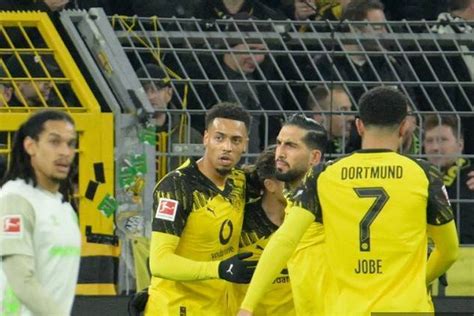
The concept of gegenpressing is often attributed to the tactical innovations of German coaches, particularly Ralf Rangnick and Jürgen Klopp, who popularized it in the late 2000s and early 2010s. Rangnick, often referred to as the "godfather of gegenpressing," introduced the idea as part of a broader philosophy of high-intensity football. He argued that the best time to win the ball back is within 5-10 seconds of losing it, as this is when the opposition is least prepared. Klopp, who implemented gegenpressing to great effect at borussia dortmund and later Liverpool, described it as "the best playmaker there is." This statement underscores a key insight: gegenpressing is not merely about defense—it is a creative force that generates attacking opportunities without requiring elaborate build-up play.
The significance of gegenpressing in modern football lies in its ability to disrupt traditional defensive structures. In the past, teams often relied on a low block or a deep defensive line to frustrate opponents. Gegenpressing challenges this by forcing teams to defend higher up the pitch, where mistakes are costlier. For instance, if a defender misplaces a pass under pressure in their own half, the attacking team is already in a position to capitalize. This approach has also changed how players are conditioned physically and mentally. Gegenpressing demands exceptional fitness levels, as players must sprint to close down opponents repeatedly. It also requires a high level of coordination and communication, as the success of gegenpressing depends on the entire team moving as a cohesive unit.
One of the most striking features of gegenpressing is its psychological impact on opponents. Teams that face gegenpressing often find themselves unable to settle into a rhythm. The constant harassment of players in possession creates a sense of urgency and panic, leading to rushed decisions and turnovers. This is particularly effective against teams that prefer a possession-based style, as gegenpressing denies them the time and space needed to execute their strategies. However, gegenpressing is not without its risks. If executed poorly, it can leave a team exposed at the back, especially if the initial press is bypassed. This is why gegenpressing requires not just physical effort but also tactical intelligence—players must know when to press and when to hold their position.
The rise of gegenpressing has also influenced the evolution of player roles in modern football. For example, the traditional number 10—a playmaker who operates in pockets of space behind the strikers—has become less prominent in gegenpressing systems. Instead, teams prioritize dynamic, all-action midfielders who can press effectively and transition quickly between defense and attack. Similarly, fullbacks in gegenpressing teams are often required to cover large areas of the pitch, contributing both to the press and to the subsequent attack. This shift has made versatility a prized attribute in players, as they must be comfortable performing multiple roles within the system.
Another aspect worth exploring is the data-driven dimension of gegenpressing. Modern football analytics have shown that teams employing gegenpressing often have higher success rates in winning the ball back in advanced areas. Metrics like PPDA (Passes Per Defensive Action) are used to measure the intensity of a team's press. A low PPDA value indicates that a team is aggressively disrupting the opponent's build-up play, a hallmark of gegenpressing. Additionally, heatmaps and tracking data reveal how gegenpressing teams cluster around the ball in specific zones, creating a "net" that traps the opposition. These insights have made gegenpressing not just a tactical choice but also a measurable and analyzable phenomenon.
The global adoption of gegenpressing illustrates its adaptability across different leagues and styles of play. While its roots are in German football, the approach has been embraced by teams in Spain, England, and beyond. For instance, Pep Guardiola's Manchester City incorporates elements of gegenpressing within their possession-heavy system, showing how the tactic can be blended with other philosophies. Similarly, teams in less prestigious leagues have used gegenpressing as a leveller against more technically gifted opponents, proving that the strategy is not exclusive to elite clubs with vast resources.
It is also important to note that gegenpressing is part of a broader trend in football toward high-intensity, proactive systems. The sport has moved away from static, reactive approaches in favor of dynamic, fluid systems that prioritize energy and aggression. Gegenpressing is at the forefront of this shift, embodying the idea that football is not just about reacting to the opponent but actively dictating the terms of engagement. This proactive mindset has resonated with fans, who often associate gegenpressing teams with excitement and entertainment due to their relentless energy and attacking intent.
In conclusion, gegenpressing is more than a tactical innovation; it is a philosophy that has redefined how football is understood and played. By emphasizing the importance of the transition phase, it has challenged conventional wisdom and inspired a new generation of coaches and players. Its significance in modern football lies not only in its effectiveness as a strategy but also in its ability to symbolize the sport's evolution toward faster, more dynamic, and more engaging gameplay. As football continues to evolve, gegenpressing will likely remain a cornerstone of tactical innovation, a testament to its enduring impact.
Historical Origins of Gegenpressing
The concept of gegenpressing, often translated as "counter-pressing," is a tactical approach in football that emphasizes immediate pressure on the opponent after losing possession. While it has become synonymous with modern football philosophies, its roots are deeply embedded in the evolution of the game, shaped by historical contexts, tactical innovations, and influential coaches. This section will explore the historical origins of gegenpressing, tracing its development through key periods in football history.
The earliest inklings of gegenpressing can be traced to the early 20th century, when football was transitioning from a largely individualistic and unstructured sport to one that embraced tactical organization. Teams like the legendary Hungarian national side of the 1950s demonstrated an early form of pressing, though it was not yet systematic. Their approach involved players moving collectively to close down spaces and disrupt the opponent’s rhythm. While not gegenpressing in its modern sense, this was an early attempt to deny the opposition time and space, foreshadowing the principles that would later define the tactic.
However, the true genesis of gegenpressing as a defined strategy can be attributed to the Dutch school of Total Football in the 1970s. Pioneered by coaches like Rinus Michels and embodied by players such as Johan Cruyff, Total Football was built on fluidity and positional interchange. A key tenet of this system was the idea that players should actively seek to win the ball back as soon as it was lost. This was not merely about individual effort but a collective, coordinated press. The Dutch teams of this era demonstrated that regaining possession quickly could destabilize the opposition and maintain attacking momentum. This marked a shift from reactive to proactive defensive play, laying the groundwork for gegenpressing.
In the 1980s and 1990s, gegenpressing began to take on a more structured form, particularly in the tactical innovations of Arrigo Sacchi at AC Milan. Sacchi’s teams were renowned for their high defensive line and coordinated pressing. He believed that pressing was not just a defensive action but an offensive one—a way to dominate the game by forcing errors in the opponent’s half. Sacchi’s Milan side exemplified this through their intense off-the-ball work, with players like Franco Baresi and Paolo Maldini leading the charge. While Sacchi’s system was more zonal than the man-oriented gegenpressing seen today, it was a critical step in demonstrating how pressing could be used as a tool for control rather than mere recovery.
The 1990s and early 2000s saw gegenpressing evolve further in specific regional contexts. In South America, particularly in Argentina and Brazil, teams began experimenting with high-intensity pressing in short bursts, often as a reactive measure to disrupt technically superior opponents. Meanwhile, in Germany, the seeds of modern gegenpressing were being sown. Coaches like Otto Rehhagel and later Jurgen Klopp began to experiment with high-energy, aggressive styles of play. However, it was not until the turn of the century that gegenpressing would be explicitly named and systematized.
The term "gegenpressing" itself became widely recognized in the 2000s, largely due to the influence of German football and its emphasis on physicality and tactical discipline. The Bundesliga provided fertile ground for gegenpressing to flourish. Teams like Borussia Dortmund under Jurgen Klopp in the late 2000s and early 2010s brought the tactic into the limelight. Klopp’s philosophy was built around the idea of "heavy metal football"—a relentless, aggressive style where his team would hunt the ball in packs immediately after losing it. This approach was not just about regaining possession but about creating immediate scoring opportunities by catching the opposition out of shape. Klopp’s success with Dortmund, including back-to-back Bundesliga titles, made gegenpressing a buzzword in football circles.
What distinguishes gegenpressing in its modern form is its man-oriented nature. Unlike earlier pressing systems, which often focused on zonal marking or generalized team efforts, gegenpressing involves players aggressively targeting the opponent in possession. This requires not only physical fitness but also a high level of tactical understanding and coordination. For instance, if a midfielder loses the ball, the nearest players immediately close down the recipient, while others cut off passing lanes. This synchronized approach ensures that the opposition has little time to think or execute their next move.
The rise of gegenpressing also owes much to technological advancements in football analytics. In the 21st century, teams began using data to measure metrics like PPDA (passes allowed per defensive action), which quantifies how aggressively a team presses. This allowed coaches to refine their pressing strategies and identify weaknesses in the opposition. Gegenpressing became not just an art but a science, with coaches like Pep Guardiola and Thomas Tuchel using it as a core component of their systems. Guardiola, for example, adapted gegenpressing to suit his possession-based style, ensuring that his teams could win the ball back quickly to maintain their dominance.
The historical development of gegenpressing also reflects broader shifts in football culture and philosophy. In earlier eras, physicality and endurance were often secondary to technical skill or strategic positioning. However, as the game became faster and more globalized, the importance of regaining possession quickly became apparent. Gegenpressing aligned with the growing emphasis on athleticism and the need for teams to maintain a high tempo throughout the match. This shift was particularly evident in leagues like the Premier League, where gegenpressing found a natural home due to the league’s physical nature and high-intensity matches.
Another critical factor in the evolution of gegenpressing is the influence of youth development systems. Academies in countries like Germany and Spain began incorporating pressing drills into their training programs, ensuring that young players were accustomed to the physical and mental demands of the tactic. This institutional support helped gegenpressing become embedded in the DNA of certain football cultures, particularly in Germany, where it is now considered a hallmark of the national team’s identity.
In summary, the historical origins of gegenpressing are a tapestry of tactical experimentation, regional influences, and the visionary work of coaches who saw the potential of proactive defensive play. From the fluidity of Total Football to the structured intensity of Sacchi’s Milan and Klopp’s Dortmund, gegenpressing has evolved from a loosely defined idea into a cornerstone of modern football strategy. Its development is a testament to how football continually reinvents itself, blending tradition with innovation to shape the way the game is played.
- The Hungarian and Dutch teams of the mid-20th century introduced early forms of coordinated pressing.
- Arrigo Sacchi’s AC Milan laid the foundation for using pressing as a tool for control.
- Jurgen Klopp’s Dortmund teams systematized gegenpressing as a high-energy, man-oriented tactic.
- Technological advancements and youth development programs have reinforced its role in modern football.
By understanding its historical trajectory, we can appreciate how gegenpressing is not merely a tactical trend but a reflection of football’s dynamic nature, shaped by the interplay of culture, strategy, and innovation.
Core Principles of Gegenpressing
Gegenpressing, a term popularized by coaches like Jürgen Klopp, is a high-intensity tactical approach in football that focuses on regaining possession immediately after losing the ball. Translated from German as "counter-pressing," gegenpressing is not merely about pressing the opponent; it is a coordinated strategy rooted in specific principles that dictate how a team behaves in transition phases. Understanding its core principles requires delving into its tactical structure, player roles, and the psychological and physical demands it places on a team.
The first and most fundamental principle of gegenpressing is **immediate action after losing the ball**. This concept is grounded in the idea that the moment a team loses possession, the opponent is at their most vulnerable. Players are often not in ideal defensive positions, and the ball carrier may not have established full control. By pressing instantly, the gegenpressing team seeks to exploit this momentary disorganization. This requires players to be highly alert and conditioned to react within seconds of turnover. A delay of even a few seconds can allow the opponent to reset into a structured defensive shape, negating the advantage of counter-pressing. This immediacy also emphasizes the need for a **compact team structure** during attacks, so players are close enough to swarm the opponent upon losing the ball.
Another critical principle is **numerical superiority in pressing zones**. Gegenpressing relies on creating situations where the pressing team outnumbers the opponent in the area of the ball. For instance, if the ball is lost in the midfield, nearby midfielders and forwards must quickly converge to overwhelm the player in possession. This is often achieved through **positional play** during the attacking phase, where players are spread strategically to ensure that multiple options are available for regaining the ball. For example, a winger who has just made a forward run might curve back to support the press, while a central midfielder drops slightly to cut passing lanes. This dynamic movement ensures that the pressing team can apply pressure from multiple angles, making it harder for the opponent to find a safe outlet.
The third principle is **cutting passing lanes while pressing**. Gegenpressing is not just about running toward the ball carrier; it involves intelligent positioning to block potential passes. Players must anticipate the opponent's next move and position themselves to intercept or force a mistake. This requires a deep understanding of **body orientation**—players should angle their approach in a way that forces the opponent to move the ball in a predictable direction, often toward less dangerous areas of the pitch. For instance, a gegenpressing midfielder might press an opponent from the side, steering them toward the touchline where their options are limited. This principle also ties into the idea of **forcing errors**—by applying pressure in a coordinated manner, the team can induce panicked clearances or misplaced passes that lead to turnovers in advantageous areas.
A unique insight into gegenpressing is its reliance on **collective synchronization**. Unlike traditional pressing systems that might assign specific players to mark opponents, gegenpressing demands that the entire team moves as a unit. This synchronization is achieved through **trigger points**—specific moments that cue the team to press. For example, a poor first touch by the opponent, a pass to a congested area, or a backwards pass can all act as triggers. These triggers are pre-determined and drilled into the players during training sessions, ensuring that the press is not haphazard but a well-orchestrated effort. Without this synchronization, gegenpressing can lead to gaps in the defensive structure, exposing the team to counterattacks.
The physical and mental demands of gegenpressing cannot be understated. Players must possess **exceptional stamina and recovery ability** to maintain the high-intensity pressing for extended periods. This is why gegenpressing teams often emphasize fitness during preseason and implement rotations during matches to keep players fresh. However, the psychological aspect is equally important. Players must exhibit **relentless determination** and a willingness to take risks, such as committing to a tackle or closing down space even when outnumbered temporarily. This mindset is instilled through a culture of aggression and positivity, where every player believes in their ability to win the ball back quickly.
Another nuanced principle of gegenpressing is the **use of space as a defensive tool**. While the immediate focus is on regaining possession, gegenpressing also involves manipulating the opponent's use of space. By pressing aggressively in one area, the team can force the opponent into less favorable zones of the pitch, such as near the sidelines or in their own defensive third. This spatial control often leads to what is known as "**half-pressing traps**," where the pressing team intentionally leaves one passing option open to lure the opponent into a predictable move that can be easily intercepted. For example, a gegenpressing side might allow a pass to a full-back but immediately swarm him as soon as he receives the ball, knowing that his forward passing options are limited.
The final principle is **the transition from pressing to attacking**. Gegenpressing is not solely about winning the ball back; it is about creating immediate attacking opportunities. Once the ball is regained, the team must transition quickly into an offensive move, leveraging the disorganized state of the opponent's defense. This seamless transition is facilitated by players who are already positioned high up the pitch during the press. For instance, a forward who has been pressing the center-back can immediately turn into an attacking option when the ball is won. This fluidity between defense and attack is what makes gegenpressing so potent—it blurs the lines between phases of play, keeping the opponent constantly under pressure.
To summarize, the core principles of gegenpressing revolve around **immediate action, numerical superiority, cutting passing lanes, synchronization, physical and mental resilience, spatial manipulation, and seamless transitions**. These elements work together to create a system that is both aggressive and intelligent, requiring not just physical prowess but also tactical awareness and cohesion. While gegenpressing can be exhausting and risky if executed poorly, its potential to disrupt opponents and create high-tempo attacking opportunities makes it one of the most innovative and effective strategies in modern football.
- Gegenpressing thrives on exploiting the **vulnerability of opponents immediately after a turnover**.
- It emphasizes **numerical superiority** and **cutting passing lanes** to regain possession efficiently.
- Synchronization and **trigger points** are essential for coordinated pressing efforts.
- The system demands **high fitness levels** and a **mentally aggressive approach** from players.
- It integrates **spatial control** to force opponents into less favorable areas.
- Successful gegenpressing enables **rapid transitions into attack**, maintaining constant pressure on the opponent.
By understanding these principles, teams can implement gegenpressing not as a mere tactic but as a philosophy that defines their style of play, setting the stage for dynamic and aggressive football.
Key Figures and Teams Associated with Gegenpressing
Gegenpressing, often described as "counter-pressing," is a tactical approach in football that emphasizes immediate action to regain possession of the ball after losing it, rather than retreating into a defensive shape. This high-energy, proactive strategy has become a hallmark of modern football, but its roots and evolution can be traced back to specific coaches and teams that have popularized and refined it. Understanding the key figures and teams associated with gegenpressing provides a lens into how this philosophy has shaped the way football is played today.
Jürgen Klopp and the Rise of Gegenpressing One of the most prominent figures in the gegenpressing revolution is Jürgen Klopp, whose implementation of this tactic at Borussia Dortmund and later at Liverpool brought it into the global spotlight. At Dortmund, Klopp's gegenpressing was a cornerstone of his "heavy metal football," a term he used to describe the intense, frenetic style of play. The team's success in the Bundesliga, including back-to-back league titles in 2010-11 and 2011-12, showcased how gegenpressing could disrupt even the most technically gifted opponents. Klopp's emphasis on collective pressing—where every player is responsible for closing down space and harrying the opposition—allowed Dortmund to dominate games despite not always having the most expensive squad.
When Klopp moved to Liverpool in 2015, he brought gegenpressing to the Premier League, a league known for its physicality and fast-paced matches. At Liverpool, gegenpressing was not just a tactic but a philosophy ingrained in the team’s identity. Klopp’s Liverpool teams were built around players who could execute this system effectively—speed, stamina, and tactical intelligence were non-negotiable traits. Players like Roberto Firmino, Sadio Mané, and Mohamed Salah became archetypes of the gegenpressing forward, capable of pressing high up the pitch while contributing offensively. Liverpool’s 2019-20 Premier League title win and 2019 Champions League victory were testament to how gegenpressing could be scaled to the highest level of competition. Klopp’s ability to instill this system across different leagues and player groups underscores his role as a gegenpressing pioneer.
Ralf Rangnick and the German Influence While Klopp is often the face of gegenpressing, the roots of this approach can be traced to Ralf Rangnick, often referred to as the "godfather of gegenpressing." Rangnick’s work in the late 1990s and early 2000s with teams like SSV Ulm and later Hoffenheim laid the groundwork for the modern gegenpressing system. Rangnick was among the first to articulate the idea of "ball-oriented pressing," where the entire team shifts toward the ball to cut off passing lanes and force turnovers. His influence extended beyond his own teams; he inspired a generation of German coaches, including Klopp and Thomas Tuchel, to adopt and adapt gegenpressing principles.
Rangnick’s gegenpressing philosophy was not just about regaining the ball but about creating a seamless transition to attack. This dual focus—defensive action leading to offensive opportunity—became a defining feature of gegenpressing. Teams under Rangnick were often seen as "blueprints" for how gegenpressing could outmaneuver possession-heavy sides, a lesson that resonated across European football.
Pep Guardiola’s Interpretation of Pressing While Pep Guardiola is more closely associated with possession-based football, his teams at Bayern Munich and Manchester City have incorporated elements of gegenpressing into their systems. Guardiola’s interpretation of pressing is slightly different; it is more structured and less chaotic than Klopp’s version. However, the underlying principle of regaining the ball quickly after losing it is evident in his teams. Guardiola’s high defensive line and aggressive midfield pressing, especially when combined with players like Kevin De Bruyne and Leroy Sané, show how gegenpressing can coexist with a possession-oriented approach. This blend of styles highlights the adaptability of gegenpressing as a tactic.
Teams That Exemplify Gegenpressing Several teams have become synonymous with gegenpressing due to their success and the visibility of their style. Apart from Klopp’s Liverpool and Dortmund, RB Leipzig under coaches like Rangnick and later Julian Nagelsmann has been a beacon of gegenpressing in the Bundesliga. Leipzig’s ability to field young, energetic squads perfectly suited the demands of gegenpressing, allowing them to challenge traditional powerhouses in Germany. Their success in domestic and European competitions has cemented gegenpressing as a viable strategy for ambitious, resource-limited teams.
Another example is Ajax under Erik ten Hag during their remarkable run in the 2018-19 Champions League. While Ajax’s style incorporated possession play, their high-intensity pressing in key moments of games—particularly in their victories over Real Madrid and Juventus—demonstrated how gegenpressing could be a weapon for underdog teams. Ten Hag’s emphasis on collective pressing and quick transitions mirrored the gegenpressing ethos, even if the Dutch team was not as explicitly labeled as a "gegenpressing team."
Challenges and Evolution of Gegenpressing The popularity of gegenpressing has also brought challenges. Teams that rely heavily on this system often face physical burnout, especially over the course of a long season. This was evident in Klopp’s Liverpool during the 2020-21 season, where injuries and fatigue took a toll on their ability to maintain the gegenpressing intensity. Coaches like Mauricio Pochettino at Tottenham Hotspur also experienced similar issues when their high-press systems began to falter due to squad limitations and fatigue.
In response, modern gegenpressing has evolved. Coaches now incorporate phased pressing, where the intensity of the press is adjusted based on game state, opponent quality, and player fitness. This nuanced approach reflects how gegenpressing is not a one-size-fits-all solution but a flexible philosophy that must adapt to the realities of modern football.
Legacy and Influence The coaches and teams discussed here have not only popularized gegenpressing but have also influenced how football is coached and played at all levels. Youth academies now emphasize pressing drills and transition play, reflecting the gegenpressing ethos. Even teams that do not explicitly identify as gegenpressing sides often borrow elements of the system, such as immediate counter-pressing in specific phases of play. This widespread adoption speaks to the enduring impact of gegenpressing’s key figures and teams.
In conclusion, gegenpressing’s journey from its conceptual origins with Rangnick to its global adoption by teams like Liverpool, RB Leipzig, and others highlights its transformative role in modern football. Coaches like Klopp, Rangnick, and even Guardiola have shown how gegenpressing can be both a tactical blueprint and a malleable philosophy, adaptable to different leagues, player profiles, and competitive contexts. This section illustrates not just the who and where of gegenpressing but the why—its ability to redefine how teams approach the beautiful game.
Technical and Physical Demands of Gegenpressing
Gegenpressing, often referred to as "counter-pressing," is a high-intensity tactical approach in soccer where a team immediately attempts to regain possession of the ball after losing it, typically by pressing the opponent in their half of the field. This method requires not only a deep understanding of spatial awareness and team coordination but also places significant physical and technical demands on the players. To execute gegenpressing effectively, players must meet specific physical and technical thresholds that go beyond the requirements of traditional soccer systems.
Physical Demands of Gegenpressing
Gegenpressing is inherently energy-intensive, as it demands players to operate at maximum physical output for sustained periods. The primary physical requirements include:
- High-intensity sprinting capacity: Players must be capable of explosive sprints to close down opponents quickly after the ball is lost. Unlike a traditional press, gegenpressing often requires players to cover short distances at maximum speed multiple times in quick succession. Studies have shown that elite teams employing gegenpressing can perform up to 20% more high-intensity runs per game compared to teams using less aggressive systems. This places a premium on anaerobic fitness, as players need rapid recovery between sprints to maintain the intensity of their pressing.
- Endurance under fatigue: While gegenpressing is characterized by short bursts of energy, the cumulative effect of these bursts over 90 minutes can lead to significant fatigue. Players must maintain their work rate even in the later stages of the game. This requires exceptional aerobic fitness to sustain repeated high-effort actions without a drop in performance. Teams like Liverpool under Jürgen Klopp have emphasized tailored conditioning programs to ensure players can sustain gegenpressing for the full duration of a match.
- Agility and coordination: Effective gegenpressing involves not just sprinting but also sharp changes in direction to cut off passing lanes or react to an opponent's movement. Players must display excellent agility to adjust their body position rapidly, particularly when trying to intercept passes or tackle in tight spaces. This places a demand on their neuromuscular system to execute precise movements under pressure.
- Recovery speed: After a failed pressing attempt, players must quickly transition back into a defensive shape to avoid being exposed on the counterattack. This "recovery sprint" is as critical as the initial press itself. It requires a balance of speed and stamina to ensure that the team is not left vulnerable after committing to the press.
These physical attributes are often developed through specialized training regimens that include interval training, small-sided games with high pressing scenarios, and drills focused on rapid directional changes. Teams that excel at gegenpressing, such as RB Leipzig or Manchester City, often have players with superior physical conditioning compared to their peers in less aggressive systems.
Technical Demands of Gegenpressing
While physical attributes are crucial, gegenpressing also places a heavy emphasis on technical skills that enable players to execute the system with precision. The key technical requirements include:
- Ball recovery skills: Players must be adept at winning the ball back in a variety of situations, whether through tackling, intercepting, or blocking passing lanes. This requires not only physical timing but also a keen sense of anticipation. For instance, a midfielder must read the body language of an opponent to predict their next pass and position themselves accordingly. This skill is particularly important for players in advanced positions, as they are often the first line of the press.
- First touch under pressure: When regaining possession, players often find themselves in crowded areas with little time or space to control the ball. A poor first touch can result in the loss of the ball and a counterattacking opportunity for the opponent. Therefore, players must have an exceptional first touch to either retain possession or immediately transition into an attacking move. This is why gegenpressing systems often favor technically proficient players in midfield and forward roles.
- Passing accuracy under high pressure: After winning the ball, gegenpressing teams aim to exploit the disorganized state of the opponent by launching quick attacks. This requires players to make accurate forward passes in tight spaces and under pressure from recovering defenders. The ability to execute one-touch passes or quick combinations is vital to maintaining the momentum of the attack.
- Spatial awareness and positioning: Gegenpressing is not just about individual effort but also about collective organization. Players must understand their role within the team’s pressing structure and position themselves to cut off passing options for the opponent. For example, a winger might press the full-back while simultaneously blocking a pass to the central midfielder. This level of spatial awareness requires players to have a deep understanding of the game and excellent communication with teammates.
- Decision-making speed: In gegenpressing, decisions must be made in fractions of a second. Should a player commit to a tackle, hold their position, or adjust to block a passing lane? Poor decisions can lead to gaps in the team's structure, exposing them to counterattacks. This places a premium on players’ ability to process information quickly and act decisively.
One of the unique challenges of gegenpressing is that it often blurs the lines between technical and physical demands. For example, a player’s ability to win the ball back might depend as much on their stamina and recovery speed as on their tackling technique. Similarly, the precision of their passing after a successful press is influenced by their physical state—a fatigued player is more likely to make errors in execution.
Another layer of complexity is the psychological aspect tied to the technical demands. Players must remain mentally sharp even when physically exhausted. This is particularly important in maintaining the discipline required to stick to the gegenpressing structure. A lapse in concentration can result in the team being caught out of position, negating the effectiveness of the system.
Teams that successfully implement gegenpressing often invest heavily in player development to ensure that their squad can meet these dual demands. For instance, coaches might use video analysis to help players recognize patterns in opponents' buildup play, enabling them to anticipate and react more effectively. Training sessions might also include scenarios where players practice regaining possession and immediately transitioning into attack, emphasizing the seamless integration of technical and physical skills.
Additionally, gegenpressing often requires a squad with a high degree of versatility. Players in multiple positions need to be comfortable both pressing aggressively and contributing to the attack after winning the ball. This versatility is particularly evident in teams like Bayern Munich, where even defenders are expected to contribute to the press and initiate attacks.
In conclusion, the effectiveness of gegenpressing hinges on a delicate balance of physical and technical excellence. Players must possess exceptional fitness to sustain the energy-intensive nature of the system, combined with technical proficiency to execute their roles under pressure. While the system can yield significant rewards in terms of ball recovery and offensive opportunities, it also demands a level of preparation and player development that sets it apart from more traditional soccer approaches. This makes gegenpressing not just a tactic but a philosophy that challenges players to operate at the peak of their physical and technical capabilities.
Gegenpressing vs. Traditional Pressing Systems
Gegenpressing, often associated with modern football philosophies popularized by coaches like Jürgen Klopp, represents a distinct approach to regaining possession immediately after losing the ball. Unlike traditional pressing systems such as the high press or low block, gegenpressing is characterized by its intensity, immediacy, and collective coordination. This section delves into the nuanced differences between gegenpressing and these other pressing styles, highlighting the tactical and strategic implications of each.
Gegenpressing Defined Gegenpressing, translated as "counter-pressing," emphasizes the team's effort to win the ball back within seconds of losing it, typically in the opponent's half. The core idea is to deny the opposition the opportunity to transition into organized play. This system relies on players being positioned close to the ball at all times, with an aggressive mindset to swarm the player in possession. The philosophy is rooted in the belief that the moment after losing the ball is when the opponent is most vulnerable, as they are often not in a structured defensive shape.
In contrast, traditional pressing systems can be broadly categorized into two main approaches: the high press and the low block. While these systems also aim to disrupt the opponent's play, their execution, timing, and objectives differ significantly from gegenpressing.
High Press vs. Gegenpressing The high press is a proactive system where the team pushes high up the pitch to force the opposition into mistakes near their own goal. The primary objective is to win the ball in advanced areas, creating immediate goal-scoring opportunities. Teams employing a high press often use a coordinated forward line and midfield to cut passing lanes and apply pressure on the ball carrier. However, the high press is typically more positional and less reactive than gegenpressing.
The key distinction lies in the trigger for the press. In a high press, the team often initiates pressure when the ball is played to a specific area, such as the goalkeeper or a defender under limited options. Gegenpressing, on the other hand, is triggered by the loss of possession. It is less about where the ball is and more about when the team loses it. This means gegenpressing can occur anywhere on the field, whereas the high press is usually confined to the opposition's half.
Another difference is the risk factor. High pressing can leave spaces behind the defensive line if the press is broken, especially against teams adept at quick counterattacks. Gegenpressing mitigates this risk by ensuring that the team is compact and ready to win the ball back immediately if the initial press fails. This makes gegenpressing a more fluid and adaptable system compared to the structured nature of the high press.
Low Block vs. Gegenpressing The low block is a defensive system where the team sits deep in their own half, prioritizing compactness and denying space behind the defense. This approach is often used by teams looking to absorb pressure and hit on the counter. Unlike gegenpressing, the low block is a reactive system that does not prioritize winning the ball high up the pitch.
The low block is effective against teams that rely on possession and gradual buildup, as it forces them to play through a crowded defense. However, it is inherently passive compared to gegenpressing. While gegenpressing seeks to regain possession instantly and maintain attacking momentum, the low block concedes control of the game's tempo to the opposition. This passivity can lead to long periods of defending, which can be physically and mentally draining for players.
Gegenpressing, by contrast, is an offensively oriented defensive strategy. It aims not only to win the ball back but also to maintain a high tempo and keep the opposition under constant pressure. This is particularly effective against teams that struggle with quick transitions or lack the technical ability to play through intense pressure. While the low block might frustrate opponents over time, gegenpressing seeks to dominate them in real-time, creating a sense of chaos and urgency.
Tactical Nuances and Player Roles One of the defining features of gegenpressing is the collective responsibility it places on all players. Unlike the high press, where specific players (e.g., forwards and attacking midfielders) are tasked with initiating the press, gegenpressing requires every outfield player to be alert and ready to engage. For instance, if a midfielder loses the ball, nearby forwards and defenders must immediately support the press to close down passing options. This interconnectivity demands high levels of fitness, awareness, and communication.
In a low block, player roles are more static. Defenders focus on marking zones or players, while midfielders prioritize screening the backline rather than actively pressing. This static nature can make low-block teams susceptible to gegenpressing, as they often lack the immediate outlets needed to escape pressure when they win the ball.
The high press, while more dynamic than the low block, still relies on specific player roles, such as wingers cutting off wide passing lanes or a striker targeting the central defender. Gegenpressing blurs these role-specific responsibilities. For example, a winger in a gegenpressing system might find themselves pressing a central midfielder if the ball is played there after a turnover.
Strategic Implications Gegenpressing is particularly effective in modern football because of the emphasis on quick transitions and high-intensity play. Teams that excel at gegenpressing, such as Klopp's Liverpool or Pep Guardiola's Manchester City, often dominate games by denying opponents the time and space to build attacks. This system is also well-suited to leagues or competitions where physical conditioning and athleticism are paramount.
However, gegenpressing is not without its challenges. It requires a high level of synchronization and can be energy-intensive, making it less sustainable over 90 minutes against well-drilled opponents. In contrast, the high press can be adjusted to conserve energy by focusing on specific moments (e.g., after a goal kick), while the low block is inherently less demanding in terms of physical output.
Another consideration is the type of players required. Gegenpressing thrives with versatile, athletic players who can cover ground quickly and contribute in both attack and defense. High pressing systems often favor pacy forwards and aggressive midfielders, while low blocks benefit from disciplined defenders and midfielders with excellent positional awareness.
Conclusion While all pressing systems aim to disrupt the opponent's play, gegenpressing stands out for its immediacy, fluidity, and offensive intent. Unlike the high press, which is positionally rigid and focused on advanced areas, or the low block, which is passive and reactive, gegenpressing combines elements of both while adding a unique layer of unpredictability. This makes it a highly effective tool for teams looking to control games through aggressive defensive actions. However, its success depends heavily on the team's physical and tactical preparation, as well as the adaptability of players to execute this demanding system consistently.
Impact of Gegenpressing on Match Outcomes
Gegenpressing, a tactical approach popularized by coaches like Jürgen Klopp and Ralf Rangnick, is a high-intensity strategy that focuses on immediately pressing the opponent after losing possession. This method is designed to disrupt the opposition's ability to transition from defense to attack and regain control of the ball in advanced areas of the pitch. The impact of gegenpressing on match outcomes is multifaceted, influencing game flow, possession dynamics, and the creation of goal-scoring opportunities in profound ways.
One of the primary ways gegenpressing affects game flow is by accelerating the tempo of the match. Unlike traditional pressing systems, which may allow a brief respite for the team in possession to reset, gegenpressing seeks to maintain constant pressure. This approach creates a frenetic pace, particularly in the middle and final thirds of the field. By denying the opposition time to breathe or settle into a structured shape, gegenpressing forces quick decisions. Teams that are unprepared or lack the technical ability to handle this pressure often succumb to turnovers in dangerous areas. This dynamic can lead to a disjointed game flow, where the team employing gegenpressing dictates the rhythm, often preventing their opponents from building coherent attacks. For instance, Liverpool under Klopp has frequently used gegenpressing to create a sense of chaos that disrupts even well-organized teams, forcing them into hurried clearances or misplaced passes.
The influence of gegenpressing on possession is equally significant. While it might seem counterintuitive, gegenpressing teams do not always prioritize maintaining long periods of possession themselves. Instead, they aim to exploit the moments immediately after a turnover. This "transition possession" is highly efficient because the pressing team is often in an advantageous position to launch quick counterattacks. For example, if a gegenpressing team wins the ball in the opponent's half, they are already closer to the goal and can capitalize on disorganized defenses. This contrasts with possession-heavy teams like Pep Guardiola's Manchester City, which build attacks methodically. Gegenpressing prioritizes verticality and directness over prolonged ball retention, often resulting in a higher number of shots taken from advanced positions. Statistical analyses of teams using gegenpressing reveal that they tend to have a higher proportion of possessions leading directly to shots compared to teams that focus on slow, methodical build-ups.
Another critical aspect is how gegenpressing impacts goal-scoring opportunities. The strategy is particularly effective in creating high-value chances because it often forces turnovers in the opponent's defensive third. These turnovers, sometimes referred to as "high regains," are statistically correlated with a higher likelihood of scoring. A study of Bundesliga matches found that teams winning the ball back within 40 meters of the opponent's goal had a significantly higher expected goals (xG) value per shot compared to possessions started in their own half. This is because gegenpressing not only denies the opposition an outlet for safe passes but also isolates their defenders in one-on-one situations. For example, a winger pressing a full-back who has just received the ball can force a rushed clearance or an errant pass that leads directly to a scoring chance. Moreover, gegenpressing often results in numerical overloads in key areas. When multiple players swarm the ball carrier, it can lead to quick combinations or cutbacks that exploit the gaps left by defenders scrambling to recover.
However, gegenpressing is not without its challenges, and its effectiveness depends heavily on player fitness, coordination, and tactical discipline. A team must be incredibly well-drilled to execute gegenpressing effectively, as even small lapses in positioning can leave vulnerabilities. For instance, if the pressing players fail to close down passing lanes or leave spaces behind them, skilled opponents can exploit these gaps with long balls or quick switches of play. This is why gegenpressing teams often invest heavily in physical conditioning and work on synchronized movements during training. A poorly executed gegenpress can lead to counterattacks against an exposed defense, which can, in turn, skew match outcomes negatively. Teams like Bayern Munich have occasionally struggled against opponents who are adept at bypassing the press with precise long passes to fast wingers or target men.
Another nuance of gegenpressing's impact is its psychological effect on both teams. For the team employing it, gegenpressing can instill a sense of dominance and control, as players feel they are actively dictating the game's terms. This can boost morale and energy levels, particularly when gegenpressing leads to early goals or sustained periods of dominance. Conversely, for the team being pressed, the constant harrying can lead to frustration, fatigue, and a loss of composure. This psychological toll often manifests in increased individual errors, as players under pressure are more likely to misplace passes or make rash decisions. Over the course of 90 minutes, this can result in a snowball effect, where the gegenpressing team not only creates more chances but also demoralizes their opponents, leading to lopsided scorelines.
The role of gegenpressing in tactical adaptation by opponents also shapes match outcomes. Teams facing gegenpressing often adjust their style of play to mitigate its effects. For example, some teams opt for a more direct approach, bypassing the midfield entirely with long balls to target players who can hold up play. Others might prioritize maintaining a low block and avoiding risky passes in their own half. These adaptations can neutralize the gegenpress to some extent, but they often come at the cost of offensive ambition. Teams that sit deep and avoid engaging in the press may limit their own goal-scoring opportunities, effectively ceding control of the match. This dynamic underscores how gegenpressing can force opponents into a reactive stance, often reducing their ability to influence the game on their terms.
From a statistical perspective, gegenpressing's impact on match outcomes can be quantified through metrics like pressing intensity (measured by passes per defensive action, or PPDA), high regains, and shot-creating actions. Teams that excel at gegenpressing often boast low PPDA values, indicating they allow fewer passes before engaging the opponent. Additionally, they tend to have higher numbers of high regains, which directly correlate with increased goal-scoring opportunities. For instance, Liverpool's 2019-2020 title-winning season saw them rank among the top teams in Europe for high regains, a testament to their gegenpressing effectiveness. These metrics demonstrate how gegenpressing not only influences the immediate ebb and flow of a match but also contributes to long-term success by creating a framework for consistent chance creation.
In conclusion, gegenpressing is a tactical approach that significantly alters the dynamics of a football match. Its influence on game flow, possession, and goal-scoring opportunities is rooted in its ability to disrupt opponents, create transitional advantages, and exploit psychological and physical vulnerabilities. While it requires meticulous preparation and execution, gegenpressing can be a decisive factor in determining match outcomes, particularly when employed by teams with the requisite fitness, coordination, and tactical nous. As the game continues to evolve, gegenpressing remains a potent weapon for teams seeking to impose their will and seize control of critical moments in a match.
Criticisms and Limitations of Gegenpressing
Gegenpressing, a high-intensity tactical approach popularized by coaches like Jürgen Klopp and Ralf Rangnick, has been lauded for its ability to disrupt opponents and create quick scoring opportunities. However, like any footballing strategy, gegenpressing is not a one-size-fits-all solution. It comes with inherent drawbacks and limitations that can make it less effective or even counterproductive in certain scenarios. This section explores these challenges in depth, focusing on the situational, physical, and tactical constraints that can undermine gegenpressing's effectiveness.
One of the most significant limitations of gegenpressing is its reliance on physical fitness and mental sharpness. This strategy demands that players maintain an extraordinarily high work rate for extended periods, often pressing immediately after losing possession to win the ball back within 5-10 seconds. While this can be effective in short bursts or during high-stakes matches, it is unsustainable over the course of an entire season, particularly in leagues with congested fixture schedules. Players are prone to fatigue, which not only reduces the intensity of their pressing but also increases the risk of injuries. For instance, teams like Liverpool under Klopp have occasionally struggled during the latter stages of campaigns when key players are overworked, leading to a noticeable drop in gegenpressing's effectiveness. This fatigue can also result in positional disorganization, as tired players fail to maintain the compactness required for successful pressing.
Another critical issue is opponent adaptability. Teams facing a gegenpressing side can employ specific strategies to negate its impact. One common countermeasure is playing long balls over the top of the pressing line. A well-executed long ball strategy can bypass the midfield entirely, exploiting the space left behind by players who have committed to pressing higher up the pitch. This is particularly effective against gegenpressing teams that lack pace in their defensive line or fail to maintain a high line of engagement. For example, teams with target forwards or fast wingers can stretch the field vertically, making it difficult for the pressing team to recover. Additionally, opponents may adopt a low-block defensive system, denying the gegenpressing team the opportunity to win the ball high up the pitch. This forces the pressing team into prolonged possession phases, which can be unfamiliar or uncomfortable for sides built around rapid transitions rather than patient build-up play.
Gegenpressing also has contextual vulnerabilities based on the quality of the opposition. While it can be highly effective against mid-table or lower-tier teams that lack the technical skill to retain possession under pressure, it can be less effective against top-tier sides with superior technical ability and tactical discipline. Elite teams often have players capable of playing through the press with quick, accurate passing and intelligent movement. For instance, Manchester City under Pep Guardiola has frequently outmaneuvered gegenpressing teams by using a combination of positional play and controlled possession. Their ability to maintain composure under pressure and exploit spaces created by overcommitted pressing players exemplifies how gegenpressing can be nullified by technically superior opponents.

Tactical inflexibility is another area of concern. Teams that are overly committed to gegenpressing as their primary strategy may find themselves ill-equipped to adapt when the situation demands a different approach. For example, in matches where weather conditions (such as heavy rain or extreme heat) reduce the effectiveness of high-energy play, gegenpressing can become a liability. Similarly, in games where the team is a goal down with limited time remaining, the high-risk nature of gegenpressing—which often leaves defensive vulnerabilities—can backfire. Instead of pressing aggressively, a more pragmatic approach, such as sitting back and conserving energy for a late counterattack, might be more appropriate. However, teams deeply ingrained in the gegenpressing philosophy may struggle to shift gears, leaving them exposed to counterattacks or unable to break down a resolute defense.
The psychological aspect of gegenpressing also deserves scrutiny. While the strategy can instill a sense of unity and aggression within a team, it can also lead to mental burnout over time. Players may feel overwhelmed by the constant demand to press relentlessly, particularly in environments where results are not immediately forthcoming. This is especially true for younger or less experienced squads that lack the maturity to handle the physical and mental toll of gegenpressing. A team's morale can suffer if gegenpressing fails to yield results consistently, as players may begin to question the strategy’s viability. Moreover, the emphasis on immediate recovery of the ball can sometimes lead to rash challenges or tactical fouls, increasing the likelihood of yellow and red cards, which can further disrupt team cohesion.
There are also positional and structural challenges associated with gegenpressing. The strategy requires precise coordination among all players to ensure that pressing triggers are activated at the right moments and that the team maintains a cohesive shape. However, if even one player fails to fulfill their role—whether due to a lack of understanding, miscommunication, or individual error—the entire system can collapse. For instance, if a winger fails to track back or a midfielder is caught out of position, the pressing line can be broken, leaving the defense exposed to quick counterattacks. This is particularly problematic against teams with skilled dribblers or playmakers who can exploit these moments of disorganization.
Another often-overlooked limitation is the financial and developmental cost of implementing gegenpressing at the club level. Gegenpressing is not merely a tactical system; it is a philosophy that requires buy-in from every layer of the organization, from the youth academy to the first team. Developing players who are technically and physically equipped to execute gegenpressing takes time and resources. Smaller clubs or those with limited budgets may find it challenging to recruit or train players suited to this style of play. Furthermore, the high turnover of managers in modern football means that a gegenpressing system might be abandoned midway through its implementation, leaving players unfamiliar with alternative systems and potentially setting the team back.
Finally, gegenpressing can be less effective in specific match scenarios, such as when a team is protecting a lead. The aggressive nature of gegenpressing often leaves spaces behind the pressing line, which can be exploited by opponents looking to snatch a late equalizer. In these situations, a more conservative approach—such as dropping into a mid-block or low-block—might be more prudent. However, the adrenaline-fueled nature of gegenpressing can make it difficult for players to shift to a more passive mindset, especially in high-pressure moments.
In summary, while gegenpressing is a dynamic and exciting tactic that has revolutionized modern football, it is not without its criticisms and limitations. Its physical demands, susceptibility to tactical counters, and contextual inefficiencies make it a strategy that must be used judiciously. Teams must weigh the benefits of gegenpressing against its potential downsides and be prepared to adapt when the situation calls for a different approach. Understanding these limitations is essential for coaches and analysts seeking to implement or counter gegenpressing effectively.
Adaptations and Evolution of Gegenpressing
Gegenpressing, a tactical approach synonymous with high-intensity pressing to regain possession immediately after losing the ball, has undergone significant evolution in response to modern football trends. Originating as a hallmark of teams like Borussia Dortmund under Jürgen Klopp, gegenpressing was initially characterized by its raw, aggressive, and often chaotic nature. However, as football has grown more structured and data-driven, gegenpressing has adapted to remain relevant and effective in the face of new challenges.
One of the most notable adaptations of gegenpressing lies in its **integration with positional play**. Early gegenpressing systems often relied on players swarming the ball carrier in a somewhat unstructured manner, prioritizing immediate pressure over spatial discipline. However, modern gegenpressing has become more refined. Teams now emphasize **maintaining a specific shape** even during the press. For instance, players are assigned zones rather than individual markers, ensuring that spaces are covered even if the initial press is bypassed. This evolution can be seen in the systems of managers like Pep Guardiola, who blends gegenpressing with a possession-oriented approach. The idea is not just to win the ball back but to do so in areas that immediately threaten the opposition goal, often by overloading key zones such as the half-spaces.
The rise of **data analytics** has also played a significant role in the evolution of gegenpressing. Teams now use advanced metrics such as PPDA (passes per defensive action) and high regains to measure the effectiveness of their pressing. These tools have allowed coaches to identify patterns in how opponents attempt to escape the press, leading to more targeted and intelligent pressing strategies. For example, instead of simply pressing every lost ball, modern teams might selectively press in moments where the opposition is in a **suboptimal restart position**—such as when their goalkeeper or center-backs are in possession under pressure. This selective approach conserves energy and reduces the risk of being exposed during transitions, a common vulnerability of traditional gegenpressing.
Another key evolution is the **adaptation to low-block defenses**. As more teams have adopted compact defensive setups to counter high-pressing sides, gegenpressing has had to evolve to penetrate these systems. Early gegenpressing often struggled against opponents who were content to sit deep and absorb pressure, as the lack of space made it difficult to win the ball back quickly. Modern gegenpressing now incorporates **vertical compactness**—ensuring that the team is close enough to transition from defense to attack swiftly when possession is regained. This is complemented by the use of **overloads in specific areas**, such as the wide channels, where pressing traps are set to force the opposition into predictable passes that can be intercepted. Teams like Liverpool under Klopp in his later years have demonstrated this by using their fullbacks and wide forwards to create numerical superiority in these zones, forcing turnovers that lead to immediate attacking opportunities.
The **physical demands of gegenpressing** have also necessitated adaptation. Early implementations of the tactic often assumed that players could sustain high-intensity pressing for extended periods. However, as the game has become more physically demanding and fixture congestion has increased, teams have had to find ways to **manage player workload** while still employing gegenpressing effectively. This has led to the emergence of **rotational pressing**, where not all players press simultaneously but instead take turns applying pressure based on the game state. For instance, a midfielder might step up to press while the striker drops slightly to cover the space behind, ensuring that the team remains compact even during moments of high pressing. This nuanced approach allows teams to sustain their pressing intensity over 90 minutes without exhausting their players prematurely.
The influence of **opposition countermeasures** has also driven gegenpressing to evolve. As gegenpressing became more popular, teams began to develop strategies to bypass it. One common tactic is the use of **long balls and direct play**, where the opposition bypasses the midfield entirely to target fast forwards or wingers in behind. In response, gegenpressing teams have started to incorporate **hybrid defensive setups** that blend pressing with a mid-block. For example, a team might press aggressively in certain phases of the game but drop into a mid-block during others to deny space behind their defensive line. This flexibility prevents gegenpressing from becoming predictable and allows teams to adapt to the specific strengths of their opponents.
Another significant trend is the **globalization of gegenpressing**. While it was initially a tactic associated primarily with European teams, particularly those in Germany and England, gegenpressing has now spread across continents. South American teams, for instance, have adapted gegenpressing to suit their more technical and improvisational style of play. Instead of purely focusing on physical intensity, these teams often use **quick interchanges and close ball control** to win the ball back in tight spaces. This fusion of gegenpressing with more traditionally South American elements highlights how the tactic can be molded to fit different cultural and stylistic footballing philosophies.
The **role of individual player profiles** has also changed. Early gegenpressing systems often required a team of athletes who could relentlessly chase and harry opponents. However, modern gegenpressing places greater emphasis on **technical and tactical intelligence**. Players are now expected to not only press effectively but also make split-second decisions about when to press, when to hold their position, and how to angle their approach to cut off passing lanes. This shift can be seen in the players recruited by top teams. For example, a player like Bernardo Silva at Manchester City exemplifies the modern gegenpresser—someone who combines physical stamina with exceptional ball retention and spatial awareness. This evolution reflects a broader trend in football where the mental and technical aspects of the game are given as much weight as physical attributes.
Finally, gegenpressing has adapted to the **increasing prominence of set-piece situations** in modern football. With set pieces accounting for a significant proportion of goals, gegenpressing teams have started to consider how they can regain possession immediately after a set piece is cleared. This has led to the development of **post-set-piece pressing schemes**, where players are positioned to exploit disorganized opposition shapes as they transition from attacking to defensive setups. By doing so, gegenpressing has extended its influence beyond open play into more specialized scenarios, further cementing its versatility.
In conclusion, gegenpressing has evolved from a high-energy, somewhat chaotic approach into a highly adaptable and intelligent system that responds to the complexities of modern football. Its integration with positional play, use of data analytics, adaptation to low-block defenses, and focus on intelligent player profiles all demonstrate how gegenpressing has not only survived but thrived in the face of changing trends. As football continues to evolve, gegenpressing will likely continue to adapt, ensuring its place as a cornerstone of tactical innovation.
Conclusion and Future of Gegenpressing
Gegenpressing, a tactical approach pioneered and popularized by coaches like Jürgen Klopp and Ralf Rangnick, has become one of the defining strategies in modern football. Its influence extends far beyond the immediate impact on match results, as it has reshaped how teams approach both attack and defense. In this conclusion, we explore the role of gegenpressing in shaping football's future and its continued relevance as the sport evolves.
At its core, gegenpressing is more than just a high-intensity pressing system; it is a philosophy that emphasizes regaining possession immediately after losing the ball. This strategy relies on coordinated team movement, rapid decision-making, and physical fitness. Its success has been evident in teams like Liverpool and RB Leipzig, where gegenpressing has been used not only to disrupt opponents but also to create attacking opportunities in transition. This dual-purpose nature of gegenpressing is one reason it has become a cornerstone of modern tactical thought.
One of the key ways gegenpressing has shaped football is by redefining the relationship between attack and defense. Traditionally, teams would defend deep and look to counterattack when the ball was won. Gegenpressing flips this dynamic by turning the act of winning the ball back into an immediate attacking opportunity. This has forced teams to rethink their defensive structures, as static backlines are easily exploited by gegenpressing teams. As a result, we see more teams employing a high defensive line and prioritizing players with the stamina and technical skill to execute this style of play effectively. This shift has also influenced player recruitment, with an increased emphasis on versatile midfielders and forwards who can both press and contribute offensively.
The tactical innovation of gegenpressing has also accelerated the pace of the game. Football has become faster and more physically demanding, with gegenpressing teams setting the standard for how quickly play can transition from defense to attack. This has had a ripple effect across the sport. Teams that do not adopt gegenpressing or a similar high-intensity system often find themselves at a disadvantage, as they struggle to keep up with the speed of play. This has driven a global trend toward fitness-focused training regimens and an increased reliance on sports science to ensure players can meet the physical demands of gegenpressing.
Another significant impact of gegenpressing is its role in democratizing football strategy. While traditionally, possession-based teams like Barcelona or Manchester City were seen as the pinnacle of tactical sophistication, gegenpressing has proven that a well-organized, high-energy approach can compete with—and often surpass—teams that dominate possession. This has given smaller clubs and less financially powerful teams a blueprint for success. For example, teams like Leeds United under Marcelo Bielsa have shown that gegenpressing can level the playing field against wealthier opponents. This democratization is likely to continue as coaches around the world study and adapt gegenpressing to suit their own contexts.
However, gegenpressing is not without its challenges, and its future relevance depends on how it adapts to emerging trends in football. One of the main criticisms of gegenpressing is its susceptibility to burnout. The physical toll it takes on players can lead to fatigue and injuries over the course of a long season. Teams that rely heavily on gegenpressing often find themselves struggling in the latter stages of competitions. This has led some coaches to experiment with hybrid systems that incorporate elements of gegenpressing without fully committing to its all-out intensity. For instance, teams might press aggressively in certain phases of the game while conserving energy in others. This adaptability suggests that gegenpressing will not remain a one-size-fits-all solution but will instead evolve into a more nuanced approach tailored to specific match scenarios.
The rise of data analytics in football also plays a role in the future of gegenpressing. Advanced tracking tools and performance metrics allow coaches to fine-tune their pressing strategies, identifying the optimal moments to press and the areas of the pitch where it is most effective. For example, teams can use heatmaps and pass disruption statistics to target opponents' weaknesses. This data-driven approach ensures that gegenpressing remains not just an instinctive tactic but a scientifically optimized strategy. As analytics continue to advance, we can expect gegenpressing to become even more precise and effective, potentially mitigating some of its physical drawbacks.
Another area of evolution is the integration of gegenpressing with possession-based play. While gegenpressing is often associated with direct, fast-paced football, some teams are beginning to blend it with a more measured build-up style. This hybrid approach allows teams to press aggressively when out of possession but retain control of the ball when they win it back. This evolution is particularly evident in teams managed by coaches like Pep Guardiola, who have incorporated high-pressing elements into their possession-dominant systems. This blending of styles suggests that gegenpressing is not a standalone tactic but a component of a broader tactical toolkit that can be adapted to suit different philosophies.
Looking ahead, the globalization of football ensures that gegenpressing will continue to spread and evolve. As more coaches and players from diverse footballing cultures are exposed to this tactic, we are likely to see new interpretations and adaptations. For example, South American teams, known for their technical skill and flair, are beginning to incorporate gegenpressing into their traditional styles of play. This cross-pollination of ideas enriches the tactical landscape and ensures that gegenpressing remains a dynamic and evolving concept rather than a static one.
The continued relevance of gegenpressing also depends on how it addresses emerging challenges posed by defensive innovations. As teams become more adept at countering high-pressing systems—through strategies like building out from the back, using goalkeepers as playmakers, or employing a low block—gegenpressing will need to find new ways to stay effective. This could involve greater emphasis on set-piece pressing, improved off-the-ball movement, or even the use of asymmetric formations to confuse opponents. The adaptability of gegenpressing will be key to its longevity.
In conclusion, gegenpressing has not only shaped the way football is played today but also laid the groundwork for its future evolution. Its emphasis on intensity, coordination, and immediate action has redefined the sport's tactical landscape, influencing everything from player development to match strategies. While it faces challenges related to physical demands and defensive countermeasures, its flexibility and adaptability ensure that it will remain a central feature of football for years to come. As the sport continues to globalize and innovate, gegenpressing will likely serve as both a foundation and a springboard for new tactical revolutions, proving that its impact is far from over.
- Gegenpressing has redefined the attack-defense dynamic in football.
- It has democratized tactical success for smaller teams.
- The future of gegenpressing will involve hybridization with other systems.
- Data analytics will play a critical role in refining gegenpressing strategies.
- Its adaptability ensures its continued relevance in an evolving sport.