Introduction to the Champions League Draw
The UEFA Champions League is one of the most prestigious club football competitions in the world, drawing millions of viewers and generating immense excitement each season. Central to the organization of this tournament is the **Champions League draw**, a process that not only determines the matchups for various stages of the competition but also plays a critical role in shaping the narrative of the tournament. Understanding the purpose and significance of the draw is essential to appreciating how the competition is structured and why it holds such weight in the footballing world.
At its core, the **purpose of the Champions League draw** is to ensure a fair and transparent process for organizing the tournament's fixtures. This fairness is crucial because the draw directly impacts which teams face each other in the group stage and later knockout rounds. UEFA, as the governing body of European football, has a responsibility to maintain the integrity of the competition. The draw serves as a mechanism to distribute teams across groups or pairings in a way that avoids perceived bias while still creating compelling matchups that engage fans and test the mettle of the participating clubs. Without a structured draw, the risk of favoritism or logistical chaos would undermine the competition's credibility.
The **significance of the draw** extends beyond mere administrative necessity. It is a highly anticipated event in the football calendar, often broadcast live to global audiences. This is not merely due to the practical need to know which teams will play each other; the draw is infused with drama and intrigue because it can set the tone for the entire season. For instance, a favorable draw might give underdog teams a better chance of progressing, while a difficult group can place even top-tier clubs under immense pressure. The draw thus becomes a moment of destiny, where the fates of clubs are seemingly written in the randomness of the draw process. This unpredictability is part of what makes the Champions League so captivating—it is not just about the quality of the teams but also about how their paths cross due to the draw's outcomes.
One of the key elements of the draw's significance is its role in **balancing competitiveness and spectacle**. UEFA uses a seeding system to categorize teams based on their performance in domestic leagues and prior European campaigns. This seeding is intended to group stronger teams separately in the early stages, theoretically ensuring that the best clubs progress while still allowing for some unpredictability. However, this system is not without controversy. Critics argue that seeding can sometimes protect elite clubs at the expense of smaller teams, reducing the likelihood of "giant-killing" moments that fans love. Nonetheless, the seeding process underscores the draw's role in maintaining a delicate equilibrium between fairness and entertainment value. A well-structured draw can lead to storylines like a rising team facing a traditional giant, or two historic rivals being drawn together early, which adds layers of excitement to the competition.
The draw also has a **logistical and commercial impact**. By determining group stage pairings, the draw influences travel schedules, stadium preparations, and even ticket sales. For clubs, knowing their opponents early allows them to plan scouting, training, and tactical adjustments. For fans, the draw creates opportunities to plan trips to away games or anticipate high-profile clashes. From a commercial perspective, the draw affects broadcasting rights and sponsorship deals. Matches between high-profile teams in the group stage can drive higher television ratings and advertising revenue, making the draw a critical component of the tournament's economic ecosystem. This interplay of sport and commerce highlights how the draw is not just a procedural step but a cornerstone of the Champions League's broader strategy to maximize engagement and revenue.
Another fascinating aspect of the draw is its **symbolic role in European football unity**. The Champions League is a celebration of the diversity of European club football, bringing together teams from different nations, cultures, and footballing traditions. The draw emphasizes this diversity by pitting clubs from various leagues against one another, showcasing the breadth of talent across the continent. For example, a draw that pairs a team from a smaller league, like Serbia or Denmark, with a heavyweight from Spain or England, serves as a reminder of the competition's inclusivity. It is a moment where the "little guy" can dream of upsetting the established order, even if the odds are stacked against them. This aspect of the draw resonates deeply with fans who see it as a unifying event that transcends national boundaries and club loyalties.
The **psychological impact** of the draw on teams and managers is also worth exploring. For players and coaches, the draw is more than a formality—it is a moment of reckoning. A tough draw can immediately shift a team's mindset, forcing them to confront the reality of facing elite opposition early on. Conversely, an easier draw might instill overconfidence or complacency. Managers often use the draw as a motivational tool, framing the challenges ahead as opportunities to prove their team's worth. This psychological dimension adds depth to the draw's significance, as it not only shapes the competition's structure but also influences the mental and emotional preparation of the participants.
From a **fan engagement perspective**, the draw is a spectacle in itself. The elaborate ceremonies, celebrity appearances, and build-up around the event turn it into a mini-event within the larger Champions League season. Fans eagerly await the draw to speculate on potential "Groups of Death" (groups with multiple strong teams) or dream scenarios where their team avoids tough opponents. Social media buzzes with reactions, predictions, and analyses, further amplifying the draw's importance as a cultural touchpoint in the football world. This engagement is not accidental; UEFA has deliberately cultivated the draw as a media-friendly event to sustain interest in the tournament throughout the year.
It is also important to note the **historical evolution of the draw format**, which has adapted over time to accommodate changes in the tournament's structure. Initially, the Champions League (previously the European Cup) featured a simpler knockout format without a group stage. As the competition expanded to include more teams and a group stage in the 1990s, the draw became more complex, involving multiple pots, seeding systems, and rules about which teams could or could not be drawn together (e.g., teams from the same country are kept apart in the group stage). These adaptations reflect UEFA's ongoing efforts to balance tradition with the demands of a growing and increasingly globalized competition.
In summary, the **Champions League draw is far more than a procedural necessity**; it is a pivotal moment that shapes the tournament's competitive landscape, fan engagement, and commercial success. By blending fairness, unpredictability, and spectacle, the draw ensures that the UEFA Champions League remains a dynamic and enthralling competition. Whether viewed through the lens of sport, logistics, or culture, the draw encapsulates the essence of what makes this tournament a cornerstone of global football.
Historical Overview of the Draw Process
The Champions League draw format has undergone significant evolution since the competition's inception, reflecting both the growth of European club football and the administrative needs of UEFA. To understand the intricacies of the current draw process, it is essential to explore its historical roots and how various changes were introduced to adapt to the tournament's expanding scope and complexity.
The origins of the Champions League, initially known as the European Cup, can be traced back to 1955. In its early years, the tournament was a straightforward knockout competition involving only the champions of domestic leagues across Europe. The draw process at this stage was minimalistic, primarily because the number of participating teams was small, usually around 16. The draw was conducted in a simple, unseeded format where teams were paired randomly without any consideration for their geographical location or competitive strength. This approach was feasible because the competition's scale was limited, and there was little emphasis on commercial or logistical factors beyond ensuring fair pairings.
However, as the tournament gained popularity and more teams expressed interest in participating, UEFA recognized the need for a more structured approach. By the 1960s, the European Cup began to feature preliminary rounds to accommodate additional entrants from smaller footballing nations. This expansion necessitated a slightly more complex draw mechanism, as organizers had to account for regional balance and travel practicality. While the draw remained largely unseeded, there were informal efforts to avoid pairing teams from the same country in the early stages, a practice that was more about convenience than formal policy. The lack of seeding at this time often led to lopsided matchups, where powerhouse teams from established football nations frequently faced weaker opponents, sometimes resulting in predictable outcomes.
The 1990s marked a turning point for the competition with the rebranding of the European Cup into the UEFA Champions League in 1992. This transformation was not merely a name change but a shift toward a more inclusive and commercially driven format. The tournament expanded to include not just league champions but also other high-performing teams from top-ranked leagues. This shift introduced the concept of seeded draws to ensure that stronger teams were separated in the early stages, thereby maintaining competitive balance and viewer interest. Seeding was based on a team's performance in previous European campaigns, as well as the UEFA coefficient rankings of their respective leagues. These changes signaled the beginning of a more deliberate and strategic approach to the draw process, driven by both sporting and commercial imperatives.
Another significant evolution came with the introduction of group stages in 1991-92, initially as a one-off experiment and later formalized in 1994-95. The group stage format required a more intricate draw process, as teams needed to be distributed into groups while adhering to specific rules. UEFA implemented pot systems, where teams were divided into pots based on their rankings, ensuring that each group had a mix of strong and weaker teams. For instance, Pot 1 typically contained the reigning champions and the highest-ranked league winners, while lower pots included teams with lower coefficients. This pot-based system not only added a layer of predictability for organizers but also introduced strategic intrigue for fans and analysts, who would speculate on potential "groups of death" where strong teams were grouped together.
The pot system also brought challenges. For example, geographical separation rules were introduced to prevent teams from the same country being drawn into the same group, particularly in the group stage. This was done to maintain regional diversity and avoid logistical complications like multiple teams from the same city competing on the same matchdays. However, these rules were not universally applied in earlier iterations, and their gradual standardization reflects UEFA's ongoing refinement of the draw process. Additionally, the concept of "country protection" has evolved; while it is strictly enforced in the group stage, it is relaxed in later knockout rounds, where teams from the same country can face each other.
In the 2000s, as the Champions League became a cornerstone of global sports entertainment, the draw format continued to adapt to accommodate more teams and complex criteria. The tournament expanded further to include a play-off round for teams seeking to qualify for the group stage. This added another layer to the draw, as teams were now segregated into "champions path" and "league path" based on whether they were domestic champions or non-champions. This bifurcation ensured that teams from less prominent leagues had a fair shot at reaching the group stage without being overwhelmed by teams from stronger leagues in the early qualifying rounds. The introduction of this dual pathway system underscored UEFA's efforts to balance inclusivity with competitiveness.
Another noteworthy change occurred in the late 2010s when UEFA adjusted the seeding criteria to prioritize league performance over historical European success. This shift meant that teams were increasingly seeded based on their domestic league position rather than their past Champions League achievements. For instance, a team that won its domestic league but had a poor European track record might still find itself in Pot 1, while a historically strong team that finished lower in its league might be placed in a lower pot. This change was met with mixed reactions, as it aimed to reward consistency in domestic performance but also diluted the advantage traditionally held by perennial European contenders.
The draw process has also been influenced by external factors such as broadcast schedules and commercial partnerships. UEFA has occasionally tweaked the draw to ensure high-profile matchups or avoid clashes between teams from the same city on the same day, particularly in cities with multiple participating clubs. These adjustments, while practical, have occasionally drawn criticism for perceived favoritism or a lack of transparency. Nonetheless, they highlight the delicate balance UEFA must strike between sporting integrity and the tournament's commercial viability.
In recent years, the draw format has also embraced digital technology. The use of automated systems to simulate and validate the draw process has reduced human error and ensured fairness. Live streaming of the draw, complete with detailed explanations of the rules, has further demystified the process for fans. However, controversies still arise, such as the 2021 incident where a "technical error" in the knockout stage draw led to a re-draw, raising questions about the robustness of the system.
Looking back, the evolution of the Champions League draw format reflects the tournament's transformation from a modest European competition to a global spectacle. What began as a simple pairing of teams has grown into a sophisticated system involving seeding, pot allocations, and complex rules to manage inclusivity, fairness, and commercial appeal. While the draw process has become more intricate, its core purpose remains the same: to create compelling matchups that uphold the spirit of competition while catering to the logistical and commercial demands of modern football.
- Early draws were simple and unseeded, reflecting the limited scale of the tournament.
- The 1990s rebranding introduced seeding and group stages, adding complexity and strategy.
- Geographical and country protection rules were formalized to balance diversity and logistics.
- Recent changes focus on domestic performance for seeding and leverage digital tools for accuracy.
This historical overview reveals that the Champions League draw format is not static but a dynamic framework shaped by the tournament's growth, the diversification of its participant base, and the broader commercial landscape of European football.
Structure of the Tournament
The UEFA Champions League is one of the most prestigious club football competitions in the world, known for its high-stakes matches and star-studded lineups. At the heart of its allure is the tournament's meticulously structured format, designed to balance competitive fairness with dramatic storytelling. Understanding the **structure of the tournament** requires delving into its two primary phases: the **group stages** and the **knockout rounds**, each with distinct rules and dynamics that shape the path to the final.
The **group stage** serves as the foundation of the Champions League, where 32 teams are divided into eight groups of four. This stage is a critical filter, ensuring that only the best-performing teams progress while also offering a platform for underdog stories and unexpected upsets. The teams are not randomly assigned to groups; instead, they are drawn based on a **seeding system** that categorizes them into four pots. Pot 1 typically includes the defending Champions League champion, the Europa League winner, and the domestic league champions of the six highest-ranked associations. The remaining pots are determined by UEFA's club coefficient rankings, which measure a team's European performance over the past five seasons. This seeding mechanism is intended to balance group strength, though it often leads to "groups of death," where multiple strong teams are pitted against each other, adding an element of unpredictability.
Each team in a group plays six matches—one home and one away against every other team in their group. This **round-robin format** ensures that every team has an equal opportunity to showcase their abilities across different venues and conditions. The scoring system is straightforward: three points for a win, one for a draw, and none for a loss. At the end of the six matches, the top two teams from each group advance to the knockout rounds, while the third-placed team drops into the UEFA Europa League. This dual-purpose outcome adds another layer of stakes, as teams not only fight for Champions League survival but also vie to avoid the perceived "demotion" to the Europa League.
A unique aspect of the group stage is the **importance of head-to-head results** when teams are tied on points. Unlike some competitions that rely solely on goal difference, the Champions League prioritizes head-to-head records in direct matches between the tied teams. This rule can lead to scenarios where a team with a superior overall goal difference is eliminated because they lost their head-to-head encounters. Such nuances make every match critical, even in cases where a team appears to have a comfortable lead in the group.
Once the group stage concludes, the tournament shifts to the **knockout rounds**, where the drama intensifies. The 16 remaining teams are paired in a **two-legged format** for the round of 16, quarter-finals, and semi-finals. Each tie consists of one home match and one away match for each team, with the aggregate score determining the winner. If the aggregate scores are level after both legs, the **away goals rule** historically played a decisive role, though UEFA abolished this rule starting from the 2021-22 season. Now, tied aggregate scores lead directly to **extra time** and, if necessary, **penalty shootouts**, removing the strategic advantage of scoring away from home. This change has altered team tactics, as managers no longer need to weigh the risks of conceding an away goal as heavily as before.
The knockout rounds are where the Champions League truly becomes a **battle of endurance and strategy**. Teams must balance the physical toll of mid-week European matches with their domestic league commitments. This dual challenge often separates the elite squads with deep benches from those who struggle with squad depth. For instance, a team like Manchester City or Bayern Munich might rotate players seamlessly, while smaller clubs with fewer resources often face fatigue or injuries during this phase.
The **final**, a one-off match held at a neutral venue, is the culmination of the tournament. Unlike the earlier stages, there are no second chances in the final—it is a winner-takes-all event that often draws record-breaking global audiences. The venue is selected years in advance, ensuring that the spectacle is accompanied by world-class facilities and infrastructure. While the final is a standalone event, its outcome is shaped by the months of competition that precede it, making every goal, save, and tactical decision in the earlier rounds carry weight.
An often-overlooked element of the tournament structure is the **draw process** itself, which occurs at multiple points. After the group stage, a draw determines the round of 16 pairings, with restrictions to prevent teams from the same group or same association from facing each other immediately. This rule is lifted in subsequent draws, allowing for potentially explosive matchups, such as El Clásico (Real Madrid vs. Barcelona) or other high-profile rivalries, in the later stages. These draws are not merely administrative; they are events in themselves, watched by millions and analyzed for their implications on team journeys.
The **balance between predictability and unpredictability** is a hallmark of the Champions League format. While the seeding and group stage aim to reward consistent performers, the knockout rounds often see underdogs upsetting favorites. This dichotomy is exemplified by memorable runs from teams like Ajax in 2019 or Porto in 2004, where smaller clubs defied expectations to reach the latter stages. Such outcomes are not just anomalies but a testament to the format's ability to create opportunities for tactical innovation and moments of individual brilliance.
Another critical feature is the **scheduling of matches**. The group stage matches are played on Tuesdays and Wednesdays across six matchweeks, compressed into a two-month period. This tight schedule tests teams' ability to recover and adapt, especially when injuries or fixture congestion come into play. The knockout rounds, spread over several months, allow for more recovery time but also introduce the challenge of maintaining momentum amidst other competitions.
The **evolution of the format** is also worth noting. Over the years, UEFA has tweaked the structure to accommodate more teams, enhance revenue streams, and maintain viewer interest. For example, the expansion of the group stage from 16 to 32 teams in the 1999-2000 season was a significant shift that allowed more nations to participate. However, this expansion has also sparked debates about whether it dilutes the competition's quality or merely provides more opportunities for diverse representation.
In conclusion, the **structure of the Champions League tournament** is a carefully crafted system that blends tradition with innovation. From the meticulous seeding of the group stage to the high-stakes drama of the knockout rounds, every element is designed to test teams' skill, strategy, and resilience. While the format has its critics—particularly around issues like seeding biases or the commercialization of matches—it remains a template that has sustained the competition's status as the pinnacle of club football. Understanding this structure not only enhances appreciation for the matches but also reveals the intricate planning that ensures the Champions League remains a spectacle year after year.
Seedings and Team Categorization
The seedings and team categorization process in the UEFA Champions League draw is a meticulously designed system aimed at ensuring fairness while maintaining competitive balance. This process relies heavily on **UEFA coefficients**, a ranking system that quantifies the performance of teams and their associated leagues over a rolling five-year period. Understanding how seedings and categorization are determined requires delving into the mechanics of these coefficients, the role of past performance, and the implications for group stage dynamics.
At the heart of the seeding system lies the **club coefficient**, which is calculated for each participating team. This coefficient is derived from two main components: the team's individual performance in European competitions over the past five seasons and the coefficient of the national association to which the team belongs. The latter reflects the collective strength of teams from that country in UEFA competitions. For example, clubs from nations like Spain, England, and Germany often benefit from higher association coefficients due to the consistent success of their teams in the Champions League and Europa League. This dual-component approach ensures that both individual excellence and the broader competitive environment of a league are factored into a team's ranking.
Teams are then divided into **four pots** for the group stage draw, with Pot 1 typically reserved for the highest-ranked teams. Pot 1 includes the defending Champions League champion, the Europa League winner, and the champions of the six highest-ranked associations based on the association coefficient. This ensures that the most recent titleholders and the strongest domestic league winners are afforded some level of protection in the draw. However, this is not a foolproof safeguard—teams from Pot 1 can still face tough opponents from lower pots due to the nuanced nature of the coefficient system.
The remaining pots are determined solely by **club coefficients**. For instance, Pot 2, Pot 3, and Pot 4 are populated by teams ranked lower in the coefficient hierarchy. This creates a situation where a team in Pot 4, such as a smaller club that has performed exceptionally well in qualifying rounds or has a strong recent European history, might pose a significant challenge to a Pot 1 team. A notable example of this dynamic occurred when Atalanta, a Pot 4 team in the 2019-2020 season, advanced to the knockout stages despite being drawn against more established clubs. This underscores how the seeding system can sometimes lead to **"group of death" scenarios**, where multiple high-caliber teams are grouped together due to the spread of strong teams across pots.
The categorization of teams also takes into account **qualifying paths**. Teams that enter the competition through the **Champions Path** (reserved for domestic league champions from lower-ranked associations) and the **League Path** (for non-champion teams from higher-ranked associations) are subject to different preliminary rounds. These paths influence a team's position in the coefficient rankings, as success in these early stages can boost a team's standing. However, the categorization process does not entirely erase the disparity between teams from stronger and weaker leagues. A club from a lower-ranked association, even if it performs well in the qualifiers, often finds itself in a lower pot due to the weight of the association coefficient.
One of the most debated aspects of the seeding system is its **bias toward historical success**. While the club coefficient is updated annually, it places significant emphasis on recent performance. This can sometimes penalize traditionally strong teams going through a temporary dip in form, while newer or less historically successful teams with a strong recent record may find themselves elevated. For instance, a club like RB Leipzig, which has only been competing in European competitions for a relatively short time, has occasionally outranked more established clubs in the seeding process due to its strong recent showings. This aspect of the system reflects UEFA's attempt to balance tradition with the need to recognize emerging forces in European football.
Another layer of complexity comes from the **dynamics of pot allocation when there are unexpected winners** of the previous season's tournaments. For example, if the Champions League winner is not among the top-ranked teams in their domestic league and therefore would not ordinarily qualify for Pot 1, they are still placed in Pot 1 as the titleholder. This can displace a team that would otherwise have been in Pot 1 based on its club coefficient, pushing that team into Pot 2 and potentially creating stronger groups. This rule ensures that the prestige of winning the Champions League is reflected in the draw, even if the team’s domestic performance might not warrant such a high seeding.
The categorization process also has **strategic implications for teams and managers**. Knowing the pots and the likely group stage opponents allows clubs to plan their squad strategies, particularly in the transfer market. A team aware that it might face multiple high-ranked opponents from Pots 2, 3, or 4 might prioritize signing players with experience in high-pressure European matches. Conversely, a Pot 1 team might feel more confident in blooding younger talents or experimenting with tactics, knowing they are somewhat insulated from the toughest possible draws.
It is also worth noting how the seeding system impacts **broadcasting and commercial appeal**. The categorization often ensures that high-profile teams are distributed across groups, which maximizes viewership and interest. For instance, a group featuring Barcelona, Bayern Munich, Inter Milan, and a dark horse from Pot 4 is far more marketable than one with lesser-known teams. While this is not an explicit goal of the seeding process, the commercial realities of modern football inevitably influence how the system is perceived and sometimes critiqued.
Critics of the system argue that it can be **too rigid** in its reliance on coefficients, particularly when it comes to newer clubs or those undergoing a resurgence. A team that has historically underperformed in Europe but is currently in excellent form might find itself seeded lower than its current capabilities suggest. This can lead to debates about whether the system should incorporate **real-time performance metrics** or place greater emphasis on domestic league standings. However, UEFA has maintained that the five-year rolling period provides a balanced view that mitigates the impact of one-off seasons.
In summary, the seeding and team categorization in the Champions League draw is a blend of **mathematical rigor and strategic design**. The use of UEFA coefficients ensures that performance is rewarded, while the pot system attempts to create competitive groups that are both fair and engaging for fans. However, the system is not without its quirks and controversies, particularly in how it handles emerging teams, unexpected winners, and the occasional "group of death." As the landscape of European football continues to evolve, the seeding process will likely face ongoing scrutiny and potential refinement to maintain its relevance and fairness.
Rules Governing the Group Stage Draw
The UEFA Champions League group stage draw is one of the most anticipated events in European football, as it determines the initial path each team will take in their quest for continental glory. The process is governed by a set of detailed rules designed to balance competition, maintain fairness, and uphold the integrity of the tournament. These rules are rooted in UEFA's broader objectives of ensuring a mix of competitive balance, geographical diversity, and logistical practicality. Below, we explore the specific rules that govern the group stage draw, focusing on **geographical restrictions** and **pot allocations**.
The group stage draw operates within a framework of **seeded teams and pots**. Before the draw, the 32 qualified teams are divided into four pots of eight teams each. The allocation of teams to these pots is primarily based on their **UEFA club coefficients**, which measure a team's performance in European competitions over the past five seasons, as well as the coefficient of their national association. Pot 1 consists of the defending Champions League champion, the Europa League champion, and the domestic league champions of the six highest-ranked associations (based on UEFA's country coefficients). This ensures that the strongest teams, at least in theory, are spread across different groups, avoiding early clashes between heavyweights. The remaining pots are filled sequentially based on club coefficients, with Pot 2 containing the next eight highest-ranked teams, and so on.
This pot system serves a dual purpose. First, it helps distribute the stronger teams more evenly across the groups, theoretically creating balanced matchups in the early stages. Second, it introduces a degree of unpredictability, as lower-ranked teams from Pots 3 and 4 can occasionally pose significant challenges to higher-seeded opponents. However, this seeding system is not without criticism; for instance, a team with a strong historical coefficient might underperform in the current season yet still benefit from past successes, potentially skewing the competitive balance. This dynamic highlights the tension between rewarding historical performance and reflecting current form.
One of the most significant rules in the group stage draw is the **geographical restriction** designed to avoid teams from the same country being drawn into the same group. This rule is rooted in both practical and competitive considerations. From a logistical standpoint, it helps reduce travel burdens for teams, fans, and broadcasters, particularly in cases where matches are played midweek. For example, a Spanish team like Real Madrid facing another La Liga side in the group stage could lead to fixture congestion and added strain on resources. From a competitive perspective, this rule prevents the early concentration of domestic rivals in the same group, which could diminish the excitement of later stages where such clashes are more desirable.
However, this rule has nuanced exceptions. In cases where a country has more than one team qualified for the group stage (as is common with nations like England, Spain, and Germany), the restriction still applies, but it can lead to **potentially unbalanced groups**. For example, if a country has four representatives, three of them might end up in relatively easier groups while the fourth faces a "group of death" scenario. This has sparked debates about whether the rule should be relaxed to allow for more flexibility, particularly as the number of teams from certain leagues grows.
Another critical aspect of the draw is the **avoidance of prohibited clashes** based on political or historical tensions. UEFA enforces restrictions to prevent teams from certain regions or with specific histories from being drawn together. For instance, teams from Russia and Ukraine have been kept apart in recent years due to ongoing geopolitical conflicts. Similarly, clubs with a history of fan violence or safety concerns might be separated to ensure orderly conduct during matches. These measures, while not explicitly part of the publicized draw rules, are quietly factored into the process to mitigate risks. This underscores how the Champions League draw is not solely about sport but also about broader considerations like security and diplomacy.
The **pot allocation process** also interacts with the **TV market pool**, a less-discussed but significant factor. UEFA distributes revenue partly based on the size of a team's domestic TV market. This means that having high-profile teams in separate groups can maximize the commercial appeal of matches for broadcasters. While this is not a formal rule of the draw, it is an underlying influence that shapes how pots are perceived and leveraged. For instance, a group featuring Barcelona, Manchester United, and Inter Milan might be seen as a "dream group" for TV audiences, even if it creates a tough path for the teams involved. This interplay between competitive structure and commercial interests illustrates the multi-faceted nature of the draw rules.
The draw process also enforces a **no repeat matchup rule** for teams that met in the previous season's group stage. This is a relatively recent addition aimed at introducing variety and avoiding the perception of predictability. While this rule adds an extra layer of complexity to the draw, it also ensures that fans are more likely to see fresh pairings each season. However, this restriction can sometimes lead to logistical challenges, especially when certain pots are heavily weighted with teams from the same region or league.
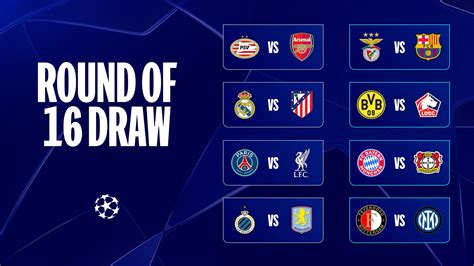
A deeper dive into the **technical execution of the draw** reveals the role of **draw assistants and UEFA officials**. The process is conducted using a combination of physical balls containing team names and pots, with strict oversight to ensure transparency. While the draw is often seen as ceremonial, the intricate rules behind it require careful planning. For example, after a team is drawn from Pot 1, the system must automatically filter out teams from the same association or those that fall under a prohibited clash. This real-time filtering is managed by UEFA's draw software, which ensures compliance with the rules without human error.
An often-overlooked nuance is the **impact of the draw order** on group composition. Teams from Pot 1 are drawn first, followed by Pot 2, and so on. This sequence means that the first team drawn into a group can significantly influence the dynamics of that group. For instance, if a strong Pot 2 team like Bayern Munich is drawn into a group with a relatively weaker Pot 1 team, it can immediately tilt the group's balance. This cascading effect underscores why the order of the draw is not merely procedural but strategically important.
Finally, it is worth noting that the **evolution of the rules** reflects the growing complexity of the tournament. In earlier iterations of the Champions League, geographical restrictions were less stringent, and pot allocations were simpler. However, as the competition has expanded to include more teams from diverse leagues, the rules have become more detailed to address new challenges. For example, the inclusion of champions from smaller associations in Pot 1 (thanks to their league title rather than club coefficient) has introduced an element of unpredictability, as these teams might lack the European pedigree of traditional giants.
In summary, the rules governing the Champions League group stage draw are a blend of competitive logic, logistical practicality, and commercial strategy. From the seeding system and pot allocations to geographical restrictions and real-time filtering, every aspect is designed to create a tournament structure that is both fair and engaging. While the process may appear straightforward on the surface, the underlying intricacies reveal a carefully calibrated system that balances sport, business, and geopolitics in one of football's most prestigious events.
Impact of the Draw on Team Strategies
The Champions League draw is a pivotal moment in the competition, not just for fans and broadcasters but also for the teams involved. The outcomes of the draw can significantly shape how teams approach their campaigns, influencing everything from tactical preparation to squad management and long-term fixture planning. Understanding the impact of the draw on team strategies requires delving into the nuances of how group compositions, travel logistics, and competitive dynamics interact with a team's overarching goals.
One of the most immediate effects of the draw is on tactical planning. When teams are placed in groups with opponents of varying strengths, coaches must evaluate their squad's capabilities against each specific opponent. For instance, being drawn against a European powerhouse like Bayern Munich or Manchester City demands a defensive-first approach for most teams, particularly those from smaller leagues. Coaches may prioritize shoring up their defense and training their players for low-block systems or counterattacks. Conversely, being paired with relatively weaker teams in the group stage might encourage a more aggressive, possession-oriented strategy. This variability forces teams to adopt flexible game plans that can adapt to the group's composition. The draw, therefore, serves as a catalyst for coaches to assess their squad's tactical flexibility and prepare for scenarios that might not arise in domestic leagues.
The draw also has a profound impact on fixture scheduling, both within the Champions League and in conjunction with domestic league matches. Teams drawn into groups with geographically distant opponents, such as Shakhtar Donetsk for Western European teams or clubs from Kazakhstan for others, face additional challenges related to travel. Long-haul flights, time zone changes, and recovery times can strain players physically and mentally. This often leads to rotation strategies where key players are rested for less critical domestic matches to ensure peak performance in European games. For example, a team like Paris Saint-Germain, with its star-studded squad, might rotate its starting XI more frequently in Ligue 1 when facing a packed Champions League schedule against far-flung opponents. On the other hand, teams with more compact travel demands—such as those in groups with geographically proximate rivals—can maintain a more consistent lineup across competitions.
Another layer of complexity arises from the competitive dynamics shaped by the draw. The Champions League group stage is designed to include teams from different pots based on their UEFA coefficients, which theoretically balances the groups. However, the reality is often different. A "Group of Death," where multiple strong teams are drawn together, can create a scenario where even elite teams are under immense pressure to secure points early. This dynamic can lead to high-stakes matches early in the campaign, forcing teams to adopt a win-at-all-costs mentality from the outset. For instance, being drawn with two other top-tier teams might push a club like Juventus to field their strongest lineup in every group stage match, even at the cost of domestic fatigue. In contrast, a favorable draw with one strong team and two perceived weaker sides allows for a more measured approach, where points can be accumulated steadily without overexerting the squad.
The draw also influences psychological and motivational factors within teams. A favorable draw can boost morale, as players and staff perceive a clearer path to the knockout stages. This can create a positive feedback loop where confidence in European success spills over into domestic performance. Conversely, an unfavorable draw can lead to a sense of resignation or overcompensation. For example, a team like Ajax, which often operates with a smaller budget compared to its group stage rivals, might feel the weight of being an underdog in a tough group. This can lead to a more conservative approach, focusing on damage limitation rather than outright domination. However, such scenarios can also inspire "underdog narratives," where teams rally around the challenge of proving themselves against superior opposition. These psychological nuances are often overlooked but play a significant role in shaping how teams perform in the competition.
The financial implications of the draw are another critical factor in team strategies. Advancing from the group stage is not just a matter of prestige but also a significant revenue driver. Teams that progress earn substantial prize money, which can be reinvested in squad improvements or operational costs. This financial incentive often leads teams to prioritize Champions League matches over domestic cup competitions or even certain league games. A favorable draw, where progression seems likely, might encourage a team to invest more heavily in European preparation, such as scouting opponents in greater detail or tweaking training regimens to suit the demands of midweek fixtures. Conversely, a tough draw might prompt a more conservative financial strategy, where resources are conserved for domestic survival rather than European glory.
The draw also has a ripple effect on squad depth and player management. Teams with thinner squads may struggle to compete on multiple fronts if drawn into a challenging group. This often forces managers to prioritize certain competitions, leading to difficult decisions about which games to emphasize. A team like Napoli, for instance, might choose to field a rotated side in Serie A matches bracketing tough Champions League fixtures against top-tier opponents. On the other hand, teams with deep squads, such as Manchester City or Real Madrid, can better absorb the demands of a challenging draw, rotating players without a significant drop in quality. This disparity in squad depth often exacerbates the competitive imbalance already present in the draw's outcomes.
Finally, the long-term strategic planning of clubs can be influenced by the draw. For teams with aspirations of sustained European success, the group stage draw can serve as a reality check, highlighting areas where the squad might need reinforcement. A club that struggles against technically gifted opponents in the group stage might prioritize signing players with better ball retention or defensive skills in the next transfer window. Similarly, a favorable draw that leads to unexpected success might embolden a club to invest more aggressively in its European ambitions, as seen with clubs like RB Leipzig, which has used strong Champions League performances to bolster its reputation and attract higher-profile players.
In summary, the Champions League draw is far more than a ceremonial event; it is a strategic inflection point for teams. From tactical adjustments and fixture management to psychological impacts and financial considerations, the draw shapes how teams navigate the competition. The interplay of these factors underscores the importance of the draw not just as a procedural step but as a determinant of a team's approach to both the immediate group stage and their broader European journey.
The Role of Neutral Venues and Logistics
The selection of venues and the associated logistical planning are integral yet often overlooked components of the UEFA Champions League draw process. While the draw itself is a high-profile event that determines matchups and group compositions, the underlying venue decisions and their associated logistics are deeply embedded in the competition's framework. These factors not only influence the operational feasibility of the tournament but also have a direct impact on team performance, fan engagement, and the overall spectacle of the event.
One of the primary considerations in venue selection is the concept of neutrality. Unlike domestic leagues where home advantage is a well-established factor, the Champions League emphasizes neutral grounds for key matches, particularly the final. This neutrality is designed to ensure a level playing field, removing the inherent advantage that a home stadium might provide. However, the process of selecting a neutral venue is not arbitrary. UEFA evaluates a range of criteria, including stadium capacity, infrastructure quality, accessibility, and the host city's ability to accommodate a large influx of fans, media personnel, and VIPs. For instance, venues like the Atatürk Olympic Stadium in Istanbul or Wembley Stadium in London are frequently chosen due to their world-class facilities and historical significance in European football.
The logistical challenges of hosting a Champions League match at a neutral venue are considerable. Unlike domestic fixtures, where teams and fans are accustomed to regular travel within a confined geographic area, Champions League matches often require international travel. This introduces complexities such as flight availability, visa requirements, accommodation, and security arrangements. For example, when a team from a smaller league qualifies for the group stage or knockout rounds, their travel demands might be significantly more taxing compared to teams from major footballing nations. A team like Sheriff Tiraspol from Moldova, which surprised the football world by reaching the group stage in recent years, faced logistical hurdles that were far more pronounced than those of established clubs like Barcelona or Bayern Munich. These challenges must be anticipated and mitigated during the draw process to avoid operational bottlenecks.
In addition to the final, the draw process also considers geographical proximity for earlier rounds to minimize travel burdens. While the draw is ostensibly random, UEFA often employs seeding and pot systems to group teams in ways that reduce travel distances where possible. For instance, teams from the same region—such as clubs from Eastern Europe—might be placed in groups that allow for shorter travel times. This approach not only reduces the physical strain on players but also lowers the carbon footprint of the competition, a factor increasingly under scrutiny in the context of sustainability goals. However, even with these efforts, the sheer scale of the tournament means that some teams will inevitably face long-haul travel, which can affect player recovery times and performance. Logistical planning must therefore account for contingency measures, such as charter flights and flexible scheduling, to address these potential disruptions.
Another critical aspect of venue selection is the economic and cultural impact on the host city. Hosting a Champions League match, especially a high-stakes knockout game or the final, can be a significant boon for local economies. Hotels, restaurants, and tourism-related businesses often see a surge in revenue during these events. However, this also places pressure on the host city to ensure smooth operations. UEFA works closely with local organizing committees to assess the readiness of a venue, including its ability to handle crowd control, provide adequate medical facilities, and manage broadcast requirements. For instance, the 2022 final in Paris faced criticism for logistical failures that led to overcrowding and security issues outside the Stade de France. Such incidents highlight the importance of robust planning and risk assessment during the venue selection process.
The role of broadcast and media logistics is another layer of complexity. The Champions League is a global event with millions of viewers tuning in from around the world. Venues must be equipped to support state-of-the-art broadcasting infrastructure, including high-definition cameras, commentary booths, and internet connectivity for live streaming. This requirement is particularly important for the final, where the global audience is at its peak. Additionally, the draw process itself must consider how venue logistics will affect media coverage. For example, if a venue is located in a remote area or lacks sufficient accommodation for media teams, it could complicate the ability to provide comprehensive coverage. UEFA often selects venues with proven track records in hosting major events to mitigate such risks.
The draw process also indirectly influences fan travel and engagement. While the draw determines matchups, the logistical feasibility of attending matches is a major concern for fans. For instance, if a team from Portugal is drawn against a team from Azerbaijan, the travel costs and time required for fans to attend away matches might deter significant numbers from making the journey. UEFA has occasionally faced criticism for group stage pairings that result in extreme travel distances, which can alienate fans and reduce the atmosphere in stadiums. In response, UEFA has explored measures such as clustering teams geographically in the early stages of the competition to encourage fan participation. However, this approach is not always feasible given the random nature of the draw and the diversity of participating teams.
A less visible but equally important aspect of venue logistics is the alignment with local calendars and events. UEFA must coordinate with host cities to ensure that the selected venue is not already committed to other major events, such as concerts, conventions, or other sporting tournaments. This requires detailed scheduling and coordination, often years in advance. For example, the decision to host the Champions League final in a city must consider the availability of not just the stadium but also ancillary facilities like training grounds, hotels, and transportation networks. Any clash with local events can lead to resource strain and logistical headaches.
Finally, emergency preparedness is a critical logistical factor. UEFA must evaluate the ability of a venue to handle unexpected scenarios, such as adverse weather conditions, security threats, or public health emergencies. The COVID-19 pandemic underscored the importance of this consideration, as several matches were relocated to neutral venues to comply with travel restrictions and health protocols. For instance, the 2020 final was moved from Istanbul to Lisbon due to the pandemic, demonstrating the need for flexibility and contingency planning in the draw and venue selection process.
In summary, the role of neutral venues and logistical considerations in the Champions League draw process is multifaceted and deeply intertwined with the competition's operational success. From ensuring fairness and minimizing travel burdens to supporting economic benefits for host cities and preparing for emergencies, these factors require meticulous planning and coordination. While the draw is often seen as a spectacle of anticipation and excitement, its underpinnings in venue selection and logistics are what enable the tournament to function as a seamless and globally revered event.
Criticisms and Controversies of the Draw Format
The UEFA Champions League draw format has long been a subject of scrutiny, with fans, pundits, and even participating clubs occasionally questioning its fairness and transparency. While the draw is designed to create compelling matchups and maintain competitive balance, it has faced a range of criticisms and controversies over the years. These concerns often stem from the perceived influence of UEFA, the mechanics of the draw process, and the broader implications for competition dynamics.
One of the most common criticisms revolves around the seeding system used in the draw. Teams are grouped into pots based on their UEFA club coefficients, which are calculated from their performance in European competitions over the past five seasons, as well as the performance of their national league. While this system is intended to reward consistent success and ensure that stronger teams are not grouped together in the group stage, it has been criticized for favoring established giants at the expense of smaller clubs. For instance, clubs from less competitive leagues often find themselves in lower pots regardless of their recent form, while historically successful teams like Real Madrid or Bayern Munich are almost always in Pot 1. This creates a scenario where lesser-known teams frequently face an uphill battle against top-tier opposition, leading to accusations of the system being stacked against underdogs.
Another point of contention is the country protection rule, which prevents teams from the same domestic league from being drawn against each other in the group stage. While this rule is ostensibly in place to avoid repetitive matchups and preserve domestic rivalry for later stages, it has been argued that it artificially skews the group stage dynamics. For example, this rule can result in imbalanced groups where a strong team from one league is paired with weaker teams from other leagues, while another strong team from the same league benefits from a comparatively easier draw. Critics argue that this undermines the randomness and unpredictability that should characterize a fair draw system.

The opaque nature of the draw ceremony itself has also raised eyebrows. Although UEFA insists that the process is entirely random, the use of physical balls and the theatrical nature of the event have sometimes led to speculation about potential manipulation. For instance, there have been claims—largely unsubstantiated but persistent in online forums—that the balls are temperature-controlled or otherwise marked to influence pairings. While these accusations lack concrete evidence, they point to a broader issue of trust in the process. UEFA has made efforts to increase transparency, such as livestreaming the draw and involving high-profile football personalities in the procedure, but the lingering doubts highlight the need for even greater clarity in how the draw is conducted.
A more structural criticism pertains to the financial and competitive advantages enjoyed by teams from wealthier leagues. Due to the way UEFA distributes prize money and television revenue, clubs from countries like England, Spain, and Germany often enter the competition with significant financial and infrastructural advantages. This creates a self-reinforcing cycle where these teams dominate not only the draw but also the later stages of the tournament. Smaller clubs, even if they manage to progress, often find themselves outmatched in terms of resources, which some argue makes the competition less about sporting merit and more about economic disparity. For example, when a team like Ajax or Atalanta achieves an unlikely deep run, their success is often framed as a David-versus-Goliath story rather than a reflection of an equitable system.
The knockout stage draw has also been a source of controversy. Unlike the group stage, where seeding and pot placements are determined beforehand, the knockout stage draw is entirely open (from the quarterfinals onward), meaning any team can face any other team. However, this openness has been criticized for potentially favoring certain narratives or matchups that are seen as more commercially appealing. For instance, high-profile clashes between traditional powerhouses like Barcelona and Manchester United are often seen as more desirable for TV audiences and sponsors than matchups involving less glamorous teams. While it is impossible to prove intentional bias, the perception of commercial interests influencing outcomes has fueled skepticism among fans.
Another layer of criticism involves the timing of the draw and its impact on team preparation. The Champions League draw takes place well in advance of the matches, giving teams time to scout opponents and adjust strategies. However, this has led to accusations that some teams are better equipped to exploit the system due to their superior resources for analysis and preparation. Richer clubs can send scouts to study potential opponents weeks in advance, while smaller clubs may lack the same level of access to data and personnel. This disparity can create an uneven playing field even before the matches begin, further entrenching the dominance of elite clubs.
There is also the issue of geographic and logistical concerns in the draw. For instance, teams from the same region are sometimes drawn together in ways that seem to prioritize minimizing travel distances rather than ensuring a purely random outcome. While this is framed as a practical consideration—particularly in the context of COVID-19 travel restrictions in recent years—it has been seen by some as another instance of the draw being tailored to convenience rather than fairness. For example, if two teams from Eastern Europe are kept apart to reduce travel burdens, it could inadvertently create a more favorable path for a Western European team in their group.
Perhaps the most enduring controversy lies in the perception of favoritism toward certain clubs or nations. Critics argue that UEFA, as an organization heavily reliant on the financial success of the tournament, may have a vested interest in ensuring that marquee clubs like Barcelona, Manchester City, or Paris Saint-Germain remain in the competition for as long as possible. While this is a contentious claim and difficult to substantiate, the optics of certain draws—particularly when high-profile teams avoid each other in the early knockout rounds—have fueled speculation about behind-the-scenes influences. This perception is exacerbated by UEFA’s dual role as both the organizer of the competition and a body that benefits financially from its success.
Lastly, the evolution of the format itself has sparked debates. Recent changes, such as the introduction of a Swiss-system group stage starting in the 2024-25 season, have been met with mixed reactions. While UEFA claims this format will increase competitiveness and provide more meaningful games, critics argue that it further favors bigger clubs by giving them more opportunities to accumulate points and recover from early setbacks. Some view this as a move away from tradition and a step toward prioritizing revenue generation over sporting integrity.
In summary, the Champions League draw format is a complex and often polarizing aspect of the competition. While it is designed to balance sporting merit, commercial appeal, and logistical practicality, it is not immune to perceived biases and controversies. Addressing these criticisms requires UEFA to not only defend the integrity of the process but also consider reforms that prioritize transparency, fairness, and the spirit of competition. Without such measures, the draw system risks being seen as a mechanism that perpetuates inequality rather than fostering the unpredictable and thrilling football that fans crave.
How Fans and Analysts Interpret the Draw
The UEFA Champions League draw is one of the most anticipated events in the football calendar, not just for the clubs involved but also for fans, media, and betting markets. The draw serves as a pivotal moment that shapes the narrative of the tournament, influencing perceptions of team prospects, matchups, and even the broader competitive landscape of European football. This section delves into how the draw is interpreted by these key stakeholders, focusing on its emotional, analytical, and economic dimensions.
For fans, the draw is a moment of both excitement and trepidation. Supporters of smaller clubs often view the draw as a barometer of their team's progress and legitimacy on the European stage. For instance, when a team like Club Brugge or Red Star Belgrade is drawn against a heavyweight like Real Madrid or Bayern Munich, the reaction is a mix of pride in their achievement and a sense of impending challenge. Fans of these underdog teams often interpret the draw as a rite of passage—a chance to test their mettle against the best, even if the odds are heavily stacked against them. Social media amplifies this sentiment, with hashtags, memes, and fan forums dissecting the perceived "fairness" of the draw. Fans of top-tier clubs, on the other hand, often scrutinize the draw for its potential to create "group of death" scenarios or, conversely, an "easy path" to the knockout stages. This perception is rooted in the seeding system, which fans often criticize for favoring traditional powerhouses and creating lopsided groups.
The media plays a significant role in shaping and amplifying how the draw is perceived. Sports journalists and pundits often frame the draw as a narrative device, emphasizing storylines such as historical rivalries, reunion matches, or underdog tales. For example, a draw that pairs Barcelona and Inter Milan might be presented as a clash of tiki-taka versus pragmatic football, while a group featuring Paris Saint-Germain, Newcastle United, and AC Milan might be hyped as a "group of glamour" due to the star power and historical significance of the clubs involved. Media outlets also use the draw to create clickable content, such as "easiest and toughest group" rankings or predictions about which teams are likely to advance. This framing not only influences fan expectations but also sets the tone for pre-match analyses and post-match critiques. Analysts often use advanced metrics, such as expected goals (xG) or squad strength indices, to provide a more objective lens on the draw's implications. However, even these analyses are colored by the inherent subjectivity of how teams are perceived based on their recent form or historical prestige.
The betting markets offer perhaps the most quantifiable interpretation of the draw. Bookmakers and oddsmakers react swiftly to the draw, adjusting outright winner odds, group winner probabilities, and match-specific lines within minutes of the draw's conclusion. For example, if a top-seeded team like Manchester City is drawn into a group with relatively weaker opponents, their odds of winning the tournament might shorten significantly, reflecting the perception of an easier path to the latter stages. Conversely, if a strong team like Liverpool is placed in a group with two other traditional powerhouses and a tricky underdog, their odds might drift outward, signaling increased perceived risk. Betting markets also provide insight into how the draw is interpreted in terms of relative strength. For instance, when a team like Napoli is drawn against clubs from less-heralded leagues, their implied probability of advancing might surge, even if their recent form suggests potential vulnerabilities. This dynamic highlights how the draw serves as a real-time test of how markets weigh perceived quality against actual performance.
Another fascinating aspect of how the draw is interpreted lies in the concept of perceived fairness. Fans and analysts often debate whether the seeding system and pot allocations are truly equitable. The UEFA coefficient system, which determines seeding, is frequently criticized for being too reliant on past performance rather than current form. For example, a team that has underperformed domestically but has a strong historical record in Europe might still be placed in Pot 1, while a rising power with better recent results might be relegated to Pot 3. This discrepancy often leads to accusations of the draw being "rigged" to favor certain clubs or leagues, particularly those with strong broadcasting and commercial appeal. While UEFA defends the system as a way to reward consistency over time, many fans and pundits argue that it undermines the competitive balance of the tournament. This debate often spills over into betting markets, where sharp bettors might exploit perceived inefficiencies caused by the seeding system's flaws.
The emotional weight of the draw also cannot be understated. For fans, the draw is not just about the matchups but also about the broader context of their team's journey. A favorable draw can ignite optimism and ticket sales, while an unfavorable one can lead to resignation or even anger. Media narratives often play into this emotional landscape, framing certain groups as "doomed" or "blessed." This emotional interpretation extends to betting behavior as well. Casual bettors might be more inclined to back their team after a favorable draw, even if the odds suggest a tougher path than it appears. Professional bettors, however, are more likely to analyze the draw through a lens of fixture congestion and travel distances, factors that can influence team performance but are often overlooked by casual observers.
From an analytical perspective, the draw also reveals intriguing patterns in how fans and media assess team strengths. For instance, the concept of "dark horses" often emerges post-draw, with certain teams being labeled as potential surprises based on favorable group placement. A team like RB Leipzig might be seen as a dark horse if drawn into a group with one heavyweight and two mid-tier teams, giving them a realistic shot at advancement. This label is often reinforced by media coverage and betting odds, which can create a self-fulfilling prophecy where the team gains momentum simply because they are perceived as a threat.
Finally, the globalization of football has added new layers to how the draw is interpreted. Streaming platforms and social media have made the draw accessible to a worldwide audience, leading to diverse interpretations based on regional biases. For example, fans in Asia might focus on how the draw impacts their time zones for viewing matches, while African fans might celebrate the inclusion of a team like Mamelodi Sundowns in the group stage. This global lens adds complexity to the draw's interpretation, as it is no longer just a European event but a truly international spectacle with far-reaching implications.
In summary, the Champions League draw is more than a procedural event—it is a moment of interpretation that shapes how fans, media, and betting markets view the tournament. Whether through emotional investment, analytical scrutiny, or economic stakes, the draw serves as a microcosm of football's broader dynamics, blending tradition, competition, and commerce into a singular, highly scrutinized event.
Conclusion and Future Outlook
The Champions League draw format plays a pivotal role in shaping the narrative of European football's most prestigious club competition. It is not merely a procedural step but a carefully designed mechanism that balances fairness, commercial appeal, and the drama that fans crave. By organizing teams into pots based on their UEFA coefficients and ensuring certain restrictions—such as no two teams from the same country being drawn in the same group—the format aims to maintain competitive integrity while generating compelling matchups. However, as the landscape of football evolves, so too must the systems that govern it. This section will explore the significance of the current draw format and propose potential improvements or changes to enhance its effectiveness for the future.
The importance of the draw format lies in its dual role of maintaining a sense of equity while amplifying the spectacle of the competition. The seeding system, for instance, rewards teams that have consistently performed well in domestic and European competitions by placing them in higher pots. This approach theoretically ensures that the strongest teams are spread across groups, reducing the likelihood of lopsided contests. Moreover, the prohibition of teams from the same association being drawn together in the group stage prevents domestic rivalries from overshadowing the international flavor of the tournament. These measures are critical in upholding the perception of fairness among clubs, players, and fans alike. Without such a structure, there would be a risk of accusations of favoritism or biases, which could undermine the competition's credibility.
However, the format is not without its limitations and criticisms. One of the most frequently raised concerns is the over-reliance on UEFA coefficients to determine seeding. While the coefficient system is designed to reflect recent performance, it can sometimes reward teams that have benefited from weaker domestic leagues or favorable draws in prior European campaigns. For example, a team from a top-five league might accumulate a high coefficient despite not consistently reaching the latter stages of the Champions League. This can lead to scenarios where a lower-ranked team from a less competitive league is seeded higher than a more deserving team from a mid-tier league. Such discrepancies can create imbalances in group compositions, with some groups becoming significantly more challenging than others—colloquially referred to as "groups of death." While this can add excitement, it may also lead to early exits for strong teams, which diminishes the overall quality of the knockout stages.
Another critique of the current format is its predictability in certain aspects. The restriction on teams from the same country meeting in the group stage, while practical, can sometimes dilute the unpredictability that makes the draw exciting. For instance, fans and analysts often anticipate which "big" teams will be grouped together based on the pot allocations, reducing the element of surprise. Additionally, the commercial emphasis on ensuring high-profile matchups—such as pitting traditional giants like Barcelona, Manchester United, or Real Madrid against one another—can sometimes feel engineered rather than organic. While these matchups are undeniably lucrative for broadcasters and sponsors, they can also create a sense of artificiality that detracts from the competition's sporting essence.
To address these issues, there are several potential improvements or changes that could be considered. One option is to revisit the seeding system to include more dynamic criteria. For example, instead of relying solely on UEFA coefficients, the draw could incorporate elements like recent Champions League performance (e.g., points earned in the group stage over the last three seasons) or even a weighted average of domestic league performance. This would provide a more nuanced picture of a team's current strength rather than one heavily influenced by past successes. Such a change could lead to more balanced group stages where teams are seeded based on their present form rather than historical achievements.
Another suggestion is to relax or modify the country protection rule in the group stage. While the intention behind this rule is understandable, it can sometimes feel overly restrictive. Allowing teams from the same association to be drawn together—perhaps with a limit of one such matchup per group—could inject fresh unpredictability into the competition. This change would not only create intriguing domestic showdowns on the European stage but also reduce the likelihood of certain teams being placed in overly favorable or unfavorable groups due to the current restrictions. For instance, the prospect of a group featuring two teams from the same league, such as Manchester City and Arsenal, could add a new layer of intensity and narrative to the group stage.
Furthermore, there is room to explore innovative approaches to the draw structure itself. One idea is to introduce a "wildcard" element where one or two slots in the group stage are determined by a playoff involving teams that narrowly missed automatic qualification. This would add an extra layer of drama and give smaller or emerging clubs a chance to compete for a place among Europe's elite. Such a system could also help address concerns about the dominance of teams from wealthier leagues by offering a pathway for underdogs to upset the established order.
The future outlook for the Champions League draw format must also consider the broader context of football's evolution. With discussions around the proposed European Super League and other potential reforms to club competitions, the draw format may need to adapt to accommodate new structures or expanded participant pools. For instance, if the Champions League were to include more teams or adopt a different group stage format (such as larger groups or a league-style system), the draw would need to be reimagined to maintain its core principles of fairness and excitement. Additionally, as fan engagement becomes increasingly digital, there is an opportunity to make the draw process more interactive and transparent. For example, UEFA could leverage augmented reality or live fan voting to involve supporters in aspects of the draw, such as selecting matchday themes or symbolic pairings.
Lastly, the draw format should not lose sight of its role in promoting the global appeal of the competition. While it is essential to cater to traditional powerhouses, there is also value in ensuring that smaller clubs and emerging markets feel they have a fair shot at success. Adjustments to the draw—such as creating pathways for teams from less prominent leagues to compete on equal footing—could help foster a sense of inclusivity. This approach would not only enhance the competition's reputation as a truly global event but also align with UEFA's stated mission of promoting football development across Europe.
In conclusion, the Champions League draw format is a cornerstone of the tournament's structure, balancing fairness, drama, and commercial imperatives. While it has served the competition well for decades, there is room for refinement to address its limitations and adapt to the changing dynamics of modern football. By considering dynamic seeding criteria, revisiting country protection rules, and exploring innovative draw mechanisms, UEFA can ensure that the draw remains a symbol of excellence and excitement. These changes would not only uphold the competition's integrity but also position it to thrive in an era of increasing complexity and global scrutiny. The draw format, much like the sport it governs, must evolve to stay relevant and continue capturing the imagination of fans worldwide.