Introduction to UCL Prize Money
The UEFA Champions League (UCL) is not just a showcase of Europe's finest footballing talent; it is also one of the most lucrative competitions in the world of sports. The UCL prize money system is a critical component of the competition's structure, providing financial incentives that influence team strategies, player acquisitions, and long-term sustainability for clubs. Understanding the intricacies of UCL prize money is essential to grasp how it shapes the competitive landscape of European football.
At its core, UCL prize money refers to the financial rewards distributed by UEFA to participating clubs based on their performance in the tournament. This system is designed to reward success and participation, creating a multi-tiered framework where clubs earn money for every stage they progress through, from group qualification to the final. However, the significance of this prize money extends far beyond simple monetary gain. It has profound implications for the financial health of clubs, the competitive balance of European football, and even the global perception of the sport.
The origins of UCL prize money can be traced back to the commercialization of European football in the late 20th century. The tournament, initially known as the European Cup, was rebranded as the Champions League in 1992. This shift was accompanied by a dramatic increase in broadcast rights deals, sponsorship agreements, and global viewership. UEFA recognized the potential to monetize the competition further and introduced a structured prize money system to incentivize clubs to perform at their best. This was not merely altruistic—it was a strategic move to ensure that the competition remained attractive to investors, broadcasters, and fans worldwide.
Today, the UCL prize money pool is funded primarily through broadcasting rights, which account for the lion’s share of revenue. For instance, in the 2023/2024 season, UEFA reported that broadcasting deals across multiple regions brought in over €3 billion. Additional revenue streams include sponsorships from global brands like Heineken, Gazprom, and Adidas, as well as ticket sales and merchandising. A portion of this revenue is allocated to solidarity payments for non-participating clubs in domestic leagues, but the bulk is reserved for UCL participants. This ensures that even clubs that exit in the early stages receive a financial boost, albeit smaller compared to those who advance further.
The distribution model of UCL prize money is tiered and multifaceted. Clubs receive a starting fee simply for qualifying for the group stage, which can range from €15 million to €20 million depending on the season. From there, performance-based incentives come into play. Each win in the group stage earns a club €2.8 million, while a draw nets €900,000. These figures may seem modest in isolation, but they accumulate rapidly for top-performing teams. For instance, a club that wins all six of its group stage matches could earn close to €16 million from this stage alone. This incentivizes clubs to field their strongest lineups and aim for maximum points, even in matches that might otherwise seem inconsequential.
Beyond the group stage, the rewards escalate significantly. Advancing to the round of 16 brings an additional €9.6 million, the quarterfinals €10.6 million, and the semifinals €12.5 million. The UCL winner receives an additional €20 million, while the runner-up takes home €15.5 million. These figures do not include the market pool share, a variable amount distributed based on the value of each country’s TV market and the club’s progress in the tournament. For clubs from nations with lucrative TV deals, such as England or Spain, this market pool can add tens of millions to their total earnings. This creates a scenario where clubs from financially powerful leagues have a distinct advantage, further deepening the competitive imbalance in European football.
The significance of UCL prize money in European football cannot be overstated. For many clubs, particularly those outside the elite tier, the financial rewards of UCL participation are a lifeline. Consider the case of clubs like Ajax or Porto, which operate in smaller domestic leagues but have historically punched above their weight in Europe. UCL prize money enables these clubs to invest in youth academies, upgrade facilities, and occasionally compete for high-profile signings. Without this revenue, such clubs might struggle to remain competitive on the continental stage, reinforcing the notion that the UCL is not just a sporting competition but also an economic battleground.
However, the prize money system also has its critics and controversies. One of the most significant issues is the widening gap between "superclubs" and smaller teams. Elite clubs like Real Madrid, Manchester City, and Bayern Munich consistently reach the latter stages of the tournament, accumulating vast sums of money year after year. This creates a self-perpetuating cycle where these clubs can reinvest their earnings into better players, facilities, and coaching staff, further cementing their dominance. Smaller clubs, even if they qualify for the UCL, often find it difficult to compete on an uneven playing field. This has led to debates about whether the prize money system inherently favors established powerhouses at the expense of emerging teams.
Another point of contention is the impact on domestic leagues. Clubs that prioritize UCL success may divert resources away from their domestic campaigns, leading to unbalanced competitions at the national level. For example, a mid-table club in the English Premier League might focus entirely on surviving in the UCL group stage to secure prize money, potentially neglecting their league position. This phenomenon has raised questions about whether the UCL’s financial incentives are skewing the priorities of clubs and diluting the importance of domestic titles.
From a global perspective, UCL prize money plays a pivotal role in shaping the narrative of European football as the pinnacle of the sport. The enormous sums involved make the competition a magnet for top talent, with players often citing Champions League participation as a key factor in their club choices. This not only elevates the UCL’s status but also deepens the divide between European football and other regions, such as South America or Asia, where financial rewards are comparatively modest. The prize money system thus reinforces Europe’s position as the epicenter of global football, with far-reaching implications for player migration, league development, and even fan allegiances.
In conclusion, UCL prize money is far more than a financial reward for performance; it is a cornerstone of the modern European football ecosystem. It drives competition, fuels club ambitions, and shapes the sport’s economic landscape. While it has undeniably enriched the tournament and its participants, it has also raised questions about fairness, sustainability, and the long-term health of the game. As UEFA continues to refine the prize money system in response to evolving challenges, its role in shaping the future of European football will remain a topic of intense scrutiny and debate.
Historical Evolution of UCL Prize Pools
The UEFA Champions League (UCL) has long been the pinnacle of European club football, not only in terms of prestige but also in financial rewards. The **historical evolution of UCL prize pools** reveals a fascinating trajectory that mirrors the growing commercialization and global appeal of the sport. From modest beginnings to the multi-million-euro payouts of today, the prize money structure of the Champions League has undergone significant transformation, driven by factors such as television rights, sponsorship deals, and the increasing importance of elite club competitions in the global sports economy.
The origins of the UCL, initially known as the European Cup, were humble. When the tournament was launched in **1955**, there was no formalized prize money system. Clubs participated primarily for honor and the chance to be crowned the best in Europe. Financial incentives were minimal, often limited to gate receipts and small subsidies for travel. The competition was less about monetary gain and more about establishing a continental legacy. However, as football became more commercialized in the **1970s and 1980s**, the financial landscape began to shift. Clubs started to see European success as a pathway to greater revenue, not just through direct participation but also through increased fan engagement, merchandise sales, and sponsorship opportunities.
The introduction of a formalized **prize money structure** came later, during the rebranding of the European Cup into the Champions League in **1992**. This shift was driven by UEFA’s desire to create a more lucrative and marketable tournament. The early 1990s saw the advent of exclusive television deals, particularly with broadcasters willing to pay hefty sums for the rights to air matches. For the 1992–93 season, the total prize money distributed was around **€23 million**, a figure that seems modest by today’s standards but was significant at the time. The winner of the inaugural Champions League, Marseille, received approximately **€2.4 million**—a sum that underscored the growing financial stakes of European success.
Over the next decade, the prize pool expanded rapidly. By the **2000s**, the UCL had established itself as a cash cow for participating clubs. The introduction of group stages in the 1990s had already increased the number of matches, which in turn amplified revenue from broadcasting rights. For instance, in the **2003–04 season**, the total prize money had grown to around **€400 million**, with the winner (Porto in this case) earning close to **€30 million**. This growth was fueled by the entry of major sponsors like **Heineken**, **Ford**, and **Sony**, as well as long-term broadcasting deals with networks such as Sky Sports and Canal+. The financial model was now firmly geared toward rewarding performance while also providing participation bonuses to ensure that even smaller clubs had an incentive to compete.
A critical turning point in the evolution of UCL prize money came in the **2010s**, as the tournament’s global audience expanded exponentially. This was the era of **digital streaming** and the rise of platforms like YouTube and social media, which allowed UEFA to monetize not just live matches but also highlights, replays, and ancillary content. The 2012–13 season saw a total prize pool of approximately **€900 million**, with the winner (Bayern Munich) pocketing close to **€55 million**. This period also marked the implementation of a more nuanced distribution model, where clubs were rewarded not only for their performance in the tournament but also for their historical coefficient rankings and the market pool share based on the value of their country’s television rights. This approach ensured that clubs from wealthier footballing nations, such as England, Spain, and Germany, received disproportionately higher payouts compared to those from smaller leagues.
The **2020s** have seen the UCL prize pool reach unprecedented levels. For the **2021–22 season**, UEFA announced a total distribution of over **€2 billion**, with the winner (Real Madrid) earning upwards of **€120 million** when factoring in performance bonuses, market pool shares, and other revenue streams. This exponential growth can be attributed to several factors: the ever-increasing value of broadcasting rights, particularly in emerging markets like the United States and Asia; the entry of new, deep-pocketed sponsors such as **Expedia** and **Pepsi**; and the creation of additional revenue streams through digital platforms. Moreover, UEFA’s introduction of the **“Swiss model”** for the 2024–25 season, which will expand the number of matches in the group stage, is expected to further inflate the prize pool as more games mean more advertising and subscription revenue.
One of the most interesting aspects of this evolution is the **disparity it has created** within European football. While the top-tier clubs from major leagues have benefited immensely from the growing prize pools, smaller clubs and leagues have struggled to compete. For instance, a club from a lower-ranked league might earn a few million euros for reaching the group stage, but this pales in comparison to the windfall enjoyed by established giants like Barcelona, Manchester City, or Bayern Munich. This disparity has fueled debates about the **financial sustainability of smaller clubs** and has even contributed to proposals for breakaway competitions like the ill-fated **European Super League** in 2021, which sought to address revenue imbalances by offering guaranteed payouts to founding members.
Another unique insight is the role of **economic recessions and global events** in shaping prize money trends. For example, the **2008 financial crisis** had a temporary dampening effect on sponsorship and broadcasting revenues, leading to a slower growth rate in prize money during the late 2000s. Similarly, the **COVID-19 pandemic** in 2020 caused a reduction in projected revenues for the 2019–20 season, as matches were played without spectators and some sponsorship deals were renegotiated. However, the resilience of the UCL as a brand ensured that prize money rebounded quickly in subsequent seasons, underscoring the tournament’s status as a financial juggernaut.
It is also worth noting the **regional variations** in how prize money is perceived and utilized. For clubs in smaller leagues, even a modest UCL payout can be transformative, allowing them to invest in infrastructure, youth academies, or player acquisitions. In contrast, for elite clubs in wealthier leagues, UCL prize money is often a drop in the ocean of their overall revenue, used more for reinforcing dominance than for survival. This dynamic highlights how the evolution of prize pools has not only rewarded success but also deepened the divide between the haves and have-nots of European football.
- The **1990s** marked the formalization of prize money, with payouts growing from a few million to tens of millions.
- The **2000s** saw the introduction of more complex distribution models tied to performance and market pools.
- The **2010s** brought digital monetization and exponential growth in total prize pools.
- The **2020s** have cemented the UCL as a multi-billion-euro enterprise, albeit with growing concerns about inequality.
In conclusion, the **historical evolution of UCL prize pools** is a story of exponential growth driven by commercialization, globalization, and the insatiable demand for top-tier football content. While the financial rewards have enabled clubs to achieve new heights of success, they have also raised questions about the long-term sustainability of the sport’s competitive balance. As the Champions League continues to evolve, its prize money structure will remain a barometer of the broader economic forces shaping modern football.
Breakdown of UCL Prize Money Structure
The UEFA Champions League (UCL) is one of the most prestigious club football tournaments in the world, drawing massive attention not only for its thrilling matches but also for the significant financial rewards it offers to participating teams. Understanding the breakdown of UCL prize money structure requires delving into the various components that contribute to the overall earnings of clubs. These components are structured to incentivize performance at every stage of the competition, from the group phase to the final match. This section explores these elements in detail, shedding light on how prize money is distributed and the strategic financial implications for clubs.
The group stage rewards form the foundation of the UCL prize money structure. Teams that qualify for the group stage are guaranteed a fixed participation fee, which serves as a baseline earning. For the 2023/2024 season, for instance, each of the 32 teams received approximately €15.64 million simply for making it to this stage. This fee alone underscores the financial allure of the competition, as even teams that do not advance beyond the group stage can secure a substantial sum. However, the group stage also includes performance-based incentives. Teams earn €2.8 million for each win and €930,000 for each draw. This creates a dynamic where even within the group stage, clubs are motivated to perform at their best to maximize their earnings. A team that wins all six of its group stage matches, for example, can add €16.8 million to its baseline fee, bringing its group-stage total to over €32 million. This structure not only rewards success but also fosters competitive balance by encouraging teams to prioritize results in every match.
Beyond the group stage, the competition introduces progression bonuses that escalate as teams advance through the knockout rounds. These bonuses are a critical element of the prize money structure, as they reflect the increasing stakes of the tournament. A club that qualifies for the round of 16 receives an additional €9.6 million, while progression to the quarter-finals nets €10.6 million. The semi-finals offer €12.5 million per team. These incremental rewards ensure that clubs are financially incentivized to maintain high performance throughout the competition. For example, a team that reaches the semi-finals after winning all its group stage matches could accumulate over €55 million in prize money before even factoring in other revenue streams like broadcasting rights or market pool shares. This progression-based system is particularly advantageous for smaller or less resourced clubs that manage to outperform expectations, as it provides them with resources to reinvest in their squads or infrastructure.
The finals payouts represent the pinnacle of UCL prize money distribution. The two teams that reach the final are guaranteed significant rewards, with the winner earning more than the runner-up. For the 2023/2024 season, the champion received €20 million, while the runner-up was awarded €15.5 million. This differential not only underscores the prestige of winning the tournament but also has long-term financial implications. Winning the UCL often leads to increased commercial opportunities, such as higher sponsorship deals, merchandise sales, and a greater share of market pool revenue. Additionally, the exposure of being crowned European champions can elevate a club’s global brand, attracting top-tier players and further enhancing its competitive edge. It is worth noting that the finals payouts are not standalone; they are layered on top of the earnings from earlier stages. A team that wins the tournament after a flawless group stage and knockout run could amass well over €100 million in total prize money, making the competition a financial game-changer for any club.
Another nuance of the prize money structure is the market pool allocation, which varies by country and is determined by the value of each nation’s TV rights deal. This component is less predictable than the fixed fees and performance bonuses but can significantly augment a team’s total earnings. For example, clubs from countries with lucrative broadcasting agreements, such as England or Spain, often receive higher market pool shares compared to teams from smaller markets. This creates a disparity where clubs like Manchester City or Real Madrid might earn tens of millions more than a team from a less commercially attractive league, even if their on-pitch performance is similar. While this system has been criticized for favoring wealthier leagues, it also reflects the economic realities of modern football, where broadcasting rights are a major revenue driver.

The structure of UCL prize money also has strategic implications for club management. For many teams, especially those with limited resources, the financial windfall from deep runs in the competition can be transformative. For instance, a club like Ajax in 2019 leveraged its unexpected run to the semi-finals to secure significant funds, which were reinvested in youth development and scouting. Conversely, established giants like Barcelona or Bayern Munich often use UCL prize money to maintain their competitive edge, covering high wages for star players or funding ambitious transfer moves. This dual-purpose nature of the prize money—serving both as a reward for success and a tool for sustainability—highlights its importance in the broader football ecosystem.
It is also worth considering how the UCL prize money structure interacts with Financial Fair Play (FFP) regulations. UEFA’s rules aim to ensure that clubs operate within their means and do not accumulate unsustainable debt. While prize money can provide a significant cash injection, it must be managed responsibly to avoid breaching FFP guidelines. Clubs that overspend in pursuit of UCL success risk sanctions, which can include fines or exclusion from future competitions. This interplay between prize money and financial regulation adds another layer of complexity to how clubs approach the tournament, as they must balance ambition with fiscal prudence.
Additionally, the UCL prize money structure has ripple effects on player contracts and transfers. Clubs often include performance-based clauses in player contracts tied to UCL progression. For example, a player might receive a bonus for reaching the knockout stages or winning the tournament. This not only motivates players to perform but also aligns their incentives with the club’s financial goals. Furthermore, the promise of UCL prize money can influence transfer strategies, as clubs may target players who can help them qualify for or advance in the competition, knowing the financial rewards that await.
In summary, the UCL prize money structure is a multi-faceted system designed to reward performance while driving the financial health of participating clubs. From the guaranteed group stage fees to the escalating progression bonuses and the lucrative finals payouts, each component serves a specific purpose. The inclusion of market pool shares and the influence of FFP regulations further complicate the landscape, requiring clubs to strategize not just on the pitch but also in their financial planning. This intricate structure ensures that the UEFA Champions League remains a high-stakes competition, both in terms of sporting glory and financial gain.
Case Study: Recent UCL Prize Money Winner
The UEFA Champions League (UCL) is one of the most prestigious club football competitions in the world, offering not only glory on the field but also substantial financial rewards for the teams that excel. In this case study, we delve into the financial trajectory of a recent UCL prize money winner—**Manchester City**, the 2022-2023 champions—to understand how their victory translated into monetary gains and how they utilized this influx of funds to further their ambitions.
Manchester City's victory in the 2022-2023 UCL season was a landmark moment for the club. After years of dominance in the English Premier League, their maiden UCL title brought them not just sporting prestige but also a significant financial windfall. The total prize money for winning the UCL is distributed across several components, including performance-based payouts, market pool shares, and participation bonuses. For the 2022-2023 season, the champions were estimated to have earned around **€120 million** from UEFA directly, excluding additional revenue from ticket sales, merchandise, and broadcasting rights.
Breaking this down, Manchester City received a base fee for participating in the group stage, which is approximately **€15.64 million** for all teams. Their progression through each knockout stage added further financial incentives: **€9.6 million** for reaching the round of 16, **€10.6 million** for the quarterfinals, **€12.5 million** for the semifinals, and a **€20 million** bonus for winning the final. On top of this, performance-based payouts for match wins and draws during the group stage contributed an additional sum. Manchester City's strong group stage showing—winning five out of six matches—added to their earnings, reflecting the importance of consistent performance in maximizing UCL prize money.
However, the financial story does not end with UEFA's direct payouts. The **market pool share**, which varies based on the broadcasting deals in a team’s home country and their historical performance in the competition, played a critical role. As a top-tier English club with a massive domestic and international fanbase, Manchester City benefited from one of the higher market pool allocations. This component often represents a significant proportion of the total earnings for clubs from countries with lucrative TV rights deals, such as England.
Beyond the direct financial gains, Manchester City leveraged their UCL victory to enhance their **brand value**. Winning the UCL elevated their status globally, particularly in markets where European success is a key metric of a club's prestige. This opened new revenue streams, such as increased sponsorship deals and higher merchandise sales. For instance, following their win, Manchester City saw a surge in demand for branded merchandise, with jerseys featuring the UCL badge becoming a hot commodity. This not only boosted short-term revenue but also reinforced their position as a "global superclub," a status that can have long-term financial implications, such as attracting better commercial partnerships.
The club also used the prize money strategically to **reinforce their squad**. While Manchester City already operates with a robust financial structure backed by their ownership group, the UCL winnings provided an opportunity to reinvest in areas that could sustain their dominance. For example, they allocated a portion of the funds to secure key player contracts, ensuring that star performers like **Erling Haaland** and **Kevin De Bruyne** remained central to their project. Additionally, the club invested in youth development programs, recognizing that sustainable success in European competitions requires a pipeline of talented players.
Another notable use of the prize money was in **infrastructure investment**. Manchester City has long been known for its state-of-the-art facilities, particularly the Etihad Campus. The UCL winnings allowed them to further enhance these facilities, focusing on areas like data analytics, sports science, and recovery technologies. These investments are not immediately visible to fans but are crucial for maintaining a competitive edge in a sport where marginal gains can make the difference between winning and losing.
It is also worth noting how the UCL victory influenced **financial sustainability**. While Manchester City has faced scrutiny over its financial practices in the past, the UCL prize money provided a legitimate boost to their revenue streams without relying solely on owner injections. This aligns with UEFA's Financial Fair Play (FFP) regulations, which aim to ensure clubs operate within their means. By channeling the prize money into revenue-generating activities like sponsorship and infrastructure, Manchester City demonstrated how prize money can be utilized not just for immediate gratification but for long-term growth.
However, the utilization of UCL prize money is not without challenges. One of the criticisms leveled at top-tier clubs is the potential for such windfalls to widen the gap between elite teams and smaller clubs. Manchester City's ability to reinvest their UCL earnings into an already world-class setup could be seen as exacerbating the financial disparity in European football. This dynamic underscores the dual-edged nature of prize money: while it rewards success, it can also entrench existing hierarchies within the sport.
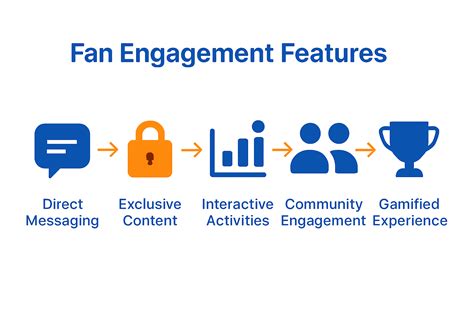
From a **fan engagement perspective**, the UCL win provided Manchester City with an opportunity to deepen their connection with their supporter base. The club launched exclusive content campaigns, such as behind-the-scenes documentaries and commemorative merchandise, which not only celebrated the victory but also monetized the emotional high of the fans. This approach highlights how modern football clubs view prize money not merely as a financial asset but as a catalyst for broader fan-centric initiatives.
In terms of **comparison with other winners**, Manchester City's approach to utilizing their prize money is distinct in its blend of squad investment, infrastructure upgrades, and fan engagement. For instance, when Liverpool won the UCL in 2019, a significant portion of their earnings was directed toward reducing debt and stabilizing their financial position. In contrast, Manchester City's strong financial foundation allowed them to focus on growth rather than stabilization, reflecting their unique position in the football ecosystem.
In conclusion, Manchester City's handling of their UCL prize money in the 2022-2023 season provides a compelling case study in how a club can translate on-field success into sustainable financial and strategic growth. Their diversified approach—spanning reinvestment in the squad, infrastructure development, and fan engagement—demonstrates a forward-thinking model that other clubs might seek to emulate. At the same time, their story raises broader questions about the role of prize money in shaping the competitive landscape of European football. While the financial rewards of UCL success are undeniable, they also highlight the need for a more equitable distribution of resources to ensure the long-term health of the sport.
Impact on Club Finances and Budgets
The financial landscape of modern football is deeply influenced by prize money, particularly for clubs that compete at the highest levels of European competition. Winning the UEFA Champions League (UCL) is not just a matter of prestige but also a significant financial windfall that can reshape a club's financial trajectory. This section delves into how UCL prize money impacts club revenues, transfer budgets, and operational costs, highlighting the nuanced ways in which this prize money alters the economic framework of football clubs.
To begin with, the direct injection of prize money into club revenues is one of the most immediate and tangible effects of winning the UCL. In recent years, the total prize pool for the Champions League has exceeded €2 billion, with the winner taking home a significant share. For the 2023-2024 season, for instance, the winner could earn upwards of €100 million when factoring in performance bonuses, market pool shares, and television rights. This sum is not merely a lump sum reward but a critical component of a club's revenue stream. For clubs with tight financial margins or those reliant on external funding (such as loans or owner investments), this prize money can act as a stabilizing force. It reduces dependency on high-interest loans or owner bailouts, allowing clubs to reinvest in sustainable growth rather than merely servicing short-term financial needs.
However, it is important to note that the prize money is not evenly distributed among all clubs in the competition. A club's share is influenced by its progression through the tournament, the market pool (which varies by country and broadcast deals), and historical performance metrics. For example, a club from a smaller footballing nation with limited broadcast revenue may receive a smaller market pool allocation compared to a club from England or Spain, even if both reach the same stage. This disparity means that for some clubs, UCL success can disproportionately amplify their financial advantage, creating a self-reinforcing cycle of success where larger clubs with more resources continue to dominate.
The impact on transfer budgets is perhaps the most visible and widely discussed consequence of UCL prize money. Clubs that win or perform well in the tournament often use their newfound wealth to strengthen their squads. This can take several forms. First, the prize money can directly fund high-profile transfers. For instance, after Liverpool won the UCL in 2019, they were able to reinvest in players like Thiago Alcântara and Diogo Jota, bolstering their squad for subsequent campaigns. This approach is particularly common among clubs aiming to maintain their competitive edge in domestic and European competitions. However, the use of prize money for transfers is not always straightforward. Clubs must balance the desire to spend on marquee signings with the need to adhere to Financial Fair Play (FFP) regulations. UCL prize money, while substantial, is not a carte blanche for unchecked spending. Clubs must demonstrate that their revenues are sustainable and that prize money is not merely a one-off boost used to inflate transfer fees.
Another dimension of transfer budgets influenced by UCL prize money is the club's ability to retain key players. Winning the UCL often leads to increased market value for a club's star players. While this can be a double-edged sword (as it may attract interest from wealthier clubs), the financial cushion provided by prize money allows clubs to offer improved contracts to their top talents. For instance, after Chelsea's UCL victory in 2021, they were able to secure long-term deals for players like Mason Mount and Reece James, ensuring squad stability. This retention strategy is often overlooked but is a critical aspect of how prize money stabilizes a club's on-field performance by reducing turnover and the need for costly replacements.
Beyond transfers, UCL prize money also affects operational costs in ways that are less apparent but equally impactful. Running a football club involves a vast array of expenses, from stadium maintenance and youth academy development to marketing and administrative overheads. Prize money can alleviate some of these pressures. For example, clubs often allocate a portion of their UCL earnings to upgrading facilities. This might include expanding stadium capacity to generate higher matchday revenues or investing in state-of-the-art training facilities to attract and retain top talent. These investments are not immediate revenue generators but are crucial for long-term competitiveness. A club like Ajax, which reached the UCL semifinals in 2019, used part of its prize money to modernize its youth academy, reinforcing its reputation as a talent factory.
Another operational aspect influenced by UCL prize money is the club's ability to manage wage bills. Football clubs operate in a highly competitive labor market where player salaries often consume the majority of revenue. UCL success provides clubs with the financial leeway to increase wage budgets without jeopardizing their overall financial health. This is particularly important for clubs aiming to attract top-tier talent while remaining within FFP limits. However, there is a risk of wage inflation if prize money is disproportionately directed toward player salaries. Clubs must strike a balance between rewarding their players for success and ensuring that operational sustainability is not compromised.
An often-underestimated impact of UCL prize money is its role in sponsorship and commercial revenue growth. Winning the UCL enhances a club's global brand, making it more attractive to sponsors and commercial partners. For instance, after Real Madrid's repeated UCL successes in the 2010s, their sponsorship deals with brands like Adidas and Emirates saw significant upgrades. This indirect financial benefit is not accounted for in the direct prize money but is a critical downstream effect. Clubs can use their enhanced brand value to negotiate better terms for kit sponsorships, stadium naming rights, and merchandising deals. In this way, UCL prize money serves as a catalyst for a broader financial ecosystem that extends beyond the immediate cash injection.
However, there are potential pitfalls associated with relying heavily on UCL prize money. Clubs that become overly dependent on this revenue stream may find themselves in financial distress if they fail to qualify for subsequent editions of the tournament. This is particularly true for clubs with high fixed costs, such as large wage bills or expensive stadium loans. A notable example is AC Milan in the mid-2010s, which struggled financially after a period of UCL absence. The club's reliance on UCL revenue left it vulnerable when it failed to qualify, leading to a period of austerity and reduced competitiveness. This underscores the need for clubs to use UCL prize money as a stepping stone toward broader financial diversification rather than a crutch for short-term survival.

In conclusion, the impact of UCL prize money on club finances and budgets is multifaceted. It provides an immediate boost to revenues, enabling clubs to strengthen transfer budgets, retain key players, and invest in operational improvements. However, it also presents challenges, such as the need to manage FFP compliance, avoid over-reliance on this revenue stream, and balance short-term spending with long-term sustainability. Clubs that use UCL prize money strategically—investing in both immediate needs and future-proofing measures—are better positioned to leverage their success into sustained growth. This dynamic highlights how prize money is not just a reward for on-field excellence but a critical tool in shaping the financial health and competitive future of football clubs.
Comparison with Other Tournaments' Rewards
The UEFA Champions League (UCL) is widely regarded as the pinnacle of club football competitions, not only for its prestige but also for the substantial financial rewards it offers to participating teams. However, when placed in comparison with other major tournaments such as the Europa League or domestic leagues like the English Premier League (EPL), La Liga, or Serie A, the structure and scale of prize money reveal interesting dynamics. This section delves into these comparisons to understand how UCL prize money stacks up and what it signifies in the broader context of football economics.
To begin with, the UEFA Champions League offers a reward system that is heavily tiered, incentivizing progression through the tournament. For the 2023/2024 season, for instance, simply participating in the group stage guaranteed clubs a minimum of €15.64 million. Additional performance bonuses, such as €2.8 million for a win and €930,000 for a draw in the group stage, further augmented this figure. As teams advanced, the financial rewards escalated significantly—reaching the round of 16 added €9.6 million, the quarterfinals €10.6 million, and the semifinals €12.5 million. The eventual winner of the UCL could earn upwards of €85 million from UEFA distributions alone, excluding market pool shares and other revenue streams like ticket sales and sponsorship deals.
In contrast, the Europa League, while still a prestigious tournament, offers significantly lower prize money. For the same season, group stage participation in the Europa League provided clubs with €3.63 million, less than a quarter of the UCL equivalent. Wins in the group stage were rewarded with €630,000, and draws with €210,000. The financial gap widens as the tournament progresses—reaching the final of the Europa League could bring a club around €15-20 million in UEFA prize money, assuming they performed well in earlier rounds. While this is a respectable sum, it pales in comparison to the UCL winner’s earnings. This disparity is not merely a reflection of the UCL’s higher viewership and commercial appeal but also UEFA’s deliberate strategy to position the Champions League as the premium competition.
Domestic leagues, such as the English Premier League, present a different model of prize distribution. Unlike UEFA tournaments, domestic leagues do not operate on a knockout system with escalating rewards. Instead, prize money is primarily determined by final league standings and broadcast revenue shares. For example, the EPL’s total prize pool for the 2022/2023 season was approximately £2.5 billion, with the champions earning around £160-170 million, including TV rights and merit payments. While this figure may seem larger than the UCL winner’s earnings at first glance, it is important to note that this is a cumulative figure combining broadcast revenue, merit-based payments, and other league-specific earnings. A direct comparison of the "winner’s prize" shows that the UCL still offers a more concentrated financial incentive for a single competition.
Another key point of comparison is the market pool, which varies significantly across tournaments. The UCL’s market pool is heavily influenced by the broadcasting deals in a club’s home country. For instance, clubs from countries with lucrative TV rights deals, like England or Spain, often receive higher market pool shares than those from smaller markets. This dynamic means that a UCL-winning club from a top-five league can often double or triple its UEFA-provided prize money through these additional revenues. In the Europa League, the market pool is smaller, and domestic leagues do not have a comparable mechanism—their revenues are more evenly distributed across all participating teams rather than being heavily weighted toward the winners.
The financial implications of these differences extend beyond the immediate prize money. For clubs, participation in the UCL is a financial game-changer. The prestige of the tournament attracts better sponsorships, higher ticket sales, and enhanced global exposure, which can lead to long-term revenue growth. For example, a mid-table team in a domestic league that qualifies for the UCL can see its annual revenue jump by 20-30% due to the windfall from UEFA payouts and associated benefits. In contrast, the Europa League offers a more modest boost, often insufficient to bridge the gap between mid-tier and elite clubs. Domestic league rewards, while substantial for top-performing teams, are distributed more evenly and do not have the same "winner-takes-all" dynamic as the UCL.
Another dimension to consider is the impact of prize money on competitive balance. The UCL’s generous rewards create a self-perpetuating cycle where elite clubs with consistent participation can reinvest their earnings into better squads, further entrenching their dominance. This phenomenon is less pronounced in domestic leagues, where revenue sharing and parachute payments for relegated teams aim to maintain some level of competitiveness. The Europa League, despite its lower rewards, plays a critical role in providing financial support to clubs outside the UCL elite, but it does not offer the same transformative potential for long-term growth.
When analyzing regional tournaments like the Copa Libertadores in South America, the prize money disparity becomes even more evident. The Copa Libertadores winner might earn around $20-25 million in total, including all stages, which is closer to the Europa League’s scale than the UCL’s. This reflects the economic realities of football in different regions, where broadcasting deals and commercial revenues are not as robust as in Europe. However, the cultural and sporting significance of these tournaments often outweighs their financial rewards, making them equally important in their contexts.
It is also worth noting that the UCL’s financial model is designed to reward not just the winner but also participants across the board. Even teams that exit in the group stage or earlier knockout rounds take home substantial sums, which can be reinvested in infrastructure, youth development, or player acquisitions. Domestic leagues and the Europa League, while still lucrative for top performers, do not provide the same level of financial safety net for lower-performing participants.
In summary, the UCL’s prize money structure is uniquely positioned to offer both immediate financial rewards and long-term competitive advantages. While domestic leagues provide higher cumulative earnings for top teams, the concentrated nature of UCL rewards makes it the most financially attractive competition for clubs aiming to elevate their status. The Europa League, though a valuable platform, serves a different purpose—supporting clubs that are not yet at the elite level. This comparison underscores the UCL’s role not just as a football tournament but as a financial cornerstone of European club football, setting it apart from other major tournaments in both scale and impact.
Role of Prize Money in Player Acquisition
The role of prize money in shaping a football club's ability to sign or retain top-tier players is both direct and multifaceted. In the modern era of football, where financial resources often dictate success on the pitch, prize money serves as a critical revenue stream that can significantly influence a club's transfer and retention strategies. Clubs that consistently perform well in high-stakes competitions, such as the UEFA Champions League (UCL), are positioned to leverage their financial windfalls to attract and secure elite talent. This section delves into the mechanisms by which prize money impacts player acquisition, with a focus on its ripple effects across club budgets, player expectations, and competitive positioning.
One of the most immediate impacts of UCL prize money is its contribution to a club's overall revenue base. For instance, the 2022-2023 UCL season saw the winning club, Real Madrid, take home approximately €130 million in total earnings, including performance bonuses, market pool shares, and other associated revenues. This injection of funds can be channeled into various operational areas, but one of the most visible uses is in bolstering the squad. Clubs with substantial prize money earnings can afford higher transfer fees and wages, which are often the deciding factors in luring top players. A club like Manchester City, which has regularly featured in the later stages of the UCL, can point to its consistent financial growth as a key factor in attracting players like Erling Haaland, whose signing was partially enabled by the club's robust revenue streams.
However, prize money is not just about the raw numbers; it also signals prestige and ambition to potential recruits. A club that frequently competes for and wins UCL titles is perceived as a destination where players can achieve personal and professional milestones. This perception is particularly important for players in the prime of their careers who are looking to join teams that offer both financial rewards and a platform for sporting greatness. For example, when Paris Saint-Germain (PSG) began its aggressive pursuit of UCL glory in the 2010s, its increased prize money earnings allowed it to sign players like Neymar and Kylian Mbappé. While the transfer fees were record-breaking, the club’s ability to maintain its position as a top-tier competitor in European football was underpinned by its financial gains from UCL participation and performance. Prize money thus acts as a self-reinforcing cycle: success on the pitch leads to financial rewards, which in turn enable further success by attracting better players.
The influence of prize money is also evident in the context of player retention. Top-tier players are often courted by rival clubs offering lucrative contracts. For a club to retain such players, it must not only match or exceed these offers but also demonstrate that it can provide a competitive environment where the player can continue to win titles and earn bonuses. Prize money contributes to this by ensuring that clubs have the financial flexibility to offer improved contracts without jeopardizing their long-term stability. For instance, Liverpool's back-to-back deep runs in the UCL in the late 2010s provided the club with the resources to retain key players like Mohamed Salah and Virgil van Dijk, even amidst interest from other European giants. The promise of continued participation in high-profile competitions, coupled with the financial security afforded by prize money, often convinces players to stay rather than seek greener pastures.
Another critical aspect is how prize money influences club infrastructure and marketability. While the direct transfer of prize money into player salaries and transfer fees is evident, the indirect benefits are equally significant. Clubs that earn substantial UCL prize money can reinvest in facilities, training grounds, and youth academies, creating an ecosystem that appeals to players seeking long-term development and stability. A club like Bayern Munich, which has a history of prudent financial management coupled with consistent UCL success, uses its prize money not just to sign star players but also to maintain a world-class training environment. This holistic approach enhances the club's appeal to players who value both immediate rewards and long-term career growth.
It is also worth examining how prize money affects competitive balance in player acquisitions. Smaller or less financially robust clubs that manage to overperform in the UCL—such as Ajax in the 2018-2019 season—can use their unexpected windfalls to punch above their weight in the transfer market. Ajax's run to the semi-finals that year, which brought in around €100 million in prize money and related revenues, allowed the club to resist immediate fire sales of its star players like Frenkie de Jong and Matthijs de Ligt. While both players eventually moved to bigger clubs, the prize money enabled Ajax to negotiate from a position of relative strength and secure higher transfer fees, which were then reinvested into the squad. This dynamic illustrates how prize money can temporarily level the playing field, allowing smaller clubs to compete for talent they might otherwise be unable to attract.
However, there are limitations and risks associated with relying on prize money for player acquisition. For one, prize money is not a guaranteed source of income; it depends on a club's performance in a given season. A club that fails to qualify for the UCL or underperforms in the group stages may find itself in a precarious financial position, unable to compete for top-tier players. This creates a scenario where clubs may overleverage themselves by offering high wages or transfer fees in anticipation of future prize money, only to face financial difficulties if results do not go as planned. Examples include clubs like AC Milan in the mid-2010s, which struggled to maintain its status as a top-tier destination due to inconsistent UCL participation.
Additionally, the growing disparity in prize money distribution between top-performing clubs and lower-ranked teams can exacerbate inequalities in player acquisition. The richest clubs, which already have access to other revenue streams like commercial deals and sponsorship, can use UCL prize money to widen the gap further. This creates a scenario where the same handful of clubs dominate the transfer market year after year, making it increasingly difficult for mid-tier clubs to break into the elite tier of player acquisition. For instance, the financial dominance of clubs like Manchester City, Real Madrid, and Bayern Munich in the UCL has made it challenging for traditionally competitive but less wealthy clubs like borussia dortmund or Atlético Madrid to retain their best players over the long term.
In summary, the role of UCL prize money in player acquisition is a double-edged sword. While it provides clubs with the financial muscle to attract and retain top players, it also reinforces existing hierarchies and introduces risks for clubs that fail to maintain consistent success. Prize money is not merely a reward for past performance; it is a strategic tool that clubs must wield carefully to sustain their competitive edge. As the financial landscape of football continues to evolve, the interplay between prize money, player expectations, and market dynamics will remain a central theme in how clubs approach the high-stakes game of talent acquisition.
Challenges and Criticisms of UCL Prize Money Distribution
The distribution of prize money in the UEFA Champions League (UCL) has long been a subject of debate, particularly regarding its impact on inequality among participating clubs. While the tournament is celebrated as a pinnacle of European club football, the financial rewards it offers are often criticized for exacerbating the gap between wealthy, established clubs and smaller, less resourced teams. This section delves into the challenges and criticisms surrounding UCL prize money allocation, focusing on how it contributes to a system of financial disparity that can undermine the competitive balance of the sport.
One of the primary criticisms is that prize money in the UCL is heavily skewed toward the clubs that already have significant financial advantages. The revenue distribution model rewards success on the field, with higher payouts for teams that progress further in the competition. For instance, a club that reaches the group stage earns a base fee, but the amounts increase exponentially for teams that advance to the knockout stages, with even greater rewards for finalists and the eventual champion. While this structure incentivizes performance, it inherently favors clubs from wealthier leagues or those with access to lucrative sponsorship deals and broadcast rights. These clubs are often better positioned to invest in top-tier talent, facilities, and coaching, creating a self-reinforcing cycle where financial superiority translates to on-field dominance.
Consider the example of clubs like Real Madrid, Manchester City, or Paris Saint-Germain, which consistently feature in the latter stages of the UCL. Their repeated participation and success allow them to accumulate substantial prize money year after year. This revenue is reinvested into their squads, often enabling them to outbid smaller clubs for emerging talent or established stars. In contrast, clubs from less affluent leagues or those that qualify for the UCL less frequently struggle to compete financially. This creates a scenario where the rich get richer while the less privileged clubs are left to fight for scraps. Over time, this dynamic can erode the diversity and unpredictability that make football compelling, as the same handful of clubs dominate the competition annually.
Another concern is the disproportionate impact of market pool revenue on prize money distribution. The market pool is a portion of UCL revenue allocated based on the value of each country’s television rights. This means that clubs from countries with larger, more lucrative TV deals—such as England, Spain, and Germany—receive a larger share of the market pool compared to clubs from smaller markets like Croatia or Serbia. For example, an English club that qualifies for the group stage might earn significantly more from the market pool than a similarly performing club from a less commercially attractive league. This disparity is not reflective of sporting merit but rather of the economic conditions of a club’s home country, further entrenching inequality.
The issue of relegation of smaller clubs to secondary competitions also ties into this discussion. Teams that fail to advance beyond the group stage of the UCL are often "relegated" to the UEFA Europa League, which offers significantly lower prize money. While this provides a financial safety net, it is still a far cry from the riches of the UCL. Smaller clubs, which may have invested heavily to qualify for the UCL, often find themselves in a precarious position if they do not perform well. This can lead to financial instability, as they may have overspent in anticipation of UCL revenues that never materialize. The disparity in prize money between the UCL and Europa League exacerbates the divide, making it harder for smaller clubs to bridge the gap and challenge the elite.
Critics also point to the lack of meaningful redistribution mechanisms within the UCL prize money framework. While UEFA has introduced solidarity payments to non-participating clubs and lower-tier leagues, these payments are often viewed as insufficient to address the broader inequalities. For instance, the solidarity payments represent only a small fraction of the total UCL revenue, and they do little to level the playing field for clubs that do not qualify for European competitions. Without more robust redistribution strategies—such as capping the prize money for top-performing clubs or increasing the share of revenue allocated to lower-ranked teams—the current system perpetuates a cycle where only a select few clubs can realistically compete for the top honors.
There is also a broader ethical concern about how prize money allocation affects the integrity of the sport. When financial success becomes so closely tied to on-field success, it can lead to situations where clubs prioritize commercial interests over the development of local talent or grassroots football. Wealthier clubs may focus on signing high-profile players from abroad rather than nurturing young players from their academies. This not only limits opportunities for homegrown talent but also risks alienating fans who value the identity and community roots of their clubs. In this sense, the UCL prize money structure can be seen as contributing to a homogenization of football, where the distinct identities of smaller clubs are overshadowed by the financial juggernauts.
A related issue is the impact on competitive balance within domestic leagues. Clubs that earn significant UCL prize money often use these funds to dominate their local competitions, further widening the gap between them and their domestic rivals. For example, in leagues like the English Premier League or La Liga, the financial windfall from UCL participation allows top clubs to outspend others on transfers, wages, and infrastructure. This can lead to predictable outcomes in domestic leagues, where a small group of clubs consistently finish at the top while others languish in mid-table or relegation battles. The lack of parity at the domestic level can diminish interest among fans and reduce the long-term sustainability of smaller clubs.
Addressing these challenges requires a rethinking of the UCL prize money model. One potential solution is to implement a more equitable distribution system that places greater emphasis on need-based funding rather than purely performance-based rewards. For instance, UEFA could allocate a higher percentage of revenue to clubs from smaller leagues or those that qualify for the UCL for the first time. Another option is to increase the proportion of solidarity payments and ensure they are better targeted toward long-term development projects, such as youth academies or infrastructure improvements for lower-tier clubs. Additionally, capping the prize money for the most successful clubs could help redistribute wealth more evenly across the football ecosystem.
While these changes may face resistance from established powerhouses that benefit from the current system, they are essential for preserving the long-term health of European football. A more balanced prize money structure could foster greater competition, encourage investment in underserved regions, and ensure that the UCL remains a platform for diverse and exciting football rather than a playground for the elite. Without such reforms, the criticisms of inequality in prize money allocation will only grow louder, potentially threatening the credibility and appeal of the competition in the eyes of fans, players, and stakeholders.
- The current system disproportionately rewards already wealthy clubs, perpetuating a cycle of financial dominance.
- Market pool revenue further skews rewards based on the economic conditions of a club's home country rather than sporting merit.
- Smaller clubs face financial risks if they fail to perform in the UCL, while larger clubs consolidate their advantages.
- Redistribution mechanisms like solidarity payments are inadequate to address systemic inequalities.
- Ethical concerns arise when commercial success overshadows grassroots development and local talent.
In conclusion, the challenges and criticisms of UCL prize money distribution highlight a fundamental tension in modern football: the balance between rewarding excellence and maintaining fairness. While the UCL has undeniably elevated the sport's global profile, its prize money structure risks undermining the very diversity and unpredictability that make football a universal passion. Addressing these concerns is not just about fairness—it is about ensuring the sustainability and vibrancy of the sport for future generations.
Future Trends in UCL Prize Money Allocation
The UEFA Champions League (UCL) is not only a pinnacle of European football but also a lucrative competition that shapes the financial destinies of clubs across the continent. Prize money allocation in the UCL has undergone significant evolution over the years, driven by increasing broadcast rights deals, commercial sponsorships, and the global appeal of the tournament. However, as the football ecosystem continues to change, so too will the structures governing how prize money is distributed. Examining future trends in UCL prize money allocation requires a careful analysis of UEFA policies, emerging revenue streams, and the broader economic pressures on the sport.
One of the most significant drivers of change in prize money structures will likely be shifts in UEFA’s revenue-generating strategies. Historically, the majority of UCL revenue has come from broadcast rights, with lucrative deals signed across Europe and beyond. However, the landscape of media consumption is rapidly evolving. The rise of streaming platforms and direct-to-consumer models presents both opportunities and challenges. UEFA may increasingly look to negotiate deals with tech giants like Amazon, Apple, or even niche sports-focused streaming services. These platforms are willing to pay a premium for exclusive rights, particularly in markets where traditional broadcasters are losing ground. This shift could result in a more diversified revenue base for UEFA, which might lead to a rethinking of how prize money is apportioned. For instance, clubs that attract higher viewership on streaming platforms may receive a greater share of prize money to incentivize their participation and performance.
Another trend to consider is the expansion of the UCL format. UEFA has already proposed and tested format changes, such as increasing the number of group stage matches or altering the knockout stage seeding. These changes are often framed as ways to enhance competition, but they also serve to increase the number of games played, which in turn boosts revenue from broadcasting and ticket sales. If the UCL expands further—perhaps to include more teams or a more complex group stage structure—clubs will argue for a proportional increase in prize money. However, this could lead to a more stratified distribution, where top-performing clubs receive a larger share to maintain their dominance, while smaller clubs see only marginal increases. This trend could exacerbate financial inequalities within European football, potentially fueling debates about the need for revenue-sharing mechanisms to support lower-tier clubs.
The role of sustainability and financial fair play (FFP) is another area that could influence future prize money allocation. UEFA has been under pressure to ensure that clubs operate within sustainable financial frameworks. Recent rule changes, such as the introduction of squad cost ratios and stricter monitoring of club finances, indicate that UEFA is serious about curbing excessive spending. In this context, prize money could be tied more closely to financial compliance. For example, clubs that meet FFP standards or demonstrate sound financial management might receive bonus allocations or preferred positions in the revenue-sharing hierarchy. This approach would not only reward responsible clubs but also discourage reckless spending, potentially stabilizing the financial health of the sport as a whole.
A related trend is the growing emphasis on fan engagement and digital revenue. UEFA has been exploring ways to monetize fan interactions through digital platforms, including apps, NFTs (non-fungible tokens), and metaverse experiences. If these initiatives become significant revenue streams, they could introduce a new dimension to prize money allocation. For instance, clubs that actively contribute to UEFA’s digital ecosystem—by promoting their matches, engaging fans through UEFA-sanctioned platforms, or participating in experimental revenue-sharing models like NFT sales—might see their prize money augmented. This would create a direct link between a club’s off-field activities and its financial rewards, incentivizing clubs to invest in fan-centric strategies beyond the pitch.
Another critical factor is the impact of geopolitical and economic shifts. The European football market is not immune to broader global trends, such as inflation, currency fluctuations, and regional economic disparities. For example, if UEFA’s revenue from certain markets (such as Eastern Europe or Africa) grows due to increased viewership or sponsorship interest, it might rebalance how prize money is distributed geographically. Clubs from traditionally less lucrative markets could see their share of the prize money grow, particularly if UEFA seeks to expand its footprint in these regions. Conversely, economic downturns in key Western European markets might force UEFA to reevaluate how it apportions funds to ensure the long-term viability of the competition.
There is also the possibility of external pressures influencing prize money structures. The debate around European Super League (ESL) proposals highlighted tensions between UEFA and some of Europe’s wealthiest clubs. While the ESL attempt failed, the underlying grievances—such as clubs feeling they deserve a greater share of revenues due to their global appeal—remain. If UEFA wants to prevent further fragmentation, it may need to offer more attractive prize money incentives to keep top clubs engaged. This could result in a tiered system where elite clubs receive a larger base allocation, with performance-based bonuses layered on top. However, this approach risks alienating smaller clubs and could reignite tensions about fairness and inclusivity in the competition.
A final consideration is the role of new technologies in shaping revenue and costs. As UEFA adopts more advanced technologies—such as AI-driven analytics for match broadcasting, augmented reality experiences for fans, or blockchain-based ticketing systems—the cost of running the UCL may increase. These technologies could open new revenue streams (e.g., premium AR/VR packages for fans), but they might also require UEFA to allocate more of its revenue toward operational costs. This could place pressure on the prize money pool, potentially leading to a scenario where prize money growth lags behind revenue growth. Clubs would need to negotiate carefully to ensure that their share of the pie remains proportional to the competition’s overall success.
In summary, the future of UCL prize money allocation will likely be shaped by a combination of technological innovation, policy evolution, and economic dynamics. Streaming platforms, sustainability measures, fan engagement strategies, and geopolitical shifts all point toward a more complex and potentially more fragmented prize money landscape. While top clubs may continue to benefit disproportionately, UEFA will need to balance these incentives with measures to support lower-tier clubs and maintain the competition’s integrity. The challenge for UEFA will be to design a system that is both financially sustainable and perceived as equitable by all stakeholders—a task that will require careful navigation of the competing interests within European football.
- Streaming platforms could lead to new revenue sources and influence how prize money is distributed.
- Expanded formats may increase revenue but could deepen financial inequalities among clubs.
- Financial fair play rules might tie prize money to compliance and sustainable practices.
- Digital innovations like NFTs and metaverse experiences could introduce new dimensions to revenue-sharing.
- Geopolitical and economic shifts may rebalance prize money across different regions.
- Tensions from ESL-like proposals could push UEFA to offer more attractive financial incentives to elite clubs.
- Technological advancements might increase operational costs, potentially constraining prize money growth.
These trends suggest that while the UCL will remain a financial juggernaut, its prize money structure will need to adapt to an increasingly dynamic and uncertain future. UEFA’s ability to balance innovation, inclusivity, and sustainability will determine whether the competition can continue to thrive as both a sporting and financial spectacle.
Conclusion and Strategic Takeaways
The UEFA Champions League (UCL) is not only a prestigious competition that crowns Europe's best football club but also a lucrative financial opportunity for participating teams. The prize money associated with the UCL can be transformative for clubs, particularly those with limited resources or those seeking to expand their global brand. However, successfully leveraging UCL prize money requires more than just participation—it demands a deliberate, strategic approach. This section explores the key insights from UCL prize money dynamics and offers actionable recommendations for clubs aiming to maximize these benefits.
One of the most critical insights is that **UCL prize money is directly tied to performance and progression**. Clubs earn money not just for winning the tournament but also for each stage they advance through. For instance, simply qualifying for the group stage guarantees a base fee, which can range into the tens of millions of euros. Each win and draw in the group stage adds performance bonuses, and progression to the knockout stages significantly increases the financial windfall. This structure creates a clear incentive for clubs to prioritize not just entry but sustained success in the tournament. However, this also means that clubs with limited squad depth or financial resources can find it challenging to compete consistently at this level, as the financial rewards are heavily weighted toward those who can advance far into the competition.
Another insight is the **importance of commercial revenue multipliers** that come with UCL participation. Beyond the direct prize money, clubs benefit from increased exposure, which can lead to higher sponsorship deals, merchandise sales, and broadcasting rights. For example, a club that consistently performs well in the UCL can attract global sponsors eager to associate their brand with success on Europe’s biggest stage. This multiplier effect underscores the need for clubs to view UCL prize money not as an isolated financial gain but as part of a broader revenue ecosystem. To capitalize on this, clubs should proactively invest in **brand-building activities**, such as social media campaigns, player ambassador programs, and partnerships with international brands. These efforts can help smaller or less-renowned clubs punch above their weight in terms of financial returns, even if they do not win the tournament outright.
A third insight is the **role of financial planning and resource allocation**. While UCL prize money can be substantial, it is not unlimited, and clubs must be prudent in how they allocate these funds. A common pitfall for some clubs is treating prize money as a short-term injection to cover operational deficits or unsustainable player acquisitions. This approach can create a cycle of dependency on UCL qualification, where failure to qualify in subsequent seasons leads to financial instability. Instead, clubs should adopt a **long-term investment strategy**. For example, a portion of the prize money can be earmarked for youth academy development, infrastructure upgrades (such as training facilities or stadium expansions), and data analytics tools to improve scouting and performance analysis. These investments not only strengthen the club's competitive edge but also create sustainable pathways for future success in the UCL and other competitions.
Another key consideration is the **impact of squad management on UCL prize money optimization**. Clubs that consistently reach the later stages of the tournament often have deep, versatile squads capable of withstanding the physical and tactical demands of high-level European football. This requires clubs to prioritize **squad depth and injury prevention** as part of their strategy. Investing in sports science, physiotherapy, and rotation policies can help ensure that key players are fit and available for critical matches. Furthermore, clubs should consider the **balance between experienced players and emerging talents**. Young, homegrown players not only reduce wage bills but also provide fresh energy and can be sold at a premium if they perform well in the UCL. This dual focus on experience and youth can create a virtuous cycle of financial and sporting success.
A fifth insight is the **strategic use of UCL prize money to enhance fan engagement and global reach**. Prize money can be used to fund initiatives that directly benefit fans, such as subsidized ticket prices for key matches, improved stadium facilities, or exclusive digital content for international supporters. These actions not only strengthen the bond between the club and its fanbase but also increase the club's attractiveness to new audiences. For instance, a club that uses UCL prize money to launch an **innovative fan app** or create localized content in multiple languages can expand its supporter base in untapped markets. This approach is particularly valuable for clubs outside the traditional "big five" European leagues (England, Spain, Italy, Germany, France), as it helps them compete for attention and revenue in an increasingly globalized football landscape.
Based on these insights, the following **strategic takeaways and recommendations** can guide clubs aiming to maximize UCL prize money benefits:
- Prioritize sustainable squad building: Clubs should focus on developing a mix of experienced players and promising youth talents. This approach not only reduces the financial burden of high-wage signings but also ensures long-term competitiveness in the UCL.
- Invest in infrastructure and analytics: Allocating a portion of UCL prize money to modernize training facilities, invest in sports science, and adopt advanced analytics can create a competitive edge that pays dividends over time. For example, better injury management systems can help clubs field stronger squads in high-stakes matches.
- Leverage the exposure multiplier: Clubs should proactively seek sponsorship deals and brand partnerships during their UCL campaigns. This includes creating tailored marketing campaigns that showcase the club’s journey in the tournament, which can attract both local and international sponsors.
- Develop a financial buffer: To avoid the "boom-and-bust" cycle of UCL dependence, clubs should use a portion of their prize money to create a financial reserve. This reserve can act as a safety net in seasons where UCL qualification is not achieved, allowing the club to maintain stability and invest in future growth.
- Enhance fan and community engagement: Clubs should view UCL participation as an opportunity to deepen their connection with fans. Initiatives like exclusive behind-the-scenes content, fan meet-and-greets, or community outreach programs can help build loyalty and attract new supporters.
- Plan for the long term: Rather than viewing UCL prize money as a one-time windfall, clubs should integrate it into a multi-year strategic plan. This plan should include clear goals for both sporting and commercial success, such as qualifying consistently for the UCL, expanding into new markets, and building a sustainable business model.
Finally, it is worth noting that **UCL prize money is not a panacea**. While it offers significant financial rewards, the competition is fiercely contested, and the margin for error is slim. Clubs must also contend with the rising costs of player wages, transfer fees, and operational expenses, which can erode the net benefits of UCL participation. Therefore, clubs must adopt a **holistic approach** that combines financial discipline, sporting ambition, and commercial acumen. This means not only chasing short-term gains but also laying the groundwork for sustained success in both domestic and European competitions.
In conclusion, UCL prize money is a powerful tool for clubs willing to think strategically. By focusing on performance-driven financial rewards, leveraging exposure for commercial growth, and investing in sustainable development, clubs can turn UCL participation into a platform for long-term success. However, this requires a clear vision, disciplined execution, and a willingness to innovate both on and off the pitch. For clubs aspiring to join the ranks of consistent UCL prize money winners, the path forward is not just about playing great football—it is about building a resilient, forward-thinking organization capable of thriving in Europe's most competitive arena.