Introduction to Tiki Taka
Tiki taka is a footballing philosophy that has etched its name into the annals of sports history as one of the most revolutionary and aesthetically pleasing styles of play. Originating in Spain and popularized by FC Barcelona and the Spanish national team during the late 2000s and early 2010s, tiki taka is characterized by its emphasis on short passing, movement, and maintaining possession of the ball. While it may seem like a simple idea on the surface, the intricacies of tiki taka reveal a deeply strategic and philosophical approach to the game that has not only redefined how football is played but also how it is understood. This section delves into the origins, core principles, and lasting impact of tiki taka on modern sports history.
At its core, tiki taka is about control. The style prioritizes ball retention as a means of dominating the game. Unlike more direct or physical styles of play that focus on exploiting space through long passes or aggressive counterattacks, tiki taka is built on the idea that if a team can keep the ball, the opposition cannot score. This control extends beyond mere possession statistics; it is about orchestrating the flow of the game, dictating tempo, and forcing the opponent to chase shadows. The term "tiki taka" itself is said to have been popularized by Spanish commentator Andrés Montes during the 2006 World Cup, who used it to describe Spain's intricate passing sequences. However, the roots of this style can be traced back to the Dutch concept of Total Football, pioneered by Rinus Michels and Johan Cruyff in the 1970s.
The philosophy of tiki taka is deeply intertwined with positional play, a concept that requires players to maintain a specific spatial structure on the field. This structure ensures that there are always multiple passing options available, with players constantly moving to support the ball carrier. This fluidity is not random; it is a calculated dance where every pass, run, and positioning choice serves a purpose. For instance, a midfielder dropping deep to receive the ball might open space for a winger to make a diagonal run, while a full-back overlaps to stretch the opposition's defensive line. Such movements are not improvised but are drilled into players through rigorous training, emphasizing the importance of spatial awareness and decision-making under pressure.
One of the most striking features of tiki taka is its reliance on technical proficiency. Players who excel in this system are often those with exceptional close control, vision, and the ability to execute precise passes in tight spaces. This is why tiki taka has often been associated with smaller, technically gifted players who might not fit the archetype of physical powerhouses seen in other footballing cultures. Lionel Messi, Xavi Hernández, and Andrés Iniesta became the poster boys of this style at Barcelona, showcasing how players with lower centers of gravity and razor-sharp technique could thrive in a system that prioritized skill over physicality. This focus on technique also democratized the sport in a way, proving that success in football was not solely dependent on physical attributes but could be achieved through intelligence, coordination, and teamwork.
The significance of tiki taka in modern sports history lies in its role as a disruptor. During its peak, particularly under managers like Pep Guardiola at Barcelona and Vicente del Bosque with the Spanish national team, tiki taka challenged conventional wisdom about how football should be played. Traditional powerhouses that relied on physicality, directness, or defensive solidity found themselves outmaneuvered by teams that could retain the ball for 70% or more of the match. This dominance was not just about winning games—it was about redefining what victory looked like. A 1-0 victory achieved through 800 passes and near-total control was as satisfying to tiki taka purists as a 5-0 thrashing might be to fans of more aggressive styles. This shift in perception elevated football from a game of moments to a game of systems, where the process of play became as important as the result.
However, tiki taka was not without its critics and limitations. Detractors argued that the style could become sterile when teams prioritized possession over penetration. There were instances where opponents "parked the bus" and frustrated tiki taka teams by sitting deep and denying space. This led to accusations that the style could be predictable or overly idealistic, especially when facing highly organized defenses. The 2014 World Cup, where Spain was knocked out in the group stage, is often cited as evidence of tiki taka's decline. Yet, this critique overlooks the fact that tiki taka was never meant to be a one-size-fits-all solution. Its success depended on the quality of players, the cohesion of the team, and the adaptability of the system to specific challenges. The fact that it dominated for nearly a decade speaks to its effectiveness rather than its failure.
The impact of tiki taka extends beyond the pitch. It has influenced coaching methodologies and youth development across the globe. Clubs and national teams have sought to emulate its principles, integrating possession-based play into their training regimens. Even teams that do not fully adopt tiki taka often borrow elements of it, such as the focus on quick passing or positional awareness. This ripple effect has elevated the technical standards of football, encouraging a generation of players and coaches to prioritize skill development and tactical intelligence over brute force. Moreover, tiki taka has become a cultural touchstone, symbolizing the idea that beauty and efficiency can coexist in sport. It has inspired debates about the role of aesthetics in football, with some arguing that the style represents the pinnacle of the game's artistic potential.
Another layer of tiki taka's significance lies in its cultural and national identity. For Spain and Catalonia, tiki taka was more than a playing style; it was a statement of identity. Barcelona's use of tiki taka under Guardiola was seen as an embodiment of the club's motto, "Més que un club" (More than a club), reflecting not just sporting ambition but also a sense of regional pride and resistance. Similarly, the Spanish national team's success with tiki taka during their unprecedented run of winning the 2008 and 2012 European Championships and the 2010 World Cup was viewed as a unifying force for a country often divided by regional tensions. This cultural resonance added depth to tiki taka's legacy, making it a symbol of more than just footballing success.
In summary, tiki taka is not merely a footballing style; it is a philosophy that reshaped the sport. Its emphasis on control, technical skill, and positional play challenged traditional norms and set a new benchmark for what could be achieved on the field. While its dominance has waned in recent years as teams have adapted and evolved, the principles of tiki taka remain influential. Its legacy is a testament to the idea that football is not just about winning but about how the game is played. In this sense, tiki taka is not just a chapter in sports history—it is a masterclass in the art of possibility, proving that innovation and beauty can thrive even in the most competitive arenas.
Origins of Tiki Taka
The term "Tiki Taka" has become synonymous with a style of play that emphasizes short passing, quick movement, and maintaining possession of the ball. While it is often associated with the success of FC Barcelona and the Spanish national team in the late 2000s and early 2010s, its origins are deeply rooted in the evolution of Spanish football and the tactical philosophies that shaped its development. To understand Tiki Taka, one must delve into the historical and cultural factors that influenced its emergence, as well as the key figures and teams that refined it into the system we recognize today.
The roots of Tiki Taka can be traced back to the broader philosophy of **total football**, a system pioneered by the Dutch in the 1970s under the guidance of coach Rinus Michels and exemplified by players like Johan Cruyff. Total football emphasized fluidity, with players capable of interchanging positions seamlessly while maintaining a cohesive structure. This approach laid the groundwork for what would later become Tiki Taka, as it introduced the idea that football could be played with a focus on collective movement rather than rigid positional roles. Cruyff, who would later become a central figure in Spanish football, brought these ideas with him when he joined FC Barcelona as a player in 1973.
Cruyff's arrival at Barcelona was a turning point. As a player, he embodied the principles of movement and intelligence on the pitch, but it was his later role as a coach that truly seeded the foundations of Tiki Taka. When Cruyff returned to Barcelona as manager in 1988, he implemented a system that prioritized possession and positional play. This was not Tiki Taka in its final form, but it was a clear step toward the style. Under Cruyff, Barcelona adopted the **"Dream Team"** moniker, winning four consecutive La Liga titles and the club's first European Cup in 1992. Cruyff’s philosophy was rooted in the idea that "playing well" was not just about results but about how the game was played. He insisted on short passes, maintaining a high defensive line, and a commitment to attacking football. These ideas were revolutionary in a league that, at the time, often favored more physical and direct styles of play.
However, the development of Tiki Taka was not solely the work of Cruyff. It evolved within the broader context of Spanish football’s identity. Spain had long been a country with a strong emphasis on technical skill, partly due to the influence of **La Masia**, Barcelona’s famed youth academy. La Masia emphasized the development of players who were comfortable with the ball at their feet, capable of quick decision-making, and adept at playing in tight spaces. This focus on technical proficiency was a natural fit for the high-possession, short-passing game that would define Tiki Taka. Players like Pep Guardiola, who emerged from La Masia under Cruyff’s tutelage, internalized these principles and would later become instrumental in refining and popularizing the style.
The term "Tiki Taka" itself did not appear until much later. It is widely attributed to Spanish commentator **Andrés Montes**, who first used it during the 2006 World Cup to describe Spain’s style of play. The phrase, which loosely translates to "touch touch" in English, captures the essence of the style—quick, precise passes that keep the ball moving. By this time, the Spanish national team and Barcelona were beginning to exhibit the hallmarks of what we now associate with Tiki Taka, but its development was a gradual process influenced by multiple generations of players and coaches.
A critical moment in the evolution of Tiki Taka came with the appointment of **Pep Guardiola** as Barcelona’s head coach in 2008. Guardiola, a product of Cruyff’s philosophy, took the ideas of positional play and possession to new heights. Under his leadership, Barcelona achieved unprecedented success, winning 14 trophies in four years, including two UEFA Champions League titles. Guardiola’s Barcelona became the epitome of Tiki Taka, with players like Xavi Hernández, Andrés Iniesta, and Lionel Messi executing the style to perfection. This era solidified Tiki Taka as a dominant force in modern football, but its success was not accidental—it was the result of years of institutional focus on technical excellence and a commitment to a specific way of playing.
The Spanish national team’s triumphs in the 2008 and 2012 European Championships, as well as the 2010 World Cup, further popularized Tiki Taka on the global stage. Under coach **Vicente del Bosque**, Spain adopted a system heavily influenced by Barcelona’s approach. The national team’s success was built on a core of Barcelona players who were already well-versed in the style, supplemented by other technically gifted players from Real Madrid and other clubs. This convergence of club and national team success made Tiki Taka a symbol of Spanish football’s golden era.
It is important to note that Tiki Taka was not without its critics. Some argued that the style could become overly sterile, focusing so much on possession that it lacked the directness needed to break down stubborn defenses. This criticism became more pronounced as teams began to adapt and find ways to counteract the system, particularly after Barcelona and Spain experienced setbacks in later years. However, these challenges do not diminish the historical significance of Tiki Taka; rather, they highlight its role as a response to the tactical landscape of its time.
The historical development of Tiki Taka also reflects broader trends in Spanish society and culture. Spain’s transition to democracy in the late 1970s and its subsequent economic and cultural growth created an environment where innovation and creativity could flourish, even in football. The country’s emphasis on collective effort and technical artistry in football mirrored its broader values of unity and expression. This context provides a deeper understanding of why Tiki Taka resonated so strongly within Spanish football and why it became a point of national pride.
In summary, the origins of Tiki Taka are a blend of **philosophical innovation**, **institutional focus**, and **cultural identity**. It was not born in a vacuum but rather emerged from a confluence of factors: the influence of total football, the technical focus of La Masia, the visionary coaching of figures like Cruyff and Guardiola, and the unique characteristics of Spanish football culture. By tracing its roots, we see that Tiki Taka is more than just a style of play—it is a reflection of how football can evolve when shaped by a clear vision and sustained by a commitment to excellence. This deep historical perspective underscores why Tiki Taka remains one of the most studied and admired tactical systems in the history of the sport.
- Total football laid the early conceptual groundwork for Tiki Taka, emphasizing fluidity and movement.
- Johan Cruyff’s tenure at Barcelona introduced positional play and possession-based football to Spanish football.
- La Masia’s focus on technical skill provided the player development pipeline necessary for Tiki Taka’s success.
- Pep Guardiola refined and popularized Tiki Taka during his tenure as Barcelona’s coach.
- The Spanish national team’s successes in the late 2000s and early 2010s showcased Tiki Taka on the global stage.
These elements combine to form a comprehensive understanding of how Tiki Taka came to define an era of Spanish football and leave a lasting legacy on the sport as a whole.
Key Characteristics of Tiki Taka
Tiki taka is a football (soccer) style of play that has become synonymous with precision, fluidity, and tactical brilliance. Originating in Spain and popularized by teams like FC Barcelona and the Spanish national team during the late 2000s and early 2010s, tiki taka is often described as a philosophy rather than just a strategy. Its defining features are deeply rooted in the principles of short passes, possession, and constant movement, which collectively create a system designed to dominate the game through control and creativity. To understand tiki taka fully, one must delve into its key characteristics with nuance and detail.
Short Passes as the Foundation One of the most recognizable aspects of tiki taka is its emphasis on short, quick passes. Unlike other styles of play that might prioritize long balls or direct attacks, tiki taka relies on maintaining a high volume of passes between players in close proximity. This approach minimizes risk while maximizing control. The idea is to "pass the opposition to death," as the phrase goes—wearing down the opponent by forcing them to chase the ball endlessly. The short pass is not just a means of moving the ball forward but a way to maintain structure and deny the opposition opportunities to counterattack. For instance, players like Xavi Hernandez and Andrés Iniesta were masters of this art, often completing over 100 passes in a single game with an accuracy rate exceeding 90%. This precision requires exceptional spatial awareness and technical skill, as even a slightly misplaced pass can disrupt the rhythm of the system.
The short pass in tiki taka is not merely functional; it is also psychological. By keeping the ball moving quickly and efficiently, teams practicing this style force their opponents into a state of frustration and exhaustion. The constant circulation of the ball creates a sense of inevitability, as though the attacking team is building an inescapable web. This psychological edge is one of the less discussed but critical features of tiki taka. It is not just about scoring goals but about asserting dominance over the flow of the match.
Possession as a Core Tenet Possession is the lifeblood of tiki taka. Teams that employ this style often boast possession statistics exceeding 65% in a match, with some games seeing them hold the ball for over 75% of the time. However, possession in tiki taka is not an end in itself—it is a tool for control. The philosophy is rooted in the idea that the team with the ball is the team dictating the terms of the game. By retaining possession, a team limits the opponent's chances to attack and forces them into a reactive posture.
What sets tiki taka apart from other possession-heavy styles is its insistence on purposeful possession. It is not enough to simply keep the ball; the ball must be moved with intent. Players are trained to seek out spaces and exploit gaps in the opposition's defense. This requires a high degree of positional awareness and the ability to read the game in real time. For example, a central midfielder might drop deep to receive the ball, drawing defenders out of position and creating space for a winger to exploit. This dynamic movement is a hallmark of tiki taka and distinguishes it from static possession play.
Another unique insight is that possession in tiki taka often serves as a form of defense. By keeping the ball, teams minimize the time the opposition has to mount attacks. This "defensive possession" is a subtle but powerful aspect of the system. It is not uncommon to see a tiki taka team patiently circulating the ball in their own half when under pressure, biding their time until an opening appears further up the pitch. This contrasts with more direct styles of play, where the ball might be cleared long to relieve pressure, potentially ceding possession back to the opponent.
Movement and Fluidity Movement is perhaps the most dynamic and challenging aspect of tiki taka. Players are constantly in motion, both on and off the ball. This fluidity ensures that passing options are always available and that the team can adapt to the ebb and flow of the game. Unlike rigid systems where players are confined to specific zones or roles, tiki taka thrives on positional interchange and flexibility.
For example, a full-back might surge forward to provide width, while a central midfielder drifts wide to cover the space left behind. Similarly, a striker might drop deep to link play, allowing a midfielder to make a forward run into the space vacated. This constant interchange of positions creates confusion for the opposition, as it becomes difficult to track individual players. The emphasis on fluidity also means that tiki taka teams are less reliant on individual brilliance and more focused on collective understanding. Every player must be comfortable receiving the ball in tight spaces and making decisions that benefit the team rather than showcasing individual skill.
This movement is not random; it is highly structured. Coaches who implement tiki taka often drill their players in positional play, ensuring that the team maintains a specific shape—usually a variation of a 4-3-3 formation. Within this structure, players are encouraged to move into "half-spaces" (the areas between the flank and the center of the pitch), where they can receive the ball with more options to pass or dribble. The use of half-spaces is a subtle but critical feature of tiki taka, as it allows players to exploit areas of the field that are harder for defenders to cover comprehensively.

The Role of Pressing and Counterpressing While tiki taka is often associated with attack-minded play, it also incorporates a high level of defensive intensity. Teams practicing this style employ a coordinated press when they lose the ball, aiming to win it back within seconds. This counterpressing, or "gegenpressing," is a natural extension of the possession-oriented philosophy. If the team loses the ball, they swarm the opponent in the immediate vicinity, seeking to disrupt their transition and regain control. This approach ensures that the team does not allow the opponent time to organize their own attacks.
The pressing aspect of tiki taka is closely tied to its emphasis on movement. Players must be fit enough to press aggressively and smart enough to know when to press and when to hold their position. This dual focus on physical and mental acuity is what makes tiki taka so demanding. It is not a style that can be implemented by any team without extensive training and a deep understanding of its principles.
Challenges and Critiques While tiki taka has been lauded for its beauty and effectiveness, it is not without its challenges. One criticism is that the style can become predictable if opponents successfully press high and deny space for short passes. In such scenarios, teams can struggle to adapt, particularly if they lack players with the physicality or directness to bypass a high press. Another challenge is the physical toll it takes on players. The constant movement and high-intensity pressing require exceptional fitness levels, which can lead to fatigue over the course of a season.
Despite these challenges, tiki taka remains a revolutionary approach to football that has left an indelible mark on the sport. Its emphasis on short passes, possession, and movement has inspired generations of coaches and players to rethink how the game can be played. It is not merely a system but a philosophy that prioritizes control, creativity, and collective brilliance.
- Tiki taka prioritizes short, precise passes to maintain control and rhythm.
- Possession is used as both an offensive and defensive tool.
- Constant movement and fluidity create confusion for opponents.
- Counterpressing ensures quick recovery of the ball after losing possession.
In summary, the key characteristics of tiki taka—short passes, possession, and movement—are interwoven elements of a system that seeks to dominate games through intelligence, technique, and teamwork. It is a style that demands not just skill but also a deep understanding of space, time, and the psychology of the game.
Tiki Taka in Barcelona and Spain
The term "Tiki Taka" has become deeply ingrained in the lexicon of modern football, often used to describe a style of play characterized by short passing, movement, and possession-oriented football. However, its association with FC Barcelona and the Spanish national team during the late 2000s and early 2010s is not merely coincidental. This section delves into how Tiki Taka became synonymous with these two footballing entities, examining the philosophical roots, tactical implementation, and cultural factors that drove its prominence.
At its core, Tiki Taka is more than just a playing style; it is a philosophy rooted in the idea of control. This control is achieved through maintaining possession of the ball, making the opposition chase shadows, and patiently waiting for the perfect moment to strike. The roots of Tiki Taka can be traced back to the Dutch coach Johan Cruyff, who brought his "Total Football" philosophy to Barcelona in the 1990s. Cruyff’s emphasis on positional play, fluidity, and ball retention laid the groundwork for what would later evolve into Tiki Taka. When Pep Guardiola took over as Barcelona’s manager in 2008, he refined and amplified this philosophy, creating a system that prioritized technical excellence, spatial awareness, and relentless ball circulation.
Under Guardiola, Barcelona became the epitome of Tiki Taka. The team was built around players who were not only technically gifted but also highly intelligent in their movement and decision-making. Players like Xavi Hernández, Andrés Iniesta, and Lionel Messi exemplified the system. Xavi, in particular, became the metronome of the team, dictating the tempo with his precise passing and vision. Iniesta added creativity and unpredictability, while Messi operated as the focal point of attacks, often dropping deep to participate in the intricate passing sequences. This trio, supported by a cast of players schooled in La Masia (Barcelona’s famed youth academy), made Tiki Taka not just a tactic but an identity.
The success of Tiki Taka at Barcelona was underpinned by the club’s commitment to a cohesive system. From the first team down to the youth levels, players were trained to understand space, maintain width, and move in synchrony. This alignment between the senior team and the academy ensured a steady pipeline of players who could seamlessly integrate into the first team. For instance, when Sergio Busquets was promoted from the B team to the senior squad in 2008, he immediately adapted to the high demands of Tiki Taka, showcasing the system’s scalability and depth.
Parallel to Barcelona’s dominance, the Spanish national team was undergoing its own transformation. Spain had long been considered underachievers in international tournaments despite boasting a wealth of talent. However, the appointment of Luis Aragonés as manager in 2004 marked a turning point. Aragonés recognized the need for a more possession-oriented approach to overcome Spain’s historical weaknesses, such as susceptibility to physical, direct teams. He began implementing a style that borrowed heavily from Barcelona’s ethos, particularly after many of his key players—like Xavi, Iniesta, and Carles Puyol—were products of the same system.
The culmination of this shift came during the 2008 European Championship, where Spain’s Tiki Taka-inspired play led them to their first major trophy in 44 years. The team’s ability to retain possession and patiently probe for openings frustrated opponents and set the stage for further success. By the time Vicente del Bosque took over as manager, the Spanish national team had fully embraced Tiki Taka, winning the 2010 World Cup and the 2012 European Championship with a core of Barcelona players at its heart. This overlap of personnel—such as Xavi, Iniesta, Busquets, and Piqué—reinforced the symbiotic relationship between Barcelona and the national team. The fluidity and familiarity these players had with Tiki Taka at club level translated directly to international success.
What made Tiki Taka particularly effective for both Barcelona and Spain was its psychological impact on opponents. Teams facing this style often found themselves chasing the ball for extended periods, leading to physical and mental exhaustion. The high technical proficiency of Barcelona and Spain’s players meant that even under pressure, they could retain the ball and reset their attacks. This not only demoralized opponents but also created a sense of inevitability about the outcome of matches. For instance, in the 2010 World Cup, Spain averaged over 65% possession in their games, a statistic that underscores their dominance through Tiki Taka.
However, it is worth noting that Tiki Taka was not without its critics and limitations. Some argued that the style could become overly predictable, especially when facing teams willing to sit deep and defend in a low block. Barcelona and Spain occasionally struggled against such opponents, as seen in Barcelona’s Champions League semi-final loss to Inter Milan in 2010 or Spain’s group-stage exit in the 2014 World Cup. These moments highlighted that Tiki Taka, while aesthetically pleasing and effective in ideal conditions, required adaptability to remain sustainable.
The cultural and regional factors also played a role in Tiki Taka’s association with Barcelona and Spain. Catalonia, the region where Barcelona is based, has a strong sense of identity and pride, often expressed through its football. Tiki Taka became a symbol of Catalan excellence, a way of showcasing technical superiority and intellectual dominance on the global stage. Similarly, for Spain, the style represented a unifying force in a country with diverse regional identities. The success of the national team during this period brought a sense of collective pride, with Tiki Taka serving as a unifying narrative.
Another unique insight into Tiki Taka’s rise is its media-driven branding. The term itself was popularized by Spanish media, particularly after Spain’s success in the 2008 Euros. While the phrase initially had a slightly mocking undertone—implying a style that was overly intricate and perhaps indulgent—it was quickly reclaimed as a badge of honor. This media narrative further cemented Tiki Taka’s association with Barcelona and Spain, turning it into a marketing tool as much as a tactical approach.
In summary, Tiki Taka’s synonymity with FC Barcelona and the Spanish national team is the result of a confluence of factors: a shared philosophical foundation, the presence of world-class players trained in a cohesive system, and the psychological and cultural resonance of the style. While its peak years are often associated with Guardiola’s Barcelona and Spain’s golden generation, Tiki Taka remains a testament to how a well-defined philosophy, executed with precision and commitment, can redefine the way football is played and perceived.
- Tiki Taka’s roots lie in Cruyff’s Total Football philosophy.
- Guardiola refined the style into a dominant force at Barcelona.
- Spain’s national team leveraged Tiki Taka to achieve unprecedented success.
- The style had both tactical and cultural significance, particularly for Catalonia and Spain.
- Media narratives amplified Tiki Taka’s identity and legacy.
This deep dive illustrates how Tiki Taka was not merely a tactic but a movement that encapsulated the essence of two of football’s most influential entities during a golden era.
Tactical Components of Tiki Taka
The term "Tiki Taka" refers to a style of play in football characterized by short passing, quick movement, and maintaining possession of the ball. Originating from Spain and popularized by teams like FC Barcelona and the Spanish national team during the late 2000s and early 2010s, Tiki Taka is often seen as both an aesthetic and a highly effective tactical system. To fully understand its impact, it is essential to break down the **tactical components of Tiki Taka**, focusing on player positioning, roles, and ball circulation.
At its core, Tiki Taka is a **system of control**. It prioritizes ball retention over direct play, aiming to dominate the game by keeping the ball away from the opposition. This approach requires a deep understanding of space, movement, and team cohesion. Every player on the field has a specific role that contributes to the overarching philosophy of control and fluidity.
Player Positioning in Tiki Taka is highly dynamic and flexible. Unlike traditional systems where players are rigidly assigned to zones or lanes, Tiki Taka emphasizes **positional interchange**. Players are expected to move into spaces vacated by teammates, creating a fluid structure rather than a static formation. For instance, a central midfielder might drift wide to receive the ball, while a winger tucks inside to occupy the half-space. This constant movement disrupts the opposition's defensive shape and creates passing lanes that are difficult to predict.
The positioning is also heavily influenced by the **use of a high defensive line**. Tiki Taka teams often play with their defense pushed up toward the halfway line. This serves two purposes: it compresses the field, making it easier to maintain short passing sequences, and it enables the team to apply a high press when the ball is lost. The positioning of the fullbacks is particularly critical. In Tiki Taka, fullbacks are not merely defensive players; they act as auxiliary wingers, providing width and overlapping runs to stretch the opposition. This requires immense stamina and tactical awareness, as they must balance their attacking contributions with defensive responsibilities when the ball is turned over.
Roles of Players in Tiki Taka are highly specialized yet adaptable. A key feature of this system is the **false nine**, a striker who drops deep into midfield rather than staying in traditional forward areas. This role, famously embodied by players like Lionel Messi at Barcelona, confuses defenders by creating a dilemma: should they follow the false nine into midfield and risk leaving space behind, or stay back and allow the false nine to dictate play from deeper positions? This role exemplifies the Tiki Taka principle of **overloading central areas** to outnumber the opposition in key zones.
Midfielders in Tiki Taka are the engine of the system. They are typically divided into three categories: the **pivot**, the **box-to-box midfielder**, and the **playmaker**. The pivot, often positioned as the deepest midfielder, acts as the metronome of the team. Their primary role is to receive the ball from the defense and distribute it to more advanced players. Xabi Alonso and Sergio Busquets are archetypes of this role, excelling in their ability to receive under pressure and recycle possession. The box-to-box midfielder provides energy and verticality, making late runs into the box to support attacks. The playmaker, often the most technically gifted player, is tasked with threading incisive passes and orchestrating attacks. Their vision and ability to play one-touch football are central to Tiki Taka's fluidity.
The wide players, whether they are wingers or fullbacks, are crucial in maintaining the **width of the attack**. Unlike traditional systems where wingers hug the touchline, Tiki Taka often sees wingers cutting inside to exploit the half-spaces. This creates opportunities for fullbacks to overlap and ensures that the central areas are not overcrowded. The interplay between wide players and central midfielders is a hallmark of Tiki Taka, as it ensures the ball can circulate quickly across all areas of the pitch.
Ball Circulation is perhaps the most defining feature of Tiki Taka. The philosophy emphasizes **short, rapid passes** with the aim of moving the opposition out of position. Teams practicing Tiki Taka often prioritize horizontal passing to lure defenders out of their compact shape before exploiting the gaps with vertical or diagonal passes. This requires players to be technically proficient, as even a single misplaced pass can disrupt the rhythm of the system.
One of the unique insights into Tiki Taka's ball circulation is the **triangle-based movement**. Players are trained to form triangles across the pitch, ensuring there are always at least two passing options for the player in possession. This geometric approach to positioning means that the team can maintain possession even under intense pressure. For example, a central defender might form a triangle with the pivot and a nearby fullback, allowing for safe progression of the ball from the back. These triangles are not static; they shift as the ball moves, ensuring that the team can adapt to the opposition's press.
Another critical aspect of ball circulation is the **use of the third man run**. This is a coordinated movement where two players exchange passes to draw defenders toward them, creating space for a third player to make a run into space. For instance, a midfielder might pass to a fullback and then move forward, prompting the fullback to return the ball to a deeper player who can then play the midfielder through on goal. This technique is a subtle yet devastating weapon in Tiki Taka's arsenal, as it exploits the opposition's focus on immediate passing lanes rather than anticipating deeper runs.
Tiki Taka also relies on **high-tempo passing** to keep the opposition on the back foot. While the system is often associated with slow, methodical play, the reality is that quick exchanges are used to exploit moments of disorganization in the opposition. A sequence of five or six one-touch passes can pull defenders out of position, creating opportunities for incisive through balls or diagonal switches. The speed of circulation is as important as the accuracy, as it prevents the opposition from resetting their defensive structure.

A less discussed but equally important element of Tiki Taka is the **psychological aspect of ball retention**. By keeping the ball for extended periods, Tiki Taka teams force the opposition to expend energy chasing shadows. This not only tires out the opposition but also demoralizes them, as they feel powerless to influence the game. This psychological edge is a deliberate outcome of the system's design, as it reinforces the dominance of the team in possession.
In summary, the tactical components of Tiki Taka revolve around **dynamic positioning, specialized roles, and meticulous ball circulation**. Each element is interdependent, creating a system where control, fluidity, and precision are paramount. While it may appear simple on the surface, the execution of Tiki Taka requires a level of technical skill, spatial awareness, and collective understanding that few teams can achieve. Its success lies not just in the beauty of its play but in its ability to dominate games through a blend of physical, mental, and tactical superiority.
Impact on Global Football
The term "Tiki Taka" has become synonymous with a style of play that prioritizes short passing, possession-based football, and fluid movement across the pitch. Originating from Spain and popularized by FC Barcelona and the Spanish national team during the late 2000s and early 2010s, Tiki Taka redefined how football could be played at the highest level. Its impact on global football extends far beyond the teams that initially embraced it, influencing not only tactical frameworks but also the broader philosophy of how the game is coached and understood worldwide.
One of the most profound ways Tiki Taka influenced global football is through its **demonstration of the power of possession as a defensive tool**. Traditionally, football strategies often emphasized defensive structures to neutralize attacking threats. However, Tiki Taka flipped this paradigm by suggesting that **keeping the ball was the best form of defense**. Teams like Barcelona under Pep Guardiola showcased how maintaining over 65% possession in a match could suffocate opponents, limiting their opportunities to counterattack. This approach forced coaches in other leagues to rethink their defensive strategies. For instance, teams in the English Premier League—historically known for their direct, physical style—began incorporating possession-focused midfielders and adopting a more patient buildup. The success of Manchester City under Guardiola is a testament to how Tiki Taka principles were adapted to a league previously resistant to such methods.
Tiki Taka also **reshaped youth development programs** across the world. The emphasis on technical skill, close ball control, and spatial awareness became central to coaching methodologies. In countries like Germany, the success of Spain in the 2010 World Cup and Barcelona in the UEFA Champions League prompted a reevaluation of their own development systems. The German Football Association (DFB) invested heavily in nurturing technically proficient players who could thrive in possession-heavy systems. This shift was evident in Germany's 2014 World Cup-winning squad, which combined traditional German efficiency with a newfound comfort in maintaining possession and building attacks patiently—a clear nod to Tiki Taka's influence.
The global coaching community also began to adopt **positional play (juego de posición)**, a core tenet of Tiki Taka. This approach involves players occupying specific zones on the field to create numerical superiority and maintain passing lanes. Coaches in leagues as diverse as the Brazilian Série A and the Japanese J1 League began incorporating these ideas into their training sessions. For example, coaches in Brazil—a country known for its flair and individual brilliance—started blending Tiki Taka's structured approach with their traditional samba style. This hybridization produced teams that could dominate possession while retaining the unpredictability of individual dribbling, as seen in the rise of teams like Flamengo in the late 2010s.
Another significant impact of Tiki Taka was its role in **democratizing football strategies**. Smaller teams and leagues, which might lack the physicality or financial resources of bigger clubs, found in Tiki Taka a way to compete against stronger opponents. The success of teams like Ajax in the UEFA Champions League or even Iceland's national team in international competitions can be partially attributed to their adoption of possession-based, high-pressing systems inspired by Tiki Taka. These teams demonstrated that **intelligence and coordination could outweigh raw physical superiority**, a lesson that resonated with coaches in less-resourced footballing nations.
The influence of Tiki Taka is also evident in the **evolution of analytics in football**. The style's heavy reliance on short passes and positional awareness made it a fertile ground for data-driven analysis. Metrics such as pass completion rates, average possession time, and expected possession value (EPV) gained prominence as coaches sought to quantify the effectiveness of Tiki Taka-like systems. This focus on analytics spread globally, with teams in leagues like Major League Soccer (MLS) and the Australian A-League using similar metrics to refine their play styles. The ripple effect of this analytical focus has been the professionalization of coaching staffs, with data analysts becoming as integral to team setups as physiotherapists or assistant coaches.
However, Tiki Taka's global influence was not without its **critics and adaptations**. Some teams, particularly those with less technically gifted players, found the system difficult to implement fully. This led to the rise of **counter-Tiki Taka strategies**, where opponents would press high and aggressively to disrupt the short passing rhythms. Teams like Atlético Madrid under Diego Simeone and Leicester City during their Premier League-winning campaign in 2016 exemplified how a well-organized, counterattacking approach could exploit the vulnerabilities of Tiki Taka, particularly when the system was executed without world-class players. These adaptations showed that while Tiki Taka set a benchmark, it also inspired a **diversity of responses** that enriched the tactical landscape of global football.
The global spread of Tiki Taka also had a **cultural dimension**. It popularized the idea that football could be both aesthetically pleasing and effective. Fans worldwide began to appreciate the beauty of a 30-pass buildup leading to a goal, rather than solely valuing end-to-end action or individual brilliance. This shift in fan expectations influenced how clubs marketed themselves. For instance, teams like Arsenal under Arsène Wenger, though not strictly Tiki Taka practitioners, began emphasizing their commitment to "beautiful football" as part of their brand identity. This cultural shift extended to broadcasting and media, where commentators and analysts increasingly highlighted the technical and tactical intricacies of the game rather than focusing solely on goals and controversies.
In terms of **league-wide impacts**, Tiki Taka inspired leagues to prioritize technical development over physicality. For example, the rise of academies in Africa and Asia focused on producing players comfortable in possession-based systems. Countries like Japan and South Korea, which have historically exported hardworking, disciplined players, began producing more technically adept playmakers and midfielders. This shift is evident in the growing presence of Asian players in top European leagues, where their ability to fit into possession-heavy teams is highly valued.
Finally, Tiki Taka's legacy lies in its **flexibility as a foundation for hybrid systems**. While the purest form of Tiki Taka—as seen under Guardiola's Barcelona—has waned in dominance, its principles have been incorporated into more dynamic and versatile approaches. Modern coaches like Jürgen Klopp at Liverpool and Thomas Tuchel at Chelsea have blended Tiki Taka's possession focus with high-intensity pressing and rapid transitions, creating systems that are both aesthetically pleasing and ruthlessly effective. This evolution underscores how Tiki Taka was not just a style of play but a **catalyst for innovation** in global football.
In conclusion, Tiki Taka's impact on global football is multifaceted, influencing everything from coaching philosophies and youth development to fan expectations and league strategies. Its legacy is not merely in the trophies won by its pioneers but in how it **redefined the possibilities of the game**, encouraging teams and coaches worldwide to think differently about how football can be played and understood. This enduring influence ensures that Tiki Taka remains a touchstone in the history of the sport, even as the game continues to evolve.
Critiques and Limitations of Tiki Taka
Tiki taka, a style of play popularized by FC Barcelona and the Spanish national team in the late 2000s and early 2010s, is often celebrated for its intricate passing, positional fluidity, and dominance of possession. However, like any tactical system, it is not without its criticisms and limitations. While the philosophy has brought immense success to its proponents, it has also faced scrutiny for being predictable in certain contexts and vulnerable to well-prepared opponents. This section delves into these critiques, offering a nuanced understanding of the challenges associated with tiki taka.
One of the most frequently cited criticisms of tiki taka is its perceived predictability. At its core, tiki taka relies on maintaining possession through short, quick passes, often in tight spaces, with the aim of tiring out the opposition and creating openings. While this approach can be highly effective against teams that lack disciplined defensive structures, it becomes less potent when facing sides that are willing to sit deep and defend with a low block. Against such teams, tiki taka can devolve into a cycle of sterile possession—passing the ball sideways and backward without creating meaningful goal-scoring opportunities. This was evident in matches where Barcelona or Spain struggled against "park-the-bus" tactics, particularly in high-stakes games where opponents prioritized nullifying space rather than engaging in open play.
For instance, during the 2010 World Cup and the 2012 European Championship, Spain was often accused of being overly reliant on low-risk horizontal passing rather than direct attacks. Critics argued that their emphasis on possession at all costs sometimes stifled creativity, as players seemed more concerned with retaining the ball than taking risks to break down resolute defenses. This predictability allowed teams like Chelsea in the 2012 UEFA Champions League semifinals to frustrate Barcelona by sitting deep, absorbing pressure, and exploiting rare counterattacking opportunities. The lack of a clear "Plan B" when tiki taka faltered exposed the system's limitations, particularly when quick transitions or long-ball strategies were needed to destabilize compact defenses.
Another significant critique of tiki taka lies in its vulnerability to high-pressing opponents. While the system thrives on players being comfortable in possession and maintaining a high defensive line, it requires impeccable technical ability and constant movement. When pressed aggressively, particularly in the midfield or defensive third, tiki taka teams can struggle to maintain their rhythm. This was famously exploited by teams like Jürgen Klopp's borussia dortmund and later Liverpool, who employed a gegenpressing strategy to disrupt the short passing networks that are central to tiki taka. When players are harried into mistakes, the system's reliance on maintaining possession can backfire spectacularly, leading to turnovers in dangerous areas. The high defensive line associated with tiki taka also leaves space behind for quick counterattacks, especially if the pressing team has fast, direct players capable of exploiting these moments.
A related issue is the physical demands of tiki taka. The system requires players to maintain an incredibly high work rate, both in terms of movement off the ball and in their ability to press when possession is lost. This can lead to fatigue over the course of a match or a season, particularly if the squad lacks depth or if key players are not rotated effectively. Teams that attempt to emulate tiki taka without the requisite technical and physical prowess often find themselves overextended, leading to defensive lapses or a drop in intensity. This was evident in teams like Arsenal under Arsène Wenger, who sought to implement a version of tiki taka but often lacked the defensive solidity and squad depth to sustain it against top-tier opposition.
Another dimension of critique focuses on the psychological toll of tiki taka's emphasis on possession. While the style can be mesmerizing when it works, it can also lead to frustration among players and fans when it does not yield results. The obsession with keeping the ball can sometimes feel like an end in itself rather than a means to score goals. This was particularly evident during Spain's 2014 World Cup campaign, where their tiki taka approach was seen as outdated and ineffective against teams that had adapted to counter it. The 5-1 defeat to the Netherlands in their opening match highlighted how a team with pace, directness, and physicality could dismantle the intricate passing networks of tiki taka. This result underscored the idea that while possession is valuable, it is not an end goal in itself—especially when the opposition is prepared to exploit the spaces and opportunities that tiki taka inherently creates.
Additionally, the success of tiki taka has often been attributed to the exceptional quality of players rather than the system itself. Critics argue that the philosophy is heavily dependent on having world-class players who can execute its demands. For instance, Barcelona's tiki taka era was built around talents like Xavi, Andrés Iniesta, and Lionel Messi—players whose technical brilliance and spatial awareness were unparalleled. Without such individuals, the system can appear slow, cumbersome, and ineffective. This raises the question of whether tiki taka is truly a replicable system or simply a product of having generational talents in key positions. When lesser teams attempt to implement tiki taka, they often lack the same level of precision and decision-making, resulting in a diluted and less effective version of the style.
There is also a cultural and contextual limitation to tiki taka. The system emerged from a specific footballing culture in Spain, where youth academies like La Masia emphasize technical skill, ball retention, and positional play from a young age. This cultural foundation is not easily replicated in other footballing environments, where physicality, direct play, or counterattacking might be more ingrained in the local style. For instance, when managers like Pep Guardiola attempted to implement tiki taka at Bayern Munich and Manchester City, they faced initial challenges in adapting the system to leagues with different tactical norms and player profiles. While Guardiola eventually found success by blending tiki taka with other tactical elements, this adaptation highlights the system's inflexibility in its purest form.
Finally, the evolution of modern football has introduced new tactical innovations that challenge the dominance of tiki taka. The rise of high-intensity pressing systems, hybrid formations, and data-driven approaches to football have provided coaches with tools to disrupt possession-based systems. Teams are now more adept at using analytics to identify patterns in tiki taka and exploit its weaknesses. For example, advanced defensive metrics can help coaches position players to cut off passing lanes and force tiki taka teams into low-percentage areas of the pitch. This evolution suggests that while tiki taka was revolutionary in its time, it is not immune to being outmaneuvered by newer tactical paradigms.
In summary, while tiki taka remains a celebrated and influential style of play, its criticisms and limitations reveal the challenges of relying on a system that can be predictable, physically demanding, and vulnerable to specific counter-strategies. Its success often hinges on having exceptional players and a context that supports its principles, making it less universally applicable than its admirers might suggest. As football continues to evolve, the legacy of tiki taka serves as both a blueprint for innovation and a cautionary tale about the risks of over-reliance on a single tactical philosophy.
Tiki Taka in Modern Football
The term "tiki taka" is synonymous with a style of play that prioritizes short, quick passes, possession dominance, and positional fluidity. Originating from the Spanish football philosophy, particularly associated with FC Barcelona and the Spanish national team during the late 2000s and early 2010s, tiki taka revolutionized the way football was played. However, as the game has evolved, so too has the application and interpretation of tiki taka. In modern football, characterized by its fast-paced, physically demanding nature and the rise of counter-pressing systems, tiki taka has undergone significant adaptation to remain relevant.
One of the most notable evolutions of tiki taka is its integration with **verticality**. Traditional tiki taka was often criticized for being overly focused on maintaining possession, sometimes at the expense of directness and goal-scoring opportunities. In today's game, teams that employ tiki taka principles have embraced the need for quicker transitions from defense to attack. This adaptation can be seen in the playing style of managers like Pep Guardiola, who has refined the philosophy at Manchester City. While possession remains a cornerstone, there is a deliberate emphasis on breaking lines and penetrating defenses with incisive passes rather than endless lateral circulation. This shift acknowledges the increased athleticism and pressing intensity of modern defenses, which can suffocate teams that are too passive in their buildup play.
Another key adaptation is the role of **high pressing and counter-pressing** within the tiki taka framework. Initially, tiki taka was heavily associated with a low-block defensive setup when possession was lost, allowing teams to reset and regain control. However, modern interpretations often integrate a high-pressing system to win the ball back immediately after losing it—a concept popularized by Jurgen Klopp's "gegenpressing." This fusion of tiki taka's possession-based approach with aggressive counter-pressing ensures that teams can maintain their dominance in both possession and territory while denying opponents the chance to exploit space on the counter. The physical demands of this hybrid system require players with exceptional stamina and technical ability, which has led to the recruitment of more versatile athletes in top teams.
The **role of individual skill and physicality** has also grown in importance within the tiki taka framework. In its early days, tiki taka thrived on collective synchronization, where every player was a cog in a well-oiled machine. While this remains true, the physical demands of modern football have necessitated the inclusion of players who can combine technical brilliance with physical robustness. For instance, players like Rodri at Manchester City or Frenkie de Jong at Barcelona exemplify this blend—they are technically gifted but also possess the strength and endurance to withstand high-intensity pressing and physical duels. This evolution reflects how tiki taka has adapted to the realities of a game where physicality is as much a weapon as technical skill.
The rise of **data analytics and tactical innovation** has further influenced how tiki taka is implemented. Advanced metrics such as expected possession value (EPV) and pass sonars allow coaches to analyze not just how much possession a team has, but how effectively that possession leads to goal-scoring opportunities. This analytical approach has encouraged teams to be more purposeful in their possession, focusing on zones of the pitch where they can create overloads or exploit defensive weaknesses. For example, rather than simply maintaining a high pass completion rate across the field, modern tiki taka practitioners prioritize passes that disrupt defensive structures and create space in advanced areas. This shift is a direct response to the growing sophistication of defensive setups, which are now better equipped to neutralize static possession play.
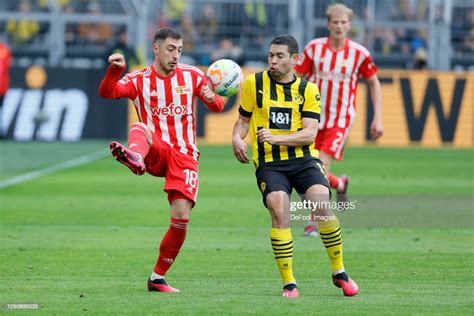
Another fascinating development is the **globalization of tiki taka principles**. While the philosophy was once seen as uniquely European, it has been adopted and adapted by teams and coaches worldwide. In South America, for instance, coaches have blended tiki taka with the region's traditional emphasis on flair and individual creativity. This fusion can be seen in teams like Brazil's Flamengo under Jorge Jesus, who combined possession-heavy play with explosive attacking transitions. Similarly, in Asia and Africa, youth academies are increasingly teaching tiki taka-inspired systems, albeit tailored to the physical and technical profiles of players in those regions. This globalization not only diversifies how tiki taka is played but also ensures its continued evolution as different footballing cultures interpret and implement its core ideas.
Interestingly, the **physical nature of modern football has also forced tiki taka teams to become more adaptable in their shape and structure**. Traditional tiki taka often relied on a 4-3-3 formation with a single pivot, but modern teams frequently shift between formations mid-game to counter specific threats. For instance, Guardiola's Manchester City has been known to transition from a 4-3-3 to a 3-2-4-1 during buildup play to create numerical superiority in midfield and stretch the opposition. This flexibility is a far cry from the rigid positional play of earlier tiki taka teams and demonstrates how the philosophy has become more dynamic to cope with the unpredictability of modern opponents.
However, it is also worth noting that tiki taka has faced **criticism and challenges** in the modern era. The philosophy's emphasis on possession can sometimes lead to sterility in attack, particularly against well-organized, deep-lying defenses. Teams like Atletico Madrid under Diego Simeone have demonstrated that compact, defensively disciplined setups can stifle tiki taka's effectiveness. In response, modern tiki taka teams have incorporated more **direct play** and **set-piece specialization** to diversify their attacking options. This pragmatic adaptation ensures that tiki taka remains a viable strategy even in scenarios where pure possession play is neutralized.
Finally, the **psychological aspect** of tiki taka has evolved. In its heyday, the style was as much about mental domination as it was about technical superiority—teams like Barcelona would "pass opponents to death," demoralizing them through sheer control. Today, the psychological edge of tiki taka lies in its unpredictability. Modern teams use possession not just as a means of control but as a tool to lure opponents out of position, creating space for rapid attacking transitions. This nuanced use of possession reflects a deeper understanding of how to manipulate the tempo of the game, blending the traditional tiki taka ethos with modern tactical sophistication.
- Tiki taka has embraced **verticality** to counter the physicality of modern defenses.
- The philosophy now integrates **high-pressing systems** to maintain control of the game.
- Players are required to have a blend of **technical and physical attributes** to succeed in today's game.
- The use of **data analytics** has made possession play more purposeful and effective.
- The philosophy has been **globalized**, with regional adaptations enriching its application.
- Modern tiki taka teams are more **flexible in formation** to address specific game scenarios.
- There is a conscious effort to diversify attacking options through **direct play** and **set pieces**.
In conclusion, tiki taka in modern football is not a static relic of the past but a living philosophy that has evolved to meet the demands of a faster, more physical, and tactically complex game. While its core principles of possession and positional play remain intact, the philosophy has adapted through the incorporation of verticality, high pressing, and a greater emphasis on physical and mental adaptability. These changes ensure that tiki taka continues to influence the highest levels of the sport, proving its resilience and enduring relevance in the ever-changing landscape of modern football.
Cultural and Philosophical Significance
Tiki taka is more than a tactical approach to football—it is a philosophy that transcends the pitch, embodying a deeper cultural and philosophical significance. At its core, tiki taka represents an idealized form of the sport, where beauty, teamwork, and the art of football converge to create a spectacle that is as much about aesthetics as it is about competition. This section delves into how tiki taka serves as a metaphor for collective harmony, individual expression, and the pursuit of perfection in the context of the beautiful game.
The term "tiki taka" originated in Spain and gained prominence during the dominance of FC Barcelona and the Spanish national team in the late 2000s and early 2010s. Coined to describe their short-passing, possession-oriented style of play, tiki taka became synonymous with a brand of football that prioritized control, precision, and fluidity. However, to understand its cultural and philosophical significance, one must look beyond its technical execution and into the values it symbolizes.
One of the most striking aspects of tiki taka is its emphasis on teamwork as a form of art. Unlike other styles of play that might rely on individual brilliance or direct, physical approaches, tiki taka thrives on the collective. Every player is a cog in a larger machine, moving in synchrony to maintain possession and create opportunities. This is not merely a practical strategy but a philosophical stance: it suggests that the whole is greater than the sum of its parts. In this sense, tiki taka can be seen as a reflection of communitarian ideals—a belief that success is born not from isolated genius but from the seamless integration of individuals into a unified group.
This philosophy has deep roots in Spanish and Catalan culture, where collectivism and a sense of shared identity often take precedence over individualism. Spain's history, marked by regional identities coexisting within a larger national framework, mirrors the interconnectedness of tiki taka. Each player, like each region, contributes uniquely to the whole while remaining part of a cohesive structure. The style of play thus becomes a cultural expression of unity in diversity, where the ball acts as the thread weaving together the players' movements into a tapestry of shared purpose.
The concept of beauty in football is another dimension of tiki taka’s significance. Traditional views of football often celebrate goals, physicality, and moments of explosive action. Tiki taka, however, redefines beauty by elevating the process over the outcome. A sequence of 20 or 30 passes, even without an immediate goal, can be as thrilling as a spectacular strike because it demonstrates mastery over space, time, and opponents. This focus on the journey rather than the destination aligns with broader artistic principles: in painting, music, or literature, the beauty often lies in the details, the intricacies, and the layered complexity of the work. Tiki taka is football as art—where the rhythm of passes, the spatial awareness, and the patience to build an attack become a performance in themselves.
This artistic dimension is particularly resonant in a sport that is often criticized for its pragmatism. Many teams and coaches prioritize results over style, leading to what some critics call "anti-football"—defensive, destructive play designed to stifle rather than inspire. Tiki taka stands in stark contrast to this, offering a counter-narrative that football can and should be played with grace and elegance. It challenges the notion that utility and beauty are mutually exclusive, instead positing that the most effective way to win is also the most aesthetically pleasing. This duality makes tiki taka not just a strategy but a statement about what football, at its best, can represent.
The art of tiki taka also reflects a modernist ideal of progress through precision. In the same way that modernist movements in art and literature sought to break down traditional forms and rebuild them with greater attention to detail and structure, tiki taka dismantles the chaotic, unpredictable nature of football and reconstructs it as a controlled, methodical system. Every pass, every movement, is deliberate, calculated, and purposeful. This precision is not cold or mechanical but infused with creativity—players must improvise within the system, adapting to the ebb and flow of the game while maintaining the overarching structure. In this way, tiki taka is both disciplined and dynamic, a paradox that captures the essence of great art.
Another philosophical aspect of tiki taka lies in its democratization of talent. While traditional football often places a premium on physical attributes like speed, strength, or height, tiki taka prioritizes technical skill, spatial intelligence, and decision-making. This shift allows players who might be overlooked in other systems—those who are smaller, less athletic, or less suited to direct play—to thrive. The style celebrates the universality of skill, suggesting that football is not the exclusive domain of physical specimens but a stage where technique and intelligence reign supreme. This democratization aligns with broader social ideals of inclusivity and the belief that excellence can come in many forms.
Tiki taka is also a rejection of football as mere competition. In its purest form, the style embodies a kind of joyful expression that transcends the binary of winning and losing. While winning is undoubtedly a goal, tiki taka suggests that the process of playing—the act of moving the ball with purpose and precision—can be an end in itself. This idea aligns with the ancient Greek concept of arete, or excellence for its own sake. Just as an artist creates not merely to sell a painting but to express something profound, tiki taka teams play not just to win but to demonstrate what football can be when approached as an art form.
The philosophy of tiki taka also has implications for the viewer’s experience. For fans, watching a team play tiki taka is akin to witnessing a ballet or a symphony. The seamless movement of players, the rhythmic passing, and the anticipation of what might come next create a sense of narrative tension that is rare in sports. This narrative quality transforms football into a story, with each pass building toward a climax. Even neutral spectators can appreciate the beauty of a well-executed tiki taka sequence, much like an audience member might admire a well-choreographed dance or a masterful piece of music. This universal appeal underscores tiki taka’s role as a bridge between sport and culture, elevating football to a form of shared human experience.
However, tiki taka is not without its critics. Some argue that its focus on possession can become sterile or overly cautious, particularly when teams prioritize keeping the ball over taking risks. This critique, while valid in some instances, misses the point of tiki taka’s deeper significance. The style is not about avoiding risk but about redefining it: the risk lies in the patience required to wait for the perfect moment, the trust placed in teammates, and the belief that control will ultimately yield opportunities. This is a philosophical stance that values process over immediacy, a lesson that extends beyond football into life itself.
In conclusion, tiki taka is more than a tactical system—it is a representation of beauty, teamwork, and the art of football. It encapsulates a worldview where success is achieved through collaboration, where the process is as important as the result, and where the sport can be a medium for expressing deeper human values. Whether seen as a cultural artifact of Spanish identity, a modernist approach to the game, or a celebration of inclusivity and skill, tiki taka stands as a testament to football’s potential to be more than a game—it can be a philosophy, a work of art, and a mirror of the human condition.
Conclusion and Future of Tiki Taka
The concept of Tiki Taka has left an indelible mark on the world of football, transcending its origins as a tactical system to become a symbol of innovation, artistry, and strategic brilliance. Popularized by FC Barcelona and the Spanish national team during the late 2000s and early 2010s, Tiki Taka is characterized by short, quick passes, high possession statistics, and a relentless focus on ball control. While its effectiveness has been both celebrated and criticized, its enduring legacy lies in how it redefined the possibilities of team coordination and spatial awareness in modern football.
At its core, Tiki Taka was more than just a style of play—it was a philosophy. Teams like Barcelona under Pep Guardiola exemplified how football could be played with an almost utopian ideal of collective movement and precision. The system relied on players who were technically gifted, intellectually sharp, and physically disciplined. This was not merely about winning matches but about creating a narrative of dominance through control. The enduring legacy of Tiki Taka lies in its ability to inspire a generation of coaches, players, and even fans to view football as a game of chess played on grass, where every movement has a purpose and every pass is a calculated step toward supremacy.
However, the legacy of Tiki Taka is not without its challenges. Critics argue that the system's dependence on highly skilled players and near-perfect execution made it vulnerable to high-pressing, physically aggressive opponents. The semi-final defeat of Spain in the 2014 World Cup and Barcelona's struggles in later years against teams like Bayern Munich highlighted the limitations of Tiki Taka when faced with athletic, counterattacking systems. These moments of vulnerability have led to debates about whether Tiki Taka is a "dying art" or merely evolving. Yet, its influence persists, as it has become a reference point for any team or coach looking to build a possession-oriented strategy.
One of the most significant contributions of Tiki Taka to the future of football is its emphasis on **positional play** (juego de posición). This concept, central to Tiki Taka, involves players maintaining specific spatial relationships on the pitch to create passing lanes and exploit gaps in the opposition's defense. This focus on positional awareness has seeped into the training methodologies of clubs worldwide. Even teams that do not explicitly play Tiki Taka often incorporate elements of positional play into their strategies. For instance, managers like Julian Nagelsmann and Pep Guardiola himself at Manchester City have adapted Tiki Taka's principles to suit the modern game's faster pace and physicality. This adaptation suggests that while the pure form of Tiki Taka may no longer dominate, its DNA lives on in hybrid systems that blend possession with verticality and counterpressing.
Another area where Tiki Taka has left its mark is in **youth development systems**. Clubs and academies have increasingly adopted Tiki Taka-inspired drills to cultivate players who are comfortable with the ball at their feet and capable of making split-second decisions under pressure. This focus on technical proficiency over physicality has reshaped how young talents are scouted and trained. For example, the success of La Masia graduates like Lionel Messi, Xavi, and Andrés Iniesta is a testament to how Tiki Taka's principles can be ingrained from a young age. As football continues to globalize, we can expect more academies to adopt similar approaches, ensuring that the spirit of Tiki Taka remains alive in the next generation of players.
Speculating on the future, Tiki Taka's role in football trends will likely depend on how the sport continues to evolve tactically and technologically. One emerging trend is the rise of **data-driven football**, where analytics and tracking systems provide coaches with granular insights into player performance and team dynamics. Tiki Taka's heavy reliance on ball retention and spatial control could be enhanced by these tools, allowing teams to fine-tune their strategies with unprecedented precision. For instance, heat maps and pass completion metrics could help identify optimal formations and player movements to maximize the effectiveness of a Tiki Taka-style approach in specific match scenarios.
Moreover, as football becomes more physically demanding, we may see a **hybrid evolution of Tiki Taka** that incorporates elements of transition play and direct attacking. Teams like Liverpool under Jürgen Klopp have shown how a high-pressing, counterattacking system can coexist with possession-based principles. This hybrid approach acknowledges the strengths of Tiki Taka while addressing its vulnerabilities, particularly against teams that excel in exploiting space behind a high defensive line. In this sense, Tiki Taka may not return in its original form but will continue to influence how coaches think about controlling the tempo of a game and managing player workloads.
Another intriguing possibility is the integration of Tiki Taka with **artificial intelligence (AI) and machine learning**. AI tools are already being used to analyze patterns in play and predict opponent behavior. A Tiki Taka-inspired system could leverage these technologies to create dynamic, real-time adjustments during matches. For example, AI could suggest optimal passing sequences or player rotations based on live data, enabling teams to maintain the fluidity and unpredictability that defined Tiki Taka at its peak.
On a broader scale, Tiki Taka has also contributed to the **aestheticization of football**. Its emphasis on beauty and control has elevated the sport beyond mere competition, turning it into a form of entertainment that resonates with audiences globally. This cultural impact ensures that even as tactical systems shift, the idea of playing "the beautiful game" will remain tied to Tiki Taka's legacy. Future generations of fans and players may look back on this era as a golden age of tactical innovation, much like how the Total Football of the 1970s is remembered today.
- Tiki Taka's focus on collective movement and ball control has inspired coaches to prioritize technical skill over brute strength.
- Its principles are being adapted into hybrid systems that address the physical and tactical challenges of modern football.
- Youth academies worldwide are using Tiki Taka-inspired training methods to develop technically proficient players.
- Emerging technologies, such as AI and advanced analytics, could revitalize Tiki Taka's core ideas in new and dynamic ways.
In conclusion, the future of Tiki Taka is not about its revival in its original, unaltered form but about its integration into the evolving landscape of football. While it may no longer be the dominant system it once was, its principles of control, precision, and collective intelligence have become timeless benchmarks for excellence. As football continues to grapple with the tension between tradition and innovation, Tiki Taka will remain a touchstone—a reminder of what is possible when strategy, skill, and vision converge on the pitch. Whether through direct emulation or subtle influence, Tiki Taka's spirit will continue to shape the way football is played, coached, and appreciated for years to come.