Introduction to UCL Prize Money
The UEFA Champions League (UCL) is not just a tournament that crowns the best football club in Europe; it is also a financial juggernaut that significantly impacts the economic landscape of global football. The prize money associated with the UCL is a critical component of its allure, driving clubs to compete fiercely not just for sporting glory but also for substantial financial rewards. When viewed in the context of UCL prize money in Indian rupees, the figures are staggering, underscoring the competition's global economic footprint and its influence on club finances, player wages, and even the broader football ecosystem in countries like India, where European football enjoys immense popularity.
The UEFA Champions League operates on a multi-tiered prize money system that rewards clubs at various stages of the competition. This system is designed to incentivize performance while also ensuring that even clubs that do not win the tournament can benefit financially from their participation. For the 2023/2024 season, UEFA allocated approximately €2.032 billion for distribution among participating clubs. When converted to Indian rupees at an exchange rate of roughly ₹90 per euro, this amount translates to over ₹180,000 crore—a figure that dwarfs the annual budgets of many small nations.
The prize money distribution begins with a base fee for all 32 teams that qualify for the group stage. Each team receives a fixed payment of €15.64 million (~₹140 crore). This initial sum is only the beginning. Clubs earn additional revenue based on their performance in the group stage, with €2.8 million (~₹25 crore) awarded for each win and €930,000 (~₹8 crore) for each draw. These amounts might seem modest compared to the overall pool, but they add up quickly for top-performing teams. For instance, a club that wins all six group-stage matches could earn an extra €16.8 million (~₹150 crore) from this phase alone.
Beyond the group stage, the financial stakes rise exponentially. Teams that advance to the round of 16 receive €9.6 million (~₹86 crore), while quarter-finalists earn €10.6 million (~₹96 crore). Semi-finalists are rewarded with €12.5 million (~₹113 crore), and the runner-up takes home €15.5 million (~₹140 crore). The ultimate prize—winning the Champions League—comes with a payout of €20 million (~₹180 crore). However, these figures represent only the direct performance-based rewards. UEFA also distributes funds from a "market pool," which varies based on the value of each country's television rights deal. This pool can significantly boost the earnings of clubs from nations with lucrative broadcast agreements, such as England, Spain, and Germany.
The significance of this prize money structure extends far beyond the immediate financial windfall for clubs. In the context of Indian football and its growing fanbase for European leagues, the UCL prize money in Indian rupees serves as a benchmark for understanding the economic disparity between European and Indian football. While the Indian Super League (ISL) offers prize money in the range of ₹6-8 crore for its winner, the UCL’s rewards are orders of magnitude higher. This contrast highlights why top players and managers are drawn to European clubs, where the financial incentives are unparalleled. For instance, a mid-table Premier League team earning modest success in the UCL can still secure revenues that outstrip the combined budgets of several ISL teams.
The prize money also has a ripple effect on the global football transfer market. Clubs that perform well in the UCL often reinvest their earnings into acquiring top-tier talent, reinforcing a cycle of success. For example, when Liverpool won the UCL in 2019, they used their financial gains to strengthen their squad further, which contributed to their continued competitiveness. This dynamic is particularly relevant for Indian fans who follow European football closely. Many Indian supporters dream of their local leagues one day reaching similar levels of financial robustness, but the gulf in prize money underscores the challenges of achieving such parity.
Another layer of significance lies in how the UCL prize money affects club sustainability. For smaller clubs, even qualifying for the group stage can be transformative. Consider the case of clubs from less wealthy footballing nations, such as Dinamo Zagreb or FC Sheriff Tiraspol, who have occasionally made it to the group stage. For these teams, the guaranteed base fee and additional performance bonuses can fund infrastructure development, youth academies, and even help them retain key players for a few more seasons. In the Indian context, such financial boosts could be game-changing for clubs in the ISL or I-League if they were exposed to similar revenue models.
The global appeal of the UCL also ties into its financial structure. The tournament's broadcast rights are sold for astronomical sums, with networks in India paying significant amounts to air matches live. This creates a feedback loop: the popularity of the UCL in India drives higher broadcast revenues for UEFA, which in turn allows for larger prize pools. Indian fans, despite being geographically distant from the action, contribute indirectly to the financial ecosystem of the competition through their viewership and engagement. This interconnectivity demonstrates how the UCL’s prize money is not just a reward for European clubs but a cornerstone of a global football economy that indirectly touches even emerging markets like India.
From a sociocultural perspective, the UCL’s prize money structure reflects the growing commercialization of football. While purists might lament the increasing focus on financial incentives over sporting ideals, the reality is that the UCL’s financial model has enabled clubs to invest in better facilities, coaching staff, and youth development programs. This has elevated the standard of play across Europe, making the competition more exciting and watched by billions worldwide. For Indian audiences, the allure of the UCL is not just in its footballing drama but also in the aspirational value it represents—a vision of what professional football could look like with the right financial backing.
In summary, the UCL prize money in Indian rupees is a window into the economic powerhouse that the UEFA Champions League has become. Its multi-billion-euro structure not only rewards clubs for their performance but also fuels the global football economy, shaping transfer markets, broadcast deals, and even the dreams of fans in far-flung regions like India. Understanding this system provides a deeper appreciation of how football has evolved into a global business, where success on the pitch is inextricably linked to financial prowess off it.
Historical Context of UCL Prize Distribution
The UEFA Champions League (UCL) is one of the most prestigious football tournaments in the world, drawing massive global audiences and offering substantial financial rewards to participating clubs. The evolution of UCL prize money reflects not only the tournament's growing popularity but also the broader commercialization of football as a global sport. To understand how UCL prize money in Indian rupees has scaled over the years, we must delve into its historical context, tracing the roots of prize distribution and the economic forces that have shaped its trajectory.
The UCL, initially known as the European Cup, was established in 1955. In its early years, the tournament was far removed from the financial behemoth it is today. Prize money was either minimal or non-existent, as the competition was primarily a showcase of sporting excellence rather than a commercial enterprise. Clubs participated for prestige, with financial rewards being ancillary. The European Cup's structure was simpler, involving a knockout format where only national champions were invited. This exclusivity meant that the pool of participants—and therefore potential revenue—was limited compared to modern times.
The transformation of the European Cup into the UCL in 1992 marked a turning point. The rebranding was not merely cosmetic; it was accompanied by a significant restructuring of the tournament to include more teams, group stages, and increased commercial opportunities. This shift was partly driven by the growing influence of television rights, which had begun to reshape sports economics globally. The introduction of group stages allowed for more matches, which in turn created more broadcasting content. UEFA capitalized on this by negotiating lucrative TV deals, and prize money began to reflect this newfound financial clout.
By the late 1990s and early 2000s, the UCL had become a centerpiece of UEFA's revenue generation strategy. The prize money for participating clubs grew exponentially during this period. For instance, in the 1992-93 season, the total prize pool was modest, with winners receiving a fraction of what they would in later years. However, as the tournament's audience expanded—driven by increased television viewership in Europe, Asia, and other regions—UEFA was able to command higher fees for broadcasting rights. In the 2000s, clubs like Manchester United, Real Madrid, and AC Milan not only competed for glory on the pitch but also reaped financial windfalls that ran into millions of euros. When converted to Indian rupees, these figures were staggering, especially for Indian football fans who began to see European football as a distant but aspirational model of success.
The 2010s saw another leap in prize money distribution. This decade was marked by the rise of "super clubs" such as Barcelona, Bayern Munich, and Paris Saint-Germain, whose global fan bases and lucrative sponsorship deals further inflated the tournament's commercial value. UEFA negotiated TV deals worth billions of euros, and the prize money structure was overhauled to reward not just performance but also participation. For example, simply qualifying for the group stage became a financially rewarding milestone for clubs. A club like a mid-tier team from a smaller league could earn tens of millions of euros just by making it to the group stage, even if they were eliminated early. This system ensured that the financial benefits of the UCL were distributed more widely across participating clubs, although top-performing teams still took the lion's share.
To put this in perspective, consider the 2018-19 season, when Liverpool won the UCL. The club earned approximately €108 million in prize money and revenue from the tournament. Converted to Indian rupees at the time (assuming an exchange rate of around 80 rupees per euro), this figure exceeded ₹8,640 crore. Such sums highlight how the UCL had become a financial juggernaut, with even runners-up and semi-finalists earning sums that could fund entire seasons for smaller clubs. This growth in prize money was not isolated; it was part of a larger trend of football's commercialization, where sponsorships, merchandise sales, and digital streaming rights became pivotal revenue streams.
Another critical factor in the evolution of UCL prize money is the globalization of the fan base. As the tournament attracted viewers from regions like India, China, and the Middle East, its commercial appeal grew. Indian viewers, for instance, contributed significantly to the global audience, with millions tuning in to watch matches live, often in the early hours of the morning due to time zone differences. This surge in viewership allowed UEFA to strike better deals with broadcasters and sponsors, further increasing the prize pool. For Indian fans, the conversion of these prize monies into rupees often underscored the vast economic divide between European and Indian football ecosystems, sparking debates about the need for better infrastructure and funding in domestic leagues.
The COVID-19 pandemic briefly disrupted this upward trajectory in the late 2010s and early 2020s. With matches played in empty stadiums and some broadcasting deals renegotiated, there were concerns about a potential dip in prize money. However, UEFA's financial reserves and the resilience of its commercial model ensured that the impact was mitigated. By the 2021-22 season, prize money had rebounded, with winners like Real Madrid earning upwards of €80 million before factoring in market pool shares and other bonuses. In Indian rupees, this translated to sums that continued to boggle the mind, reinforcing the UCL's status as a financial powerhouse.
It is also worth noting how the growth of UCL prize money has influenced club strategies. Wealthy clubs have used the financial rewards of the tournament to reinvest in player acquisitions, infrastructure, and youth development. This has created a feedback loop where success in the UCL begets more success, as richer clubs can attract better talent and dominate the competition. Smaller clubs, while benefiting from participation revenues, often struggle to compete with the financial might of the elite, leading to debates about the growing inequality in European football.
A comparative look at the prize money in Indian rupees over the decades illustrates this growth vividly. In the 1990s, a UCL winner might have taken home the equivalent of a few hundred crore rupees. By the 2020s, this figure had ballooned to several thousand crore rupees, reflecting not just inflation but the exponential growth of football as a global entertainment product. This trajectory also highlights the role of exchange rates, as fluctuations in the euro-to-rupee conversion can significantly impact how prize money is perceived in local contexts.
In summary, the evolution of UCL prize money is a testament to the tournament's transformation from a modest European competition to a global spectacle. The increasing prize pool, driven by television rights, sponsorships, and the globalization of football, has not only enriched participating clubs but also reshaped the economics of the sport. For Indian audiences, the conversion of these sums into rupees serves as a stark reminder of the financial scale of European football compared to domestic leagues. This historical context underscores how the UCL has become as much a commercial success story as a sporting one, with its prize money serving as both a reward for excellence and a symbol of football's economic evolution.
Currency Conversion Basics
The process of converting Euros, the currency used for UEFA Champions League (UCL) prize money, to Indian Rupees (INR) is rooted in the principles of foreign exchange (forex) markets. This section delves into the mechanics of currency conversion, the influencing factors of exchange rates, and how these elements impact the final value of prize money in INR. A thorough understanding of this process is essential for stakeholders such as players, clubs, and analysts who need to evaluate the monetary implications of UCL winnings in an Indian context.
The foremost step in currency conversion is determining the **exchange rate** between Euros (EUR) and Indian Rupees (INR). Exchange rates are dynamic and represent the value of one currency in terms of another. For instance, if the exchange rate is **1 EUR = 90 INR**, this means one Euro is equivalent to ninety Indian Rupees. However, this rate is not fixed; it fluctuates due to several macroeconomic and microeconomic factors. These fluctuations can significantly influence how much INR a UCL prize pool yields when converted.
One of the primary drivers of exchange rate variation is **interest rate differentials** between the Eurozone and India. Central banks, such as the European Central Bank (ECB) and the Reserve Bank of India (RBI), set interest rates to control inflation and stimulate economic growth. Higher interest rates in India compared to the Eurozone often lead to a stronger INR relative to the Euro because investors seek higher returns in INR-denominated assets. Conversely, if Eurozone interest rates rise or India’s rates fall, the Euro may appreciate against the Rupee, reducing the INR equivalent of UCL prize money.
Another critical factor is **inflation rates**. Countries with lower inflation rates typically see their currency appreciate because their purchasing power remains stable over time. India has historically experienced higher inflation compared to Eurozone nations, which can lead to a weaker INR. For example, if India's inflation rate is 6% and the Eurozone's is 2%, the Rupee may depreciate over time, meaning UCL prize money converted to INR could lose value in real terms. This makes it crucial for Indian clubs and players to consider not just the nominal exchange rate but also the **real effective exchange rate (REER)**, which accounts for inflation differentials.
The role of **trade balances** is also significant. India is a net importer, meaning it buys more goods and services from abroad than it sells. This trade deficit can put downward pressure on the INR because the country needs foreign currencies, including the Euro, to pay for imports. A higher demand for Euros in the Indian market can drive up its value relative to the Rupee. For UCL prize money, this means that if India’s trade imbalance worsens, the INR equivalent of Euros might shrink even if the nominal exchange rate remains stable.
Additionally, **geopolitical events** and **global economic trends** play a role in exchange rate determination. For instance, during times of global uncertainty, investors often flock to "safe-haven" currencies like the US Dollar or Euro, causing these currencies to strengthen against the INR. A UCL prize pool announced during a period of geopolitical tension might convert to fewer INR simply because global demand for Euros has surged. On the other hand, if India’s economic performance improves relative to the Eurozone—say, through robust GDP growth or policy reforms—the Rupee might gain strength, increasing the INR value of the prize money.
It is also worth noting that the **method of conversion** can introduce variability. Currency conversions for large sums like UCL prize money often occur through **forex brokers** or **banking institutions**, which may offer slightly different rates compared to the mid-market rate seen on platforms like Google or XE. Banks and brokers often add a **spread** or charge a **conversion fee**, which can reduce the final INR amount. For example, if the mid-market rate is 1 EUR = 90 INR but a bank offers 1 EUR = 88 INR due to its spread, the recipient of the prize money would receive less INR than expected. This underscores the importance of negotiating favorable conversion terms or using specialized forex services that minimize such costs.

Another layer of complexity is the **timing of conversion**. Prize money for the UCL is typically disbursed at specific intervals, and the exchange rate at the time of conversion determines the INR value. If a club or player delays conversion in anticipation of a favorable shift in the exchange rate, they take on **currency risk**. For instance, if a team receives €10 million in prize money but waits a month to convert, and the EUR-INR rate drops from 90 to 85 during that time, they would receive ₹50 lakh less. To mitigate this risk, stakeholders may use **forward contracts** or **hedging instruments** offered by financial institutions to lock in a specific exchange rate for future conversions.
The concept of **purchasing power parity (PPP)** also provides unique insights into the real value of converted prize money. PPP suggests that in the long run, exchange rates should adjust so that a basket of goods costs the same in two countries. However, in the short term, this theory often does not hold due to market inefficiencies. For instance, even if 1 EUR = 90 INR nominally, the actual cost of living and expenses for a player or club in India might be significantly lower than in Europe. This means that while the nominal INR value of UCL prize money might seem lower due to a weaker Rupee, its **relative purchasing power** in India could be higher. This nuance is particularly relevant for Indian clubs or players who plan to spend their earnings locally rather than repatriating funds to Europe.
Lastly, it is essential to consider **regulatory and taxation implications**. When UCL prize money is converted to INR, it may be subject to **foreign exchange regulations** set by the RBI. Large transactions often require reporting, and the receiving entity might face restrictions on how the funds can be used or reinvested. Furthermore, the Indian tax system may levy taxes on the prize money, further reducing its effective value in INR. For example, if a club receives ₹80 crore in prize money but faces a 30% tax rate, the net amount available for use would be considerably lower. Understanding these factors is critical for accurate financial planning.
- Inflation and interest rates shape the relative strength of the INR and EUR.
- Trade deficits can weaken the INR, affecting conversion outcomes.
- Geopolitical events can cause sudden shifts in exchange rates.
- Conversion costs through banks or brokers can erode the final INR amount.
- Timing and currency risk influence how much INR is realized from Euros.
- Taxation and regulations in India further impact the effective value of converted prize money.
In conclusion, the process of converting UCL prize money from Euros to Indian Rupees is not as straightforward as applying a static exchange rate. It involves a complex interplay of economic factors, market dynamics, and logistical considerations. Stakeholders must account for exchange rate drivers like interest rates, inflation, and trade balances while also being mindful of practical aspects such as conversion fees, timing, and taxation. A deep understanding of these elements ensures that the true value of UCL prize money in INR is accurately assessed and maximized.
Current UCL Prize Money Breakdown
The UEFA Champions League (UCL) is one of the most prestigious football tournaments in the world, attracting top clubs and players from across Europe. Beyond the glory of lifting the trophy, the financial rewards associated with the competition are substantial. For Indian audiences, understanding the prize money in terms of Indian Rupees (INR) provides a clearer perspective on the scale of earnings. This section delves into the **current UCL prize money breakdown**, focusing on how the distribution works for winners, runners-up, and other participants in Euros, and what this means in the context of INR conversions.
The UCL prize money structure is determined annually by UEFA, with adjustments made to account for revenue generation, sponsorship deals, and broadcasting rights. For the 2023/24 season, the total prize pool was set at approximately **€2.032 billion**, a figure that underscores the financial might of the competition. This pool is distributed across various stages of the tournament, with each participating club receiving a share based on their performance and other contributing factors such as market pool allocation.
To begin with, **participation bonuses** are awarded to all clubs that qualify for the group stage. Each of the 32 teams in the group stage receives a fixed amount of **€15.64 million**. This is the baseline amount that every club is guaranteed, irrespective of their performance in the group stage. In INR, this translates to roughly **₹135 crore** (using an exchange rate of €1 ≈ ₹8650, which can vary slightly depending on market conditions). This initial sum alone highlights the lucrative nature of merely qualifying for the tournament.
Beyond the participation fee, clubs earn additional amounts based on their performance in the group stage. Each group stage win is rewarded with **€2.8 million**, while a draw fetches **€930,000**. A club that wins all six of their group stage matches can add **€16.8 million** to their earnings. For instance, a team like Manchester City or Bayern Munich, known for dominating their groups, can maximize this revenue stream. In INR, a single group stage win amounts to approximately **₹24 crore**, emphasizing the high stakes of each match.
After the group stage, the prize money escalates significantly as teams progress through the knockout rounds. Reaching the **round of 16** earns a club **€9.6 million** (₹83 crore), while advancing to the **quarter-finals** brings in **€10.6 million** (₹92 crore). The **semi-finals** offer **€12.5 million** (₹108 crore) per team. These figures demonstrate how the financial incentives grow exponentially as the competition intensifies. For Indian fans tracking their favorite clubs, these numbers provide a tangible sense of the economic weight carried by each stage of the tournament.
The **runners-up** of the tournament receive a fixed prize of **€15.5 million** (₹134 crore), in addition to the amounts they have already earned through earlier stages. While this is a substantial figure, it pales in comparison to the reward for the **winners**, who are granted **€20 million** (₹173 crore) for lifting the trophy. This disparity reflects the prestige of being crowned champions of Europe. However, it is important to note that these figures are only part of the story; clubs also benefit from the **market pool**, a variable amount determined by the value of TV rights in their home country and their historical performance in the competition.
The **market pool** is a critical component of the overall prize money distribution. It can vary widely depending on the country and the club's position in domestic leagues. For example, clubs from countries with lucrative TV deals, such as England or Spain, tend to receive a larger share of the market pool compared to clubs from smaller markets. This creates a disparity where a club like Real Madrid or Manchester United might earn significantly more than a team from a less commercially attractive league, even if their on-field performance is similar. For Indian audiences, this highlights the global economic dynamics at play within European football.
Another aspect worth exploring is the **coefficient ranking payments**. UEFA allocates funds based on a club's performance over the past ten years in European competitions. The better a club's coefficient rank, the higher their share of this pool. For instance, a club like Barcelona or Juventus, with a strong historical record, might receive several million Euros from this category, further boosting their total earnings. In INR terms, even a mid-tier coefficient payment of **€5 million** equates to approximately **₹43 crore**, underscoring how past success contributes to present financial gains.
To put this into perspective, let us consider a hypothetical scenario where a club progresses through the entire tournament and wins the UCL. A team that wins all their group stage matches, advances through each knockout round, and lifts the trophy could amass over **€100 million** (₹865 crore) when combining participation fees, performance bonuses, market pool allocations, and the winner’s prize. This figure is staggering, particularly when compared to other sports tournaments globally. It also provides Indian stakeholders—be it fans, sponsors, or broadcasters—a clear understanding of why European clubs prioritize the UCL so heavily.
It is also important to address the role of the **solidarity payments**, which are distributed to clubs that do not qualify for the group stage but participate in the earlier qualifying rounds. These payments, though smaller, still amount to millions of Euros and help support clubs in developing their infrastructure and talent. For example, a club eliminated in the third qualifying round might receive around **€480,000** (₹4.1 crore). While this is a modest sum compared to the later stages, it still represents a meaningful revenue stream for smaller clubs.
The breakdown of UCL prize money also has implications for the **Indian football ecosystem**. As Indian clubs and stakeholders aspire to grow their presence in global football, understanding the scale of UCL earnings can serve as a benchmark. For instance, the Indian Super League (ISL) operates on a much smaller financial scale, with total season prize money often not exceeding **₹15 crore**. This stark contrast emphasizes the economic gap between European and Indian football and underscores the need for investment and growth strategies in the Indian context.
Additionally, the prize money structure reveals how **broadcasting rights** and **sponsorship deals** drive the financial ecosystem of the UCL. Brands like Heineken, PlayStation, and Expedia invest heavily in the tournament, knowing that their visibility extends to millions of viewers worldwide. This revenue indirectly contributes to the prize money pool, creating a self-sustaining model where success on the pitch translates directly into financial rewards for clubs.
In conclusion, the **UCL prize money breakdown** is a multi-faceted system that rewards performance at every stage of the competition. From the guaranteed **€15.64 million** for group stage participation to the **€20 million** for winning the tournament, the financial incentives are immense. Converted to INR, these figures illustrate the staggering scale of earnings, with even smaller payouts amounting to crores of rupees. For Indian audiences, this deep dive into the UCL prize money not only showcases the economic appeal of European football but also serves as a comparative lens to evaluate the growth potential of football in India.
Converted Prize Money in INR
The conversion of prize money from international currencies, such as the British Pound or Euro, into Indian Rupees (INR) is a crucial aspect of understanding the financial impact of global sports competitions like the UEFA Champions League (UCL) on Indian athletes, clubs, or stakeholders. This section will delve into the specifics of how prize money awarded in these currencies translates into INR, providing a comprehensive breakdown based on recent exchange rates. The focus will not only be on presenting the converted amounts for top positions but also on exploring the implications of these conversions in the context of Indian sports economics and global football dynamics.
To begin with, let us consider the approximate prize money distribution for the top positions in the UEFA Champions League. For the 2023-2024 season, the winners of the UCL are reported to receive around **€20 million** as the base prize for lifting the trophy. Additionally, runners-up are awarded **€15.5 million**, while semi-finalists, quarter-finalists, and group stage winners also receive substantial payouts. These figures, while impressive in their original currency, take on a different dimension when converted to INR, especially given the fluctuating nature of exchange rates.
As of the latest available exchange rate (for the purpose of this analysis, we use an approximate rate of **1 Euro = 90 INR**, which is close to recent market trends), the prize money for the UCL winner would amount to **₹18 crore** (₹180 million). This is a staggering figure in the Indian context, where even top-tier cricket tournaments like the Indian Premier League (IPL) offer team prize money in the range of **₹20-25 crore** for the winning team. However, it is important to note that the UCL prize money often extends beyond the base amount, as teams earn additional revenue from performance bonuses, TV rights, and market pool shares. For instance, a team that reaches the final could earn anywhere between **€50-100 million** depending on their journey through the tournament. Converted at the same exchange rate, this range translates to **₹45 crore to ₹90 crore**, underscoring the financial might of European football.
Here is a detailed table showing the converted prize money for the top positions in INR based on the aforementioned exchange rate:
Position Prize Money (Euro) Converted Prize Money (INR)
Winner €20 million ₹18 crore
Runner-up €15.5 million ₹13.95 crore
Semi-finalist €12.5 million ₹11.25 crore
Quarter-finalist €10.6 million ₹9.54 crore
Group Stage Winner €9.6 million ₹8.64 crore

This table provides a clear snapshot of how the prize money scales when viewed through the lens of INR. However, the implications of these amounts go beyond mere numbers. In India, where football is still an emerging sport compared to cricket, such figures highlight the economic disparity between European and Indian football ecosystems. For example, the Indian Super League (ISL) offers a winning prize of around **₹6 crore**, which pales in comparison to even the group stage earnings of a UCL team. This disparity not only reflects the global appeal of European football but also the challenges Indian clubs face in attracting top talent and investment.
Another unique insight is the role of exchange rate volatility. The value of the INR against the Euro can vary significantly over time due to economic factors like inflation, geopolitical events, and central bank policies. For instance, if the exchange rate were to shift to **1 Euro = 85 INR**, the winner's prize money would decrease to **₹17 crore**, while a stronger INR at **1 Euro = 95 INR** would push it to **₹19 crore**. These fluctuations can impact how Indian stakeholders perceive the value of participating in or aligning with European competitions. For Indian players or clubs with aspirations to compete at this level, the exchange rate becomes a critical variable in financial planning.
It is also worth exploring how the converted prize money affects Indian fans and the broader sports ecosystem. Indian audiences are increasingly drawn to European football due to its high stakes and financial allure. The prize money table above illustrates why UCL games are such a lucrative product for broadcasters in India. A match featuring a team on the cusp of winning **₹18 crore** naturally generates more viewer interest, which in turn drives advertising revenue for Indian sports channels. This creates a feedback loop where the financial success of European football indirectly fuels its popularity in non-traditional markets like India.
Beyond the direct financial aspect, the converted prize money also serves as a benchmark for Indian football's growth trajectory. If Indian clubs or players aim to compete at this level, they must consider not just the prestige of the tournament but also the financial rewards. For instance, a player earning a modest salary in the ISL might find the prospect of playing for a mid-tier European club appealing not only for the exposure but also for the significantly higher earnings potential. This is particularly relevant for young Indian talents aspiring to make their mark internationally.
Additionally, the prize money conversion sheds light on the role of sponsorships and endorsements. European clubs participating in the UCL often secure lucrative sponsorship deals that are partially tied to their tournament performance. When these earnings are converted to INR, they present an opportunity for Indian brands to associate with global football events. For example, an Indian brand sponsoring a UCL team could negotiate deals in INR while benefiting from the global exposure of the competition. This dynamic creates a bridge between Indian businesses and the global sports economy, further emphasizing the interconnectedness of prize money and international commerce.
Another angle to consider is the tax implications of such prize money conversions. In India, prize money earned by athletes or clubs is subject to income tax, which could range from 20% to 30% depending on the recipient's tax bracket. For instance, if a hypothetical Indian club were to win **₹18 crore** in UCL prize money, they might need to set aside **₹5.4 crore** or more for taxes. This adds a layer of complexity to the financial planning of Indian stakeholders who aspire to compete in such tournaments. It also highlights why many Indian athletes and clubs focus on domestic competitions where the regulatory and financial environment is more familiar.
In conclusion, the converted prize money for top positions in the UCL, when expressed in INR, provides a fascinating perspective on the economic scale of European football compared to Indian sports. The figures not only underscore the financial disparity but also offer a roadmap for how Indian football can aim to bridge this gap through better infrastructure, sponsorships, and talent development. The table and insights provided here serve as a practical tool for understanding the monetary value of global success while also sparking a conversation about the future of Indian football in the global arena.
Impact on Indian Football Clubs and Fans
The UEFA Champions League (UCL) is one of the most prestigious football tournaments globally, drawing massive attention not only in Europe but across the world. For Indian football clubs and fans, the allure of the UCL extends beyond the on-field action—it also includes the financial spectacle of the tournament. When converted to Indian Rupees (INR), the prize money associated with the UCL is staggering, often running into hundreds of crores for the winning team and even for those reaching advanced stages. This section delves into how such high prize money in INR terms impacts the perceptions of Indian football clubs and audiences, shaping their aspirations, engagement, and the broader football ecosystem in the country.
To begin with, the sheer scale of UCL prize money is a wake-up call for Indian football clubs, many of which operate on relatively modest budgets compared to European counterparts. The winner of the UCL, for instance, can take home over €120 million (approximately ₹1,000 crore at current exchange rates). Even clubs that are eliminated in the group stages or the knockout rounds earn tens of millions of euros. For Indian clubs, which predominantly compete in tournaments like the Indian Super League (ISL) or I-League, where prize money is a fraction of this amount, the UCL figures represent an almost fantastical benchmark. This stark contrast can evoke a mix of aspiration and frustration among Indian clubs. On one hand, it inspires clubs to dream bigger, perhaps pushing them to seek more lucrative sponsorships, improve infrastructure, and aim for higher levels of professionalism. On the other hand, it underscores the vast economic divide, making Indian clubs acutely aware of the financial limitations that constrain their growth.
From the perspective of Indian audiences, the high prize money associated with the UCL adds to its mystique and appeal. Football fans in India are known for their passionate following of European leagues, particularly the English Premier League (EPL), La Liga, and the UCL. The financial magnitude of the UCL serves as a validation of its prestige in the eyes of the fans. When a team like Manchester City or Real Madrid secures a windfall of hundreds of crores for their triumph, it reinforces the narrative that the UCL is the pinnacle of club football. This perception can sometimes lead to a disconnect: while Indian fans celebrate the financial glory of European clubs, they may feel a sense of undervaluation when comparing it to the modest rewards in domestic competitions. For instance, the ISL winner receives prize money of around ₹6 crore—a stark contrast to the UCL figures. This can create a psychological barrier where Indian football is seen as "lesser" in the hierarchy of global football, even by its own fans.
However, the impact of UCL prize money in INR terms is not merely about aspiration or comparison—it also has tangible effects on how Indian clubs and stakeholders view the commercial potential of football. The UCL’s financial model is a case study in monetization, from broadcasting rights to sponsorships and merchandising. Indian clubs and leagues can draw lessons from this. For instance, the UCL’s ability to attract global sponsors like Heineken, Pepsi, and Nissan demonstrates the value of associating with a high-profile tournament. Indian clubs, if they wish to grow their brand value, must consider how to position themselves in a way that appeals to both local and international sponsors. The high prize money in INR terms serves as a reminder of what is possible when football is treated as a business as much as a sport. It can push Indian clubs to explore innovative revenue streams, such as digital fan engagement platforms, NFT-based merchandise, or even partnerships with global football academies to groom talent for export to lucrative European leagues.
Another dimension of this impact is on the fan culture in India. The UCL’s high prize money indirectly fuels the aspirational value of European football among Indian audiences. This can sometimes work against the growth of Indian football, as fans may prioritize watching and supporting European clubs over their local teams. However, this phenomenon also presents an opportunity. Indian clubs can leverage the popularity of the UCL to build a narrative that connects their journey to the global stage. For example, if an Indian club were to qualify for the AFC Champions League (the Asian equivalent of the UCL), they could market this as a step toward competing at the level of UCL teams. Highlighting the financial disparity—and their efforts to bridge it—can create a sense of solidarity among Indian fans, encouraging them to support local teams as they strive to "compete with the big boys" of world football.
One cannot ignore the role of media and broadcasters in shaping these perceptions. The UCL’s high prize money is often highlighted in Indian sports coverage, with broadcasters and analysts frequently discussing the financial rewards of European football. This discourse can influence how Indian clubs perceive their own worth. For example, if an ISL club negotiates a sponsorship deal worth ₹50 lakh, the club management might feel a sense of inadequacy when they see UCL clubs earning 200 times that amount for similar deliverables. However, this can also serve as a motivator. Indian clubs might push for better broadcasting deals, demand higher attendance at stadiums, and lobby for government support to improve infrastructure. The visibility of UCL prize money in INR terms can thus act as a double-edged sword: it highlights the gaps but also provides a roadmap for what Indian football could achieve with sustained effort and investment.
From a fan engagement standpoint, the high prize money of the UCL also sets a benchmark for what fans expect from their football experiences. Indian audiences, exposed to the financial grandeur of the UCL, may begin to demand more from their local leagues in terms of production quality, player salaries, and overall presentation. This can put pressure on Indian football administrators to elevate the standard of domestic competitions. For instance, the ISL has made strides in improving its broadcast quality and matchday experiences, partly influenced by the standards set by European leagues. The high prize money of the UCL serves as a subtle nudge for Indian football stakeholders to aim for similar levels of professionalism and spectacle.
Additionally, the UCL prize money in INR terms can influence how Indian clubs approach talent acquisition and development. The financial rewards of the UCL allow European clubs to attract and retain top talent, invest in youth academies, and build state-of-the-art facilities. Indian clubs, while operating within tighter budgets, might feel compelled to adopt a more strategic approach to talent management. This could involve scouting for undervalued players in less competitive markets, focusing on youth development programs, or even exploring partnerships with European clubs to co-develop players. The high prize money serves as a constant reminder of the financial benefits that come with success at the highest level, encouraging Indian clubs to think beyond immediate results and invest in long-term growth.
In conclusion, the high prize money of the UCL in INR terms has a multifaceted impact on Indian football clubs and fans. It serves as both an inspiration and a challenge, pushing Indian football to aspire for greater heights while exposing the economic and infrastructural gaps that exist. For fans, it reinforces the prestige of the UCL but also creates a yearning for Indian football to reach similar levels of financial and competitive success. For clubs, it acts as a benchmark, driving them to explore new revenue models, improve their brand value, and invest in sustainable growth. Ultimately, the high prize money of the UCL is not just a number—it is a symbol of what Indian football could achieve with the right vision, strategy, and support.
Economic Implications for Players and Teams
The UEFA Champions League (UCL) is one of the most prestigious club football competitions globally, and its prize money plays a significant role in the economic ecosystem of football. When converted to Indian Rupees (INR), the scale of these financial rewards becomes even more striking, particularly in the context of how they influence player salaries, transfers, and team budgets both globally and in India. This section delves into the nuanced economic implications of UCL prize money in INR and its ripple effects on the football industry.
The UCL prize money structure is substantial, with the winning team in recent years receiving upwards of €120 million (approximately ₹1,000 crore at current exchange rates). Even teams that do not win but progress through various stages earn significant sums. For instance, participation bonuses, performance-based payouts, and market pool shares contribute to a club's financial windfall. When this money is viewed in INR, it underscores the vast disparity between European football's financial muscle and the economic landscape of Indian football, where annual revenues of top-tier clubs like Bengaluru FC or Mumbai City FC pale in comparison.
One of the most direct impacts of UCL prize money in INR is on **player salaries**. European clubs that consistently perform well in the UCL—such as Real Madrid, Manchester City, and Bayern Munich—generate massive revenues that allow them to offer world-class players exorbitant salaries. A player like Kylian Mbappé or Erling Haaland can command wages exceeding €50 million annually, partly because their clubs' UCL success ensures financial stability. When converted to INR (around ₹450 crore), this amount is staggering, equivalent to the entire annual budget of some Indian Super League (ISL) clubs. This disparity creates a talent drain where top Indian players, such as Sunil Chhetri or Sandesh Jhingan, might prioritize moving to leagues where UCL-competing clubs operate, even if only for a fraction of the salary offered to European stars. For Indian football, this creates a challenge in retaining homegrown talent and developing a competitive domestic league.
Another critical area influenced by UCL prize money in INR is **transfers**. European clubs with UCL revenues often have the financial leverage to outbid clubs from smaller leagues for top talent. For example, a player performing well in the ISL might attract interest from European second-tier leagues, but the prospect of UCL prize money enables top European clubs to secure such players by offering better financial packages. This dynamic not only affects Indian clubs' ability to hold onto promising players but also inflates transfer fees globally. When UCL-competing clubs spend heavily, it creates a ripple effect where even mid-tier clubs in Europe demand higher fees for their players, further straining the budgets of clubs in developing football nations like India.
From the perspective of **team budgets**, UCL prize money in INR serves as a stark reminder of the financial gulf. A club like Mumbai City FC, which benefits from City Football Group's backing, might have an annual operating budget in the range of ₹100-150 crore. In contrast, a mid-table UCL team in Europe can earn this amount solely from group-stage participation. This financial difference affects how teams approach long-term planning. European clubs can reinvest UCL earnings into infrastructure, youth academies, and scouting networks, creating a sustainable model for success. Indian teams, however, often rely on external investments or sponsorships, which are less predictable. The INR equivalent of UCL prize money highlights the need for Indian football to seek alternative revenue streams, such as better broadcasting deals, merchandise sales, and international partnerships, to bridge this gap.
In India, the **global influence of UCL prize money** also manifests in the aspirations of ISL clubs to adopt similar revenue models. While the ISL does not have a direct equivalent to the UCL in terms of prize money, clubs are increasingly looking at performance-based incentives tied to the AFC (Asian Football Confederation) Champions League. For instance, when an ISL club like Bengaluru FC qualifies for the AFC Champions League group stage, it receives a financial boost. However, the INR equivalent of these earnings is still a fraction of what UCL clubs earn. This disparity motivates Indian clubs to explore innovative ways to monetize their brand, such as tapping into the Indian diaspora for fan engagement or leveraging digital platforms to increase visibility and sponsorship opportunities.
The economic implications extend to **global talent mobility**. UCL prize money in INR highlights why top-tier European clubs can attract not only players but also coaches, analysts, and support staff from around the world. A coach like Pep Guardiola or Jürgen Klopp earns a salary reflective of their club's UCL success, often in the range of ₹80-100 crore annually. For Indian football, this creates a challenge in attracting high-caliber coaching staff or technical experts, as the budgets of ISL clubs are not equipped to compete. However, it also presents an opportunity for Indian football to position itself as a cost-effective development ground for young European talent or coaches seeking experience in a growing market.
Additionally, the **fan economy** is influenced by UCL prize money in INR. European clubs with UCL success often see an increase in their global fanbase, which translates to higher merchandise sales, streaming revenues, and sponsorship deals. When Indian fans purchase jerseys or subscribe to streaming platforms to watch UCL matches, a portion of this revenue indirectly supports European clubs' financial dominance. Indian football can learn from this model by creating more exclusive content, merchandise, and fan experiences tied to domestic leagues, potentially increasing the economic footprint of ISL clubs.
Another unique insight is the role of **currency exchange rates** in magnifying or mitigating the impact of UCL prize money in INR. Fluctuations in the EUR-INR exchange rate can alter the perceived value of prize money for Indian stakeholders. For instance, if the rupee weakens against the euro, the INR equivalent of UCL prize money increases, making European clubs appear even more financially dominant. This underscores the importance of Indian football seeking financial stability independent of exchange rate volatility, perhaps by diversifying revenue sources or pegging certain budgets to stable international benchmarks.
In conclusion, the UCL prize money in INR serves as both a benchmark and a challenge for Indian football. It illustrates the vast economic differences between European and Indian football while also offering lessons in how financial success can be leveraged to build sustainable football ecosystems. For Indian teams and players, the implications are twofold: they must navigate the economic disparity while also identifying opportunities to grow through strategic investments, partnerships, and innovative revenue models. The INR equivalent of UCL prize money is not just a number—it is a reflection of the global economic hierarchy in football and a call to action for Indian stakeholders to close the gap through long-term planning and adaptability.
Comparison with Other Sports Leagues
The UEFA Champions League (UCL) is one of the most prestigious football competitions globally, offering substantial prize money to participating clubs. However, when comparing the UCL prize money in Indian rupees (INR) to the prize pools of other major sports leagues like the Indian Premier League (IPL), National Basketball Association (NBA), or the English Premier League (EPL), interesting patterns and disparities emerge. This section delves into how UCL's financial structure compares with these leagues, considering factors such as revenue generation, audience reach, and regional economic contexts.

The UCL prize money for the 2023-24 season was reported to be approximately €2.032 billion. When converted to INR at an exchange rate of 1 EUR = 90 INR (rounded for simplicity), this amounts to around **₹182,880 crore**. This figure includes payments for group stage participation, performance bonuses, and market pool shares. While this is a staggering amount, it is essential to understand that the UCL operates as a competition among top European football clubs, which inherently limits the number of participants compared to domestic leagues like the IPL or EPL.
In contrast, the IPL, India's premier T20 cricket league, has seen exponential growth in its prize pool. For the 2023 season, the total prize money for the IPL was around **₹46.5 crore**, a fraction of the UCL's prize pool. However, the comparison is not straightforward. The IPL operates on a much shorter duration (approximately two months) and involves only ten teams. Despite this, the IPL's per-match value is one of the highest in the world, surpassing even the EPL. The IPL's broadcast rights for 2023-27 were sold for **₹48,390 crore**, making it a financial behemoth in its own right. While the UCL dwarfs the IPL in total prize money, the IPL's per-match commercial value often outpaces European football competitions due to India's massive cricket-loving audience and the league's concentrated schedule.
The NBA, one of the most lucrative sports leagues in the world, offers a different financial model. The NBA's total prize money is not as explicitly defined as in the UCL or IPL because player salaries and team revenues are more decentralized. However, the NBA's annual revenue hovers around **$10 billion** (~₹8 lakh crore at 1 USD = 80 INR). While there isn't a direct "prize pool" like in the UCL, the league's top teams and players earn through multi-million-dollar contracts, endorsements, and playoff bonuses. For instance, the NBA championship-winning team receives a bonus pool of around **$25 million** (~₹200 crore), shared among players and staff. While this is minuscule compared to the UCL's overall prize pool in INR, the NBA compensates with its year-round revenue generation through merchandise, TV deals, and global fan engagement, which often rivals or exceeds that of the UCL.
The EPL, another major football league, offers a stark contrast to the UCL in terms of prize money distribution. For the 2022-23 season, the EPL's total prize money was around **£2.5 billion** (~₹25,000 crore at 1 GBP = 100 INR). While this is lower than the UCL's total prize pool, the EPL operates on a different model where prize money is distributed more evenly among all 20 participating teams. For instance, the bottom-ranked EPL team still earns a significant payout, unlike in the UCL, where only top-performing teams receive substantial rewards. Additionally, the EPL benefits from a more robust domestic broadcasting model, with its annual TV rights valued at over **£5 billion** (~₹50,000 crore), making it one of the most financially stable leagues globally. This stability allows the EPL to maintain a high standard of competition while offering clubs a reliable income stream, even if their UCL performances falter.
One of the key differences between the UCL and these other leagues is the scope of revenue generation. The UCL operates as a seasonal knockout tournament with a limited number of matches (~125 games per season), whereas leagues like the IPL, NBA, and EPL are longer-running, round-robin-style competitions with hundreds of matches. This difference impacts the distribution of prize money. For instance, in the UCL, the winner can earn up to **€85 million** (~₹765 crore), including all performance-based incentives. However, this is concentrated among fewer teams compared to the EPL or IPL, where even mid-table teams receive a share of the revenue pie. This concentrated model of the UCL makes it more exclusive but also less egalitarian compared to domestic leagues.
Another aspect worth considering is the regional economic disparity. The UCL prize money in INR might seem enormous, but it is also influenced by the stronger Euro and the fact that European clubs often operate in high-income economies. In comparison, the IPL's prize money in INR appears modest, but it is tailored to India's economic context, where cricket is a cultural phenomenon. The IPL's ability to generate massive advertising and sponsorship revenues despite lower prize pools highlights how the league leverages its local market strength. Similarly, the EPL's revenue dominance stems from its global appeal, particularly in Asia and North America, while the NBA thrives on its stronghold in North America and growing popularity in Asia-Pacific markets.
It is also interesting to note the role of broadcasting rights in shaping prize money. The UCL's broadcasting deals are highly lucrative, with partnerships like those with CBS and BT Sport driving significant revenue. However, the EPL outpaces the UCL in terms of domestic broadcasting revenue, while the IPL has set new benchmarks in per-match broadcast value. The NBA, meanwhile, thrives on its diversified revenue streams, including merchandise, sponsorships, and global streaming platforms. This comparison shows that while the UCL's prize money in INR is substantial, it is part of a broader financial ecosystem where leagues adapt their models to their regional and global markets.
A deeper dive into the economic impact on players and clubs reveals further nuances. In the UCL, top-performing clubs like Real Madrid or Manchester City can use their prize money to reinvest in player acquisitions and infrastructure. However, the IPL's relatively smaller prize pool is supplemented by franchise revenues, allowing teams to operate profitably even without winning the tournament. The EPL, with its balanced revenue-sharing model, ensures that even smaller clubs can compete financially over the long term. The NBA, with its star-driven model, often sees players earning more from endorsements than from prize money, a dynamic less prevalent in UCL football.
From a fan perspective, the prize money also reflects the leagues' priorities. The UCL's massive prize pool underscores its status as a pinnacle of club football, where the stakes are high for both prestige and financial gain. The IPL, while offering lower prize money, creates a carnival-like atmosphere that resonates with its audience. The EPL, with its consistent revenue-sharing model, prioritizes long-term sustainability over short-term rewards. The NBA, with its global outreach, focuses on player-centric economics, ensuring top athletes are well-compensated irrespective of prize pools.
In conclusion, while the UCL prize money in INR is among the highest in global sports, its comparison with other leagues like the IPL, NBA, and EPL reveals the diversity of financial models across sports. The UCL thrives on exclusivity and high-stakes competition, while the IPL and EPL leverage their domestic markets and broader participation. The NBA stands out for its player-focused economics. Each league's prize pool is a reflection of its audience, revenue streams, and cultural significance, making it clear that prize money is just one piece of the larger financial puzzle in global sports.
Challenges in Conversion and Distribution
The conversion and distribution of UCL prize money in Indian rupees present a range of challenges that organizations and stakeholders must navigate carefully. These challenges stem from the interplay of global financial systems, domestic economic policies, and the unique socio-economic landscape of India. To understand the depth of these issues, it is essential to examine the role of fluctuating exchange rates, tax implications, and regional economic disparities in this process.
One of the most immediate and unpredictable challenges is the impact of fluctuating exchange rates. The value of the Indian rupee (INR) against major global currencies such as the euro or the US dollar is subject to constant change due to a variety of factors, including geopolitical events, trade balances, and central bank policies. For instance, if a football club wins €10 million in prize money, the equivalent amount in INR could vary significantly over even a short period. A 5% swing in the exchange rate can result in a difference of several crores of rupees, which is a substantial sum for any organization. This uncertainty can create difficulties in financial planning for clubs or organizations that depend on these funds for operational or developmental purposes. Moreover, the timing of the conversion becomes a critical decision—should the prize money be converted immediately to lock in a rate, or should the organization wait in anticipation of a favorable movement in the exchange rate? Such decisions are fraught with risk because market volatility can lead to losses if the timing is misjudged. Additionally, hedging strategies, such as forward contracts or options, are not always accessible or cost-effective for smaller organizations, leaving them exposed to currency risk.
Another layer of complexity arises from tax implications associated with the conversion and distribution of prize money. In India, any foreign income brought into the country is subject to taxation under the Income Tax Act. This means that UCL prize money, once converted to INR, could be taxed as part of the recipient's income, depending on their tax status. For example, a football club or an individual player receiving prize money may face a tax rate as high as 30% or more, depending on their income slab. Furthermore, there are often double taxation issues to consider. If the prize money has already been taxed in the country of origin (e.g., the UK or another European nation), the recipient may need to navigate the provisions of the Double Taxation Avoidance Agreement (DTAA) between India and the source country. This process can be cumbersome, requiring detailed documentation and legal expertise to claim relief under DTAA provisions. Failure to address these tax implications can result in penalties or unexpected financial burdens for the recipients. For instance, if a club distributes the prize money among players or staff without accounting for tax deductions at source (TDS), they may face scrutiny from Indian tax authorities, leading to audits and potential disputes.
The issue of regional economic disparities within India further complicates the distribution of UCL prize money. India is a country with vast economic inequalities, where the cost of living and purchasing power vary significantly across states and regions. A sum of INR 1 crore might be life-changing for a semi-professional club in a Tier 3 city but might be considered modest for a top-tier club in Mumbai or Bengaluru. This disparity affects how prize money is allocated and utilized. For example, a club in a less economically developed region might prioritize using the funds for basic infrastructure upgrades, such as building a training ground or purchasing equipment, while a wealthier club might invest in advanced analytics tools or high-profile player transfers. These differences in priorities can lead to perceptions of inequity in how prize money benefits the broader football ecosystem in India. Smaller clubs or grassroots organizations may feel left out of the financial windfall, especially if the distribution mechanisms are not designed to account for economic diversity. This can create friction within the football community, as stakeholders in less privileged regions may view the system as favoring established, urban-centric entities.
Another aspect of regional disparities is the local purchasing power of the converted prize money. While INR 10 crore might seem like a large figure in absolute terms, its real value in terms of what it can achieve in different parts of India can vary drastically. For instance, constructing a state-of-the-art facility in a metropolitan area might cost significantly more than in a rural or semi-urban setting due to differences in land prices, labor costs, and material availability. This means that even when prize money is distributed with the intention of fostering equitable growth, the actual impact may be uneven. Organizations need to adopt a context-sensitive approach to distribution, potentially involving tiered funding models that allocate resources based on the specific needs and capacities of recipients. However, designing such models requires detailed economic analysis and stakeholder consultation, which can be resource-intensive and time-consuming.
Additionally, the informal nature of many football organizations in India poses challenges in ensuring transparent and efficient distribution. Many smaller clubs or academies operate without formal financial systems or audited accounts, making it difficult to track how prize money is used. In some cases, there may be concerns about mismanagement or even corruption, where funds are siphoned off for personal gain rather than being invested in the intended purposes. To mitigate this, there is a need for robust oversight mechanisms, such as third-party audits or the establishment of clear guidelines for fund utilization. However, implementing such mechanisms in a country with a diverse and fragmented football landscape is a significant challenge in itself.
Another potential issue lies in the perception of fairness in how prize money is distributed. If the allocation is seen as favoring certain clubs or regions due to political or administrative biases, it can lead to resentment among other stakeholders. For example, if a club with strong political backing receives a disproportionate share of the prize money, it can undermine trust in the system. Addressing this requires a transparent and merit-based allocation framework, perhaps one that is overseen by an independent body or committee to ensure impartiality.
Lastly, there is the question of long-term sustainability of the funds. While UCL prize money can provide a one-time financial boost, its impact is limited if not integrated into a broader strategy for growth. Clubs or organizations that fail to invest the funds wisely—for instance, by splurging on short-term gains like signing expensive players without a plan for revenue generation—may find themselves in financial difficulty once the prize money is exhausted. This is particularly relevant in India, where football is still a developing sport with limited commercial revenue streams compared to cricket. Therefore, recipients of UCL prize money must think beyond immediate needs and focus on building sustainable models, such as investing in youth development programs, community outreach, or infrastructure that can generate long-term returns.
In conclusion, the challenges in converting and distributing UCL prize money in Indian rupees are multifaceted and interconnected. From the unpredictability of exchange rates to the complexities of taxation and the inequities of regional economics, each factor introduces its own set of hurdles. To navigate these challenges effectively, stakeholders must adopt a holistic approach that combines financial acumen, legal expertise, and a deep understanding of India's socio-economic context. Only then can the full potential of UCL prize money be realized in a way that benefits Indian football as a whole rather than exacerbating existing disparities.
Conclusion and Future Outlook
The analysis of UCL prize money in Indian rupees reveals a complex interplay of global sports economics, regional market dynamics, and the evolving role of Indian stakeholders in the football ecosystem. To conclude this deep dive, it is essential to synthesize the insights gathered and extrapolate their implications for the future. This section will explore the potential growth trajectories of UCL prize money, its ripple effects on Indian football and related industries, and the strategic opportunities for Indian stakeholders to leverage this phenomenon.
One of the most striking insights is the **steady appreciation of UCL prize money in global terms**. Over the past decade, the UEFA Champions League has seen its prize pool grow significantly, driven by lucrative broadcasting deals, sponsorship agreements, and an expanding global audience. When converted to Indian rupees, this growth is even more pronounced due to the fluctuating exchange rates and the Indian rupee’s relative depreciation against major currencies like the euro and the dollar. For instance, if the UCL prize money for the winning team was approximately €19 million in 2015, it has since increased to around €25 million in recent years. In INR terms, this represents a jump from roughly ₹140 crore to over ₹220 crore, assuming an average exchange rate shift. This trend underscores how global sports revenues, when localized to markets like India, can create **inflated perceptions of value**, potentially motivating Indian businesses and investors to participate more actively in football-related ventures.
From the perspective of **Indian stakeholders**, this growth carries both direct and indirect implications. At the direct level, Indian players and clubs aspiring to compete in European competitions face a steep financial and competitive barrier. However, the increasing prize money serves as a **motivational benchmark** for Indian football to professionalize further. For instance, if an Indian club were to qualify for even the preliminary rounds of a UEFA competition in the future, the financial windfall—even in the early stages—could be transformative. This is not merely hypothetical; the rise of clubs from smaller nations like Moldova and Cyprus in UCL qualifiers demonstrates that with the right infrastructure and investment, even emerging football nations can aim for a piece of the UCL prize pool. The **Indian Super League (ISL)** and the All India Football Federation (AIFF) could use this as a long-term goal to align their development strategies with global standards.
Another critical area of focus is the **indirect economic impact on Indian businesses**. UCL prize money growth reflects the broader commercialization of football, which Indian companies can tap into as sponsors, advertisers, or partners. For example, global brands like Heineken, Nissan, and Mastercard have capitalized on UCL’s massive viewership to enhance their visibility. Indian companies, particularly those with a global footprint (e.g., Infosys, Tata, or Reliance), could explore **co-branding opportunities** tied to UCL’s expanding reach. This is particularly relevant as the Indian diaspora constitutes a significant portion of UCL’s international audience. A deeper engagement with UCL-related marketing could help Indian brands gain **global recognition** while simultaneously supporting the growth of football at home.
The **digital transformation of sports consumption** is another area where UCL prize money growth intersects with Indian dynamics. Streaming platforms like SonyLIV and JioTV have already capitalized on broadcasting UCL matches to Indian audiences. As prize money increases, so does the league’s ability to negotiate better broadcasting rights. This could lead to **higher licensing fees for Indian platforms**, which in turn could trickle down to consumers in the form of subscription price hikes. However, this also creates an opportunity for **innovative revenue-sharing models** where Indian platforms collaborate with UEFA to offer localized content—such as Hindi commentary, pre- and post-match shows tailored for Indian audiences, or even exclusive interviews with Indian players or coaches involved in European football. Such initiatives could make UCL more accessible and relatable to Indian fans, potentially increasing viewership and engagement.
The **potential growth of UCL prize money also has a symbolic dimension** for Indian football. As the prize pool swells, it highlights the stark contrast between the revenues of European football and those of Indian football. This gap can serve as a **wake-up call** for Indian policymakers and sports organizations to address systemic issues like inadequate grassroots development, limited corporate investment, and poor infrastructure. For instance, the ₹220 crore that a UCL-winning team earns is more than the combined annual revenue of most Indian football clubs. This disparity can be framed not as a discouragement but as a **strategic challenge** to create a self-sustaining football economy in India. Initiatives like the **Reliance Foundation Youth Sports program** or partnerships with European academies could be scaled to nurture talent capable of competing on the global stage, thereby indirectly contributing to the financial growth of Indian football.
From a **long-term outlook**, the growth of UCL prize money also signals the increasing globalization of football and its economic spillover effects. India, with its massive youth population and growing middle class, is a prime candidate for becoming a **football consumption hub**. If Indian stakeholders—be it clubs, leagues, or corporate entities—can position themselves strategically, they could ride the wave of UCL’s financial growth. This might include:
- Establishing **Indian academies with a focus on exporting talent** to European leagues, thereby creating a revenue stream linked indirectly to UCL prize money.
- Investing in **sports tech startups** that can provide analytics, performance tracking, or fan engagement tools for UCL teams, positioning Indian companies as global enablers in the football ecosystem.
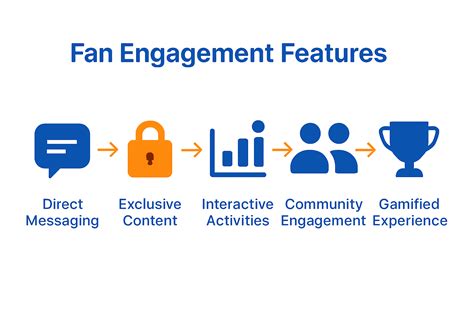
- Developing **fan engagement platforms** that cater to Indian UCL enthusiasts, leveraging augmented reality (AR), virtual reality (VR), and gamification to deepen their connection with the league.
These steps could not only enhance India’s role in global football but also create a **feedback loop** where the popularity of UCL in India drives local football development, which in turn attracts more global attention and investment.
However, there are **challenges to consider**. The Indian rupee’s volatility against major currencies could dampen the perceived value of UCL prize money over time. Additionally, the gap between European and Indian football economies might widen further if Indian stakeholders fail to act decisively. For instance, if Indian clubs and leagues do not adopt **revenue-generating models similar to those of European counterparts**—such as robust merchandising, stadium monetization, and diversified sponsorship portfolios—they risk being left behind in the global sports economy. This underscores the need for a **concerted effort to bridge the gap**, perhaps through public-private partnerships or policy-driven incentives for sports investment.
In conclusion, the growth of UCL prize money in Indian rupees is more than a numerical phenomenon; it is a **barometer of global football’s evolution and India’s place within it**. By leveraging this trend, Indian stakeholders can not only benefit financially but also use it as a catalyst to elevate the domestic football ecosystem. Whether through professionalization of local leagues, strategic brand partnerships, or innovative fan engagement, the rising value of UCL prize money offers a **blueprint for aspiration and action**. With the right mix of vision, investment, and policy support, Indian football could transform from a passive beneficiary of global football economics to an active participant shaping its future.