Introduction to UEFA Rankings Coefficient
The UEFA rankings coefficient is a critical metric in European football that serves as a reflection of the performance of clubs and national teams in UEFA-organized competitions over a defined period. This ranking system is not merely a statistical exercise but a mechanism that shapes the competitive landscape of European football by determining seeding, qualification spots, and revenue distribution. Understanding the UEFA rankings coefficient requires delving into its structure, purpose, and broader implications for the sport.
At its core, the UEFA rankings coefficient is a points-based system that evaluates the success of clubs and national associations in UEFA tournaments such as the UEFA Champions League, Europa League, and Nations League. For clubs, the coefficient is calculated based on their performance in these competitions over the past five seasons. Each match result—win, draw, or loss—contributes points, with bonus points awarded for reaching specific stages of the competition (e.g., group stage qualification, quarterfinals, semifinals, and finals). Similarly, national associations earn points aggregated from the performance of all their participating clubs in a given season. These points are weighted and averaged to produce a ranking that determines how many teams each association can send to UEFA competitions and their seeding in draws.
The significance of the UEFA rankings coefficient lies in its role as a gatekeeper of opportunity in European football. Clubs from associations with higher rankings enjoy more direct entries into prestigious tournaments like the Champions League, bypassing preliminary rounds that can be financially and logistically challenging for smaller clubs. For instance, associations ranked in the top four (e.g., England, Spain, Germany, and Italy in recent years) are granted four automatic group stage spots in the Champions League. This not only provides these clubs with a competitive advantage but also ensures a steady stream of revenue from participation in the group stages, where broadcast rights and prize money are substantial.
From a broader perspective, the rankings coefficient also reinforces the cyclical nature of football dominance. Associations with historically successful clubs, such as Spain with Real Madrid and Barcelona, or England with the rise of Manchester City and Liverpool, tend to consolidate their position at the top of the rankings. This is because consistent success in UEFA competitions leads to more opportunities for their clubs to compete at the highest level, creating a feedback loop of success. Associations lower in the rankings, however, face an uphill battle to break into this elite circle. Their clubs often have to navigate multiple qualifying rounds, which can strain resources and reduce their chances of advancing. This dynamic underscores how the rankings coefficient can perpetuate inequalities in the European football ecosystem.
Another critical dimension of the UEFA rankings coefficient is its impact on national team competitions. While the club coefficient focuses on individual team performance, the national team coefficient evaluates the collective success of an association's teams in tournaments like the UEFA European Championship and World Cup qualifiers. This ranking influences seeding for major tournaments and can even determine host nation eligibility in some cases. For example, higher-ranked associations are more likely to be placed in favorable groups during European Championship draws, giving their teams a better chance of progression. This interplay between club and national team rankings highlights how the coefficient system is deeply intertwined with the broader goals of UEFA to promote competitive balance while rewarding excellence.
The ranking system also has economic implications that extend beyond the pitch. UEFA distributes revenue from its competitions partly based on the rankings coefficient. Associations and clubs with higher rankings receive larger shares of the prize money pool, further incentivizing strong performances. This financial aspect has led to strategic decisions by clubs and associations to prioritize UEFA competitions over domestic leagues in some cases. For instance, a club on the cusp of qualifying for the Champions League might field a stronger lineup in a decisive match, even at the cost of domestic league positioning, because the long-term benefits of a higher UEFA coefficient outweigh short-term domestic concerns.
The rankings coefficient is also a tool for measuring the health of football within an association. A decline in an association's ranking can signal underlying issues, such as inadequate youth development programs, lack of investment in infrastructure, or mismanagement of clubs. For example, the Netherlands, once a powerhouse in European football, saw its coefficient drop in the early 2010s due to the underperformance of its clubs in UEFA competitions. This decline led to fewer automatic qualification spots and a need for structural reforms within Dutch football. Conversely, the rise of associations like Portugal, driven by the success of clubs such as Porto and Benfica, demonstrates how targeted investment and strategic planning can elevate an association's standing in the rankings.
It is also worth noting that the UEFA rankings coefficient is not without its criticisms and controversies. Some argue that the system favors larger, wealthier associations, creating a self-reinforcing cycle where smaller associations struggle to compete. Others point out that the five-year rolling period used to calculate the coefficient may not adequately account for recent improvements or declines in performance. For instance, a club or association that performs exceptionally well in a single season might not see immediate benefits if their past four seasons were lackluster. These criticisms highlight the challenges UEFA faces in balancing fairness, competitiveness, and the need to maintain the prestige of its tournaments.
Despite its complexities and criticisms, the UEFA rankings coefficient remains a cornerstone of European football's competitive framework. It not only determines the immediate opportunities available to clubs and associations but also shapes the long-term strategies of stakeholders across the sport. For fans, the coefficient adds an additional layer of intrigue, as it influences which teams they might see face off in the group stages of the Champions League or which national teams are likely to be drawn together in a major tournament. For clubs and associations, it serves as both a benchmark of success and a roadmap for improvement.
In summary, the UEFA rankings coefficient is far more than a simple ranking system; it is a dynamic and multifaceted tool that reflects the past, present, and future of European football. By rewarding excellence and incentivizing improvement, it plays a pivotal role in maintaining the competitive integrity of UEFA tournaments while shaping the economic and strategic landscape of the sport. Understanding its nuances is essential for anyone seeking to grasp the deeper mechanics of how European football operates and evolves.
History and Evolution of the Coefficient System
The UEFA rankings coefficient is a system used to evaluate and rank the performance of clubs and national teams in European football competitions. This system has become a cornerstone of UEFA's organizational framework, influencing everything from tournament seedings to revenue distribution. To understand its current structure and significance, it is essential to trace its **origins** and examine how it has **evolved over the years** to adapt to the changing dynamics of European football.
The concept of a ranking system in European football can be traced back to the **early days of UEFA competitions** in the 1950s and 1960s. At this time, UEFA was still in its infancy as an organization, and the primary focus was on organizing competitions like the European Cup (now the UEFA Champions League) and the UEFA Cup (now the UEFA Europa League). Initially, participation in these tournaments was primarily determined by **invitation or national league success**, with little emphasis on a formalized system to assess the strength of leagues or clubs across Europe. This lack of a structured approach meant that the selection process often favored clubs from more established footballing nations, creating disparities in competition access.
The first formal step toward a ranking system came in the **1970s**, when UEFA began to consider the idea of using past performance as a metric to determine qualification and seeding for its competitions. This was driven by the growing number of participating clubs and the need for a fairer, more transparent way to manage the increasing complexity of European football. The early attempts at a coefficient system were rudimentary, focusing on **simple metrics like the number of titles won** or the performance of clubs in recent editions of UEFA tournaments. However, these early systems were not comprehensive and often failed to account for the broader context of a club's or league's overall strength.
The first significant evolution of the coefficient system occurred in the **1990s**, a period marked by the **commercialization and globalization of football**. The advent of the Champions League in 1992, which replaced the European Cup, brought with it a need for a more robust and dynamic ranking system. UEFA introduced a points-based coefficient that took into account not only **club performance in UEFA competitions** but also the **relative strength of their domestic leagues**. This marked a shift from a club-centric approach to one that incorporated **league-level performance** as a key factor. For example, leagues that consistently produced high-performing clubs in European competitions were rewarded with more slots in subsequent tournaments, creating a feedback loop that incentivized both club and league improvement.
The coefficient system was further refined in the **early 2000s** as UEFA sought to address criticisms of **bias and lack of objectivity**. One of the key changes during this period was the introduction of a **five-year rolling system**, which meant that the ranking was calculated based on a club's or league's performance over the last five seasons. This change aimed to ensure that the rankings reflected **recent competitiveness** rather than historical dominance. For instance, a club or league that had been dominant in the 1980s but had declined by the 2000s would no longer benefit unduly from past glory. This rolling system also introduced a sense of **accountability**, as clubs and leagues had to maintain consistent performance to retain their high rankings.
Another critical development was the inclusion of **bonus points** for specific achievements, such as reaching the group stage or advancing to the knockout rounds of UEFA competitions. This change added a layer of nuance to the system, rewarding not just outright victories but also **progression through stages** of tournaments. These bonus points helped smaller clubs or leagues gain recognition for overperforming relative to expectations, even if they did not ultimately win a competition. This was a deliberate move by UEFA to **promote inclusivity** and ensure that the coefficient system did not solely favor the traditional powerhouses of European football.
In the **2010s**, the coefficient system underwent further changes as UEFA grappled with the growing influence of **financial disparities** in European football. The rise of superclubs backed by significant financial resources, such as those in the English Premier League, La Liga, and later the Bundesliga, created a situation where a small group of clubs and leagues dominated the rankings. To counteract this, UEFA introduced **weightings for different competition levels**. For example, performance in the Champions League was given greater weight than performance in the Europa League or the now-defunct Intertoto Cup. This change was intended to reflect the **prestige and difficulty** of different competitions while still providing opportunities for clubs from less prominent leagues to climb the rankings if they performed well.
The coefficient system has also been influenced by **political and economic factors** within European football. For instance, the debate over the proposed **European Super League** in 2021 highlighted tensions between UEFA and some of Europe's most powerful clubs. This controversy underscored the importance of the coefficient system as a mechanism for maintaining **competitive balance** and ensuring that access to top-tier competitions was not solely determined by financial clout. UEFA responded by emphasizing the role of the coefficient in **safeguarding the integrity of open competition**, arguing that it provided a merit-based pathway for clubs and leagues to earn their place at the highest levels of the sport.
One of the more recent and notable changes to the coefficient system has been the **inclusion of national team performance** as a factor. While the primary focus of the coefficient has traditionally been on club football, UEFA has increasingly recognized the interplay between **club and national team success**. For example, strong performances by a country's clubs in European competitions can boost the ranking of its national team in UEFA's separate **national team coefficient**, which affects seeding for events like the UEFA European Championship. This integration reflects a broader trend of **holistic assessment** within UEFA's governance, where the health of a nation's football ecosystem—both at the club and national levels—is seen as interconnected.
The coefficient system has not been without its **controversies and criticisms**. Some have argued that it still favors established footballing nations, as their leagues and clubs benefit from better infrastructure, financial resources, and historical advantages. Smaller nations and leagues often struggle to break into the upper echelons of the rankings, even if they produce occasional standout performances. However, UEFA has attempted to address these concerns through measures like **increased revenue sharing** and **expanded opportunities** for clubs from lower-ranked leagues to participate in qualifying rounds of major tournaments.
- The system has transitioned from a simple points-based approach to a more nuanced, multi-faceted model that incorporates **club, league, and national team performance**.
- The introduction of the **five-year rolling system** was a watershed moment, ensuring the rankings remained dynamic and reflective of current realities.
- Recent changes have sought to balance the dominance of elite clubs while still **rewarding exceptional performance** from underdogs.
In conclusion, the history and evolution of the UEFA rankings coefficient reveal a system that has grown in complexity and sophistication in response to the **evolving landscape of European football**. What began as a rudimentary attempt to rank clubs has become a comprehensive framework that balances **merit, inclusivity, and competitiveness**. While challenges remain—particularly in addressing the growing financial inequalities in the sport—the coefficient system stands as a testament to UEFA's efforts to create a fair and dynamic structure for European football. Its continued evolution will likely be shaped by the ongoing dialogue between UEFA, clubs, leagues, and fans about the future of the sport in an increasingly globalized and competitive environment.
How the Coefficient is Calculated
The UEFA rankings coefficient is a critical metric in European football, used to determine the relative strength of clubs and leagues across the continent. It plays a significant role in seeding teams for UEFA competitions such as the Champions League and Europa League, as well as allocating slots for leagues in these tournaments. Understanding how this coefficient is calculated involves delving into a structured methodology that considers performance, participation, and historical data over a rolling period.
The UEFA coefficient is fundamentally a points-based system that evaluates both **club performance** and **league performance** over time. The calculation is split into two main areas: the **club coefficient** and the **country coefficient**. These two metrics are interconnected, as a club's performance contributes to its league's overall standing.
### Club Coefficient Calculation
The club coefficient is calculated based on the performance of individual teams in UEFA competitions over the past five seasons. Each season's performance is weighted differently, with more recent seasons carrying greater importance. Here is the step-by-step process:
- Points for Matches: Clubs earn points for their results in each match of a UEFA competition. A win awards 2 points, a draw awards 1 point, and a loss awards 0 points. These points are awarded for every game played in the qualifying rounds, group stages, and knockout phases of competitions like the Champions League, Europa League, and Europa Conference League.
- Bonus Points: Additional points are awarded for reaching specific milestones in the competition. For example:
- Qualifying for the group stage of the Champions League: 4 points.
- Reaching the round of 16 in the Champions League: 5 points.
- Reaching the quarter-finals, semi-finals, and finals of the Champions League or Europa League: 1 point, 2 points, and 3 points respectively.
These milestones are designed to reward progression and success in high-stakes matches.
- Weighted Seasons: The points earned in each season are multiplied by a coefficient weighting factor. The most recent season’s points are multiplied by 5, the second-most recent by 4, and so on, down to 1 for the oldest season in the five-year cycle. This ensures that recent success has a greater impact on a club's ranking.
- Club-Specific Adjustments: If a club qualifies for a UEFA competition through a route that bypasses certain rounds (e.g., directly entering the group stage due to prior success or league position), they may receive additional points for their seeding position. However, points are not awarded for matches not played due to byes or direct entry.
The sum of these weighted points over five seasons gives the club its **annual coefficient score**. This score is used to rank clubs individually within the UEFA system, which affects their seeding and draw placement in future competitions.
### Country (League) Coefficient Calculation
The country coefficient is derived from the collective performance of all clubs from a specific league in UEFA competitions. This metric determines how many slots a league is allocated in future UEFA competitions and its seeding position. Here’s how it is calculated:
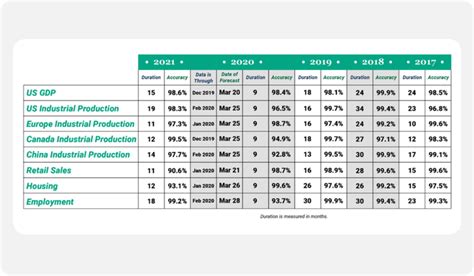
- Aggregate Club Points: The points earned by all clubs from a league in a given season are totaled. For example, if three clubs from the English Premier League participate in UEFA competitions, their individual points are added together to represent the league's performance for that season.
- Country Bonus Points: Additional points are awarded to a league based on the performance of its clubs in key stages of competitions. These include:
- 1 point for each club that qualifies for the group stage of the Champions League or Europa League.
- 1 additional point if a club from the league reaches the round of 16 in the Champions League.
- Bonus points for clubs reaching the quarter-finals, semi-finals, and finals in either the Champions League or Europa League, similar to the club coefficient system.
These bonuses reflect the collective strength of a league rather than isolated club success.
- Weighting by Season: Similar to the club coefficient, the country coefficient applies a weighted system over five seasons. The most recent season is weighted more heavily (5x) compared to older seasons, ensuring the ranking reflects current competitiveness.
The sum of the weighted points for all clubs from a league, combined with the league-specific bonuses, gives the **country coefficient score**. This score is used to rank leagues and determine the number of automatic qualification spots for UEFA competitions in future seasons. For instance, the top-ranked leagues like the Premier League or La Liga often receive four Champions League slots due to their high coefficients.
### Detailed Insights into Weighting and Scoring Nuances
A key aspect of the UEFA coefficient system is its emphasis on **proportional representation**. While individual club performance is central, the system inherently favors leagues that can field multiple strong teams. For example, if a league has four representatives in the Champions League and all perform well, the league’s coefficient will rise significantly. This dynamic creates a feedback loop where stronger leagues tend to consolidate their dominance because they are rewarded for both individual club success and collective league performance.
Another nuance is the **elimination of "historical drag"** in the five-year cycle. Older seasons drop out of the calculation as new ones are added. This ensures that a league or club cannot rest on past glory; they must consistently perform to maintain a high ranking. For instance, if a traditionally strong league like Serie A has a few poor seasons, its coefficient can drop, potentially losing a Champions League slot to an up-and-coming league like the Portuguese Primeira Liga.
### Practical Example
To illustrate, consider a hypothetical scenario where Club A from League X participates in the Champions League. If Club A wins all six of its group stage matches, qualifies for the round of 16, and eventually reaches the semi-finals, its points would be calculated as follows:
- 6 group stage wins × 2 points = 12 points.
- 6 group stage matches × 0.5 points (for playing) = 3 points (playing bonus for each match).
- Reaching the round of 16: +5 points.
- Reaching the semi-finals: +2 points.
- Qualifying for the group stage: +4 points.
If these points are earned in the most recent season, they would be multiplied by 5 (weighting factor). This single club’s contribution could significantly boost League X’s country coefficient for that year.
### Criticism and Limitations
While the UEFA coefficient system is robust, it is not without criticism. One limitation is that it may disproportionately reward leagues with more representatives, even if some of those representatives perform poorly. For instance, a league with four clubs in Europe might accumulate more points overall than a league with only two clubs, even if the latter’s representatives outperform the former’s on a per-club basis. This has led to debates about whether the system adequately reflects the "quality" of a league versus its "quantity" of participants.
Additionally, the five-year cycle can sometimes penalize leagues undergoing rapid improvement. A league that has recently invested in infrastructure and talent might not see immediate benefits in its coefficient due to the lag effect of older seasons still being factored in.
In conclusion, the UEFA coefficient system is a detailed and multi-faceted methodology that balances individual club success with league-wide performance. By weighting recent performance more heavily, applying bonuses for key milestones, and aggregating results across clubs, UEFA ensures that its rankings are both dynamic and reflective of current European football trends. However, the system also invites scrutiny regarding its fairness and ability to adapt to changing dynamics in the sport.
Impact on Club Competitions (Champions League and Europa League)
The UEFA rankings coefficient plays a pivotal role in shaping the dynamics of club competitions, particularly the UEFA Champions League and the UEFA Europa League. This ranking system is not merely a reflection of a nation's or club's performance over a given period but serves as a mechanism to ensure fairness, competitiveness, and a structured approach to seeding and allocation in these high-stakes tournaments. Understanding its impact requires delving into how the coefficient influences **team seeding**, **qualification pathways**, and **group stage allocation**, which are critical components of these competitions.
The **team seeding** process is one of the most visible ways in which the UEFA coefficient affects club competitions. In both the Champions League and the Europa League, seeding is used to group teams into pots for the group stage draw. Teams are ranked based on their individual club coefficient, which is derived from their performance in European competitions over the past five seasons, as well as the coefficient of their national association. This dual-layered approach ensures that both a club's recent form and the overall strength of its domestic league are factored into the seeding process. Higher-ranked teams are placed in Pot 1, which often includes the reigning champions of the respective competition and the champions of the top-ranked leagues. This placement is crucial because it often determines the perceived difficulty of a team's group. For instance, being in Pot 1 allows a club to avoid other top-seeded teams in the group stage, giving them a theoretically easier path to the knockout rounds. Conversely, lower-ranked teams in Pots 3 or 4 face a steeper challenge, as they are more likely to be grouped with stronger opponents. This disparity directly impacts the competitive balance of the group stage and can significantly influence a team's chances of progression.
The **qualification pathways** are another area where the UEFA coefficient exerts considerable influence. Teams from nations with higher coefficients benefit from more direct entries into the group stages of these competitions. For example, the top-ranked associations in the UEFA coefficient table are granted multiple automatic berths in the Champions League group stage. This advantage is not merely symbolic; it translates into tangible benefits such as increased revenue from group stage participation, exposure to a global audience, and the ability to attract high-profile players. Lower-ranked associations, on the other hand, often see their representatives start in earlier qualifying rounds, which are fraught with uncertainty. These teams must navigate a series of knock-out ties against similarly ranked opponents, often from leagues with comparable or even superior coefficients. The grueling nature of these early rounds can exhaust squads and reduce their chances of making a meaningful impact later in the competition. This dynamic creates a self-reinforcing cycle where stronger leagues consolidate their dominance, while weaker leagues struggle to break through. The UEFA coefficient, therefore, not only reflects the existing hierarchy but also perpetuates it by shaping the entry points for clubs.
The **group stage allocation** is perhaps the most intricate area where the coefficient's impact is felt. Once the group stage draw is conducted, the distribution of teams across groups is designed to balance competitiveness while ensuring that higher-ranked teams are rewarded for their past performances. However, the coefficient system can sometimes lead to unintended consequences. For instance, a team from a mid-tier league with a strong recent European performance might find itself in a group with three traditionally strong clubs from top-ranked leagues. While this scenario is meant to test the mettle of emerging teams, it can also create "groups of death," where even highly skilled teams are eliminated early due to the sheer strength of their opponents. On the flip side, some groups may appear imbalanced, with one or two dominant teams and weaker opponents who are unlikely to challenge for qualification. This can lead to a lack of drama in certain groups and reduce the overall excitement of the competition. Critics of the coefficient system argue that while it aims to reward past success, it can sometimes undermine the narrative of underdog stories that make European club football so compelling.
Another nuanced aspect of the UEFA coefficient's impact is its role in **financial distribution**. The allocation of prize money in the Champions League and Europa League is partially tied to a team's coefficient ranking. Teams with higher coefficients receive larger shares of the market pool, which is distributed based on the value of a nation's TV rights and the club's historical success in European competitions. This creates a scenario where not only do top-ranked teams have an easier path due to favorable seeding, but they are also financially rewarded for their past achievements. This dual advantage—easier draws and greater financial incentives—can widen the gap between elite clubs and those from less prestigious leagues. For example, a team like Bayern Munich or Manchester City, with consistently high coefficients, not only avoids early-stage hurdles but also reaps significant financial rewards that can be reinvested into squad development, further cementing their dominance.
The **geopolitical implications** of the coefficient system also deserve attention. Smaller nations, whose leagues may not have the financial clout or historical success of larger ones, often find themselves at a systemic disadvantage. While the UEFA coefficient offers a pathway for these nations to improve their standing through strong performances, the barriers to entry—such as the need to excel in early qualifying rounds—can be prohibitively high. This creates a paradox: to improve their coefficient, smaller nations need consistent success in European competitions, but the structure of the system often prevents them from gaining the momentum needed to do so. As a result, the UEFA rankings can sometimes feel like a self-fulfilling prophecy, where the strong get stronger, and the weak struggle to compete on an equal footing.
However, it is worth noting that the UEFA coefficient system is not without its merits. By rewarding consistent performance, it incentivizes clubs and national associations to invest in infrastructure, youth development, and competitive standards. The system also ensures that the group stages of the Champions League and Europa League feature a mix of established powerhouses and ambitious challengers, which is essential for maintaining the tournaments' global appeal. Furthermore, the inclusion of a five-year rolling period in the calculation of the coefficient prevents short-term fluctuations from skewing the rankings too drastically, providing a degree of stability to the system.
In summary, the UEFA rankings coefficient is a double-edged sword. While it ensures a structured and merit-based approach to seeding, qualification, and group stage allocation, it also reinforces existing hierarchies and creates challenges for smaller or less successful leagues. Its influence on club competitions is profound, shaping not only the on-field dynamics but also the financial and strategic landscapes of European football. As the sport continues to evolve, there is room for UEFA to revisit and refine the coefficient system to strike a better balance between rewarding past success and fostering future competitiveness across the continent.
Role of National League Rankings in Coefficient
The UEFA rankings coefficient plays a pivotal role in shaping the competitive landscape of European football by determining the number of slots each national league is allocated in UEFA competitions such as the UEFA Champions League, UEFA Europa League, and UEFA Conference League. This system is not merely a reflection of individual club performances but is deeply influenced by the collective performance of teams from a given league over a rolling five-year period. Understanding the **role of national league rankings in the coefficient** requires an exploration of how league-level performance directly impacts slot allocation and the broader implications for the competitive balance within European football.
At its core, the UEFA coefficient for national leagues is calculated based on the results of all clubs from a particular league in European competitions. Each win, draw, and progression through knockout stages contributes points to the league's overall tally. These points are aggregated and averaged to produce a ranking that determines how many automatic qualification spots and how many places in preliminary rounds are assigned to that league. This mechanism ensures that leagues with consistently high-performing teams are rewarded with greater representation in UEFA competitions, which in turn fosters a cycle of improvement as these leagues attract better talent, investment, and global attention.
One of the most striking examples of this dynamic is the Premier League's dominance in recent years. The consistent deep runs of English clubs in the Champions League and Europa League—such as Liverpool, Manchester City, Chelsea, and Tottenham—have bolstered the league's coefficient. This has allowed the Premier League to secure **four automatic group stage slots in the Champions League**, a privilege shared only by a few other leagues like Spain's La Liga and Germany's Bundesliga. The ripple effect of this is profound: with more slots, the Premier League can field more teams, increasing its visibility and commercial appeal. This creates a self-reinforcing loop where success in European competitions attracts better players and managers, further enhancing the league’s overall quality.
However, the system is not without its nuances. Lesser-performing leagues, such as those in Eastern Europe or Scandinavia, often struggle to maintain a high coefficient due to the limited success of their clubs in European competitions. For instance, leagues like the Ukrainian Premier League or the Czech First League may see their top teams exit early stages of UEFA tournaments. This not only diminishes their coefficient but also reduces their future slot allocations. As a result, these leagues face a structural disadvantage: fewer slots mean fewer opportunities for their teams to gain experience and improve, perpetuating a cycle of underperformance. This dynamic underscores the **structural inequity inherent in the UEFA coefficient system**, where success begets success, and underperformance can lead to a downward spiral.
The allocation of slots is also influenced by the distinction between **direct group stage entries and preliminary round slots**. For example, the top-ranked leagues (e.g., England, Spain, Germany, Italy) typically have their champions enter the Champions League group stage directly, while lower-ranked leagues (e.g., Serbia, Croatia) may only receive spots in the second or third qualifying rounds. This distinction is critical because early-round exits not only deprive teams of potential prize money but also fail to contribute significantly to their league’s coefficient. A team eliminated in the second qualifying round contributes far fewer points than one that reaches the group stage or beyond. This creates a stark contrast in the opportunities available to teams from high- versus low-ranked leagues.
Another key aspect is the **impact of league size and depth** on coefficient performance. Larger leagues like the Premier League or La Liga benefit from having multiple strong teams capable of competing at a high level in Europe. For instance, while Real Madrid and Barcelona are perennial contenders in the Champions League, the presence of Atlético Madrid and Sevilla adds depth to La Liga's European performance. In contrast, smaller leagues such as the Austrian Bundesliga or the Danish Superliga often rely heavily on one or two flagship teams (e.g., Red Bull Salzburg or FC Copenhagen). If these flagship teams underperform in a given season, the entire league’s coefficient can suffer disproportionately. This highlights how the **depth of a league's competitiveness** is a critical factor in maintaining or improving its UEFA ranking.
The UEFA coefficient system also incorporates a **five-year rolling window**, which means that the performance of leagues in the current season replaces the oldest season in the calculation. This rolling mechanism ensures that leagues cannot rest on past glories; they must consistently produce competitive teams to retain their slot allocations. A prime example of this is the decline of the Dutch Eredivisie in the early 2010s. Despite Ajax's storied history, the league's overall performance waned, leading to a reduction in its Champions League slots. However, recent successes—such as Ajax’s run to the semi-finals in 2019—have helped the Eredivisie regain some ground. This demonstrates how the system rewards **consistent, recent performance** rather than historical reputation.
It is also worth noting the **strategic decisions leagues make to optimize their coefficient**. Some leagues, particularly those on the cusp of gaining or losing slots, may prioritize the success of their top teams over broader domestic competition. For example, in smaller leagues, the scheduling of domestic fixtures might be adjusted to give top teams more rest before European matches. This practice, while beneficial for the league’s UEFA ranking, can sometimes spark debates about fairness within the domestic context, as mid-table or lower-ranked teams might feel marginalized.

The implications of national league rankings extend beyond slot allocation. A high coefficient can also attract **sponsorship deals, broadcasting rights, and foreign investment**. Leagues with more slots in prestigious competitions like the Champions League are more likely to secure lucrative TV contracts, as these slots guarantee more matches featuring their teams on the European stage. This financial windfall can then be reinvested into infrastructure, youth development, and marketing, further elevating the league’s standing. Conversely, leagues that lose slots due to poor performance may struggle to retain top talent and face diminishing returns in terms of revenue and global appeal.
In conclusion, the role of national league rankings in the UEFA coefficient system is a complex interplay of performance, opportunity, and structural dynamics. While the system rewards leagues that consistently produce successful teams, it also exposes the challenges faced by smaller or less competitive leagues. The allocation of slots is not merely a technical exercise but a reflection of the broader power dynamics in European football, where leagues with strong representation in UEFA competitions can cement their status as elite footballing environments. This interplay of performance and opportunity creates both incentives for improvement and barriers for smaller leagues, making the UEFA coefficient a powerful yet contentious tool in shaping the landscape of European football.
Case Studies of High-Performing Clubs and Leagues
The UEFA rankings coefficient is a critical measure of the performance of clubs and leagues in European football. It not only reflects the competitive strength of individual teams but also highlights the overall quality and consistency of leagues in producing high-performing clubs. To understand what drives success in this system, it is essential to examine case studies of clubs and leagues that have consistently excelled. These examples provide a roadmap of strategies, resources, and cultural factors that contribute to sustained excellence in European football.
One of the most prominent examples of high-performing clubs is **FC Barcelona** during the late 2000s and early 2010s. Barcelona's dominance in this period was underpinned by a unique blend of **strategic youth development** and **tactical innovation**. The club's famed La Masia academy produced a generation of players like Lionel Messi, Andrés Iniesta, and Xavi Hernández, who not only excelled individually but also operated within a cohesive system. This system, often referred to as "tiki-taka," emphasized possession-based football, quick passing, and positional play. Barcelona's success in the UEFA Champions League during this era—winning the trophy in 2006, 2009, and 2011—directly contributed to Spain's strong position in the UEFA rankings. Their ability to maintain a core group of players who understood the system deeply gave them an edge over opponents. This case study underscores the importance of **long-term investment in youth academies** and **a clear philosophical identity** in achieving high rankings.
Another example is **Bayern Munich**, a club that has been a mainstay in the upper echelons of the UEFA rankings for decades. Bayern's success is rooted in **financial stability**, **squad continuity**, and **strategic recruitment**. Unlike many clubs that rely heavily on external funding or speculative transfers, Bayern has built its model around **self-sustainability** and **strong commercial operations**. The club consistently reinvests revenue from player sales, sponsorships, and broadcasting rights into maintaining a competitive squad. For instance, their ability to sign players like Robert Lewandowski and adapt their playing style to suit modern football trends has kept them relevant. Additionally, Bayern benefits from the **structural strength of the Bundesliga**, where the league's financial regulations ensure a certain level of parity while still allowing dominant clubs to thrive. This demonstrates how a **well-regulated domestic league** can act as a springboard for European success. Bayern's approach highlights that **financial prudence** combined with **on-field adaptability** is a winning formula in the UEFA rankings.
Shifting focus to leagues, the **English Premier League (EPL)** offers a compelling case study of collective excellence. While individual clubs like Manchester United, Liverpool, and Manchester City have had their moments of dominance, the EPL's overall performance in the UEFA rankings is driven by the **depth of competition** within the league. The EPL’s lucrative broadcasting deals, which dwarf those of most other leagues, provide clubs with the financial resources to attract top talent globally. This has led to a situation where even mid-table EPL teams can field squads capable of challenging elite European clubs in cup competitions. For example, clubs like **Tottenham Hotspur** and **Chelsea** have reached UEFA Champions League finals in recent years despite not always being title favorites domestically. The EPL's model of **revenue sharing**, while not perfectly egalitarian, ensures that even smaller clubs have access to resources that allow them to compete at a high level. This collective strength has helped the EPL maintain its position as one of the top-performing leagues in the coefficient rankings.
In contrast, **Portugal's Primeira Liga** provides an interesting counterpoint. Despite being a smaller league in terms of global revenue and audience, it has consistently punched above its weight in the UEFA rankings, largely due to the success of clubs like **FC Porto** and **SL Benfica**. These clubs have mastered the art of **player trading** as a business model. They invest heavily in scouting networks across South America and Africa to identify undervalued talent, develop these players within their systems, and sell them at a premium to wealthier European clubs. This approach has allowed Porto and Benfica to remain competitive in the UEFA Champions League and Europa League, even with limited domestic financial resources. For instance, Porto's victories in the 2004 and 2011 Champions League and their consistent presence in the knockout stages are a testament to this model. This case study illustrates how **efficient player trading strategies** and **strong scouting networks** can enable smaller leagues to maintain a high coefficient ranking.
The **Italian Serie A** also offers valuable insights, particularly through the resurgence of **Inter Milan** and **AC Milan** in recent years. After a period of decline in the 2010s, Italian football has seen a revival driven by **focused investment** and **modernization efforts**. Inter Milan's 2021 Serie A title and their strong performances in the Champions League exemplify how **strategic ownership changes** and **investment in squad depth** can revitalize a club's fortunes. Similarly, AC Milan's emphasis on **youthful energy** and **data-driven recruitment** has allowed them to compete at the highest level despite financial constraints. Italy's resurgence in the UEFA rankings can also be attributed to the league's efforts to **improve stadium infrastructure** and **attract a younger, global audience** through digital engagement strategies. This demonstrates that **off-field modernization** can complement on-field performance to boost a league's standing in the rankings.
A less conventional but equally instructive example is **Ajax Amsterdam** from the **Dutch Eredivisie**. Ajax's success in the late 2010s, particularly their run to the Champions League semi-finals in 2019, was built on a **philosophy of total football** and **innovative use of limited resources**. As a club with modest financial means compared to the giants of Europe, Ajax focuses on **developing young players** and **selling them at peak value** while still competing effectively in European competitions. Their ability to balance **short-term success** with **long-term sustainability** is a lesson for leagues and clubs that operate in less lucrative markets. Ajax's model shows that **innovative coaching**, **strategic player development**, and **a clear identity** can overcome financial disadvantages.
These case studies reveal several common threads among high-performing clubs and leagues. First, there is a clear emphasis on **sustainability**, whether through youth development, self-sustaining financial models, or efficient player trading. Second, **strategic adaptability**—whether in response to tactical trends, financial challenges, or changing competition structures—is a hallmark of success. Third, the role of **domestic league structures** cannot be overlooked; leagues that provide a mix of competition, financial stability, and global appeal tend to produce clubs that excel in UEFA rankings. Finally, these examples highlight the importance of **cultural and institutional factors**, such as a strong footballing philosophy or a well-supported fan base, in driving consistent performance.
In summary, the UEFA rankings coefficient is not merely a reflection of isolated successes but a measure of how clubs and leagues build systems that enable sustained excellence. Whether through the deep pockets and global appeal of the Premier League, the efficient player trading of Portuguese clubs, or the tactical innovations of Barcelona and Ajax, these examples provide a rich tapestry of strategies that can inform future success in European football.
Challenges and Criticisms of the Coefficient System
The UEFA rankings coefficient is a system designed to measure the performance of clubs and national teams in European competitions over a rolling five-year period. While it serves as a critical tool for seeding teams in tournaments like the UEFA Champions League and Europa League, it is not without its share of challenges and criticisms. These criticisms often center on issues of bias, fairness, and the need for potential improvements to better reflect the dynamic nature of modern European football.
One of the most frequently raised concerns about the coefficient system is its perceived bias toward historically successful leagues and clubs. The system awards points based on results in UEFA competitions, which inherently favors nations and clubs that consistently qualify for and perform well in these tournaments. For example, the "Big Five" leagues—England, Spain, Germany, Italy, and France—dominate the upper echelons of the rankings due to their clubs’ regular participation and strong performances. This creates a self-reinforcing cycle: these leagues receive more slots in UEFA competitions, which allows their clubs to accumulate more points, further solidifying their dominance. Smaller leagues, such as those in Eastern Europe or Scandinavia, often struggle to break into this hierarchy because their clubs have fewer opportunities to compete at the highest level. This dynamic is not merely a reflection of on-field performance but also of structural inequalities in European football, where wealthier leagues have access to greater resources, better infrastructure, and more lucrative broadcasting deals.
The issue of fairness is closely tied to this perceived bias. Critics argue that the coefficient system does not adequately account for the contextual challenges faced by clubs from smaller nations. For instance, a club from a lower-ranked league might achieve a remarkable result by reaching the group stage of a UEFA competition, yet their coefficient gain is limited compared to a top-tier club that routinely advances to later stages. This discrepancy can feel punitive for smaller clubs, as their achievements are undervalued in comparison to the baseline expectations for elite clubs. A related criticism is that the system does not sufficiently differentiate between individual club performance and the collective performance of a league. For example, if a league’s coefficient is boosted by the success of one or two flagship clubs (e.g., Ajax in the Netherlands or Red Bull Salzburg in Austria), other clubs from the same league may benefit unfairly from increased slots or seedings despite having weaker performances themselves. This can create a sense of inequity among clubs within the same domestic league.
Another area of concern is the time lag inherent in the five-year rolling system. While the rolling mechanism is intended to provide stability and avoid drastic year-to-year fluctuations, it can lead to situations where the rankings no longer accurately reflect current competitive realities. A league or club that experiences a sharp decline in performance may still benefit from points earned in previous years, artificially inflating their standing. Conversely, a rapidly improving league or club might find it difficult to climb the rankings quickly because their recent successes are diluted by older, less impressive results. This lag can create a disconnection between the coefficient system and the real-time competitive landscape of European football, where new powerhouses can emerge (e.g., clubs backed by state-owned wealth or private investment) and traditional giants can falter.
The methodology of point allocation has also been a point of contention. Points are awarded for wins, draws, and progression through rounds, but the system does not weigh these achievements based on the relative strength of opponents. For example, a victory against a top-ranked club in the Champions League group stage is worth the same as a victory against a much lower-ranked team in the qualifying rounds. This flat-rate point system can undervalue the difficulty of certain matches and oversimplify the competitive context. Some have suggested that a more nuanced approach, such as weighted points based on opponent strength or factoring in the stage of the competition, could provide a fairer representation of performance. For instance, defeating a team from a top-five league in the knockout stages of the Champions League could be rewarded with significantly more points than a win against a team from a lower-ranked league in the early qualifying rounds.
There are also criticisms related to the exclusion of certain competitions from the coefficient calculations. For example, the UEFA Nations League, while influential in determining seedings for national teams in other competitions, does not directly contribute to the coefficient rankings. Some argue that this omission overlooks the growing importance of the Nations League as a barometer of national team performance. Including it in the coefficient system could provide a more holistic view of a nation's footballing strength, especially for nations where club success is limited but national team performance is strong.
Another criticism is the lack of transparency and public engagement in how the system is designed and updated. UEFA has made periodic adjustments to the coefficient system, but these changes are often seen as reactive rather than proactive. For instance, the decision to award two automatic Champions League spots to the fifth-ranked league (currently France) was viewed by some as a concession to the growing influence of certain leagues rather than a data-driven improvement. Greater stakeholder involvement—including input from smaller leagues, clubs, and independent analysts—could help address concerns about the system’s objectivity and ensure that it evolves in a way that is perceived as fair and inclusive.
Potential improvements to the coefficient system have been proposed by football analysts and stakeholders. One suggestion is to implement a dynamic weighting system that adjusts point allocations based on the current competitive balance of leagues and clubs. This could involve periodic reviews of league strength, perhaps using metrics like transfer market activity, financial investment, or even advanced analytics such as expected goals (xG) and possession statistics. Another proposal is to introduce a bonus system for overachievement, where clubs from smaller leagues that outperform expectations (e.g., reaching the knockout stages despite low initial seedings) receive additional coefficient points. This would incentivize and reward underdog performances, which are often the most compelling narratives in European football.
Additionally, there is a growing call for the system to better reflect grassroots development and long-term investment in football infrastructure. For example, leagues that demonstrate significant improvements in youth development programs, women’s football, or fan engagement could receive supplementary points. This would not only reward holistic growth but also encourage leagues to focus on sustainable development rather than short-term success.
Finally, the subjectivity of seeding and slot allocation tied to the coefficient system has been critiqued. Some argue that UEFA’s use of the rankings to determine the number of slots per league can exacerbate existing inequalities. For instance, the allocation of four guaranteed Champions League spots to the top-four ranked leagues can be seen as entrenching the dominance of these leagues at the expense of competitive diversity. A more equitable approach might involve rotating slot allocations or creating a play-in system where clubs from lower-ranked leagues have a chance to compete for additional spots based on recent performance.
In conclusion, while the UEFA rankings coefficient is a well-intentioned system aimed at maintaining competitive balance in European football, it is not immune to criticism. Issues of bias, fairness, and the limitations of its methodology highlight the need for ongoing evaluation and reform. By addressing these concerns through more dynamic, inclusive, and transparent mechanisms, UEFA could create a system that better reflects the evolving dynamics of the sport while fostering greater equity among its diverse participants.
How Clubs and Leagues Can Improve Their Rankings
The UEFA rankings coefficient is a critical measure of the performance of clubs and leagues in European competitions. It directly influences the number of slots allocated to a league in UEFA tournaments and the seeding of clubs in draws. Clubs and leagues aiming to improve their rankings must adopt targeted, strategic approaches to maximize their points in UEFA competitions. This section outlines actionable strategies for both clubs and leagues to enhance their coefficient scores.
One of the most effective ways for clubs to improve their UEFA coefficient is to consistently perform well in European competitions. This begins with qualification and participation. Clubs should prioritize securing spots in UEFA Champions League or Europa League by finishing in the top positions of their domestic leagues. For leagues with fewer automatic qualification slots, this means ensuring that the top-performing teams are well-prepared to compete at the highest level. Clubs that frequently miss out on European competition due to poor domestic performance must invest in long-term squad development, including youth academies, scouting networks, and high-quality coaching staff.
Once qualified, match preparation and tactical adaptability are key. Clubs should analyze the playing styles of their European opponents in detail. For instance, many clubs from smaller leagues struggle against teams with high-pressing systems or possession-heavy approaches. Investing in data analytics tools to study opponents' strengths, weaknesses, and patterns can provide a competitive edge. Clubs should also focus on building squad depth to handle the physical and mental demands of playing in multiple competitions. A well-rested and injury-free squad can maintain consistency across domestic and European fixtures, which is crucial for accumulating coefficient points.
Another strategy is to prioritize European matches over domestic ones when necessary. While this may seem controversial, clubs with limited resources often need to make difficult decisions. For example, if a club is in a comfortable position domestically but faces a must-win European game, they might rest key players in a less critical league match to ensure peak performance in Europe. This approach requires clear communication with fans and stakeholders to manage expectations and maintain trust.
For leagues, the focus should be on improving the overall quality of their member clubs. A stronger league produces more competitive teams that are better equipped to succeed in Europe. Leagues can encourage this by implementing financial fair play regulations to ensure clubs operate sustainably. Financial mismanagement can lead to insolvency or underperformance, which harms the league's overall standing. Leagues should also incentivize clubs to invest in infrastructure, such as modern training facilities and stadiums, which can attract better talent and improve matchday revenue.
A collaborative approach to talent development is another area where leagues can make a significant impact. Leagues can work with national football associations to establish elite youth academies that nurture homegrown talent. For instance, leagues can mandate that a certain percentage of matchday squads include players under the age of 23 who are developed within the league's system. This not only strengthens the league's identity but also creates a pipeline of players who are familiar with the league's style of play and can adapt quickly to European competition.
Leagues can also enhance their competitive balance to ensure that more teams have a realistic chance of qualifying for European competitions. A league dominated by one or two teams may see those teams perform well in Europe, but it can stifle the development of other clubs. Introducing revenue-sharing models or parity-focused prize money distribution can help smaller clubs invest in their squads and infrastructure. This creates a more dynamic league where multiple teams can challenge for top spots, increasing the likelihood of having multiple representatives in UEFA tournaments.
Another crucial aspect for leagues is to attract and retain top-tier talent. This involves offering competitive salaries, improving living conditions for players, and ensuring that the league is seen as a desirable destination. Leagues can also work on broadcasting deals to increase exposure and revenue. A league with high-quality production values and widespread viewership is more likely to attract sponsors and investors, which can trickle down to clubs in the form of better resources.
Both clubs and leagues should also focus on building a strong European identity. For clubs, this means fostering a culture of ambition and resilience in European competitions. Teams that view European matches as opportunities rather than challenges are more likely to perform well. Leagues can support this by promoting their clubs' European journeys through marketing campaigns, social media engagement, and fan outreach. Creating a sense of collective pride in European success can galvanize clubs and their supporters, leading to better performances on the pitch.
On the logistical side, scheduling optimization is an often-overlooked factor. Leagues can work with their member clubs to ensure that fixture congestion is minimized during key European weeks. For example, leagues can reschedule domestic matches to give clubs more recovery time before or after European games. This not only improves player performance but also reduces the risk of injuries, which can derail a club's European campaign.
Finally, data-driven decision-making should be embraced by both clubs and leagues. UEFA provides detailed statistics and performance metrics for European competitions. Clubs and leagues should analyze this data to identify patterns in successful teams. For example, clubs that excel in Europe often have high pass completion rates, strong defensive organization, and efficient set-piece execution. Leagues can use this information to guide their member clubs in areas of improvement, such as investing in set-piece specialists or defensive coaches.
In addition, international partnerships and collaborations can help leagues and clubs learn from others. For instance, smaller leagues can establish exchange programs with more successful leagues to understand best practices in player development, match preparation, and administrative efficiency. Clubs can also participate in pre-season tournaments against high-caliber European teams to test their readiness and identify areas for improvement before the competitive season begins.
- Invest in youth academies and sustainable squad development to ensure a steady supply of competitive players.
- Focus on tactical adaptability and data-driven opponent analysis to gain an edge in European fixtures.
- Enhance competitive balance within the league to allow more clubs to qualify for and succeed in UEFA tournaments.
- Optimize scheduling to reduce fixture congestion and prioritize recovery for European matches.
- Leverage broadcasting and marketing to increase league visibility and attract top talent.
By adopting these strategies, clubs and leagues can systematically improve their UEFA rankings coefficient. While the process requires a combination of short-term adjustments and long-term planning, the benefits—both in terms of prestige and financial rewards—are well worth the effort. Clubs and leagues that take a proactive, holistic approach to improving their European performance will not only enhance their own standings but also contribute to the overall growth and competitiveness of their domestic football ecosystem.
Future Trends and Potential Reforms
The UEFA rankings coefficient system, which evaluates the performance of clubs and national teams in European competitions, has long been a cornerstone of the football landscape. However, as the sport evolves—driven by globalization, financial disparities, and shifting governance priorities—there is growing speculation about how this system might adapt to remain relevant and equitable. This section explores potential future trends and reforms in the UEFA rankings coefficient, focusing on how football's dynamic ecosystem might shape its trajectory.
One of the most significant drivers of change is the growing influence of financial powerhouses in football. Clubs backed by state-owned entities or billionaire investors have increasingly dominated domestic and European competitions. This trend risks skewing the rankings in favor of a small group of elite teams, creating a feedback loop where success begets more success due to the coefficient's reward structure. To counter this, UEFA may need to introduce mechanisms to level the playing field. For instance, future reforms could incorporate a "financial fairness" multiplier that adjusts points based on a club's revenue relative to its league average. This would reward overperformance by smaller clubs while tempering the dominance of financially superior teams. Such a reform would not only promote competitive balance but also enhance the narrative appeal of "underdog" stories in European football.
Another area of potential change lies in addressing the impact of expanded competitions. UEFA has already experimented with formats like the UEFA Nations League and the revamped Champions League group stage, which include more teams and matches. While these changes aim to increase inclusivity and revenue, they also risk diluting the prestige of top-tier competitions. The coefficient system may need to evolve to differentiate between high-stakes and low-stakes matches. For example, points awarded for group-stage wins in the Champions League could be weighted differently from those in expanded preliminary rounds or secondary tournaments like the Europa Conference League. This would ensure that the coefficient remains a true reflection of performance in high-profile, competitive environments rather than rewarding participation in less competitive settings.
The rise of non-European talent and leagues also poses a challenge to the current ranking system. As football becomes more globalized, players and coaches from outside Europe are increasingly influencing the sport's dynamics. This is particularly evident in leagues like the Saudi Pro League, which are attracting high-profile players and potentially diverting talent that might otherwise bolster European club performance. UEFA might need to consider how non-European competition impacts the ecosystem. For instance, if top European players spend their peak years outside UEFA-affiliated leagues, should this be factored into the rankings? A potential reform could involve incorporating a "global impact" metric that tracks the influence of European-trained players and coaches in non-European leagues, indirectly bolstering the rankings of their home nations or clubs.
Governance reforms within UEFA and FIFA could also reshape the coefficient system. There is a growing push for greater transparency and accountability in decision-making, particularly in light of controversies such as the European Super League proposal. Stakeholders are demanding that ranking systems be less opaque and more aligned with modern governance principles. In response, UEFA might transition to a more data-driven and publicly auditable methodology. This could include publishing detailed breakdowns of how points are awarded, incorporating AI-driven analytics to assess match difficulty, and even allowing fan or expert panels to provide input on weightings. Such transparency would not only rebuild trust but also adapt the system to a digital-first audience accustomed to real-time data and analytics.
The integration of sustainability and social responsibility into football governance is another area that could influence the rankings. UEFA has already shown a willingness to promote environmental and social initiatives through programs like its "Football Sustainability Strategy." In the future, the coefficient system might include bonus points for clubs or associations that demonstrate exceptional sustainability practices, such as reducing carbon emissions from travel or fostering community engagement. While this might seem tangential to on-pitch performance, it aligns with broader trends in sports governance, where ethical and environmental considerations are becoming integral to organizational credibility.
Another intriguing possibility is the potential for regional collaboration in ranking systems. As leagues outside Europe, such as those in South America or Asia, grow in prominence, UEFA may need to consider cross-confederation ranking adjustments. For example, if a European club regularly competes in high-profile friendlies or tournaments against top South American teams, should this influence their UEFA coefficient? A reformed system might allow for weighted points for inter-confederation performances, reflecting the increasingly interconnected nature of global football. This could also open the door to more collaborative competitions, such as a "Club World Cup" with a stronger emphasis on rankings and seeding.
There is also the question of how technology and analytics might reshape the system. With the advent of advanced tracking tools, machine learning, and predictive modeling, UEFA could refine the coefficient to account for performance metrics beyond wins and losses. For example, points could be adjusted based on expected goals (xG), possession statistics, or even the quality of opposition faced. This would provide a more nuanced view of a team's true performance, rather than relying solely on binary outcomes. While this approach risks overcomplicating the system, it could address criticisms that the current rankings do not adequately reflect underlying performance dynamics.
Finally, we must consider the impact of geopolitical and economic shifts. The ongoing debate over the role of football in national identity and international relations could lead to reforms that align the coefficient system with broader strategic goals. For instance, UEFA might prioritize rewarding nations or clubs that contribute to grassroots development or promote unity in politically sensitive regions. This could mean additional points for hosting inclusive tournaments or fostering youth development programs in underrepresented areas. Such reforms would position the coefficient system not just as a measure of sporting success but as a tool for fostering football's role as a unifying global force.
In conclusion, the UEFA rankings coefficient is poised for significant evolution in response to football's changing dynamics. From financial fairness and expanded competitions to global talent migration, sustainability, and technological integration, the system must adapt to remain a credible and forward-looking measure of European football's hierarchy. While these potential reforms may face resistance or logistical challenges, they represent a necessary step toward ensuring the coefficient reflects the sport's modern realities while upholding its core values of competition, inclusivity, and fairness.
Conclusion and Key Takeaways
The UEFA rankings coefficient is not merely a statistical tool for ranking clubs and national teams; it represents a dynamic framework that shapes the competitive landscape of European football. This system, while rooted in numerical data, extends its influence far beyond the pitch, impacting the strategic decisions of clubs, the financial health of leagues, and the global perception of European football as a whole. To fully appreciate its significance, it is essential to delve into the broader implications of the rankings coefficient and how it serves as a cornerstone of the sport's structure and evolution.
At its core, the UEFA rankings coefficient is designed to quantify the performance of clubs and national teams in European competitions over a rolling five-year period. This ranking determines the number of slots allocated to each country in UEFA tournaments such as the Champions League, Europa League, and Conference League. While this may seem like a straightforward mechanism for competition access, its implications are profound. A higher coefficient for a country means more guaranteed spots in prestigious tournaments, which in turn drives increased revenue, exposure, and prestige for the clubs within that nation. This creates a self-reinforcing cycle where success breeds further success. Clubs from nations with higher coefficients are more likely to attract top talent, secure lucrative sponsorship deals, and build stronger fan bases, further solidifying their competitive edge.
The importance of the rankings coefficient becomes even more evident when considering its role in economic disparities across European football. Countries with historically strong football cultures, such as England, Spain, Germany, and Italy, dominate the upper echelons of the rankings due to their clubs' consistent success in European competitions. This dominance has created a stratified system where wealthier leagues with higher coefficients have access to better resources, including superior training facilities, scouting networks, and player development programs. Smaller or less affluent leagues, such as those in Eastern Europe or Scandinavia, often struggle to compete on an equal footing. The coefficient system, therefore, not only reflects existing inequalities but also perpetuates them by funneling the majority of resources and opportunities to the already advantaged nations. This dynamic raises critical questions about fairness and inclusivity in the sport, particularly as UEFA seeks to balance competition with commercial interests.
From a strategic perspective, the rankings coefficient influences how clubs approach their participation in European competitions. For instance, a club from a lower-ranked country may prioritize European success over domestic performance if it sees an opportunity to improve its nation's coefficient. This can lead to scenarios where clubs field stronger squads in European matches even at the cost of league position, as the long-term benefits of higher rankings outweigh short-term domestic setbacks. Conversely, clubs from top-ranked nations may take their qualification for granted, leading to complacency or underperformance in group stages of tournaments. This interplay between domestic and international priorities underscores how the coefficient system shapes not just the competitive strategies of individual clubs but also the broader tactical landscape of European football.
The coefficient also has implications for the global appeal of European football. UEFA competitions are among the most-watched sporting events in the world, and the strength of the coefficient system ensures that these tournaments feature high-quality matchups between elite clubs. This, in turn, attracts global audiences, sponsors, and broadcasters, driving significant revenue for UEFA and its member associations. However, the system also raises concerns about the homogenization of European football. As top clubs from dominant nations continue to succeed and consolidate their positions, there is a risk of creating a "super league" effect within the existing framework, where only a handful of clubs and countries dominate the narrative of the sport. This could alienate smaller clubs and fan bases, potentially eroding the diversity and grassroots appeal that make football a universally beloved sport.
Another key takeaway is the role of the rankings coefficient in fostering national team development. The performance of clubs in UEFA competitions indirectly benefits national teams by exposing players to high-level competition and fostering a culture of excellence. For example, the success of clubs from a particular country often correlates with improved performances by its national team in international tournaments like the FIFA World Cup or UEFA European Championship. This symbiotic relationship highlights how the coefficient system serves as a bridge between club and international football, creating a feedback loop where success at one level supports growth at the other. However, this dynamic also places pressure on smaller footballing nations to invest in youth development and infrastructure to remain competitive, as their national teams often rely heavily on the exposure and experience gained by players in European club competitions.
From a regulatory standpoint, the rankings coefficient serves as a tool for UEFA to enforce a degree of accountability among its member associations. Countries with consistently poor performances in European competitions may see their coefficient drop, leading to reduced slots in future tournaments. This creates an incentive for national associations to invest in the quality of their domestic leagues, refereeing standards, and grassroots programs. However, this accountability mechanism is not without its flaws. Wealthier associations can often weather short-term declines in their coefficient due to their existing infrastructure and resources, while poorer associations may face long-term stagnation without external support or reform. This underscores the need for UEFA to consider more equitable measures, such as revenue-sharing models or targeted development funds, to ensure that the coefficient system does not become a self-perpetuating cycle of inequality.
The broader implications of the UEFA rankings coefficient also extend to the philosophy of competition in modern football. At a time when the sport is grappling with debates over financial fair play, the rise of breakaway leagues, and the growing influence of commercial interests, the coefficient system is a reminder of the need for a structured and merit-based approach to competition. While it is not without its flaws, the system provides a transparent and objective measure of performance that can help guide reforms and ensure that European football remains a vibrant and competitive arena. However, this requires UEFA to continually evaluate and adapt the system to address emerging challenges, such as the increasing dominance of a few superclubs or the potential impact of global events like the COVID-19 pandemic on competition participation and performance.
In conclusion, the UEFA rankings coefficient is a multifaceted tool that goes beyond mere rankings. It is a mechanism for shaping the competitive, economic, and cultural dynamics of European football. While it has undeniable benefits in promoting excellence and driving the sport's global appeal, it also underscores deep-seated inequalities and challenges that UEFA must address to maintain the sport's integrity and inclusivity. As the footballing landscape continues to evolve, the coefficient system will remain a critical element in balancing the aspirations of clubs, the ambitions of nations, and the global vision of the sport. Its role as a barometer of success and a driver of change makes it an indispensable, if imperfect, pillar of European football's identity.
- The coefficient is a self-reinforcing system that rewards success with further opportunities.
- It highlights and perpetuates economic disparities within European football.
- It shapes club strategies, influencing prioritization of domestic versus international goals.
- The system supports national team development by exposing players to high-level competition.
- It serves as a regulatory tool to encourage investment in domestic leagues and infrastructure.
- It reflects the need for UEFA to balance competition with inclusivity and fairness.
By understanding these takeaways, stakeholders in European football—be they clubs, associations, or fans—can better appreciate the nuanced role of the rankings coefficient and its potential to both elevate and challenge the sport in equal measure.