Introduction
India, often referred to as the world's youngest nation, boasts a demographic dividend that positions it as a global powerhouse in the making. With over 65% of its population under the age of 35, the country is at a critical juncture where the energy, creativity, and aspirations of its young talents can redefine its trajectory. This section delves into the significance of young talents in India and explores how their contributions are pivotal in shaping the nation's future across economic, social, and technological dimensions.
The youth of India represent more than just a statistical advantage; they are the embodiment of potential waiting to be harnessed. Unlike previous generations, today’s young talents are growing up in an era defined by rapid globalization, digital transformation, and an unprecedented access to information. This unique environment equips them with a global perspective and an inherent adaptability that can be leveraged to address both local and global challenges. For instance, young entrepreneurs in India are increasingly breaking traditional barriers by launching startups that cater not only to domestic markets but also to international audiences. Companies like Zerodha, BYJU'S, and Ola are testaments to how Indian youth can innovate and compete on a global scale, bringing both economic value and international recognition to the country.
One of the most striking aspects of India's young talents is their ability to thrive in a highly diverse and complex societal framework. India is a land of myriad cultures, languages, and traditions, and this diversity often presents challenges in uniting people under a common vision. However, the youth are increasingly acting as bridges across these divides. Whether it is through grassroots movements, community-driven initiatives, or digital campaigns, young Indians are finding ways to connect disparate groups and foster inclusivity. For example, the rise of youth-led organizations like Teach For India and YuWaah demonstrates how young people are actively working to address systemic issues such as education inequality and youth unemployment. These efforts not only create immediate impact but also instill a sense of agency and responsibility among the younger generation, which is crucial for long-term nation-building.
Another critical role played by young talents is in the realm of technological innovation. India has emerged as a hub for IT services and digital solutions, with cities like Bengaluru, Hyderabad, and Pune becoming synonymous with tech excellence. However, this success is not merely the result of established corporations; it is fueled by the ingenuity of young developers, coders, and innovators who are redefining what is possible. The proliferation of hackathons, coding bootcamps, and open-source contributions by Indian youth highlights their eagerness to solve real-world problems. From developing AI-driven healthcare solutions to creating apps that address rural challenges like farmer connectivity, young talents are at the forefront of India’s tech revolution. Moreover, initiatives like Digital India and Skill India have provided platforms for young individuals to upskill and contribute meaningfully to the tech ecosystem, ensuring that the nation remains competitive in the global digital economy.
The significance of young talents also extends to the realm of policy and governance. Historically, youth participation in decision-making processes has been limited, but this is changing rapidly. Programs like the National Youth Policy and the active involvement of young leaders in politics and public administration are indicative of a shift towards more inclusive governance. Young politicians and activists such as Chandrani Murmu, the youngest MP in India, exemplify how the younger generation can bring fresh perspectives and innovative solutions to age-old problems. Their ability to connect with grassroots issues, coupled with their digital savviness, makes them effective agents of change who can advocate for policies that resonate with the needs of a modern India.
However, the potential of young talents in India is not without its challenges. While the demographic dividend is often celebrated, there is a lurking risk of it turning into a demographic disaster if opportunities are not adequately created. The disparity in access to quality education, skill development, and employment remains a significant hurdle. For instance, while urban youth have access to world-class institutions and resources, rural youth often struggle with basic infrastructure and limited exposure. This disparity can lead to a scenario where only a fraction of the youth population is empowered to contribute, leaving a vast majority disenfranchised. Addressing this requires targeted interventions, such as equitable distribution of resources, rural connectivity programs, and public-private partnerships aimed at skill development. Without these efforts, the young talents of India risk being underutilized, which could hamper the nation's progress.
Another unique insight into the role of young talents is their ability to redefine traditional career paths. Unlike previous generations who often adhered to conventional professions like engineering, medicine, or civil services, today’s youth are exploring diverse fields such as content creation, esports, sustainable fashion, and social entrepreneurship. This shift not only reflects changing aspirations but also underscores how young Indians are embracing innovation and creativity as viable career options. Platforms like YouTube, Instagram, and LinkedIn have democratized opportunities, enabling young people to build personal brands and monetize their skills. This trend is particularly significant in a country like India, where traditional employment structures are often rigid and slow to adapt to changing global dynamics.
Furthermore, young talents in India are increasingly becoming advocates for sustainability and environmental consciousness. With the looming threat of climate change, the youth are taking proactive roles in championing green initiatives. From participating in clean-up drives to launching startups focused on renewable energy and waste management, they are not just passive beneficiaries of change but active contributors to a sustainable future. For example, the rise of youth-led movements like the Fridays for Future campaign in India shows how young people are holding governments and corporations accountable for their environmental policies. This sense of responsibility towards the planet is a testament to their forward-thinking mindset and their understanding of the interconnectedness of global challenges.
In the context of India's global positioning, young talents are also playing a pivotal role in enhancing the country's soft power. Whether it is through excelling in sports, arts, or academia, Indian youth are making their mark on the world stage. Athletes like Neeraj Chopra and scientists like Ritu Karidhal (involved in the Chandrayaan-2 mission) exemplify how young Indians are not only excelling in their respective fields but also inspiring a generation to dream bigger. Their achievements are a source of national pride and serve as a reminder of what is possible when talent is nurtured and supported.
In conclusion, the young talents of India are not just the future of the nation—they are its present. Their energy, creativity, and resilience are shaping India's trajectory in ways that were unimaginable a few decades ago. However, to fully realize this potential, it is imperative to address the systemic challenges they face and create an ecosystem that fosters their growth. By doing so, India can ensure that its young talents are not just participants in the nation's progress but active architects of its destiny. This is not merely an opportunity but a responsibility—one that demands collective effort from individuals, institutions, and the government alike.
Historical Context
The legacy of young achievers in India's history is a testament to the nation's enduring spirit of innovation, resilience, and excellence. Throughout the centuries, India has seen numerous young individuals who, despite their age, have made profound contributions to society and global platforms. Their stories not only inspire but also provide a rich historical context for understanding how youthful energy and vision can shape the trajectory of a civilization.
One of the earliest examples of young talent in India can be traced back to the ancient period, where prodigies in fields like mathematics, astronomy, and philosophy made groundbreaking discoveries. Aryabhata, often regarded as one of the greatest mathematicians and astronomers of ancient India, made significant contributions to trigonometry and algebra at the age of just 23. His work, Aryabhatiya, written in 499 CE, laid the foundation for modern mathematics and astronomy. This young genius not only advanced Indian knowledge but also influenced global scientific thought, as his ideas were later transmitted to the Arab world and eventually to Europe. Such early examples illustrate how young minds in India were not confined by societal norms but were encouraged to explore and innovate, even in eras where resources were limited.
Moving to the medieval period, India witnessed the emergence of young leaders and reformers who shaped the socio-political landscape. Rani Lakshmibai, the Queen of Jhansi, is a striking example of youthful courage and leadership. At the age of 22, she took on the British during the Indian Rebellion of 1857, becoming a symbol of resistance and determination. Her ability to lead armies, strategize battles, and inspire her people at such a young age demonstrates how age is no barrier to making a lasting impact. This period also saw the rise of young poets and scholars like Mirza Ghalib, who began composing poetry in his teens and became one of the most celebrated Urdu and Persian poets. His ability to articulate complex emotions and societal critiques at a young age underscores the intellectual vibrancy of India's youth even in turbulent times.
The modern era brought with it a new wave of young Indian achievers who not only excelled in their respective fields but also contributed to global platforms. During the freedom struggle, Bhagat Singh, who was in his early twenties, became a symbol of revolutionary zeal. His fearless actions and intellectual writings inspired a generation to question oppression and fight for justice. Similarly, Subhas Chandra Bose, in his thirties, mobilized the Indian National Army and sought international alliances to challenge British rule. These young leaders exemplify how youth can be at the forefront of societal change, often willing to take bold risks for the greater good.
In the post-independence era, India's young talents began to shine on global stages in diverse domains. In the field of science, C.V. Raman made his groundbreaking discovery of the Raman Effect at the age of 42, but his early career was marked by a relentless pursuit of knowledge as a young researcher. This period also saw the rise of young artists and performers like M.S. Subbulakshmi, who, in her twenties, became a global ambassador of Indian classical music. Her performances at international venues such as the United Nations not only showcased her talent but also positioned India as a cultural powerhouse.
The late 20th century and early 21st century have seen an explosion of young Indian talent making waves in technology, entrepreneurship, and social innovation. Srinivasa Ramanujan, though he lived in the early 20th century, remains a timeless example of a young Indian genius. Self-taught and in his early twenties, he made extraordinary contributions to number theory and mathematical analysis, collaborating with some of the brightest minds in the Western world. His story is a reminder of how young Indian minds, even with limited formal education, can achieve global recognition through sheer ingenuity.
In more recent times, the rise of the Indian startup ecosystem has been driven significantly by young entrepreneurs. Ritesh Agarwal, the founder of OYO Rooms, started his entrepreneurial journey in his late teens and built one of the largest hospitality networks in the world by his mid-twenties. Similarly, Byju Raveendran, the founder of BYJU'S, leveraged his passion for teaching to create an edtech empire that is now a global leader. These examples highlight how young Indians are not just participating in the global economy but are actively shaping it with innovative solutions tailored to both local and international needs.
Beyond entrepreneurship, young Indians have also been trailblazers in social impact. Malala Yousafzai, though of Pakistani origin, has inspired many young Indians to advocate for education and gender equality. Closer to home, Greta Thunberg-inspired movements have seen Indian youth actively participating in climate action. Organizations like the Youth for Sustainability initiative showcase how young Indians are taking ownership of global challenges, demonstrating that age is no barrier to driving meaningful change.
Another dimension of young talent in India's history lies in the realm of sports. Sachin Tendulkar, who debuted in international cricket at the age of 16, became a global icon and one of the most celebrated athletes in history. His early success not only elevated Indian sports but also inspired a generation of young athletes to dream big. Similarly, P.V. Sindhu and Neeraj Chopra, both of whom achieved global sporting success in their early twenties, have shown how dedication and discipline can bring international glory to India.
It is also worth noting the role of young Indians in the realm of literature and arts. Rabindranath Tagore, though not strictly "young" in the conventional sense during his peak, began writing poetry and prose as a teenager. His work, which eventually earned him the Nobel Prize, was deeply influenced by his youthful idealism and imagination. This tradition continues today with young Indian authors like Arundhati Roy and Chetan Bhagat, who gained international acclaim in their thirties, proving that India's literary legacy is being carried forward by its youth.
The historical context of young achievers in India also reveals a pattern of resilience in the face of adversity. Whether it was young freedom fighters, scientists working with limited resources, or entrepreneurs building global businesses from scratch, the common thread is an unyielding determination to overcome challenges. This resilience is deeply rooted in India's cultural ethos, where education, creativity, and hard work are seen as pathways to success, regardless of age.
In summary, the legacy of young achievers in India is not just a collection of isolated success stories but a reflection of a broader societal framework that has nurtured and celebrated youthful potential. From ancient prodigies to modern innovators, these individuals have left an indelible mark on society and global platforms. Their contributions serve as a reminder that youth, when empowered with opportunity and vision, can drive transformative change, not just for India but for the world at large.
- India's ancient prodigies like Aryabhata set the stage for global scientific advancement.
- Medieval leaders and reformers like Rani Lakshmibai showcased youthful courage in challenging times.
- Post-independence youth excelled in diverse fields, from science to entrepreneurship.
- Modern young achievers in startups, sports, and social impact continue to carry forward this legacy.
This historical perspective not only honors the past but also provides a roadmap for nurturing the young talents of today, ensuring that India's future remains as bright as its storied history.
Current Landscape
The current landscape of young talents in India is a vibrant tapestry of potential, innovation, and resilience. India, with its vast demographic dividend, is home to one of the world's largest populations of young people. This section delves into how young talents are shaping and being shaped across domains such as technology, arts, sports, and entrepreneurship, highlighting both opportunities and challenges unique to the Indian context.
In the technology domain, India’s young talents are at the forefront of a digital revolution. The IT sector, bolstered by a robust education system in engineering and computer science, has created a fertile ground for innovation. Platforms like GitHub and Stack Overflow are teeming with Indian contributors who are not just solving local problems but also making significant global impacts. For instance, the rise of open-source contributions by Indian developers has been remarkable. Programs like Google Summer of Code see a significant participation rate from Indian students. However, this domain is not without its challenges. While urban centers like Bengaluru, Hyderabad, and Pune are hubs of technological advancement, rural areas often lack access to quality education in STEM fields. Initiatives such as Atal Tinkering Labs are trying to bridge this gap by encouraging hands-on learning in robotics and coding among school students, but the scale of intervention needed is immense. Moreover, the "jugaad" mindset—a uniquely Indian approach to problem-solving with limited resources—has fueled grassroots-level tech innovations, from low-cost medical devices to AI-driven agricultural tools.
In the arts, young Indian talents are redefining traditional boundaries while embracing global influences. Platforms like YouTube, Instagram, and Spotify have democratized access to audiences, enabling young musicians, filmmakers, and visual artists to showcase their work without needing the backing of large production houses or galleries. The rise of indie music artists like Prateek Kuhad and filmmakers experimenting with new-age cinema is a testament to this shift. However, the arts in India are often undervalued in terms of institutional support. For example, while classical dance forms like Bharatanatyam or Kathak are celebrated, contemporary art forms struggle for recognition and funding. Young artists often face a dual challenge: balancing commercial viability with creative authenticity. The gig economy has provided some relief, with freelancers in graphic design, animation, and content creation finding opportunities in both domestic and international markets. Yet, the lack of a structured support system—such as affordable art spaces or mentorship programs—remains a hurdle for many.
The sports arena showcases a mix of triumphs and systemic shortcomings. Indian youth are increasingly excelling in non-cricket sports like badminton, wrestling, and shooting, thanks to improved training facilities and government initiatives such as the Target Olympic Podium Scheme (TOPS). The success stories of athletes like Neeraj Chopra (javelin) and P. V. Sindhu (badminton) have inspired a new generation. However, the grassroots infrastructure for sports remains uneven. While elite athletes benefit from sponsorships and high-performance centers, many talented youngsters in smaller towns and villages lack access to basic facilities. Additionally, societal pressure to prioritize academics over sports often forces young athletes to abandon their dreams. Despite this, initiatives by private players such as the Reliance Foundation and non-profits like Olympic Gold Quest are slowly changing the narrative by identifying and nurturing talent in underserved regions. The recent push for kabaddi, a traditional Indian sport, to gain international recognition is another example of how young athletes are reshaping the sports ecosystem.

In entrepreneurship, the landscape is nothing short of dynamic. India has become a hotbed for startups, with cities like Bengaluru, Delhi, and Mumbai often referred to as the "Silicon Valleys of India." Young entrepreneurs are leveraging technology to address diverse problems, from fintech solutions like Paytm to agritech platforms like DeHaat. Programs like Startup India and funding opportunities from venture capitalists have lowered barriers to entry. However, the journey is far from smooth. Many young entrepreneurs face challenges such as limited access to mentorship, high competition, and regulatory hurdles. The "funding winter" of recent years has also highlighted the risks of over-reliance on external investments. Yet, what sets Indian youth apart is their ability to pivot and innovate. For instance, during the COVID-19 pandemic, many young entrepreneurs pivoted their business models to address immediate needs, such as producing PPE kits or developing apps for contact tracing. This adaptability underscores a broader trend: young Indian entrepreneurs are not just chasing profits but are also driven by a sense of purpose to solve societal problems.
A unique aspect of India’s young talent landscape is the interplay of regional diversity and globalization. While urban centers are abuzz with opportunities, young talents in smaller towns and rural areas are carving their own paths. The internet has been a great leveler, enabling access to knowledge and markets previously out of reach. For example, a young artisan in Rajasthan can now sell handcrafted products on platforms like Etsy, or a coder in a small town can freelance for international clients via Upwork. Yet, this digital opportunity is not evenly distributed. The digital divide—manifested in limited internet access, lack of devices, and language barriers—remains a significant challenge. Government programs like Digital India are attempting to address this, but the pace of change needs to accelerate to ensure inclusivity.
Another critical factor shaping the current scenario is the mental health and well-being of young talents. The pressure to excel in competitive environments—be it in academics, sports, or professional domains—often takes a toll. India has seen a rise in awareness around mental health, but stigma and lack of affordable counseling services remain barriers. This is particularly evident among young entrepreneurs and artists, who often work in high-stress, isolated environments. Organizations like YourStory and platforms like LinkedIn are creating spaces for open dialogue, but systemic change is needed to ensure that young talents can thrive without compromising their well-being.
Lastly, the role of mentorship and community support cannot be overstated. While some domains, like technology and entrepreneurship, have seen the rise of structured mentorship programs, others like arts and sports lag behind. Peer-led communities, such as those on Discord or Slack, are filling some gaps, but formalized support systems could amplify the impact of young talents. For instance, a national-level initiative to pair experienced professionals with young talents in niche fields like animation or sustainable design could unlock untapped potential.
- The technology domain benefits from a strong IT ecosystem but needs more rural inclusion.
- Arts are thriving in the digital age but lack institutional support for contemporary forms.
- Sports are seeing a diversification beyond cricket, though grassroots infrastructure needs improvement.
- Entrepreneurship is booming, yet mentorship and funding stability are areas of concern.
In conclusion, the current landscape of young talents in India is a blend of promise and persisting challenges. While domains like technology and entrepreneurship are surging ahead, supported by global exposure and digital tools, others like arts and sports require more targeted interventions to unlock their full potential. Addressing systemic issues such as regional disparities, mental health support, and mentorship could transform India’s young talent pool into a powerhouse of innovation and excellence.
Key Drivers of Success
The rise of young talents in India is a phenomenon that can be attributed to a confluence of factors that are both systemic and individual. These drivers are deeply rooted in the country's evolving socio-economic landscape, technological advancements, and the changing mindset of its population. To understand the key drivers of success for young talents in India, it is essential to delve into the specific enablers that have shaped their journey.
One of the most significant contributors is the transformation in the education sector. Over the past two decades, India has witnessed a paradigm shift in its approach to education. The traditional rote-learning model is gradually giving way to a more holistic and skill-oriented system. Initiatives such as the National Education Policy (NEP) 2020 have emphasized critical thinking, creativity, and problem-solving skills. The policy's focus on multidisciplinary learning allows students to explore diverse fields, breaking free from the confines of rigid streams like science, commerce, and arts. This flexibility has enabled young talents to pursue their passions with greater freedom and depth, whether in STEM fields, humanities, or the arts.
Moreover, the proliferation of private ed-tech platforms has democratized access to quality education. Platforms like BYJU's, Unacademy, and Vedantu have bridged the gap between urban and rural education systems by offering affordable and accessible learning resources. These platforms provide personalized learning experiences tailored to the individual needs of students. For instance, AI-driven analytics on these platforms can identify a student's strengths and weaknesses, offering targeted lessons to improve performance. This level of customization was unimaginable a decade ago and has played a pivotal role in nurturing young talents, especially in underprivileged areas where traditional educational infrastructure is lacking.
Another critical driver is the unprecedented access to digital technologies. India's digital revolution, fueled by affordable smartphones and low-cost internet, has created a fertile ground for young talents to thrive. The government's Digital India initiative has been instrumental in expanding internet connectivity to even the remotest corners of the country. With over 700 million internet users, India is now one of the largest online markets in the world. This connectivity has enabled young individuals to access a wealth of information, learn new skills, and even launch entrepreneurial ventures from their homes.
For example, the rise of freelance and gig economy platforms such as Upwork, Fiverr, and Freelancer has provided young Indians with opportunities to showcase their skills on a global stage. A teenager in a small town can now offer graphic design services to a company in the United States or write code for a startup in Europe. This access has not only empowered young talents financially but has also given them exposure to international standards and practices, thereby raising the bar for their own ambitions.
The role of supportive ecosystems cannot be overlooked when discussing the success of young talents. India's startup ecosystem has grown exponentially, making it the third-largest in the world. Initiatives like Startup India and funding support from venture capital firms have encouraged young entrepreneurs to experiment and innovate. Programs such as the Atal Innovation Mission have set up Atal Tinkering Labs in schools, providing students with hands-on experience in robotics, AI, and other emerging technologies. These labs act as incubators for young minds, fostering a culture of innovation from an early age.
Additionally, mentorship and networking opportunities have become more accessible. Platforms like LinkedIn and local startup events allow young talents to connect with industry leaders, seek guidance, and find collaborators. The presence of incubators and accelerators such as T-Hub in Hyderabad and Nasscom's startup warehouses provides not just funding but also a community of like-minded individuals. This ecosystem support helps young talents navigate challenges, refine their ideas, and scale their initiatives effectively.
Another often-underestimated factor is the changing societal mindset. Traditionally, Indian society placed immense pressure on young people to pursue stable, conventional careers such as engineering, medicine, or government jobs. However, there has been a noticeable shift in recent years. Parents and communities are increasingly supportive of unconventional career paths, including those in the arts, sports, and entrepreneurship. This shift is partly due to the visibility of success stories of young Indians excelling in fields like gaming, content creation, and app development. When a 16-year-old becomes a YouTube sensation or a 22-year-old secures venture capital for their startup, it inspires others to dream bigger and bolder.
The global exposure that young Indians are receiving is also a significant factor. With the proliferation of international exchange programs, scholarships, and collaborations between Indian and foreign universities, young talents are being exposed to diverse perspectives and practices. For instance, scholarships like the Fulbright and Chevening have enabled Indian students to study abroad and bring back knowledge and skills that enrich the local talent pool. This cross-pollination of ideas has made young Indians more adaptable, innovative, and globally competitive.
Furthermore, the rise of localized innovation is worth highlighting. Unlike earlier times when success was often equated with emulating Western models, young talents in India are now carving out unique solutions tailored to Indian contexts. For example, the rise of agritech startups addressing the specific challenges of Indian farmers or healthtech solutions designed for rural healthcare delivery showcases how young talents are leveraging their understanding of local problems to create impactful solutions. This focus on grassroots-level innovation is a testament to the ability of young Indians to think beyond global trends and address the needs of their own communities.
It is also important to recognize the role of resilience and adaptability among young talents. India's diverse and often challenging environment—ranging from economic disparities to infrastructural limitations—has instilled a sense of perseverance in its youth. Many young talents have had to overcome significant hurdles, such as lack of resources, societal biases, or even personal setbacks. This resilience has not only shaped their character but has also made them more resourceful. They are adept at finding creative solutions to problems, whether it involves bootstrapping a business or learning a new skill through free online tutorials.
Finally, the support of government policies and programs has been instrumental. Initiatives like Skill India aim to equip young people with industry-relevant skills, ensuring they are job-ready in a competitive market. Programs such as PMKVY (Pradhan Mantri Kaushal Vikas Yojana) provide vocational training in areas like IT, healthcare, and manufacturing. These efforts are complemented by private-public partnerships that aim to bridge the skill gap and prepare young talents for the future of work.
In summary, the success of young talents in India is driven by a combination of educational reforms, digital access, and supportive ecosystems. These factors, along with a changing societal mindset and global exposure, have created an environment where young individuals can dream, innovate, and excel. However, it is equally important to ensure that these enablers are sustained and expanded to reach every corner of the country, so that the potential of India's youth can be fully realized. The journey of young talents in India is not just a story of individual success but a testament to the collective progress of a nation poised for greatness.
Case Studies
The youth of India represent a dynamic force, brimming with potential and ambition. Across various domains—technology, arts, sports, and social entrepreneurship—young Indian talents have carved niches for themselves, not only transforming their immediate environments but also leaving indelible marks on the global stage. This section delves into case studies of such achievers, highlighting their journeys, challenges, and the broader impact of their work.
One of the most celebrated examples is **Rifath Sharook**, a young scientist from Tamil Nadu who, at the age of 18, designed **Kalam SAT**, the world’s lightest satellite. Weighing just 64 grams, this satellite was launched by NASA in 2017. What makes Sharook’s achievement remarkable is not just the technical feat but the context of his innovation. Coming from a small town, he leveraged limited resources and participated in a competition organized by NASA. His satellite was built using 3D-printed reinforced carbon fiber, showcasing how young Indian minds can innovate even with constraints. This project is a testament to how access to global platforms and a drive for excellence can enable local talent to contribute to space exploration—a field often dominated by developed nations. Sharook’s work not only inspires other Indian students to pursue STEM but also underscores the importance of democratizing access to advanced technologies.
In the realm of **social entrepreneurship**, **Malavath Poorna** stands out. At 13, she became the youngest girl to summit Mount Everest in 2014. Hailing from a tribal community in Telangana, Poorna’s journey was not merely about conquering a mountain but overcoming systemic barriers of poverty, gender, and caste. Her achievement was supported by the Telangana Social Welfare Residential Educational Institutions Society, which provides opportunities for underprivileged students. Beyond the climb, Poorna has used her platform to advocate for education and empowerment of marginalized communities. She exemplifies how young Indians can leverage personal milestones to address broader societal issues. Her story is a case study in resilience and the role of institutional support in nurturing talent from underserved backgrounds.
Another compelling example is **Neha Narkhede**, co-founder of **Confluent** and a key contributor to the development of **Apache Kafka**, a distributed event streaming platform. Originally from Pune, Narkhede moved to the United States for higher studies and worked at LinkedIn before co-founding Confluent in 2014. Kafka, which she helped design, is now a cornerstone of modern data infrastructure, used by companies like Netflix, Uber, and LinkedIn to handle real-time data streams. Narkhede’s journey highlights the global impact of Indian tech talent. Her success also sheds light on the increasing role of Indian-origin entrepreneurs in shaping the tech industry worldwide. Confluent’s IPO in 2021 valued the company at over $9 billion, making Narkhede one of the most influential women in global tech. Her story emphasizes how Indian talent, when nurtured with the right opportunities and exposure, can lead in cutting-edge domains like data engineering.
Shifting focus to the **arts**, **Tanya Maniktala**, a young actor who gained international acclaim for her role in the BBC adaptation of **A Suitable Boy**, represents the global reach of Indian storytelling. Despite being relatively new to the industry, Maniktala’s nuanced portrayal of Lata Mehra resonated with audiences worldwide. Her success is emblematic of how Indian actors and creators are increasingly being recognized for their craft on international platforms. This shift is significant because it challenges the stereotype of Indian performers being confined to stereotypical roles in global cinema. Maniktala’s journey reflects the growing acceptance of Indian narratives and the potential of young Indian artists to redefine how the world perceives Indian culture and stories.
In the field of **sports**, **P V Sindhu** serves as a beacon of excellence. As the first Indian woman to win two Olympic medals (silver in 2016 and bronze in 2021), Sindhu has not only elevated India’s standing in badminton but also inspired a generation of young athletes. Her rigorous training regimen, coupled with her ability to perform under pressure, showcases the discipline and determination required to excel at the highest level. Sindhu’s achievements are particularly significant because they come in a sport where India historically had limited success. Her global endorsements and influence extend beyond badminton, making her a role model for young Indians aspiring to make their mark in international sports.
Another area where young Indians are making waves is **environmental activism**. **Licypriya Kangujam**, a climate activist from Manipur, started her advocacy at the age of 6. Often compared to Greta Thunberg, Kangujam has addressed global forums like the United Nations Climate Change Conference and has been instrumental in pushing for climate laws in India, such as compulsory climate education in schools. Her organization, **The Child Movement**, aims to mobilize youth for climate action. Kangujam’s work highlights how young Indians are not waiting for adulthood to address pressing global issues. Her ability to engage with policymakers and influence legislative changes at such a young age is a powerful example of how age is no barrier to impactful activism.
The rise of **digital creators** is another domain where young Indians are leaving a mark. **Bhuvan Bam**, known for his YouTube channel **BB Ki Vines**, has transformed the digital content space in India. Starting with humorous skits aimed at a young audience, Bam has evolved into a multifaceted creator, actor, and entrepreneur. His ability to connect with millions of viewers while maintaining authenticity has made him a trailblazer in India’s creator economy. Bam’s success also illustrates how young Indians are leveraging digital platforms to build personal brands and create economic opportunities, often bypassing traditional career paths. His journey is a case study in innovation within the entertainment industry and the potential of digital media to empower young creators.

These examples are not isolated instances but part of a broader trend where **young Indians are redefining success across diverse fields**. What unites these achievers is their ability to navigate challenges unique to India—limited resources, societal expectations, and infrastructural gaps—while leveraging global opportunities. Their stories offer several insights:
- The importance of **access to platforms**, whether through competitions, educational institutions, or digital media, in amplifying young talent.
- The role of **mentorship and support systems**, whether from family, organizations, or global networks, in helping young Indians realize their potential.
- The need for **policy-level interventions** to ensure that such talent is identified and nurtured, particularly in rural and underprivileged areas.
These case studies are not just stories of individual success but also indicators of India’s potential as a hub for innovation, creativity, and leadership. They demonstrate how young Indians, when provided with opportunities and encouragement, can transcend local boundaries to make a global impact. As India continues to invest in education, technology, and entrepreneurship, the stories of these young achievers serve as both inspiration and a roadmap for future generations.
Challenges Faced
The journey of young talents in India is often fraught with challenges that can stymie their potential and limit their opportunities. While the country boasts a rich pool of intellect, creativity, and ambition among its youth, these attributes are frequently tested by a combination of socio-economic barriers, lack of resources, and societal expectations that impose both direct and indirect constraints on their growth. To understand these challenges deeply, it is essential to dissect each of these areas and explore how they interplay to create a complex web of obstacles.
One of the most glaring issues is the socio-economic barriers that young talents face. India is a country of stark contrasts, where economic inequality often determines access to quality education and opportunities. For instance, a child born in a rural or economically disadvantaged family may not have access to well-equipped schools, let alone exposure to extracurricular activities that nurture talents. According to reports, nearly 65% of India's population resides in rural areas, where schools often lack basic infrastructure such as libraries, laboratories, or even trained teachers. This disparity is further exacerbated by the digital divide. The COVID-19 pandemic underscored this issue when millions of students were unable to attend online classes due to the absence of smartphones or stable internet connections. While urban youth might take access to technology for granted, rural and underprivileged youth are often left grappling with outdated methods of learning or no learning at all. This creates a situation where talent is present but remains untapped due to systemic economic inequities.
Another significant challenge is the lack of resources that hinders skill development and exposure. Resources here encompass not just tangible tools like books, equipment, and training facilities but also intangible ones like mentorship and networking opportunities. For example, a young artist in a small town may possess exceptional painting skills but might lack access to high-quality art supplies or galleries to showcase their work. Similarly, a budding scientist might struggle to find laboratories or research facilities to experiment and innovate. This lack is not limited to physical resources; it extends to the absence of knowledge ecosystems that can guide young talents. In developed countries, young individuals often have access to internships, workshops, and exposure to global trends through well-connected educational institutions. In India, however, such ecosystems are concentrated in metropolitan cities like Bengaluru, Mumbai, or Delhi, leaving a vast majority of the country's youth outside this loop. Even when resources are available, they are often unaffordable for middle- and lower-income families, forcing talented individuals to abandon their pursuits or settle for less challenging paths that promise immediate financial stability.
Additionally, the educational system itself can act as a resource bottleneck. While India has made strides in improving literacy rates, the focus of the education system is often on rote learning rather than critical thinking or practical application. This limits the ability of young talents to explore unconventional career paths or innovative ideas. For instance, a student excelling in mathematics might be funneled into engineering because of societal norms and the perception of job security, even if their true passion lies in music or design. This misalignment between individual talent and systemic priorities creates a scenario where many young people are funneled into "safe" professions rather than ones that could truly harness their unique abilities.
The third major challenge is the weight of societal expectations. In India, societal norms often dictate the trajectory of a young person's life, especially in middle-class and traditional families. There is immense pressure to conform to predefined paths—becoming a doctor, engineer, or joining the civil services—regardless of the individual's interests or aptitude. This pressure is amplified by the perception that pursuing non-traditional careers such as sports, arts, or entrepreneurship is "risky" or "unstable." A young athlete, for example, may face resistance from parents who view sports as a distraction from academic success, even if the child has the potential to excel at the national or international level. This societal bias is not merely a familial issue; it is reinforced by communities and even educational institutions that prioritize academic achievements over holistic development.
Moreover, the gender dimension of societal expectations cannot be ignored. Young women, in particular, face dual challenges: they must navigate both the general obstacles of limited resources and the additional layers of gender-based discrimination. In many parts of India, girls are still expected to prioritize marriage and family over personal ambitions. A talented young woman interested in robotics or literature might be subtly or overtly discouraged from pursuing higher education or competitive fields, as these are often seen as "male domains." Even when societal norms are less restrictive, the lack of female role models in certain professions can make it harder for young women to envision themselves succeeding in those areas.
Another layer of challenge lies in the mental health implications of these barriers. The constant struggle against socio-economic limitations, resource scarcity, and societal disapproval can lead to stress, anxiety, and even depression among young talents. For instance, a student who secures a scholarship to a prestigious institution but cannot afford the ancillary costs of living in a city might feel a sense of helplessness. This mental toll is often overlooked in discussions about talent development, yet it is a critical factor in determining whether a young person can sustain their efforts in the face of adversity.
It is also worth noting that the urban-rural divide plays a role in compounding these challenges. While urban centers have a higher density of opportunities—be it in the form of competitions, workshops, or exposure to global trends—rural youth often find themselves isolated from such ecosystems. Even when rural talents manage to overcome initial hurdles, they are frequently met with skepticism or condescension in urban spaces, where their background is seen as a disadvantage rather than a testament to their resilience. This creates a sense of "otherness" that can deter them from fully participating in competitive or collaborative environments.
To address these challenges, it is crucial to recognize that the problem is not merely one of individual effort but of systemic inadequacies. While some young talents manage to break through these barriers through sheer grit and external support, many others are left behind, their potential unfulfilled. Solutions must involve not just policy-level interventions like better funding for rural education and scholarships but also a cultural shift in how society views talent and success. Encouraging diverse career paths, normalizing failure as a part of growth, and celebrating unconventional achievements can go a long way in creating an environment where young talents can thrive without fear of judgment or resource scarcity.
In conclusion, the obstacles faced by young talents in India are multi-faceted and deeply rooted in the country's socio-economic and cultural fabric. From the rural-urban divide to gender-based discrimination, from resource scarcity to the psychological toll of societal expectations, these challenges are both pervasive and interconnected. Acknowledging and addressing these issues holistically is not just a matter of individual empowerment but a step toward unlocking the vast reservoir of potential that India’s youth represents.
Role of Government and Institutions
The role of the government and institutions in nurturing and supporting young talents in India is pivotal in shaping the future of the nation. India, as a country with one of the largest youth populations in the world, has the potential to become a global hub for innovation, entrepreneurship, and skilled professionals. However, this potential can only be realized through targeted initiatives, policies, and programs that address the diverse needs of young talents across various fields. Evaluating these efforts provides a clear picture of what has been achieved and what remains to be done.
One of the most significant government initiatives in this regard is the **Skill India Mission**, launched in 2015. This program aims to equip the youth with employable skills through various training programs, vocational education, and certification courses. The **Pradhan Mantri Kaushal Vikas Yojana (PMKVY)**, a flagship scheme under this mission, has trained millions of young people in areas ranging from IT and healthcare to traditional crafts and modern trades. While the program has had a considerable impact in terms of numbers, a deeper analysis reveals that the **quality of training and its alignment with industry requirements** often falls short. For instance, many trained individuals struggle to find jobs because the skills imparted are not always tailored to the rapidly evolving demands of the market. This highlights the need for **better collaboration between educational institutions, industry leaders, and policymakers** to ensure that training programs are not just scalable but also relevant.
Another critical area where the government has stepped in is through **financial support mechanisms for young innovators and entrepreneurs**. The **Startup India initiative**, launched in 2016, has provided a platform for young entrepreneurs to access funding, mentorship, and infrastructure support. Programs like the **Fund of Funds for Startups (FFS)** and **Startup India Seed Fund Scheme** have injected capital into early-stage startups, many of which are led by young individuals. However, while these programs have fostered a culture of entrepreneurship, there are challenges in **accessibility for talents from rural or underprivileged backgrounds**. Institutional barriers such as complex application processes, lack of awareness, and limited outreach in non-urban areas often exclude a significant portion of the youth population. Institutions like **Atal Innovation Mission (AIM)** have attempted to bridge this gap by setting up **Atal Tinkering Labs (ATLs)** in schools to encourage innovation at a young age. These labs provide students with tools and mentorship to experiment with ideas, but their reach is still limited to a fraction of the schools in the country. A more **widespread implementation of such initiatives** could democratize access to resources for young innovators across geographies.
In the field of **sports and arts**, the government has introduced schemes like the **National Sports Development Fund (NSDF)** and **Cultural Talent Search Scholarship Scheme (CTSSS)** to identify and support young talents. For example, the CTSSS provides financial assistance to young artists in music, dance, and other performing arts, enabling them to pursue advanced training. However, the **lack of consistent monitoring and evaluation** of these programs often leads to inefficiencies. Many young artists and sportspeople, despite receiving initial support, face challenges in sustaining their careers due to **insufficient long-term backing**. A more structured approach, such as **continuous mentorship programs and career counseling**, could ensure that these talents are not lost due to a lack of sustained support.
Educational institutions, particularly **higher education bodies like the University Grants Commission (UGC) and the All India Council for Technical Education (AICTE)**, play a complementary role in this ecosystem. Programs such as **Institutions of Eminence (IoE)** aim to provide world-class facilities and opportunities to students in select institutions. While this initiative has improved the quality of education in a few elite institutions, it has also raised concerns about **widening the gap between top-tier and average institutions**. A more inclusive approach, where **regional universities and colleges are also empowered to nurture young talents**, could create a more level playing field. For instance, partnerships between government bodies and private sector players can help establish **centers of excellence in tier-2 and tier-3 cities**, enabling students from these areas to access quality education and resources.
The **Digital India campaign** has also had a profound impact on young talents by democratizing access to information and learning resources. Initiatives like **e-pathshala** and **SWAYAM (Study Webs of Active Learning for Young Aspiring Minds)** provide free online courses and learning materials, enabling students from remote areas to access knowledge that was previously out of reach. However, the **digital divide** remains a significant challenge. Many young individuals, particularly in rural areas, lack access to reliable internet or devices. While the government has made efforts to improve connectivity through programs like **BharatNet**, the pace of implementation needs to match the urgency of the demand. Institutions can play a role here by setting up **community learning centers** equipped with internet facilities and devices, particularly in underserved regions.
Another area where institutions have contributed is through **incubation centers and innovation hubs**. Many **Indian Institutes of Technology (IITs)** and **Indian Institutes of Management (IIMs)** have established robust ecosystems for startups and research. These centers provide young talents with access to mentors, funding, and a network of like-minded individuals. However, the **exclusivity of these institutions** means that only a small percentage of the youth population benefits from such opportunities. Expanding similar facilities to **state universities and polytechnic colleges** can ensure that young talents from diverse academic backgrounds are also given a platform to thrive. Moreover, **public-private partnerships** can help scale such initiatives without overburdening government resources.
A unique aspect of India’s approach to nurturing young talents is the emphasis on **grassroots-level talent identification**. Programs like **Khelo India** focus on identifying and supporting young athletes at the school level, providing them with training, equipment, and exposure to competitive environments. Similarly, initiatives like **National Talent Search Examination (NTSE)** and **Jawahar Navodaya Vidyalayas (JNVs)** aim to identify and support academically gifted students from economically weaker sections. While these programs are commendable, their **impact could be amplified** by integrating **technology-driven talent mapping systems** that use AI and data analytics to identify potential across diverse fields, including science, arts, and sports. This would enable a more **data-informed approach to resource allocation** and ensure that no talent goes unnoticed.
Despite these efforts, a **critical gap exists in the area of mental health and well-being** for young talents. The pressure to excel in competitive environments often leads to stress and burnout among students and young professionals. While there are isolated efforts, such as **counseling services in some institutions**, there is no comprehensive national strategy to address this issue. Policies that integrate **mental health support into talent development programs** can help young individuals sustain their growth without compromising their well-being.
In conclusion, the government and institutions in India have made significant strides in nurturing young talents through a variety of initiatives and programs. However, the **effectiveness of these efforts is often hindered by issues such as accessibility, quality, and sustainability**. A more **holistic and inclusive approach** that combines targeted skill development, equitable access to resources, long-term support for careers, and mental health considerations can help India fully harness the potential of its young talents. This requires not just policy innovation but also **collaboration across sectors**—government, private institutions, and civil society—to create an ecosystem where every young individual has the opportunity to thrive.
Global Recognition
The rise of Indian young talents on the global stage is not merely a trend but a testament to the country's evolving educational systems, entrepreneurial spirit, and cultural adaptability. Indian youth are carving out their space in diverse global industries, from technology and entertainment to sports and academia, often reshaping the narratives of what it means to be a global influencer. This section delves into how Indian young talents are not only gaining international acclaim but also exerting a profound influence on global industries.
One of the most prominent arenas where Indian youth have made a mark is in **technology and innovation**. Platforms like GitHub and Kaggle are teeming with Indian contributors who are solving complex problems or developing open-source tools. For instance, **Arjun Nair**, a 22-year-old coder from Kerala, recently gained recognition for developing an AI model that optimizes energy consumption in smart cities. This project was not only lauded by MIT's Solve Challenge but also adopted by urban planning organizations in Europe and the US. Such examples underscore a shift: Indian youth are no longer just participants in global tech but are actively shaping its future. Their ability to blend local problem-solving with global scalability has positioned them as thought leaders in fields like AI, blockchain, and quantum computing.
The **entertainment industry** provides another compelling example of this global influence. Streaming platforms like Netflix and Amazon Prime have become launchpads for young Indian creators. Take the case of **Dar Gai**, a young filmmaker who transitioned from teaching drama in India to directing critically acclaimed series like "Made in Heaven." Her nuanced storytelling, which combines Indian cultural elements with universal themes, has resonated with international audiences. Similarly, Indian stand-up comedians such as **Vir Das** and **Zakir Khan** are not just entertaining but are also challenging stereotypes about Indian humor on global stages. This demonstrates how Indian youth are redefining entertainment by infusing it with authenticity and relatability, transcending geographical boundaries.
In the realm of **academia and research**, Indian students and early-career researchers are consistently outperforming their global peers. According to a recent report by the Institute of International Education, Indian students form one of the largest cohorts in STEM programs in the US, contributing significantly to research in fields like renewable energy, space exploration, and biomedical engineering. A standout example is **Shruti Sharma**, who topped the prestigious Rhodes Scholarship list in 2023. Her work on sustainable agriculture has been implemented in sub-Saharan Africa, showcasing how Indian talent is not just confined to theoretical excellence but is also driving tangible global impact. This trend is further bolstered by initiatives like the Indo-US Science and Technology Forum, which fosters collaboration between Indian and international researchers, enabling young Indians to bring their innovative ideas to the forefront of global science.
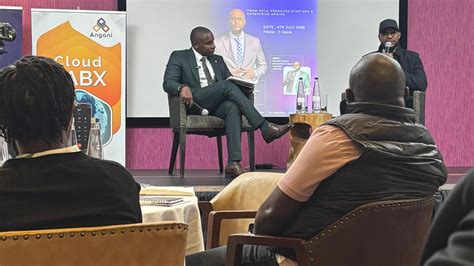
Sports is another domain where Indian youth are gaining global traction. While cricket remains a unifying force, talents in non-traditional sports are breaking barriers. **Neeraj Chopra**, the Olympic gold medalist in javelin throw, exemplifies this shift. His achievement not only brought India glory but also inspired a new generation of athletes to pursue excellence in athletics, a domain historically dominated by Western nations. Beyond individual success, youth-led initiatives like **The Hockey Foundation**, started by Indian-origin entrepreneurs, are promoting sports education in underprivileged regions globally. These efforts indicate that Indian youth are not only excelling individually but are also using their platforms to influence societal change through sports.
The **startup ecosystem** is perhaps the most striking example of Indian youth's global impact. With India being home to the third-largest startup ecosystem in the world, young entrepreneurs are increasingly thinking beyond domestic markets. Companies like **Zilingo**, co-founded by **Ankiti Bose**, have shown how Indian-origin startups can address global needs. Zilingo, a B2B platform for the fashion industry, gained international traction by catering to Southeast Asian markets before expanding to the US and Europe. Such ventures illustrate how Indian youth are leveraging their understanding of emerging markets to create solutions that resonate internationally. Moreover, Indian-origin venture capitalists and angel investors are actively funding global startups, further solidifying their influence in the entrepreneurial landscape.
Another area worth highlighting is the **influence of Indian youth in global policy and advocacy**. Organizations like the United Nations and World Economic Forum are increasingly recognizing young Indians for their contributions to sustainable development and social innovation. For example, **Malavika Jain**, a 24-year-old climate activist, was recently invited to speak at COP27 about her work on community-led afforestation projects in rural India. Her insights not only influenced global climate policies but also inspired similar initiatives in other developing nations. This trend reflects how Indian youth are leveraging their grassroots understanding of issues like poverty, climate change, and education to advocate for solutions that are both practical and scalable on a global level.
What sets Indian young talents apart is their ability to **bridge cultural and economic divides**. For instance, many Indian professionals in multinational corporations are not just employees but are also cultural ambassadors. They bring a unique perspective to global teams, blending traditional Indian values like collaboration and adaptability with modern corporate practices. This cultural intelligence is particularly evident in industries like **design and fashion**, where young Indian designers are merging traditional crafts with contemporary aesthetics. Brands like **Bodice**, led by **Ruchika Sachdeva**, have won international awards for their sustainable and culturally rooted designs, proving that Indian youth can influence even niche global markets.
However, this global recognition is not without its challenges. Many Indian talents face systemic issues like limited access to resources, visa restrictions, and the pressure to conform to Western standards. Despite these hurdles, their ability to persevere and innovate is what makes their success even more commendable. Programs like **Atal Innovation Mission** and **Google for Startups Accelerator** are playing a critical role in nurturing this talent by providing mentorship, funding, and exposure to international opportunities.
In conclusion, the global recognition of Indian young talents is not a mere coincidence but the result of a confluence of factors: a robust education system, increasing access to global platforms, and a generation unafraid to dream big. Their influence spans industries and geographies, proving that Indian youth are not just participants in the global narrative but active shapers of it. As they continue to break barriers and redefine success, the world is watching—and learning—from the young talents of India.
The Road Ahead
India's young generation represents a demographic dividend that can transform the nation into a global powerhouse. However, realizing this potential requires deliberate and strategic interventions that address both systemic challenges and individual aspirations. The road ahead for empowering young talents in India must be paved with actionable strategies that are inclusive, forward-thinking, and rooted in the unique socio-economic fabric of the country.
One of the most critical areas to focus on is **education reform tailored to future-ready skills**. While India has made significant strides in improving access to education, the quality and relevance of the curriculum often lag behind the demands of a rapidly evolving global job market. To bridge this gap, there is a need to integrate skill-based learning into the mainstream education system from an early stage. This includes embedding courses on artificial intelligence, data analytics, digital marketing, and sustainable practices into school and college curricula. Additionally, partnerships between educational institutions and industries can create a pipeline of internships, apprenticeships, and real-world projects that allow students to apply their knowledge in practical settings. A model worth emulating is Germany's dual education system, where students split their time between classrooms and on-the-job training, ensuring they graduate with both theoretical knowledge and hands-on experience.
Another area of focus is **democratizing access to technology and digital resources**. While urban India is reaping the benefits of the digital revolution, rural and semi-urban areas often remain disconnected due to infrastructural gaps and affordability issues. To address this, the government and private sector must collaborate to create low-cost, scalable solutions for internet connectivity and device access. Initiatives like community tech hubs, where young people can access high-speed internet, digital tools, and mentorship programs, can serve as catalysts for innovation in underprivileged regions. Furthermore, mobile-first educational platforms tailored to vernacular languages can ensure that language is no longer a barrier to learning. For instance, leveraging AI-driven translation tools can localize content for diverse linguistic groups, enabling young talents from every corner of India to participate in the digital economy.
The **promotion of entrepreneurship among youth** is another vital strategy. India has seen a surge in startups, particularly in technology and e-commerce, but this growth is concentrated in metropolitan areas. To expand this ecosystem, micro-financing schemes targeted at rural and semi-urban youth can lower the entry barrier for entrepreneurship. Programs like Startup India can be enhanced by offering not just funding but also mentorship networks, incubation support, and market access. Creating localized innovation hubs in smaller towns can encourage young people to address hyperlocal challenges, such as agricultural inefficiencies or water management, with entrepreneurial solutions. These hubs can also serve as testing grounds for public-private partnerships, where corporates invest in young innovators in exchange for scalable, socially impactful products.
An often-overlooked aspect of empowering young talents is **mental health and well-being support**. The pressures of academic performance, career uncertainty, and societal expectations can take a significant toll on India's youth. While physical health initiatives are often prioritized, mental health awareness and services must be integrated into schools, colleges, and workplaces. This includes training educators and managers to identify signs of stress or burnout and providing access to confidential counseling services. Moreover, peer support networks and youth-led mental health advocacy groups can create safe spaces where young people feel heard and supported. A mentally resilient youth is more likely to take risks, innovate, and contribute meaningfully to society.
Another critical strategy is to **leverage the power of community-driven initiatives**. While top-down policies are essential, grassroots movements led by young people can address challenges that are often invisible to policymakers. For example, youth-led organizations focusing on climate action, gender equality, and rural development can be supported through grants, visibility campaigns, and collaborations with NGOs. Platforms like hackathons, youth parliaments, and idea-pitching competitions can encourage young people to voice their ideas and take ownership of societal issues. Such initiatives not only empower individuals but also foster a sense of agency and responsibility among the youth, making them active stakeholders in the nation’s progress.
The **global exposure and cross-cultural exchange** of young talents must also be prioritized. While many Indian students aspire to study or work abroad, systematic programs to facilitate international internships, exchange programs, and collaborative research projects can broaden their horizons. Institutions can partner with global organizations to create scholarships and exchange opportunities tailored to Indian students, particularly those from economically weaker sections. Exposure to diverse work cultures and practices can inspire young talents to think globally while acting locally, bringing innovative ideas back to India. Moreover, reverse exchange programs, where international students and professionals collaborate with Indian youth on projects in India, can create a two-way flow of knowledge and innovation.
Lastly, **policy-level support for inclusivity and representation** is essential. India's youth population is incredibly diverse, encompassing different genders, castes, religions, and economic backgrounds. Policies must ensure that no section of the youth is left behind. For instance, gender-sensitive programs can encourage more young women to pursue careers in STEM fields, while affirmative action for marginalized communities can level the playing field in education and employment. Additionally, transparent and accessible platforms for youth participation in governance can empower them to influence policies that directly impact their lives. Initiatives like youth advisory councils at the state and national levels can provide a structured way for young people to voice their concerns and contribute to decision-making processes.
In conclusion, the road ahead for harnessing the potential of India's young generation requires a multi-pronged approach that combines education reform, technology access, entrepreneurship support, mental health awareness, community initiatives, global exposure, and inclusive policies. Each of these areas demands not just investment but also a shift in mindset—from seeing young people as beneficiaries to recognizing them as co-creators of India's future. By implementing these strategies with consistency and commitment, India can unlock the full potential of its demographic dividend and create a generation that is not only empowered but also equipped to lead the nation into a brighter, more sustainable future.
Conclusion
The future of any nation lies in the hands of its youth, and India, with its vast demographic dividend, stands at a unique crossroads. The young talents of India represent not just the aspirations of a billion-plus population but also the engine that can propel the country into a new era of economic, social, and technological advancement. Investing in these talents is not merely an option; it is an imperative for sustainable growth and global competitiveness.
India's youth population, often referred to as its "demographic dividend," is one of its most significant assets. According to recent estimates, more than 50% of the country's population is below the age of 25, and over 65% is under 35. This unparalleled human capital offers India a once-in-a-lifetime opportunity to harness its potential. However, this opportunity comes with a caveat: without the right investments in education, skill development, and opportunities, this demographic dividend could turn into a demographic disaster. The stakes are high, and the conclusion is clear—India must prioritize its young talents to ensure they become the architects of its growth story rather than a burden on its resources.
One of the most compelling reasons to invest in young talents is their ability to innovate and adapt in a rapidly changing world. The Fourth Industrial Revolution, characterized by advancements in artificial intelligence, machine learning, robotics, and biotechnology, demands a workforce that is not only skilled but also creative and resilient. Young Indians have repeatedly demonstrated their ability to excel in global platforms, whether it is in technology startups, research breakthroughs, or cultural exports like cinema and literature. For instance, the rise of Indian entrepreneurs in the tech space—such as those behind companies like Zerodha, Razorpay, and Byju's—shows how young talents, when given the right environment, can create solutions that address both local and global challenges. These success stories underline the importance of nurturing an ecosystem where young minds can experiment, fail, and eventually succeed without being weighed down by systemic inefficiencies or lack of resources.
However, the potential of young talents can only be realized if there is a concerted effort to bridge the gap between education and employability. While India produces millions of graduates every year, a significant proportion of them lack the skills required by the modern job market. This gap is not just a reflection of inadequate educational infrastructure but also of a disconnect between academic curricula and industry needs. To address this, India must invest in vocational training programs, apprenticeships, and partnerships between educational institutions and industries. Such initiatives can transform young talents into a workforce that is not only job-ready but also capable of driving innovation. For example, the Skill India mission has made some strides in this direction, but its impact needs to be scaled up with a focus on futuristic skills like data analytics, green energy technologies, and digital marketing. These are areas where India's youth can become global leaders if provided with the right training and exposure.
Another critical aspect of investing in young talents is fostering an environment of inclusivity. India is a land of immense diversity, and its young population is no exception. From urban centers to rural hinterlands, the country is home to talents that are as varied as its geography. However, access to opportunities is often uneven. While urban youth may benefit from better educational facilities, exposure to global trends, and access to funding for startups, rural youth often struggle with basic infrastructure and limited resources. Bridging this divide is essential to unlock the full potential of India's youth. Programs like Digital India and the push for rural broadband connectivity are steps in the right direction, but they need to be complemented by localized interventions. For instance, creating innovation hubs in smaller towns and villages can help young talents in these areas showcase their potential. Similarly, scholarships and mentorship programs tailored for underprivileged youth can level the playing field and ensure that talent, not privilege, determines success.
The role of young talents in driving India's growth is not limited to economic contributions. They are also the torchbearers of social change. The youth of today are more aware, connected, and vocal about issues like climate change, gender equality, and social justice. Movements led by young Indians, such as the push for sustainable development or the fight against discrimination, highlight their potential to shape a more equitable society. Investing in young talents means not just equipping them with technical skills but also nurturing their sense of responsibility and empathy. This holistic approach can create leaders who are not only successful in their professional domains but also committed to building a better India for all.
Furthermore, the global geopolitical landscape presents an opportunity for India to position itself as a hub for innovation and talent. Countries around the world are vying for skilled professionals, and India has the unique advantage of being a reservoir of young, ambitious individuals. By investing in research and development, encouraging cross-border collaborations, and providing platforms for young Indians to participate in global forums, the country can establish itself as a leader in fields like renewable energy, space exploration, and digital transformation. For example, the success of the Indian Space Research Organisation (ISRO) in involving young scientists in its missions underscores how young talents can contribute to India's standing on the world stage. These achievements not only inspire the next generation but also create a ripple effect of aspiration and excellence.
It is also worth noting that the investment in young talents is a long-term strategy with compounding benefits. When young people are given the tools to succeed, they not only improve their own lives but also uplift their families and communities. This multiplier effect can address some of India's most pressing challenges, such as poverty, unemployment, and regional disparities. A skilled and motivated youth population can contribute to higher tax revenues, reduced dependency on welfare programs, and a more stable socio-economic environment. In this sense, investing in young talents is not just an expenditure but a high-return investment in the nation's future.
However, this potential can only be harnessed if there is a shift in mindset at both the policy and societal levels. The youth must be seen not as passive beneficiaries of development but as active participants in shaping it. Policies should be designed to empower them, not control them. This means creating avenues for their participation in decision-making processes, whether in politics, business, or community development. When young talents feel that their voices matter, they are more likely to channel their energy into constructive endeavors rather than frustration or apathy.
In conclusion, the young talents of India are not just the future of the nation—they are its present. Their energy, creativity, and determination are the driving forces that can transform India into a global powerhouse. However, this transformation requires a collective effort. Policymakers, educators, industry leaders, and society at large must come together to create an ecosystem where young talents can thrive. This means addressing systemic issues like education reform, skill development, inclusivity, and access to opportunities. It also means recognizing that the potential of India's youth is not a given—it must be nurtured, protected, and celebrated. As India stands on the cusp of a new era, its young talents hold the key to not just economic growth but also the realization of a more equitable, innovative, and resilient society. The choice is ours to make, and the time to act is now.