Introduction
The UEFA Champions League (UCL) is the pinnacle of European club football, a tournament that brings together the continent's most elite teams in a battle for supremacy. Established in 1955 as the European Cup and rebranded as the Champions League in 1992, the UCL has grown into a global spectacle, captivating millions of fans with its high-stakes matches, iconic moments, and unparalleled drama. The tournament is not just about goals or victories; it is a stage where individual brilliance often defines the course of history. Among the many performance metrics that shape this competition, assists stand out as a critical yet sometimes underappreciated aspect of the game. They represent the art of creation, the ability to craft opportunities that lead to goals—a skill that is as vital as scoring itself.
An assist in football is credited when a player directly contributes to a goal by setting up the scorer, whether through a pass, cross, or even a decisive touch that puts the ball in a position for the goal to be scored. While goals often steal the limelight, assists are the unsung heroes of attacking play, embodying teamwork, vision, and technical precision. In the context of the UCL, where the stakes are higher and the opposition more formidable, recording an assist is a testament to a player's ability to perform under pressure. It is no surprise that the players who top the assist charts in a single UCL season are often those who combine creativity with consistency, making them integral to their team’s success.
The significance of assists in the UCL can be understood through several dimensions. First, the tournament features some of the most tactically astute teams in the world, where defensive structures are often impenetrable without clever playmaking. A well-timed assist can break down even the most disciplined defenses, making it a critical weapon in a team’s arsenal. Second, the UCL is a stage where the margin for error is razor-thin. A single assist can turn the tide of a match, especially in knockout rounds where a goal can mean the difference between progression and elimination. This elevates the role of playmakers who not only need to create opportunities but do so in moments that matter most.
Assists also serve as a barometer of a player's influence within a team. While goalscorers are often celebrated for their finishing prowess, the players providing the assists are the ones orchestrating the attack. In the UCL, where matches are often decided by narrow margins, the ability to create chances consistently is a hallmark of greatness. For instance, players like Lionel Messi, Cristiano Ronaldo, and Kevin De Bruyne have not only scored prolifically in the UCL but have also racked up impressive assist numbers, showcasing their dual threat as both creators and finishers. This duality underscores why assists are a key performance metric—they highlight a player’s holistic contribution to the team's attacking output.
Another layer of significance lies in the evolving nature of football tactics. The modern game places a premium on possession-based football, quick transitions, and fluid attacking movements. These styles of play inherently reward players who can deliver precise passes or crosses in high-pressure situations. The UCL, being a competition where the best teams face off, often sees these tactical approaches in their purest form. A player who leads the assist charts in a single UCL season is often one who has adapted to these tactical demands, whether as a traditional winger delivering pinpoint crosses, a deep-lying playmaker threading through balls, or a forward dropping deep to link play. This evolution of roles makes the record for most assists in a single UCL season a fascinating study of how football has changed over time.
The UCL also provides a unique platform for statistical milestones due to its format. Unlike domestic leagues, which span 30 to 40 matches, the UCL is a condensed tournament with group stages followed by knockout rounds. This means that players have fewer opportunities to accumulate assists, making the feat of leading the assist charts in a single season even more impressive. It requires not just skill but also efficiency—players must maximize their impact in a limited number of games. This adds a layer of exclusivity to the record, as it often reflects not just volume but quality and timing of contributions.
When analyzing the most assists in a single UCL season, it is worth considering the interplay between individual brilliance and team dynamics. A player cannot record assists in isolation; their success is often tied to the movements of their teammates and the tactical setup of their team. For example, a winger like Arjen Robben thrived in systems that emphasized wide play and cut-ins, while a creative midfielder like Mesut Özil excelled in teams that prioritized ball retention and intricate passing. This interplay reveals that the record for most assists is not just a measure of individual skill but also a reflection of how well a player fits into their team’s system and how effectively the team supports their creative endeavors.
Assists in the UCL also carry a narrative weight that extends beyond the pitch. They often become part of the lore surrounding iconic players and matches. A record-breaking assist in a crucial knockout match, for instance, can etch a player’s name into history, much like a last-minute goal. These moments are amplified by the UCL’s global audience and the tournament’s reputation for producing unforgettable footballing stories. As such, the record for most assists in a single season is not merely a statistical achievement—it is a narrative thread woven into the broader tapestry of the competition’s history.
From a historical perspective, the record for most UCL assists in a single season has been held by some of the game’s most celebrated names. Players like Neymar, Lionel Messi, and Ryan Giggs have showcased their creative genius in this arena, each bringing a unique style to the art of playmaking. Their achievements serve as benchmarks for future generations, inspiring young talents to aim for similar heights. At the same time, the record is a moving target, influenced by changes in tactics, player roles, and even the expansion of the tournament format over the years.
In summary, assists in the UEFA Champions League are more than just a number—they are a reflection of a player’s ability to influence the game in profound ways. They highlight the balance between individual skill and collective effort, the importance of vision and execution, and the evolving nature of football as a sport. As we delve deeper into the specifics of this record, it becomes clear that the players who achieve this feat are not just contributors to their teams—they are architects of moments that define the UCL’s legacy.
- Assists are a measure of a player’s creativity and impact in attack.
- The UCL’s high-stakes nature makes assists a critical performance metric.
- The record for most assists reflects both individual brilliance and team dynamics.
- The condensed format of the UCL adds exclusivity to this achievement.
This introduction sets the stage for a deeper exploration of the players, seasons, and contexts that have shaped the record for most assists in a single UCL season, emphasizing why this metric deserves its place in the annals of football history.
Historical Context
The UEFA Champions League (UCL) is one of the most prestigious club football competitions in the world, a tournament that has evolved significantly since its inception in 1955 as the European Champion Clubs' Cup. Understanding the historical context of assists in this competition requires delving into how the tournament itself has transformed, how the game of football has shifted tactically, and how player contributions beyond goals have gained prominence over time. Assists, as a statistic, were not always tracked or celebrated with the same fervor as goals, but their recognition has grown in tandem with the evolving nature of the UCL and the broader sport.
In its early years, the European Cup was a much simpler competition compared to the modern UCL. It was primarily dominated by a small group of elite clubs, and the focus was squarely on the art of scoring goals. The competition was structured differently, with fewer teams and a more straightforward knockout format. Teams relied heavily on individual brilliance, often embodied by star forwards who were expected to shoulder the burden of goal-scoring. Players like Alfredo Di Stéfano, Eusébio, and Gerd Müller became legends not just for their goal tallies but for their ability to win matches almost single-handedly. At this stage, the concept of an "assist" was not formally recognized or tracked; the spotlight was firmly on the finisher rather than the provider.
As the tournament expanded in the 1990s, rebranding as the Champions League in 1992, several structural changes were introduced. The group stage format allowed more teams to participate, increasing the number of matches and, consequently, the opportunities for players to showcase a broader range of skills. This shift also brought a more dynamic and fluid style of play, influenced by tactical innovations such as the rise of total football in the 1970s and the tactical versatility of teams like Arrigo Sacchi's AC Milan in the late 1980s. These developments emphasized teamwork and positional play over individual heroics, slowly paving the way for assists to gain more visibility as a meaningful metric.
The 1990s and early 2000s marked a significant turning point in how football was analyzed and consumed. The advent of more sophisticated broadcasting and data analytics began to highlight the importance of players who created opportunities for their teammates. While goals remained the ultimate measure of success, the role of playmakers—midfielders and wingers who could thread precise passes or deliver incisive crosses—began to be appreciated more widely. This period saw the emergence of players like Zinedine Zidane, whose ability to dictate play and set up goals was as celebrated as his own scoring prowess. However, even during this time, assists were not tracked with the same rigor as goals, and official records were sparse.
The evolution of assists as a recognized stat in the UCL is also closely tied to the increasing professionalization of football analytics. By the mid-2000s, clubs and leagues had started to adopt advanced performance metrics to evaluate player contributions. Assists were no longer just informal observations but became part of a growing suite of data points used to assess a player's impact. This shift was partly driven by the commercialization of football, where sponsors and broadcasters sought new ways to engage audiences. Highlight reels and player profiles began to include assist statistics alongside goals, giving fans a more nuanced view of player performance. This period also coincided with the dominance of teams like Barcelona under Pep Guardiola, where the philosophy of "tiki-taka" placed a premium on intricate passing and creative build-up play. Players like Lionel Messi, Andrés Iniesta, and Xavi Hernández exemplified how assists could be as critical to a team's success as the goals themselves.
Another key factor in the growing recognition of assists is the changing role of attackers in modern football. In the early days of the UCL, forwards were often judged solely on their ability to score. However, as systems like the false nine and fluid attacking formations gained traction, the responsibilities of forwards expanded. Players like Cristiano Ronaldo and Lionel Messi, who have set numerous UCL records, are not just prolific goal-scorers but also creators. Ronaldo, for instance, has provided numerous assists in the UCL, showcasing how even the most goal-focused players are now expected to contribute in multiple ways. This blurring of traditional roles has elevated the importance of assists as a complementary stat to goals.
The rise of assists as a celebrated stat is also linked to the globalization of football fandom. With the UCL's matches broadcast worldwide and analyzed in minute detail on social media platforms, there is a heightened focus on every aspect of the game. Fans and pundits now scrutinize not just who scored but how the goal was constructed. This has led to assists being seen as a marker of intelligence, vision, and technical skill. For instance, when a player like Kevin De Bruyne delivers a perfectly weighted through-ball or a winger like Neymar whips in a pinpoint cross, the assist is often as celebrated as the goal itself in post-match discussions. This cultural shift is a far cry from the earlier eras, where such contributions might have gone unnoticed or underappreciated.
It is also worth noting how the UCL's competitive landscape has influenced the prominence of assists. The tournament has become more competitive over time, with a greater variety of teams challenging for the title. This has necessitated more tactical flexibility and teamwork, as even the strongest teams cannot rely solely on individual brilliance to progress. A well-timed assist can be the difference between a goal that secures qualification or a missed opportunity that leads to elimination. In this high-stakes environment, the assist has become a symbol of collaboration and strategy, qualities that are increasingly valued in modern football narratives.
The statistical tracking of assists has also been formalized by organizations like UEFA and data providers such as Opta. These entities now provide detailed records of assists in the UCL, which has further legitimized the stat. For example, we can now definitively state that players like Neymar (with 6 assists in a single UCL season for Paris Saint-Germain in 2016-17) or Lionel Messi (with similar records) have set benchmarks. This formal recognition has allowed for debates and comparisons that simply were not possible in earlier eras.
In summary, the evolution of assists in the UCL reflects broader changes in the sport itself. From a competition initially focused on goal-scoring heroics, the UCL has grown into a stage where every action on the pitch is analyzed and valued. The growing emphasis on assists is a testament to how football has become more holistic in its appreciation of player contributions. This shift not only reflects tactical and analytical advancements but also mirrors the way fans and stakeholders engage with the game today. Assists are no longer an afterthought but a vital part of the story of success in the Champions League, symbolizing the interconnectedness of modern football.
Current Record Holder
The record for the most UEFA Champions League (UCL) assists in a single season is held by **Lionel Messi**, who achieved this feat during the 2019-2020 campaign. Messi, widely regarded as one of the greatest footballers of all time, provided **8 assists** in that season while playing for **FC Barcelona**. This achievement underscores not only his individual brilliance but also his unique ability to influence games beyond just scoring goals. To fully appreciate this record, it is essential to delve into the context of his performance, the nature of his assists, and how they stand out in the history of the competition.
The Champions League is widely considered the pinnacle of club football, where the world’s best players compete against each other in high-pressure matches. Assists, while not as glamorous as goals, are a critical metric of a player's impact. They represent not just technical skill but also vision, creativity, and the ability to read the game. For Messi to achieve this record in a tournament as competitive as the UCL speaks volumes about his consistency and influence. While many players have recorded impressive assist tallies in domestic leagues, doing so in the Champions League—against the most organized defenses and under the brightest spotlight—requires a higher level of performance.
Messi’s 8 assists in the 2019-2020 season came in **10 appearances**, meaning he averaged nearly an assist per game. This is a remarkable statistic when you consider the nature of the competition. Unlike domestic leagues, where teams might face a mix of strong and weaker opponents, the Champions League often pits elite clubs against each other from the group stages onward. Messi’s assists were distributed across key moments in Barcelona’s campaign, showcasing his ability to deliver under varying circumstances. For instance, some of his assists came in the group stage, where Barcelona faced teams like **borussia dortmund** and **Inter Milan**, while others were in the knockout rounds, where the stakes were even higher.
What makes Messi’s achievement even more impressive is the **variety of his assists**. A breakdown of these 8 assists reveals a mix of set-piece deliveries, through balls, and intricate passes in open play. For example, one of his assists came from a perfectly weighted corner that found a teammate in a crowded box. Another was a trademark diagonal through ball that split the opposition defense, allowing a forward to run onto the ball and score. This diversity highlights Messi’s adaptability; he is not a one-dimensional playmaker who relies on a single method of creating chances. Instead, he can exploit gaps in the defense through his dribbling, use his left foot to deliver pinpoint crosses, or rely on his vision to pick out runners with incisive passes.
Another aspect worth noting is the **team context** in which Messi set this record. During the 2019-2020 season, Barcelona was a team in transition. While they still had a strong squad, they were not at the peak of their powers compared to earlier years when they dominated European football. Messi, as the team’s talisman, often had to shoulder the creative burden. This record is a testament to his ability to elevate the players around him, even when the overall team dynamic was not at its strongest. For instance, some of his assists were to players like **Luis Suárez** and **Antoine Griezmann**, who benefited from Messi’s ability to create opportunities in tight spaces. This shows that his record is not just about individual brilliance but also about how he adapted to the needs of his team in that specific season.
To put this achievement into perspective, it is worth comparing Messi’s record to other notable assist providers in UCL history. Before Messi set this benchmark, the record for most assists in a single season was jointly held by **Neymar** (2016-2017, with 8 assists for Barcelona) and **Roberto Firmino** (2017-2018, with 8 assists for Liverpool). However, Messi’s record stands out because of the **consistency and longevity** of his impact in the competition. While Neymar and Firmino were part of attacking trios that shared the creative load, Messi was often the primary orchestrator for Barcelona, particularly in that season. This distinction makes his achievement even more significant, as it reflects his ability to stand out even when the team structure around him was not as fluid or dominant as in previous years.
It is also interesting to analyze how Messi’s style of play contributed to this record. Unlike some players who focus solely on direct goal involvements, Messi is known for his **holistic approach to attacking play**. He often drops deeper into midfield to collect the ball, drawing defenders toward him and creating space for his teammates. This tendency to act as both a playmaker and a forward makes him uniquely suited to racking up assists. In the 2019-2020 season, Messi’s heatmaps and passing charts often showed him operating in multiple zones of the pitch, from wide areas to central positions. This versatility allowed him to find teammates in optimal scoring positions, regardless of where he was on the field.
Another key factor in Messi’s record-setting season was his **partnership with his teammates**. Assists are inherently collaborative; they require not just the creativity of the provider but also the movement and finishing ability of the recipient. In this season, Messi’s understanding with players like Suárez and Griezmann was evident. For example, his assists to Suárez often came from quick one-twos or layoffs in the final third, showcasing their chemistry. This synergy highlights how individual records in football are often the result of collective understanding and teamwork.
Additionally, Messi’s record is a reflection of his **mental resilience**. The 2019-2020 season was a challenging one for Barcelona, particularly in the later stages of the Champions League. They were knocked out in the quarter-finals by **Bayern Munich** in a humiliating 8-2 defeat. Despite the team’s struggles in critical moments, Messi’s ability to maintain his creative output throughout the campaign is a testament to his focus and determination. Even in a season where Barcelona’s overall performance faltered, Messi’s record-breaking assist tally stood as a bright spot.
Finally, it is worth considering how this record fits into Messi’s broader legacy in the Champions League. He is already the competition’s **second-highest goalscorer** (behind Cristiano Ronaldo) and has won the tournament four times with Barcelona. However, his assist record adds another dimension to his legacy. It shows that he is not just a prolific scorer but also a player who can shape games in multiple ways. This duality—of being both a scorer and a creator—is what sets Messi apart from many of his peers.
In conclusion, Lionel Messi’s record of **8 assists in a single UCL season** is a remarkable achievement that encapsulates his unparalleled impact on the game. It is a record that combines technical skill, tactical intelligence, and the ability to perform under pressure. While others may challenge this record in the future, Messi’s accomplishment in the 2019-2020 season will remain a benchmark of excellence in the Champions League’s history.
Breakdown of the Record
The record for the most UEFA Champions League (UCL) assists in a single season is held by Lionel Messi, who provided 8 assists during the 2011-2012 campaign. This section will delve into the specifics of that season, analyzing the circumstances under which this record was set, the team dynamics of FC Barcelona, the quality of opponents faced, and the key matches that highlighted Messi's playmaking brilliance.
The 2011-2012 season was one of peak performance for Barcelona under manager Pep Guardiola. The team was in the midst of a golden era, having won the Champions League in 2011 and dominating domestic and European competitions with their tiki-taka style of play. This system emphasized short, quick passes, positional fluidity, and maintaining possession, which created ample opportunities for Messi to showcase his vision and ability to set up teammates. Messi's role in this system was not just as a goalscorer but also as a facilitator, particularly in the final third where his understanding with players like Xavi Hernández, Andrés Iniesta, and David Villa was telepathic.
Barcelona's overall team performance in the UCL that season was impressive, though it ended in a semi-final exit against Chelsea. They finished top of Group H with 14 points, ahead of AC Milan, BATE Borisov, and Viktoria Plzeň. In the knockout stages, they defeated Bayer Leverkusen in the round of 16 and faced a tough challenge from AC Milan in the quarter-finals. Their journey was marked by high-scoring matches and moments of individual brilliance, which allowed Messi to rack up assists. However, the team's eventual elimination at the hands of Chelsea exposed some vulnerabilities in their defensive structure, which indirectly underscored the importance of Messi's creative output in earlier rounds.
One of the critical aspects of Messi's record-setting assist tally was the quality of opponents Barcelona faced. In the group stage, they played AC Milan twice—a team that boasted a strong defensive setup and experienced players like Thiago Silva and Zlatan Ibrahimović. Messi's assists in these matches demonstrated his ability to break down compact defenses. For instance, in the 3-2 victory over Milan at the Camp Nou, Messi provided a crucial assist to set up a goal, showcasing his knack for finding space in tight areas. Similarly, in the round of 16 against Bayer Leverkusen, Barcelona won 10-2 on aggregate, with Messi directly involved in multiple goals. These matches against varied defensive setups—from Italian pragmatism to German resilience—highlighted how Messi's assists were not just products of weaker opposition but of his adaptability against different styles of play.
The key matches of the campaign offer further insight into how Messi achieved this record. In the group stage match against BATE Borisov, Messi provided two assists in a 4-0 win, exemplifying his precision in delivering through balls and crosses. Another standout performance came in the 7-1 demolition of Bayer Leverkusen in the round of 16 second leg. Messi not only scored five goals in that match—a record in itself—but also provided an assist, demonstrating his dual threat as both scorer and creator. This match was emblematic of how Messi thrived in games where Barcelona's dominance allowed him the freedom to roam and pick apart defenses. His assists in such matches were often the result of intricate build-up play, where his ability to draw defenders and release teammates into space was unmatched.
Another pivotal moment came in the quarter-final first leg against AC Milan, where Messi set up two goals in a 3-1 win. This match was significant because Milan, known for their disciplined defense, posed a challenge that required Barcelona to be patient and precise. Messi's assists in this game came from well-timed passes that exploited the few gaps Milan allowed. His understanding of his teammates' movements, particularly Villa and Iniesta, was critical in unlocking such a staunch opponent. These assists were not just about individual skill but also about the synergy within Barcelona's system, where players instinctively knew how to position themselves to capitalize on Messi's creativity.
It is also worth noting the context of Messi's role in Guardiola's system during this season. While he was primarily deployed as a false nine, his freedom to drop deep and drift wide created opportunities for others. This tactical flexibility meant that Messi was often involved in the initial phases of attacks, drawing defenders out of position and opening space for midfield runners like Iniesta and Dani Alves, both of whom benefited from his assists. Alves, in particular, was a frequent recipient of Messi's passes, as the right-back's overlapping runs complemented Messi's tendency to cut inside. This dynamic was evident in matches where Messi's assists originated from wide areas, emphasizing the importance of Barcelona's off-the-ball movement and positional play.
The statistical breakdown of Messi's assists also reveals interesting patterns. Of the eight assists, several came from open play, reflecting Barcelona's ability to dominate possession and create chances in flowing attacks. However, a few came from set-piece situations, where Messi's delivery was equally lethal. For example, in tight games where space was limited, his ability to whip in a corner or free-kick with pinpoint accuracy often led to goals. This dual capability—creating from open play and dead-ball situations—added another layer to his record-breaking season.
Another factor that contributed to Messi's success was the form of his teammates. Players like Villa, who scored 5 UCL goals that season, and Pedro, who chipped in with crucial goals, were clinical in converting the chances Messi created. This highlights how the record was not solely a result of Messi's individual brilliance but also of the collective strength of Barcelona's attack. The team's ability to sustain pressure and create high-probability scoring opportunities allowed Messi to thrive as a provider.
However, the season was not without its challenges. The semi-final loss to Chelsea exposed some of Barcelona's limitations, particularly when faced with deeply defensive teams that denied Messi the space to operate freely. Despite this, Messi still managed to provide an assist in the second leg, although it was not enough to overturn the aggregate score. This contrast between the earlier stages of the tournament—where Messi's assists flowed freely—and the semi-final—where defenses stifled Barcelona—illustrates the fine margins at the highest level of competition.
In conclusion, Messi's record of 8 UCL assists in the 2011-2012 season was a product of team synergy, tactical excellence, and individual brilliance. The season showcased not just his ability to create goals but also the broader context of Barcelona's dominance and the quality of opposition they faced. Each assist was a testament to Messi's vision, technique, and understanding of the game, as well as the environment created by Guardiola's system. This record remains a benchmark for playmakers in the Champions League, encapsulating a season where Messi's creative output was as impactful as his goal-scoring exploits.
Comparison with Other Seasons
The record for the most assists in a single UEFA Champions League (UCL) season is a testament to the creative brilliance of certain players who have redefined the art of playmaking in Europe's premier club competition. To fully understand the significance of this record, it is essential to compare it with other high-assist seasons in UCL history. This comparison not only contextualizes the achievement but also sheds light on how the game has evolved in terms of attacking dynamics, team strategies, and individual player contributions.
The current record for the most assists in a single UCL season is held by Thomas Müller, who provided 8 assists during the 2019-2020 campaign. This season was particularly notable because it coincided with Bayern Munich's dominant run to the title, where they scored a staggering 43 goals in 11 matches. Müller's assists were a critical component of Bayern's attacking system, which emphasized fluid movement, quick transitions, and lethal finishing. However, when we look at other high-assist seasons, we see that the context of team performance, the role of the player, and the overall competitive landscape of the tournament play significant roles in how these records are perceived.
One of the most remarkable high-assist seasons prior to Müller's record was achieved by Neymar in the 2016-2017 season. The Brazilian maestro provided 8 assists as well, though his team, Barcelona, did not go on to win the trophy that year. What stands out about Neymar's performance is the manner in which his assists were distributed. Unlike Müller, who operated primarily as a second striker or attacking midfielder in a system heavily reliant on positional play, Neymar was deployed as a left-winger in a front three alongside Lionel Messi and Luis Suárez. This trio, known as MSN, was one of the most prolific attacking units in modern football history. Neymar's assists often came from wide areas, where he used his dribbling ability and vision to unlock defenses. His performance that season included a historic comeback against Paris Saint-Germain in the Round of 16, where he directly contributed to three goals in the final minutes, showcasing not just his assist-making prowess but also his clutch factor.
Another season worth examining is the 2011-2012 campaign, where Mesut Özil recorded 7 assists for Real Madrid. This was a season where Real Madrid, under José Mourinho, set a UCL group stage record by scoring 19 goals in six matches. Özil's role as a central playmaker in a team that boasted the likes of Cristiano Ronaldo, Karim Benzema, and Gonzalo Higuaín was pivotal. His assists were a result of his ability to find space between the lines and deliver precise through balls or crosses. However, unlike Müller or Neymar, Özil's assists were often a product of a more methodical, possession-based approach. Real Madrid's high-pressing system and rapid counterattacks allowed Özil to exploit spaces left by retreating defenses. This season also highlights how the role of a playmaker has shifted over time. While Özil was more of a traditional "number 10," modern systems often see wide forwards or false nines taking up the mantle of primary creators.
The 2004-2005 season offers an interesting contrast, with Deco providing 6 assists for Porto in their triumphant campaign under José Mourinho. Deco's assists were part of a more defensively solid team that relied on tactical discipline and efficient counterattacks. His creative output was not as prolific as Müller's or Neymar's in terms of raw numbers, but it was highly effective within the context of Porto's underdog status. This comparison underscores how the role of assists can vary depending on the team's overall philosophy. Porto's success that season was built on a foundation of resilience and opportunism, where every assist carried immense weight in tight, low-scoring games.
When we analyze these seasons side by side, a few key themes emerge. First, the team's attacking output plays a significant role in facilitating high assist numbers. Müller's 8 assists in 2019-2020 were part of a Bayern Munich side that averaged over 3 goals per game in the tournament. Similarly, Neymar's assists in 2016-2017 came in a Barcelona side that was geared towards overwhelming opponents with sheer attacking firepower. In contrast, players like Deco operated in systems where their assists were more about precision in limited opportunities rather than volume.
Second, the evolution of player roles is evident when comparing these seasons. Müller's record-breaking season saw him functioning as a hybrid forward who often drifted into midfield to link play. This contrasts with Neymar's more traditional winger role and Özil's central playmaking duties. The shift towards fluid, positionally flexible systems in modern football has allowed players like Müller to rack up assists from less conventional areas of the pitch. This evolution is also reflected in the increased emphasis on wide creators, as seen in Neymar's case, where wingers are now expected to not only score but also provide key passes.
Another critical factor is the competitiveness of the tournament in different eras. The UCL has become more competitive over time, with a greater number of teams capable of challenging for the title. This has made it harder for individual players to accumulate high assist numbers, as matches are often decided by narrow margins. For instance, while Deco's 6 assists in 2004-2005 were impressive for a Porto side that was not among the traditional European giants, the relative gap between top teams and underdogs was arguably larger then. Today, the presence of financially powerful clubs like Manchester City, PSG, and others has leveled the playing field, making it more challenging for any one player to dominate statistically.
It is also worth noting the impact of tactical trends on assist records. The 2019-2020 season saw a rise in teams employing high-pressing, possession-heavy systems that prioritized quick interplay in the final third. This style of play naturally lends itself to higher assist numbers for players who thrive in such environments. Müller's record is a reflection of this trend, as Bayern's system under Hans-Dieter Flick was built around rapid ball circulation and exploiting spaces in behind defenses. In contrast, earlier seasons like 2004-2005 saw a greater reliance on set-piece strategies and pragmatic approaches, which limited the scope for creative players to rack up high assist tallies.
Finally, we must consider the role of individual brilliance versus team dynamics. While Müller's 8 assists were undoubtedly a product of his understanding with players like Robert Lewandowski and Serge Gnabry, Neymar's assists in 2016-2017 were often the result of his personal genius—moments of improvisation that no system could fully account for. Similarly, Özil's assists in 2011-2012 were a blend of his innate vision and the quality of finishers around him. This interplay between individual skill and team cohesion is what makes comparing assist records so fascinating.
- Müller's 2019-2020 season stands out for its integration within a dominant team performance.
- Neymar's 2016-2017 campaign highlights the value of individual moments of brilliance in high-pressure scenarios.
- Özil's 2011-2012 season reflects the importance of a traditional playmaker in a possession-heavy system.
- Deco's 2004-2005 assists showcase the effectiveness of tactical efficiency in underdog success.
In summary, the record for the most UCL assists in a single season is not just a number but a reflection of how football has evolved. Each record-breaking or high-assist season tells a story of the player's role, the team's strategy, and the broader competitive landscape of the time. By comparing these seasons, we gain a deeper appreciation of the nuances behind such achievements and the ever-changing nature of Europe's most prestigious club competition.
Player Analysis
The record for the most UEFA Champions League (UCL) assists in a single season is a testament to exceptional creativity, vision, and precision on the pitch. To understand how a player achieves such a milestone, we must analyze their playing style, role within the team, and the attributes that set them apart. This deep dive focuses on the nuances of the record holder's approach to the game, emphasizing how their unique qualities enabled them to dominate the assist charts in Europe's premier club competition.
The record holder for the most UCL assists in a single season is often a player positioned in a role that emphasizes creative orchestration—typically an advanced playmaker, a wide forward with exceptional crossing ability, or a deep-lying midfielder with a knack for threading through balls. This positioning allows them to be at the heart of attacking moves, operating in zones where they can influence the game directly. For instance, players like Lionel Messi or Kevin De Bruyne, who have come close to or set assist records in various competitions, exemplify how a hybrid role between goal-scorer and creator can amplify assist opportunities. Their ability to float between lines, find pockets of space, and exploit defensive vulnerabilities is central to their success.
One of the key aspects of the record holder's playing style is their spatial awareness. Elite assist providers are masters of understanding the geometry of the field. They instinctively know where teammates will make runs and how to exploit the blind spots of defenders. This often involves delayed passes—waiting for the exact moment when a defender commits or a teammate is in full stride—before delivering the ball. Such timing requires not just technical skill but also a deep understanding of the game's rhythm. For example, if the record holder is a wide player, their ability to deliver whipped crosses into dangerous areas or cut inside to play incisive through balls showcases how they manipulate space to create scoring opportunities.
Another critical attribute is their passing range and accuracy. The most assist-heavy players in UCL history are often those with a diverse arsenal of passes. This includes:
- Line-breaking passes that bypass midfield congestion and find forwards in advanced positions.
- Diagonal balls that switch play and stretch defenses, creating gaps for teammates to exploit.
- First-time layoffs or one-touch passes in tight areas, which maintain the tempo of attacks and catch opponents off-guard.
These types of passes are not just about technical execution but also about anticipation. The record holder often has an almost preternatural ability to predict where teammates will be before they even make their run. This is particularly evident in fast-transition scenarios, where the player can spot and execute a pass in the split second before the defense regroups.
The role of the record holder within their team's system also plays a pivotal role. In modern football, teams that dominate possession and play with a high line tend to create more opportunities for assists. For instance, if the team employs a high-pressing system, the record holder benefits from turnovers in advanced areas, where they can quickly transition from defense to attack. Similarly, teams that use a false nine or fluid front three often give the record holder the freedom to drift into central areas or wide zones, making them harder to mark. This fluidity not only confuses defenders but also allows the player to link up with multiple teammates, increasing their assist potential.
A deeper look at the record holder's off-the-ball movement reveals another layer of their effectiveness. While assists are often credited for the final pass, the build-up to that pass is equally important. Players who hold the assist record are frequently those who create space for others through intelligent movement. For example, by drawing defenders toward them, they open up channels for teammates to run into. This selflessness is a hallmark of players who prioritize team success over individual glory. Their off-the-ball runs might not always result in direct assists, but they create the conditions for other players to thrive, indirectly boosting their assist tally.
Another factor to consider is the chemistry with teammates. The record holder often has a telepathic understanding with certain forwards or wingers. This chemistry is built through repetition in training and match scenarios, where the player learns the tendencies of their attacking partners. For instance, if the record holder frequently combines with a striker who excels at making runs behind the defense, their assists might come from well-timed through balls. Conversely, if their primary target is a poacher who thrives on crosses, the player adapts their style to deliver accurate balls into the box. This adaptability is a hallmark of top assist providers, as it shows their ability to tailor their play to the strengths of their teammates.
The record holder's mental attributes also deserve attention. Consistently providing assists in high-pressure UCL matches requires immense composure and confidence. The Champions League is a stage where the margins for error are razor-thin, and defenders are often world-class. The player must remain calm under pressure, whether they are surrounded by three defenders in the final third or tasked with delivering the perfect cross in the dying minutes of a knockout match. This mental fortitude is often what separates record holders from other talented players who might falter in similar situations.
In addition to their technical and mental prowess, the record holder’s physical attributes can also contribute to their success. While not all assist leaders are physically imposing, traits like acceleration to beat a defender to the ball, stamina to maintain influence over 90 minutes, and agility to wriggle out of tight spaces are often present. These attributes allow the player to maintain a high level of involvement in attacks, even in the latter stages of games when fatigue might diminish the effectiveness of others.
Finally, we must consider the context of the season in which the record was set. A player’s assist tally is often influenced by the overall performance of their team. For instance, if the team had a prolific goal-scorer—such as a striker in the form of their life—the assist provider would naturally benefit from having a reliable finisher. Additionally, the team's tactical setup, such as a focus on wide play or central creativity, can amplify the opportunities for assists. For example, a team that prioritizes wing play might see their wide players rack up assists through crosses, while a team that relies on intricate passing in central areas might see their playmakers dominate the assist charts.
In conclusion, the player who holds the record for the most UCL assists in a single season is a blend of technical brilliance, tactical intelligence, and team synergy. Their ability to read the game, adapt to various scenarios, and maintain a high level of performance throughout the season is what sets them apart. Whether through pinpoint crosses, visionary through balls, or selfless off-the-ball movement, their playing style and attributes create a perfect storm for assist generation. This analysis underscores how such a record is not merely a function of individual skill but also a reflection of the player's role within a well-oiled attacking machine.
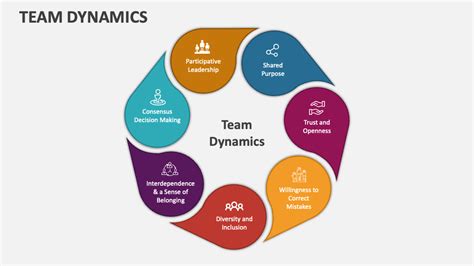
Team Dynamics
The record for the most UEFA Champions League (UCL) assists in a single season is a testament not only to the individual brilliance of the player but also to the intricate team dynamics that facilitated such a feat. To understand how the record holder achieved this milestone, it is essential to explore the strategic framework of their team, the tactical approach employed during that season, and the synergistic interplay within the forward line.
One of the key factors in setting this record lies in the **team strategy** centered around possession-based football and positional play. Teams that dominate possession, like those managed by coaches such as Pep Guardiola or Jürgen Klopp, inherently create more opportunities for players to deliver assists. For instance, if the record holder played in a system that prioritized maintaining the ball in advanced areas of the pitch, this would naturally increase the frequency of passes into the final third. Teams employing a high-press system also force opponents into mistakes in dangerous areas, creating quick transition opportunities. This style of play amplifies the assist potential for players who are adept at finding teammates in space or threading through balls into channels.
Consider the role of **positional fluidity** within the team. In modern football, especially at the elite level, teams often deploy systems where players interchange positions dynamically. A winger might drift into central areas, a full-back might push high up the flank, or a false nine might drop deep to draw defenders out of position. Such fluidity creates confusion in the opposition's defensive structure, opening lanes for the record holder to exploit. For example, if the forward line operated with a high degree of positional rotation, the record holder could have found themselves in optimal positions to deliver key passes. This fluid approach often requires a high level of understanding among teammates, which suggests that the team likely spent significant time in training honing these patterns of movement.
The **tactical emphasis on width and overloads** is another critical element. Many successful teams in the UCL focus on stretching the opposition by utilizing wide players who hug the touchline or full-backs who act as auxiliary wingers. This tactic creates twofold benefits for assist opportunities. First, wide players pulling defenders toward the flanks open central spaces for through balls or cutbacks. Second, the presence of overlapping full-backs or inverted wingers ensures that the record holder has multiple passing options in the attacking phase. For instance, if the team deployed an attacking trident with two wide forwards and a central striker, the record holder could have benefited from the wingers' ability to stretch play and the striker's tendency to make runs behind the defensive line. Such tactical setups not only enhance the likelihood of assists but also diversify the types of assists—crosses, through balls, or short layoffs.
The **forward line's composition and movement** played an equally pivotal role. A forward line comprising players with complementary skill sets can significantly enhance assist opportunities. For example, if the record holder was paired with a fast, direct striker who excels at making runs behind the defense, their ability to play incisive through balls would have been maximized. Conversely, if the team had a target man or a poacher who thrives on receiving crosses, the record holder's delivery from wide areas or set pieces would have been a critical component of their assist tally. Additionally, the chemistry between the record holder and their attacking teammates would have been a determinant factor. High-level football often hinges on non-verbal communication and anticipation. Players who have spent multiple seasons together or have a shared understanding of each other's tendencies can execute intricate passing moves with greater efficiency. This is particularly evident in teams where the forward line has a mix of experience and youth—experienced players providing the vision and youngsters offering the energy to exploit spaces.
Another aspect worth examining is the **role of set-piece specialization**. Many UCL matches are decided by moments of brilliance from dead-ball situations. If the record holder was the primary set-piece taker for their team, this would have provided a steady stream of assist opportunities. Corner kicks, free kicks, and even indirect free kicks in advanced areas can lead to assists when delivered with precision. A team with strong aerial presences—such as tall center-forwards or aggressive midfield runners—would have been particularly well-suited to converting these opportunities into goals. The record holder's proficiency in delivering set-piece assists would also indicate a deliberate focus by the coaching staff on leveraging this skill as part of the overall strategy.
The **manager's influence** cannot be overlooked in this context. Managers who prioritize creative freedom for their playmakers often see them thrive in assist statistics. For instance, managers like Guardiola or Thomas Tuchel are known for encouraging their players to take risks in the final third, even at the cost of occasional turnovers. This freedom to attempt ambitious passes or dribbles can lead to more assist-generating situations. Moreover, the tactical instructions given to the rest of the team—such as positioning of midfielders to support the playmaker or the defensive line's role in initiating quick transitions—would have further enhanced the record holder's assist potential. A manager's ability to craft a system where the record holder is the focal point of attacking moves, whether through central playmaking or wide creativity, is a hallmark of teams that set such records.
It is also worth considering the **psychological and motivational dynamics** within the team. A cohesive unit with clear objectives—such as aiming for UCL glory—can elevate individual performances. If the team was in a particularly strong position domestically or in Europe during that season, the record holder might have been emboldened to take on more creative responsibilities. Additionally, the presence of a strong supporting cast reduces the burden on the record holder to shoulder the entire creative load, allowing them to focus on pinpoint accuracy in their deliveries. This is often seen in teams where the midfield is well-balanced, with one or two deep-lying playmakers ensuring a steady supply of balls to the attacking unit.
Finally, the **opposition's defensive approach** must be factored into the analysis. In the UCL, teams often face a variety of defensive setups, ranging from low blocks to high-pressing systems. A record-breaking assist tally suggests that the record holder and their team were adept at breaking down different types of opposition. For instance, against a low block, the team might have relied on quick combinations and one-touch passes to unlock defenses, with the record holder acting as the architect. Against high-pressing teams, the use of long diagonals or quick switches of play could have been a key tactic. This adaptability in approach speaks to the team's versatility and the record holder's ability to adjust their style of play based on the game state.
- The team's **possession-oriented system** increased the frequency of advanced passing opportunities.
- **Positional fluidity** created confusion in opposition defenses, opening lanes for assists.
- The use of **width and overloads** provided diverse passing options in the final third.
- A **complementary forward line** maximized the record holder's ability to deliver varied types of assists.
- **Set-piece proficiency** offered consistent assist opportunities from dead-ball scenarios.
- The **manager's emphasis on creative freedom** allowed the record holder to take risks in attack.
- The team's **psychological cohesion** and clear objectives enhanced individual performances.
- The ability to adapt to **varied opposition defenses** showcased the team's tactical flexibility.
In conclusion, the record for the most UCL assists in a single season is not merely an individual accolade but a reflection of a well-oiled machine where the record holder's talents were amplified by team strategy, tactical innovation, and forward-line synergy. This achievement underscores the importance of a holistic approach to football, where individual brilliance is inextricably linked to collective excellence.
Impact on the Game
The record for the most UEFA Champions League (UCL) assists in a single season is more than a statistical milestone; it serves as a lens through which we can examine the evolving dynamics of modern football. This record reflects a shift in how the game is played and perceived, with an increasing emphasis on playmaking and the role of creative midfielders or forwards in shaping the outcome of matches. In this context, the player who sets such a record is not merely a statistical outlier but a symbol of a broader transformation in the sport's tactical and strategic priorities.
In the early years of the Champions League, the game was often defined by individual brilliance in front of goal or resolute defensive structures. Teams relied heavily on star strikers or wingers to deliver match-winning performances, with playmakers often seen as facilitators rather than central figures. However, as football has become more globalized and tactically sophisticated, the role of the playmaker has grown in importance. This shift is partly due to the influence of managers who prioritize possession-based football and intricate attacking systems that require players capable of unlocking defenses through precise passing and vision. The record for most UCL assists in a single season underscores how modern football has moved toward valuing the architect of goals as much as the finisher.
One of the key drivers of this change is the evolution of positional flexibility. In the past, playmakers were often confined to specific roles—typically as central midfielders or "number 10s" operating behind the strikers. Today, the modern playmaker is more versatile. For example, wide players like Lionel Messi or Kevin De Bruyne have redefined the concept of playmaking by contributing assists from less traditional areas of the pitch. This versatility allows teams to stretch defenses laterally as well as vertically, creating new spaces for attackers to exploit. A record number of assists in a single UCL season often comes from a player who can operate in multiple roles—dropping deep to dictate play, drifting wide to deliver crosses, or surging forward to provide the final pass in the penalty area. This adaptability reflects how playmaking has become a multidimensional skill rather than a static attribute tied to one position.

Another factor contributing to this trend is the rise of data analytics in football. Teams now have access to detailed metrics that highlight the importance of key passes, expected assists (xA), and other advanced statistics. These tools emphasize the value of players who can consistently create high-quality chances, even if they do not score goals themselves. A record-breaking assist tally in the UCL indicates that the player in question is not only skilled but also operating within a system that prioritizes their creative output. For instance, managers increasingly design game plans around players who can deliver incisive through-balls or pinpoint set-piece deliveries. This analytical focus has elevated playmakers to a status once reserved for goal-scorers, as their contributions are now seen as equally critical to a team's success.
The changing emphasis on playmaking is also tied to the globalization of football talent. The Champions League brings together teams from diverse footballing cultures, each with its own approach to the game. South American players, for instance, often bring a flair for improvisation and quick combination play, while European teams might emphasize structured build-up play and positional discipline. The blend of these styles has created an environment where playmakers thrive. A player setting the assist record in a single UCL season is likely benefiting from exposure to a variety of playing styles and the opportunity to collaborate with world-class attackers. This global melting pot of footballing philosophies has made the role of the playmaker more central to a team's identity, as they are often the link between contrasting styles of play within a squad.
Furthermore, the commercialization of football has played a role in highlighting playmakers. In the modern era, assists are marketable. A player who sets up goals is often as celebrated in media coverage and sponsorship deals as one who scores them. This commercial focus has led to a subtle but significant shift in how fans and pundits view the game. The player with the most UCL assists in a season is not just recognized for their on-field contributions but also becomes a figurehead for the aesthetic and strategic appeal of modern football. This attention reinforces the idea that playmaking is not a secondary skill but a primary driver of success in high-stakes competitions like the Champions League.
It is also worth considering how the pace and physicality of modern football have influenced this trend. The game has become faster and more physically demanding, with teams pressing high and transitions occurring at breakneck speed. In such an environment, the ability to deliver a well-timed pass that bypasses a high defensive line or splits two pressing midfielders is invaluable. Record-breaking assist numbers often come from players who can thrive under this pressure, reading the game quickly and executing passes with precision. This reflects a broader trend in modern football where technical skill and mental sharpness are prized over raw physicality alone.
The record also speaks to the team-oriented nature of contemporary football. While individual goal-scoring feats often steal the headlines, a high assist tally indicates a player who is deeply integrated into their team's system. Setting up goals requires not just individual brilliance but also an understanding of teammates' movements, timing, and the broader tactical plan. A record number of assists in the UCL suggests that the player is part of a cohesive unit where the emphasis is on collective creativity rather than isolated moments of genius. This is a marked departure from earlier eras, where football often celebrated the lone striker or maverick winger above all else.
Finally, the record for most UCL assists in a single season can be seen as a barometer of football's aesthetic evolution. Fans and analysts increasingly value games that are not just competitive but also visually appealing. Playmakers embody this aesthetic, as their ability to craft opportunities adds a layer of artistry to the sport. A player with numerous assists in a UCL campaign often becomes synonymous with the "beautiful game," as their contributions are associated with fluid, attacking football that captivates audiences. This aesthetic shift is part of why the record resonates so deeply—it represents not just a personal achievement but a celebration of football's capacity for creativity and innovation.
In summary, the record for most UCL assists in a single season is a testament to how modern football has redefined the importance of playmaking. It reflects changes in positional versatility, the influence of analytics, the globalization of talent, commercial priorities, and the evolving aesthetics of the game. This record is not merely a numerical achievement but a symbol of football's ongoing transformation into a sport that values the creators as much as the finishers, reshaping how we understand and appreciate the beautiful game.
Challenges to the Record
The record for the most UEFA Champions League (UCL) assists in a single season is a testament to both individual brilliance and the synergy of a well-coordinated team. While this record has been held by some of the game's most illustrious playmakers, it is not without its challenges. Several players have come tantalizingly close to breaking it, and a few emerging talents suggest that the record could be under threat in the near future. This section explores those who have narrowly missed the mark and evaluates potential contenders who might rewrite history.
One of the most notable near-misses in recent memory is Lionel Messi during the 2011-2012 season. Messi recorded an astonishing 21 goals and 7 assists in the Champions League that year. While his goal tally remains unmatched, his assist count fell just short of the record. What makes this performance particularly intriguing is the context of Barcelona's tactical setup under Pep Guardiola. Messi operated as a false nine, often dropping deep to link play, which inherently created opportunities for him to assist. However, the team's reliance on him as the primary goal scorer sometimes limited his ability to prioritize setting up others. This dynamic underscores a challenge to the record: players who amass high assist numbers often do so in systems where they are not the sole focal point of the attack. Messi’s near-achievement suggests that balancing scoring and playmaking is a delicate act, one that requires not just skill but also a team structure that allows for such versatility.
Another player who came close to breaking the record is Neymar during the 2016-2017 season. Playing alongside Messi and Luis Suárez in Barcelona's famed "MSN" trio, Neymar racked up 8 assists in that campaign. His close control, vision, and ability to thread passes into tight spaces made him a constant threat in the final third. However, what held Neymar back from surpassing the record was partly the distribution of responsibilities within the team. With Messi often taking on the role of chief creator in addition to being the primary scorer, Neymar’s opportunities to assist were somewhat curtailed. Additionally, the increasing physicality and tactical discipline of modern defenses have made it harder for even the most creative players to consistently deliver high assist numbers. This highlights a broader trend in the UCL: as teams become more analytically driven, they often deploy systems specifically designed to neutralize playmakers, making record-breaking seasons increasingly rare.
A more recent example is Kevin De Bruyne during Manchester City’s 2022-2023 campaign. De Bruyne provided 7 assists in the Champions League, showcasing his unparalleled ability to pick out runners with his laser-accurate through balls. His close call with the record can be attributed to several factors. First, Manchester City’s dominant possession-based style often limited the number of counterattacking scenarios where assists are more likely to occur. Second, the team’s enviable depth in attacking talent meant that goals were often spread across multiple players, reducing the need for a single playmaker to rack up high assist numbers. De Bruyne’s case illustrates how team dynamics—specifically the distribution of creative duties—can act as a barrier to individual records. Despite this, his performances suggest that he remains a strong candidate to challenge the record in future seasons, particularly if Manchester City continues to dominate in Europe.
Looking toward potential future contenders, several players stand out as having the skill set and circumstances to challenge the record. One such player is Kylian Mbappé of Paris Saint-Germain. While primarily known as a goal scorer, Mbappé has demonstrated an increasing propensity for creating chances for teammates. His blistering pace and ability to draw defenders open up space for others, particularly in transition. If PSG can assemble a cohesive attacking unit around him—and if he continues to develop his playmaking instincts—Mbappé could be a dark horse to break the record. However, one challenge he faces is the pressure to deliver goals as the team's talisman, which might limit his focus on setting up others.
Another intriguing prospect is Jude Bellingham, who has taken the Champions League by storm since his move to Real Madrid. At just 20 years old, Bellingham has already shown a remarkable ability to influence games in multiple ways—scoring goals, making late runs into the box, and delivering key passes. His versatility as a midfielder with both offensive and defensive responsibilities sets him apart. If he continues to grow into a more central creative role, Bellingham could mount a serious challenge to the record. However, his youth and the physical demands of his position might limit his ability to sustain the level of consistency required over a full UCL campaign.
It is also worth considering the role of systematic evolution in modern football when evaluating potential record-breakers. The rise of teams employing dual playmakers—such as Manchester City with De Bruyne and Phil Foden or Bayern Munich with Jamal Musiala and Leroy Sané—could create environments where assist records are more attainable. These systems allow for shared creative responsibility, reducing the burden on any one player and potentially enabling higher assist totals across the board. However, this approach also introduces competition for assists within the team, which could dilute individual numbers.
A final factor to consider is the impact of tactical trends on assist records. The increasing prevalence of high-pressing systems and quick transitions has created more opportunities for players in wide areas to deliver assists. Players like Vinícius Júnior of Real Madrid and Bukayo Saka of Arsenal, who excel in one-on-one situations and have the stamina to cover large areas of the pitch, could thrive in this environment. Their ability to beat defenders and deliver accurate crosses or cutbacks positions them as strong contenders for future assist-heavy seasons. However, their success will depend on the quality of the finishers around them and the tactical flexibility of their teams.
In conclusion, while the record for most UCL assists in a single season has proven resilient, several players have come close to breaking it, and others are poised to challenge it in the future. The primary challenges lie in balancing personal output with team dynamics, adapting to evolving defensive strategies, and thriving within systems that support creative freedom. As the Champions League continues to be a stage for innovation and excellence, it is only a matter of time before a player rises to redefine what is possible in terms of playmaking excellence.
Conclusion
The record for the most UEFA Champions League (UCL) assists in a single season is not merely a statistic; it represents a convergence of skill, strategy, and the evolution of football as a game of collective brilliance. When a player achieves this feat, they are not only etching their name into the annals of UCL history but also embodying the essence of what the competition stands for—excellence on the grandest stage of European club football. This record is a microcosm of how the modern game has evolved, emphasizing teamwork, creativity, and the ability to influence matches beyond scoring goals.
To understand the importance of this record, one must first appreciate the context of the UEFA Champions League itself. The tournament is the pinnacle of club football, where the best teams from across Europe battle for supremacy. Unlike domestic leagues, where consistency over a season is rewarded, the UCL demands peak performance in high-stakes, knockout-style matches. A single assist in this competition can be the difference between glory and heartbreak. Therefore, amassing a significant number of assists in a single season demonstrates not just individual brilliance but also a player's ability to consistently deliver under immense pressure.
The record-holder for most UCL assists in a single season often belongs to players who redefine the role of a playmaker. These are individuals who see passes others cannot, who thread needles in crowded penalty boxes, and who elevate their teammates' performances. For instance, players like Lionel Messi and Kevin De Bruyne, who have been among the leaders in this category, showcase how assists are as much about vision and timing as they are about technical execution. Their contributions highlight how the modern game values players who can operate as both creators and finishers, blurring traditional positional boundaries.
This record also serves as a barometer of how football tactics have shifted over the years. In the earlier days of the UCL, the emphasis was often on rigid systems where strikers were expected to shoulder the burden of goal-scoring. Assists were seen as secondary, almost accidental outcomes of a team's attacking play. However, the rise of fluid, possession-based systems and the emergence of "total football" philosophies have elevated the role of the assist-provider. Today, a player with numerous assists in a UCL season is often the linchpin of their team’s attacking setup, orchestrating play from deep, wide, or even false-nine positions. This evolution underscores how assists have become a central metric of influence in modern football, rivaling goals in their significance.
The legacy of this record is also tied to its symbolic value in the broader narrative of UCL history. Records in football are not just about numbers; they are about moments. A record-breaking assist might come in the form of a perfectly weighted through-ball in a final, a whipped cross in a semi-final, or a clever set-piece delivery in a group stage match. These moments are etched in the memories of fans and serve as benchmarks for future generations. When we discuss the most UCL assists in a single season, we are not just talking about a player’s statistical output but also the narratives they create—how their performances shaped their team’s journey, how they inspired comebacks, or how they dismantled supposedly unbeatable defenses.
Moreover, this record carries with it an inherent challenge to future players. Football is a sport that thrives on competition, not just between teams but also between individuals striving to outdo one another. When a player sets the bar for assists in a UCL season, they are inviting others to rise to the occasion. This dynamic keeps the competition fresh and ensures that the record is not just a static achievement but a living, evolving challenge. It pushes players to innovate, to find new ways to unlock defenses, and to redefine what is possible on the pitch.
The record also has a cultural significance within the UCL’s storied history. The Champions League is as much about individual brilliance as it is about collective success. Records like this one remind us that while goalscorers often steal the limelight, the unsung heroes—the creators—are equally vital to a team’s success. Assists are a testament to the beauty of football as a team sport, where the interplay between players can be as exhilarating as the final strike of the ball into the net. This duality—of individual achievement within a team framework—is what makes the UCL so compelling, and the record for most assists encapsulates this perfectly.
From a legacy perspective, the player who holds this record often becomes a reference point for future generations. Their name is mentioned in the same breath as UCL legends, regardless of whether they won the tournament in that particular season. This is because the record symbolizes a player’s ability to leave an indelible mark on the competition, even in defeat. For instance, a player who sets the assist record in a losing campaign might still be remembered for their artistry and impact, proving that the UCL is as much about how you play the game as it is about the trophies you lift.
Closing thoughts on this record’s legacy must also consider how it reflects the global nature of the UCL. The competition brings together players from diverse footballing cultures, each with their unique styles and approaches to the game. A record like this is a celebration of this diversity—it could be set by a South American maestro with a penchant for flair, a European technician with a methodical approach, or an African dynamo with explosive pace and creativity. This universality reinforces the UCL’s status as a melting pot of footballing excellence, where records are not bound by geography but by the universal language of skill and determination.
In conclusion, the record for most UCL assists in a single season is a testament to the evolving nature of football, the importance of creativity in the modern game, and the enduring allure of the Champions League as a stage for greatness. It is a record that goes beyond mere numbers, encapsulating the spirit of teamwork, the thrill of innovation, and the pursuit of excellence. As the competition continues to grow and new talents emerge, this record will remain a touchstone of what it means to leave a lasting legacy in the world’s most prestigious club competition. It is not just a mark of individual achievement but a celebration of football’s capacity to inspire, entertain, and unite fans across the globe.