Introduction: The Mystery of wolves in japan
The phrase ‘wolves in Japan’ sparks intrigue across the globe. While the Japanese wolf (Canis lupus hattai) is officially extinct, its legacy lingers in folklore, art, and ecological discussions. This article delves into the historical, cultural, and modern implications of wolves in Japan, answering questions that continue to captivate researchers and enthusiasts alike.
Historical Presence of Wolves in Japan
Wolves have inhabited Japan for millennia. Fossil records indicate that the Japanese wolf, a subspecies of the gray wolf, roamed the archipelago from the mainland (Honshu, Shikoku, and Kyushu) until the early 20th century. The subspecies was smaller than its continental counterparts, adapted to the island’s dense forests and mountainous terrain.
- Honshu Wolf: Known as the Honshu wolf, this subspecies was last confirmed sighted in 1905 in Nara Prefecture.
- Shikoku Wolf: The Shikoku wolf was identified in the mountainous regions of Shikoku until the early 1900s.
- Kyushu Wolf: The Kyushu wolf, though less documented, was historically present in the southern islands.
Ecological Role of Japanese Wolves
As apex predators, Japanese wolves played a vital role in regulating prey populations—primarily deer and boar—maintaining ecological balance. Their hunting behavior and distribution were closely tied to seasonal migrations and human land-use patterns.

Extinction of the Japanese Wolf
The extinction of the Japanese wolf was not due to natural causes alone. Multiple factors contributed to their demise:
- Systematic hunting by colonial authorities and local communities due to perceived threats to livestock and human safety.
- Habitat fragmentation caused by deforestation and infrastructure expansion.
- Disease outbreaks, particularly rabies, introduced via domestic animals.
The last verified sighting of a Honshu wolf occurred in 1905, marking the end of an era. Conservationists today mourn the loss of this iconic species.
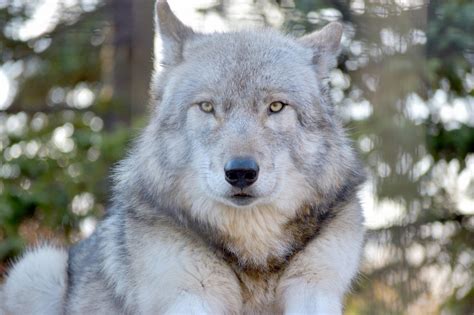
Cultural Significance: Wolves in Japanese Myth and Literature
Wolves in Japan have long held symbolic meaning. Unlike Western narratives where wolves are often vilified, Japanese folklore portrays them with nuance.
- Amaterasu’s Connection: In Shinto mythology, the deity Amaterasu is linked to wolves—some legends suggest she was accompanied by a wolf during her retreat into a cave.
- Guardian Spirits: In mountain regions, wolves were revered as protectors of sacred sites and villages, believed to ward off evil spirits.
- Literary Presence: The wolf appears in classics like *The Tale of Genji* and modern novels, often embodying themes of solitude, power, or transformation.
Modern Representation: Wolves in Art and Media
Today, the image of the Japanese wolf endures in museums, literature, and film. Exhibits at the National Museum of Ethnology in Osaka showcase artifacts, while anime and manga—such as *Wolf’s Rain*—reinvent the myth for contemporary audiences.

Modern Efforts: Conservation and Reintroduction Discussions
Although the Japanese wolf is extinct, the topic of reintroduction is gaining traction among environmental advocates and policymakers.
- Genetic Research: Scientists are exploring cloning or hybridization with related wolf species using preserved DNA samples.
- Public Awareness Campaigns: Environmental groups promote educational programs to honor the wolf’s ecological legacy.
- Legal Protections: Proposals are circulating to designate the Japanese wolf as a protected national symbol under cultural heritage law.
These efforts reflect a broader shift toward reconciling human development with biodiversity loss.
Frequently Asked Questions (FAQ)
- Q1: Are there any wolves left in Japan today?
A: No. The Japanese wolf (Canis lupus hattai) is officially extinct. No confirmed wild populations exist today.
- Q2: What caused the extinction of Japanese wolves?
A: Extinction resulted from a combination of hunting, habitat loss, and disease. Human intervention—particularly lethal control—was the primary driver.
- Q3: Is there any ongoing research to bring back the Japanese wolf?
A: Yes. Researchers are investigating genetic cloning and hybridization with related species using preserved genetic material.
- Q4: How are Japanese wolves represented in modern culture?
A: They remain prominent in art, literature, and media—symbolizing mystery, protection, and ecological heritage.
- Q5: Could wolves ever return to Japan naturally?
A: Without reintroduction programs, natural return is unlikely due to habitat loss and ecological barriers. However, conservation advocates continue to push for viable pathways.
Conclusion: Echoes of the Wild
The story of wolves in Japan is one of extinction, reverence, and resilience. Though the Honshu wolf has vanished from the wild, its influence endures—through myths that inspire, conservationists that advocate, and a public eager to reconnect with lost wildlife. As Japan continues to evolve, so too does the legacy of the wolf, reminding us of the delicate balance between human progress and the natural world.