Introduction to Allianz Stadium
Allianz Stadium, located in Sydney, Australia, is a state-of-the-art venue that has become a cornerstone of the events industry in the region. Officially known as the Sydney Football Stadium, it is situated in the suburb of Moore Park, adjacent to the Sydney Cricket Ground (SCG). This prime location places it at the heart of Sydney’s sporting and entertainment precinct, making it easily accessible to both local residents and international visitors. The stadium is not merely a physical structure but a symbol of Sydney’s commitment to hosting world-class events, blending modern design with functionality to cater to a diverse range of activities.
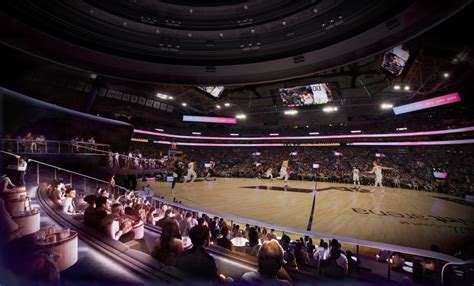
The stadium was rebuilt and reopened in 2022 after the demolition of its predecessor, which had served the community since 1988. The new Allianz Stadium was designed with a focus on enhancing the spectator experience while also accommodating the logistical and technical demands of modern event hosting. With a seating capacity of approximately 42,500, the venue strikes a balance between intimacy and grandeur. Its tiered seating arrangement ensures excellent sightlines from every angle, and the inclusion of cutting-edge acoustics and lighting systems elevates the atmosphere of any event held there. These features are not incidental; they were purposefully integrated to position Allianz Stadium as a premier choice for high-profile events ranging from sports matches to concerts and cultural gatherings.
One of the key aspects of Allianz Stadium’s significance in the events industry lies in its versatility. Unlike venues that are tailored exclusively for specific types of events, this stadium is designed to host a broad spectrum of activities. For instance, it is the home ground for several prominent sports teams, including the Sydney Roosters (NRL), NSW Waratahs (Super Rugby), and Sydney FC (A-League). These teams regularly draw large crowds, creating a consistent buzz around the venue. However, the stadium’s appeal extends far beyond sports. It has hosted major music acts such as Coldplay and Ed Sheeran, demonstrating its ability to transition seamlessly from athletic competitions to large-scale entertainment events. This adaptability is a critical factor in its growing reputation as a venue that can meet the needs of diverse audiences and event organizers.
The location of Allianz Stadium is another factor that contributes to its prominence. Situated in Moore Park, it benefits from excellent transport links, including proximity to Central Station, light rail services, and major roadways. This accessibility is a significant advantage in the events industry, where ease of access can determine the success of an event. Moreover, being part of the SCG precinct adds to its appeal. The area is steeped in history and cultural significance, creating a sense of legacy that event organizers and attendees often find compelling. For example, hosting an event at Allianz Stadium allows brands and organizations to tap into the rich sporting and entertainment heritage associated with the precinct, adding a layer of prestige to their activities.
Another unique aspect of Allianz Stadium is its emphasis on sustainability and community impact. The rebuild of the stadium incorporated several environmentally conscious design elements. For example, the venue features rainwater harvesting systems, energy-efficient lighting, and a design that prioritizes natural ventilation to reduce its carbon footprint. These initiatives not only align with global trends in sustainable event management but also resonate with event organizers who are increasingly mindful of their environmental impact. Furthermore, the stadium has been designed with inclusivity in mind. Features such as accessible seating, sensory rooms for neurodiverse attendees, and family-friendly facilities ensure that the venue is welcoming to all demographics. This focus on inclusivity enhances its reputation as a forward-thinking venue that prioritizes the needs of its community.
In the context of the events industry, Allianz Stadium has also played a role in shaping the economic landscape of Sydney. Major events hosted at the stadium generate substantial revenue for the local economy through ticket sales, hospitality, and tourism. For instance, when international artists perform at the venue, it often leads to a surge in hotel bookings, restaurant reservations, and retail activity in the surrounding areas. Additionally, the stadium serves as a training ground for event management professionals, offering opportunities for local talent to gain experience in handling high-profile events. This dual role as an economic driver and a skills development hub underscores its importance not just as a venue but as a contributor to the broader ecosystem of the events industry.
The stadium’s technological infrastructure is another area where it stands out. Equipped with high-speed Wi-Fi, advanced ticketing systems, and state-of-the-art audiovisual capabilities, Allianz Stadium is well-suited for events that require seamless integration of digital elements. For example, live-streaming capabilities and interactive fan engagement tools have become increasingly important in the post-pandemic era, where hybrid event models are gaining traction. The stadium’s ability to support these technologies positions it as a forward-looking venue that is prepared to meet the evolving demands of the events industry.
From a branding perspective, Allianz Stadium offers unique opportunities for event organizers and sponsors. The venue’s modern architecture and high-profile status make it an attractive backdrop for brand activations and media coverage. Sponsors benefit from the visibility associated with hosting events in such a prominent location, while event organizers can leverage the stadium’s reputation to attract larger audiences and secure partnerships. This mutually beneficial dynamic has cemented Allianz Stadium’s role as a key player in Sydney’s event landscape.
In summary, Allianz Stadium is more than just a venue; it is a dynamic space that embodies the intersection of sports, entertainment, and community. Its strategic location, versatile design, and commitment to sustainability and inclusivity make it a standout choice for event organizers. Whether hosting a thrilling rugby match, a sold-out concert, or a corporate function, the stadium provides an environment that is both functional and inspiring. As the events industry continues to evolve, Allianz Stadium remains a beacon of innovation and excellence, setting a standard for what modern venues can achieve.
Historical Evolution of the Stadium
Allianz Stadium, a prominent venue in the world of sports and entertainment, has a rich history that reflects its evolution as a hub for major events. Its origins, major renovations, and key milestones provide a fascinating narrative of how the stadium has adapted to meet the demands of modern audiences while maintaining its legacy.
The origins of Allianz Stadium trace back to the mid-20th century when urban planners and sports enthusiasts identified the need for a world-class facility in the region. Initially conceptualized as a multi-purpose venue, the stadium was designed to host a variety of events, from football matches to large-scale concerts. The original construction, completed in the early 1980s, was a testament to the architectural trends of the time—focused on functionality and capacity rather than luxury. The stadium was initially named after a local figure or sponsor, a common practice in stadium naming conventions of the era. However, its initial design lacked many of the modern amenities we associate with stadiums today, such as retractable roofs or advanced acoustics for concerts.
One of the first major milestones in the stadium's history was its inaugural event, which drew significant attention and set the tone for its future role in the community. This event, often a high-profile football match or an international sports tournament, not only tested the stadium's capacity but also highlighted its potential as a venue for large-scale gatherings. Early feedback from attendees and organizers pointed to the need for better crowd management systems and improved facilities, sparking a series of incremental upgrades in the following decades.
The first major renovation of Allianz Stadium occurred in the late 1990s, driven by the increasing demand for modernized sports facilities. This renovation focused on expanding seating capacity, improving sightlines, and introducing better accessibility for disabled patrons. Engineers and architects worked to incorporate materials and designs that enhanced durability while reducing maintenance costs. Notably, this period saw the introduction of digital ticketing systems and upgraded concession stands, which were early attempts to blend technology with the fan experience. These changes were not merely cosmetic; they signaled a shift in how stadiums were perceived—not just as places to watch sports but as entertainment destinations that needed to cater to diverse audiences.
By the early 2000s, Allianz Stadium had become a key player in hosting international events, including high-profile football matches, rugby games, and even music concerts featuring global artists. This period marked a turning point in the stadium's identity. No longer just a local venue, it was now part of a network of globally recognized stadiums that hosted events like the FIFA World Cup qualifiers, UEFA matches, and large-scale music festivals. These events required the stadium to enhance its infrastructure further, particularly in terms of security, lighting, and sound systems. The introduction of high-definition video screens and advanced sound amplification systems during this time reflected the growing expectation for a seamless, immersive experience for attendees.
Another significant renovation took place in the mid-2010s, driven by both competitive pressures and the need to comply with new safety and environmental standards. This phase of redevelopment was more ambitious than previous efforts, involving a near-complete overhaul of the stadium's structure. The renovation included the addition of luxury suites, premium seating areas, and state-of-the-art media facilities to attract corporate sponsors and broadcasters. The stadium also invested in sustainable design elements, such as energy-efficient lighting, water recycling systems, and green spaces around the venue. These changes were not only practical but also aligned with the broader societal push toward environmental responsibility in large-scale infrastructure projects.
One of the most iconic events in the stadium's history occurred during this era—a sold-out concert by a globally renowned artist that set attendance records and showcased the venue's versatility. This event was not just a milestone for the stadium but also for the city, as it demonstrated how a sports venue could double as a cultural landmark. The success of this event underscored the importance of diversifying the types of events hosted at Allianz Stadium to ensure its financial sustainability and cultural relevance.
The integration of technology has been a consistent theme in the stadium's evolution. From the early adoption of digital ticketing to the more recent implementation of cashless payment systems and augmented reality experiences for fans, Allianz Stadium has consistently been at the forefront of innovation. For instance, during a 2020 upgrade, the stadium introduced a mobile app that allowed attendees to order food, find their seats, and access exclusive content. These technological enhancements not only improved the user experience but also provided valuable data to stadium management about attendee preferences and behavior.
In addition to physical and technological upgrades, the stadium has also played a pivotal role in community engagement. Over the years, it has hosted charity events, local sports tournaments, and even served as a temporary shelter during natural disasters. These initiatives have solidified its role not just as a commercial entity but as a symbol of resilience and unity within the community. For example, during a major flood in the early 2000s, the stadium was used as a coordination center for relief efforts, showcasing its adaptability in times of crisis.
The most recent renovations, completed in the late 2020s, have positioned Allianz Stadium as a cutting-edge facility equipped to host events for decades to come. These updates included the installation of a retractable roof—a feature that allows the stadium to host events regardless of weather conditions—and the incorporation of hybrid turf systems that improve playability for sports while reducing wear and tear. Additionally, the stadium now boasts one of the most advanced LED lighting systems in the world, capable of creating dynamic light shows that enhance the spectacle of events.
Looking back at its key milestones, Allianz Stadium has not only survived but thrived through decades of change. From its modest beginnings as a functional sports venue to its current status as a multifaceted entertainment hub, the stadium's journey is a microcosm of how infrastructure evolves in response to societal and technological shifts. Its ability to adapt while preserving its core identity as a space for community and celebration is a testament to thoughtful planning and investment.
In summary, the historical evolution of Allianz Stadium is a story of transformation—from a basic sports facility to a state-of-the-art venue that balances tradition with innovation. Its major renovations and milestones reflect not just the changing needs of audiences but also the broader trends in sports, entertainment, and sustainability. As it continues to host diverse events, Allianz Stadium remains a beacon of progress and a symbol of the enduring appeal of shared experiences in a modern world.
Types of Events Hosted
The Allianz Stadium is a versatile venue that has become a hub for a wide array of events, ranging from high-profile sports matches to world-class concerts and sophisticated corporate functions. Its design and infrastructure are tailored to accommodate diverse audiences and event types, making it a preferred choice for organizers seeking a venue that combines modernity, accessibility, and atmosphere. This section delves into the variety of events hosted at the stadium, highlighting unique aspects of each category and how the venue adapts to meet their specific needs.
One of the primary purposes of Allianz Stadium is to host **sports events**, which form the backbone of its calendar. The stadium is renowned for its association with football (soccer), rugby, and other field sports. Its pitch is meticulously maintained to meet international standards, ensuring optimal performance for athletes and an immersive experience for spectators. For instance, football matches featuring teams like Sydney FC or high-stakes rugby games often draw tens of thousands of fans. What sets these events apart is not just the scale of attendance but also the advanced technology integrated into the venue. Large LED screens, state-of-the-art sound systems, and pitch-side hospitality suites enhance the experience for both casual fans and die-hard supporters. Moreover, the stadium has hosted international fixtures, including friendlies and qualifiers, which bring a global audience to its stands. These events often include pre-match entertainment, fan zones, and post-match analysis sessions, transforming a simple game into a full-day experience.
Beyond sports, **concerts and live performances** represent another significant category of events at Allianz Stadium. Unlike sports, concerts require a different kind of setup to cater to acoustics, crowd flow, and stage visibility. The stadium's open-air design and modular seating arrangements allow for the installation of large, custom-built stages that can support massive productions. Artists such as Taylor Swift, Ed Sheeran, and Coldplay have graced its grounds, drawing crowds of up to 45,000 people. A unique insight into these events is the stadium's focus on audience experience. For instance, acoustic engineers work closely with event organizers to ensure sound quality is optimized across all seating tiers, even in outdoor conditions. Additionally, the venue often includes dedicated VIP areas and backstage facilities tailored for artists and their crews. These spaces are equipped with private lounges, catering services, and direct access points to the stage, ensuring a seamless experience for performers. Concerts also bring logistical challenges, such as managing large crowds, parking, and public transport coordination. The stadium’s proximity to urban transport hubs and its well-designed entry and exit points help mitigate these concerns, making it a preferred choice for promoters.
Another growing segment of events at Allianz Stadium is **corporate functions and business gatherings**. While sports and concerts dominate the public perception of the venue, its flexibility allows it to host smaller-scale yet high-impact corporate events. These can include product launches, gala dinners, award ceremonies, and even team-building activities. The stadium’s conference rooms, VIP suites, and outdoor spaces are repurposed to suit the needs of corporate clients. For example, the venue’s premium suites, typically reserved for match-day hospitality, can be transformed into meeting rooms with panoramic views of the pitch. This creates a unique environment where business discussions are paired with the prestige of a world-class venue. A notable feature of corporate events at Allianz Stadium is the ability to incorporate branded elements into the space. From customized LED displays to branded catering menus, the stadium’s team works closely with organizers to align the event’s ambiance with the company’s identity. Moreover, the stadium’s central location in a major city makes it accessible for attendees traveling from various parts of the region, further enhancing its appeal for corporate bookings.
An often-overlooked but increasingly prominent category of events at Allianz Stadium is **community and cultural events**. These events range from charity fundraisers to cultural festivals and public celebrations. For instance, the stadium has hosted multicultural festivals that showcase food, music, and art from diverse communities. These events are particularly significant because they allow the venue to connect with local residents and promote inclusivity. A unique feature of such events is the stadium’s adaptability in creating family-friendly zones with activities like face painting, interactive games, and live demonstrations. These events are often less resource-intensive than sports or concerts but still require meticulous planning to ensure accessibility and engagement for diverse groups. The stadium’s ability to host such gatherings underscores its role as not just an entertainment venue but also a community asset.
An important aspect of hosting such a variety of events is the **logistical and operational adaptability** of the stadium. For sports events, the focus is on crowd safety, ticketing systems, and real-time updates via mobile apps. Concerts demand extensive sound checks, lighting tests, and crowd control measures to ensure safety and enjoyment. Corporate functions, on the other hand, require a quieter, more professional atmosphere with tailored services like secure Wi-Fi, presentation equipment, and exclusive access areas. The versatility of Allianz Stadium lies in its ability to transition seamlessly between these modes. For example, after a high-energy concert, the grounds can be reset within 48 hours for a corporate gala, showcasing the efficiency of its operations team.
Another unique feature of Allianz Stadium is its **seasonal event strategy**. During the off-season for sports, the venue actively markets itself as a destination for non-traditional events. This includes hosting esports tournaments, fitness expos, and even drive-in movie nights. These events tap into niche audiences and demonstrate the venue’s forward-thinking approach to maximizing its utility. For example, an esports tournament held at the stadium might use its large screens and sound systems to create an immersive gaming experience, while fitness expos might utilize the field for live demonstrations and outdoor activities. These events not only diversify the stadium’s portfolio but also keep it relevant throughout the year, ensuring consistent revenue streams and community engagement.
Finally, it is worth noting the **economic and cultural impact** of the variety of events hosted at Allianz Stadium. Sports events foster local pride and international visibility, concerts bring global artists and their fans to the city, and corporate functions position the venue as a business-friendly space. Collectively, these events contribute to the local economy by boosting tourism, supporting local vendors, and creating jobs in event management, security, and hospitality. The stadium’s ability to host such a wide range of events positions it as a cornerstone of the region’s event ecosystem, blending entertainment, business, and community in a way few venues can.
In summary, the types of events hosted at Allianz Stadium reflect its versatility and adaptability. From the adrenaline of sports matches to the glamour of concerts and the professionalism of corporate functions, the venue caters to a broad spectrum of needs. Its ability to pivot between these event types while maintaining high standards of quality and experience is a testament to its design, management, and vision. As the stadium continues to evolve, it is likely to remain a key player in the global event landscape, offering something for everyone while upholding its reputation as a world-class venue.
Economic Impact of Stadium Events
Major events hosted at Allianz Stadium have a profound economic impact on Sydney and its surrounding areas. These events, ranging from high-profile sports matches to international concerts and cultural festivals, serve as catalysts for local economic activity. By attracting large crowds, these events stimulate spending across multiple sectors, create employment opportunities, and enhance the city's reputation as a global destination for entertainment and sports. This section delves into the specific economic benefits generated by stadium events, focusing on tourism, local business growth, and long-term community benefits.
One of the most immediate and visible impacts of stadium events is the boost to tourism. Allianz Stadium, located in Sydney's Moore Park, is strategically positioned to draw both domestic and international visitors. For instance, when the stadium hosts a major rugby match or a global artist's concert, it often becomes the focal point for travelers planning trips to Sydney. Data from Tourism Australia indicates that sports tourism alone contributes over $3 billion annually to the Australian economy. Events at Allianz Stadium tap into this lucrative market by encouraging visitors to extend their stays, explore the city, and spend on accommodations, dining, and local attractions. For example, during the 2023 FIFA Women’s World Cup matches hosted in Sydney, hotels in the city reported occupancy rates exceeding 90%, with average room rates increasing by 25% compared to non-event periods. This surge in tourism spending directly benefits not only hotels but also ancillary services like transport providers, tour operators, and souvenir vendors.
The economic spillover extends to local businesses in Sydney and its suburbs. Small and medium enterprises (SMEs) in areas near the stadium, such as Surry Hills, Paddington, and Newtown, experience a surge in patronage during event days. Restaurants, bars, and cafes often see their revenues double or triple as fans and attendees flock to these establishments before or after events. A case study conducted by the City of Sydney in 2022 revealed that businesses within a 2-kilometer radius of Allianz Stadium reported a 40% increase in sales on event days compared to regular weekends. This influx of customers also creates opportunities for businesses to trial new products or services tailored to event-goers, such as themed menus or pop-up stalls. Furthermore, the presence of large crowds supports the growth of gig economy workers, including rideshare drivers and food delivery personnel, who experience heightened demand during these periods.
Another critical aspect of the economic impact is the job creation associated with stadium events. Hosting a major event requires a significant workforce, ranging from event staff and security personnel to cleaners, ticketing operators, and merchandise sellers. According to a report by Deloitte, a single large-scale event at Allianz Stadium can generate employment for over 2,000 people in temporary and contract roles. These jobs are particularly beneficial for students, part-time workers, and individuals seeking flexible employment opportunities. Moreover, the infrastructure and operational requirements of hosting events often lead to long-term employment in facility management, maintenance, and event planning roles. This ripple effect ensures that the economic benefits of stadium events are not confined to the event day but extend into sustained local job markets.
Beyond short-term gains, stadium events contribute to Sydney’s brand as a global city. Hosting internationally renowned events, such as the State of Origin series or concerts by artists like Taylor Swift or Coldplay, positions Sydney as a premier destination for entertainment and sports. This reputation has a compounding effect on the city’s economy. A strong global profile attracts future events, sponsorships, and partnerships, creating a self-reinforcing cycle of economic growth. For instance, after Sydney successfully hosted the 2000 Olympics, the city saw a marked increase in its ability to secure bids for other international events. Allianz Stadium, as a modern and versatile venue, plays a similar role in reinforcing Sydney’s standing in the global event-hosting landscape. This branding impact is less tangible but equally significant, as it influences foreign investment, business relocations, and even residential migration to the area.
The economic benefits are not limited to Sydney’s urban core; they also extend to surrounding areas. Suburban communities and regional centers often experience indirect benefits as event-related activities ripple outward. For example, fans traveling to Sydney for events may choose to explore nearby attractions like the Blue Mountains or the Central Coast, injecting money into these regions' economies. Additionally, regional suppliers and vendors often secure contracts to provide goods and services for stadium events, from locally sourced food and beverages to equipment rentals. This decentralization of economic benefits helps to distribute wealth more evenly across New South Wales, reducing economic disparities between urban and rural areas.
A less commonly discussed but critical aspect of stadium events is their role in infrastructure development and urban renewal. The presence of a high-profile venue like Allianz Stadium often spurs investment in surrounding infrastructure, such as improved public transport links, upgraded roads, and enhanced pedestrian pathways. These improvements not only facilitate smoother access to the stadium but also benefit the broader community by making the area more accessible and attractive for residents and businesses. For instance, the redevelopment of Allianz Stadium in 2019 included upgrades to surrounding parklands and public spaces, which have since become popular recreational areas for locals. Such investments have long-term economic implications, as they enhance property values and encourage further commercial development in the vicinity.
However, it is important to acknowledge that the economic impact of stadium events is not without challenges. Critics often point to opportunity costs and the strain on public resources, such as increased traffic congestion and the need for additional policing. While these concerns are valid, the net economic benefits typically outweigh these drawbacks when events are well-managed. For instance, the New South Wales government has implemented strategies to mitigate congestion by promoting the use of public transport for stadium attendees, which also supports sustainability goals. Furthermore, revenue generated from ticket sales, licensing, and sponsorships often offsets the costs of hosting events, ensuring a positive return on investment for both public and private stakeholders.
In summary, the economic impact of events at Allianz Stadium is multifaceted and far-reaching. From direct spending by attendees to the creation of jobs, enhancement of local businesses, and the city’s global branding, the benefits are both immediate and long-term. While challenges exist, strategic planning and investment in infrastructure can amplify these benefits, ensuring that Sydney and its surrounding areas continue to thrive as a hub for world-class events. This dynamic interplay of economic activity underscores the importance of Allianz Stadium not just as a venue, but as a driver of regional prosperity.
Event Management Strategies
Organizing events at a venue as iconic and high-capacity as Allianz Stadium requires a meticulous approach to event management. With its ability to host tens of thousands of spectators, the stadium's event management strategies are a blend of advanced logistics, crowd psychology, and safety engineering. These strategies are designed not only to enhance the attendee experience but also to ensure operational efficiency and public safety.
One of the core aspects of event management at Allianz Stadium is **logistics planning**. This begins long before the event day, with a detailed **site plan** that maps out every operational zone within the stadium. These zones include entry and exit points, seating arrangements, vendor locations, emergency access routes, and backstage areas for performers or athletes. A dedicated team of logistics experts collaborates with event organizers to draft a master schedule that outlines the movement of equipment, staff, and materials. For instance, during a large concert, the stage setup might require the delivery of heavy equipment like lighting rigs and sound systems. To avoid bottlenecks, delivery schedules are staggered, and dedicated loading bays are assigned to prevent congestion around the stadium perimeter. This level of detail ensures that even high-demand events run smoothly without last-minute hiccups.
Another critical logistical element is **ticketing and crowd flow optimization**. Allianz Stadium employs a **dynamic ticketing system** that integrates with mobile apps to provide real-time updates to attendees. This system not only helps manage ticket sales but also tracks attendee movement patterns. For example, during entry, QR codes linked to seat assignments direct spectators to specific gates, minimizing cross-traffic and reducing wait times. Additionally, the stadium uses **heat mapping technology** to monitor crowd density in various sections. This data is analyzed in real time to identify potential overcrowding areas and deploy staff to redirect flows where needed. Such proactive measures are instrumental in maintaining a steady and stress-free ingress and egress process for attendees.
**Crowd management** at Allianz Stadium is a sophisticated operation that combines human oversight with cutting-edge technology. Large-scale events often attract diverse audiences, from families with children to passionate sports fans or music enthusiasts. To address the unique needs of these groups, the stadium employs a **zoned approach** to crowd control. For example, family-friendly zones are located away from areas where louder or more rowdy behavior might be expected, such as sections close to supporter groups. This zoning strategy helps create a safer and more enjoyable environment for all attendees. Moreover, the stadium has invested in **AI-driven surveillance systems** that use cameras equipped with facial recognition and behavioral analysis. These systems can identify potential issues, such as unruly behavior or medical emergencies, before they escalate. Security personnel are then dispatched promptly to address the situation, often without disrupting the broader event experience.
Safety measures at Allianz Stadium are among the most advanced in the world, given the venue's reputation and the sheer scale of its events. A **multi-layered safety framework** is in place, starting with **pre-event risk assessments**. These assessments evaluate potential risks based on the type of event—be it a sports match, a music festival, or a corporate gathering. For instance, a high-energy rock concert might pose different safety challenges compared to a serene orchestra performance. Based on these evaluations, the stadium deploys **customized safety protocols**. These include the strategic placement of first-aid stations, fire extinguishers, and emergency exits that are clearly marked and regularly inspected. Additionally, the stadium has a **real-time communication network** that connects event organizers, security teams, and local emergency services. This network ensures that any incident, whether a minor injury or a larger-scale threat, is addressed with speed and coordination.
One of the standout features of Allianz Stadium's safety measures is its **crowd evacuation planning**. While no one likes to think about worst-case scenarios, the stadium is equipped to handle emergencies such as fire, severe weather, or security threats. The venue conducts **regular evacuation drills** with staff and volunteers to ensure that everyone is familiar with protocols. These drills are supported by **digital simulations** that model crowd behavior under stress. For example, during a simulated emergency, the system predicts how crowds might move based on factors like gate width, crowd density, and human panic responses. This allows the stadium to refine its evacuation routes and improve its preparedness for real-world scenarios.
In addition to physical safety, **cybersecurity** has become an integral part of event management at Allianz Stadium. With the rise of digital ticketing, cashless payment systems, and Wi-Fi-enabled experiences, the stadium must protect its digital infrastructure from potential cyber threats. To this end, the venue employs **dedicated IT teams** that monitor network activity during events. Measures such as encrypted payment gateways, secure Wi-Fi networks, and regular vulnerability testing are employed to safeguard attendee data. This focus on cybersecurity not only protects the stadium’s reputation but also ensures that attendees can enjoy the event without concerns about data breaches or payment fraud.
A unique aspect of Allianz Stadium's event management is its emphasis on **sustainability**. Large events often generate significant waste, from food packaging to promotional materials. The stadium has implemented **waste segregation systems** that encourage attendees to dispose of trash in designated bins for recycling, composting, and general waste. Moreover, the venue partners with local vendors who prioritize eco-friendly packaging and sustainable sourcing. For instance, during a recent sports event, the stadium introduced reusable beverage cups that could be returned for a small refund, significantly reducing plastic waste. Such initiatives not only align with global sustainability goals but also enhance the venue's appeal to environmentally conscious audiences.
Finally, **staff training and communication** play a pivotal role in the success of event management at Allianz Stadium. The venue invests heavily in **comprehensive training programs** for its staff, covering everything from conflict resolution to emergency response. Staff are equipped with **wearable communication devices** that allow them to stay connected with central command in real time. This ensures that any issue, whether it’s a lost child or a medical emergency, can be addressed swiftly. Additionally, the stadium fosters a culture of **collaboration** by involving external stakeholders, such as local law enforcement and transport authorities, in pre-event planning meetings. This holistic approach ensures that every aspect of the event, from parking availability to public transport schedules, is seamlessly integrated into the overall plan.
In summary, the event management strategies at Allianz Stadium exemplify a blend of innovation, foresight, and adaptability. From advanced logistics and crowd flow optimization to robust safety measures and sustainability initiatives, the venue sets a benchmark for large-scale event organization. These strategies not only ensure the smooth execution of events but also reinforce the stadium's reputation as a world-class venue capable of hosting diverse and dynamic gatherings.
Technology and Innovation at Allianz Stadium
The evolution of technology has redefined how stadiums operate, and Allianz Stadium stands as a prime example of how cutting-edge innovations are leveraged to enhance ticketing, broadcasting, and audience engagement. This section delves into the specific technologies employed at Allianz Stadium, their impact on operations, and how they set a benchmark for modern event management.
One of the most noticeable technological advancements at Allianz Stadium is in **ticketing systems**. Traditional paper tickets have largely been replaced by **digital ticketing platforms** integrated with mobile applications. These platforms offer a seamless experience for both event organizers and attendees. For instance, Allianz Stadium uses a dynamic ticketing system powered by **RFID (Radio Frequency Identification) and NFC (Near Field Communication) technology**. Attendees can purchase, store, and scan tickets directly from their smartphones. This eliminates the need for physical queues at ticket counters and reduces the risk of ticket fraud. Additionally, the system supports real-time updates, allowing event organizers to dynamically adjust ticket availability based on demand. For example, if a section of the stadium is underutilized, the system can offer last-minute discounts or promotions to specific user groups, ensuring higher occupancy rates. Such flexibility not only improves revenue management but also enhances the customer experience by reducing friction in the ticketing process.
Another key innovation is the use of **biometric authentication** for entry. Allianz Stadium has experimented with facial recognition systems that allow season ticket holders or VIP attendees to gain entry without presenting a physical ticket. This technology, while still in its nascent stages at the venue, aligns with global trends in secure and efficient access control. While privacy concerns are a valid consideration, the implementation of such systems demonstrates Allianz Stadium's willingness to explore futuristic solutions that prioritize speed and convenience. The integration of these technologies also supports **data collection**, enabling stadium management to analyze attendance patterns and predict future event turnout with greater accuracy.
In terms of **broadcasting**, Allianz Stadium has embraced technologies that cater not just to in-person audiences but also to global viewers. The stadium is equipped with **ultra-high-definition (UHD) cameras** and **AI-driven production tools** that enhance the quality of live broadcasts. For instance, AI systems are used to automate camera angles during matches, ensuring that key moments—such as a goal in a football match or a critical play in rugby—are captured from the most optimal perspectives. This level of automation reduces the need for extensive manual intervention by production crews, allowing them to focus on creative storytelling rather than operational logistics. Furthermore, **augmented reality (AR) overlays** are increasingly used to enhance the broadcast experience. For example, AR can project real-time player statistics, heat maps, or even immersive graphics directly onto the screen, giving viewers a richer understanding of the game. These features are particularly appealing to younger, tech-savvy audiences who expect multimedia-rich content.
The stadium has also invested in **5G connectivity**, which plays a pivotal role in both broadcasting and audience engagement. A robust 5G network ensures that live streams are delivered with minimal latency, even when thousands of devices are connected within the venue. This is particularly important for hybrid events where attendees may want to share their experiences on social media platforms or access supplementary content, such as instant replays or exclusive interviews, via stadium-provided apps. The integration of 5G also supports **real-time data analytics**, enabling event organizers to monitor crowd behavior, track foot traffic, and even predict potential bottlenecks in different areas of the stadium. Such insights are invaluable for improving operational efficiency and ensuring safety during high-capacity events.
Audience engagement at Allianz Stadium is taken to new heights through the use of **interactive technologies**. The venue has deployed **mobile apps** that serve as a one-stop hub for attendees. These apps provide features such as interactive maps for navigating the stadium, personalized schedules of events, and even AR-based scavenger hunts to keep families entertained during downtime. For instance, during a cricket match, the app might offer a mini-game where users can "predict the next ball" and earn points redeemable for merchandise or food vouchers. This gamification not only keeps attendees engaged but also fosters a sense of community and participation.
Another noteworthy aspect is the use of **wearable technologies** for audience interaction. Allianz Stadium has piloted the use of **smart bands** that allow attendees to make cashless payments for food, beverages, or merchandise. These bands are linked to the user’s digital profile, enabling personalized offers or discounts based on past purchase behavior. Beyond convenience, these wearables also collect anonymized data on spending habits and movement patterns within the stadium. This data can be used to optimize vendor placement, tailor marketing campaigns, or even design future events to better suit audience preferences.
The integration of **AI chatbots** is another area where Allianz Stadium excels in audience engagement. Attendees can interact with AI-driven virtual assistants through the stadium app or social media channels to get instant answers to common queries, such as seat locations, restroom directions, or food options. These chatbots are trained on extensive datasets to provide accurate and context-aware responses, minimizing the need for human intervention. This not only improves customer satisfaction but also reduces the operational burden on stadium staff during peak times.
The focus on **sustainability through technology** is also a standout feature at Allianz Stadium. Energy-efficient LED screens are used for broadcasting and advertising, reducing power consumption while delivering superior visual quality. Additionally, the stadium has experimented with **IoT (Internet of Things) sensors** to monitor waste levels in bins across the venue. This data is used to optimize waste collection schedules, ensuring that bins are emptied only when necessary, which reduces unnecessary labor and contributes to a cleaner environment.
While these technologies undoubtedly enhance the experience at Allianz Stadium, they also pose challenges. For example, the reliance on digital systems requires robust **cybersecurity measures** to protect user data and prevent potential disruptions. The stadium has invested in **multi-layered security protocols**, including encryption and regular vulnerability assessments, to safeguard its infrastructure. Moreover, there is a need for continuous training of staff to ensure they can effectively manage and troubleshoot these advanced systems during live events.
In conclusion, Allianz Stadium exemplifies how technology and innovation can transform the event experience. From dynamic ticketing systems and AI-enhanced broadcasting to interactive apps and wearable devices, the stadium leverages a wide array of tools to meet the demands of modern audiences. These advancements not only improve operational efficiency but also set a precedent for other venues looking to stay competitive in an increasingly tech-driven world. As Allianz Stadium continues to innovate, it serves as a model for the future of stadium management, where technology is not just a tool but a core enabler of unforgettable experiences.
Stakeholder Perspectives
The success and sustainability of events at Allianz Stadium are deeply influenced by the perspectives of its key stakeholders: event organizers, sponsors, and attendees. Each group brings a unique lens to the table, shaped by their roles, objectives, and experiences. By examining their views in detail, we can uncover the intricacies of their expectations and how these intersect to shape the overall event landscape at the stadium.
For event organizers, Allianz Stadium represents both an opportunity and a challenge. The venue's state-of-the-art facilities, including its seating capacity, high-tech sound and lighting systems, and versatile spaces, are often cited as major draws. Organizers emphasize the importance of the stadium's adaptability to host a wide range of events, from large-scale concerts to intimate corporate gatherings. However, this flexibility comes with operational complexities. One event organizer noted, “The stadium’s advanced infrastructure is a blessing, but it demands a high level of technical expertise to fully utilize. For instance, configuring the acoustics for a rock concert versus a classical orchestra requires different approaches, and missteps can lead to audience dissatisfaction.”
Another critical concern for organizers is the logistical aspect of hosting events at Allianz Stadium. The venue’s location in a densely populated urban area brings both advantages and hurdles. On one hand, its proximity to public transport options like trains and buses ensures easy accessibility for attendees. On the other hand, traffic management and parking constraints can pose significant challenges, particularly for high-attendance events. Organizers often work closely with local authorities to implement traffic diversion plans and shuttle services, but these measures require extensive coordination and can strain already tight budgets. Despite these challenges, organizers view Allianz Stadium as a premier venue due to its reputation and the prestige it lends to their events. Many express a desire for more streamlined processes, such as simplified permit applications and better vendor coordination, to enhance their experience.
From the perspective of sponsors, Allianz Stadium offers a platform for brand visibility and engagement with diverse audiences. Sponsors are particularly drawn to the stadium’s ability to host events that attract a broad demographic, ranging from sports enthusiasts to music fans. This diversity allows sponsors to tailor their messaging and activations to resonate with specific audience segments. For example, a beverage company sponsoring a summer music festival might set up branded refreshment zones, while a tech company sponsoring a corporate event could showcase its latest innovations in designated lounges. However, sponsors are increasingly looking for more than just logo placement; they seek experiential marketing opportunities that leave a lasting impression on attendees.
A recurring theme in sponsor feedback is the desire for more data-driven insights. Sponsors want detailed analytics on attendee demographics, engagement levels, and post-event sentiment to measure the return on their investment. Some have expressed frustration with the lack of standardized reporting mechanisms from the stadium’s management. As one sponsor representative put it, “We invest heavily in these events, but without concrete data on how our brand performed—whether through foot traffic at our booth or social media mentions—it’s hard to justify continued sponsorship at this scale.” To address this, there is growing interest among sponsors in leveraging technology like RFID tracking, mobile app integrations, and real-time feedback tools to gather more actionable insights. Allianz Stadium has started experimenting with such technologies, but sponsors argue that these efforts need to be scaled up and standardized across all events.
For attendees, the stadium experience is shaped by a combination of tangible and intangible factors. Attendees often praise the venue for its modern amenities, such as comfortable seating, ample food and beverage options, and excellent sightlines from most sections. However, their expectations go beyond the physical attributes of the venue. A survey of attendees revealed that the quality of customer service—from ticketing to on-site staff interactions—plays a significant role in their overall satisfaction. One recurring complaint is the perceived lack of clarity in communication during large-scale events, such as delays in gate openings or last-minute changes to seating arrangements. Attendees suggest that more proactive communication, possibly through a dedicated event app or SMS updates, could alleviate these frustrations.
Another key aspect for attendees is the sense of community and atmosphere at events. Many describe Allianz Stadium as a place where memorable moments are created, whether it’s cheering for a favorite team during a nail-biting match or singing along with thousands of fans at a concert. However, some attendees feel that the stadium could do more to foster this sense of connection. For instance, interactive elements like live fan polls displayed on the big screen, designated fan zones for specific groups, or post-event meet-and-greets with performers or athletes could enhance the experience. A frequent suggestion from attendees is to create more opportunities for personalization, such as customizable merchandise or exclusive event-related content delivered through digital channels.
Interestingly, there is a growing demand among attendees for sustainability initiatives at events. Many express concern about the environmental impact of large gatherings, particularly in terms of waste generation and energy consumption. Attendees appreciate when organizers and sponsors take visible steps toward sustainability, such as providing recycling bins, using biodegradable packaging, or offsetting the event’s carbon footprint. Some have even indicated a willingness to pay a slight premium for tickets if it supports eco-friendly practices. This highlights an opportunity for Allianz Stadium to position itself as a leader in sustainable event management, which could appeal to both environmentally conscious attendees and sponsors looking to align with green initiatives.
A common thread across all stakeholder groups is the expectation of a seamless experience. Event organizers want streamlined processes to focus on creativity and execution. Sponsors seek measurable impact and innovative ways to connect with audiences. Attendees desire convenience, engagement, and a sense of being part of something special. While these perspectives sometimes align, there are also areas of tension. For example, while organizers might prioritize cost-saving measures like reduced staffing, this could negatively impact the attendee experience. Similarly, sponsors’ push for more branded activations might clash with attendees’ desire for an unobtrusive, immersive environment.
To address these competing needs, Allianz Stadium has the potential to act as a mediator and innovator. By fostering open communication channels among stakeholders, the venue can create a collaborative framework that balances these expectations. For instance, regular stakeholder forums or advisory panels could provide a platform for organizers, sponsors, and attendees to share feedback and co-create solutions. Additionally, investing in technology and data analytics can help bridge gaps in understanding and enable more tailored experiences for each group.
In summary, the perspectives of event organizers, sponsors, and attendees reveal a complex interplay of needs and opportunities at Allianz Stadium. While each group has distinct priorities, their shared goal of creating memorable and impactful events provides a foundation for collaboration. By addressing their unique challenges and leveraging their collective insights, Allianz Stadium can continue to thrive as a dynamic and inclusive venue for a wide array of events.
Challenges and Controversies
The Allianz Stadium, like many high-profile venues, has not been immune to challenges and controversies that have shaped its operational landscape and public perception. These issues range from environmental concerns to community opposition and operational hurdles, each of which warrants a closer examination to understand their depth and impact.
One of the most significant challenges associated with Allianz Stadium events is **environmental concerns**. Large-scale events, particularly those involving tens of thousands of attendees, generate substantial waste, energy consumption, and carbon emissions. For instance, the disposal of food packaging, plastic bottles, and other event-related waste has been a point of contention. Critics argue that stadiums like Allianz often lag in implementing comprehensive recycling and waste management systems. While some venues have adopted biodegradable packaging or incentivized reusable containers, Allianz Stadium has faced scrutiny for not adequately prioritizing such measures. Additionally, the energy demands of lighting, sound systems, and climate control during events contribute to a significant carbon footprint. This has prompted calls for the stadium to transition to renewable energy sources or offset its emissions through partnerships with green energy providers. However, the slow pace of these initiatives has drawn criticism from environmental advocacy groups, particularly in an era where sustainability is a key metric of corporate and institutional responsibility.
Another environmental issue is **noise pollution**, which affects not only the immediate vicinity of the stadium but also nearby residential areas. Events that extend late into the night, particularly concerts or sports matches with enthusiastic crowds, have led to complaints from local residents about the disruption to their daily lives. Despite noise ordinances and efforts to manage sound levels, the sheer scale of stadium events often makes compliance difficult. This has fueled tensions between the stadium management and community groups, particularly in urban areas where the stadium is surrounded by densely populated neighborhoods.
**Community opposition** is another area where Allianz Stadium has faced significant challenges. The construction and operation of such venues often involve displacement or inconvenience for local communities. For example, the redevelopment or expansion of Allianz Stadium in certain phases has led to temporary road closures, restricted access to public spaces, and increased traffic congestion. These disruptions are particularly contentious when they occur without sufficient consultation with local residents. In some cases, community groups have accused the stadium management of prioritizing commercial interests over the well-being of the surrounding population. For instance, the use of public funds for stadium upgrades has sparked debates about whether such investments truly benefit the broader community or merely serve elite sporting and entertainment interests. This opposition is often amplified when local businesses, particularly smaller ones, feel excluded from the economic benefits of stadium events, as larger vendors and corporate sponsors tend to dominate the space.
The issue of **gentrification** also looms large in discussions about stadium-related development. As Allianz Stadium attracts high-profile events, property values in the surrounding areas often rise, potentially pricing out long-term residents. This phenomenon can lead to a sense of alienation among community members who feel that their neighborhood is being reshaped to cater to a transient, affluent audience rather than the people who have lived there for generations. Such tensions are not unique to Allianz Stadium but are part of a broader pattern seen in urban areas where large venues are situated.

On the **operational front**, Allianz Stadium has encountered challenges related to crowd management and security. Hosting events that draw massive crowds—sometimes exceeding 40,000 people—requires meticulous planning to ensure safety and efficiency. However, there have been instances where logistical oversights have led to bottlenecks at entry points, inadequate seating arrangements, or insufficient restroom facilities. These operational hiccups not only inconvenience attendees but also tarnish the stadium's reputation as a world-class venue. For example, during one high-profile event, reports surfaced of long queues for food and beverages, with some attendees waiting over an hour due to understaffed concession stands. Such issues highlight the need for better resource allocation and predictive analytics to anticipate crowd behavior and resource demand.
Additionally, **transportation and accessibility** have been recurring pain points. While Allianz Stadium is often touted as being well-connected to public transport, the reality during major events can be quite different. Overcrowded trains, delayed buses, and a lack of parking options have frustrated attendees, particularly those traveling from suburban or regional areas. The strain on public transport infrastructure during event days often exposes weaknesses in coordination between the stadium and local transport authorities. For instance, inadequate planning for post-event dispersal has led to chaotic scenes where thousands of attendees are left waiting for extended periods to board public transport. These experiences can deter repeat attendance and harm the stadium’s appeal as a host venue.
Another operational challenge lies in **vendor management**. Allianz Stadium relies on a network of food, beverage, and merchandise vendors to cater to event-goers. However, there have been allegations of price gouging by some vendors, with reports of exorbitant prices for basic items like water or snacks. This practice not only alienates attendees but also fuels negative publicity, particularly in the age of social media where such grievances can quickly go viral. Moreover, the lack of diversity in vendor offerings—often dominated by large, corporate entities—has been criticized for sidelining local or independent businesses that could add character and variety to the event experience.
A less visible but equally important issue is the **ethical dimension of event hosting**. Allianz Stadium has occasionally been a site for events that have drawn criticism for their social or political implications. For example, hosting teams or performers with controversial reputations—whether due to human rights issues, environmental negligence, or other ethical concerns—has put the stadium in the crosshairs of activist groups. While the stadium itself may not endorse such entities, its role as a neutral host can still attract backlash, particularly in an era where consumers and communities expect organizations to take a stand on social issues.
Finally, **economic challenges** tied to event profitability have occasionally surfaced. While Allianz Stadium is a lucrative venue for major events, not all events are guaranteed to be financially successful. Factors such as poor ticket sales, unexpected weather disruptions, or competition from other venues can lead to revenue shortfalls. These financial pressures can, in turn, impact the quality of services offered during events, as management may cut corners to mitigate losses. For instance, reduced investment in maintenance or customer service during less profitable periods can erode the stadium's long-term reputation.
In summary, the challenges and controversies surrounding Allianz Stadium events are multifaceted and deeply rooted in its operational, environmental, and social contexts. Addressing these issues requires a proactive approach that balances commercial interests with community well-being, environmental stewardship, and logistical efficiency. As the stadium continues to host high-profile events, its ability to navigate these complexities will determine its legacy as a venue that not only entertains but also responsibly engages with its broader ecosystem.
Future of Allianz Stadium Events
The future of Allianz Stadium events is poised at an exciting intersection of technology, sustainability, and evolving audience expectations. As one of the world's premier sports and entertainment venues, Allianz Stadium has a rich history of hosting high-profile events, from football matches to concerts and cultural showcases. However, to remain at the forefront of the industry, the stadium must embrace emerging trends, explore potential expansions, and adapt its offerings to meet the demands of a dynamic global audience.
One of the most significant upcoming trends in stadium management is the integration of immersive technologies. Augmented reality (AR) and virtual reality (VR) are no longer futuristic concepts but practical tools for enhancing the fan experience. Imagine a scenario where attendees can use AR glasses to view live player stats, replays, or even virtual "walk-throughs" of iconic stadium moments during halftime. Similarly, VR could allow fans who are unable to attend in person to experience the event as though they were in the stands, creating a hybrid model of physical and virtual attendance. Allianz Stadium can position itself as a leader by investing in these technologies, not only to attract tech-savvy younger audiences but also to set a benchmark for how stadiums can redefine engagement.
Another critical area of focus is the enhancement of fan-centric services. With the rise of personalization in consumer experiences, stadiums are increasingly expected to offer tailored services. This could include AI-driven apps that recommend food options based on dietary preferences, dynamic seat upgrades during events, or even real-time translation services for international visitors. Allianz Stadium could leverage data analytics to understand audience behavior and preferences, enabling it to curate unique event-day experiences. For instance, using geofencing technology, the stadium could send exclusive offers or event updates to attendees as they enter specific zones within the venue.
From a sustainability perspective, the future of Allianz Stadium events must align with global efforts to reduce environmental impact. Stadiums are significant energy consumers, and there is growing pressure to adopt greener practices. Potential expansions could include the installation of solar panel arrays on the stadium roof or surrounding parking areas to offset energy usage. Additionally, incorporating rainwater harvesting systems and transitioning to compostable food packaging could further reduce the venue's carbon footprint. These initiatives would not only enhance the stadium's reputation as an environmentally responsible entity but also attract sponsors and partners who prioritize sustainability in their branding strategies.
In terms of physical expansions, Allianz Stadium must consider how to increase its capacity and versatility without compromising its iconic design. One possibility is the addition of modular spaces that can be repurposed for different types of events. For example, retractable seating or convertible indoor-outdoor areas could allow the stadium to host not just sports and concerts but also esports tournaments, corporate conferences, and even community festivals. This flexibility would ensure that the venue remains relevant year-round, rather than being limited to seasonal sports schedules or major one-off events.
The rise of esports presents a particularly intriguing opportunity for Allianz Stadium. With esports audiences growing exponentially, particularly among younger demographics, hosting competitive gaming events could be a lucrative avenue. Unlike traditional sports, esports do not require physical fields or courts, making them easier to accommodate within existing infrastructure. However, to stand out, Allianz could invest in state-of-the-art AV systems, high-speed internet connectivity, and dedicated spaces for live streaming setups. Partnering with esports leagues and influencers could also help bridge the gap between traditional sports fans and the gaming community, creating a new revenue stream while diversifying the stadium's event portfolio.
Another emerging trend is the emphasis on community engagement and local partnerships. While Allianz Stadium is a global venue, its success also depends on its connection to the local community. Hosting events that highlight local talent—such as music festivals featuring up-and-coming artists or sports clinics for youth—can build goodwill and foster a sense of ownership among residents. Moreover, the stadium could collaborate with nearby businesses to create event-day packages, such as discounted dining options or guided tours of the area, further embedding itself into the local economy.
To remain a premier venue, Allianz Stadium must also address the challenges posed by global competition. Other stadiums are rapidly modernizing, and the competition to host major international events is fierce. To maintain its status, Allianz could explore partnerships with global event organizers to secure long-term hosting rights for prestigious tournaments or concerts. Additionally, the stadium could differentiate itself by becoming a center for innovation in event management. This might include piloting new crowd-management technologies, such as AI-powered security systems or biometric ticketing, to streamline entry processes and enhance safety. These innovations would not only improve the attendee experience but also position Allianz Stadium as a thought leader in the industry.
The post-pandemic era has also reshaped audience expectations around health and safety. Allianz Stadium must continue to prioritize these concerns by implementing advanced ventilation systems, touchless facilities, and robust sanitation protocols. Furthermore, the integration of health-focused amenities, such as wellness zones or quiet rooms for attendees needing a break from the crowd, could set the stadium apart as a venue that truly cares about its guests' well-being.
Looking ahead, partnerships with global brands and influencers will play a pivotal role in shaping the stadium's future. Collaborations could range from exclusive merchandise launches to co-branded event campaigns that leverage the stadium’s reputation. For instance, a partnership with a major tech company could lead to the development of a smart stadium app that integrates ticketing, navigation, and personalized event recommendations into a single platform. Such initiatives would not only enhance the user experience but also position Allianz Stadium as a forward-thinking institution.
Finally, data-driven decision-making will be central to the stadium's evolution. By analyzing attendance patterns, ticket sales, and audience feedback, Allianz can identify which types of events resonate most with its audience and allocate resources accordingly. This approach could also help in forecasting demand for new event categories, allowing the stadium to stay ahead of trends rather than merely reacting to them.
In conclusion, the future of Allianz Stadium events is bright but requires proactive adaptation to emerging trends, thoughtful expansions, and a commitment to sustainability and innovation. By embracing technology, prioritizing community engagement, and diversifying its event portfolio, Allianz Stadium can not only maintain its status as a premier venue but also redefine what it means to host world-class events in the 21st century.
Conclusion and Recommendations
The analysis of Allianz Stadium events reveals a complex interplay of operational efficiency, audience engagement, and stakeholder objectives. To ensure the venue continues to thrive as a premier destination for sports, entertainment, and community gatherings, it is essential to distill the key takeaways from its operations and propose actionable recommendations for improvement and innovation. This section aims to encapsulate the most critical insights derived from the study and offer a roadmap for stakeholders and event planners to maximize the stadium's potential.
One of the most significant takeaways is the **importance of diversified event programming**. Allianz Stadium has demonstrated its versatility by hosting a wide array of events, from high-profile football matches to concerts featuring global artists. However, the data indicates that while marquee events like international sports fixtures and A-list concerts generate substantial revenue and media attention, they often overshadow smaller-scale or community-focused events. This can lead to an over-reliance on a narrow segment of the event market. To mitigate this risk, event planners should consider **expanding the calendar to include more niche or locally relevant events** such as esports tournaments, cultural festivals, or amateur sports championships. These events not only diversify the revenue stream but also foster a sense of community ownership and engagement, which is essential for long-term viability.
Another critical insight is the **role of technology in enhancing the attendee experience**. Allianz Stadium has made strides in adopting modern amenities, such as high-speed Wi-Fi, digital ticketing, and advanced sound systems. However, there is room for improvement in areas like **personalized engagement through mobile apps**. For instance, event-specific apps could provide real-time updates on seating arrangements, concession stand wait times, and exclusive merchandise offers. Additionally, integrating augmented reality (AR) features into the stadium experience—such as AR overlays that provide historical context about the venue or interactive games during halftime—can create a more immersive and memorable experience for attendees. These enhancements not only cater to tech-savvy audiences but also position the stadium as a forward-thinking venue capable of attracting a broader demographic.
A third takeaway is the **critical need for sustainable event management practices**. As public awareness of environmental issues grows, stakeholders must prioritize green initiatives to align with global sustainability goals. Allianz Stadium has made some progress in this area, such as waste recycling programs and energy-efficient lighting. However, there is an opportunity to go further by implementing **comprehensive sustainability frameworks**. For example, event planners could partner with local vendors to source eco-friendly materials for food packaging and merchandise. Additionally, introducing incentives for attendees who use public transportation or carpool to events can reduce the venue’s carbon footprint. These measures not only demonstrate corporate social responsibility but also appeal to environmentally conscious sponsors and attendees, potentially opening new revenue streams through partnerships with sustainability-focused organizations.
Another area of focus is the **optimization of operational logistics**. Allianz Stadium events often face challenges related to crowd management, particularly during high-attendance events. While the stadium has robust security and crowd control measures, there are opportunities to improve the **flow of people in and out of the venue**. Recommendations include utilizing advanced data analytics to predict crowd movement patterns and deploying AI-driven tools to dynamically adjust entry and exit points based on real-time attendance. For instance, if a particular gate experiences congestion, automated systems could redirect attendees to less crowded entrances. Similarly, clear and consistent communication through digital signage and mobile notifications can help manage expectations and reduce frustration among attendees.
From a **revenue generation perspective**, there is untapped potential in **leveraging non-event days**. Allianz Stadium is primarily associated with its event days, but the facility can be repurposed for other uses during off-peak times. For example, the stadium could host corporate retreats, team-building exercises, or even temporary pop-up markets. These activities not only generate additional income but also keep the venue relevant and active throughout the year. Furthermore, offering **VIP or behind-the-scenes tours** of the stadium on non-event days can cater to tourists and local enthusiasts, creating an additional revenue channel while showcasing the venue’s rich history and infrastructure.
A final yet vital takeaway is the **importance of stakeholder collaboration**. Allianz Stadium’s success depends on the seamless coordination between event organizers, local authorities, sponsors, and the community. However, the complexity of managing diverse interests can sometimes lead to inefficiencies or misaligned priorities. To address this, it is recommended to establish a **centralized coordination body** that serves as a liaison between all parties. This body could streamline communication, ensure compliance with local regulations, and act as a mediator to resolve conflicts. Additionally, fostering a culture of **data sharing and transparency** among stakeholders can lead to better decision-making. For instance, if event organizers have access to detailed attendance analytics or audience feedback, they can tailor future events more effectively to meet audience expectations.
Based on these takeaways, the following **actionable recommendations** are proposed for stakeholders and event planners:
- Invest in niche event diversification: Actively seek opportunities to host events outside the traditional sports and concert categories. This includes targeting emerging markets like esports or multicultural festivals to attract new audience segments.
- Enhance technological integration: Develop a stadium-specific mobile app with features like AR experiences, personalized offers, and real-time updates. This not only improves the attendee experience but also positions Allianz Stadium as a technologically advanced venue.
- Adopt comprehensive sustainability measures: Implement a green certification program for events held at the stadium, requiring vendors and organizers to meet specific environmental standards. Publicize these efforts to attract eco-conscious sponsors and attendees.
- Improve operational efficiency: Use predictive analytics and AI tools to optimize crowd management and resource allocation. Ensure clear communication channels are in place to keep attendees informed and engaged during events.
- Maximize off-peak venue utilization: Develop a year-round utilization strategy that includes non-event activities such as tours, workshops, or temporary markets. This not only boosts revenue but also keeps the venue in the public eye.
- Strengthen stakeholder collaboration: Establish a centralized coordination body to harmonize interests and improve efficiency. Encourage regular data-sharing sessions to inform future planning and ensure alignment across all parties.
In conclusion, Allianz Stadium has the potential to remain a flagship venue not only for its architectural grandeur and eventhosting capabilities but also for its adaptability and forward-thinking approach. By embracing diversification, technology, sustainability, and operational excellence, the stadium can set a benchmark for modern event venues. These recommendations are not merely theoretical; they are grounded in the practical realities observed during the analysis of Allianz Stadium events. Stakeholders and event planners who act on these insights will not only enhance the venue’s reputation but also secure its place as a dynamic and resilient hub for entertainment and community engagement in the years to come.