Introduction
The 2022-2023 season was a historic one for Napoli, as they clinched their first Serie A title in over three decades. Under the guidance of manager Luciano Spalletti, the team displayed a brand of football that was both exhilarating and effective. Their title win was not just a culmination of tactical brilliance but also a testament to the collective spirit and individual brilliance of players like Victor Osimhen, Khvicha Kvaratskhelia, and Stanislav Lobotka. Napoli's success was built on a foundation of high-pressing football, fluid attacking play, and a cohesive defensive unit that conceded fewer goals than most of their competitors. This triumph brought immense joy to the city of Naples and rekindled memories of the glory days under Diego Maradona. However, as with any title-winning side, the subsequent season brought heightened expectations and the challenge of defending their crown.
The expectations for Napoli’s title defense were sky-high. After such a dominant campaign, many fans and pundits believed that the team had the potential to establish a dynasty in Italian football. The departure of Spalletti, who had been instrumental in shaping the team's identity, was seen as a significant hurdle, but the appointment of Rudi Garcia was met with cautious optimism. Garcia, a manager with a track record of success in Ligue 1 and experience in Serie A, was expected to build on the solid foundations laid by his predecessor. Moreover, the core of the title-winning squad remained intact, with key players like Osimhen and Kvaratskhelia still at the peak of their powers. This continuity, combined with the psychological boost of being champions, suggested that Napoli could mount a strong defense of their title.
However, the reality of defending a title is often more complex than it appears. History has shown that even the most dominant teams can struggle in their immediate follow-up season. The psychological burden of being the team to beat, coupled with the increased scrutiny and pressure from opponents, often leads to a dip in performance. For Napoli, this dynamic was exacerbated by several factors. First, their title win was seen as a surprise by many, given the traditional dominance of teams like Juventus, Inter Milan, and AC Milan in recent years. This meant that their success was not just celebrated but also questioned—could they sustain it? Second, the financial disparity between Napoli and some of their rivals meant that while other clubs could aggressively reinvest in their squads, Napoli’s transfer activity was more restrained. This created an uneven playing field where Napoli had to rely heavily on the same group of players who had delivered the title, with little room for rotation or reinvention.
Another critical aspect of the expectations surrounding Napoli’s title defense was the role of their star players. Victor Osimhen, the talismanic striker, had been a revelation in the previous season, scoring crucial goals and providing a focal point for Napoli’s attack. Similarly, Khvicha Kvaratskhelia, dubbed "Kvaradona" by fans, had mesmerized with his dribbling and creativity. These players were now not just Napoli’s weapons but also the primary targets for opposition defenses. Teams that had been caught off guard by Napoli’s fluidity in the 2022-2023 season were now better prepared, with detailed scouting reports and tailored game plans to neutralize their key threats. This shift in dynamics placed additional pressure on Napoli’s supporting cast to step up and provide alternatives when their stars were marked out of games.
The tactical landscape of Serie A also evolved in ways that posed challenges for Napoli. In their title-winning season, they had thrived on a high-energy, possession-based system that overwhelmed many opponents. However, as teams adapted to this approach, Napoli found themselves facing more compact, defensively organized sides. The element of surprise, which had been a significant advantage in their title run, was no longer present. This required Napoli to evolve their tactics, but the transition under a new manager was not seamless. Garcia’s initial attempts to introduce a more pragmatic style clashed with the free-flowing ethos that had defined Spalletti’s tenure. This period of adjustment was evident in Napoli’s early-season performances, where they often looked less cohesive and more vulnerable than they had been the previous year.
Financial constraints also played a role in shaping the narrative around Napoli’s title defense. While other title contenders like Juventus and Inter Milan were able to strengthen their squads with high-profile signings, Napoli’s transfer window was marked by a lack of significant investment. The club’s ownership, known for its frugal approach, prioritized maintaining financial stability over aggressive squad-building. This approach, while prudent in the long term, left Napoli vulnerable in the short term. Injuries to key players, such as Osimhen and Kvaratskhelia, exposed the lack of depth in the squad. Without the luxury of a deep bench, Napoli struggled to maintain the same level of intensity and consistency that had characterized their title-winning campaign.
The broader context of European competition also added to the challenges of Napoli’s title defense. Competing in the UEFA Champions League required Napoli to balance domestic and continental commitments, a task that often stretches even the most resource-rich clubs. The physical and mental toll of midweek European fixtures, combined with the travel and recovery time, left little room for error in Serie A. For a team like Napoli, which did not have the luxury of rotating its squad as extensively as some of its rivals, this dual focus became a significant strain. The fatigue and injuries that inevitably followed further compounded their difficulties in maintaining their league form.
In addition to these external pressures, internal dynamics within the club also played a role in shaping the narrative of their title defense. Reports of discontent among players, speculation about the new manager’s ability to command the dressing room, and the inevitable comparisons to Spalletti’s leadership created an atmosphere of uncertainty. While such issues are not uncommon in football, they can be particularly damaging for a team in transition. Napoli’s title-winning season had been characterized by a sense of unity and purpose; any disruption to that dynamic was bound to have ripple effects on their performance.
In summary, Napoli’s title defense was always going to be a formidable challenge, given the weight of expectations, the evolution of their competitors, and the inherent difficulties of sustaining success in a highly competitive league. While their title-winning season was a masterclass in cohesion and tactical innovation, the subsequent campaign exposed the vulnerabilities that come with being champions. The introduction of a new manager, the lack of significant squad investment, and the increased scrutiny from opponents all contributed to a situation where Napoli’s defense of their title was under immense strain from the outset. This context sets the stage for a deeper exploration of the specific challenges and missteps that defined their campaign.
Historical Context
The history of Serie A is rich with examples of teams that have triumphed in one season only to stumble in their title defense. To understand Napoli's current predicament, it is essential to examine how other Serie A champions have navigated the challenges of retaining their crown. This analysis provides a broader context for Napoli's struggles and highlights whether their situation is an outlier or part of a recurring pattern in Italian football.
Serie A has long been characterized by its competitive nature, where the gap between the top teams is often narrow, and the physical and tactical demands of the league test even the most dominant sides. One of the most striking examples of a faltering title defense came with Juventus in the 2003-04 season. Having won the Scudetto in 2002-03, Juventus entered the subsequent campaign with high expectations. However, they were plagued by inconsistency, particularly in away matches. This was partly due to a congested fixture list caused by their deep run in the UEFA Champions League the previous season. Juventus finished third that year, behind AC Milan and Roma, illustrating how the physical toll of European competition can disrupt domestic form. Napoli, like Juventus in 2003-04, has also had to balance European commitments with their Serie A campaign this season, which may have stretched their squad beyond its optimal capacity.
Another instructive case is Inter Milan's title defense in 2010-11, following their historic treble under Jose Mourinho in 2009-10. Inter had achieved something unprecedented for an Italian side, winning the Serie A title, the Coppa Italia, and the Champions League in a single season. However, the departure of Mourinho to Real Madrid and the subsequent appointment of Rafael Benitez created a transitional period. Inter struggled to maintain the same level of cohesion and intensity, finishing second in the league behind Milan. This example is particularly relevant for Napoli because it underscores how leadership changes—whether in coaching staff or key players—can destabilize a team. Napoli, too, experienced a significant shift with the departure of key figures like coach Luciano Spalletti and the challenge of integrating new dynamics under a new manager.
In contrast, AC Milan's back-to-back title wins in 1991-92 and 1992-93 demonstrate what successful title defenses can look like. Under the stewardship of Fabio Capello, Milan not only retained their title but did so with a record-breaking unbeaten streak. This example highlights the importance of squad stability and a clear tactical identity. Napoli's title-winning campaign last season was marked by a fluid, attacking style that seemed almost unstoppable. However, this season has seen a decline in their attacking output, suggesting that either their tactical approach has been figured out by opponents or that the team has lost some of its sharpness. This decline points to a lack of adaptation, a common pitfall for defending champions who fail to evolve their strategies.
Another dimension to consider is the psychological burden of being the defending champion. Teams like Roma in 2001-02 provide a case study in how the pressure of expectation can weigh heavily on a squad. Roma had won their third Scudetto in 2000-01, but the following season, they faltered under the weight of being the team to beat. Napoli, as a club with a less storied history of consistent title challenges compared to Juventus or Milan, might be particularly susceptible to this psychological pressure. The city of Naples had celebrated their first title in over three decades, and the emotional intensity of that achievement might have created an unsustainable level of expectation among players and fans alike.
It is also worth noting how financial and squad depth issues have historically impacted title defenses. For instance, Lazio's collapse in 2000-01 after winning the 1999-2000 title can be attributed to financial constraints that limited their ability to reinforce the squad. Napoli, while not operating under the same financial duress as Lazio did, has faced challenges related to squad depth. Injuries to key players and a relatively thin bench have exposed vulnerabilities this season. Unlike Juventus or Inter during their dominant eras, Napoli does not have the same luxury of rotating high-quality players without a noticeable drop in performance.
A critical factor in understanding Napoli's situation is the parity of Serie A in recent years. Unlike the early 2010s, when Juventus reigned supreme with nine consecutive titles, the league has seen greater competition at the top. Teams like Atalanta, Lazio, and even resurgent sides such as Fiorentina have narrowed the gap, making it harder for any single team to dominate. This competitive landscape contrasts sharply with the era of Juventus' dominance, where the defending champions often had a clear advantage in resources and squad depth. Napoli's title defense is occurring in an era where no team can afford to rest on its laurels, which adds another layer of difficulty to their campaign.
It is also insightful to look at statistical trends among defending champions. Historically, Serie A champions have seen a dip in points in their subsequent campaigns. For example, Juventus in 2018-19 won the title with 90 points but managed only 83 the following season. While this dip is often manageable for teams with a cushion of quality, Napoli's drop in form has been more pronounced. Their points-per-game average this season is significantly lower than last year, which suggests systemic issues rather than mere bad luck. This decline may be attributed to tactical predictability, as opponents have had a full season to analyze Napoli's playing style under Spalletti.
Finally, we must consider the role of external factors such as fan expectations and media scrutiny. Napoli's title win last season was a moment of immense joy for the city, but it also raised the bar for what is considered success. The weight of this expectation can create a pressure cooker environment, where every misstep is magnified. This is not unique to Napoli; defending champions across leagues often face heightened criticism when they fail to replicate their success. However, in a league as scrutinized as Serie A, where every result is dissected by passionate fan bases and media outlets, the margin for error is razor-thin.
In summary, Napoli's struggles this season are not without precedent in Serie A history. From Juventus' post-European fatigue to Inter's post-treble transition and Roma's psychological burden, there are numerous examples of champions faltering under the weight of their own success. However, what sets Napoli apart is the combination of factors—squad depth issues, tactical stagnation, and the heightened emotional stakes of their first title in 33 years. While their situation is not entirely unique, it is a stark reminder of how difficult it is to sustain excellence in a league as competitive and unpredictable as Serie A.
Key Player Departures
The 2023-2024 season for Napoli has been a stark contrast to their triumphant Scudetto win in the previous campaign. While multiple factors have contributed to their underwhelming title defense, one of the most critical aspects has been the departure of key players that left significant voids in the squad. These exits not only weakened the team's overall strength but also disrupted the cohesion and tactical balance that had been meticulously built under previous management. This section delves into the specific player departures and their ripple effects on Napoli's performance this season.
One of the most impactful exits was that of Kim Min-jae, the South Korean center-back who had been a defensive cornerstone during Napoli's title-winning season. Kim's departure to Bayern Munich in the summer transfer window was a significant blow. His physical presence, aerial dominance, and ability to read the game were unmatched in Serie A last season. He played a pivotal role in Napoli's defensive solidity, contributing to their league-best defensive record. Without him, Napoli's backline has appeared more vulnerable, struggling to maintain the same level of organization and resilience. The replacements brought in, while talented, have not yet adapted to the high-pressure demands of Serie A. This has led to lapses in concentration and an increase in goals conceded, particularly in high-stakes matches.
Another departure that disrupted Napoli's cohesion was that of Fabián Ruiz, who left for Paris Saint-Germain before the start of this campaign. Ruiz was not just a creative midfielder but also a player who offered balance in Napoli's midfield trio. His ability to dictate tempo, switch play, and provide line-breaking passes was integral to Napoli's attacking fluidity. In his absence, Napoli has often looked disjointed in midfield, with new signings failing to replicate his influence. The lack of a natural successor to Ruiz has meant that the burden of playmaking has fallen heavily on Piotr Zieliński, who, while skilled, has struggled to shoulder this responsibility alone. This has resulted in slower build-ups and a reduced ability to break down compact defenses—a problem that was rarely evident last season.
The forward line also suffered from the loss of Dries Mertens, whose contract was not renewed at the end of the 2022-2023 season. While Mertens was no longer in his prime, his experience, leadership, and knack for scoring crucial goals were invaluable. His departure left a void not just in terms of goal contribution but also in terms of squad morale. Mertens was a unifying figure in the dressing room, someone who bridged the gap between younger players and veterans. Without his presence, Napoli has at times appeared fragmented, lacking the same sense of collective purpose that defined their title run. The attacking burden has shifted almost entirely onto Victor Osimhen, whose injury troubles this season have compounded the issue. The supporting cast of wingers and secondary strikers has not stepped up consistently, partly due to the absence of a mentor figure like Mertens.
Additionally, the exit of Kalidou Koulibaly the previous summer—though not directly in this campaign—has had a compounding effect. Koulibaly's leadership and partnership with Kim Min-jae last season were critical in maintaining a cohesive defense. Without Koulibaly's mentorship and experience, the defensive unit has lacked a vocal organizer. This has been evident in the way Napoli has struggled to manage high-pressing teams and counterattacks. The new center-back pairings have yet to develop the same level of understanding, leading to uncharacteristic defensive errors that were rare during their title-winning campaign.
It is also worth noting the psychological impact of these departures. When a team loses players of such stature, it sends a signal—both internally and externally—about the club's ambitions. The perception of Napoli as a "selling club" has grown stronger, which can affect player motivation and belief. For instance, the exit of Kim Min-jae, who was only with the club for one season, might have created a sense of instability among the remaining players. Questions about the club's ability to retain top talent inevitably seep into the locker room, potentially eroding trust in long-term project stability.
The financial aspect of these departures cannot be ignored either. While the sales of Kim Min-jae and Fabián Ruiz brought in significant transfer fees, the reinvestment in the squad has been questioned. Napoli's recruitment strategy this season has been criticized for lacking foresight. The signings made to replace these key players have not provided the same level of immediate impact. For example, the midfield has often looked overrun in big games, and the defensive line has been prone to mistakes under pressure. This suggests a misalignment between the club's transfer policy and the immediate needs of the squad.

The collective impact of these departures can be seen in Napoli's performances this season. Their struggles are not merely a result of individual skill gaps but also of a loss of squad synergy. Last season, Napoli thrived on a well-oiled system where each player understood their role within a cohesive structure. The loss of players like Kim, Ruiz, and Mertens disrupted this balance. New players have required time to adapt, and this transitional phase has left Napoli exposed in critical moments of the season. Furthermore, the lack of a clear identity under the new manager has exacerbated the challenges posed by these departures.
To illustrate the tangible effect of these exits, one can look at Napoli's results in high-pressure games this season. Matches against top-six rivals have often exposed their defensive frailties and lack of midfield control. For instance, in games where Kim Min-jae's aerial prowess and Koulibaly's leadership would have been crucial, Napoli conceded preventable goals. Similarly, in matches requiring creative midfield play to unlock stubborn defenses, the absence of Fabián Ruiz's vision has been glaring.
In conclusion, the key player departures have had a multifaceted impact on Napoli's title defense. They weakened the squad in terms of raw talent, disrupted established partnerships, and created a sense of instability that has permeated the team's performances. While some of these exits were inevitable due to financial or contractual reasons, the club's inability to adequately replace these players has been a defining factor in their underwhelming season. Napoli's experience this year serves as a cautionary tale about the importance of squad continuity and the dangers of failing to plan for the inevitable cycles of player turnover in modern football.
- The loss of Kim Min-jae weakened Napoli's defensive solidity and exposed vulnerabilities in the backline.
- Fabián Ruiz's absence left a gap in midfield creativity and tempo control.
- Dries Mertens' departure removed a source of leadership and goal-scoring reliability.
- The compounded effect of Koulibaly's earlier exit further destabilized the defense.
- Reinvestment in the squad post-departures has been insufficient to maintain competitive edge.
These factors collectively highlight how player exits can transcend individual contributions and fundamentally alter a team's capacity to sustain success.
Tactical Shifts
The underperformance of Napoli in their title defense can be attributed to a series of tactical shifts that disrupted the cohesion and effectiveness of their gameplay. These changes, whether intentional or circumstantial, played a significant role in the team's inability to replicate the dominance they displayed during their title-winning campaign. A deep dive into these shifts reveals how Napoli's playing style deviated from the formula that brought them success and exposed vulnerabilities that opponents were quick to exploit.
One of the most striking changes in Napoli's approach was the diminished emphasis on their high-pressing system. Under former manager Luciano Spalletti, Napoli thrived on a high-energy, aggressive pressing strategy that suffocated opponents in their own half and allowed Napoli to win back possession in advanced areas. This system not only created scoring opportunities but also served as a psychological tool, forcing opponents into rushed decisions. However, in the current season, there has been a noticeable reduction in the intensity of their press. This could be attributed to several factors, including player fatigue, a lack of fitness, or even a deliberate attempt to adopt a more conservative approach under new management. The result was that Napoli often found themselves sitting deeper, allowing opponents more time and space to build attacks, which they were ill-equipped to handle consistently.
Another critical shift was the altered role of key midfield players. Last season, the midfield trio of Stanislav Lobotka, André-Frank Zambo Anguissa, and Piotr Zieliński operated as a well-oiled machine, providing both defensive solidity and creative output. Lobotka, in particular, was the metronome of the team, dictating tempo and ensuring smooth transitions from defense to attack. This season, however, there has been a noticeable change in how these players are deployed. Anguissa, for instance, has been asked to take on a more box-to-box role rather than focusing on his defensive duties, which has left gaps in midfield protection. Zieliński, who was a key link between midfield and attack, has seen his influence wane, partly due to tactical instructions that seem to limit his freedom to roam and create. The absence of this midfield coherence has made Napoli's build-up play slower and less dynamic, often forcing them into predictable patterns that top-tier teams have easily neutralized.
The integration of new signings also played a role in Napoli's tactical struggles. After a title-winning season, it is not uncommon for teams to lose key players or see their squad depth tested by new arrivals. Napoli brought in several players to bolster their attack and midfield, but the integration of these players has been inconsistent at best. For example, the departure of players like Kim Min-jae, whose defensive solidity was a cornerstone of their title run, left a gaping hole in the backline. The new signings, while talented, lacked the immediate understanding of Napoli's system and the chemistry with existing players. This has led to a disjointed defense that has struggled to maintain the compactness and organization that were hallmarks of their success. In attack, the introduction of new forwards has sometimes disrupted the fluidity of movement that made Napoli so unpredictable last season. Players like Victor Osimhen thrived on quick, incisive passes and interplay, but the new system seems to prioritize individual moments of brilliance over collective synergy.
Another area of concern has been the change in attacking patterns. Napoli's title-winning campaign was defined by their ability to stretch opponents with wide play, utilizing their wingers and fullbacks to create overloads and deliver crosses into the box. This season, there has been a shift toward a more central approach, with less emphasis on using the flanks effectively. This change may have been an attempt to adapt to the strengths of new players or to counter specific opponents, but it has often left Napoli's attack one-dimensional. Without the threat of wide overloads, opponents have been able to crowd the central areas, making it harder for Napoli to break through. This is particularly evident in games where Osimhen, their primary goal threat, has been isolated due to a lack of service from the wings.
The managerial transition cannot be overlooked when analyzing these tactical shifts. Spalletti's departure and the appointment of a new manager brought with it a period of adjustment. Even if the new manager sought to maintain elements of Spalletti's system, subtle changes in training methods, player roles, and in-game decisions have inevitably altered the team's identity. For instance, the new manager might have introduced a more possession-based style, moving away from the direct and vertical play that characterized Napoli's title run. This shift has not only affected the team's rhythm but has also exposed players who were more comfortable in a high-tempo, counter-attacking setup. The lack of a clear tactical identity has made Napoli easier to read and counteract, especially against well-drilled teams with a clear game plan.
Additionally, injuries and player form have compounded the impact of these tactical shifts. Napoli's success last season was built on the consistency of key performers, but this season has seen several players struggle with injuries or dips in form. When combined with the tactical changes, these issues have created a perfect storm of underperformance. For example, if a high-pressing system is no longer viable due to fitness concerns, the team must adapt, but the adaptations have not been seamless. Instead, they have often resulted in a team that looks unsure of its identity, oscillating between cautious conservatism and disorganized aggression.
Finally, the psychological impact of being defending champions must be considered. Tactical shifts are not just about formations and strategies; they are also influenced by mindset. Napoli's players may have faced added pressure to perform as defending champions, leading to tentative play or overthinking in critical moments. This mental burden can manifest in on-field hesitancy, where players second-guess their decisions or fail to take risks that were once second nature. Tactical shifts, even minor ones, can amplify these psychological challenges if they are not communicated effectively or do not align with the players' strengths.
- The reduction in high-pressing intensity exposed Napoli's defense to more sustained pressure.
- Midfield coherence was disrupted by changes in player roles and responsibilities.
- New signings struggled to integrate seamlessly into the existing system.
- Attacking patterns became more centralized, reducing the team's unpredictability.
- Managerial transition introduced subtle but impactful changes to Napoli's style of play.
- Injuries and form dips exacerbated the challenges posed by tactical adjustments.
- The psychological weight of being champions may have led to hesitant performances.
In summary, Napoli's underperformance in their title defense can be traced back to a confluence of tactical shifts that undermined the very foundation of their success. Whether through changes in pressing intensity, midfield dynamics, attacking patterns, or the integration of new players, these adjustments created a team that was less cohesive and more vulnerable. While some of these changes may have been necessary adaptations, their execution and timing appear to have been mismanaged, leaving Napoli struggling to find the form that once made them champions.
Injury Woes
The 2023-2024 season for Napoli was a stark contrast to their triumphant campaign the previous year. While their title-winning run in 2022-2023 was defined by cohesion, tactical brilliance, and a near-invincible aura, the subsequent season was marred by a series of setbacks that exposed the fragility of their squad depth. Among the most significant factors contributing to their downfall was the spate of **injuries to key players**, which not only disrupted their on-field strategies but also placed immense pressure on an already thin roster. This section delves into how these injuries unfolded, their ripple effects on team performance, and the broader implications for Napoli's title defense.
To understand the impact of injuries, one must first consider the core of Napoli's success in their title-winning season. Players like **Victor Osimhen**, **Khvicha Kvaratskhelia**, and **Kim Min-jae** were not just star performers but linchpins of the team's attacking and defensive setups. Their dynamic contributions—Osimhen's goal-scoring prowess, Kvaratskhelia's creative dribbling, and Kim's rock-solid defending—were integral to Napoli's fluid 4-3-3 system. However, the 2023-2024 season saw these players sidelined for extended periods, forcing the team to adapt in ways it was ill-equipped to handle.
One of the earliest blows came when **Victor Osimhen** suffered a hamstring injury in the third match of the season. This was particularly devastating given Osimhen's role as the focal point of Napoli's attack. In the previous season, he had scored 26 goals in Serie A, often acting as the outlet for quick counterattacks and the finisher of intricate build-up play. Without him, Napoli's attack lost its cutting edge. Backup striker **Giacomo Raspadori**, while technically proficient, lacked the physicality and aerial presence that made Osimhen so effective. This was evident in matches against mid-table teams like Udinese and Empoli, where Napoli struggled to convert possession into goals. The absence of Osimhen's ability to stretch defenses allowed opponents to compress the midfield and stifle Kvaratskhelia's influence, further compounding the problem.
Speaking of **Khvicha Kvaratskhelia**, the Georgian winger—fondly dubbed "Kvaradona" by fans—also faced fitness issues. A recurring ankle problem limited his availability during crucial stretches of the season. In his breakout year, Kvaratskhelia had been a menace on the left flank, combining with Osimhen to tear apart defenses. Without his explosive runs and ability to draw multiple defenders, Napoli's left side became predictable. The team often resorted to overloading the right flank or relying on central playmakers like **Piotr Zieliński**, who, while talented, could not replicate the directness and unpredictability that Kvaratskhelia brought. This predictability allowed Serie A's better-organized defenses, such as those of Inter Milan and Lazio, to neutralize Napoli's attacks with greater ease.
Defensively, the loss of **Kim Min-jae** to injury was equally damaging. The South Korean center-back had been a revelation in his debut season, winning the Serie A Defender of the Year award for his commanding performances. His ability to win aerial duels, initiate play from the back, and marshal the defense gave Napoli a sense of security that was sorely missed when he was out. In his absence, Napoli rotated between **Juan Jesus** and **Leo Østigård**, neither of whom possessed Kim's combination of physicality and composure. This was particularly evident in high-stakes matches, such as the 3-1 defeat to Juventus, where defensive lapses cost the team dearly. The lack of a dependable backup at center-back exposed Napoli's failure to invest in squad depth during the summer transfer window—a decision that came back to haunt them.
Injuries were not limited to these star players. **André-Frank Zambo Anguissa**, the engine of Napoli's midfield, also spent time on the treatment table. His box-to-box energy and ball-winning ability were crucial in transitioning defense to attack. Without him, Napoli's midfield often looked static, with **Stanislav Lobotka** and **Eljif Elmas** unable to provide the same level of dynamism. This had a cascading effect on the team's ability to control games, particularly against high-pressing opponents. Matches against Atalanta and Roma saw Napoli concede possession in dangerous areas, leading to costly turnovers and counterattacks.
The ripple effects of these injuries were felt across the squad. Napoli's depth players, who were rarely tested during the previous season, were suddenly thrust into starting roles. This exposed a glaring issue: the lack of adequate recruitment to bolster the bench. For instance, the absence of Osimhen and Kvaratskhelia meant that younger players like **Antonio Cioffi** and **Gianluca Gaetano** were given opportunities. While their potential was evident, their inexperience in high-pressure situations often showed. Cioffi, in particular, missed several clear-cut chances in matches where Napoli needed a clinical edge. This lack of finishing ability turned draws into losses and wins into draws, eroding the team's confidence over time.
The injury crisis also placed an enormous burden on manager **Rudi Garcia** (and later his replacement, **Walter Mazzarri**) to find solutions with limited resources. Tactical tweaks, such as shifting to a 3-5-2 formation to compensate for defensive vulnerabilities, often backfired. The team looked unbalanced, and players appeared uncomfortable in roles they were not accustomed to. This lack of adaptability was a stark reminder of how reliant Napoli had been on their first-choice XI during their title run. When that XI was disrupted, the lack of a cohesive Plan B became painfully apparent.
Another dimension of the injury woes was the psychological toll it took on the team. Napoli's players, accustomed to winning and playing with swagger, suddenly found themselves in a battle for consistency. The absence of key leaders on the pitch—both in terms of performance and morale—created a sense of vulnerability. This was particularly noticeable in away games, where Napoli's once-impenetrable defense conceded late goals due to a lack of leadership and organization. The 2-2 draw against Salernitana, where Napoli squandered a two-goal lead, was a microcosm of their season: promising starts undone by fragility when it mattered most.
In retrospect, the injury woes highlighted systemic issues within Napoli's approach to squad management. While injuries are an inevitable part of football, their impact is mitigated by proactive planning. Teams like Manchester City and Bayern Munich, who also face injury challenges, have deep squads with players of similar quality ready to step in. Napoli, by contrast, had banked too heavily on the fitness of their core players. This lack of foresight was a critical misstep that not only undermined their title defense but also raised questions about the club's long-term strategy.
In conclusion, the injuries to key players like Osimhen, Kvaratskhelia, Kim, and Anguissa were not just isolated incidents but symptomatic of a broader issue: Napoli's over-reliance on a small group of elite performers and their failure to prepare for contingencies. These injuries exposed the limitations of their squad depth, disrupted their tactical identity, and ultimately derailed their title defense. For a team that had scaled such heights the previous season, the 2023-2024 campaign served as a harsh lesson in the importance of resilience, adaptability, and forward-thinking squad planning.
Managerial Challenges
The role of the manager in a team's performance cannot be overstated, particularly when it comes to defending a title. In the case of Napoli's worst title defense, the managerial challenges were both numerous and deeply intertwined with the club's on-field struggles. To evaluate the impact of leadership decisions, it is essential to dissect how the manager navigated key issues such as squad management, tactical adaptability, and the psychological pressures of a title defense.

One of the most glaring issues was squad management. After Napoli's triumphant Serie A campaign, the squad experienced significant turnover. Key players like Kim Min-jae departed for other leagues, and while replacements were brought in, the integration of new signings was far from seamless. The manager's role here was to ensure that the squad retained its cohesion despite these changes. However, there were clear signs of mismanagement in this area. For instance, the utilization of new players often felt reactive rather than proactive. New signings were not given sufficient time to adapt to the system or were deployed in roles that did not align with their strengths. This lack of clarity in player roles created a sense of instability within the team, which directly impacted their ability to replicate the fluid, attacking football that had defined their title-winning season.
Another critical area of concern was tactical adaptability. Napoli's title-winning campaign was built on a clear tactical identity—high pressing, quick transitions, and a cohesive midfield that controlled the tempo of games. However, during the title defense, opponents had clearly studied Napoli's approach and adapted their strategies to counter it. The manager's inability to tweak the system in response to these challenges was a significant shortcoming. For example, teams began to sit deeper against Napoli, denying them the space to exploit their trademark counterattacks. Instead of introducing variations—such as a more possession-based approach or a focus on exploiting wide areas—the manager persisted with the same system. This rigidity not only made Napoli predictable but also sapped the confidence of players who were used to a dynamic, adaptable style of play. A more flexible approach to in-game management, such as switching formations mid-game or introducing alternative pressing triggers, could have mitigated some of the issues.
The psychological aspect of a title defense is often underappreciated, and here too the manager's role was pivotal. Defending a title brings with it a unique set of pressures—opponents are more motivated to defeat the champions, and the players themselves may struggle with the weight of expectations. In Napoli's case, there were signs of a psychological decline early in the season. Players who had been instrumental in the previous campaign appeared to lack the same intensity and focus. This is where the manager's leadership decisions come into sharp focus. A strong manager in such scenarios acts as a motivator, instilling belief and resilience in the squad. However, Napoli's manager seemed unable to provide this psychological boost. Post-match interviews and training ground reports suggested a lack of clear communication and, at times, a disconnect between the manager and the players. This disconnect can be particularly damaging during a title defense, where unity and a shared sense of purpose are crucial. The absence of a strong, unifying voice from the managerial position likely exacerbated the team's struggles on the pitch.
Another dimension of the managerial challenges was the handling of external pressures. Napoli, as champions, were under intense scrutiny from the media and fans. Every loss or draw was magnified, and the manager was often the focal point of criticism. While some of this pressure is inevitable, the way the manager responded to it was telling. Rather than projecting calm and control, there were instances where the manager's public comments seemed defensive or even dismissive of legitimate concerns. For example, instead of acknowledging tactical shortcomings or areas for improvement, the manager often shifted blame onto referees, injuries, or external factors. This approach not only failed to quell criticism but also risked alienating the fanbase and, more importantly, the players. A more effective strategy would have been to take ownership of the issues publicly while working behind the scenes to address them. This would have demonstrated accountability and potentially rallied the team around a shared goal of improvement.
It is also worth examining the transfer window strategy and how the manager influenced or was influenced by it. Napoli's recruitment during the summer transfer window raised questions about the alignment between the manager's vision and the club's strategy. For instance, the departure of key defensive stalwarts was not adequately addressed, leaving the team vulnerable at the back. While some of this can be attributed to the club's financial constraints, the manager's input in identifying and prioritizing transfer targets is a critical part of the process. If the manager was not actively involved in these decisions or if their preferences were overruled, it points to a lack of synergy between the coaching staff and the board. Such misalignment can lead to a fragmented approach to team-building, where the squad is not equipped to execute the manager's vision effectively.
Additionally, the manager's ability to manage egos and maintain harmony within the squad is a key aspect of leadership. Title-winning teams often have star players who are used to being in the spotlight. In Napoli's case, there were murmurs of discontent among certain players, particularly those who felt their contributions were undervalued or overlooked. Whether these issues were real or perceived, the manager's role was to address them proactively. However, there was little evidence of effective conflict resolution. Instead, reports suggested that certain players felt marginalized, which can create a toxic environment within the dressing room. A manager's ability to foster a positive team culture is as important as their tactical acumen, and in this regard, Napoli's manager appeared to fall short.
Finally, it is important to consider whether the manager was given the tools and support needed to succeed. While much of the blame for a poor title defense can be directed at the manager, it is also fair to question whether the club's hierarchy provided adequate support. Did the manager have the resources to address the squad's weaknesses? Were they given the freedom to implement their ideas without undue interference? If the answer to these questions is no, then the managerial challenges must be viewed within the broader context of institutional shortcomings. However, even in such cases, a top-tier manager is expected to find ways to maximize the resources at their disposal, and Napoli's manager did not demonstrate this level of resourcefulness.
In conclusion, the managerial challenges faced by Napoli during their worst title defense were multifaceted and deeply rooted in leadership decisions. From squad management and tactical inflexibility to psychological shortcomings and external communication failures, the manager's role was central to the team's decline. While external factors like player departures and financial limitations played a part, the manager's inability to adapt, unify, and inspire the team ultimately weighed heavily on the results. This analysis underscores the importance of strong, adaptive leadership in sustaining success at the highest level of football.
Competition Intensity
The 2023-2024 Serie A season presented Napoli with a daunting challenge in their title defense, largely due to the heightened competition intensity from rival teams. While Napoli had enjoyed a relatively dominant run in the previous campaign, the landscape of Serie A shifted significantly, with several clubs bolstering their squads, refining their strategies, and showing a renewed hunger for success. This section delves into the specific ways in which rival teams intensified the competition and how this directly impacted Napoli's ability to retain their title.
One of the most notable shifts was the financial investment made by traditional powerhouses and emerging challengers alike. Clubs like Juventus, Inter Milan, and AC Milan, all of whom have a history of competing for the Scudetto, made significant moves in the transfer market to address weaknesses and close the gap. Juventus, for instance, reinforced their midfield with high-profile signings that added both creativity and defensive solidity. This was particularly impactful because Napoli's success in the prior season was built on a midfield that dominated possession and controlled the tempo of games. With Juventus fielding a more dynamic and physical midfield, Napoli found it increasingly difficult to impose their style of play in critical matches.
Similarly, Inter Milan emerged as a formidable opponent, not just due to their squad depth but also their tactical evolution under Simone Inzaghi. Inter's ability to switch between a high-pressing system and a more conservative, counter-attacking approach posed unique problems for Napoli. Inzaghi’s emphasis on exploiting the wide areas exposed one of Napoli’s vulnerabilities—their occasional lack of defensive cover on the flanks. Napoli’s full-backs, who were often key in their attacking play, were frequently caught out of position against Inter’s rapid transitions. This dynamic not only disrupted Napoli’s offensive rhythm but also exposed their backline to more direct threats, particularly in high-stakes matches where the margin for error was slim.
Another significant factor was the rise of unexpected challengers like Atalanta and Fiorentina. These teams, traditionally seen as mid-table or Europa League contenders, adopted aggressive and high-energy approaches that caught Napoli off guard. Atalanta, known for their relentless pressing and fluid attacking play, exploited Napoli’s occasional fatigue during congested fixtures. Their ability to maintain a high tempo for 90 minutes often forced Napoli into making uncharacteristic mistakes in possession. Fiorentina, on the other hand, leveraged their dynamic forward line, spearheaded by a rejuvenated attack, to target Napoli’s central defense. This was particularly problematic given Napoli’s reliance on a high defensive line, which was occasionally exposed by quick, incisive through balls.
The parity in Serie A also grew as smaller clubs demonstrated greater resilience and tactical sophistication. Teams like Monza, Udinese, and Bologna, while not title contenders, adopted a more pragmatic approach in games against top sides. They often deployed low-block defensive systems that frustrated Napoli’s creative players, such as Khvicha Kvaratskhelia and Piotr Zieliński. These matches, which Napoli might have previously won comfortably, became grueling battles where even a single goal was hard to come by. This shift in dynamics meant that Napoli dropped points in fixtures they were heavily favored to win, gradually eroding their lead at the top of the table.
A deeper look into the psychological aspect of competition intensity reveals how rival teams’ improved performances impacted Napoli’s confidence. In the 2022-2023 season, Napoli’s dominance created a sense of invincibility; opponents often approached games with a degree of trepidation, which played into Napoli’s hands. However, in the 2023-2024 campaign, the narrative shifted. Rival teams, emboldened by their own successes and Napoli’s occasional stumbles, entered matches with a belief that they could secure points. This change in mindset was evident in how teams like Lazio and Roma approached their fixtures against Napoli. Instead of sitting back and absorbing pressure, these teams adopted a more proactive stance, often taking the game to Napoli in the early stages. This not only disrupted Napoli’s rhythm but also put them in situations where they had to chase games—a scenario they were less accustomed to managing.
The role of managerial changes at rival clubs also cannot be overlooked. Several Serie A teams appointed new coaches who brought fresh ideas and a renewed sense of purpose. For example, AC Milan’s decision to tweak their system under Stefano Pioli to include a more possession-based approach allowed them to control games better against Napoli. This shift forced Napoli to adapt mid-game, something they struggled with, particularly when their key playmakers were marked out of the game. Additionally, the arrival of ambitious managers at mid-tier clubs meant that even matches against supposedly "weaker" opponents required Napoli to be at their best.
Another dimension of the intensified competition was the physical toll on Napoli’s squad. Unlike the previous season, where Napoli enjoyed a relatively injury-free run, the 2023-2024 campaign saw key players sidelined for extended periods. This exposed the lack of depth in certain positions, particularly in central midfield and attack. While Napoli’s first-choice XI was still formidable, the increased competitiveness of the league meant that dropping even a few points due to squad limitations had a magnified effect. Rival teams, many of whom had invested in squad depth, were better equipped to handle the physical demands of a long season, further widening the gap in consistency.
It is also worth noting the impact of European competitions on the dynamics of Serie A. Teams like Inter and Milan, who were competing in the latter stages of the Champions League, seemed to elevate their domestic performances as a result of the confidence and momentum gained from European success. Napoli, while also participating in European competitions, did not enjoy the same level of success, which may have contributed to a sense of stagnation or fatigue in their league performances. The psychological boost that comes from winning in Europe often spills over into domestic matches, and Napoli’s rivals seemed to benefit from this phenomenon more than they did.
Lastly, the strategic adaptations made by rival teams cannot be ignored. Serie A coaches, having studied Napoli’s playing style extensively, devised game plans specifically aimed at neutralizing their strengths. For instance, teams began deploying man-marking systems to limit the influence of Kvaratskhelia, Napoli’s talismanic winger. Others adopted a more physical approach, targeting Napoli’s creative players with aggressive tackles to disrupt their flow. This level of detailed preparation was a clear indication of how seriously rival teams were taking the challenge of dethroning the champions.
- Financial investments by rivals closed the quality gap.
- Tactical evolution by managers like Inzaghi exposed Napoli’s weaknesses.
- Smaller teams adopted pragmatic systems to frustrate Napoli.
- Injuries and squad depth issues exacerbated Napoli’s struggles.
- European success of rivals added momentum to their domestic campaigns.
In conclusion, the competition intensity in Serie A during Napoli’s title defense was a multifaceted challenge. It was not merely about individual teams improving but about a collective rise in the league’s overall quality and ambition. Napoli faced a perfect storm of financial investment, tactical innovation, and psychological shifts among their rivals, all of which made their title defense significantly more difficult. This season served as a stark reminder of how quickly the dynamics of a league can change and how even a dominant champion must continually evolve to maintain their status.
Psychological Pressure
The psychological pressure of defending a title in professional sports is a multifaceted challenge that often goes beyond the physical demands of the game. For Napoli, their title defense in the 2023-2024 season was marked by a stark contrast to the exuberance of their triumphant campaign the previous year. This section delves into how the mental and emotional toll of such a responsibility can weigh heavily on players, potentially eroding morale and impacting performance on the pitch.
One of the most significant psychological hurdles in defending a title is the shift in expectations. When Napoli won the Serie A title in 2023, they were seen as underdogs who had defied the odds, especially given the dominance of teams like Juventus and Inter Milan in previous years. This victory was celebrated as a triumph of collective effort, tactical brilliance, and the genius of their manager. However, the following season, the narrative changed. Napoli were no longer the plucky challengers; they were the team to beat. This shift in perception is a double-edged sword. While it can instill a sense of pride, it also creates an environment where every misstep is magnified. Players who were once praised for their resilience are now scrutinized for every dropped point. This constant external pressure can seep into the locker room, creating an atmosphere of unease rather than unity.
Another critical factor is the internalization of success. When a team wins a title, the players often experience a collective high that can be difficult to replicate. This is not merely about the tangible rewards of victory but also the emotional satisfaction of achieving something extraordinary. For Napoli's players, the 2023 title was likely a career-defining moment. However, the immediate aftermath of such success can lead to a psychological phenomenon known as the "champion's hangover." This term refers to the difficulty of maintaining the same level of intensity and focus after reaching the pinnacle of achievement. Players may unconsciously feel that they have "arrived" and that the hard work is over. This mindset can lead to complacency, which is lethal in a league as competitive as Serie A. When the new season began, Napoli's performances suggested a lack of the same hunger and drive that had fueled their title run. This could be attributed to a subconscious belief that they had proven themselves and no longer needed to operate at the same heightened level.
The departure of key personnel also plays a role in the psychological landscape of a title defense. Napoli saw changes in their squad and coaching staff during the offseason, which can disrupt the team dynamic. For instance, if a key leader or influential player leaves, it can create a void not just in terms of skill but also in mentorship and emotional support. For Napoli, the loss of certain players—whether through transfers or injuries—may have left younger or less experienced squad members feeling the weight of responsibility more acutely. This is particularly true in a league where consistency is key, and any drop in form is swiftly punished. The emotional burden of trying to fill the shoes of departing stars can lead to self-doubt, especially when results do not go as planned. Players may begin to question their abilities, and this doubt can spiral into a lack of confidence that manifests in poor decision-making during matches.
Furthermore, the media and fan expectations in Italian football are notoriously intense. Serie A is a league where every team is deeply rooted in its local community, and the emotional investment of fans is immense. Napoli, as a club with a passionate fan base, would have felt this pressure acutely. Every draw or loss is not just a setback on the table but a blow to the collective pride of the city. Social media amplifies this pressure, as players are constantly exposed to criticism, memes, and even personal attacks. This relentless scrutiny can create a sense of isolation among players, particularly those who are naturally more introverted or less accustomed to handling such public pressure. The mental strain of knowing that every performance is dissected by millions can lead to anxiety, which in turn affects on-field focus and decision-making.
A less discussed but equally important aspect is the managerial approach to a title defense. Managers often face the challenge of balancing the need to motivate players while also preventing burnout. For Napoli, the departure of their title-winning manager, Luciano Spalletti, and the appointment of a new coach added another layer of complexity. A new manager often brings fresh ideas and strategies, but they also disrupt established routines and relationships. Players who thrived under Spalletti's system might have struggled to adapt to a new philosophy, particularly if the new manager's style was more rigid or less aligned with the players' strengths. This transition can create friction, as players may feel that the methods that brought them success are being discarded. Such a shift can lead to a sense of frustration or even resentment, further eroding team morale.

Another psychological dimension is the fear of failure. While winning a title is about striving for success, defending it often involves a fear of losing what has been gained. This fear can be paralyzing. Players may overthink their actions on the pitch, second-guessing passes or shots that they would have taken instinctively in the previous season. This hesitancy can be particularly damaging in high-pressure moments, such as penalty shootouts or critical league matches. The fear of failing to live up to the previous season's standards can lead to a self-fulfilling prophecy, where players perform below their potential because they are too focused on avoiding mistakes rather than playing freely.
It is also worth considering the cumulative effect of external stressors. Many Napoli players were involved in international competitions during the summer break, which can lead to physical fatigue. However, the mental toll of these commitments should not be overlooked. Players returning from international duty often carry the weight of representing their country, and this can leave them emotionally drained. When they return to their club, they are expected to immediately shift their focus to defending a domestic title. This lack of a proper mental reset can compound the challenges of the new season.
Finally, the team culture can be affected by the psychological pressure of a title defense. In a winning season, camaraderie and shared purpose often act as bonding agents. However, when results falter, small fissures can appear. Players may begin to point fingers or question each other's commitment. This erosion of trust can be subtle at first but can quickly escalate into visible tensions on the pitch. For Napoli, reports of locker room disagreements or a lack of cohesion suggest that the psychological strain of their title defense may have taken a toll on their collective spirit.
- The shift from underdogs to champions created a new set of external pressures that Napoli were unprepared for.
- The "champion's hangover" phenomenon may have led to a drop in intensity and focus.
- Key departures disrupted the team dynamic and left younger players carrying heavier emotional burdens.
- The intense scrutiny of Italian football fans and media exacerbated feelings of isolation and anxiety.
- Managerial changes introduced uncertainty and potential conflicts in adapting to new systems.
- The fear of failure may have led to hesitant performances and overthinking on the pitch.
- International commitments added to player fatigue and emotional exhaustion.
- Erosion of team trust and cohesion may have further weakened their title defense efforts.
In conclusion, the psychological pressure of defending a title is a nuanced and often underappreciated challenge. For Napoli, this pressure manifested in multiple ways—from the weight of heightened expectations to the disruption of team dynamics and the fear of failure. While physical factors like injuries or tactical missteps are easier to identify, the mental and emotional toll is often the silent saboteur of a title defense. Understanding these psychological dimensions provides a clearer picture of why Napoli struggled to replicate their previous success and serves as a cautionary tale for future champions in similar situations.
Financial Constraints
Napoli's title defense in the 2023-2024 season has been nothing short of underwhelming, especially when compared to their scintillating form during their triumphant Scudetto campaign the previous year. While several factors can be attributed to their struggles, financial constraints emerge as a critical area of investigation. This section delves into how budget limitations and transfer market inactivity might have directly impacted Napoli's ability to sustain their competitive edge and defend their title effectively.
To begin with, it is essential to understand the financial landscape of Napoli. Unlike some of Europe's elite clubs, such as Manchester City or Paris Saint-Germain, Napoli operates within a more modest financial framework. The club's revenue streams, while bolstered by Champions League participation and domestic success, are not on par with those of clubs backed by state-owned entities or global conglomerates. This creates a structural disadvantage when it comes to player retention, squad depth, and market activity. In the summer of 2023, Napoli's transfer budget was reported to be significantly constrained due to a combination of factors, including the economic impact of the COVID-19 pandemic on Italian football, increased operational costs, and the need to service existing debts. These financial pressures forced the club into a position where they had to prioritize cost-cutting over aggressive squad reinforcement.
One of the most glaring examples of this financial limitation was Napoli's inability to secure long-term replacements for key players who departed or showed signs of decline. For instance, the departure of Kim Min-jae to Bayern Munich was a significant blow. The South Korean center-back was instrumental in Napoli's title-winning defense, providing stability and physicality at the back. However, Napoli's financial constraints meant they could not compete with Bayern's offer, both in terms of transfer fee and wages. While the club did bring in Natans Perez as a replacement, the young defender lacked the experience and immediate impact of Kim, leaving a gap in the backline that opponents have exploited throughout the season.
Similarly, the situation with Victor Osimhen highlights another dimension of Napoli's financial struggles. While Osimhen remained at the club, speculation about his future and reported interest from Premier League giants like Chelsea and Manchester United created an air of uncertainty. Napoli's inability to offer Osimhen a contract extension with significantly improved terms—reportedly due to budgetary concerns—may have affected his motivation and form. Although he has scored goals this season, his overall contribution has been less consistent compared to the previous campaign. This is indicative of how financial limitations can indirectly impact player performance, especially when they sense a lack of ambition or security from the club.
The transfer market inactivity of Napoli further underscores the role of financial constraints. Unlike their rivals such as Inter Milan or Juventus, who invested in key areas to bolster their squads, Napoli's approach was notably conservative. The club made only a handful of low-profile signings, focusing on loan deals and free transfers rather than high-profile acquisitions. For example, instead of reinforcing their midfield—a department that showed signs of wear and tear toward the end of the previous season—Napoli opted for minimal investment. This decision left them overly reliant on aging players like Stanislav Lobotka and Piotr Zieliński, both of whom have struggled with form and fitness issues this season. A deeper dive into the transfer strategy reveals that Napoli's approach was not necessarily a matter of choice but a reflection of their limited financial maneuverability.
Another aspect worth exploring is how Napoli's financial constraints affected their ability to compete in the winter transfer window. By January 2024, it was evident that the squad needed reinforcements, particularly in midfield and attack, to address glaring weaknesses. However, Napoli's activity in the winter market was minimal, with no significant additions to address these issues. This inactivity can be traced back to the club's financial position, which did not allow for mid-season splurges. While other Serie A clubs like AC Milan and Lazio made targeted signings to address specific gaps, Napoli's lack of movement left them stagnant, further exacerbating their struggles on the pitch.
It is also important to consider the broader context of Serie A's financial ecosystem. Italian football, as a whole, has faced economic challenges in recent years, with many clubs operating under tight budgets. However, Napoli's situation stands out because they were coming off a historic title win, which typically provides a financial boost through increased sponsorship deals, higher merchandise sales, and improved TV rights revenue. Despite this, the club's financial strategy did not reflect the urgency of defending a title. This raises questions about whether Napoli's management prioritized short-term financial stability over long-term sporting success. While this approach might safeguard the club's finances in the short term, it undoubtedly contributed to their on-field struggles.
A comparative analysis with other title-defending teams across Europe offers further insight. For instance, when Manchester City won the Premier League in 2023, they reinforced their squad with high-profile signings like Jude Bellingham to ensure they remained competitive. Similarly, Bayern Munich, despite their domestic dominance, consistently invests in top-tier talent to maintain their competitive edge. Napoli's approach, by contrast, was markedly different. Their reluctance to spend significantly suggests that financial constraints were not just a circumstantial issue but a deliberate policy. This raises the question of whether the club's hierarchy underestimated the competitive demands of defending a title in a league as unpredictable as Serie A.
Moreover, the lack of financial flexibility also impacted Napoli's ability to fend off interest from bigger clubs for their star players. Reports suggested that several key players were approached by wealthier clubs during the summer and winter windows. While Napoli managed to retain most of their core squad, the lack of proactive investment to strengthen other areas sent a message to both players and fans that the club was not fully committed to building on their success. This perception can demoralize a squad, particularly when rivals are actively reinforcing their teams.
In conclusion, financial constraints played a pivotal role in Napoli's underwhelming title defense. From their inability to replace key departures to their cautious and limited approach in the transfer market, Napoli's financial position created a domino effect that impacted squad depth, player morale, and overall competitiveness. While the club's management may argue that these decisions were necessary to maintain financial stability, the evidence suggests that this conservatism came at the cost of on-field success. For a club that had just reached the pinnacle of Italian football, such a passive approach to the transfer market and squad management appears to have been a critical misstep in their title defense.
Conclusion and Recommendations
The 2023-2024 season for Napoli has been a stark departure from the glory of their Scudetto win in 2023. Their title defense has been marred by inconsistency, internal turmoil, and a lack of strategic foresight. This section will distill the key findings from their performance and propose actionable recommendations to ensure that Napoli not only recovers but positions itself as a competitive force in Serie A and European football in the coming seasons.
One of the most glaring issues has been the erosion of team cohesion. The departure of key figures like Luciano Spalletti and the subsequent coaching instability created a vacuum in leadership and tactical clarity. Spalletti's system, which emphasized fluid attacking play and balanced midfield control, was not adequately replaced. This is evident in Napoli's drop in expected goals (xG) and defensive solidity metrics compared to the previous season. The team's inability to replicate the high-pressing, positional play that defined their title-winning campaign points to a deeper issue: a misalignment between the new coach's philosophy and the squad's strengths. This misalignment suggests that Napoli's recruitment and succession planning were not robust enough to handle the inevitable transitions in management and player personnel.
Another critical finding is the decline in player performance and morale. Star players such as Victor Osimhen and Khvicha Kvaratskhelia, who were instrumental in the title win, have struggled to maintain their form. Osimhen's goal tally has dipped, and Kvaratskhelia's creative output has been stifled by a lack of service and increased defensive attention from opponents. This decline can partly be attributed to physical burnout—both players were heavily relied upon during the title run and subsequent international duties. However, it also reflects a lack of squad depth. Napoli's bench has been unable to provide the necessary support when key players underperform or are unavailable. The club's over-reliance on a small core of high-performing individuals is a risky strategy in modern football, where injuries, fatigue, and form fluctuations are inevitable.
Financial constraints have also played a role. Napoli operates within a tighter budget compared to other Serie A giants like Juventus or Inter Milan. This has limited their ability to invest in squad reinforcement during the transfer windows. However, the club's approach to transfers has been reactive rather than proactive. Instead of identifying and securing players who fit a clear long-term vision, Napoli has often opted for short-term fixes or speculative signings. This lack of a cohesive transfer strategy has left the squad imbalanced, with glaring weaknesses in midfield and defense that opponents have exploited.
The final key finding is the impact of off-field distractions. Contract disputes, particularly with Osimhen, and public spats between the club hierarchy and players have eroded trust and created a negative atmosphere. Such distractions can seep into on-field performances, as players may feel unsupported or unsettled. Napoli must address these issues not just through better communication but by fostering a culture of transparency and professionalism that prioritizes collective goals over individual grievances.
With these findings in mind, Napoli must adopt a multi-faceted approach to rebuild and compete effectively. Below are actionable strategies tailored to their unique challenges:
- Reassess Coaching and Tactical Philosophy
Napoli needs to appoint a coach who can build a system that aligns with the squad's existing strengths while introducing new dimensions to their play. This coach should prioritize versatility in tactics, enabling the team to adapt to different opponents and situations. For instance, integrating a hybrid system that combines high pressing with moments of controlled possession could rejuvenate their attacking threat while shoring up defensive vulnerabilities. The club must also ensure that the new coach has a clear mandate and the backing of the board to implement their vision without interference.
- Invest in Squad Depth and Youth Development
To address the issue of over-reliance on key players, Napoli should focus on building a deeper squad with a mix of experienced players and promising youth talents. This requires a dual-pronged strategy: first, scouting players who can immediately contribute (e.g., a reliable central midfielder or a versatile defender), and second, accelerating the development of academy prospects. Napoli has a rich history of nurturing young talent, and reinvigorating this pipeline could provide both short-term solutions and long-term sustainability. Partnerships with lower-tier Italian clubs for loan deals could also help young players gain valuable experience.
- Adopt a Data-Driven Transfer Strategy
Napoli must move away from reactive transfers and embrace a more analytical approach. Using advanced metrics like xG, xA (expected assists), and pressure success rate, the club can identify undervalued players who fit their system. For example, targeting players from leagues with similar playing styles (e.g., the Eredivisie or Portuguese Primeira Liga) could offer cost-effective solutions. Additionally, Napoli should prioritize players with high adaptability and low injury risk, as this would mitigate the impact of squad rotation and ensure stability throughout the season.
- Strengthen Internal Communication and Culture
The club must address the off-field issues that have plagued this season. Establishing a clear line of communication between the board, coaching staff, and players is essential. Regular performance reviews, transparent contract negotiations, and conflict resolution mechanisms can help prevent misunderstandings from escalating. Moreover, Napoli should invest in sports psychologists and team-building activities to foster a positive environment. A united dressing room is often the bedrock of title-contending teams, and Napoli cannot afford another season of internal strife.
- Leverage European Competitions for Exposure and Revenue
Even in a disappointing domestic season, Napoli's participation in European competitions offers an opportunity to rebuild their reputation and generate revenue. A strong showing in the UEFA Champions League or Europa League can attract better sponsors, increase transfer budgets, and enhance the club's global brand. To achieve this, Napoli should prioritize European fixtures by rotating the squad intelligently and focusing on match-specific preparations. Success in Europe can also serve as a morale boost for the players and fans, reinvigorating the club's spirit.
- Engage Fans and Strengthen Community Ties
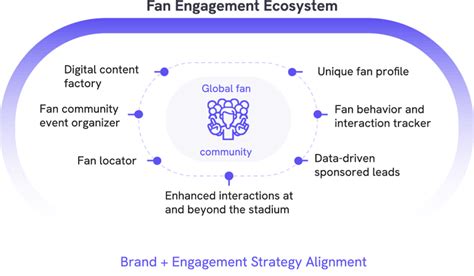
Napoli's fanbase is one of its greatest assets, and their support can be a catalyst for recovery. The club should launch initiatives to engage fans more actively, such as open training sessions, fan forums, and exclusive content that showcases the team's journey. A stronger connection with the community can help mitigate the impact of poor on-field results and create a sense of unity during challenging times. Furthermore, reinvesting in local infrastructure, such as youth academies and community programs, can reinforce Napoli's identity as a club deeply rooted in its city.
In conclusion, Napoli's title defense failure is a wake-up call rather than a death knell. The club has the foundation of a talented squad and a passionate fanbase, but these alone are not enough to ensure future success. By addressing the root causes of their decline—tactical mismanagement, squad imbalances, off-field distractions, and financial limitations—Napoli can chart a path forward. The recommendations outlined here are not quick fixes but long-term strategies that require commitment and alignment across all levels of the organization. If implemented with diligence and foresight, they can help Napoli not only recover from this season's disappointments but also build a sustainable model for competing at the highest level in the years to come.