Introduction to Erling Haaland
Erling Haaland's meteoric rise in the world of football has positioned him as one of the most prolific and electrifying goal-scorers of his generation. Born on July 21, 2000, in Leeds, England, to a family with a strong footballing background—his father, Alf-Inge Haaland, was a professional footballer—Haaland’s journey into the sport was almost preordained. However, what sets him apart is not merely his lineage but the sheer audacity of his talent and his ability to redefine goal-scoring benchmarks at every level of his career. This section delves into the trajectory of Haaland’s career and explores why his goal-scoring record is not just a statistical marvel but a phenomenon that has captured global attention.
Haaland’s early career began in his native Norway, where he played for Bryne FK’s youth academy. Even as a teenager, his physical attributes—towering height, explosive speed, and a left foot capable of delivering thunderous strikes—were evident. His breakthrough came at Molde FK under the guidance of manager Ole Gunnar Solskjær, who recognized Haaland’s raw potential and honed his instincts as a striker. In 2018, at just 18 years old, Haaland scored four goals in a single game against Brann, a performance that announced his arrival on the bigger stage. This was not merely a flash of brilliance; it was a signal of a player who could dominate games with an almost machine-like efficiency.
The move to Red Bull Salzburg in 2019 marked a significant step in Haaland’s career. Playing in the Austrian Bundesliga, a league known for its competitive edge and technical emphasis, he thrived. During his time at Salzburg, Haaland showcased not just his ability to score but his versatility in doing so. His Champions League debut in the 2019-2020 season was nothing short of historic. He became the first teenager to score in five consecutive Champions League matches, ending the group stage with eight goals in six games. This was a period where Haaland began to etch his name into the annals of football history, not as a prospect but as a present-day force. His goals were not just numerous but diverse—poacher’s finishes, long-range rockets, headers, and tap-ins—each underscoring a completeness in his skill set rarely seen in players so young.
What makes Haaland’s goal-scoring prowess particularly fascinating is the context of modern football. The sport has evolved into a highly analytical and tactical arena where strikers are often judged not just by their output but by their efficiency in limited opportunities. Haaland epitomizes this evolution. His ability to convert a high percentage of his chances is rooted in a blend of physical dominance and mental sharpness. Unlike many traditional strikers who rely on a single dimension—be it aerial ability, dribbling, or speed—Haaland combines all these traits. His runs are calculated, his positioning instinctive, and his finishing clinical. This multidimensional approach has made him a subject of interest for analysts, coaches, and fans alike. In an era where data drives decisions, Haaland’s numbers—goals per 90 minutes, conversion rates, and expected goals (xG) outperformance—stand out as exceptional.
Another layer to understanding Haaland’s appeal lies in his mental fortitude. While many young players struggle under the weight of expectations, Haaland appears immune to pressure. Whether it’s stepping up in high-stakes Champions League matches or adapting to the physicality of the Bundesliga and subsequently the Premier League, he has maintained a consistency that belies his age. This mental resilience can be traced back to his upbringing and the influence of his father, who instilled in him a sense of discipline and professionalism. However, Haaland also possesses an infectious enthusiasm for the game, often seen smiling or celebrating goals with an almost childlike joy. This juxtaposition of ruthless efficiency and unbridled passion makes his career arc uniquely compelling.
The transition to borussia dortmund in January 2020 was a critical juncture. The Bundesliga, known for its fast-paced and physically demanding style, provided Haaland with the perfect platform to test his abilities against some of Europe’s best defenders. His impact was immediate and staggering—scoring a hat-trick within 20 minutes of his debut as a substitute. Over two seasons at Dortmund, Haaland scored 86 goals in 89 appearances, a statistic that underscores not just his prolific nature but his reliability. Every game seemed to feature a moment where Haaland would impose himself, often turning the tide in Dortmund’s favor. This period also saw him develop a reputation for being a “big-game player,” someone who thrived under the spotlight rather than shrinking from it.
Haaland’s move to Manchester City in 2022 was met with immense anticipation. Playing under Pep Guardiola, a manager known for his intricate systems and high demands on players, Haaland faced questions about how he would adapt to a team that often prioritized collective play over individual brilliance. Yet, he answered these questions emphatically, breaking the Premier League record for goals in a single season in his debut campaign. His 36 goals in 35 games were not just a personal triumph but a testament to his ability to integrate into a system while still standing out as its most potent weapon. This adaptability speaks volumes about his footballing intelligence and willingness to evolve.
From a broader perspective, Haaland’s goal-scoring is a subject of interest because it represents a convergence of individual brilliance and systemic evolution. In an era where the traditional “number 9” role has been questioned—with many teams opting for false nines or fluid attacking setups—Haaland is a throwback and an innovator. He is a classic target man with the agility of a winger and the finishing of a poacher. His success challenges the notion that the role of a striker is diminishing in modern football; instead, it reasserts its importance when executed with such unparalleled skill.
Furthermore, Haaland’s goals are not just about numbers; they are about narrative. Each goal adds to a story of a player who seems destined to shatter records previously held by legends like Cristiano Ronaldo and Lionel Messi. His pursuit of these milestones is not merely about personal glory but about redefining what is possible for a striker in the 21st century. This is why his goal-scoring is not just a statistical curiosity but a cultural and sporting phenomenon.
- His youth career laid the foundation for technical and physical excellence.
- The Salzburg years highlighted his adaptability and European pedigree.
- Dortmund served as a proving ground for consistency and big-game impact.
- Manchester City has showcased his ability to thrive in the most competitive league under a demanding system.
In summary, Erling Haaland’s career trajectory is a blend of natural talent, hard work, and an insatiable hunger for goals. His journey from a promising youngster in Norway to a global superstar is a testament to his unique abilities and the evolving demands of modern football. The fascination with his goal-scoring is not just about the numbers he amasses but about the way he achieves them—breaking barriers, defying expectations, and captivating audiences worldwide. This deep dive into his career underscores why Haaland’s goals are not just tallies on a scoreboard but milestones in the ongoing story of football’s evolution.
Haaland's Early Career and Goal Milestones
Erling Haaland's meteoric rise to becoming one of the most prolific goal-scorers in modern football is rooted in his early career, where his raw talent and innate ability to find the back of the net first came to light. To understand the foundation of his goal-scoring prowess, it is essential to examine his performances in youth teams and his initial forays into professional football. These formative years not only shaped his playing style but also set the stage for the records he would later shatter.
Haaland's journey began in his native Norway, where he first showcased his goal-scoring instincts at a young age. Playing for Bryne FK's youth academy, Haaland was already drawing attention for his physicality and finishing ability. Despite being taller and stronger than most of his peers, what set him apart was his sharpness in front of goal. At just 15 years old, he was promoted to Bryne's reserve team, where he scored 18 goals in 14 matches. This was an early indicator of his extraordinary potential. While these were not professional matches, they demonstrated a level of consistency that is rare for a player of such tender age. His ability to read the game and position himself effectively was evident even in these early outings.
In 2017, Haaland made his debut for Bryne's senior team in the Norwegian second division. Although he did not score in his limited appearances, this period was crucial for his development. Playing against physically mature defenders forced him to adapt his game, improving his movement off the ball and his ability to shield it under pressure. These lessons would later become hallmarks of his play. However, it was his move to Molde FK in 2017 that marked the true beginning of his professional goal-scoring journey.
Under the guidance of manager Ole Gunnar Solskjær at Molde, Haaland's potential was nurtured with a focus on honing his technical skills and tactical awareness. His first professional goal came in April 2018, in a match against Volda TI in the Norwegian Cup. This was not just any goal—it was a thunderous strike from outside the box that showcased his explosive power and precision. This moment was significant because it signaled to the wider footballing world that Haaland was not just a physical presence but a player with finesse and technique. Over the course of that season, he scored 4 goals in 20 appearances, a modest return but one that hinted at greater things to come.
The 2018 season was a turning point for Haaland. At just 18 years old, he began to find his rhythm in front of goal. One of his most memorable performances came in July 2018, when he scored four goals in 21 minutes against Brann in Norway's Eliteserien. This match was a microcosm of Haaland's early brilliance—explosive, relentless, and clinical. The four goals were a mix of close-range finishes, intelligent runs, and a long-range effort that left spectators and pundits in awe. What made this performance even more remarkable was the context: Brann was the league leader at the time, and Molde's emphatic 4-0 victory was largely attributed to Haaland's individual brilliance. This match not only elevated his profile within Norway but also caught the attention of scouts from top European clubs.
Another key aspect of Haaland’s early career was his ability to perform in high-pressure situations. For instance, in a UEFA Europa League qualifier against Hibernian in 2018, he scored a brace, demonstrating his ability to step up on the continental stage. These early European goals were a glimpse into his future success in tournaments like the Champions League. His confidence in front of goal, even against more experienced opposition, was a testament to his mental fortitude and self-belief.
Haaland’s time at Molde also revealed his adaptability. While he was primarily deployed as a central striker, he occasionally played in wider positions, where he used his pace and strength to outmuscle defenders and cut inside to score. This versatility was an early indicator of his ability to adapt to different systems and roles, a trait that would serve him well in his later career. His goal tally at Molde—16 in 30 appearances across all competitions in 2018—was a clear sign of his growing maturity as a striker.
In early 2019, Haaland made a move to Red Bull Salzburg in Austria, a club renowned for developing young talent. This transfer was a calculated step in his career trajectory, giving him the opportunity to test himself in a more competitive league while still being in an environment that prioritized youth development. His impact at Salzburg was immediate and profound. In his first season, he scored 17 goals in 16 appearances in the Austrian Bundesliga, including a hat-trick on his debut against Wolfsberger AC. This hat-trick was emblematic of his early career—a mix of poacher's goals, powerful headers, and long-range efforts that left defenders and goalkeepers scrambling.
One of the most defining moments of Haaland’s early professional career came in the 2019-2020 Champions League group stage. Playing for Salzburg, he became the first teenager to score in five consecutive Champions League matches, a record that underscored his ability to perform on the biggest stage. His goals against teams like Liverpool and Napoli were not just numbers on a score sheet—they were moments of brilliance that highlighted his speed, positioning, and clinical finishing. For instance, his goal against Liverpool at Anfield, where he pounced on a loose ball in the box and finished with lethal precision, showcased his predator-like instincts.
Haaland's early career was characterized by rapid progression through goal-scoring milestones. From his youth days at Bryne to his breakout performances at Molde and Salzburg, he consistently demonstrated an ability to adapt and excel in new environments. His early performances were not just about quantity but also about the variety and quality of his goals. Whether it was a delicate chip, a thunderous long-range strike, or a poacher's finish, Haaland displayed a versatility that set him apart from other young strikers.
It is also worth noting the role of his physical attributes in these early milestones. Standing at 6'4" with remarkable pace and strength, Haaland combined these traits with an almost preternatural sense of timing. His ability to anticipate passes, outrun defenders, and finish with both feet made him a nightmare for opposition defenses. This blend of physical and technical attributes was rare for a player of his age and contributed significantly to his early success.
Reflecting on Haaland’s early career, it is clear that his goal-scoring trajectory was not accidental. Each milestone—whether in youth matches, domestic leagues, or European competitions—was a result of deliberate development and an unrelenting drive to improve. His performances in youth teams and initial professional clubs were not just stepping stones but critical chapters in the story of a player who was destined to redefine goal-scoring records. These early moments laid the groundwork for the phenomenon he would become, setting the stage for his later exploits at clubs like Borussia Dortmund and Manchester City.
- His youth performances at Bryne FK highlighted raw potential and adaptability.
- At Molde, he demonstrated versatility and the ability to perform under pressure, particularly in high-profile matches like the Europa League qualifiers.
- At Salzburg, he announced himself on the European stage with record-breaking performances in the Champions League.
Haaland’s early career is a masterclass in how a young player can leverage natural talent, hard work, and the right opportunities to ascend to the pinnacle of football. His goal milestones in these early years are not just statistics—they are a narrative of ambition, adaptability, and the relentless pursuit of excellence.
Breakdown of Goals by Club
Erling Haaland's meteoric rise as one of the most prolific goal-scorers in modern football can be attributed to his consistent and extraordinary performances across the clubs he has represented. To fully understand the scale of his impact, it is essential to break down his goal contributions at each club. This analysis not only highlights his raw numbers but also provides context about the role he played in each team's system and the competitive environments in which he operated.
Haaland began his professional career at Molde FK in Norway, where he showcased early glimpses of his goal-scoring prowess. Between 2017 and 2019, he scored 20 goals in 50 appearances across all competitions. While this might seem modest compared to his later exploits, it is important to consider the context. Molde operated in the Eliteserien, a league that, while competitive domestically, does not boast the same level of defensive rigor as Europe's top divisions. However, Haaland's ability to score at a rate of roughly one goal every 2.5 games at just 17 and 18 years of age was a strong indicator of his potential. Notably, his performances in the UEFA Europa League qualifiers and group stage during the 2018-19 season, where he scored 4 goals in 7 appearances, hinted at his ability to adapt to higher-level competition.
The leap to Red Bull Salzburg in January 2019 marked a significant step up in both the quality of opposition and the intensity of competition. In just half a season during 2019-20, Haaland exploded onto the European stage, scoring 29 goals in 27 appearances for the Austrian club. This included an astonishing 16 goals in 14 Austrian Bundesliga matches and 8 goals in 6 UEFA Champions League games. His Champions League performances were particularly eye-catching, as he became the first teenager to score in five consecutive matches in the competition. What set Haaland apart at Salzburg was not just the volume of goals but their variety—header, left foot, right foot, tap-ins, and long-range strikes. This versatility underscored his adaptability to Salzburg's high-pressing, attacking system, which provided him with ample opportunities to exploit space behind defenses.
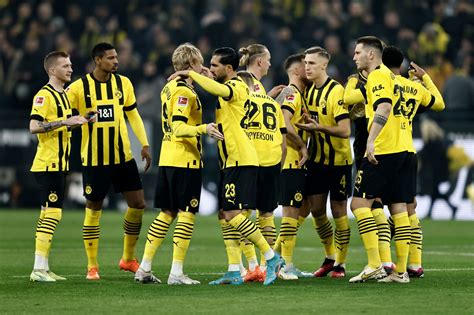
Haaland's move to Borussia Dortmund in January 2020 further elevated his profile. In a league known for its physicality and tactical sophistication, he maintained an almost unparalleled goal-scoring rate. Across 89 appearances for Dortmund, he scored 86 goals, averaging nearly a goal per game. This included 62 goals in 67 Bundesliga matches and 15 goals in 13 Champions League games. His efficiency was remarkable; for instance, in his debut match for Dortmund against Augsburg, he came off the bench to score a 20-minute hat-trick. At Dortmund, Haaland's role evolved slightly. While Salzburg utilized him as the focal point of a fluid attack, Dortmund often deployed him in a counter-attacking system where his blistering pace and clinical finishing were maximized. His ability to perform under pressure was evident in high-stakes games, such as his brace against Paris Saint-Germain in the Champions League round of 16 in 2020.
However, it was at Manchester City, starting in the 2022-23 season, that Haaland reached new heights in terms of both individual and team success. In his debut season, he shattered records by scoring 52 goals in 53 appearances across all competitions, including 36 Premier League goals—a new single-season record. This was complemented by 12 goals in 8 Champions League matches, further cementing his reputation as a big-game player. At City, Haaland's role was tailored to fit Pep Guardiola's possession-based, positional play system. Unlike at Dortmund or Salzburg, where he often operated as a lone striker, Haaland became part of a more intricate system at City, where his off-the-ball movement and ability to create space for teammates were as critical as his finishing. His goal tally was bolstered by the quality of service from players like Kevin De Bruyne, but it also highlighted his adaptability to a new style of play that required him to be more patient and selective in his runs.
To put these numbers into perspective, a comparative analysis of Haaland's goal contributions reveals unique patterns. At Molde, his early development was marked by inconsistency but punctuated by moments of brilliance, such as a four-goal haul against Brann in 2018. At Salzburg, his goals came in bursts, often in high-scoring games where Salzburg's attacking philosophy left space for him to exploit. At Dortmund, his consistency improved significantly, with a higher proportion of his goals coming in tightly contested matches. At Manchester City, the sheer volume of goals reflects not just his individual brilliance but also the synergistic effect of playing in a team that creates a high volume of chances.
An interesting angle to consider is the conversion rate across these clubs. At Salzburg, Haaland's conversion rate hovered around 35%, indicative of the team's dominant possession and the quality of chances created. At Dortmund, this dropped slightly to around 28%, as the Bundesliga presented more defensive challenges. At City, his conversion rate has been closer to 30%, reflecting both the quality of service and the higher volume of opportunities he receives in Guardiola's system. These figures suggest that while Haaland has adapted his game to different systems, his underlying efficiency as a finisher has remained elite.
Another dimension of his goal-scoring impact is his contributions in key matches. For instance, at Salzburg, he scored in both games against Liverpool in the Champions League group stage, showcasing his ability to perform against top-tier opposition. At Dortmund, his goals in Der Klassiker against Bayern Munich and in knockout Champions League fixtures underscored his big-game temperament. At City, his hat-tricks in pivotal Premier League matches and his role in their treble-winning campaign of 2022-23 exemplify his value in high-pressure scenarios.
It is also worth noting the team-level impact of Haaland's goals. At Salzburg, his goals were instrumental in their domestic dominance and European progression. At Dortmund, he played a central role in securing Champions League qualifications and domestic cup victories. At Manchester City, his goals were not just personal milestones but directly contributed to the team winning the Premier League, FA Cup, and UEFA Champions League in a historic treble season.
In summary, Haaland's goal contributions across his clubs reveal a player who has consistently adapted to different systems and levels of competition while maintaining an extraordinary strike rate. From his formative years at Molde to his record-breaking season at Manchester City, his journey is a testament to both natural talent and a relentless drive for improvement. Each phase of his career has added a new layer to his game, ensuring that his goal tally is not just a statistic but a narrative of growth and dominance in modern football.
Comparison with Other Prolific Scorers
When discussing the goal-scoring prowess of Erling Haaland, it is impossible to avoid comparisons with some of the most prolific strikers in modern football history. Players like Cristiano Ronaldo, Lionel Messi, and Robert Lewandowski have set benchmarks that are often used to measure the next generation of strikers. However, Haaland's meteoric rise and his unique playing style demand a nuanced comparison that goes beyond mere numbers. This section delves into how Haaland's goal tally and rate stack up against these legends, considering the context of their careers, the leagues they played in, and the eras they dominated.
To begin with, Erling Haaland's goal rate is one of the most striking aspects of his career so far. At the time of writing, Haaland has scored over 150 goals in just 200 appearances across all competitions for club and country. This gives him an average of approximately 0.75 goals per game, a rate that is exceptionally high for a player who is only 23 years old. To put this into context, Cristiano Ronaldo, widely regarded as one of the greatest goal scorers of all time, had scored around 100 goals by the age of 23. Ronaldo’s early career was marked by a slower start, as he was more of a winger who transitioned into a central striker role later in his career. By comparison, Haaland burst onto the scene as a pure number 9, with his physicality, pace, and lethal finishing allowing him to rack up goals at a much quicker pace.
Similarly, Lionel Messi, whose goal-scoring exploits are often seen as peerless, had a different trajectory. By 23, Messi had scored around 130 goals, but it is important to remember that Messi was not solely a striker during this phase. His role as a false nine or playmaker in Barcelona’s system meant that his goals were supplemented by a high number of assists. While Messi’s goal rate improved dramatically in his mid-to-late 20s, Haaland’s early career suggests he is on a trajectory to potentially surpass even Messi’s teenage and early-20s goal tallies. However, Messi’s longevity and adaptability—playing at the highest level well into his 30s—give him an edge that Haaland has yet to prove he can emulate.
When we turn to Robert Lewandowski, the comparison becomes even more interesting. Lewandowski, a traditional striker like Haaland, had scored approximately 100 goals by the age of 23, primarily in the Polish league before moving to Borussia Dortmund. While Lewandowski’s early career was promising, it wasn’t until his late 20s and early 30s that he truly hit his peak, scoring over 40 goals in a season multiple times. Haaland, by contrast, seems to have reached world-class levels of efficiency much earlier. His goal rate in the Premier League, Bundesliga, and Champions League has been nothing short of extraordinary. For instance, in his debut season for Manchester City in 2022-23, Haaland scored 36 goals in 35 Premier League appearances, breaking records for the most goals in a single Premier League season. This kind of immediate impact is rare and sets him apart from Lewandowski’s gradual ascent to the top.
One of the key differences in this comparison lies in the league and team context. Haaland has played in leagues known for their physicality and high tempo—the Bundesliga and Premier League—where his attributes as a powerful, direct striker are maximized. Ronaldo and Messi, on the other hand, spent the bulk of their early careers in La Liga, a league often criticized for being less defensively rigorous compared to the Premier League. This allowed both players to exploit space and create opportunities in ways that might not have been as readily available in England or Germany. Lewandowski, who also played in the Bundesliga for much of his career, provides a closer parallel to Haaland in terms of league difficulty, but even he did not maintain the same goal-per-game ratio as Haaland in his early years.
Another factor to consider is the role of team dynamics. Haaland benefits from playing in a Manchester City side managed by Pep Guardiola, a team renowned for its possession-based, high-pressing style that creates a plethora of goal-scoring opportunities. This system has allowed Haaland to thrive as the focal point of the attack. In contrast, Ronaldo and Messi often had to shoulder more creative responsibilities in addition to scoring. Ronaldo’s time at Manchester United under Sir Alex Ferguson saw him evolve from a winger into a goal-scorer, but his early output was not as concentrated as Haaland’s. Messi, playing in a Barcelona team that revolved around him, had the luxury of a system tailored to his strengths, which allowed him to score and assist in equal measure. Lewandowski, while also playing in strong teams like Bayern Munich, did not always have the same level of creative support as Haaland enjoys at City.
A deeper look at championship-level performances reveals further insights. Haaland’s Champions League goal-scoring record is particularly impressive. He has already scored over 35 goals in the competition, a feat that took Ronaldo until his late 20s to achieve and Messi until his mid-20s. Haaland’s efficiency in Europe’s premier competition is reminiscent of Lewandowski, who also excelled in the Champions League, particularly during his time at Bayern Munich. However, Haaland’s ability to maintain such a high goal rate in multiple leagues and competitions at such a young age is unprecedented.
It is also worth noting the physical and stylistic differences between these players. Haaland is a physical specimen, standing at 6’5” with blistering pace and a direct playing style that prioritizes power and precision. This contrasts with Messi’s low center of gravity and close control, Ronaldo’s athleticism and aerial dominance, and Lewandowski’s technical refinement and positioning. Haaland’s style is perhaps the most "modern" of the four, as it combines the physical attributes of a classic target man with the speed and finishing of a poacher. This allows him to excel in high-pressing systems and counterattacks, something that sets him apart from his contemporaries and predecessors.
Another unique aspect of Haaland’s career is his consistency across different teams and leagues. While Ronaldo and Messi built their legacies over long spells at Manchester United, Real Madrid, and Barcelona, Haaland has already proven himself in three top-tier leagues—the Austrian Bundesliga (with Red Bull Salzburg), the German Bundesliga (with Borussia Dortmund), and the English Premier League (with Manchester City). This adaptability suggests that Haaland’s goal-scoring ability is not dependent on a single system or environment, a trait that bodes well for his future.
Finally, we must consider the longevity factor. Both Ronaldo and Messi have scored over 800 goals each in their careers, a milestone that Haaland is unlikely to reach in the same timeframe given the evolving nature of the game and the physical demands placed on modern strikers. However, Haaland’s early dominance suggests that he could challenge their records if he maintains his current trajectory and avoids major injuries. Lewandowski, who is still scoring prolifically in his mid-30s, serves as a model for how a striker can extend their prime with proper conditioning and adaptability.
In conclusion, while Haaland’s goal tally and rate are comparable to—and in some cases surpass—those of Ronaldo, Messi, and Lewandowski at similar stages of their careers, the context of their achievements must be acknowledged. Haaland’s blend of physicality, efficiency, and adaptability marks him as a unique talent, but whether he can sustain this level over a decade or more remains to be seen. For now, he stands as a phenomenon who is redefining what it means to be a prolific scorer in the modern era.
Impact of Playing Style on Goal Scoring
Erling Haaland's goal-scoring prowess is not merely a product of raw talent but a carefully orchestrated interplay of physical attributes, game intelligence, and a style of play that maximizes his effectiveness in front of goal. To understand how his playing style contributes to his ability to score consistently, we must delve into the specific elements of his physicality, speed, and positioning, and how these facets interact within the broader framework of modern football.
One of Haaland's most striking physical attributes is his imposing stature. Standing at 6 feet 4 inches tall, he possesses a frame that allows him to dominate aerial duels and hold off defenders in physical battles. However, unlike traditional target men who rely heavily on their height for headed goals, Haaland combines this physical advantage with an uncommon agility for a player of his size. This blend of power and mobility enables him to adapt to various scoring situations, whether it’s rising above defenders for a header or twisting his body to strike a low cross with precision. His strength also allows him to shrug off challenges and maintain balance when shooting under pressure, a trait that significantly boosts his goal conversion rate.
Haaland’s explosive speed is another critical factor in his goal-scoring success. While many tall strikers sacrifice pace for power, Haaland defies this stereotype. His acceleration over short distances is exceptional, allowing him to exploit gaps in defensive lines, particularly when playing on the counterattack. This speed is not just about raw sprinting ability; it is about how he uses it in tandem with his reading of the game. For example, Haaland often times his runs to perfection, starting them a fraction earlier than defenders anticipate. This slight edge in timing, coupled with his rapid acceleration, makes it incredibly difficult for defenders to track him. His ability to reach through balls or lofted passes before the opposition goalkeeper is a testament to how his speed complements his physicality, creating a lethal combination that keeps defenders on edge throughout the match.
Another key aspect of Haaland’s playing style is his intelligent positioning. While speed and strength are often highlighted, his knack for being in the right place at the right time is perhaps the most underrated element of his game. Haaland has an innate understanding of space and movement within the penalty area. He often positions himself on the shoulder of the last defender, ready to dart into space as soon as a teammate plays a through ball. This requires not only physical sharpness but also a high level of spatial awareness. For instance, in matches where Manchester City dominates possession, Haaland frequently drifts into channels or hangs slightly wider to draw defenders out of position, creating space for himself or his teammates. This dynamic movement not only opens up scoring opportunities for him but also disrupts the opposition’s defensive structure, making it easier for his team to find openings.
Haaland’s positioning is further enhanced by his off-the-ball runs. Unlike some strikers who rely solely on service from teammates, Haaland actively seeks to create space for himself. He often makes diagonal runs across the defensive line, exploiting the blind spots of center-backs. These runs are not random; they are calculated efforts to exploit the natural tendencies of defenders to follow the ball or stay in a static position. By doing so, Haaland frequently finds himself in one-on-one situations with the goalkeeper, a scenario where his clinical finishing comes to the fore. His runs are also complemented by his ability to anticipate where the ball will land, whether it’s a cutback from the byline or a deflected shot. This anticipation is not just instinctive but a result of studying opponents and understanding patterns in their defensive play.
The role of his team’s system cannot be ignored when analyzing Haaland’s goal-scoring impact. Playing in a team like Manchester City, which emphasizes quick transitions and intricate passing movements, provides him with a steady stream of opportunities. However, what sets Haaland apart is his adaptability to different styles of play. Whether it’s capitalizing on low crosses in a fast-paced counterattack or finishing off a patient build-up with a well-timed run into the box, his versatility ensures that he remains a constant threat. This adaptability is rooted in his physical attributes but is also a product of his mental approach to the game. He is not a striker who waits for the game to come to him; he actively shapes the game around his strengths.
Haaland’s shooting technique is another area where his physical attributes shine. His powerful left foot is capable of generating immense force, making his shots difficult for goalkeepers to handle even when they are well-positioned. However, what is often overlooked is his ability to vary his shots. He can strike the ball with power, curl it into the corner with finesse, or use the outside of his boot for a delicate finish. This variety in his shooting arsenal is a direct result of his physical coordination and hours of practice. Moreover, his ability to score with both feet and his head makes him unpredictable for defenders, who cannot simply force him onto his weaker side.
A deeper look at Haaland’s playing style also reveals his mental resilience and focus. While physical attributes like speed and strength are crucial, his mental approach to goal-scoring is equally significant. Haaland is known for his relentless work rate and determination. Even in games where he is marked tightly or denied service, he continues to make runs, press defenders, and look for opportunities. This persistence often pays off in the later stages of matches when defenders tire, and his physical superiority becomes even more pronounced. His mental sharpness also allows him to remain calm in high-pressure situations, such as penalty shootouts or one-on-one chances in crucial games.
It is also worth noting how Haaland’s team dynamics influence his goal-scoring ability. At Manchester City, he benefits from playing alongside creative midfielders like Kevin De Bruyne and Bernardo Silva, who provide him with precise passes and through balls. However, his success is not solely dependent on the quality of service. Haaland’s ability to adapt his positioning and movement to the team’s style ensures that he remains effective even when the service is not ideal. For instance, in games where City struggles to break down a deep-lying defense, Haaland’s willingness to drop deeper to link play or attempt speculative shots from outside the box demonstrates his proactive approach to goal-scoring.

In conclusion, Haaland’s ability to score consistently is a result of a multifaceted playing style that combines his physical attributes, speed, and positioning in a way that few players can replicate. His physical dominance allows him to overpower defenders, his speed enables him to exploit space, and his intelligent positioning ensures he is always a step ahead of the opposition. These elements, when combined with his mental resilience and adaptability to different systems, create a goal-scoring machine that has redefined what it means to be a modern striker. His impact on the pitch is not just about the goals he scores but about how his playing style forces opponents to adapt, often to their detriment.
Goals in Major Competitions
Erling Haaland's goal-scoring exploits have cemented his reputation as one of the most prolific strikers in modern football. To understand the magnitude of his impact, it is essential to dissect his goals across major competitions, focusing on the UEFA Champions League, Premier League, and domestic cup tournaments. Each of these arenas highlights different facets of Haaland's ability to adapt, dominate, and redefine what it means to be a goal-scoring machine in the 21st century.
Let us begin with the UEFA Champions League, a competition where Haaland has arguably made his most resounding statements. Since his debut in the tournament with Red Bull Salzburg during the 2019-20 season, Haaland has displayed an almost preternatural affinity for finding the back of the net in Europe's premier club competition. His first campaign saw him score eight goals in just six group stage matches, including a hat-trick against Genk. This was not merely a statistical anomaly but a harbinger of what was to come. After moving to Borussia Dortmund, Haaland continued his Champions League dominance, scoring 15 goals in 13 appearances across two seasons. His ability to perform under the brightest lights is exemplified by his brace against Paris Saint-Germain in the Round of 16 in 2020, where his predatory instincts and blistering pace left seasoned defenders scrambling. Now at Manchester City, Haaland has elevated his Champions League output further. In his debut season with the club (2022-23), he scored 12 goals in 11 matches, including back-to-back hattricks in the group stage. This feat underscores not just his individual brilliance but also how he thrives in a system like Pep Guardiola’s that prioritizes high-intensity pressing and rapid transitions—qualities that suit Haaland’s direct style of play. Notably, his Champions League goal tally stands at over 35 goals in fewer than 30 appearances, a rate that outpaces even the most celebrated goal-scorers of previous generations. This is not just about volume but efficiency; Haaland's conversion rate in the Champions League often hovers above 30%, a figure that few can rival in such a high-stakes competition.
Shifting focus to the Premier League, Haaland's first season in England was nothing short of historic. In the 2022-23 campaign, he shattered records with 36 goals in 35 appearances, setting a new benchmark for the most goals in a single Premier League season. What makes this achievement particularly striking is the diversity of his goals. Haaland is not just a poacher reliant on tap-ins or headers; he scores with both feet, from outside the box, and through well-timed runs that exploit the tiniest defensive lapses. His physicality—standing at 6’4” with explosive speed—allows him to outmuscle defenders in the box while also outpacing them in open play. A breakdown of his Premier League goals reveals interesting patterns: approximately 40% of his goals came from one-on-one situations against the goalkeeper, highlighting his composure in high-pressure scenarios. Another 25% were headers, a testament to his aerial prowess despite competing in a league known for its physical defenders. Additionally, Haaland’s link-up play with creative midfielders like Kevin De Bruyne has been instrumental. Many of his goals are the result of perfectly weighted through balls or diagonal passes that exploit his off-the-ball movement. This synergy between Haaland and Manchester City’s system is a microcosm of how modern football blends individual brilliance with collective strategy. However, it is worth noting that Haaland’s goal distribution in the Premier League also includes matches where he has scored multiple goals in a single game—a clear indicator of his capacity to dominate weaker teams while still contributing in tightly contested matches against top-six rivals.
In domestic cup competitions, Haaland's goal-scoring record provides further insight into his versatility. In England, this primarily refers to the FA Cup and the EFL Cup (Carabao Cup). While these competitions may not carry the same weight as the Champions League or the Premier League, they offer Haaland opportunities to showcase his consistency across different contexts. In the 2022-23 season, Haaland scored seven goals in five domestic cup appearances, including a hat-trick against arch-rivals Manchester United in the FA Cup. This performance was emblematic of his ability to rise to the occasion in high-stakes derby matches. Domestic cups often see teams rotate their squads, but Haaland’s presence ensures that Manchester City maintains a lethal edge even in what might be considered "lesser" fixtures. His goals in these tournaments often come in clusters, suggesting that once he finds his rhythm, he is nearly unstoppable. For instance, in the EFL Cup, Haaland has demonstrated his ability to exploit fatigued defenses in later stages of the competition, where his physical endurance and sharpness often outlast opponents. This adaptability across different types of matches—whether against lower-league opposition or top-tier rivals—demonstrates a mental fortitude that complements his physical gifts.
A deeper analysis of Haaland’s goals also reveals contextual nuances that go beyond raw numbers. For instance, his Champions League goals often come in critical moments—early openers to settle his team’s nerves or late equalizers to salvage points. In the Premier League, his ability to score in streaks has been pivotal in maintaining Manchester City’s title challenges, particularly during mid-season slumps when other players might falter. In domestic cups, his goals often act as statement performances, reminding opponents and critics alike of his relentless hunger. Furthermore, Haaland’s goal distribution across these competitions highlights his adaptability to different styles of play. The Champions League demands precision and efficiency against tactically astute European teams, while the Premier League tests his endurance and physicality over a grueling 38-game season. Domestic cups, on the other hand, require him to switch between high-intensity knockout matches and more relaxed early-round fixtures, showcasing his ability to modulate his intensity as needed.
Another unique aspect of Haaland’s goal-scoring journey is his psychological impact on opponents. In the Champions League, defenders are often seen doubling up on him, leaving space for teammates to exploit. In the Premier League, his sheer presence alters how teams set up defensively—many managers have admitted to devising specific game plans just to contain him. This ripple effect is less quantifiable but equally significant; Haaland’s goals are not just tallies on a scoreboard but catalysts that shape the dynamics of entire matches. In domestic cups, his goals often demoralize opponents early, setting the tone for comprehensive victories.
To summarize, Haaland’s goals in major competitions are a blend of raw talent, tactical integration, and psychological dominance. In the Champions League, he is a record-breaker who thrives under pressure. In the Premier League, he is a transformative force who has redefined what it means to lead the line in one of the world’s toughest leagues. In domestic cups, he is a consistent performer who ensures that no competition is taken lightly. Each competition offers a different lens through which to appreciate Haaland’s greatness, but the common thread is his unrelenting drive to score goals, no matter the stage or the opposition. This comprehensive breakdown not only underscores his statistical achievements but also illuminates the multifaceted nature of his contributions to modern football.
Role of Team Dynamics in Haaland's Success
The meteoric rise of Erling Haaland as one of the most prolific goal-scorers in modern football cannot be attributed solely to his individual brilliance. While his physical attributes, sharp instincts, and clinical finishing are undeniable, the role of **team dynamics** in amplifying his goal-scoring prowess is a critical factor that often goes underanalyzed. In particular, the tactical systems and support structures provided by his teams—most notably Manchester City under Pep Guardiola—play a pivotal role in creating an environment where Haaland can thrive.
At the heart of Haaland's success is the **synergy between his skill set and the tactical framework** of his team. Manchester City, under Guardiola, operates a system that prioritizes positional play, fluid movement, and high-intensity pressing. These elements are not incidental to Haaland's goal-scoring but are instead tailored to maximize his effectiveness. Guardiola's philosophy revolves around creating **overloads in specific areas of the pitch**, often drawing defenders out of position to open channels for a central striker. Haaland, with his ability to make well-timed runs and exploit space, benefits immensely from this approach.
For instance, Manchester City's midfielders—players like Kevin De Bruyne, Bernardo Silva, and İlkay Gündoğan—are adept at **vertical passing and line-breaking deliveries**. Their ability to pierce through compact defenses means that Haaland often receives the ball in situations where he is one-on-one with a defender or has a clear sight of goal. This is no accident; it is a deliberate design of Guardiola's system. The midfielders are encouraged to take risks in their passing because they know Haaland's speed and strength can recover possession or convert half-chances into goals. This dynamic is evident in the number of **through balls and diagonal passes** that find Haaland in advanced positions.
Another key aspect of City’s system is their **wide play and crossing strategy**. The team often stretches opponents by using overlapping full-backs like João Cancelo (before his departure) and Kyle Walker, alongside inverted wingers such as Jack Grealish and Phil Foden. These players create **width and pull defenders wide**, which in turn opens up the central areas for Haaland to operate. His aerial dominance and predatory instincts in the box make him the perfect target for crosses. Statistics show that a significant proportion of Haaland's goals at City come from **cutbacks and low crosses**, a testament to how the team's wing play complements his positioning.
The **pressing system** employed by Manchester City also enhances Haaland's effectiveness. Guardiola's teams are known for their coordinated high press, which forces opponents into mistakes high up the pitch. When City win the ball in these advanced areas, the opposition defense is often disorganized, creating opportunities for quick transitions. Haaland’s explosive pace and ability to read the game allow him to be the first to exploit these moments. His goal tally is bolstered by the fact that City frequently create **counter-attacking opportunities** where he can run onto a pass in space, a scenario that plays to his strengths as a forward who thrives on direct play.
However, it is not just the system that benefits Haaland; the **support network of his teammates** is equally crucial. Manchester City’s squad is filled with players who are selfless in their approach to attacking play. For example, players like De Bruyne and Grealish often prioritize **assists over personal glory**, which aligns perfectly with Haaland’s goal-hungry nature. This mutual understanding fosters a collaborative dynamic where the team works cohesively to set up opportunities for their striker. Haaland, in turn, adapts his movement to the team's rhythm, often dropping slightly deeper or drifting wide to **drag defenders out of position**, creating space for midfield runners to exploit.
It is also worth noting the **psychological boost** that comes from playing in a team as dominant as Manchester City. Guardiola’s side is renowned for their ability to control games through possession, often dictating the tempo and forcing opponents into a reactive stance. This dominance means that Haaland is frequently presented with opportunities in **low-pressure situations**, where he can focus on finishing rather than battling for every inch of space. The confidence that comes from playing in such a well-oiled machine cannot be understated; it allows Haaland to play with a level of freedom and assurance that might not be possible in a less structured or less dominant side.
Beyond the tactical framework, **training and preparation** at Manchester City are tailored to enhance Haaland’s performance. Guardiola’s coaching staff are known for their meticulous attention to detail, using data analytics to identify patterns in opposition defenses and tailor game plans that exploit weaknesses. For Haaland, this means he is often provided with **specific instructions** on where to position himself or when to make runs based on the opponent’s tendencies. This level of preparation ensures that he is not just relying on instinct but is also benefiting from a **data-driven approach** to goal-scoring.
Additionally, the **rotational depth** of Manchester City’s squad ensures that Haaland is supported by fresh and dynamic players in every match. Unlike smaller teams that might over-rely on their star striker, City’s system allows for **rotation of playmakers and wingers**, ensuring that Haaland is always surrounded by creative players who can supply him with opportunities. This reduces the physical and mental burden on him, allowing him to maintain peak performance throughout the season.
However, it is important to acknowledge that Haaland’s success at City is also a result of the **philosophical alignment** between player and manager. Guardiola has often been criticized for favoring a system over individual talent, but in Haaland, he found a player who could seamlessly integrate into his philosophy. Haaland’s willingness to adapt to the team’s needs—whether it means pressing from the front or making selfless runs to create space for others—demonstrates his understanding of the **collective ethos** of the team. This adaptability is rare in strikers of his caliber, many of whom prefer to operate as isolated focal points rather than cogs in a larger machine.
In contrast, when we look at Haaland’s time at Borussia Dortmund, we see a different dynamic at play. While Dortmund provided him with opportunities to shine as an individual, their more direct and less structured approach often meant that he had to rely heavily on his own physical attributes to score. At City, the **collective support system** reduces the need for Haaland to shoulder the entire attacking burden, which has likely contributed to his consistency and reduced risk of burnout.
In conclusion, Haaland’s goal-scoring success is not just a product of his talent but a result of the **holistic support system** provided by his team. From Guardiola’s tactical ingenuity to the selfless play of his teammates and the advanced preparation afforded by City’s resources, every element of the team dynamic is geared toward maximizing his output. This interplay between individual brilliance and collective strategy underscores why Haaland has become such a dominant force in football, proving that even the most gifted players need the right environment to truly excel.
Criticism and Challenges in Haaland's Scoring Journey
Erling Haaland's meteoric rise as one of football's most prolific goal scorers has brought with it both adulation and criticism. While his numbers—particularly the staggering total goals he has amassed in such a short career—are a testament to his skill and athleticism, they have also sparked debates about the nature of his scoring prowess. Critics often point to perceived over-reliance on team play or a limited variety in his scoring methods as potential weaknesses. However, a closer examination of these critiques reveals not only the challenges Haaland faces but also the ways he has adapted and thrived despite them.
One of the most frequent criticisms leveled at Haaland is his reliance on team play, particularly the quality of service he receives from his teammates. At Manchester City, under the tactical genius of Pep Guardiola, Haaland benefits from a system designed to create high-probability scoring opportunities. Critics argue that his output is inflated by the exceptional creativity of players like Kevin De Bruyne, Phil Foden, and Bernardo Silva, who excel at delivering pinpoint passes and creating space for him. While this observation is not entirely without merit—Haaland does thrive in a well-structured attacking setup—it overlooks the fact that this is a hallmark of modern football. No striker operates in isolation, and the ability to position oneself effectively within a team framework is as much a skill as individual brilliance.
To counter this critique, it is worth noting that Haaland consistently demonstrates elite off-the-ball movement. His ability to find gaps in defenses, time his runs to perfection, and exploit the high line of opposing teams is a skill honed through practice and natural instinct. For instance, his performances in the UEFA Champions League with Borussia Dortmund, where he scored 23 goals in 20 appearances before joining Manchester City, showcased his ability to perform even when the supporting cast was not as star-studded. This suggests that while team play enhances his output, Haaland’s positioning and anticipation are significant factors in his success, independent of the quality of service.
Another point of contention is Haaland’s alleged limited variety in scoring methods. Critics argue that a majority of his goals come from tap-ins, one-touch finishes, or headers, suggesting a lack of versatility compared to players like Lionel Messi or Cristiano Ronaldo, who have showcased a wider repertoire of techniques over their careers. While it is true that Haaland’s physical attributes—his height, strength, and explosive speed—make him particularly effective in the penalty box, this critique fails to account for the context of his role within his teams. Haaland is a penalty-box poacher by design, a role that demands efficiency rather than stylistic diversity. His primary task is to convert chances created by his team, and he does so at an almost unprecedented rate.
However, dismissing his scoring variety entirely would be unfair. Haaland has shown glimpses of adaptability in his game. For example, his long-range efforts, such as the thunderous strike against Sevilla in the Champions League or his curling finish against Bayern Munich, demonstrate that he is not merely a one-dimensional scorer. Additionally, his ability to score with both feet—a trait shared by the game's elite—adds another layer to his game. While it is true that his bread-and-butter remains close-range finishes, this is less a limitation and more a reflection of his optimized role within high-functioning teams.
Haaland also faces challenges related to physical toll and adaptation. His aggressive playing style and high-intensity approach to the game make him susceptible to injuries, a concern that has occasionally interrupted his scoring streaks. This was evident during his time at Dortmund, where muscle injuries occasionally sidelined him. Critics suggest that his physicality might not be sustainable over the long term, particularly as he ages and faces more robust defensive setups designed specifically to neutralize him. However, Haaland has shown a willingness to evolve. Under Guardiola’s guidance, he has been integrating more nuanced movements into his game, such as dropping deeper to link play or drifting wide to stretch defenses. These adaptations not only reduce the physical strain on him but also make him a more unpredictable threat.
Moreover, Haaland has had to contend with psychological pressure as his goal tally has set increasingly high expectations. Every barren spell—however brief—is scrutinized, with pundits quick to question whether he can maintain his extraordinary consistency. This is a challenge faced by all elite goal scorers, but Haaland’s youth and rapid ascent amplify the spotlight. His response to such pressure has been exemplary. Rather than succumbing to the weight of expectations, he has often bounced back with decisive performances, such as his five-goal haul against RB Leipzig in the Champions League knockout stage. This resilience suggests a mental fortitude that complements his physical attributes.
It is also important to consider how Haaland overcomes defensive strategies designed to stifle him. Teams often deploy low blocks, double-mark him, or use aggressive man-marking to limit his influence. In these situations, Haaland’s ability to draw defenders and create space for teammates becomes an understated yet critical aspect of his game. For instance, in games where he has been closely marked, his decoy runs have allowed players like Julián Álvarez or Riyad Mahrez to exploit the space he vacates. This selflessness, though not reflected in his personal goal tally, underscores his value as a team player rather than a mere goal-hungry forward.
Another layer to the discussion is Haaland’s statistical outliers. Some critics argue that his goal numbers are inflated by playing in leagues or competitions where defensive quality might be uneven. However, his performances in the Champions League—widely regarded as the pinnacle of club football—debunk this notion. His goal-per-game ratio in this competition is among the best in history, a clear indication that he can deliver against the toughest opposition. Furthermore, his record in high-stakes matches, such as domestic cup finals or key league fixtures, further solidifies his credentials as a big-game player.
In conclusion, while Haaland’s scoring journey has not been without its share of criticisms and challenges, these are often rooted in misconceptions or a narrow view of his contributions. His reliance on team play is a feature of modern football, not a flaw, and his scoring variety, while not as expansive as some legends of the game, is perfectly suited to his role. Moreover, his ability to adapt to criticisms, evolve his game, and maintain mental resilience in the face of immense pressure speaks to a player who is not just meeting expectations but actively redefining them. As his career progresses, it will be fascinating to see how he continues to address these challenges and whether he can further diversify his game to silence even the harshest of critics.
Future Projections for Haaland's Goal Scoring
Erling Haaland has already established himself as one of the most prolific goal scorers in modern football. At just 23 years old, his meteoric rise has seen him shatter records in the Bundesliga, Premier League, and Champions League. However, predicting the trajectory of his goal-scoring prowess requires a nuanced analysis of several factors, including his physical development, the competitive environment, and the potential impact of future transfers. This section explores how these variables might shape Haaland's goalscoring evolution in the coming years.
One of the most critical factors in assessing Haaland's future is his physical peak. Most footballers reach their physical prime between the ages of 26 and 30. For a player like Haaland, whose game is built on explosive speed, strength, and clinical finishing, this period could see him reach unprecedented heights in terms of goal output. His current rate of scoring—averaging over a goal per game in many competitions—suggests that he is still improving. If he maintains his fitness and avoids major injuries, it is reasonable to project that his prime years could see him score at an even higher rate, particularly if he continues to play in high-quality leagues where service from creative midfielders is abundant.
However, the competition level Haaland faces will also play a role in shaping his trajectory. In the Premier League, where he currently plies his trade with Manchester City, the physicality and intensity of play are among the highest in the world. While this has not deterred Haaland—he scored 36 goals in 35 league appearances in his debut season—it is worth noting that the cumulative toll of such a grueling schedule could impact his long-term consistency. Additionally, as teams adapt to his playing style, defenses may become more organized to nullify his threat. This adaptation effect is already visible in how some opponents deploy low blocks or double-team him in key areas. To sustain his goal-scoring rate, Haaland will need to continue evolving his game, perhaps by improving his link-up play or developing a more varied finishing repertoire.
A potential transfer could also significantly influence his goal-scoring trajectory. While Manchester City provides a near-ideal environment for his skill set—with a system built around possession, creative wingers, and a coach in Pep Guardiola who tailors strategies to maximize his strengths—a move to another league or club could present new challenges. For instance, if Haaland were to move to La Liga, where the style of play is often more technical and less physical, he might find it easier to exploit space behind defenses. On the other hand, a transfer to Serie A, known for its defensively astute teams, could see his scoring rate dip slightly as he adapts to a league where goals are harder to come by. Similarly, a move to a less competitive league, such as Ligue 1 or the MLS later in his career, might see a spike in his raw numbers but could dilute the perception of his achievements due to the lower quality of opposition.
Another dimension to consider is age-related decline. While it is tempting to assume that Haaland will sustain his current form indefinitely, football history shows that even the greatest strikers experience a drop-off in their late 20s or early 30s. This is often due to a combination of reduced physical sharpness, increased injury risk, and the psychological challenge of maintaining motivation after years of success. However, Haaland's unique physical profile—his towering height, blistering pace, and efficient movement—could delay this decline compared to other players. Moreover, his disciplined approach to fitness and recovery, as evidenced by his minimal injury history so far, suggests he might extend his prime years beyond the typical timeline. If this holds true, we could see Haaland remain a top scorer well into his early 30s, albeit with a gradual reduction in his per-game output as he ages.
The role of competition evolution must also be factored in. Football is a dynamic sport, and the way the game is played evolves over time. The increasing use of data analytics and tactical innovations could either enhance or hinder Haaland's goal-scoring potential. For example, if teams adopt more advanced defensive systems that leverage real-time tracking data to stifle his movement, he may need to adapt by becoming more unpredictable in his runs or improving his ability to score from outside the box. Conversely, if the sport trends toward higher-scoring games due to rule changes or stylistic shifts—such as the emphasis on pressing and counter-attacking football—Haaland could benefit from more opportunities in transition, where his speed and instinctive finishing are most lethal.
Looking at historical comparisons, players like Cristiano Ronaldo and Lionel Messi provide useful benchmarks. Both maintained exceptional goal-scoring levels well into their 30s, albeit with adaptations to their play styles. Ronaldo, for instance, transitioned from a winger to a penalty-box poacher, while Messi retained his playmaking abilities while continuing to score prolifically. Haaland, with his physical attributes and goal-focused mentality, could follow a similar trajectory. However, unlike Ronaldo and Messi, who diversified their skill sets over time, Haaland’s game is more specialized, which might make him more reliant on maintaining his physical attributes to remain effective.
A statistical projection based on current trends offers some insight. If Haaland continues to average 35-40 goals per season across all competitions over the next five years, he could easily surpass 400 career goals before the age of 30. This would place him in an elite category of players and set the stage for a historic career total. However, this projection assumes no major injuries, consistent playing time, and continued service from high-quality teammates. Any disruption to these factors—such as a long-term injury or a move to a less supportive system—could alter this outlook.
Finally, we must consider motivational factors. Haaland has often spoken of his ambition to win major trophies and break records. This drive is a key component of his success, but it also raises questions about how he will respond to inevitable challenges, such as periods of poor form or increased competition from emerging talents. If he remains as hungry for goals in his later years as he is now, his trajectory could mirror that of the all-time greats. However, if external pressures or a sense of complacency set in, his numbers might plateau earlier than expected.
- Physical peak: Haaland is likely to experience his most productive years between 26 and 30, provided he avoids injuries.
- Competition adaptation: Defenses will continue to adapt to his style, requiring him to evolve his game to maintain his edge.
- Transfer impact: A move to another league could either enhance or challenge his goal-scoring consistency, depending on the league’s characteristics.
- Age-related decline: While inevitable, Haaland’s disciplined approach to fitness might delay this decline compared to peers.
- Evolving football dynamics: Tactical and rule changes could either aid or hinder his ability to score at high rates.
In conclusion, Haaland’s goal-scoring trajectory is poised for continued excellence in the short to medium term, with his prime years likely to yield staggering numbers. However, the interplay of physical aging, competition dynamics, and potential career moves will determine whether he can sustain this level into his 30s. If he can adapt to the evolving demands of the game and maintain his focus, there is every reason to believe that Haaland could redefine what it means to be a prolific striker in the modern era.
Conclusion and Legacy Implications
Erling Haaland's goal-scoring achievements are not merely a collection of impressive statistics; they represent a paradigm shift in modern football. At just 23 years old, Haaland has already etched his name into the annals of the sport, redefining what it means to be a prolific striker in the 21st century. His ability to consistently find the back of the net across multiple leagues and competitions positions him as a figure of both immediate impact and long-term historical significance.
To understand the significance of Haaland's goal-scoring achievements, one must first consider the context of his rise. The Norwegian striker burst onto the scene with Red Bull Salzburg, where his blistering pace, physicality, and instinctive finishing were immediately apparent. However, it was his move to Borussia Dortmund in 2020 that provided the platform for his talents to shine on a larger stage. In the Bundesliga, Haaland averaged nearly a goal per game, a feat that placed him in the upper echelon of strikers globally. His subsequent transfer to Manchester City in 2022 marked a new chapter, where he not only adapted to the rigors of the Premier League but thrived, breaking the single-season scoring record in his debut campaign. These milestones are not isolated; they are indicative of a player whose output challenges the very benchmarks of goal-scoring excellence set by legends of the past.
What makes Haaland's achievements particularly noteworthy is their consistency across competitions. In an era where the physical and tactical demands of football are at an all-time high, Haaland has managed to maintain his scoring rate in domestic leagues, Champions League, and international fixtures. For instance, his Champions League record is particularly striking. As of 2024, he has scored over 35 goals in just 30 appearances in the competition, a rate that surpasses even the likes of Cristiano Ronaldo and Lionel Messi at similar stages of their careers. This is not merely a measure of individual brilliance but a reflection of how Haaland embodies the evolution of the modern striker—a hybrid of speed, strength, and tactical intelligence that allows him to exploit the spaces left by increasingly sophisticated defensive systems.
The implications of Haaland's goal-scoring feats extend beyond individual accolades. They are reshaping the way we evaluate team dynamics and attacking strategies. Haaland is not a striker who operates in isolation; his presence forces teams to build their play around his unique skill set. At Manchester City, under the tutelage of Pep Guardiola, we see a fascinating interplay between Haaland's directness and the intricate, possession-based style of the team. This synergy has not only elevated City's attacking output but has also forced opponents to adapt their defensive strategies. The ripple effect of Haaland's influence is evident in how other top-tier clubs are now prioritizing the recruitment of strikers who can offer similar goal-scoring guarantees, even if they lack Haaland's all-around attributes.
From a historical perspective, Haaland's trajectory invites comparisons with some of the greatest goal-scorers in football history. His numbers at such a young age are reminiscent of the early careers of players like Ronaldo Nazário, who similarly redefined the role of the striker in the late 1990s. However, Haaland's achievements are occurring in a vastly different footballing landscape—one characterized by data-driven analysis, advanced fitness regimes, and a globalized transfer market. This context amplifies the weight of his accomplishments. Unlike previous eras, where strikers might have had more time to adapt or fewer games in a season, Haaland is operating in an environment where every match is scrutinized, and the margin for error is minimal.
The legacy implications of Haaland's goal-scoring are multifaceted. On one hand, he is rewriting the record books in real time, challenging the long-standing records of players like Alan Shearer in the Premier League or Gerd Müller in the Bundesliga. On the other hand, his success raises questions about sustainability. Can Haaland maintain this level of performance over a decade or more, as Messi and Ronaldo have done? Or will the physical toll of his high-intensity style of play eventually catch up with him? These are valid concerns, but they also highlight the extraordinary nature of his current achievements. Even if his career were to plateau, the benchmarks he has set in his early years will remain a reference point for future generations of strikers.
Another dimension of Haaland's legacy lies in his representation of a new generation of footballers. He is part of a cohort of players who have grown up in the era of social media, where their every move is analyzed and celebrated in real time. This has not only amplified his popularity but has also placed him in a unique position to influence the sport's culture. Haaland's calm demeanor, combined with his almost machine-like efficiency in front of goal, has made him a symbol of the modern athlete—one who blends physical excellence with a stoic, focused mindset. This persona resonates with younger fans and underscores how football is evolving as both a sport and a spectacle.
It is also worth considering Haaland's impact on the global perception of Norwegian football. While Norway has produced talented players in the past, such as Ole Gunnar Solskjær, Haaland's success has elevated the country's footballing profile to unprecedented heights. He is not just a national hero but a global ambassador for a footballing culture that has often been overshadowed by its Scandinavian neighbors. His achievements serve as a beacon for young Norwegian players, proving that it is possible to compete at the highest level, even if one does not come from a traditional footballing powerhouse.
In the broader narrative of football history, Haaland's goal-scoring legacy will likely be viewed as a bridge between two eras. He is a player who straddles the tail end of the Messi-Ronaldo dominance and the emergence of a new generation of stars like Kylian Mbappé and Vinícius Júnior. Yet, Haaland occupies a unique space within this transition. While Mbappé is often celebrated for his dribbling and versatility, Haaland's game is more singularly focused on goal-scoring. This specialization is both his greatest strength and a point of distinction in how his legacy will be remembered. He is not just a great player but a prototype of what the ideal striker might look like in the coming decades.
Finally, Haaland's achievements prompt us to reflect on the philosophical questions of greatness in football. Is the measure of a player's legacy solely tied to their statistical output, or does it also encompass their influence on the sport's evolution? Haaland's case suggests that both are intertwined. His goals are not just numbers; they are moments that inspire awe, shift matches, and redefine what we expect from the modern striker. As his career continues to unfold, the true measure of his legacy will not only be in the total goals he scores but in how his presence transforms the sport itself—pushing boundaries, inspiring teammates, and captivating audiences worldwide.
- Haaland's achievements challenge historical benchmarks set by legendary strikers.
- His impact extends beyond individual records to influence team dynamics and tactical evolution.
- He represents a new generation of footballers who blend physical excellence with a modern, focused mindset.
- His success elevates Norwegian football's global profile, inspiring future generations.
In conclusion, Erling Haaland's goal-scoring legacy is still in its formative stages, but its implications are already profound. He is not just a striker who scores goals; he is a phenomenon who is reshaping the sport's expectations and narratives. Whether he goes on to surpass the all-time greats or simply serves as a beacon for a new era of football, Haaland's place in the history of the game is already assured. His journey is a testament to the relentless pursuit of excellence, and his story is far from over.