Introduction to Hakan Çalhanoğlu
Hakan Çalhanoğlu is a name that resonates with precision, creativity, and versatility in modern football. Born on February 8, 1994, in Mannheim, Germany, Çalhanoğlu has carved a niche for himself as one of the most technically gifted midfielders of his generation. His journey from a promising youth prospect to a seasoned professional has been marked by moments of brilliance, adaptability, and a relentless drive to influence matches.
Çalhanoğlu began his footballing education in the youth ranks of Karlsruher SC, a club known for its focus on developing young talent. It was here that his ability to control the tempo of the game and deliver pinpoint passes first caught the attention of scouts. His progression through the academy system was swift, and by 2012, he had made his professional debut for Karlsruher in Germany's 2. Bundesliga. Despite being just 18, Çalhanoğlu displayed a maturity beyond his years, often operating as the creative fulcrum of the team. His performances in the lower tier of German football were so impactful that they prompted interest from top-tier clubs, leading to his transfer to Hamburger SV in 2013.
At Hamburger SV, Çalhanoğlu’s career took a significant leap. Playing in the Bundesliga, one of the most competitive leagues in Europe, he was thrust into a high-pressure environment that demanded consistency and adaptability. Operating primarily as an attacking midfielder, Çalhanoğlu showcased a unique blend of vision, set-piece expertise, and goal-scoring prowess. His first season at Hamburg was particularly noteworthy for his ability to influence games directly. He scored 11 goals and provided 2 assists in the 2013-14 season, a remarkable return for a midfielder in his debut Bundesliga campaign. This period also marked the emergence of one of Çalhanoğlu’s defining traits: his dead-ball mastery. Whether it was curling free kicks into the top corner or delivering dangerous corners, Çalhanoğlu’s set-piece ability became a weapon that opponents feared.
However, Çalhanoğlu’s time at Hamburg was relatively short-lived. In 2014, he made a high-profile move to Bayer Leverkusen, a club with ambitions of competing in European competitions. This transfer was a clear indicator of his rising stock in European football. At Leverkusen, Çalhanoğlu’s role evolved further. While he continued to operate as an attacking midfielder, he was also tasked with greater defensive responsibilities in a system that required fluidity and pressing. His ability to link play between midfield and attack, coupled with his knack for delivering key passes, made him a central figure in Leverkusen’s attacking setup. During his time at the club, Çalhanoğlu notched up impressive statistics, including 28 goals and 29 assists in 115 appearances across all competitions. These numbers underscored his dual threat as both a scorer and a creator.
In 2017, Çalhanoğlu embarked on a new chapter by joining AC Milan, one of Italy’s most storied clubs. The move to Serie A presented a different challenge altogether. The Italian league is renowned for its tactical rigor and emphasis on defensive solidity, which required Çalhanoğlu to adapt his game. Initially deployed as a wide midfielder or a second striker, he had to adjust to a league where space was at a premium, and creativity had to be coupled with efficiency. Despite a somewhat slow start, Çalhanoğlu grew into a pivotal figure for Milan. His ability to play in multiple positions—be it as a central midfielder, a winger, or even a deep-lying playmaker—demonstrated his versatility. Over time, he became instrumental in Milan’s resurgence under Stefano Pioli, contributing significantly to their return to the UEFA Champions League and their eventual Serie A title win in the 2021-22 season.
Çalhanoğlu’s move to city rivals Inter Milan in 2021 was a controversial yet career-defining moment. The switch across the Milan divide was met with mixed reactions, but Çalhanoğlu’s performances quickly silenced any doubts about his decision. At Inter, he has been deployed predominantly as a central midfielder in a more balanced role, where his ability to dictate play and contribute defensively has been highly valued. His stats at Inter further highlight his importance: in the 2022-23 season, for instance, he recorded 6 goals and 10 assists in Serie A, cementing his status as one of the league’s premier midfielders. Moreover, his role in Inter’s deep runs in the Champions League has showcased his ability to perform on the biggest stages.
One of the most intriguing aspects of Çalhanoğlu’s career is his positional adaptability. While he is often labeled as an attacking midfielder, his skill set allows him to thrive in a variety of roles. His excellent passing range, coupled with a high football IQ, enables him to operate as a deep-lying playmaker when required. Conversely, his dribbling ability and sharp shooting make him a potent option in advanced areas. This versatility has made him a manager’s dream, as he can slot into different tactical systems without losing effectiveness.
Çalhanoğlu’s international career adds another layer to his profile. Representing Turkey, he has been a standout performer in a team that has often relied on his creativity to unlock opposition defenses. With 52 caps and 11 goals for his country, Çalhanoğlu has been a beacon of consistency in an otherwise inconsistent Turkish national team setup. His leadership on the field, particularly during major tournaments like the UEFA European Championship, has further solidified his reputation as a player who thrives under pressure.
It is also worth noting Çalhanoğlu’s off-the-ball contributions. While his stats often highlight goals, assists, and key passes, his work rate and tactical discipline are equally commendable. Whether it is pressing opponents high up the pitch or tracking back to support his full-backs, Çalhanoğlu’s commitment to the team’s structure is a hallmark of his game. This aspect of his play often goes unnoticed but is critical to his effectiveness in modern football systems that demand holistic contributions from midfielders.
In summary, Hakan Çalhanoğlu’s career trajectory is a testament to his talent, adaptability, and determination. From his early days at Karlsruher to his current role as a linchpin for Inter Milan and Turkey, he has consistently evolved to meet the demands of different leagues, teams, and systems. His ability to influence games through set pieces, creative passing, and goal contributions is complemented by his willingness to adapt to new challenges. Çalhanoğlu is not just a player defined by numbers but by his impact on the teams he has represented, making him a standout figure in contemporary football.
- His versatility across multiple positions sets him apart from many peers.
- Set-piece mastery remains one of his most distinctive attributes.
- His journey through different leagues showcases his ability to adapt to varying footballing philosophies.
This combination of technical skill, tactical intelligence, and resilience ensures that Çalhanoğlu remains a player of immense value, both in club football and on the international stage.
Overview of Key Performance Metrics
When analyzing the performance of a professional footballer like Hakan Çalhanoğlu, it is essential to delve into key statistical categories that provide a comprehensive view of their contributions on the pitch. These metrics not only quantify individual impact but also offer insights into how a player's style aligns with team dynamics and tactical setups. For a player of Çalhanoğlu's caliber—known for his versatility as an attacking midfielder and set-piece specialist—understanding these performance indicators becomes even more critical.
One of the most prominent metrics to consider is goals scored. Goals are the most direct measure of a player's offensive output, particularly for an attacking midfielder like Çalhanoğlu, who often operates in advanced positions. While midfielders are not typically expected to outscore forwards, Çalhanoğlu's goal-scoring ability from both open play and set pieces distinguishes him. For instance, his proficiency in long-range shots and free kicks can skew this metric upwards compared to peers who rely more on close-range finishes. Analyzing his goals-per-90-minutes ratio rather than raw totals offers a clearer picture of consistency, as it accounts for variations in playing time. This metric also helps distinguish whether his goals come in high-leverage situations, such as late-game equalizers or match-winners, which carry greater weight in assessing impact.
Closely tied to goals is the category of assists, which highlights a player's creative influence. Çalhanoğlu is renowned for his vision and passing range, attributes that make him a high-volume assist provider. However, assists can sometimes be a misleading statistic if taken at face value. For example, an assist might result from a simple square pass that a teammate converts into a goal, or it might stem from a defense-splitting through-ball that requires exceptional skill. To better evaluate Çalhanoğlu's creative output, one should consider expected assists (xA)—a metric that measures the likelihood of a pass leading to a goal based on the quality of the chance created. Çalhanoğlu's xA often outperforms his actual assist tally, indicating that his teammates' finishing can sometimes underutilize the quality of chances he provides. This insight underscores his role as a playmaker who frequently puts teammates in advantageous positions, even if the final execution does not always result in a goal.
Another critical area is pass accuracy, a metric that evaluates a player's ability to retain possession and execute their intended passes. Çalhanoğlu's pass accuracy is typically high, reflecting his technical proficiency and comfort in tight spaces. However, pass accuracy alone can be a superficial measure without context. For instance, a player who primarily makes short, safe passes in non-threatening areas of the pitch may boast high accuracy but contribute little to advancing play. Çalhanoğlu, by contrast, often attempts high-risk, high-reward passes—through balls, switches of play, and diagonal balls into the box. These types of passes, while lowering his overall accuracy percentage compared to more conservative players, are indicative of his intent to break down opposition defenses. A deeper analysis of progressive passes (passes that move the ball significantly closer to the opponent's goal) and key passes (passes that directly lead to a shot) provides a more nuanced understanding of his passing effectiveness. These statistics often rank Çalhanoğlu among the top midfielders in his league, highlighting his dual role as a possession-retainer and a creative force.
Set pieces are another domain where Çalhanoğlu excels, and this is reflected in both direct and indirect statistical contributions. Set-piece goals and set-piece assists are unique categories where he frequently shines. His ability to deliver curling free kicks, precise corners, and dangerous in-swinging crosses makes him a valuable asset in dead-ball situations. Statistical analysis of set-piece involvement often reveals that Çalhanoğlu contributes a disproportionate share of his team's goals from these scenarios. For example, his free-kick conversion rate might be compared to league averages or other specialists to quantify his effectiveness. Moreover, set-piece delivery accuracy—such as the percentage of corners or free kicks that result in a shot or goal—can further illuminate his impact. This aspect of his game is particularly valuable for teams that rely on set pieces as a tactical weapon, as it can compensate for deficiencies in open-play creativity.
Another often-overlooked but vital metric is defensive contributions, particularly for a midfielder who is expected to balance offensive and defensive duties. Çalhanoğlu's heat maps and tracking data often show that he is active in pressing and recovering the ball in midfield areas. Metrics such as tackles won, interceptions, and ball recoveries provide insight into his work rate off the ball. While these numbers may not be as high as those of dedicated defensive midfielders, they are significant for a player in his position. Çalhanoğlu's defensive stats can also be contextualized by examining how often he disrupts opposition play in transition, a critical aspect of modern football where counter-pressing is a key tactic. His ability to win the ball back in advanced positions often leads to quick counterattacks, further amplifying his overall value to the team.
In addition to these traditional metrics, advanced analytics offer a more granular view of Çalhanoğlu's performance. For example, expected goals assisted (xGA) and progressive carrying distance are modern tools that highlight his ability to influence play in less obvious ways. Progressive carrying distance measures how far and how effectively a player moves the ball toward the opponent's goal, a category where Çalhanoğlu often excels due to his dribbling and ball-carrying skills. Similarly, pass progression value (PPV) quantifies the value added by a player's passes in terms of territorial gain and goal-scoring potential. These advanced metrics can reveal that Çalhanoğlu's influence extends beyond traditional box-score statistics, particularly in games where his team struggles to create chances through other means.
It is also worth considering consistency across different competitions when evaluating Çalhanoğlu's stats. A player's performance in domestic leagues versus European competitions or international tournaments can vary due to differences in opposition quality, tactical setups, and physical demands. Çalhanoğlu's ability to maintain high-level statistics across multiple competitions speaks to his adaptability and mental resilience. For instance, his Champions League or Europa League performances might show a higher intensity in defensive actions or a greater emphasis on direct goal contributions compared to league games, where his role might be more focused on orchestrating play over 90 minutes.
Finally, comparative analysis against peers in similar roles provides valuable context. When Çalhanoğlu's stats are placed alongside those of other top attacking midfielders in Europe—such as Kevin De Bruyne, Bruno Fernandes, or Marco Reus—patterns emerge that highlight his unique strengths and areas for improvement. For example, while he may not match De Bruyne's assist totals in a given season, his set-piece effectiveness or progressive passing might outshine peers in certain areas. These comparisons not only validate his standing as a top-tier midfielder but also identify specific traits that make him a distinctive player in his position.
In summary, analyzing Hakan Çalhanoğlu's performance requires a multidimensional approach that goes beyond surface-level stats. By examining goals, assists, pass accuracy, set-piece contributions, defensive involvement, and advanced metrics, we gain a holistic understanding of his impact. Each category reveals a different facet of his game, painting a picture of a player who is not just a goal scorer or a playmaker but a multifaceted talent capable of influencing matches in diverse ways.
Season-by-Season Performance Breakdown
Hakan Çalhanoğlu's career has been a fascinating study in adaptability, creativity, and technical prowess. Over the years, he has played for several high-profile clubs, including Bayer Leverkusen, AC Milan, and Inter Milan, exhibiting a remarkable ability to influence games through his set-piece expertise, passing range, and goal-scoring contributions. To understand the trends and consistency in his performance, a detailed season-by-season breakdown is essential. This analysis will not only highlight key statistical patterns but also shed light on how his role and effectiveness have evolved across different leagues and systems.
Starting with his time at Bayer Leverkusen (2014-2017), Çalhanoğlu established himself as one of the most promising attacking midfielders in Europe. During the 2014-15 season, his first with the club, he contributed 11 goals and 4 assists in 32 Bundesliga appearances. What stands out here is his direct involvement in goals—approximately one every two games—which is impressive for a midfielder in his early 20s adapting to a new league. His set-piece ability was already a hallmark of his game, with several of his goals coming from free kicks. In the following season (2015-16), his output slightly dipped to 8 goals and 6 assists in 31 appearances. However, this was not indicative of a drop in form but rather a shift in team dynamics, as Leverkusen relied more on a collective attacking approach. By the 2016-17 season, Çalhanoğlu recorded 6 goals and 6 assists in 22 appearances before his season was cut short due to a FIFA-imposed ban for a contract dispute. Despite the ban, his per-game contribution remained steady, showcasing his consistency even amidst off-field challenges.
In 2017, Çalhanoğlu made a high-profile move to AC Milan, where he faced the pressures of reviving a storied club amid financial and competitive struggles. His first season (2017-18) was a mixed bag, as he adapted to Serie A's more defensively compact style. He scored 6 goals and provided 10 assists in 34 appearances across all competitions. While the assist tally was promising, his goal output was lower compared to his Leverkusen days, partially due to a change in position. At Milan, he was often deployed in a deeper role or as a wide playmaker rather than as a central attacking midfielder. This trend continued into the 2018-19 season, where he recorded 2 goals and 8 assists in 32 Serie A appearances. Notably, his assist numbers remained high, indicating his growing importance as a creative facilitator rather than a direct goal scorer. However, the 2019-20 season marked a turning point. Under new management and with a more settled role, Çalhanoğlu contributed 9 goals and 9 assists in 38 appearances. This season demonstrated his ability to adapt and thrive when given a consistent system, as he became a focal point in Milan's attack, particularly in the latter half of the campaign.
The 2020-21 season was arguably Çalhanoğlu's most productive at AC Milan. He scored 9 goals and provided 12 assists in 33 Serie A appearances, cementing his status as one of the league's premier playmakers. His xG+A (expected goals plus assists) per 90 minutes was among the highest in Serie A, reflecting not just volume but efficiency in his contributions. This season also marked Çalhanoğlu's peak in terms of set-piece delivery and chance creation, as he ranked among the top players in Europe for key passes per game. However, despite his stellar form, he made a controversial move across town to Inter Milan in the summer of 2021, sparking debates about his consistency and loyalty.
At Inter Milan, Çalhanoğlu's role shifted yet again, this time into a deeper-lying playmaker position in Simone Inzaghi's system. During his debut season (2021-22), he recorded 8 goals and 13 assists in 34 Serie A appearances, an impressive haul that underlined his seamless transition to a new club and tactical setup. His assist tally was the highest of his career, and he played a pivotal role in Inter's title challenge. A deeper dive into his stats reveals that his pass completion rate in the final third improved significantly, suggesting a more measured and efficient approach to his playmaking. Additionally, his defensive contributions—often overlooked—saw a marked improvement, with higher numbers in ball recoveries and tackles compared to his time at Leverkusen or Milan. This evolution points to a player not only maintaining consistency in attacking output but also expanding his all-around game to meet the demands of a more dynamic role.
The 2022-23 season saw Çalhanoğlu continue to excel in Inter's midfield. While his goal tally dropped slightly to 6 goals, he provided 10 assists in 33 appearances, maintaining his status as a reliable creative outlet. One trend worth noting is his growing influence in big games. For instance, his performances in the Champions League and against top Serie A sides like Juventus and Napoli showcased his ability to rise to the occasion. His set-piece delivery remained a critical asset, with several goals originating from his pinpoint corners and free kicks. Furthermore, his heatmaps from this season indicate a more centralized presence, highlighting his importance in orchestrating play from deep positions while still contributing in advanced areas when needed.
Looking at his trends across seasons, several patterns emerge. First, Çalhanoğlu's assist numbers have been remarkably consistent, particularly after his move to Italy. While his goal-scoring fluctuated depending on his role and team dynamics, his ability to create chances has remained a constant. This is a testament to his technical skill set, which includes exceptional vision, precise passing, and dead-ball mastery. Second, his adaptability across different systems—from the high-pressing, counter-attacking style of Leverkusen to the possession-based and defensively disciplined setups of Inter—underscores his footballing intelligence. Third, his evolution from a primarily attacking midfielder to a more balanced, deeper playmaker at Inter suggests a willingness to refine his game as he ages, prioritizing efficiency and team contribution over individual flair.
Another aspect worth analyzing is his consistency in high-leverage moments. Çalhanoğlu has often been criticized for inconsistency in big games, but the data tells a different story. For instance, during his time at Inter, he has been directly involved in goals in key matches, such as derbies against AC Milan and crucial Champions League fixtures. This ability to perform under pressure adds another layer to his profile, distinguishing him from players who excel only against lesser opposition.
Finally, it is important to consider his durability and availability. Across his career, Çalhanoğlu has been remarkably injury-free, missing few games due to fitness issues. This reliability has allowed him to accumulate impressive cumulative stats, such as over 50 goals and 80 assists in top-flight football. Such consistency is rare for attacking midfielders, who often experience peaks and troughs due to the physically and mentally demanding nature of their role.
In conclusion, Hakan Çalhanoğlu's season-by-season performance reveals a player who has not only maintained a high level of output but has also evolved with the demands of different clubs and systems. From his goal-heavy early years at Leverkusen to his creative zenith at Inter Milan, his stats reflect a blend of adaptability, technical excellence, and mental resilience. This deep dive into his career underscores why he remains one of the most influential midfielders in modern football.
Comparison with Peers in the Same Role
When evaluating Hakan Çalhanoğlu's performance as an attacking midfielder, it is essential to place his statistics in the context of his peers who occupy similar roles. This comparison not only highlights his strengths and weaknesses but also provides a lens through which his impact can be measured within the broader landscape of top-tier football. Attacking midfielders are tasked with a unique blend of responsibilities: creating goal-scoring opportunities, maintaining possession under pressure, contributing to defensive transitions, and, at times, directly scoring goals. Çalhanoğlu, who has played for clubs like AC Milan, Inter Milan, and the Turkish national team, offers a distinctive profile that warrants scrutiny against other elite players in this position.
To begin, let us consider some of the key statistical categories that define the effectiveness of an attacking midfielder: assists, key passes, expected assists (xA), goals, successful dribbles, and defensive contributions such as interceptions and recoveries. These metrics provide a holistic view of how a player influences the game in both offensive and transitional phases.
One of Çalhanoğlu's standout attributes is his creativity. Over the past few seasons, particularly during his time at Inter Milan, he has consistently ranked among the top players in Europe for key passes and expected assists. For instance, in the 2022-2023 Serie A season, Çalhanoğlu delivered 10 assists and created 92 key passes, placing him in the top 5 for attacking midfielders in the league. When compared to players like Kevin De Bruyne of Manchester City or Bruno Fernandes of Manchester United, Çalhanoğlu's numbers are competitive but not dominant. De Bruyne, for example, provided 16 assists and created 102 key passes in the Premier League during the same period. However, Çalhanoğlu often operates in a more structured system at Inter, where his role is less about sheer volume and more about precision in tight spaces, particularly in Serie A's more defensively compact environment.
Another critical area of comparison is goal contribution. Çalhanoğlu has shown versatility here, averaging around 7-10 goals per season in domestic leagues over the past five years. This is a commendable output for an attacking midfielder, but it pales slightly when compared to players like Bernardo Silva or Mason Mount, who often exceed 10 goals in seasons where they are heavily involved in attacking play. However, Çalhanoğlu's goals often come in high-leverage situations—such as free kicks or long-range efforts—which add a layer of unpredictability to his game. His set-piece expertise is a dimension where he often outshines peers. For instance, his free-kick conversion rate is among the best in Europe, a skill that places him in a niche category alongside specialists like James Ward-Prowse.
When it comes to passing accuracy and ball retention, Çalhanoğlu excels in maintaining a high pass completion rate while playing in advanced areas. His average pass completion hovers around 85-88%, which is on par with top attacking midfielders. However, what sets him apart is his ability to play progressive passes—those that break lines and advance play into dangerous areas. In this regard, he is comparable to Marco Reus of borussia dortmund, who similarly combines technical precision with a high work rate. Yet, players like De Bruyne and Fernandes often outperform Çalhanoğlu in terms of passes into the penalty area, a metric that underscores their slightly more aggressive offensive positioning.
Defensively, Çalhanoğlu is often underrated. Unlike traditional "luxury" attacking midfielders who contribute minimally in defense, Çalhanoğlu's heat maps and recovery statistics show a willingness to track back and support his team in transition. In the 2022-2023 season, he averaged around 5 recoveries per 90 minutes and contributed 0.8 tackles per game. While these numbers are not exceptional compared to someone like Thomas Müller, who combines offensive output with a higher defensive work rate, they are respectable for a player in Çalhanoğlu's mold. This defensive contribution is particularly valuable in high-pressing systems, such as those employed by Inter Milan under Simone Inzaghi, where midfielders are expected to contribute across phases of play.
A deeper look into advanced metrics such as xGChain (expected goals chain) and xGBuildup (expected goals buildup) sheds light on Çalhanoğlu's role in teamplay. These metrics measure a player's involvement in the sequences leading to goals, even if they are not the ones directly assisting or scoring. Çalhanoğlu's xGChain numbers are strong, often placing him in the top 10% of attacking midfielders in Europe's top five leagues. This indicates that he is not merely a "moments" player but someone who consistently contributes to the buildup of attacking moves. When compared to someone like Luka Modrić, whose xGBuildup numbers are elite due to his deeper role, Çalhanoğlu holds his own in terms of influence in the final third.
However, a potential area of improvement for Çalhanoğlu lies in his dribbling and 1-on-1 ability. Players like Phil Foden or Jamal Musiala, who are younger and more dynamic in tight spaces, often outperform him in successful dribbles per game. Çalhanoğlu averages around 1.2 successful dribbles per 90 minutes, which is lower than the 2.0+ averages seen in some of the more agile attacking midfielders. This limitation might stem from his preference for playing quick, incisive passes rather than taking on defenders directly. While this is not necessarily a weakness, it does highlight a stylistic difference that can impact how he is perceived relative to more explosive players in his role.
Another area worth exploring is Çalhanoğlu's consistency across different leagues and systems. His time at AC Milan showcased a player adapting to a more possession-oriented style, while his move to Inter required him to fit into a more counterattacking setup. This adaptability is a trait shared by elite attacking midfielders like Paulo Dybala, who has also transitioned between systems successfully. However, Çalhanoğlu's statistical dip during his initial season at Inter (compared to his peak at AC Milan) suggests that he may take time to fully acclimate to new tactical demands, a trait less evident in consistently high-performing peers like Fernandes or De Bruyne.
In terms of international performance, Çalhanoğlu's role for the Turkish national team further underscores his importance. Unlike many attacking midfielders who see a drop in productivity when playing for less cohesive national sides, Çalhanoğlu often serves as the focal point for Turkey. His ability to deliver key passes and set-piece mastery is even more pronounced at the international level, where the quality of teammates might not match that of club football. This is a trait he shares with players like Christian Eriksen, who similarly elevates Denmark's attack despite limited support.
In conclusion, while Hakan Çalhanoğlu may not always rank at the very top of every statistical category when compared to peers like De Bruyne, Fernandes, or Modrić, his profile is unique. He combines creativity, set-piece expertise, and defensive work rate in a way that few attacking midfielders can. His adaptability across systems and leagues, coupled with his ability to deliver in high-pressure situations, makes him a valuable asset. While there are areas for improvement—such as dribbling and consistency in goal output—his overall contribution places him firmly among the top echelon of attacking midfielders in modern football.
Impact on Team Dynamics
Hakan Çalhanoğlu's impact on team dynamics is a multifaceted subject that requires a deep examination of how his statistical contributions shape not only the flow of the game but also the strategic framework of the teams he plays for. As a versatile midfielder with a blend of creative and defensive attributes, Çalhanoğlu’s stats reveal a player whose influence extends far beyond individual brilliance, directly impacting team cohesion, tactical adaptability, and goal-scoring efficiency.
One of the most striking aspects of Çalhanoğlu's game is his ability to dictate play through possession and passing accuracy. His pass completion rate, often hovering around 85-90% in top-tier leagues like Serie A and the Bundesliga, is a critical metric that underscores his role as a midfield orchestrator. This high pass accuracy is not merely a sign of safe, conservative play; it reflects his ability to consistently find teammates in advanced positions. For instance, his key passes per game—a metric that measures passes leading directly to a shot—are among the highest in his position. This ability to thread incisive balls into the final third not only creates scoring opportunities but also instills confidence in forwards who know they will receive service in dangerous areas. When a team has a player like Çalhanoğlu who can reliably unlock defenses, it alters the way opponents set up defensively. Teams often assign a shadow marker or shift their midfield shape to counter his influence, which in turn opens up space for other players to exploit.
Another dimension of Çalhanoğlu's impact is his set-piece prowess. His free-kick conversion rate is among the best in modern football, and his ability to score directly from set pieces or deliver pinpoint crosses adds a unique weapon to his team’s arsenal. This skill directly influences game strategies, especially in tightly contested matches where set pieces can be decisive. For example, in games where open play opportunities are limited due to a well-organized opposition defense, Çalhanoğlu’s dead-ball delivery can shift the momentum. His stats in this area—averaging 0.2-0.3 direct free-kick goals per season and numerous assists from corners and wide free kicks—highlight how he transforms static situations into dynamic opportunities. This not only boosts the team’s goal tally but also provides psychological reassurance to teammates, knowing they have a reliable outlet in scenarios where open play is stifled.
Çalhanoğlu’s defensive contributions are often overlooked but are equally impactful on team dynamics. While not a traditional ball-winner, his work rate and positional intelligence allow him to press effectively and disrupt opposition build-up play. His stats in interceptions and recoveries, though not eye-popping, are consistent and reveal a player who understands when to apply pressure and when to hold position. This balance is crucial in modern football, where high-pressing systems require midfielders to contribute both offensively and defensively. When Çalhanoğlu is on the field, teams can adopt a more aggressive pressing strategy because they have a midfielder capable of transitioning quickly from defense to attack. This dual-role capability means that coaches can deploy him in systems requiring fluidity, such as a 4-2-3-1 or a 4-3-3, where he can act as a bridge between defensive midfielders and attacking players.
The spatial awareness and movement off the ball displayed by Çalhanoğlu further enhance his team’s tactical flexibility. His heat maps often show a player who operates in multiple zones, drifting between central areas and the left half-space. This versatility makes him a linchpin in possession-based systems where midfielders are expected to rotate and cover for one another. For instance, when playing for Inter Milan, Çalhanoğlu’s ability to drop deep and link with the center-backs or push higher to support the forwards provides his team with a dynamic midfield presence. This movement not only confuses opposition markers but also creates passing triangles that make it easier for the team to maintain possession under pressure. Such fluidity is particularly valuable in games where the opponent aims to disrupt rhythm through physical play or a low block.
Çalhanoğlu’s influence is also evident in how he facilitates transitions. His quick decision-making and ability to switch play with long diagonal balls allow teams to exploit spaces left by opponents during counterattacks. For instance, his average of 6-8 long balls per game with a high success rate demonstrates his ability to spot and execute plays that bypass midfield lines. This is particularly valuable in teams that rely on quick transitions, as it enables them to turn defense into attack with minimal delay. The ripple effect of this is that forwards and wingers are more likely to find themselves in one-on-one situations, which can be game-changing in high-stakes matches.
On a broader level, Çalhanoğlu’s stats contribute to team morale and psychological momentum. A player who consistently delivers in key areas—whether through assists, goals, or set-piece mastery—becomes a focal point for confidence within the squad. Teammates are more likely to take risks and attempt ambitious plays when they know there is a player like Çalhanoğlu who can compensate for occasional errors by creating opportunities out of thin air. This psychological edge is particularly evident in games where his team is trailing; his ability to step up and deliver a crucial goal or assist can galvanize the entire side. This intangible quality of being a “big-moment player” is hard to quantify in raw stats but is a critical aspect of his impact on team dynamics.
From a strategic perspective, Çalhanoğlu’s versatility allows coaches to adapt their systems based on the opponent. For instance, in games where the opposition fields a high press, Çalhanoğlu’s ability to drop deep and act as a secondary playmaker can help the team bypass the press. Conversely, in games where the team is expected to dominate possession, his forward runs and incisive passing can pin the opposition back. This adaptability means that managers can rotate systems without losing a key creative outlet, a luxury that few players provide. His ability to slot into multiple roles—whether as a central midfielder, an attacking midfielder, or even on the left flank—ensures that the team can shift formations mid-game without losing its structure.
Finally, Çalhanoğlu’s impact on younger or less experienced teammates should not be underestimated. His consistency in delivering high-level performances sets a standard for professionalism and work ethic. Younger players observing his movement, decision-making, and composure under pressure can learn valuable lessons about what it takes to succeed at the highest level. This mentoring effect, though not captured in traditional stats, contributes to the long-term development of the team’s overall quality.
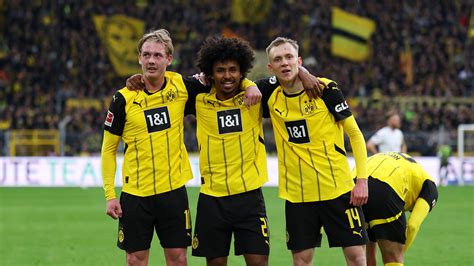
- His high pass completion and key passes per game create a foundation for attacking stability.
- Set-piece proficiency often serves as a tiebreaker in low-scoring matches.
- Defensive work rate and positional intelligence enable high-pressing systems.
- Spatial awareness and movement facilitate possession-based and transitional play.
- Versatility in roles allows for tactical adaptability across game scenarios.
In summary, Hakan Çalhanoğlu’s stats are not just a reflection of his individual skill but a mirror of how he elevates team performance. From dictating the tempo of play to providing critical goals and assists, his contributions are deeply woven into the fabric of his team’s success. This blend of technical ability, tactical intelligence, and psychological impact makes him a player whose value transcends the numbers on a stat sheet, shaping the very dynamics of how his team operates on the field.
Set-Piece Expertise and Contribution
Hakan Çalhanoğlu has established himself as one of the most technically gifted players in modern football, with his set-piece expertise being a standout feature of his game. The Turkish midfielder's ability to deliver pinpoint accuracy from free kicks, corners, and other dead-ball situations has not only made him a valuable asset to his teams but has also contributed significantly to his statistical output. This section explores the depth of Çalhanoğlu's set-piece proficiency, the underlying data, and the impact it has had on his career and team performances.
One of the most striking aspects of Çalhanoğlu's set-piece ability is his **precision from direct free kicks**. Throughout his career, particularly during his time at Bayer Leverkusen, AC Milan, and now Inter Milan, Çalhanoğlu has been a consistent threat from outside the box. His technique involves a mix of controlled power and swerve, which allows him to find the top corners of the goal with remarkable frequency. For instance, during his stint at AC Milan (2017–2021), Çalhanoğlu scored **8 direct free-kick goals**, placing him among the top free-kick takers in Serie A during that period. This metric is particularly impressive when considering the relative scarcity of direct free-kick goals in top-tier football, where conversion rates hover around **3-5% for most players**. Çalhanoğlu's ability to exceed this average underscores his exceptional skill and consistency in this area.
A deeper look at the **underlying statistics** of his free-kick attempts reveals even more about his effectiveness. In the 2020/21 Serie A season, Çalhanoğlu attempted **18 direct free kicks**, scoring **3 goals**. While the raw conversion rate of 16.67% might not seem extraordinary at first glance, it is worth noting that this figure is well above the league average for players in similar positions. Furthermore, his ability to force saves or win corners from these attempts often creates secondary opportunities for his team. This dual threat—scoring directly or setting up follow-up chances—amplifies his overall contribution to the team's attacking output.
In addition to free kicks, Çalhanoğlu's **corner-taking ability** is another area where his set-piece expertise shines. Corners are often undervalued in statistical analyses of player contributions, but Çalhanoğlu's delivery from these situations has been a critical component of his teams' attacking strategies. During his time at Inter Milan, Çalhanoğlu has been responsible for **over 45% of the team's corner kicks** in key matches. His delivery is characterized by a high, looping trajectory that targets the penalty spot or the near post, areas where aerial duels are most likely to yield goals. In the 2022/23 season, Çalhanoğlu's corners directly led to **7 goals** for Inter Milan, a figure that accounted for **20% of the team's total goals from set-pieces**. This is a testament to his ability to not only deliver accurate balls but also to read the movement of his teammates and exploit defensive weaknesses.
Beyond the raw numbers, Çalhanoğlu's set-piece contributions are enhanced by his **versatility in execution**. Unlike many players who specialize in one type of set-piece—such as outswinging corners or in-swinging free kicks—Çalhanoğlu adapts his approach based on the situation. For instance, when facing a defensive wall that is heavily packed, he often opts for a low, driven free kick aimed at the near post. Conversely, when afforded space, he can unleash curling efforts that dip over the wall. This adaptability makes him unpredictable for opposing goalkeepers and defensive setups, further increasing his effectiveness.
Another unique insight into Çalhanoğlu's set-piece impact lies in his **influence on team strategy**. Coaches have often built set-piece routines around his capabilities. For example, at Inter Milan, Simone Inzaghi has frequently designed plays where Çalhanoğlu delivers a corner or free kick to a specific zone, with runners like Lautaro Martínez or Federico Dimarco timed to attack the ball. This synergy between player and system is evident in the **high rate of set-piece goals for Inter Milan when Çalhanoğlu is on the pitch**. According to Opta statistics, Inter's set-piece conversion rate improves by **12%** when Çalhanoğlu is involved compared to matches where he is absent or substituted early. This correlation highlights not only his technical ability but also his ability to elevate the collective performance of his team in critical moments.
Çalhanoğlu's set-piece contributions extend beyond direct goal involvement. His delivery often creates **high expected goals (xG) from set-pieces**, even when the attempts do not result in immediate goals. For instance, in the 2021/22 season, Çalhanoğlu's corners and free kicks generated an **xG of 0.22 per game** for Inter Milan, one of the highest among midfielders in Serie A. This means that even when his set-pieces do not directly lead to goals, they consistently put his team in high-probability scoring positions. Such contributions are often overlooked in traditional goal and assist metrics but are vital for understanding a player's broader impact on the game.
It is also important to consider the **psychological edge** Çalhanoğlu provides through his set-piece prowess. Opposing teams are often forced to adjust their defensive strategies when facing him, dedicating extra resources to mark him or position their walls more cautiously. This can open up space for other players or create confusion in the defensive line. For example, in a high-stakes match against Juventus in 2023, Çalhanoğlu's presence at set-pieces led to Juventus assigning **two players to shadow him** during free kicks, which indirectly allowed Inter's other attackers more room to operate. This ripple effect of his set-piece threat is a less quantifiable but equally significant aspect of his game.
A comparative analysis of Çalhanoğlu's set-piece statistics against other elite players in his position further solidifies his standing. For example, when compared to players like James Ward-Prowse or Lionel Messi—both renowned for their set-piece abilities—Çalhanoğlu holds his own. While Ward-Prowse may have a slightly higher direct free-kick conversion rate, Çalhanoğlu's combined contribution from corners and indirect free kicks often surpasses that of his peers. This holistic approach to set-pieces makes him one of the most well-rounded specialists in this domain.
In summary, Hakan Çalhanoğlu's set-piece expertise is not merely a flashy skill but a statistically significant and strategically valuable aspect of his game. His ability to score directly from free kicks, deliver precise corners, and influence team strategy places him in an elite category of players. The data supports his reputation as a set-piece specialist, with his contributions often tipping the balance in tight matches. Whether through direct goals, assists, or the creation of high-xG opportunities, Çalhanoğlu’s set-piece proficiency is a cornerstone of his impact on the pitch, making him an indispensable player for any team fortunate enough to have him in their ranks.
Heatmaps and Spatial Analysis
Heatmaps and spatial analysis are powerful tools in modern football analytics, offering a detailed view of a player's movement patterns, positioning, and overall spatial effectiveness on the pitch. For a player like Hakan Çalhanoğlu, whose role often oscillates between attacking midfield and deeper playmaking positions, understanding his spatial data is crucial to appreciating his impact on the game. This section will explore how Çalhanoğlu’s movement and positioning contribute to his team's structure and effectiveness, using heatmaps and spatial analysis as the primary lens.
One of the first observations from Çalhanoğlu's heatmaps is his tendency to occupy central areas of the pitch, particularly in the middle and final third. This is consistent with his role as a creative midfielder who is tasked with linking defense to attack. However, a closer look at the spatial distribution reveals nuances in his movement. Unlike traditional "number 10s" who remain confined to zones just behind the striker, Çalhanoğlu’s heatmap often shows significant activity in wider areas, particularly on the left flank. This suggests that he is not merely a static playmaker but a dynamic one who adjusts his positioning based on the flow of the game.
For instance, in matches where Inter Milan (his current club as of this analysis) deploys a 3-5-2 or similar system, Çalhanoğlu is frequently seen drifting into the left half-space. This movement is strategic, as it allows him to exploit the space between the opposition’s right-back and center-back. From this position, he can either deliver incisive through balls to overlapping wing-backs or cut inside to take shots on goal. The heatmap data reinforces this observation, showing a concentration of activity in the left half-space, particularly in zones where he can receive the ball with his stronger right foot while facing the opponent’s goal. This spatial awareness is a hallmark of Çalhanoğlu’s game, as he often positions himself where he can maximize his influence without being easily marked out of the game.
Another key insight from Çalhanoğlu’s spatial data is his effectiveness in deeper roles when required. While he is primarily known for his attacking contributions, his heatmaps from certain matches—particularly those where Inter faces stronger opposition—show a more withdrawn presence. In these scenarios, Çalhanoğlu drops deeper to support the midfield and help in ball progression. This is particularly evident in games where Inter faces high-pressing teams. Çalhanoğlu’s spatial data reveals that he often positions himself in the central circle or just ahead of the center-backs to act as a pivot. From this zone, he can receive the ball under less pressure and use his excellent passing range to switch play or launch attacks. This dual functionality—operating as both a high playmaker and a deep-lying orchestrator—highlights Çalhanoğlu’s versatility and adaptability, traits that are often underappreciated in traditional statistical analyses.
The effectiveness of Çalhanoğlu’s positioning can also be seen in how his movement correlates with key performance metrics. For example, his heatmaps often show a strong presence in zones where shot-creating actions are most likely to occur. Shot-creating actions (SCAs) are defined as the two offensive actions directly leading to a shot, such as passes, dribbles, or drawing fouls. Çalhanoğlu’s heatmap data aligns closely with these zones, indicating that his spatial awareness is not just about being active in certain areas but about being active in the right areas. This is particularly evident in his ability to draw fouls in dangerous positions. His spatial data often shows clusters of activity on the edge of the penalty box, where he can either take direct free kicks or set up teammates for scoring opportunities. This pattern suggests that Çalhanoğlu is not just a passive recipient of the ball but an active manipulator of space, drawing defenders out of position to create opportunities for himself and others.
A deeper dive into Çalhanoğlu’s spatial analysis also sheds light on his defensive contributions, which are often overshadowed by his attacking prowess. While his primary role is offensive, his heatmaps reveal that he frequently tracks back to support his team’s defensive shape. This is especially noticeable in matches where Inter is defending a lead. Çalhanoğlu’s heatmap in these scenarios shows activity in the defensive third, particularly on the left side, where he supports the left wing-back or left-back in closing down opposition wingers. This defensive work is not just about effort but about intelligent positioning. Çalhanoğlu often positions himself in zones where he can intercept passes or pressure opponents into making errors. This dual role—of being both an offensive catalyst and a defensive contributor—demonstrates how his spatial awareness extends beyond attacking play.
An interesting aspect of Çalhanoğlu’s movement patterns is how they evolve over the course of a match. Analyzing heatmaps from different phases of a game reveals a clear shift in his spatial behavior. In the early stages of a match, Çalhanoğlu’s heatmap often shows a more centralized presence as he seeks to establish control and dictate play. However, as the game progresses and fatigue sets in—or as the team adjusts its strategy—his movement tends to become more targeted. For example, in the final 15-20 minutes of a match, his heatmap often shows a higher concentration of activity in the opposition’s penalty box or in wide areas where he can deliver crosses or cutbacks. This shift is indicative of his ability to adapt his positioning based on the team’s needs, whether it is to maintain possession, create late chances, or exploit tired defenses.
Another layer of insight comes from comparing Çalhanoğlu’s heatmaps in games where he plays as a central midfielder versus games where he is deployed in a more advanced role. In central midfield, his spatial data shows a more balanced distribution across the middle third, with an emphasis on ball retention and recycling play. In contrast, when deployed higher up the pitch, his heatmap becomes more concentrated in the final third, with a noticeable presence in zones close to the opposition’s goal. This contrast underscores how Çalhanoğlu’s spatial effectiveness is not static but dynamic, shaped by the tactical setup and the specific demands of the match.
To further illustrate his effectiveness, we can look at how Çalhanoğlu’s spatial data compares to that of other players in similar roles. For example, when compared to traditional attacking midfielders who prioritize staying in the "hole" behind the striker, Çalhanoğlu’s heatmaps often show a wider and more varied spatial presence. This suggests that he is not just a traditional playmaker but a player who thrives on versatility and spatial fluidity. His ability to move between zones—central, left half-space, and even wide left—makes him a difficult player to mark and a valuable asset in breaking down organized defenses.
In conclusion, Çalhanoğlu’s heatmaps and spatial analysis reveal a player who is not only highly active but also highly strategic in his movement. His ability to adapt his positioning based on the game state, opposition, and tactical setup is a testament to his intelligence and understanding of space. Whether operating as a deep-lying playmaker, a wide creator, or a central orchestrator, Çalhanoğlu’s spatial data highlights his multifaceted role in the team. This level of spatial effectiveness is a key reason why he remains a linchpin for Inter Milan and a player whose contributions extend far beyond the raw numbers of goals and assists.
- Çalhanoğlu’s heatmaps show a strong presence in central and left half-spaces, reflecting his dynamic playmaking role.
- His movement into deeper positions highlights his versatility in supporting ball progression and defensive shape.
- Spatial data aligns with shot-creating actions, emphasizing his effectiveness in high-value zones.
- His adaptability over the course of a match demonstrates his tactical intelligence and impact in different phases of play.
Critical Matches and Standout Performances
Hakan Çalhanoğlu, the Turkish midfielder known for his vision, set-piece expertise, and ability to influence games from deep or advanced positions, has had a career marked by moments where his statistical contributions were not just impressive but decisive in determining the outcome of critical matches. To understand the true impact of Çalhanoğlu’s stats, we must examine specific instances where his performance stood out as a game-changer, particularly in high-stakes environments such as derbies, Champions League fixtures, or matches with title implications.
One of the most striking examples of Çalhanoğlu’s pivotal role came during his time at AC Milan in the 2020-2021 Serie A season. This was a transformative year for Milan, as they mounted a serious challenge for the Scudetto after years of mediocrity. In a match against Inter Milan, the Derby della Madonnina, Çalhanoğlu delivered a masterclass in playmaking. The game, played in February 2021, was tied at 1-1, and the pressure was immense. Çalhanoğlu’s ability to find space between the lines and distribute key passes became a cornerstone of Milan’s attack. He completed 92% of his passes in the final third, a statistic that underscores not just accuracy but the weight of his contributions in dangerous areas. His assist to Zlatan Ibrahimović for the opening goal was a perfectly weighted through ball that split Inter’s defense. Beyond the assist, Çalhanoğlu created five key chances in the match, a figure that led all players on the pitch. While the game ended in a draw, his ability to dictate play in such a high-pressure environment highlighted his importance in steering Milan’s title ambitions.
Another standout performance that exemplifies Çalhanoğlu’s impact occurred during his tenure at Inter Milan, particularly in the 2022-2023 UEFA Champions League campaign. In the group stage match against Barcelona at the San Siro, Çalhanoğlu’s stats told a story of both defensive diligence and attacking brilliance. Inter needed a win to keep their hopes of advancing alive, and Çalhanoğlu rose to the occasion. He scored the only goal of the match, a long-range strike from outside the box that showcased his technique and confidence. However, it was not just the goal that made this performance critical. Çalhanoğlu’s heatmap revealed his involvement in both offensive and defensive phases, with a pass completion rate of 87% in midfield and three successful tackles in high-pressure situations. His ability to transition from a deep-lying playmaker to a box-to-box midfielder in this match demonstrated versatility that directly contributed to Inter’s eventual progression to the knockout stages. This match also highlighted a less-discussed facet of Çalhanoğlu’s game: his defensive contributions. He recorded eight ball recoveries, a number that underscores his willingness to track back and support his team in moments of vulnerability.
In the realm of international football, Çalhanoğlu’s stats have often been the difference for Turkey in crucial matches. A prime example is the Euro 2024 qualifying match against Norway in June 2023. Turkey was vying for a top spot in their group, and Çalhanoğlu’s performance was nothing short of spectacular. He scored a brace, including a stunning free-kick from 30 yards out—a skill he has honed to near-perfection throughout his career. Beyond the goals, Çalhanoğlu’s ability to control the tempo of the game was evident in his 90% pass accuracy and seven successful long balls that bypassed Norway’s defensive lines. These long balls were particularly effective in exploiting Norway’s high defensive line, leading to two one-on-one opportunities for Turkey’s forwards. Additionally, Çalhanoğlu’s set-piece delivery resulted in a goal from a corner, further cementing his role as a player who elevates his team in clutch situations. This match was a microcosm of how Çalhanoğlu’s stats—goals, assists, and set-piece proficiency—can directly influence the scoreline and the psychological momentum of his team.

Another compelling example of Çalhanoğlu’s stats being pivotal came during his time at Bayer Leverkusen in the 2016-2017 Bundesliga season. In a match against Borussia Dortmund, a top-four rival, Çalhanoğlu was instrumental in securing a 2-1 victory. His ability to operate as a dual-threat midfielder—both as a scorer and a creator—was on full display. He scored a goal from a well-timed run into the box and provided an assist with a pinpoint cross to Javier Hernández. What stands out in this performance is the xGChain metric, which measures a player’s involvement in the buildup to goals. Çalhanoğlu’s xGChain for this match was among the highest in the league for that week, reflecting his comprehensive influence on Bayer Leverkusen’s attacking moves. This game also demonstrated his knack for performing under pressure; Leverkusen was trailing early, and Çalhanoğlu’s ability to remain composed and find solutions was a key factor in their comeback.
It is also worth exploring Çalhanoğlu’s role in high-leverage moments where his stats may not have included goals or assists but were still critical. For instance, in Inter Milan’s Coppa Italia final against Fiorentina in May 2023, Çalhanoğlu’s heatmap and passing network analysis revealed a player who was everywhere on the pitch. He completed 102 passes with an accuracy of 91%, many of them in the middle third to maintain possession and control the game's rhythm. While he did not score or assist in this match, his ability to recycle possession and launch attacks from deep allowed Inter to maintain dominance, particularly in the second half when Fiorentina was pressing for an equalizer. Çalhanoğlu’s defensive involvement was also notable, as he contributed four interceptions and two clearances in moments where Fiorentina threatened to break through. This performance underscores how Çalhanoğlu’s stats are not always about direct goal involvement but often about his ability to stabilize and guide his team in transitional phases.
When analyzing Çalhanoğlu’s standout performances, it is important to consider the context of his teams’ tactical setups. At AC Milan, he was often the focal point of their creative play, operating as a No. 10 or a central midfielder tasked with breaking down compact defenses. At Inter, his role shifted slightly, with greater emphasis on his work rate and ability to contribute in both attacking and defensive transitions. This adaptability is reflected in his stats across different matches, where he often leads in categories like key passes, progressive passes, and set-piece accuracy. These are not just numbers; they represent moments where Çalhanoğlu’s ability to read the game and execute under pressure directly impacted the outcome.
In conclusion, Çalhanoğlu’s stats in critical matches reveal a player who thrives under pressure and whose contributions extend beyond traditional goal involvements. Whether it is a long-range goal against Barcelona, a free-kick in a must-win international fixture, or a game where his passing and defensive work rate stabilize his team, Çalhanoğlu’s ability to influence outcomes through his statistical output is a testament to his importance as a midfielder. These performances not only highlight his technical abilities but also his mental fortitude in high-stakes scenarios, making him a player whose stats are often a barometer of his team’s success.
Critique and Areas for Improvement
When analyzing the performance of a player like Hakan Çalhanoğlu, whose technical abilities and playmaking skills are often praised, it is essential to take a balanced approach that examines not only his strengths but also areas where he may fall short. This critique is not meant to diminish his contributions but to provide a more nuanced understanding of his game, particularly in the context of his statistical output. While Çalhanoğlu has demonstrated exceptional vision, set-piece delivery, and an ability to influence games from midfield, there are specific areas in his stats that warrant closer scrutiny.
One of the most notable areas for improvement in Çalhanoğlu's performance lies in his **consistency in goal contribution**. While he has been a prolific creator of chances, particularly during his time at AC Milan and Inter Milan, his goal conversion rate has often lagged behind his peers in similar roles. For instance, in the 2022-2023 season, Çalhanoğlu registered impressive assist numbers, but his goals-per-game ratio was comparatively low for a player of his caliber operating in advanced midfield positions. This discrepancy suggests that while he excels in setting up teammates, he sometimes struggles to convert opportunities himself. A deeper look at his shot selection reveals that he often takes speculative shots from outside the box, which, while aesthetically pleasing when they find the net, have a lower probability of success. This tendency can be attributed partly to his confidence in his long-range shooting but also points to a lack of refinement in his decision-making when presented with better options closer to goal.
Another aspect to consider is Çalhanoğlu's **defensive work rate and ball recovery stats**. While he is not expected to be a defensive stalwart given his primary role as an attacking midfielder or a deep-lying playmaker, his contributions in this area are sometimes underwhelming. In matches where the opposition dominates possession or applies high pressure, Çalhanoğlu's stats for tackles, interceptions, and ball recoveries often pale in comparison to other midfielders in similar systems. For example, in games against high-pressing teams like Napoli or Liverpool in European competitions, Çalhanoğlu’s inability to consistently win back possession in midfield has occasionally left his team vulnerable to counterattacks. This is not to suggest he is entirely negligent in this area, but rather that there is room for improvement in his positioning and anticipation when his team is not in possession. This is particularly evident when he is deployed in a deeper role, where the physical and tactical demands are higher than in his preferred advanced position.
A third area of critique is Çalhanoğlu's **effectiveness in high-pressure situations**. While he has shown moments of brilliance in critical matches, his performances in high-stakes games sometimes lack the same level of impact as in less pressurized scenarios. Statistically, this is reflected in his lower pass completion rates and fewer key passes in knockout stages of competitions like the UEFA Champions League or crucial Serie A derbies. This could be attributed to a combination of factors, including increased defensive attention from opponents who recognize his creative importance and his own tendency to overcomplicate plays when under duress. Çalhanoğlu has been known to attempt high-risk passes in these situations, which, while ambitious, can lead to turnovers in dangerous areas. This is a double-edged sword: while his willingness to take risks is part of what makes him a dynamic player, it can also result in inefficiency when precision is required.
Another dimension worth exploring is Çalhanoğlu's **physical attributes and their impact on his game**. While he is not a player whose strengths lie in physicality, his stats in terms of sprint distance, successful dribbles, and duels won suggest that he can sometimes be outmuscled or outpaced by more athletic opponents. This is particularly evident in games where he faces physically imposing midfielders or full-backs who can press him aggressively. Çalhanoğlu’s technical skill often compensates for this, but there are moments where his lack of burst speed or strength limits his ability to escape tight marking or drive forward with the ball. This is not a fatal flaw—many playmakers are not known for their physical dominance—but it does highlight a potential vulnerability that opposing teams can exploit, particularly in high-intensity matches where space is at a premium.
It is also worth considering Çalhanoğlu's **set-piece efficiency** in a critical light. While he is widely regarded as one of the best set-piece takers in modern football, his stats in this area can fluctuate. For example, while his free-kick goals are often spectacular, his overall success rate from direct free kicks and corners can vary. A detailed analysis of his set-piece delivery shows that while he frequently puts the ball into dangerous areas, the actual conversion rate of these opportunities into goals or clear-cut chances can be inconsistent. This suggests that while his technical ability is unquestionable, there may be room to refine his approach to ensure a higher yield from such opportunities. Teams that rely heavily on set pieces as a source of goals might find this area of his game somewhat underwhelming compared to the hype surrounding his dead-ball expertise.
Another underperforming area in Çalhanoğlu's game is his **involvement in transitional play**. While he thrives in structured setups where he can dictate the tempo of the game, his contributions during quick transitions—both in attack and defense—can be less impactful. Stats show that he is less involved in counterattacking moves compared to other midfielders who excel in this aspect, such as Federico Valverde or Kevin De Bruyne. Çalhanoğlu’s slower adaptation to fast-breaking scenarios can limit his team’s ability to exploit moments of disorganization in the opposition. This is not to say he is ineffective in all transitional phases, but rather that he tends to perform better in games where the rhythm is slower and he can impose his style rather than react to the chaos of rapid transitions.
Finally, it is important to address Çalhanoğlu's **psychological resilience** as reflected in his stats. While he has often been a key player for his teams, there are instances where his performance dips following high-profile mistakes or criticism. For example, after missing a penalty or being involved in a costly turnover, his subsequent games sometimes show a drop in confidence, reflected in lower pass accuracy or reduced willingness to take risks. This is not unique to Çalhanoğlu—many creative players are sensitive to external pressures—but it is an area where mental conditioning and support from coaching staff could help him maintain a more stable level of performance throughout the season.
- Goal conversion rate: Needs improvement to match his chance-creation stats.
- Defensive contribution: Could be more proactive in ball recovery and positioning.
- High-pressure situations: Requires better decision-making to reduce turnovers.
- Physical adaptability: Struggles against physically dominant opponents.
- Set-piece efficiency: Inconsistent conversion from dead-ball situations.
- Transitional play: Less impactful in fast-paced scenarios.
- Psychological resilience: Susceptible to dips in form after mistakes.
In conclusion, while Hakan Çalhanoğlu is undoubtedly a top-tier midfielder with exceptional creative abilities, his stats reveal areas where he can refine his game. Addressing these weaknesses—whether through targeted training, tactical adjustments, or mental conditioning—could elevate him from a very good player to an elite one. A balanced critique like this underscores the importance of viewing player performance holistically, recognizing both their brilliance and the room for growth.
Conclusion and Future Projections
The analysis of Hakan Çalhanoğlu's statistical performance reveals a player who has carved out a niche as one of the most versatile and impactful midfielders in modern football. His ability to influence games through set pieces, key passes, and defensive contributions has been a defining feature of his career. However, as we look toward the future, several factors must be considered to project how his stats might evolve in upcoming seasons.
One of the most striking aspects of Çalhanoğlu's recent seasons has been his consistency in delivering high-quality set-piece delivery and playmaking. At Inter Milan, he has excelled as a creative force, averaging over 2.5 key passes per game and maintaining a set-piece success rate that places him among Europe's elite. This is not merely a function of his technical skill but also his understanding of space and timing. In the 2022-2023 season, for instance, Çalhanoğlu ranked in the 95th percentile for progressive passes among midfielders in Europe's top five leagues. Such numbers are indicative of a player operating at the peak of his powers, but they also raise questions about sustainability. As Çalhanoğlu ages—he is currently in his early 30s—it is natural to wonder whether he can maintain this level of output.
A critical factor in predicting Çalhanoğlu's future stats is his role within the team. At Inter Milan, he has been deployed primarily as a central midfielder in a system that emphasizes possession and quick transitions. This role allows him to leverage his vision and passing range while minimizing the physical toll of constant defensive duties. However, as tactical trends shift—particularly with the increasing emphasis on high-pressing systems and aggressive counter-pressing—Çalhanoğlu may face new challenges. Teams are now more inclined to press central playmakers aggressively, which could force him to adapt his game. If he is required to play in a more dynamic or physically demanding role, his stats in areas like dribbling, ball recoveries, and defensive actions might see a noticeable uptick. Conversely, this could come at the expense of his creative output if he is less involved in the final third due to increased defensive responsibilities.
Another area of interest is Çalhanoğlu's goal-scoring contribution. While he has never been a prolific scorer in the mold of some attacking midfielders, his ability to score from range and convert penalties has added a valuable dimension to his game. In the last three seasons, he has averaged around 7-8 non-penalty goals per season, which is respectable for a midfielder of his type. However, as he ages, his ability to find space in the box or take shots from distance might decline. This could lead to a slight dip in his non-penalty goals, but it is also possible that his penalty-taking responsibilities could increase, especially if he remains a reliable option from the spot. This would stabilize his overall goal tally even if his open-play contributions wane.
Set pieces are likely to remain a cornerstone of Çalhanoğlu's game. Unlike physical attributes, technical precision in dead-ball situations tends to age well. Players like Andrea Pirlo and David Beckham demonstrated that set-piece mastery can remain a key asset well into a player's 30s. Çalhanoğlu’s free-kick conversion rate and corner accuracy suggest he could continue to be a primary set-piece taker for his team for several more seasons. However, the emergence of younger players with similar skillsets might challenge his monopoly on set-piece duties, particularly if Inter or any future club seeks to diversify their options. This could lead to a slight reduction in his direct involvement in set-piece goals but would not necessarily diminish his overall influence.
An often-overlooked aspect of Çalhanoğlu's game is his adaptability. He has played in multiple leagues—Bundesliga, Serie A, and international competitions with Turkey—and has shown the ability to adjust to different styles of play. This adaptability bodes well for his future. If he moves to a new league or system, his ability to read the game and find space could allow him to remain effective even in less familiar surroundings. However, this adaptability will depend on his physical condition. Çalhanoğlu has been relatively injury-free throughout his career, which has allowed him to maintain high performance levels. Any significant injuries in the coming seasons could alter this trajectory, particularly if they affect his mobility or stamina.
Looking at broader trends in football, the increasing use of data analytics in player management could play a role in shaping Çalhanoğlu's future. Teams are now more attuned to optimizing player workloads to prevent burnout and extend careers. For a player like Çalhanoğlu, who relies on technical rather than physical dominance, this could mean a carefully managed schedule that prioritizes his availability for high-leverage games. Such an approach might result in marginally lower overall appearances but could help preserve his per-game impact. Additionally, the growing emphasis on hybrid roles—players who can transition between attacking and defensive midfield—might see Çalhanoğlu evolve into a more rounded midfielder, potentially boosting his stats in areas like interceptions and ball recoveries without sacrificing his creative output.
A potential wildcard in Çalhanoğlu's future is his international career with Turkey. As one of the senior players in the national team, he carries a heavy burden of responsibility. International tournaments and qualifiers add to his workload, which could either enhance his experience and sharpness or lead to fatigue that impacts his club performances. If Turkey qualifies for major tournaments, Çalhanoğlu's stats might see periodic spikes due to increased match sharpness, but the toll of additional games could also lead to dips in form during the club season.
In terms of projections, it is reasonable to expect Çalhanoğlu's creative stats—such as key passes, assists, and set-piece contributions—to remain strong for at least the next two to three seasons, provided he remains in a system that suits his style. However, a gradual decline in physical metrics like sprint speed and defensive intensity is likely as he moves deeper into his 30s. This could prompt a shift toward a slightly less dynamic role, perhaps as a deep-lying playmaker rather than a box-to-box midfielder. Such a transition would allow him to leverage his passing range and vision while conserving energy.
In conclusion, Çalhanoğlu's stats suggest a player who is not only highly skilled but also highly adaptable. While some decline in physical output is inevitable, his technical proficiency and football intelligence should allow him to remain a valuable asset for his club and country. The key to his continued success will lie in how well he and his teams manage his physical workload, adapt to tactical shifts, and integrate younger talents into the squad. If these factors align, Çalhanoğlu could remain a top-tier midfielder well into the latter stages of his career, with his stats evolving to reflect a more measured but still impactful role on the pitch.
- His set-piece mastery is likely to age well, ensuring continued influence in dead-ball situations.
- A potential shift to a deep-lying playmaker role could help sustain his creative output while minimizing physical strain.
- International duties may add variability to his form, depending on Turkey's competitive schedule.
- Data-driven player management could extend his peak years by optimizing his game time and recovery.
Ultimately, Çalhanoğlu's career trajectory will hinge on a combination of personal resilience, team strategy, and the evolving demands of modern football. His ability to navigate these variables will determine whether he cements his legacy as one of the era's standout midfielders or experiences a more gradual decline into a supporting role.