Introduction to Serie A Live Games
Serie A, the top-tier professional football league in Italy, has long been regarded as one of the most prestigious and competitive leagues in the world. Established in 1898, Serie A has a rich history that intertwines with the evolution of modern football. Its reputation is built on the technical brilliance of its players, the tactical depth of its managers, and the passionate support of its fans. The league has been home to some of the most iconic clubs, including Juventus, AC Milan, Inter Milan, and AS Roma, and has produced legendary players like Diego Maradona, Francesco Totti, and Paolo Maldini. This storied past makes Serie A live games a significant event not just for Italian football enthusiasts but for the global football community.
The concept of live game broadcasts has transformed the way fans experience football. In the early days of the league, fans were limited to attending matches in person or relying on radio commentary to follow the action. The advent of television in the mid-20th century marked a turning point, allowing matches to be broadcast to wider audiences. Today, live game broadcasts have evolved into a sophisticated multimedia experience, encompassing high-definition television, streaming platforms, and interactive digital content. This evolution underscores the importance of live games as a bridge between the league and its audience, both domestically and internationally.
One of the defining features of Serie A live games is their global appeal. While the league has a strong domestic following, its reach extends far beyond Italy’s borders. This is largely due to the presence of world-class players and the league’s reputation for high-quality football. For instance, the signings of Cristiano Ronaldo by Juventus in 2018 and Zlatan Ibrahimović’s return to AC Milan in 2020 exemplify how Serie A attracts global superstars, which in turn drives interest in live broadcasts. Broadcasters capitalize on this appeal by offering comprehensive coverage, including pre-match analyses, in-game statistics, and post-match discussions, to cater to diverse fan bases. This global reach also has economic implications, as broadcasting rights for Serie A are highly sought after by networks worldwide, contributing significantly to the league’s revenue.
The significance of live game broadcasts extends beyond entertainment value. For clubs, these broadcasts serve as a critical revenue stream. Television deals and streaming partnerships provide clubs with the financial resources needed to maintain competitive squads, invest in youth academies, and improve stadium infrastructure. For instance, the sale of broadcasting rights accounted for a substantial portion of Serie A’s income in recent years, enabling clubs to remain financially viable despite economic challenges posed by the COVID-19 pandemic. Moreover, live games act as a marketing tool for clubs, showcasing their brand to potential sponsors, fans, and even prospective players. A well-broadcast match can elevate a club’s profile, making it more attractive to international audiences and investors.
Another key aspect of Serie A live games is their role in shaping the narrative of the league. Each match is more than just a contest between two teams; it is a chapter in the ongoing story of the season. Broadcasts amplify this narrative through expert commentary, player interviews, and highlight reels that emphasize the drama and emotion of the game. For example, the rivalry between Inter Milan and AC Milan, known as the Derby della Madonnina, or the historic clashes between Juventus and Napoli, are events that resonate deeply with fans. Live broadcasts capture the intensity of these moments, making them accessible to viewers who might not otherwise experience the atmosphere of a packed stadium. This storytelling element is particularly important in an era where digital platforms allow fans to engage with content in real time, sharing reactions and analyses on social media.
The technological advancements in live game broadcasts have also enhanced the viewing experience. Features like multi-angle replays, augmented reality graphics, and 4K streaming have made it possible for fans to feel closer to the action than ever before. For instance, the use of goal-line technology and VAR (Video Assistant Referee) in Serie A has not only improved the fairness of the game but also added a layer of transparency for viewers. These tools allow fans to see critical decisions from multiple perspectives, fostering a deeper understanding of the game. Additionally, streaming platforms have introduced interactive features such as live chats, fan polls, and customizable camera angles, giving viewers a sense of agency in how they consume the game.
However, the importance of live game broadcasts is not without its challenges. The fragmentation of broadcasting rights has led to a complex landscape where fans often need multiple subscriptions to access all matches. This issue is particularly pronounced for international viewers, who may face barriers such as geo-restrictions or limited availability of legal streaming options. While this fragmentation generates revenue for the league and its clubs, it can alienate fans who find the cost of access prohibitive. Serie A and its broadcast partners must navigate this balance carefully to ensure that live games remain accessible without compromising financial sustainability.
From a cultural perspective, Serie A live games are deeply embedded in Italian society. Football is more than a sport in Italy; it is a communal experience that brings people together. The live broadcast of a Serie A match is often a focal point for family gatherings, neighborhood watch parties, and public viewings in local cafes. This cultural significance is amplified during high-stakes matches or title-deciding games, where the emotional investment of fans reaches its peak. Broadcasters play a role in preserving this cultural connection by incorporating local traditions, such as showcasing fan chants or highlighting the historical context of rivalries, into their coverage.
Live game broadcasts also play a pivotal role in the development of young talent. Aspiring players and coaches often study live matches to analyze tactics, player movements, and game strategies. The detailed coverage provided during live broadcasts serves as an educational resource, offering insights into the nuances of Italian football. This aspect is particularly important for Serie A, which has a reputation for emphasizing technical skill and tactical innovation. By making live games widely available, the league contributes to the growth of football knowledge and the cultivation of future talent.
In conclusion, Serie A live games are more than just a means of watching football; they are a dynamic intersection of sport, technology, and culture. They provide a platform for the league to showcase its unique brand of football to the world, while also serving as a vital economic and cultural asset. The evolution of live broadcasts has not only enhanced the fan experience but has also underscored the league’s adaptability in embracing new technologies and meeting the demands of a global audience. As Serie A continues to evolve, the live broadcast of its games will remain a cornerstone of its identity and influence in the football world.
Historical Evolution of Serie A Broadcasting
The broadcasting of Serie A matches has undergone a remarkable transformation over the decades, mirroring the evolution of media technology and consumer habits. From the early days of radio broadcasts to the current era of digital streaming platforms, the journey of how fans access live games reflects broader societal shifts in communication and entertainment. This section delves into the historical evolution of Serie A broadcasting, tracing its roots and examining key milestones that have shaped its modern form.
The origins of broadcasting Serie A games can be traced back to the **1930s**, when radio was the dominant medium for mass communication. Italy's state broadcaster, **EIAR (Ente Italiano per le Audizioni Radiofoniche)**, began airing live match commentaries during this period. These broadcasts were a revolutionary development for football enthusiasts who, for the first time, could follow games in real time without being physically present at the stadium. However, the experience was limited by the technology of the time—listeners relied entirely on the vivid descriptions of commentators to visualize the action. The lack of visual content meant that the emotional connection to the game was heavily dependent on the skill of the broadcaster to paint a picture with words. This era laid the foundation for the communal experience of football fandom, as families and communities gathered around radio sets to tune into matches.
The post-World War II period saw the advent of **television** in Italy, and with it, the possibility of visually experiencing football matches. The 1950s marked the first experiments with televised sports, although coverage was sporadic and primarily focused on major events like the World Cup. Serie A games were not regularly broadcast until the **1960s**, when RAI (Radiotelevisione Italiana), the national public broadcasting company, began to air select matches. This was a turning point for Serie A, as the visual medium allowed fans to see their favorite players and teams in action. However, the broadcasts were limited in scope—black-and-white footage, limited camera angles, and a focus on only high-profile matches characterized this era. Despite these limitations, the introduction of live TV coverage was transformative, as it enabled fans across the country to witness the drama of Serie A on screen for the first time.
The **1980s** ushered in a new era for Serie A broadcasting with the widespread adoption of **color television** and improvements in production quality. This period coincided with Serie A's golden age, when the league attracted global stars like Diego Maradona, Michel Platini, and Marco van Basten. The league's growing international appeal prompted broadcasters to invest in better coverage, including multi-camera setups, slow-motion replays, and professional commentary teams. These advancements not only enhanced the viewing experience but also solidified Serie A's reputation as one of the most exciting leagues in the world. The 1980s also saw the introduction of **highlights shows**, which condensed the action of multiple matches into digestible programs for fans who could not watch live games. This approach catered to a broader audience and set the stage for the commercialization of football content.
The **1990s** marked a significant shift with the rise of **pay-TV** and the privatization of broadcasting rights. The Italian league began to recognize the financial potential of its product, and Serie A games were increasingly packaged as premium content. Companies like **Tele+** and later **Sky Italia** entered the market, offering exclusive access to live matches for subscribers. This period also saw the introduction of dedicated sports channels, which provided in-depth analysis, pre- and post-match discussions, and extensive coverage of Serie A. The commercialization of broadcasting rights not only brought substantial revenue to clubs but also segmented the audience—those who could afford pay-TV subscriptions enjoyed comprehensive coverage, while others were left relying on free-to-air highlights or radio broadcasts. This era also witnessed the emergence of **regional rivalries in broadcasting**, as local TV stations negotiated rights to air matches involving teams from their areas, further fragmenting the audience.
The turn of the millennium brought another seismic shift with the advent of **digital technology** and the internet. By the early 2000s, Serie A games were being streamed online, albeit in a limited and often unofficial capacity. The proliferation of broadband internet and the rise of platforms like **YouTube** created new opportunities—and challenges—for Serie A broadcasting. Piracy became a significant issue, as unauthorized streams of live matches proliferated online. However, legitimate digital platforms also began to emerge, offering fans legal ways to access games. Services like **Mediaset Premium** and **DAZN** entered the fray, competing with traditional broadcasters for rights to stream Serie A matches. This period also saw the introduction of **multi-device accessibility**, allowing fans to watch games on smartphones, tablets, and smart TVs.
In the **2010s**, Serie A embraced the era of **OTT (over-the-top) platforms**, which bypassed traditional cable and satellite systems to deliver content directly to consumers via the internet. Platforms like **DAZN** became trailblazers in this space, offering subscription-based models for live and on-demand Serie A content. This shift was driven by changing consumer preferences, particularly among younger audiences who favored flexibility and convenience over traditional TV schedules. The league also began to experiment with **localized digital content**, such as match highlights tailored for social media platforms like Instagram and TikTok, to engage a global audience. These efforts were part of a broader strategy to maintain Serie A's relevance in an increasingly competitive global football landscape.
Today, Serie A broadcasting has fully embraced **digital transformation**, with live games available on a variety of platforms catering to diverse audience needs. From **dedicated apps** to **streaming services** integrated with smart home systems, fans can access matches in ways that were unimaginable a few decades ago. Furthermore, the use of **data analytics and augmented reality (AR)** in broadcasts has enhanced the viewer experience, offering features like real-time player statistics, heat maps, and interactive elements. The league has also leveraged **social media integration** to create a more interactive and immersive experience for fans, such as live Q&A sessions with players or coaches during match broadcasts.
The historical evolution of Serie A broadcasting reveals a clear trajectory from **exclusive and limited access** to **widespread and customizable availability**. Each phase of this evolution has been shaped by technological advancements, economic factors, and the changing expectations of fans. While the transition from radio to live TV was about bringing the game to the masses, the shift to digital platforms has been about personalizing the experience and expanding the league's global reach. As we look to the future, innovations like **virtual reality (VR)** and **AI-driven personalization** are likely to redefine how Serie A games are consumed, ensuring that the league remains at the forefront of sports broadcasting innovation.
- The 1930s saw the dominance of radio as the primary medium for live match coverage.
- The 1960s introduced live TV broadcasts, albeit with limited scope and quality.
- The 1980s brought color TV, multi-camera setups, and the commercialization of football content.
- The 1990s marked the rise of pay-TV and the segmentation of the audience based on subscription models.
- The 2000s introduced online streaming, both legitimate and pirated, as a new frontier.
- The 2010s focused on OTT platforms and digital-first strategies to engage global audiences.
This rich history underscores how Serie A has continually adapted to the technological and cultural zeitgeist, ensuring that its games remain accessible and engaging for fans across generations. The shift from communal radio listening to personalized digital experiences encapsulates not just the evolution of Serie A broadcasting but also the broader story of how sports media has become a cornerstone of modern entertainment.
Technological Advancements in Live Streaming
The live streaming of Serie A games has undergone a transformative evolution, driven by rapid advancements in technology. These innovations have not only enhanced the way fans consume live football but have also redefined the boundaries of what is possible in sports broadcasting. In this section, we explore the specific technological advancements that have elevated the viewer experience of Serie A live games, focusing on areas such as streaming quality, interactivity, accessibility, and immersion.
One of the most significant technological leaps in live streaming is the improvement in **video quality and resolution**. High-definition (HD) streaming, once considered a luxury, is now the standard for most platforms. However, the advent of **4K and even 8K streaming** has taken the clarity of live matches to unprecedented levels. Serie A, as one of the most visually dynamic football leagues with its vibrant stadiums and passionate fans, benefits greatly from these ultra-high-definition formats. These resolutions allow viewers to see intricate details such as player expressions, grass textures, and even the movement of the ball with remarkable precision. This level of detail enhances the immersive experience, making viewers feel as though they are seated in the stands rather than watching from a screen.
Another critical area of advancement is **low-latency streaming**. Traditional live broadcasts often suffered from delays ranging from a few seconds to over a minute compared to real-time action. Modern streaming technologies, such as **WebRTC** and **adaptive bitrate streaming**, have significantly reduced these latencies. For Serie A fans, this means they can witness goals, fouls, and game-changing moments almost simultaneously with those watching in the stadium. Low latency is particularly crucial for live sports, where even a few seconds of delay can impact the emotional connection of the audience. For instance, a fan celebrating a goal on a stream while others in a social setting react earlier can create a disjointed experience. By minimizing this gap, technology ensures that the shared excitement of the game remains intact.
The integration of **augmented reality (AR) and virtual reality (VR)** has added a new dimension to how Serie A games are experienced. AR overlays, such as player statistics, heatmaps, and real-time match analytics, provide viewers with a richer context for what they are watching. Imagine seeing a live overlay of a striker's goal conversion rate as they line up for a penalty or a dynamic heatmap showing how a midfielder has distributed the ball throughout the game. These AR elements not only inform but also deepen the viewer’s understanding of the match dynamics. On the VR front, platforms are beginning to experiment with **virtual stadium experiences**, allowing fans to "attend" games remotely by wearing VR headsets. This technology simulates the feeling of being in the stadium, complete with crowd noise, panoramic views, and the ability to choose different camera angles. For Serie A, a league known for its iconic venues like the San Siro and the Stadio Olimpico, VR offers a way to bring these atmospheres to a global audience.
The role of **artificial intelligence (AI) and machine learning (ML)** in enhancing live streaming cannot be overstated. AI-driven algorithms are now used to personalize the viewing experience. For example, streaming platforms can analyze a viewer’s preferences—such as their favorite team, players, or types of plays—and curate highlights or suggest camera angles tailored to their interests. AI is also used to improve **automated replays**, where the system identifies key moments like goals, near misses, or controversial decisions and presents them to the viewer without manual intervention. This feature is particularly beneficial for Serie A games, where the fast-paced nature of the matches can make it challenging for viewers to catch every significant event live. Additionally, AI is employed in **real-time language translation and commentary customization**, enabling fans from different regions to enjoy matches with commentary in their native language or tailored to their preferences.

Accessibility has also been revolutionized by technology. In the past, watching Serie A live games often required access to specific cable channels or satellite subscriptions. Today, **over-the-top (OTT) platforms** have democratized access, allowing fans to stream games on a variety of devices, including smartphones, tablets, smart TVs, and laptops. Features like **cloud DVR** let fans pause, rewind, or record live matches, ensuring they never miss a moment even if their schedule conflicts with game times. Furthermore, platforms are increasingly offering **multi-language commentary options** and **closed captioning**, making Serie A more inclusive for non-Italian speakers and viewers with hearing impairments.
Interactivity has become a cornerstone of modern live streaming, and Serie A has embraced this trend. Platforms now offer **interactive features** such as live polls, Q&A sessions with experts, and real-time chat rooms where fans can discuss the game as it unfolds. Some streaming services even allow viewers to switch between multiple camera feeds—for example, focusing on a specific player or following the action from a tactical overhead view. This level of control empowers fans to curate their own viewing experience, moving beyond the passive consumption of traditional broadcasts.
Another area where technology has made a profound impact is in **data-driven storytelling**. Advanced tracking systems, such as those using **GPS and computer vision**, collect vast amounts of data during matches. This data is then used to generate insights that are shared with viewers in real time. For instance, viewers might see a graphic showing how many kilometers a player has run, their top speed, or the number of successful passes they have completed. These statistics not only add depth to the viewing experience but also cater to the growing audience of data-savvy fans who enjoy analyzing the game beyond the surface level. Serie A’s integration of such data into live streams appeals to both casual viewers and hardcore enthusiasts, creating a more engaging narrative around each match.
Finally, **social media integration** has become an essential part of the live streaming experience. Platforms now allow fans to share clips, react to moments, and even participate in live discussions directly from the streaming interface. For Serie A, this means that the global fanbase can connect and engage in real time, amplifying the league’s reach and appeal. Features like **synchronized social feeds** enable fans to see tweets, posts, or reactions from other viewers, players, or clubs, creating a sense of community around the live event.
In conclusion, the role of technology in enhancing the viewer experience of Serie A live games is multifaceted and ever-evolving. From ultra-high-definition video and low-latency streams to AR overlays, AI personalization, and interactive features, these advancements have transformed how fans engage with the league. As technology continues to advance, it is likely that the line between being a remote viewer and feeling like a part of the live action will blur even further, ensuring that Serie A remains at the forefront of sports entertainment innovation.
Economic Impact of Live Broadcasts on Serie A
The live broadcasting of Serie A games represents a cornerstone of the league's financial ecosystem, serving as a primary revenue driver that sustains clubs, supports infrastructure development, and fuels the broader football economy in Italy. The economic impact of live broadcasts extends beyond direct income generation, influencing ancillary markets, fan engagement, and even the global positioning of Serie A as a competitive football league. To fully grasp the depth of this impact, it is essential to dissect the revenue streams, distribution mechanisms, and ripple effects that live broadcasts create within the league's operational framework.
One of the most immediate and significant contributions of live game broadcasts to Serie A's financial ecosystem is the revenue derived from broadcast rights agreements. These agreements, often negotiated on a multi-year basis with domestic and international broadcasters, account for a substantial portion of the league's annual income. For instance, Serie A's most recent domestic broadcasting deal, signed with DAZN and Sky Italia, was valued at over €900 million per season. This deal illustrates how live game rights have become a highly sought-after commodity, as broadcasters recognize the enduring appeal of live sports content in an era where on-demand entertainment is fragmenting traditional media audiences. The exclusivity of live matches ensures that broadcasters are willing to pay a premium, which directly bolsters the league's coffers.
The financial inflow from broadcast rights is not merely confined to the league itself. A portion of this revenue is distributed among the 20 Serie A clubs based on a structured formula that considers factors like performance, historical stature, and audience size. This redistribution mechanism serves as a financial equalizer, enabling smaller clubs to compete on a more level playing field with giants like Juventus, Inter Milan, and AC Milan. However, the disparity in broadcast-driven revenues can also exacerbate inequalities, as top-performing clubs often secure larger shares due to their higher viewership and marketability. This dynamic creates a paradox: while live broadcasts enrich the league collectively, they can also widen the gap between elite and mid-tier clubs, necessitating strategic interventions to maintain competitive balance.
Beyond domestic revenues, international broadcasting deals play a pivotal role in expanding Serie A's financial footprint. The league has actively pursued partnerships with broadcasters in key markets such as the United States, the Middle East, and Asia. These deals not only bring in additional income but also enhance Serie A's visibility on a global scale. For example, the league's agreement with CBS Sports in the U.S. and the renewed focus on markets like China through partnerships with local platforms have opened new revenue streams. International broadcasts also serve as a vehicle for promoting Italian football culture, merchandise sales, and even tourism, as fans inspired by live games may choose to visit stadiums or explore Italy's rich football heritage. This cross-pollination of sports and tourism underscores the interconnected nature of live broadcasts' economic impact.
The economic benefits of live game revenues are not limited to direct income from broadcast rights. Live games drive secondary revenue streams that are deeply intertwined with the broadcast experience. For example, advertising and sponsorship deals are heavily influenced by the exposure that live games provide. Brands pay a premium to associate themselves with Serie A matches, knowing that millions of viewers tune in live, creating an ideal environment for targeted marketing. From pitch-side advertising boards to halftime commercials, the visibility offered by live broadcasts amplifies the value of these advertising slots. Similarly, clubs leverage live game broadcasts to negotiate more lucrative sponsorship agreements, as partners are drawn to the guaranteed exposure that televised matches offer. This symbiotic relationship between live broadcasts and advertising revenue further cements the financial stability of the league.
Another critical aspect of live game broadcasting is its role in fan monetization. With the advent of over-the-top (OTT) platforms and streaming services, Serie A has embraced digital transformation to reach younger, tech-savvy audiences. Platforms like DAZN and Paramount+ offer subscription models that allow fans to access live games on-demand. These platforms not only provide a new avenue for revenue but also enable the league to collect valuable data on viewer behavior. This data can be leveraged to tailor marketing campaigns, optimize match schedules, and even influence player transfer strategies by understanding which players or teams resonate most with international audiences. The shift toward digital platforms also creates opportunities for dynamic pricing models, where fans can pay for specific matches or bundled packages, further diversifying revenue streams.
However, the economic impact of live broadcasts is not without its challenges. The fragmentation of broadcasting rights across multiple platforms can sometimes dilute the audience experience. For instance, fans may need to subscribe to multiple services to access all Serie A games, leading to viewer fatigue or resistance. This challenge is particularly acute in markets where piracy remains a persistent issue. Illegal streaming of live games undermines the value of legitimate broadcasting deals and deprives the league of potential income. To counter this, Serie A has invested in anti-piracy measures and partnered with tech companies to protect its intellectual property, ensuring that the economic benefits of live broadcasts are not eroded by unauthorized distribution.
Live broadcasts also have a profound impact on stadium attendance and local economies. While the primary audience for live games is remote, the spectacle of a match being broadcasted live often spurs increased ticket sales for future fixtures. Fans who watch a thrilling game on television may feel compelled to experience the atmosphere in person, contributing to gate receipts and local business revenues around stadiums. Additionally, the global exposure provided by live broadcasts can enhance the attractiveness of Serie A clubs as destinations for high-profile players, further elevating the league's competitiveness and appeal. This virtuous cycle of visibility, fan engagement, and economic growth highlights the multifaceted role of live game revenues in Serie A's ecosystem.
In conclusion, the economic impact of live game broadcasts on Serie A is both direct and far-reaching. From the lucrative broadcast rights deals that fund club operations to the secondary revenues generated through advertising, sponsorship, and digital platforms, live games are a financial lifeline for the league. However, the challenges of inequality, piracy, and audience fragmentation require proactive strategies to ensure that the benefits of live broadcasting are maximized. By leveraging the global appeal of its matches and embracing technological innovation, Serie A can continue to harness the economic potential of live broadcasts while fostering long-term sustainability for the league and its stakeholders.
Global Audience Reach and Engagement
The international appeal of Serie A has undergone significant evolution in recent years, driven by both the league's storied history and its modern efforts to capture a global audience. Once considered the pinnacle of European football in the 1990s, Serie A enjoyed unparalleled global popularity due to the presence of iconic players like Diego Maradona, Roberto Baggio, and Paolo Maldini. However, in the 2000s and early 2010s, the league's global standing waned as the English Premier League (EPL) and La Liga took center stage. Today, Serie A is in the midst of a resurgence, leveraging its unique footballing identity, star power, and strategic initiatives to once again position itself as a premier destination for international viewership.
One of the key drivers of Serie A's global appeal is its rich footballing culture. The league is home to some of the most tactically diverse and defensively astute teams in the world, offering a style of play that stands in contrast to the high-octane, attack-focused approaches of other leagues. This distinctiveness has a dedicated following among football purists who appreciate the league's emphasis on technical skill, intricate passing, and match-defining moments of defensive brilliance. Clubs like Juventus, AC Milan, Inter Milan, and Napoli not only have a deep domestic fan base but also resonate with international audiences due to their historical success in European competitions. For instance, Juventus' continued presence in the UEFA Champions League and the recent Scudetto wins by Milanese clubs have reignited interest in Serie A as a competitive and unpredictable league.
Another critical factor is the presence of global superstars who act as ambassadors for the league. Cristiano Ronaldo's move to Juventus in 2018 was a watershed moment for Serie A's international profile. His tenure brought millions of new viewers from Asia, the Middle East, and the Americas, many of whom tuned in specifically to watch his performances. While Ronaldo has since departed, the league has continued to attract high-profile talent such as Victor Osimhen at Napoli, Khvicha Kvaratskhelia, and the enduring legacy of Zlatan Ibrahimović. These players not only enhance the on-field product but also serve as marketing assets who can draw attention to Serie A in regions where football fandom is still growing. For example, Osimhen's meteoric rise has sparked interest from African audiences, particularly in Nigeria, where football is a unifying cultural force.
To expand its global viewership, Serie A has adopted several strategic initiatives aimed at increasing accessibility and visibility. One such initiative is the improvement of broadcasting partnerships. In recent years, the league has secured deals with major international broadcasters, ensuring that live games are available in high-definition across diverse geographies. For instance, partnerships with platforms like ESPN in the United States, Paramount+, and beIN SPORTS have enabled Serie A to reach audiences in North America, the Middle East, and Southeast Asia. Additionally, the league has embraced digital streaming platforms, recognizing the growing trend of cord-cutting among younger demographics. Deals with Amazon Prime Video and dedicated Serie A apps have allowed fans to watch games on-demand, a move that caters to the preferences of tech-savvy viewers in regions like India and China.
The league is also focusing on localized engagement to deepen its connection with international fans. This includes initiatives such as hosting pre-season tournaments in key markets like the United States and China. These events not only showcase Serie A teams but also provide opportunities for fan interaction, merchandise sales, and grassroots football development. For example, AC Milan's tour of the U.S. in 2023 included youth clinics and meet-and-greet sessions, which helped foster a sense of community among American fans. Similarly, Serie A has invested in multilingual commentary and content production tailored to specific regions. Providing match analysis and player interviews in languages like Spanish, Mandarin, and Arabic ensures that the league resonates with non-Italian-speaking audiences, breaking down language barriers that might otherwise limit engagement.
Another area of focus is digital and social media strategy. Serie A has ramped up its presence on platforms like Instagram, TikTok, and YouTube, where bite-sized highlights, player interviews, and behind-the-scenes content are shared to engage younger audiences. The league has also experimented with augmented reality (AR) and virtual reality (VR) experiences, allowing fans to immerse themselves in the matchday atmosphere from anywhere in the world. For instance, VR broadcasts of key matches provide viewers with a 360-degree view of the stadium, creating an experience that goes beyond traditional television. These efforts are particularly effective in capturing the attention of Gen Z and millennial fans who value interactive and immersive experiences.
However, challenges remain in fully capitalizing on Serie A's global potential. One issue is the perception of infrastructure and matchday experience. Compared to the EPL or Bundesliga, Serie A has faced criticism for aging stadiums, lower attendances, and occasional issues with fan behavior. These factors can deter international fans who associate a league's global prestige with the quality of its venues and fan culture. Addressing this requires not just investment in stadium modernization but also a concerted effort to showcase the vibrant fan culture that exists in cities like Naples, Milan, and Rome. Highlighting the passion of ultras and the unique rituals of Italian football—such as choreographed chants and elaborate tifo displays—can help rebrand Serie A as a league with unmatched atmosphere and tradition.
Furthermore, Serie A must address the competitive balance within the league. While Juventus' dominance in the 2010s brought stability, it also led to a perception of predictability. The recent title races involving Inter, AC Milan, and Napoli have been a welcome change, but the league must ensure that more teams are competitive to sustain long-term interest. This could involve financial fair play regulations, improved revenue sharing, and investment in youth academies to cultivate homegrown talent that can compete on the global stage. A more balanced league not only enhances the quality of live games but also creates compelling storylines that attract diverse audiences.
Finally, data-driven marketing is an area where Serie A can further innovate. By leveraging analytics to understand viewer preferences in different regions, the league can tailor its content and promotional strategies. For example, if data shows high engagement among South American fans during matches featuring Brazilian or Argentine players, Serie A can prioritize showcasing these players in its global marketing campaigns. Similarly, partnerships with local influencers and football content creators in key markets can help the league penetrate untapped audiences.
In conclusion, the global appeal of Serie A is rooted in its unique footballing identity, star players, and strategic efforts to modernize its outreach. By continuing to invest in broadcasting innovation, localized engagement, and competitive balance, the league can sustain and grow its international viewership. While challenges exist, Serie A's renewed focus on global audience reach positions it as a league ready to reclaim its place among the most-watched football leagues in the world.
Challenges in Broadcasting Serie A Live Games
Broadcasting Serie A live games is a complex endeavor that involves navigating a range of challenges. From the persistent threat of piracy to the constraints imposed by regional restrictions and the ever-present competition from other top-tier football leagues, these obstacles shape how the league reaches its global audience. To fully understand these challenges, it is essential to delve into each area with a focus on how they impact the accessibility and profitability of Serie A broadcasts.
One of the most significant challenges in broadcasting Serie A live games is the issue of piracy. In the digital age, illegal streaming has become a sophisticated operation, with high-quality streams often available within minutes of a game starting. This is particularly problematic for Serie A, which has faced criticism in the past for not aggressively pursuing anti-piracy measures compared to other leagues like the Premier League or La Liga. Piracy not only undermines the revenue streams of broadcasters who pay significant sums for rights but also affects the league's ability to negotiate future deals. For instance, if advertisers and sponsors perceive that their content is being consumed primarily through unauthorized channels, they may be less inclined to invest in Serie A. Moreover, many pirate streams originate from regions where Serie A has little to no official presence, creating a Catch-22 situation: the league cannot monetize these audiences directly, yet their games are being watched illegally. While platforms like beIN SPORTS and Sky Italia have invested in anti-piracy technology, the arms race between streamers and enforcers continues, with pirates often one step ahead due to the decentralized nature of their operations.
Another major obstacle is regional restrictions, which can limit the reach of Serie A broadcasts. Broadcasting rights are often sold on a region-by-region basis, meaning that fans in certain countries may not have legal access to live games. For example, in some Asian markets, Serie A has struggled to secure partnerships with local broadcasters, leaving fans to rely on VPNs or illegal streams to access content. This issue is compounded by the fact that Serie A has not always prioritized making its product accessible in emerging markets, where football is growing in popularity. Unlike the Premier League, which has a well-established global strategy and a presence in over 200 territories, Serie A’s regional distribution can sometimes feel inconsistent. Furthermore, regional restrictions often result in fragmented viewing experiences. A fan in one country might have access to comprehensive pre- and post-match analysis, while another in a different region might only get the live feed without additional content. This inconsistency can lead to fan frustration and a sense of alienation, particularly for Serie A’s international audience, who may feel that their support is undervalued compared to domestic fans.
The competition from other leagues also poses a significant challenge. Serie A is one of the most storied football leagues in the world, but it operates in an increasingly crowded marketplace. The Premier League, with its global appeal and high-octane style of play, often overshadows Serie A in terms of viewership and commercial revenue. Similarly, La Liga benefits from the star power of clubs like Barcelona and Real Madrid, while the Bundesliga has carved out a niche with its focus on youth development and high-scoring matches. Serie A, by contrast, has sometimes struggled to define its unique selling proposition in this competitive landscape. While it boasts iconic clubs like Juventus, AC Milan, and Inter Milan, as well as global stars such as Cristiano Ronaldo in recent years, the league has faced criticism for a perceived lack of dynamism in its gameplay and a slower pace compared to the Premier League. This perception can make it harder to attract younger, more casual fans who are drawn to the faster, more aggressive style of play seen in other leagues. Additionally, the time zones in which Serie A games are played can be less favorable for audiences in Asia and the Americas compared to the Premier League, which has strategically adjusted its scheduling to cater to these markets.
Another dimension of competition comes from non-football sports and entertainment options. In regions like the United States, for instance, Serie A must contend not only with other football leagues but also with the growing popularity of sports like basketball (NBA), baseball (MLB), and American football (NFL). These leagues often have larger marketing budgets and more established fan bases in these regions. Serie A must work harder to carve out a space in an already saturated sports entertainment ecosystem. This is particularly challenging given the rise of streaming platforms like Netflix, Amazon Prime, and Disney+, which are vying for the same screen time as live sports broadcasts. The average viewer now has a plethora of options, and Serie A must ensure its product stands out not just among other football leagues but also among non-sports entertainment.
The digital transformation of sports consumption adds another layer of complexity. While traditional broadcasters still play a significant role, younger audiences are increasingly turning to over-the-top (OTT) platforms for their sports content. Platforms like DAZN and Amazon Prime have started to disrupt the traditional broadcasting model by offering more flexible, subscription-based access to live games. However, this shift presents both an opportunity and a challenge for Serie A. On one hand, OTT platforms can provide a more direct route to younger, tech-savvy audiences. On the other hand, these platforms are often limited by regional licensing agreements, meaning that Serie A must navigate a patchwork of digital rights deals to ensure its games are widely available. Moreover, the transition to digital platforms has raised expectations for production quality. Fans now demand not just the game itself but also interactive features, multi-angle replays, and enriched data visualizations. Meeting these expectations requires significant investment, which may strain the resources of both Serie A and its broadcast partners.
Finally, there is the issue of brand perception and the league’s ability to market itself effectively. While Serie A has a rich history and is home to some of the most iconic clubs and players in football, its global brand presence has not always been as strong as that of the Premier League or La Liga. This can be attributed in part to inconsistent marketing strategies and a lack of cohesive storytelling around the league’s identity. For example, while the Premier League aggressively promotes its "best league in the world" narrative, Serie A has often relied on the legacy of its past glories rather than actively shaping a modern, forward-looking image. This can make it harder to attract new audiences, particularly in regions where football is still growing in popularity. Without a clear and compelling brand identity, Serie A risks being seen as a secondary option compared to its competitors.
In summary, the challenges in broadcasting Serie A live games are multifaceted and interconnected. Piracy threatens revenue streams and audience engagement, regional restrictions limit accessibility and create fan dissatisfaction, and competition from other leagues forces Serie A to constantly reassert its relevance in a crowded sports landscape. Addressing these challenges requires a holistic approach that combines robust anti-piracy measures, a more cohesive global broadcasting strategy, and a stronger emphasis on modernizing the league’s brand and appeal. Only by tackling these obstacles head-on can Serie A ensure its live games reach the widest possible audience while maintaining their value and prestige in the global sports market.
Role of Social Media in Promoting Live Games
The advent of social media has revolutionized the way sports leagues, including Serie A, engage with their global fanbase. Platforms like Instagram, Twitter, and TikTok have become indispensable tools for promoting live games, creating a dynamic ecosystem where fans can interact, share, and consume content in real time. This section delves into the specific ways these platforms drive engagement for Serie A matches, with a focus on their unique features and strategies employed to capture audience attention.
One of the most significant contributions of social media to Serie A live games is the ability to build **hype and anticipation** before matches. Platforms like Instagram leverage visually rich content such as highlight reels, player interviews, and behind-the-scenes footage to create a sense of excitement. For instance, clubs like Juventus and AC Milan often post short, high-energy clips of star players warming up or celebrating goals from previous games. These posts are typically accompanied by interactive features such as polls, countdowns, or "swipe-up" links directing users to ticket sales or streaming platforms. This not only keeps fans engaged but also drives traffic to official channels where live games can be accessed.
Instagram Stories and Reels are particularly effective in this regard. A club might post a 15-second Reel showing a dramatic save or a last-minute goal from a prior match, paired with trending music and captions like "Will we see more magic this weekend?" This approach combines the emotional pull of sports highlights with the addictive nature of short-form video, ensuring high visibility among younger audiences who prefer bite-sized content. Moreover, Instagram's algorithm favors Reels, meaning such posts are more likely to appear on the Explore page, exposing Serie A to users who may not actively follow football but could be converted into casual viewers.
Twitter, on the other hand, serves as a real-time engagement hub for Serie A live games. The platform's fast-paced nature allows fans, clubs, and even players to share updates, reactions, and commentary as the matches unfold. Hashtags like #SerieALive or team-specific tags (e.g., #ForzaNapoli) are often promoted by the league and clubs to centralize conversations. During live games, Twitter becomes a space for minute-by-minute updates, with clubs posting GIFs of key moments—such as a goal or a red card—almost instantaneously. This real-time sharing not only keeps fans informed but also encourages them to participate in the conversation. Retweets, quote tweets, and replies amplify the reach of these posts, creating a ripple effect that draws more users into the fold.
Another unique aspect of Twitter is its role in fostering global fan interaction. Serie A has a diverse international audience, and Twitter allows fans from different countries to connect over their shared passion for the league. For example, when a player like Victor Osimhen scores a goal for Napoli, fans from Nigeria, Italy, and beyond can share their joy through tweets, memes, and videos. This cross-cultural engagement not only strengthens the Serie A brand but also positions the league as a global entity with a vibrant, interconnected community.
TikTok, the newest player in the social media landscape, has introduced a fresh dimension to promoting Serie A live games. Unlike Instagram or Twitter, TikTok thrives on creativity and humor, making it particularly appealing to Gen Z and younger millennials. Clubs and the league itself use TikTok to post short, entertaining videos that often blend match highlights with trending audio or comedic skits. For instance, a clip of a player celebrating a goal might be paired with a popular dance track, accompanied by captions like "When you score in the 90th minute and silence the haters." This approach humanizes the players and makes the content feel more relatable, which is crucial for capturing the attention of younger audiences who may not be as invested in traditional sports coverage.
TikTok also excels at user-generated content (UGC), which plays a significant role in promoting Serie A matches. Fans often create their own videos reenacting goals, celebrating victories, or even poking fun at rival teams. The league and clubs can encourage this behavior by launching challenges or trends, such as asking users to post their best goal celebrations with a specific hashtag. These challenges not only increase engagement but also turn fans into active participants in the promotion of Serie A. For example, a "Show us your best goal scream" challenge could result in thousands of user-generated videos, each one indirectly advertising the excitement of Serie A matches to a broader audience.
Another critical aspect of social media's role in promoting live games is the integration of **data-driven insights**. Platforms like Instagram and Twitter provide detailed analytics that allow Serie A and its clubs to understand what types of content resonate most with their audience. For example, if a post featuring a player interview garners significantly more engagement than a generic match preview, the league can adjust its strategy to prioritize personality-driven content. This iterative approach ensures that promotional efforts are not only creative but also tailored to audience preferences, maximizing the impact of each post.
Furthermore, social media platforms have become a space for **exclusive content partnerships** that enhance the appeal of live games. Serie A has partnered with influencers and content creators to produce unique, platform-specific content. For instance, a TikTok creator might be given access to a matchday experience, documenting their journey from arriving at the stadium to watching the game from a VIP box. Such collaborations not only provide fresh perspectives but also introduce Serie A to the creator's existing audience, many of whom might not have been exposed to the league otherwise.
It is also worth noting the role of cross-platform synergy in driving engagement. A club might post a teaser on Instagram, share live updates on Twitter during the game, and then upload a post-match TikTok summarizing the best moments. This multi-platform approach ensures that fans are exposed to Serie A content across their preferred channels, increasing the likelihood of sustained engagement. Moreover, platforms often integrate features like link sharing or embedded streams, making it easier for users to transition from social media to live game broadcasts.
However, the effectiveness of social media in promoting Serie A live games is not without challenges. The saturation of content on these platforms means that Serie A must compete with other leagues, sports, and entertainment options for user attention. To stand out, the league must focus on delivering high-quality, authentic content that resonates with its audience. For example, rather than simply posting a goal highlight, a club might share a short clip of the player’s emotional reaction or an interview snippet where they discuss the significance of the goal. This adds a layer of storytelling that fosters a deeper connection with fans.
In conclusion, social media platforms like Instagram, Twitter, and TikTok have become indispensable in promoting Serie A live games. Each platform offers unique opportunities to engage fans through visual storytelling, real-time updates, and user-generated content. By leveraging these tools effectively—whether through creative Reels, hashtag campaigns, or influencer partnerships—Serie A can not only attract new viewers but also deepen the loyalty of its existing fanbase. As the digital landscape continues to evolve, the league's ability to adapt and innovate on social media will be a key factor in maintaining its position as one of the most exciting football leagues in the world.
Fan Experience and Personalization Trends
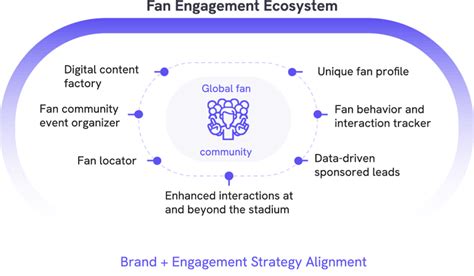
The landscape of sports entertainment has evolved dramatically in recent years, with fan expectations reaching new heights. Nowhere is this more evident than in the realm of Serie A live games, where broadcasters and platforms are leveraging cutting-edge personalization tools to create immersive and tailored experiences for fans. These innovations not only enhance the viewing experience but also build deeper emotional connections between fans and the sport. In this section, we explore how tools like multi-angle views and real-time stats are reshaping fan satisfaction in the context of Serie A matches.
One of the most transformative elements in modern sports viewing is the introduction of multi-angle views. Traditional broadcasts often limit fans to a single, producer-selected camera angle, which can sometimes miss key moments or fail to capture the full intensity of a play. However, multi-angle technology empowers fans to choose their perspective, whether it’s a close-up of a striker preparing to take a penalty or a wide-angle view of a team’s defensive setup. This flexibility caters to diverse fan preferences: some may want a tactical overview to analyze formations, while others might prefer a player-focused view to feel closer to their favorite athlete. By giving fans control over what they see, broadcasters tap into a sense of agency that enhances engagement. For instance, during a high-stakes match like Juventus vs. Inter Milan, viewers might toggle between a camera focused on the goalkeeper during a tense corner kick and another capturing the manager's reactions on the sideline. This level of interactivity not only satisfies curiosity but also deepens the emotional investment of the audience, as they feel more "in the game" rather than being passive observers.
Another dimension of personalization comes through real-time stats, which have become a cornerstone of the modern sports-watching experience. Serie A fans are no longer content with just watching the action; they crave context, analysis, and data to enrich their understanding of the game. Platforms now provide a wealth of live statistics—ranging from player performance metrics like pass completion rates and sprint speeds to team-level insights such as possession percentages and expected goals (xG). These stats are often displayed in dynamic overlays or accessible through companion apps, allowing fans to dive deeper into the nuances of the match without interrupting the live action. For example, if a striker like Victor Osimhen is on a scoring streak, real-time updates might show how his goal conversion rate compares to league averages or highlight his historical performance against the opposing team. This not only satisfies the analytical side of fans but also creates opportunities for storytelling within the broadcast. Commentators can reference these stats to provide color commentary, such as noting how a midfielder's high tackle success rate is disrupting the opponent’s attacking rhythm. The availability of such granular data transforms passive viewers into active participants who can form opinions, predict outcomes, and engage in post-match discussions with greater authority.
The combination of multi-angle views and real-time stats also fosters a sense of community and shared experience among fans. Social media platforms and second-screen apps often integrate these tools, enabling fans to share their customized views or debate the significance of a particular statistic in real time. For instance, during a heated Serie A fixture, fans might post screenshots of a multi-angle replay showing a controversial offside decision or discuss how a midfielder’s pass accuracy is contributing to their team’s dominance. This shared interaction not only amplifies the emotional highs and lows of the game but also strengthens fan loyalty to the platform providing these tools. Broadcasters and streaming services that prioritize such features are effectively turning individual viewers into part of a larger, connected fanbase, which can be a significant differentiator in a competitive market.

Beyond enhancing the immediate viewing experience, personalization tools also contribute to long-term fan retention and satisfaction. By offering features that cater to individual preferences, platforms can build profiles of their users, learning what aspects of the game resonate most with them. For instance, if a fan frequently uses the multi-angle feature to focus on defensive plays, the platform might recommend highlight reels or post-match analyses centered on defensive strategies. Similarly, fans who engage heavily with real-time stats might be offered subscription options for advanced analytics packages or exclusive access to data-driven previews. This approach not only personalizes the content but also creates a feedback loop where user behavior informs future offerings, ensuring that the fan experience continues to evolve in line with audience needs. In the context of Serie A, where the league boasts a global audience with diverse preferences, such adaptability is critical for maintaining relevance and competitiveness against other top-tier leagues like the Premier League or La Liga.
However, the implementation of these tools is not without its challenges. Data accuracy and latency are critical concerns, especially in real-time scenarios. Fans expect instant updates and seamless transitions when switching between camera angles, and any delays or inaccuracies can lead to frustration. To address this, Serie A broadcasters and tech providers must invest in robust infrastructure, such as low-latency streaming technologies and AI-driven data processing systems. Additionally, there is a need for user-friendly interfaces that make these tools accessible to a wide range of fans, from tech-savvy younger audiences to older supporters who may be less familiar with advanced features. Striking this balance requires a deep understanding of user behavior and iterative design processes that prioritize ease of use without compromising on sophistication.
Another important consideration is the potential for over-saturation of features. While personalization tools are exciting, flooding viewers with too many options can overwhelm rather than delight. For example, offering 10 different camera angles might confuse some users who are unsure which perspective to choose. To mitigate this, platforms can adopt a curated approach, offering a few well-defined options (e.g., "Tactical View," "Player Cam," "Manager Cam") and allowing users to explore more advanced features as they become comfortable. This tiered approach ensures that personalization remains an enhancement rather than a hindrance.
In conclusion, the integration of personalization tools like multi-angle views and real-time stats into Serie A live games represents a significant leap forward in fan experience. These technologies not only meet the growing demand for interactivity and insight but also create opportunities for platforms to differentiate themselves in a crowded market. By giving fans greater control over their viewing experience and enriching their understanding of the game, these tools foster deeper engagement, satisfaction, and loyalty. However, their success depends on thoughtful implementation, with a focus on usability, accuracy, and balance. As Serie A continues to compete on the global stage, embracing such innovations will be key to keeping its fans not just entertained, but truly captivated.
Future of Serie A Live Games: Opportunities and Threats
The future of Serie A live games in the broadcasting space is poised at a critical juncture, shaped by both technological advancements and shifting consumer behaviors. As one of Europe's most storied football leagues, Serie A has long been a cornerstone of global sports entertainment. However, the landscape of live game broadcasting is undergoing rapid transformation, driven by digital innovation, competition, and new audience expectations. To navigate this terrain effectively, it is essential to explore the emerging trends and potential disruptors that could redefine how Serie A live games are consumed and monetized in the coming years.
One of the most significant trends is the rise of direct-to-consumer (DTC) streaming platforms. Traditional broadcasters, such as Sky Italia and DAZN, have long dominated Serie A's live game distribution. However, leagues and clubs are increasingly exploring DTC models to bypass intermediaries and establish a direct relationship with fans. This shift is fueled by the success of platforms like the NBA's League Pass and the NFL's Game Pass, which offer fans customizable, ad-free viewing experiences. For Serie A, a DTC platform could provide greater control over content, data collection, and fan engagement. For instance, offering exclusive behind-the-scenes access, multi-angle replays, or interactive fan polls during live games could enhance the viewing experience while creating new revenue streams. However, this approach also comes with challenges, such as the need for robust infrastructure to handle global traffic and the risk of alienating traditional broadcast partners.
Another critical trend is the growing influence of artificial intelligence (AI) and machine learning in live sports broadcasting. AI is already being used to enhance the production quality of live games, from automated camera tracking to real-time analytics displays. In the context of Serie A, AI could be leveraged to personalize the viewing experience. Imagine a scenario where the platform uses AI to analyze a viewer's preferences—such as their favorite team or player—and dynamically adjusts the commentary, camera angles, or even the statistical overlays to suit individual tastes. This level of personalization could be a game-changer in retaining younger, tech-savvy audiences who expect tailored content. However, the integration of AI also raises questions about data privacy and the ethical use of viewer information, which could become a point of contention if not handled transparently.
The globalization of Serie A's audience presents both an opportunity and a challenge. While the league has a strong fan base in Europe and South America, its reach in markets like Asia, Africa, and North America is still growing. To tap into these regions, Serie A must adapt its live game broadcasting strategies to cater to local preferences. This could mean partnering with regional streaming platforms, offering multilingual commentary, or even scheduling games at times that are more convenient for international audiences. For example, the English Premier League has successfully capitalized on the Asian market by scheduling early kick-offs that align with prime-time viewing in countries like China. Serie A could adopt a similar approach, but this would require careful negotiation with domestic stakeholders who may resist changes to traditional match schedules.
A potential disruptor in the live game broadcasting space is the rise of blockchain technology and non-fungible tokens (NFTs). Blockchain has the potential to revolutionize how live games are monetized and distributed. For instance, Serie A could issue NFTs tied to specific matches or moments—such as a stunning goal by a star player—that fans can collect, trade, or use to unlock exclusive content. This not only creates a new revenue stream but also deepens fan engagement by offering a sense of ownership over memorable moments. Additionally, blockchain could enable decentralized broadcasting, where matches are streamed peer-to-peer without reliance on a central platform. While this model is still in its infancy, it could reduce costs for both the league and consumers while increasing accessibility. However, the volatility of the blockchain market and the skepticism surrounding NFTs among mainstream audiences could limit their immediate adoption.
Another disruptor is the fragmentation of the streaming market. As more platforms enter the live sports space, Serie A risks being spread too thin across multiple services, making it harder for fans to access games seamlessly. This phenomenon, often referred to as "subscription fatigue," could drive fans toward illegal streaming or piracy, especially in price-sensitive markets. To combat this, Serie A must prioritize partnerships that consolidate its content into a manageable number of platforms while ensuring affordability for fans. A hybrid model, where some games are available on free-to-air channels or low-cost platforms alongside premium services, could strike the right balance between accessibility and profitability.
The threat of competing leagues cannot be overlooked. Serie A faces stiff competition from the Premier League, La Liga, and the Bundesliga, all of which are aggressively expanding their global footprints. These leagues are not only investing in high-quality production but also in storytelling and marketing campaigns that position their brands as more than just sports—they are cultural phenomena. Serie A must similarly invest in creating a compelling narrative around its clubs, players, and history to maintain its appeal. This could involve producing high-quality docuseries, like Amazon's All or Nothing, that showcase the human stories behind the league's iconic teams.
The integration of augmented reality (AR) and virtual reality (VR) is another area with transformative potential. AR and VR could redefine how fans experience live games, offering immersive experiences such as virtual stadium tours, 360-degree views of key plays, or even the ability to "attend" matches remotely in a VR environment. While these technologies are still maturing, their adoption by Serie A could set the league apart as a pioneer in experiential broadcasting. However, the high costs of AR/VR development and the need for compatible hardware among fans could slow down this transition.
Finally, the regulatory environment poses both opportunities and threats. On one hand, stricter regulations around digital content distribution could provide Serie A with a more level playing field by curbing piracy and ensuring fair compensation for rights holders. On the other hand, overregulation could stifle innovation, particularly in areas like DTC models or blockchain integration. Serie A must actively engage with policymakers to advocate for a balanced regulatory framework that supports growth while protecting consumer interests.
In conclusion, the future of Serie A live games is rife with opportunities to innovate and expand its global reach, but it is equally fraught with threats from emerging competitors, technological complexities, and shifting audience expectations. By embracing trends like DTC platforms, AI personalization, and immersive technologies while mitigating risks such as market fragmentation and regulatory hurdles, Serie A can position itself as a leader in the evolving live game broadcasting space. The key lies in striking a balance between tradition and innovation, ensuring that the league remains not only a source of world-class football but also a pioneer in how that football is experienced by fans around the globe.
Conclusion and Recommendations
The landscape of Serie A live games is evolving rapidly, shaped by technological advancements, shifting consumer behaviors, and the competitive pressures of global football leagues. This section distills the key takeaways from the analysis of Serie A's live game ecosystem and proposes actionable strategies for stakeholders to ensure the league remains competitive, engaging, and sustainable in the years to come.
One of the most significant takeaways is the critical role of digital transformation in enhancing the live game experience. Serie A has seen a gradual adoption of streaming platforms, mobile apps, and interactive content, but the pace of this adoption lags behind other top-tier leagues like the Premier League and La Liga. The global audience for Serie A is increasingly composed of younger, tech-savvy fans who expect seamless, high-quality digital access to matches. Stakeholders must prioritize investments in modern streaming infrastructure that can support ultra-high-definition (UHD) broadcasts, augmented reality (AR) overlays, and real-time fan engagement tools. For instance, incorporating AR features that allow fans to view player stats or heatmaps during live games can create a more immersive experience, particularly for younger demographics accustomed to gamified content.
Another key insight is the untapped potential of localized and personalized content. While Serie A has a strong base of domestic fans, its international appeal is inconsistent. The league must move beyond a one-size-fits-all broadcasting model and embrace a strategy of hyper-localization. This means partnering with regional broadcasters and digital platforms to create tailored content for key markets like Asia, North America, and Africa. For example, offering commentary in local languages, producing behind-the-scenes documentaries featuring players with connections to specific regions, or even hosting pre-match shows catered to time zones and cultural preferences can significantly boost engagement. Personalization can also extend to direct-to-consumer (DTC) platforms, where algorithms can recommend matches, players, or highlights based on individual viewing habits, creating a stickier fan experience.
The commercialization of live games is another area ripe for innovation. While broadcasting rights remain a primary revenue stream, Serie A must diversify its monetization strategies. Stakeholders should explore alternative revenue models such as dynamic ad insertion during live streams, exclusive NFT (non-fungible token) drops for iconic match moments, or subscription tiers that offer unique perks like virtual meet-and-greets with players or access to exclusive training footage. These models not only cater to die-hard fans but also open new revenue channels that are less reliant on traditional broadcasting deals, which are subject to market volatility.
A related takeaway is the importance of fan-centric initiatives. Serie A has often been criticized for its stadium atmosphere and the accessibility of live matches for local fans. To counter this, stakeholders should consider revitalizing the in-stadium experience through initiatives like dynamic ticket pricing, fan zones with interactive activities, and exclusive perks for season ticket holders. Furthermore, creating hybrid models where in-stadium fans can interact with remote audiences—through live polls, virtual cheers, or even gamified challenges—can bridge the gap between physical and digital fandom. Such initiatives not only enhance the matchday experience but also foster a sense of community that can translate into long-term loyalty.
From a competitive standpoint, Serie A faces the challenge of maintaining its position among Europe's elite leagues. The Premier League, for instance, has leveraged its global brand to secure lucrative broadcasting deals and attract top-tier talent. To remain competitive, Serie A must focus on building its brand as a destination league. This involves not only showcasing the league's historic clubs and iconic rivalries but also investing in youth development programs and promoting homegrown talent. A strong narrative around the "Italian way of football"—emphasizing tactical brilliance, defensive mastery, and the unique passion of its fans—can differentiate Serie A in the crowded global football market. Partnerships with global brands, influencers, and even other sports leagues can further amplify this narrative and expand the league's reach.
On the operational side, data-driven decision-making must become a cornerstone of Serie A's strategy. Stakeholders should invest in advanced analytics to understand fan behavior, optimize broadcast schedules, and predict emerging trends. For instance, using data to identify which matches resonate most with international audiences can inform scheduling decisions, ensuring prime-time exposure in key markets. Similarly, data can help identify underperforming areas in fan engagement or revenue generation, enabling targeted interventions.
To address the sustainability of the ecosystem, Serie A must also tackle challenges related to piracy and unauthorized streaming. While digital platforms have expanded access to games, they have also made it easier for unauthorized streams to proliferate. Stakeholders should adopt robust anti-piracy measures, such as watermarking content, partnering with cybersecurity firms, and working closely with legal authorities to shut down illicit streams. At the same time, offering affordable and accessible legal alternatives can reduce the appeal of piracy. For example, tiered subscription models with low-cost entry points can make it easier for casual fans to access games legally.
Finally, collaboration across the ecosystem is essential. Serie A's stakeholders—clubs, broadcasters, sponsors, and tech providers—must work together to align their objectives. Clubs, for instance, can play a more active role in promoting the league globally by investing in social media outreach, player branding, and international tours. Broadcasters can collaborate with clubs to co-create content that appeals to both domestic and international audiences. Sponsors can be integrated more deeply into the fan experience, perhaps through branded AR features or exclusive merchandise tied to live game events.
In light of these takeaways, the following recommendations are proposed for Serie A stakeholders:
- Prioritize digital infrastructure upgrades to support UHD streaming, AR features, and interactive fan tools, ensuring Serie A remains at the cutting edge of live game delivery.
- Develop a localized and personalized content strategy tailored to key international markets, leveraging regional partnerships and data-driven insights to enhance engagement.
- Explore innovative monetization models such as dynamic ads, NFTs, and subscription perks to diversify revenue streams and reduce dependency on traditional broadcasting deals.
- Revitalize the in-stadium experience with dynamic ticketing, interactive fan zones, and hybrid engagement tools that connect physical and digital audiences.
- Strengthen Serie A's global brand positioning by emphasizing its unique football identity, investing in youth development, and forming strategic partnerships with global entities.
- Leverage data analytics to optimize scheduling, fan engagement, and revenue strategies, ensuring decisions are informed by actionable insights.
- Adopt comprehensive anti-piracy measures while simultaneously offering affordable legal streaming options to undercut illicit streams.
- Foster ecosystem-wide collaboration among clubs, broadcasters, and sponsors to create a unified vision for Serie A's growth and sustainability.
In conclusion, Serie A stands at a crossroads where it must balance tradition with innovation to secure its place in the global football hierarchy. By embracing digital transformation, personalization, and fan-centric strategies while addressing operational and competitive challenges, the league can not only sustain its legacy but also carve out a dynamic future. These recommendations are not merely aspirational but necessary steps to ensure Serie A live games continue to captivate audiences worldwide while supporting the long-term health of the ecosystem.