Introduction to the Supercoppa Italiana
The **Supercoppa Italiana** is a prestigious fixture in Italian football, serving as a curtain-raiser or mid-season spectacle that pits the winners of the **Serie A** championship against the victors of the **Coppa Italia** from the previous season. This competition, while not as storied as the league or the domestic cup, holds a unique place in the tapestry of Italian football. Its origins and evolution offer a lens through which we can understand not only the competitive dynamics of the sport in Italy but also the broader cultural and commercial forces shaping the game.
The competition was first established in **1988**, a time when Italian football was at the zenith of its global appeal. Serie A was considered the most competitive and star-studded league in the world, home to legendary players like Diego Maradona at Napoli, Michel Platini at Juventus, and Marco van Basten at AC Milan. The idea of a Supercup-style match was not new—similar competitions existed in other European countries, such as the **FA Community Shield** in England and the **DFB-Supercup** in Germany. However, the **Supercoppa Italiana** was tailored to reflect the distinct character of Italian football, where the rivalry between clubs was deeply rooted in regional pride, historical grudges, and a relentless pursuit of excellence.
The inaugural edition saw **Milan**, the Serie A champions of the 1987-88 season, face off against **Sampdoria**, the Coppa Italia winners. Played at the **Stadio Comunale** in **Pisa**, the match ended in a 3-1 victory for Milan. This first iteration set the tone for what the competition would become: a high-stakes, single-match showdown that often served as a psychological battleground for clubs with lingering enmities from the previous season. Unlike league campaigns or cup runs, the Supercoppa offered immediate gratification—a trophy awarded after 90 minutes (or extra time and penalties if necessary)—making it a tantalizing prospect for clubs and fans alike.
One of the most intriguing aspects of the **Supercoppa Italiana** is its adaptability in terms of **venue and timing**. While the competition is traditionally hosted in Italy, it has occasionally ventured abroad to capitalize on the global popularity of Italian football. For instance, matches have been held in **Washington D.C. (1993)**, **Tripoli (2002)**, **Doha (2014 and 2016)**, and **Riyadh (2018 and 2019)**. This internationalization of the event reflects a strategic move by the Italian football authorities to expand the brand of Serie A and its associated competitions. By taking the Supercoppa to new markets, particularly in the Middle East and North America, the organizers have sought to tap into lucrative broadcasting deals and engage with diaspora communities of Italian football fans. This global outreach contrasts with the domestic-focused origins of the competition, illustrating how Italian football has had to adapt to the realities of a more interconnected and commercialized sporting world.
The competition also serves as a microcosm of the **power dynamics** within Italian football. Historically, the Supercoppa has been dominated by a small group of elite clubs. **Juventus**, with its record 9 titles, exemplifies this dominance. The bianconeri’s frequent appearances in the final are a testament to their consistent success in both Serie A and the Coppa Italia. However, the competition has also provided moments of glory for other clubs, such as **Lazio** (5 titles), **Milan** (7 titles), and **Inter Milan** (7 titles). These victories by non-Juventus teams often carry added significance, as they represent a temporary leveling of the playing field in a landscape where Juventus has long been the standard-bearer of domestic success. For instance, Lazio’s 3-1 victory over Juventus in the 2019 Supercoppa in **Riyadh** was celebrated not just as a win but as a symbolic challenge to the hierarchical order of Italian football.
The **Supercoppa Italiana** also occupies a curious space in the football calendar. Unlike the **UEFA Super Cup** or similar competitions in other countries, its scheduling has varied widely over the years. Initially played in late August as a season opener, it has sometimes been shifted to December or January to accommodate other fixtures, such as the increasingly congested schedules of clubs participating in European competitions. This fluidity in timing has occasionally led to debates about the competition’s importance. Critics argue that its shifting placement undermines its prestige, while supporters counter that its adaptability is a strength, allowing it to fit into the modern football ecosystem without becoming a logistical burden.
Another layer of intrigue lies in the **symbolism of the Supercoppa** as a bridge between different forms of success in Italian football. Winning the Serie A title represents sustained excellence over a 38-match season, while the Coppa Italia is a knockout tournament that often rewards moments of brilliance or resilience under pressure. The Supercoppa, then, becomes a clash of these two philosophies—endurance versus explosiveness. This dynamic often leads to fascinating tactical battles, as teams that excel in the grind of a league campaign must adapt to the high-stakes, one-off nature of the Supercoppa, while cup specialists aim to replicate their knockout-format magic.
The competition’s place in **Italian football history** is also tied to its role as a showcase for some of the sport’s most memorable moments. For example, the 1990 Supercoppa saw **Napoli**, led by Diego Maradona, defeat Juventus in a match that underscored the southern club’s brief but brilliant challenge to the northern giants. Similarly, the 2006 edition, played in the shadow of the **Calciopoli scandal**, saw Inter Milan claim the trophy against a Juventus side that had been relegated to Serie B as punishment. Such moments are not merely about the football played on the pitch but are imbued with the broader narratives of Italian society, politics, and regional identity.
From a **commercial perspective**, the Supercoppa Italiana has grown in stature over the decades. Initially seen as a relatively minor event compared to the league and Coppa Italia, it has become a valuable asset for Italian football’s governing bodies. The inclusion of international venues and high-profile sponsors has elevated its profile, turning it into a revenue stream and a marketing opportunity. However, this commercialization has also sparked debates about whether the competition risks becoming too focused on profit at the expense of its sporting integrity.
In summary, the **Supercoppa Italiana** is more than a simple precursor to the football season or a mid-winter spectacle. It is a competition steeped in history, shaped by the ebb and flow of Italian football’s fortunes, and reflective of the sport’s evolving identity in a globalized era. Its origins in the late 1980s, during a golden age of Serie A, anchor it in a time of unparalleled excitement and quality in Italian football. Yet its continued relevance today, despite challenges to its prestige and format, speaks to its enduring appeal as a unique fixture in the Italian football calendar.
- The Supercoppa Italiana was established in 1988 as a clash between Serie A and Coppa Italia winners.
- It has been hosted both domestically and internationally, reflecting Italian football’s global ambitions.
- Elite clubs like Juventus, Milan, and Inter have dominated, but upsets by teams like Lazio add drama.
- The competition’s shifting calendar highlights the challenges of modern football scheduling.
- It serves as a symbolic and commercial bridge between league and cup successes.
This blend of history, adaptability, and competitive intrigue ensures that the Supercoppa Italiana remains a vital, if sometimes underappreciated, part of the Italian football landscape.
Evolution of the Tournament Format
The Supercoppa Italiana, a prestigious fixture in Italian football, has undergone significant evolution in its format since its inception in 1988. Originally conceived as a straightforward contest between the winners of the Serie A and the Coppa Italia from the previous season, the tournament has seen structural changes influenced by logistical, commercial, and competitive factors. This section delves into the transformation of the tournament’s structure, focusing on venue rotations and participant criteria that have shaped its modern identity.
In its early years, the Supercoppa Italiana adhered to a simple format: a one-off match played at the home stadium of the Serie A champion or, alternately, at a neutral venue within Italy. For instance, the inaugural edition in 1988 saw Milan, the Serie A winner, face Sampdoria, the Coppa Italia holder, at the San Siro. This domestic-centric approach was practical and aligned with the tournament's goal of providing a curtain-raiser to the new football season in Italy. However, as the competition gained prominence and the global appeal of Italian football grew, organizers began to experiment with the tournament’s structure to enhance its visibility and commercial viability.
One of the most notable changes was the introduction of venue rotations outside of Italy. Beginning in 1993, the Supercoppa Italiana was occasionally hosted in international locations, a trend that mirrored similar practices in other domestic super cups, such as the UEFA Super Cup and the Spanish Super Cup. The first overseas edition took place in Washington, D.C., where Milan defeated Torino at the RFK Stadium. This move was not merely a logistical experiment but a deliberate attempt to market Italian football to a global audience. Hosting matches in cities like Tripoli (2002), Doha (2014, 2016), and Jeddah (2018) underscored the tournament’s transition from a purely domestic affair to a globally recognized event. These international venues often came with lucrative hosting agreements, which provided financial incentives for both the clubs and the league.
However, the shift to overseas venues was not without controversy. Critics argued that moving the Supercoppa Italiana abroad diluted its connection to Italian football culture. Traditionalists pointed out that playing such a symbolic match in non-Italian stadiums risked alienating domestic fans who viewed the competition as a celebration of their league’s achievements. Despite this, the financial benefits and exposure provided by international venues often outweighed these criticisms. For instance, the 2019 edition in Saudi Arabia drew significant viewership and sponsorship interest, demonstrating the commercial appeal of such arrangements. This trend also highlighted the broader shift in football governance, where revenue generation and global branding often take precedence over traditional norms.
Another significant aspect of the tournament’s evolution is the change in participant criteria. Initially, the Supercoppa Italiana was strictly a contest between the Serie A champion and the Coppa Italia winner. However, adjustments were made when the same team won both titles in a single season—a scenario that first occurred in 1995 when Juventus achieved this double. In such cases, the runner-up of the Coppa Italia was invited to participate. This adjustment ensured the tournament could proceed without requiring the same team to play itself, a logistical and sporting oddity. For example, in 2015, Juventus, having won both trophies, faced Lazio, the Coppa Italia runner-up, in a match that maintained the competitive integrity of the event.
The criteria for participation further evolved as the tournament adapted to modern football dynamics. In 2023, a more radical change was introduced when the format expanded to include four teams instead of two. This new structure featured the top two teams from Serie A and the two Coppa Italia finalists from the previous season. The revised format aimed to increase the tournament’s appeal by incorporating more high-profile matches and creating a mini-tournament atmosphere. While this change was welcomed by some as a way to add excitement and unpredictability, it also sparked debates about whether the Supercoppa Italiana was straying too far from its original purpose. Traditionalists argued that the expansion risked diluting the significance of what was once a straightforward contest between two champions.
The choice of participants has also been influenced by the growing dominance of certain clubs in Italian football. Teams like Juventus, Inter Milan, and AC Milan have frequently featured in the Supercoppa Italiana due to their consistent success in Serie A and the Coppa Italia. This recurring presence of elite clubs has sometimes led to a sense of predictability in the tournament, prompting organizers to consider formats that could inject fresh narratives. The four-team format, for instance, allows for more variety in matchups and gives lower-ranked Coppa Italia finalists a chance to compete on a bigger stage, potentially diversifying the pool of participants and storylines.
Another dimension of the format’s evolution is the timing of the event. Traditionally held in late August as a season opener, the Supercoppa Italiana has occasionally been rescheduled to December or January to accommodate congested fixture lists, particularly for teams involved in European competitions. This shift has practical implications, as mid-season fixtures can affect team performance and squad availability. For example, the 2022 edition, held in Riyadh in January, saw teams balancing their domestic and international commitments, which added a layer of complexity to their preparations.
The venue rotation policy has also sparked discussions about the long-term identity of the tournament. While international venues provide exposure and revenue, there is a growing sentiment among some stakeholders to return the Supercoppa Italiana to Italy as a means of reaffirming its roots. Proposals to alternate between domestic and international venues have been floated, suggesting a hybrid model that could balance tradition and commercial interests. Such a model could see the tournament played in iconic Italian stadiums like the Stadio Olimpico or San Siro in some years, while still leveraging the financial benefits of overseas editions in others.
In summary, the evolution of the Supercoppa Italiana’s format reflects the broader trends in football, where commercialization, globalization, and logistical pragmatism often drive structural changes. From its humble beginnings as a domestic curtain-raiser to its current incarnation as a potentially multi-team, multi-venue event, the tournament has adapted to the demands of a changing sport. While these changes have brought financial and global benefits, they also raise questions about how to preserve the essence of a competition rooted in celebrating Italian football’s pinnacle achievements. As the Supercoppa Italiana continues to evolve, its ability to strike a balance between tradition and innovation will determine its enduring relevance in the football calendar.
Significance of the Final Match
The Supercoppa Italiana Final holds a unique and prestigious place in Italian football, serving as a high-stakes clash between the champions of Serie A and the winners of the Coppa Italia. This match is more than just a ceremonial kickoff to the season or a one-off event; it carries deep sporting, cultural, and symbolic significance that reflects the broader dynamics of Italian football. To understand its importance, we must delve into its dual role as a showcase of excellence and a microcosm of the competitive landscape within Serie A and Coppa Italia.
At its core, the Supercoppa Italiana is a direct confrontation between the two most successful teams of the prior season. This exclusivity ensures that the match is a distilled representation of the pinnacle of Italian football. The Serie A champions, having proven their dominance over a grueling 38-match campaign, face off against the Coppa Italia victors, who have demonstrated their ability to excel in a high-pressure knockout format. This juxtaposition of league consistency against cup resilience creates a fascinating dynamic. It is not merely a test of who is "better" in an absolute sense but a question of how different forms of success translate onto the pitch in a one-off scenario.
The psychological and competitive stakes of the final are immense. For the Serie A champions, the Supercoppa serves as an opportunity to reaffirm their status as the country's best team. A win here is not just another trophy but a statement—proof that their league title was no fluke and that they can perform under the spotlight of a direct contest. Conversely, for the Coppa Italia winners, especially if they are not the league champions, the final represents a chance to level the playing field. It is an equalizer, allowing a team that may have fallen short in the league to claim bragging rights and demonstrate that their cup triumph was no less significant. This dynamic often adds an edge to the match, as the Coppa Italia winners are frequently seen as underdogs, particularly if they are not one of Serie A's traditional powerhouses.
From a broader footballing perspective, the Supercoppa Italiana final is a barometer of the health and competitiveness of Italian football. The match often features teams that are not only domestic champions but also participants in European competitions like the UEFA Champions League or Europa League. As such, the final can serve as a preview of how these teams might perform on the continental stage. For instance, if the Serie A champion is also a strong European contender, their performance in the Supercoppa can indicate whether their squad depth and tactical approach are robust enough to handle the pressures of a packed fixture list. Similarly, for the Coppa Italia winner, the match is an early-season test of their ability to compete against top-tier opposition, particularly if they are a team rebuilding or in transition.
The final also has a cultural resonance that extends beyond the pitch. Italian football is steeped in tradition, and the Supercoppa Italiana is a celebration of this heritage. The match often takes place in iconic venues, both in Italy and abroad, which adds to its allure. Hosting the final in locations such as Saudi Arabia or China in recent years has expanded its global reach, turning it into a showcase for Italian football on the world stage. This international exposure not only elevates the profile of the competing teams but also reinforces Serie A's position as one of the most storied leagues in the world. The choice of venue also reflects the growing commercialization of football, where the Supercoppa becomes a vehicle for promoting the league and its champions to new audiences.

Another layer of significance lies in the historical narratives that the Supercoppa Italiana final often encapsulates. The match can serve as a stage for rivalries to be renewed or intensified. For example, when Juventus, Inter Milan, or AC Milan feature, the final often carries the weight of their storied histories and the expectations of their fanbases. These teams, with their rich trophy cabinets, approach the Supercoppa not just as another game but as an opportunity to add to their legacy. For newer or less decorated teams, such as Atalanta or Napoli when they have qualified, the final is a chance to etch their name into Italian football history. This creates a compelling narrative of tradition versus ambition, where the final is not just about the here and now but also about how the result fits into the broader arc of Italian football history.
The tactical intrigue of the Supercoppa Italiana final is another area of focus. Coaches often use this match as a testing ground for new systems, formations, or player combinations, particularly if the match occurs early in the season. This experimental aspect can lead to unexpected outcomes, as teams may not yet be in peak form or may be integrating new signings. For fans and analysts, this adds an element of unpredictability that contrasts with the more settled dynamics of mid-season or end-of-season clashes. The tactical battles on display often highlight the strategic depth of Serie A, where managers are known for their meticulous preparations and adaptability.
From an economic standpoint, the final has grown in importance as a revenue generator for clubs and the league. Ticket sales, broadcasting rights, and sponsorship deals associated with the Supercoppa Italiana contribute significantly to the financial ecosystem of Italian football. The match’s appeal is amplified when it features high-profile teams with global fanbases, such as Juventus or Inter Milan. This economic dimension underscores how the final is not just a sporting event but also a commercial opportunity that benefits the entire league.
On a symbolic level, the Supercoppa Italiana final represents a unifying moment for Italian football. While Serie A and the Coppa Italia are separate competitions with distinct challenges, the final brings them together in a singular event. This convergence reinforces the idea that Italian football is a cohesive ecosystem where excellence in one arena complements success in another. It also serves as a reminder of the diversity of pathways to success within the sport—some teams excel in the grind of a league campaign, while others thrive in the drama of cup football.
In conclusion, the significance of the Supercoppa Italiana Final extends far beyond the 90 minutes of play. It is a showcase of the best that Serie A and Coppa Italia have to offer, a clash that blends tradition, competition, and innovation. The match not only crowns a victor but also provides a lens through which we can analyze the state of Italian football, its evolving dynamics, and its place in the global game. Whether as a battleground for rivalries, a stage for tactical experimentation, or a commercial and cultural event, the Supercoppa Italiana final is a vital thread in the rich tapestry of Italian football.
Key Historical Matches and Moments
The Supercoppa Italiana, a competition that pits the winners of Serie A against the Coppa Italia champions, has provided football fans with numerous thrilling encounters and unforgettable moments since its inception in 1988. This section delves into some of the most memorable finals, standout performances, and iconic goals that have defined the competition’s rich legacy.
One of the earliest and most significant finals took place in 1990, when Napoli, led by the legendary Diego Maradona, faced Juventus. This match was not just a contest of skill but also a clash of regional pride, as southern Italy’s Napoli sought to assert dominance over the traditionally dominant northern clubs. Napoli won the match 5-1, with Maradona delivering a masterclass in playmaking. His ability to control the tempo of the game and set up goals was a defining feature of this final. This victory was particularly symbolic because it marked Napoli’s arrival as a force capable of challenging the traditional powerhouses of Italian football. The result also underscored how the Supercoppa could serve as a stage for underdog narratives to flourish.
Moving into the 2000s, the competition began to feature more tightly contested matches, often decided by moments of individual brilliance. The 2003 final between Juventus and Milan is a prime example. Played at Giants Stadium in New Jersey as part of an effort to globalize the competition, this match ended in a 1-1 draw after extra time, with penalties deciding the winner. Andriy Shevchenko’s penalty in the shootout proved decisive for Milan, but the match is remembered for its tactical intensity. Juventus, under Marcello Lippi, deployed a disciplined defensive structure, while Milan, managed by Carlo Ancelotti, showcased their trademark fluidity in attack. This match highlighted how the Supercoppa could serve as a testing ground for managerial strategies, with both teams experimenting with systems that would later define their respective seasons.
The 2010 final between Inter Milan and Roma stands out for its sheer drama. Inter, under José Mourinho, were at the peak of their powers, having just won the treble the previous season. However, Roma, fueled by Francesco Totti’s leadership, pushed Inter to the limit in a match that ended 1-1 in regulation time. The game was settled by a late winner from Samuel Eto’o, one of Inter’s standout performers that season. Eto’o’s goal was not just a moment of technical brilliance—it symbolized the relentless winning mentality Mourinho had instilled in his team. This final also marked a shift in how the Supercoppa was perceived; it was no longer just a pre-season warm-up but a competitive fixture where teams sought to make an early statement of intent for the campaign ahead.
Another iconic moment came in the 2015 final between Juventus and Lazio. Played at the Shanghai Stadium, this match was significant for being one of the first Supercoppa finals held outside Europe. Juventus, fresh off a domestic double, were heavy favorites, but Lazio’s spirited performance made it a closely fought encounter. The match ended 2-0 in Juventus’s favor, with goals from Mandžukić and Dybala. Dybala’s goal, in particular, was a moment of pure artistry—a curling effort from outside the box that showcased his technical prowess. This final is also remembered for its broader implications; it marked the beginning of Dybala’s rise as a key figure for Juventus, signaling his potential to become one of the league’s most exciting talents.
The 2016 edition, contested between Juventus and Milan, is often cited as one of the most dramatic finals in Supercoppa history. After a 1-1 draw in regulation and extra time, the match went to penalties. Gianluigi Donnarumma, Milan’s teenage goalkeeper, emerged as the hero, saving Paulo Dybala’s penalty to secure a 4-3 shootout win for Milan. Donnarumma’s performance highlighted the growing impact of young talent in Italian football. His composure under pressure not only won the trophy for Milan but also cemented his reputation as one of the most promising goalkeepers in the world. This match also served as a reminder of how the Supercoppa could provide a platform for emerging stars to announce themselves on a big stage.
In the 2018 final, Juventus faced AC Milan again, this time in Jeddah, Saudi Arabia. Cristiano Ronaldo, in his first Supercoppa appearance for Juventus, scored the only goal of the game, sealing a 1-0 victory. Ronaldo’s goal was a testament to his ability to deliver in high-stakes situations. His perfectly timed header from a cross demonstrated not only his physical attributes but also his knack for being in the right place at the right time. This match is significant because it showcased how the Supercoppa had evolved into a competition where global stars like Ronaldo could leave their mark, further elevating its prestige on the international stage.
The 2020 final between Juventus and Napoli provided another layer of intrigue. Played amid the challenges of the COVID-19 pandemic, this match was a test of resilience for both teams. Napoli, under Gennaro Gattuso, adopted a disciplined approach to neutralize Juventus’s attacking threats. The match ended 0-0 after 90 minutes, and Napoli secured a 4-2 win on penalties. This final is notable for its tactical nuances; Gattuso’s game plan emphasized compact defending and quick counterattacks, a strategy that paid dividends against a star-studded Juventus side. The victory also represented a symbolic moment for Napoli, as they avenged their 1990 loss to Maradona-led Napoli by winning the trophy against a Juventus team that had dominated Serie A for years.
Beyond individual matches, certain players have left an indelible mark on the Supercoppa Italiana. Alessandro Del Piero, for instance, is tied with Andrea Pirlo for the most Supercoppa wins by a player (5 each). Del Piero’s performances, particularly in the 1995 and 2003 finals, showcased his ability to rise to the occasion. His trademark free-kicks and clinical finishing were often the difference in tightly contested matches. Similarly, Francesco Totti’s influence in Roma’s Supercoppa campaigns highlighted his status as a talisman for his club, even when they fell short of victory.
Iconic goals have also played a pivotal role in shaping the competition’s legacy. One such goal was scored by Zlatan Ibrahimović in the 2011 final. His acrobatic volley for Milan against Inter was a moment of sheer athleticism and technique, encapsulating his larger-than-life presence on the field. Another memorable strike came from Carlos Tévez in the 2013 final, where his long-range effort for Juventus against Lazio showcased his ability to produce magic in critical moments.
The Supercoppa Italiana has also been a stage for tactical evolution. Finals like the 2019 match between Lazio and Juventus, where Lazio’s high-pressing system overwhelmed Juventus, illustrate how the competition has mirrored broader trends in Italian football. Managers have often used this match to test new formations or integrate new signings, making it a microcosm of the season’s tactical battles.
In conclusion, the Supercoppa Italiana has provided a rich tapestry of historical matches and moments that extend beyond mere trophy lifts. From Maradona’s brilliance in 1990 to Ronaldo’s decisive header in 2018, from tense penalty shootouts to tactical masterclasses, the competition has consistently delivered drama, excitement, and a glimpse into the evolving dynamics of Italian football. These moments not only celebrate the winners but also contribute to the competition’s enduring appeal as a showcase of Italy’s footballing excellence.
Economic and Cultural Impact
The Supercoppa Italiana final is more than just a showcase of Italy's top football talents; it is an event with profound economic and cultural implications. As a match that pits the winners of Serie A against the Coppa Italia champions, the final serves as a high-profile event that draws attention from fans, sponsors, and global audiences. This section delves into the ways the Supercoppa Italiana final influences local economies, enhances fan engagement, and reinforces its place in global football culture.
One of the most immediate impacts of the Supercoppa Italiana final is its contribution to local economies. When the match is hosted in Italy, cities that serve as the venue experience a surge in economic activity. Hotels, restaurants, and local vendors see increased patronage as fans travel to attend the match. For example, cities like Milan, Rome, or Naples, which are often associated with the clubs competing in the final, benefit from a spike in tourism. Fans from across Italy and neighboring countries flock to these venues, spending on accommodations, dining, and merchandise. In 2022, when the final was held in Riyadh, Saudi Arabia, the event had an even more pronounced economic effect on the host city. Hosting rights for the Supercoppa abroad often come with lucrative financial agreements for the Italian football federation, but they also inject millions into the local economy of the host country. This is particularly true in regions where football is a major attraction, as fans are willing to travel internationally to support their teams.
The economic ripple effect extends beyond direct spending. Broadcasting rights for the Supercoppa Italiana final are sold to networks worldwide, generating significant revenue for the organizers and contributing indirectly to the local economy through taxes and fees. Merchandising also plays a role; jerseys, scarves, and other team memorabilia are sold in large quantities during the buildup to the final. Local businesses often capitalize on this by offering themed products or promotions, further embedding the event into the fabric of the host city’s commercial ecosystem. However, it is worth noting that when the final is hosted outside Italy—a trend that has become more common in recent years—there is a trade-off. While the host country reaps the economic benefits, Italian cities miss out on the localized economic uplift, which can lead to debates about whether the event should remain domestically anchored to support Italian businesses.
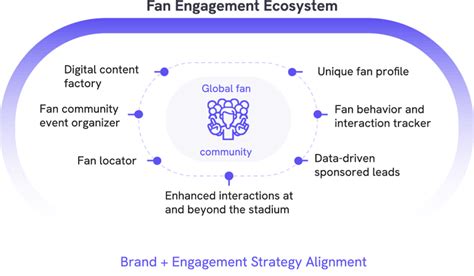
From a fan engagement perspective, the Supercoppa Italiana final serves as a unifying event for supporters of the competing teams and Italian football as a whole. The final is often seen as a celebration of the previous season’s achievements, drawing not just the die-hard fans of the two clubs involved but also neutral supporters who view the match as a spectacle of high-stakes football. In recent years, fan engagement has been amplified by digital platforms. Social media campaigns, live streaming, and interactive content allow fans who cannot attend in person to feel connected to the event. Clubs and organizers use these platforms to share behind-the-scenes content, player interviews, and match highlights, creating a sense of inclusivity for fans globally. This approach not only enhances the viewing experience but also reinforces the Supercoppa as a must-watch event in the football calendar.
Moreover, the Supercoppa Italiana final has become a testing ground for innovative fan experiences. Augmented reality (AR) activations, virtual meet-and-greets with players, and gamified apps have been introduced to engage younger audiences. These technologies not only enhance the event’s appeal but also position Italian football as forward-thinking in its approach to fan interaction. For instance, when Juventus faced Napoli in the 2021 Supercoppa final in Reggio Emilia, digital initiatives allowed fans to participate in virtual trophy lifts and access exclusive content, showing how technology can bridge the gap between the physical and digital realms of football fandom.
On a broader scale, the Supercoppa Italiana final plays a role in shaping global football culture. Italy’s footballing heritage is one of the richest in the world, and the Supercoppa serves as a microcosm of this legacy. By pitting the country’s best teams against each other, the event reinforces the prestige of Serie A and its clubs. Hosting the final abroad, as has been the case in countries like Saudi Arabia, China, and Qatar, further amplifies its cultural impact. These international hosts are often motivated by a desire to associate themselves with the glamour of Italian football, using the event as a platform to promote their own footballing ambitions and global visibility. This exchange of cultural and sporting influence creates a two-way street: while Italy exports its footballing brand, host countries gain exposure and credibility in the global football community.
The final also serves as a showcase for Italian football’s identity. Unlike the UEFA Champions League or other pan-European competitions, the Supercoppa Italiana is distinctly national in its focus. This allows it to highlight the unique characteristics of Italian football, such as its tactical sophistication, passionate fan base, and the historic rivalries between clubs like Juventus, Inter Milan, and AC Milan. These elements resonate with international audiences, particularly in regions where Italian football has a strong following. For instance, the final’s global broadcast reach ensures that fans in South America, Asia, and Africa are exposed to the nuances of Italian football, fostering a deeper appreciation for its style and history.
However, the event is not without its cultural challenges. When hosted abroad, the Supercoppa Italiana can face criticism for prioritizing financial gain over accessibility for Italian fans. Some argue that moving the final overseas dilutes its cultural significance for local supporters who may feel disconnected from an event taking place thousands of miles away. This tension underscores the need for balance: while international hosts provide financial incentives and global exposure, the event’s roots in Italian football culture must be preserved to maintain its authenticity and emotional resonance with domestic fans.

Another dimension of its cultural impact is its role in promoting inclusivity and diversity in football. The Supercoppa Italiana final often features initiatives aimed at promoting social causes, such as anti-racism campaigns, support for grassroots football, and programs aimed at engaging underrepresented communities. These efforts align the event with broader societal goals, ensuring that its impact extends beyond the pitch. For example, when the final is hosted in regions with emerging football markets, it can inspire local youth to take up the sport, fostering a new generation of players and fans.
In summary, the Supercoppa Italiana final is a multifaceted event with far-reaching economic and cultural implications. It boosts local economies through tourism, merchandise sales, and broadcasting revenues while offering innovative fan engagement opportunities that cater to modern audiences. On a global scale, it serves as a vehicle for Italian football to assert its cultural importance and expand its influence. However, the event must navigate the delicate balance between financial incentives and preserving its domestic cultural significance. By doing so, the Supercoppa Italiana final can continue to be a beacon of football excellence while contributing meaningfully to both local and global contexts.
Participating Teams and Player Dynamics
The Supercoppa Italiana final is a high-stakes encounter that often showcases the best of Italian football, pitting the winners of Serie A against the Coppa Italia champions. This clash of titans is not merely a showcase of skill but also a battleground for contrasting team dynamics, strategic philosophies, and individual brilliance. To fully understand the dynamics of the teams competing in the final, it is essential to delve into their tactical approaches, the roles of their star players, and how these elements interact within the broader context of the match.
The participating teams in the Supercoppa Italiana final are typically among the elite of Italian football—clubs like Juventus, Inter Milan, AC Milan, and Napoli have frequently graced this stage. Each team brings a unique identity shaped by their managerial ethos, squad composition, and historical rivalry. For instance, Juventus, with their storied history of dominance in Serie A, often emphasizes a disciplined, defensively robust system. Under managers like Massimiliano Allegri, their approach has leaned heavily on a low-block defense coupled with swift counterattacks. This strategy has been particularly effective in finals, where caution often trumps extravagance.
In contrast, teams like Inter Milan or Napoli might adopt a more fluid, attacking philosophy. Inter, under Simone Inzaghi, has been known to deploy a 3-5-2 formation that prioritizes width and overlapping runs from wing-backs. This system creates overloads in wide areas, forcing opponents to stretch their defensive shape. Star players such as Lautaro Martínez and Nicolò Barella thrive in this setup, with Martínez’s predatory instincts in the box complementing Barella’s box-to-box energy. Their tactical approach often hinges on maintaining high pressing intensity in the early stages of the game to disrupt the opposition’s buildup play.
On the other hand, AC Milan, under Stefano Pioli, has recently embraced a possession-oriented style that seeks to control the midfield through players like Sandro Tonali and Ismaël Bennacer. Their strategy often involves patiently probing the opposition defense, using the creative talents of players such as Rafael Leão to unlock tight spaces. Leão, in particular, is a game-changer with his ability to dribble past defenders and deliver incisive passes or shots. This contrasts sharply with Juventus’ more pragmatic style, setting up an intriguing clash of philosophies when these teams meet in the final.
The dynamics of star players in the Supercoppa Italiana final often dictate the flow of the match. For example, Juventus’ reliance on a player like Federico Chiesa can be pivotal. Chiesa’s direct running and ability to operate in tight spaces make him a constant threat on the counter. His interplay with a target man like Dušan Vlahović can stretch defenses vertically, creating opportunities in behind. Similarly, Inter’s reliance on seasoned campaigners like Hakan Çalhanoğlu to orchestrate play from deep or deliver precise set-pieces adds another layer of complexity to their approach. Çalhanoğlu’s vision and long-range shooting ability often force opponents to close him down quickly, opening spaces elsewhere on the pitch.
Tactics in the final are also heavily influenced by the psychological state of the teams. A club coming into the match as the Serie A champion might adopt a more conservative approach, aiming to protect their status as the league’s best. Conversely, the Coppa Italia winner, often seen as the underdog in this dynamic, might take a more aggressive stance to prove their worth. This was evident in the 2021 final between Juventus and Napoli, where Napoli’s high-energy pressing under Gennaro Gattuso disrupted Juventus’ rhythm and led to a tightly contested match decided by penalties. Such scenarios highlight how team mentality can shape not just the strategy but also the execution of game plans.
Another critical aspect of player dynamics is how managers utilize their benches. The Supercoppa Italiana final often features tightly contested matches where substitutions can swing the momentum. For instance, a manager might introduce a pacey winger like Inter’s Joaquín Correa to exploit tired legs in the opposition defense late in the game. Similarly, Juventus has often relied on the experience of players like Juan Cuadrado to provide a spark off the bench. These tactical adjustments are not merely about freshness but also about exploiting specific weaknesses that emerge as the game progresses. A well-timed substitution can neutralize a star player or expose a gap in the opponent’s setup.
The role of set-pieces in these finals cannot be overlooked. Teams with strong aerial presences, such as Juventus with defenders like Leonardo Bonucci or Inter with Stefan de Vrij, often look to capitalize on dead-ball situations. Managers invest significant time in rehearsing set-piece routines, knowing that a single moment of brilliance from a corner or free-kick can decide the outcome. This tactical focus is particularly pronounced in finals, where margins are slim, and a momentary lapse in concentration can be costly.
Player fitness and form also play a significant role in shaping the dynamics of the final. The timing of the Supercoppa Italiana—often in January—means that teams are in the thick of their domestic and European campaigns. Fatigue, injuries, and suspensions can alter the expected dynamics. For instance, if a key player like Milan’s Leão is not fully fit, their attacking potency diminishes, forcing the team to adapt. Managers must then rely on squad depth, bringing in players who might not be regular starters but are prepared to step up in high-pressure situations.
In terms of tactical evolution, the Supercoppa Italiana final often reflects broader trends in Italian football. For example, the increasing emphasis on pressing and counter-pressing across Serie A has influenced how teams approach these matches. Managers are more likely to prioritize winning the ball high up the pitch to create goal-scoring opportunities in transition. This shift has made matches more intense and less predictable, as even traditionally defensive teams like Juventus have shown a willingness to adapt to modern trends when necessary.
Ultimately, the Supercoppa Italiana final is a microcosm of Italian football’s diversity and complexity. The interplay of star players, tactical nuance, and team strategies creates a spectacle that goes beyond the simple narrative of a winner and a loser. Each team’s approach is a reflection of their identity, their preparation, and their ambition to etch their name in the history of this prestigious competition. Whether through the calculated pragmatism of Juventus, the dynamic attacking flair of Inter, or the possession-based control of AC Milan, the final serves as a stage where footballing philosophies collide and evolve.
- The tactical setups of teams like Juventus and Inter Milan often reflect their managers' philosophies, with Juventus favoring defensive solidity and Inter emphasizing attacking width.
- Star players like Chiesa, Martínez, and Leão are not just goal threats but also catalysts for their teams' broader strategies.
- Substitutions and set-pieces often serve as decisive factors in tightly contested finals, showcasing the importance of adaptability and preparation.
- The psychological and physical states of teams, influenced by their recent form and the timing of the competition, add layers of unpredictability to the match dynamics.
This deep dive into the participating teams and their player dynamics underscores the richness of the Supercoppa Italiana final as a contest where every detail, from formation choices to individual brilliance, can tip the scales in one team’s favor.
Broadcasting and Media Influence
The Supercoppa Italiana Final has evolved from a domestic showcase of Italian football supremacy to a globally recognized event, thanks in large part to the role of media coverage, streaming platforms, and international broadcasting. This transformation is not merely a byproduct of the sport's growing popularity but a deliberate effort by stakeholders to position the event as a key fixture in the international football calendar. In this section, we assess how these elements have collectively amplified the event's reach, both in terms of audience engagement and commercial impact.
One of the most significant drivers of the Supercoppa Italiana's expanded reach is media coverage. Traditional media outlets, such as television networks and sports newspapers, have long played a role in building anticipation for the match. Italian broadcasters like RAI and Sky Italia have historically provided comprehensive pre-match analysis, live coverage, and post-match commentary. These outlets not only cater to domestic audiences but also serve as a bridge to the Italian diaspora worldwide. Through features on star players, tactical breakdowns, and human-interest stories, media coverage creates a narrative that elevates the Supercoppa beyond a simple football match. For instance, the rivalry between perennial contenders like Juventus and Inter Milan is often framed as a continuation of storied domestic battles, adding emotional weight to the event for fans across Italy and beyond.
However, the advent of streaming platforms has fundamentally altered how the Supercoppa Italiana is consumed. Unlike traditional TV broadcasts, streaming services such as DAZN, Amazon Prime Video, and Paramount+ offer global accessibility, breaking down geographical barriers. These platforms are particularly influential in engaging younger, tech-savvy audiences who prefer on-demand and mobile-friendly viewing experiences. For example, DAZN’s multi-year deal to broadcast Serie A and related events like the Supercoppa has ensured high-definition, multi-language streams that cater to diverse international markets. This shift has not only increased the event’s visibility but also introduced it to audiences in regions where traditional TV coverage might be limited. Streaming platforms also provide interactive features, such as real-time statistics, fan polls, and multi-angle replays, which enhance viewer engagement and create a more immersive experience.
The international broadcasting of the Supercoppa Italiana has been a game-changer in its quest for global prominence. The event is now aired in over 150 countries, a testament to its growing appeal. International broadcasters often tailor their coverage to suit local audiences. For instance, in the Middle East and North Africa (MENA) region, beIN Sports provides Arabic commentary and culturally relevant pre-match shows that resonate with local football enthusiasts. Similarly, in Asia, particularly in countries like China and Japan, where Italian clubs like AC Milan and Inter have large fan bases, broadcasters emphasize star players and historic club narratives to draw viewers. This localization of content ensures that the Supercoppa is not just watched but actively followed and discussed in diverse cultural contexts.
A unique aspect of the Supercoppa Italiana’s media strategy is its timing and venue flexibility. Unlike league matches confined to Italy, the Supercoppa has often been hosted in international locations such as Saudi Arabia, Qatar, and the United States. This move is partly driven by lucrative broadcasting deals and sponsorship opportunities in these regions. For example, hosting the event in Saudi Arabia not only brings in significant revenue but also ensures that local media outlets and broadcasters heavily promote the match. This creates a dual effect: it increases the event's visibility in the host country while simultaneously drawing attention from global audiences curious about the exotic venue. The international hosting strategy also allows for extended media campaigns, including press tours, player interviews in local languages, and collaborations with regional influencers to generate buzz.
The role of social media and digital content cannot be overlooked in amplifying the Supercoppa's reach. Platforms like Instagram, TikTok, and YouTube serve as secondary stages where the event is promoted through highlight reels, player interviews, and fan-generated content. Clubs participating in the Supercoppa often run coordinated campaigns to engage their global fan bases. For example, Juventus and Inter Milan might share behind-the-scenes footage of their preparations, training sessions, or even light-hearted moments involving players. These efforts are amplified by influencers and football content creators who provide real-time commentary, memes, and match analyses, further embedding the event in the digital zeitgeist. Streaming platforms also leverage these platforms to drive traffic to their services, using targeted ads and exclusive clips to entice viewers.
Another critical factor is the commercial influence of broadcasting rights. The Supercoppa Italiana’s media deals are often packaged alongside Serie A rights, creating a bundled offering that appeals to broadcasters seeking year-round Italian football content. This bundling strategy not only ensures consistent exposure for the event but also incentivizes broadcasters to invest in high-quality production values. For instance, international networks might deploy state-of-the-art camera technologies, drone shots, and augmented reality graphics to make their coverage stand out. These production enhancements not only enrich the viewing experience but also position the Supercoppa as a premium event worthy of global attention.
The impact of international media narratives also plays a role in shaping perceptions of the event. Sports journalists and pundits often frame the Supercoppa as a "clash of titans," particularly when it features clubs with rich histories like AC Milan, Inter, or Napoli. These narratives are amplified by global sports outlets such as ESPN, BBC Sport, and Marca, which provide extensive coverage in multiple languages. This international attention not only boosts the event’s prestige but also influences how it is perceived by sponsors and advertisers. A well-publicized Supercoppa final can lead to higher ad rates, more sponsorship deals, and increased merchandise sales, creating a positive feedback loop that benefits all stakeholders.
Despite its successes, the media and broadcasting landscape for the Supercoppa Italiana is not without challenges. For instance, time zone differences can limit live viewership in certain regions, particularly in the Americas and Asia. To address this, broadcasters often offer delayed telecasts or condensed highlight packages. However, this can dilute the immediacy and excitement of live events. Another challenge is the competition from other football events, such as the UEFA Super Cup or domestic cup finals in other countries, which may draw attention away from the Supercoppa. To counter this, Italian football authorities and broadcasters have worked to schedule the event during less crowded periods in the football calendar, ensuring it remains a focal point for fans and media alike.
In conclusion, the role of media coverage, streaming platforms, and international broadcasting in amplifying the Supercoppa Italiana’s reach is multifaceted and deeply strategic. From traditional TV networks to cutting-edge streaming services, each element contributes to transforming the event into a global spectacle. The combination of localized content, innovative production techniques, and digital engagement ensures that the Supercoppa Italiana is not just a celebration of Italian football but a truly international event with a footprint that extends far beyond its home country.
Comparison with Similar Competitions
The Supercoppa Italiana is Italy's premier super cup competition, pitting the winners of the Serie A championship against the Coppa Italia victors. While it is a well-established fixture in Italian football, it shares conceptual similarities with other "super cup" competitions around Europe and the world. However, a detailed comparison with similar competitions such as the UEFA Super Cup and the Spanish Super Cup reveals distinct differences in format, purpose, historical evolution, and cultural significance. These distinctions offer a clearer understanding of what makes the Supercoppa Italiana unique in the broader landscape of super cup tournaments.

The UEFA Super Cup is perhaps the most analogous competition to the Supercoppa Italiana in terms of its foundational premise: it features the winners of two prestigious tournaments—the UEFA Champions League and the UEFA Europa League—competing for a singular trophy. However, the UEFA Super Cup differs significantly in its scope and participants. Unlike the Supercoppa Italiana, which is a national competition confined to Italian clubs, the UEFA Super Cup is a continental event that brings together the best of European club football. This difference in scale inherently affects the prestige and audience of the two competitions. The UEFA Super Cup often serves as a curtain-raiser for the European season, attracting global attention as it features clubs with diverse fanbases across continents. In contrast, the Supercoppa Italiana is more regionally focused, primarily appealing to Italian football enthusiasts and those with a vested interest in Serie A dynamics. This regional focus allows the Supercoppa Italiana to retain a more intimate connection with its domestic fanbase, even if its global reach is comparatively limited.
Another key difference lies in the format and frequency of the competitions. The UEFA Super Cup is a one-off match played at a neutral venue, often in a different country each year, which adds an element of unpredictability and novelty. This traveling format enhances its appeal as a unique event that rotates among European cities, creating opportunities for diverse fan engagement. The Supercoppa Italiana, on the other hand, has historically oscillated between being a one-off match and a two-legged tie. In recent years, it has often been played as a single match, sometimes hosted in neutral locations such as Saudi Arabia or Qatar. This international hosting trend, while aimed at expanding commercial opportunities and global visibility, has sparked debates about the competition's authenticity and connection to its Italian roots. Unlike the UEFA Super Cup, which maintains its neutral-venue tradition consistently, the Supercoppa Italiana's shifting formats and venues can sometimes dilute its identity as a distinctly Italian event.
The Spanish Super Cup provides another interesting point of comparison. Traditionally, the Spanish Super Cup was a two-team affair like the Supercoppa Italiana, featuring the winners of La Liga and the Copa del Rey. However, in 2019, the Spanish Football Federation revamped the competition into a four-team mini-tournament involving the top two teams from La Liga and the two Copa del Rey finalists. This transformation introduced a new dynamic, turning the Spanish Super Cup into a more elaborate event with semi-finals and a final. This shift contrasts sharply with the Supercoppa Italiana's steadfast adherence to its two-team format. The Spanish Super Cup’s evolution reflects a deliberate attempt to create a more engaging spectacle, potentially increasing revenue and fan interest. The Supercoppa Italiana, by maintaining its simpler structure, emphasizes tradition and direct competition between two clear titleholders. This traditional approach ensures the competition remains focused on its original intent—celebrating the past season's domestic achievements—without overcomplicating its structure for commercial gain.
Another unique aspect of the Supercoppa Italiana is its timing. Unlike the Spanish Super Cup, which has been held in January or even later in the season since its format change, the Supercoppa Italiana is typically scheduled at the start of the new football season or, in some cases, during the winter break. This timing aligns it more closely with the UEFA Super Cup, which is also played at the beginning of the season. However, the Supercoppa Italiana’s winter scheduling in certain years introduces logistical challenges, such as player fatigue during a congested fixture list. This contrasts with the Spanish Super Cup, which has embraced a mid-season or early-season model to maximize player availability and audience engagement. The timing of the Supercoppa Italiana, while sometimes criticized for its impact on team preparedness, underscores its role as a bridge between seasons rather than a disruptive mid-season event.
The historical evolution of the competitions also reveals unique trajectories. The Supercoppa Italiana was first played in 1988, making it a relatively young competition compared to the UEFA Super Cup, which began in 1972. Despite its later inception, the Supercoppa Italiana has maintained a consistent identity as a two-team showdown, reflecting Italian football's emphasis on direct rivalries and straightforward competition. In comparison, the Spanish Super Cup's recent format change demonstrates a willingness to experiment with tradition to adapt to modern football's demands. The Supercoppa Italiana’s resistance to such changes can be seen as both a strength and a limitation—it preserves the competition's original essence but risks falling behind in terms of innovation and commercial appeal.
From a cultural perspective, the Supercoppa Italiana carries a unique weight in Italy due to the historical significance of Serie A and the Coppa Italia. Italian football has long been characterized by intense regional rivalries and a deep-rooted passion for domestic titles. This cultural backdrop elevates the Supercoppa Italiana as a symbol of national pride and a celebration of Italian football's competitive spirit. In contrast, the UEFA Super Cup, while prestigious, often feels like a broader European event rather than one tied to a specific national identity. Similarly, the Spanish Super Cup's recent format changes have sometimes been viewed as a commercial endeavor rather than a reflection of Spanish football's cultural essence. The Supercoppa Italiana’s adherence to its two-team format reinforces its role as a pure expression of Italian football tradition rather than a vehicle for experimentation or revenue maximization.
Finally, the broadcast and commercial aspects of these competitions highlight further differences. The UEFA Super Cup benefits from its status as a pan-European event, attracting sponsorships and broadcasting deals that cater to a global audience. The Spanish Super Cup’s recent format changes have also boosted its commercial value, with high-profile tournaments in Saudi Arabia generating significant revenue. The Supercoppa Italiana, while commercially successful in its own right, has sometimes faced criticism for hosting matches in countries like Saudi Arabia, where the motivations are perceived as more financially driven than culturally aligned. This has occasionally led to questions about whether the competition is prioritizing revenue over its connection to Italian fans.
In summary, while the Supercoppa Italiana shares a conceptual foundation with competitions like the UEFA Super Cup and Spanish Super Cup, it stands out for its regional focus, traditional two-team format, and historical consistency. These features make it a competition deeply rooted in Italian football culture, even as it navigates the challenges of modernization and globalization. By maintaining its simplicity and directness, the Supercoppa Italiana preserves its identity as a celebration of domestic success, even as other super cups evolve into more elaborate or commercially driven events.
Challenges and Controversies
The Supercoppa Italiana, a fixture that pits the winners of Serie A against the Coppa Italia champions, has long been a celebrated event in Italian football. However, beneath its glamorous surface lies a history punctuated by controversies, logistical challenges, and heated debates that have often overshadowed the on-field action. This section delves into the multifaceted issues surrounding the competition, particularly focusing on venue choices, scheduling conflicts, and their broader implications for the sport and its stakeholders.
One of the most persistent points of contention is the choice of venue. Traditionally held in Italy, the Supercoppa Italiana has increasingly been hosted abroad in countries like Saudi Arabia, Qatar, and the United States. This shift, while financially lucrative for the Italian football federation (FIGC), has sparked significant debate. Critics argue that exporting the competition diminishes its cultural significance and alienates local fans who may feel disconnected from a match that no longer feels "Italian." For instance, when the 2019 Supercoppa was held in Jeddah, Saudi Arabia, human rights organizations raised concerns about the host country's record on civil liberties and women's rights. This led to boycotts and public outcries from fans and even some Italian politicians, who questioned the ethics of associating the competition with such a regime. While FIGC defended the move as a way to "globalize the brand of Italian football," the ethical dilemma remains unresolved and continues to haunt the competition's reputation.
Another logistical challenge is the impact of venue choices on team preparation and performance. When the Supercoppa is held in far-flung locations, teams often face arduous travel schedules during an already congested season. For example, in 2016, Juventus and Milan traveled to Doha, Qatar, in the middle of their domestic campaigns. The long-haul flight, combined with the abrupt change in climate, raised questions about player welfare and fairness. Coaches have frequently lamented the physical toll such travel takes on their squads, particularly when they are expected to return and compete in high-stakes Serie A matches within days. This logistical strain is exacerbated by the fact that the timing of the Supercoppa often clashes with the winter break, a period intended for rest and recovery. Teams are forced to recalibrate their training schedules, which can disrupt momentum and increase the risk of injuries. These issues highlight how the competition's commercial interests sometimes outweigh the practical needs of the teams involved.
Scheduling conflicts are another recurring theme in the Supercoppa Italiana's history. Unlike other domestic super cups, which are typically held before the season begins, the Supercoppa Italiana has often been scheduled mid-season or even as late as January. This creates a unique set of problems. For instance, in 2020, the match between Juventus and Napoli was postponed due to COVID-19-related issues, with Napoli initially unable to travel due to local health restrictions. The ensuing legal battle between the club and FIGC over whether Napoli should forfeit the match highlighted the lack of contingency planning in the competition's framework. Such scheduling chaos not only disrupts the teams but also frustrates fans who plan their calendars around these events. Additionally, mid-season scheduling often results in uneven fixture lists for the participating teams. A club that has to play the Supercoppa in January might face a tougher run of league games immediately afterward, while their non-participating rivals enjoy a less congested schedule. This imbalance can inadvertently affect the competitiveness of Serie A as a whole.
The broadcast and sponsorship deals tied to the Supercoppa also warrant scrutiny. Hosting the event abroad often involves lucrative contracts with foreign broadcasters and sponsors, but these deals are not without controversy. For example, when the 2018 edition was held in Saudi Arabia, the match was not broadcast in Italy on free-to-air television, limiting access for domestic fans. This move was seen as a commercial overreach that prioritized revenue over accessibility. Moreover, the deals negotiated with host countries often come with strings attached, such as requirements for teams to participate in promotional events or engage in activities that may not align with their values. These dynamics raise questions about who truly benefits from the Supercoppa's globalization—is it the fans, the clubs, or the governing bodies and their partners?
Debates around the format of the competition have also fueled controversies. Traditionally a single-match final, the Supercoppa has occasionally experimented with different formats. For instance, in 2000 and 2003, the competition was played over two legs, with one match hosted by each team. While this approach aimed to give both teams a home advantage, it was criticized for lengthening an already packed season. The return to a single-match format was welcomed by many, but the venue uncertainty has meant that teams and fans often do not know where or when the match will take place until late in the planning process. This lack of predictability can lead to reduced engagement from supporters who may be hesitant to commit to travel or ticket purchases without clear information.
Another layer of complexity is the perception of favoritism or bias in how venues and schedules are determined. Some critics have suggested that the FIGC's decisions are influenced by financial incentives rather than what is best for the sport. For example, the choice to repeatedly host the Supercoppa in Saudi Arabia has been interpreted by some as a political or economic alignment rather than a neutral sporting decision. This perception is further fueled by the lack of transparency in how hosting rights are awarded. A more open and democratic process for selecting venues—perhaps involving fan input or clearer criteria—could help mitigate such criticisms.
It is also worth considering the fan experience in these debates. When the Supercoppa is held abroad, local fans are often priced out of attending due to high travel costs and ticket prices. This creates a disconnect between the competition and its traditional audience, many of whom view the event as a celebration of Italian football culture. The absence of a vibrant, local crowd can make the matches feel sterile, especially when played in front of half-empty stadiums in foreign locations. This issue was particularly evident in 2014 when the match in Doha saw a subdued atmosphere compared to the electric environments typically associated with Italian football.
Lastly, the relevance of the Supercoppa itself has been called into question. Some argue that the competition is a secondary trophy that pales in comparison to Serie A or the Coppa Italia in terms of prestige. This perception can make controversies surrounding its organization feel even more pronounced, as fans and stakeholders wonder whether the logistical headaches and ethical dilemmas are worth it for what is often seen as a glorified friendly. Addressing this requires the FIGC to reassess the competition's purpose and potentially reimagine it as a more integral part of the Italian football calendar.
In conclusion, the Supercoppa Italiana is a competition steeped in tradition but fraught with modern challenges. From ethical concerns about venue choices to logistical nightmares and debates over its format and relevance, the event is a microcosm of the tensions between commercialization and tradition in contemporary football. While the competition has provided memorable moments on the pitch, its off-field controversies serve as a reminder that the beautiful game is not immune to the complexities of globalization and profit-driven decision-making.
Future of the Supercoppa Italiana
The Supercoppa Italiana, a prestigious annual football event that pits the Serie A champions against the Coppa Italia winners, has evolved significantly since its inception in 1988. While the event has traditionally been a straightforward clash between two top-tier Italian teams, the landscape of global football is changing rapidly, driven by technological advancements, shifting fan expectations, and the globalization of the sport. These factors present both challenges and opportunities for the future of the Supercoppa Italiana. Below, we explore potential changes, innovations, and trends that could shape the event in the coming years.
One of the most significant trends likely to impact the Supercoppa Italiana is the globalization of football. Traditionally held in Italy, the event has occasionally ventured abroad to countries like the United States, China, and Qatar. This international approach has been driven by the desire to expand the audience and tap into lucrative overseas markets. In the future, we can expect this trend to intensify. Organizers may opt for a rotational hosting model similar to that of the UEFA Champions League final, where the event is held in a different country each year. This would not only cater to the growing international fan base but also provide Italian football with a platform to showcase its brand in emerging markets such as India, Southeast Asia, and Africa. However, this approach must balance commercial interests with the need to preserve the event's Italian identity and ensure accessibility for domestic fans.
Another area of potential innovation lies in technological integration. The use of technology in football has grown exponentially, from VAR (Video Assistant Referee) to performance analytics. For the Supercoppa Italiana, there is room to adopt cutting-edge technologies to enhance the viewing experience. For instance, augmented reality (AR) and virtual reality (VR) could allow fans to immerse themselves in the match environment, whether they are in the stadium or watching from home. Imagine a fan using AR glasses to see live player stats hovering above the pitch or VR setups that let viewers feel as though they are sitting in the stands of the San Siro or the Stadio Olimpico. Additionally, AI-driven match analytics could provide real-time insights to commentators and fans, enriching the narrative of the game. These technologies would not only attract younger, tech-savvy audiences but also position the Supercoppa Italiana as a forward-thinking event in the global football calendar.
The evolution of competition formats is another area ripe for change. While the current one-off match format is efficient, there is growing interest in expanding such events to include more teams or fixtures. For example, the Supercoppa Italiana could adopt a four-team format similar to Spain's Supercopa de España, which features the top two teams from La Liga and the Copa del Rey finalists. This would allow the inclusion of the Serie A runners-up or Coppa Italia semi-finalists, creating a mini-tournament that spans a few days. Such a format could increase the event's appeal by offering more matches, higher stakes, and greater engagement for fans. However, this approach would require careful scheduling to avoid fixture congestion, particularly given the packed calendars of top Italian clubs participating in UEFA competitions.
The sustainability movement in sports is another critical factor that could shape the Supercoppa Italiana's future. Football organizations worldwide are under increasing pressure to reduce their environmental impact, and the Supercoppa Italiana is no exception. Future editions of the event could prioritize carbon-neutral initiatives, such as offsetting travel emissions for teams and fans, using eco-friendly materials for event branding, and hosting matches in stadiums powered by renewable energy. Furthermore, there is potential to incorporate community-focused initiatives, such as youth football clinics or charitable partnerships tied to the event. These efforts would not only align the Supercoppa Italiana with global sustainability goals but also enhance its reputation as a socially responsible event.
The role of digital fan engagement is set to grow significantly. With the rise of social media, streaming platforms, and interactive apps, fans expect more personalized and immersive experiences. The Supercoppa Italiana could leverage direct-to-consumer (DTC) streaming services to offer exclusive content, such as behind-the-scenes footage, player interviews, and interactive polls during the match. Additionally, gamification elements—such as fantasy football tie-ins or real-time prediction games—could keep fans engaged before, during, and after the event. Organizers might also explore NFTs (non-fungible tokens) as a way to offer unique digital collectibles, such as limited-edition match highlights or virtual trophies, further monetizing the event while catering to a tech-oriented audience.
Another intriguing possibility is the integration of women's football into the Supercoppa Italiana framework. As women's football continues to grow in popularity and visibility, there is an opportunity to include a women's Supercoppa Italiana match as part of the event. This could take the form of a double-header, where the men's and women's matches are played back-to-back in the same venue. Such a move would not only promote gender equality in football but also attract a more diverse audience. It would also align with broader efforts by football associations to invest in and elevate women's sports.
Finally, the shifting power dynamics within Italian football could influence the Supercoppa Italiana's structure and prestige. The dominance of traditional powerhouses like Juventus, AC Milan, and Inter Milan has shaped the event's history, but the rise of teams like Atalanta, Napoli, and Lazio introduces new narratives and fan bases. Organizers might consider introducing performance-based qualifiers that allow smaller clubs to participate under certain conditions, such as winning a European competition or achieving a specific league milestone. This would add an element of unpredictability and excitement, making the event less predictable and more inclusive.
In summary, the future of the Supercoppa Italiana is poised at a crossroads of tradition and innovation. By embracing globalization, technological advancements, sustainable practices, and inclusive competition formats, the event can remain relevant and appealing in an ever-evolving football landscape. While the core of the Supercoppa Italiana—a celebration of Italian football excellence—will likely remain intact, the ways in which it is presented, experienced, and expanded will determine its place in the future of the sport. Whether through AR-enhanced broadcasts, expanded tournament formats, or sustainability-driven initiatives, the Supercoppa Italiana has the potential to not only adapt to the future but to lead the way in redefining how football events are conceived and executed.