Introduction to Stadio Olimpico
The Stadio Olimpico in Rome is not merely a sports venue; it is a living testament to Italy's rich sporting history and cultural identity. Nestled within the Foro Italico sports complex in the northern part of the city, this iconic stadium has been a central figure in Italian sports for over half a century. Its location in Rome, a city steeped in history and global significance, adds to its allure. The Stadio Olimpico is more than a place where games are played; it is a symbol of unity, competition, and national pride, deeply intertwined with the fabric of Italian society.
The stadium's geographical location within Rome is significant. Situated near the banks of the Tiber River and surrounded by the lush greenery of the Foro Italico, the Stadio Olimpico benefits from an idyllic yet accessible setting. Its proximity to key landmarks such as Vatican City and the historic center of Rome makes it a destination that blends sports with tourism. Visitors to the stadium often find themselves enveloped in the broader experience of Roman culture, from the ancient ruins to the modern vibrancy of the city. This duality—of being both a sports hub and a cultural touchpoint—makes the Stadio Olimpico unique among stadiums worldwide. Its accessibility via public transport and its integration into Rome’s urban landscape further cement its role as a focal point for both locals and international visitors.
Constructed in the 1930s and initially named the Stadio dei Cipressi, the venue underwent significant transformations over the decades to become the modern structure it is today. Its current form, largely shaped during the 1990 FIFA World Cup renovations, seats approximately 70,000 spectators and adheres to the highest standards of international sports infrastructure. However, its evolution is not merely architectural. The Stadio Olimpico has borne witness to some of the most pivotal moments in Italian sports history, from hosting the 1960 Summer Olympics to being the stage for countless football matches that have defined the trajectories of Serie A and European competitions. This layered history gives the stadium a sense of gravitas that few venues can match.
In the realm of Italian sports, the Stadio Olimpico holds a position of unparalleled prominence. It is the shared home of two of Italy’s most storied football clubs, AS Roma and SS Lazio, whose fierce rivalry adds an electric atmosphere to matches played here. The stadium's role as a neutral ground for the Coppa Italia finals and its regular use for international fixtures underscore its importance in the national football landscape. Beyond football, the Stadio Olimpico has hosted major athletic events, rugby matches, and even large-scale concerts, showcasing its versatility. This adaptability is a testament to the stadium’s design, which balances the needs of various sports and entertainment formats while maintaining its historic character.
The stadium’s significance in Italian culture extends beyond sports. It has become a venue where moments of collective joy, disappointment, and unity are experienced on a grand scale. For instance, the 2006 FIFA World Cup victory parade, which culminated at the Stadio Olimpico, encapsulated the nation’s euphoria after Italy’s fourth World Cup win. Such events highlight how the stadium serves as a communal space where the highs and lows of Italian identity are played out. Moreover, its role in hosting non-sporting events, such as papal audiences and cultural festivals, illustrates how the Stadio Olimpico transcends its primary function to become a stage for a wide array of human experiences.
The architectural features of the Stadio Olimpico also deserve mention. While modernized over the years, the stadium retains elements of its original design, blending classical and contemporary aesthetics. The open-air structure, with its curved stands and lack of a roof, creates an immersive experience for spectators, allowing them to feel connected to the game and the surrounding environment. This design choice reflects a distinctly Italian approach to sports venues—one that prioritizes the sensory and emotional experience of the audience over sheer capacity or technological extravagance. The stadium’s integration into the Foro Italico complex, with its marble statues and grand avenues, adds a layer of artistic and historical depth rarely found in modern sports facilities.
Another unique aspect of the Stadio Olimpico is its role in international sports diplomacy. Rome, as a global city, has often used the stadium to project Italy’s image on the world stage. Hosting events like the UEFA Champions League finals and the European Athletics Championships positions the Stadio Olimpico as a venue that not only represents Italian excellence but also serves as a bridge between nations. These events bring together athletes, fans, and dignitaries from around the world, reinforcing the stadium’s role as a space for cultural exchange and mutual understanding.
The Stadio Olimpico’s historical resonance is also tied to its role in Italy’s sociopolitical narrative. During the mid-20th century, sports venues like this one were often used to showcase the ideals of unity and strength under various regimes. While the political overtones of that era have faded, the stadium remains a space where Italians can come together, irrespective of their differences, to celebrate shared passions. This continuity of purpose—from being a tool of state propaganda to a neutral ground for unfiltered public expression—demonstrates the Stadio Olimpico’s enduring adaptability and relevance.
In addition to its physical and historical attributes, the Stadio Olimpico has a symbolic importance in how it represents the intersection of tradition and modernity in Italian sports. While the stadium embraces technological upgrades, such as improved lighting and digital ticketing systems, it remains deeply rooted in its historical context. This balance is reflective of Rome itself—a city where ancient ruins coexist with contemporary life. The Stadio Olimpico embodies this duality, offering a space where the legacies of past generations meet the aspirations of future ones.
In summary, the Stadio Olimpico is more than a physical structure; it is a living, breathing entity that encapsulates the spirit of Rome and Italy. Its location, history, and cultural significance make it a cornerstone of Italian sports and a beacon of national identity. Whether through the roar of football fans, the grace of athletes on its track, or the shared experiences of its diverse events, the Stadio Olimpico stands as a monument to the enduring power of sports to unite, inspire, and elevate.
- The stadium is located in the Foro Italico complex, blending sports with Rome’s cultural landscape.
- It has hosted pivotal events, including the 1960 Olympics and the 2006 World Cup victory celebrations.
- Its design reflects a balance of classical and modern aesthetics, emphasizing the spectator experience.
- The Stadio Olimpico serves as a venue for sports, cultural, and diplomatic events, showcasing its versatility.
Historical Background
The Stadio Olimpico in Rome is not merely a sports venue; it is a historical monument that encapsulates Italy's rich sporting and architectural legacy. Its origins are deeply tied to the nation's ambition to showcase its post-war resurgence on the global stage, particularly through the 1960 Summer Olympics. To understand the stadium’s historical background, one must delve into its conception, the socio-political climate of its construction, and its transformation over the decades.
The idea for a modern stadium in Rome began to take shape in the early 20th century, as Italy sought to establish itself as a leader in international sports. However, the project gained serious momentum in the 1920s and 1930s under Benito Mussolini’s fascist regime. Mussolini viewed sports as a tool for propaganda and national pride, and he initiated the construction of the Foro Mussolini (now known as Foro Italico), a sprawling sports complex designed to embody the ideals of strength and modernity. Within this complex, the original stadium, known as the Stadio dei Cipressi, was built in 1932. This precursor to the Stadio Olimpico was part of a larger vision to host international events, although the outbreak of World War II delayed these ambitions.
After the war, Italy faced the dual challenge of rebuilding its infrastructure and reasserting its identity. By the late 1940s, the Stadio dei Cipressi was seen as insufficient for the scale of events Rome aspired to host. The opportunity to host the 1960 Summer Olympics provided the perfect catalyst for a complete overhaul. The International Olympic Committee (IOC) awarded Rome the games in 1955, and this decision set in motion an ambitious renovation and expansion project. The Stadio dei Cipressi was transformed into the Stadio Olimpico, a venue capable of hosting the world's most prestigious athletic competitions.
The construction of the Stadio Olimpico was a feat of engineering and design. Italian architects Annibale Vitellozzi and Carlo Roccatelli were tasked with creating a stadium that could accommodate over 50,000 spectators while adhering to the aesthetic principles of the time. The design incorporated a blend of modern functionality and classical Italian elegance. The stadium featured an open-air structure with a running track encircling the field, ensuring versatility for both athletics and football. Its elliptical shape and the use of reinforced concrete were innovative for the era, allowing for unobstructed views and a sense of grandeur. The stadium was officially inaugurated on August 17, 1953, although further enhancements were made in the years leading up to the Olympics to meet the IOC’s standards.
The 1960 Summer Olympics were a watershed moment for Rome and the Stadio Olimpico. The games were seen as a symbol of Italy’s recovery and modernization after the devastation of World War II. The stadium hosted the opening and closing ceremonies, as well as key athletic events, including the memorable 5,000-meter race where Australian runner Herb Elliott set a new world record. These games were also significant for their cultural impact; they were among the first to be televised internationally, bringing the Stadio Olimpico into living rooms around the world. This global exposure cemented the stadium’s reputation as a world-class venue.
Following the Olympics, the Stadio Olimpico did not fade into obscurity. Instead, it became a central fixture in Italian sports. It is perhaps best known as the shared home of Rome’s two major football clubs, AS Roma and SS Lazio. The stadium’s role in domestic football has been pivotal, hosting countless Serie A matches, Coppa Italia finals, and high-stakes derby matches between the two rival teams. This dual-use underscores the stadium’s adaptability, as it transitioned from an Olympic venue to a cornerstone of Italian football culture.
Over time, the Stadio Olimpico has undergone several renovations to keep pace with modern standards. One of the most significant upgrades came in preparation for the 1990 FIFA World Cup, hosted by Italy. The stadium was expanded to seat over 72,000 spectators, and a roof was added to parts of the structure to enhance spectator comfort and provide a more modern aesthetic. These changes were not without controversy, as some critics argued that the renovations compromised the stadium’s original architectural integrity. However, the updates ensured that the venue could continue to host major international events, such as the UEFA Champions League finals in 1996, 2009, and 2024.
The stadium’s evolution also reflects broader trends in sports infrastructure. In the 21st century, there has been a growing emphasis on sustainability and fan experience. While the Stadio Olimpico has largely retained its original layout, there have been discussions about further modernizing the venue to include features like retractable roofs, state-of-the-art hospitality suites, and improved accessibility. These potential changes highlight the tension between preserving the stadium’s historical character and adapting to contemporary demands.
Beyond sports, the Stadio Olimpico has played a role in cultural and political events. It has hosted concerts by global icons such as The Rolling Stones, Madonna, and U2, underscoring its versatility as a venue. Additionally, its location within the Foro Italico complex, surrounded by statues and mosaics from the fascist era, has sparked debates about how to contextualize the stadium’s history. Some view these elements as a reminder of Italy’s complex past, while others argue for their removal or reimagining to align with modern sensibilities.
The Stadio Olimpico’s historical trajectory also reflects the broader narrative of Rome as a city that straddles antiquity and modernity. While the Colosseum symbolizes ancient Rome’s grandeur, the Stadio Olimpico represents the city’s ability to adapt and innovate while honoring its legacy. This duality makes the stadium not just a venue but a living artifact of Italy’s journey through the 20th and 21st centuries.
- The Stadio dei Cipressi was the precursor to the Stadio Olimpico, built during Mussolini’s regime as part of a larger sports complex.
- The 1960 Summer Olympics marked the stadium’s international debut, showcasing Italy’s post-war recovery to the world.
- Renovations for the 1990 FIFA World Cup expanded the stadium’s capacity and modernized its facilities, though they sparked debates about preserving its original design.
- The stadium remains a shared home for AS Roma and SS Lazio, reinforcing its importance in Italian football culture.
In summary, the Stadio Olimpico is more than a structure of steel and concrete; it is a chronicle of Rome’s ambitions, resilience, and adaptability. From its origins as a symbol of fascist-era aspirations to its role in hosting global spectacles, the stadium has continually evolved while retaining its essence. Its historical background is a testament to how sports venues can serve as mirrors of societal change, embodying both the triumphs and complexities of their times.
Architectural Features
The Stadio Olimpico in Rome is a monument to both sports and architecture, embodying a blend of historical significance and modern design. As one of Italy's most iconic stadiums, its architectural features are a testament to the evolution of stadium design over the decades. This section delves into the design elements, capacity considerations, and unique architectural aspects that make the Stadio Olimpico a standout structure in the world of sports venues.
The stadium was originally constructed in the 1930s as part of the Foro Mussolini (now known as the Foro Italico) sports complex, a project intended to showcase Fascist Italy’s grandeur and ambition. Its initial design was modest compared to its current form, with a seating capacity of around 50,000. However, its transformation over the years, particularly for the 1960 Summer Olympics and the 1990 FIFA World Cup, brought about significant architectural upgrades that redefined its identity. The stadium was designed to be versatile, capable of hosting not only football matches but also athletics events, concerts, and large-scale ceremonies. This multifunctional purpose required careful thought in its design to balance capacity with viewer experience and structural integrity.
One of the most striking design elements of the Stadio Olimpico is its elliptical shape. Unlike modern "bowl" stadiums that prioritize enclosed spaces, the Stadio Olimpico's open-ended design allows for a sense of expansiveness. This shape is not merely aesthetic but functional. The elliptical form facilitates better sightlines for spectators, ensuring that even those seated in the furthest corners have a relatively unobstructed view of the field. The curvature of the stands also contributes to acoustics, amplifying crowd noise and creating an immersive atmosphere during events. This design choice harkens back to classical amphitheaters, where sound and visibility were paramount considerations.
The capacity of the Stadio Olimpico has evolved over time, reflecting the growing demands of modern sports and entertainment. Following its renovation for the 1990 World Cup, the stadium's seating capacity was increased to approximately 72,698. This renovation included the addition of a roof structure that partially covers the stands, a feature that was absent in its earlier iterations. The roof, made of lightweight materials and supported by steel trusses, serves both practical and symbolic purposes. It protects spectators from the elements while also symbolizing the fusion of tradition and modernity—an open-air venue with a nod to contemporary engineering. The roof’s partial coverage maintains the balance between an outdoor experience and comfort, a critical consideration given Rome’s Mediterranean climate.
Another unique architectural aspect of the Stadio Olimpico is its integration into the Foro Italico complex. Unlike many stadiums that stand as isolated entities, this venue is part of a larger sports and recreational area that includes swimming pools, tennis courts, and monuments. The stadium’s placement within this complex reflects a holistic approach to urban planning, where sports infrastructure is not just a standalone facility but a node in a network of interconnected spaces. This integration also means that the Stadio Olimpico benefits from the surrounding green areas and pedestrian pathways, which enhance the overall experience for visitors. The use of travertine stone in parts of the stadium’s exterior is a deliberate nod to classical Roman architecture, subtly linking the modern structure to the city’s ancient heritage.
The seating arrangement within the stadium is another area of interest. The stands are divided into two tiers, with the lower tier offering proximity to the field and the upper tier providing panoramic views. This dual-tier system is a deliberate attempt to cater to diverse audience needs. For instance, the lower tier is ideal for passionate football fans who want to feel close to the action, while the upper tier accommodates those seeking a broader perspective of the game or event. The inclusion of VIP boxes and hospitality suites further diversifies the audience experience, appealing to corporate sponsors and high-profile guests. These areas are designed with luxury in mind, featuring premium finishes and exclusive access points, which add a layer of exclusivity to the stadium’s offerings.

A less discussed but equally important feature is the lighting design of the Stadio Olimpico. Stadiums of this scale require advanced lighting systems to ensure optimal visibility during evening events. The lighting at Stadio Olimpico is not merely functional but also atmospheric. The arrangement of floodlights around the roofline creates a halo effect, illuminating the field while casting a soft glow on the surrounding stands. This design choice enhances the visual appeal of night events and contributes to the stadium’s reputation as a venue that can deliver a spectacle.
The accessibility of the stadium is another area where its architecture shines. Large events demand efficient crowd management, and the Stadio Olimpico addresses this through its network of entry and exit points, wide concourses, and multiple staircases. These features are not just practical but are integrated into the design in a way that minimizes bottlenecks and ensures smooth movement of large crowds. The stadium also incorporates modern amenities such as elevators and ramps to accommodate individuals with disabilities, a relatively recent addition that reflects evolving standards in inclusive design.
One cannot discuss the Stadio Olimpico’s architectural features without mentioning its historical context. The stadium has been a witness to some of the most iconic moments in sports history, including the 1960 Olympics and the 1990 World Cup final. These events have left an indelible mark on its identity, and the architecture has evolved to honor this legacy. For example, the addition of commemorative plaques and the preservation of certain original elements serve as reminders of its storied past. This blend of old and new is a deliberate choice to maintain a connection to the stadium’s roots while embracing the demands of contemporary sports.
A final unique aspect of the Stadio Olimpico is its sustainability features, which have been incrementally introduced in recent years. While the stadium was not originally built with sustainability in mind, modern renovations have incorporated energy-efficient systems, water conservation measures, and waste management strategies. For instance, the installation of solar panels and the use of recycled materials in certain upgrades demonstrate a commitment to reducing the stadium’s environmental footprint. These efforts are particularly significant given the global push for greener sports infrastructure.
In conclusion, the Stadio Olimpico is more than just a sports venue; it is a living example of how architecture can evolve to meet the needs of a changing world. Its elliptical design, multifunctional capacity, integration into the Foro Italico, and modern upgrades all contribute to its status as a landmark. Whether hosting a football match, an athletics event, or a concert, the stadium’s design elements ensure that it remains a versatile and iconic space. Its blend of classical inspiration and modern engineering makes it a symbol of Rome’s enduring ability to balance tradition with innovation.
Major Sporting Events Hosted
The Stadio Olimpico in Rome is one of the most iconic sporting venues in the world, steeped in history and prestige. Over the decades, it has played host to some of the most significant events in international sports, cementing its reputation as a stage for world-class competition. This section delves into the major sporting events hosted at the Stadio Olimpico, with a particular focus on its role in FIFA World Cup matches, UEFA Champions League finals, and Olympic competitions.
The FIFA World Cup has had a notable connection with the Stadio Olimpico. In 1990, the venue was one of the key stadiums used during the FIFA World Cup hosted by Italy. This was a momentous occasion for the stadium, as it hosted several high-profile matches, including the tournament's opening game between Argentina and Cameroon. That match was a seismic event in football history, as Cameroon, considered an underdog, stunned the reigning champions Argentina with a 1-0 victory. The Stadio Olimpico's atmosphere during this match was electric, with over 73,000 spectators witnessing a historic upset. Beyond this, the stadium also hosted other group-stage matches, as well as a quarter-final clash between England and Cameroon, which ended in a dramatic 3-2 win for England in extra time. The semi-final between Argentina and Italy was another highlight, as the host nation faced off against Diego Maradona’s Argentina. The match, decided by penalties, saw Argentina progress to the final. These matches underscored the Stadio Olimpico’s capacity to handle high-stakes games with both logistical precision and an atmosphere that resonated with fans worldwide. The stadium’s design, with its curved tiers and proximity to the pitch, ensured that spectators felt intimately connected to the action, a feature often praised during the tournament.
Another crowning moment for the Stadio Olimpico came with its hosting of the UEFA Champions League finals. The stadium has been a favored venue for this prestigious event, having hosted the final on three occasions. The first of these was in 1977, when Liverpool faced Borussia Mönchengladbach in a match that marked Liverpool's first European Cup triumph. Although the stadium was not as modernized as it is today, the event was a showcase of the growing allure of European club football. Fast forward to 1984, and the Stadio Olimpico again hosted Liverpool, this time in a final against Roma, the home team. This was a highly charged match, not just because of the football but because of the intense local rivalry and the stakes involved. Roma, playing in front of their home crowd, was unable to overcome Liverpool, who won on penalties after a 1-1 draw. The atmosphere was described as both exhilarating and intimidating, with the home fans creating a wall of sound that reverberated through the stadium. The most recent UEFA Champions League final held at the Stadio Olimpico was in 2009, when Barcelona triumphed over Manchester United with a 2-0 victory. This match is often remembered for Lionel Messi’s header, one of the most iconic goals in Champions League history. The stadium's ability to host such high-profile matches speaks to its adaptability and its enduring status as a venue capable of meeting the logistical and atmospheric demands of modern football’s showpiece events.
The Stadio Olimpico’s most illustrious chapter, however, is arguably its role in Olympic competitions. The stadium was a centerpiece of the 1960 Summer Olympics, an event that marked a turning point in the modernization of Rome and its infrastructure. For the Olympics, the Stadio Olimpico was significantly renovated to accommodate the influx of athletes and spectators. It hosted the opening and closing ceremonies, as well as key athletic events, including the 100-meter dash and the marathon. The 1960 Olympics are particularly remembered for the performances of figures like Abebe Bikila, an Ethiopian runner who won the marathon barefoot, becoming the first African to win a gold medal in the event. This moment was not just a victory for Bikila but a symbolic triumph for African athletics on the global stage. The Stadio Olimpico’s role extended beyond athletics; it also hosted the football tournament during the Olympics, further solidifying its place in the annals of Olympic history. The stadium’s design, with its blend of classical and modern aesthetics, provided a fitting backdrop for an event that celebrated both human achievement and the cultural heritage of Rome.
In addition to these marquee events, the Stadio Olimpico has hosted numerous other significant competitions that deserve mention. For instance, it was a venue for the 1987 World Championships in Athletics, where athletes like Carl Lewis and Jackie Joyner-Kersee showcased their talents. The stadium’s ability to transition between football, athletics, and other sports is a testament to its versatility. Moreover, it has been a regular host of the Coppa Italia finals, Italy’s domestic cup competition, further embedding its role in the fabric of Italian sports culture.
What sets the Stadio Olimpico apart is not just the events it has hosted but the way it has adapted to the evolving demands of international sports. For example, the stadium underwent a major renovation in the 1990s to modernize its facilities in line with UEFA and FIFA standards. This included improved seating, better lighting, and enhanced media facilities, all of which were crucial for maintaining its status as a world-class venue. These upgrades ensured that the Stadio Olimpico could continue to host not just football and athletics but also concerts and other large-scale events, diversifying its utility while preserving its historical essence.
The stadium’s legacy is also tied to its ability to foster a sense of unity and spectacle. During the 1990 World Cup, for example, the Stadio Olimpico became a melting pot of cultures, as fans from across the globe converged in Rome to celebrate the world’s most popular sport. This was not merely a logistical achievement but a cultural one, as the stadium became a symbol of how sports can transcend boundaries. Similarly, the UEFA Champions League finals held here were not just football matches but global spectacles watched by millions, with the Stadio Olimpico serving as the epicenter of the drama.
In summary, the Stadio Olimpico’s history as a host of major sporting events is a rich tapestry of moments that have shaped the global sports landscape. From the drama of FIFA World Cup matches to the grandeur of Olympic competitions and the intensity of UEFA Champions League finals, the stadium has consistently proven itself as a venue capable of hosting events of unparalleled significance. Its blend of historical legacy, modern adaptability, and the unique atmosphere it provides to fans and athletes alike ensures that the Stadio Olimpico will remain a cornerstone of sporting excellence for years to come.
Cultural and Social Impact
The Stadio Olimpico in Rome is not merely a venue for sporting events; it is a cultural cornerstone that has deeply influenced Italian society, shaped fan traditions, and played a pivotal role in the nation's identity. As one of the most iconic stadiums in Europe, its impact extends far beyond the boundaries of athletic competition, embedding itself in the fabric of Italian culture and history.
The stadium, originally built in the 1930s and renovated multiple times, has been a witness to Italy's tumultuous 20th-century history. Its location in Rome, the eternal city, adds a layer of historical and cultural gravitas. Rome itself is a symbol of unity and power in Italian history, and the Stadio Olimpico inherits this symbolic weight. From hosting the 1960 Summer Olympics to being the home ground for AS Roma and SS Lazio, two of Italy's most storied football clubs, the stadium has served as a communal space where Italians from diverse regions converge. This convergence is not merely physical but also emotional, as the stadium becomes a microcosm of Italy's regional diversity and unity.
One of the most profound ways the Stadio Olimpico has influenced Italian culture is through its role in fostering fan traditions. Italian football culture is renowned for its passion, and the Stadio Olimpico is a theater where this passion is expressed in its most vivid forms. The tifosi (fans) of AS Roma and SS Lazio bring a unique intensity to matches, with each group contributing to the stadium's atmosphere through chants, banners, and rituals. For instance, the Curva Sud (AS Roma's primary fan section) and the Curva Nord (SS Lazio's equivalent) are not just seating areas but cultural battlegrounds where identity is expressed through song, color, and collective energy. These traditions are deeply rooted in local pride and regionalism, reflecting how the stadium serves as a platform for the expression of campanilismo—the Italian penchant for loyalty to one’s local area or "bell tower."
The rituals associated with the Stadio Olimpico extend into the realm of national identity. Italy's success in international football, particularly during the 1990 World Cup hosted by the country, elevated the stadium to a symbol of national pride. The 1990 World Cup semifinal between Italy and Argentina, held at the Stadio Olimpico, is etched in the collective memory of Italians. Beyond the euphoria or heartbreak of the result, the event underscored how the stadium could serve as a unifying space during moments of national significance. In this context, the Stadio Olimpico is not just a venue but a stage where Italy's collective emotions—joy, frustration, hope—are played out. This duality of local and national identity is a hallmark of the stadium's cultural impact.
The Stadio Olimpico has also been a site of social cohesion and division. While it unites fans in their love for the game, it has also been a space where societal tensions are visible. The deep-seated rivalry between AS Roma and SS Lazio, often referred to as the Derby della Capitale, is one of the most intense in world football. This rivalry is not just about football but about competing visions of Roman identity. AS Roma fans often emphasize their connection to the working-class roots of the city, while SS Lazio supporters lean into a more regional and sometimes controversial identity tied to historical and political symbolism. These dynamics reflect broader social fractures in Italy, where regionalism, class, and politics often intersect. The Stadio Olimpico, in this sense, is both a unifier and a mirror of Italian society's complexities.
Beyond football, the Stadio Olimpico has played a role in shaping Italy's international image. Hosting major events like the UEFA Champions League finals, athletics competitions, and concerts by global artists, the stadium has positioned Rome as a global cultural hub. These events attract international audiences and media attention, reinforcing Italy's reputation as a country capable of blending its rich historical legacy with modern spectacle. The stadium's design, particularly after its renovations for the 1990 World Cup, reflects a blend of modernity and tradition—an architectural metaphor for Italy itself. The preservation of its classical oval shape juxtaposed with modern facilities symbolizes how Italy navigates its dual identity as a custodian of history and a participant in contemporary global culture.
The stadium's influence on Italian social life is also evident in how it has become a space for collective memory. For many Italians, attending a match or event at the Stadio Olimpico is a rite of passage. Families pass down season tickets through generations, creating a sense of continuity and tradition. This intergenerational connection to the stadium reinforces its role as a keeper of collective memory. For instance, older generations might recall the 1960 Olympics, where the Italian athlete Livio Berruti won gold in the 200 meters, while younger fans might associate the stadium with more recent triumphs like Italy's victory in the UEFA Euro 2020 tournament. These shared memories contribute to a sense of national belonging and cultural continuity.
Additionally, the Stadio Olimpico has been a platform for social movements and activism. In recent years, it has hosted events that go beyond sports, such as charity matches, anti-racism campaigns, and initiatives promoting inclusivity in sports. These efforts highlight how the stadium can be a space for progressive change, even as it grapples with issues like hooliganism and sectarianism. The juxtaposition of these elements illustrates the Stadio Olimpico's complex role in Italian society—it is both a symbol of unity and a space where societal challenges are laid bare.
The stadium's impact on youth culture is another dimension worth exploring. For young Italians, the Stadio Olimpico is not just a place to watch football but a venue that inspires dreams and aspirations. Many Italian children grow up idolizing players who have graced its turf, from Francesco Totti to Paolo Maldini. This idolization extends to the rituals of fandom, where young fans learn the chants, wear the colors, and adopt the cultural norms of their chosen team. In this way, the stadium serves as a cultural educator, transmitting values of loyalty, competition, and community to the next generation.
Finally, the Stadio Olimpico's role in national identity is perhaps most evident during moments of international competition. When the Italian national team plays at the stadium, the event takes on a quasi-religious significance. The singing of the national anthem, Il Canto degli Italiani, reverberates through the stands, uniting fans in a moment of collective pride. This is particularly significant in a country like Italy, where regional identities often compete with national ones. The Stadio Olimpico, in these moments, becomes a symbol of what it means to be Italian—a blend of regional pride, historical legacy, and a shared love for the game.
In conclusion, the Stadio Olimpico is more than a physical structure; it is a living entity that embodies Italy's cultural, social, and national ethos. Through its influence on fan traditions, its role in moments of national unity and division, and its position as a global stage for sport and culture, the stadium has left an indelible mark on Italian society. It is a space where history, passion, and identity converge, making it not just a venue but a symbol of Italy's enduring spirit.
Comparison with Other Iconic Stadiums
The Stadio Olimpico in Rome is one of the most iconic sporting venues in Europe, steeped in history and architectural significance. To truly understand its place among globally renowned stadiums, it is essential to compare it with other legendary venues in terms of design, legacy, and events hosted. This comparison not only highlights the unique features of Stadio Olimpico but also contextualizes its role within the broader landscape of stadium architecture and sporting culture.
Starting with design, Stadio Olimpico is characterized by its elliptical shape and open, bowl-like structure. Originally built in 1937 and renovated multiple times, most notably for the 1990 FIFA World Cup, the stadium blends classical Italian aesthetics with modern functionality. Its open-air design contrasts with enclosed or retractable-roof stadiums like Wembley Stadium in London or AT&T Stadium in Texas. Wembley, for instance, is known for its towering arch that serves as both a structural element and a visual emblem. In contrast, Stadio Olimpico's design prioritizes a more organic integration with its surroundings in the Foro Italico sports complex. This choice reflects Italy's emphasis on harmonizing modern infrastructure with historical and natural landscapes. Unlike the angular, metallic façade of Allianz Arena in Munich, which uses LED lighting to create a dynamic visual identity, Stadio Olimpico maintains a more understated elegance that aligns with Rome's classical heritage.
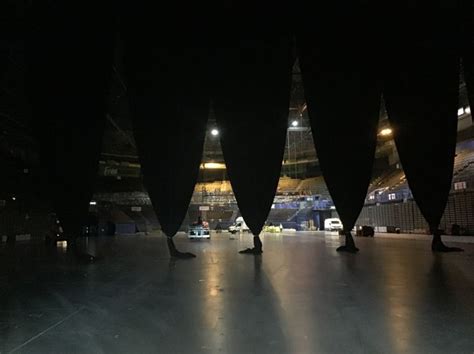
However, this does not mean Stadio Olimpico lacks innovation. Its seating arrangement, which provides excellent sightlines for spectators, is a point of pride. Unlike older stadiums such as Estadio Centenario in Montevideo, which suffers from uneven sightlines due to its age, Stadio Olimpico was designed with spectator experience in mind. The venue’s capacity of approximately 70,000 seats places it in the same league as Camp Nou in Barcelona or San Siro in Milan, but its lack of a roof means it relies heavily on Rome's favorable Mediterranean climate. This open design can be seen as both a strength and a limitation when compared to the versatility of Mercedes-Benz Stadium in Atlanta, which can adapt to various weather conditions and event types through its retractable roof.
In terms of legacy, Stadio Olimpico stands out as a venue that has witnessed some of the most pivotal moments in sports and culture. Like Maracanã Stadium in Rio de Janeiro, it has hosted multiple FIFA World Cup matches, including the 1990 final. However, its legacy extends beyond football. The stadium is intrinsically tied to the Olympic Games, having been a centerpiece of the 1960 Summer Olympics in Rome. This connection gives it a unique historical weight that few stadiums can match. For example, while Yankee Stadium in New York is synonymous with baseball and American cultural identity, Stadio Olimpico represents a broader sporting and cultural narrative that encompasses athletics, football, and even major concerts. Its legacy is also intertwined with the city of Rome itself—a city that has been at the center of global history for millennia. This contrasts sharply with newer venues like SoFi Stadium in Los Angeles, which, while architecturally impressive, lack the deep historical resonance of a venue situated in a city as storied as Rome.
The events hosted at Stadio Olimpico further underscore its versatility and significance. It has been the home ground for two of Italy's most successful football clubs, AS Roma and SS Lazio, making it a battleground for some of the most passionate derbies in European football. This dual-club usage is similar to that of San Siro, which hosts AC Milan and Inter Milan. However, Stadio Olimpico’s role in hosting international events sets it apart. It has been the site of numerous UEFA Champions League finals, including the memorable 2009 final between Barcelona and Manchester United. This places it in the same category as Estádio do Dragão in Porto or Atatürk Olympic Stadium in Istanbul, both of which have hosted high-profile UEFA matches. Yet, Stadio Olimpico’s ability to transition seamlessly between football, athletics, and cultural events gives it an edge. For example, the stadium has hosted major concerts by artists like The Rolling Stones and Madonna, showcasing its adaptability. This is a trait shared by Tokyo National Stadium, which was redeveloped for the 2020 Olympics and similarly caters to both sports and entertainment. However, Stadio Olimpico’s historical continuity—having been a consistent venue for over 80 years—makes it a more enduring symbol compared to venues that have been rebuilt or repurposed entirely.
Another dimension of comparison is the cultural impact of the stadiums. While Wembley is a symbol of British sporting pride and the Maracanã encapsulates Brazil's love for football, Stadio Olimpico serves as a bridge between modern sport and ancient tradition. Its location in Rome, a city synonymous with the Colosseum, adds a layer of symbolism. The Colosseum was an arena for spectacle and competition in ancient times, and Stadio Olimpico carries forward that legacy in a modern context. This juxtaposition of old and new is less evident in stadiums like Melbourne Cricket Ground (MCG), which, while historic, is more closely associated with the evolution of a specific sport rather than a broader cultural narrative.
One area where Stadio Olimpico may lag behind is in technological integration. Modern stadiums such as Singapore’s National Stadium or AVIVA Stadium in Dublin have embraced cutting-edge features like sustainable energy systems, advanced acoustics, and immersive fan experiences through digital technologies. Stadio Olimpico, while updated for contemporary needs, does not push the envelope in terms of smart stadium features. For instance, its lack of a fully integrated digital infrastructure for real-time fan engagement or augmented reality experiences places it slightly behind venues like Tottenham Hotspur Stadium, which has set benchmarks in fan-focused technology.
Despite this, Stadio Olimpico’s historical and architectural significance cannot be overstated. Unlike many stadiums that are designed as standalone entities, it is part of the Foro Italico, a sports complex that includes swimming pools, tennis courts, and monuments. This integration into a larger sporting ecosystem mirrors the approach of Olympic Park in London but with a more classical twist. The Foro Italico’s design, inspired by the fascist-era aesthetics of the 1930s, gives Stadio Olimpico a unique historical context that is both celebrated and critiqued.
In conclusion, when compared with other globally renowned stadiums, Stadio Olimpico holds its own as a venue of immense legacy and versatility. Its design reflects a blend of tradition and practicality, its legacy is rooted in both sporting excellence and cultural prominence, and its events portfolio spans football, athletics, and entertainment. While it may not lead in technological innovation or boast the architectural flamboyance of venues like Allianz Arena or AT&T Stadium, its deep connection to Rome’s history and its role as a multi-faceted venue make it a standout in the pantheon of iconic stadiums. This nuanced balance of heritage and functionality ensures that Stadio Olimpico remains a benchmark for what a stadium can represent beyond its primary sporting purpose.
Challenges and Renovations
The **Stadio Olimpico Rome**, an iconic venue that has hosted numerous high-profile events, including the 1960 Summer Olympics, UEFA Champions League finals, and countless football matches, is a structure steeped in history. However, like many aging stadiums, it has faced significant challenges over the years. These range from maintenance issues tied to its age, the demands of modernization in a rapidly evolving sports and entertainment landscape, and the increasing expectations of fans for a more immersive and comfortable experience. This section delves into these challenges and the renovations undertaken to address them, offering a detailed analysis of the stadium's journey through time.
One of the most pressing challenges for the Stadio Olimpico has been **maintenance of its aging infrastructure**. Constructed in the 1930s and renovated multiple times, the stadium has had to contend with wear and tear typical of a facility that sees heavy use year-round. The stadium's concrete structure, while robust in its original design, has required ongoing repairs to address issues such as cracking, water ingress, and general deterioration. For instance, the roof, added during the 1990 renovation for the FIFA World Cup, has faced issues related to weatherproofing. Rainwater leakage has occasionally disrupted events, a problem exacerbated by Rome's seasonal downpours. Maintenance crews have had to perform regular inspections and patchwork solutions, which, while effective in the short term, are not sustainable for a venue of this magnitude.
Another major challenge is the **modernization of facilities to meet international standards**. The Stadio Olimpico is used not only for football but also for athletics, concerts, and other large-scale events. This multifunctional nature places unique pressures on its design and infrastructure. For example, the International Association of Athletics Federations (IAAF) has specific requirements for track and field events, which must be balanced against the needs of football clubs like AS Roma and SS Lazio, who call the stadium home. The dual-use nature of the stadium has led to logistical challenges, such as the need to convert the pitch from a football field to an athletics track and back again. This process often involves significant time and expense, as well as potential damage to the playing surface. Renovations in the early 2000s attempted to address this by improving the pitch's drainage and irrigation systems, but the underlying tension between athletics and football remains a persistent issue.
The **fan experience** is another area where the Stadio Olimpico has faced scrutiny. In recent years, fan expectations have shifted dramatically. Modern stadium-goers demand not just a place to watch a match but an environment that offers comfort, connectivity, and entertainment. The Stadio Olimpico, however, was designed in an era when such considerations were secondary. The seating arrangement, for instance, has been criticized for its lack of ergonomic design and limited legroom, particularly in the less expensive sections. Moreover, the stadium's acoustics, while impressive for large-scale chants and cheers, do not always provide the intimate, immersive experience that newer venues achieve through advanced sound systems and architectural design. These shortcomings have led to a perception, particularly among younger fans and international visitors, that the Stadio Olimpico lags behind newer stadiums in terms of amenities.
To address these issues, several **renovation efforts** have been implemented over the years. A significant upgrade occurred in preparation for the 1990 FIFA World Cup, which included the addition of the distinctive roof and the expansion of seating capacity to over 70,000. This renovation aimed to modernize the venue for a global audience, but it also introduced new challenges. The roof, while visually striking, was not fully integrated with the existing structure, leading to some of the maintenance issues mentioned earlier. Additionally, the increased capacity came at the cost of accessibility; the narrow concourses and limited entry points created bottlenecks during high-attendance events.
More recent modernization efforts have focused on **technological upgrades** to enhance the fan experience. For example, Wi-Fi connectivity has been introduced in key areas of the stadium to cater to the growing demand for real-time engagement through social media and mobile apps. LED lighting systems were installed to improve visibility during evening matches and reduce energy consumption, aligning with broader sustainability goals. These changes, while positive, are incremental rather than transformative, leaving room for further innovation. For instance, the lack of large-scale digital screens or interactive fan zones—features common in newer stadiums like Tottenham Hotspur Stadium or Allegiant Stadium—highlights the gap between the Stadio Olimpico and its international peers.
Another area of focus has been **accessibility and inclusivity**. The Stadio Olimpico has made strides in improving facilities for disabled fans, including the addition of dedicated seating areas and accessible restrooms. However, the stadium's location within the Foro Italico sports complex presents inherent challenges. The site's historic nature limits the extent to which infrastructure can be altered without compromising its architectural integrity. This has led to a delicate balancing act between preserving the stadium's heritage and meeting modern accessibility standards. For example, ramps and elevators have been added, but the uneven terrain surrounding the stadium remains a barrier for some visitors.
One of the most ambitious renovation projects proposed in recent years is the **transformation into a more fan-centric venue**. This includes plans for premium seating options, such as luxury boxes and club lounges, which are increasingly seen as revenue drivers for modern stadiums. However, these plans have faced pushback due to concerns about affordability and the risk of alienating traditional fans. There is also the question of funding; while the Italian government and local authorities have supported some renovations, the financial burden often falls on the football clubs or private investors, leading to debates about cost-sharing and long-term sustainability.
A unique challenge for the Stadio Olimpico is its **shared ownership and usage model**. Unlike many modern stadiums that are owned and operated by a single club or entity, the Stadio Olimpico is managed by the Italian National Olympic Committee (CONI) and used by multiple tenants. This shared model creates logistical and political complexities. Decisions about renovations or operational changes often require coordination between multiple stakeholders, which can slow down progress. For instance, disagreements between AS Roma and SS Lazio over how to divide costs for upgrades have, at times, stalled improvement projects. This dynamic underscores the need for a more unified vision for the stadium's future.
Finally, there is the broader challenge of **competing with newer venues**. In recent years, there has been growing pressure for Rome to consider building a new, purpose-built stadium for its football teams. Proposals like AS Roma's abandoned Stadio della Roma project highlighted the limitations of the Stadio Olimpico in meeting the demands of a 21st-century sports market. While the Olimpico remains a symbol of Rome's sporting heritage, its age and design constraints make it increasingly difficult to compete with state-of-the-art facilities elsewhere in Europe. Renovations can only go so far in bridging this gap, raising questions about whether a more radical approach—such as a new stadium—might eventually be necessary.
In conclusion, the challenges faced by the Stadio Olimpico are multifaceted, encompassing maintenance of its aging structure, the need for modernization to meet international standards, and the evolving expectations of fans. While renovations have addressed some of these issues, they have also revealed the limitations of working within the constraints of a historic venue. The stadium's future will likely depend on a combination of further targeted improvements and a broader strategic vision that balances its rich legacy with the demands of modernity.
Economic Contributions
The Stadio Olimpico Rome is not merely a venue for sports and entertainment; it serves as a dynamic economic engine for the city, particularly during major events. Its role in boosting local tourism, hospitality, and the broader economy is rooted in its status as a globally recognized landmark that draws massive crowds and generates significant revenue streams. This section delves into how the stadium contributes to Rome's economic vibrancy by analyzing its impact on tourism, the hospitality sector, and associated industries during marquee events.
One of the most significant ways the Stadio Olimpico drives economic activity is through its ability to attract international and domestic tourists. Major events such as the UEFA Champions League finals, international rugby matches, or high-profile concerts turn Rome into a magnet for visitors. For instance, during the 2021 UEFA European Championship matches hosted at the stadium, Rome saw an influx of over 100,000 visitors from across Europe. These visitors not only purchase tickets to the event but also engage in a range of ancillary spending activities. Tourists often extend their stay to explore Rome’s rich cultural heritage, including the Colosseum, Vatican City, and other iconic sites. This phenomenon creates a ripple effect where the stadium acts as a gateway for broader tourism.
The hospitality sector benefits immensely from the stadium's events. Hotels in Rome, particularly those in proximity to the Foro Italico sports complex where the stadium is located, experience a surge in occupancy rates during event days. Data from the Rome Hotel Association indicates that hotel occupancy can increase by up to 85% during major sporting events, compared to an average of 50-60% during non-event periods. Moreover, the average daily rate (ADR) for hotel rooms spikes by 20-30% due to heightened demand. This spike is not limited to luxury accommodations; budget hotels and short-term rental platforms like Airbnb also see increased patronage. Restaurants, cafes, and bars near the stadium and across the city witness a similar boom. Local eateries often design event-specific menus or promotions to capitalize on the influx of visitors, further embedding the stadium’s events into the city's economic fabric.
Another critical aspect of the stadium's economic contribution is its role in job creation and temporary employment. Hosting a large-scale event requires a workforce that extends beyond the stadium's permanent staff. Security personnel, event organizers, catering teams, ticketing staff, and even local guides see a surge in opportunities. For example, the 2009 UEFA Champions League Final at the Stadio Olimpico generated an estimated 3,000 temporary jobs in Rome, ranging from event setup crews to hospitality workers. These jobs, though temporary, provide a vital source of income for many locals and contribute to the city's economic resilience during peak event seasons. Furthermore, the stadium's maintenance and upgrades before major events often involve local contractors and suppliers, channeling funds into Rome's construction and service sectors.
The indirect economic benefits of the Stadio Olimpico are equally noteworthy. Local vendors, souvenir shops, and transportation services experience heightened activity. For example, during the 2016 Six Nations rugby tournament, Rome's public transport system reported a 25% increase in ridership on match days. Taxis, ride-sharing services, and even scooter rentals see a proportional rise in usage. The city's tourism board often collaborates with the stadium to create bundled travel packages that include event tickets, accommodation, and guided tours, ensuring that visitors spend more time and money in Rome. This synergy between the stadium and local tourism initiatives reinforces the venue's role as a cornerstone of Rome's event-driven economy.
A unique insight into the stadium's economic impact lies in its branding power as a global venue. The Stadio Olimpico is not just a physical space but a symbol of Rome’s sporting and cultural prestige. Hosting events here enhances Rome’s global profile, attracting sponsorships, media coverage, and broadcasting rights that have far-reaching economic implications. For instance, the broadcasting of a UEFA match at the Stadio Olimpico reaches millions of viewers worldwide, indirectly promoting Rome as a must-visit destination. This exposure can lead to long-term tourism growth, even outside of event periods. Sponsors of events held at the stadium often invest heavily in local advertising, further funneling money into Rome's media and advertising industries.
The stadium's contribution to Rome's economy is also evident in its multiplier effect on associated industries. For instance, the production of event merchandise—jerseys, flags, and memorabilia—often involves local manufacturers and suppliers. The sale of these items not only generates revenue but also supports small businesses and artisans in the region. Additionally, the presence of international visitors stimulates the use of financial services such as currency exchange and credit card transactions, benefiting local banks and financial institutions. These cascading effects illustrate how the Stadio Olimpico’s events are not isolated economic phenomena but part of a larger ecosystem of interdependent industries.
It is also important to consider the seasonal nature of the stadium’s economic impact. While Rome is a year-round tourist destination, the Stadio Olimpico provides a concentrated boost during specific periods. For example, the summer months, when the stadium hosts concerts by global artists like The Rolling Stones or Coldplay, see a different demographic of visitors compared to sports events in the cooler months. This seasonal variation ensures that the stadium contributes to Rome’s economy across different quarters, smoothing out revenue fluctuations for businesses that rely on tourism and events.

However, the economic contributions of the Stadio Olimpico are not without challenges. Critics point to the strain on public services, such as traffic management and waste disposal, during major events. Yet, the city has increasingly adopted strategies to mitigate these issues, such as improved public transport schedules and partnerships with private waste management firms. These measures ensure that the economic benefits of the stadium are not overshadowed by logistical hurdles.
In conclusion, the Stadio Olimpico Rome is a linchpin of the city's event-driven economy. Its ability to draw international crowds, energize the hospitality sector, create jobs, and promote Rome as a global destination underscores its importance. Beyond the direct revenue from ticket sales and sponsorships, the stadium fosters a web of economic activities that sustain local businesses, support temporary employment, and enhance Rome’s global brand. By serving as both a venue and a catalyst for economic growth, the Stadio Olimpico exemplifies how a well-utilized infrastructure asset can contribute to the prosperity of a city as historic and dynamic as Rome.
Future Prospects and Sustainability
The Stadio Olimpico Rome, an iconic venue steeped in history and host to numerous high-profile sporting and cultural events, faces the challenge of balancing its legacy with the demands of modern sustainability and functionality. As sports infrastructure worldwide adapts to environmental imperatives and evolving audience expectations, the Stadio Olimpico must embrace a forward-looking approach to remain a relevant and competitive facility in the global sports arena.
One of the most pressing areas of focus is sustainable development. The stadium, constructed in the 1930s and renovated multiple times since, has a significant carbon footprint due to its age, energy consumption patterns, and the volume of waste generated during events. To address this, there are plans to implement a comprehensive green infrastructure overhaul. For instance, the installation of solar panels on the stadium roof is a feasible step to harness renewable energy. With Rome’s abundant sunlight, this initiative could substantially reduce the stadium’s reliance on non-renewable energy sources. Additionally, the integration of a smart energy management system would allow for optimized energy use during events, ensuring that lighting, cooling, and other systems operate efficiently without compromising spectator comfort.
Another key aspect of sustainable development is water management. Rome, like many Mediterranean cities, faces periodic water scarcity. The Stadio Olimpico could adopt rainwater harvesting systems to collect and reuse water for irrigation of its green spaces and pitch maintenance. Furthermore, the implementation of low-flow fixtures in restrooms and concession areas would contribute to water conservation efforts. These measures not only align with global sustainability goals but also resonate with environmentally conscious fans and sponsors who increasingly prioritize eco-friendly venues.
In terms of potential upgrades, the Stadio Olimpico must modernize its facilities to meet the expectations of 21st-century spectators. One area of focus is seating and accessibility. While the stadium can hold over 70,000 spectators, the current seating arrangement lacks the ergonomic design and comfort that newer stadiums provide. Retrofitting seats with modular and padded designs could enhance spectator experience while also improving accessibility for individuals with disabilities. Wider aisles, more elevators, and enhanced signage would make the venue more inclusive and user-friendly, particularly for international events that attract diverse audiences.
The integration of digital infrastructure is another critical upgrade. Modern stadiums are increasingly becoming "smart venues" equipped with high-speed Wi-Fi, augmented reality (AR) features, and advanced ticketing systems. For the Stadio Olimpico, this could mean deploying 5G connectivity to support AR experiences for fans, such as real-time player stats or immersive replays viewed through smartphones. Additionally, contactless payment systems and mobile app integration for food ordering, seat upgrades, and event navigation would streamline the fan experience, making the stadium more competitive in attracting both local and international events.
Another avenue for modernization is the multifunctional use of space. While the Stadio Olimpico is primarily associated with football and athletics, its vast area and central location in Rome offer opportunities for diversification. For example, the stadium could host esports tournaments, a rapidly growing sector in modern sports. By adapting certain areas of the venue to accommodate gaming setups and large screens, the Stadio Olimpico could tap into a younger, tech-savvy audience. Similarly, the venue could be used for concerts with sustainable staging, where materials are sourced responsibly, and waste is minimized. Such events would not only generate additional revenue but also position the stadium as a versatile hub for entertainment.
To ensure the stadium's long-term relevance, partnerships with innovative technology providers and local communities are essential. For instance, collaborations with Italian universities and tech startups could lead to the development of AI-driven crowd management systems that optimize entry and exit flows during events, reducing bottlenecks and enhancing safety. Furthermore, engaging with local communities to create green spaces around the stadium—such as urban gardens or biodiversity zones—would not only improve the facility’s environmental impact but also foster a sense of ownership and pride among Romans.
The economic sustainability of the Stadio Olimpico is equally important. Hosting only a limited number of events annually, such as Serie A matches or occasional European championship games, may not be sufficient to justify the operational costs of such a large venue. To address this, the stadium could adopt a multi-tenant model, where it serves as the home ground for multiple sports teams or even non-sporting organizations. For instance, partnerships with local rugby or athletics clubs could ensure more consistent use of the facility. Moreover, the Stadio Olimpico could become a hub for sports education and training, offering workshops, coaching clinics, and even academic programs in collaboration with sports science institutions.
A forward-thinking approach also involves embracing global sports trends. Esports aside, the rise of women’s sports and adaptive sports (such as wheelchair basketball or para-athletics) presents an opportunity for the Stadio Olimpico to host events that champion inclusivity and diversity. By aligning itself with these movements, the stadium can not only attract a broader audience but also reinforce its image as a venue that supports progressive values in sports.
However, these plans must be implemented with a keen awareness of regulatory and heritage constraints. The Stadio Olimpico is a protected site due to its historical significance, which limits certain types of renovations. Any upgrades must be carefully designed to preserve the stadium’s architectural integrity while incorporating modern features. For example, retractable or modular roofing systems could be explored to allow for year-round usability without altering the stadium’s iconic silhouette.
Finally, the fan experience must remain a central focus. Beyond technological enhancements, the Stadio Olimpico can differentiate itself by offering immersive cultural experiences. For instance, guided tours that delve into the stadium’s rich history—highlighting its role in the 1960 Olympics or iconic matches—can be augmented with AR or VR elements. Such initiatives would not only attract sports enthusiasts but also tourists interested in Rome’s cultural heritage.
In conclusion, the future prospects of the Stadio Olimpico hinge on its ability to adapt to modern demands while honoring its legacy. Through sustainable development, thoughtful upgrades, and a commitment to remaining a dynamic space for sports and entertainment, the stadium can secure its place as a cornerstone of Rome’s identity in the global sports landscape. These efforts will require bold investments, innovative thinking, and collaboration across sectors, but the rewards—both for the venue and the city—could be transformative.
Conclusion and Legacy
The Stadio Olimpico in Rome is not merely a venue for sporting events; it is a living monument to the intersection of athletic excellence, cultural significance, and historical resonance. Its legacy extends far beyond the boundaries of its physical structure, embedding itself in the global sports narrative as a symbol of unity, competition, and evolution. To understand its enduring impact, one must explore its role not just as a host for iconic events but as a catalyst for the broader development of sports culture and its influence on urban and national identity.
One of the most profound aspects of Stadio Olimpico's legacy lies in its role as a multifaceted venue that has consistently adapted to the demands of modern sports and entertainment. Originally constructed in the 1930s as part of the Foro Italico sports complex, it was designed to showcase Italy's ambition under Mussolini's regime. However, its post-World War II transformation—particularly for the 1960 Summer Olympics—redefined its purpose. Unlike many stadiums of its era, which faded into disuse after their Olympic moments, Stadio Olimpico evolved. It became a regular host of high-profile football matches, including those of AS Roma and Lazio, two of Italy's most storied clubs. This dual identity as both an Olympic venue and a football stronghold has given it a unique place in the annals of sports architecture. Few stadiums can claim such a seamless transition between event types while maintaining their relevance across decades.
The stadium's architectural and symbolic significance also contributes to its legacy. Its design reflects a blend of classical and modern aesthetics, a nod to Rome's rich history while embracing the future of sports infrastructure. The sweeping curves of its stands, the open-air feel, and its location within the Foro Italico—surrounded by sculptures and mosaics echoing ancient Roman grandeur—imbue it with a sense of timelessness. This fusion of past and present serves as a metaphor for how sports themselves bridge eras, connecting the feats of ancient Olympians to the modern-day athletes who compete within its walls. This duality has allowed Stadio Olimpico to remain not just functional but inspirational, a space where the spirit of competition is amplified by its historical aura.
Another key element of its legacy is its role in hosting some of the most memorable events in sports history. The 1960 Olympics, for instance, were a turning point for the global sports community. Stadio Olimpico was at the heart of this event, where athletes like Abebe Bikila, who won the marathon running barefoot, captured the world's imagination. These moments were not just athletic victories but cultural milestones that highlighted the universal appeal of sport. Similarly, the stadium has been a witness to football history, hosting UEFA Champions League finals and Italy's national team matches during World Cup and European Championship campaigns. Each event etched new layers of meaning into the stadium’s story, making it a theater of dreams for athletes and fans alike. This is not merely a venue where records are broken; it is a place where narratives are written, where the roar of the crowd mingles with the weight of history.
The sociocultural impact of Stadio Olimpico is equally noteworthy. In a city as steeped in history as Rome, the stadium serves as a modern-day coliseum, a place where the collective identity of the Roman populace—and by extension, Italy—is expressed. Football matches here are not just games; they are rituals, imbued with passion and local pride. The rivalries between AS Roma and Lazio, played out in this venue, are representative of how sports can act as a mirror for societal dynamics. These matches are not isolated events but part of a larger tapestry of Roman life, where the stadium becomes a stage for expressions of joy, frustration, and collective belonging. This sociocultural dimension underscores how Stadio Olimpico has become woven into the fabric of the city, a space where the personal and the public converge.
On a global scale, Stadio Olimpico’s legacy is tied to its ability to host events that transcend national borders. Its role in the 1990 FIFA World Cup, for example, showcased its ability to act as a global stage. The tournament’s opening match and final were held here, drawing attention not just to the athletic spectacle but to Rome as a city capable of hosting the world. Such events underscore the stadium's importance in fostering international camaraderie and competition. They also highlight how sports infrastructure can serve as a soft power tool for nations, projecting an image of capability, hospitality, and pride. Stadio Olimpico’s ability to consistently deliver on this front has cemented its place as a cornerstone of global sports history.
However, the stadium’s legacy is not without its challenges and critiques. Like many historic venues, it has faced questions about modernization and sustainability. In recent years, debates have arisen over whether its facilities are adequate for the demands of contemporary sports audiences. Issues such as accessibility, seating comfort, and technological integration have prompted discussions about potential renovations. Yet, these challenges are emblematic of a broader truth about legacy: enduring relevance requires evolution. Stadio Olimpico’s ability to adapt while retaining its essence is a testament to its resilience. The ongoing dialogue about its future reflects not weakness but the high stakes of its importance—a venue so central to sports history that its preservation and improvement are matters of global concern.
The symbolic role of Stadio Olimpico extends beyond sports into the realm of national and international unity. It has been a site of celebration during moments of triumph, such as Italy's 2006 World Cup victory, where the team was honored in front of a jubilant crowd. Conversely, it has also been a space for reflection and solidarity, as seen in events like memorial services or charity matches held within its confines. This dual role as a site of both exuberance and solemnity illustrates how the stadium transcends its primary function as a sports venue, becoming a place of collective memory and shared experience.
In the context of global sports history, Stadio Olimpico stands as a benchmark for what a stadium can represent. It is not just a physical space but a repository of stories, a witness to human achievement, and a bridge between cultures. Its legacy is rooted in its ability to adapt and inspire, to remain relevant in an ever-changing world while honoring its historical roots. This is a rare quality in sports venues, many of which are replaced or forgotten as time marches on. Stadio Olimpico, however, has proven itself to be more than a structure; it is a living entity within the global sports ecosystem, a place where the past, present, and future of athletics converge.
In conclusion, the enduring legacy of Stadio Olimpico is multifaceted. It is a venue that has hosted some of the most significant moments in sports, a symbol of Rome's enduring grandeur, and a space where the global community has come together in the spirit of competition and celebration. Its place in global sports history is secured not merely by the events it has hosted but by the way it has shaped and been shaped by the broader narrative of athletics. As long as there are stories to tell about human endeavor and unity through sport, Stadio Olimpico will remain a central character in that narrative, a monument to the enduring power of competition and the spaces that make it possible.
- Its architectural design blends classical and modern aesthetics, reflecting Rome's rich history.
- The stadium has adapted over time, transitioning from Olympic host to a football and entertainment hub.
- It has been the site of iconic events like the 1960 Olympics and 1990 FIFA World Cup.
- Stadio Olimpico serves as a sociocultural hub, reflecting Roman identity and national pride.
- Its global significance lies in its role as a stage for international unity and competition.
Thus, Stadio Olimpico is not just a stadium; it is a living legacy, a testament to the enduring interplay between sport, culture, and history.