Introduction to Derby D'Italia
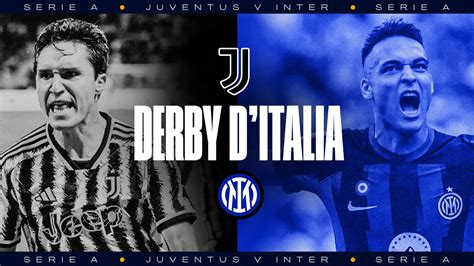
The Derby d'Italia is one of the most storied and intense rivalries in Italian football, encapsulating the essence of competition, history, and national pride. This fixture, contested between **Juventus** and **Inter Milan**, is not merely a clash of two football clubs but a representation of contrasting identities, regional power struggles, and the broader socio-political dynamics that have shaped Italian football over the decades. To understand the significance of this rivalry, one must delve into its origins, the key moments that have defined it, and the way it has evolved to maintain its place as a centerpiece of Serie A drama.
The term "Derby d'Italia" was coined by the renowned Italian sports journalist **Gianni Brera** in the 1960s. Unlike traditional derbies that involve clubs from the same city, this rivalry was given its moniker due to the sheer scale of its importance. Juventus, hailing from Turin in the northwestern region of Piedmont, and Inter Milan, representing the Lombard capital of Milan, are two of Italy's most successful and widely supported clubs. Their matches are not confined to local bragging rights but often carry implications for the Scudetto (Serie A title) and, by extension, the narrative of Italian football supremacy. This national dimension is what sets the Derby d'Italia apart from other rivalries in the league.
One of the key factors that underscore the rivalry's significance is the historical success of both clubs. **Juventus**, founded in 1897, is the most decorated club in Italian football history, with a record number of Serie A titles. Inter Milan, established in 1908 by a breakaway group from AC Milan, has also carved out a legacy of success, including multiple league championships and European trophies. This shared history of dominance means that a victory in the Derby d'Italia often serves as a psychological edge in the title race. For instance, during the 1960s and 1970s, when both clubs were at the peak of their powers, these matches frequently decided the fate of the championship. The stakes were not just about points but about asserting dominance in an era where Italian football was becoming a global force.
The rivalry is also deeply rooted in **cultural and regional differences**. Turin and Milan are two of Italy's most economically influential cities, but they represent distinct identities. Turin is often associated with industrial pragmatism, being the home of Fiat and a symbol of Italy's post-war economic recovery. Milan, on the other hand, is seen as a hub of fashion, finance, and cosmopolitan flair. These contrasting cultural identities spill over into the football pitch, where Juventus' tactical discipline and resilience are often pitted against Inter's flair and attacking dynamism. This clash of styles mirrors the broader competition between Northern Italy's industrial heartlands and their distinct approaches to success.
Another layer of the Derby d'Italia's significance lies in the **political and institutional dynamics** that have surrounded the two clubs. Juventus has historically been associated with the Agnelli family, one of Italy's most powerful industrial dynasties, which has wielded considerable influence over the club and Italian football as a whole. This has often led to accusations of favoritism, particularly during periods when Juventus was seen to benefit from refereeing decisions or league structures. Inter Milan, by contrast, has positioned itself as a club of the people, embodying a more rebellious and anti-establishment ethos. This dichotomy has fueled animosities not just among fans but also within the corridors of power in Italian football.
The rivalry has also been shaped by **controversial episodes** that have left lasting scars on both sides. One of the most infamous incidents occurred during the 1997-98 season when a contentious refereeing decision in a Derby d'Italia match led to widespread outrage from Inter fans. The match, which Juventus won 1-0, was marred by claims of bias, and the fallout from this incident reverberated for years. Similarly, the **Calciopoli scandal** of 2006—a match-fixing scandal that saw Juventus relegated to Serie B and stripped of two titles—deepened the animosity. Inter Milan, who were awarded one of the stripped titles, became a symbol of resistance against perceived corruption, while Juventus supporters viewed the scandal as a targeted attack on their club. These events added a layer of bitterness to an already heated rivalry, ensuring that every subsequent Derby d'Italia carried the weight of past grievances.
In addition to the historical and institutional factors, the **fan culture** surrounding the Derby d'Italia is a spectacle in itself. Both Juventus and Inter boast some of the most passionate and organized supporter groups in Italy. The **ultras** of both clubs bring an intensity to the fixture that is unmatched. From elaborate choreographies to fiery chants, the atmosphere in the stadiums during this fixture is electric. However, this passion has occasionally spilled over into violence, highlighting the deep emotional investment fans have in this rivalry. The animosity is not confined to the stands; it extends to the players and managers, many of whom have made provocative statements or gestures that have only served to stoke the flames of competition.
The modern era of the Derby d'Italia has seen a shift in dynamics due to **financial and sporting globalization**. Juventus' dominance in the 2010s, fueled by their acquisition of top talents like Cristiano Ronaldo and their state-of-the-art stadium, contrasted with Inter's struggles to maintain consistency amid financial challenges. However, Inter's resurgence under new ownership and their 2021 Scudetto win signaled a rebalancing of power. This ebb and flow of dominance ensures that the Derby d'Italia remains relevant, as it is not just a reflection of past glories but a barometer of current form and ambition.
What makes the Derby d'Italia uniquely compelling is its ability to encapsulate **the broader narrative of Italian football**. It is a microcosm of the league's history, where tradition meets modernity, where regional pride intersects with national aspirations, and where the beautiful game is often a stage for societal and institutional tensions. Unlike other rivalries that may fade with time or lose their edge due to uneven competition, the Derby d'Italia has maintained its intensity because of the enduring relevance of both clubs in the Italian football landscape.
To summarize, the Derby d'Italia is more than a football match; it is a **cultural, historical, and sporting phenomenon**. Its roots in the mid-20th century, its evolution through controversies and triumphs, and its embodiment of the clash between two of Italy's most emblematic cities make it a fixture that transcends the boundaries of sport. For fans, players, and historians of the game, this rivalry is a reminder of why Italian football holds a special place in the global football pantheon—a blend of artistry, drama, and unrelenting passion.
- The rivalry is defined by the success and influence of Juventus and Inter Milan in Italian football.
- Cultural and regional differences between Turin and Milan add depth to the fixture.
- Historical controversies, such as Calciopoli, have intensified the animosity between the clubs.
- The modern era reflects a dynamic shift in power, keeping the rivalry fresh and engaging.
As we look ahead to the 2025 edition of the Derby d'Italia, it is clear that this fixture will continue to be a highlight of the Serie A calendar, offering not just a game of football but a narrative that resonates far beyond the pitch.
Historical Context of the Derby
The term 'Derby d'Italia' is one of the most evocative in Italian football, encapsulating the fierce rivalry between two of the nation's most storied clubs: Juventus and Inter Milan. Unlike many derbies that are rooted in geographic proximity or local divisions, the Derby d'Italia is unique in its conceptual origin, tied not to a shared city or region but to the broader national significance of the clash. Coined by the renowned Italian sports journalist Gianni Brera in the 1960s, the term was intended to elevate the fixture to a symbolic battle for supremacy within Italian football. Brera, known for his lyrical and often provocative style, saw this match as a microcosm of the competition between two clubs that, at the time, were at the pinnacle of Serie A’s hierarchy.
The origins of this label can be traced to the mid-20th century when both Juventus and Inter were establishing themselves as dominant forces in Italian football. Juventus, based in Turin, had a long-standing association with the Agnelli family, owners of Fiat, which gave the club a distinct aura of industrial and economic power. This connection made Juventus a symbol of the prosperous, industrialized north of Italy. On the other hand, Inter Milan, hailing from Italy's fashion and financial capital, represented a slightly different identity—cosmopolitan, innovative, and at times flamboyant in its approach to the game. These contrasting identities provided a backdrop for the rivalry, one that was less about geographical animosity and more about institutional and cultural competition.
In its early years, the Derby d'Italia was shaped by the on-field dominance of these two clubs during a period when Serie A was becoming one of the most competitive leagues in Europe. The 1960s and 1970s were particularly significant. Juventus, under the shrewd management of coaches like Heriberto Herrera and later Giovanni Trapattoni, were building a reputation for disciplined, results-oriented football. Inter, meanwhile, under the legendary Helenio Herrera (no relation to Heriberto), pioneered the catenaccio system, a defensive style that brought them immense success, including back-to-back European Cups in 1964 and 1965. These contrasting styles—Juventus’ pragmatic approach versus Inter’s tactical innovation—added layers of intrigue to their encounters.
One of the most memorable early moments in the history of the Derby d'Italia came in the 1961 Serie A season. Inter had been leading the league comfortably, but a controversial ruling by the Italian Football Federation regarding a postponed match between Juventus and Inter caused a major stir. The decision to award Juventus a 2-0 victory due to crowd trouble at the San Siro Stadium was seen as deeply unfair by Inter supporters and players alike. This incident not only fueled the rivalry but also planted seeds of mistrust and animosity that would persist for decades. Such administrative controversies, though not unique to this fixture, underscored how high the stakes were whenever these two teams met.
Another pivotal moment in the early narrative of the Derby d'Italia occurred during the 1972-73 season, when both clubs were vying for the Scudetto. Juventus, led by the iconic Giampiero Boniperti as club president and featuring stars like Dino Zoff and Roberto Bettega, were locked in a tense title race with Inter. The fixture that season ended in a 2-2 draw, a result that showcased the competitive balance between the two sides. However, the match was marred by heated exchanges and accusations of gamesmanship, further solidifying the derby's reputation as a high-stakes, emotionally charged affair. This era also saw the emergence of ultra groups among both sets of supporters, adding a visceral, fan-driven dimension to the rivalry.
The term 'Derby d'Italia' also gained traction because of the broader socio-political context of Italy during this period. The 1960s and 1970s were a time of significant industrial growth and social change in Italy, often referred to as the "economic miracle." Football, as the most popular sport in the country, became a stage for projecting regional and national identities. Juventus, with its ties to Fiat and the Agnelli empire, symbolized the economic engine of the north, while Inter, with its international appeal (evidenced by its name, Internazionale), represented a more outward-looking, globalized vision of Italy. These underlying dynamics elevated the fixture beyond the realm of sport, making it a cultural event that resonated with fans across the country.
It is also worth noting that the early years of the Derby d'Italia were marked by a series of individual duels that captured the imagination of fans. For instance, the battles between Inter’s Sandro Mazzola and Juventus’ Omar Sivori in the 1960s were emblematic of the contrast in styles between the two teams. Mazzola, with his elegance and creativity, epitomized Inter's attacking ethos, while Sivori, with his dribbling and audacity, was a symbol of Juventus' flair. These personal rivalries within the larger framework of the derby added a layer of narrative richness that kept fans engrossed.
From a statistical perspective, the early years of the Derby d'Italia saw a relatively even contest. While Juventus often held a slight edge in terms of league titles during this period, Inter’s moments of brilliance—such as their European successes—ensured that the fixture remained unpredictable. This parity was a key reason why the derby was seen as a true test of a team's mettle. Unlike other rivalries that might have been dominated by one side for extended periods, the Derby d'Italia was characterized by its ability to produce moments of high drama and uncertainty.
In summary, the origins of the Derby d'Italia lie in the convergence of footballing excellence, institutional rivalry, and a broader cultural narrative about Italy’s post-war identity. Gianni Brera’s coining of the term was not merely a journalistic flourish but a recognition of the symbolic weight carried by matches between Juventus and Inter. Key moments, such as the 1961 controversy and the closely fought battles of the 1970s, provided the foundation for what would become one of the most enduring and passionately followed fixtures in Italian football. This historical depth ensures that the Derby d'Italia remains not just a game, but a story of two clubs vying for supremacy in the heart of a nation obsessed with the beautiful game.
- The term was coined in the 1960s by Gianni Brera to symbolize a national clash of footballing titans.
- Early matches were influenced by contrasting styles: Juventus' pragmatism versus Inter's tactical innovation.
- Administrative controversies, like the 1961 ruling, deepened the rivalry.
- Individual duels, such as Mazzola vs. Sivori, added personal drama to the fixture.
- The socio-political context of Italy’s economic growth enriched the derby’s cultural significance.
2025 Season Overview
The 2025 season of Serie A has emerged as one of the most intriguing in recent memory, characterized by a blend of traditional powerhouses vying for dominance and a rising wave of competitive mid-table teams challenging the status quo. This season, the stakes are particularly high for Juventus and Inter Milan, two clubs whose rivalry in the **derby d'italia** serves as a microcosm of broader shifts in Italian football. Both clubs are not only competing for the Scudetto but also grappling with the pressures of European ambitions, financial sustainability, and the need to redefine their identities in an era where the global football landscape is rapidly evolving.
Serie A, often referred to as **Calcio**, has seen a resurgence in competitive balance over the past few years. While Juventus dominated the league with nine consecutive titles from 2012 to 2020, the landscape has shifted. Inter Milan broke Juventus' stranglehold in 2021, and teams like Napoli and AC Milan have since claimed the title, signifying a more open championship. This season, the league is marked by unpredictability. Teams such as Atalanta, Fiorentina, and even Lazio have shown the ability to disrupt the top-tier clubs on their day. For Juventus and Inter Milan, this means that the **derby d'italia** is no longer just a clash of titans but a must-win fixture in a league where dropped points against smaller teams can prove costly.
For **Juventus**, the 2025 season represents a critical juncture in their post-scandal rebuild. The club faced significant turmoil following financial irregularities and points deductions in previous seasons, which tarnished their reputation and disrupted their on-field consistency. However, under the stewardship of their current management and a revamped squad, Juventus has sought to reestablish itself as a dominant force. The focus has been on **youth development** and **prudent transfers**, moving away from the high-spending era of the early 2010s. Players like Federico Chiesa, Dusan Vlahovic, and emerging talents from their academy have become central to their strategy. Yet, the team is under immense pressure to deliver results. Their performances in the 2025 season are being scrutinized not only for their impact on the Scudetto race but also for their ability to compete in the UEFA Champions League, where they have struggled to make deep runs in recent years.
Inter Milan, on the other hand, is in a different phase of its journey. Having won the Scudetto in 2021 and consistently challenging for top honors since, Inter is seen as a more stable entity compared to Juventus. However, their 2025 campaign is not without its challenges. The club has had to navigate the financial constraints imposed by UEFA's Financial Fair Play (FFP) regulations, which have limited their ability to make high-profile signings. Instead, Inter has leaned on **smart acquisitions** and **tactical flexibility** under manager Simone Inzaghi. The team's reliance on a robust defensive structure, coupled with the attacking brilliance of Lautaro Martinez and the midfield dynamism of Nicolo Barella, has made them a formidable opponent. However, questions linger about their depth and ability to sustain a title challenge while also competing in Europe.
The **derby d'italia** in 2025 carries added significance because it is not just about bragging rights or historical rivalry. Both clubs are acutely aware that the outcome of this fixture could have ripple effects on their season. For Juventus, a win against Inter could serve as a statement of intent, particularly if they are trailing in the table. For Inter, a victory would solidify their position as frontrunners and potentially dent Juventus' morale. Beyond the points at stake, the psychological impact of this match is immense. Both fan bases view this fixture as a barometer of their club's competitiveness, and the media narrative surrounding the result often shapes the momentum of the teams in the weeks that follow.
Another layer of complexity in the 2025 season is the **economic context** of Italian football. Serie A clubs are grappling with the dual challenge of increasing revenue streams while managing debt. Juventus and Inter are no exceptions. Juventus has been working to diversify its income through **digital fan engagement** initiatives and **stadium optimizations**, while Inter has focused on **sponsorship deals** and **international market expansion**, particularly in Asia. These off-field efforts are intertwined with their on-field performances. A strong showing in Serie A and Europe not only boosts revenue but also enhances the clubs' brand value, which is crucial for attracting sponsors and investors.
In terms of **on-field dynamics**, the tactical setups of both teams in 2025 reflect their respective philosophies. Juventus, under their current manager, has adopted a more pragmatic approach, emphasizing defensive solidity and counter-attacking football. This is a departure from their earlier possession-heavy style but aligns with the strengths of their current squad. Inter, meanwhile, continues to employ a high-pressing system that seeks to dominate possession and create overloads in wide areas. The clash of these styles in the **derby d'italia** often produces a fascinating tactical battle, with both teams trying to impose their will on the game.

The **player narratives** also add depth to the stakes of this season. For Juventus, the form of Dusan Vlahovic is under the microscope. The Serbian striker was brought in as a marquee signing to fill the void left by Cristiano Ronaldo, but inconsistent performances have led to questions about his ability to deliver in high-stakes matches. For Inter, the burden falls on Lautaro Martinez, whose goal-scoring exploits have been vital. However, the team's over-reliance on him raises concerns about what happens if he is neutralized by Juventus' defense.
Beyond the immediate rivalry, both clubs are also keeping an eye on the **wider European picture**. The 2025 season is taking place against the backdrop of discussions around the **European Super League** and the evolving structure of UEFA competitions. Juventus and Inter are both stakeholders in these debates, and their performances in Serie A directly influence their bargaining power in these discussions. A strong domestic campaign enhances their leverage, while a poor showing could see them marginalized in the broader European football hierarchy.
Finally, the **fan perspective** cannot be overlooked. The **derby d'italia** is more than a game; it is a cultural event that encapsulates the passion of Italian football. In 2025, with both clubs fielding competitive squads and vying for supremacy, the atmosphere in the stadiums and online is electric. Social media has amplified the rivalry, with fans engaging in heated debates, sharing analysis, and even influencing player morale through their reactions.
In summary, the 2025 season of Serie A is a battleground where tradition meets modernity. Juventus and Inter Milan are not just fighting for the Scudetto but for their place in the future of Italian and European football. The **derby d'italia** is a pivotal moment in this narrative, a match that encapsulates the hopes, fears, and ambitions of two storied clubs in a league that is as unpredictable as it is captivating.
Team Dynamics and Player Profiles
The Derby d'Italia is one of the most fiercely contested fixtures in Italian football, pitting Inter Milan against Juventus in a clash that often has significant implications for the Serie A title race. In the 2025 edition, the outcome of the match was heavily influenced by the individual brilliance and tactical roles of key players on both sides. To understand how these players shaped the game, it is essential to delve into their profiles, recent form, and contributions within the broader team dynamics.
For Inter Milan, the 2025 season saw them relying on a mix of experienced veterans and emerging talents. One of the standout figures was Lautaro Martínez, the Argentine forward who had been a consistent goal-scoring threat throughout the campaign. Martínez's role extended beyond mere finishing; he acted as a pressing catalyst in Inter's high-intensity system. Under manager Simone Inzaghi, Martínez was often deployed as a false nine in certain phases of play, dropping deep to link up with midfielders like Hakan Çalhanoğlu and Nicolo Barella. This movement created space for wingers such as Marcus Thuram to exploit the flanks. In the Derby d'Italia, Martínez's ability to draw defenders out of position was pivotal. For instance, his decoy runs in the 32nd minute allowed Barella to make a late run into the box, resulting in a goal that showcased the synergy between Inter's attacking players.
Another critical player for Inter was Yann Sommer, the veteran goalkeeper who had been brought in to stabilize the defense after earlier inconsistencies. Sommer’s role was less about outright shot-stopping in this match and more about orchestrating the backline. Juventus's attacking setup, spearheaded by Dusan Vlahovic and supported by Federico Chiesa, often relied on diagonal balls into the box. Sommer's communication with center-backs Alessandro Bastoni and Benjamin Pavard ensured Inter maintained a compact defensive shape, neutralizing Juventus's aerial threats. Sommer’s distribution also played a role in initiating counterattacks, particularly in the second half when Inter sought to exploit Juventus’s high defensive line.
On the other side, Juventus entered the match with a slightly different approach, emphasizing control and physicality. A key figure in their midfield was Manuel Locatelli, whose ability to dictate tempo was instrumental. Locatelli’s role as a deep-lying playmaker allowed Juventus to maintain possession under pressure, particularly when Inter applied their signature high press. Locatelli’s long-range passing was a standout feature; he frequently switched play to Chiesa on the right wing, bypassing Inter’s compact midfield trio. This strategy was evident in the 54th minute when Locatelli’s pinpoint pass found Chiesa, whose subsequent cross led to a goal-mouth scramble that nearly resulted in an equalizer.
Juventus’s attack was spearheaded by Dusan Vlahovic, whose physical presence and clinical finishing had been a headache for Serie A defenses all season. However, in the Derby d'Italia, Vlahovic’s impact was somewhat muted due to Inter’s disciplined defensive structure. Instead, the spotlight shifted to Federico Chiesa, whose versatility and work rate made him Juventus's most dangerous player on the night. Chiesa’s ability to drift infield from the right wing caused problems for Inter’s left-back, Carlos Augusto, who often found himself isolated in one-on-one situations. Chiesa’s direct running and quick changes of pace were particularly effective in the latter stages of the match, when Juventus pushed for a late equalizer. His shot in the 87th minute, which grazed the post, was a testament to his ability to create something out of nothing even in tightly contested games.
Beyond individual brilliance, the match also highlighted the team dynamics that shaped player performances. Inter’s midfield trio of Barella, Çalhanoğlu, and Henrikh Mkhitaryan operated as a well-oiled machine, with each player fulfilling a distinct role. Barella was the box-to-box dynamo, frequently breaking lines with his energetic runs, while Çalhanoğlu provided the creative spark with his vision and set-piece delivery. Mkhitaryan, the elder statesman of the trio, acted as the stabilizer, offering positional discipline and ensuring Inter’s midfield was not overrun by Juventus’s physicality. This balance allowed Inter to control large portions of the game, particularly in the first half.
Juventus, in contrast, relied on a more defensive-minded approach in the midfield, with Weston McKennie and Adrien Rabiot serving as enforcers rather than creators. Their primary task was to disrupt Inter’s build-up play and provide cover for the backline, particularly when dealing with the threat of Martínez and Thuram. While this strategy limited Juventus’s offensive output, it also ensured that Inter’s attacks were often funneled into less dangerous areas. However, this conservative approach also meant that Juventus struggled to sustain attacks when they regained possession, as their midfield lacked the creative impetus provided by Locatelli alone.
The defensive units of both teams also played a significant role in shaping the match. Inter’s backline, led by Bastoni, demonstrated excellent positional awareness, particularly when dealing with Juventus’s set-piece routines. Juventus, on the other hand, relied heavily on the experience of Giorgio Chiellini, who had returned to the squad in a mentorship capacity. While Chiellini did not start the match, his halftime instructions to the defense—observed in his animated discussions with Gleison Bremer—helped Juventus shore up their vulnerabilities in the second half. This adaptability underscored the importance of leadership and experience in high-pressure fixtures like the Derby d'Italia.
In terms of impact substitutions, both managers made calculated decisions that influenced the game’s flow. Inzaghi introduced Davide Frattesi in the 68th minute to inject energy into Inter’s midfield, while Juventus manager Massimiliano Allegri brought on Moise Kean to provide a more direct attacking option late in the game. Frattesi’s fresh legs allowed Inter to sustain their pressing game, while Kean’s physicality posed new challenges for Inter’s tiring defenders. These substitutions reflected the managers' understanding of their squads' strengths and the need to adapt to the ebb and flow of such a high-stakes encounter.
In conclusion, the 2025 Derby d'Italia was a showcase of how individual brilliance and tactical roles intersected within the broader framework of team dynamics. Players like Lautaro Martínez and Federico Chiesa exemplified how attackers can influence matches beyond scoring goals, while midfield maestros such as Manuel Locatelli and Hakan Çalhanoğlu demonstrated the importance of control and creativity. Defensively, the contributions of Yann Sommer and Juventus’s collective resilience highlighted how organized backlines can nullify even the most potent attacks. This match was a microcosm of modern Serie A football, where the interplay of strategy, skill, and adaptability defines the outcome of such historic clashes.
Tactical Approaches of Juventus and Inter
The "derby d'italia" between Juventus and Inter is one of the most anticipated fixtures in Serie A, steeped in history and rivalry. As both teams prepare for the 2025 edition, their tactical approaches in recent matches offer a window into how they might strategize for this high-stakes encounter. Examining their formations, player roles, and in-game adjustments provides a nuanced understanding of their footballing philosophies.
Juventus, traditionally known for their defensive solidity, have evolved under their current manager to adopt a more dynamic style of play. In recent matches, Juventus has predominantly employed a 3-5-2 formation, which allows them to maintain numerical superiority in midfield while providing width through their wing-backs. This system is particularly effective in controlling the central areas of the pitch, where Juventus often looks to dominate possession. The three-man defense, typically composed of experienced center-backs like Leonardo Bonucci and Gleison Bremer, acts as a shield, with one of the center-backs often stepping into midfield to initiate attacks. This hybrid role is crucial in breaking down compact defenses, a tactic Inter is known to deploy in big matches.
The midfield trio in Juventus' system is tasked with both creative and destructive duties. Players like Manuel Locatelli and Adrien Rabiot are central to this approach. Locatelli often acts as the deep-lying playmaker, dictating the tempo of the game with his precise passing, while Rabiot provides the energy and box-to-box presence needed to support both defense and attack. The wing-backs, such as Filip Kostić on the left and Juan Cuadrado (or his successor) on the right, are instrumental in stretching Inter’s defense. Their ability to overlap and deliver crosses into the box is a key feature of Juventus’ attacking strategy. However, this system can leave Juventus vulnerable to counterattacks, especially if the wing-backs are caught too high up the pitch. This is a risk Inter’s quick forwards, such as Lautaro Martínez, could exploit.
In attack, Juventus often relies on the partnership of Dusan Vlahovic and a secondary striker, usually deployed in a supporting role. This duo is expected to press high when out of possession, disrupting Inter’s build-up play from the back. Vlahovic’s physical presence and ability to hold up the ball make him a focal point, while the secondary striker—often someone like Federico Chiesa—provides mobility and unpredictability. Chiesa’s runs in behind the defense are a constant threat, and Juventus has used this dynamic to great effect in recent fixtures against teams that sit deep.
Inter, on the other hand, has shown a preference for a 3-4-1-2 formation in their recent outings. This system is designed to maximize their attacking potency while maintaining defensive stability. The three-man defense, anchored by Alessandro Bastoni and Stefan de Vrij, is complemented by wing-backs who provide both defensive cover and attacking width. The midfield duo, typically consisting of Hakan Çalhanoğlu and Nicolo Barella, is pivotal in this setup. Çalhanoğlu often drops deep to collect the ball from the defenders, acting as the link between defense and attack. Barella, with his tireless work rate and ability to break lines, is the engine of Inter’s midfield, frequently making late runs into the box to support the forwards.
The role of the attacking midfielder in Inter’s system cannot be overstated. This position, often filled by Henrikh Mkhitaryan or a similar creative player, is tasked with linking the midfield to the forwards. Mkhitaryan’s ability to find pockets of space and deliver incisive passes to Inter’s strikers is a key feature of their attacking play. In the final third, Inter’s two-man strike force of Lautaro Martínez and Marcus Thuram poses a significant challenge for any defense. Lautaro’s movement and clinical finishing are well-documented, while Thuram’s pace and physicality add a different dimension. Their partnership often involves one striker dropping deep to create space for the other to run into, a tactic that could trouble Juventus’ back three if not managed carefully.
One of the most intriguing aspects of Inter’s approach is their use of counterpressing after losing the ball. This high-intensity tactic aims to win the ball back quickly in advanced areas, preventing Juventus from settling into their preferred rhythm. Juventus, however, is well-drilled in absorbing pressure and launching quick transitions, particularly through the speed of Chiesa and the vision of Locatelli. This clash of styles—Juventus’ controlled buildup versus Inter’s aggressive pressing—could define the match’s tempo.
Both teams have also shown a willingness to adapt their formations based on the opponent. Juventus, for instance, has occasionally shifted to a 4-4-2 in matches where they anticipate a need for greater defensive coverage on the flanks. This formation allows them to neutralize Inter’s wing-backs while maintaining a compact shape. Similarly, Inter has experimented with a 3-5-2 in games where midfield control is a priority, particularly against teams that dominate possession. These tactical flexibilities highlight the managers' preparedness to adjust based on the specific challenges posed by their rivals.
In terms of set pieces, both teams have demonstrated a strong reliance on dead-ball situations to create scoring opportunities. Juventus, with their aerial dominance through players like Bremer and Vlahovic, often looks to exploit corners and free kicks. Inter, meanwhile, has a more varied approach, using the delivery of Çalhanoğlu to target not just headers but also second-ball opportunities. This tactical nuance could play a decisive role in a tightly contested match where scoring chances from open play might be limited.
A critical factor in this tactical battle will be the role of the managers in making in-game adjustments. Juventus’ manager has shown a tendency to make proactive substitutions, often introducing pacey players in the second half to exploit tired legs. Inter’s manager, by contrast, is known for his ability to switch systems mid-game, sometimes introducing an extra midfielder to assert control or a winger to stretch the play. These tactical chess moves often decide the outcome of tightly contested fixtures like the derby d'italia.
In summary, the tactical approaches of Juventus and Inter for the 2025 derby are shaped by their distinct philosophies. Juventus leans on a structured, possession-based system with a focus on defensive solidity and targeted attacking moves, while Inter emphasizes fluidity, high-energy pressing, and a lethal strike partnership. Both teams’ recent matches suggest they are well-equipped to adapt to the demands of this fixture, setting the stage for a clash that will likely be decided by fine margins and strategic nous.
- Juventus' 3-5-2 focuses on midfield control and wing-back dynamism.
- Inter's 3-4-1-2 prioritizes attacking versatility and counterpressing.
- Both teams are adept at set-piece execution and in-game adaptability.
This deep dive into their strategies underscores the richness of their tactical preparations, promising a derby that will be as much a battle of wits as it is of skill.

Fan Culture and Rivalry Atmosphere
The Derby d'Italia is one of the most fiercely contested fixtures in Italian football, pitting Juventus against Inter Milan in a battle that transcends the pitch. At its core, the intensity of this rivalry is fueled not just by the players and coaches but by the passionate and deeply ingrained fan cultures of both clubs. These supporters play a pivotal role in amplifying the spectacle of the match, creating an atmosphere that is as much a part of the event as the game itself. This section delves into how the fan bases of Juventus and Inter Milan contribute to the unique intensity of the Derby d'Italia, examining their traditions, rivalries, and the psychological impact they have on the event.
The rivalry between Juventus and Inter Milan is steeped in history, with roots that extend beyond mere competition for titles. Inter, based in Milan, represents the industrial north of Italy, while Juventus, hailing from Turin, has long been associated with the Agnelli family and the automotive giant FIAT. This socio-economic and regional divide adds layers of meaning to the clash. For fans, the Derby d'Italia is not just about football; it is a contest of identity, pride, and bragging rights that extends into their everyday lives. This deep-seated rivalry ensures that the build-up to the match is filled with tension, with fan groups using social media, banners, and chants to stoke the fires of competition weeks in advance.
One of the most striking aspects of fan culture in the Derby d'Italia is the role of **ultras**—organized groups of hardcore supporters who lead chants, display elaborate tifo displays, and set the tone for the stadium atmosphere. Juventus' ultras, such as the Drughi and Viking, and Inter's Curva Nord groups like the Boys San, are among the most vocal and visible in Italian football. These groups invest significant time and resources into preparing for the match, often creating giant banners or choreographed displays that dominate the visual landscape of the stadium. For example, it is not uncommon to see a massive banner unfurled in the Curva Sud of Juventus Stadium depicting a message of dominance over Inter, or a retaliatory display in the Curva Nord at San Siro emphasizing Inter's resilience and defiance. These visual elements are not mere decorations; they serve as psychological tools to intimidate the opposition and embolden their own team.
The atmosphere in the stadium during the Derby d'Italia is electric, driven by the relentless energy of the fans. Chants and songs are a critical component of this spectacle. Juventus fans often sing "Juve, storia di un grande amore" (Juve, story of a great love), a hymn that underscores their unwavering loyalty. Inter supporters, on the other hand, belt out "C'è solo l'Inter" (There's only Inter), a chant that emphasizes their singular devotion to the club. These chants are not just expressions of support; they are battle cries designed to drown out the opposition and create an environment where the away team feels isolated. The decibel levels in the stadium during the Derby d'Italia often reach a fever pitch, with fans competing to outsing each other, further intensifying the on-field drama.
Another unique aspect of fan culture in this rivalry is the use of **provocative symbolism**. Both sets of supporters have a history of crafting banners and slogans that taunt the other side. For instance, Juventus fans have been known to mock Inter's lack of recent Scudetti (league titles) with banners referencing their "dry spell," while Inter fans have retaliated by referencing Juventus' involvement in the Calciopoli scandal of 2006, which saw the club relegated to Serie B. These jabs are not just playful banter; they are deeply personal and rooted in historical grievances. This dynamic ensures that the rivalry remains fresh and emotionally charged, as each new season brings an opportunity to reopen old wounds or settle scores.
The rivalry also extends beyond the stadium, with fan bases engaging in **digital warfare** on social media platforms. In the lead-up to the Derby d'Italia, hashtags related to the match trend globally, with fans posting memes, historical clips, and statistical comparisons to assert their team's superiority. This online engagement serves to amplify the rivalry, drawing in neutral fans and creating a global audience for what is essentially a domestic clash. The virality of these interactions often spills over into mainstream media coverage, further elevating the stakes of the match. For instance, a particularly witty or cutting meme shared by a prominent fan account can set the tone for pre-match discussions, influencing how the media frames the narrative of the game.
The psychological impact of fan culture on the players is undeniable. The hostile environment created by opposing fans can rattle even the most experienced professionals. Juventus players entering San Siro are often greeted with a wall of noise and jeers, while Inter players face a similarly intimidating reception at the Allianz Stadium. This hostility can influence player performance, with some thriving under the pressure while others wilt. For example, in the 2023 Derby d'Italia, Juventus striker Dusan Vlahovic silenced the Inter crowd with a late winner, prompting wild celebrations among the traveling Juventus fans and a visible deflation among the Inter supporters. Such moments highlight how the energy of the crowd can directly affect the outcome of the game.
Beyond the competitive banter and hostility, there is an underlying respect between the fan bases, rooted in their shared passion for the sport. While the Derby d'Italia is defined by its animosity, there are instances of mutual acknowledgment of greatness. For example, when Inter won the UEFA Champions League in 2010, some Juventus fans grudgingly acknowledged the achievement as a moment of pride for Italian football, even if it came at the hands of their rivals. This duality—of fierce competition paired with a shared national identity—adds a unique dimension to the rivalry. It ensures that while the animosity is real, it is also tempered by a recognition of the broader significance of the fixture in Italian football history.
The role of fan culture in the Derby d'Italia is further amplified by the **globalization of the fan base**. Both Juventus and Inter have millions of supporters worldwide, many of whom gather in local fan clubs or watch parties to experience the match together. These international fan groups often mirror the intensity of their Italian counterparts, creating mini-Derby atmospheres in cities as far-flung as New York, Jakarta, and Sydney. This global participation not only expands the reach of the rivalry but also reinforces its importance as a cultural phenomenon rather than just a sporting event.
In conclusion, the fan bases of Juventus and Inter Milan are not mere spectators in the Derby d'Italia; they are active participants who shape the narrative, atmosphere, and intensity of the fixture. Through their chants, tifo displays, provocations, and unwavering loyalty, these supporters elevate the match into a spectacle that captures the imagination of football fans around the world. The rivalry atmosphere they create is a testament to the power of football fandom to transform a simple game into a cultural event of immense significance.
Economic Impact of the Match
The Derby D'Italia 2025 represents more than just a high-stakes football match between historic rivals; it is an economic juggernaut that reverberates across multiple sectors. This section delves into the financial implications of the event for clubs, broadcasters, and local economies, unpacking how each stakeholder benefits and what the broader economic ripples might entail.
For the clubs involved—primarily Juventus and Inter Milan—the derby d'italia is a marquee event that significantly bolsters revenue streams. Ticket sales for such a high-profile match are predictably robust, with premium pricing for seats in the Allianz Stadium or San Siro (depending on the host). Clubs often see a spike in merchandise sales around derby days, as fans purchase jerseys, scarves, and other memorabilia to display their allegiance. In 2024, for instance, Juventus reported a 15% increase in merchandise sales in the week leading up to their clash with Inter compared to a standard Serie A fixture. Additionally, sponsorship activations during derby matches are more lucrative. Brands tied to the clubs—ranging from kit sponsors to stadium naming rights holders—often negotiate performance-based bonuses for matches with high viewership, knowing that the derby d'italia consistently draws eyeballs both domestically and internationally.
Beyond direct match-day revenues, the long-term brand equity of the clubs is enhanced. A closely contested derby can elevate the global profile of both teams, particularly in markets where Serie A is competing for attention with the Premier League or La Liga. For instance, the 2023 derby d'italia saw a 20% increase in social media engagement for both Juventus and Inter compared to non-derby weeks, a metric that sponsors closely monitor. This heightened visibility can lead to more favorable sponsorship renewals or new partnerships, indirectly enriching club coffers well beyond the 90 minutes of play.
The broadcasters are another critical beneficiary of the economic windfall generated by the derby. In Italy, the match is typically one of the most-watched fixtures of the season, commanding premium advertising slots. For broadcasters like Sky Italia or DAZN, the derby d'italia is an opportunity to charge advertisers a premium for ad space during pre-match, half-time, and post-match coverage. Data from the 2024 season indicates that a 30-second advertising slot during the derby cost approximately 20% more than during a standard Serie A game. Moreover, the match's global appeal ensures that international broadcast rights are highly sought after. In 2025, with streaming platforms aggressively expanding their sports portfolios, the derby is expected to be packaged as a "marquee event" in subscription bundles, driving subscriber acquisition for platforms like ESPN+ or Amazon Prime Video in markets outside Italy. This dynamic not only boosts direct revenue for broadcasters but also strengthens their position in negotiations for future rights deals, as high-profile events like the derby demonstrate the value of their content offerings.
Local economies, particularly in the host city, experience a surge in economic activity around the derby. Cities like Turin or Milan see an influx of visitors—not just local fans but also those traveling from other regions or even internationally. Hotels in the vicinity of the stadium often experience near-full occupancy rates, with room prices surging by as much as 30% during derby weekends. Restaurants, bars, and transportation services also reap the benefits. For example, during the 2023 derby hosted in Milan, local businesses reported a collective revenue increase of €2.5 million compared to a non-event weekend. This economic boost is not limited to match day itself; many fans arrive a day early or stay longer, particularly if the derby coincides with a holiday weekend or other city-wide events. This extended stay creates opportunities for cultural attractions, guided tours, and even local vendors selling unofficial merchandise near fan zones.
However, the economic impact is not uniformly positive. There are costs and challenges associated with hosting such a high-profile event. Local governments often need to allocate additional resources for security, crowd management, and infrastructure maintenance. The derby d'italia has a history of intense rivalries, which can sometimes lead to incidents requiring police intervention. These costs, while typically borne by public funds, are a necessary trade-off for the economic benefits. In 2024, Turin allocated an extra €1 million for security and cleanup efforts during the derby weekend, a figure that underscores the balancing act between public expenditure and private gain.
A more nuanced aspect of the economic impact lies in the multiplier effect of the event. Beyond the immediate revenues for clubs, broadcasters, and local businesses, the derby d'italia contributes to the soft power of Italian football. International viewership of the match often serves as a showcase for Serie A, which can attract future tourism or even foreign investment in Italian football clubs. For instance, the 2022 derby was credited with piquing the interest of a Middle Eastern investment group that later explored stakes in Serie A teams. This long-term economic potential is harder to quantify but no less significant, as it positions the derby as a vehicle for broader economic engagement with global markets.
The role of technology and digital platforms in amplifying the financial implications of the derby is also worth noting. In 2025, with the integration of augmented reality (AR) and virtual fan experiences, clubs and broadcasters are experimenting with new revenue models. Virtual meet-and-greets with players, AR-enhanced match-day programs, and even NFT collectibles tied to the event offer additional monetization avenues. While these innovations are still in their infancy, early indicators suggest they could add a new dimension to the derby's economic footprint. For example, Juventus' limited-edition NFT drop for their 2024 derby generated €500,000 in revenue, a figure that is expected to grow as digital collectibles gain mainstream acceptance.
From a macroeconomic perspective, the derby d'italia serves as a case study in how sports events can act as catalysts for localized economic stimulation. Unlike one-off events like the Olympics or World Cup, regular fixtures like the derby provide a predictable economic boost year after year. This reliability allows local businesses to plan and invest around the event, creating a more sustainable economic ecosystem. For example, Milanese hotels have started offering "derby weekend packages" that bundle accommodations with match-day experiences, a strategy that ensures repeat business even in years when the teams are not performing at their peak.
In summary, the economic impact of the derby d'italia 2025 is multifaceted, benefiting clubs through enhanced revenues and brand equity, broadcasters through premium advertising and subscription opportunities, and local economies through increased tourism and business activity. While there are associated costs and logistical challenges, the overall financial implications are overwhelmingly positive, reinforcing the derby's status as not just a sporting spectacle but an economic cornerstone for Italian football and its stakeholders.
Media and Digital Coverage Trends
The 2025 Derby D'Italia, a marquee fixture in Italian football pitting Juventus against Inter Milan, saw a significant evolution in its media and digital coverage compared to previous editions. This year's event was marked by a blend of traditional broadcast strategies and innovative digital engagement, reflecting the growing synergy between established media outlets and emerging social platforms. The coverage trends this year were indicative of how sports events are increasingly tailored to meet the demands of a diverse, tech-savvy global audience.
One of the most striking aspects of the 2025 Derby D'Italia was the **enhanced role of streaming services** in delivering live coverage. Traditional broadcasters like Sky Sport Italia and DAZN continued to dominate the live broadcast space, offering multi-camera angles, expert commentary, and pre- and post-match analysis. However, what set this year apart was the integration of **interactive features within streaming platforms**. For instance, DAZN introduced a "Fan Reaction Cam" that allowed viewers to toggle between the main broadcast and a live feed of fan reactions from stadiums, pubs, and fan zones across Italy and beyond. This real-time interactivity not only heightened viewer engagement but also provided a sense of community for fans unable to attend the match in person.
On the **social media front**, platforms like Instagram, TikTok, and Twitter (now X) played a pivotal role in shaping the narrative around the match. Unlike earlier years, where official club accounts and broadcasters held the lion's share of content creation, 2025 saw a **surge in user-generated content (UGC)**. Fans leveraged features like Instagram Stories, TikTok duets, and X threads to share their perspectives, from pre-match tailgates to heated debates over referee decisions. This democratization of content creation allowed for a richer, more varied discourse around the event. For example, TikTok trends such as the "#DerbyChallenge" encouraged users to post creative renditions of iconic Derby D'Italia moments, amassing millions of views and engaging younger demographics who may not have been traditional football viewers.
The **data-driven nature of coverage** also came to the fore. Both clubs, in collaboration with their media partners, utilized advanced analytics tools to provide fans with real-time statistics during the match. Platforms like Twitter and YouTube were used to share heat maps, pass completion rates, and expected goals (xG) metrics, often accompanied by short, digestible video clips. These efforts catered to the growing segment of fans who value **"smart football" insights** over mere entertainment. For instance, Juventus's official X account posted a breakdown of Federico Chiesa's key dribbles within minutes of them occurring, while Inter Milan shared an infographic comparing Hakan Çalhanoğlu's set-piece accuracy to historical averages. This blend of immediacy and depth not only appealed to hardcore fans but also attracted casual viewers curious about the numerical underpinnings of the game.
Another notable trend was the **internationalization of coverage**. The Derby D'Italia has long been a fixture with global appeal, but 2025 saw platforms and broadcasters actively localizing content for international audiences. For example, Inter Milan's official YouTube channel streamed a pre-match show in English, Spanish, and Mandarin, featuring guest analysts from these regions to provide culturally relevant perspectives. Similarly, Juventus partnered with African sports networks to broadcast tailored content for their growing fanbase in Nigeria and South Africa. This approach not only expanded the event's reach but also underscored the commercial imperative of engaging with **diverse, geographically dispersed fanbases**.
The role of **influencers and content creators** in this year's coverage cannot be overlooked. Both Juventus and Inter Milan invited prominent football influencers to provide live updates and behind-the-scenes access. These creators, with follower counts ranging from 500,000 to 5 million, offered a more **personal and unfiltered view** of the event compared to traditional media. For instance, a popular Italian football vlogger streamed a "stadium walkthrough" on Instagram Live, showcasing everything from player warm-ups to the atmosphere in the stands. Such content resonated with younger audiences who prioritize authenticity and relatability over polished, corporate narratives. However, this trend also raised questions about the **blurring lines between journalism and promotion**, as some influencers were seen endorsing club merchandise or ticket packages in exchange for access.
A unique aspect of the 2025 Derby D'Italia was the **focus on sustainability narratives** within media coverage. Both clubs used their digital platforms to highlight eco-friendly initiatives tied to the match, such as Juventus's use of recycled materials for team jerseys and Inter Milan's carbon-neutral travel arrangements for the away team. These efforts were amplified by partnerships with environmental organizations, which used the event's high visibility to push messages about sustainability. On social media, hashtags like #GreenDerby trended alongside match-related tags, signaling a shift in how sports events are framed in the public consciousness—not just as entertainment but as platforms for social responsibility.
Traditional media outlets also adapted to the changing landscape by **incorporating social media dynamics into their coverage**. For example, La Gazzetta dello Sport, a leading Italian sports newspaper, supplemented its print coverage with a live blog on its website that aggregated tweets, Instagram posts, and TikTok videos related to the match. This hybrid approach allowed the outlet to remain relevant while catering to readers who prefer a mix of traditional reporting and social media-driven updates. Furthermore, broadcasters like Rai Sport experimented with **augmented reality (AR) overlays** during their broadcasts, offering viewers interactive graphics that displayed player stats, historical match data, and even virtual replays of key moments.
The **post-match analysis** also saw a shift toward more participatory formats. Rather than relying solely on pundits, media outlets hosted live Twitter Spaces and Reddit AMAs where fans could directly engage with former players, journalists, and even club officials. These sessions provided a **two-way dialogue** that traditional post-match shows often lacked, fostering a sense of inclusivity and immediacy. Additionally, clubs used their apps and websites to host **exclusive post-match content**, such as player interviews, dressing room celebrations, and tactical breakdowns by coaches, further deepening fan engagement.
From a **commercial perspective**, the 2025 Derby D'Italia demonstrated how media coverage is increasingly intertwined with sponsorship activations. Brands like Adidas, Jeep, and Lenovo leveraged the event's digital footprint by running targeted campaigns across platforms. For example, Adidas launched a "Moment of the Match" poll on Instagram, encouraging users to vote for their favorite highlight in exchange for a chance to win branded merchandise. This approach not only amplified the brand's visibility but also turned fans into active participants in the coverage process.
In summary, the 2025 Derby D'Italia showcased a media landscape in transition, where traditional and digital platforms coexisted and complemented one another. The event highlighted the growing importance of **real-time interactivity, data-driven insights, internationalization, and sustainability narratives** in sports coverage. At the same time, it underscored the challenges of maintaining journalistic integrity in an era where influencers and brands play an outsized role. As football continues to evolve as a global spectacle, the trends observed in this year's Derby D'Italia offer a glimpse into the future of sports media—one that is more dynamic, inclusive, and technologically integrated than ever before.
Predictions and Expert Opinions
The Derby d'Italia, one of the most fiercely contested fixtures in Italian football, pits Inter Milan against Juventus in a clash that often has significant implications for the Serie A title race. As we look ahead to the 2025 edition, the stakes are as high as ever, with both teams expected to be in the upper echelons of the league table. To delve into predictions and expert opinions for this marquee matchup, we must consider the tactical setups, player form, and historical context that shape how analysts view the potential outcome.
One of the key areas of focus for football analysts is the current form of both teams. As of mid-2024, Inter Milan has shown a resurgence under their manager, with a blend of experienced players like Lautaro Martínez and emerging talents such as Carlos Augusto. Their ability to maintain a high-pressing game while transitioning quickly into attack has been a hallmark of their play. Experts suggest that if Inter can sustain this intensity into 2025, they might exploit Juventus' occasional vulnerability in midfield, particularly when facing teams that press aggressively. Analysts like Mina Rzouki have noted that Juventus' reliance on a more conservative, counter-attacking style could be tested against an Inter side that thrives on turnovers in the middle third.
Juventus, on the other hand, is undergoing a period of tactical evolution. Under Massimiliano Allegri, the team has often prioritized defensive solidity over expansive play. However, the 2024-2025 season has seen them experiment with a more fluid 4-3-3 formation, incorporating younger players such as Fabio Miretti and Nicolò Fagioli into the starting lineup. This shift has drawn mixed reviews from pundits. While some, like James Horncastle, argue that this adaptation could give Juventus the dynamism needed to match Inter's energy, others caution that the squad's lack of a proven goal-scorer comparable to Martínez or even Romelu Lukaku (should he return to Inter) could be a decisive weakness. Analysts point to Juventus' over-reliance on set pieces and moments of individual brilliance from players like Federico Chiesa as a potential vulnerability in a high-stakes match.
Another critical factor in the Derby d'Italia is the head-to-head psychological edge. Historically, Juventus has held a slight advantage in this fixture, particularly in matches played at the Allianz Stadium. However, Inter's recent successes—including their 2021 Scudetto win and strong performances in European competitions—have shifted the narrative. Experts like Tancredi Palmeri suggest that this shift in momentum could play a significant role in how the teams approach the 2025 Derby. Inter's confidence, bolstered by their ability to win tight games, might give them a mental edge, especially if Juventus appears hesitant to take risks in attack. Conversely, Juventus' experience in grinding out results in high-pressure situations could neutralize Inter's psychological advantage, particularly if the match is decided by a single goal.
Tactics will also play a pivotal role, and here the opinions of analysts diverge. Adrian Clarke, a noted tactical expert, predicts that Inter will aim to dominate possession and stretch Juventus' backline by utilizing their wing-backs, such as Denzel Dumfries or the versatile Alessandro Bastoni, to create overloads in wide areas. This tactic could force Juventus into a more compact defensive shape, potentially limiting their ability to launch counterattacks. On the other hand, Juventus might look to exploit Inter's occasional frailty in defending set pieces. With players like Gleison Bremer and Danilo adept at aerial duels, Juventus could target Inter's backline in dead-ball situations, a strategy that has yielded success in past encounters.
In terms of player matchups, much of the pre-match discussion revolves around the battle in midfield. Inter's trio of Hakan Çalhanoğlu, Nicolò Barella, and Henrikh Mkhitaryan (or their 2025 equivalents) are known for their ability to control the tempo of the game. Juventus, however, may rely on the experience of Manuel Locatelli and the energy of younger players to disrupt Inter's rhythm. Analysts such as David Amoyal suggest that whoever wins this midfield battle could dictate the flow of the game. If Inter's midfield can consistently find their forwards in dangerous positions, Juventus could be forced into a reactive rather than proactive stance. Conversely, if Juventus can stifle Inter's creative outlets and force them into sideways passes, they might frustrate their opponents and capitalize on counterattacks.
Predictions for the match outcome are varied, but there is a consensus among experts that this will be a closely contested affair. Many pundits believe the game will end in a draw or a narrow victory for one side, given the evenly matched nature of the two squads. For instance, Luca Bianchin of La Gazzetta dello Sport anticipates a 1-1 draw, citing the defensive quality of both teams and their ability to neutralize each other's key threats. Meanwhile, Matteo Bonetti of CBS Sports predicts a 2-1 win for Inter, emphasizing their superior attacking depth and the likelihood of Juventus struggling to contain Inter's dynamic forwards over 90 minutes.
The role of individual brilliance cannot be overlooked in such a high-profile match. Analysts often highlight how a moment of magic from a star player can swing the result. For Inter, Lautaro Martínez's knack for scoring in big games makes him a player to watch. Juventus, meanwhile, will likely look to Chiesa or even a resurgent Dusan Vlahovic (should he remain with the club) to provide the cutting edge in attack. Some experts, like Gabriele Marcotti, caution against over-relying on individual performances, arguing that the collective structure of the teams will ultimately decide the outcome. However, in a fixture as emotionally charged as the Derby d'Italia, the ability of a single player to rise to the occasion often becomes the defining narrative.
From a broader perspective, the Derby d'Italia in 2025 could also be influenced by external factors such as injury concerns, fixture congestion, and European commitments. If either team is juggling a deep run in the Champions League or Europa League, fatigue could become a decisive factor. Experts like Carlo Garganese have pointed out that Juventus' deeper squad might give them an edge in managing such challenges, while Inter's reliance on a core group of players could leave them more exposed to the physical toll of a packed schedule.
- Inter's high-pressing game could unsettle Juventus' midfield.
- Juventus might rely on set pieces to exploit Inter's defensive vulnerabilities.
- The midfield battle between Barella and Locatelli could be a decisive factor.
- Injuries or fatigue from European fixtures could tilt the balance.
In conclusion, while predictions for the Derby d'Italia 2025 are inherently speculative, the expert opinions point toward a match shaped by tactical nuance, psychological factors, and the form of key individuals. Both teams have the quality to win, but the margin for error will be razor-thin. As the football world awaits this clash, the insights of analysts suggest that the outcome will hinge on which team can better execute their game plan while adapting to the ebb and flow of one of Serie A's most intense rivalries.
Conclusion and Future of the Rivalry
The 2025 Derby D'Italia was not merely a clash of two footballing giants, Juventus and Inter Milan, but a microcosm of the evolving landscape of Italian football. This match, steeped in history and rivalry, carried with it implications far beyond the 90 minutes played on the pitch. It served as a barometer for the state of Serie A, the ambitions of its clubs, and the future trajectory of Italian football's legacy in the global context.
At its core, the Derby D'Italia has always been a symbol of Italian football's competitive spirit. However, the 2025 edition showcased how this rivalry has adapted to the pressures of modern football. Both Juventus and Inter Milan are institutions with storied pasts, yet their present-day narratives are shaped by a confluence of financial constraints, global fanbases, and the increasing influence of analytics and technology in the sport. These elements were evident in the strategies deployed during the match. For instance, Juventus' emphasis on a high-press system and Inter's counterattacking blueprint were not just tactical choices but reflections of how Italian teams are recalibrating to compete in European competitions where physicality and speed are paramount.
The broader implications of this match for Italian football's legacy are rooted in its ability to adapt to a changing global order. Historically, Serie A was considered the pinnacle of tactical sophistication, with teams like AC Milan, Juventus, and Inter setting the standard for defensive organization and midfield control. However, the 2025 Derby D'Italia underlined a shift. Both teams displayed a willingness to embrace more progressive, attack-oriented football. This is significant because it suggests that Italian football is no longer content to rest on its laurels of "Catenaccio" or rigid defensive systems. Instead, there is a clear push toward integrating offensive creativity with traditional defensive solidity. This evolution is crucial for Serie A's relevance in a landscape dominated by the high-octane football of the Premier League and the technical brilliance of La Liga.
The financial dynamics surrounding the 2025 Derby D'Italia also shed light on Italian football's future. Both Juventus and Inter Milan are grappling with the dual challenge of maintaining competitiveness while operating within UEFA's Financial Fair Play (FFP) regulations. Juventus, in particular, has faced scrutiny over its financial practices in recent years, while Inter has had to navigate the pressures of ownership changes and sponsorship uncertainties. These challenges are not isolated to these two clubs but are symptomatic of Serie A's broader struggle to attract investment and maintain parity with other top European leagues. The 2025 Derby D'Italia, therefore, was not just a showcase of on-field rivalry but a reminder of the economic pressures that threaten to dilute the competitive edge of Italian football if not addressed.
Another critical aspect of the 2025 Derby D'Italia is the role of youth development and player recruitment. Both teams fielded lineups that blended experienced veterans with emerging talents. This mix is indicative of a broader trend in Italian football: the need to nurture homegrown talent while also attracting top-tier international players to remain competitive. The performances of young Italian players in this match—such as Juventus' promising midfielder and Inter's dynamic winger—highlight the importance of investing in academies and youth systems. This is a departure from the earlier reliance on aging stars or expensive imports. The success of these young players in high-stakes matches like the Derby D'Italia bodes well for the future of the Azzurri at the international level, suggesting that Italian football is beginning to close the gap in youth development compared to countries like Germany and France.
The global audience for the 2025 Derby D'Italia also points to the increasing commercialization of Italian football. Streaming platforms, social media engagement, and sponsorships have amplified the reach of this fixture beyond Italy's borders. This match was not just a domestic event but a global spectacle, with fans tuning in from Asia, North America, and beyond. This internationalization of the Derby D'Italia is a double-edged sword. On one hand, it elevates the profile of Serie A and its clubs, attracting sponsors and investors. On the other hand, it places immense pressure on Italian football to deliver not just competitive matches but also a product that is visually and emotionally engaging for a diverse audience. The 2025 edition, with its blend of tactical nuance and moments of individual brilliance, demonstrated that Serie A is capable of meeting this challenge, but it must continue to innovate in how it presents its product to the world.
From a legacy perspective, the 2025 Derby D'Italia serves as a reminder of the cyclical nature of football rivalries. Juventus and Inter Milan have experienced periods of dominance and decline throughout their histories, and this match was a reflection of their current trajectories. Juventus, having endured a period of rebuilding post-financial controversies, showed signs of resurgence, while Inter, buoyed by recent successes in domestic and European competitions, appeared to be in a phase of consolidation. This dynamic is emblematic of Italian football as a whole—periods of dominance followed by rebuilding and reinvention. The 2025 Derby D'Italia is thus a chapter in a long-standing narrative of rivalry and renewal that defines the essence of Italian football.
Looking ahead, the future of the rivalry and Italian football's legacy will depend on several factors. First, there is a need for systemic reforms within Serie A to address issues such as stadium infrastructure, broadcast rights, and financial sustainability. The 2025 Derby D'Italia highlighted the potential of Italian football to captivate audiences, but this potential can only be fully realized if the league as a whole modernizes its operational framework. Second, the rivalry itself must continue to evolve. While the intensity and history of Juventus vs. Inter are undeniable, the emergence of other clubs like Napoli and Atalanta as competitive forces adds a layer of unpredictability and excitement to Serie A. This diversification of competition is healthy for the league and ensures that the Derby D'Italia remains a flagship event rather than the sole focal point of Italian football.
Finally, the 2025 Derby D'Italia underscores the importance of storytelling in football. Rivalries like this are not just about points or trophies; they are about identity, community, and the narratives that bind fans to their clubs. In an era where football is increasingly commodified, the Derby D'Italia serves as a reminder of why rivalries matter—they are the lifeblood of the sport's emotional appeal. For Italian football to maintain its legacy, it must continue to nurture these stories, ensuring that matches like the Derby D'Italia are not just games but cultural touchstones that resonate with fans across generations.
In conclusion, the 2025 Derby D'Italia was more than a match; it was a statement about where Italian football stands and where it might go. It showcased the potential for growth, the challenges of modernization, and the enduring allure of rivalry in shaping the sport's legacy. As Italian football looks to the future, the lessons of this match—its tactical innovations, financial realities, and global reach—must be heeded to ensure that Serie A remains not just a part of football's history but a driving force in its future.


