Introduction to Golden Gloves
The Golden Gloves tournament stands as a cornerstone of amateur boxing, a storied competition that has been instrumental in shaping the sport's history and development. Since its inception, the tournament has served as a proving ground for aspiring boxers, a platform for showcasing raw talent, and a launchpad for many who would go on to etch their names in professional boxing lore. To understand the significance of Golden Gloves in 2025, one must first delve into its historical roots and the broader context of its impact on boxing culture.
The origins of the Golden Gloves can be traced back to **1923**, when the tournament was first organized by the **New York Daily News** as a means to promote both the sport of boxing and the newspaper itself. At the time, boxing was gaining traction as a mainstream sport in the United States, but amateur boxing lacked the organized structure and public visibility that professional bouts enjoyed. The Golden Gloves filled this void by offering a competitive framework for amateur fighters, giving them a chance to test their mettle in a high-profile setting. The name "Golden Gloves" itself was a symbolic nod to the prize awarded to winners—a pair of golden boxing gloves that represented excellence and achievement in the sport.
From its earliest days, the tournament was more than just a competition; it was a **social phenomenon**. In an era when class divisions were stark and opportunities for upward mobility were limited, the Golden Gloves provided a rare avenue for young men—particularly those from working-class or immigrant backgrounds—to gain recognition and respect. Boxing, often seen as a "poor man's sport," became a vehicle for personal transformation. Fighters like **Joe Louis**, who competed in the Golden Gloves before becoming a world heavyweight champion, exemplified how the tournament could act as a bridge between anonymity and stardom. This historical context underscores how the Golden Gloves was not merely about athletic competition but also about **social mobility** and the democratization of opportunity in a rapidly industrializing America.
The tournament's growth was closely tied to the **expansion of regional and national boxing circuits**. By the 1930s, the Golden Gloves had evolved into a nationwide event, with local tournaments feeding into state and eventually national championships. This structure allowed for a more inclusive approach, enabling fighters from diverse geographic and socioeconomic backgrounds to participate. The regional nature of the competition also fostered a sense of **community pride**, as local gyms and trainers worked to prepare their fighters for the national stage. This dynamic created a network of amateur boxing that was both competitive and collaborative, further solidifying the Golden Gloves as a unifying force in the sport.
One of the most significant aspects of the Golden Gloves' history is its role in **desegregating boxing**. During the mid-20th century, when racial segregation was still prevalent in many areas of American life, the tournament provided a rare space where fighters of different racial and ethnic backgrounds could compete on equal footing. While professional boxing often reflected the prejudices of its time, the Golden Gloves offered a more egalitarian platform. Notable African American and Hispanic fighters, such as **Sugar Ray Robinson** and **Oscar De La Hoya**, cut their teeth in the Golden Gloves, proving that talent and determination could overcome systemic barriers. This inclusivity not only enriched the tournament's legacy but also played a quiet yet powerful role in challenging societal norms through sport.
The Golden Gloves also holds a unique place in the **evolution of boxing technique and training**. As the tournament grew in prominence, it became a testing ground for new strategies and styles. Fighters who excelled in the Golden Gloves often brought innovative approaches to the ring, blending traditional boxing fundamentals with their own adaptations. For instance, the tournament witnessed the rise of **counterpunching styles**, aggressive infighting, and later, the incorporation of **defensive techniques** inspired by legends like **Floyd Mayweather Jr.**, another Golden Gloves alumnus. This constant innovation ensured that the tournament remained relevant as boxing itself evolved, maintaining its status as a barometer of the sport's progress.
In addition to its role in individual fighter development, the Golden Gloves has had a **profound influence on boxing's organizational framework**. The tournament's success inspired the creation of similar amateur competitions worldwide, many of which adopted its format of regional qualifiers leading to a national showdown. This model has been replicated in other combat sports and even in non-combat sports seeking to nurture grassroots talent. The Golden Gloves thus became a **template for talent identification and cultivation**, a system that extended beyond boxing to influence how amateur sports could serve as feeders for professional leagues.
The tournament's **cultural significance** extends beyond the ring. For decades, it has been a fixture in American sports culture, referenced in literature, film, and media as a symbol of grit, perseverance, and the pursuit of greatness. The imagery of young fighters donning the golden gloves has become synonymous with the **romanticized ideal of the underdog**—a narrative that resonates deeply in a sport where the line between triumph and defeat is often razor-thin. This cultural resonance has helped the Golden Gloves maintain its allure even as professional boxing has faced challenges from mixed martial arts (MMA) and other combat sports in recent decades.
In the modern era, the Golden Gloves continues to adapt to changing times. While its core mission of fostering amateur talent remains intact, the tournament has embraced **technological advancements** such as live streaming, social media promotion, and data analytics to enhance its reach and impact. These tools allow today's fighters to gain exposure far beyond what was possible in earlier decades, ensuring that the Golden Gloves remains a relevant and dynamic part of boxing's ecosystem. Moreover, the tournament has expanded its inclusivity further, with **women's divisions** becoming a prominent feature in recent years, reflecting the broader push for gender equality in sports.
The historical significance of the Golden Gloves is perhaps best understood through the lens of its **alumni**. A staggering number of world champions, including **Muhammad Ali**, **Mike Tyson**, and **Manny Pacquiao**, began their journeys in the tournament. This lineage of champions serves as a testament to the tournament's ability to identify and nurture raw talent. However, the Golden Gloves is equally important for the countless fighters who did not achieve professional success but found personal growth, discipline, and community through their participation. This duality—of producing legends while also enriching lives on a smaller scale—is what makes the tournament a **pillar of boxing history**.
- The Golden Gloves has been a **gateway for underrepresented communities** to access opportunities in boxing.
- It has served as a **proving ground for innovation** in boxing styles and strategies.
- The tournament's **regional structure** has fostered both competition and collaboration across the United States.
- Its **cultural impact** extends beyond sport, symbolizing perseverance and opportunity in American society.
As we approach **Golden Gloves 2025**, the tournament stands at a crossroads between its storied past and an evolving future. Its legacy is not just in the champions it has produced but in the broader narrative it represents—one of resilience, inclusivity, and the enduring power of sport to transform lives. In this context, the 2025 edition is not merely a competition but a **continuation of a legacy** that has shaped boxing for nearly a century. Understanding this history is essential for appreciating the tournament's ongoing role in the sport and its potential to inspire future generations of fighters.
Evolution of the Tournament
The **Golden Gloves** tournament has a rich history that traces back to its inception in 1923, when it was first organized by the **New York Daily News** as a means to promote amateur boxing and engage readers through sports. What began as a localized competition has since grown into a nationwide phenomenon, widely regarded as a premier platform for amateur boxers to showcase their skills and launch their careers. The evolution of the Golden Gloves is a testament to its adaptability, resilience, and enduring significance in the world of amateur boxing.
In its early years, the **Golden Gloves** was primarily a regional event centered in New York City. The tournament was designed to provide young men—often from underprivileged backgrounds—an opportunity to channel their energy into a disciplined sport. During this period, the competition was marked by its simplicity: bouts were held in small venues, and the primary reward was local recognition. However, even in these nascent stages, the tournament demonstrated its potential to identify raw talent. Notable early champions, such as **Joe Louis**, who competed in the Golden Gloves before turning professional, underscored its role as a stepping stone for future stars. This early success helped cement the event’s reputation as a critical part of the amateur boxing ecosystem.
The **1930s and 1940s** saw the Golden Gloves expand beyond New York, with regional tournaments established in cities like Chicago and Detroit. This expansion was driven by the growing popularity of boxing as a sport and the desire to provide more athletes with access to competitive opportunities. The **national tournament structure** was introduced during this time, allowing winners from different regions to compete for the title of national champion. This shift not only broadened the tournament’s reach but also introduced a sense of unity and prestige to the event. Boxers from diverse backgrounds and regions could now test their mettle against one another, creating a more dynamic and inclusive competition. The Golden Gloves became not just a local showcase but a **national proving ground** for amateur talent.
One of the most significant evolutions in the tournament’s history came in the **post-World War II era**. Boxing’s popularity surged during this time, partly due to the sport’s prominence in the military, where many soldiers trained in boxing as part of their physical conditioning. Returning veterans, many of whom had experience in the ring, brought a new level of skill and intensity to the Golden Gloves. This era also saw increased media coverage, with radio broadcasts and later televised events bringing the tournament to a wider audience. The Golden Gloves began to take on a more formalized structure, with standardized rules, weight classes, and judging criteria that mirrored professional boxing. This professionalization helped elevate the tournament’s credibility and appeal, making it a **recognized pathway to the professional ranks** for many boxers.
In the **1960s and 1970s**, the Golden Gloves faced challenges as the landscape of amateur sports shifted. The rise of other combat sports, such as wrestling and mixed martial arts, and the growing commercialization of professional boxing began to draw attention away from amateur events. However, the Golden Gloves adapted by emphasizing its role as a **developmental platform**. It began to focus more on nurturing young talent, offering coaching clinics, and providing resources for boxers who might not have access to high-level training facilities. This period also saw the inclusion of **female boxers** in the tournament, a move that reflected broader societal changes and the push for gender equality in sports. While initially met with resistance, the inclusion of women has since become a cornerstone of the event, further diversifying its participant base and audience.
The **1980s and 1990s** marked a period of both challenges and innovation for the Golden Gloves. Financial constraints and the increased professionalization of boxing led to debates about the tournament’s relevance. However, it was during this time that the Golden Gloves leaned into its role as a **community-focused event**. Local organizers worked to maintain the tournament’s grassroots appeal, ensuring that it remained accessible to boxers from all socioeconomic backgrounds. Simultaneously, the event began to leverage partnerships with sponsors and broadcasters to secure funding and reach new audiences. These efforts helped sustain the tournament during a time when amateur sports were increasingly overshadowed by professional leagues.
In the **21st century**, the Golden Gloves has continued to evolve in response to the digital age. The advent of **social media** and online streaming platforms has allowed the tournament to reach global audiences in ways that were previously unimaginable. Boxers can now build their personal brands and connect with fans long before they turn professional. This shift has also enabled the Golden Gloves to engage with younger audiences, many of whom consume sports content primarily through digital channels. The tournament’s organizers have embraced these tools, using them to promote not just the competition itself but also the **stories of the athletes**—many of whom come from challenging circumstances and view boxing as a means of personal transformation.
Another key development in recent years has been the tournament’s focus on **health and safety**. As our understanding of sports science and the long-term effects of head trauma has grown, the Golden Gloves has implemented stricter safety protocols, including more rigorous medical checks and enhanced training for referees and coaches. These measures reflect a broader shift in amateur sports toward prioritizing athlete well-being over competition at all costs. This focus on safety has helped the Golden Gloves maintain its reputation as a **responsible and forward-thinking organization** in an era where athlete health is under increasing scrutiny.
The **globalization of boxing** has also influenced the Golden Gloves. While the tournament remains rooted in its American origins, it has increasingly attracted international attention. Athletes from other countries, particularly those with strong amateur boxing traditions, view the Golden Gloves as a prestigious event that offers exposure and experience on a global stage. This cross-pollination of talent has enriched the competition, introducing new styles and strategies that challenge American boxers to adapt and improve.
Today, the Golden Gloves stands as a **premier amateur boxing event** not only because of its storied history but also because of its ability to adapt to changing times. It has survived economic downturns, shifts in public interest, and the rise of competing sports by staying true to its mission of fostering talent and providing opportunities for young athletes. The tournament’s longevity is a result of its willingness to innovate while preserving its core values: discipline, perseverance, and the pursuit of excellence.
In summary, the evolution of the Golden Gloves reflects a broader narrative about the role of amateur sports in society. From its humble beginnings as a local competition to its current status as a **national institution**, the tournament has consistently provided a platform for athletes to grow, compete, and dream of greater success. Its ability to adapt to cultural, technological, and societal changes while maintaining its foundational purpose is what makes the Golden Gloves a **timeless cornerstone of amateur boxing**.
- The tournament began as a localized New York event in 1923 and expanded nationally in the 1930s and 1940s.
- Post-WWII, increased media coverage and professionalization elevated its status.
- The 1960s-1970s saw the inclusion of female boxers and a focus on community impact.
- Modern adaptations include digital engagement and enhanced safety measures.
These milestones illustrate how the Golden Gloves has not only endured but thrived, remaining a **beacon for amateur boxing excellence** in an ever-changing sports landscape.
Key Highlights of 2025 Edition
The 2025 edition of the Golden Gloves tournament marks a significant milestone in the history of amateur boxing, bringing together both tradition and innovation in a way that has not been seen before. This year’s event introduces a range of unique aspects that set it apart from previous iterations, enhancing its appeal to both participants and spectators. Below, we delve into the specific highlights of the 2025 Golden Gloves, focusing on its venues, schedule, and the distinctive features that make this edition memorable.
One of the most striking unique aspects of the 2025 Golden Gloves is the introduction of rotating regional venues for preliminary rounds. Unlike previous tournaments, which were hosted primarily in a single city or state, the 2025 event will take place across five different regions in the United States: the Northeast, Southeast, Midwest, Southwest, and West Coast. Each region will host its own set of preliminary bouts in iconic local venues, such as the Madison Square Garden Training Center in New York, the Cowtown Coliseum in Fort Worth, Texas, and the Gateway Arena in Salt Lake City. This decentralized approach not only allows for greater accessibility for boxers from diverse geographic areas but also brings the excitement of the tournament closer to local communities. This move is a direct response to feedback from previous years, where travel costs and logistical challenges often limited participation from certain regions.
The venue selection process for the 2025 Golden Gloves was highly strategic. Organizers prioritized facilities that could offer both a high-quality boxing experience and a sense of cultural significance. For instance, the Eastern Region preliminaries will be held at the Kimmel Center for the Performing Arts in Philadelphia, a city steeped in boxing history and home to legendary fighters like Joe Frazier. This choice reflects a conscious effort to blend the sport’s heritage with modern competition. Similarly, the Western Region finals are scheduled at the Chase Center in San Francisco, a state-of-the-art facility known for its cutting-edge technology and spectator experience. These venues are not just practical choices but also serve as a nod to the evolving identity of boxing as a sport that can seamlessly merge tradition with modernity.
Another key innovation in the 2025 Golden Gloves is the expanded schedule designed to accommodate more bouts and provide greater opportunities for emerging talent. The tournament will span eight weeks instead of the traditional six, with each region hosting its preliminaries over two weekends. This extended timeline allows for double-elimination brackets in certain weight classes, a new feature aimed at giving boxers a second chance to prove themselves. This is a significant departure from the typical single-elimination format and has been welcomed by coaches and athletes who often felt that a single loss did not fairly represent an athlete’s potential. The double-elimination structure also adds an extra layer of excitement for spectators, as it increases the number of matches and keeps more boxers in contention for longer periods.

The final championship week, scheduled for mid-July, will take place at the MGM Grand Garden Arena in Las Vegas, a venue synonymous with high-profile boxing events. This decision underscores the organizers’ intent to elevate the Golden Gloves to a more professional and prestigious level. The Las Vegas finals will feature not only the championship bouts across all weight classes but also special exhibition matches involving prominent professional boxers and alumni of the Golden Gloves program. These exhibition matches are intended to inspire the next generation of boxers while also providing a unique entertainment experience for the audience. Additionally, the Las Vegas event will incorporate interactive fan zones, where attendees can participate in virtual boxing simulations, meet-and-greets with fighters, and panel discussions on the future of the sport.
The schedule for 2025 also includes a focus on youth development through the introduction of a Junior Golden Gloves Showcase. This sub-event, held alongside the main tournament, is dedicated to boxers aged 12 to 16. While the Junior Golden Gloves has existed in prior years, the 2025 edition will see it integrated more fully into the main event schedule, with dedicated time slots and venues. This initiative aims to nurture younger talent early, providing them with exposure to high-level competition and mentorship from seasoned coaches and athletes. The inclusion of this showcase is part of a broader effort to position the Golden Gloves as not just a tournament but a development pipeline for future Olympic and professional boxing stars.
In terms of technological enhancements, the 2025 Golden Gloves will incorporate real-time performance analytics for both participants and viewers. Using wearable sensors and AI-driven software, boxers’ movements, punch accuracy, and stamina will be tracked and displayed on large screens during matches. This data will also be accessible via a dedicated app for fans, allowing them to analyze the performance of their favorite boxers in real time. Such enhancements are not only geared toward improving the viewing experience but also serve as a tool for coaches and athletes to refine their strategies mid-tournament. This level of integration of technology into amateur boxing is unprecedented and positions the Golden Gloves as a forward-thinking event in the sports world.
A notable addition to the 2025 schedule is the inaugural Golden Gloves Diversity Cup, a side competition designed to celebrate the multicultural fabric of the sport. Boxers from underrepresented communities and first-generation immigrants will compete in a separate bracket, with the winners receiving scholarships and mentorship opportunities. This initiative reflects the organizers' commitment to making the Golden Gloves a platform for inclusivity and social impact. It also aligns with the tournament’s mission to use boxing as a means of empowering individuals from diverse backgrounds.
The community engagement aspect of the 2025 Golden Gloves is equally noteworthy. In each host city, the tournament will collaborate with local boxing gyms, schools, and non-profits to host free clinics and outreach programs in the weeks leading up to the event. These programs aim to introduce boxing to new audiences, particularly in underserved areas, and provide resources for aspiring boxers who may lack access to formal training. This grassroots approach is a departure from the more insular nature of previous tournaments and underscores the 2025 edition’s emphasis on community building and long-term impact.
The broadcast and media strategy for the 2025 Golden Gloves is also a step up from previous years. With partnerships secured with major networks like ESPN and streaming platforms such as DAZN, the tournament will receive unprecedented coverage. Each regional event will be live-streamed, with highlights packages and in-depth analysis available on social media platforms. This comprehensive media plan ensures that even those unable to attend in person can follow the action closely, further broadening the tournament’s reach.
In summary, the 2025 Golden Gloves tournament is a blend of tradition and innovation. From its rotating regional venues and expanded schedule to its focus on youth development, technological integration, and community engagement, this edition is set to redefine what an amateur boxing event can achieve. The careful selection of venues, the inclusive initiatives like the Diversity Cup, and the enhanced spectator experience all point to a tournament that is not just about competition but about shaping the future of the sport. For boxers, fans, and stakeholders alike, the 2025 Golden Gloves promises to be a transformative event that will leave a lasting legacy in the world of boxing.
Contenders and Profiles
The **Contenders and Profiles** for the **Golden Gloves 2025** represent a diverse array of talent, each bringing unique skills, backgrounds, and ambitions to the ring. This year's competition is shaping up to be one of the most intriguing in recent memory, as a blend of seasoned amateurs and rising stars vie for the prestigious title. Below, we delve into some of the top boxers expected to compete, offering a detailed look at their paths to this stage and what sets them apart in the amateur boxing world.
One of the most talked-about names this year is **Javier "The Hurricane" Fernandez**, a 22-year-old featherweight from Puerto Rico. Fernandez first gained attention at the 2023 Pan American Games, where he clinched a silver medal after a fiercely contested final against Brazil's Luiz Oliveira. Known for his lightning-fast combinations and exceptional footwork, Fernandez has built a reputation as a technical specialist. His background is rooted in a family of boxers; his father was a former Caribbean champion, instilling in him a disciplined approach to the sport from an early age. Fernandez trains at the renowned San Juan Boxing Academy, where his coach, Miguel Torres, has emphasized counterpunching as a core part of his strategy. In his last five bouts, Fernandez has secured four knockouts, showcasing not only his speed but also a growing power that belies his lean frame. Analysts note that his ability to adapt mid-fight, particularly against southpaw opponents, could be a deciding factor in this year's tournament.
Another name generating significant buzz is **Amira "The Phoenix" Khalil**, a 19-year-old lightweight from Egypt. Khalil is unique in that she is one of the few female boxers from North Africa to achieve international recognition at such a young age. Her journey to Golden Gloves 2025 has been anything but conventional. She began boxing at the age of 14 in a makeshift gym in Cairo, often training without proper equipment. Despite these challenges, Khalil made waves at the 2024 African Boxing Championships, where she defeated the defending champion, South Africa's Naledi Mokoena, in a unanimous decision. Khalil's style is characterized by relentless pressure and a high punch output, often overwhelming her opponents in the later rounds. Notably, she has shown remarkable resilience, bouncing back from a controversial loss in the 2023 Youth World Championships to refine her defensive skills. Her coach, former Olympian Youssef Mansour, has described her as "a fighter who thrives under pressure," a trait that will be tested against the world-class competition at Golden Gloves.
In the middleweight division, **Dmitri Sokolov** of Russia is a name that cannot be ignored. At 24, Sokolov is already a two-time European Amateur Boxing Champion and is widely regarded as one of the most technically sound boxers in his weight class. His background is steeped in the Russian boxing tradition, having trained at the famed Spartak Boxing Club in Moscow since he was 10 years old. Sokolov’s past performances reveal a boxer with an almost surgical precision in his punches. His 2024 victory over Ukraine's Ivan Petrov at the European Championships was a masterclass in ring control, with Sokolov dictating the pace and exploiting his opponent's defensive gaps. However, critics have pointed to his occasional over-reliance on his jab, suggesting that more aggressive opponents might exploit this tendency. Still, Sokolov’s mental fortitude is unquestionable; he has demonstrated an ability to remain composed even in high-stakes matches, a quality that could prove invaluable in the pressure-cooker environment of Golden Gloves 2025.
Among the heavyweight contenders, **Levi "The Wall" Thompson** from the United States stands out as a formidable presence. At 6’4” and 220 pounds, Thompson is a physical specimen with a background in both boxing and wrestling. He first gained prominence at the 2022 USA Boxing Nationals, where he upset the heavily favored Michael Greene in the semifinals. What sets Thompson apart is his hybrid style, which combines the head movement and defensive acumen of boxing with the clinch-and-control tactics of wrestling. This unique approach has allowed him to neutralize taller, rangier opponents while overpowering smaller, faster boxers. In his most recent bout at the 2024 Golden Gloves Regionals, Thompson displayed his adaptability by outboxing a technically proficient southpaw in the quarterfinals before switching to a brawling style in the finals to secure a knockout win. However, his stamina has been questioned in longer fights, and some experts suggest that his reliance on physicality might be a liability against more experienced international competitors.
Rounding out the list of top contenders is **Haruki Sato**, a light welterweight from Japan whose rise has been meteoric. At just 20 years old, Sato has already captured the attention of the boxing world with his unorthodox style and pinpoint accuracy. Unlike many of his contemporaries, Sato does not come from a boxing family; instead, he discovered the sport through a local community program in Osaka. His breakout performance came at the 2024 Asian Games, where he upset the heavily favored Chinese boxer, Zhang Wei, with a third-round TKO. Sato’s fighting style is marked by sudden, explosive bursts of offense followed by periods of calculated retreat, making him unpredictable and difficult to counter. His past performances suggest a boxer who thrives on creating openings rather than relying on sheer power. However, his lack of experience against Western-style boxers could pose a challenge, particularly if he faces opponents with high-volume punching strategies.
The diversity of backgrounds among these contenders reflects the global nature of amateur boxing. From Fernandez’s Caribbean flair to Khalil’s trailblazing presence in North African boxing, and from Sokolov’s technical mastery to Thompson’s hybrid athleticism, each fighter brings something unique to the table. Additionally, their past performances highlight not just their individual strengths but also areas where they might be tested. For instance, Fernandez’s counterpunching brilliance could be challenged by aggressive volume punchers, while Khalil’s pressure-heavy style might struggle against a defensively sound opponent like Sokolov. Similarly, Thompson’s physical dominance will need to be supplemented by improved cardio if he hopes to outlast some of the more seasoned heavyweights in the competition.
These profiles underscore the richness of talent on display at Golden Gloves 2025. Each boxer’s journey—whether shaped by family legacy, personal resilience, or innovative training methods—offers a compelling narrative. As they step into the ring, their past performances provide a roadmap of what to expect, but the unpredictable nature of the sport ensures that surprises are always possible. This year’s tournament is not just a test of skill but also of adaptability, mental toughness, and the ability to rise to the occasion when it matters most.
- Fernandez’s speed and counterpunching could redefine featherweight strategies.
- Khalil’s high-pressure approach may test the endurance of her rivals.
- Sokolov’s precision could be a blueprint for middleweight success.
- Thompson’s hybrid style represents a new wave of heavyweight boxing.
- Sato’s unpredictability might unsettle even the most seasoned opponents.
In conclusion, the **Contenders and Profiles** of Golden Gloves 2025 paint a picture of a tournament brimming with potential. These athletes are not just competing for a title; they are staking their claims as the future of amateur boxing, each with a story that adds depth and intrigue to their pursuit of greatness.
Training and Preparation
The journey to the Golden Gloves 2025 is not merely a test of physical endurance but a comprehensive transformation of a boxer’s mind, body, and strategy. Training for this prestigious amateur boxing tournament requires a blend of tradition and innovation, where boxers must push their limits while adhering to a structured regimen tailored to their unique strengths and weaknesses. This section delves into the multifaceted preparation boxers undertake, emphasizing the nuances of their approach to ensure peak performance in the ring.
One of the foundational elements of training for Golden Gloves is **physical conditioning**. Unlike other sports, boxing demands a high level of anaerobic fitness coupled with explosive power. Boxers often begin their training cycles with a focus on **base conditioning**, which includes long-distance running, swimming, or cycling to build cardiovascular endurance. However, as the event nears, the emphasis shifts to **high-intensity interval training (HIIT)**. This method simulates the explosive bursts of energy required in a match, where boxers must alternate between moments of intense activity and brief recovery periods. For instance, a typical HIIT session might involve three-minute rounds of shadowboxing or heavy bag work followed by 30 seconds of active rest, mirroring the structure of a boxing round.
Strength training is another critical aspect, but it is approached with a focus on **functional strength** rather than bulk. Boxers must remain within their weight class while maximizing power output. Exercises like kettlebell swings, medicine ball slams, and plyometric push-ups are favored over traditional weightlifting. These movements enhance **explosiveness**—a key attribute for delivering powerful punches while maintaining speed and agility. Additionally, **grip strength training** is often overlooked but plays a significant role in clinching and controlling an opponent during a match. Tools like grip trainers and farmer’s walks are integrated into routines to ensure a boxer can maintain leverage in close-quarters combat.
The **technical aspect of training** is equally rigorous. Boxers dedicate hours to perfecting their **stance, footwork, and punch mechanics**. Golden Gloves is known for its diverse pool of talent, so adaptability is a prized skill. Coaches often analyze footage of opponents from previous tournaments to identify patterns and design **custom drills**. For example, a southpaw boxer might spend weeks sparring with orthodox partners to acclimate to the unorthodox angles they will face. Drills such as the "check-hook drill" or "slip-and-rip sequences" are employed to ingrain defensive maneuvers and counterpunching reflexes into muscle memory. This focus on technique ensures that boxers can respond instinctively under the high-pressure environment of competition.
Mental preparation is often the unsung hero of a boxer’s regimen. The psychological demands of Golden Gloves are immense, as fighters must not only outperform their opponents but also manage the anxiety of performing on a grand stage. Many boxers work with **sports psychologists** to develop strategies for **mental resilience**. Techniques such as **visualization** are widely used; boxers imagine themselves executing flawless combinations or overcoming adversity in the ring. Some even practice **mindfulness meditation** to enhance focus and reduce pre-fight jitters. This mental training is supplemented by **exposure to simulated stress**—for instance, sparring in front of a crowd or undergoing grueling "pressure drills" where they must perform under deliberately exhausting conditions.
Nutrition is a pillar of preparation that cannot be overstated. Boxers must maintain optimal weight while fueling their bodies for intense physical output. Unlike professional fighters who may have access to large support teams, amateur boxers often work with limited resources, making their nutritional strategies more personalized. A typical diet might include **lean proteins** (like chicken, fish, and plant-based options), **complex carbohydrates** (such as sweet potatoes and quinoa), and **healthy fats** (like avocados and nuts). Hydration is meticulously monitored, with boxers consuming **electrolyte-rich fluids** to avoid dehydration during training. In the weeks leading up to the tournament, many adopt a **phased approach to weight cutting**, avoiding extreme methods that could compromise performance. Instead, they focus on gradual calorie deficits and strategic dehydration only in the final days if necessary.
Another unique aspect of Golden Gloves preparation is the emphasis on **sparring diversity**. Boxers seek out partners with varying styles to expose themselves to different challenges. A tall, rangy boxer might spar with shorter, aggressive opponents to practice closing distance, while a power puncher might train with defensive specialists to refine their ability to break through guards. This diversity not only hones their adaptability but also helps identify potential weaknesses that need addressing before the tournament.
Technology has also become an integral part of modern training. Tools like **wearable sensors** and **punch trackers** provide real-time data on punch speed, power, and volume. This allows boxers and coaches to fine-tune their performance metrics. For example, if a boxer’s jab speed is below the expected range for their weight class, targeted drills can be implemented to improve it. Video analysis software is also used to review sparring sessions, helping boxers identify flaws in their technique or defensive lapses that might go unnoticed in the heat of training.
Recovery is as important as the training itself. Boxers incorporate **active recovery methods** such as foam rolling, yoga, and contrast baths to reduce muscle soreness and improve mobility. Sleep is prioritized, with many boxers aiming for **7-9 hours of quality rest** per night to support muscle repair and cognitive function. Some even use **sleep tracking devices** to monitor sleep cycles and ensure they are getting sufficient deep sleep, which is crucial for physical recovery.
Finally, the mental and emotional aspect of **team dynamics** plays a role in preparation. While boxing is often seen as an individual sport, the support system surrounding a boxer is vital. Coaches, sparring partners, and even family members contribute to the boxer’s mental state. Open communication with coaches about fatigue, injuries, or personal challenges ensures that training plans can be adjusted proactively rather than reactively. This holistic approach fosters a sense of trust and camaraderie, which can be a psychological edge in competition.

- Physical Conditioning: HIIT, endurance work, and functional strength training are tailored to the unique demands of boxing.
- Technical Drills: Customized sparring and skill-specific exercises help boxers adapt to diverse opponent styles.
- Mental Resilience: Visualization, mindfulness, and stress exposure build psychological fortitude.
- Nutrition and Recovery: Balanced diets, hydration, and active recovery methods ensure sustained performance.
- Technology Integration: Data-driven insights from wearable devices enhance training precision.
In conclusion, the training and preparation for Golden Gloves 2025 is a meticulously planned process that goes beyond mere physical exertion. It is a symphony of physical conditioning, technical mastery, mental fortitude, and strategic recovery. Boxers who succeed at this level are not just athletes but strategists, constantly evolving their approach to meet the demands of one of amateur boxing’s most challenging arenas.
Impact on Amateur Boxing
The Golden Gloves tournament, a storied competition in amateur boxing, has long been a proving ground for aspiring fighters seeking to carve out a professional career. Its impact on a boxer's career trajectory is multifaceted, influencing not only their skill development and visibility but also their psychological preparedness and marketability. To fully understand this dynamic, it is essential to explore the tangible and intangible ways participation or success in Golden Gloves shapes a boxer's journey.
One of the most immediate and apparent impacts of the Golden Gloves is the exposure it provides to talent scouts, promoters, and managers. Winning or even participating in this high-profile tournament places a boxer in a spotlight that is difficult to replicate in smaller, regional competitions. Unlike localized bouts, Golden Gloves attracts a national audience and garners media attention. This exposure can lead to opportunities that might otherwise take years to materialize. For instance, a standout performance might catch the eye of a manager who can connect the boxer with better training facilities, sponsorships, or even direct entry into professional circuits. While not every Golden Gloves participant secures such opportunities, the tournament serves as a gateway for those who demonstrate exceptional skill, resilience, or marketability.
Beyond exposure, the tournament plays a critical role in skill refinement and competitive experience. The Golden Gloves format demands that boxers face opponents from diverse regions, each with unique styles and strategies. This variety is a stark contrast to the often-repetitive matchups seen in local or club-level competitions. A boxer who adapts to and overcomes these diverse challenges demonstrates not only technical proficiency but also mental adaptability—traits highly valued in professional boxing. For example, a southpaw boxer from the Midwest might face an orthodox power-puncher from the East Coast, forcing them to adjust their footwork and defensive strategies. These experiences are invaluable for building the versatility required at higher levels of competition. A boxer's ability to navigate such challenges in Golden Gloves often serves as a litmus test for their potential in the professional arena.
Another dimension of impact is the psychological fortitude that comes from participating in such a prestigious event. Amateur boxing is as much a mental game as it is a physical one, and the Golden Gloves environment is a high-pressure crucible. Boxers must perform under the watchful eyes of judges, peers, and sometimes even family members who have traveled to support them. The stakes are heightened by the tournament's legacy; for many, simply being part of the Golden Gloves is a dream realized. This pressure can either break a boxer or forge them into a more confident competitor. Those who thrive under such conditions often carry that mental edge into their professional careers. A boxer who has weathered the storm of Golden Gloves is better equipped to handle the even greater pressures of high-stakes professional bouts, where the financial and reputational consequences of defeat are amplified.
The networking opportunities provided by Golden Gloves are also worth noting. The event is a melting pot of coaches, trainers, promoters, and fellow boxers. These interactions can lead to collaborations that extend beyond the ring. A young boxer might find a mentor in a seasoned coach or form a partnership with a fellow competitor who later becomes a sparring partner. Such relationships are often instrumental in shaping a boxer's career. For instance, a promising amateur who builds a rapport with a well-connected trainer might gain access to a network of professionals who can guide their transition into the paid ranks. This aspect of Golden Gloves is often underappreciated but can be as impactful as the fights themselves.
From a historical perspective, the list of Golden Gloves alumni who have gone on to successful professional careers is both extensive and illustrious. Names like Muhammad Ali, Sugar Ray Leonard, and Oscar De La Hoya are synonymous with both amateur and professional greatness. While not every Golden Gloves participant reaches such heights, the tournament's track record underscores its role as a springboard for elite talent. This historical context adds weight to the tournament's significance; simply being associated with Golden Gloves can imbue a boxer's resume with credibility. Promoters and fans often view Golden Gloves experience as a marker of quality, even if the boxer did not win the tournament outright. This "seal of approval" can open doors that might otherwise remain closed.
However, it is important to acknowledge that not all impacts are positive. For some boxers, the pressure of Golden Gloves can be overwhelming, particularly if they enter the tournament with unrealistic expectations or insufficient preparation. A poor performance can lead to self-doubt or even a premature end to a promising career. Additionally, the tournament's competitive nature means that not all participants receive equal recognition. A boxer who loses in the early rounds might feel overshadowed by those who advance further, even if their skill level is comparable. This dynamic underscores the importance of mental resilience and a long-term perspective for boxers who participate. Success in Golden Gloves is not solely defined by winning but by how a boxer leverages the experience—whether through improved technique, newfound confidence, or expanded opportunities.
The tournament also has a broader impact on the amateur boxing ecosystem. For many boxers, Golden Gloves represents the culmination of years of training in local gyms and community programs. Their participation often brings attention and resources to these grassroots organizations, which are the lifeblood of amateur boxing. A boxer who succeeds in Golden Gloves can become a role model for younger athletes in their community, inspiring them to pursue the sport with greater dedication. This ripple effect can elevate the overall quality of amateur boxing, as more talent is nurtured and supported. In this way, Golden Gloves contributes not only to individual careers but also to the health of the sport as a whole.
Finally, the tournament's influence extends to economic and professional opportunities beyond the ring. For boxers who do not pursue a professional career, the exposure and recognition from Golden Gloves can lead to roles in coaching, commentary, or even community leadership. The tournament's prestige ensures that its participants are viewed as credible ambassadors of the sport, even if their time in the ring is limited. This aspect is particularly important for those who may not have the physical or financial means to transition into professional boxing but still wish to remain involved in boxing in a meaningful way.
In conclusion, the Golden Gloves tournament is a transformative experience for amateur boxers, shaping their careers in ways that extend far beyond the ring. Whether through exposure to talent scouts, skill development, psychological growth, or networking opportunities, the tournament serves as a catalyst for advancement in the boxing world. While the journey is not without its challenges, the enduring legacy of Golden Gloves as a career-defining event remains undeniable. For those who step into its arena, the experience is often a pivotal chapter in their story—one that can set the stage for a lifetime of success in and around the sport of boxing.
fan engagement and Media Coverage
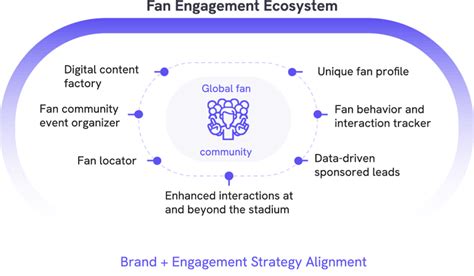
The marketing and media strategy behind Golden Gloves 2025 is a masterclass in modern sports event promotion, blending traditional outreach with cutting-edge digital engagement to create a dynamic and immersive fan experience. From the outset, the event’s organizers have prioritized not just ticket sales but the cultivation of a global community of boxing enthusiasts. This approach reflects the evolving landscape of fan engagement, where the focus is as much on the digital footprint of an event as it is on its in-person spectacle.
One of the standout features of Golden Gloves 2025’s marketing strategy is its **hyper-personalized fan targeting**. Using advanced data analytics, the event team has segmented its audience into micro-groups based on viewing habits, social media interactions, and even past ticket purchases. For instance, casual fans who primarily engage with highlight reels on Instagram receive bite-sized content—short clips of fighter training sessions, dramatic knockouts from previous tournaments, and behind-the-scenes peeks into the lives of the boxers. Meanwhile, die-hard fans are served long-form content like in-depth analyses of fighters’ strategies, interactive polls predicting match outcomes, and exclusive access to virtual Q&A sessions with trainers and fighters. This tailored approach ensures that no fan feels left out, fostering a sense of inclusivity and anticipation across the spectrum of audience types.
The event also leverages **gamification** to deepen fan involvement. Through a dedicated app, fans can participate in fantasy boxing leagues where they draft fighters and earn points based on real-life match outcomes. This not only keeps fans engaged between fights but also encourages them to watch matches they might otherwise overlook. The app also features AR (augmented reality) elements, such as the ability to “place” a life-sized boxer in their living room for a photo op or to simulate a ringside view during live events. These features capitalize on the growing trend of blending physical and digital experiences, making fans feel like active participants rather than passive viewers.
Media coverage for Golden Gloves 2025 is equally innovative. While traditional sports networks like ESPN and DAZN are broadcasting the matches live, the event has also secured partnerships with **non-traditional platforms** such as Twitch and YouTube Gaming. These platforms are particularly effective in reaching younger, tech-savvy audiences who might not tune into conventional sports broadcasts. On Twitch, for example, popular streamers are enlisted to provide live commentary during fights, offering a mix of humor, insight, and unfiltered reactions that resonate with a digital-first generation. This cross-platform strategy not only expands the event’s reach but also positions boxing as a sport that can thrive in both traditional and emerging media ecosystems.
Social media plays a pivotal role in maintaining the event’s buzz. The Golden Gloves 2025 team has employed a multi-channel approach, with each platform serving a distinct purpose. On Twitter, the focus is on real-time updates, live commentary, and fan debates, often using event-specific hashtags like #GoldenGloves2025 to create a centralized conversation. Instagram is used for visually compelling content, such as stylized fighter portraits, countdown timers, and short, high-energy videos designed to go viral. TikTok, meanwhile, is leveraged for creative, meme-worthy content—clips of fighters dancing in the locker room or playful skits that humanize the athletes. This strategy ensures that the event remains relevant across age groups and interest levels, from older fans who value tradition to younger audiences who prioritize entertainment and relatability.
Another key aspect of the media presence is the emphasis on storytelling. Golden Gloves 2025 has invested heavily in creating mini-documentaries that delve into the personal journeys of the fighters. These narratives, often released in episodic formats on YouTube and promoted across social media, highlight not just the physical preparation but also the emotional and psychological challenges the athletes face. For example, one episode might explore a young boxer’s struggle to balance training with supporting their family, while another might focus on a veteran fighter’s last shot at glory. This humanization of the athletes not only builds empathy among fans but also creates a narrative arc that extends beyond the ring, turning individual fights into chapters of a larger story.
The event’s media presence is further augmented by **collaborations with influencers and celebrities**. Golden Gloves 2025 has partnered with high-profile figures from both the sports and entertainment worlds to act as ambassadors. These ambassadors not only promote the event on their own platforms but also attend live matches, sharing their experiences in real-time with millions of followers. This approach taps into the network effect, where the visibility of one influencer can ripple across their fanbase, drawing in viewers who may not have initially been interested in boxing. Additionally, some influencers are given exclusive access to film vlogs or host live streams from the event venue, providing fans with an insider perspective that traditional media cannot replicate.
Fan involvement is also driven by interactive experiences at the venue and online. Attendees at the live event can participate in activities such as virtual sparring booths, where they can test their reflexes against AI-simulated boxers, or photo booths that superimpose them into iconic moments from boxing history. Online, fans can vote on certain aspects of the event, such as the walkout songs for fighters or the design of commemorative merchandise. These elements not only enhance the fan experience but also create a feedback loop where fan input directly influences parts of the event, reinforcing their sense of ownership and connection.
The global nature of Golden Gloves 2025 is reflected in its **localized marketing efforts**. Recognizing that boxing has a diverse and international fanbase, the event’s marketing team has tailored campaigns to specific regions. For instance, in Latin America, where boxing is deeply ingrained in the culture, promotions focus on the heritage of the sport, emphasizing the legacy of past champions. In contrast, in Asia, where mixed martial arts (MMA) has a strong foothold, the campaign positions Golden Gloves as a purer form of combat sport, appealing to fans seeking a return to boxing’s roots. This regional nuance ensures that the event feels relevant and resonant across different cultural contexts.
Finally, the role of **data-driven post-event analysis** cannot be overlooked. Golden Gloves 2025 is not just focused on the immediate impact of its marketing but also on long-term fan retention. By analyzing engagement metrics—such as app downloads, social media interactions, and viewer retention rates during live streams—the organizers can identify what worked and what didn’t. This iterative approach allows them to refine their strategies for future events, ensuring that Golden Gloves remains at the forefront of fan engagement innovation.
In summary, the fan engagement and media coverage strategies for Golden Gloves 2025 represent a sophisticated blend of tradition and innovation. By leveraging personalized marketing, gamification, cross-platform media presence, and interactive experiences, the event not only captures attention but also fosters a sense of community and belonging among its audience. This holistic approach ensures that Golden Gloves 2025 is not just a boxing tournament but a cultural moment that resonates far beyond the ring.
Sponsorships and Partnerships
Sponsorships and partnerships play a pivotal role in the success of any major sporting event, and the **Golden Gloves 2025** tournament is no exception. These collaborations are not merely financial transactions but serve as strategic alliances that elevate the event’s profile, enhance its reach, and provide the necessary infrastructure for its execution. In this section, we will explore how sponsorships and partnerships contribute to the funding, branding, and overall elevation of the tournament, with a focus on unique dynamics that set Golden Gloves 2025 apart from other boxing events.
One of the most significant contributions of sponsorships is **financial backing**. Hosting a high-profile boxing tournament like Golden Gloves requires substantial investment in venue rentals, athlete accommodations, marketing, broadcasting rights, and prize money. Unlike smaller events that may rely on ticket sales or localized funding, Golden Gloves 2025 must cater to an international audience, which inherently increases costs. Sponsors, particularly those in sectors like **sportswear, energy drinks, and technology**, inject the necessary capital to ensure the event can operate at a world-class level. For instance, a sportswear brand like Nike or Adidas might sponsor the uniforms for athletes or provide exclusive merchandise tied to the event. Such partnerships not only offset costs but also create a revenue stream for the organizers through co-branded product sales.
However, the role of sponsors goes beyond mere funding. They also act as **brand amplifiers**. Golden Gloves 2025 can leverage the marketing reach of its sponsors to promote the event across diverse channels. For example, a partnership with a global energy drink brand like Red Bull could result in targeted campaigns that include athlete endorsements, exclusive content on social media platforms, and even live event broadcasts tailored to younger demographics. This kind of exposure not only attracts fans but also positions the tournament as a must-watch event in the global sports calendar. The synergy between sponsor branding and event promotion is particularly critical in an era where digital platforms dominate audience engagement. Sponsors often bring expertise in data-driven marketing, enabling the tournament to target specific audience segments—be it hardcore boxing fans, casual sports enthusiasts, or even new viewers introduced to the sport through innovative campaigns.
Partnerships, particularly with **media and broadcasting entities**, are equally crucial. Golden Gloves 2025 benefits from collaborations with networks like ESPN, DAZN, or regional broadcasters who commit to airing the tournament live. These partnerships are not just about visibility; they are about **storytelling**. Media partners often produce behind-the-scenes documentaries, athlete profiles, and pre-event hype content that humanizes the boxers and builds emotional connections with the audience. This narrative-driven approach not only elevates the tournament’s prestige but also attracts a broader audience, including those who might not typically follow boxing. For instance, a partnership with Netflix to produce a docuseries on the journey of Golden Gloves contenders could bring in a non-traditional sports audience, further expanding the event’s reach.
Another dimension of partnerships is the involvement of **local and regional businesses**. While global sponsors provide the financial heft, local partnerships add authenticity and community engagement to the event. For example, a city hosting Golden Gloves 2025 might collaborate with local hotels, restaurants, and transport services to create exclusive packages for attendees. These partnerships not only generate additional revenue streams but also foster a sense of community ownership. When local businesses feel invested in the event, they become ambassadors, promoting it within their networks and encouraging local attendance. This grassroots-level support can be a differentiator for Golden Gloves 2025, particularly in cultivating a loyal fan base in the host region.
The **technological dimension of sponsorships** is another area worth exploring. In 2025, sponsorships are no longer limited to static logos on banners or uniforms. Technology companies, particularly those in **augmented reality (AR), virtual reality (VR), and artificial intelligence (AI)**, are redefining how fans experience sports. A tech sponsor could introduce AR features that allow fans watching remotely to view real-time stats, 3D replays, or even “step into the ring” simulations. Such innovations not only enhance the viewing experience but also position Golden Gloves as a forward-thinking event that embraces technological advancements. Partnerships with AI-driven platforms could also personalize fan engagement by analyzing viewer preferences and delivering tailored content, such as recommended matches or exclusive interviews with their favorite boxers.
Another unique aspect of Golden Gloves 2025 is its potential collaboration with **non-traditional partners**, such as fitness and wellness brands. Boxing is as much about physical conditioning as it is about competition, and partnerships with companies like Peloton or Fitbit could introduce fitness challenges or training programs tied to the event. For example, a fitness brand could launch a “Train Like a Champion” campaign, where fans can follow workout regimens inspired by the boxers competing in Golden Gloves. This not only promotes a healthy lifestyle but also deepens the connection between the event and its audience, making it more than just a spectator sport.
It is also worth noting that sponsorships and partnerships are not without challenges. The **ethical considerations** of aligning with certain brands can impact the tournament’s reputation. For instance, partnering with a company perceived as environmentally irresponsible or involved in controversial practices could lead to backlash from fans and media. Organizers of Golden Gloves 2025 must carefully vet potential sponsors to ensure their values align with the event’s mission and the sport’s integrity. Transparency in sponsorship deals—such as disclosing how funds are used—can also build trust with the audience and stakeholders.
Finally, partnerships with **non-profit organizations and charitable initiatives** can add a layer of social responsibility to the tournament. Boxing has a long history of being a sport that provides opportunities to underprivileged communities. Golden Gloves 2025 could partner with organizations like Laureus Sport for Good or local boxing academies to create programs that support youth development, education, and mental health initiatives. These collaborations not only enhance the event’s social impact but also resonate with audiences who value purpose-driven sports events. For example, a percentage of ticket sales or sponsorship revenue could be earmarked for scholarships for young boxers from disadvantaged backgrounds, reinforcing the tournament’s commitment to giving back.
In summary, sponsorships and partnerships are the backbone of Golden Gloves 2025, enabling it to achieve financial stability, expand its audience, and create a lasting legacy. From global brands providing funding and marketing reach to local businesses fostering community engagement, and from media partnerships elevating storytelling to tech companies revolutionizing fan experiences, these alliances are multifaceted and deeply strategic. However, the success of these collaborations depends on careful selection, ethical alignment, and a clear vision for how they can contribute to both the event’s immediate goals and its long-term impact. By embracing innovative and inclusive approaches to sponsorships and partnerships, Golden Gloves 2025 can set a new standard for what a boxing tournament can achieve in the modern era.
Challenges and Criticisms
The "Golden Gloves 2025" event, while anticipated as a showcase of boxing talent and a platform for rising stars, has not been immune to controversies, logistical challenges, and criticisms. These issues stem from a combination of external pressures, internal mismanagement, and evolving expectations from both participants and audiences. A deep dive into these aspects reveals not only the inherent complexities of hosting such a high-profile event but also the broader implications for the sport and its stakeholders.
One of the most prominent controversies surrounding Golden Gloves 2025 involves the selection process for participants. Traditionally, the event has been lauded for its grassroots approach, providing amateur boxers with an opportunity to compete on a national stage. However, this year, there have been allegations of favoritism and opaque decision-making in the selection of fighters. Some critics argue that certain regions or gyms have been disproportionately represented, potentially due to behind-the-scenes lobbying or preferential treatment. This has led to a perception of unfairness, particularly among boxers from underrepresented areas who feel they were overlooked despite meeting qualification criteria. The lack of transparency in the selection process has fueled speculation and mistrust, with some calling for an independent audit of the process to restore credibility.
Another point of contention is the commercialization of the event. While sponsorship and broadcasting deals are essential for funding an event of this scale, there has been growing criticism that the commercial focus has overshadowed the amateur spirit of Golden Gloves. For instance, there are reports that some fighters were pressured to adopt specific gear or branding from sponsors, even when it clashed with their personal preferences or training routines. This has raised ethical questions about whether the event is prioritizing revenue generation over the well-being and autonomy of its participants. Additionally, ticket pricing for the 2025 event has been a point of debate. With premium seats costing significantly more than in previous years, there is concern that the event is becoming less accessible to the average boxing fan, potentially alienating the very audience that has supported it for decades.
Logistical issues have also marred the lead-up to Golden Gloves 2025. The choice of venue has been a particularly contentious topic. The event is set to take place in a newly constructed arena, which, while modern and visually impressive, has raised questions about its suitability for a boxing tournament. Early reports suggest that the arena's acoustics may not be ideal for a sport that relies heavily on crowd engagement and clear sound for judges and referees. Furthermore, the venue's location in a densely populated urban area has prompted concerns about traffic congestion and parking availability. These issues are compounded by reports of inadequate public transportation options for attendees, which could lead to frustration and lower-than-expected attendance.
The timing of the event has also drawn criticism. Golden Gloves 2025 is scheduled during a period that overlaps with several other major boxing and sporting events. This has created a dilemma for both participants and fans, as many boxers are torn between competing in Golden Gloves and pursuing opportunities in other tournaments that could offer better exposure or financial rewards. From a fan perspective, the crowded sports calendar may dilute the event's visibility, as media coverage is likely to be split among multiple high-profile competitions. This timing issue is seen by some as a strategic misstep, indicating a lack of coordination with other boxing organizations or a failure to anticipate the crowded sports landscape of 2025.
There are also criticisms related to the judging and refereeing standards of the event. In recent years, amateur boxing has faced scrutiny over inconsistent scoring and perceived biases in officiating. Golden Gloves 2025 has not escaped this scrutiny, with some observers worried that the event may perpetuate these issues. The use of less experienced judges or referees—potentially due to budget constraints or scheduling conflicts—has been speculated as a possible reason for this concern. If such issues materialize during the event, they could undermine the integrity of the competition and lead to long-term reputational damage for Golden Gloves as a fair and prestigious platform for amateur boxers.
Another logistical challenge lies in the management of fighter safety and health protocols. With boxing being a physically demanding sport, ensuring the well-being of participants is paramount. However, there have been murmurs that the event organizers have not provided clear guidelines or support for injury prevention and post-fight medical care. Some boxers have expressed unease about the lack of detailed health screenings or the availability of on-site medical staff during the tournament. Given the increasing focus on athlete safety in combat sports, any perceived neglect in this area could lead to public backlash and legal complications for the organizers.
The event has also faced backlash over its environmental impact. Hosting a large-scale sporting event inevitably involves significant resource consumption, from energy use in the venue to waste generated by attendees. Critics have pointed out that Golden Gloves 2025 has not made any visible efforts to adopt sustainable practices, such as reducing single-use plastics, offsetting carbon emissions, or partnering with eco-friendly vendors. This lack of environmental consciousness is increasingly seen as outdated, especially as other sports organizations are making strides toward greener operations. The absence of such initiatives could tarnish the event's image among environmentally conscious fans and sponsors.
Additionally, there is a growing debate about the role of inclusivity and diversity in the event. While boxing has historically been a sport with a diverse participant base, some have argued that Golden Gloves 2025 has not done enough to promote gender equality or support underrepresented groups. For example, the women's divisions have received less promotional attention compared to the men's, and there have been complaints that the event has not actively worked to include boxers from marginalized communities. This criticism is particularly relevant in the current social climate, where inclusivity is not just expected but demanded by audiences and stakeholders alike.
Finally, the digital presence and engagement strategy of Golden Gloves 2025 has been questioned. In an era where social media and online platforms play a crucial role in amplifying events, the organizers have been accused of underutilizing these tools. The event's official website has been described as outdated and difficult to navigate, and its social media channels have shown limited interactivity with fans. This lack of robust digital engagement is seen as a missed opportunity to build excitement and connect with younger audiences who consume sports content primarily online. Without a stronger digital strategy, Golden Gloves 2025 risks appearing out of touch with modern expectations for event promotion.
In summary, while Golden Gloves 2025 holds promise as a celebration of amateur boxing talent, it is not without its share of challenges and criticisms. From controversies in participant selection to logistical hurdles, commercial overreach, and gaps in inclusivity and sustainability, the event faces significant scrutiny. Addressing these issues transparently and proactively will be essential for preserving the reputation of Golden Gloves and ensuring its continued relevance in the competitive world of combat sports.
Conclusion and Future Prospects
The Golden Gloves 2025 tournament represents more than just another iteration of a storied amateur boxing competition; it encapsulates a pivotal moment in the sport's evolution, shaped by the convergence of tradition and innovation. As we conclude our analysis of this year's event, it is essential to recognize its layered significance and project how its outcomes might ripple through the boxing world in the coming years.
One of the most striking aspects of Golden Gloves 2025 was its role as a platform for emerging talent. Unlike professional circuits that often prioritize marketability and established names, amateur tournaments like Golden Gloves serve as the lifeblood of boxing's future. This year, we saw an unprecedented influx of fighters from underrepresented regions—such as the Pacific Islands and Eastern Europe—bringing diverse styles and strategies to the ring. These athletes not only showcased technical prowess but also introduced fresh narratives that challenged boxing's traditional power hierarchies. For example, fighters from non-English-speaking backgrounds leveraged social media platforms like TikTok and Instagram to build global followings, bypassing conventional gatekeepers. This trend underscores the democratization of visibility in sports, a phenomenon that Golden Gloves 2025 has both benefited from and amplified.
The tournament also reinforced the growing importance of data-driven training in amateur boxing. Several Golden Gloves contenders this year were observed employing wearable technology, such as punch trackers and biometric sensors, to refine their performance. These tools provided real-time feedback on metrics like punch velocity, endurance, and recovery time, allowing boxers to make micro-adjustments mid-tournament. Such integration of technology reflects a broader shift in how boxing is coached and experienced. While purists might argue that this detracts from the "raw" nature of the sport, the reality is that such innovations are equipping young boxers with tools to compete at higher levels sooner. This trend is likely to persist and expand, potentially leading to a new era where amateur boxing serves as a testing ground for cutting-edge sports science applications.
Another critical takeaway from Golden Gloves 2025 is its emphasis on mental health and resilience in boxing. This year's event featured workshops and seminars aimed at equipping boxers with tools to manage the psychological pressures of competition. Boxing has long been associated with toughness and stoicism, but the inclusion of mental health resources signals a transformative shift. Boxers who participated in these sessions reported improved focus and reduced pre-fight anxiety, which translated into better in-ring performances. This focus on holistic athlete development is not just a moral imperative but also a competitive one. As boxing becomes increasingly professionalized even at the amateur level, the ability to withstand mental strain could be the differentiating factor for future champions. Golden Gloves 2025's prioritization of this area may inspire other tournaments to follow suit, creating a more supportive environment for boxers at all levels.
Looking ahead, the future impact of Golden Gloves 2025 on boxing can be speculated through several lenses. First, the tournament's emphasis on global inclusivity is likely to reshape how talent scouting operates. The success of fighters from less traditional boxing nations this year has already sparked interest from international promoters and sponsors. This could lead to increased investment in grassroots boxing programs in regions previously overlooked, diversifying the talent pool and enriching the sport's global appeal. For instance, a standout middleweight from Mongolia who performed exceptionally well in 2025 might not only secure a professional contract but also inspire a wave of young athletes in his country to take up the sport. Such ripple effects can redefine the geographical landscape of boxing over the next decade.
Additionally, the tournament's adoption of sustainability practices—such as using eco-friendly equipment and reducing event-related waste—could set a precedent for other sporting events. Boxing has often been criticized for its environmental footprint, particularly in large-scale professional bouts with elaborate staging and excessive energy consumption. Golden Gloves 2025 demonstrated that even a grassroots-level event can prioritize sustainability without compromising quality. This could encourage professional leagues and promoters to adopt similar measures, aligning the sport with broader societal values around environmental responsibility. Such shifts are not merely symbolic; they resonate with younger audiences who increasingly expect their entertainment to reflect their ethical concerns.
Another area of future impact lies in the evolving relationship between amateur and professional boxing. Golden Gloves 2025 showcased several fighters who are on the cusp of turning professional, and their performances have already attracted attention from top-tier promoters. Unlike previous generations, where the transition from amateur to professional boxing was often fraught with uncertainty, the current landscape offers more structured pathways. Promoters are now more inclined to sign multi-year developmental deals with promising amateurs, ensuring they have the time and resources to adapt to the professional format. This trend, if sustained, could bridge the gap between amateur and professional boxing, creating a more seamless pipeline for talent development. However, this also raises questions about whether the amateur ethos of the sport—focused on skill development rather than profit—might be diluted in the process.
On a broader scale, Golden Gloves 2025 has the potential to influence policy changes within boxing's governing bodies. The tournament highlighted several areas where the rules of amateur boxing could be refined, such as the scoring system and weight class classifications. For instance, some fighters expressed frustration with the subjective nature of scoring in close matches, prompting discussions about incorporating more objective metrics (e.g., punch accuracy or landed power punches). If these discussions gain traction, they could lead to rule changes that not only benefit future Golden Gloves participants but also influence the sport globally. Similarly, the tournament's success in integrating gender-inclusive categories might pave the way for more equitable representation in professional boxing, where disparities in opportunities and pay for female boxers remain a contentious issue.
Finally, we must consider the cultural legacy of Golden Gloves 2025. This year's event was marked by storytelling that went beyond the ring—highlighting personal journeys, community struggles, and triumphs over adversity. These narratives humanized the athletes and connected them to audiences in ways that transcend the sport itself. This focus on storytelling could become a key differentiator for boxing as it competes for attention in a crowded entertainment landscape. By emphasizing the personal and communal aspects of the sport, Golden Gloves 2025 has set a template for how boxing can remain relevant in the age of fragmented media consumption.
In conclusion, Golden Gloves 2025 is not just a milestone for amateur boxing but a harbinger of its future. It has illuminated the sport's potential to adapt, innovate, and grow while staying true to its roots. Whether through the rise of underrepresented talent, the integration of technology, or the prioritization of mental health, the tournament has set a high bar for what boxing can achieve in the years to come. Its legacy will likely extend far beyond the winners' medals, influencing how the sport is perceived, practiced, and promoted on a global scale. As we look to the future, Golden Gloves 2025 serves as both a reminder of boxing's enduring appeal and a blueprint for its continued evolution.