Introduction
Ilkay Gündoğan is a name synonymous with versatility, intelligence, and resilience in modern football. Born on October 24, 1990, in Gelsenkirchen, Germany, Gündoğan's journey from a young prospect in the Bundesliga to a midfield maestro for some of Europe's most prestigious clubs is a testament to his unwavering dedication and adaptability. This white paper explores the trajectory of his football career, examining the key moments, clubs, and contributions that have defined his legacy. The purpose of this document is to provide a comprehensive understanding of Gündoğan's impact not only as a player but also as a symbol of tactical evolution in football, particularly in the context of his influence on the teams he has represented.
Gündoğan's early career was rooted in the German football system, where he first showcased his potential at VfL Bochum's youth academy. His technical ability and vision stood out even as a teenager, leading to his eventual move to 1. FC Nürnberg in 2009. It was here that Gündoğan began to make a name for himself in the Bundesliga. Playing primarily as a central midfielder, he displayed a rare blend of creativity and defensive awareness. His performances in the 2010-2011 season, where he contributed significantly to Nürnberg's mid-table finish, caught the attention of top-tier clubs. This period marked the beginning of Gündoğan's reputation as a player capable of dictating the tempo of a game, a trait that would later define his style at higher levels.
In 2011, Gündoğan made a pivotal move to borussia dortmund, then managed by the enigmatic Jürgen Klopp. At Dortmund, Gündoğan's career entered a new phase. Under Klopp's high-pressing, counter-attacking system, he evolved from a promising talent into a world-class midfielder. His role in Dortmund's midfield was instrumental in their domestic and European success during this period. Notably, Gündoğan played a crucial part in Dortmund's run to the 2013 UEFA Champions League final, where his penalty in the final against Bayern Munich exemplified his calmness under pressure. This phase of his career highlighted his ability to thrive in high-stakes environments and adapt to a system that demanded both physical and mental resilience.
What sets Gündoğan apart is his footballing IQ. Unlike many midfielders who excel in one specific area—be it playmaking, ball recovery, or goal-scoring—Gündoğan has consistently demonstrated a well-rounded skill set. His ability to read the game, combined with precise passing and spatial awareness, has allowed him to operate effectively in various midfield roles. Whether deployed as a deep-lying playmaker, a box-to-box midfielder, or even in advanced positions, Gündoğan has shown an unparalleled capacity to influence games in multiple ways. This versatility has been a recurring theme throughout his career, making him a manager's dream player.
After a successful spell at Dortmund, Gündoğan made a high-profile transfer to Manchester City in 2016, joining Pep Guardiola's revolution in the Premier League. This move was significant not only for Gündoğan but also for how it showcased his willingness to embrace new challenges. At City, he became a linchpin in Guardiola's possession-based system, often tasked with initiating attacks from deep positions or breaking down stubborn defenses with his incisive passing. His adaptability was evident in the way he transitioned from the high-energy, counter-attacking style of Klopp to the methodical, possession-oriented approach of Guardiola. This ability to thrive under different managerial philosophies underscores Gündoğan's footballing intelligence and professionalism.
During his time at Manchester City, Gündoğan has been part of a team that has redefined English football. He has contributed to multiple Premier League titles, domestic cup victories, and record-breaking seasons. One of the standout moments of his City career came in the 2020-2021 season, where he finished as the club's top scorer in the Premier League, an unusual feat for a midfielder. This achievement highlighted his evolving role as a player capable of contributing not just in midfield orchestration but also in goal-scoring. Such moments illustrate how Gündoğan has continually expanded his repertoire, refusing to be confined to a single archetype of play.
Beyond his club career, Gündoğan's contributions to the German national team are also noteworthy. While his international career has not always been as prolific as his club exploits—partly due to Germany's depth in midfield—he has still played a role in major tournaments, including the 2018 FIFA World Cup and UEFA Euro 2020. His performances for Germany reflect the same qualities seen at club level: composure, tactical discipline, and an ability to link play between defense and attack.
The purpose of this white paper is to delve deeper into Gündoğan's career not merely as a chronological account but as a study of how his journey reflects broader trends in modern football. His career encapsulates the shifting demands placed on midfielders in the 21st century. Where once the role of a midfielder was more rigidly defined—either as a creator, a destroyer, or a box-to-box runner—Gündoğan represents a new breed of player who can seamlessly blend these roles. This white paper aims to analyze how his adaptability, technical skills, and mental fortitude have allowed him to remain relevant and influential across different leagues, managers, and systems.
Another key focus of this document is to explore the intangible qualities that Gündoğan brings to a team. While statistics and trophies provide a measurable account of his success, his leadership, humility, and ability to mentor younger players are equally significant. These traits are often overlooked in discussions about footballers but are critical in understanding Gündoğan's broader impact. For instance, his role in guiding Manchester City through transitional phases or his influence in Dortmund's dressing room during their golden era are testaments to his character as much as his talent.
This white paper will also address the challenges Gündoğan has faced, including injuries that have periodically disrupted his career. His ability to return from setbacks, such as the spinal injury that sidelined him for months during his Dortmund tenure, speaks volumes about his mental strength. These moments of adversity provide a nuanced perspective on his career, showing that his success is not merely a product of talent but also of perseverance.
- Gündoğan's early development in Germany laid the foundation for his technical and tactical growth.
- His time at Dortmund under Klopp was transformative, shaping him into a player capable of excelling in high-pressure scenarios.
- At Manchester City, he has adapted to a system that demands both technical precision and positional flexibility.
- His international career adds another dimension to his legacy, though it remains somewhat understated compared to his club achievements.
In conclusion, this section serves as an introduction to the multifaceted career of Ilkay Gündoğan, a player whose journey is as much about personal evolution as it is about footballing excellence. By examining his career in detail, this white paper seeks to uncover the nuances of his contributions to the sport and the lessons that can be drawn from his experiences. Whether viewed through the lens of his tactical versatility, his resilience in the face of challenges, or his understated leadership, Gündoğan's story is one that resonates far beyond the pitch.
Early Career and Breakthrough
Ilkay Gündoğan's journey in football is a testament to perseverance, raw talent, and the ability to adapt to different environments. His early career serves as a foundation for understanding how he evolved into the world-class midfielder we see today. From humble beginnings in youth teams to his first professional club, Gündoğan's trajectory reflects a blend of natural ability and the right opportunities at the right time.
Born on October 24, 1990, in Gelsenkirchen, Germany, Gündoğan grew up in a region known for its deep-rooted football culture. Gelsenkirchen is home to Schalke 04, one of Germany's most iconic clubs, and this proximity to professional football likely played a role in shaping his early aspirations. Like many children in football-centric communities, Gündoğan began playing the sport at a young age. His first steps in organized football came with the local club **SV Gelsenkirchen-Hessler 06**, where he honed his skills in a less structured environment compared to the academies of top-tier clubs.
At Hessler 06, Gündoğan displayed early signs of his technical ability and vision on the field. Even as a child, he was noted for his calmness under pressure and his ability to distribute the ball effectively. These attributes would later become hallmarks of his playing style. However, it is worth noting that Gündoğan was not immediately pegged as a prodigy. Unlike some players who are identified as future stars in their early teens, his development was gradual. This aspect of his journey is important because it highlights how he relied on consistent improvement rather than being thrust into the spotlight prematurely.
Gündoğan’s progression led him to join the youth setup of **Schalke 04**, the club synonymous with his hometown. This move was significant not only because of Schalke’s stature but also because it provided him with access to better training facilities and coaching. However, his time at Schalke was short-lived. Despite the club’s reputation for nurturing young talent, Gündoğan faced challenges in breaking through. This period is a critical point in his early career because it underscores the competitive nature of youth football in Germany. Many players with potential are filtered out during this phase due to the high standards set by top academies. For Gündoğan, this experience could have been a setback, but instead, it became a turning point.
After leaving Schalke, Gündoğan moved to **VfL Bochum** in 2005, another club in the region but one with a slightly different approach to youth development. At Bochum, he found an environment that allowed him to grow at his own pace. The club’s youth system emphasized technical proficiency and tactical understanding, which aligned well with Gündoğan’s natural inclinations. During his time at Bochum, he began to play in more advanced roles within midfield, showcasing his ability to link play and contribute to both defensive and offensive phases of the game. This period was instrumental in helping him refine his positional sense and adapt to the physical demands of competitive football.
In 2008, at the age of 18, Gündoğan made his first significant breakthrough when he was promoted to Bochum’s reserve team, which competed in the **Regionalliga** (the fourth tier of German football at the time). This was his first taste of semi-professional football, and it provided him with the opportunity to test his skills against more experienced players. His performances in the reserve team caught the attention of scouts and coaches, but it was clear that he was ready for a bigger stage. This realization came in 2009 when he made the move to **1. FC Nürnberg**, a club in the **Bundesliga**, marking the beginning of his professional career.
The transition to Nürnberg was a pivotal moment for Gündoğan. Unlike Schalke or Bochum’s reserve setup, Nürnberg offered him the opportunity to play in one of the most competitive leagues in the world. His first season was not without its challenges. As a young player making the leap to the Bundesliga, he had to contend with the physicality and speed of the game at the highest level. However, Gündoğan’s ability to read the game and his composure on the ball allowed him to adapt quickly. He made his Bundesliga debut on August 19, 2009, in a match against FC Köln, and although he was initially used as a substitute, his performances gradually earned him more playing time.
One of the standout aspects of Gündoğan’s early professional career was his versatility. At Nürnberg, he was often deployed as a deep-lying playmaker, a role that suited his skill set. He demonstrated an innate understanding of space and timing, often dropping deep to collect the ball from defenders and initiating attacks with precise passes. This role also required him to develop a defensive awareness that was not as prominent in his earlier youth career. Under the guidance of coaches at Nürnberg, he began to add this dimension to his game, which would later become a critical part of his repertoire.
Gündoğan’s breakthrough season at Nürnberg came in the **2010-2011 campaign**. By this time, he had established himself as a regular starter and was beginning to attract attention from larger clubs. His performances were characterized by a blend of creativity and consistency. He contributed not only through his passing but also through his ability to dictate the tempo of matches. This season saw him score three goals and provide several key assists, numbers that might seem modest but were impressive for a young midfielder in his first full Bundesliga season. It was during this period that he began to be seen not just as a promising talent but as a player with the potential to influence games at the highest level.
A closer look at Gündoğan’s time at Nürnberg also reveals the importance of mentorship. He was surrounded by experienced players who helped him navigate the pressures of professional football. This period also saw him develop a reputation for being a thoughtful and intelligent player, both on and off the field. His ability to analyze his own performances and seek feedback from coaches and teammates set him apart from many of his peers.
In retrospect, Gündoğan’s journey from Hessler 06 to Nürnberg can be seen as a microcosm of his broader career. Each step of his early development was marked by challenges that he overcame through a combination of hard work and adaptability. His time in youth teams taught him the value of persistence, while his experiences at Bochum and Nürnberg provided him with the platform to showcase his talent in progressively more competitive environments.
This period of his career also highlights the role of external factors, such as the support systems around him. Whether it was the coaching staff at Bochum who believed in his potential or the senior players at Nürnberg who guided him, Gündoğan’s early career was shaped by a network of influences that helped him navigate the complexities of professional football.
- His early exposure to local football at Hessler 06 laid the groundwork for his technical skills.
- The move to Schalke, though brief, introduced him to the expectations of a top-tier academy.
- Bochum provided the stability and focus needed for his growth during adolescence.
- Nürnberg served as the launchpad for his professional career, where he began to establish himself as a Bundesliga-caliber player.
In summary, Ilkay Gündoğan’s early career and breakthrough were characterized by a series of deliberate steps rather than meteoric rises. Each phase of his development contributed to the player he would become, emphasizing the importance of patience and adaptability in football. From his formative years in Gelsenkirchen to his emergence as a key figure at Nürnberg, Gündoğan’s journey is a compelling narrative of talent meeting opportunity.
Nürnberg Era
The period of Ilkay Gündoğan's career spent at 1. FC Nürnberg, commonly referred to as his "Nürnberg Era," marked a transformative phase in the young midfielder's development. Having joined the club in 2009 from VfL Bochum, Gündoğan was a relatively unknown prospect at the time. However, his stint at Nürnberg would serve as a critical stepping stone, laying the foundation for his eventual rise to prominence in German and European football.
When Gündoğan arrived at Nürnberg, the club was in a state of flux. They had just finished the 2008-09 season in 16th place, narrowly avoiding relegation through the play-offs. This environment presented both challenges and opportunities for a young player like Gündoğan. The team needed revitalization, and manager Michael Oenning saw potential in Gündoğan's technical ability and composure on the ball, even though he was only 18 years old at the time of his signing. This early trust in his abilities would prove instrumental in his growth.
Adapting to Bundesliga Football Gündoğan's initial appearances for Nürnberg were tentative, as is often the case for young players transitioning to the physical and tactical demands of the Bundesliga. However, what set him apart was his ability to quickly adapt to the pace of the game. During the 2009-10 season, Gündoğan made 20 league appearances, primarily as a central midfielder. His role was not immediately as a playmaker but rather as a box-to-box midfielder tasked with contributing to both defensive and offensive phases of play. This versatility was a hallmark of his time at Nürnberg and hinted at the multifaceted skill set he would later refine.
One of the key aspects of Gündoğan's development during this period was his improvement in positional awareness. Early in his Nürnberg career, he often struggled to find the right balance between offensive runs and defensive responsibilities. However, as the season progressed, he began to demonstrate a better understanding of when to hold his position and when to push forward. This maturation was evident in matches like the 2-1 victory over Borussia Mönchengladbach in February 2010, where Gündoğan's intelligent movement and precise passing helped Nürnberg control the midfield. Such performances underscored his growing confidence and ability to influence games at the highest level of German football.
Key Performances A standout moment in Gündoğan's Nürnberg tenure came during the 2010-11 season, his second and final year with the club. By this time, he had established himself as a regular starter and was beginning to attract attention from larger clubs. A memorable performance came in a 3-1 win over Bayern Munich in February 2011. In this match, Gündoğan showcased his ability to dictate the tempo of the game. He completed 87% of his passes, including several incisive through-balls that dissected Bayern's defense. More importantly, he scored a goal—a well-timed run into the box followed by a composed finish. This performance was not just about statistics; it was a clear demonstration of his tactical intelligence and ability to perform under pressure against one of the league's top teams.
Another defining game was the 2-2 draw against Hoffenheim in April 2011. In this match, Gündoğan operated in a more advanced role, almost as a No. 10. His creative output was on full display as he provided an assist and was involved in nearly every attacking move. These games highlighted how Gündoğan was not just a functional midfielder but a player capable of progressive play—breaking lines with his passing and contributing directly to goal-scoring opportunities.
Development of Technical and Tactical Skills Gündoğan's time at Nürnberg was also marked by significant improvement in his technical attributes. His ball control, which was already strong when he arrived, became even more refined. He developed a knack for receiving the ball under pressure and turning away from opponents with ease. This was particularly evident in tight spaces, where he used his low center of gravity and quick footwork to evade challenges. Additionally, his long-range passing improved markedly. While he was not yet the metronomic passer he would become at Borussia Dortmund, his time at Nürnberg saw him experiment with diagonal balls and switches of play, which later became a signature part of his game.
From a tactical standpoint, Gündoğan's exposure to different systems at Nürnberg was invaluable. Under Oenning and later Dieter Hecking, the team alternated between a 4-4-2 and a 4-2-3-1 formation. This flexibility required Gündoğan to adapt his positioning and responsibilities. In a 4-4-2, he often played deeper, focusing on ball retention and recycling possession. In a 4-2-3-1, he was given more license to venture forward and link with the attackers. This adaptability would serve him well in his later career, as he became known for his ability to fit into varied tactical setups.
Challenges and Growth It is important to note that Gündoğan's time at Nürnberg was not without its challenges. The club's financial limitations meant they often faced stronger teams with better resources. This environment forced Gündoğan to develop a resilient mindset. He learned to perform in high-stakes matches where Nürnberg were considered underdogs, such as their narrow 1-0 loss to Schalke in the DFB-Pokal quarterfinals in 2010. These experiences instilled in him a sense of grit and determination that would become evident in his later career.
Another area of growth was his leadership qualities. Although he was one of the younger players in the squad, Gündoğan's calm demeanor and ability to read the game made him a natural leader on the pitch. Teammates often looked to him to set the rhythm of play, a responsibility he embraced with maturity beyond his years.
Legacy at Nürnberg Gündoğan's impact at Nürnberg can be measured not just by his individual performances but by the broader influence he had on the team's fortunes. In the 2010-11 season, Nürnberg finished in a respectable sixth place, their highest position in years. While this was a collective effort, Gündoğan's role as a central figure in midfield was undeniable. His ability to control games and provide a creative spark elevated the team's overall performance.
When he left for Borussia Dortmund in 2011, Gündoğan had already shown glimpses of the world-class midfielder he would become. However, it was at Nürnberg that he first began to unlock his potential. The club provided him with the platform to grow in a competitive yet supportive environment, allowing him to experiment, make mistakes, and learn from them without the weight of overwhelming expectations. This period of his career is often overlooked in retrospectives of his journey, but it is undeniable that the Nürnberg Era was where Gündoğan began to forge his identity as a player capable of blending technical elegance with tactical intelligence.
- His adaptability to different roles and systems was a key takeaway from this period.
- The challenges of playing for a mid-table team helped him develop resilience.
- Key matches, such as the win over Bayern Munich, showcased his ability to rise to the occasion.
- His technical and tactical improvements laid the groundwork for his future success.
In summary, the Nürnberg Era was not just a chapter in Gündoğan's career but a crucial phase of his evolution. It was here that he transitioned from a promising talent to a midfielder with the potential to shape games at the highest level. This period serves as a testament to how a supportive yet challenging environment can nurture a young player's growth, setting the stage for greater achievements in the years to come.
Borussia Dortmund Success
Ilkay Gündoğan's time at Borussia Dortmund marked a transformative period for both the player and the club. Signed from 1. FC Nürnberg in 2011, Gündoğan quickly established himself as a central figure in Jürgen Klopp's dynamic and high-energy system. His arrival coincided with Dortmund's rise to prominence in German and European football, and his tactical intelligence, technical ability, and versatility were instrumental in the club's success during this era. This section delves into Gündoğan's specific role at Dortmund, focusing on his tactical contributions and the major trophies he helped secure.
Gündoğan was initially brought in to replace Nuri Şahin, who had left for Real Madrid after a stellar 2010-11 season. While Şahin was a more traditional deep-lying playmaker, Gündoğan offered a different dimension. He combined the ability to dictate play from deep with an eagerness to drive forward into advanced areas, making him a hybrid midfielder who could transition seamlessly between defense and attack. This adaptability was a key factor in Dortmund's tactical evolution under Klopp, particularly as the team sought to maintain their high-pressing style while adding more control in possession.
One of Gündoğan's most significant contributions was his ability to act as a progressive passer in Dortmund's system. Klopp's teams were renowned for their aggressive counter-pressing and rapid transitions, but Gündoğan provided a layer of composure and precision that balanced the chaos. In the 2011-12 season, when Dortmund won the Bundesliga title, Gündoğan's role was pivotal. He often operated as the regista in a 4-2-3-1 formation, sitting alongside Sven Bender or Sebastian Kehl in midfield. His capacity to receive the ball under pressure and find forward passes allowed Dortmund to bypass pressing lines and maintain attacking momentum. For instance, his pass completion rate that season was among the highest in the league for midfielders, underscoring his reliability in possession.
Gündoğan's influence extended beyond just ball retention. He had an uncanny ability to time forward runs into the box, often arriving late to exploit space left by defenders preoccupied with Dortmund's dynamic wingers like Marco Reus and Jakub Błaszczykowski. This was evident in Dortmund's 5-2 DFB-Pokal final victory over Bayern Munich in 2012, where Gündoğan's energy and positioning helped Dortmund dominate the midfield battle. His understanding of space and timing was a testament to his footballing intelligence, a trait that became a hallmark of his play at the club.
The 2012-13 season saw Gündoğan elevate his game further, particularly in the UEFA Champions League. Dortmund reached the final that year, and Gündoğan was one of the standout performers throughout the campaign. In the semi-final second leg against Real Madrid, he delivered a masterclass, scoring a penalty and dictating play from a slightly more advanced role. His ability to link play between midfield and attack was crucial in breaking down a defensively organized Madrid side. Gündoğan's technical skill was on full display as he combined quick one-touch passing with moments of individual brilliance, such as his dribbling to escape pressure in tight areas. This match exemplified how he had grown into a player who could perform on the biggest stages, not just in domestic competitions.
Tactically, Gündoğan's role also evolved to include more defensive responsibilities as Dortmund adjusted to the demands of European football. While his primary strength was his ability to orchestrate play, he developed a knack for pressing intelligently and intercepting passes in midfield. This was particularly important in games where Dortmund faced possession-heavy teams like Bayern Munich or Spanish giants. Gündoğan’s positioning and anticipation allowed him to disrupt opponents' build-up play, providing Dortmund with opportunities to counterattack—a key feature of Klopp's philosophy. His defensive work rate, combined with his creative output, made him one of the most complete midfielders in Europe during this period.
The trophies Gündoğan helped Dortmund win underline his importance to the team. The Bundesliga title in 2011-12 was a statement of intent from a young and ambitious Dortmund side. Gündoğan played 28 league games that season, contributing two goals and three assists while serving as the metronome in midfield. The following year, Dortmund secured a domestic double by winning the DFB-Pokal, with Gündoğan playing a central role in both the semi-final and final. These achievements were not merely the result of collective effort; they were shaped by Gündoğan's ability to provide stability and creativity in equal measure.
However, it was not just the trophies that defined Gündoğan's impact but also the manner in which Dortmund played with him in the side. Under Klopp, Dortmund became synonymous with a brand of football that was both relentless and aesthetically pleasing. Gündoğan embodied this ethos, blending physical commitment with technical elegance. His performances in high-stakes games, such as the 4-1 victory over Real Madrid in the 2013 Champions League semi-final first leg, highlighted his ability to rise to the occasion. In that game, he completed 91% of his passes and was instrumental in maintaining Dortmund's control despite waves of Madrid pressure.
It is also worth noting how Gündoğan's presence influenced his teammates. Players like Mario Götze and Marco Reus thrived in an environment where Gündoğan provided a steady supply of passes and created space with his movement. This synergy was a key reason why Dortmund's attack was so fluid and unpredictable during their peak years. Gündoğan’s role as a facilitator allowed the more flamboyant players to shine while he quietly ensured the team's structure remained intact.
In summary, Ilkay Gündoğan's time at Borussia Dortmund was marked by consistent excellence and a clear impact on the team's tactical identity and success. He was not just a player who filled a position; he was a midfielder who redefined how Dortmund approached both domestic and European challenges. His ability to blend defensive solidity with creative brilliance made him indispensable during the club's most successful period under Jürgen Klopp. The major trophies—a Bundesliga title, a DFB-Pokal, and a Champions League final appearance—were the tangible outcomes of his contributions, but his legacy at Dortmund is best understood through the intangible ways he shaped the team's style and mentality.
- Gündoğan's progressive passing and late runs into the box added a new dimension to Dortmund's midfield.
- His performance in the 2013 Champions League semi-final against Real Madrid showcased his ability to perform under pressure.
- He was a key figure in Dortmund's Bundesliga and DFB-Pokal successes, providing both stability and creativity.
Gündoğan's time at Dortmund remains a testament to how a player's tactical intelligence and technical skill can elevate a team's ambitions, making him a cornerstone of one of the most exciting periods in the club's history.
Move to Manchester City
In the summer of 2016, Ilkay Gündoğan made a high-profile move to Manchester City from Borussia Dortmund, marking a significant shift in his career trajectory. The transfer was not merely a change of clubs but a calculated step into a new footballing philosophy under the guidance of Pep Guardiola, who had just taken over as manager of the Premier League side. This section delves into the intricacies of the transfer, the motivations behind it, and the initial impact Gündoğan had on Manchester City during his early days at the club.
The transfer itself was finalized for a reported fee of around £20 million, which, at the time, was seen as a reasonable investment for a midfielder of Gündoğan’s caliber. However, the move was not without its complexities. Gündoğan was recovering from a knee injury that had sidelined him for several months, raising questions about the timing and rationale of the transfer. Despite this, Manchester City’s interest was rooted in a long-term vision rather than immediate returns. The club was undergoing a transformation under Guardiola, who sought players capable of executing his possession-based, high-pressing style of play. Gündoğan, with his technical proficiency, positional intelligence, and ability to dictate tempo, fit the profile of the type of midfielder Guardiola coveted.
One of the key motivations for Gündoğan to join Manchester City was the opportunity to work with Guardiola, a manager renowned for elevating players to their peak potential. Gündoğan had already proven himself in the Bundesliga, particularly during Dortmund’s run to the 2013 Champions League final, but he was at a stage in his career where he sought new challenges. The Premier League offered a different level of physicality and pace compared to the Bundesliga, and Gündoğan was eager to test himself in this environment. Additionally, Manchester City’s ambitious project—backed by significant financial investment and a clear aim to dominate both domestically and in Europe—aligned with Gündoğan’s personal aspirations. He was not just joining a club; he was becoming part of a vision to reshape English football.
Another factor that cannot be overlooked is the role of Txiki Begiristain, Manchester City’s Director of Football, in facilitating the move. Begiristain had a strong understanding of Gündoğan’s qualities, having monitored his progress during his time at Dortmund. This familiarity likely played a part in smoothing the negotiation process and ensuring that both parties saw the move as a mutually beneficial arrangement. For Gündoğan, the presence of a director who understood his style of play and potential role within the team added a layer of reassurance amidst the uncertainties of moving to a new league while recovering from injury.
Upon his arrival, Gündoğan’s initial impact on Manchester City was both subtle and profound. Although he missed the start of the 2016-17 season due to his ongoing recovery, his debut in September 2016—a 4-0 victory over Bournemouth—offered a glimpse of what he could bring to the team. In that match, Gündoğan showcased his ability to link play between defense and attack, providing a seamless connection that had been somewhat lacking in City’s midfield prior to his arrival. His passing range, combined with his knack for finding space in congested areas, immediately stood out.
What set Gündoğan apart in those early months was his adaptability. Guardiola’s system demanded a great deal from midfielders—not just in terms of technical ability but also in their willingness to press high up the pitch and contribute defensively. Gündoğan embraced this challenge, often operating as a deep-lying playmaker or an advanced midfielder depending on the game’s needs. His versatility allowed Guardiola to experiment with formations, including the use of a double pivot in midfield, where Gündoğan’s partnership with players like Fernandinho provided both stability and creativity.
One of the standout moments of Gündoğan’s early tenure came in November 2016 during a Champions League group stage match against Barcelona. Manchester City had struggled against Barcelona in previous encounters, often appearing overawed by the occasion. However, Gündoğan played a pivotal role in City’s 3-1 victory, scoring two goals and demonstrating his big-game mentality. This performance was not just about the goals; it was about the composure and authority he brought to the midfield against one of Europe’s most dominant teams. It signaled to fans and pundits alike that Gündoğan was not merely adapting to his new surroundings—he was thriving in them.
Beyond his on-field contributions, Gündoğan’s presence had a ripple effect on the team’s dynamics. His calm demeanor and professional attitude made him a natural leader in the dressing room, despite being a newcomer. This was particularly important during a period of transition at Manchester City, where several players were still adjusting to Guardiola’s methods. Gündoğan’s experience in high-pressure environments, such as Dortmund’s title-winning campaigns and deep Champions League runs, provided a steadying influence. Younger players, in particular, looked up to him as an example of how to handle the demands of playing for a top-tier club under an exacting manager.
However, it is also worth noting the challenges Gündoğan faced during this period. His injury history remained a concern, and there were moments when his physical condition limited his availability. This raised questions about whether he could sustain the level of performance required in the Premier League over the course of a grueling season. Yet, these concerns were mitigated by his willingness to work on his fitness and adapt his game to minimize the risk of further injuries. Guardiola’s rotation policy also played a role in managing Gündoğan’s workload, ensuring that he was used strategically rather than being overburdened.

From a tactical perspective, Gündoğan’s integration into the team highlighted the evolving nature of Manchester City’s midfield. Under Guardiola, the midfield was no longer just a conduit for possession but a dynamic area where players were expected to contribute in multiple phases of play. Gündoğan’s ability to switch between roles—sometimes dropping deep to collect the ball from the center-backs, other times surging forward to support the attack—embodied this new philosophy. His presence enabled City to maintain fluidity in their play, a hallmark of Guardiola’s best teams.
In summary, Gündoğan’s move to Manchester City was a calculated gamble that paid off in both the short and long term. The motivations behind the transfer—a desire for new challenges, the allure of working with Guardiola, and the ambition of the project at City—were complemented by his immediate impact on the pitch. Despite the hurdles posed by his injury recovery, Gündoğan quickly became an integral part of the team, contributing not just with his technical skills but also with his leadership and adaptability. This move marked the beginning of a chapter in which Gündoğan would play a central role in Manchester City’s rise to dominance in English and European football.
- The transfer fee of £20 million reflected both Gündoğan’s value and the club’s long-term planning.
- Gündoğan’s debut and early performances, such as against Bournemouth and Barcelona, showcased his immediate value.
- His versatility and tactical understanding allowed him to thrive in Guardiola’s system.
- His influence extended beyond the pitch, contributing to team cohesion during a transitional phase.
This comprehensive analysis underscores how Gündoğan’s move to Manchester City was not just a transfer but a strategic alignment of player and club ambitions, setting the stage for future successes.
Tactical Evolution Under Guardiola
Pep Guardiola's tenure at Manchester City has been defined by his ability to reshape players to fit his intricate, possession-based system. Among the many players who have thrived under his guidance, Ilkay Gündoğan stands out as a prime example of how tactical evolution can unlock a player's full potential. When Gündoğan joined Manchester City in 2016, he was primarily seen as a technically gifted midfielder with a preference for deep-lying playmaking. However, Guardiola's system required more than just technical proficiency; it demanded adaptability, tactical intelligence, and the ability to perform multiple roles within a fluid structure. This section delves into how Guardiola's tactical framework shaped Gündoğan's playstyle and versatility, transforming him into one of the most dynamic midfielders in modern football.
One of the most striking aspects of Gündoğan's evolution under Guardiola is his transition from a traditional deep-lying midfielder to a multifaceted player capable of influencing the game in all phases. At Borussia Dortmund, under Jürgen Klopp and later Thomas Tuchel, Gündoğan was often deployed as a regista—a player tasked with dictating tempo from deep positions and connecting defense to attack. While this role showcased his excellent passing range and vision, it did not fully exploit his potential to contribute in advanced areas. Guardiola, however, saw in Gündoğan a player whose technical skillset could be harnessed in more dynamic ways. Early in his Manchester City career, Gündoğan was used in a double pivot alongside players like Fernandinho, where his primary responsibilities were to retain possession and provide a stable base for City's attacks. Yet, as Guardiola's system evolved, so did Gündoğan's role.
A key turning point in Gündoğan's development came during the 2020-21 season, when Guardiola began experimenting with a "false 9" system that often saw midfielders pushed into higher positions. Gündoğan was one of the primary beneficiaries of this tactical shift. Deployed as an attacking midfielder or even as a second striker in certain matches, he was given license to make late runs into the box and contribute directly to goalscoring. This was a significant departure from his earlier role, as it required him to not only read the game from a deeper position but also time his movements to exploit spaces left by opposition defenses. The results were staggering—Gündoğan finished the season as City's top scorer in the Premier League with 13 goals, many of them arriving through well-timed runs and clinical finishes. This newfound attacking prowess was not accidental; it was the result of Guardiola's emphasis on positional play and the creation of overloads in key areas of the pitch.
Guardiola's system places a premium on positional fluidity, where players are expected to interchange roles seamlessly to maintain numerical superiority and stretch the opposition. Gündoğan's technical comfort on the ball made him an ideal candidate for this style of play. For instance, in games where City faced low blocks, Gündoğan often dropped deep to act as a temporary playmaker, drawing defenders out of position and creating space for wingers like Raheem Sterling or Riyad Mahrez to exploit. Conversely, in games where City needed to break quickly, he would position himself higher up the pitch to offer a direct outlet. This adaptability is a hallmark of Guardiola's coaching—he does not shoehorn players into rigid roles but instead tailors their responsibilities to suit the needs of the team in a given match. Gündoğan's ability to thrive in this environment speaks volumes about his tactical intelligence and willingness to embrace new challenges.
Another dimension of Gündoğan's evolution is his defensive contribution, which has often been overlooked in discussions about his offensive output. While not a natural destroyer in the mold of Fernandinho or Rodri, Gündoğan has developed a more proactive defensive role under Guardiola. This is particularly evident in games where City employ a high press. Gündoğan's positioning and anticipation allow him to cut passing lanes and win the ball in advanced areas, turning defense into attack in an instant. This aspect of his game is a testament to Guardiola's focus on collective pressing and the importance of every player contributing to defensive transitions. Gündoğan's improved defensive work rate is not something that came naturally to him; it was a skill honed through Guardiola's rigorous training sessions and the demand for a high-intensity approach in every phase of play.
Gündoğan's versatility also extends to his ability to perform in different midfield setups. Guardiola has often rotated between a 4-3-3, a 3-2-4-1, and even a 4-2-3-1 depending on the opposition and the circumstances of the game. In each of these systems, Gündoğan has found a way to be effective. In a 4-3-3, he can operate as the left-sided central midfielder, linking play between the lines and offering a creative outlet. In a 3-2-4-1, he often acts as one of the two deeper midfielders, providing balance and ensuring the team retains control of the midfield battle. This flexibility is a direct result of Guardiola's insistence on players understanding not just their own roles but the broader tactical framework of the team. Gündoğan's capacity to adapt to these varying systems highlights his growth as a player who is as comfortable orchestrating play from deep as he is making incisive runs into the box.
One cannot discuss Gündoğan's evolution without mentioning his mental resilience and game intelligence, traits that Guardiola prizes highly. Under the Spaniard's tutelage, Gündoğan has become a player who thrives under pressure, often delivering in high-stakes matches. His performances in crucial games, such as the 2021 Champions League final (despite the result) and numerous Premier League title deciders, demonstrate his ability to remain calm and execute his role effectively. This mental fortitude is a product of Guardiola's emphasis on creating players who are not just technically gifted but also mentally attuned to the demands of high-level football. Gündoğan's ability to read the game, make split-second decisions, and remain composed in possession is a direct reflection of the environment Guardiola has cultivated at Manchester City.
To further illustrate Gündoğan's tactical evolution, consider the following key moments in his City career:
- 2018-19 season: Gündoğan played a pivotal role in City's title-winning campaign, often operating as a holding midfielder in the absence of Fernandinho. His ability to manage games from deep was critical in maintaining City's dominance.
- 2020-21 season: The false 9 system allowed Gündoğan to shine as a goalscorer, with his late runs and finishing ability becoming a decisive factor in tight matches.
- 2022-23 season: Gündoğan's leadership qualities came to the fore as he captained the side in key matches, embodying the blend of technical and tactical excellence that Guardiola demands.
In conclusion, Ilkay Gündoğan's transformation under Pep Guardiola is a masterclass in how a manager's system can elevate a player's skillset. From a deep-lying playmaker at Dortmund to a dynamic, goal-scoring midfielder at Manchester City, Gündoğan's journey is a testament to the power of tactical evolution. Guardiola's emphasis on positional play, adaptability, and mental resilience has not only shaped Gündoğan's playstyle but also redefined what it means to be a modern midfielder. This partnership between player and manager is a shining example of how individual growth can align with collective success in a highly structured and ambitious system.
Key Achievements and Records
Ilkay Gündoğan's club career is a tapestry of remarkable achievements and records that underscore his influence as a midfielder of exceptional quality. From his early days at Nuremberg to his transformative spells at Borussia Dortmund and Manchester City, Gündoğan has consistently delivered performances that blend technical brilliance with tactical intelligence. This section delves into the key milestones, awards, and records that define his club-level legacy.
Gündoğan's breakthrough at Borussia Dortmund under Jürgen Klopp marked the start of his ascent to prominence. After joining the club in 2011, he quickly became a linchpin in a dynamic midfield that powered Dortmund to domestic and European success. One of his earliest milestones was helping Dortmund secure the Bundesliga title in the 2011-12 season, where his energy and precision in midfield complemented the team's high-pressing style. This title was followed by another in 2012-13, where Gündoğan's role evolved from a promising talent to an indispensable playmaker. His ability to dictate tempo and execute incisive passes made him central to Dortmund's midfield dominance.
The pinnacle of Gündoğan's time at Dortmund came in the 2013 UEFA Champions League final against Bayern Munich. Although Dortmund lost 2-1, Gündoğan's performance was a masterclass. He scored Dortmund's only goal from the penalty spot with unerring composure, becoming the first Turkish-German player to score in a Champions League final. This moment not only highlighted his technical skill but also his mental fortitude under the brightest spotlight. His consistent displays in the tournament that season—including key contributions in the knockout stages—established him as a midfielder capable of thriving in high-stakes environments.
In 2016, Gündoğan made a high-profile move to Manchester City, where his career entered a new phase under Pep Guardiola. At City, his achievements have been both individual and collective, often intertwined with the team's pursuit of unprecedented success. One of his earliest records at the club was being part of the side that won the 2017-18 Premier League title with a record-breaking 100 points. Gündoğan played a crucial role in this "Centurions" season, contributing not just with his passing range but also with his positional versatility. His adaptability allowed him to slot into deeper roles when required, showcasing his tactical flexibility.
A standout moment in Gündoğan's Manchester City career came during the 2020-21 Premier League season, where he delivered one of the most prolific goal-scoring spells of his career. He scored 13 league goals, many of them crucial, including a brace in the 2-1 victory over Aston Villa on the final day that secured the title. This period highlighted a lesser-known facet of his game: his ability to arrive in the box with impeccable timing and finish with precision. His knack for scoring in critical moments was further exemplified by his record of scoring in five consecutive home games during this season, a feat that underscored his growing influence as an attacking midfielder.
Another record-setting achievement came in the 2022-23 season, when Gündoğan captained Manchester City to a historic treble—winning the Premier League, FA Cup, and Champions League. His leadership and performances were instrumental, particularly in the FA Cup final against Manchester United, where he scored both goals in a 2-1 victory. The first of these goals, a stunning volley within 13 seconds of kickoff, set a new record for the fastest goal in FA Cup final history. This moment encapsulated Gündoğan's ability to produce moments of magic when it mattered most.
Beyond trophies and goals, Gündoğan's influence is reflected in his consistent recognition by peers and analysts. He has been included in the PFA Team of the Year on multiple occasions, a testament to his impact in the Premier League. His role in City's midfield has often been described as the "glue" that holds their intricate system together. This is evident in his passing statistics; for instance, during the 2021-22 season, he averaged over 90% passing accuracy in the league, a figure that underscores his technical precision and ability to maintain possession under pressure.
Gündoğan's records are not limited to goals and titles. He is also celebrated for his durability and adaptability in a physically demanding league. Despite a history of injuries earlier in his career, he has shown remarkable resilience at City, often playing through packed schedules without a drop in performance. This reliability has made him a manager's dream, as he can slot into multiple roles—whether as a deep-lying playmaker, a box-to-box midfielder, or even an advanced attacker.
It is also worth noting Gündoğan's impact in European competitions with Manchester City. While the Champions League title eluded him until 2023, his performances in earlier campaigns were vital. For instance, in the 2020-21 season, he scored key goals in the quarter-finals and semi-finals, including a brace against Paris Saint-Germain. These moments highlighted his ability to rise to the occasion in Europe, even when the team faced formidable opponents.
Analyzing his records further, Gündoğan holds the distinction of being one of the few players to have won five Premier League titles in six seasons (2018-2023), a feat that places him in an elite group of players in English football history. This consistency at the highest level of domestic competition is a marker of his enduring quality and adaptability to evolving team dynamics under Guardiola's rotational strategies.
In addition to his on-field achievements, Gündoğan's off-field influence must be acknowledged. As a leader, he has often been praised for his professionalism and humility, traits that have made him a respected figure in the dressing room. His role as captain during the treble-winning season was not just symbolic; it reflected his ability to inspire and unite a squad brimming with talent.
To summarize, Gündoğan's club-level career is defined by a blend of individual brilliance and collective success. From his early days at Dortmund to his record-breaking spells at Manchester City, he has set benchmarks that few midfielders can match. Whether it is scoring in a Champions League final, leading a treble-winning campaign, or maintaining a level of excellence across multiple seasons, Gündoğan's achievements are a testament to his status as one of the most accomplished midfielders of his generation.
- Won multiple Bundesliga titles with Borussia Dortmund (2011-12, 2012-13).
- Scored in the 2013 Champions League final, a first for a Turkish-German player.
- Part of Manchester City's "Centurions" team (100 points in 2017-18).
- Scored 13 league goals in the 2020-21 season, a personal best.
- Set the record for the fastest goal in FA Cup final history (2023).
- Won five Premier League titles in six seasons (2018-2023).
- Captained Manchester City to a historic treble in 2023.
These milestones and records not only highlight Gündoğan's technical and tactical prowess but also his ability to perform consistently at the highest level, cementing his place in the annals of modern football history.
Leadership and Influence
Ilkay Gündoğan's leadership qualities are a blend of subtlety and strength, manifested both on and off the pitch across his career at various clubs. His ability to influence games and team dynamics has made him a pivotal figure in the dressing room and during matches, regardless of the club he has represented. This section delves into how his leadership has shaped teams, inspired teammates, and contributed to their success.
At Borussia Dortmund, where Gündoğan first gained prominence under Jürgen Klopp, his leadership was evident in his ability to adapt to a high-intensity system that demanded not just technical skill but also mental resilience. Dortmund's pressing style required players to take initiative in moments of chaos, and Gündoğan often emerged as the calm orchestrator in midfield. While not the most vocal player, his decision-making under pressure served as a form of leadership by example. For instance, in the 2013 UEFA Champions League final against Bayern Munich, despite the team's eventual loss, Gündoğan's composed penalty in a high-stakes moment showcased his ability to shoulder responsibility when it mattered most. This moment highlighted how he could lead not through words but through actions that instilled belief in his teammates.
Off the pitch at Dortmund, Gündoğan was known for his approachability and humility, traits that endeared him to younger players and established stars alike. He often acted as a bridge between the team’s German-speaking core and its international contingent, using his multilingual abilities to foster cohesion. This off-pitch role was particularly important in a team with diverse cultural backgrounds, where understanding and unity were key to maintaining the high-energy style Dortmund thrived on. His quiet influence in these areas demonstrated that leadership is not always about being the loudest voice but about creating an environment where others can thrive.
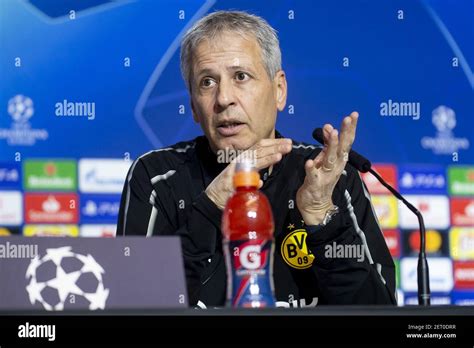
When Gündoğan moved to Manchester City in 2016, his leadership evolved in a different context under Pep Guardiola, a manager who places immense emphasis on tactical intelligence and positional play. At City, Gündoğan's leadership became more pronounced as he took on responsibilities both as a seasoned professional and as someone who could execute complex tactical instructions. His role often involved being the link between defense and attack, a position that required him to read the game at an elite level and make split-second decisions that could change its course. This was particularly evident in the 2020-21 season, where Gündoğan stepped up as a goalscoring midfielder during a period when City's strikers were struggling for form. Scoring 13 league goals, he not only filled a tactical gap but also set an example of adaptability—a key trait of a leader who can adjust to the needs of the team.
Beyond his on-field contributions at City, Gündoğan’s off-pitch demeanor reinforced his leadership credentials. He became a mentor to younger midfielders like Phil Foden, helping them navigate the pressures of playing for a top club. His calm and analytical approach to the game made him a go-to figure for teammates seeking advice on positioning, game management, or even handling the mental toll of professional football. In interviews, teammates have often described him as someone who leads with a "quiet authority," preferring to guide through support rather than overt commands. This understated leadership style has been particularly effective in a squad filled with strong personalities, where Gündoğan’s ability to remain composed and focused has helped maintain harmony.
Another dimension of Gündoğan’s leadership at Manchester City was his role in big-match moments. He has often been the player to step up in critical games, such as his two goals in the 2023 FA Cup final against Manchester United, which secured a historic win. These performances underscored his knack for rising to the occasion, a quality that resonates with teammates and reinforces their trust in him during high-pressure scenarios. His ability to perform in clutch situations has made him not just a reliable player but also a figure who embodies the idea of leading when it matters most.
Gündoğan’s move to Barcelona in 2023 brought new challenges and opportunities to showcase his leadership. Joining a club in transition, he was immediately seen as a figure who could bring stability and experience to a young squad. His off-pitch influence was evident in how he helped integrate new signings and supported the club’s younger talents, such as Gavi and Pedri, by sharing insights from his time at top-level clubs. Barcelona’s emphasis on possession football aligned with Gündoğan’s skill set, but his leadership was tested in helping the team navigate the psychological weight of expectations at a club with such a storied history. Here, his ability to remain level-headed in adversity became a key asset. For instance, during early-season struggles, Gündoğan’s post-match interviews often emphasized the need for patience and collective growth, signaling a leader who prioritizes long-term success over short-term frustrations.
One of the most striking aspects of Gündoğan’s leadership is his focus on collective success over individual accolades. This is evident in how he consistently prioritizes team goals over personal glory. Whether it’s tracking back to support the defense, making selfless runs to create space for others, or taking on less glamorous roles in midfield, Gündoğan’s actions reflect a player who understands that leadership often means putting the team first. This mindset has been a consistent thread across his stints at Dortmund, City, and Barcelona.
In addition to his on-field contributions, Gündoğan’s leadership extends to his community involvement and how he represents his clubs in public. At Manchester City, he was actively involved in charity work and community outreach programs, using his platform to support causes like education and inclusivity. Such actions highlight a leader who understands the broader responsibilities of being a role model. This off-pitch influence is often overlooked but is a critical part of how he inspires loyalty and respect from fans and teammates alike.
In summary, Gündoğan’s leadership is characterized by a rare combination of calm authority, tactical intelligence, and selflessness. Whether it’s through his ability to perform in high-pressure situations, his role as a mentor to younger players, or his quiet but impactful presence in the dressing room, he exemplifies what it means to lead by example. His influence is not limited to moments of individual brilliance but extends to the way he shapes team culture, fosters unity, and ensures that the collective always comes before the individual. This deep-rooted sense of responsibility has made him a leader who transcends clubs and competitions, leaving a lasting imprint wherever he plays.
Comparison with Peers
Ilkay Gündoğan's club career trajectory and impact place him among a distinguished group of midfielders who have defined their era in football. To understand his standing, it is essential to compare his journey and influence with peers who have operated in similar roles and under comparable circumstances. This comparison involves analyzing his club affiliations, the teams he has elevated, his statistical output, and the intangible qualities he brings to his teams.
Gündoğan began his professional career at **VfL Bochum** before moving to **1. FC Nürnberg**, where his performances caught the attention of **Borussia Dortmund**. Under Jürgen Klopp at Dortmund, Gündoğan transitioned from a promising talent into a midfield linchpin. This period, particularly during the 2012-13 season when Dortmund reached the UEFA Champions League final, showcased Gündoğan’s ability to dictate play in high-pressure environments. His composure in possession, coupled with an eye for a decisive pass, drew comparisons to players like **Toni Kroos** and **Luka Modrić**, who were also emerging as elite midfield orchestrators during this time.
However, unlike Kroos—who found immediate success at **Bayern Munich** and later at **Real Madrid**—or Modrić, who became the heartbeat of **Real Madrid’s** dominance in the 2010s, Gündoğan’s trajectory was marked by a blend of brilliance and adversity. Injuries, particularly a back problem that sidelined him for over a year during his Dortmund tenure, interrupted his momentum. Despite this, his impact at Dortmund was undeniable. He contributed not just goals but also a sense of control in midfield that allowed the team’s attacking talents, such as **Marco Reus** and **Robert Lewandowski**, to flourish. This is a key differentiator when compared to peers like **Cesc Fàbregas**, whose influence at **Arsenal** and later **Chelsea** was often more directly tied to assists and playmaking rather than holistic midfield control.
Gündoğan’s move to **Manchester City** in 2016 under Pep Guardiola marked a new chapter. At City, his role evolved further. While players like **Kevin De Bruyne** were the primary creative forces, Gündoğan became a hybrid midfielder—capable of anchoring the midfield, breaking lines with his passing, and even contributing as a late-arriving goalscorer. This versatility is a stark contrast to someone like **Andrés Iniesta**, whose brilliance at **Barcelona** was rooted in a more traditional playmaking role without the defensive burden Gündoğan often shouldered.
When assessing impact, Gündoğan’s goal-scoring surges in critical moments stand out. For instance, his two goals in the final game of the 2021-22 Premier League season against **Aston Villa** secured the title for Manchester City in dramatic fashion. This clutch performance is reminiscent of **Steven Gerrard’s** iconic interventions for **Liverpool**, though Gündoğan operates in a more methodical and less flamboyant style. Unlike Gerrard, whose career was defined by loyalty to one club and a sense of individual responsibility, Gündoğan thrives as part of a well-oiled system, which speaks to his adaptability and selflessness as a player.
In terms of consistency and trophies, Gündoğan’s career can be compared to **Thiago Alcântara**, who has played for both **Barcelona** and **Bayern Munich** before moving to **Liverpool**. Both players are technically gifted and capable of influencing games through their passing range and spatial awareness. However, Thiago’s career has often been hampered by injuries, and his trophy cabinet, while impressive, does not match Gündoğan’s in terms of league titles in England—a league widely regarded as the most physically and tactically demanding. Thiago’s influence at Liverpool has been felt more in moments of individual brilliance rather than sustained team success, a contrast to Gündoğan’s role in City’s era of dominance.
Another interesting comparison is with **N’Golo Kanté**, whose career at **Leicester City** and **Chelsea** has been defined by defensive tenacity and energy. While Kanté is often seen as the ultimate disruptor in midfield, Gündoğan represents the other side of the spectrum—a creator and stabilizer. Both players have been integral to their teams’ successes, but their styles are almost antithetical. Kanté’s impact is measured in tackles, interceptions, and the space he covers, while Gündoğan’s is in the fluidity he brings to his team’s build-up play and his ability to perform in multiple roles within the midfield.
One cannot discuss Gündoğan without acknowledging his influence in high-stakes games. Unlike some of his peers—such as **Paul Pogba**, whose career has been a mix of dazzling performances and underwhelming consistency—Gündoğan has consistently delivered in big moments. Whether it is scoring in a Champions League final, as he nearly did for Dortmund in 2013, or leading by example in title-deciding matches, Gündoğan’s reliability under pressure sets him apart. This is a quality shared with **Xavi Hernández**, who was the metronome for **Barcelona** during their golden era, but Gündoğan’s versatility arguably makes him more adaptable to different systems and styles of play.
Statistically, Gündoğan’s numbers may not always rival those of a **Bruno Fernandes** or **Kevin De Bruyne** in terms of direct goal contributions, but his influence is often more subtle. His pass completion rates, ability to retain possession under pressure, and knack for arriving in the box at the right time are less flashy but equally impactful. For instance, during the 2020-21 season, Gündoğan scored 13 league goals for Manchester City—a career-high—while operating as a more advanced midfielder. This adaptability to play as a No. 8 or even a false No. 9 in Guardiola’s system underscores his uniqueness when compared to peers who are often confined to a single role.
Off the pitch, Gündoğan’s leadership qualities further distinguish him. While not as vocal or emblematic as someone like **Sergio Busquets** at Barcelona, his calm demeanor and ability to mentor younger players (such as **Phil Foden** at Manchester City) add another layer to his value. This is a trait shared with **Andrea Pirlo**, whose influence extended beyond his on-field performances to shaping the culture of his teams.
In summary, Gündoğan’s career trajectory and impact place him in a unique position among his peers. While he may not have the global superstar status of a Modrić or the cult-like following of a Gerrard, his ability to blend technical excellence, versatility, and reliability in multiple systems makes him a standout midfielder of his generation. His career is a testament to adaptability and understated excellence, qualities that often go underappreciated in an era dominated by flashier talents. This nuanced comparison underscores why Gündoğan deserves recognition not just as a great player but as a model of modern midfield mastery.
Conclusion and Legacy
Ilkay Gündoğan's club legacy is a rich tapestry of tactical adaptability, leadership, and an uncanny ability to perform in high-stakes moments. Over the course of his career, he has left an indelible mark on every club he has represented, blending technical brilliance with an understated yet profound influence on team dynamics. His legacy is not just about trophies or individual accolades but also about how he has redefined the role of a modern midfielder in the context of evolving football systems.
At Borussia Dortmund, Gündoğan announced himself as a player capable of thriving in a high-pressure, possession-oriented system under Jürgen Klopp. His role in Dortmund's 2012 Bundesliga title and their run to the 2013 UEFA Champions League final was pivotal. Gündoğan was not merely a metronome in midfield; he was a player who could seamlessly transition between defensive solidity and offensive creativity. His performance in the 2013 Champions League final, where he scored a penalty against Bayern Munich, exemplified his ability to rise to the occasion. This period marked the emergence of Gündoğan as a midfielder who could dictate the tempo of games while also contributing defensively—a duality that would define his career.
His move to Manchester City in 2016 under Pep Guardiola marked a new chapter in his career, one where his tactical intelligence was further refined. Guardiola's system demanded versatility, and Gündoğan adapted brilliantly. Whether deployed as a deep-lying playmaker, an advanced attacking midfielder, or even as a false nine in certain match scenarios, he showcased a chameleonic ability to fit into multiple roles. His contributions were instrumental in City's domestic dominance, including four Premier League titles during his tenure. However, it is his knack for delivering in decisive moments that truly sets him apart. The 2022/23 Premier League season finale, where Gündoğan scored two goals in six minutes to secure the title against Aston Villa, encapsulates his big-game mentality. Such moments are not mere flashes of brilliance but the culmination of years of experience and mental fortitude.
Beyond statistics and silverware, Gündoğan's legacy at Manchester City is also tied to his role as a quiet leader. While not the most vocal or flamboyant figure in the dressing room, his calm demeanor and professionalism set a standard for younger players. He became a bridge between the tactical vision of Guardiola and the execution on the pitch, often serving as the glue that held the team together during moments of transition or pressure. This intangible quality—the ability to lead without overtly commanding—is a hallmark of his club legacy.
Speculating on Gündoğan's future influence in football history requires examining his broader impact on the sport. His style of play, characterized by positional intelligence, precise passing, and an ability to read the game, reflects a modern midfielder's ideal template. In an era where football is increasingly defined by high pressing and rapid transitions, Gündoğan's ability to slow down play, find space, and maintain composure under pressure offers a counterpoint. This balance between urgency and patience is a lesson for upcoming generations of midfielders who might otherwise be tempted to prioritize physicality over technique.
Moreover, Gündoğan's career trajectory illustrates the importance of adaptability. Moving from the intense, counter-pressing system of Klopp to the methodical, possession-heavy philosophy of Guardiola, he has shown that elite players must evolve with their environments. This adaptability is a lesson not just for players but also for coaches and football institutions. It suggests that the most enduring legacies are built not on rigid specialization but on the capacity to embrace and excel in diverse systems.
In the context of football history, Gündoğan's influence might be seen as part of a lineage of midfielders who have redefined their position. Players like Xavi, Andrea Pirlo, and Luka Modrić have set benchmarks for how midfielders can control games, and Gündoğan belongs in this conversation. However, his legacy may also extend beyond individual comparisons. As football increasingly globalizes and tactical systems become more fluid, Gündoğan represents a model of the universal midfielder—a player who can excel in any system, anywhere in the world. This universality could see him remembered not just for what he achieved but for how he expanded the possibilities of what a midfielder can be.
Looking ahead, Gündoğan's influence may also be felt in his post-playing career. His intellectual approach to the game, coupled with his experience under some of the most celebrated managers in modern football, positions him as a potential future coach or sporting director. Should he choose this path, his deep understanding of tactical systems and his ability to mentor younger players could see him shaping the next generation of talent. His legacy might then extend from the pitch to the dugout, where he could impart the same calmness and strategic acumen that defined his playing days.
Another dimension of his legacy lies in his off-field impact. Gündoğan has often been a voice for inclusivity and social responsibility, using his platform to advocate for causes close to his heart. This aspect of his persona adds depth to his legacy, showing that footballers can be more than athletes—they can be role models who inspire change beyond the sport. In an era where the public increasingly demands more from athletes as ambassadors of social values, Gündoğan's example could serve as a blueprint for future players.
In conclusion, Ilkay Gündoğan's club legacy is a blend of tangible achievements and intangible qualities that have shaped his teams and the sport at large. From Dortmund to Manchester City, he has been a player who not only contributed to success but also enriched the narratives of the clubs he represented. His ability to adapt, lead, and perform under pressure ensures that his name will be remembered in football history. As the sport continues to evolve, Gündoğan's influence—both as a player and potentially as a future architect of the game—promises to be a lasting one. Whether through his on-field brilliance, his leadership, or his post-career contributions, he has carved out a space as one of the most thoughtful and impactful midfielders of his generation.