Introduction to Ilkay Gundogan
Ilkay Gundogan is a name synonymous with versatility, intelligence, and tactical brilliance in modern football. Born on October 24, 1990, in Gelsenkirchen, Germany, Gundogan has carved out a career that exemplifies both consistency and adaptability. As a central midfielder, he has become a linchpin for both club and country, renowned for his ability to dictate the tempo of a game, contribute defensively, and deliver decisive offensive contributions when needed. His significance in football stems not only from his technical prowess but also from his role as a symbol of strategic evolution in the sport, particularly in the way midfielders are expected to function in high-pressure, high-stakes environments.
Gundogan's journey into football began in the youth academies of German clubs, most notably VfL Bochum, before he made his professional debut with 1. FC Nürnberg in 2009. However, it was his move to borussia dortmund in 2011 under the tutelage of Jürgen Klopp that marked a turning point in his career. At Dortmund, Gundogan was part of a golden generation that challenged Bayern Munich's dominance in the Bundesliga and reached the 2013 UEFA Champions League final. His performances during this period showcased a midfielder who could blend creative playmaking with defensive solidity, a rare combination that has defined his legacy. This early phase of his career revealed a player unafraid of taking risks, whether it was threading a through ball in tight spaces or making a last-ditch tackle to recover possession.
The midfielder's significance extends beyond his club exploits. At the international level, Gundogan has represented Germany since 2011, playing a pivotal role in their midfield setup during major tournaments like the FIFA World Cup and UEFA European Championship. His ability to read the game and adapt to different systems has made him a favorite among coaches who value players capable of executing complex game plans. This adaptability underscores why Gundogan is often seen as a "manager's player"—someone whose contributions are not always flashy but are indispensable to the overall success of a team.
The purpose of this white paper is to explore the trajectory of Ilkay Gundogan's career in greater detail, dissecting the nuances of his playing style, his impact on team dynamics, and his broader influence on football strategy. By delving into his career milestones, tactical evolution, and the challenges he has faced, this document aims to provide a comprehensive understanding of why Gundogan is not just a footballer but a case study in how modern midfielders are redefining their roles. In an era where football is increasingly data-driven and positionally fluid, Gundogan stands out as a player who embodies the blend of tradition and innovation required to excel at the highest level.
One of the most intriguing aspects of Gundogan's career is his ability to thrive in different tactical systems. At Borussia Dortmund, he was primarily deployed as a deep-lying playmaker, tasked with initiating attacks from a withdrawn position. Under Pep Guardiola at Manchester City, however, Gundogan's role evolved. While he still operated as a midfielder capable of dropping deep to collect the ball, he was also given the freedom to venture forward, contributing goals and assists in critical moments. This transformation highlights a key theme of his career: the willingness to reinvent himself in response to the demands of his managers and the evolving nature of the game. Such adaptability is a testament to his footballing intelligence and underscores his value as a player who can seamlessly transition between roles without losing effectiveness.
Another dimension of Gundogan's significance lies in his leadership qualities. While not the most vocal or ostentatious figure on the pitch, he has often been entrusted with the captain's armband, both at Manchester City and for the German national team in certain matches. This responsibility speaks to his ability to lead by example—through his work ethic, composure under pressure, and the respect he commands from teammates. Leadership in football is not always about loud proclamations; for Gundogan, it is about setting a standard of excellence that others can follow, a trait that has made him an unsung hero in many of his teams' successes.
The white paper also seeks to address the broader implications of Gundogan's career in the context of football's globalization. As a player of Turkish descent representing Germany, Gundogan embodies the multicultural nature of modern football. His story is one of integration and identity, reflecting the complexities of representing a nation while maintaining ties to one's heritage. This aspect of his journey adds a sociocultural layer to his narrative, making him a figure of interest not just for football enthusiasts but also for those studying the intersection of sport and society.
Gundogan's impact is further amplified by the consistency he has displayed over the years, even in the face of adversity. His career has not been without challenges—notably, a severe back injury in 2013 that sidelined him for over a year. Such setbacks could have derailed a lesser player, but Gundogan's resilience and dedication to recovery allowed him to return stronger, adding a layer of depth to his narrative. This resilience is a microcosm of his broader approach to football: methodical, patient, and always forward-looking.
In addition to his on-field contributions, Gundogan's off-field persona is worth examining. He is known for his humility and commitment to community initiatives, particularly those that support underprivileged children and promote education. This aspect of his character adds depth to his public image, positioning him as not just a footballer but also a role model. In an age where athletes are increasingly scrutinized for their actions off the pitch, Gundogan's understated yet impactful presence serves as a reminder of the positive influence sports figures can wield.
To understand Ilkay Gundogan fully, one must also consider the teams and managers he has played under. From Klopp's high-intensity pressing at Dortmund to Guardiola's possession-based intricacies at Manchester City, Gundogan has been shaped by some of the most influential coaching minds in modern football. Each of these experiences has contributed to his growth as a player, equipping him with a tactical versatility that few can match. This section of the white paper will later explore these managerial influences in greater depth to understand how they have molded Gundogan into the player he is today.
- His early years in German football laid the foundation for his technical and tactical acumen.
- His time at Dortmund marked the emergence of a world-class midfielder capable of excelling in high-pressure environments.
- Under Guardiola, Gundogan's role expanded, showcasing his ability to balance defensive and offensive responsibilities.
- His international career reflects the challenges and rewards of representing a diverse, multicultural team.
In conclusion, Ilkay Gundogan is a footballer whose career offers a rich tapestry of lessons about adaptability, resilience, and the evolving nature of the sport. This white paper aims to unpack these layers, providing readers with a nuanced understanding of a player who, while not always in the limelight, has left an indelible mark on football. Through this exploration, we hope to illuminate not just Gundogan's individual journey but also the broader themes of innovation, identity, and excellence that define his legacy in the sport.
Early Life and Background
Ilkay Gundogan's journey to becoming one of the most technically gifted midfielders in modern football is deeply rooted in his early life and the environment that shaped his character and aspirations. Born on October 24, 1990, in Gelsenkirchen, Germany, Gundogan grew up in a city synonymous with football passion, particularly as it is the home of Schalke 04, one of Germany’s most storied clubs. However, his upbringing was far from the glitz and glamour associated with professional football. Instead, it was characterized by a strong work ethic, familial support, and the cultural influences of his Turkish heritage.
Gundogan’s family played a pivotal role in his early development. His parents, Irfan and Ayten Gundogan, were Turkish immigrants who settled in Germany in search of better opportunities. Like many immigrant families, they faced challenges adapting to a new culture while striving to preserve their own traditions. This duality of identity became a central theme in Gundogan’s early life. His parents instilled in him a sense of discipline and humility, values that would later define his approach to both football and life. The family lived in modest circumstances, and Gundogan often recounts how his parents worked tirelessly to provide for him and his younger brother, Ilker. This sense of sacrifice and responsibility left a lasting impression on the young Gundogan, who viewed football not just as a sport but as a potential pathway to improve his family’s circumstances.
The neighborhood where Gundogan spent his childhood was a melting pot of cultures, with a significant Turkish community coexisting alongside German locals. This environment exposed him to diverse perspectives and fostered a sense of adaptability. On the streets and in local parks, Gundogan honed his football skills alongside other children from similar backgrounds. These informal games were far removed from structured academy training but were instrumental in developing his natural flair for the game. The unstructured nature of street football allowed him to experiment with ball control, improvisation, and quick decision-making—traits that would later become hallmarks of his playing style. Gundogan often speaks of these early experiences with nostalgia, emphasizing how they taught him to read the game instinctively rather than through rigid coaching.
Despite his obvious talent, Gundogan’s path to professional football was not straightforward. He began his organized football journey at the age of eight when he joined the youth setup of SV Gelsenkirchen-Hessler 06, a local club. Even at this early stage, his coaches noted his exceptional technical ability and composure on the ball. However, his physical stature was a concern; he was smaller and less physically imposing than many of his peers. This led to moments of self-doubt and external skepticism about whether he could thrive in the highly competitive world of German football. It was here that Gundogan’s mental resilience, shaped by his family’s unwavering support, came to the fore. His father, in particular, was a constant presence at his games, offering encouragement and emphasizing the importance of perseverance.
The influence of his Turkish heritage also played a significant role in shaping Gundogan’s approach to football. Turkey has a rich footballing culture, and many families in the diaspora view the sport as a unifying force and a source of pride. For Gundogan, this meant that football was more than a pastime—it was a connection to his roots. His extended family in Turkey followed his progress closely, and their pride in his achievements added an additional layer of motivation. This dual identity—being German by birth but Turkish by heritage—presented its own set of challenges. Gundogan has spoken openly about the complexities of navigating this duality, particularly in the context of representing Germany at the international level. His decision to play for Germany was not without its critics, particularly within some segments of the Turkish community, but it was a choice rooted in his belief that he could make a meaningful contribution to German football.
Education was another key aspect of Gundogan’s early life. His parents emphasized the importance of academic achievement alongside sporting success. This dual focus ensured that Gundogan developed a well-rounded perspective, understanding that football, while a passion, was not the only measure of success. This grounding in education also helped him navigate the pressures of professional football later in life, as he approached challenges with a calm and analytical mindset. The value of education also extended to his understanding of football tactics; even as a young player, he displayed an unusual curiosity about the strategic aspects of the game, often discussing formations and player roles with his coaches.
Another defining feature of Gundogan’s early environment was the presence of role models. Growing up in Gelsenkirchen during the late 1990s and early 2000s, he was surrounded by the success of local heroes like Mesut Ozil and Manuel Neuer, both of whom emerged from similar backgrounds. Their rise to prominence served as a source of inspiration for Gundogan, proving that talent from humble beginnings could thrive at the highest level. Additionally, the success of Turkish players such as Hakan Sukur and Nihat Kahveci in European football further fueled his ambition. These role models provided Gundogan with a tangible sense of what was possible, reinforcing his belief that hard work and dedication could bridge the gap between aspiration and achievement.
Gundogan’s early environment also shaped his playing style in subtle yet profound ways. The technical emphasis of street football, combined with the structured training he received at youth academies, allowed him to develop a unique blend of creativity and discipline. His ability to control the tempo of a game, coupled with his vision and passing range, can be traced back to the diverse influences of his upbringing. Whether it was the improvisational nature of street games or the tactical rigors of academy training, each element contributed to the player he would become.
In reflecting on Gundogan’s early life, it is clear that his journey was shaped by a combination of personal determination, familial support, and the cultural influences of his dual heritage. His story is not one of overnight success but of gradual progression, marked by challenges that tested his resolve. From the modest streets of Gelsenkirchen to the grand stages of European football, Gundogan’s early life serves as a testament to the power of environment and upbringing in shaping a footballer’s trajectory. This foundation not only equipped him with the skills to excel on the pitch but also instilled in him the character to navigate the complexities of a career in professional football.
- Gundogan’s family provided a strong support system, emphasizing discipline and humility.
- Street football in his diverse neighborhood honed his improvisational skills.
- His Turkish heritage connected him to a rich footballing culture and inspired his ambition.
- Role models like Ozil and Neuer demonstrated the possibilities for talent from similar backgrounds.
- A focus on education ensured he approached football with a balanced perspective.
This combination of factors created the ideal backdrop for Gundogan’s development, setting the stage for a career that would see him rise to prominence as a player capable of influencing games with both subtlety and brilliance.
Youth Career and Development
Ilkay Gundogan's journey into professional football is a compelling narrative of perseverance, adaptability, and a deep-rooted passion for the sport. His youth career laid the foundation for the technical finesse and tactical intelligence that would later define his play at the highest levels of the game. To understand Gundogan's development, one must delve into the early environments and influences that shaped his trajectory as a footballer.
Gundogan was born on October 24, 1990, in Gelsenkirchen, Germany, a city with a rich footballing culture. Growing up in this environment, where the sport was not just a pastime but a way of life, he was immersed in football from a young age. His family, particularly his father, Irfan, played a pivotal role in fostering his early interest in the game. Irfan, a passionate football enthusiast, encouraged Ilkay to take his first steps on the pitch. This familial support system was instrumental in nurturing Gundogan’s initial curiosity and drive.
Gundogan began his formal football education at SV Gelsenkirchen-Hessler 06, a local club in his hometown. This was where he first experienced structured training and competition. At Hessler, the emphasis was on basic technical skills—passing, dribbling, and ball control—which are the building blocks of any young player's development. Gundogan’s natural aptitude for these fundamentals quickly became apparent. Coaches noted his calmness on the ball and his ability to read the game, traits that would become hallmarks of his style. However, it was not just raw talent that set him apart; his willingness to listen, learn, and adapt was equally important.
At the age of 8, Gundogan moved to Schalke 04, one of the most prominent clubs in Gelsenkirchen and a cornerstone of German football. This transition marked a significant step in his development. Schalke’s youth academy was known for its rigorous training programs and emphasis on technical precision. Here, Gundogan was exposed to a higher level of competition and coaching. The academy focused on developing players who could excel in a possession-based system, a style that would later align with Gundogan’s strengths. However, despite the opportunities at Schalke, his time there was not without challenges.
One of the key milestones during his time at Schalke was the exposure to a more competitive environment. Gundogan was part of a generation of players who were taught to prioritize ball retention and positional play. This early exposure to a structured, tactical approach to football was invaluable. However, as he progressed, he faced physical challenges. Gundogan was not the most imposing player in terms of stature, and this sometimes put him at a disadvantage in physical duels. These limitations forced him to rely on his intelligence and technique rather than brute strength—a necessity that would later become one of his greatest assets.
After several years at Schalke, Gundogan made a surprising move to VfL Bochum in 2005. This transfer was motivated by a desire for more playing time and a belief that Bochum’s youth setup offered a better pathway for his growth. At Bochum, Gundogan’s development took a more individualized turn. Coaches at the club recognized his potential as a central midfielder and began tailoring training sessions to enhance his ability to dictate play from deep positions. This period was critical in honing his vision and passing range. Gundogan also began to develop a deeper understanding of spatial awareness, learning how to exploit gaps in the opposition’s defense and create opportunities for his teammates.
During his time at Bochum, Gundogan experienced a growth spurt that helped address some of the physical shortcomings he had faced earlier. This physical development, combined with his technical skills, allowed him to become a more well-rounded player. He also began to exhibit leadership qualities, often taking on responsibilities in midfield that required both discipline and creativity. These traits were observed not just in matches but also in training, where Gundogan’s diligence and focus were evident.
A defining moment in his youth career came when he was scouted by 1. FC Nürnberg in 2009. This move to a Bundesliga club was a turning point. At Nürnberg, Gundogan transitioned from being a promising youth player to a professional prospect. The club’s coaching staff saw in him the potential to thrive in a dynamic midfield role. They worked on refining his ability to link defense and attack, emphasizing his role as a box-to-box midfielder capable of contributing both offensively and defensively. This period also saw Gundogan develop his shooting technique, particularly from mid-range, a skill that would later become a signature part of his game.
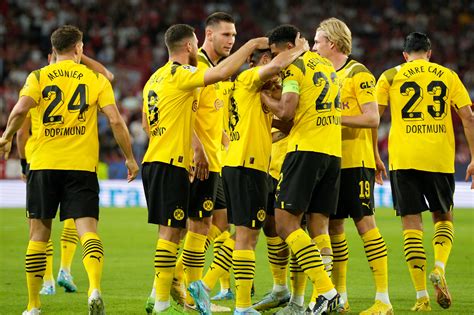
Throughout his youth career, Gundogan’s progression was marked by key milestones that highlighted his adaptability and determination. For instance, his ability to transition seamlessly between different youth setups—each with its own philosophy and training methods—speaks to his versatility. While Schalke provided him with a foundation in technical precision, Bochum allowed him to grow as a thinker on the pitch. Nürnberg, meanwhile, offered the platform to test his skills in a competitive, professional environment.
Another aspect of Gundogan’s youth development that is often overlooked is his exposure to diverse playing styles. Growing up in Germany, he was influenced by the country’s emphasis on tactical discipline and technical proficiency. However, his Turkish heritage also played a role in shaping his footballing identity. The blend of German efficiency and Turkish flair gave Gundogan a unique edge. This duality is evident in his playing style, where he combines methodical build-up play with moments of individual brilliance.
It is also worth noting the role of mentorship in Gundogan’s development. Coaches and mentors at each stage of his youth career provided guidance that extended beyond the pitch. They instilled in him the importance of discipline, resilience, and a growth mindset. These lessons were particularly valuable during periods of self-doubt or physical setbacks, such as the injuries he faced later in his career. The mental fortitude he developed during his youth years would prove crucial in overcoming these challenges.
In retrospect, Gundogan’s youth career can be seen as a microcosm of his professional journey—a blend of early promise, strategic transitions, and a relentless pursuit of improvement. His time at Hessler, Schalke, Bochum, and Nürnberg each contributed to shaping the player he would become. From mastering the basics at Hessler to embracing tactical sophistication at Nürnberg, Gundogan’s youth development was a carefully orchestrated progression that prepared him for the demands of top-tier football.
- His early exposure to structured training at Hessler laid the groundwork for his technical skills.
- Schalke provided a competitive environment that tested his adaptability and resilience.
- Bochum offered a platform for individualized growth, particularly in midfield play.
- Nürnberg served as the bridge between youth football and professional stardom, refining his ability to influence games at a higher level.
In conclusion, Gundogan’s youth career and development reveal a player who was not only gifted but also incredibly driven. The combination of supportive environments, diverse influences, and personal determination created the perfect conditions for his emergence as one of the most technically gifted midfielders of his generation. This deep-rooted foundation would later enable him to thrive at clubs like Borussia Dortmund and Manchester City, where his youth-honed skills would be on full display.
Professional Career Overview
Ilkay Gundogan's professional career is a story of resilience, tactical intelligence, and consistent evolution. From his early days in Germany to becoming a linchpin for top European clubs, Gundogan's journey illustrates how adaptability and a deep understanding of the game can elevate a player from promising talent to world-class midfielder.
Gundogan began his footballing journey in the youth setup of VfL Bochum, a club known for its focus on youth development. Born in Gelsenkirchen, Germany, in 1990, he grew up in an environment where football was deeply ingrained in the local culture. His early promise was evident, and by 2008, he had made his way into Bochum's reserve team. However, it was his move to 1. FC Nürnberg in 2009 that marked the first significant step in his professional career. At Nürnberg, Gundogan was given the platform to showcase his abilities in the Bundesliga. Despite being just 19, he displayed a maturity beyond his years, combining precise passing with an ability to read the game. His performances in central midfield were characterized by a blend of defensive discipline and creative spark, which caught the attention of scouts across Germany.
In 2011, Borussia Dortmund, then under the management of Jürgen Klopp, secured Gundogan's signature. This move was pivotal, as it placed him in a high-pressure environment where he would be expected to contribute to a team with lofty ambitions. Dortmund was in the midst of building a dynamic, high-pressing side, and Gundogan’s role was initially seen as a successor to Nuri Sahin, who had left for Real Madrid. However, Gundogan quickly carved out his own identity. Rather than merely replicating Sahin's deep-lying playmaker role, he evolved into a more versatile midfielder capable of dictating play from deeper positions while also contributing in advanced areas. His first season was a learning curve, but by the 2012-13 campaign, Gundogan had become integral to Dortmund’s style of play. He was instrumental in their run to the 2013 UEFA Champions League final, where his penalty in the shootout against Bayern Munich showcased not just his technical skill but also his mental fortitude. During this period, Gundogan’s ability to transition defense into attack with incisive passes and his knack for timing late runs into the box made him a standout performer in a side brimming with talent.
However, Gundogan’s time at Dortmund was also marked by adversity. A back injury in 2013 kept him out of action for over a year, a period that tested his resolve. This injury could have derailed his career, but his disciplined rehabilitation and mental resilience ensured he returned to the pitch as a more complete player. When he did return, his performances underlined his importance to Dortmund, even as the team underwent a transition phase following Klopp’s departure. By the time he left Dortmund in 2016, Gundogan had amassed over 150 appearances, scoring 15 goals and providing numerous assists, solidifying his reputation as one of the most technically gifted midfielders in Europe.
The next chapter of Gundogan’s career came with a move to Manchester City in 2016, where he reunited with Pep Guardiola, a coach renowned for his emphasis on technical precision and positional play. This transfer was significant not only because it marked Gundogan’s entry into the Premier League but also because it represented a shift in his role. At City, Gundogan was deployed in a variety of midfield roles, ranging from a deep-lying playmaker to a more advanced No. 8. His adaptability was crucial in Guardiola's system, which demanded players who could interchange positions fluidly while maintaining tactical discipline. In his debut season, Gundogan played a key role in City’s midfield, even as he faced another injury setback—a cruciate ligament injury that sidelined him for several months. Despite this, his impact was undeniable, and he returned to become a cornerstone of City’s dominance in English football.
One of Gundogan’s defining traits at Manchester City has been his ability to deliver in high-stakes moments. For instance, during the 2020-21 season, he scored a brace in the UEFA Champions League final against Chelsea, although City ultimately fell short. This was indicative of his growing influence as a goalscoring midfielder. The 2022-23 season was particularly remarkable, as Gundogan captained Manchester City to a historic treble—winning the Premier League, FA Cup, and Champions League. His two goals in the final game of the Premier League season against Aston Villa, which secured the title, exemplified his penchant for rising to the occasion. These moments underscored not just his technical ability but also his leadership and mental strength.
Throughout his time at Manchester City, Gundogan has been a player who thrives on intelligence rather than physical dominance. His reading of the game, coupled with his ability to execute precise passes under pressure, has made him a favorite of Guardiola. Moreover, his off-the-ball movement and positional awareness often go unnoticed but are critical to City’s fluid attacking system. Gundogan’s versatility has allowed him to complement a range of midfield partners, from Fernandinho’s defensive solidity to Kevin De Bruyne’s creative brilliance.
Beyond his club career, Gundogan’s contributions to the German national team are also noteworthy. He made his senior debut in 2011 and has been a consistent presence in the squad, representing Germany in major tournaments such as the FIFA World Cup and UEFA European Championship. While his international career has not always been as illustrious as his club exploits—partly due to Germany’s struggles in recent tournaments—Gundogan’s role as a midfield orchestrator has been vital in bridging the gap between defense and attack for Die Mannschaft.
What sets Gundogan apart from many of his contemporaries is his ability to evolve with the demands of modern football. From his early days as a promising youngster at Nürnberg to his current status as a seasoned leader at Manchester City, he has continually adapted his game. His career trajectory is a testament to his work ethic, tactical acumen, and willingness to embrace new challenges. Whether it was thriving under Klopp’s intense pressing system, recovering from career-threatening injuries, or excelling in Guardiola’s intricate setups, Gundogan has consistently demonstrated a capacity for growth.
In summary, Ilkay Gundogan’s professional career can be characterized as a blend of early promise, mid-career resilience, and late-career excellence. His journey from the Bundesliga to the Premier League, via some of Europe’s most demanding clubs, reflects a player who has not only met expectations but often exceeded them. His ability to influence games in multiple ways—whether through precise passing, timely goals, or leadership—ensures his place among the elite midfielders of his generation.
- Started at VfL Bochum and honed his skills at 1. FC Nürnberg.
- Became a key figure at Borussia Dortmund under Jürgen Klopp, excelling in high-pressure environments.
- Moved to Manchester City in 2016, where he adapted to Guardiola’s system and became a treble-winning captain.
- Overcame significant injuries to maintain a high level of performance throughout his career.
- Contributed meaningfully to the German national team, showcasing his versatility on the international stage.
Gundogan’s career is not just a chronicle of matches and trophies but a narrative of how a player can navigate the complexities of modern football while maintaining excellence. His story is one of perseverance, adaptability, and an unrelenting pursuit of improvement—hallmarks of a true professional.
Playing Style and Tactical Role
Ilkay Gundogan's playing style and tactical role are a fascinating blend of technical brilliance, positional intelligence, and adaptability that make him a standout midfielder in modern football. His ability to influence games in multiple phases, whether through ball progression, goal-scoring, or defensive stability, underscores his value to any team he represents. To fully understand Gundogan's impact, it is essential to dissect the nuances of his playing style and how his tactical versatility shapes team dynamics.
One of Gundogan's most striking attributes is his technical proficiency. He possesses exceptional close control, which allows him to receive the ball under pressure and maintain possession in tight spaces. This is a critical skill in high-intensity matches where opponents press aggressively. His first touch is often oriented toward moving the ball forward, enabling quick transitions from defense to attack. This attribute is particularly valuable in teams that prioritize possession-based football, such as Manchester City under Pep Guardiola. Gundogan's ability to link play between the defensive and attacking units is a cornerstone of his effectiveness. His passing range is both precise and varied, capable of executing short, incisive passes to maintain rhythm or long, diagonal balls to switch play and stretch defenses.
Another defining feature of Gundogan's playing style is his positional intelligence. He has an innate understanding of space, which allows him to find pockets of room in crowded midfields. This is especially evident in his off-the-ball movement. Gundogan often drifts into half-spaces or advanced areas where he can receive the ball with minimal opposition, creating dilemmas for opposing defenders. His knack for arriving late into the box is another hallmark of his game. Unlike traditional box-to-box midfielders who rely on physicality to burst into attacking areas, Gundogan’s movement is subtle and calculated. This was evident during his record-breaking goal-scoring run in the 2020-21 Premier League season, where he often ghosted into the box to finish attacks with clinical efficiency. This attribute not only adds a goal-scoring dimension to his profile but also allows his team to maintain numerical superiority in midfield while still posing an attacking threat.
Gundogan’s tactical versatility is perhaps his most significant contribution to team dynamics. Unlike many midfielders who are confined to a specific role—whether as a deep-lying playmaker, a box-to-box runner, or a creative number 10—Gundogan can seamlessly transition between these roles depending on the team’s needs. At Borussia Dortmund under Jurgen Klopp, he was often deployed as a more defensively minded midfielder tasked with breaking up play and initiating counterattacks. However, at Manchester City, Guardiola has used him in a variety of positions, including as a false 9 in certain games. This adaptability is a testament to his footballing IQ and willingness to adapt to the tactical demands of his manager. For instance, when City faces teams that sit deep and defend in a low block, Gundogan’s ability to drop deep and dictate play from a quarterback-like position helps his team maintain control. Conversely, in games where City needs to press high and win the ball back quickly, Gundogan is equally comfortable harrying opponents and disrupting their buildup play.
His defensive contributions are often underappreciated but are a critical component of his tactical role. While not a traditional ball-winner like N’Golo Kante or Casemiro, Gundogan’s defensive work is more about anticipation and positioning rather than aggressive tackling. He excels at intercepting passes and reading the game to cut out opposition attacks before they develop. This defensive nous allows him to play in deeper roles when required, such as when Guardiola has used him as a pivot alongside Rodri. His ability to balance offensive and defensive responsibilities ensures that the team does not lose its shape when transitioning between phases of play.
Another aspect of Gundogan’s game that deserves attention is his leadership and mental resilience. As a player who has overcome significant injuries, including a long-term back problem earlier in his career, Gundogan demonstrates a level of determination and composure that rubs off on his teammates. This mental fortitude is often reflected in his performances during high-stakes matches. For example, his brace in the 2021 UEFA Champions League final, despite Manchester City’s eventual loss, showcased his ability to rise to the occasion when his team needed him most. This leadership is not always vocal but is evident in his consistency and ability to perform under pressure, which indirectly stabilizes the team’s rhythm.
In terms of impact on team dynamics, Gundogan’s presence allows for greater fluidity in tactical setups. His versatility means that managers can experiment with formations without losing cohesion. For instance, in Guardiola’s system, where players are expected to interchange positions fluidly, Gundogan’s comfort in multiple roles ensures that the team does not lose structure even when players rotate or make overlapping runs. This is particularly important in systems that rely on positional play, where maintaining the right spacing and angles is critical to breaking down organized defenses. Gundogan’s ability to drift into advanced areas without neglecting his defensive duties creates a dynamic midfield that can both control possession and launch incisive attacks.
Furthermore, Gundogan’s influence on younger players and his role as a mentor should not be overlooked. His calm demeanor and technical mastery make him an ideal role model for emerging talents. In teams like Manchester City, where young midfielders are often integrated into the squad, Gundogan’s ability to set an example through his work ethic and decision-making helps foster a culture of excellence. This intangible quality adds another layer to his overall value beyond what is visible on the pitch.
In conclusion, Ilkay Gundogan’s playing style and tactical role are a masterclass in modern midfield play. His combination of technical skill, positional awareness, and tactical adaptability allows him to be a linchpin in any system he is part of. Whether dictating play from deep, making late runs into the box, or providing defensive cover, Gundogan’s impact extends far beyond statistics. His ability to shape team dynamics by offering flexibility and balance makes him not just a player but a system enabler who elevates the collective performance of his team. This deep understanding of his craft and his chameleon-like ability to fit into various roles make him one of the most complete midfielders of his generation.
Major Achievements and Awards
Ilkay Gundogan's career is marked by a blend of consistent excellence and pivotal contributions to some of the most successful teams in modern football. His trophy cabinet and individual accolades are a testament to his versatility, intelligence on the pitch, and ability to perform under pressure. Below, we delve into the major achievements and awards that define his illustrious journey.
Gundogan began his professional career at VfL Bochum before moving to 1. FC Nürnberg, where his performances caught the attention of Borussia Dortmund. Under the guidance of Jürgen Klopp, Gundogan's rise to prominence was meteoric. His time at Dortmund was the first major chapter in his career where he started amassing silverware and recognition.
One of Gundogan's earliest and most significant achievements was winning the Bundesliga title with Borussia Dortmund in the 2011-12 season. This was no ordinary title win; Dortmund displayed dominance, finishing eight points clear of Bayern Munich. Gundogan played a critical role in the midfield, providing the balance between defense and attack. His ability to dictate tempo and link play was instrumental in Dortmund's fluid style. In the same season, Dortmund also clinched the DFB-Pokal, completing a domestic double. Gundogan's contribution in high-stakes matches, such as the Pokal final where Dortmund thrashed Bayern Munich 5-2, highlighted his big-game temperament.

The 2012-13 season saw Gundogan elevate his game further, particularly in the UEFA Champions League. Although Dortmund fell short in the final against Bayern Munich, Gundogan's performances throughout the campaign were exceptional. His penalty in the semi-final second leg against Real Madrid was a moment of calm under immense pressure, helping Dortmund secure a place in the final. This period solidified Gundogan's reputation as a player who thrives in high-stakes scenarios, a trait that would later define his career at Manchester City.
Gundogan's move to Manchester City in 2016 marked a new era in his career. Under Pep Guardiola, he became a linchpin in a team that would redefine Premier League dominance. His first major trophy with City came in the 2017-18 season when the club clinched the Premier League title with a record-breaking 100 points. Gundogan's role as a deep-lying playmaker was crucial in Guardiola's system, where his ability to recycle possession and find incisive passes added a new dimension to City's gameplay. This title win was just the beginning of a trophy-laden spell.
Over the next few seasons, Gundogan contributed to Manchester City winning four additional Premier League titles (2018-19, 2020-21, 2021-22, and 2022-23). Each of these victories showcased his adaptability. For instance, in the 2020-21 season, when injuries plagued the squad, Gundogan stepped up as a goalscorer, netting 13 league goals—a career-high. This unexpected burst of goalscoring prowess earned him the Manchester City Player of the Season award for that campaign. His knack for arriving late in the box and finishing with precision demonstrated a previously underutilized facet of his game.
In addition to team success, Gundogan has also been recognized for individual brilliance. He has been included in the PFA Team of the Year on multiple occasions, a nod to his consistency and influence in the Premier League. While he may not have won the PFA Player of the Year award, his nominations and inclusions in these teams underscore how highly regarded he is by peers and experts.
Beyond domestic success, Gundogan has also played a part in Manchester City's European ambitions. The 2022-23 season was particularly historic, as City secured their first-ever UEFA Champions League title. Gundogan's leadership as captain in the final against Inter Milan was emblematic of his growth as a player who not only performs but also inspires. His goal in the 2023 FA Cup final against Manchester United—a match where City were chasing the treble—was another defining moment. Scoring the opener in a 2-1 victory, Gundogan showcased his ability to deliver when it mattered most.
In terms of records and unique achievements, Gundogan holds the distinction of being the first player to score two goals in the opening seven minutes of a Premier League match, a feat he accomplished against Tottenham in 2022. This display of explosive impact is rare for a midfielder primarily known for his cerebral approach. Additionally, his role in Manchester City becoming the first English team to win the continental treble (Premier League, FA Cup, and Champions League) in the 2022-23 season places him in an elite group of players to achieve this milestone.
While trophies and team accolades are plentiful, Gundogan's career is also punctuated by moments of personal excellence. For instance, his goal against Barcelona in the 2016-17 Champions League group stage for Borussia Dortmund is often cited as one of his most technically brilliant moments. Similarly, his performances in the 2020-21 UEFA Champions League campaign, where he scored crucial goals against Borussia Mönchengladbach and Paris Saint-Germain, underlined his ability to rise to the occasion in Europe's premier competition.
It is also worth noting Gundogan's influence extends beyond club football. With the German national team, he has been part of squads that have reached the latter stages of major tournaments, including the 2012 UEFA European Championship and the 2014 FIFA World Cup (although injury prevented him from participating in the latter). While international silverware has eluded him thus far, his role in Germany's midfield has often been praised for its intelligence and composure.
A deeper look at Gundogan's career reveals that his achievements are not just about the volume of trophies but also the context of his contributions. Whether it is stepping up in the absence of key players, delivering in high-pressure situations, or adapting to new roles under different managers, Gundogan's career is a masterclass in adaptability and excellence. This is particularly evident in his ability to perform in systems as contrasting as Klopp's high-intensity gegenpressing and Guardiola's possession-oriented intricacy.
In summary, Ilkay Gundogan's career is adorned with a plethora of trophies—multiple Bundesliga and Premier League titles, domestic cups, and the pinnacle of European club football in the Champions League. His individual awards, such as Player of the Season honors and PFA Team inclusions, highlight his personal impact. Moreover, his records and moments of brilliance in key matches add layers to his legacy. Gundogan is not just a player who collects medals; he is a footballer whose intelligence, versatility, and timing have often been the difference between success and near-misses for his teams.
Impact on Team and National Success
Ilkay Gundogan's impact on team and national success is a testament to his versatility, intelligence, and ability to adapt to different systems and roles. Throughout his career, he has been a pivotal figure for both club and country, contributing not just through his technical skills but also through his leadership and tactical awareness. This section delves into the specific ways Gundogan has shaped the fortunes of the teams he has represented, highlighting key moments and attributes that underscore his importance.
At the club level, Gundogan's tenure at Borussia Dortmund under Jurgen Klopp marked the beginning of his rise to prominence. Joining in 2011, he quickly established himself as a central midfielder capable of dictating play with his precise passing and spatial awareness. Gundogan played a crucial role in Dortmund's back-to-back Bundesliga titles in 2011 and 2012, as well as their run to the 2013 UEFA Champions League final. In this final against Bayern Munich, Gundogan scored a penalty, showcasing his composure under pressure. His ability to link defense and attack, coupled with his knack for arriving late in the box to contribute offensively, made him an integral part of Dortmund's high-energy, counter-pressing system. Gundogan's role was not just about ball progression but also about maintaining balance in a team that thrived on rapid transitions.
When he moved to Manchester City in 2016, Gundogan's role evolved under Pep Guardiola, a manager known for demanding tactical flexibility and positional play. Gundogan became a linchpin in Guardiola's system, often tasked with playing as a deep-lying playmaker, a box-to-box midfielder, or even as a false nine in certain matches. His 2020-21 season stands out as a prime example of his influence. Gundogan scored 13 Premier League goals, many of them crucial in Manchester City's title run. His ability to time runs into the box and finish with clinical precision transformed him into an unexpected goal-scoring threat. However, his impact went beyond goals; Gundogan’s calmness in possession and ability to retain the ball under pressure allowed City to control games even in high-stakes scenarios. For instance, in the 2023 UEFA Champions League final, where City secured their first title in the competition, Gundogan's leadership as captain and his ability to stabilize the midfield against Inter Milan were instrumental.
Another dimension of Gundogan's club success lies in his mentorship and off-field influence. At Manchester City, he has been seen as a bridge between the younger players and the experienced core of the team. His professionalism and work ethic set a standard for others to follow. This intangible quality—being a role model and a stabilizing presence—has often been cited by teammates and coaches as a key reason for the team's sustained success during his tenure.
On the international stage, Gundogan's contributions to the German national team have been equally noteworthy, though perhaps less consistently highlighted due to the team's fluctuating fortunes in recent years. He made his debut in 2011 and has since been a part of several major tournaments, including the 2018 FIFA World Cup and UEFA Euro 2020. While Germany's performances in these tournaments were underwhelming, Gundogan's individual contributions often stood out. For example, during the Euro 2020 group stage, he scored against Hungary in a must-win game, demonstrating his ability to deliver in clutch situations. His role in the national team has often been as a stabilizer in midfield, offering a blend of defensive solidity and forward-thinking play. This has been particularly important given Germany's transition periods, where the team has sought to blend experienced players with emerging talents.
One of Gundogan's most significant attributes for both club and country is his tactical adaptability. Unlike many midfielders who excel in one specific role, Gundogan has shown the ability to adjust to various systems. At Manchester City, he has played in a double pivot, as a lone defensive midfielder, and even in advanced roles. For Germany, he has been deployed as a box-to-box midfielder or in a more reserved position to support the build-up. This adaptability is a rare trait and reflects his footballing intelligence. It allows managers to use him as a Swiss Army knife in midfield, plugging gaps or enhancing team dynamics depending on the opposition and game state.
Gundogan's impact is also evident in moments of crisis or transition. For instance, during Germany's rocky phase post-2018 World Cup, where the team was criticized for lacking leadership and direction, Gundogan's calm demeanor and ability to take responsibility in midfield provided a semblance of stability. Similarly, at Manchester City, during injury-plagued seasons where key players like Kevin De Bruyne were sidelined, Gundogan often stepped up as the primary creative force. His goal-scoring burst in the 2020-21 season, for example, came at a time when City was searching for attacking solutions in the absence of a traditional striker. This ability to rise to the occasion in challenging circumstances is a hallmark of his career.
Another layer of Gundogan's influence can be seen in his data-driven contributions. Advanced metrics often highlight his efficiency in ball retention, pass completion rates in the final third, and his ability to progress the ball into dangerous areas. For example, his heat maps and passing networks reveal a player who is not only involved in the buildup but also heavily active in the final third. This blend of quantitative and qualitative impact makes him a manager's dream—a player who combines tangible outputs with intangible qualities like leadership and game intelligence.
It is also worth noting Gundogan's role in big-game scenarios. Whether it is scoring decisive goals in title-deciding matches or providing stability in high-pressure knockout games, he has consistently delivered when it matters most. For example, his brace against Paris Saint-Germain in the 2021 Champions League semifinal exemplifies his ability to perform under the brightest lights. For Germany, while the team has not replicated the success of previous generations, Gundogan’s efforts to maintain a high standard in midfield have been commendable, even as the team undergoes rebuilding phases.
In summary, Ilkay Gundogan's role in team and national success is multifaceted. He is not merely a player who fulfills a specific function but a dynamic force who enhances team cohesion, provides critical moments of brilliance, and adapts to the needs of his team in any given context. Whether it is through his goal-scoring surges, his ability to control the tempo of a game, or his leadership in challenging times, Gundogan has proven to be a cornerstone for success at both the club and international levels. His career serves as a case study in how a technically gifted and intellectually astute player can elevate those around him and contribute meaningfully to the pursuit of trophies and glory.
Off-Pitch Influence and Personal Life
Ilkay Gundogan's life off the pitch reveals a multifaceted individual whose influence extends far beyond his role as a professional footballer. While his technical prowess on the field has earned him accolades, his personal life, philanthropic endeavors, and broader societal impact paint a picture of a man deeply committed to making a difference in various spheres.
Born in Gelsenkirchen, Germany, to Turkish parents, Gundogan's upbringing was shaped by a blend of cultures that instilled in him a strong sense of identity and community. This duality of heritage has played a significant role in shaping his worldview. Despite the challenges of growing up in a working-class environment, Gundogan has often credited his family, particularly his father, Irfan, for instilling values of hard work, humility, and perseverance. These traits are evident not only in his professional career but also in how he approaches life away from football.
One of the most striking aspects of Gundogan's personal life is his dedication to family and relationships. He married Sara Arfaoui, an Italian model and TV presenter, in 2022. Their relationship, often private yet occasionally shared on social media, reflects a grounded approach to fame. Gundogan has been open about how his wife provides emotional support, particularly during the highs and lows of a footballer's career. This balance between public and private life underscores his ability to maintain a sense of normalcy despite the immense pressure of being in the spotlight.
Beyond his immediate family, Gundogan has demonstrated a profound sense of responsibility toward philanthropy and community engagement. One of his most notable initiatives is his support for children and youth development. In 2019, he partnered with the "Players Together" initiative during the COVID-19 pandemic, contributing to NHS charities in the UK. This move was not merely symbolic; it reflected his understanding of the broader societal challenges posed by the pandemic and his willingness to use his platform for collective good. Such actions highlight a conscientious approach to his role as a public figure, where he recognizes that his influence can extend to areas far removed from football.
Gundogan's philanthropic efforts are not limited to one-off gestures. He has consistently supported charities focused on education and inclusion. For instance, he has been involved in programs aimed at providing opportunities for underprivileged children in both Germany and Turkey. These initiatives often focus on using sport as a tool for social mobility, emphasizing the transformative power of football beyond entertainment. In one notable example, Gundogan participated in events organized by the Turkish Football Federation to promote grassroots football in less privileged areas. His involvement sends a clear message: football can be a vehicle for positive change, particularly for young people who lack access to resources.
Another dimension of Gundogan's off-pitch influence is his advocacy for multiculturalism and integration. As a player of Turkish descent representing Germany, he has often found himself at the intersection of complex identity politics. He has used this position to advocate for greater understanding and acceptance of diverse backgrounds. In interviews, Gundogan has spoken about the challenges of being seen as a "representative" of a community while also striving to be recognized as an individual. This nuanced perspective has made him a role model for young athletes navigating similar paths, particularly in countries with significant immigrant populations.
Gundogan's approach to integration extends to his support for refugees and displaced individuals. During the European refugee crisis, he was vocal about the need for compassion and practical support for those fleeing conflict. He has participated in charity matches and fundraising events aimed at providing resources for refugees, particularly children. This commitment to humanitarian causes reflects a deep-seated belief in the power of empathy and collective action.
In addition to his philanthropic work, Gundogan's intellectual curiosity and interests outside football set him apart. Unlike many athletes who focus solely on their sport, he has shown a keen interest in business and entrepreneurship. He has invested in real estate and expressed interest in post-football ventures, signaling a forward-thinking mindset. This inclination toward long-term planning suggests that Gundogan is not content with resting on his sporting laurels but is instead actively preparing for a life beyond the pitch.

His engagement with fans and social media presence further illustrates his off-pitch influence. Gundogan uses platforms like Instagram to share not only moments from his professional life but also glimpses into his personal interests, such as travel, fashion, and food. This relatability humanizes him, making him accessible to fans who see him not just as a footballer but as a person with diverse interests. However, he is also cautious about the pitfalls of social media, often emphasizing the need for authenticity and balance in how public figures present themselves online.
Gundogan's influence on younger players is another area worth exploring. As a senior figure in teams like Manchester City and the German national side, he is often seen mentoring younger talents. His calm demeanor, coupled with his tactical intelligence, makes him a natural leader. This mentorship role extends beyond tactical advice; he is known to offer guidance on handling the pressures of professional football, emphasizing mental resilience and self-care. Such mentorship underscores his understanding of the holistic challenges faced by athletes in the modern game.
In the realm of cultural representation, Gundogan has also made subtle yet impactful contributions. For instance, he has been involved in initiatives that promote Turkish culture in Germany and vice versa. These efforts range from participating in cultural exchange programs to simply being a visible figure who embodies the successful integration of immigrant communities into mainstream society. His ability to bridge these cultural spaces makes him a unifying figure in an increasingly polarized world.
It is also worth noting Gundogan's approach to adversity and personal growth. His career has not been without challenges, including significant injuries that sidelined him for extended periods. These setbacks, however, have shaped his resilience and outlook. In interviews, he has spoken about the importance of staying grounded and using difficult moments as opportunities for self-reflection and improvement. This mindset is reflective of a person who views life as a continuum of learning and growth, rather than a series of isolated achievements.
In summary, Ilkay Gundogan's off-pitch influence and personal life reveal a man who is much more than a footballer. Through his philanthropy, advocacy for inclusion, mentorship, and commitment to personal growth, he exemplifies the potential of athletes to be agents of change. Whether through supporting underprivileged communities, promoting multicultural understanding, or preparing for a life beyond football, Gundogan's actions demonstrate a deep sense of purpose and responsibility. This holistic approach to life ensures that his legacy will extend far beyond the boundaries of the football pitch.
Criticism and Challenges Faced
Ilkay Gundogan's career, while marked by exceptional talent and numerous accolades, has not been without its share of controversies, injuries, and challenges. These experiences have not only tested his resilience but have also shaped his public persona and professional trajectory. To fully understand the impact of these events, it is essential to delve into specific instances that have drawn criticism or posed significant obstacles in his journey as a footballer.
One of the most prominent controversies surrounding Gundogan involves his decision to pose for a photograph with Turkish President Recep Tayyip Erdogan in 2018. Along with fellow German national team players of Turkish descent, Mesut Ozil and Cenk Tosun, Gundogan met Erdogan during a visit to London. The photograph, in which Gundogan presented Erdogan with a signed Manchester City shirt inscribed with the words "To my president," sparked widespread backlash in Germany. Critics accused the players of showing disloyalty to Germany by seemingly endorsing a controversial political figure, particularly given Erdogan's contentious policies and strained relations with the European Union. Gundogan defended the gesture, stating that it was not a political statement but rather a sign of respect for his heritage and the office of the Turkish president. However, the incident left a lasting impact on his public image, particularly in Germany, where some fans and media outlets questioned his commitment to the national team.
This controversy occurred just months before the 2018 FIFA World Cup, where Germany suffered a humiliating group-stage exit. While Gundogan's performance was not singled out as a primary reason for the team's failure, the lingering criticism from the Erdogan incident undoubtedly added pressure to his already challenging tournament experience. The backlash highlighted the complexities of being a high-profile athlete of dual heritage in a politically charged environment, forcing Gundogan to navigate the delicate balance between personal identity and professional responsibility.
Injuries have been another significant challenge in Gundogan's career, often threatening to derail his progress at critical moments. One of the most notable instances occurred during his time at Borussia Dortmund. In August 2013, Gundogan suffered a back injury that initially seemed minor but ultimately kept him out of action for over a year. The prolonged absence not only affected his physical condition but also raised questions about his long-term durability. For a player who relies on mobility, vision, and precise passing, such a severe injury posed a serious threat to his career. The setback also came at a time when Gundogan was being linked with moves to top European clubs, including Barcelona and Real Madrid, making the timing of the injury particularly inopportune.
Upon his return, Gundogan faced the daunting task of regaining his form and proving his fitness. While he eventually recovered and resumed his role as a key player for Dortmund, the experience left a psychological imprint. Injuries continued to haunt him even after his move to Manchester City in 2016. In December of that year, he suffered a cruciate ligament injury that sidelined him for several months. This was a particularly frustrating period for Gundogan, as he had just begun to establish himself as a vital component of Pep Guardiola's system. The injury not only disrupted his adaptation to the Premier League but also raised concerns about whether he could consistently perform at the highest level without being hampered by physical setbacks.
Despite these challenges, Gundogan's ability to bounce back and deliver standout performances is a testament to his mental fortitude. For instance, after recovering from his cruciate ligament injury, he played a pivotal role in Manchester City's 2018-19 domestic treble-winning campaign. His resilience in the face of adversity has often been overshadowed by his on-field brilliance, but it is an integral part of his story. This duality—of vulnerability and strength—has contributed to a nuanced public perception of Gundogan as both a talented footballer and a figure who has had to endure more than his fair share of setbacks.
Another area of criticism Gundogan has faced relates to his playing style and perceived inconsistency in high-stakes matches. While he is widely regarded as a technically gifted midfielder with exceptional vision and ball control, some critics argue that he lacks the physicality and aggressive edge required to dominate in the most competitive fixtures. This critique has been particularly evident in Champions League matches, where Gundogan's performances have occasionally been scrutinized. For example, during Manchester City's repeated struggles to win the Champions League in the early years of Guardiola's tenure, Gundogan was sometimes seen as a player who faded in intensity when the stakes were highest. While this criticism is not universal and is often countered by his undeniable contributions in other competitions, it has persisted as a narrative thread in discussions about his career.
Additionally, Gundogan's role as a "system player" in Guardiola's intricate setups has occasionally drawn mixed reactions. While his versatility and ability to adapt to various midfield roles—whether as a deep-lying playmaker, a box-to-box midfielder, or even an advanced attacker—are strengths, they have also led to questions about whether he has a clearly defined identity as a player. Some observers suggest that his adaptability can sometimes translate into a lack of assertiveness or a tendency to blend into the background in games where a more dominant presence is needed. This critique, while not universally accepted, underscores the challenges of being a player who excels in a system but is not always seen as a game-changing individual talent in the mold of contemporaries like Kevin De Bruyne or Luka Modric.
Beyond these challenges, Gundogan has also had to contend with the weight of expectations that come with playing for one of the most successful managers in modern football. Guardiola's demanding style of play requires players to operate at an exceptionally high technical and tactical level, and any perceived dip in form can attract criticism. Gundogan has often been tasked with filling gaps left by injured or rotated players, which has sometimes exposed him to unfair comparisons with specialists in specific roles. For instance, when asked to play as a more defensive midfielder in the absence of Fernandinho, Gundogan's limitations in physical duels have occasionally been highlighted, even though this is not his natural position.
Despite these challenges, Gundogan's career is a story of perseverance and adaptability. His ability to overcome injuries, navigate controversies, and contribute meaningfully to his teams reflects a deep commitment to his craft. While controversies like the Erdogan photograph and criticisms of his playing style have shaped public opinion, they have also provided opportunities for growth and self-reflection. Gundogan's journey serves as a reminder that even the most talented athletes are not immune to the pressures of fame, injury, and public scrutiny, and his ability to rise above these challenges has only added depth to his legacy as a footballer.
- The Erdogan photograph controversy underscored the challenges of balancing personal heritage with national team expectations.
- Injuries, particularly the back injury in 2013 and the cruciate ligament injury in 2016, tested his physical and mental resilience.
- Criticism of his playing style and adaptability highlights the nuanced nature of his contributions to team success.
In summary, the criticism and challenges faced by Ilkay Gundogan have been integral to his development as a player and a public figure. While they have at times cast a shadow over his career, they have also revealed the depth of his character and his ability to thrive under pressure.
Legacy and Future Prospects
Ilkay Gundogan's legacy in football is a tapestry woven with moments of brilliance, resilience, and an unwavering commitment to excellence. As a midfielder who has graced some of Europe's most prestigious clubs, including Borussia Dortmund and Manchester City, Gundogan has left an indelible mark on the sport. His journey is not merely about trophies or individual accolades but about the nuanced evolution of a player who has redefined what it means to be a modern midfielder.
Gundogan's legacy is rooted in his ability to adapt and excel in multiple systems and roles. At Borussia Dortmund under Jurgen Klopp, he was a dynamic box-to-box midfielder, pivotal in the high-pressing, counter-attacking system that took the Bundesliga and Europe by storm. His performances in the 2012-13 UEFA Champions League, particularly in the final against Bayern Munich, showcased his ability to influence games at the highest level. Despite the heartbreak of that loss, Gundogan's display underlined his potential as a player capable of dictating the tempo of matches and thriving under pressure.
His move to Manchester City in 2016 marked a turning point in his career. Under Pep Guardiola, Gundogan underwent a metamorphosis. No longer just a dynamic runner, he became a cerebral orchestrator of play. Guardiola's system demanded a blend of technical precision, spatial awareness, and positional discipline—qualities Gundogan embodied with increasing authority. In Manchester, he evolved into a player who could operate as a deep-lying playmaker, a false nine, or even as a late-arriving goal scorer. This versatility is a cornerstone of his legacy. Few midfielders in the modern era have demonstrated such adaptability across tactical frameworks, and this has made Gundogan an invaluable asset in high-stakes games.
One of the most striking aspects of Gundogan's career is his knack for delivering in critical moments. His two goals in the final game of the 2020-21 Premier League season against Aston Villa, which secured Manchester City the title in dramatic fashion, are emblematic of his big-game temperament. Such performances are not merely about skill but about mental fortitude—a trait that often separates great players from the merely good. Gundogan's calmness under pressure and his ability to rise to the occasion have cemented his reputation as a player for the big stage.
Beyond his on-field contributions, Gundogan's legacy is also shaped by his role as a leader and mentor. At Manchester City, he has often been a quiet yet influential figure in the dressing room. His professionalism and work ethic set a standard for younger players. This leadership quality is particularly significant in a sport where the intangible aspects of team dynamics can heavily influence success. Gundogan's ability to remain grounded and focused, even amidst the whirlwind of modern football's demands, speaks volumes about his character and the legacy he is building off the pitch as well.
Analyzing his legacy requires looking beyond statistics, though they are impressive. Across his career, Gundogan has scored crucial goals, provided assists, and maintained a consistency that is the hallmark of elite players. However, his true impact lies in the subtleties—the perfectly timed through ball, the interception that breaks an opponent's attack, the positioning that creates space for teammates. These are the hallmarks of a player whose influence often goes unnoticed by casual observers but is deeply appreciated by teammates, coaches, and analysts.
Looking to the future, Gundogan's potential contributions to football extend beyond his playing days. At 33, he is in the twilight of his career, but his intelligence and experience suggest that he could transition into a coaching or advisory role. His understanding of tactical systems, honed under some of the most innovative managers in football, positions him as a potential architect of future success for clubs or national teams. Gundogan's ability to read the game and his calm, methodical approach to problem-solving could make him an excellent coach, particularly in systems that prioritize possession and positional play.
Moreover, Gundogan's influence could extend to the development of young talent. As someone who has experienced the highs and lows of a professional career—including significant injuries early in his time at Manchester City—he has a perspective that could be invaluable for emerging players. His journey from a promising youngster in the Bundesliga to a seasoned champion in the Premier League is a roadmap for resilience and growth. Gundogan's willingness to mentor and guide could see him play a pivotal role in shaping the next generation of footballers, particularly in Germany or at clubs where he has left his mark.
Another dimension of Gundogan's future prospects lies in his potential to influence football culture. As a player of Turkish descent who has represented Germany at the international level, he embodies the multicultural fabric of modern football. His story is one of integration, identity, and excellence—themes that resonate in a sport increasingly defined by its global reach. Gundogan's ability to bridge cultural and national identities could see him become an ambassador for inclusivity and diversity within the sport, particularly as football continues to grapple with issues of representation and belonging.
In terms of his on-field future, Gundogan's recent move to Barcelona adds an intriguing chapter to his legacy. Joining a club steeped in history and tradition, he has the opportunity to contribute to Barcelona's resurgence in La Liga and Europe. His skill set aligns well with Barcelona's philosophy of possession-based football, and his experience could prove crucial in mentoring younger midfielders like Pedri and Gavi. If he can help Barcelona reclaim its dominance in domestic and European competitions, it would add another layer to his already storied career.
In conclusion, Ilkay Gundogan's legacy is one of quiet excellence and profound impact. He may not be the flashiest player on the pitch, but his influence is undeniable. From his tactical intelligence to his ability to deliver in clutch moments, Gundogan has redefined what it means to be a complete midfielder. As he looks to the future, whether as a player, a coach, or a mentor, his contributions to football are far from over. His story is a testament to the idea that greatness in football is not always about the loudest moments but often about the quiet, consistent brilliance that shapes teams and inspires generations.
- Gundogan's adaptability across systems and roles is a defining feature of his legacy.
- His leadership and mentorship qualities highlight his off-field impact.
- His potential transition into coaching or ambassadorial roles could further extend his influence.
- At Barcelona, he has the chance to add new dimensions to his already rich career.
In the annals of football history, Gundogan will be remembered not just for what he achieved, but for how he achieved it—with intelligence, grace, and an unrelenting pursuit of excellence.