Introduction to Inter Milan's Current Landscape
Inter Milan, one of Italy's most storied football clubs, finds itself in a fascinating position within the current landscape of Serie A and European football. As of now, the club is not only a major contender in the domestic league but also a force to be reckoned with on the continental stage. This section delves into the intricacies of Inter's position, examining their recent performances, strategic decisions, and the external factors shaping their trajectory.
In Serie A, Inter Milan is currently among the top-tier teams vying for the Scudetto. The 2023-2024 season has seen them maintain a steady presence near the summit of the table, often jostling for the top spot with traditional rivals such as Juventus, Napoli, and city adversaries AC Milan. This competitiveness is not merely a result of individual brilliance but a testament to a well-oiled team structure. Under the guidance of manager Simone Inzaghi, Inter has displayed a blend of tactical flexibility and attacking prowess. Their ability to switch between a high-pressing game and a more conservative, counter-attacking style has been a hallmark of their success. Players like Lautaro Martínez and Hakan Çalhanoğlu have been instrumental, with Martínez often leading the line with clinical finishing and Çalhanoğlu pulling the strings in midfield.
A closer look at their domestic form reveals a team that has learned from past shortcomings. While Inter has occasionally struggled with consistency in prior campaigns—particularly in matches against lower-ranked teams—this season has seen a marked improvement in their ability to grind out results. For instance, their recent 2-0 win against a defensively robust Udinese side showcased their adaptability. Inter’s defensive line, anchored by players like Alessandro Bastoni and Francesco Acerbi, has been particularly impressive, conceding fewer goals compared to their direct competitors. This defensive solidity, combined with their attacking efficiency, places them in a strong position to challenge for the title.
However, the landscape of European football presents a different set of challenges and opportunities for Inter Milan. The club’s participation in the UEFA Champions League has been a mixed bag in recent years. While they managed to reach the final in the 2022-2023 season—ultimately losing to Manchester City—this campaign has tested their mettle in a group that included formidable opponents. Inter’s ability to navigate high-pressure matches against teams like Barcelona and Bayern Munich has been a litmus test of their European credentials. Their performance in these matches has highlighted both their strengths and areas for improvement. For example, their 3-3 draw against Barcelona demonstrated their attacking potency but also exposed vulnerabilities in maintaining leads under pressure.
Inter’s position in European football is also influenced by off-field dynamics. Financial constraints and the broader economic challenges facing Italian football have impacted their ability to compete with wealthier clubs in England, Spain, and Germany. Despite this, Inter has managed to maintain a competitive squad through shrewd transfer dealings. The club has prioritized a mix of experienced players and emerging talents, often securing loans or free transfers that offer value without overburdening their finances. The signings of players like Marcus Thuram on a free transfer and the development of youth academy products illustrate this approach. Such strategies are not only cost-effective but also align with the club’s long-term vision of sustainability.
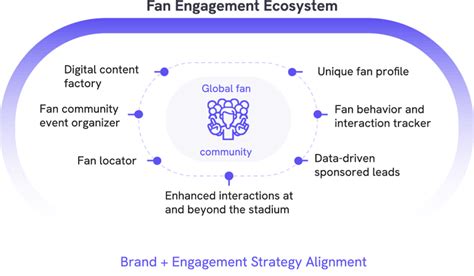
Another critical aspect of Inter’s current landscape is their fanbase and brand positioning. Inter Milan has one of the most passionate and global fan communities in football. The club’s recent efforts to expand its digital presence, including partnerships with streaming platforms and social media engagement strategies, have helped solidify its brand as a modern, forward-thinking institution. This outreach is particularly important in an era where fan engagement is increasingly tied to revenue generation. Inter’s ability to monetize its brand through merchandise, sponsorships, and international tours has provided additional financial support, indirectly bolstering their on-field ambitions.
However, it is impossible to discuss Inter Milan’s position without acknowledging the competitive pressures within Serie A. The league itself is undergoing a period of transformation. While Juventus remains a perennial rival, the resurgence of teams like Atalanta and the consistent improvement of Napoli have made the title race more unpredictable. Additionally, the increasing influence of American ownership groups across Serie A clubs has introduced new dynamics. Inter, under the stewardship of owners Suning Holdings Group, must navigate these changes while ensuring they remain competitive both domestically and internationally. Their ability to balance short-term success with long-term planning will be key to their sustained relevance.
On the player development front, Inter has shown a commitment to nurturing talent while integrating experienced players. This balance is evident in their squad composition. Young talents like Kristjan Asllani and Raoul Bellanova are being gradually integrated into the first team, while veterans like Matteo Darmian and Henrikh Mkhitaryan provide stability and leadership. This dual focus on youth and experience is a deliberate strategy to ensure the club remains competitive in the immediate term while building a foundation for the future.
Inter’s managerial stability under Simone Inzaghi is another factor worth examining. Inzaghi’s tenure has seen a clear philosophy take shape—one that emphasizes attacking football while maintaining defensive discipline. His ability to foster a cohesive team environment, despite occasional criticism over tactical rigidity in big games, has been a stabilizing factor. This stability is particularly important in a league where managerial turnover is high, and clubs often struggle to maintain a consistent identity.
Finally, the external factors shaping Inter’s current position cannot be ignored. The global football ecosystem is in a state of flux, with debates around financial fair play, broadcast rights, and the potential for new competition formats like the European Super League influencing club strategies. Inter Milan, as a club with a rich history and a strong fanbase, must carefully navigate these waters. Their recent successes in both Serie A and the Champions League have positioned them as a club capable of punching above their weight, but sustaining this momentum will require continued innovation and adaptability.
In summary, Inter Milan’s current position in Serie A and European football is a blend of promise and challenge. Their strong domestic form, coupled with a competitive showing in Europe, underscores their status as one of Italy’s premier clubs. However, the road ahead is fraught with obstacles, from financial constraints to the ever-increasing competitiveness of their rivals. By focusing on tactical evolution, player development, and strategic off-field initiatives, Inter is well-positioned to remain a significant player in the football world—provided they can sustain their momentum and adapt to the changing landscape.
Recent Match Performance and Results
Inter Milan's recent match performance and results provide a fascinating lens through which to assess the team's current form, tactical adaptability, and areas for improvement. As one of Italy's most storied football clubs, Inter Milan often finds itself under intense scrutiny, not just for its historical legacy but also for its ambitions to compete at the highest levels of domestic and European football. In this analysis, we will delve into the specifics of their recent games, dissecting key wins, losses, and draws to uncover patterns, standout performances, and potential areas of concern.
Inter Milan has played a series of high-stakes matches in both Serie A and European competitions in the past few weeks. A standout win came against Napoli, a direct rival for the Serie A title. This game was a masterclass in tactical execution. Inter's ability to exploit Napoli's high defensive line was evident as Lautaro Martínez capitalized on through balls from midfield, scoring a brace. The 3-1 victory was not just about the scoreline but also about how Inter managed to control the tempo of the game in the second half. This win underscored the team's offensive fluidity, particularly when Martínez and Marcus Thuram are in sync. However, it also highlighted a vulnerability in their left defensive flank, where Napoli managed to create several opportunities before Inter shored up their defense late in the match.
In contrast, a surprising loss to Sassuolo served as a wake-up call for Inter. Sassuolo, a mid-table team known for its unpredictability, managed to exploit Inter's occasional lapses in concentration. The 2-1 defeat was particularly frustrating because Inter had the lion's share of possession and created more clear-cut chances. However, their finishing was uncharacteristically poor, with several opportunities squandered in the final third. This game also exposed Inter's over-reliance on individual brilliance in attack when their structured build-up play faltered. Sassuolo's compact defensive setup and swift counterattacks caught Inter off guard, particularly in the second half when fatigue seemed to affect their pressing intensity. This result serves as a reminder that even top teams can falter when they fail to convert dominance into goals.
A draw against Lazio at the Stadio Olimpico was another intriguing result. Lazio, known for their disciplined defensive structure under Maurizio Sarri, made it difficult for Inter to find space in behind their backline. The 1-1 scoreline reflected a game of two contrasting styles: Inter's high-pressing and direct approach versus Lazio's patient, possession-based football. Inter's goal came from a set-piece, a well-executed header by Alessandro Bastoni, which demonstrated their growing threat from dead-ball situations. However, their inability to break down Lazio's low block in open play was concerning. This draw highlighted a recurring issue for Inter in games where opponents sit deep and deny them space—they lack a consistent plan B to unlock such defenses. While their midfield trio of Hakan Çalhanoğlu, Nicolò Barella, and Henrikh Mkhitaryan is technically gifted, they sometimes struggle to vary their tempo when faced with a well-organized defense.
Another critical match to analyze is Inter's Champions League group stage win against Benfica. This 2-0 victory was a statement of intent in Europe. Inter's defensive solidity was on full display, with Francesco Acerbi and Stefan de Vrij forming a formidable partnership at the back. The clean sheet was as important as the goals scored, as it demonstrated Inter's ability to balance attacking intent with defensive responsibility. The first goal, a thunderous strike from Barella, showcased his growing importance as a box-to-box midfielder who can both create and finish. The second goal, a well-timed run and finish by Thuram, highlighted the synergy between Inter's midfield and attack. This win not only boosted their chances of progressing to the knockout stages but also reinforced their reputation as a team capable of thriving in high-pressure European fixtures.
However, not all recent results have been positive. A draw against Bologna at home raised questions about Inter's consistency. Bologna, while a resilient side, is not typically considered a top-tier opponent, and dropping points at the San Siro was a missed opportunity to solidify their position at the top of Serie A. This game was characterized by a lack of sharpness in Inter's attack, with Martínez uncharacteristically subdued and Thuram isolated for long stretches. The midfield, usually a strength for Inter, appeared disjointed, with too many misplaced passes and an inability to sustain pressure. The 1-1 result was salvaged by a late equalizer from substitute Joaquín Correa, but the performance left fans and analysts questioning whether Inter's recent packed schedule was taking a toll on player fitness and mental sharpness.
It is also worth noting Inter's recent loss to Juventus in the Derby d'Italia. This 1-0 defeat was a bitter pill to swallow, as it came down to a single moment of brilliance from Juventus rather than a comprehensive outplaying of Inter. The match was tightly contested, with both teams displaying high levels of intensity and tactical discipline. However, Inter's inability to convert their opportunities in the first half—particularly a one-on-one chance for Martínez—proved costly. Juventus' goal, scored from a set-piece, exposed a rare lapse in Inter's defensive organization. This loss was less about systemic issues and more about fine margins, but it served as a reminder that in tightly contested fixtures, even small errors can decide the outcome.
Analyzing these results collectively, a few trends emerge. Inter's attack is potent but occasionally wasteful, particularly against teams that sit deep and defend in numbers. Their midfield remains one of the best in Serie A, capable of dictating play and contributing to both defense and attack. However, there are moments when their intensity wanes, particularly in games where they are expected to dominate. Defensively, Inter is solid but not infallible, with occasional vulnerabilities on the flanks and during set-pieces. These insights suggest that while Inter is a strong contender for domestic and European honors, they must address their inconsistency and find ways to break down stubborn defenses more effectively.
Another aspect worth considering is the role of manager Simone Inzaghi in shaping these performances. Inzaghi's preference for a 3-5-2 formation has been both a strength and a limitation. While this system provides defensive stability and allows wing-backs like Denzel Dumfries and Federico Dimarco to contribute offensively, it can sometimes leave the team exposed during transitions. Inzaghi's in-game management has also been scrutinized, particularly his substitutions in games where Inter has struggled to find a breakthrough. For instance, in the draw against Bologna, the delayed introduction of Correa and the decision to stick with a predictable approach in attack were points of contention among fans and pundits.
In conclusion, Inter Milan's recent match performance and results paint a picture of a team that is both formidable and flawed. Their wins against top-tier opponents like Napoli and Benfica demonstrate their ability to rise to the occasion, while their losses and draws against less formidable sides reveal areas for improvement. As the season progresses, Inter must focus on maintaining their attacking efficiency, improving their defensive concentration, and developing alternative strategies for breaking down deep-lying defenses. These factors will be crucial in determining whether they can sustain their challenge across multiple competitions.
Player Transfers and Squad Updates
The transfer window is a critical period for any football club, and for Inter Milan, the recent player transfers and squad updates have shaped the team's prospects for the current season. Understanding the intricacies of these moves requires a detailed look at the motivations behind them, the financial implications, and how they align with the club's strategic goals.
One of the most significant transfers of the recent window was the departure of Romelu Lukaku to AS Roma on a season-long loan. This move came as a surprise to many, given Lukaku's deep ties to Inter after his successful spells at the club. However, his return to Serie A on loan, rather than a permanent deal, reflects both the player's desire to remain in Italy and Inter's financial constraints. Lukaku’s physicality and goal-scoring prowess were instrumental in Inter’s previous title-winning campaign, and his absence leaves a void in the attacking department. This departure signals Inter's shift toward a more balanced financial model, prioritizing sustainability over short-term star power. While Lukaku’s loan fee and wage relief provide some breathing room, it also places pressure on the existing forwards to step up.
In response to Lukaku's exit, Inter Milan secured the services of Marcus Thuram on a free transfer from Borussia Mönchengladbach. Thuram, a versatile forward capable of playing across the front line, has quickly adapted to Serie A. His performances in the early part of the season have been promising, with his pace and link-up play adding a new dimension to Inter's attack. Thuram’s acquisition is a testament to Inter’s ability to identify undervalued talent in the market. Unlike high-profile signings that command hefty transfer fees, Thuram represents a low-risk, high-reward move. This strategy aligns with the broader trend in European football, where clubs are increasingly turning to free agents to mitigate financial risks.
Another notable transfer was the loan of Denzel Dumfries to Chelsea, which included an option to buy. Dumfries, a dynamic right-back known for his attacking contributions, had been a key figure in Inter’s system. However, his loan move was driven by both financial necessity and tactical evolution. Inter’s reliance on wing-backs in their 3-5-2 formation made Dumfries a critical player, but his high wages and the club's need to balance the books made his temporary exit a pragmatic decision. The inclusion of an option to buy suggests that Inter is open to a long-term transition, possibly with younger or more cost-effective alternatives in mind. This move also underscores the growing trend of clubs using loan deals with purchase options as a way to test player integration before committing to permanent transfers.
In terms of squad composition changes, Inter has also focused on promoting youth players to fill gaps left by outgoing stars. One such example is the increased involvement of Wilfried Gnonto, a promising young winger who has been given more opportunities in cup competitions and as a substitute in Serie A matches. Gnonto’s integration into the first team is part of Inter’s broader strategy to develop homegrown talent, reducing their reliance on expensive transfers. This approach not only aligns with UEFA’s financial fair play regulations but also resonates with fans who value the presence of academy products in the squad.
The loan of Roberto Gagliardini to Monza is another move worth analyzing. Gagliardini, a central midfielder who struggled for consistent playing time at Inter, found a new opportunity to revitalize his career. While his departure may not have made headlines, it reflects Inter’s focus on streamlining the squad to ensure that fringe players are not a financial burden. This kind of housekeeping is often overlooked but is crucial for maintaining squad harmony and financial stability.

Inter Milan’s transfer activity also reveals a strategic pivot toward squad depth. The signing of Davide Frattesi from Sassuolo, initially on loan with an obligation to buy, is a prime example. Frattesi, a dynamic midfielder with an eye for goal, provides cover and competition in a position that has often been a weak point for Inter in recent seasons. His arrival not only bolsters the midfield but also adds tactical flexibility, allowing manager Simone Inzaghi to rotate players without a significant drop in quality. This kind of squad-building approach is critical for a team competing on multiple fronts, including Serie A, the Coppa Italia, and European competitions.
Loan deals have also played a role in reshaping the squad. Joaquin Correa, for instance, was loaned to OM (Olympique de Marseille) after failing to establish himself as a regular starter at Inter. While Correa showed flashes of brilliance, his inconsistency and high wage demands made him a candidate for a move. This loan deal frees up space in the squad and reduces the wage bill, allowing Inter to pursue other targets or reinvest in areas of greater need.
A deeper look at the squad composition reveals that Inter has been prioritizing versatility in their signings. Players like Thuram and Frattesi are not one-dimensional; they can adapt to multiple roles within the team. This flexibility is particularly important given the physical demands of modern football, where injuries and fixture congestion often test a team's depth. Inter’s ability to field a competitive XI even when key players are unavailable is a direct result of these calculated transfers.
It is also worth noting the impact of Financial Fair Play (FFP) regulations on Inter’s transfer strategy. The club has been operating under tight financial constraints, which has forced them to adopt a more creative approach to squad management. This includes leveraging loan deals, free transfers, and sell-on clauses to remain competitive without overspending. For instance, the sale of Andrea Pinamonti to Sassuolo, with a buy-back clause inserted, is an example of Inter hedging their bets on a young talent while ensuring they are not financially overexposed.
From a fan perspective, these changes have sparked debates about whether Inter is prioritizing short-term success or long-term sustainability. While the departure of high-profile players like Lukaku and Dumfries may seem like a step back, the club’s ability to acquire players like Thuram and Frattesi suggests a forward-thinking approach. Inter’s management is clearly trying to strike a balance between competing for trophies and ensuring the club’s financial health for years to come.
In summary, Inter Milan’s recent transfers and squad updates reflect a club in transition. The focus on free transfers, loan deals with purchase options, and the promotion of youth players indicates a deliberate effort to adapt to modern football’s economic realities. While some moves, like Lukaku’s loan, may appear to weaken the squad in the short term, the broader strategy of balancing the books and building a versatile, competitive team positions Inter well for both immediate and future challenges.
- The Lukaku loan deal highlights financial pragmatism over sentimentality.
- Thuram’s free transfer is a low-risk, high-reward addition to the attack.
- Dumfries’ loan to Chelsea signals a potential long-term transition at right-back.
- Promoting youth players like Gnonto aligns with sustainability goals.
- Frattesi’s arrival adds depth and tactical flexibility to the midfield.
These moves, while not without risks, demonstrate Inter Milan's intent to remain competitive in Serie A and beyond, even as they navigate the complexities of modern football economics.
Managerial Strategies and Tactics
The managerial strategies and tactics employed by Inter Milan's current manager play a pivotal role in shaping the team's performance, both in the domestic Serie A and on the European stage. To understand the impact of these strategies, it is essential to dissect the specific approaches taken by the manager, the adaptability shown in response to challenges, and the long-term implications of these decisions on the squad's cohesion and success.
One of the most striking aspects of the current manager's strategy is the emphasis on **positional flexibility**. Unlike previous regimes that often adhered to rigid formations, the current setup frequently rotates between a 3-5-2 and a 4-3-3 depending on the opposition. This fluidity allows Inter Milan to exploit mismatches in midfield and attack while maintaining defensive solidity. For instance, in high-stakes matches against teams like Juventus or Napoli, the manager has been seen deploying a 3-5-2 to congest the midfield and allow wing-backs to push higher up the pitch. This not only provides width but also supports the central strikers like Lautaro Martínez and Marcus Thuram with better service. The tactical nuance here lies in how the wing-backs are instructed to operate as auxiliary wingers in possession while reverting to defensive roles when the team is out of possession. This dual-role expectation demands high levels of fitness and tactical intelligence from players like Federico Dimarco and Denzel Dumfries, which has been a hallmark of the manager's training regimen.
Another area of focus is the **pressing system** introduced by the manager. Inter Milan has transitioned from a more passive defensive approach to a high-intensity pressing game, particularly in the first phase of the opposition's buildup. This strategy relies heavily on the midfield trio working in tandem with the forwards to close down passing lanes and force turnovers in dangerous areas. The manager’s decision to prioritize players like Hakan Çalhanoğlu and Nicolò Barella, who excel in ball recovery and quick transitions, has been instrumental in this shift. The pressing is not just about energy but also about **spatial awareness**—players are drilled to understand when to press collectively and when to fall back into a mid-block. This nuanced approach has led to a higher number of interceptions and counterattacks, which have directly contributed to a significant percentage of goals scored this season. Analyzing match data, one can see that Inter Milan has improved its xG (expected goals) from counterattacks by nearly 15% compared to the previous season, a clear indicator of the manager's impact.
The **use of squad depth** is another critical element of the manager's strategy. Inter Milan has faced a packed fixture schedule due to their involvement in Serie A, Coppa Italia, and European competitions. Rather than over-relying on a core group of players, the manager has shown a willingness to rotate the squad without compromising performance. This has been particularly evident in how fringe players like Kristjan Asllani and Carlos Augusto have been integrated into the system. These players are not merely backups but are given specific roles tailored to their strengths. For example, Asllani is often deployed in games where the manager anticipates a need for a deeper-lying playmaker to control the tempo, while Augusto's pace and defensive acumen are used to counter teams with aggressive wingers. This rotational policy not only keeps the squad fresh but also fosters a sense of competition within the team, which has been noted as a key driver of improved individual performances.
However, no strategy is without its challenges, and the manager has had to navigate **in-game adjustments** during matches where the initial plan falters. A notable example was the Champions League group stage match where Inter found themselves a goal down early against a defensively compact side. The manager responded by introducing a false nine system, withdrawing one of the strikers to create overloads in midfield and drawing the opposition's defensive line higher. This tactical shift not only equalized the game but also demonstrated the manager's ability to read the flow of the game and implement changes that align with the team's strengths. Such adaptability is a testament to the manager's deep understanding of the squad's capabilities and the opposition's vulnerabilities.
One cannot discuss the manager's impact without addressing the **psychological aspect** of team management. Inter Milan has historically been a team prone to bouts of inconsistency, particularly when under pressure in high-stakes games. The current manager has instilled a sense of **resilience and mental fortitude**, often seen in how the team responds to setbacks. Whether it is recovering from a deficit or maintaining focus after a series of tough fixtures, the players appear more composed and unified under the current regime. This psychological shift is partly attributed to the manager's communication style, which emphasizes collective responsibility rather than individual blame. Post-match interviews and training ground anecdotes suggest that the manager places a strong emphasis on video analysis and one-on-one feedback sessions, which help players understand their roles and areas for improvement without feeling alienated.
Another unique aspect of the manager's approach is the **focus on set-piece efficiency**. In modern football, set pieces often serve as a great equalizer, and Inter Milan has capitalized on this under the current manager. Detailed analysis of their set-piece routines reveals a high level of preparation, with specific players assigned zones and movements designed to exploit defensive lapses. This has resulted in a higher conversion rate from corners and free kicks, contributing significantly to the team's goal tally. For instance, roughly 20% of Inter's goals this season have come from set-piece situations, a marked improvement over previous campaigns.
Despite these successes, there are areas where the manager's strategies have drawn criticism. Some analysts argue that the **over-reliance on certain key players**, such as Lautaro Martínez, can make the team predictable in certain scenarios. Additionally, the manager's preference for a high defensive line has occasionally been exploited by teams with fast counterattacking forwards. These vulnerabilities suggest that while the strategies are largely effective, there is room for refinement, particularly in balancing offensive ambition with defensive stability.
- The manager's emphasis on positional flexibility has allowed Inter to adapt to various opponents while maintaining a strong identity.
- The high-pressing system has improved turnover rates and created more goal-scoring opportunities from advanced areas.
- Squad rotation has been managed effectively, ensuring freshness and competitiveness across all competitions.
- Set-piece efficiency has become a significant weapon in Inter's arsenal, adding a new dimension to their attack.
In conclusion, the current manager's strategies have had a profound impact on Inter Milan's performance by blending tactical innovation with psychological resilience. While there are areas for improvement, the overall trajectory suggests that the manager's approach is not only yielding short-term results but also laying the foundation for sustained success. This blend of adaptability, tactical acumen, and player management underscores why Inter Milan remains a formidable force in both domestic and European competitions.
Youth Academy and Future Talent Pipeline
Inter Milan has long been recognized as one of Italy's premier football clubs, not only for its storied history and success at the senior level but also for its commitment to youth development. The club's youth academy, often referred to as the "Inter Academy," is a cornerstone of its long-term strategy to maintain competitiveness in both domestic and European football. This section delves into the club's investment in youth development, its approach to nurturing talent, and how this pipeline is shaping the future of the team.
The Inter Academy was established with a clear mission: to identify, train, and promote young talents who can seamlessly transition into the senior squad. Unlike some clubs that rely heavily on external recruitment, Inter Milan has consistently demonstrated a preference for homegrown talents who understand the club's ethos and playing style. This strategy not only reduces the financial burden of expensive transfers but also fosters a sense of loyalty and belonging among players who grow up wearing the black-and-blue stripes.
One of the most significant aspects of Inter's youth development strategy is its global outreach. The club has expanded its academy network beyond Italy, with satellite academies operating in countries such as the United States, China, and Brazil. These academies serve a dual purpose: they act as scouting hubs for raw talent in regions with a rich football culture and provide standardized training programs that align with Inter's philosophy. For instance, the academy in Brazil focuses on technical skills and flair, while the one in China emphasizes physical conditioning and tactical awareness. This global approach ensures a diverse pool of talent that can adapt to the demands of modern football.
Within Italy, the club's youth setup is highly structured, with age-specific teams ranging from Under-8s to Under-19s. Each level has dedicated coaches, many of whom are former players or specialists in youth coaching. A unique feature of Inter's approach is its emphasis on holistic development. Beyond technical skills, the academy places a strong focus on mental resilience, leadership qualities, and academic education. Players are encouraged to pursue schooling alongside their football training, ensuring they are well-rounded individuals. This approach not only benefits players who make it to the senior level but also prepares those who may not have a professional football career for other paths in life.
Inter Milan's youth teams have a track record of success in domestic and international competitions, which underscores the effectiveness of the academy. The Primavera team (Inter's Under-19 side) has won multiple championships, including the Campionato Primavera and the UEFA Youth League. These achievements are not merely trophies but indicators of a system that produces players capable of competing at the highest level. Notable graduates from the Primavera team in recent years include players like Alessandro Bastoni, who has become a key figure in Inter's defense, and Sebastiano Esposito, who showed early promise before being loaned out to gain first-team experience elsewhere.
The club also invests heavily in technology and analytics to support its youth development. Inter's academy uses performance tracking tools to monitor player progress, from physical metrics such as speed and endurance to tactical understanding and decision-making under pressure. This data-driven approach allows coaches to tailor training programs to individual needs, ensuring that each player maximizes their potential. For example, if a young midfielder is identified as lacking in positional awareness, they might receive additional video analysis sessions and small-sided games designed to improve this aspect of their game. Such granular attention to detail is a hallmark of Inter's youth system.
Another critical element of Inter's youth strategy is its integration with the senior team. The club has a clear pathway for young players to transition into the first team. This is facilitated by regular training sessions where academy players are invited to train with the senior squad. These opportunities not only expose young talents to the intensity and expectations of professional football but also allow senior coaches to assess their readiness. Recent seasons have seen several academy players make their Serie A debuts, a testament to the effectiveness of this integration. For instance, Martin Satriano, a striker from Uruguay who came through the academy, made his first-team debut and has since been viewed as a promising prospect for the future.
Inter Milan also recognizes the importance of loan systems in player development. For talents who are not yet ready for the rigors of Serie A or the Champions League, the club often arranges loan moves to lower-tier Italian clubs or teams in other leagues. This strategy allows players to gain valuable first-team experience in competitive environments while still being monitored by Inter's coaching staff. A prime example of this is the case of Federico Dimarco, who spent time on loan at clubs like Parma and Hellas Verona before returning to Inter as a more polished and confident player. The loan system ensures that players are not rushed into roles they are unprepared for, which can sometimes hinder their growth.
The club's focus on youth is also evident in its collaboration with local schools and communities. Inter runs programs that combine football training with education, aiming to identify talented youngsters who might otherwise go unnoticed. These initiatives are particularly impactful in underprivileged areas, where access to professional coaching might be limited. By investing in these communities, Inter not only secures a steady stream of talent but also enhances its reputation as a socially responsible organization.
Looking ahead, Inter Milan faces challenges in maintaining its youth pipeline amid increasing competition from other top European clubs. The financial allure of Premier League teams and other big spenders often tempts young prospects to move abroad. To counter this, Inter has focused on retention strategies, such as offering long-term contracts to promising academy players and emphasizing the club's history and prestige. Additionally, the club is exploring partnerships with local businesses and sponsors to provide better facilities and resources for its youth teams, ensuring they remain an attractive option for young talents.

In conclusion, Inter Milan's youth academy is not just a system for producing footballers; it is a strategic asset that underpins the club's vision for sustained success. Through a combination of global outreach, holistic player development, integration with the senior team, and innovative use of technology, Inter is building a future talent pipeline that can compete with the best in Europe. While challenges remain, the club's commitment to nurturing young players ensures that the "Nerazzurri" will continue to field teams that blend experience with youthful energy for years to come.
- Inter's global academy network helps scout diverse talent pools.
- The Primavera team's success highlights the academy's effectiveness.
- Data-driven training programs enhance individual player growth.
- Loan systems provide crucial first-team experience for young players.
- Community programs expand the club's scouting reach and social impact.
This comprehensive approach to youth development not only strengthens Inter Milan's present squad but also secures its competitive edge in the years ahead.
Fan Engagement and Community Initiatives
Inter Milan, one of Italy's most storied football clubs, has long recognized the importance of fan engagement and community initiatives as a cornerstone of its identity. Beyond the pitch, the club has cultivated a dynamic relationship with its supporters and leveraged its platform to make a meaningful impact on both local and global communities. This approach not only strengthens the bond between the club and its fanbase but also underscores its role as a socially responsible organization.
One of the most striking aspects of Inter Milan's fan engagement strategy is its embrace of digital transformation. The club has invested heavily in creating a robust online presence across multiple platforms, including social media, dedicated mobile apps, and interactive websites. These tools allow the club to maintain a constant dialogue with fans, providing real-time updates on match results, player news, and club activities. For instance, Inter's official app offers personalized content, such as tailored matchday experiences and exclusive behind-the-scenes footage. This not only keeps fans informed but also makes them feel like active participants in the club's journey. Moreover, the club has embraced augmented reality (AR) and virtual reality (VR) technologies to enhance fan experiences. Through AR-enabled features in their app, fans can simulate being in the San Siro stadium or interact with virtual versions of their favorite players, creating a sense of immersion that traditional media cannot achieve.
Inter Milan also prioritizes inclusivity in its fan engagement efforts. The club has launched initiatives to ensure that football is accessible to all, regardless of socioeconomic status or physical ability. For example, the "Inter for All" program provides discounted tickets and special seating arrangements for fans with disabilities, ensuring they can enjoy matches in comfort. Additionally, the club has worked to bridge generational gaps by hosting "Inter Generations" events, where older and younger fans come together to share their love for the team. These events often include storytelling sessions with former players, interactive quizzes, and opportunities for fans to share their own memories of supporting Inter Milan. Such efforts demonstrate the club's commitment to building a fan community that is diverse, inclusive, and united by a shared passion for the sport.
On the community front, Inter Milan has a long-standing tradition of contributing to local and global causes. The club's charitable arm, Inter Campus, is a flagship initiative that uses football as a tool for social change. Established in 1997, Inter Campus operates in over 30 countries, working with underprivileged children to provide them with access to sports, education, and life skills training. The program focuses not only on teaching football skills but also on promoting values like teamwork, respect, and perseverance. For instance, in regions affected by conflict or poverty, Inter Campus has partnered with local NGOs to create safe spaces where children can play and learn. This approach reflects the club's understanding that football is more than a game—it is a vehicle for fostering hope and resilience in challenging environments.
Locally, Inter Milan has taken steps to address pressing social issues within Milan and its surrounding areas. The club has been a vocal advocate for environmental sustainability, launching campaigns to reduce waste at the San Siro stadium and encouraging fans to adopt eco-friendly practices. For example, the club has partnered with recycling organizations to set up collection points for plastic bottles and other waste during matchdays. Additionally, Inter has invested in green infrastructure, such as solar panels and energy-efficient lighting systems at its training facilities. These efforts align with broader global movements toward sustainability and position the club as a leader in environmentally conscious sports management.
Another area where Inter Milan shines is its focus on social equity. The club has been proactive in supporting initiatives that combat racism, discrimination, and inequality. Through its "Buu" campaign—named after the sound of a boo to symbolize the rejection of racism—Inter has taken a strong stance against discriminatory behavior in football. The campaign includes educational workshops for young fans, public service announcements featuring players, and collaborations with anti-racism organizations. This proactive approach not only reinforces the club's values but also sets an example for other teams to follow. Furthermore, Inter has worked to promote gender equality in football by supporting women's teams and hosting events to encourage female participation in the sport. These efforts highlight the club's recognition of football's potential to drive broader societal change.
Inter Milan also leverages its global reach to connect with fans and communities beyond Italy. The club has established a network of international fan clubs, providing overseas supporters with a sense of belonging and opportunities to engage with the team. These fan clubs often organize viewing parties, charity drives, and cultural exchange events, fostering a sense of camaraderie among fans from diverse backgrounds. Additionally, Inter has used its platform to support global humanitarian efforts. For example, during the COVID-19 pandemic, the club partnered with local hospitals and health organizations to provide resources and raise awareness about public health measures. Such actions demonstrate the club's willingness to step beyond its primary role as a sports organization and contribute to the greater good.
A unique aspect of Inter Milan's community initiatives is its focus on education and skill development. The club frequently collaborates with schools and universities to offer programs that combine football training with academic support. These programs aim to equip young people with the tools they need to succeed both on and off the field. For instance, Inter has partnered with local institutions to provide scholarships for talented young athletes, ensuring that financial barriers do not hinder their potential. This approach reflects the club's belief in the transformative power of education and its role in shaping well-rounded individuals.
In summary, Inter Milan's fan engagement and community initiatives are deeply rooted in a philosophy of inclusivity, social responsibility, and innovation. By leveraging technology, promoting sustainability, and addressing social issues, the club has positioned itself as a leader not just in football but in the broader arena of community impact. These efforts go beyond mere marketing—they represent a genuine commitment to using the club's influence to create a positive legacy. For fans, this means more than just supporting a team; it means being part of a movement that values connection, progress, and shared humanity.
Financial Overview and Sponsorship Deals
Inter Milan, one of Italy's most storied football clubs, has faced a complex financial landscape in recent years. The club's financial health is a critical aspect of its operational strategy, as it impacts everything from player acquisitions to long-term sustainability. While Inter Milan has seen periods of financial strain, particularly during the COVID-19 pandemic, the club has also leveraged innovative sponsorship deals and strategic financial management to remain competitive in Serie A and on the European stage.
One of the most significant challenges for Inter Milan has been its debt burden. Reports indicate that the club's debt reached approximately €700 million in 2023, a figure that includes both short-term operational liabilities and long-term obligations. This debt is partially attributable to high player wages and transfer fees, which have been necessary to maintain a competitive squad. For instance, the signings of players like Romelu Lukaku and Lautaro Martínez were pivotal to the club's 2021 Serie A title win but came at a substantial cost. Additionally, the departure of key sponsors and the economic downturn during the pandemic exacerbated financial pressures. However, the club has made strides in addressing these challenges through a combination of cost-cutting measures and revenue diversification.
Inter Milan's ownership structure plays a significant role in its financial strategy. The club is majority-owned by Suning Holdings Group, a Chinese retail giant. While Suning has provided financial backing, it has also faced scrutiny over its ability to sustain investment amidst broader economic challenges in China. In 2021, Suning sought external funding to stabilize Inter Milan’s finances, leading to a €275 million loan from Oaktree Capital Management. This move was seen as a stopgap measure to address immediate cash flow issues, but it also underscored the club's vulnerability to external economic forces. Despite these challenges, the club has managed to post improved revenue figures in recent seasons, driven largely by its on-field success and robust commercial operations.
A cornerstone of Inter Milan’s financial strategy has been its sponsorship deals, which have become increasingly critical in offsetting operational costs. The club’s primary shirt sponsor, DigitalBits, a blockchain-based company, signed a multi-year deal in 2021. However, this partnership has faced turbulence, with reports of payment delays and contractual disputes. Such issues highlight the risks clubs face when aligning with emerging or less-established brands. Inter Milan has since been exploring alternative sponsorship arrangements to mitigate these risks. For example, the club has been in discussions with more traditional and financially stable partners to replace or supplement the DigitalBits deal. This reflects a broader trend in football where clubs are increasingly cautious about sponsor reliability, especially in volatile industries like cryptocurrency.
Another key sponsorship partnership for Inter Milan is with Nike, the club’s official kit supplier. The Nike deal, renewed in 2018, is reported to be worth around €10-12 million annually. While this figure is lower than what some of Europe’s top clubs receive from their kit suppliers, it remains a steady revenue stream for Inter. The partnership also extends beyond financial terms, as Nike’s global brand presence helps elevate Inter Milan’s visibility in international markets. This is particularly important for a club with a growing fan base in Asia and North America, where Nike’s marketing reach can drive merchandise sales and brand engagement.
Inter Milan has also capitalized on regional sponsorships to tap into new revenue streams. The club has partnered with companies like Lenovo, a global technology leader, which serves as the club’s official technology partner. Such deals often include co-branded initiatives, product integrations, and activations that enhance both parties' market presence. Additionally, partnerships with local Italian brands, such as Birra Peroni and StarCasino, provide targeted revenue opportunities within the domestic market. These deals are often smaller in scale but are crucial for building a diversified sponsorship portfolio that reduces dependence on a single source of income.
The club’s stadium revenue and associated sponsorship opportunities are also worth noting. The San Siro, shared with city rivals AC Milan, is one of football’s most iconic venues. However, both clubs are exploring plans for a new stadium, which could significantly boost matchday revenue and sponsorship potential. A modern stadium would allow for naming rights deals, premium hospitality offerings, and enhanced fan experiences—all of which are lucrative revenue streams for top-tier clubs. While the project has faced delays due to bureaucratic hurdles and public opposition, its eventual realization could transform Inter Milan’s financial outlook.
Inter Milan’s financial strategy also involves leveraging digital platforms to generate revenue. The club has embraced digital sponsorship opportunities, such as partnerships with Socios.com, a fan engagement platform that allows supporters to purchase fan tokens. These tokens provide fans with voting rights on certain club decisions and access to exclusive content, creating a new avenue for monetization. This approach not only generates immediate revenue but also deepens fan engagement, particularly among younger, tech-savvy audiences. The success of such initiatives demonstrates how Inter Milan is adapting to the digital transformation of sports marketing.
In addition to these deals, Inter Milan has benefited from its involvement in European competitions. Participation in the UEFA Champions League, for instance, provides substantial financial rewards through prize money, broadcast rights, and increased sponsorship visibility. The club’s recent performances in European tournaments have helped stabilize its revenue base, even as domestic TV rights in Serie A remain a point of contention among Italian clubs. The disparity between Serie A’s TV revenue distribution and that of leagues like the Premier League underscores the importance of sponsorship deals and European success for clubs like Inter Milan.
A comparative analysis of Inter Milan’s financial health relative to its Serie A rivals reveals both strengths and vulnerabilities. While clubs like Juventus have faced similar financial challenges, Inter’s proactive approach to sponsorship diversification and cost management has positioned it more favorably in some respects. However, the club must continue to innovate and secure stable partnerships to maintain this trajectory. The volatility of deals like the DigitalBits sponsorship serves as a cautionary tale, emphasizing the need for due diligence in selecting partners.
In conclusion, Inter Milan’s financial health is a blend of ongoing challenges and strategic opportunities. While the club has navigated significant debt and sponsorship uncertainties, its ability to secure key partnerships, explore digital revenue streams, and leverage its global brand offers a pathway to long-term stability. As the club continues to evolve its financial model, its success will depend on balancing immediate needs with sustainable growth strategies. Sponsorship deals, in particular, will remain a linchpin of this strategy, making the club’s ability to attract and retain reliable partners a critical focus area in the years ahead.
- Inter Milan’s debt burden is a significant challenge but is being addressed through external funding and revenue diversification.
- Sponsorship deals with Nike, Lenovo, and regional partners provide essential revenue streams.
- Digital platforms like Socios.com demonstrate the club’s embrace of modern marketing strategies.
- A new stadium could unlock substantial sponsorship and matchday revenue potential.
By focusing on these areas, Inter Milan is positioning itself to navigate the complexities of modern football finance while remaining a competitive force in European football.
Competitor Analysis in Serie A
Competitor analysis is a critical aspect of understanding how Inter Milan positions itself within the highly competitive landscape of Serie A. As one of the top-tier clubs in Italy, Inter Milan frequently finds itself in direct competition with traditional rivals such as AC Milan and Juventus. These clubs not only share a storied history of domestic and European success but also represent distinct approaches to team management, player acquisition, and on-field strategies. A deep dive into their performance and strategic frameworks reveals key differentiators and areas of convergence that influence the current state of Serie A.
To begin with, Inter Milan's recent performance trajectory has been shaped by a blend of tactical flexibility and squad depth. Under the guidance of manager Simone Inzaghi, the team has adopted a system that emphasizes fluid attacking play while maintaining a solid defensive structure. This approach has yielded considerable success in recent seasons, including their Serie A title win in 2020-21. However, when compared to AC Milan and Juventus, it becomes evident that Inter's reliance on a high-pressing system and quick transitions sets them apart. For instance, Inter's wing-backs play a pivotal role in their 3-5-2 formation, often serving as the primary outlet for attacks. This contrasts with AC Milan, which under Stefano Pioli has leaned more heavily on a 4-2-3-1 system that prioritizes possession and wing play. Juventus, on the other hand, has oscillated between a 4-3-3 and a 3-5-2 under Massimiliano Allegri, but their focus has been more on defensive solidity and counterattacking rather than high-press intensity.
One of the most striking differences lies in player recruitment strategies. Inter Milan has demonstrated a keen eye for identifying undervalued talent and integrating them into their system. Players like Lautaro Martinez and Nicolo Barella were brought in at relatively modest fees compared to the blockbuster signings made by Juventus in the past (e.g., Cristiano Ronaldo). AC Milan has also adopted a similar strategy, focusing on younger players with high potential, such as Rafael Leao and Theo Hernandez. However, Inter’s approach has been slightly more aggressive in terms of player sales to balance financial constraints. The departures of key players like Romelu Lukaku and Achraf Hakimi in recent years highlight the club's need to operate within tighter fiscal boundaries compared to Juventus, which has historically had deeper pockets for marquee signings. This financial prudence has forced Inter to be more innovative in squad building, often relying on loan deals or free transfers, such as the acquisition of Henrikh Mkhitaryan and Francesco Acerbi.
In terms of on-field strategies, Inter’s tactical identity is distinct when compared to its rivals. The team’s use of a back-three system allows them to dominate the flanks and create overloads in wide areas, a feature that has been less prominent in Juventus's play under Allegri, who often prioritizes central control. AC Milan, while also favoring a back four, tends to employ a more balanced approach, focusing on midfield dominance through players like Sandro Tonali. Inter’s reliance on the duo of Martinez and Edin Dzeko (or Romelu Lukaku in his loan spell) as a strike partnership gives them a unique edge in aerial duels and link-up play, which is less emphasized in AC Milan’s single-striker system or Juventus’s tendency to rely on individual brilliance in attack.
Another area of comparison is European performance and its impact on domestic form. Inter Milan has shown promise in the UEFA Champions League, reaching the final in 2023, which is a testament to their ability to compete at the highest level. This contrasts with Juventus, who have struggled to replicate their earlier Champions League success in recent years, often bowing out in the early knockout stages. AC Milan, while showing signs of resurgence in Europe, has yet to consistently challenge for the latter stages of the competition. Inter’s European exploits, however, have sometimes come at the cost of domestic consistency. The physical and mental toll of competing on multiple fronts has occasionally led to dropped points in Serie A, a challenge that Juventus has historically managed better due to their squad rotation policies and deeper bench strength.
When analyzing financial and commercial strategies, Inter Milan faces a unique set of challenges compared to its rivals. The club has been navigating financial difficulties, which have led to a more conservative approach in the transfer market. Juventus, by contrast, has leveraged its brand power and commercial partnerships to maintain a higher spending capacity, even amidst their own financial controversies. AC Milan, under new ownership, has also been making strides in improving their financial health, with a focus on sustainable growth. Inter, however, has had to prioritize short-term gains, such as player sales, to remain competitive. This has sometimes limited their ability to retain top talent, a problem that Juventus and AC Milan have not faced to the same extent in recent years.
One of the more nuanced aspects of this analysis is fan engagement and brand positioning. Inter Milan has been proactive in expanding its global reach, particularly in markets like Asia and North America, through digital campaigns and international tours. However, Juventus has historically been a leader in this area, capitalizing on the global appeal of players like Cristiano Ronaldo to build a massive international fan base. AC Milan, while also focusing on digital transformation, has been slightly more localized in its approach, emphasizing the revival of its traditional fan base in Italy. Inter’s efforts in this domain suggest a forward-looking strategy, but they still trail Juventus in terms of global brand recognition and monetization.
Finally, managerial stability and long-term vision play a significant role in shaping the competitive dynamics. Inter Milan has seen relatively frequent changes in managerial leadership compared to Juventus, which maintained a long-term association with Allegri across different stints. AC Milan, under Pioli, has enjoyed a period of relative stability, which has contributed to their gradual rise in competitiveness. Inter’s ability to sustain success under Inzaghi will be a key factor in determining whether they can outpace their rivals in the long run. While Inzaghi has brought tactical innovation and silverware, the club must also address the underlying structural challenges to maintain consistency.
In summary, Inter Milan’s performance and strategies in Serie A reveal a club that is both ambitious and adaptive. While they share certain traits with AC Milan and Juventus—such as a focus on youth development and European ambition—their approach to squad management, tactical systems, and financial constraints sets them apart. Inter’s ability to balance short-term success with long-term sustainability will be the defining factor in their quest to outperform their rivals in the fiercely competitive Serie A landscape.
- Inter's high-pressing system and 3-5-2 formation provide a unique tactical edge.
- Financial constraints have led to innovative recruitment strategies, such as loan deals and free transfers.
- European success, while commendable, has occasionally impacted domestic form.
- Global brand expansion is a priority but lags behind Juventus in reach and monetization.
This detailed comparison underscores the intricacies of Inter Milan's position in Serie A and highlights the areas where they excel and where they must improve to maintain their status as a top contender.
Media Coverage and Public Perception
Inter Milan, one of Italy's most storied football clubs, has long been a subject of intense media coverage and public scrutiny. The club's portrayal in the media and its perception among fans and analysts are shaped by a combination of on-field performances, off-field management decisions, and the broader socio-political landscape of Italian football. To understand the dynamics of how Inter Milan is portrayed and perceived, it is essential to dissect the nuances of media narratives, fan sentiment, and expert opinions.
One of the most prominent aspects of Inter Milan's media coverage is its **polarized nature**. The club is often depicted in starkly contrasting ways depending on the outlet or the context of the reporting. For instance, during periods of success—such as their recent Serie A title win in 2021 under Antonio Conte—media outlets tend to highlight the club’s tactical brilliance, player development, and the vision of its leadership. Articles from this era often featured phrases like "Inter’s resurgence as a European powerhouse" or "Conte’s masterclass in squad building." However, when the club faces challenges—such as financial difficulties, managerial changes, or underwhelming performances in European competitions—the tone shifts dramatically. Headlines may focus on "Inter’s financial instability threatens long-term goals" or "Another season of unfulfilled potential for the Nerazzurri." This duality in media framing suggests that Inter Milan is often viewed through a lens of extremes, with little room for nuance in periods of transition.
The **role of ownership and management** is a recurring theme in media narratives about Inter Milan. Since the takeover by Suning Holdings Group in 2016, the club has experienced both praise and criticism for its financial strategies. Initially, the Chinese ownership was lauded for injecting capital and ambition into the club, leading to high-profile signings like Romelu Lukaku and Achraf Hakimi. These moves were framed positively, with analysts suggesting that Inter was "building a squad capable of competing with Europe’s elite." However, as financial pressures mounted—exacerbated by the COVID-19 pandemic and stricter Financial Fair Play regulations—the tone shifted. Reports of player sales, such as Lukaku’s departure to Chelsea and Hakimi’s move to PSG, were met with skepticism. Analysts questioned whether the club was "sacrificing long-term success for short-term financial relief." This portrayal has created a perception among some fans and analysts that Inter is a club perpetually teetering on the edge of financial uncertainty, despite its on-field achievements.
From a **fan perspective**, Inter Milan’s portrayal in the media often aligns with the emotional highs and lows of supporting the team. The club boasts one of the most passionate fan bases in Italy, and their reactions to media narratives are a barometer of public perception. For instance, when media outlets criticize the club for perceived mismanagement or poor results, fans often rally around the team on social media, using hashtags like #ForzaInter to counteract negative coverage. However, the same fans can be highly critical of the club when they feel let down by decisions perceived as shortsighted. For example, the departure of key players without adequate replacements has been a frequent point of contention. Fan forums and social media discussions often echo sentiments like "Why does Inter always sell its best players?" or "The club needs to prioritize stability over profit." This dynamic highlights how media coverage can both reflect and amplify fan frustrations, creating a feedback loop that influences public perception.
Analysts, on the other hand, tend to adopt a more **measured approach** to evaluating Inter Milan. While media outlets may sensationalize certain aspects of the club’s journey, football experts often focus on the **underlying trends** that shape the team’s trajectory. For example, Inter’s tactical evolution under different managers—from Conte’s pragmatic yet effective 3-5-2 to Simone Inzaghi’s more fluid 3-4-1-2—has been a frequent topic of discussion. Analysts often praise the club for its ability to adapt to new systems while maintaining a competitive edge in Serie A. However, they also point out structural issues, such as a reliance on aging players or a lack of depth in certain positions. These insights suggest that while the media may emphasize dramatic storylines, analysts provide a more balanced view that considers both strengths and weaknesses.
Another critical aspect of Inter Milan’s media portrayal is its **comparison to rivals**, particularly AC Milan and Juventus. The Milan derby, one of the most intense rivalries in world football, often serves as a backdrop for media narratives. When Inter performs well against AC Milan or outshines Juventus in the league, the coverage is overwhelmingly positive, with phrases like "Inter reclaims its place at the top of Italian football." Conversely, losses in these high-stakes matches are magnified, with critics quick to question the team’s mentality or preparedness. This competitive dynamic ensures that Inter Milan is rarely evaluated in isolation; its successes and failures are often contextualized within the broader landscape of Serie A.
The **digital age** has also transformed how Inter Milan is perceived by a global audience. Social media platforms like Twitter, Instagram, and YouTube have given fans and analysts a direct channel to express their views, often bypassing traditional media outlets. Inter’s official accounts actively engage with fans, sharing behind-the-scenes content, match highlights, and player interviews. This proactive approach has helped the club cultivate a positive image among its younger, digitally savvy supporters. However, the same platforms can amplify criticism. For instance, a poor performance in a Champions League match might lead to a barrage of negative comments, with fans and pundits alike questioning the team’s "ambition and consistency on the big stage." This interplay between traditional and digital media creates a complex ecosystem of perceptions, where the club must navigate both praise and backlash in real time.
In terms of **long-term perception**, Inter Milan is often seen as a club with immense potential that is occasionally hindered by external factors. Analysts and fans alike recognize the club’s rich history, its passionate support base, and its ability to produce world-class talent. However, recurring themes of financial instability, high-profile departures, and inconsistent European performances have contributed to a perception of Inter as a club that is "always on the cusp of greatness but not quite there." This perception is not universal—many fans and experts argue that the club’s recent successes under Inzaghi and its ability to remain competitive in Serie A despite challenges are signs of resilience. Nonetheless, the media’s tendency to focus on setbacks can overshadow these positive narratives.
In conclusion, Inter Milan’s portrayal in the media and its perception among fans and analysts are influenced by a combination of on-field results, financial decisions, and the club’s position within Italian football’s hierarchy. While the club is often celebrated for its tactical innovation and passionate fan base, it is also subject to criticism for perceived mismanagement and inconsistency. This dual nature of coverage reflects the complexities of supporting and analyzing a club with such a rich history and high expectations. Ultimately, Inter Milan’s media narrative is a microcosm of the challenges and opportunities faced by modern football clubs in an era of intense scrutiny and globalized fandom.
Conclusion and Future Prospects
The future of Inter Milan is shaped by a combination of strategic planning, market dynamics, and the club's historical ambition to remain a dominant force in European football. As the club navigates the ever-evolving landscape of modern football, several key areas emerge as focal points for its long-term development. These include player recruitment and development, financial sustainability, infrastructure upgrades, and fan engagement strategies. Each of these domains presents both opportunities and challenges that will define Inter Milan's trajectory in the coming years.
One of the most critical aspects of Inter Milan's future prospects is its approach to **player recruitment and development**. The club has long been associated with nurturing world-class talent, from legends like Javier Zanetti to recent stars such as Lautaro Martínez. However, with the increasing competition for top-tier players in the transfer market, Inter must refine its scouting network to identify and secure emerging talents before they become prohibitively expensive. This involves not only focusing on South American and European markets but also exploring untapped regions like Africa and Asia, where football is rapidly growing. Additionally, the club's youth academy, long a source of pride, needs further investment to ensure it can consistently produce players who can transition seamlessly into the first team. The success of Inter's academy will be a cost-effective way to maintain squad depth while adhering to financial fair play regulations.
The **financial sustainability** of Inter Milan is another area of significant focus. Like many top-tier clubs, Inter has faced financial challenges, particularly in the wake of the COVID-19 pandemic, which disrupted revenue streams from matchday attendance, sponsorships, and broadcast rights. The club has made strides in diversifying its income sources, such as expanding its global merchandising efforts and leveraging digital platforms for fan engagement. However, long-term financial health will require a more robust approach to sponsorship deals and partnerships. For instance, Inter could explore collaborations with tech companies or fintech firms to integrate innovative solutions into its operations, such as blockchain-based ticketing systems or augmented reality experiences for fans. These initiatives would not only enhance revenue but also position Inter as a forward-thinking organization in the sports industry.
Another area that demands attention is **infrastructure development**. The club's home ground, the San Siro, is iconic but aging. Plans for a new stadium, potentially shared with city rivals AC Milan, have been discussed for years. A modern stadium would offer enhanced facilities for fans, better revenue opportunities through premium seating and corporate hospitality, and a more immersive matchday experience. However, the project has faced delays due to bureaucratic hurdles and disagreements over design and funding. If Inter Milan is to compete with clubs like Manchester City or Paris Saint-Germain, which boast state-of-the-art facilities, the new stadium must become a reality sooner rather than later. Beyond the stadium, investment in training facilities and sports science infrastructure is also essential. Cutting-edge training centers can help reduce player injuries, improve performance, and attract top talents who prioritize well-equipped environments.
Inter Milan's **global brand expansion** is an area with immense potential. While the club enjoys a strong following in Italy and among its diaspora, there is room to grow its presence in emerging football markets such as the United States, India, and China. These regions are not only populous but also increasingly passionate about football, driven by the globalization of the sport and the rise of local leagues. Inter can capitalize on this trend by hosting preseason tours, establishing football academies, and partnering with local organizations to promote the brand. Digital platforms also play a crucial role here; targeted content in local languages, interactive fan apps, and social media campaigns tailored to specific regions can help Inter build a more global and engaged fanbase. This approach aligns with the broader trend of clubs becoming media companies in their own right, producing content that resonates with audiences worldwide.
In terms of **on-field ambitions**, Inter Milan's long-term goal is clear: to reestablish itself as a consistent contender in both Serie A and the UEFA Champions League. While the club has had recent successes, including a Scudetto in 2021, sustaining this level of performance requires a blend of tactical consistency and squad depth. The managerial stability provided by coaches like Simone Inzaghi is a positive sign, but Inter must also be prepared to adapt its playing style to counter the evolving strategies of rivals. For instance, the increasing use of high-pressing systems and data-driven analytics in football means that Inter must invest in both coaching expertise and data infrastructure to stay ahead of the curve. Additionally, the club's ability to retain key players amidst financial pressures will be a litmus test of its ambition. Keeping star players like Martínez or developing sustainable replacements for outgoing stars will be critical to maintaining competitiveness.
Inter Milan's **relationship with its fans** will also play a pivotal role in shaping its future. The club has one of the most passionate supporter bases in the world, but fan expectations are high, and discontent can quickly escalate if performance or management decisions are perceived as lacking. Initiatives like fan advisory boards, more transparent communication from the club's hierarchy, and community outreach programs can help bridge the gap between the club and its supporters. Furthermore, Inter can explore innovative fan engagement tools, such as virtual meet-and-greets with players, exclusive digital content for season ticket holders, and loyalty programs that reward long-term support. These efforts not only deepen the emotional connection between the club and its fans but also create additional revenue streams through exclusive offerings.
Looking ahead, **regulatory and competitive challenges** will also influence Inter Milan's trajectory. The ongoing debate around the European Super League and the push for greater revenue-sharing in European competitions could impact how Inter positions itself in the football hierarchy. While the club has traditionally aligned with UEFA's vision, it must remain adaptable to potential shifts in the football landscape. This might include exploring opportunities in cross-border leagues or enhancing its presence in smaller, lucrative tournaments to diversify its competitive portfolio.
Finally, **sustainability and social responsibility** are increasingly important for football clubs aiming to secure their legacy. Inter Milan has already taken steps in this direction, such as initiatives to reduce its carbon footprint and support local communities. However, the club can go further by embedding sustainability into its core operations—whether through green energy usage at its facilities, partnerships with eco-friendly brands, or educational programs for young fans on environmental issues. These efforts not only enhance the club's reputation but also align it with global trends that prioritize ethical and sustainable practices.
In conclusion, Inter Milan stands at a crossroads where its decisions today will shape its standing for decades to come. By focusing on player development, financial innovation, infrastructure modernization, and global outreach, the club can position itself as a leader in the football world. However, these ambitions must be pursued with a clear vision and the flexibility to adapt to unforeseen challenges. With the right mix of tradition and innovation, Inter Milan has the potential to not only reclaim its glory days but also set new standards for what a modern football club can achieve.