Introduction to Mourinho's Legacy
José Mourinho is a name that resonates deeply within the annals of football history. A manager whose career has been defined by tactical acumen, psychological warfare, and an unrelenting desire to win, Mourinho has left an indelible mark on every club he has managed. His arrival at Roma in 2021 was not just another chapter in his storied career but a deliberate reinvention of his narrative in the twilight of his managerial journey. To understand the significance of Mourinho's tenure at Roma, particularly in the context of the UEFA Europa Conference League, it is essential to delve into his legacy and the circumstances that brought him to the Italian capital.
Mourinho's managerial career began in the late 1990s as an assistant coach, but it was his meteoric rise at Porto in the early 2000s that established him as a force to be reckoned with. At Porto, Mourinho masterminded one of the most surprising Champions League victories in modern history in 2004. This triumph was not merely about the trophy but about the manner in which he transformed a team of perceived underdogs into European champions. His ability to instill belief in his players, coupled with a pragmatic yet effective style of play, became hallmarks of his approach. These qualities would define his subsequent moves to Chelsea, Inter Milan, Real Madrid, and beyond.
What sets Mourinho apart is not just his trophy cabinet—which includes league titles in four different countries and two Champions League crowns—but his ability to craft a narrative around his teams. He is often described as a "serial winner," but this label belies the complexity of his methods. Mourinho thrives on creating a siege mentality, convincing his players that the world is against them and that only collective effort can overcome external forces. This psychological dimension of his management has been both his greatest strength and, at times, his undoing. By the time he arrived at Roma, Mourinho had experienced the highs of unprecedented success and the lows of public criticism, particularly during his stints at Manchester United and Tottenham Hotspur.
Roma, a club steeped in history yet starved of major silverware for decades, represented a unique challenge for Mourinho. The Giallorossi had not won a major trophy since the Coppa Italia in 2008, and their recent forays in Serie A and European competitions had been marked by inconsistency. Mourinho’s appointment in May 2021 came at a time when Roma was seeking to redefine its identity under new ownership led by the Friedkin Group. This was not a marriage of convenience but a calculated gamble by both parties. Roma needed a figurehead who could inspire belief and attract players, while Mourinho needed a project where he could rebuild his reputation after underwhelming spells in the Premier League.
Mourinho’s arrival at Roma was met with a mix of skepticism and excitement. On one hand, his track record of delivering trophies was undeniable. On the other, critics pointed to his increasingly defensive style of play and the perception that his methods were better suited to a bygone era of football. However, what many overlooked was Mourinho’s deep understanding of Italian football, forged during his time at Inter Milan, where he won an unprecedented treble in 2009-10. This familiarity with Serie A’s intricacies, combined with his ability to galvanize a squad, made him a compelling choice for Roma.
The UEFA Europa Conference League, introduced as a third-tier European competition, might have seemed an unlikely stage for a manager of Mourinho’s pedigree. Yet, this competition became a focal point of his first season at Roma. For a club of Roma’s stature, the Conference League was not merely a consolation prize but an opportunity to reassert themselves on the European stage. Mourinho’s approach to the tournament was telling—he treated it with the seriousness of a Champions League campaign, emphasizing its importance to the club’s legacy and his own.
To appreciate Mourinho’s impact at Roma, one must also consider the broader context of his career trajectory. By 2021, the football landscape had shifted significantly. The rise of data-driven coaching, high-pressing systems, and fluid attacking styles had somewhat marginalized Mourinho’s more conservative approach. Yet, what he brought to Roma was not just tactical expertise but a sense of occasion. Mourinho has always been a master of leveraging the emotional and symbolic weight of football. At Roma, he recognized that success in the Conference League could serve as a springboard for a club in transition, much like his early successes at Porto had done for his own career.
Mourinho’s managerial philosophy has often been described as "results over aesthetics," and this was evident in Roma’s Conference League campaign. While critics pointed to some uninspiring performances in Serie A, Mourinho’s ability to prioritize cup competitions reflected a pragmatic understanding of Roma’s resources and limitations. This focus on tangible success over style was a clear departure from the romanticized visions of "total football" but was entirely in line with Mourinho’s belief that football is ultimately about winning.
The significance of Mourinho’s arrival at Roma also lies in the broader European football context. In an era dominated by state-funded clubs and super-teams, Roma represented a mid-tier club striving for relevance. Mourinho’s decision to take on this challenge was a statement of intent—both for himself and for the club. It signaled that he was not content to fade into obscurity but was instead willing to adapt and find new ways to compete in a changing football landscape.
It is also worth noting the cultural and emotional resonance of Mourinho’s presence in Rome. The city and its fans are known for their passion and loyalty, traits that align with Mourinho’s own fiery personality. His ability to connect with fans, whether through impassioned gestures on the touchline or carefully chosen words in press conferences, helped foster a sense of unity at a club that had long yearned for a unifying figure. This emotional connection extended to the players, many of whom spoke of Mourinho’s motivational skills and his ability to extract the best from them even in challenging circumstances.
In summary, Mourinho’s arrival at Roma and his focus on the Conference League were not just about adding another trophy to his collection. They were about redefining his legacy in a period of transition—both for himself and for the club. His tenure at Roma is a testament to his adaptability and his enduring belief in the transformative power of football. While the Conference League may not carry the same prestige as the Champions League, for Mourinho and Roma, it was a shared journey of redemption and resurgence, a narrative that only a manager of his caliber could script.
- Mourinho’s early success at Porto laid the foundation for his reputation as a winner.
- His time at Inter Milan provided him with invaluable experience in Italian football.
- Roma’s lack of recent silverware made Mourinho’s appointment a high-stakes gamble.
- The Conference League became a symbolic platform for Mourinho to reassert his relevance.
- His ability to connect with Roma’s fans and players underscored his enduring influence.
The Significance of the Conference League
The UEFA Conference League, introduced in the 2021-2022 season, represents a significant evolution in European football's competitive landscape. While it is often perceived as the "third-tier" competition behind the UEFA Champions League and Europa League, its introduction carries profound implications for clubs, players, and the broader football ecosystem. To understand its importance, particularly in the context of a team like AS Roma under José Mourinho, it is essential to delve into the tournament's purpose, its impact on the football hierarchy, and how it reshapes opportunities for clubs outside the traditional elite.
One of the primary motivations behind the creation of the Conference League was to provide increased access to European competition for a wider range of clubs. Historically, the Champions League and Europa League have been dominated by teams from the top five European leagues (England, Spain, Italy, Germany, and France). This dominance has left mid-tier and smaller clubs from less prominent leagues with limited chances to compete on the continental stage. The Conference League addresses this imbalance by offering a platform for clubs from countries like Norway, Serbia, Scotland, and even lower-ranked teams from major leagues to experience European football. For instance, teams such as FK Bodø/Glimt from Norway and FCSB from Romania were able to showcase their talent in ways that would have been nearly impossible in the more exclusive Champions League or Europa League.
This inclusivity is particularly important in fostering growth and development for clubs and leagues that are traditionally underrepresented. Exposure to European competition brings financial rewards, increased visibility, and the opportunity to attract better players and sponsors. For example, a club like Roma, while historically a giant in Italian football, found itself in a transitional phase during the 2021-2022 season. Competing in the Conference League allowed Roma to maintain a presence in Europe despite not qualifying for the higher-tier competitions. This participation not only kept the club engaged in international football but also provided José Mourinho—a manager with a reputation for delivering silverware—a chance to rebuild Roma’s identity as a winning team. Winning the inaugural Conference League title was not just a trophy for Roma; it symbolized a step toward reasserting their competitiveness in European football.
From a strategic perspective, the Conference League serves as a testing ground for younger players and squad depth. For teams like Roma, who may prioritize their domestic league or other competitions, the Conference League offers a less pressurized environment to experiment with lineups. Mourinho, known for his meticulous approach to squad management, used the tournament to integrate fringe players and youth prospects into meaningful matches. This approach not only helped Roma navigate their busy schedule but also allowed younger talents to gain invaluable experience against diverse playing styles from across Europe. Such opportunities are rare in the high-stakes environment of the Champions League or even the Europa League, where the margin for error is much slimmer.
Another critical aspect of the Conference League's significance lies in its role in expanding the global football audience. UEFA has long sought to make European football more accessible to fans worldwide, and the Conference League contributes to this goal by featuring matches that might otherwise never be broadcast internationally. Clubs from smaller nations or lower-profile leagues bring unique narratives and fanbases to the competition. For example, Roma’s journey in the Conference League included matches against teams like Vitesse and Zorya Luhansk, which introduced their supporters to new rivalries and storylines. This diversification of European football's narrative enriches the sport by showcasing the breadth of talent and passion that exists beyond the traditional powerhouses.
The competition also has a psychological and motivational impact on participating clubs and their fanbases. For a club like Roma, the Conference League was not merely a consolation prize but a legitimate opportunity to etch their name in history as the first winners of a new competition. Mourinho, a manager who thrives on creating a winning mentality, leveraged this opportunity to instill a sense of purpose in his squad. Winning the tournament gave Roma fans a reason to celebrate and reinforced the idea that success can come from unexpected avenues. In modern football, where the financial and sporting gaps between elite clubs and the rest are widening, the Conference League provides a much-needed avenue for clubs to redefine success on their own terms.
Additionally, the Conference League has a ripple effect on domestic leagues. By offering an additional European spot, it incentivizes mid-table teams in major leagues to remain competitive throughout the season. For instance, in Serie A, the prospect of qualifying for the Conference League can motivate teams like Fiorentina or Sassuolo to push harder in the latter stages of the season, knowing that European football is within reach. This dynamic not only enhances the competitive nature of domestic leagues but also ensures that more matches retain significance until the final weeks of the campaign.
From a long-term footballing perspective, the Conference League also plays a role in balancing the European football ecosystem. While the Champions League has become increasingly exclusive, with the same handful of clubs dominating year after year, the Conference League introduces a counterbalance. It creates a space where clubs can build their European pedigree without the immediate pressure of competing against the likes of Manchester City, Bayern Munich, or Real Madrid. This balance is crucial for maintaining the sport's appeal across different levels of competition. If the Conference League can grow in prestige over time, it could serve as a stepping stone for clubs aspiring to eventually compete in the Europa League or Champions League.
There are, however, challenges and criticisms associated with the Conference League. Some argue that it dilutes the prestige of European football by adding another layer of competition. Others worry about fixture congestion and the strain it places on smaller squads. However, these concerns must be weighed against the competition's potential to democratize access to European football. For a club like Roma, the Conference League was not a step down but a step forward in reasserting their place in the European hierarchy under Mourinho's leadership. The victory was a testament to the competition's ability to provide meaningful opportunities for clubs that might otherwise be overlooked in the modern football landscape.
In conclusion, the UEFA Conference League is more than just a tertiary tournament; it is a vital component of football's evolving structure. It provides smaller clubs with a chance to shine, mid-tier teams with a platform for growth, and managers like Mourinho with a stage to prove their adaptability and ambition. For AS Roma, the Conference League was a chance to redefine their narrative in European football, and their triumph underscored the competition's potential to create new legacies. As the tournament matures, its role in bridging gaps within the football pyramid and enriching the sport's diversity will likely become even more pronounced.
Roma's Historical Context
AS Roma's journey to the UEFA Conference League final under José Mourinho in the 2021-2022 season was more than just a quest for a trophy; it represented a pivotal moment in the club's recent history. To understand the significance of this campaign, one must first delve into Roma's recent struggles and their broader context within the club's European ambitions.
Roma, one of Italy's most storied clubs, has often found itself in the shadow of Serie A giants like Juventus, Inter Milan, and AC Milan. Despite flashes of brilliance—such as their Scudetto win in 2000-2001 under Fabio Capello—Roma has largely been a team of near-misses in domestic and European competitions. The club's last major European success came in the form of the Inter-Cities Fairs Cup in 1961, a competition that predates the modern UEFA tournaments. Since then, Roma has reached the latter stages of European tournaments sporadically, including a Champions League semi-final appearance in 2018, but consistent success has eluded them.
The 2010s were particularly challenging for Roma. The club underwent a series of managerial changes, with figures like Claudio Ranieri, Rudi Garcia, and Eusebio Di Francesco attempting to steer the team toward stability and success. While there were moments of promise—such as the 2017-2018 Champions League campaign, where Roma famously overturned a 4-1 first-leg deficit against Barcelona to reach the semi-finals—these were isolated highlights rather than indicative of a sustained upward trajectory. Financial constraints also played a role; Roma's transfer activity was often marked by the sale of key players such as Mohamed Salah, Alisson Becker, and Radja Nainggolan to balance the books, which inevitably weakened the squad.
When José Mourinho was appointed as manager in May 2021, he inherited a club that was not only grappling with its on-field inconsistency but also with the weight of unfulfilled potential. Mourinho's arrival was a statement of intent from Roma's ownership, led by the Friedkin Group, which had taken over the club in 2020. Mourinho, a manager with a proven track record of delivering silverware and instilling a winning mentality, was seen as the figure who could help Roma break out of its cycle of mediocrity. However, the choice of the Conference League as a battleground for success was both a pragmatic and symbolic decision.
The UEFA Conference League, introduced in the 2021-2022 season, was the third-tier European competition, positioned below the Champions League and Europa League. For a club of Roma's stature, participating in this competition could have been viewed as a step down. However, for Roma, it represented an opportunity to redefine their narrative. The club had not won a major trophy since the 2008 Coppa Italia, and the Conference League offered a chance to end this drought while also providing a platform for Mourinho to instill confidence and cohesion within the squad.
Roma's struggles in Serie A during the 2021-2022 season further underscored the importance of European success. The team finished sixth in the league, a position that reflected their inconsistency. While they were capable of impressive performances—such as a 4-0 victory over Bodø/Glimt in the Conference League quarter-finals, avenging an earlier 6-1 humiliation—they also suffered from defensive lapses and a lack of depth. These issues were symptomatic of a broader challenge: Roma's squad was not yet equipped to compete at the highest level of Serie A or the Champions League, making the Conference League a more attainable goal.
Mourinho's approach to the Conference League was methodical and focused. He emphasized the importance of treating every match as a step toward glory, regardless of the competition's lower status. This mindset was evident in Roma's performances, particularly in the knockout stages. The team displayed resilience, particularly in away matches, where Mourinho's tactical acumen often came to the fore. For instance, in the semi-final against Leicester City, Roma managed to secure a 1-0 away win in the first leg, a result that showcased their ability to grind out results under pressure. This pragmatic approach was a hallmark of Mourinho's management style and a clear departure from the free-flowing, attack-oriented football that some fans associated with Roma in previous years.
The quest for European success also had a psychological dimension for Roma. The club's fanbase, known for its passion and loyalty, had endured years of frustration. The Conference League campaign became a unifying force, with fans rallying behind the team in a way that had not been seen in years. This was particularly evident in the final against Feyenoord, where Roma's 1-0 victory—secured by a goal from Nicolo Zaniolo—was celebrated as a collective triumph. The win was not just about the trophy itself but about what it symbolized: a step forward for a club that had long been searching for a sense of direction.
Mourinho's role in this journey cannot be overstated. His ability to galvanize the squad and instill a sense of belief was crucial. He also used the Conference League as a means of integrating younger players, such as Zaniolo and Tammy Abraham, into the team's core. This focus on youth development was a departure from Roma's previous reliance on experienced but aging players, signaling a shift toward building a sustainable future. Mourinho's leadership also extended beyond the pitch; his public statements often emphasized the importance of the club's history and the responsibility of the players to honor it.
However, it is important to note that the Conference League victory was not a panacea for Roma's challenges. The club's underlying issues—such as a lack of financial muscle compared to Serie A's top teams and the need for squad depth—remained. Yet, the win provided a foundation. It gave Roma a platform to build on, both in terms of attracting better players and fostering a winning culture. The success also had a ripple effect on the club's brand, enhancing its appeal to potential sponsors and investors.
In the broader context of European football, Roma's Conference League win can be seen as part of a trend where clubs outside the traditional elite seek to carve out their own paths to success. The rise of leagues like the Conference League provides opportunities for teams like Roma to redefine their ambitions and compete on a different stage. For Roma, this victory was not just about ending a trophy drought but about reasserting their identity as a club capable of competing—and winning—on the European stage.
- Roma's historical lack of consistent European success highlights the significance of the Conference League win.
- The club's financial and squad limitations made this competition a pragmatic target.
- Mourinho's leadership and tactical approach played a decisive role in navigating the team to success.
- The win had both immediate and long-term implications for Roma's trajectory and identity.
In conclusion, Roma's recent struggles and their quest for European success are deeply intertwined. The Conference League victory under Mourinho was not merely a trophy but a statement of resilience and ambition. It marked a moment of rejuvenation for a club that had long been searching for a way to reclaim its place among Europe's contenders, even if on a smaller stage. This triumph, while modest in the grand scheme of European football, was a significant step forward for Roma, both symbolically and practically.
Tactical Innovations Under Mourinho
José Mourinho's tenure at AS Roma has been marked by his ability to adapt his tactical philosophy to the strengths and limitations of his squad. During the UEFA Europa Conference League campaign, Mourinho showcased a blend of pragmatic and innovative strategies that not only emphasized defensive solidity but also sought to exploit counterattacking opportunities and set-piece dominance. This section delves into the tactical nuances Mourinho employed during the tournament, focusing on formation flexibility, player roles, and in-game adjustments that contributed to Roma's success.
One of the most striking features of Mourinho's approach in the Conference League was his willingness to deviate from his traditional 4-2-3-1 or 4-3-3 setups in favor of a more conservative 3-4-2-1 or 3-5-2 formation. This shift was particularly evident in matches where Roma faced technically superior opponents or needed to nullify high-pressing systems. The three-man defensive line—often comprising players like Chris Smalling, Gianluca Mancini, and Roger Ibañez—provided a robust base that allowed Roma to absorb pressure while maintaining numerical superiority in central areas. The use of wing-backs such as Rick Karsdorp and Matías Viña was critical in this system. These players were tasked with providing width in attack while also tracking back to form a five-man defensive line when out of possession. This dual role was a clear example of Mourinho's emphasis on versatility and work rate, ensuring that his team could transition seamlessly between offensive and defensive phases.
In midfield, Mourinho often deployed a double pivot with players like Bryan Cristante and Sergio Oliveira. This pairing was instrumental in maintaining control of the game's tempo and shielding the defense. Cristante, in particular, was used as a deep-lying playmaker, tasked with distributing the ball to Roma's attacking players while also dropping into the defensive line during build-up play. This role was a departure from Mourinho's earlier reliance on box-to-box midfielders, signaling a shift towards a more positionally disciplined approach. The presence of two midfield anchors allowed Roma to dominate the central third against teams that favored a high-pressing game, as seen in their matches against Leicester City in the semifinals. By congesting the middle of the pitch, Mourinho effectively forced opponents to play wide, where Roma's wing-backs could engage in one-on-one defensive situations.
Another key element of Mourinho's tactical strategy was his focus on exploiting set-pieces. Roma's success in the Conference League was underpinned by their ability to score from dead-ball situations, a hallmark of Mourinho-managed teams. This was not merely a result of having physically imposing players like Smalling and Mancini but also a consequence of meticulous planning. Set-piece routines were tailored to exploit specific weaknesses in opposition defenses. For instance, in the final against Feyenoord, Roma targeted the Dutch side's zonal marking system by creating decoy runs to free up space for their primary aerial threats. This attention to detail in set-piece execution was a clear departure from the more fluid, possession-based approaches seen in modern football and underscored Mourinho's pragmatism.
In attack, Mourinho's use of a front two or a lone striker supported by two attacking midfielders was another area of innovation. Tammy Abraham, Roma's leading scorer in the tournament, was often deployed as the focal point of the attack. However, unlike traditional target men, Abraham was encouraged to drop deep and link play with midfielders, particularly in games where Roma needed to break down compact defenses. This movement created space for the likes of Henrikh Mkhitaryan and Lorenzo Pellegrini to make penetrating runs into the box. Mourinho's decision to use Pellegrini in a more advanced role was particularly effective. The Italian midfielder, known for his vision and passing range, was given the freedom to drift into half-spaces and deliver key passes or take long-range shots. This tactical tweak not only maximized Pellegrini's skill set but also ensured that Roma had a creative presence in the final third, even when their attacking play was otherwise conservative.
Mourinho's in-game management during the Conference League also deserves attention. He was unafraid to make bold substitutions that altered the flow of the game. For example, in the quarterfinal second leg against Bodo/Glimt—a team that had previously caused Roma significant problems—Mourinho introduced fresh legs in midfield and attack to counter the Norwegian side's high-energy pressing. These substitutions often involved players with specific roles, such as bringing on a more defensive-minded midfielder to stabilize the game or a pacey winger to exploit tired legs in the opposition defense. This proactive approach to substitutions highlighted Mourinho's ability to read the game and make calculated risks, a trait that has defined his managerial career.
Another aspect of Mourinho's tactical approach was his focus on game state management. In matches where Roma took an early lead, Mourinho often instructed his team to adopt a low defensive block, ceding possession to the opposition while maintaining a compact shape. This strategy was particularly effective in away matches, where the objective was to frustrate the home team and hit them on the counter. For instance, in the semifinal second leg against Leicester City, Roma absorbed waves of pressure in the first half before launching quick counterattacks through the pace of players like Nicolo Zaniolo. This game state management not only conserved energy but also played into Mourinho's philosophy of prioritizing results over style, a trait that has often drawn criticism but proved effective in a knockout competition like the Conference League.
It is also worth noting Mourinho's emphasis on psychological preparation as part of his tactical strategy. He often spoke about instilling a "siege mentality" within the squad, particularly in the later stages of the tournament. This approach was evident in how Roma approached high-pressure games, with Mourinho frequently highlighting the narrative of Roma as underdogs or as a team carrying the hopes of their city. This psychological edge was not merely rhetorical; it translated into on-field discipline and resilience, as seen in their ability to grind out results even when not playing at their best.
In summary, Mourinho's tactical innovations during the Conference League were a masterclass in adaptability and pragmatism. From formation changes to set-piece emphasis, from player-specific roles to in-game adjustments, his strategies were tailored to the unique challenges of each opponent. While the football played may not have been as expansive or aesthetically pleasing as some fans might have desired, the results speak for themselves. Mourinho's ability to blend traditional defensive solidity with modern tactical nuances ensured that Roma not only competed but triumphed in a tournament that will forever be etched in the club's history.
Key Matches and Turning Points
Roma's journey in the UEFA Europa Conference League under José Mourinho was a blend of tactical brilliance, emotional highs, and moments of sheer determination. The competition, often viewed as a secondary tournament, became a platform for Roma to reassert their European ambitions. Several key matches and turning points defined their path to becoming the inaugural champions of the tournament, showcasing the team's resilience and Mourinho's ability to galvanize his squad in high-pressure situations.
One of the earliest turning points in Roma's campaign came during the group stage match against Bodø/Glimt on October 21, 2021. This encounter exposed vulnerabilities in Roma's squad as they suffered a shocking 6-1 defeat away in Norway. It was a humbling experience for a team managed by a coach of Mourinho's pedigree. However, rather than letting this result derail their campaign, it served as a wake-up call. Mourinho publicly acknowledged the shortcomings, particularly the lack of squad depth, and used the defeat as a rallying cry. This loss highlighted the need for tactical adjustments and a more cohesive approach in subsequent matches. The rematch against Bodø/Glimt in Rome on November 4 saw a much-improved performance, with Roma securing a 2-1 victory. This was not just a revenge win but a statement of intent—Roma were not going to let one bad result define their tournament.
Another pivotal moment came in the knockout stages during the Round of 16 against Vitesse. The first leg in Arnhem ended in a tense 1-0 loss for Roma. This result put immense pressure on the team for the second leg at the Stadio Olimpico. Mourinho's ability to instill calm and focus in his players was evident as Roma overturned the deficit with a 2-0 win at home. The match was defined by tactical discipline, with Roma absorbing pressure and exploiting Vitesse's defensive gaps. The winning goal by Tammy Abraham in the 90th minute was emblematic of the team's resilience and Mourinho's knack for timing substitutions and motivating players to deliver in critical moments. This match underscored Roma's growing belief in their ability to navigate tight situations, a trait that would serve them well in later rounds.
The semi-final against Leicester City was arguably the most defining phase of Roma's journey. The first leg in England ended in a 1-1 draw, with Roma showing remarkable composure against a physically imposing and technically adept Leicester side. Mourinho's game plan was clear: frustrate the opposition in midfield, deny them space in wide areas, and strike on the counter. The second leg in Rome was a masterclass in home-ground advantage. The Stadio Olimpico was electric, and Mourinho leveraged the atmosphere to inspire his team. The 1-0 victory, sealed by a Tammy Abraham header in the 11th minute, was a testament to Roma's tactical preparation and mental fortitude. This match was significant not just for the result but for how Mourinho managed the game. He ensured Roma remained compact and disciplined, nullifying Leicester's threats while maintaining a threat on the break. This semi-final win was a clear indicator of how Mourinho had molded Roma into a team capable of grinding out results in high-stakes games.
However, the final against Feyenoord on May 25, 2022, was the ultimate test of Roma's mettle. Played in Tirana, Albania, the match was fraught with tension from the outset. Feyenoord, a team with a rich European history, posed a significant challenge with their high-pressing style and technical ability. The first half was a cagey affair, with both teams cautious in their approach. Mourinho's tactical setup, deploying a low block to frustrate Feyenoord's attacking play, was crucial in keeping the game level. The only goal of the match came from Nicolo Zaniolo in the 32nd minute, a moment of brilliance that underlined Roma's ability to capitalize on isolated chances. The second half saw Feyenoord mount wave after wave of attacks, but Roma's defense, marshaled by Chris Smalling, held firm. Mourinho's substitutions in the latter stages of the game, bringing on fresh legs to shore up the midfield and defense, were instrumental in preserving the lead. The final whistle marked not just a 1-0 victory but a historic moment—Roma became the first-ever winners of the UEFA Europa Conference League.
Beyond the matches themselves, there were individual turning points that shaped Roma's campaign. One such moment was Mourinho's management of player morale after the Bodø/Glimt humiliation. He publicly shielded his players from criticism while privately demanding better performances. This dual approach—public support coupled with private accountability—was a hallmark of Mourinho's man-management style. Another critical factor was the emergence of Tammy Abraham as a talismanic figure. Signed from Chelsea before the season, Abraham ended the tournament as Roma's top scorer with nine goals, including vital contributions in knockout matches. His integration into the team was a testament to Mourinho's ability to identify and maximize the potential of key players.
The role of set pieces also played a significant part in Roma's success. Mourinho's teams have often been known for their efficiency in dead-ball situations, and this tournament was no different. Goals from corners and free kicks, particularly in tight matches like the semi-final and final, showcased Roma's tactical preparation. Mourinho's emphasis on rehearsing set-piece routines paid dividends, particularly in matches where open play opportunities were limited.
Additionally, the psychological impact of Mourinho's presence cannot be overlooked. His reputation as a serial winner brought a sense of belief to the squad. Players often spoke of the aura he created in the dressing room, instilling a "winning mentality" that had been lacking in previous campaigns. This was evident in how Roma approached games, particularly in the latter stages of the tournament, where they seemed to thrive under pressure rather than succumb to it.
In retrospect, Roma's Europa Conference League journey was a microcosm of Mourinho's coaching philosophy: a blend of pragmatism, emotional intelligence, and tactical acumen. From the early setbacks against Bodø/Glimt to the triumphant final against Feyenoord, each match offered lessons and growth. The tournament was not just about winning a trophy but about redefining Roma's identity in European football under Mourinho's stewardship. These key matches and turning points were not merely games; they were chapters in a larger narrative of redemption and resurgence for both the club and its manager.

Player Contributions and Standout Performances
Roma's journey to success in the UEFA Europa Conference League under José Mourinho was marked by a combination of tactical discipline, collective effort, and individual brilliance. While the team's overall cohesion played a pivotal role, certain players stood out as the cornerstones of their campaign. This section delves into the contributions of these standout performers, analyzing their impact on Roma's maiden triumph in this competition.
One of the most influential figures in Roma's Conference League success was Tammy Abraham. The English striker, signed from Chelsea before the season, quickly established himself as the focal point of Mourinho's attack. Abraham's physicality, aerial prowess, and clinical finishing were vital in a team that often relied on counterattacks and set-piece situations. He scored 9 goals in the competition, making him one of the top scorers. His ability to hold up play and bring wingers like Nicolò Zaniolo and Stephan El Shaarawy into attacking moves was equally critical. A standout moment was his goal in the semi-final second leg against Leicester City, where his poacher's instinct turned a tense match in Roma's favor. Beyond the stats, Abraham's willingness to press from the front aligned perfectly with Mourinho's emphasis on defensive transitions, making him an all-around asset.
Another player who left an indelible mark was Nicolò Zaniolo, whose performances epitomized the blend of youthful exuberance and game-changing quality. Zaniolo, returning from a series of injury setbacks, found a new lease of life under Mourinho. His hat-trick in the quarter-final against Bodo/Glimt was not only a personal milestone but also a statement of intent for Roma. That match, played under high pressure due to earlier defeats against the same opponent in the group stage, showcased Zaniolo's mental resilience. His direct running, ability to cut inside from the right, and composure in one-on-one situations made him a nightmare for defenders. In the final against Feyenoord, Zaniolo's solitary goal—a beautifully taken finish after controlling Gianluca Mancini's cross—proved to be the match-winner. This moment encapsulated his importance: a player who could deliver when it mattered most.
Defensively, Roma's success was underpinned by the leadership of Chris Smalling. The former Manchester United center-back was a rock at the back, particularly in high-stakes knockout games. Smalling's reading of the game, aerial dominance, and ability to organize the backline were instrumental in neutralizing potent attacks from teams like Leicester City and Feyenoord. His performance in the final was particularly noteworthy; he made crucial interceptions and won key aerial duels against Feyenoord's physical forwards. Smalling’s calmness under pressure allowed Roma to maintain a solid defensive shape even when tested by waves of opposition attacks. Mourinho’s trust in Smalling was evident, as the defender was often tasked with marking the opposition’s most dangerous players, a responsibility he fulfilled with distinction.
In midfield, Lorenzo Pellegrini emerged as Roma's creative heartbeat. As the captain and chief playmaker, Pellegrini's role extended beyond just orchestrating attacks. He was involved in both offensive and defensive phases, exemplifying the kind of all-action midfielder Mourinho admires. Pellegrini contributed 3 goals and 4 assists in the tournament, but his influence went beyond numbers. His set-piece delivery, especially in the group stages, created numerous scoring opportunities. Moreover, his ability to drop deep and link play between defense and attack provided Roma with a sense of fluidity in possession. In high-pressure situations, such as the semi-final against Leicester, Pellegrini’s leadership and composure helped steady the team. His partnership with Bryan Cristante in midfield offered a balance of creativity and grit, which proved crucial in grinding out results in tightly contested matches.
While the aforementioned players grabbed headlines, Rui Patrício deserves special mention for his role as Roma's last line of defense. The experienced Portuguese goalkeeper was a calming presence throughout the campaign. His shot-stopping ability and command of the penalty area were evident in critical moments, such as the semi-final second leg and the final. Against Feyenoord, Patrício made several key saves, particularly in the second half when Roma were under siege. His distribution also played a role in initiating counterattacks, a subtle yet significant aspect of Roma's game plan. Patrício’s experience in European competitions was a valuable asset for a team that had not previously navigated such deep runs in continental tournaments.
It is also worth highlighting the contributions of Henrikh Mkhitaryan, despite his injury limiting his involvement in the latter stages. The Armenian midfielder was a dynamic presence in the earlier rounds, offering both creativity and defensive work rate. His ability to drift into pockets of space and link with Abraham and Zaniolo added a layer of unpredictability to Roma's attack. Mkhitaryan’s absence in the final was felt, but his earlier performances, particularly in the group stage and the round of 16, were integral to building the momentum that carried Roma to the title.
Beyond individual brilliance, what stood out about these players was their ability to complement each other within Mourinho's system. Abraham's goals were often facilitated by Zaniolo's direct play and Pellegrini's vision. Smalling's defensive solidity gave the team the confidence to commit players forward. Patrício’s reliability allowed the team to absorb pressure without crumbling. This synergy was a testament to Mourinho's man-management skills, as he extracted the best from each player while ensuring they operated within a cohesive framework.
A closer look at the player statistics reveals patterns that underscore their importance. For instance, Abraham’s xG (expected goals) and aerial duels won per game were among the highest in the competition, reflecting his role as a target man. Zaniolo’s dribbling success rate in the final third highlighted his ability to break down compact defenses. Smalling’s tackle success rate and aerial win percentage were top-tier for defenders in the tournament. These metrics not only validate their individual contributions but also illustrate how their strengths were leveraged within Roma's tactical setup.
Finally, it is important to acknowledge the role of squad depth in supporting these standout performers. Players like Bryan Cristante, who often acted as the midfield anchor, and Roger Ibañez, whose pace complemented Smalling’s positioning, provided the necessary support system. Mourinho’s ability to rotate and trust his squad ensured that the team remained competitive even during a congested fixture schedule.
- Tammy Abraham: Scored crucial goals and provided a physical presence upfront.
- Nicolò Zaniolo: Delivered match-winning performances, including a hat-trick and the final’s only goal.
- Chris Smalling: Anchored the defense with leadership and consistency.
- Lorenzo Pellegrini: Combined creativity and work rate as the team’s midfield linchpin.
- Rui Patrício: Provided stability in goal with key saves in critical moments.
In conclusion, Roma's Conference League success was a collective achievement, but the standout performances of key players like Abraham, Zaniolo, Smalling, Pellegrini, and Patrício were the driving forces behind their triumph. Each player brought unique qualities that aligned with Mourinho's pragmatic and result-oriented approach, making them indispensable to the team’s historic victory.
Leadership and Motivational Techniques
José Mourinho's leadership style during Roma's Conference League campaign was a masterclass in blending tactical acumen with psychological motivation. His approach was not merely about deploying strategies on the field but about creating a collective belief system within the team. Mourinho has always been known for his ability to galvanize players, and in this particular context, he leveraged his experience and charisma to transform a mid-tier Serie A side into European contenders. This section delves into the specific leadership and motivational techniques he employed to achieve this remarkable feat.
One of Mourinho's most striking traits is his **ability to instill a siege mentality** within his team. At Roma, he used this tactic to perfection. He positioned the team as underdogs fighting against a world that doubted their potential. Publicly, Mourinho often emphasized the perceived lack of respect for Roma in European competitions, framing the Conference League as an opportunity to prove critics wrong. This narrative resonated deeply with the players, especially those who had not experienced significant success in their careers. By externalizing the opposition—whether it was the media, rival teams, or even UEFA itself—Mourinho created a "them against us" dynamic that unified the squad. This approach is particularly effective for teams with a chip on their shoulder, as it channels frustration into focused energy.
Another critical aspect of Mourinho's leadership was his **personalized approach to player management**. While he is often portrayed as a strict and authoritarian figure, his methods in Rome showed a nuanced understanding of individual personalities. For instance, he recognized the need to support Tammy Abraham, a young striker adapting to life in a new league after leaving Chelsea. Mourinho not only provided Abraham with tactical guidance but also built his confidence through constant reassurance. This contrasts with his handling of more experienced players like Henrikh Mkhitaryan, where he demanded higher levels of accountability and expected them to lead by example. This dual approach—support for the inexperienced and high expectations for the seasoned—ensured that every player felt they had a defined role in the team's mission.
Mourinho also employed a **"big-game" mindset** throughout the tournament. While the Conference League might not carry the prestige of the Champions League, Mourinho treated it with the utmost seriousness. He often spoke about the tournament as a stepping stone for Roma's future ambitions, framing each match as a critical test of the team's character. This messaging had a twofold effect: it elevated the importance of the competition in the players' minds while simultaneously reducing the pressure of failure. By positioning the Conference League as a building block rather than a pinnacle, Mourinho allowed the team to approach games with a mix of ambition and freedom. This psychological framing was particularly evident in the final stages of the tournament, where Roma displayed both tactical discipline and emotional resilience.
A less discussed but equally important element of Mourinho's motivational arsenal was his **use of symbolic gestures**. For example, he often involved the entire staff—not just the players—in celebrations and team meetings. This inclusive approach fostered a sense of belonging and emphasized that success was a collective effort. After key victories, Mourinho was seen personally congratulating even the kit managers and physiotherapists, a move that reinforced the idea that every individual contributed to the team's progress. Such gestures might seem small, but they play a significant role in creating a cohesive unit where every member feels valued.
Mourinho's **communication style** also played a pivotal role. He is a master of delivering messages that are both direct and emotionally charged. In press conferences and team talks, he often used vivid imagery and bold statements to emphasize the stakes. For instance, before the final against Feyenoord, he described the match as "a chance to write history for Roma." This kind of language is not merely rhetorical—it serves to anchor the players' focus on a higher purpose. Mourinho understands that athletes often perform best when they feel they are part of something larger than themselves. By framing the Conference League as a historical opportunity for Roma, he tapped into the players' sense of legacy and pride.
Another layer of Mourinho's motivational strategy was his **emphasis on resilience and adaptability**. The Conference League campaign was not without its challenges—Roma faced tough opponents and moments of adversity. Mourinho used these setbacks as teaching moments rather than sources of demoralization. For example, after a disappointing loss to Bodo/Glimt in the group stage, he publicly acknowledged the defeat but framed it as a wake-up call rather than a failure. This approach ensured that the team did not dwell on the loss but instead used it as motivation to improve. Mourinho's post-match comments often included a mix of honest critique and unwavering belief in the team's potential, a balance that kept morale high without ignoring areas for growth.
It is also worth noting Mourinho's **ability to manage expectations externally while maintaining high internal standards**. He often downplayed Roma's chances in public, positioning the team as a work in progress. However, internally, he demanded relentless effort and focus. This duality allowed the players to operate in a high-pressure environment without feeling overwhelmed by external scrutiny. Mourinho's experience in handling media narratives played a significant role here; he controlled the storyline around the team, ensuring that the players were shielded from unnecessary distractions while still being aware of the gravity of their mission.
Finally, Mourinho's **emotional investment in the team** was evident throughout the campaign. Unlike some managers who maintain a detached demeanor, Mourinho was visibly passionate on the sidelines and in post-match interviews. His celebrations after key goals or victories were not performative—they were genuine expressions of his belief in the team's journey. This emotional transparency had a ripple effect on the players, as it showed them that their manager was fully invested in their success. Such authenticity is a powerful motivator, as it builds trust and a sense of shared purpose.
- Mourinho's siege mentality unified the team against external doubts.
- His personalized approach catered to both young and experienced players.
- The "big-game" mindset elevated the importance of the Conference League.
- Symbolic gestures fostered a sense of collective belonging.
- His communication style balanced directness with emotional resonance.
- Resilience was emphasized through setbacks like the Bodo/Glimt loss.
- External narratives were managed to shield the team from pressure.
- His emotional investment inspired trust and shared purpose.
In conclusion, Mourinho's leadership during Roma's Conference League run was a blend of psychological insight, tactical expertise, and emotional intelligence. He did not just manage a team; he orchestrated a collective transformation. By understanding the unique dynamics of his squad and tailoring his approach to their needs, Mourinho proved that leadership in football is as much about the mind as it is about the game plan. This deep dive into his techniques underscores why he remains one of the most effective motivators in the sport, even in the twilight of his career.
Impact on Roma's Brand and Legacy
The victory of AS Roma in the inaugural UEFA Europa Conference League under the stewardship of José Mourinho marks a significant milestone not just for the club but for its broader standing in European football. This win has ripple effects that extend beyond the immediate euphoria of lifting a trophy; it reshapes Roma's identity, elevates its brand, and positions the club as a contender in the increasingly competitive landscape of European club football.
To understand the impact of this achievement on Roma's brand and legacy, it is essential to contextualize the club's historical position. While Roma has been a consistent presence in Serie A and has had its moments of European success—such as reaching the UEFA Cup final in 1991—the club has often existed in the shadow of Italian giants like Juventus, AC Milan, and Inter Milan. This win in the Conference League is not just about adding a trophy to the cabinet; it is about breaking free from the perception of being a "nearly club" and asserting Roma as a force capable of competing and winning on the European stage.
One of the most immediate effects of this victory is the enhancement of Roma's global visibility. The UEFA Europa Conference League, while considered the third-tier European competition, provided Roma with a platform to showcase itself to a broader audience. The tournament's inaugural season drew attention from fans and media across Europe, and Roma's journey to the final—culminating in a dramatic 1-0 win over Feyenoord—ensured that the club was at the center of this spotlight. This exposure is particularly valuable for Roma, a club that has historically struggled to match the commercial appeal of Italy's more globally recognized teams. The win has provided Roma with a narrative of success that can be leveraged in marketing campaigns, sponsorships, and fan engagement strategies.
From a sponsorship and commercial perspective, the Conference League win offers Roma an opportunity to renegotiate and expand its partnerships. Brands are drawn to success stories, and Mourinho's involvement adds an extra layer of allure. Mourinho, a serial winner with a reputation for delivering trophies, brings a level of gravitas and marketability that few managers can offer. His association with Roma during this triumph reinforces the club's image as one that can attract top-tier talent and leadership. This win could open doors for Roma to attract more lucrative sponsorship deals, particularly from global brands looking to associate themselves with a club that has proven its ability to succeed in Europe.
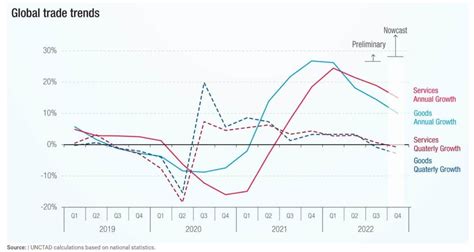
The win also has a profound impact on Roma's fanbase and community engagement. Roma has always enjoyed a passionate and loyal following, particularly within its local region of Lazio and among Italian football enthusiasts. However, European success provides the club with a chance to expand its fanbase internationally. The Conference League victory serves as a unifying moment for existing fans while also attracting new supporters who may have been drawn to the club's underdog story and Mourinho's charismatic leadership. In the age of social media, this kind of success can translate into exponential growth in online followers, merchandise sales, and digital engagement metrics. Roma now has the opportunity to position itself as not just a club with a rich history but as one with a modern, winning identity that resonates with younger, global audiences.
From a competitive standpoint, the win elevates Roma's profile in the hierarchy of European football. While the Conference League is not as prestigious as the Champions League or Europa League, it is still a UEFA-sanctioned competition that carries weight. Roma's success in this tournament signals to other clubs and stakeholders in European football that the team is capable of navigating and winning a European campaign. This could have practical implications, such as improved seeding in future UEFA competitions or greater respect from opponents in domestic and international fixtures. Moreover, it positions Roma as a club that can attract higher-caliber players who are motivated by the prospect of European football and the chance to work under a manager of Mourinho's caliber.
The victory also reinforces Mourinho's legacy at Roma and cements his role as a transformative figure for the club. Mourinho has often been associated with delivering success to clubs that are not perennial favorites. At Roma, he has taken on the challenge of reviving a team that had not won a major European trophy in over 60 years. This win adds another chapter to Mourinho's storied career and reinforces his reputation as a manager who can deliver silverware even in challenging circumstances. For Roma, this association with Mourinho's winning mentality enhances the club's prestige. It positions Roma as a destination where top managers can rebuild their legacy and where players can be part of something historic.
Another critical aspect of this win is its impact on Roma's long-term ambitions. Success in the Conference League can serve as a stepping stone for greater aspirations. Roma's participation in the Europa League for the 2023-2024 season, as a result of their Conference League triumph, provides an opportunity to compete at a higher level. This progression is not just about immediate sporting goals but also about establishing a pattern of consistent European participation. For a club like Roma, which has often found itself in the middle tier of Serie A, this win could act as a catalyst for sustained investment in the squad, improved infrastructure, and a more ambitious vision for the future.
However, it is also worth considering the potential risks and challenges that come with this elevated profile. Roma's win has set a new benchmark for success, and there will now be heightened expectations from fans, ownership, and the media. The club must manage these expectations carefully to avoid the perception of regression if future European campaigns do not yield similar results. Additionally, the financial rewards of the Conference League are modest compared to the Champions League, so Roma must leverage this win strategically to ensure that it translates into sustainable growth rather than a fleeting moment of glory.
In terms of legacy, the Conference League win symbolizes a shift in how Roma is perceived within the European football ecosystem. It is no longer just a club with a passionate fanbase and occasional flashes of brilliance; it is a team that has proven it can win on the continental stage under the guidance of one of football's most iconic managers. This win will be remembered as a turning point in Roma's modern history—a moment where the club redefined its identity and set the stage for future success.
- The win enhances Roma's global visibility, particularly in markets where it previously had limited presence.
- It provides commercial opportunities through sponsorships and merchandising.
- It strengthens Roma's competitive standing in European football, potentially improving seeding and attracting better talent.
- Mourinho's role reinforces his legacy and positions Roma as a club capable of attracting elite managerial talent.
- The victory serves as a foundation for long-term ambitions, including sustained European competition and infrastructural growth.
In conclusion, Roma's win in the UEFA Europa Conference League is more than a trophy; it is a transformative moment that elevates the club's brand and legacy. By breaking new ground in European competition, Roma has not only secured its place in football history but also laid the groundwork for a future where it can aspire to greater heights. This victory is a testament to the club's resilience, the impact of Mourinho's leadership, and the potential for Roma to carve out a more prominent role in the narrative of European football.
Comparisons to Mourinho's Past Triumphs
José Mourinho's triumph with Roma in the UEFA Europa Conference League during the 2021-2022 season was a landmark moment, not just for the club but also for the Portuguese manager's illustrious career. This victory, while not as prestigious as some of his earlier achievements, carries unique significance when placed in the context of his broader legacy. To understand its weight, we must compare it to Mourinho's past triumphs, drawing parallels and contrasts that reveal both continuity and evolution in his approach to management.
One of the most striking aspects of Mourinho's Conference League win is its place as his first-ever trophy in a newly created UEFA competition. Unlike the UEFA Champions League or the Europa League, which he has won multiple times, the Conference League represents a different tier of European football. This win underscores Mourinho's ability to adapt to changing circumstances and find success even when the stakes are not as high as in the elite competitions he has dominated before. It is a testament to his enduring hunger for silverware, even when the context is less glamorous. This contrasts sharply with his earlier triumphs, such as the Champions League victories with Porto in 2004 and Inter Milan in 2010, where the stakes were at their zenith, and the victories cemented his reputation as a master of European competition.
Mourinho's Porto triumph in 2004, for instance, was a seismic event in football history. A relatively small club from Portugal defied the odds to conquer Europe, defeating teams like Manchester United along the way. That victory was built on a blend of tactical discipline, a cohesive squad, and an underdog spirit that resonated with fans worldwide. In comparison, Roma's Conference League win, while historic for the club, does not carry the same aura of David-versus-Goliath narrative. Roma, though not a perennial favorite in European competitions, is a more established name in Italian football than Porto was in 2004. However, what links these two victories is Mourinho's ability to galvanize a team to overachieve. Both wins highlight his knack for instilling belief in players who might not be considered the best in their leagues or competitions, turning them into champions through sheer will and strategy.
The Inter Milan Champions League win in 2010 offers another point of comparison. That victory, part of a historic treble, showcased Mourinho at the peak of his powers. He had a squad brimming with world-class talent, including players like Wesley Sneijder, Diego Milito, and Javier Zanetti. The tactical setup in that campaign—particularly the defensive solidity combined with lethal counterattacks—was a masterclass in pragmatic football. Roma's Conference League win, by contrast, was achieved with a squad that lacked the same level of star power. Players like Tammy Abraham and Lorenzo Pellegrini were crucial but did not operate within the framework of a treble-winning machine. This difference suggests that Mourinho's approach with Roma was less about dominating with superior talent and more about finding ways to maximize the potential of a mid-tier squad in European terms. This adaptability demonstrates a maturation in his managerial philosophy, as he no longer relies solely on elite squads to deliver results.
Another layer of comparison can be drawn with his time at Real Madrid, where he won La Liga in 2012 but failed to secure the Champions League. At Madrid, Mourinho faced perhaps the most intense pressure of his career, battling not only against Barcelona's dominance but also against the weight of expectations at one of the world's most demanding clubs. The Conference League win with Roma, while not as high-profile, shares a similarity in that it involved managing under significant pressure. Roma, a club starved of silverware for decades, placed immense hope in Mourinho to deliver. His ability to meet these expectations, albeit in a less prestigious competition, echoes his Madrid tenure in terms of the emotional and psychological burden he shouldered. However, the key difference lies in the scale of the achievement—winning La Liga against arguably the best Barcelona side in history is a different order of magnitude compared to winning the Conference League.
When we look at his second stint at Chelsea and his time at Manchester United, we see Mourinho navigating clubs with high expectations but differing levels of squad cohesion. His Premier League title with Chelsea in 2015 was a display of his ability to rebuild a team and impose his style, while his Europa League victory with Manchester United in 2017 was a moment of redemption after a turbulent period. The Conference League win, in this light, can be seen as a continuation of his post-2010 career trend of finding success in slightly less heralded competitions. However, what sets the Roma win apart is the emotional resonance. Mourinho's visible joy and the connection he forged with Roma fans suggest that this victory was as much about personal fulfillment as it was about professional achievement. Unlike his more transactional relationships with some of his previous clubs, the Roma win felt deeply personal, as if it marked a new chapter in his career where emotional investment in a project outweighed the prestige of the competition.
It is also worth considering the tactical evolution evident in this victory. Mourinho's earlier successes were often characterized by a defensive, counterattacking approach that prioritized control and minimized risk. While Roma's Conference League campaign had elements of this—such as their disciplined performance in the final against Feyenoord—there were also signs of flexibility. Mourinho showed a willingness to adapt to the strengths of his squad, emphasizing transitions and set pieces rather than the suffocating control of his peak years. This evolution suggests that he is learning to work within the constraints of teams that do not have the same resources or talent pools as his previous employers.
Another unique aspect of the Roma win is its timing in Mourinho's career arc. At this stage, he is no longer the young, brash upstart who shocked Europe with Porto or the mid-career maestro who delivered trebles. Instead, he is a seasoned manager in the latter stages of his career, seeking to redefine his legacy. The Roma victory can be seen as a deliberate choice to take on a project that offered emotional rewards rather than immediate glory. This contrasts with his earlier career, where the pursuit of the biggest trophies often seemed to be the sole driving force.
In summary, Mourinho's Conference League win with Roma is both a continuation of his legacy and a departure from it. It represents a blend of his ability to inspire teams to overachieve, his tactical adaptability, and his evolving priorities as a manager. While it may not rank among his most prestigious achievements, it holds a unique place as a symbol of his enduring relevance and his capacity to find meaning and success in unexpected places. This win, more than anything, highlights how Mourinho's career is not just a collection of trophies but a narrative of adaptation, resilience, and the relentless pursuit of victory, no matter the stage.
- Mourinho's Conference League win is his first in a new UEFA competition, showcasing his adaptability.
- The victory contrasts with his earlier triumphs in terms of squad quality and competition prestige.
- There are emotional and tactical parallels to his past successes, particularly at Porto and Inter Milan.
- This win reflects a shift in Mourinho's career priorities, emphasizing personal connection over prestige.
Conclusion and Future Prospects
The victory of AS Roma in the UEFA Conference League under José Mourinho's leadership represents more than just a trophy for the club; it is a milestone with profound implications for Roma's identity, the manager's legacy, and the broader landscape of European football. This win serves as a microcosm of Mourinho's enduring influence on the sport, while also hinting at potential trajectories for Roma in both domestic and international competitions.
To understand the broader implications of this win, it is essential to frame it within the context of Roma's recent history. Prior to Mourinho's arrival, the club had been grappling with a period of inconsistency and underachievement. Despite occasional flashes of brilliance, Roma had not secured a major European trophy in over six decades. The Conference League triumph, therefore, is not merely a trophy in isolation but a reassertion of the club's competitive relevance on the European stage. This is particularly significant for a club of Roma's stature, which has often found itself in the shadow of Serie A giants like Juventus, Inter Milan, and AC Milan. The win establishes Roma as a team capable of achieving success under the right leadership, even if the Conference League is considered the third-tier European competition. This is where Mourinho's role becomes pivotal—he transformed the competition into a platform for rebuilding confidence and instilling a winning mentality within the squad.
One of the key takeaways from this victory is Mourinho's ability to galvanize a team beyond its perceived limitations. Roma's squad, while talented, is not among the elite in terms of financial resources or star power compared to Europe's top clubs. Yet, Mourinho's tactical acumen and man-management skills allowed the team to overcome these hurdles. This is emblematic of his career-long philosophy: prioritizing results over aesthetics when necessary and fostering a sense of unity and purpose within the team. The Conference League win reaffirms Mourinho's reputation as a "trophy collector," but it also underscores a shift in his approach. In earlier stages of his career, Mourinho's teams were often built around defensive solidity and counterattacking prowess. However, at Roma, he has shown a willingness to adapt, blending pragmatic football with moments of creative expression, particularly through players like Lorenzo Pellegrini and Tammy Abraham. This evolution suggests that Mourinho is not merely resting on past laurels but is actively recalibrating his methods to suit the modern game and the specific needs of his current team.
The win also has significant implications for Roma's future under Mourinho. For one, it establishes a foundation of success that can be leveraged to attract better talent and investment. Winning a European competition, even the Conference League, enhances Roma's profile and appeal to prospective players. This is particularly important in a league as competitive as Serie A, where financial constraints often limit clubs' ability to compete with the elite. Mourinho's reputation as a serial winner can act as a magnet for players who are motivated by the prospect of working under a manager with a proven track record. Additionally, the win provides Roma with a psychological edge. Success breeds confidence, and for a team that has often been plagued by self-doubt in high-stakes moments, this victory could serve as a turning point. Players who were part of this campaign now have tangible proof of their ability to perform under pressure, which can translate into improved performances in Serie A and future European competitions.
However, speculation about Roma's future must also account for the challenges that lie ahead. While the Conference League win is a cause for celebration, it also raises expectations. Mourinho has set a precedent, and the fanbase, as well as the club's hierarchy, will now demand consistent progress. This is where the dynamics of Serie A come into play. Roma faces stiff competition from teams like Napoli, AC Milan, and Inter Milan, all of which have stronger squads on paper. To sustain momentum, Roma must invest in squad depth and quality. Mourinho has often emphasized the need for reinforcements, particularly in defense and midfield, and this win could serve as leverage in negotiations with the club's ownership. The challenge for Roma will be to balance ambition with financial prudence, a task that Mourinho must navigate carefully to avoid the kind of internal friction that has sometimes characterized his later tenures at other clubs.
Another area of focus is Mourinho's own trajectory at Roma. Historically, his managerial stints have followed a pattern: early success followed by a decline in results and eventual departure amid controversies or disagreements with club management. At Roma, there are early signs of a different dynamic. Mourinho has expressed a deep emotional connection to the club and its fans, often emphasizing his commitment to building something meaningful over the long term. This sentiment, if genuine and sustained, could mark a departure from his previous patterns. Roma's leadership must support this vision by providing the resources and stability necessary for sustained growth. If Mourinho is given the time and tools to implement his ideas, there is a genuine possibility that Roma could challenge for higher honors, including Serie A titles and deeper runs in the Europa League or Champions League.
From a broader perspective, the Conference League win also has implications for the competition itself and for smaller clubs across Europe. Mourinho's ability to elevate a tournament often dismissed as secondary highlights its potential as a stepping stone for ambitious clubs. This could inspire other mid-tier teams to take the competition more seriously, viewing it not just as a consolation prize but as an opportunity to build momentum and prestige. For Roma specifically, the win positions them as a case study for how a well-managed, mid-table team can punch above its weight in European football. This could encourage similar clubs to invest in experienced managers and adopt a more strategic approach to European competitions.
Looking ahead, the future of Roma under Mourinho will depend on several factors. First, the club must capitalize on the momentum generated by the Conference League win. This means not only reinforcing the squad but also maintaining the unity and purpose that characterized their campaign. Mourinho's ability to foster a strong team culture will be tested as new players are integrated and expectations rise. Second, Roma must navigate the complexities of Serie A, where the gap between the top teams and the rest remains significant. Mourinho's experience in managing such challenges will be critical, but he will need support from the club's hierarchy to compete consistently at the highest level.
Finally, there is the question of Mourinho's legacy. At this stage in his career, he is no longer the young, brash manager who burst onto the scene with Porto. Instead, he is a seasoned strategist seeking to redefine his narrative. The Conference League win with Roma is a step in that direction—a statement that he can still deliver success, even in less glamorous circumstances. If he can build on this foundation, Mourinho has the opportunity to craft a new chapter in his storied career, one that emphasizes longevity and adaptability rather than fleeting moments of glory. For Roma, this could mean a return to the upper echelons of European football, but it will require a shared commitment between the manager, the players, and the club's leadership to realize this vision.
- The win reasserts Roma's competitive relevance and provides a platform for future growth.
- Mourinho's tactical evolution and man-management skills were key to the victory.
- The victory raises expectations and necessitates strategic investments in the squad.
- Roma's success could inspire other mid-tier European clubs to take similar competitions more seriously.
- Mourinho's long-term commitment to Roma could reshape his legacy and the club's future prospects.
In conclusion, the Conference League win is not just a moment of triumph for AS Roma but a potential inflection point in the club's history. Under Mourinho's guidance, Roma has the opportunity to build on this success and redefine its role in European football. However, this will require careful planning, sustained investment, and a shared vision between the manager and the club. If these elements align, Roma could emerge as a stronger, more competitive entity in the years to come, with Mourinho at the helm of a new era of success.