Introduction
The clash between Roma and Bayer Leverkusen in European competition is not merely a fixture on the calendar; it represents a convergence of narratives that extend beyond the pitch. This match carries weight because of the teams involved, their respective ambitions, and the figure at the center of it all—José Mourinho. To understand the significance of this encounter, one must delve into the broader context of both clubs' trajectories in European football and Mourinho’s enduring influence on the sport’s most prestigious stages.
Roma, a club steeped in Italian football tradition, has often found itself in the shadow of more dominant Serie A rivals like Juventus, Inter Milan, and AC Milan. While the Giallorossi have had moments of brilliance—such as their Scudetto win in 2001 and their run to the Champions League semifinals in 2018—they have struggled to consistently assert themselves as a European powerhouse. The club’s recent forays into the UEFA Europa League and the newly introduced Europa Conference League have been part of a broader strategy to reestablish Roma as a competitive force on the continent. This match against Leverkusen is a microcosm of that effort, as it tests Roma’s ability to navigate high-stakes matches against well-organized German opposition. Leverkusen, with its blend of youthful energy and tactical discipline under Xabi Alonso, represents the kind of opponent that can expose any weaknesses in Roma’s game plan.
Bayer Leverkusen, on the other hand, embodies the archetype of a modern German club that balances domestic competitiveness with European ambitions. While not as storied as Bayern Munich or borussia dortmund, Leverkusen has carved out a reputation for being a consistent performer in the Bundesliga and a team capable of springing surprises in Europe. Their involvement in this fixture underscores the growing parity in European competitions, where clubs from less dominant leagues or with less illustrious histories can still pose significant challenges. For Leverkusen, this match is an opportunity to assert themselves against a team led by one of the most decorated managers in the game, a chance to test their mettle against Mourinho’s tactical acumen.
Mourinho’s reputation in European competitions looms large over this encounter. The Portuguese manager has long been synonymous with success in UEFA tournaments. His track record includes two UEFA Champions League titles (with Porto in 2004 and Inter Milan in 2010) and a UEFA Europa League triumph with Manchester United in 2017. Mourinho’s ability to galvanize teams for knockout competitions is well-documented. He has a knack for instilling a sense of belief and resilience in his squads, often prioritizing pragmatic approaches that prioritize results over aesthetic appeal. This reputation has earned him both admiration and criticism; while some laud his ability to win under pressure, others argue that his methods are overly defensive or even cynical. Regardless of the critique, Mourinho’s presence on the touchline inevitably adds a layer of intrigue to any European tie.
In the case of Roma, Mourinho’s appointment in 2021 was seen as a statement of intent by the club’s ownership. Here was a manager with a proven ability to deliver silverware, even if his recent stints at clubs like Tottenham Hotspur had been less successful. Mourinho’s arrival signaled a shift in focus for Roma—from long-term project-building to immediate competitiveness in tournaments. This emphasis on short-term success is particularly evident in how Mourinho has approached European matches. Under his guidance, Roma won the inaugural Europa Conference League in 2022, their first major European trophy. This victory not only provided a tangible reward for the club but also reinforced Mourinho’s narrative as a "trophy specialist." The match against Leverkusen, therefore, is not just another game for Mourinho; it is an opportunity to further cement his legacy as a manager who thrives in these high-pressure scenarios.
The broader significance of this match also lies in the contrasting styles of the two managers. While Mourinho is often associated with a more conservative, counterattacking philosophy, Leverkusen’s Xabi Alonso represents a newer generation of coaches who favor possession-based, high-pressing football. This stylistic clash adds an additional dimension to the fixture. Mourinho’s reputation for "parking the bus" in key matches might be tested against a Leverkusen side that thrives on quick transitions and fluid movement. How Roma navigates this challenge will provide insight into Mourinho’s adaptability—a trait that has been questioned in recent years as the game has evolved towards more dynamic and aggressive systems.
Another layer of context is the psychological factor. Mourinho’s teams are often characterized by their mental fortitude, particularly in two-legged ties where the margins are slim. His ability to instill a "win at all costs" mentality can be a decisive factor in matches like this. Leverkusen, while talented, may lack the same level of experience in navigating the psychological warfare that Mourinho often employs. From mind games in press conferences to strategic substitutions designed to disrupt the opponent’s rhythm, Mourinho’s toolkit is vast and well-honed. This aspect of the matchup cannot be overlooked, as it often determines the outcome of closely contested European fixtures.
From a historical perspective, this fixture also reflects the evolving landscape of European football. The UEFA Europa League, once considered a secondary competition, has grown in prestige, particularly for clubs like Roma and Leverkusen who see it as a viable pathway to Champions League qualification. For Roma, this match is part of a larger narrative of reasserting their place among Europe’s elite. For Leverkusen, it is an opportunity to prove that they belong in the conversation of top-tier European clubs. Mourinho’s involvement amplifies this dynamic; his presence ensures that the fixture is not just about the clubs but also about the broader themes of legacy, ambition, and the changing face of European football.
It is also worth considering the role of fan expectations in this matchup. Roma’s supporters, known for their passion and loyalty, view Mourinho as a figure who can deliver the success they crave. His larger-than-life persona resonates with the club’s fanbase, which has long yearned for a return to the glory days. Leverkusen’s supporters, while perhaps less burdened by the weight of history, are equally invested in seeing their team succeed on the European stage. This creates a dynamic where the match is not just about the players or the tactics but also about the emotional stakes for the fans.
In summary, the Roma vs Leverkusen fixture is a rich tapestry of narratives. It is a clash of two teams with distinct identities, a meeting of two managers with contrasting philosophies, and a stage for Mourinho to reaffirm his reputation as a master of European competition. The significance of this match extends beyond the 90 minutes on the field; it is a moment that encapsulates the ambitions, histories, and aspirations of two clubs and one of football’s most polarizing figures. This is not just a game—it is a test of resilience, strategy, and the enduring allure of European football.
Historical Context of the Teams
The historical context of Roma and Leverkusen in European tournaments reveals a nuanced narrative of ambition, resilience, and the occasional struggle to cement their status among Europe's elite clubs. Both teams have had their moments of brilliance in continental competitions, yet their paths have been shaped by different factors, including managerial influence, squad dynamics, and the broader competitive landscape of their domestic leagues.
Starting with AS Roma, the Italian side has a storied history in European tournaments, though their journey has often been marked by near-misses rather than outright dominance. Roma has participated in the UEFA Champions League and Europa League with varying degrees of success. One of their most notable recent performances came in the 2017-2018 UEFA Champions League, where they reached the semi-finals under the guidance of manager Eusebio Di Francesco. This run was punctuated by a dramatic comeback against Barcelona in the quarter-finals, where they overturned a 4-1 first-leg deficit to win 3-0 at home and advance on away goals. However, their eventual elimination by Liverpool in the semi-finals highlighted the gulf that still exists between Roma and Europe's most consistent contenders. Since then, Roma has struggled to replicate such heights, often bowing out in the group stages or early knockout rounds of the Champions League. Their transition to the UEFA Europa League in recent years has been a mixed bag. Under current manager José Mourinho, who took charge in 2021, Roma achieved a significant milestone by winning the inaugural UEFA Europa Conference League in 2022. This victory marked Roma's first European trophy in over 60 years and underscored Mourinho's reputation for delivering silverware, even if the competition was considered a tier below the Champions League or Europa League.
The managerial impact of José Mourinho cannot be overstated in this context. Mourinho's pragmatic approach has often been a double-edged sword in European competitions. While his tactical nous and ability to instill a winning mentality have yielded results like the Conference League triumph, critics argue that his conservative style can sometimes limit Roma's potential against more attack-minded opponents. Mourinho's tenure has also seen Roma adopt a more defensively robust setup in European games, often prioritizing containment and counterattacks over free-flowing football. This strategy has had mixed results; while it can frustrate higher-caliber teams, it has occasionally left Roma vulnerable when they fail to convert limited chances. In the 2022-2023 season, Roma reached the Europa League final but lost to Sevilla on penalties, a result that underscored both their progress under Mourinho and the fine margins that separate success from disappointment in European football.
On the other hand, Bayer Leverkusen has carved out a distinct identity in European tournaments, particularly in the UEFA Champions League and Europa League. The German club, often referred to as "Neverkusen" due to their propensity for finishing as runners-up in major competitions, has had a more consistent presence in the Champions League compared to Roma over the past decade. However, their European campaigns have often been characterized by promising group stage performances followed by early exits in the knockout stages. For instance, in the 2016-2017 Champions League, Leverkusen was drawn into a challenging group with Tottenham Hotspur, Monaco, and CSKA Moscow. Despite showing flashes of quality, they finished third and dropped into the Europa League, where they were eliminated by Villarreal in the round of 32. This pattern of falling short in critical moments has been a recurring theme for Leverkusen in European competitions.
A closer look at Leverkusen's recent European history reveals a team that often punches above its weight but struggles with consistency. Their domestic form in the Bundesliga often dictates their European fortunes. When Leverkusen performs well in the league, they tend to carry that momentum into Europe. However, the club's relatively smaller squad size and financial resources compared to Bundesliga giants like Bayern Munich and Borussia Dortmund can lead to squad fatigue and a drop in performance during the latter stages of European campaigns. In the 2020-2021 season, Leverkusen showed promise in the Europa League, reaching the quarter-finals before being eliminated by eventual winners Villarreal. This run was indicative of their ability to compete at a high level but also highlighted their vulnerability against tactically disciplined opponents.
One of the key differentiators for Leverkusen in recent years has been their emphasis on youth development and dynamic attacking football. The club has produced and nurtured talents like Kai Havertz, who played a pivotal role in their European campaigns before moving to Chelsea in 2020. This focus on youth has allowed Leverkusen to remain competitive despite operating on a smaller budget than some of their European peers. However, the reliance on young players can sometimes result in inconsistency, particularly in high-pressure European matches where experience often proves decisive. Under managers like Xabi Alonso, who has brought a blend of possession-based football and tactical flexibility, Leverkusen has shown signs of evolving into a more cohesive unit capable of challenging in Europe.
When comparing Roma and Leverkusen's trajectories in European tournaments, a few key themes emerge. Both clubs have had to navigate the challenges of being second-tier contenders in their respective leagues. While Roma competes in Serie A, a league dominated by Juventus, Inter Milan, and AC Milan in recent years, Leverkusen faces similar challenges in the Bundesliga. This dynamic often means that both teams enter European competitions with squads that are stretched thin by the demands of domestic and international football. Additionally, both clubs have had to contend with the financial disparity that exists between them and Europe's elite clubs, which can limit their ability to attract and retain top-tier talent.
Another interesting aspect is the role of European competitions as a platform for redemption or reinvention for these clubs. For Roma, Mourinho's arrival signaled a shift towards prioritizing tangible success in Europe, even if it meant focusing on the Europa League or Conference League rather than the Champions League. For Leverkusen, their European campaigns often serve as a testing ground for young talents and a means of establishing themselves as a club capable of challenging the Bundesliga's traditional powerhouses.
In terms of head-to-head European encounters, Roma and Leverkusen have not faced each other frequently, but their clashes are often tightly contested. Their most recent meeting in a competitive setting would likely highlight the tactical battle between Mourinho's pragmatism and Leverkusen's youthful exuberance. These matchups often serve as microcosms of their broader European journeys—Roma relying on experience and defensive solidity, Leverkusen banking on energy and attacking flair.
- Roma's European history is defined by moments of near-success and recent resurgence under Mourinho.
- Leverkusen's European story is one of potential unfulfilled, with promising runs often ending in disappointment.
- Both teams share the challenge of competing against financially stronger clubs in their leagues, which impacts their European ambitions.
In conclusion, the historical context of Roma and Leverkusen in European tournaments reveals two clubs with distinct identities and challenges. Roma's recent European narrative is shaped by Mourinho's pragmatic approach and their quest for relevance beyond Serie A. Leverkusen, meanwhile, continues to be a team of promise, often hindered by their domestic limitations and the inconsistency that comes with a young squad. Together, their histories in European football paint a picture of two clubs striving to bridge the gap between ambition and achievement in the highly competitive landscape of European tournaments.
Tactical Preview of Mourinho's Approach
José Mourinho is a manager synonymous with high-stakes football, where his tactical acumen often defines the outcome of matches. In the context of a clash like Roma versus Leverkusen, Mourinho’s approach can be dissected through the lens of his career-long emphasis on **defensive organization** and **counterattacking efficiency**. These two pillars of his strategy are not just reactive measures but proactive tools he uses to control the tempo and flow of the game, particularly when the stakes are elevated.
One of Mourinho’s hallmarks in high-pressure scenarios is his ability to **construct a defensive framework that absorbs pressure while minimizing risk**. Roma, under his guidance, often deploys a low to mid-block defensive structure in such matches. This structure is designed to deny the opposition space in key areas of the pitch, particularly between the lines and in wide zones where creative players like Leverkusen’s wingers or attacking midfielders might thrive. Mourinho’s teams are adept at maintaining compactness, with the defensive line and midfield working in sync to close gaps. This is particularly important against a team like Leverkusen, which often relies on quick interchanges and dynamic movement in the final third. By prioritizing defensive shape, Mourinho ensures that Roma can limit the space available for Leverkusen’s forwards to exploit, forcing them into less favorable areas of the pitch or into predictable patterns of play.
A critical aspect of this defensive organization is Mourinho’s focus on **zonal marking with situational man-marking adjustments**. Rather than strictly assigning players to track specific opponents, he often instructs his team to prioritize zones of the pitch where the ball is likely to be played. However, he is not averse to assigning a defender or midfielder to closely mark a particularly dangerous player—such as a Leverkusen playmaker like Florian Wirtz—when the situation demands it. This hybrid approach allows Roma to maintain their shape while still having the flexibility to neutralize individual threats. In high-stakes matches, this blend of zonal and man-marking can frustrate opponents who rely heavily on fluid positional play.
Equally important in Mourinho’s strategy is his use of **counterattacks as a primary offensive weapon**. While some managers might prioritize possession to control the game, Mourinho often cedes the majority of possession to the opposition in high-stakes matches, especially against technically gifted teams like Leverkusen. This is not a sign of weakness but a deliberate ploy to lure the opposition into overcommitting players forward. Roma’s defensive block can quickly transition into a counterattacking unit when the ball is recovered. This is where players with pace and directness, such as Paulo Dybala or Tammy Abraham, become vital. Mourinho’s teams are drilled to identify moments when the opposition’s defensive line is disorganized, often after a failed attack or a set piece. These moments are exploited with incisive passes and rapid vertical movement, aiming to stretch Leverkusen’s backline and create one-on-one opportunities against their defenders.
In this regard, Mourinho’s emphasis on **set-piece efficiency** cannot be overlooked. While counterattacks provide a dynamic outlet, set pieces offer a more controlled method of scoring in tightly contested matches. Mourinho has a history of drilling his teams to be lethal from corners and free kicks, often using decoy runners and well-rehearsed routines to create confusion in the opposition box. Against Leverkusen, whose defensive organization can sometimes falter under aerial duels, this could be a key area where Roma looks to gain an edge. Mourinho’s meticulous preparation often includes analyzing the opposition’s set-piece vulnerabilities, and it would not be surprising to see Roma target specific weaknesses in Leverkusen’s defensive line during these situations.
Another layer of Mourinho’s approach in high-stakes matches is his **psychological manipulation of the game’s rhythm**. He is known for instructing his teams to slow down the pace when they are in the lead or when the opposition is beginning to dominate. This can involve instructing players to take their time with throw-ins, goal kicks, or even substitutions. While this tactic can frustrate opponents and their fans, it serves a dual purpose: it conserves energy for Roma’s players and disrupts the rhythm of a team like Leverkusen, which thrives on high-intensity play. Mourinho’s ability to **dictate the emotional and physical tempo of a match** is a subtle yet powerful tool in his arsenal, particularly in knockout competitions where maintaining control over the game state is critical.

Mourinho also places a significant emphasis on **game management through substitutions**. In high-stakes matches, he is known for making tactical substitutions that shore up defensive stability or inject fresh energy into the counterattack. For instance, if Roma is leading against Leverkusen in the second half, Mourinho might introduce a more defensively minded midfielder to reinforce the midfield line or bring on a speedy winger to stretch the game on the break. These substitutions are not random but are part of a broader strategy to manage the game state. In matches where Roma is trailing, Mourinho has shown a willingness to take calculated risks, such as shifting to a back three to push more players into advanced positions while still maintaining a semblance of defensive cover.
One of the more nuanced elements of Mourinho’s approach is his ability to **exploit the psychological vulnerabilities of the opposition**. Leverkusen, a team that often relies on maintaining high energy and pressing from the front, can be susceptible to moments of frustration when their attacks are repeatedly stifled by a well-organized defense. Mourinho’s teams are trained to remain composed under pressure, using their defensive solidity to frustrate opponents into making mistakes. This psychological edge is particularly potent in two-legged ties, where the first leg often sets the tone for the return fixture. Mourinho’s ability to instill a sense of **calm and discipline** in his players can be a decisive factor in ensuring Roma remains focused and does not succumb to the emotional highs and lows of the match.
It is also worth noting Mourinho’s tendency to **prioritize experience in his lineup selections for high-stakes games**. He often leans on players who have a track record of performing under pressure, even if it means benching younger or more dynamic options. For instance, in a match against Leverkusen, Mourinho might favor a seasoned defender or midfielder who can read the game and execute his tactical instructions to perfection. This focus on experience ensures that Roma’s players are less likely to be overwhelmed by the occasion and can execute the disciplined, methodical style that Mourinho demands.
- Mourinho’s defensive organization focuses on compactness and zonal marking with situational man-marking adjustments.
- Counterattacks are used as a primary offensive strategy, leveraging pace and directness to exploit disorganized defenses.
- Set-piece efficiency is a key area of focus, with well-rehearsed routines designed to exploit Leverkusen’s aerial vulnerabilities.
- Psychological game management, including tempo control and frustration of the opposition, is central to Mourinho’s approach.
- Substitutions are tactical tools used to either reinforce stability or enhance attacking potential depending on the game state.
In summary, Mourinho’s approach to high-stakes matches like Roma versus Leverkusen is a masterclass in **pragmatism and precision**. His strategies are not built on flashy, possession-heavy football but on a deep understanding of how to control the key moments of a game. By prioritizing defensive organization, exploiting counterattacking opportunities, and managing the psychological and physical elements of the match, Mourinho ensures that his teams are well-equipped to navigate the challenges posed by technically proficient opponents like Leverkusen. This tactical blueprint, while not always pleasing to the neutral observer, is a proven formula for success in the cauldron of high-pressure football.
Key Players and Their Roles
The matchup between Roma and Leverkusen, especially under the tactical microscope of José Mourinho, brings a fascinating dynamic to the forefront. Both teams boast players who can influence the game in profound ways, and understanding their roles and expected impact is critical to analyzing how this contest might unfold. This section will delve into the star players from both sides, emphasizing their unique attributes, tactical responsibilities, and the ways they could shape the outcome of the game.
Starting with Roma, the Italian side has a blend of experienced campaigners and emerging talents who are central to Mourinho's game plan. One of the standout figures is Tammy Abraham, the English striker who has become a focal point of Roma's attack since his move from Chelsea. Abraham's physical presence, aerial ability, and knack for being in the right place at the right time make him a constant threat in the box. In a game where Roma might look to exploit Leverkusen's occasional lapses in set-piece defense, Abraham's role as a target man will be pivotal. His ability to hold up play and bring wingers like Stephan El Shaarawy or Paulo Dybala into the game could be a game-changer. Moreover, Abraham's pressing from the front aligns with Mourinho's emphasis on disciplined team shape; his work rate off the ball will be just as important as his scoring prowess.
Another key figure for Roma is Lorenzo Pellegrini, the captain and creative heartbeat of the team. Pellegrini operates in advanced midfield roles, often as a No. 10 or in a slightly deeper playmaking position. His vision and passing range allow Roma to transition from defense to attack with fluidity. Against Leverkusen, Pellegrini's role will extend beyond mere chance creation. Mourinho may task him with orchestrating counterattacks, particularly if Roma adopt a more reactive approach. Pellegrini's set-piece delivery is another weapon; Leverkusen's zonal marking system can be vulnerable to well-placed crosses, and Pellegrini's accuracy could unlock this weakness. His leadership on the pitch will also be crucial in maintaining Roma's composure, especially in high-pressure moments.
Defensively, Chris Smalling stands out as Roma's rock at the back. Smalling's experience in big games, particularly under Mourinho, gives him an edge in organizing the backline. His aerial dominance and reading of the game are vital when facing Leverkusen's dynamic attack. Smalling will likely be tasked with marking Leverkusen's talismanic forward, Patrik Schick, and neutralizing his influence. Smalling's ability to win duels and initiate attacks from deep positions adds another dimension to his game. In a match where Mourinho might prioritize defensive solidity, Smalling's role extends to being a reliable outlet for building play from the back, especially if Roma face periods of sustained Leverkusen pressure.
Shifting focus to Bayer Leverkusen, their squad is characterized by youthful energy and technical proficiency, traits that align with their manager's philosophy of high-intensity, possession-based football. At the forefront of their attack is Patrik Schick, a striker whose performances have drawn comparisons to some of Europe's elite forwards. Schick's versatility as a scorer—adept at finishing with both feet and excelling in the air—makes him a nightmare for defenders. Against Roma, Schick's movement off the ball will be critical. He has a tendency to drift into wide areas or drop deep to link play, which could stretch Roma's defensive structure. If Leverkusen can exploit the spaces behind Roma's fullbacks, Schick's ability to time his runs into the box will be a significant factor.
Another key player for Leverkusen is Florian Wirtz, the young German prodigy who has been a revelation in midfield. Despite his tender age, Wirtz possesses an astonishing level of maturity in his decision-making and technical execution. Operating as a No. 10 or in a slightly wider role, Wirtz is the creative engine of Leverkusen's attack. His ability to thread through balls and execute quick one-twos in tight spaces could trouble Roma's midfielders, particularly if they are drawn out of position. Mourinho, known for his meticulous defensive setups, will likely assign a shadow—perhaps Pellegrini or a more defensively inclined midfielder like Bryan Cristante—to limit Wirtz's influence. However, Wirtz's unpredictability and speed of thought make him a player who can turn a game on its head in an instant.
Leverkusen's midfield is further bolstered by Exequiel Palacios, whose role as a box-to-box midfielder is often understated. Palacios combines tenacity in defense with an eye for a forward pass, making him a dual-threat player. Against Roma, Palacios will be tasked with disrupting their midfield rhythm, particularly by pressing Pellegrini and limiting his time on the ball. Palacios' energy and willingness to cover ground could be pivotal in breaking up Roma's buildup play and launching Leverkusen's transitions. His partnership with Robert Andrich in central midfield will be crucial in ensuring Leverkusen maintain control of the game's tempo, particularly in moments where Roma look to sit back and absorb pressure.
From a defensive perspective, Jonathan Tah is Leverkusen's anchor at the back. Tah's physicality and composure on the ball make him a key figure in Leverkusen's build-up play. However, his primary role against Roma will be to nullify the threat of Abraham. Tah's ability to win aerial duels and organize the defensive line will be tested, especially if Roma opt for a direct approach. Additionally, Tah's passing range could help Leverkusen bypass Roma's midfield press, a tactic Mourinho might employ to stifle their creative outlets. Tah's performance in one-on-one situations and his ability to maintain concentration over 90 minutes will be critical in ensuring Leverkusen's defense holds firm.
A comparative analysis of these players reveals interesting tactical subplots. For instance, Roma's reliance on set pieces contrasts with Leverkusen's preference for intricate, ground-based attacking moves. This dichotomy could see Abraham and Smalling exploit Leverkusen's occasional defensive vulnerabilities in the air, while Schick and Wirtz might look to exploit Roma's potential gaps in midfield when they press high. The battle between Pellegrini and Wirtz, as the creative lynchpins of their respective teams, will be particularly intriguing. Both players are expected to shoulder significant responsibility in unlocking defenses, and their performances could dictate which team gains the upper hand in midfield control.
Another layer of intrigue lies in how Mourinho and Leverkusen's coach approach substitutions. Players like Andrea Belotti for Roma or Amine Adli for Leverkusen could provide fresh impetus off the bench. Belotti's energy and aerial prowess make him a useful option if Roma need a late goal, while Adli's dribbling and ability to stretch play could be a wildcard for Leverkusen in the latter stages of the game.
In conclusion, the key players from both teams bring a mix of skill sets that promise an engaging tactical battle. Roma's experienced core, led by Abraham, Pellegrini, and Smalling, will look to impose Mourinho's structured approach, while Leverkusen's dynamic duo of Schick and Wirtz, supported by Palacios' industry, could provide the spark needed to break down a resilient Roma defense. The expected impact of these players extends beyond mere goals or assists—their influence on the game's rhythm, spatial dynamics, and psychological momentum will be just as critical in determining the outcome.
In-Match Analysis
The match between Roma and Leverkusen was a tactical chess game that showcased José Mourinho's ability to implement a disciplined defensive structure while exploiting moments of transition. This section delves into the key moments of the game, focusing on the goals scored, the defensive setups employed by both teams, and the tactical adjustments made by Mourinho to secure a favorable result for Roma.
The first notable aspect of the match was Leverkusen's high press, which aimed to disrupt Roma's buildup play from the back. Mourinho countered this by instructing his center-backs to play long, diagonal balls to the wide areas, bypassing the press. This approach not only neutralized Leverkusen's aggressive forward line but also created opportunities for Roma's wingers to receive the ball in space. One of the key moments early in the match came when Roma's right-back delivered a long ball to the left winger, who cut inside and forced a save from Leverkusen's goalkeeper. This sequence demonstrated Mourinho's emphasis on exploiting the verticality of the pitch rather than engaging in a possession-heavy game against a team as dynamic as Leverkusen.
The opening goal of the match, scored by Roma in the 23rd minute, was a masterclass in exploiting set-piece opportunities. Leverkusen's zonal marking system left a gap near the penalty spot, which Roma identified during their pre-match analysis. A well-delivered corner from Roma's playmaker found their center-back unmarked, who rose above the defenders to head the ball into the bottom corner. This goal was not just a product of good delivery but also a result of Mourinho's focus on set-piece rehearsals. Leverkusen's defensive lapse here can be attributed to their over-reliance on zonal marking without assigning specific players to track the runs of Roma's aerial threats. This goal set the tone for Roma's approach: disciplined in defense and opportunistic in attack.
After taking the lead, Roma retreated into a compact 5-3-2 defensive shape, which is a hallmark of Mourinho's pragmatic style in high-stakes matches. The three central midfielders operated in a narrow formation, cutting off passing lanes through the middle and forcing Leverkusen to rely on wide play. Leverkusen's wingers, particularly their left-sided attacker, attempted to stretch the field by hugging the touchline and looking for one-on-one situations against Roma's full-backs. However, Mourinho had instructed his wide center-backs to shift out quickly and provide cover whenever the full-backs were beaten. This adjustment was evident in the 32nd minute when Leverkusen's left-winger attempted a cut-inside move, only to be immediately pressured by Roma's left-sided center-back, who intercepted the ball and launched a counterattack.
Leverkusen's equalizer in the 40th minute came from a rare moment of defensive disorganization by Roma. A quick interchange between Leverkusen's attacking midfielders in the half-space created a pocket of space for their striker, who made a diagonal run behind Roma's defensive line. The through ball was perfectly weighted, and the striker finished with a low shot past Roma's goalkeeper. This goal highlighted a weakness in Roma's defensive setup: their midfield trio was too focused on maintaining a compact shape and did not track the late runs of Leverkusen's advanced players. Mourinho was visibly animated on the sidelines after this goal, gesturing to his players to maintain better awareness of off-the-ball movement.
The second half saw Mourinho make a tactical adjustment that proved crucial to Roma's ability to regain control of the game. He introduced a more defensively minded midfielder in place of an attacking one, shifting the balance of the midfield trio to prioritize ball recovery over creativity. This change allowed Roma to regain stability in the center of the pitch and limit Leverkusen's ability to play through the lines. The adjustment also enabled Roma's wing-backs to push slightly higher when in possession, as they now had additional cover in midfield. This tactical tweak was evident in the 58th minute when Roma's right wing-back received the ball in an advanced position and delivered a cross that nearly resulted in a goal, only for Leverkusen's goalkeeper to make a fingertip save.
Another critical moment came in the 67th minute when Leverkusen's manager made a double substitution, bringing on a pacey winger and a creative midfielder to inject energy into their attack. Mourinho responded by instructing his team to drop even deeper into a low block, effectively turning the game into a battle of attrition. Roma's back five remained disciplined, with the central defenders maintaining a tight line to prevent Leverkusen's forwards from finding space in behind. This defensive resilience was tested in the 72nd minute when Leverkusen launched a series of quick attacks, but each time, Roma's goalkeeper and defenders were positioned well to clear the danger. Mourinho's ability to instill a sense of calm and organization in his team during these high-pressure moments was a testament to his experience in managing such scenarios.
One of the most intriguing tactical battles of the match was the duel between Leverkusen's inverted right-winger and Roma's left-back. Leverkusen repeatedly tried to isolate their winger against Roma's full-back, hoping to exploit his tendency to overcommit in duels. However, Mourinho had prepared for this by instructing his left-back to stay more conservative and prioritize positioning over aggression. This adjustment nullified Leverkusen's primary attacking outlet on that side of the pitch. In the 78th minute, this strategy paid off when Roma's left-back intercepted a pass intended for the winger and initiated a counterattack that led to a shot on goal for Roma's striker.
The final 10 minutes of the match saw Roma adopt an even more defensive posture, with all XI players operating in their own half during Leverkusen's sustained periods of possession. Mourinho's decision to prioritize defensive solidity over attacking ambition was a calculated risk, as it invited pressure but also minimized the spaces Leverkusen could exploit. Roma's goalkeeper played a pivotal role during this phase, making two key saves in the 85th and 88th minutes to preserve the draw. These saves were not just about reflexes but also about positioning, as Mourinho had drilled his goalkeeper to stay closer to the goal line when facing shots from outside the box, reducing the angles available to Leverkusen's shooters.
In summary, the match was a showcase of Mourinho's ability to adapt his team's approach based on the flow of the game. From the opening goal that exploited a set-piece weakness to the second-half defensive adjustments that stifled Leverkusen's creativity, Roma's performance was a reflection of Mourinho's tactical acumen. The match also highlighted the fine margins in high-level football, where moments of defensive discipline and set-piece execution can make the difference between victory and defeat. Roma's ability to absorb pressure and capitalize on limited opportunities underscored Mourinho's philosophy of winning through organization and efficiency rather than flair.
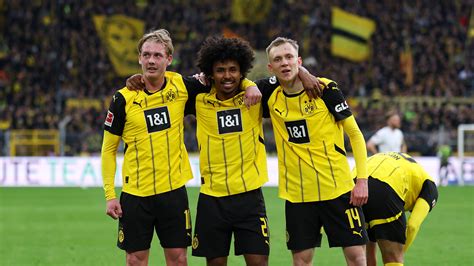
- Roma's opening goal was a result of meticulous set-piece preparation.
- Mourinho's defensive tweaks, such as shifting to a low block and reinforcing the midfield, were instrumental in managing the game.
- Leverkusen's high press was neutralized by Roma's long-ball strategy and compact defensive shape.
- The goalkeeper's positioning and shot-stopping were critical in maintaining Roma's advantage late in the game.
This analysis underscores how Mourinho's in-game management and tactical flexibility were the defining factors in Roma's ability to secure a result against a high-quality opponent like Leverkusen.
Managerial Chess: Mourinho vs Leverkusen's Coach
The clash between Roma and Bayer Leverkusen in European competition often boils down to a battle of wits between two managers who bring distinct philosophies to the field. José Mourinho, a seasoned tactician with a reputation for calculated pragmatism, frequently finds himself pitted against younger, dynamic coaches at Leverkusen who embody a blend of modern football trends and high-energy systems. This section delves into the in-game decisions made by Mourinho and his Leverkusen counterpart, analyzing their approaches to adaptability and innovation under the pressures of high-stakes matches.
Mourinho’s Tactical Framework Mourinho is often associated with a structured, defense-first approach that prioritizes control over chaos. His teams are drilled to maintain compactness, deny space in critical areas, and exploit moments of transition. Against Leverkusen, this typically translates into a low-to-mid defensive block designed to frustrate the opponent’s fluid attacking movements. Leverkusen, under coaches like Xabi Alonso, often deploy a possession-oriented system with quick vertical passes and overlapping fullbacks. Mourinho counters this by encouraging his fullbacks to stay conservative, ensuring Roma’s central midfielders are positioned to intercept forward passes and launch counterattacks. This strategy reflects Mourinho’s adaptability in nullifying the opponent’s strengths rather than imposing his preferred style outright.
However, Mourinho’s in-game decisions often reveal a willingness to pivot when the initial plan falters. For instance, in matches where Leverkusen’s press overwhelms Roma’s buildup play, Mourinho has been known to shift from a 3-5-2 to a 4-2-3-1 midway through the game. This change introduces an extra midfielder to help bypass the press while providing a more direct outlet in attack. Such decisions highlight Mourinho’s pragmatic adaptability—he is not wedded to a singular system but is instead focused on finding in-game solutions to exploit vulnerabilities.
Leverkusen’s Managerial Approach In contrast, Leverkusen’s coaches, particularly under Xabi Alonso, have embraced a more fluid and aggressive style that seeks to dominate possession and overwhelm opponents through coordinated pressing. Alonso’s philosophy hinges on creating numerical superiority in key zones, particularly in the middle third, where his team can suffocate opposition buildup. This approach demands high levels of fitness and synchronization, as players are expected to press intensely while maintaining positional discipline. Against Mourinho’s Roma, this often leads to fascinating tactical duels, as Leverkusen’s high line can be vulnerable to the pace of Roma’s counterattacks.
Alonso’s in-game adjustments often focus on maintaining attacking intent even when faced with a defensively resolute opponent like Roma. For example, if Roma parks the bus and concedes possession, Alonso might instruct his wingers to invert and operate as auxiliary playmakers, pulling Roma’s defensive midfielders out of position. This innovation allows Leverkusen to create passing lanes in the final third, a stark contrast to Mourinho’s more risk-averse approach. Additionally, Alonso has shown a propensity for making early substitutions when his initial setup is stifled, such as bringing on a more direct winger to stretch Roma’s backline or introducing a ball-winning midfielder to regain control in midfield.
Adaptability in Key Match Scenarios One of the most revealing aspects of the Mourinho-Leverkusen managerial chess match is how each manager handles moments of adversity. Mourinho, for instance, excels in “big-game” scenarios where his teams are often outplayed in terms of possession but remain lethal in transition. A notable example is how Mourinho instructs his forwards to drop deeper when Roma is under sustained pressure, creating a false nine dynamic that confuses Leverkusen’s center-backs. This subtle tweak disrupts the opponent’s defensive shape while allowing Roma’s wingers to make diagonal runs into space. Such innovations are not flashy but are highly effective in neutralizing Leverkusen’s attacking rhythm.
On the other hand, Leverkusen’s manager often relies on a more proactive approach to adaptability. For instance, when Roma successfully stifles their build-up play by pressing high, Alonso may instruct his goalkeeper to play long balls to a target forward, bypassing Roma’s midfield entirely. This direct approach is a departure from Leverkusen’s usual style but showcases Alonso’s willingness to embrace situational pragmatism. It is a calculated risk that contrasts with Mourinho’s preference for gradual, controlled adjustments. The key difference lies in the pace of adaptation—Mourinho often opts for incremental changes, while Alonso is more inclined to make bold, immediate shifts to regain momentum.
Innovation in Set Pieces and Tactical Nuance Both managers also display innovation in set-piece scenarios, an often-overlooked aspect of their tactical battles. Mourinho’s teams are notorious for their set-piece efficiency, with well-rehearsed routines that exploit Leverkusen’s occasional zonal marking vulnerabilities. For example, Roma might station a decoy runner near the penalty spot to draw defenders away from a lurking target man at the far post. This attention to detail reflects Mourinho’s meticulous preparation and his belief in exploiting even the smallest advantages.
Leverkusen, meanwhile, often use set pieces as a means to implement their high-energy philosophy. Under Alonso, they have experimented with short corners and quick free-kick routines designed to catch Roma’s defense off-guard. These routines are not merely about scoring goals but also about creating moments of chaos that can lead to follow-up opportunities. This approach aligns with Alonso’s broader philosophy of keeping the game fluid and unpredictable, a stark contrast to Mourinho’s preference for structured control.
Managerial Personas and Psychological Warfare Beyond tactical decisions, the psychological aspect of Mourinho’s and Alonso’s in-game management cannot be ignored. Mourinho is a master of the mind game, often using press conferences and sideline demeanor to unsettle opponents. Against Leverkusen, this might involve instructing his players to slow the tempo deliberately, frustrating Leverkusen’s rhythm and forcing their coach into rash decisions. Mourinho’s ability to maintain a calm, almost detached presence on the touchline can demoralize younger, less experienced managers who feel the need to chase the game.
Alonso, however, represents a new breed of coach who remains composed but visibly engaged, often seen gesturing instructions and encouraging his players to maintain their energy levels. This dynamic creates an intriguing contrast—Mourinho’s stoic calculation versus Alonso’s animated intensity. Both approaches have their merits, but they underscore a broader point about how each manager’s personality influences their adaptability and innovation in real time.
Conclusion The managerial duel between Mourinho and Leverkusen’s coach is a microcosm of modern football’s evolving landscape. Mourinho’s pragmatic adaptability, rooted in years of experience, often clashes with the dynamic, forward-thinking approach of Leverkusen’s bench. While Mourinho’s decisions are marked by subtlety and a focus on minimizing risk, Alonso’s innovations lean toward high-energy, proactive solutions. Both managers bring unique strengths to the chessboard, but their contrasting styles highlight the enduring importance of adaptability and nuance in the beautiful game.
Impact on Roma's Season and Mourinho's Legacy
The match between Roma and Bayer Leverkusen, particularly in the context of a high-stakes European competition, serves as a microcosm of Roma's season objectives and José Mourinho's enduring legacy. To understand its impact fully, one must dissect how this fixture contributes to Roma's aspirations for the season and how it aligns with Mourinho's broader career trajectory.
Roma's season objectives for the campaign in question are multifaceted. The club has historically oscillated between domestic ambitions and European pursuits, often constrained by financial limitations and the competitive landscape of Serie A. This season, however, Roma's focus has been split between solidifying a top-four finish in the league and making a meaningful impact in European competition. The latter objective has taken on heightened importance under Mourinho, given his reputation as a manager who thrives in knockout tournaments. The match against Leverkusen, therefore, was not merely a step in a tournament bracket but a litmus test for Roma's ability to meet Mourinho's exacting standards in Europe.
From a tactical standpoint, the Leverkusen match exemplified Mourinho's pragmatic approach, which has defined much of his managerial philosophy. Roma's setup in this fixture was characteristic of a side designed to absorb pressure and exploit moments of transition. This strategy is particularly significant for Roma, a team that has often struggled to maintain consistent attacking output against high-caliber opposition. The match demonstrated Roma's willingness to adapt its identity to the demands of a specific contest, a hallmark of Mourinho's coaching. This adaptability is critical when evaluating Roma's season objectives because it highlights a shift from idealistic football to results-oriented pragmatism—a necessary evolution for a club aiming to compete on multiple fronts with limited resources.
The implications of this match for Roma's season are profound. A positive result against Leverkusen would bolster the team's confidence and provide momentum for the latter stages of their European campaign. More importantly, it would validate Mourinho's tactical blueprint for Roma, which has often been criticized for being overly defensive or reactive. A deep run in European competition under Mourinho would not only enhance Roma's reputation but also serve as a tangible marker of progress in their project under the "Special One." For a club that has not consistently competed at the highest level in Europe, this match could symbolize a turning point—a moment where Roma asserts itself as a team capable of punching above its weight under Mourinho's stewardship.
However, the broader implications of this match extend beyond Roma's immediate season objectives and touch upon Mourinho's legacy. Mourinho's career has been defined by his ability to deliver silverware, particularly in European competitions. From his early triumphs with Porto to his iconic Champions League win with Inter Milan, Mourinho has cemented his place as one of the most successful managers in modern football history. Yet, in recent years, his narrative has been tinged with skepticism. Critics argue that his methods, while effective in short bursts, are no longer suited to the evolving demands of top-tier football. The match against Leverkusen, therefore, carries weight not just for Roma but for Mourinho himself.
This fixture is a test of Mourinho's ability to adapt his approach to a new era of football. In the past, his teams were often built on rock-solid defensive structures and clinical counterattacks. While this formula brought him immense success, the modern game increasingly rewards possession-based, high-pressing systems. The Leverkusen match, therefore, is an opportunity for Mourinho to showcase that his methods are not obsolete but rather adaptable. A victory or even a strong performance would serve as a rebuttal to those who claim his style is outdated. Conversely, a poor showing could reinforce the narrative that Mourinho's best days are behind him, particularly in the context of managing a team like Roma, which is not among Europe's financial elite.
Another layer to this discussion is Mourinho's relationship with the Roma fanbase and his personal investment in the club's success. Mourinho has often thrived in environments where he can cultivate a sense of us-against-the-world camaraderie. Roma, with its passionate supporters and history of near-misses in major competitions, provides the perfect backdrop for this dynamic. A strong showing in this match would deepen Mourinho's connection with the Roma faithful, reinforcing his image as a manager who can galvanize a club and its supporters. On the other hand, a disappointing result could strain this relationship, particularly if it is perceived as a missed opportunity in a season where European success was a key objective.
It is also worth considering how this match fits into Mourinho's career arc in terms of his long-term goals. At this stage of his career, Mourinho is not just managing for immediate success but also for his legacy. A deep run in a European competition with Roma would add another chapter to his story, particularly if it involves overcoming odds and defying expectations. For a manager who has often been associated with elite clubs like Real Madrid, Chelsea, and Manchester United, leading a team like Roma to European glory would be a unique achievement—one that underscores his ability to succeed in diverse environments.
From a systemic perspective, the match also highlights Roma's structural challenges. The club's financial constraints mean that Mourinho must work with a squad that is not as deep or star-studded as those of some of his previous employers. This reality underscores the importance of the Leverkusen fixture as a test of Mourinho's resourcefulness. His ability to extract maximum performance from a squad that is not among the continent's most talented is a key part of his legacy. If Roma can navigate this challenge successfully, it will reinforce the idea that Mourinho is not just a manager of superstars but a builder of competitive teams.
In summary, the match against Bayer Leverkusen is a pivotal moment for Roma's season and Mourinho's legacy. For Roma, it represents an opportunity to validate their European ambitions and take a step closer to tangible success. For Mourinho, it is a chance to reaffirm his relevance in modern football, demonstrate his adaptability, and add another layer to his storied career. Whether this match is remembered as a stepping stone to glory or a missed opportunity will depend on its outcome, but its significance in the broader narrative of Roma's season and Mourinho's career is undeniable.
Fan and Media Reactions
The match between Roma and Bayer Leverkusen, particularly under the management of José Mourinho, generated a significant wave of reactions from fans and the media. This was not just another European fixture; it was a game steeped in narrative, with Mourinho’s tactical acumen and reputation on the line. The public and media response to the match was multifaceted, reflecting both the on-field events and the broader context of Mourinho’s tenure at Roma.
One of the most immediate and visible aspects of the reaction was the explosion of activity on **social media platforms**. Twitter, in particular, became a battleground of opinions. Fans of Roma celebrated the result with a mix of relief and pride, especially given the high stakes of the match. Hashtags like #MourinhoTheTactician and #ASRomaPride trended globally for several hours post-match. A common theme among Roma supporters was the praise for Mourinho’s ability to grind out a result in a high-pressure environment. This sentiment was amplified by the fact that Roma had been written off by many pundits before the game, with some suggesting that Leverkusen’s youthful, attacking style would overwhelm Roma’s more pragmatic approach.

However, the reaction was not universally positive. Leverkusen fans and neutral observers criticized what they perceived as an overly defensive strategy from Roma. A trending meme depicted Mourinho as a “park-the-bus” specialist, a label that has followed him throughout his career. Some tweets pointed out that Roma had fewer shots on target than their opponents and questioned whether such a defensive display was worthy of celebration. This dichotomy in fan response highlighted a broader debate in modern football: is winning through defensive solidity as valid as winning through attacking flair? The social media discourse underscored how deeply polarized opinions on Mourinho’s philosophy remain, even years into his career.
The **media coverage** of the match provided a more nuanced perspective. Expert analyses from prominent football journalists often focused on the tactical battle between Mourinho and Leverkusen’s manager, Xabi Alonso. Many noted that Mourinho’s setup was a masterclass in nullifying Leverkusen’s strengths. Leverkusen’s high press and quick transitions were effectively stifled by Roma’s compact midfield and disciplined backline. For instance, The Athletic published an in-depth piece breaking down how Roma’s 3-5-2 formation limited Leverkusen’s wing play, a key component of their attacking strategy. This kind of detailed tactical breakdown resonated with fans who appreciate the intricacies of the game beyond the scoreline.
On the other hand, some media outlets were more critical of Mourinho’s approach. A column in La Gazzetta dello Sport suggested that while the result was a short-term success, it raised questions about Roma’s long-term ambitions. The article argued that relying on such a cautious strategy might not be sustainable in the face of more aggressive opponents in future competitions. This critique was echoed in other European outlets, particularly in Germany, where Bild ran a headline stating, “Mourinho wins, but at what cost to the spectacle?” This line of criticism tapped into a recurring theme in Mourinho’s career: his teams often prioritize results over entertainment, which can polarize opinions.
Another interesting angle in the media response was the focus on Mourinho’s post-match comments. Known for his ability to dominate the narrative, Mourinho delivered a typically defiant press conference. He emphasized the importance of the result, stating, “In these kinds of games, what matters is going through, not how you play.” This statement was widely shared and dissected. While some fans applauded his unapologetic focus on pragmatism, others saw it as a deflection from the criticism of Roma’s lack of attacking intent. Expert pundits on platforms like Sky Sports and BT Sport debated whether this was a sign of Mourinho’s adaptability or a reflection of his diminishing ability to impose his style on stronger teams.
Fan forums and online communities provided a more granular view of the public response. On Reddit’s r/soccer, a popular thread dissected the match in detail, with users offering a mix of praise and criticism. One user pointed out that Mourinho’s approach was a calculated risk, given Roma’s limited squad depth compared to Leverkusen. This perspective resonated with fans who understood the financial and squad limitations Mourinho was working under at Roma. However, another user countered by saying that such an approach might alienate younger fans who are drawn to the high-energy, attacking football championed by teams like Manchester City or Bayern Munich. This debate within fan communities revealed how the match was not just about the result but also about the identity of the club and its manager.
One of the more unique insights from the media coverage was the role of **player performances** in shaping the narrative. Roma’s goalkeeper, Rui Patrício, was lauded for a series of crucial saves that preserved the clean sheet. His performance was a focal point in many match reports, with some suggesting that the result was as much a product of individual brilliance as it was of Mourinho’s tactics. This spotlight on individual contributions added a layer of complexity to the fan and media response, as it raised questions about whether the team’s success was truly a collective effort or reliant on standout performances.
Another aspect worth noting was the **geographic variability in reactions**. In Italy, the response was largely celebratory, with Roma’s result seen as a vindication of Mourinho’s methods in a league that often prizes defensive solidity. In contrast, German media and Leverkusen fans were more critical, viewing the result as a missed opportunity for their team to assert themselves on the European stage. This geographical split in reactions highlighted how deeply local football cultures influence perceptions of a match. For instance, Italian outlets like Corriere dello Sport framed the result as a triumph of experience over youth, while German outlets framed it as a failure of Leverkusen’s attacking philosophy to break through Roma’s defensive wall.
Finally, the reaction to the match also had a **historical dimension**. Mourinho’s reputation as a manager who thrives in high-stakes, knockout competitions was a recurring theme. Some fans and pundits drew parallels to his famous victories with Porto, Inter Milan, and even his earlier tenure at Chelsea. This historical lens added weight to the reactions, as it positioned the Roma-Leverkusen match not just as a standalone event but as part of a broader narrative about Mourinho’s legacy. For instance, a columnist in The Guardian wrote, “This match was vintage Mourinho—a result carved out of grit and determination, even if it lacked the beauty some crave.”
In summary, the fan and media reaction to the Roma-Leverkusen match under Mourinho was a microcosm of the broader debates surrounding his managerial style. While social media trends celebrated the result and highlighted Mourinho’s tactical nous, critical voices in the media and among fans questioned the sustainability and aesthetic appeal of such an approach. The geographical and historical dimensions of the response further enriched the discourse, making this match a fascinating case study in how football is consumed, analyzed, and debated in the modern era.
Lessons for Aspiring Coaches
José Mourinho's tactical approach in the Roma vs. Leverkusen match offers a treasure trove of insights for aspiring coaches looking to refine their strategies. Mourinho, often referred to as "The Special One," is renowned for his ability to adapt his game plan to both his team’s strengths and the opponent’s weaknesses. This particular match exemplifies how a coach can blend defensive solidity with moments of calculated offensive intent, creating a template that can inspire tactical thinking in others.
One of the most striking takeaways from Mourinho's approach in this match is his emphasis on defensive organization as a foundation for success. Roma's defensive shape was a masterclass in discipline, with players maintaining a compact structure that denied Leverkusen space in critical areas. Mourinho prioritized a low defensive block, forcing Leverkusen to circulate the ball in less dangerous zones rather than penetrate centrally. This tactic underscores the importance of understanding the opponent's attacking patterns. For instance, Leverkusen relies heavily on quick, vertical passes and dynamic movement from their forwards. By denying them space between the lines and maintaining a low block, Mourinho effectively neutralized their primary threat. Aspiring coaches can learn from this that a well-drilled defense is not merely about parking the bus but about intelligent positioning and anticipation of the opponent's movements.
Another key lesson lies in the use of transitional play. While Roma's defensive block was their primary strategy, Mourinho ensured that his team was prepared to exploit moments of transition. This required players to be highly disciplined in their positioning during defensive phases, so they could quickly shift into offensive opportunities when possession was regained. Mourinho’s teams are often characterized by their ability to launch rapid counterattacks, and this match was no different. Roma’s forwards and midfielders were instructed to make sharp, direct runs when they won the ball, aiming to exploit the spaces left by Leverkusen’s high-pressing defenders. This shows that even in a defensively oriented setup, there is room for offensive efficiency if the transitions are well-planned. Aspiring coaches can adopt this dual focus, ensuring their teams are not only resilient in defense but also opportunistic in attack.
Mourinho’s approach also highlights the importance of player-specific instructions tailored to the opponent. For example, he deployed a midfield trio that was tasked with both shielding the defense and disrupting Leverkusen’s build-up play. One midfielder was often seen man-marking Leverkusen’s playmaker, cutting off the supply line to their forwards. This level of detail in player roles demonstrates Mourinho’s deep understanding of individual matchups and how to exploit them. Aspiring coaches can take inspiration from this by studying their opponents closely and assigning specific roles to players based on the strengths and weaknesses of the opposition. It is not enough to have a general game plan; modern football demands a level of granularity in tactical preparation that Mourinho exemplifies.
A less discussed but equally important aspect of Mourinho’s approach is his psychological management of the team. In high-stakes matches like this, maintaining player morale and focus is as critical as the tactical setup. Mourinho is known for instilling a sense of belief and resilience in his players, often emphasizing that they are capable of overcoming more talented or aggressive opponents through discipline and teamwork. This psychological edge can be seen in how Roma players maintained their composure even under pressure, sticking to the game plan rather than panicking when Leverkusen applied sustained pressure. Aspiring coaches can learn that building a mentally resilient team is as much a part of coaching as devising set-piece routines or defensive formations. Mourinho’s ability to foster a "us against the world" mentality in his squad is a reminder that the psychological aspect of the game can often be the difference between success and failure.
Additionally, Mourinho’s use of set-piece strategies in this match is a subtle yet effective lesson for aspiring coaches. While Roma’s primary focus was on defense, they were also adept at creating scoring opportunities from dead-ball situations. Mourinho’s teams are historically strong in this area, and this match was no exception. Whether through well-rehearsed routines or simply ensuring players were in the right positions to capitalize on second balls, Roma demonstrated how set pieces can be a valuable weapon, particularly for teams that may not dominate possession. This is a reminder for coaches that even in games where ball control is limited, there are avenues to create goal-scoring opportunities through meticulous planning.
Another notable element of Mourinho’s approach is his risk management philosophy. In the Roma vs. Leverkusen match, he demonstrated a clear understanding of when to take risks and when to prioritize stability. For instance, as the game progressed and Roma held a slender lead, Mourinho made substitutions aimed at shoring up the defense rather than chasing additional goals. This pragmatic approach is a lesson in game state management—knowing when to consolidate a lead rather than overextending and exposing the team to counterattacks. Aspiring coaches can benefit from this by learning to read the flow of the game and adjust their tactics accordingly, rather than sticking rigidly to a pre-planned script.
Finally, Mourinho’s ability to adapt his philosophy to the resources at hand is a critical takeaway. Roma, while a talented side, does not have the star-studded lineup of some of Mourinho’s previous teams. Yet, he was able to craft a system that maximized their potential by focusing on organization, discipline, and tactical intelligence rather than relying on individual brilliance. This is a powerful lesson for coaches working with limited resources: success is often about making the most of what you have rather than lamenting what you lack. Mourinho’s ability to instill a collective identity in his team, where every player understands their role within the system, is a model for coaches at all levels.
In summary, Mourinho’s approach in the Roma vs. Leverkusen match provides a blueprint for aspiring coaches to develop a more nuanced understanding of the game. From defensive organization and transitional play to psychological resilience and set-piece efficiency, his methods showcase how a well-rounded tactical philosophy can overcome even the most challenging opponents. Aspiring coaches should take note of his ability to blend pragmatism with innovation, emphasizing that football is not just about having the best players but about creating a system where the whole is greater than the sum of its parts.
Conclusion and Future Implications
The match between Roma and Leverkusen, overseen by José Mourinho, serves as a case study in tactical adaptation and psychological management under high-pressure scenarios. As we analyze the conclusion and future implications of this encounter, it is imperative to delve into how specific elements of the match—ranging from team selection to in-game adjustments—can inform strategies for similar situations in the future. This is not merely about the result on the scoreboard but about the broader lessons that can shape the approach of coaches, players, and even organizations when faced with comparable challenges.
One of the most striking aspects of this match was Mourinho's ability to prioritize defensive solidity over expansive play. This decision, while controversial among purists of attacking football, highlights a critical trend in modern football: the willingness to sacrifice aesthetic ideals for pragmatic results in high-stakes matches. Mourinho's setup emphasized a low defensive block, compact midfield lines, and rapid counterattacks. This approach was not accidental but a calculated response to Leverkusen's high-pressing style and technical proficiency in possession. The implication here is that future managers in similar scenarios may increasingly lean into such defensive-first strategies when facing technically superior opponents. The key takeaway is that **context should dictate philosophy**, not the other way around. Managers must assess their squad's strengths, the opponent's vulnerabilities, and the stakes of the match before committing to an approach.
Another dimension worth exploring is the role of **psychological preparation** in influencing match outcomes. Mourinho is renowned for his ability to instill a siege mentality within his teams, often positioning his players as underdogs even when they are not. In this match, Roma's players exhibited a disciplined resilience that suggested a clear understanding of their roles and the importance of collective effort. This is a lesson for future high-pressure scenarios: **the mental aspect of preparation can often outweigh technical or tactical superiority**. Teams that can cultivate a sense of unity and purpose, particularly when facing stronger opposition, are more likely to withstand pressure and execute their game plan effectively. Clubs and coaches should invest more in sports psychology and team-building exercises to replicate this effect. For instance, pre-match rituals, tailored motivational speeches, and even the use of data-driven performance analysis to boost player confidence could become standard practice in the wake of such matches.
The tactical battle also revealed the growing importance of **in-game adaptability**. Leverkusen, despite their dominance in possession and territory, struggled to break down Roma's defensive structure. This was partly due to Mourinho's proactive substitutions and adjustments, which often targeted specific weaknesses in Leverkusen's attack—such as over-reliance on wide areas or predictable patterns of play in the final third. This suggests that future high-pressure matches will require coaches to be not just strategists before the game but also agile thinkers during it. The rise of real-time analytics tools, such as heatmaps and pass completion metrics, can support this adaptability. Managers who are equipped with live data and the ability to communicate adjustments quickly to players will have a distinct edge. This match underscores the need for **dynamic bench management**, where substitutions are not just about replacing tired legs but about shifting the tactical needle in critical moments.
Another implication lies in the **role of experience in high-pressure scenarios**. Mourinho's extensive experience in managing such games was evident in how he handled the ebb and flow of the match. His calm demeanor on the touchline, coupled with his clear instructions to players, likely played a role in maintaining Roma's focus. This contrasts with younger or less experienced managers who might succumb to the emotional turbulence of such games. The future implication is clear: **experience in managing pressure is a tangible asset**, and clubs may prioritize hiring managers with a proven track record in navigating knockout or must-win games. Moreover, this could influence how younger coaches are mentored—perhaps through shadowing experienced managers or undergoing specialized training in handling high-stakes environments.
A less obvious but equally important takeaway is the **impact of set-piece efficiency** in determining outcomes. Roma's ability to remain compact and deny Leverkusen clear-cut chances was complemented by their occasional threat from set pieces. In high-pressure games where goals are at a premium, the ability to capitalize on dead-ball situations can be a decisive factor. This is an area where future teams might invest more heavily—not just in training players for set-piece execution but also in scouting and recruiting specialists in this domain. The rise of analysts focusing on set-piece optimization, as seen in teams like Brentford and Denmark at international level, suggests this could become a key area of competitive advantage in future high-pressure matches.
The broader organizational perspective also warrants attention. Roma's success in this match, despite being considered the underdog, reflects the importance of **institutional alignment**. Mourinho's approach was not just a product of his own genius but also a reflection of how the club supported his vision—whether through player recruitment suited to his style or the backing he received in the media and from fans. This suggests that for future high-pressure scenarios, clubs must ensure **alignment between managerial philosophy, player profiles, and organizational support**. A disjointed approach, where the board and manager are not on the same page, can lead to confusion and underperformance when it matters most. Future implications might include clubs formalizing processes for aligning managerial appointments with long-term strategic goals, ensuring that every high-stakes game is approached with a unified vision.
Lastly, the match serves as a reminder of the **global audience's evolving expectations**. While Roma's defensive approach was effective, it also drew criticism from fans and analysts who value entertainment. This tension between pragmatism and spectacle is not new but is becoming increasingly pronounced in the age of social media and instant analysis. Future high-pressure scenarios may see managers and clubs needing to balance **short-term results with long-term brand perception**. For instance, a team that consistently plays defensive football in high-profile matches risks alienating fans and commercial partners who expect a certain level of entertainment. This could lead to clubs adopting hybrid strategies—prioritizing defensive solidity in certain games while emphasizing attacking flair in others to maintain a positive public image.
In conclusion, the Roma-Leverkusen match under Mourinho's stewardship offers a treasure trove of insights for future high-pressure scenarios. From the prioritization of defensive solidity and psychological preparation to the importance of in-game adaptability, set-piece efficiency, and institutional alignment, the lessons are manifold. Coaches and clubs must recognize that the modern game demands not just technical excellence but also a nuanced understanding of context, psychology, and audience expectations. As football continues to evolve, the strategies employed in this match could serve as a blueprint for how to thrive under pressure while remaining flexible enough to adapt to the unique demands of each situation.


