Introduction to Serie A
Serie A, officially known as Serie A TIM due to its sponsorship by TIM, is the top professional football league in Italy and one of the most storied competitions in global football. Established in 1898, the league predates many of the world's most renowned football competitions, making it one of the oldest continuously running leagues. However, its modern structure and identity as a fully professional league took shape in 1929, when the competition transitioned to a round-robin format that remains its hallmark today. This section delves into the historical evolution of Serie A, its foundational elements, and its enduring significance in the global football landscape.
The origins of Serie A are rooted in Italy's early passion for the sport, which was introduced to the country in the late 19th century by British expatriates and locals who had encountered football during their travels. The first iteration of an Italian football championship in 1898 was a far cry from the polished league we know today. It was a regional affair, with only a handful of teams from northern Italy participating. The early championships were dominated by clubs like Genoa Cricket and Football Club, which won the first several titles. These early years were characterized by amateurism, with football still seen as a pastime rather than a professional sport. However, the growing popularity of the game and the increasing competitiveness of clubs led to the need for a more structured approach.
The turning point came in 1929, when the Italian Football Federation (FIGC) introduced the Serie A as a unified national league with a round-robin format. This marked a departure from the previous system of regional groupings and playoffs, creating a more cohesive and competitive structure. The introduction of this format not only elevated the quality of play but also made the league more accessible to fans across Italy. Teams like Juventus, AC Milan, and Inter Milan began to assert their dominance, laying the foundation for what would become some of the most iconic rivalries in football. This professionalization also aligned with Italy's broader socio-political context, as the league became a symbol of national pride during a period of economic and political transformation.
Serie A’s significance in global football is underpinned by its rich history of producing world-class talent and teams. The league has been home to some of the most celebrated players in the sport’s history, including Diego Maradona at Napoli, Michel Platini at Juventus, and Cristiano Ronaldo during his tenure at Juventus. These players not only elevated their respective clubs but also brought global attention to Serie A. The league’s tactical sophistication has long been a point of distinction; Italian football is often associated with catenaccio, a highly defensive style of play that prioritizes organization and counterattacks. While this reputation has evolved over time, with modern Serie A teams embracing more attacking philosophies, the league’s tactical diversity remains a key aspect of its identity.
Another unique aspect of Serie A is its role in shaping football culture in Italy and beyond. The league has historically been a bastion of ultra culture, with passionate fan bases that bring an unmatched intensity to stadiums. This fervor is not without its controversies—instances of hooliganism and political undertones in fan movements have occasionally marred the league’s image. However, the unwavering support of fans has also been a driving force behind the league’s resilience, particularly during periods of financial instability or scandal. The Calciopoli scandal of 2006, which saw several top clubs implicated in match-fixing allegations, was a low point for Serie A, yet the league managed to recover and maintain its status as one of Europe's elite competitions.
The global influence of Serie A can also be seen in its role as a pioneer in football broadcasting. In the 1980s and 1990s, Serie A was one of the first leagues to capitalize on the burgeoning market for televised football. Matches featuring clubs like Napoli, AC Milan, and Juventus were broadcast worldwide, showcasing not only the skill of players but also the vibrant atmospheres of Italian stadiums. This exposure helped establish Serie A as a premier destination for top talent, with players from South America, Africa, and other parts of Europe flocking to Italy. The league’s ability to attract and nurture foreign talent has contributed significantly to its reputation as a melting pot of football styles.
From a statistical perspective, Serie A has consistently been a league of records and milestones. Clubs like Juventus, with their record 36 league titles, exemplify the kind of sustained excellence that few leagues can match. The league has also seen some of the most prolific goal scorers in history, such as Silvio Piola, who remains the all-time top scorer in Serie A with 274 goals, and more recent stars like Francesco Totti and Ciro Immobile. These individual and team achievements underscore the league’s competitive depth and its ability to produce moments of brilliance that resonate beyond Italy’s borders.
The league’s historical significance is further enhanced by its contribution to European competition. Serie A clubs have a strong record in the UEFA Champions League and its predecessor, the European Cup, with Italian teams winning the trophy 12 times. AC Milan, in particular, has been a dominant force, winning the competition seven times, second only to Real Madrid. This success reflects not only the quality of Italian teams but also the league’s ability to foster a competitive environment that prepares clubs for the highest level of European football.
In the context of global football, Serie A’s standing has fluctuated over the decades. During the 1980s and 1990s, it was widely regarded as the best league in the world, with its clubs regularly dominating European competitions. However, the rise of the English Premier League, La Liga, and the Bundesliga in the 21st century has challenged Serie A’s supremacy. Despite this, the league has shown signs of resurgence in recent years, with improved financial management, investments in youth development, and the return of high-profile players like Zlatan Ibrahimović and Romelu Lukaku.
In summary, Serie A is more than just a football league; it is a repository of history, culture, and innovation in the sport. From its humble beginnings in the late 19th century to its modern incarnation as a globally recognized competition, Serie A has consistently adapted to the evolving landscape of football. Its blend of tradition, tactical depth, and moments of individual and collective brilliance ensures its place as a cornerstone of the global football narrative.
Evolution of Serie A Over the Decades
The evolution of Serie A, Italy's top-tier football league, is a rich tapestry of historical milestones, rule changes, and iconic moments that have shaped its identity as one of the most prestigious competitions in world football. From its inception in 1898 to its modern structure, Serie A has undergone significant transformations that reflect not only the growth of Italian football but also the broader socio-political and cultural shifts in the country.
The league began as a regional competition, with teams grouped geographically and playing in a knockout format. However, by 1929, the competition transitioned to a round-robin format, which remains its core structure today. This shift was influenced by the need for a more organized and competitive system as Italian football gained prominence. The introduction of this format coincided with the rise of clubs like Juventus, AC Milan, and Inter Milan, who would dominate the league for decades to come. This era also marked the beginning of Serie A's reputation for tactical sophistication, with teams adopting defensive strategies such as the catenaccio, a system that emphasized a strong defense and quick counterattacks.
One of the most significant rule changes in Serie A's history came in the 1960s, with the allowance of two points for a win being replaced by three points for a win in 1994. This change was implemented to encourage more attacking play and reduce the prevalence of defensive football. The shift had a profound impact on team strategies, as managers were incentivized to prioritize wins over conservative draws. This period also saw the emergence of more dynamic, high-scoring games, with clubs like Napoli under Diego Maradona showcasing a blend of flair and grit that captivated audiences worldwide.
The 1980s and 1990s were transformative decades for Serie A, both in terms of its global appeal and its internal structure. This era is often referred to as the "golden age" of Italian football. The league attracted some of the world's best players, including Michel Platini, Roberto Baggio, Marco van Basten, and Gabriel Batistuta. A key contributor to this allure was the Bosman ruling in 1995, which allowed players to move freely at the end of their contracts, increasing the influx of foreign talent into Serie A. However, this period also saw the league grapple with controversies, such as the Totonero scandal of the 1980s, where match-fixing allegations tarnished the league's reputation. Despite these challenges, Serie A retained its status as a beacon of tactical innovation and star power.
Another critical format shift occurred in the 2000s, when the number of teams in Serie A was reduced from 18 to 20 in 2004. This adjustment was aimed at increasing competitiveness and providing more opportunities for mid-table teams to challenge for European spots. Concurrently, the introduction of the Champions League format in the 1990s further elevated Serie A's global profile, as Italian clubs frequently reached the latter stages of the competition. This decade also witnessed some of the most iconic moments in Serie A history, such as Zinedine Zidane's mesmerizing performances for Juventus and AC Milan's near-invincible team under Carlo Ancelotti, which won two Champions League titles in five years.
The league has not been without its challenges, particularly in the 2010s, when financial difficulties and a lack of investment saw Serie A lose ground to the English Premier League and La Liga in terms of global viewership and revenue. However, this period also brought about important reforms, such as the implementation of Video Assistant Referee (VAR) technology in 2017. While VAR has been a source of debate, its introduction was a step toward modernizing the league and ensuring greater fairness in decision-making. Additionally, the rise of Atalanta as a competitive force in the late 2010s symbolized a shift toward more equitable competition, as smaller clubs began to challenge the traditional powerhouses.
Iconic moments in Serie A history are deeply intertwined with its evolution. One such moment was Diego Maradona's time at Napoli from 1984 to 1991, during which he led the club to its first two Serie A titles in 1987 and 1990. These victories were not just sporting achievements but cultural milestones, as they represented the triumph of a southern club in a league often dominated by northern teams. Similarly, Francesco Totti's loyalty to AS Roma, spanning 25 years, epitomized the deep connection between players and their clubs in Serie A, a rarity in modern football.
The league's historical development also reflects broader societal changes. For instance, the 1982 FIFA World Cup victory by Italy galvanized interest in Serie A, as the tournament showcased the talents of players like Paolo Rossi, who would later star for Juventus. This synergy between national team success and league popularity has been a recurring theme, as seen again during Italy's 2006 World Cup win following the Calciopoli scandal, which saw Juventus relegated and other top clubs penalized for match-fixing.
In recent years, Serie A has focused on digital transformation and global outreach. The league has embraced streaming platforms and social media to engage younger audiences, particularly in markets like Asia and North America. This push for modernization is part of a broader effort to reclaim its position among Europe's elite leagues. The emergence of Napoli as champions in the 2022-2023 season after a 33-year wait highlighted the enduring unpredictability and charm of Serie A, where traditional giants can be challenged by ambitious underdogs.
Looking back, the evolution of Serie A is a story of resilience and reinvention. From its humble beginnings as a regional competition to its status as a global football powerhouse, the league has navigated rule changes, scandals, and shifts in global football dynamics. Its history is marked by moments of brilliance—such as Alessandro Del Piero's artistry for Juventus or Kaka's elegance for AC Milan—and periods of upheaval, like the financial struggles of the 2010s. Yet, through it all, Serie A has maintained its identity as a league where passion, strategy, and history converge.
- The shift to a round-robin format in 1929 laid the foundation for modern Serie A.
- The introduction of three points for a win in 1994 encouraged more attacking football.
- The Bosman ruling in 1995 expanded the league's access to foreign talent.
- The adoption of VAR in 2017 marked a step toward technological modernization.
In conclusion, the historical development of Serie A is not merely a chronicle of football matches but a reflection of Italy's journey through the 20th and 21st centuries. Its ability to adapt to changing times while preserving its tactical and cultural essence ensures that Serie A remains a league of enduring significance.
Top Clubs and Their Historical Performance
The history of Serie A is deeply intertwined with the success and rivalries of its top clubs. Among these, Juventus, AC Milan, and Inter Milan stand out as the most dominant forces in Italian football. Their historical performance not only reflects their prowess on the pitch but also provides a lens into the cultural and competitive dynamics of Serie A over the decades.
Starting with Juventus, the club from Turin has been the most successful in Serie A history. With 36 league titles to their name, Juventus has set a benchmark for excellence that few clubs in world football can match. Their dominance is not merely about the number of titles but also their consistency. Juventus has won Serie A titles in every decade since the 1930s, showcasing their ability to rebuild and maintain a winning culture. A key factor in their success has been their ability to attract and retain top talent. Legends like Michel Platini in the 1980s, Alessandro Del Piero in the 1990s and 2000s, and Cristiano Ronaldo in the 2010s have all donned the black and white stripes, elevating the club’s global profile. However, Juventus’ success has not been without controversy. The Calciopoli scandal of 2006 saw them stripped of two titles and relegated to Serie B. Despite this setback, Juventus rebounded with remarkable resilience, winning nine consecutive Serie A titles from 2012 to 2020 under managers like Antonio Conte and Massimiliano Allegri. This era of dominance, often referred to as the "Bianconeri era," underscores their ability to adapt to changing football landscapes.
In contrast, AC Milan represents a different kind of legacy. With 19 Serie A titles, AC Milan may trail Juventus in terms of domestic success, but their impact on European football is unparalleled among Italian clubs. The Rossoneri have won the UEFA Champions League seven times, second only to Real Madrid. This European focus often shaped their approach to Serie A. During the late 1980s and early 1990s, AC Milan was a juggernaut under the management of Arrigo Sacchi and later Fabio Capello. This period saw the rise of the iconic Dutch trio of Marco van Basten, Ruud Gullit, and Frank Rijkaard, who revolutionized the way football was played. Their fluid, attacking style set the stage for a golden era in which AC Milan won five Serie A titles in seven years (1992–1999). However, the early 2000s marked a shift. With the arrival of players like Andriy Shevchenko and Kaká, AC Milan remained competitive but began to face stiffer domestic competition from Juventus and Inter Milan. One of the defining aspects of AC Milan’s history is their rivalry with Inter Milan, known as the Derby della Madonnina. This rivalry is not just about bragging rights in Milan but often has implications for the Serie A title race. The 2003 Champions League semi-final clash between the two, which AC Milan won on penalties, remains one of the most dramatic moments in their shared history.
Speaking of Inter Milan, the Nerazzurri have carved out their own distinct legacy in Serie A. With 19 league titles, Inter Milan matches AC Milan in domestic success but has a unique identity shaped by their ability to challenge both Juventus and their city rivals. Inter’s most golden era came in the late 2000s under the stewardship of José Mourinho. The 2009-2010 season was particularly historic as Inter secured the treble—winning Serie A, the Coppa Italia, and the Champions League. This achievement remains unmatched by any Italian club. Inter’s success during this period was built on a blend of tactical discipline and individual brilliance, with players like Zlatan Ibrahimović, Javier Zanetti, and Diego Milito leading the charge. However, Inter’s history is also marked by periods of inconsistency. Before their treble-winning season, Inter endured a 17-year title drought from 1989 to 2006. This dry spell was exacerbated by Juventus and AC Milan’s dominance, but it also fueled their determination to reassert themselves. Post-2010, Inter faced financial challenges and a transition period but returned to prominence by winning Serie A in 2021 under Antonio Conte, breaking Juventus’ nine-year stranglehold.
The rivalries between these three clubs are as much a part of Serie A’s history as their individual successes. Juventus vs. Inter, often referred to as the Derby d'Italia, is one of the fiercest rivalries in Italian football. It is fueled not only by their competitive history but also by off-pitch controversies, such as the fallout from Calciopoli, where Inter was awarded one of Juventus’ stripped titles. This rivalry often transcends the pitch, symbolizing a clash between the industrial north (Turin) and the financial capital (Milan). Similarly, the AC Milan vs. Juventus dynamic has produced some of Serie A’s most memorable matches, including the 2003 Champions League final, where Milan triumphed in a penalty shootout. These matches are not just about the clubs but also about the broader narrative of Italian football’s power balance.

Beyond titles and rivalries, these clubs’ historical performance also reflects broader trends in Serie A. For instance, the 1990s were a period of tactical evolution, with AC Milan’s emphasis on zonal marking and high pressing influencing the league. Juventus, meanwhile, often set the standard for squad depth and rotational strategies, particularly in the 2010s when they prioritized winning on multiple fronts. Inter’s treble-winning season highlighted the importance of a strong, unified squad under a visionary manager, a lesson that has influenced modern Serie A dynamics.
Another unique insight lies in how these clubs have navigated financial and structural challenges. Juventus’ move to the Allianz Stadium in 2011 was a masterstroke in modernizing their revenue model, while AC Milan and Inter have faced challenges with shared ownership of the San Siro and debates over building a new stadium. These off-field factors often influence on-field performance, as seen in Juventus’ sustained dominance during the 2010s compared to AC Milan’s struggles post-2010 to rebuild a competitive squad.
In terms of statistical milestones, Juventus leads Serie A in points accumulated and goals scored over the past three decades. AC Milan holds the record for the longest unbeaten run in Serie A (58 matches between 1991 and 1993), a testament to their tactical innovation under Sacchi. Inter, on the other hand, boasts the record for the most goals scored in a single Serie A season (107 in 1950-51). These records highlight not just the clubs’ historical might but also their adaptability to different eras of Italian football.
In conclusion, the historical performance of Juventus, AC Milan, and Inter Milan is a tapestry of triumphs, rivalries, and evolution. Each club has left an indelible mark on Serie A, shaping its identity as one of the most competitive and storied leagues in the world. Their successes are not just about trophies but also about the narratives they have created—of resilience, innovation, and the relentless pursuit of greatness.
Player Records and Milestones
The history of Serie A is adorned with the brilliance of players who have etched their names into the annals of football history. This section delves into the individual achievements of players who have defined the league through their goals, appearances, and iconic moments. By examining key records and milestones, we can better appreciate the impact these athletes have had on Italian football.
One of the most celebrated aspects of Serie A is its rich tradition of goal-scoring excellence. The title of top scorer in Serie A history belongs to Silvio Piola, who scored an astonishing 274 goals across his career with clubs like Pro Vercelli, Lazio, and Juventus. Piola’s record, set between 1929 and 1954, remains unbroken to this day. What makes Piola's feat even more remarkable is the era in which he played—a time when defensive systems were less sophisticated but physicality and endurance were paramount. His longevity and consistency in front of goal set a benchmark that few have come close to matching. Francesco Totti, a one-club legend for AS Roma, is another name often associated with goal-scoring prowess. Totti netted 250 goals, placing him second on the all-time list. However, Totti’s achievements are uniquely tied to his loyalty to Roma, where he spent his entire career. This contrasts sharply with the modern trend of players frequently switching clubs for financial or competitive reasons.
While Piola and Totti dominate the all-time scoring charts, it is impossible to discuss Serie A’s scoring elite without mentioning Gunnar Nordahl, the Swedish striker who holds the record for the highest goals-per-game ratio among players with over 100 goals. Nordahl scored 225 goals in just 291 appearances for AC Milan and Roma, averaging 0.77 goals per game. His dominance in the 1950s underscored the importance of foreign players in elevating the league’s competitive edge. This trend has continued into the modern era, with players like Cristiano Ronaldo and Zlatan Ibrahimović adding their names to Serie A’s scoring lore. Ronaldo, for instance, scored 81 goals in 98 appearances for Juventus, showcasing how even in a more defensively disciplined league, world-class attackers can thrive.
Moving beyond goals, most appearances is another key metric of player endurance and impact. The record for the most appearances in Serie A is held by Gianluigi Buffon, the legendary goalkeeper who has played in 657 matches as of the latest count. Buffon’s career, primarily with Juventus but also including stints with Parma and brief spells abroad, spans over 25 years. His record not only speaks to his physical resilience but also his mental fortitude in maintaining high performance levels across different generations of the sport. Buffon’s milestone is a testament to his role as a cornerstone of Italian football, particularly during Juventus' era of domestic dominance in the 2010s. Following Buffon, Paolo Maldini is another name synonymous with longevity. Maldini made 647 appearances for AC Milan, a club where he became a symbol of defensive excellence. Maldini’s record is particularly impressive given his position as a defender, a role that often sees fewer opportunities for recognition compared to attacking players. His ability to adapt to changing tactical systems and maintain his influence on the pitch is a hallmark of his greatness.
Beyond raw numbers, legendary performances by individual players often define how fans and historians remember Serie A. One such performance came from Diego Maradona during his time with Napoli in the late 1980s. Maradona’s impact on Napoli was transformative; he led the team to their first-ever Serie A title in 1987 and followed it up with another in 1990. His blend of skill, vision, and charisma turned Napoli into a force capable of challenging the northern powerhouses like Juventus and AC Milan. Maradona’s solo runs, such as his famous goal against Hellas Verona in 1985, are still replayed as examples of individual brilliance. Similarly, Michel Platini’s time at Juventus in the mid-1980s saw him win three consecutive Ballon d’Or awards (1983–1985) while leading the Bianconeri to Serie A titles. Platini’s elegance on the ball and deadly free-kick ability made him a standout player in an era where Italian football was known for its tactical rigor.
The modern era has also seen its share of legendary performances. Cristiano Ronaldo’s debut season with Juventus in 2018-19 is a case study in adapting to a new league while maintaining world-class standards. Ronaldo scored 21 goals in his first Serie A campaign, helping Juventus secure yet another title. His ability to deliver in high-pressure situations, such as his hat-trick against Atletico Madrid in the Champions League that same season, elevated his status even further. Similarly, players like Kaka during his time at AC Milan showcased moments of magic, such as his performances in the 2006-07 UEFA Champions League campaign, where his goals and assists were pivotal in Milan’s triumph.
Another fascinating aspect of player records is the intersection of individual and team success. For instance, Javier Zanetti, who made 615 appearances for Inter Milan, was not just a durable player but also a leader who captained the team during their historic treble-winning season in 2010 under Jose Mourinho. Zanetti’s versatility—playing as a full-back, winger, and midfielder—allowed him to remain relevant across different tactical setups. This blend of individual excellence and team contribution is a recurring theme in Serie A history. Players like Alessandro Del Piero, who scored 208 goals for Juventus and was instrumental in their 2006 Scudetto after the Calciopoli scandal, embody this duality.
It is also worth noting the impact of defensive players in Serie A, a league historically renowned for its focus on tactical discipline and defensive organization. Paolo Maldini’s record of five Champions League titles with AC Milan is closely tied to his defensive mastery, but his influence extended beyond mere statistics. Maldini’s reading of the game, timing of tackles, and leadership set a standard for defenders in Serie A. Similarly, Franco Baresi, another AC Milan legend, was a pivotal figure in the backline during the club’s golden era in the late 1980s and early 1990s. Baresi’s ability to marshal the defense and execute the sweeper role with precision made him a cornerstone of Milan’s success.
Lastly, we must consider records that highlight adaptability and versatility. Players like Roberto Baggio, known as "Il Divin Codino" (The Divine Ponytail), were not just goal scorers but playmakers who could influence games in multiple ways. Baggio’s journey through clubs like Juventus, AC Milan, and Brescia showcased his ability to shine regardless of team dynamics. His 205 Serie A goals, combined with his creative dribbling and vision, made him a unique figure in the league’s history.
In summary, Serie A’s player records and milestones are a mosaic of individual brilliance, endurance, and moments of magic that transcend generations. From Piola’s unassailable goal tally to Buffon’s unparalleled appearances, and from Maradona’s transformative impact at Napoli to Ronaldo’s modern-day exploits, these records tell a story of how players have shaped the league’s identity. These milestones are not just numbers but narratives of human endeavor, resilience, and artistry that continue to inspire fans and players alike.
Tactical Trends in Serie A History
The evolution of tactical approaches in Serie A is a fascinating journey that mirrors broader shifts in global football while retaining a distinctly Italian identity. From the defensive solidity of catenaccio to the fluid, possession-oriented systems of the modern era, Serie A has been a laboratory for some of the most influential tactical innovations in the sport.
The roots of Serie A's tactical DNA can be traced back to the mid-20th century with the emergence of catenaccio, a system that prioritized defensive organization above all else. This approach, popularized by coaches like Nereo Rocco at AC Milan and Helenio Herrera at Inter Milan during the 1960s, was built around a libero (sweeper) who operated behind a line of tightly-marking defenders. The objective was simple: nullify the opposition’s attacking threat through disciplined man-marking and rapid counterattacks. This system brought immense success, with Inter winning back-to-back European Cups in 1964 and 1965. However, catenaccio was often criticized for its perceived negativity, as games could become attritional battles where creativity was stifled. Despite this, it laid the foundation for Italy’s reputation as a bastion of defensive excellence.
The 1980s and 1990s saw a gradual shift away from pure catenaccio as Serie A became a destination for some of the world’s most talented players and innovative coaches. The league’s growing financial power allowed clubs to assemble squads with a blend of defensive stalwarts and creative maestros. During this period, zonal marking began to replace strict man-marking, offering a more flexible defensive structure. Coaches like Arrigo Sacchi at AC Milan pioneered a high-pressing, offside-trap system that required immense coordination and fitness. Sacchi’s Milan teams of the late 1980s, featuring the likes of Franco Baresi and Paolo Maldini, demonstrated that Italian football could dominate not just through defense but also through proactive, organized pressing. This was a significant departure from the reactive nature of catenaccio and signaled a broader willingness to embrace attacking football without entirely abandoning defensive principles.
The 1990s also brought the rise of three-man defensive systems, particularly under coaches like Carlo Ancelotti and Marcello Lippi. Juventus under Lippi, for example, often deployed a 3-5-2 formation that blended defensive solidity with attacking width provided by wing-backs. This system allowed for greater midfield control while still offering a safety net against counterattacks. It was during this era that Serie A began to experiment more openly with formations that could adapt to specific opponents or phases of play, a trend that would become even more pronounced in the 21st century.
The turn of the millennium marked a period of tactical diversification in Serie A. While defensive organization remained a hallmark, there was a growing emphasis on ball retention and positional play. This shift was partly influenced by the global popularity of tiki-taka, a style synonymous with Barcelona and the Spanish national team, but it also reflected a natural evolution within Italian football. Coaches like Luciano Spalletti at Roma began experimenting with formations such as the 4-6-0, which eliminated traditional strikers in favor of fluid, interchanging midfielders who could both create and finish attacks. This approach required players with high technical ability and tactical intelligence, a demand that pushed Serie A teams to prioritize youth development and scouting for technically gifted players.
One of the most striking modern examples of tactical evolution in Serie A is the rise of possession-based systems championed by coaches like Maurizio Sarri and Roberto De Zerbi. Sarri’s Napoli teams of the mid-2010s were a masterclass in vertical tiki-taka, blending short passing sequences with rapid transitions into the final third. This system relied on a high defensive line, aggressive ball recovery, and players comfortable receiving the ball under pressure. Sarri’s philosophy was a stark contrast to the more cautious approaches of earlier decades, emphasizing beauty and control over mere pragmatism. Similarly, De Zerbi’s work at Sassuolo and later Shakhtar Donetsk showcased a commitment to positional play, where every player had a specific role in maintaining possession and creating overloads in key areas of the pitch.
This shift towards possession football was not without its challenges. Serie A’s traditionally compact and physical style of play meant that teams adopting these systems often faced resistance, both from opponents and even their own fanbases accustomed to more direct play. However, the success of these approaches—evidenced by Napoli’s scintillating performances under Sarri and the growing influence of Italian coaches in European competitions—has helped normalize possession football in a league once dominated by defensive orthodoxy.
Another key factor in this evolution has been the globalization of Serie A. The influx of foreign coaches and players has brought new ideas and challenged traditional norms. For instance, the arrival of Antonio Conte and his 3-5-2 system at Juventus and later Inter Milan demonstrated how a modern, high-intensity interpretation of a three-man defense could dominate both domestically and in Europe. Similarly, the influence of Pep Guardiola-inspired systems has encouraged teams to focus on maintaining possession not just as a means of attack but also as a defensive tool to control the tempo of the game.
It is also worth noting the role of data analytics in shaping modern tactical trends in Serie A. The use of advanced metrics has enabled coaches to fine-tune their systems, identifying optimal pressing triggers, passing lanes, and defensive structures. For example, teams now use heatmaps and expected goals (xG) models to assess how effectively they control space and create scoring opportunities. This analytical approach has made Serie A teams more adaptable, capable of switching between systems mid-game to exploit weaknesses in the opposition.
At the same time, there has been a resurgence of counterattacking football in certain teams, particularly those with limited resources compared to the financial powerhouses of Juventus, Inter, and AC Milan. Coaches like Gian Piero Gasperini at Atalanta have shown how a well-drilled counterattacking system, combined with aggressive wing play and set-piece efficiency, can punch above its weight in a league increasingly defined by financial disparities. Gasperini’s Atalanta has become a symbol of how tactical innovation can thrive even without the star-studded squads of bigger clubs.
In summary, the tactical landscape of Serie A has evolved from the rigid defensiveness of catenaccio to a more dynamic, multifaceted approach that incorporates possession, pressing, and adaptability. While the league’s defensive heritage remains a point of pride, modern Serie A is no longer defined solely by its ability to stop goals but also by its ambition to create them in increasingly sophisticated ways. This evolution reflects not just changes in coaching philosophy but also the broader globalization and professionalization of the sport, ensuring that Serie A remains a crucible for tactical innovation.

- Catenaccio laid the groundwork for Italy's defensive reputation but was eventually supplemented by more proactive systems.
- The 1980s and 1990s saw the introduction of zonal marking and three-man defenses, blending defense with controlled attack.
- The 21st century brought possession-based systems and high-intensity pressing, influenced by global trends and data analytics.
- Coaches like Sarri, De Zerbi, and Gasperini have redefined what is possible within Serie A’s tactical framework.
This rich history of tactical evolution underscores Serie A’s unique position as both a preserver of tradition and a pioneer of new ideas in football strategy.
Impact of Serie A on Italian National Team Success
The relationship between Serie A and the Italian national team is deeply intertwined, with the league serving as a breeding ground for talent and a platform for tactical innovation. Over the decades, Serie A has played a pivotal role in shaping Italy's international success by providing a robust environment for player development, fostering club success that translates into national team cohesion, and maintaining a tradition of high-level competition that prepares players for the pressures of international football.
One of the most significant ways Serie A has influenced Italy's international achievements is through its emphasis on player development. Historically, Italian clubs have prioritized nurturing homegrown talent while integrating foreign players who bring diverse skills and perspectives. This dynamic has created a league where young Italian players are exposed to world-class competition early in their careers. For instance, during the 1980s and 1990s—a golden era for Italian football—clubs like AC Milan, Juventus, and Inter Milan fielded strong squads with a mix of Italian stalwarts and international stars. This era saw the emergence of players such as Paolo Maldini, Franco Baresi, and Roberto Baggio, all of whom were products of Serie A's rigorous training systems and played pivotal roles in Italy's 1982 and 2006 World Cup victories.
The tactical sophistication of Serie A clubs has also directly benefited the Italian national team. Serie A is renowned for its defensive discipline and strategic depth, often referred to as "Catenaccio" in its earlier iterations. This focus on structured play and defensive organization has seeped into the national team's DNA. Italy's World Cup triumphs in 1982 and 2006, for example, were built on a foundation of defensive solidity complemented by moments of attacking brilliance. Many of the defenders and midfielders who formed the backbone of these teams, such as Fabio Cannavaro, Andrea Pirlo, and Gianluigi Buffon, honed their craft in Serie A, where they were schooled in the art of positional play, tactical flexibility, and mental resilience. This alignment between club and national team philosophies has often given Italy an edge in tournaments where tactical nous can outweigh raw talent.
Moreover, the club success of Serie A teams in European competitions has had a ripple effect on the national team. Italian clubs have a storied history in the UEFA Champions League and Europa League, with teams like AC Milan, Juventus, and Inter Milan frequently reaching the latter stages of these tournaments. This success not only elevates the profile of Italian football but also provides Italian players with invaluable experience in high-stakes matches. For instance, AC Milan's dominance in the late 1980s and early 1990s under Arrigo Sacchi and later Fabio Capello created a generation of players accustomed to competing at the highest level. These players, including Maldini, Baresi, and Alessandro Costacurta, brought their winning mentality and experience into the national team setup, contributing to Italy's World Cup victory in 2006. The exposure to European competition also fosters a sense of camaraderie among players from different Serie A clubs, which can translate into better chemistry when they represent Italy internationally.
Another critical aspect is the role of Serie A in fostering leadership and mental fortitude. The league's intense rivalries, such as the Derby della Madonnina (Inter vs. AC Milan) and the Derby d'Italia (Juventus vs. Inter), demand a high level of mental and physical preparedness. These matches often mirror the pressure and stakes of international football, where a single mistake can be costly. Players who thrive in such environments are better equipped to handle the expectations of representing their country. For example, Gianluigi Buffon's leadership as a goalkeeper for both Juventus and the Italian national team exemplifies this synergy. His ability to remain composed in high-pressure situations, cultivated during his years in Serie A, was instrumental in Italy's World Cup triumph in 2006.
However, it is also worth noting that Serie A's evolution over time has presented challenges as well as opportunities for the national team. In the early 2000s, the league was considered the most competitive in the world, attracting top talent from across the globe. This period coincided with Italy's strong performances in international tournaments, including their World Cup win in 2006. However, as financial constraints and a lack of investment in youth development began to affect Serie A in the 2010s, the league saw a decline in its ability to produce world-class talent at the same rate. This decline was reflected in Italy's struggles in international competitions, including their failure to qualify for the 2018 World Cup. Nevertheless, recent efforts to revitalize Serie A, such as the emergence of Atalanta as a talent factory and the focus on integrating younger players, have shown promise. The success of the Italian national team in winning the UEFA Euro 2020 tournament can be partially attributed to a new wave of Serie A-trained players like Federico Chiesa and Nicolò Barella, who embody the league's renewed focus on youth and versatility.
The synergy between Serie A's youth academies and the national team setup cannot be overlooked. Clubs like Atalanta, which has one of the most productive youth systems in Europe, have become pipelines for the Italian national team. Players developed in these academies are not only technically gifted but also tactically aware, having been exposed to Serie A's high standards. This synergy is evident in how Italy's recent successes have been underpinned by players who are products of Serie A's academies rather than imported talent. The focus on homegrown development aligns with the national team's strategy of building a cohesive unit rather than relying on individual superstars.
Additionally, the cultural impact of Serie A extends beyond the pitch. The league has historically been a unifying force in Italian society, particularly during times of national pride and adversity. This cultural significance often translates into a heightened sense of responsibility among players representing Italy. For instance, the Azzurri's performance in the 2006 World Cup, coming on the heels of the Calciopoli scandal, was seen as a moment of redemption for Italian football. Many of the players who participated in that tournament, including Cannavaro and Buffon, were shaped by the pressures and expectations of Serie A, where every match carries historical and emotional weight.
In conclusion, Serie A's influence on the Italian national team's success is multifaceted. From its role in player development and tactical education to the club success that elevates Italian football on the global stage, the league has been a cornerstone of Italy's international achievements. While challenges remain in maintaining Serie A's competitiveness and relevance in a rapidly changing football landscape, its historical impact on the Azzurri is undeniable. As the league continues to evolve, its ability to adapt and nurture the next generation of Italian talent will remain crucial to the national team's future success.
Economic and Commercial Growth of Serie A
The financial trajectory of Serie A, Italy's top-tier football league, has been a study in both resilience and transformation. From its early days as a predominantly domestic-focused competition to its emergence as a globally recognized brand, the league has undergone significant economic and commercial evolution. This section delves into the key drivers of this growth, with a particular focus on TV deals, sponsorships, and the expansion of its global audience reach.
One of the most critical components of Serie A's financial growth has been the evolution of broadcast rights deals. In the 1980s and early 1990s, Serie A was among the first leagues to capitalize on the potential of televised football. The league's popularity during this era, driven by iconic clubs like AC Milan, Juventus, and Inter Milan, as well as global stars such as Diego Maradona and Marco van Basten, made it a lucrative asset for broadcasters. Early deals were modest by today's standards, but they set the stage for the exponential growth seen in subsequent decades. By the late 1990s and early 2000s, Serie A had negotiated TV deals worth hundreds of millions of euros annually, with domestic broadcasters like Sky Italia and Mediaset leading the charge. However, the league's financial model was initially fragmented, with clubs negotiating individual broadcast deals rather than pooling resources collectively. This approach, while profitable for top-tier clubs, created significant revenue disparities and limited the league's ability to compete with more unified leagues like the English Premier League (EPL).
The introduction of centralized broadcasting rights in the mid-2010s marked a turning point. Serie A transitioned to a model where a single entity negotiated broadcast deals on behalf of all clubs, ensuring a more equitable distribution of revenue. This shift not only stabilized the finances of smaller clubs but also enhanced the league's bargaining power with broadcasters. Recent deals, such as the €973 million annual agreement with DAZN and Sky Italia for the 2021-2024 cycle, reflect this progress. While these figures still trail the EPL's staggering £5 billion+ domestic deals, they indicate Serie A's growing appeal and commercial acumen. Moreover, the league has begun exploring digital streaming opportunities, including partnerships with platforms like Amazon Prime Video, to tap into younger, tech-savvy audiences. This diversification of revenue streams is a clear indication of Serie A's intent to modernize its financial foundation.
Another pillar of Serie A's economic growth has been sponsorships. The league has historically attracted high-profile sponsors, ranging from automotive giants like Fiat to financial institutions such as Banca Intesa. However, the commercial landscape has evolved significantly in recent years. Global brands like Emirates, which sponsors AC Milan, and Jeep, tied to Juventus, have brought international exposure to the league. Additionally, Serie A has embraced co-branding opportunities, such as its partnership with cryptocurrency platform Crypto.com, which became the league's official partner in 2021. These deals are not merely financial transactions but strategic moves to position Serie A as a forward-thinking league capable of aligning with emerging industries. The growing presence of Asian sponsors, particularly from China and South Korea, further underscores the league's expanding appeal in non-European markets. For instance, the partnership between Serie A and Chinese e-commerce giant Suning (owner of Inter Milan) has helped the league penetrate the lucrative Chinese market, where football fandom is rapidly growing.
The global audience reach of Serie A has also played a pivotal role in its economic trajectory. In the 1990s, the league's audience was largely concentrated in Europe and South America, driven by the presence of South American stars like Gabriel Batistuta and Cafu. However, the turn of the century saw a deliberate push to expand into new territories. Broadcasting partnerships in Asia, North America, and Africa have significantly increased Serie A's footprint. For example, the league's agreement with ESPN in the United States and its collaborations with Star Sports in India have brought Italian football to millions of new viewers. This globalization effort is not limited to broadcasting; Serie A clubs have also embarked on pre-season tours and friendly matches in countries like Japan, the United States, and Saudi Arabia to cultivate international fanbases. These efforts are paying dividends, as evidenced by the growing number of Serie A-related social media interactions and merchandise sales outside of Europe.
A unique aspect of Serie A's commercial growth is its ability to leverage its rich history and cultural identity. Unlike leagues that rely primarily on modern branding, Serie A has successfully marketed itself as a blend of tradition and modernity. The league's iconic stadiums, such as the San Siro and the Stadio Olimpico, are not just venues but symbols of football heritage. This blend of old-world charm and contemporary commercial strategies has allowed Serie A to stand out in a crowded global sports market. For example, the league has used its storied rivalries—such as the Derby della Madonnina (Inter vs. AC Milan) and the Derby d'Italia (Juventus vs. Inter)—as marketing tools to draw international attention. These matches are not just sporting events but spectacles that attract sponsors, broadcasters, and fans worldwide.
Despite these successes, Serie A has faced challenges that have occasionally stunted its financial momentum. Issues like stadium infrastructure have been a persistent hurdle. Unlike the EPL or Germany's Bundesliga, many Serie A clubs do not own their stadiums, which limits their ability to monetize matchdays through premium seating, corporate hospitality, and ancillary revenues. Efforts to modernize facilities, such as Juventus' construction of the Allianz Stadium, are steps in the right direction but remain isolated examples rather than league-wide trends. Addressing this issue is critical for Serie A to fully capitalize on its commercial potential.
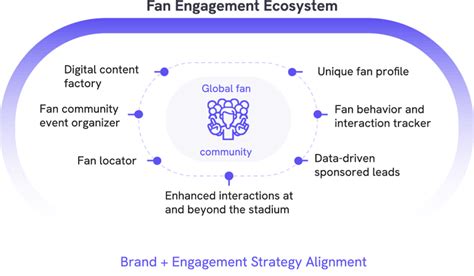
Another area of focus is the league's digital transformation. While Serie A has made strides in embracing streaming platforms and social media, there is room for improvement in creating a cohesive digital strategy. The EPL's success in leveraging data analytics, fan engagement apps, and immersive experiences serves as a benchmark. Serie A could benefit from similar initiatives, particularly in personalizing content for international audiences and enhancing the digital fan experience. For instance, offering multilingual commentary, interactive match statistics, and virtual fan zones could further solidify its position as a globally relevant league.
In conclusion, the economic and commercial growth of Serie A is a testament to its ability to adapt and innovate in a competitive global sports landscape. From pioneering TV deals in the 1990s to embracing digital platforms and global sponsorships in the 2020s, the league has continually sought ways to monetize its product. However, the journey is far from over. With challenges like stadium modernization and the need for a more integrated digital strategy, Serie A must continue to evolve if it aims to close the gap with its European counterparts. Nonetheless, the league's trajectory suggests a bright future, driven by its unique blend of tradition, star power, and commercial ambition.
- Serie A's transition to centralized broadcasting rights has enhanced revenue equity among clubs.
- Global sponsorships, including those from non-European markets, have diversified revenue sources.
- The league's focus on digital transformation and global audience engagement is key to sustaining growth.
Challenges and Controversies in Serie A History
The history of Serie A, Italy's top-tier football league, is as much defined by its glorious moments as it is by its controversies. While the league has been home to some of the most talented players and iconic clubs in the world, it has also faced significant challenges that have tarnished its reputation. Among these, match-fixing scandals stand out as some of the most damaging episodes, not only for the teams and individuals involved but for the league as a whole. These controversies have highlighted vulnerabilities in governance, exposed the darker side of competition, and left long-lasting scars on Serie A's global image.
One of the most infamous instances of match-fixing in Serie A history is the **Calciopoli scandal** of 2006. This scandal, which came to light after an extensive investigation by Italian authorities, revealed a web of corruption involving some of the league's most prominent clubs, referees, and administrators. At the center of the controversy was the allegation that certain clubs, particularly **Juventus**, had undue influence over the selection and management of referees for their matches. Evidence included intercepted phone calls that suggested club officials were pressuring referees to favor their teams in critical decisions. This revelation sent shockwaves through Italian football and beyond.
The fallout from Calciopoli was severe. **Juventus**, one of Serie A's most successful clubs, was stripped of its 2004-05 and 2005-06 Serie A titles and relegated to Serie B for the first time in its history. Other clubs, including **AC Milan**, **Fiorentina**, and **Lazio**, were also implicated and faced point deductions or other penalties. The scandal exposed a systemic issue where club officials believed they could manipulate the competitive environment to secure an advantage. This not only undermined the integrity of the league but also left fans disillusioned. The scandal also had ripple effects on the Italian national team, as several key players and coaches were associated with implicated clubs, casting a shadow over Italy's 2006 World Cup victory.
However, Calciopoli was not an isolated incident. Serie A has a longer history of match-fixing controversies that predate this scandal. For instance, the **Totonero scandal** of 1980 involved players and clubs being accused of rigging matches for financial gain through illegal betting networks. High-profile players like **Paolo Rossi** were implicated, and he received a two-year ban (later reduced). This scandal also led to points deductions and relegations for several clubs, including **AC Milan** and **Lazio**. While the Totonero scandal was significant, it was smaller in scope compared to Calciopoli, but it nonetheless demonstrated that the seeds of corruption had long been present in Italian football.
The impact of these scandals on Serie A's reputation has been profound. In the aftermath of Calciopoli, Serie A lost some of its allure as one of the most competitive and prestigious leagues in Europe. Top players began to view the league with skepticism, and foreign investment in Italian football waned. The league's global broadcast appeal took a hit as audiences questioned the fairness of its competitions. This was particularly damaging at a time when other leagues, such as the **English Premier League** and **La Liga**, were aggressively expanding their international footprint. Serie A's brand as a league of artistry and tactical brilliance was overshadowed by its association with corruption.
Beyond the immediate penalties and reputational damage, these controversies also highlighted deeper structural issues within Italian football. One such issue is the close relationship between club officials and refereeing bodies, which some critics argue creates an environment ripe for manipulation. Additionally, the governance of Serie A and the Italian Football Federation (FIGC) has often been criticized for being reactive rather than proactive in addressing systemic problems. For example, while punitive measures were handed down after Calciopoli, there were limited efforts to overhaul the league's regulatory framework to prevent similar incidents in the future. This lack of comprehensive reform has left lingering doubts about whether the league has truly learned from its past.
Another dimension of match-fixing controversies in Serie A is their connection to **illegal betting syndicates**. The intersection of football and gambling has been a persistent challenge, not just in Italy but across Europe. In the case of the **2011-12 betting scandal** (also known as **Calcioscommesse**), players and officials were accused of manipulating matches to benefit betting networks. While this scandal did not involve top-tier clubs to the same extent as Calciopoli, it underscored the persistent vulnerability of Italian football to external influences. The involvement of lower-league matches in such scandals further eroded trust in the broader football ecosystem in Italy.
It is also worth considering the cultural and societal factors that may contribute to the prevalence of such controversies in Serie A. Italy's football culture is deeply passionate, with intense rivalries and high stakes for clubs and their supporters. This environment can sometimes blur the lines between healthy competition and unethical behavior. Moreover, the financial pressures faced by many clubs—particularly those outside the traditional powerhouses—can drive individuals to make desperate decisions. The economic disparity between clubs in Serie A has often been cited as a factor that incentivizes rule-breaking, as smaller clubs struggle to compete with wealthier rivals.
The legacy of these controversies is complex. On one hand, they serve as cautionary tales about the dangers of unchecked power and the need for robust governance in professional sports. On the other hand, they have also prompted some positive changes. For instance, after Calciopoli, there was a push for greater transparency in referee appointments and more stringent monitoring of club-official interactions. The introduction of **Video Assistant Referee (VAR)** technology in Serie A can also be seen as a step toward minimizing human error and potential bias in decision-making, though it has not been without its own controversies.
However, the shadow of these scandals lingers. For many fans and observers, the legacy of match-fixing is a reminder that even the most celebrated leagues are not immune to corruption. This has made it harder for Serie A to fully restore its reputation as a paragon of fairness and excellence. While the league has seen a resurgence in recent years, with clubs like **Napoli** and **Inter Milan** achieving success on the European stage, the historical weight of these controversies remains a hurdle in reestablishing Serie A as the undisputed pinnacle of European football.
In conclusion, the challenges and controversies of Serie A's history, particularly those related to match-fixing, reveal the fragility of sporting integrity when governance and ethics are compromised. These scandals are not just footnotes in the league's history; they are pivotal moments that have shaped its trajectory. Addressing these issues requires not only punitive measures but also a cultural shift within Italian football to prioritize transparency, accountability, and fairness. Only then can Serie A hope to reclaim its status as a league that embodies the best of the beautiful game, free from the taint of its troubled past.
Data-Driven Insights from Historical Stats
The historical statistics of Serie A, Italy's top-flight football league, offer a treasure trove of data-driven insights that can illuminate patterns and trends spanning decades of competition. By examining key statistical patterns such as goal averages, team dominance periods, and seasonal anomalies, we can uncover how the league has evolved over time and what these trends might suggest about its future trajectory.
One of the most striking aspects of Serie A's historical data is the evolution of goal averages across different eras. In the early days of the league, particularly during the 1930s and 1940s, goal averages were notably high, with matches frequently ending in scores like 4-3 or 5-2. This was partly due to the tactical emphasis on attacking football and the relatively less structured defensive systems of the time. For instance, the 1949-50 season saw an average of 3.06 goals per game, one of the highest in Serie A history. However, as the sport evolved and defensive strategies became more sophisticated—particularly with the advent of catenaccio in the 1960s—goal averages began to decline. The 1960s and 1970s saw averages hover around 2.2 to 2.4 goals per game, reflecting a shift toward more balanced and defensively disciplined play. This trend underscores how tactical innovations can reshape the statistical landscape of a league over time.
In contrast, the 1990s and early 2000s saw a slight rebound in goal averages, with the league experiencing a resurgence in attacking play driven by world-class forwards like Gabriel Batistuta, Alessandro Del Piero, and Andriy Shevchenko. During this period, Serie A was often regarded as the most defensively astute league in Europe, yet the average goals per game stabilized around 2.6 to 2.8 in certain seasons. This juxtaposition of high-quality attacking talent against robust defensive setups created a unique dynamic where matches were often decided by narrow margins but still featured moments of brilliance in front of goal. Analyzing this era highlights how even in a defensively oriented league, individual talent could still drive statistical outliers.
Another area of interest is the team dominance periods that have characterized Serie A's history. Few leagues can rival Serie A in terms of the prolonged hegemonies established by certain clubs. Juventus, for example, has been a consistent force, with dominance periods in the 1930s, the mid-1980s, and more recently in the 2010s. During the 2011-12 to 2020-21 seasons, Juventus won nine consecutive Scudetti, a feat unmatched in the modern era of European football. This period of dominance is reflected in their superior points-per-game averages and defensive records; for instance, in the 2015-16 season, Juventus conceded only 20 goals in 38 matches, a testament to their tactical discipline under managers like Antonio Conte and Massimiliano Allegri. Such sustained success often correlates with high possession percentages, shot conversion rates, and low expected goals against (xGA) metrics, all indicative of a team operating at an elite level.
However, Juventus's dominance was not without challengers. Inter Milan's treble-winning season in 2009-10 under José Mourinho and AC Milan's European and domestic successes in the late 1980s and early 1990s under Arrigo Sacchi and Fabio Capello represent counterpoints to Juventus's supremacy. These periods of team dominance often coincide with specific tactical revolutions or the presence of generational talents. For example, Sacchi's Milan side redefined pressing and zonal marking, while Inter's treble season was marked by a blend of defensive solidity and clinical counterattacking. These dominance periods are not just statistical footnotes but indicative of how certain teams can impose their style on the league for extended periods, shaping the broader narrative of Serie A's history.
Seasonal anomalies also provide fascinating insights into Serie A's statistical landscape. One such anomaly occurred in the 1948-49 season when Torino, one of the most dominant teams of the era, suffered a tragic plane crash that killed their entire first team. This event not only had a profound human impact but also disrupted the statistical expectations for the season. Torino had been on course to maintain their attacking dominance, but their absence reshaped the league's competitive balance in ways that statistical models of the time could not account for. Similarly, the 1982-83 season saw an unusually high number of drawn matches (over 30% of games ended in draws), suggesting a temporary shift in tactical priorities across the league toward more conservative play. Such anomalies often arise from external factors like economic conditions, rule changes, or even global events, making them critical to understanding the non-linear nature of football history.
Another notable anomaly is the 2005-06 season, infamously remembered for the Calciopoli scandal. This season saw Juventus stripped of their title due to match-fixing allegations, and the resulting points deductions for several clubs created a distorted final table. From a statistical perspective, this season is an outlier not just because of the scandal but also because of the ripple effects it had on team performances in subsequent years. For instance, the relegation of Juventus to Serie B and the subsequent exodus of star players like Zlatan Ibrahimović and Fabio Cannavaro led to a temporary power vacuum, allowing Inter Milan to dominate the league in the ensuing years. This period serves as a reminder of how off-field events can significantly influence on-field statistics and league dynamics.
A deeper dive into player-specific statistics within these broader trends also yields intriguing patterns. For example, the evolution of the league's top scorers reveals how the role of the striker has changed over time. In the 1960s and 1970s, players like Gigi Riva and Paolo Rossi were prolific in an era where the lone striker was often the focal point of a team's attack. By the 1990s, the emergence of more fluid attacking systems allowed players like Roberto Baggio and later Francesco Totti to excel not just as goal-scorers but as creators, with higher assist numbers complementing their goal tallies. This shift reflects broader changes in how teams approached offensive play, moving from static formations to more dynamic and flexible setups.
Analyzing home and away performance trends over the decades also reveals interesting disparities. Historically, Serie A has been known for its strong home-field advantage, with teams often performing significantly better in front of their own fans. However, in recent years, this advantage has diminished slightly, possibly due to factors like improved travel infrastructure, more balanced refereeing, and the impact of broadcasting matches in high-definition, which reduces the psychological edge of a hostile stadium atmosphere. For example, in the 2020-21 season—played partially without fans due to the COVID-19 pandemic—the percentage of home wins dropped compared to historical norms, suggesting that external factors can temporarily disrupt established patterns.
Lastly, a look at seasonal goal distribution patterns reveals how matches have become more result-oriented in modern Serie A. While high-scoring draws were more common in the mid-20th century, the 21st century has seen a rise in matches ending 1-0 or 2-1, reflecting a greater emphasis on securing results rather than entertaining spectacle. This shift can be attributed to the increasing financial stakes of league positions, European qualification, and relegation battles, all of which incentivize pragmatic play over free-flowing football.
In conclusion, the historical stats of Serie A are not just a record of past events but a narrative of how the league has adapted to changing circumstances, both on and off the field. From the high-scoring exuberance of its early years to the tactical sophistication of modern play, the data tells a story of evolution, resilience, and the enduring impact of key teams, players, and events. These insights are invaluable not just for fans and historians but also for clubs and analysts seeking to understand how the past can inform future strategies.
Conclusion and Future of Serie A
The legacy of Serie A is deeply rooted in its historical significance as one of the most prestigious and competitive football leagues in the world. From its golden era in the late 20th century to its current state as a league grappling with modern challenges, Serie A has left an indelible mark on global football culture. This section explores the league's rich past and ventures into speculative yet informed projections about its future trajectory in the ever-evolving football landscape.
Serie A's legacy is most prominently defined by its dominance during the 1980s and 1990s, often referred to as the "golden age" of Italian football. During this period, the league boasted an unparalleled concentration of world-class talent. Clubs like AC Milan, Juventus, and Inter Milan were not just Italian powerhouses but global juggernauts. The tactical sophistication of managers such as Arrigo Sacchi and Marcello Lippi redefined football strategy, emphasizing disciplined defense (catenaccio) and fluid attacking play. The presence of iconic players like Diego Maradona at Napoli, Roberto Baggio, and Paolo Maldini elevated the league's prestige. This era also saw Serie A dominate European competitions, with Italian clubs winning multiple UEFA Champions League and UEFA Cup titles. The league's allure was such that it became a magnet for top talents from South America, Africa, and Eastern Europe, cementing its reputation as the most competitive league of its time.
However, the turn of the millennium marked a gradual decline for Serie A. Several factors contributed to this shift. Financial mismanagement, corruption scandals like Calciopoli in 2006, and the rise of other European leagues—particularly the Premier League and La Liga—diminished Serie A's global standing. Infrastructure issues, including outdated stadiums and a lack of commercialization compared to its rivals, further hindered its growth. While Juventus has maintained a strong presence in European competitions, the league as a whole has struggled to consistently produce teams capable of challenging the elite clubs of England, Spain, and Germany. This decline has been reflected in UEFA coefficient rankings, where Serie A has often found itself vying for the third or fourth spot among Europe's top leagues.
Despite these challenges, Serie A retains a unique identity that continues to attract fans and players alike. Its tactical depth, focus on defensive mastery, and the emergence of vibrant attacking talents in recent years showcase its adaptability. The league has also seen a resurgence in interest due to the arrival of global stars like Cristiano Ronaldo (during his tenure at Juventus) and young talents such as Victor Osimhen and Lautaro Martinez. These players, combined with the league's emphasis on nurturing homegrown talents through academies like Atalanta's, suggest that Serie A is not merely a relic of the past but a league capable of reinventing itself.
Looking to the future, Serie A's trajectory will likely be shaped by several key factors. Commercial growth is a critical area of focus. The league must enhance its global broadcasting deals, particularly in emerging markets like Asia and North America, where the Premier League has established a strong foothold. Investments in digital platforms and fan engagement strategies, such as augmented reality experiences and interactive apps, could help Serie A connect with younger, tech-savvy audiences. This is particularly important as younger generations consume sports content differently, often favoring short-form highlights and social media over traditional broadcasts.
Another area of potential growth lies in stadium modernization. Many Serie A venues are outdated compared to the state-of-the-art facilities seen in England or Germany. Clubs like Juventus, which invested in the construction of the Allianz Stadium, have reaped the benefits of improved matchday revenue and enhanced fan experiences. If other clubs follow suit—perhaps with government or private sector support—it could revitalize the league's matchday atmosphere and revenue streams. Additionally, modern stadiums can serve as multi-purpose venues for concerts, esports events, and community activities, diversifying revenue sources beyond football.
The development of young talent is another area where Serie A can assert its future dominance. Italian football has a strong tradition of producing technically gifted players, and recent successes of the Italian national team—such as their victory at Euro 2020—demonstrate the potential of homegrown talent. However, the league must strike a balance between nurturing local players and attracting high-profile international stars. Initiatives like the "Growth Decree," which offers tax incentives to clubs signing foreign players, can help Serie A remain competitive in the global transfer market while also ensuring that Italian youth players are not overshadowed.
Serie A's role in the broader European football ecosystem is also worth considering. As UEFA pushes for reforms such as the European Super League or expanded Champions League formats, Serie A clubs must navigate these changes carefully. While participation in such competitions could offer financial rewards, there is a risk of further marginalizing mid-tier clubs within the league. A more equitable distribution of revenue among Serie A clubs could foster greater competitiveness, preventing the dominance of one or two clubs (as seen with Juventus in recent years) and ensuring a more dynamic title race.
The league's focus on sustainability and inclusivity will also play a role in its future. Environmental initiatives, such as reducing the carbon footprint of stadiums and promoting green practices among fans, could align Serie A with global trends in sports sustainability. Furthermore, efforts to combat racism and promote diversity within the league—issues that have occasionally marred its reputation—will be essential in maintaining its appeal to a global audience. A league that prioritizes social responsibility can not only enhance its brand but also attract a more diverse fanbase.
In terms of competition, Serie A has the potential to reassert itself as a top-tier league by learning from its past and adapting to modern football dynamics. The emergence of clubs like Napoli and Atalanta as competitive forces beyond the traditional "big three" of Juventus, Inter, and AC Milan is a positive sign. These clubs have shown that with smart management, investment in youth, and innovative tactics, it is possible to challenge the status quo. Serie A could further benefit from a more dynamic approach to marketing its unique identity—its blend of tactical sophistication, passionate fan culture, and rich history—as a counterpoint to the high-octane, commercialized spectacle of the Premier League.
In conclusion, the legacy of Serie A is one of glory, innovation, and resilience. While the league has faced significant challenges in the modern era, it remains a vital part of football's global tapestry. Its future lies in embracing change—modernizing infrastructure, investing in youth development, and enhancing its global presence—while staying true to the tactical and cultural elements that have defined it for decades. If Serie A can navigate these challenges with the same ingenuity that characterized its golden era, it has the potential to reclaim its place among the elite leagues of the world, not merely as a historical giant but as a forward-looking force in the modern football landscape.