Introduction to Serie A
Serie A, officially known as Serie A TIM due to sponsorship reasons, is the top-tier professional football league in Italy and one of the most prestigious football competitions in the world. Established in 1898, it has evolved from a regional competition into a fully structured national league by 1929. Over the decades, Serie A has become synonymous with tactical sophistication, technical brilliance, and a rich history of producing world-class talent. Its global significance is rooted not only in its competitive nature but also in its influence on the sport’s broader landscape.
The league is home to some of the most iconic football clubs in the world, such as Juventus, AC Milan, and Inter Milan. These teams have not only dominated Italian football but have also left an indelible mark on European and global competitions. Serie A’s reputation as a league of champions stems from its ability to consistently produce high-caliber matches, legendary players, and a unique style of play that emphasizes defensive organization and offensive flair in equal measure. This blend of attributes has made Serie A a benchmark for excellence in football.
One of the defining features of Serie A is its historical emphasis on **tactical innovation**. Italian football is often associated with the catenaccio system, a highly defensive strategy that prioritizes organization and counterattacks. While this approach has been both praised and criticized, it underscores Serie A’s role as a laboratory for tactical experimentation. Coaches like Helenio Herrera, who pioneered catenaccio with Inter Milan in the 1960s, and more recent tacticians like Carlo Ancelotti and Antonio Conte, have contributed to the league’s reputation as a hotbed for strategic depth. This focus on strategy has often made Serie A matches a masterclass in controlled, high-stakes football, appealing to purists and analysts alike.
The global significance of Serie A can be measured by its influence on the international stage. Italian clubs have won a combined 48 major European titles, including 12 UEFA Champions League trophies and 9 UEFA Europa League titles. This success is a testament to the league’s ability to cultivate teams capable of competing at the highest level. Moreover, Serie A has been a destination for some of the greatest players in football history. Legends such as Diego Maradona, Michel Platini, Ronaldo Nazário, and Cristiano Ronaldo have graced the league, bringing unparalleled star power and elevating its prestige. The presence of these icons has not only drawn fans worldwide but has also inspired generations of players to aim for Serie A as a career pinnacle.
Serie A’s impact extends beyond the field into the realm of **cultural and economic influence**. Italy’s passion for football is deeply ingrained in its society, and Serie A serves as a unifying spectacle for millions of fans. Matches like the Derby della Madonnina (Inter vs. AC Milan) and the Derby d'Italia (Juventus vs. Inter) are events that transcend sport, embodying regional pride and historical rivalries. Additionally, the league has been a significant economic driver. Broadcasting rights, sponsorships, and merchandise sales contribute billions of euros to the Italian economy annually. The global broadcast of Serie A matches ensures that Italian football reaches audiences in every corner of the world, solidifying its place in the global sports entertainment industry.
Another aspect of Serie A’s global significance lies in its role as a **proving ground for talent**. While the league has historically attracted established stars, it has also been instrumental in nurturing young players. Italian clubs are known for their robust youth academies, such as Atalanta’s famed youth system, which has produced talents like Alessandro Bastoni and Roberto Gagliardini. This focus on youth development not only benefits the league but also enriches international football, as many players move on to shine in other top leagues or represent their national teams at major tournaments.
However, Serie A has not been without its challenges. In the late 20th century, the league was considered the undisputed best in the world, with Italian teams dominating European competitions. Yet, the early 2000s saw a decline in its global standing due to financial mismanagement, match-fixing scandals, and infrastructure issues. These setbacks led to a period where other leagues, particularly the English Premier League and La Liga, overtook Serie A in terms of commercial appeal and global viewership. Despite these challenges, Serie A has shown resilience. Recent efforts to modernize stadiums, improve fan engagement, and attract high-profile players like Victor Osimhen and Rafael Leão indicate a concerted push to reclaim its former glory.
The league’s history of **championship dynasties** also adds to its allure. Juventus, with 36 titles, is the most successful club in Serie A history, symbolizing consistency and dominance. AC Milan and Inter Milan, with 19 and 19 titles respectively, have also played pivotal roles in shaping the league’s competitive narrative. These clubs’ rivalries and their pursuit of excellence have created a dynamic where no single team can rest on its laurels, ensuring that Serie A remains a league of perpetual competition.
In the context of the global football ecosystem, Serie A’s role is multifaceted. It is not merely a domestic league but a cornerstone of European football’s identity. Its ability to balance tradition with innovation—preserving its storied past while adapting to modern demands—ensures its relevance. For instance, the adoption of video assistant referee (VAR) technology in Serie A was among the earliest implementations in Europe, showcasing the league’s willingness to embrace change for the sake of fairness and spectacle.
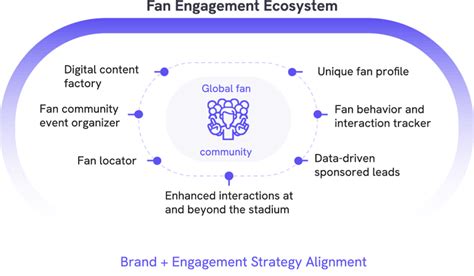
From a **fan engagement perspective**, Serie A has also made strides in recent years. Social media platforms, streaming services, and digital content have allowed the league to connect with younger, tech-savvy audiences. Initiatives like themed matchdays, player interviews in multiple languages, and partnerships with global brands have expanded its reach. This adaptability is crucial in maintaining Serie A’s position as a top-tier league in an increasingly competitive global sports market.
In summary, Serie A is more than just a football league; it is a symbol of Italy’s rich sporting heritage and a key player in the global football narrative. Its blend of history, tactical brilliance, and star power has made it a beacon for fans and professionals alike. Whether through the exploits of its legendary champions or its ongoing evolution in the face of modern challenges, Serie A continues to embody the passion, drama, and excellence that define top-tier football.
Origins and Early Years
The origins of Serie A, Italy's top-tier football league, are deeply rooted in the early 20th century when the sport was gaining traction across Europe. Football in Italy began as a localized and somewhat informal activity, with clubs forming in major cities like Turin, Milan, and Genoa. These early manifestations of the sport were often played in open fields or makeshift venues, reflecting the grassroots nature of its beginnings. However, the evolution of Serie A into a structured league system was not an overnight phenomenon—it was shaped by a combination of societal shifts, the influence of foreign players and coaches, and the growing need for a more organized approach to competitive football.
The first semblance of organized football in Italy can be traced back to the late 19th century. Clubs such as Genoa Cricket and Football Club, founded in 1893 by English expatriates, played a pivotal role in popularizing the sport. Genoa’s dominance in the early years of Italian football underscored the influence of British football culture, which served as a template for how the game would be structured in Italy. Initially, football competitions were regional rather than national, with tournaments like the Lipton Challenge Cup and the Federal Championship serving as precursors to a unified league system. These early competitions were often disjointed, as teams from different regions operated under varying rules and organizational frameworks.
The turning point came in 1929 with the establishment of Serie A as a fully professional and nationally organized league. However, to understand this milestone, one must look at the gradual steps that preceded it. In 1921, the Italian Football Federation (FIGC) attempted to create a more cohesive structure through the Prima Categoria, which was the first attempt at a nationwide championship. This championship, however, was fraught with challenges. The sheer number of participating teams—often exceeding 80—made logistics a nightmare. Additionally, regional rivalries and disparities in resources created an uneven playing field. This led to a split in 1921-22, with some clubs forming the Italian Football Confederation (CCI) in protest against FIGC’s perceived inefficiencies. While this schism was eventually resolved, it highlighted the need for a more streamlined system to manage the growing popularity of the sport.
One of the key drivers of Serie A's early development was the influence of foreign players and tactical innovations. Italian football was heavily shaped by the contributions of non-Italian coaches and players who brought new strategies and techniques. For instance, Vittorio Pozzo, who would later become a legendary national team coach, was instrumental in introducing structured training methods and emphasizing physical conditioning. Similarly, foreign players like Hugo Meisl, an Austrian who played for Milano, contributed to the tactical sophistication of the game. These external influences laid the groundwork for a league that would prioritize not just athleticism but also strategic depth.
The early 20th century also saw the rise of clubs that would become synonymous with Serie A’s history. Juventus, AC Milan, and Inter Milan emerged as powerhouses during this period, driven by ambitious leadership and growing fan bases. Juventus, for example, was backed by the Agnelli family, whose industrial wealth allowed the club to invest in facilities and talent. This era also marked the beginning of fierce rivalries, such as the Derby della Madonnina between AC Milan and Inter Milan, which added a layer of cultural and emotional significance to the league. These rivalries were not merely about football; they reflected broader socio-political dynamics, with clubs often representing distinct class or regional identities.
The transition to a structured league system in the 1929-30 season was a deliberate effort to address the shortcomings of earlier formats. The FIGC introduced Serie A as part of a tiered system that included Serie B and lower divisions, ensuring a clear pathway for promotion and relegation. This was a radical departure from the fragmented regional championships of the past. The inaugural Serie A season featured 18 teams, including iconic names like Juventus, Inter, and Roma. The adoption of a round-robin format, where each team played every other team home and away, was a clear nod to the professional leagues in England and other European countries. This format not only ensured fairness but also created a sense of national unity in Italian football, as teams from different regions competed on equal footing.
The early years of Serie A were also marked by technological and infrastructural advancements. Stadiums began to be constructed with larger capacities, reflecting the sport’s growing appeal. For instance, the construction of San Siro in Milan in 1926 symbolized the ambition of Italian football to establish itself as a major player on the European stage. These venues became more than just places to watch football; they were cultural hubs where fans congregated to celebrate their local and national identities. Moreover, the advent of radio broadcasts in the 1930s allowed matches to reach a wider audience, further cementing Serie A’s place in the public consciousness.
Another unique aspect of Serie A’s early evolution was its intersection with Italian politics and nationalism. The rise of fascism under Benito Mussolini in the 1920s and 1930s had a profound impact on the league. The regime saw football as a tool for promoting national pride and unity. This was evident in initiatives like the Coppa Italia, introduced in 1922, which complemented the league structure and added another dimension to domestic competition. While the politicization of football was a double-edged sword—it sometimes overshadowed the sport’s pure competitive spirit—it undeniably contributed to the league’s visibility and organization during this formative period.
In retrospect, the early years of Serie A were characterized by a blend of experimentation, adaptation, and ambition. The league’s foundation was not merely about creating a competition but about laying the framework for what would become one of the most prestigious football leagues in the world. From the early regional tournaments to the establishment of a professional, nationally unified system, Serie A’s early evolution was a microcosm of Italy’s broader social and cultural shifts. The league’s success in those formative years was a testament to the passion of its stakeholders—players, clubs, and fans—who collectively transformed football from a recreational activity into a cornerstone of Italian identity.
- The influence of British expatriates and foreign players helped shape the early tactical and organizational aspects of Italian football.
- The split in 1921-22 between FIGC and CCI underscored the need for a more cohesive league structure.
- The 1929-30 season marked the beginning of Serie A as a professional, round-robin league, setting the stage for its modern incarnation.
- Stadium development and technological advancements, such as radio broadcasts, played a significant role in popularizing the league.
This deep dive into the origins and early years of Serie A reveals that its foundation was not just a matter of sport but a reflection of Italy’s journey toward modernization and national cohesion in the early 20th century. The league’s evolution serves as a reminder of how football can act as both a mirror and a driver of societal change.
Dominance of the Big Three
The history of Serie A, Italy's top-flight football league, is deeply intertwined with the overwhelming success of three clubs: **Juventus**, **AC Milan**, and **Inter Milan**. Collectively referred to as the "Big Three," these teams have shaped the league's narrative, creating a hierarchy that has often seemed insurmountable for other clubs. Their dominance is not merely a result of sporadic success but is rooted in institutional strength, strategic planning, and a legacy of excellence that has spanned decades.
To understand the depth of their dominance, one must first examine the **statistics**. Juventus leads the pack with 36 Serie A titles, a record that dwarfs the achievements of other clubs. AC Milan and Inter Milan follow with 19 and 19 titles, respectively. This trio accounts for 74 of the 91 titles contested in Serie A history (up to the 2023 season), illustrating a near-monopoly over the Scudetto. While other clubs like Genoa, Torino, and Roma have had their moments, the Big Three have been the consistent architects of Serie A's competitive landscape.
The dominance of these clubs can be attributed to several **institutional factors**. Juventus, founded in 1897, has been backed by the Agnelli family since the 1920s. This long-standing patronage provided financial stability and a vision for sustained success. The club’s ability to invest in top-tier talent, both domestic and international, allowed them to create dynasties. Players like **Giampiero Boniperti**, **Michel Platini**, and **Alessandro Del Piero** became synonymous with Juventus’ golden eras. Similarly, AC Milan benefited from the ownership of **Silvio Berlusconi**, whose tenure from 1986 to 2017 transformed the club into a global powerhouse. Berlusconi’s emphasis on attacking football and marquee signings such as **Marco van Basten**, **Paolo Maldini**, and **Kaka** turned AC Milan into a symbol of European and domestic excellence. Inter Milan, while less financially consistent in its early years, found its footing under the ownership of **Massimo Moratti** in the 1990s and 2000s, culminating in a historic treble under **José Mourinho** in 2010.
Another critical element of their dominance is **strategic adaptation to footballing trends**. The Big Three have consistently been at the forefront of innovation in Italian football. Juventus, for instance, pioneered the use of a robust defensive system in the 1970s and 1980s, epitomized by the **"Catenaccio"** style. This approach not only brought domestic success but also allowed them to compete strongly in European competitions. AC Milan, under the stewardship of **Arrigo Sacchi** in the late 1980s, revolutionized the game with a high-pressing, possession-based system that prioritized fluidity over rigidity. This era saw AC Milan dominate Serie A while also winning back-to-back European Cups in 1989 and 1990. Inter Milan, often seen as the "third wheel" in the early years of the Big Three, adapted by focusing on counterattacking football and later embraced a more expansive style under coaches like **Roberto Mancini** and **Mourinho**.
The role of **player recruitment and youth development** cannot be overlooked. While Juventus has often focused on signing proven stars and integrating them into a system, AC Milan has historically excelled at nurturing talent through its famed youth academy. The "Milan Lab," a sports science initiative introduced in the early 2000s, extended the careers of aging stars like **Paolo Maldini** and **Alessandro Costacurta**, allowing the club to remain competitive. Inter, meanwhile, has often leveraged the transfer market aggressively, signing players like **Ronaldo Nazário**, **Zlatan Ibrahimović**, and **Romelu Lukaku** to bolster their squads during critical periods.

It is also worth noting the **psychological edge** these clubs have cultivated. The Big Three’s repeated success has created a **winner’s aura** that often intimidates opponents before a ball is even kicked. Smaller clubs in Serie A, particularly those with limited resources, have frequently struggled to overcome the mental barrier of facing these giants. This dynamic has perpetuated a cycle where the Big Three not only win more games but also benefit from the pressure smaller clubs feel when competing against them. This phenomenon is particularly evident in head-to-head matches, where Juventus, AC Milan, and Inter Milan often perform at a higher level due to their ingrained winning mentality.
However, the dominance of the Big Three has not been without **controversy and criticism**. Juventus, in particular, has faced scrutiny over its role in the **2006 Calciopoli scandal**, where the club was stripped of two titles and relegated to Serie B for match-fixing allegations. Despite this setback, Juventus rebounded spectacularly, winning nine consecutive Serie A titles from 2012 to 2020 under the management of **Antonio Conte**, **Massimiliano Allegri**, and others. This period of dominance, often labeled as a "hegemony," highlighted not just the club's resilience but also the financial and structural advantages it held over its rivals.
In contrast, AC Milan and Inter Milan have experienced **periods of decline** that make their contributions to the Big Three narrative even more fascinating. AC Milan’s struggles in the 2010s, marked by financial mismanagement and a lack of Champions League appearances, underscored the challenges of maintaining dominance in a rapidly changing football landscape. Inter Milan, too, faced financial difficulties post-Moratti, leading to a brief period of instability before the club’s resurgence under **Suning Holdings Group** and their Serie A title win in 2021.
The **rivalries among the Big Three** have also played a significant role in shaping Serie A’s history. The **Derby d'Italia** (Juventus vs. Inter) and the **Milan Derby** (AC Milan vs. Inter) are fixtures that encapsulate the intensity of Italian football. These matches are not just about bragging rights but often determine the trajectory of the title race. The competitive dynamic between the Big Three has prevented any one club from establishing unchallenged supremacy for too long, ensuring that Serie A remains a compelling league despite the predictable outcomes at the top of the table.
Finally, the Big Three’s dominance has had a **ripple effect on Serie A’s global appeal**. Their consistent presence in European competitions has elevated the league's profile, even as other leagues like the Premier League and La Liga have grown in financial clout. Juventus’ nine consecutive titles, AC Milan’s seven Champions League trophies, and Inter’s treble-winning campaign have all contributed to Serie A’s legacy as a league of champions. However, this dominance has also sparked debates about the league’s competitiveness, with critics arguing that the lack of a more evenly distributed title race has diminished its allure for neutral fans.
- Juventus' record of 36 titles underscores their institutional strength and financial backing.
- AC Milan’s emphasis on youth development and innovative systems has kept them relevant across eras.
- Inter Milan’s adaptability and aggressive transfer strategies have allowed them to remain competitive despite financial fluctuations.
In conclusion, the long-standing dominance of Juventus, AC Milan, and Inter Milan in Serie A is a testament to their ability to evolve, adapt, and maintain excellence in a highly competitive environment. While their success has sometimes overshadowed the achievements of other clubs, it is undeniable that the Big Three have been the driving force behind Serie A's rich history and global reputation.
Golden Eras of Serie A
The history of Serie A is steeped in moments of grandeur, where the league stood as the epitome of footballing excellence. Certain time periods in Serie A's timeline are particularly noteworthy for the sheer level of competition, the quality of players, and the global prestige the league commanded. These "Golden Eras" not only shaped Italian football but also left an indelible mark on the global stage, influencing tactics, player development, and the broader perception of the sport.
One of the most iconic periods in Serie A's history was the late 1980s to early 1990s, often referred to as the "golden age" of Italian football. During this time, Serie A was undeniably the most competitive and prestigious league in the world. The league's allure was magnified by the influx of world-class talent, both domestic and international. Players like Diego Maradona at Napoli, Michel Platini at Juventus, and Marco van Basten at AC Milan became synonymous with the league's success. This era was characterized by a unique blend of tactical sophistication and individual brilliance. Serie A teams were often ahead of their time in employing defensive systems such as catenaccio, while also integrating fluid attacking play that made matches a spectacle.
The 1980s saw a surge in foreign investment and interest in Serie A, partly due to the liberalization of rules allowing more non-Italian players per team. This period marked the arrival of superstars like Zico at Udinese, Falcão at Roma, and Liam Brady at Juventus. Clubs were not merely competing for domestic titles but were also consistently performing in European competitions. For instance, between 1989 and 1990, AC Milan under the stewardship of Arrigo Sacchi achieved back-to-back European Cup victories, showcasing a brand of football that was both revolutionary and highly effective. Sacchi’s Milan side, featuring the Dutch trio of Van Basten, Ruud Gullit, and Frank Rijkaard, exemplified the peak of tactical innovation, blending high pressing and coordinated movement in ways that influenced football strategies for decades to come.
Another critical element of this era was the dominance of Italian clubs in European competitions. Between 1989 and 1998, Serie A teams won the UEFA Champions League (or its predecessor, the European Cup) six times. This dominance was not limited to one or two clubs; AC Milan, Juventus, and Sampdoria all had their moments of European glory. This era also saw Italian teams regularly contesting the latter stages of the UEFA Cup and the Cup Winners' Cup, further cementing Serie A's reputation as the most challenging league. The competition within the league was so intense that even mid-table teams boasted rosters capable of upsetting the giants on any given matchday.
The 1990 FIFA World Cup hosted by Italy also played a pivotal role in elevating Serie A's global profile. The tournament showcased Italy's footballing infrastructure, and the exposure helped attract even more top-tier talent to the league. Post-World Cup, Serie A became a magnet for players like Roberto Baggio, Gabriel Batistuta, and later, Ronaldo Nazário. These players not only elevated their respective teams but also contributed to the narrative that Serie A was the ultimate destination for footballing excellence. The league's ability to blend tactical rigor with star power made it a benchmark for other leagues to aspire to.
However, the prestige of Serie A was not confined to the 1980s and 1990s. A second surge of competitiveness emerged in the mid-2000s, often referred to as the "calcio resurgence." This period saw Serie A reclaim its status as a global powerhouse after a brief dip in the early 2000s due to financial scandals and the rise of other European leagues like the Premier League and La Liga. The mid-2000s were defined by the rivalry between Juventus, AC Milan, and Inter Milan, with all three clubs frequently vying for the Scudetto and performing strongly in Europe.
During this time, Serie A also produced some of the most memorable European nights. The 2002-03 Champions League season stands out, as it featured an all-Italian final between AC Milan and Juventus at Old Trafford. This was a testament to the league's depth and quality, as both teams had navigated through a grueling campaign that included other elite European sides. Inter Milan’s treble-winning season in 2009-10 under José Mourinho further underscored the league's ability to produce teams capable of dominating on all fronts. This era also saw the emergence of defensive stalwarts like Alessandro Nesta, Paolo Maldini, and Fabio Cannavaro, whose contributions were pivotal in maintaining Serie A’s reputation for tactical discipline and resilience.
What set this period apart was the emphasis on blending youth development with experienced stars. Clubs like Roma, led by Francesco Totti, and Lazio, with Pavel Nedvěd, showcased how nurturing homegrown talent alongside high-profile signings could yield both domestic and international success. The league's competitiveness was such that even teams like Parma and Fiorentina, while not traditional powerhouses, could challenge for European spots and occasionally upset the established order.
A deeper analysis of these eras reveals that Serie A’s golden periods were not merely about the presence of star players or dominant teams. They were also marked by innovations in management and coaching. Managers like Sacchi, Fabio Capello, and later Carlo Ancelotti brought distinct philosophies to the game, blending Italian pragmatism with progressive ideas about positional play and squad rotation. These innovations often trickled down to other leagues, as coaches and analysts worldwide studied Serie A’s methods to adapt and evolve their own approaches.
The league's global prestige during these periods was also bolstered by media and commercial growth. The advent of satellite television in the 1990s allowed Serie A matches to be broadcast worldwide, exposing millions to the league's unique brand of football. This visibility not only increased revenues for clubs but also created a new generation of fans who associated Serie A with the pinnacle of the sport. The league’s ability to market itself as a destination for both elite players and passionate fans was a key factor in its global dominance.
In summary, the Golden Eras of Serie A—particularly the late 1980s to early 1990s and the mid-2000s—were defined by an unparalleled combination of tactical innovation, star power, and competitive intensity. These periods elevated Serie A to a level where it was not just a league but a global standard-bearer for footballing excellence. While other leagues have since risen to challenge its supremacy, the legacy of these eras continues to shape how Serie A is remembered and respected in the annals of football history.
Breakdown of Champions by Decade
The history of Serie A, Italy's top-flight football league, is a rich tapestry of triumphs, dynasties, and evolving footballing narratives. To understand the league's champions by decade is to explore how Italian football has shifted in dominance, strategy, and cultural impact. This section provides a detailed chronological breakdown of Serie A champions for each decade, highlighting trends and the key teams that shaped the league's trajectory.
The **1930s** marked the formal inception of Serie A in its modern, round-robin format in 1929. This decade was dominated by **Ambrosiana-Inter (now Inter Milan)** and **Bologna**, with each team winning three titles. Ambrosiana-Inter's success was emblematic of the growing professionalism in Italian football, while Bologna's dominance was a testament to their tactical discipline under coach Árpád Weisz. This era also saw teams like **Juventus** and **Torino** begin to establish themselves as competitive forces. The 1930s set the stage for Serie A as a league where a small number of teams could consistently vie for the title, a trend that would persist in later decades.
The **1940s** were overshadowed by World War II, which disrupted the league's operations. However, when Serie A resumed, **Torino** emerged as the dominant force, winning five consecutive titles from 1943 to 1949 (excluding the war-interrupted 1944 and 1945 seasons). Known as **Il Grande Torino**, this team is often regarded as one of the greatest in football history. Their fluid, attacking style and cohesion were unparalleled, and their tragic plane crash in 1949 that claimed the lives of the entire squad marked the end of an era. This decade also saw **Juventus** win their first post-war title in 1949-50, signaling their intent to become a perennial contender in the years to come.
The **1950s** ushered in a period of **AC Milan** and **Juventus** ascendancy, with each team winning four titles. Milan's success was bolstered by the arrival of Swedish trio **Gunnar Nordahl, Nils Liedholm, and Gunnar Gren**—collectively known as **Gre-No-Li**—who revolutionized Italian football with their technical prowess and attacking mindset. Juventus, meanwhile, began building the foundation of their long-term dominance under the Agnelli family's ownership. This decade also saw **Fiorentina** win their first-ever title in 1955-56, breaking the stronghold of the northern powerhouses and proving that Serie A was not entirely predictable.
In the **1960s**, Italian football entered a golden age of tactical innovation, and **Inter Milan** and **AC Milan** reigned supreme. Inter, under the guidance of manager **Helenio Herrera**, pioneered the **catenaccio** system, a defensive strategy that prioritized organization and counterattacks. This approach brought them three titles in the decade. AC Milan, on the other hand, combined defensive solidity with attacking flair, exemplified by players like **Gianni Rivera**, Italy's first Ballon d'Or winner. The 1960s also marked **Cagliari's lone title win** in 1969-70, led by the legendary **Gigi Riva**, showcasing how smaller teams could occasionally disrupt the established order.
The **1970s** saw a shift in power as **Juventus** began to assert their dominance, winning five titles. The Bianconeri's success was driven by a mix of shrewd management, investment in top talents like **Dino Zoff** and **Michel Platini** (though the latter's prime came in the 1980s), and a growing emphasis on physical conditioning. However, this decade also belonged to **Torino**, who won their first title since the Grande Torino era in 1975-76, and **Lazio**, who claimed their first-ever Serie A crown in 1973-74. These victories by less frequent champions added variety to the league, even as Juventus began to establish themselves as the team to beat.
The **1980s** were characterized by **Juventus** and **Roma** sharing much of the glory, with five and two titles respectively. However, this decade is perhaps best remembered for the emergence of **Diego Maradona** at **Napoli**. The Argentine maestro led Napoli to their first Serie A title in 1986-87, forever cementing his legacy in the city. This period also saw **Verona** clinch a surprise title in 1984-85, one of the most unexpected outcomes in Serie A history. The 1980s also introduced a darker side of Italian football with the **Totonero scandal** of 1980, which led to point deductions and relegations for several teams, including Milan and Lazio, underscoring the league's susceptibility to off-field controversies.
The **1990s** are often referred to as the era of **Milan's invincibility** and **Juventus' resurgence**. AC Milan, under **Arrigo Sacchi** and later **Fabio Capello**, won five titles with a team that included legends like **Marco van Basten**, **Paolo Maldini**, and **Franco Baresi**. Their fluid, high-pressing football set a benchmark for European dominance. Juventus, reinvigorated by the signing of **Alessandro Del Piero** and the tactical acumen of managers like **Marcello Lippi**, won five titles as well. This decade also saw **Sampdoria** win their first and only title in 1990-91, led by the dynamic duo of **Gianluca Vialli** and **Roberto Mancini**, further diversifying the list of champions.

The **2000s** marked the beginning of a period of intense rivalry between **Juventus**, **Inter Milan**, and **AC Milan**, with these three teams winning all but one title in the decade. Juventus dominated early, winning the first three titles of the 2000s before the **Calciopoli scandal** of 2006 stripped them of two titles and relegated them to Serie B. This vacuum allowed Inter Milan to embark on a historic run of five consecutive titles from 2006 to 2010 under managers like **Roberto Mancini** and **Jose Mourinho**. Milan, fueled by the brilliance of **Kaká** and **Andriy Shevchenko**, also claimed two titles, cementing their place as a top team of the era.
The **2010s** saw **Juventus** re-establish themselves as the unrivaled titan of Serie A, winning nine consecutive titles from 2011-12 to 2019-20. This unprecedented streak was fueled by astute signings like **Gianluigi Buffon**, **Andrea Pirlo**, and **Cristiano Ronaldo**, as well as managerial stability under **Antonio Conte** and **Massimiliano Allegri**. However, this decade also saw **Napoli** and **Atalanta** emerge as competitive forces, challenging the traditional hierarchy with their attacking football and emphasis on youth development. The rise of **Sassuolo** and other smaller teams added an element of unpredictability to the league, even as Juventus' dominance loomed large.
In the **2020s**, Serie A has seen a shift towards greater parity. **Inter Milan** broke Juventus' streak by winning the 2020-21 title, followed by **AC Milan's** triumph in 2021-22. Smaller teams like **Empoli** and **Monza** have become more competitive, while financial constraints and the global pandemic have reshaped squad-building strategies. This decade is still unfolding, but early signs suggest a move away from single-team hegemony, with **Napoli's 2022-23 title** win symbolizing a broader trend of unpredictability.
In summary, Serie A's champions by decade reveal a league shaped by dynasties, moments of upheaval, and occasional surprises. From the early dominance of Ambrosiana-Inter and Bologna to Juventus' modern-era supremacy, the league's history is a reflection of how football evolves in response to tactical innovations, economic factors, and cultural shifts. Each decade tells a unique story, but the common thread is Serie A's ability to produce iconic teams and unforgettable moments that define the beautiful game in Italy.
Iconic Players and Their Impact
Serie A, Italy's top-flight football league, has been a stage for some of the most iconic players in the history of the sport. These players not only defined their teams' success but also left an indelible mark on the league's narrative. Their influence extended beyond individual brilliance, often shaping team dynamics, tactical evolution, and even the global perception of Serie A as a league of unparalleled skill and tactical sophistication.
One of the most enduring figures in Serie A history is **Franco Baresi**, the legendary defender and captain of AC Milan. Baresi's career spanned over two decades, during which he became the embodiment of Milan's defensive solidity. Playing in the era of the great Arrigo Sacchi and later Fabio Capello, Baresi's ability to read the game, organize the backline, and execute precise tackles made him the linchpin of Milan's dominance in the late 1980s and early 1990s. Under his leadership, Milan won multiple Scudetti and European Cups, but his impact was more than trophies. Baresi's leadership instilled a culture of discipline and resilience in the team. His partnership with **Paolo Maldini**, another Milan legend, created one of the most formidable defensive pairings in football history. Baresi's legacy is not just in his six Serie A titles but in how he redefined the role of a modern sweeper, blending tactical intelligence with unwavering commitment.
Another name synonymous with Serie A greatness is **Diego Maradona**, whose time at Napoli transformed both the player and the club. When Maradona arrived in Naples in 1984, Napoli was a mid-table team with little pedigree. However, his arrival signaled a shift in the club's fortunes. Maradona's dribbling, vision, and goal-scoring prowess turned Napoli into title contenders. In 1987, he led the team to their first-ever Serie A title, a feat repeated in 1990. Maradona's influence extended beyond the pitch; he became a symbol of hope and defiance for a city often marginalized in Italian society. His legacy in Serie A is unique because he elevated not just a team but an entire region, making Napoli's success a story of cultural significance. Even today, Maradona's name evokes awe in Serie A discussions, as he remains one of the few players to single-handedly carry a team to glory.
The 1990s saw the rise of **Roberto Baggio**, a player whose artistry and elegance made him one of Serie A's most beloved figures. Baggio played for several clubs, including Fiorentina, Juventus, AC Milan, and Inter Milan, but his impact was consistent wherever he went. Known as **Il Divin Codino** (The Divine Ponytail), Baggio's technical brilliance and ability to score from impossible angles made him a nightmare for defenders. His time at Juventus, where he won the Ballon d'Or in 1993, was particularly noteworthy. Baggio's influence extended to how Serie A teams began to value creative playmakers who could both score and assist. His legacy is also tied to his resilience; despite suffering a career-threatening injury early in his career, he returned to become one of the most decorated players in the league. Baggio's ability to inspire his teams to push for titles, even when they were not favorites, underscores his importance in Serie A's history.
In the modern era, **Francesco Totti** stands out as a player who personified loyalty and excellence. Totti spent his entire career at AS Roma, rejecting lucrative offers from other clubs to remain with his boyhood team. His technical ability, combined with a deep understanding of the game, made him Roma's talisman for over two decades. Totti's role as a forward, playmaker, and even a false nine showcased his versatility. He led Roma to their third Serie A title in 2001, a triumph that remains etched in the memories of fans. Beyond statistics, Totti's emotional connection with Roma and its supporters made him a symbol of what it means to be a one-club player in the modern game. His legacy is not just in the goals he scored but in how he embodied the spirit of a team deeply rooted in its local identity.
No discussion of Serie A's iconic players would be complete without mentioning **Cristiano Ronaldo**, whose stint at Juventus from 2018 to 2021 brought global attention back to the league. While Ronaldo's time in Serie A was relatively short compared to others on this list, his impact was immediate and profound. He brought a level of global visibility to Serie A that had waned in the post-2010 era. On the pitch, Ronaldo's goal-scoring consistency—he scored 81 goals in 98 league appearances—helped Juventus maintain their dominance in a highly competitive league. His presence also raised the bar for younger players, who had to adapt to sharing the field with one of the greatest athletes in the world. Ronaldo's legacy in Serie A is tied to how he bridged the gap between the league's storied past and its ambitions for a more globally competitive future.
Another transformative figure is **Michel Platini**, whose time at Juventus in the 1980s left an enduring legacy. The French maestro was the creative heart of a Juventus team that won two Serie A titles and a European Cup. Platini's elegance on the ball, combined with his dead-ball expertise, made him a standout player in an era of greats. His impact was not just in his individual brilliance but in how he elevated the players around him. Juventus' tactical setup during his time often revolved around maximizing Platini's influence, a testament to his importance. His three consecutive Ballon d'Or wins while playing in Serie A cemented his status as one of the league's all-time greats.
It is also worth noting the role of **Giacinto Facchetti**, the Inter Milan full-back who revolutionized the role of attacking defenders in Serie A. In the 1960s, Facchetti's marauding runs down the flank and his ability to contribute offensively while maintaining defensive solidity set a template for modern full-backs. Under coach Helenio Herrera, Facchetti was a key figure in Inter's dominance during the era of "La Grande Inter," winning four Serie A titles and two European Cups. His legacy is not just in trophies but in how he inspired future generations of defenders to view their role as multifaceted rather than purely defensive.
These players, among others, shaped Serie A in ways that went beyond their on-field performances. They became symbols of their teams' identity, catalysts for tactical innovation, and ambassadors for the league on the global stage. Their legacies are a reminder that Serie A's history is not just a collection of matches and titles but a rich tapestry of stories, rivalries, and moments that define the essence of Italian football.
- Baresi redefined the sweeper role with intelligence and discipline.
- Maradona transformed Napoli into a title-winning team and cultural icon.
- Baggio's creativity and resilience made him a beloved playmaker across clubs.
- Totti's loyalty and versatility made him Roma's eternal symbol.
- Ronaldo brought global visibility and raised performance standards in the modern era.
- Platini's elegance and influence defined Juventus in the 1980s.
- Facchetti set the standard for attacking full-backs in the 1960s.
These players are not just names in record books; they are architects of Serie A's legacy, each contributing uniquely to the league's storied history. Their impact resonates in how we view Serie A today—a league where individual brilliance and team success are inseparably intertwined.
Tactical Evolution in Serie A
The history of Serie A is not just a chronicle of champions but also a narrative of how tactical ingenuity has defined the league's identity. From the early days of catenaccio to the modern emphasis on high-pressing systems, Serie A has been a laboratory for some of football's most influential strategic evolutions. Championship-winning strategies in Serie A have often reflected broader trends in global football while simultaneously carving out a unique Italian approach that prioritizes defensive solidity, tactical discipline, and adaptability.
One of the most iconic tactical frameworks associated with Serie A is catenaccio, which translates to "door-bolt" in Italian. This system, popularized in the 1960s and 1970s, emphasized a highly structured defensive setup with a focus on counterattacks. Teams like Inter Milan under Helenio Herrera utilized a libero (a free-roaming defender) and a rigid man-marking system to stifle opponents. This approach was highly effective in an era where physicality and positional play were paramount. Championship-winning teams of this period, such as the Grande Inter side, demonstrated how a disciplined backline and rapid transitions could dominate Serie A. However, as global football began to embrace more fluid and attack-oriented systems in the 1980s, catenaccio's dominance waned, and Serie A teams were forced to innovate.
The 1980s and 1990s saw a shift toward zonal marking and a greater emphasis on midfield control. Teams like AC Milan under Arrigo Sacchi revolutionized Italian football by moving away from the rigid structures of catenaccio. Sacchi's Milan side, which won back-to-back European Cups in 1989 and 1990, employed a high-pressing 4-4-2 system that focused on compactness and coordinated movement. This was a departure from the traditional Italian emphasis on deep defensive lines. Sacchi's philosophy was rooted in the idea of reducing space for opponents through a collective pressing effort, a strategy that required immense fitness and tactical intelligence. This approach not only brought Milan success but also influenced how Serie A teams thought about space and possession in the final third. Championship-winning squads of this era, including Napoli with Diego Maradona, blended this tactical evolution with individual brilliance, showing how strategy and star power could coexist.
The late 1990s and early 2000s marked another turning point as Serie A became a hotbed for tactical diversity. The league was home to some of the world's best managers, such as Marcello Lippi at Juventus and Fabio Capello at Roma and Milan. These managers experimented with hybrid systems that combined elements of zonal marking, pressing, and possession-based play. Lippi's Juventus, for example, often shifted between a 4-3-3 and a 3-5-2 depending on the opponent, showcasing a flexibility that was rare in earlier decades. This adaptability allowed Juventus to secure multiple Scudetti during this period. Similarly, Capello's teams were known for their pragmatic yet effective approach, often prioritizing results over aesthetic play. This era also saw the rise of registas—deep-lying playmakers like Andrea Pirlo—who became central to how teams controlled games. The regista role exemplified how Serie A's tactical evolution was not just about systems but also about player roles tailored to specific strategic needs.
The 2010s brought about a new wave of tactical thinking influenced by globalization and the influx of foreign coaches. Managers such as Antonio Conte and Maurizio Sarri introduced systems that blended traditional Italian pragmatism with modern European trends. Conte's Juventus, for instance, popularized the 3-5-2 formation, which leveraged wing-backs to provide both defensive cover and attacking width. This system was particularly effective in Serie A, where many teams struggled to adapt to the dual threat of high-energy wing-backs and a compact midfield trio. Conte's success highlighted how tactical innovation could be tailored to exploit the unique characteristics of Serie A, where matches are often decided by narrow margins and set pieces.
In contrast, Sarri's tenure at Napoli introduced a brand of football that prioritized possession and verticality. His "Sarriball" system was a stark departure from the cautious, defense-first mentality often associated with Serie A. Napoli's high-tempo passing and focus on breaking lines through quick combinations challenged the league's traditional norms. While Sarri did not win a Scudetto with Napoli, his influence on how Serie A teams approached ball retention and offensive structure was undeniable. This period also saw the emergence of Atalanta under Gian Piero Gasperini, a team that embraced a high-pressing, attacking 3-4-3 system. Atalanta's success, despite a relatively modest budget, demonstrated how tactical innovation could level the playing field in a league historically dominated by financial powerhouses.
The modern era of Serie A has seen a further blurring of tactical boundaries. Teams like Inter Milan under Simone Inzaghi and Napoli under Luciano Spalletti have embraced flexible systems that can switch between formations mid-game. Inzaghi's use of a 3-5-2 with a focus on set-piece efficiency and rapid counterattacks reflects a modern take on the pragmatism that has long defined Serie A. Meanwhile, Spalletti's Napoli, which won the 2022-2023 Scudetto, combined high-pressing intensity with intricate build-up play, showcasing how modern Serie A champions must balance defensive solidity with attacking fluidity.
A notable trend in recent years has been the increased emphasis on data-driven tactics. Teams now use advanced analytics to fine-tune pressing triggers, defensive shapes, and attacking patterns. This evolution has been driven by the global nature of football, where Serie A teams must compete not only domestically but also in European competitions. The tactical sophistication seen in Serie A today is a far cry from the simplicity of catenaccio, yet it retains the league's hallmark focus on organization and strategic depth.
Looking back, the tactical evolution in Serie A can be seen as a microcosm of football's broader journey. From the defensive mastery of catenaccio to the high-pressing systems of today, Serie A has consistently adapted to the demands of the game while maintaining its unique identity. Championship-winning strategies in the league have always been shaped by the need to balance innovation with tradition. This dynamic has not only produced some of football's most iconic teams but also underscored Serie A's role as a crucible for tactical evolution.
- Catenaccio laid the foundation for defensive excellence but had to adapt as football became more fluid.
- The 1980s and 1990s emphasized zonal marking and midfield dominance, with managers like Sacchi redefining how space was used.
- The 2000s brought hybrid systems and the rise of player roles like the regista, blending pragmatism with creativity.
- The 2010s saw the influence of foreign coaches and a focus on flexibility, as seen in Conte's 3-5-2 and Sarri's possession-based play.
- Modern Serie A champions rely on data-driven approaches and mid-game adaptability to succeed in a competitive landscape.
In conclusion, the tactical evolution in Serie A is a testament to how the league has remained at the forefront of football strategy. Each era's champions were not just beneficiaries of individual talent but also products of their time's prevailing tactical philosophies. This interplay between innovation and tradition continues to define Serie A's legacy as one of the most strategically rich leagues in the world.
Memorable Championship Races
Serie A, Italy's top-tier football league, has a rich history of producing some of the most dramatic and nail-biting title races in European football. These championship battles have often been characterized by high stakes, unexpected twists, and the sheer resilience of teams vying for glory. Below, we recount some of the most memorable and closely contested title races that have defined the league's legacy.

One of the most iconic title races in Serie A history unfolded during the 1988-89 season, a campaign dominated by Arrigo Sacchi's AC Milan. This was not just a battle for the Scudetto but a showcase of tactical innovation. AC Milan, bolstered by the Dutch trio of Marco van Basten, Ruud Gullit, and Frank Rijkaard, faced stiff competition from Diego Maradona's Napoli. Napoli, the reigning champions, were determined to retain their crown. The season saw both teams locked in a relentless pursuit of points, with Milan eventually prevailing by a margin of four points. What made this race memorable was not just the quality of football but the symbolic clash between Milan's disciplined, high-pressing style and Napoli's flair-driven approach led by Maradona. This season also marked the beginning of Milan's dominance in the early 1990s, setting the stage for their European triumphs.
Another unforgettable title chase occurred in the 2001-02 season, often remembered as one of the most unpredictable in Serie A history. Entering the final matchday, three teams—Juventus, Inter Milan, and AS Roma—were in contention for the title. Juventus, led by the talismanic Alessandro Del Piero, were favorites, but Inter Milan, under Hector Cuper, were only a point behind. Roma, the defending champions, were also in the mix. The climax of this season was nothing short of dramatic. Inter faced Lazio, a team with nothing to lose, while Juventus played Udinese, and Roma took on Torino. Inter's collapse against Lazio, losing 4-2 in a match where they needed only a draw to stay in the hunt, became one of the most shocking moments in Serie A. Meanwhile, Juventus secured a 2-0 victory to claim the title. This race highlighted how pressure and external results can drastically alter the destiny of teams, with Inter's defeat at the hands of Lazio serving as a cautionary tale of complacency.
The 2004-05 season offered another thrilling race, this time involving Juventus and AC Milan. Both teams were at the peak of their powers, with Juventus boasting a squad that included Pavel Nedved and Alessandro Del Piero, while Milan had the likes of Andriy Shevchenko and Kaká. The two giants were neck and neck throughout the season, with Juventus eventually winning the title by just seven points. However, this season is also remembered for the cloud of controversy that would later envelop it. The Calciopoli scandal, which came to light in 2006, revealed that several top teams, including Juventus, had been involved in match-fixing allegations. Juventus were stripped of this title, and it was awarded to Inter Milan retrospectively. Despite the taint of scandal, the on-field drama of that season remains a testament to the competitive nature of Serie A.
In the modern era, the 2017-18 season provided a different kind of drama, as Juventus and Napoli engaged in a two-horse race that kept fans on the edge of their seats. Napoli, under Maurizio Sarri, played some of the most aesthetically pleasing football in Europe, with their quick passing and high-energy style earning them plaudits. Juventus, on the other hand, were a model of consistency under Massimiliano Allegri. The defining moment of this season came in April 2018, when Napoli traveled to Turin for a direct showdown with Juventus. A late goal by Kalidou Koulibaly gave Napoli a 1-0 win, reigniting their title hopes and cutting Juventus' lead to just one point. However, Juventus' experience and depth proved decisive in the final weeks, as they won their seventh consecutive Scudetto. This race underscored the importance of mental fortitude in close title battles, with Juventus demonstrating their ability to grind out results even under immense pressure.
Another compelling chapter in Serie A's history of title races came during the 1999-2000 season, where Lazio emerged victorious in a season that seemed destined for Juventus. With just a few matches remaining, Juventus held a comfortable lead, but a string of poor results, including a loss to Udinese and a draw against Milan, allowed Lazio to close the gap. Lazio, managed by Sven-Göran Eriksson and spearheaded by players like Pavel Nedved and Marcelo Salas, capitalized on Juventus' stumbles. On the final matchday, Lazio secured the title with a 3-0 win over Reggina, while Juventus faltered against Perugia. This race exemplified how even the most dominant teams can falter under pressure, and it remains a shining example of how persistence can overturn seemingly insurmountable leads.
One cannot discuss closely contested title races without mentioning the 1969-70 season, where Cagliari made history by winning their first and only Scudetto. This was a season where the traditional powerhouses like Juventus and Inter Milan were expected to dominate. However, Cagliari, led by the legendary Gigi Riva, defied expectations. Their campaign was marked by resilience and a cohesive team spirit that saw them lose only two matches all season. The title race was not as closely contested in terms of points—Cagliari finished four points clear—but the symbolic significance of a smaller club outperforming the giants of Italian football made this season unforgettable. It served as a reminder that Serie A's competitive nature extends beyond its traditional powerhouses.
These memorable championship races illustrate the unpredictable and passionate nature of Serie A. Whether it is the tactical battles of Sacchi's Milan, the heartbreak of Inter's collapse in 2002, or the fairytale triumph of Cagliari, each race adds a unique layer to the league's history. What sets Serie A apart is not just the quality of football but the emotional intensity of its title battles, where every goal, every point, and every matchday can shift the narrative. These races are not just about the winners but also about the journeys of the teams involved, the near-misses, and the moments of brilliance that define a season.
- The 1988-89 season showcased the clash of styles between Milan's high-pressing system and Napoli's flair.
- The 2001-02 season highlighted how final-day drama can reshape the league table.
- The 2004-05 season, though tainted by scandal, was a masterclass in consistency from Juventus and Milan.
- The 2017-18 season emphasized the importance of mental strength in high-stakes situations.
- The 1999-2000 season proved that no lead is safe in Serie A, with Lazio's late surge.
- The 1969-70 season celebrated the underdog story of Cagliari's triumph.
In conclusion, Serie A's history is replete with championship races that are as much about the human element—perseverance, pressure, and passion—as they are about skill and strategy. These moments of drama have not only shaped the league's narrative but also cemented its reputation as one of the most enthralling football competitions in the world.
Challenges and Decline in Modern Era
The modern era of Serie A has been marked by significant challenges that have contributed to a perceived decline in its stature compared to other top European leagues. While Serie A was once synonymous with dominance in European football, particularly during the 1980s and 1990s when Italian teams like AC Milan, Juventus, and Inter Milan were perennial contenders in the UEFA Champions League, the league has faced a series of structural, financial, and competitive hurdles in recent years. These challenges have not only impacted the performance of Italian clubs on the international stage but have also raised questions about the league's ability to retain top talent and maintain its historical prestige.
One of the most critical factors contributing to this decline is financial constraints. Serie A clubs have struggled to compete financially with their counterparts in the Premier League, La Liga, and even the Bundesliga. The Premier League, for instance, has leveraged lucrative broadcasting deals that dwarf those of Serie A. According to recent data, the Premier League's TV rights deals are worth over £10 billion over three seasons, while Serie A's broadcasting deals generate significantly less revenue. This financial disparity limits the ability of Italian clubs to invest in world-class players, modern facilities, and youth development programs. As a result, Serie A teams often find themselves outbid for top talent by wealthier clubs in England, Spain, and even France. For example, the sales of key players like Romelu Lukaku from Inter Milan to Chelsea and Cristiano Ronaldo's departure from Juventus to Manchester United exemplify how financial limitations force Italian clubs to part with their best assets to balance the books.
Moreover, the economic model of Serie A clubs has been a point of contention. Many clubs operate with high levels of debt and rely heavily on wealthy owners or external investments to stay competitive. This reliance creates instability, as seen in cases like Parma's bankruptcy in 2015 or the financial struggles of clubs like Fiorentina and Genoa in recent years. The COVID-19 pandemic further exacerbated these issues, as matchday revenues were wiped out due to closed stadiums, and sponsorships dwindled. Unlike the Premier League, where even mid-table teams can secure substantial revenues, Serie A's financial ecosystem often leaves its clubs vulnerable to economic shocks.
Another challenge lies in global competition from other leagues. The Premier League has positioned itself as the most-watched and most marketable football league in the world, attracting a global audience with its fast-paced, high-scoring games and star-studded lineups. Similarly, La Liga benefits from the enduring appeal of clubs like Real Madrid and Barcelona, which have maintained their global fanbases despite financial difficulties. In contrast, Serie A has struggled to maintain its international appeal. While Juventus' signing of Cristiano Ronaldo in 2018 provided a brief boost in global visibility, the league as a whole has not capitalized on this momentum. The league's marketing and branding efforts have been criticized for being outdated compared to the aggressive, tech-savvy strategies employed by the Premier League and even Ligue 1, which has used Paris Saint-Germain's superstar signings to enhance its global footprint.
The reduced dominance of Italian teams in European competitions is another indicator of Serie A's modern challenges. During the 1980s and 1990s, Italian clubs were a force to be reckoned with in the Champions League and UEFA Cup (now the Europa League). AC Milan, for instance, won the Champions League five times between 1989 and 1994, while Juventus reached the final six times between 1996 and 2017. However, the 2000s and 2010s saw a decline in such successes. Italian teams have struggled to consistently reach the latter stages of the Champions League, with Juventus being the only consistent performer until recently. This decline can be attributed to several factors, including the aging infrastructure of many Italian stadiums, which fail to provide the modern amenities and atmospheres that enhance player performance and fan engagement. Stadiums like the San Siro, while iconic, are outdated compared to the state-of-the-art venues in England and Germany.
Additionally, tactical and stylistic evolution in football has posed challenges for Italian teams. Serie A has long been associated with a defensively solid, tactical style of play—often referred to as "catenaccio." While this approach brought success in earlier decades, modern football has shifted towards high-pressing, possession-based systems that prioritize attacking fluidity. Many Serie A teams have been slower to adapt to these changes, making them less competitive against European rivals who embrace more dynamic and aggressive styles of play. The lack of investment in analytics, sports science, and innovative coaching methodologies has further widened the gap between Serie A and other top leagues.
The exodus of top talent is another symptom of Serie A's struggles. In the past, Serie A was a destination for the world's best players, from Diego Maradona at Napoli to Ronaldo at Inter Milan. Today, however, many of the world's top talents prefer the Premier League or La Liga due to higher salaries, better facilities, and greater exposure. This trend is not limited to players; coaches like Antonio Conte and Maurizio Sarri have also moved to other leagues after achieving success in Italy, citing better resources and opportunities elsewhere. This brain drain not only weakens the quality of Serie A but also reduces its appeal to younger fans who are drawn to leagues that feature their favorite global stars.
A related issue is the lack of investment in grassroots development. While Serie A was once a hotbed for nurturing young Italian talent, the focus on immediate results and financial constraints has led many clubs to prioritize short-term signings over long-term youth development. This has hindered the production of homegrown stars who could bolster both club and national team performances. The Italian national team's success at Euro 2020 was seen as a rare bright spot, but the lack of a steady pipeline of young players from Serie A clubs suggests that this success may not be sustainable without systemic changes.
Finally, governance and administrative issues have also played a role in Serie A's challenges. The league has faced criticism for its slow adoption of reforms, such as implementing VAR consistently or modernizing its approach to fan engagement and digital media. Instances of corruption and match-fixing scandals, such as the Calciopoli scandal of 2006, have tarnished the league's reputation and eroded trust among fans and stakeholders. While other leagues have taken proactive steps to address similar issues, Serie A's response has often been reactive rather than proactive.
In summary, the challenges facing Serie A in the modern era are multifaceted. Financial constraints limit the league's ability to compete with wealthier counterparts, while global competition from more marketable leagues diminishes its international appeal. The reduced dominance of Italian teams in European competitions reflects both tactical stagnation and infrastructural shortcomings. Addressing these issues will require a concerted effort to modernize the league's financial model, invest in infrastructure and youth development, and adopt a forward-thinking approach to marketing and governance. Without such changes, Serie A risks becoming a shadow of its former self in the global football landscape.
Conclusion and Legacy
The history of Serie A champions is not merely a record of teams that have lifted trophies; it represents the evolution of football culture in Italy and its ripple effects across the global game. From the dominance of teams like Juventus, AC Milan, and Inter Milan to the occasional breakthroughs by clubs such as Napoli and Roma, Serie A's champions have etched a legacy that extends far beyond the confines of the league itself. This section delves into how these champions have shaped football culture and what their legacy suggests about the future of the league.
One of the most enduring impacts of Serie A champions is their role in defining tactical innovation. Italian football has long been associated with a focus on defensive solidity and strategic depth, epitomized by the "Catenaccio" system that gained prominence in the mid-20th century. Teams like Inter Milan under Helenio Herrera in the 1960s used this approach to dominate not only domestically but also in European competitions. This emphasis on tactical discipline has influenced generations of coaches and players. For instance, the pragmatic yet effective styles of coaches such as Arrigo Sacchi at AC Milan in the late 1980s and early 1990s redefined how possession and pressing could coexist with defensive awareness. Sacchi's Milan side, which won back-to-back European Cups, showed the world that Italian football could be both defensively astute and aesthetically pleasing. This blend of pragmatism and creativity has left an indelible mark on how football is played and understood globally.
Serie A champions have also been instrumental in exporting Italian football's identity to other leagues. Players who thrived in Serie A during their title-winning campaigns often became ambassadors of the league's style. The success of Diego Maradona at Napoli in the late 1980s not only elevated the club to unprecedented heights but also brought global attention to the vibrancy and passion of Italian football. Maradona's time in Serie A is a case study in how a champion can transcend the sport, embedding themselves into the cultural fabric of a city and a nation. Similarly, the influx of world-class foreign talents—such as Michel Platini at Juventus or Ronaldo at Inter Milan—helped showcase Serie A as a destination where the best players could test their mettle against equally skilled opponents. This exchange of talent reinforced Serie A's reputation as a league of champions, where titles were won through a combination of individual brilliance and collective strategy.
The legacy of Serie A champions also extends to shaping football fandom and media. The intense rivalries between Italy's top clubs—Juventus, AC Milan, and Inter Milan in particular—have created a narrative of competition that has captivated fans for decades. These clubs' successes have fueled a global audience for Serie A, with fans tuning in not just for the matches but for the stories behind them. The "Derby della Madonnina" or the "Derby d'Italia" are not just fixtures; they are events that symbolize the cultural weight of Serie A champions. The league's historical emphasis on drama and high stakes has set a standard for how football narratives are constructed in the media. The iconic moments—such as Alessandro Del Piero's late goals for Juventus or Kaka's mesmerizing runs for AC Milan—are etched into the memories of fans worldwide, reinforcing the idea that Serie A is a league where legends are made.
However, the legacy of Serie A champions is not without its challenges. In recent decades, the league has faced criticism for falling behind other European leagues like the Premier League and La Liga in terms of commercial appeal and global reach. This decline can be partially attributed to the diminishing dominance of its traditional powerhouses. While Juventus maintained a stranglehold on the league for much of the 2010s, their European performances often fell short of expectations, signaling a gap between domestic success and international competitiveness. This has raised questions about whether Serie A's champions can continue to influence football culture as they once did. Yet, this challenge also presents an opportunity for reinvention. The rise of Atalanta as a competitive force in the 2020s, with their emphasis on youth development and attacking football, suggests that the league is not bound solely to its traditional giants. This diversification of success stories could rejuvenate Serie A's image as a league where innovation and unpredictability thrive.
Looking to the future, the legacy of Serie A champions provides both a roadmap and a cautionary tale. On one hand, the league's history demonstrates the importance of cultivating a strong identity. The tactical rigor and emphasis on defensive excellence that defined many title-winning teams can still serve as a foundation for success. However, the global football landscape demands adaptability. The future of Serie A may lie in its ability to balance tradition with modernization—embracing new technologies, improving infrastructure, and attracting a younger, more diverse audience. Initiatives such as the stadium modernization projects undertaken by clubs like AS Roma and AC Milan indicate a recognition of this need. Moreover, the league's ability to integrate and showcase young talents—such as Victor Osimhen at Napoli or Federico Chiesa at Juventus—could help it regain its status as a breeding ground for future stars.
Another critical aspect of Serie A's future lies in its globalization strategy. The league has historically been somewhat insular, with its focus primarily on domestic success. However, the globalized nature of modern football demands that Serie A look outward. The success of streaming platforms and international broadcasting deals could help the league recapture its place among the elite competitions. Champions like Juventus, with their international fanbase and high-profile signings such as Cristiano Ronaldo, have shown how individual clubs can act as ambassadors for the league on the world stage. If more clubs follow this example, Serie A could reassert itself as a league that not only produces champions but also shapes the future of the sport.
The enduring impact of Serie A champions is also evident in how they have influenced the broader football ecosystem. Coaches trained in the Italian system, such as Carlo Ancelotti and Antonio Conte, have taken the lessons learned in Serie A to other leagues, spreading the league's tactical philosophy. Similarly, the global fanbase built by Serie A champions has contributed to a more interconnected football culture, where fans from different countries share a common appreciation for the league's history and its iconic moments. This interconnectedness suggests that Serie A's champions are not just heroes of the past but architects of a shared football heritage that continues to evolve.
In conclusion, the legacy of Serie A champions is a blend of triumphs and lessons. They have shaped football culture by emphasizing tactical depth, exporting Italian identity, and creating unforgettable moments that resonate with fans worldwide. While the league faces challenges in maintaining its global standing, its history provides a strong foundation for reinvention. The future of Serie A may well depend on how it leverages its rich legacy to adapt to the demands of modern football. If it can balance tradition with innovation, the league's champions will not only continue to inspire but also pave the way for new eras of success and influence in the beautiful game.