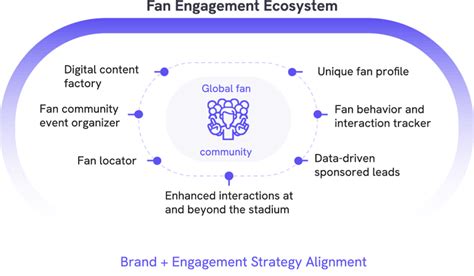
Introduction to Serie A in India
Serie A, Italy's top-tier professional football league, has carved a niche for itself in the Indian sports landscape over the years. While the league may not have the same mass-market penetration as the English Premier League (EPL) or Spain's La Liga in India, it holds a unique position rooted in history, tactical brilliance, and a passionate fan base. This section delves into the historical significance and evolving popularity of Serie A in India, exploring how the league has resonated with Indian football enthusiasts and the factors that have shaped its journey in this diverse market.
To understand Serie A's presence in India, it is essential to trace its roots back to the 1990s—a golden era for Italian football. During this time, Serie A was widely regarded as the most competitive and star-studded league in the world. Legendary players like Diego Maradona at Napoli, Roberto Baggio at Juventus, and Paolo Maldini at AC Milan became household names even in a country like India, where football was still in its nascent stages of popularity. The league's high-quality broadcasts, often aired on channels like ESPN and Star Sports, introduced Indian audiences to the tactical intricacies of Italian football. The slower, possession-based style of play contrasted sharply with the fast-paced, direct approach of leagues like the EPL, offering Indian viewers a different flavor of the sport. This exposure planted the seeds of Serie A fandom in India, particularly among those who appreciated the technical and strategic depth of the game.
One of the key drivers of Serie A's early popularity in India was the presence of **iconic players** who transcended geographical boundaries. For instance, **Diego Maradona’s stint at Napoli** in the late 1980s and early 1990s captured the imagination of Indian football fans. Maradona’s heroics, coupled with Napoli's underdog narrative of competing against traditional powerhouses like Juventus and Milan, resonated with Indian audiences who often gravitate toward stories of triumph against the odds. Similarly, **Alessandro Del Piero’s artistry at Juventus** and **Francesco Totti’s loyalty to AS Roma** solidified the emotional connection Indian fans felt toward Serie A. These players were not just athletes; they became cultural symbols of perseverance, loyalty, and artistry—qualities that Indian fans could admire and relate to.
Another factor that bolstered Serie A’s standing in India was the **timing of match broadcasts**. In the pre-streaming era, Serie A matches were often scheduled at convenient times for Indian viewers, particularly on weekends. Unlike other leagues that aired matches late at night or early in the morning due to time zone differences, Serie A's Sunday afternoon fixtures aligned well with Indian viewership patterns. This accessibility played a significant role in building a loyal, albeit niche, audience base for the league in India. Over time, this accessibility also allowed Serie A to compete with other European leagues for screen time in Indian households, even if it did not always dominate in terms of sheer viewership numbers.
However, Serie A’s journey in India has not been without challenges. The league experienced a dip in popularity during the mid-2000s and early 2010s due to several reasons. First, the **globalization of the EPL and La Liga**, driven by aggressive marketing and broadcasting strategies, shifted the focus of Indian football fans. These leagues invested heavily in local partnerships, fan engagement events, and digital outreach, which Serie A was slower to adopt. Second, the **match-fixing scandals** that rocked Italian football in the early 2000s, such as the Calciopoli scandal, tarnished the league's reputation and led to a decline in its global appeal. Indian fans, who were increasingly exposed to the glitz and glamour of other leagues, began to view Serie A as less dynamic and more embroiled in controversy.
Despite these setbacks, Serie A has experienced a **resurgence in India in recent years**, driven by a combination of factors. The league's proactive approach to expanding its global footprint has included partnerships with Indian broadcasters and digital platforms. For instance, the deal with **Sony Pictures Networks India** to telecast Serie A matches live has made the league more accessible to Indian audiences. Additionally, the presence of **Cristiano Ronaldo at Juventus (2018–2021)** served as a major catalyst for renewed interest. Ronaldo’s move to Serie A not only brought global attention to the league but also reignited the passions of Indian fans who had followed his career at Manchester United and Real Madrid. His arrival created a ripple effect, drawing casual viewers back to Serie A and encouraging them to explore other teams and players in the league.
Another unique aspect of Serie A’s appeal in India lies in its **tactical reputation**. Indian football coaches, analysts, and hardcore fans often regard Serie A as a masterclass in defensive organization and midfield control. The league's emphasis on structured play and positional discipline has made it a subject of study for Indian football enthusiasts who are keen to understand the technical side of the game. This focus on strategy has also helped Serie A maintain a dedicated following among those who value substance over spectacle. In a market like India, where football is still growing as a mainstream sport, this aspect of Serie A has helped it stand out as a league that offers more than just goals and entertainment—it offers a lesson in the art of football.
The **rise of digital platforms** has further enhanced Serie A’s reach in India. Streaming services like **JioCinema** and **Voot** have democratized access to live sports, allowing fans to watch Serie A matches without the constraints of traditional cable TV. This shift has enabled Serie A to tap into a younger, tech-savvy demographic that consumes content on-the-go. Moreover, the league’s active presence on social media platforms, where highlights, player interviews, and behind-the-scenes content are regularly shared, has helped it connect with Indian fans in real time. These digital initiatives have not only made Serie A more visible but have also allowed it to compete more effectively with other leagues in the Indian market.
From a cultural perspective, Serie A’s connection with **Indian football development** cannot be overlooked. In recent years, there has been a growing interest in Italian coaching methodologies and youth development systems among Indian football stakeholders. Clubs and academies in India have looked to Serie A for inspiration, particularly in areas like grassroots training and tactical education. This cross-pollination of ideas has indirectly elevated Serie A’s profile in India, as it is seen not just as a league to watch but also as a source of knowledge and innovation for Indian football’s growth.
In summary, Serie A’s popularity in India is a blend of historical significance, star power, accessibility, and a unique playing style that appeals to a discerning audience. While it may not yet rival the EPL in terms of mass appeal, Serie A has carved out a loyal and growing fan base in India. Its ability to adapt to changing media landscapes, coupled with its enduring legacy of producing some of football’s greatest moments and players, ensures that Serie A remains a relevant and respected entity in the Indian sports ecosystem. As the league continues to evolve and invest in its Indian audience, its historical significance serves as both a foundation and a promise for a brighter future in this vibrant market.
Evolution of Serie A Broadcasting in India
The journey of Serie A's broadcast availability in India is a fascinating case study of how international football leagues have adapted to the evolving media landscape and the growing appetite for European football in the subcontinent. From limited exposure in the early days to becoming a staple for Indian football enthusiasts, the evolution of Serie A's presence in India reflects broader trends in sports broadcasting, fan engagement, and commercial strategies.
In the **early 1990s**, Serie A was one of the most glamorous football leagues in the world, boasting legendary players like Diego Maradona, Roberto Baggio, and Paolo Maldini. However, its reach in India was minimal. The primary reason was the lack of dedicated sports channels and the dominance of cricket as the primary sport in the Indian market. The few matches that were broadcast were often shown on **DD Sports** or other government-run channels, and coverage was sporadic at best. The quality of the broadcast was also limited by the technology of the time, with grainy visuals and minimal commentary tailored for Indian audiences. This meant that Serie A was largely a niche interest, accessible only to hardcore football fans who were willing to endure the challenges of following the league in India.
The **turn of the millennium** marked a significant shift. The launch of private sports channels like **ESPN** and **Star Sports** in India brought about a new era for sports broadcasting. These channels began to secure rights for top European leagues, including the English Premier League (EPL), La Liga, and Serie A. Serie A's entry into this mix was aided by its reputation as a highly tactical and star-studded league. While the EPL gained an early advantage due to its faster pace and English-language familiarity, Serie A carved out a space for itself among fans who appreciated its technical depth and iconic clubs like Juventus, AC Milan, and Inter Milan. However, the broadcast was still limited to select matches, often featuring only the top teams, and commentary was mostly in English, which restricted its appeal to a broader Indian audience.
The **2000s** saw a gradual increase in Serie A's visibility, driven by the league's efforts to expand its global footprint. This period coincided with the rise of Indian football fandom, fueled by increased internet access and the growing influence of satellite television. Channels like **Ten Sports** began to offer more comprehensive coverage of Serie A, including pre-match analysis and post-match discussions. This was also the era when players like **Kaká**, **Zlatan Ibrahimović**, and **Francesco Totti** became household names in India, further enhancing the league's appeal. Yet, the league still lagged behind the EPL in terms of popularity, as the latter had a stronger marketing presence and a more aggressive approach to engaging with Indian fans through localized content and promotional tours.
The **2010s** brought about a paradigm shift in how Serie A was consumed in India. The advent of **digital streaming platforms** and the proliferation of high-speed internet changed the game entirely. Platforms like **Hotstar** and later **SonyLIV** began offering live streaming options for Serie A matches, breaking the monopoly of traditional cable TV. This development was crucial because it allowed fans in smaller towns and rural areas—where cable TV penetration was limited—to access Serie A matches on their smartphones and laptops. Additionally, the league's association with **Cristiano Ronaldo**, who joined Juventus in 2018, provided a massive boost to its viewership in India. Ronaldo's global stardom attracted not just football fans but also casual viewers who were curious about the hype surrounding him. This period also saw a rise in **regional language commentary**, with channels offering Hindi and other Indian language options to make the league more accessible to non-English-speaking audiences. This move was a clear indicator of how broadcasters were beginning to recognize the diversity of the Indian market.
In the **present day**, Serie A's broadcast landscape in India is more robust than ever. The league's rights are currently held by **Sports18** and streamed on **JioCinema**, platforms that have invested heavily in delivering a high-quality viewing experience. These platforms not only offer live matches but also provide extensive coverage, including highlights, expert analysis, and interactive fan engagement features. The use of **data-driven insights** during broadcasts, such as heatmaps, player stats, and real-time analytics, has added a layer of sophistication that appeals to the tech-savvy Indian audience. Furthermore, the league has embraced **social media** as a tool for engagement, with official handles posting match clips, player interviews, and behind-the-scenes content tailored for Indian fans. This approach has helped Serie A compete more effectively with the EPL and other European leagues in capturing the attention of Indian viewers.
One of the most interesting aspects of Serie A's evolution in India is the **demographic shift** in its audience. Initially, the league appealed primarily to an older, more traditional football fan base that valued its tactical intricacies. However, the influx of younger viewers, many of whom are drawn to the league by its star players and the fast-paced nature of modern football, has diversified its fan base. This is evident in the growing popularity of clubs like **Napoli** and **Atalanta**, which have gained a following among younger fans who appreciate their dynamic playing styles and underdog narratives. Additionally, the league's willingness to experiment with **regional marketing campaigns**—such as featuring Indian influencers or creating India-specific content—has further entrenched its position in the Indian sports ecosystem.
Another key factor in Serie A's growth in India has been the **commercial partnerships** forged by the league and its clubs. For instance, Serie A clubs have collaborated with Indian brands and even explored the possibility of hosting pre-season friendlies in India to strengthen their connection with local fans. These initiatives, while still in nascent stages compared to the EPL's deep integration into the Indian market, show a clear intent to build long-term loyalty among Indian audiences.
The **challenges** Serie A faces in India are worth noting as well. Despite its progress, the league still trails the EPL in terms of overall viewership and cultural penetration. This is partly due to the EPL's earlier entry and more consistent marketing strategies. Additionally, Serie A has faced criticism for being less competitive at the top, with Juventus dominating for much of the last decade. However, recent seasons have seen a resurgence of competitiveness, with teams like Napoli and Inter Milan challenging for the title, which bodes well for maintaining fan interest.
In conclusion, the evolution of Serie A's broadcast availability in India is a story of gradual but steady growth, shaped by technological advancements, fan engagement strategies, and the league's own efforts to adapt to a dynamic market. From its humble beginnings on DD Sports to its current status as a digitally accessible and widely followed league, Serie A has come a long way in India. As the league continues to innovate and invest in its Indian audience, its future looks promising, with the potential to further solidify its position as a key player in India's football broadcasting landscape.
Current Broadcasters and Platforms
The availability of Serie A live in India has evolved significantly over the past few years, driven by a growing interest in European football and the sport's commercial potential in the region. This section delves into the official broadcasters and streaming platforms currently offering Serie A matches to Indian audiences, analyzing their offerings, reach, and impact on the football-watching experience.
The primary broadcaster for Serie A in India is Viacom18, which secured the broadcasting rights for the league through its sports arm, Sports18. Viacom18 has been a dominant player in the Indian sports broadcasting space, especially after acquiring rights to other high-profile football properties like the UEFA Champions League, Europa League, and Ligue 1. Serie A fits into their portfolio as a mid-tier offering compared to the Premier League but still holds a loyal fanbase, particularly among fans of teams like Juventus, AC Milan, and Inter Milan. Sports18 broadcasts matches on its linear TV channel, available to cable and DTH subscribers across the country. This traditional approach ensures that Serie A is accessible to a wide demographic, including those in semi-urban and rural areas where streaming penetration is lower.
Alongside the linear TV channel, Viacom18 offers streaming access through its OTT platform, JioCinema. JioCinema has become a significant player in India's sports streaming ecosystem, especially after its aggressive push during the FIFA World Cup 2022 and the Indian Premier League (IPL). For Serie A, JioCinema provides free-to-stream access to most matches, a strategy that aligns with its objective of building a large user base rather than immediate monetization. This free model has been a game-changer, as it eliminates the financial barrier for casual fans who might not be willing to pay for a subscription solely for Serie A. However, this approach has also led to criticisms regarding the quality of the streaming experience, such as occasional lags or lower-resolution streams during high-demand matches. Despite these issues, JioCinema's platform is widely accessible across devices, including smartphones, smart TVs, and laptops, which makes it a go-to option for many Indian fans.
Another notable aspect of JioCinema's Serie A coverage is its multi-language commentary options. While English remains the default, the platform has experimented with regional language commentaries in Hindi, Tamil, and Bengali. This localized approach is aimed at broadening the appeal of Serie A beyond the urban English-speaking audience. By catering to regional language preferences, Viacom18 is tapping into the vast potential of India's diverse football fanbase, particularly in states where football enjoys significant grassroots popularity, such as Kerala, West Bengal, and the North-Eastern regions. However, the execution of these regional commentaries has been inconsistent, with some matches lacking the promised options or featuring commentary of varying quality.
In addition to Viacom18, FanCode has occasionally served as a supplementary platform for Serie A coverage. FanCode, a sports-focused streaming service owned by Dream Sports, has carved a niche by offering flexible subscription models, such as match passes or tournament-specific packages. While it does not currently hold exclusive Serie A rights, it has previously provided access to select matches, particularly during overlaps with other football leagues or when Viacom18 chose not to prioritize certain fixtures. FanCode's model appeals to a niche audience—fans who want to watch specific teams or matches without committing to a full-season subscription. However, its limited focus on Serie A means that it is not a primary destination for Indian fans of the league.
The dynamics of Serie A's broadcast in India reveal some unique challenges and opportunities for broadcasters and platforms. One challenge is the league's competition with the Premier League and La Liga, both of which have a stronger foothold in the Indian market due to their historical popularity and the presence of globally recognized clubs like Manchester United, Liverpool, Real Madrid, and Barcelona. Serie A, despite featuring iconic teams and players like Cristiano Ronaldo (during his stint with Juventus), has struggled to match the consistent viewership of its competitors. This has led broadcasters to adopt aggressive marketing strategies, such as promoting marquee fixtures involving top clubs or leveraging the popularity of players like Victor Osimhen, who has a growing fanbase in India due to his performances for Napoli.
Another challenge is the time zone difference. Serie A matches are often scheduled in the late evening or early morning Indian time, which can deter casual viewers who prefer more convenient timings. Broadcasters like Sports18 and JioCinema have attempted to address this by offering on-demand replays and highlights packages shortly after live broadcasts. These features cater to fans who cannot watch live but still want to stay engaged with the league. However, the availability of these options is not always well-promoted, leading to missed opportunities to retain viewership.
Streaming platforms have also introduced interactive features to enhance the viewing experience. For instance, JioCinema allows users to access match statistics, player profiles, and real-time updates while watching a live game. These features are particularly appealing to younger, tech-savvy audiences who value a more immersive experience. However, the execution of these features is sometimes limited by the platform's technical infrastructure, with occasional slow loading times or glitches during high-traffic periods. This indicates that while the intent to innovate is present, there is room for improvement in user experience optimization.
A critical aspect of analyzing these broadcasters and platforms is their monetization strategy. While JioCinema offers free streaming, it is heavily reliant on advertising revenue. This model has led to frequent ad breaks during live matches, which can be disruptive for viewers accustomed to premium, ad-free experiences offered by competitors like SonyLIV or Disney+ Hotstar for other leagues. On the other hand, FanCode's pay-per-view model provides an ad-free experience but limits its audience to those willing to pay for individual matches. The contrasting approaches highlight the tension between accessibility and monetization in the Indian sports broadcasting market.
The role of social media and digital engagement also cannot be overlooked. Both Sports18 and JioCinema use their social media channels to promote Serie A matches, share key moments, and engage with fans through polls, quizzes, and live updates. This digital presence is particularly effective in keeping Serie A relevant in a highly competitive sports media landscape. For instance, highlight reels of spectacular goals or controversial moments often go viral on platforms like Instagram and Twitter, drawing attention to the league even among non-regular viewers.
In conclusion, the current broadcasters and platforms offering Serie A live in India are navigating a complex landscape of opportunities and challenges. Viacom18's Sports18 and JioCinema lead the charge with a mix of traditional and digital offerings, while FanCode provides a supplementary option for niche audiences. The focus on free streaming, regional language options, and interactive features reflects a forward-thinking approach to engaging a diverse Indian audience. However, issues like inconsistent quality, competition from other leagues, and time zone challenges remain areas for improvement. As Serie A continues to grow its presence in India, the evolution of these platforms will play a crucial role in determining the league's long-term success in the region.
Subscription Plans and Pricing Analysis
When it comes to streaming Serie A live in India, several platforms offer access to the league, each with distinct subscription plans, features, and pricing structures. A detailed comparison of these platforms is essential for fans who want to make an informed decision about where to invest their money for the best viewing experience. This section delves into the subscription plans, features, and value-for-money of the primary platforms streaming Serie A in India.
The primary platforms offering Serie A live in India include SonyLIV, JioCinema, and FanCode. Each of these services caters to different audience segments and provides varying levels of accessibility, user experience, and additional features. A thorough evaluation of these services requires examining their subscription costs, the breadth of content offered, and the overall user experience they deliver.
Let us begin with SonyLIV, which has been a long-standing player in the Indian sports streaming market. SonyLIV offers Serie A as part of its premium subscription package. The cost of a SonyLIV Premium subscription is approximately ₹999 per year or ₹299 per month. This package not only provides access to Serie A but also includes other football leagues like the UEFA Champions League, Europa League, and domestic competitions such as the Indian Super League (ISL). Additionally, SonyLIV offers a wide range of non-sports content, including movies, TV shows, and original series. For football enthusiasts who are also general entertainment consumers, this bundled content can enhance the perceived value of the subscription. However, a potential drawback is that SonyLIV has occasionally faced criticism for streaming lags and a less-than-optimal user interface during live matches, which can detract from the experience for hardcore fans.
Next, we consider JioCinema, which has emerged as a significant player in sports streaming after acquiring rights to multiple international leagues. JioCinema often provides free streaming for certain matches or leagues, but Serie A is typically included in its premium tier. JioCinema’s subscription plans are competitively priced, with options like ₹99 per month or ₹499 per year for its premium service. This makes JioCinema one of the most affordable platforms for Serie A viewership in India. Moreover, JioCinema benefits from its association with Reliance Jio, which means that Jio network users often receive additional perks, such as discounted or bundled access. The platform also offers multi-language commentary, including English and regional languages, which can be a major draw for diverse audiences across India. However, JioCinema has been criticized for inconsistent streaming quality during high-demand matches, and its app interface can sometimes feel cluttered compared to competitors.
The third major contender, FanCode, takes a slightly different approach. Unlike SonyLIV and JioCinema, FanCode operates on a match-pass model in addition to its subscription plans. Fans can purchase a tour pass or a season pass specifically for Serie A, which can range from ₹150 for a single match to ₹1200 for a full season. This model is particularly appealing to casual viewers or those who are only interested in specific teams or matches. FanCode also provides in-depth analytics, pre-match shows, and post-match analysis, which can add significant value for avid football enthusiasts. The platform is known for its detailed statistics and interactive features, such as real-time heatmaps and player performance trackers. However, the lack of a traditional "all-access" subscription model may deter users who prefer simplicity and do not want to micromanage their viewing options. Additionally, FanCode’s exclusivity to sports content means it does not offer the entertainment diversity provided by SonyLIV or JioCinema.
A deeper look at the value-for-money aspect reveals interesting insights. SonyLIV’s higher annual cost might seem steep compared to JioCinema, but it justifies the price by bundling a wide variety of non-sports content alongside Serie A. For users who consume both sports and entertainment, this can represent better overall value. On the other hand, JioCinema’s affordability and regional language options make it an excellent choice for budget-conscious viewers or those in non-metro areas. Its free-tier offerings for certain matches also lower the entry barrier for new users. However, its occasional streaming issues during peak times can undermine its cost advantage for serious fans.
FanCode, while offering flexibility with its match-pass system, may not be the most cost-effective option for dedicated Serie A fans who watch multiple matches per week. Paying for individual matches can add up quickly, making it potentially more expensive than a flat subscription on other platforms. However, for fans who are selective about their viewing or want access to detailed analytics and niche features, FanCode provides unique benefits that the other platforms do not.
Another critical aspect to consider is the user experience across these platforms. SonyLIV has a more polished app design compared to JioCinema, but its occasional lag issues during live events have been a persistent complaint. JioCinema, while affordable, has room for improvement in stream stability and app navigation. FanCode, with its sports-focused approach, excels in providing detailed match insights but may feel limited for users seeking a broader entertainment experience.
A comparative table of features might look like this:
- SonyLIV: Comprehensive sports and entertainment bundle, higher cost, occasional streaming lags.
- JioCinema: Affordable pricing, regional language support, potential free-tier options, but inconsistent quality during high-demand matches.
- FanCode: Flexible match-pass system, detailed analytics, sports-focused but no bundled entertainment.
From a long-term perspective, the choice of platform depends heavily on the user’s viewing habits. For instance, a fan who watches Serie A alongside other European leagues and general entertainment might find SonyLIV’s higher cost justifiable due to its all-in-one nature. Conversely, a casual viewer or someone with a tight budget might lean toward JioCinema for its affordability and accessibility. FanCode, with its flexible pricing, appeals most to those who want control over what they pay for and are willing to invest time in understanding its pass-based system.
In conclusion, the "best" platform for streaming Serie A in India depends on individual preferences and priorities. SonyLIV offers a premium, all-encompassing experience for those willing to pay a higher price. JioCinema stands out for its affordability and accessibility, particularly for Jio users. Meanwhile, FanCode provides unparalleled flexibility and detailed sports insights for fans who prefer a tailored approach. By weighing the costs, features, and potential drawbacks of each platform, Indian viewers can choose the service that best aligns with their Serie A viewing needs and budget.
User Experience and Viewing Quality
The user experience and viewing quality for Serie A fans in India are critical factors that determine the success and adoption of platforms streaming the league. With the growing popularity of European football in India, the expectations of fans have risen significantly. They demand not just access to live matches but also a seamless, high-quality viewing experience that enhances their engagement with the sport. This section delves into the nuances of user interface design, streaming quality, and platform reliability to evaluate how well current services meet these expectations.
The **user interface (UI)** of a streaming platform plays a pivotal role in shaping the overall experience for Serie A fans. A well-designed UI must prioritize ease of navigation, intuitive layout, and quick access to live matches, highlights, and related content. Platforms like Sony LIV and JioCinema, which have historically streamed Serie A in India, have made strides in this area. However, there are notable differences in how effectively they cater to user needs. For instance, Sony LIV’s interface often emphasizes a clean layout with clear categorization of matches by date and team. This is a plus for users who want to quickly locate a specific game. However, some users have reported that the search functionality can be less responsive during peak traffic times, such as match days. This can lead to frustration when trying to find live streams or replays in real time.
On the other hand, JioCinema has introduced features like a **multi-cam view** for certain high-profile matches, allowing fans to switch between different camera angles during live games. While this is a unique and engaging feature, it can sometimes overwhelm less tech-savvy users who prefer a simpler, more traditional viewing setup. Additionally, the placement of advertisements within the UI has been a point of contention. While ads are a revenue necessity for free or low-cost platforms, their frequency and placement—sometimes interrupting key moments of the match—can disrupt the immersive experience. Platforms must balance monetization with user satisfaction, perhaps by offering ad-free tiers or better-timed ad placements that do not compromise the flow of the game.
The **streaming quality** is another area where platforms are judged rigorously by Serie A enthusiasts. In India, where internet speeds can vary significantly across urban and rural areas, platforms must cater to a wide range of bandwidth capabilities. Most services now offer adaptive streaming, which automatically adjusts video quality based on the user’s internet speed. This is a welcome feature, as it prevents buffering during live matches. However, the quality of implementation varies. For example, Sony LIV has been praised for its relatively stable adaptive streaming, even on moderately slow connections. Yet, there are occasional complaints about the resolution dropping too abruptly during high-demand periods, which can detract from the visual experience of watching fast-paced football action.
JioCinema, which gained prominence during its coverage of other leagues like the FIFA World Cup, has faced mixed reviews regarding streaming quality. While the platform supports 4K streaming for certain matches, this feature is often limited to premium users or those with high-speed broadband connections. For users relying on mobile data or lower-tier plans, the experience can be inconsistent. A deeper issue lies in the **bitrate management** during live streams. Some users have noted that even on stable connections, the video quality can stutter or fail to maintain a steady frame rate during critical moments of the match, such as a goal or a penalty. This is a technical challenge that platforms must address by investing in better content delivery networks (CDNs) and server infrastructure tailored to the Indian market’s diverse connectivity landscape.
Reliability is perhaps the most critical aspect of the viewing experience. For Serie A fans, there is little tolerance for service interruptions during live matches, especially during high-stakes games involving popular teams like Juventus, AC Milan, or Inter Milan. Platforms must ensure near-perfect uptime and minimal latency. Here, **server load management** becomes a key differentiator. During the 2022-2023 season, instances of server crashes were reported on platforms like Sony LIV when multiple users logged in simultaneously for a marquee match. Such incidents not only frustrate users but also erode trust in the platform’s ability to deliver during critical moments. To mitigate this, platforms should invest in **load-testing** and **redundancy systems** to handle peak traffic without compromising the live stream.
Another dimension of reliability is the **consistency of match schedules and updates**. Serie A fans often rely on platforms to provide accurate and timely information about kick-off times, team line-ups, and live score updates. Any lag or inaccuracy in these features can lead to confusion and dissatisfaction. For example, some users have reported delays in score updates on certain platforms, which can be particularly frustrating when trying to follow a closely contested match. To address this, platforms should integrate real-time APIs that sync with official league data providers to ensure up-to-the-second accuracy.
Beyond the technical aspects, the **accessibility of features** also impacts user experience. Features like multi-language commentary, on-demand replays, and post-match analysis are highly valued by Indian fans who may not be fluent in Italian or English. Platforms that offer Hindi or regional language commentary, such as Tamil or Bengali, stand to gain a competitive edge in India’s diverse market. However, the availability of these features is often inconsistent. For instance, while Sony LIV has experimented with regional commentary for cricket, its implementation for Serie A has been sporadic. Expanding such offerings could significantly enhance the appeal of Serie A to a broader audience in India.
One unique challenge for platforms is the **time zone difference** between Italy and India. Most Serie A matches are scheduled in the late evening or early morning Indian time, which can test the patience and commitment of fans. To address this, platforms could introduce features like **match reminders**, **downloadable replays** for offline viewing, or even condensed match highlights tailored to user preferences. These features not only improve convenience but also demonstrate a platform’s commitment to understanding and catering to the specific needs of Indian audiences.

In terms of **long-term reliability**, platforms must also consider how they handle **season-long subscriptions** and customer support. Fans who invest in annual passes for Serie A coverage expect consistent service throughout the season. Any lapses in service quality, such as repeated buffering issues or unaddressed technical glitches, can lead to dissatisfaction and attrition. Platforms should prioritize proactive customer support, including chatbots or dedicated helplines, to resolve issues quickly and maintain user trust.
In summary, while platforms streaming Serie A in India have made significant progress in user experience and viewing quality, there is room for improvement. The UI must strike a balance between innovation and simplicity, streaming quality must be robust across diverse connectivity scenarios, and reliability must be ironclad to retain fan loyalty. By focusing on these areas and leveraging technology to address India-specific challenges, platforms can not only meet but exceed the expectations of Serie A fans, fostering a loyal and engaged viewer base in the country.
Fan Engagement and Community Building
The growing popularity of Serie A in India has created a fertile ground for fan engagement and community building. While the league has a rich history and a global following, its presence in India has been bolstered by a combination of digital platforms, local fan groups, and innovative initiatives aimed at creating a sense of belonging among Indian enthusiasts. This section examines how these platforms and groups are crafting unique engagement opportunities tailored to the Indian audience, fostering not just viewership but also active participation in the Serie A ecosystem.
One of the most prominent drivers of fan engagement is the rise of **dedicated digital platforms**. Streaming services like Sony LIV and JioCinema, which hold broadcasting rights for Serie A in India, have gone beyond mere match telecasts to offer interactive features. For instance, these platforms often include live match statistics, player heatmaps, and real-time commentary in multiple Indian languages. This approach caters to a diverse audience, from casual viewers to hardcore football analysts. Features like post-match polls, "Man of the Match" voting, and interactive quizzes during halftime add a layer of gamification that keeps fans hooked. These elements not only enhance the viewing experience but also encourage fans to stay connected with the league even after the final whistle.
Another critical aspect is the use of **social media as a community-building tool**. Serie A clubs, as well as the league itself, have recognized the importance of Indian fans and have ramped up their social media presence on platforms like Instagram, Twitter, and Facebook. Clubs such as Juventus, AC Milan, and Inter Milan frequently post content tailored to Indian audiences, including player greetings in Hindi or celebratory posts during Indian festivals like Diwali. These posts often generate thousands of interactions, creating a bridge between the clubs and their Indian fanbase. Moreover, hashtags like #SerieAIndia and #ForzaSerieA have become rallying points for fans to share their thoughts, predictions, and matchday experiences. This dynamic use of social media transforms passive viewers into active participants in a larger conversation, fostering a sense of community.
Local **fan groups and supporter clubs** also play a pivotal role in building engagement. In cities like Mumbai, Bengaluru, and Kolkata, groups such as "Serie A India Fan Club" and "AC Milan India Supporters" organize regular meetups, match screenings, and even friendly football tournaments. These events serve as physical spaces where fans can connect, share their passion, and feel part of a larger movement. For example, during high-profile matches like the Milan Derby or Juventus vs. Napoli, these groups often rent out venues to host live screenings with food, merchandise stalls, and themed decorations. Such initiatives are particularly impactful because they provide an avenue for fans to experience the electric atmosphere of a live match, even if they are thousands of miles away from the stadiums in Italy.
What sets these fan groups apart is their focus on **grassroots initiatives**. Many of them conduct workshops and training sessions for young football enthusiasts, introducing them not just to the sport but also to the history and culture of Serie A. For instance, some groups collaborate with local academies to host sessions where former Serie A players or coaches share insights about the league’s tactical nuances. This approach serves a dual purpose: it deepens fans' understanding of the game and creates a pipeline of future Serie A enthusiasts who are well-versed in its legacy.
A unique aspect of fan engagement in India is the **role of influencers and content creators** in amplifying Serie A’s appeal. Indian football YouTubers and Instagrammers, such as those running channels like "The Football Cult" or "Indian Football Hub," frequently produce Serie A-focused content. These creators analyze matches, highlight moments of brilliance, and even conduct live watch-alongs during key fixtures. Their content often incorporates a mix of humor, analysis, and relatable Indian cultural references, making it more accessible to a local audience. For instance, a creator might compare a player’s dribbling style to a popular Bollywood dance move or liken a team’s defensive strategy to a scene from a classic Indian movie. This localized approach not only entertains but also helps demystify the league for newcomers, making it feel less distant and more relatable.
Another innovative engagement avenue is **merchandising and memorabilia**. Platforms like FanCode and licensed e-commerce stores now offer Serie A jerseys, scarves, and other collectibles tailored to the Indian market. Some fan groups have even started customizing merchandise with Indian motifs, such as jerseys featuring club crests alongside traditional Indian patterns or slogans in regional languages. This blend of global and local identity resonates strongly with fans, as it allows them to express their allegiance in a way that feels personal and culturally relevant. Additionally, limited-edition collaborations—such as clubs releasing India-specific merchandise during major tournaments—serve as exclusive incentives for fans to engage more deeply with the league.
The **rise of fantasy football platforms** has also contributed significantly to fan engagement. Apps like Dream11 and My11Circle have integrated Serie A into their offerings, allowing fans to create their fantasy teams based on real-life player performances. This not only encourages fans to follow matches more closely but also deepens their understanding of team dynamics, player roles, and tactical setups. Fantasy leagues often include leaderboards, cash prizes, and badges for consistent performers, adding a competitive edge that motivates fans to stay invested throughout the season.
Lastly, Serie A’s efforts to **localize its outreach** deserve mention. The league has partnered with Indian football organizations and academies to host events like "Serie A Experience Days," where fans can participate in skill challenges, meet-and-greets with Serie A legends, and even virtual tours of iconic Italian stadiums. These events are often promoted as exclusive opportunities, creating a sense of prestige among attendees. Furthermore, initiatives like live Q&A sessions with current players or managers, streamed directly to Indian audiences, provide fans with a rare chance to interact with their idols. Such efforts humanize the league and make it feel more accessible to Indian supporters.
In summary, the landscape of fan engagement for Serie A in India is a dynamic mix of digital innovation, local initiatives, and community-driven efforts. From social media campaigns and influencer-driven content to grassroots fan groups and fantasy football, the league and its stakeholders are leaving no stone unturned in building a vibrant and connected fanbase. By focusing on both digital and physical touchpoints, Serie A is not just expanding its viewership in India but also nurturing a loyal and passionate community that feels personally invested in the league’s success. This holistic approach ensures that Indian fans are not merely spectators but active contributors to the growing narrative of Serie A in the country.
Challenges in Accessing Serie A Live
Accessing Serie A live in India is not without its challenges, and these obstacles often stem from a combination of technical, economic, and regulatory factors. While the league boasts a rich history and a global fan base, Indian fans frequently encounter hurdles that can dampen their viewing experience. Below, we delve into the specific issues that make accessing Serie A live in India a complex endeavor.
One of the most significant challenges is geo-restrictions. Serie A broadcasting rights in India are typically held by a limited number of platforms, such as streaming services or television networks. These platforms acquire exclusive rights to air matches in the region, which means fans are restricted to using these designated services. However, the problem arises when these platforms impose additional layers of access control. For instance, a streaming service might only allow users from specific IP addresses within India to view content. This can be problematic for fans who are traveling within the country or using VPNs to bypass regional blocks. While VPNs are a common workaround, they are not foolproof; many streaming platforms have advanced geo-blocking mechanisms that detect and block VPN traffic. This leaves fans in a frustrating position where their legitimate subscriptions might not work if their location or network setup is flagged as non-compliant.
Another critical issue is connectivity. India's internet infrastructure has improved significantly in recent years, with the proliferation of 4G and the advent of 5G in urban areas. However, the quality of connectivity varies widely across the country. In rural or semi-urban areas, where a considerable portion of Serie A's potential audience resides, internet speeds can be inconsistent. Streaming high-definition (HD) or ultra-high-definition (UHD) content, which is the standard for live sports broadcasts, requires stable and high-speed internet. Even in urban centers, network congestion during peak hours can lead to buffering, pixelation, or complete stream drops. This is particularly frustrating during live matches, where even a few seconds of lag can mean missing a crucial goal or a game-changing moment. Moreover, mobile data plans, while affordable in some cases, often come with data caps. Streaming a 90-minute football match in HD can consume a substantial chunk of a user’s monthly data allowance, leading to either reduced quality settings or additional costs for extra data.
Cost is another major barrier. Subscription fees for Serie A broadcasts in India can be prohibitively high for many fans. Exclusive rights holders often price their services at a premium to recoup the costs of acquiring broadcasting rights. For example, a streaming platform might bundle Serie A with other leagues or sports, forcing fans to pay for content they do not necessarily want. This "all-or-nothing" approach can alienate fans who are solely interested in Serie A. Additionally, the lack of flexible pricing models, such as pay-per-view options for individual matches or discounted rates for long-term subscriptions, further exacerbates the affordability issue. For students, young professionals, or those from lower-income groups who are passionate about football, these costs can be a significant deterrent. Some fans resort to illegal streams as a last-ditch effort to watch their favorite teams, but this comes with its own risks, including poor quality, exposure to malware, and ethical concerns about supporting piracy.
The language barrier also plays a role, albeit a less obvious one. While English commentary is widely available for Serie A matches in India, it may not cater to the diverse linguistic preferences of the Indian audience. India is a multilingual country with a significant population that would prefer commentary or analysis in regional languages such as Hindi, Tamil, Bengali, or Malayalam. Broadcasters often overlook this opportunity to localize content, potentially alienating fans who might feel more connected to the sport if the commentary resonated with their cultural or linguistic background. This lack of localization can make Serie A feel less accessible compared to leagues like the Indian Super League (ISL), which often feature region-specific commentary to engage a broader audience.
Another nuanced challenge is the timing of matches. Serie A matches are typically scheduled based on European time zones, which means they often air in the late evening or early morning hours in India. For instance, a match that kicks off at 8:45 PM in Italy might be broadcast at 1:15 AM in India. This timing is far from ideal for fans who have work or school obligations the next day. While die-hard fans might stay up to watch their teams, casual viewers are less likely to sacrifice sleep for a game, especially if they face the aforementioned connectivity or cost issues. This time zone mismatch can limit the league's ability to attract a wider, more diverse audience in India.
There is also the issue of limited marketing and promotion of Serie A in India. Unlike the English Premier League (EPL) or the UEFA Champions League, which enjoy extensive promotional campaigns and brand visibility in the country, Serie A often takes a backseat in terms of marketing efforts. This lack of visibility can make it harder for fans to stay updated on match schedules, player transfers, or other league developments. Without a strong presence in local media or social platforms, Serie A risks losing mindshare to more aggressively marketed leagues. Fans might not even be aware of how to access live matches legally, further compounding the accessibility problem.
The fragmentation of streaming services is yet another hurdle. Unlike some other sports leagues that are available on a single, dominant platform, Serie A rights might be split across multiple services in India. For example, one service might offer live matches, while another provides highlights or analysis. This fragmentation forces fans to juggle multiple subscriptions, increasing both cost and complexity. Additionally, the user experience across these platforms can vary widely. A poorly designed app or website can make it difficult to navigate schedules, find specific matches, or even troubleshoot common streaming issues. This lack of a seamless, unified experience can frustrate fans and push them toward less legitimate alternatives.
Lastly, there is the cultural perception of Serie A in India. While the league has a loyal fan base, it does not enjoy the same level of mainstream popularity as the EPL or La Liga. This is partly due to the league's historical focus on domestic audiences and a slower adaptation to global outreach strategies. Indian football fans are often drawn to leagues with a higher concentration of star players or more competitive title races. Serie A's occasional dominance by a small number of teams (like Juventus in recent years) can make it less appealing to fans who crave unpredictability and variety. This perception, combined with the challenges outlined above, can make Serie A feel like a secondary choice for Indian viewers.
In summary, Indian fans of Serie A face a multifaceted set of challenges that range from technical barriers like geo-restrictions and connectivity issues to economic and cultural factors such as cost, timing, and marketing. Addressing these issues requires a collaborative effort from broadcasters, streaming platforms, and even the league itself to make Serie A more accessible, affordable, and engaging for the Indian audience. Without such interventions, the league risks losing ground in a market with immense potential for growth.
Impact of Localized Marketing and Promotions
The success of any international sports league in a foreign market is closely tied to how well it can resonate with local audiences. For Serie A, the Italian football league, breaking into the Indian market meant more than just broadcasting matches; it required a strategic approach to localized marketing and promotions. This section delves into the role of such campaigns in increasing Serie A's reach and viewership in India, focusing on specific tactics, audience engagement methods, and the broader impact on the league's brand presence.
One of the key drivers of localized marketing success for Serie A in India has been the emphasis on **cultural alignment**. Indian football fans are not a monolithic group; their preferences are shaped by a mix of domestic football culture, global football fandom, and regional sports traditions. Serie A leveraged this diversity by tailoring campaigns to highlight aspects of Italian football that would appeal to Indian sensibilities. For instance, campaigns often emphasized the league's rich history, comparing it to India's own reverence for tradition in cricket. By drawing parallels between Serie A's iconic clubs like Juventus, AC Milan, and Inter Milan and the legacy of Indian cricket teams, marketers created a narrative that positioned Serie A as a "league of legends," much like how cricket fans view the IPL or India's historic Test matches.
Another significant strategy was the use of **regional ambassadors and influencers**. Serie A recognized that Indian audiences are highly responsive to personalities they can relate to. By onboarding Indian football players, former athletes, or even celebrities with a known passion for football, the league was able to humanize its brand. For example, campaigns featuring Indian footballers discussing their favorite Serie A moments or analyzing matches provided a sense of authenticity. These ambassadors often spoke in regional languages, such as Hindi, Bengali, or Tamil, which broadened the league's appeal beyond urban, English-speaking audiences. This approach not only increased engagement but also made the league feel more accessible to fans in smaller towns and rural areas, where European football is still a growing phenomenon.

Localized **digital marketing initiatives** played a pivotal role as well. India is one of the largest markets for social media platforms like Instagram, Facebook, and YouTube, and Serie A capitalized on this by creating region-specific content. For example, match highlights were often accompanied by commentary or captions in Indian languages. Short, engaging videos featuring key moments from matches—such as Cristiano Ronaldo's goals during his time at Juventus or thrilling derbies—were tailored for platforms like Instagram Reels and YouTube Shorts. These bite-sized pieces of content were designed to capture the attention of younger audiences who consume sports content in a more fragmented, on-the-go manner. By doing so, Serie A not only increased its visibility but also cultivated a habit among Indian viewers to seek out Serie A content regularly.
The league also invested in **grassroots promotions** to build a deeper connection with Indian football enthusiasts. Serie A partnered with local football academies and community events to host viewing parties, mini-tournaments, and skill clinics. These events were often branded with Serie A insignia and included giveaways like jerseys, scarves, and other merchandise featuring Italian club logos. Such on-ground activities not only provided exposure but also created a sense of community among fans. For instance, a "Serie A Cup" held in collaboration with local schools or amateur leagues gave participants a tangible connection to the league, fostering loyalty and encouraging them to follow matches more closely. This grassroots approach was particularly effective in regions where football is already popular, such as Kerala, West Bengal, and the North-East, but it also helped introduce Serie A to newer markets.
Another innovative aspect of localized promotions was the **use of storytelling**. Serie A campaigns in India often focused on narratives that Indian fans could emotionally invest in. For example, instead of solely promoting star players like Cristiano Ronaldo or Zlatan Ibrahimović, marketers emphasized stories of underdog teams, historic comebacks, or the intense rivalries between clubs. These stories resonated with Indian audiences, who are accustomed to emotionally charged sports narratives in cricket and kabaddi. By framing Serie A matches as more than just games—positioning them as battles of honor, pride, and survival—the league managed to create a sense of drama and urgency that kept viewers hooked.
The timing of promotions also played a critical role. Serie A matches are broadcast in India during the evening or late at night due to the time difference with Italy. To address this challenge, marketers designed campaigns around the concept of **"midnight football culture"**, positioning late-night matches as an exciting, exclusive experience for die-hard fans. Promotions often included hashtags like #MidnightMagic or #SerieANights, encouraging fans to share their viewing setups, snacks, or reactions on social media. This not only gamified the viewing experience but also created a shared identity among Indian Serie A fans, making them feel part of a niche yet growing community.
A particularly impactful localized campaign was the **"Serie A Experience India"** initiative, where the league brought elements of Italian football culture to Indian cities. This included pop-up fan zones in metros like Mumbai, Delhi, and Bengaluru, where fans could participate in virtual meet-and-greets with Serie A players, try their hand at penalty shootouts, or explore Italian cuisine tied to the league's branding. Such initiatives blurred the line between sports and lifestyle, appealing to a broader demographic that might not traditionally watch football but could be drawn in by the cultural experience.
It is also worth noting the **partnerships with local broadcasters and streaming platforms**. Serie A's collaboration with platforms like Sony Sports Network and JioTV allowed for tailored promotional content. For example, pre-match shows often included segments discussing how Indian fans could connect with the league, such as explaining the significance of certain derbies or providing beginner-friendly guides to understanding Serie A's structure. These efforts ensured that even casual viewers felt included and informed, which is critical for sustaining interest in a league that competes with the Premier League and La Liga for attention in India.
The results of these localized campaigns are evident in the **growth metrics**. According to industry reports, Serie A's viewership in India has seen a steady increase, particularly among the 18-35 age group, which is the most active demographic for sports consumption. Social media engagement metrics, such as likes, shares, and comments on Serie A-related posts, have also shown a marked improvement. Moreover, the league has seen a rise in merchandise sales in India, with jerseys and other branded items becoming more visible in local markets, signaling a growing fan base.
In conclusion, the role of localized marketing and promotions in increasing Serie A's reach and viewership in India cannot be overstated. By aligning with Indian cultural values, leveraging regional influencers, creating grassroots connections, and innovating with digital content, Serie A has managed to carve out a niche in a highly competitive sports landscape. These efforts demonstrate that for international leagues to succeed in India, they must go beyond mere availability and actively engage with the unique preferences and behaviors of Indian audiences. Serie A's approach serves as a case study in how tailored marketing can transform a foreign sports league into a household name in a new territory.
Future Prospects of Serie A in India
The future prospects of Serie A in India are closely tied to the evolving dynamics of sports consumption, digital transformation, and the growing affinity for European football among Indian audiences. While Serie A has historically enjoyed a niche following in India, driven primarily by iconic clubs like Juventus, AC Milan, and Inter Milan, the league has significant untapped potential for expansion in a country where football fandom is on the rise. To predict trends and identify growth areas for Serie A's presence and live-streaming adoption in India, it is essential to analyze key factors such as audience demographics, technological advancements, and strategic marketing opportunities.
One of the most promising trends is the **increasing youth interest in football**. India’s younger population, particularly in urban and semi-urban areas, is gravitating toward football as a preferred sport over cricket. This shift is partly due to the global appeal of football and the accessibility of European leagues through digital platforms. Serie A can capitalize on this trend by **targeting youth-centric marketing campaigns** that emphasize the league’s rich history, competitive matches, and star players. For instance, highlighting young talents like Victor Osimhen or established stars such as Cristiano Ronaldo (during his time at Juventus) in promotional content can create a stronger emotional connection with Indian fans. Additionally, collaborations with schools, colleges, and local football academies to promote Serie A matches can help build grassroots support.
Another area of growth lies in **localized content and engagement strategies**. While live-streaming platforms have made Serie A accessible, the league can further enhance its appeal by offering **Hindi or regional language commentary**. This approach has proven effective for leagues like the English Premier League (EPL) and La Liga, which have seen increased viewership due to localized broadcasts. Serie A could also introduce **culturally relevant content**, such as documentaries on Indian players who have played in Italy or features on Indian football fans’ experiences during Serie A matches. Such initiatives not only make the league more relatable but also foster a sense of inclusivity among Indian audiences.
The **advancement of digital infrastructure** in India is a critical enabler for Serie A’s growth. With the proliferation of affordable smartphones and high-speed internet, live-streaming services have become the primary mode of sports consumption. Platforms like JioCinema, SonyLIV, and Disney+ Hotstar have already demonstrated how live sports can attract massive audiences in India. Serie A can leverage this trend by partnering with these platforms to offer **exclusive features** such as multi-angle replays, interactive match statistics, and fan engagement tools like live polls or chat rooms during matches. Furthermore, the league could explore **augmented reality (AR) and virtual reality (VR) experiences** to provide immersive viewing options, allowing fans to feel as though they are in the stadium. This would appeal to tech-savvy Indian consumers who are increasingly looking for innovative ways to engage with sports content.
A significant opportunity for Serie A lies in **strategic partnerships with Indian brands and football entities**. Collaborations with Indian Super League (ISL) teams or grassroots football programs can help Serie A establish a stronger foothold in India. For example, co-branded events, player exchange programs, or even friendly matches between ISL and Serie A clubs can generate buzz and deepen the league’s connection with Indian football enthusiasts. Moreover, Indian companies are increasingly investing in sports sponsorships, and Serie A could attract local sponsors by showcasing its potential to reach millions of viewers. Brands like Tata, Reliance, or even startups in the edtech and fintech space could see value in associating with a globally recognized football league.
The **rise of women’s football** in India presents another avenue for Serie A to explore. With the Indian women’s national team gaining visibility and the sport receiving more support from the government and private sectors, Serie A can tap into this growing interest by promoting its women’s league, Serie A Femminile. Highlighting women’s matches, player profiles, and success stories can help the league position itself as a progressive and inclusive entity in the Indian market. This approach not only diversifies its audience base but also aligns with global trends of gender equality in sports.
From a **competitive standpoint**, Serie A must address challenges posed by other leagues like the EPL, La Liga, and UEFA Champions League, which currently dominate the Indian market. To stand out, Serie A can focus on **narrative-driven marketing**. For instance, the league can emphasize its unique selling points, such as its tactical depth, historic rivalries (e.g., Derby della Madonnina or Derby d'Italia), and the aesthetic appeal of Italian football culture. Creating **binge-worthy content**, such as mini-series on legendary Serie A moments or club histories, can help build a loyal fan base. Additionally, offering **affordable subscription packages** tailored to Indian audiences can make the league more accessible compared to its competitors.
A critical factor in Serie A’s growth in India is the **role of influencers and football communities**. Indian football content creators, YouTubers, and fan groups are playing a significant role in shaping opinions and driving engagement. Serie A can actively engage with these communities by sponsoring fan events, hosting watch parties, or even collaborating with influencers to create exclusive content. For example, having Indian football personalities discuss Serie A matches or trends in live streams can attract a dedicated audience. The league can also organize **fan contests**, such as predicting match outcomes or designing jerseys, to foster a sense of participation and loyalty.
Finally, the **timing and scheduling of matches** play a crucial role in live-streaming adoption. Unlike the EPL, which often has matches at inconvenient times for Indian viewers, Serie A has the advantage of offering games during more viewer-friendly time slots. Promoting this advantage through targeted campaigns—such as “Weekend Matches with Serie A”—can help the league position itself as a preferred choice for Indian football fans looking for live action during their leisure hours. Additionally, Serie A could experiment with **flexible scheduling** for key matches to cater to peak Indian viewing hours, further enhancing its appeal.
- Localized content, including regional commentary and culturally relevant features, can deepen Serie A’s connection with Indian fans.
- Leveraging digital platforms and AR/VR technologies can provide innovative viewing experiences.
- Partnerships with ISL and Indian brands can create synergies that benefit both Serie A and the Indian football ecosystem.
- Promoting women’s football and affordable subscription models can diversify and expand the audience base.
- Engaging influencers and fan communities can amplify the league’s visibility and engagement.
In conclusion, the future of Serie A in India is bright, provided the league adopts a proactive and tailored approach to engage with Indian audiences. By focusing on youth appeal, localized content, digital innovations, and strategic partnerships, Serie A can not only increase its live-streaming adoption but also establish itself as a significant player in India’s burgeoning football landscape. These efforts, combined with consistent marketing and audience-focused strategies, can position Serie A as a league that resonates deeply with Indian football enthusiasts, driving both viewership and long-term loyalty.
Conclusion and Recommendations
The growing popularity of Serie A in India signifies a shift in how Indian football enthusiasts are engaging with European football leagues. While the league has always had its dedicated followers, the recent surge in viewership is driven by factors such as improved accessibility, star players, and enhanced media coverage. However, to fully capitalize on this momentum and enhance the Serie A experience for Indian fans, several key takeaways and actionable recommendations must be considered.
One of the primary takeaways is the **accessibility of live broadcasts**. Over the last few years, platforms like Sony Sports Network and streaming services such as JioCinema have made it easier for Indian fans to watch Serie A matches live. This shift from limited cable TV options to OTT platforms has democratized access, enabling fans across urban and semi-urban areas to tune in. However, challenges still exist in terms of **consistent streaming quality** and **localized content**. Fans often report buffering issues during peak match hours or a lack of comprehensive pre- and post-match analysis tailored to the Indian audience. This indicates a need for broadcasters to invest in infrastructure that supports high-quality streaming, even in regions with lower bandwidth availability. Additionally, incorporating **local commentators and analysts** who can provide cultural context and relatable insights would make the viewing experience more engaging for Indian fans.
Another significant takeaway is the **role of star players in driving interest**. The presence of global icons like Cristiano Ronaldo (during his time at Juventus) and now players such as Victor Osimhen and Lautaro Martinez has undoubtedly piqued the curiosity of Indian viewers. However, Indian fans often express frustration over the limited focus on **emerging talents and team dynamics** beyond the top two or three clubs. For instance, while Inter Milan, AC Milan, and Juventus dominate the narrative, clubs like Fiorentina, Atalanta, and Napoli have rich histories and playstyles that deserve more attention. To address this, broadcasters and Serie A's official Indian partners could introduce **club-specific content series** that delve into the histories, fan cultures, and playing philosophies of lesser-followed teams. Such initiatives would not only diversify the narrative but also help Indian fans develop a deeper connection with the league as a whole.
The **social media presence of Serie A in India** is another area with room for growth. While the league has an active global social media strategy, its engagement with the Indian audience often feels generic. Indian fans are highly active on platforms like Instagram, Twitter, and YouTube, and they crave **interactive and localized content**. Recommendations in this area include launching **India-specific campaigns**, such as fan contests, watch parties in major cities, or even collaborations with Indian football influencers who can bridge the gap between the league and its audience. For example, hosting live Q&A sessions with former Serie A players or Indian football experts discussing match strategies could add value to the fan experience. Moreover, incorporating **regional language subtitles or dubbing** for promotional content and match highlights would make the league more accessible to fans who are not fluent in English or Italian.
A critical aspect of enhancing the Serie A experience is the **creation of a local fan community**. Unlike leagues like the Premier League or La Liga, Serie A lacks a robust grassroots fan base in India. This can be attributed to the absence of **fan clubs or officially recognized supporter groups** for Serie A teams. Indian fans often feel isolated in their support for Italian clubs, as there are few opportunities to engage with like-minded enthusiasts. To counter this, Serie A stakeholders could collaborate with local sports bars, football academies, and event organizers to host **match-day screenings and fan meetups**. These events could include activities like trivia quizzes, jersey giveaways, and even small-sided football tournaments to foster a sense of community. Encouraging Indian fans to form official supporter groups would also create a structured platform for engagement and advocacy for the league.
Another actionable recommendation is to **leverage the connection between Serie A and Indian football development**. Many Indian fans are keenly interested in how exposure to European football can benefit the domestic game. Serie A clubs could explore **partnerships with Indian football academies or ISL teams** to provide coaching clinics, player exchange programs, or even friendly matches. Such initiatives would not only strengthen the bond between Indian fans and the league but also position Serie A as a league that actively contributes to the growth of football in India. For instance, hosting an annual "India-Serie A Youth Cup" featuring youth teams from Serie A clubs and Indian academies could generate significant interest and goodwill.
A final yet crucial recommendation is to **focus on affordability and inclusivity**. While accessing Serie A matches has become easier, the cost of subscriptions or pay-per-view options can be a barrier for many fans, particularly in tier-2 and tier-3 cities. Broadcasters and streaming platforms should consider introducing **affordable plans tailored to the Indian market**, such as discounted rates for students or family packages. Moreover, offering **free-to-air matches for key fixtures**, such as Derbies or title-deciding games, could attract casual viewers and convert them into long-term fans. This approach has been successfully implemented by other leagues and could work well for Serie A in India.
In conclusion, while Serie A has made significant strides in capturing the Indian audience, there is still untapped potential to deepen its footprint. The league must move beyond mere accessibility and focus on **building a holistic ecosystem** that caters to the diverse needs of Indian fans. This includes improving streaming quality, diversifying content to highlight all clubs, fostering local communities, and making the league more affordable and inclusive. By implementing these recommendations, Serie A can not only retain its existing fan base but also position itself as a premier choice for Indian football enthusiasts looking for a unique and immersive experience. These steps would ensure that Serie A is not just watched but truly lived by its Indian audience, creating a legacy of loyalty and engagement that mirrors the passion seen in Europe.