Introduction to Serie A 2025/26
The 2025/26 Serie A season marks another chapter in the storied history of Italian football, a league that has long been a crucible for tactical innovation, intense rivalries, and a showcase of some of the world's most technically gifted players. As the season unfolds, the Serie A table serves not just as a ranking mechanism but as a dynamic reflection of team strategies, managerial decisions, and the shifting dynamics of power within the league. To understand the table's significance, one must delve into the broader context of Serie A in this era, including its evolving competitive landscape and the narratives that shape team performances.
Serie A has undergone considerable transformation in recent years. Once dominated by a small cohort of teams like Juventus, AC Milan, and Inter Milan, the league has seen a gradual democratization of competition. This shift is partly due to financial fair play regulations, which have somewhat leveled the playing field, and partly due to the emergence of ambitious clubs like Atalanta, Napoli, and even mid-table teams with newfound resources. The 2025/26 season exemplifies this trend, as the table no longer rigidly reflects a top-heavy structure but instead reveals a more fluid distribution of points across a broader range of clubs. This fluidity indicates that team dynamics—ranging from squad depth to tactical adaptability—are playing an increasingly pivotal role in determining league positions.
One of the key factors influencing the Serie A table this season is the impact of managerial innovation. Italian football has always been a hotbed for tactical experimentation, and the 2025/26 campaign is no different. Managers are increasingly adopting hybrid systems that blend traditional Italian defensive solidity with modern, high-pressing, possession-oriented football. For instance, teams like Napoli under their new head coach have embraced a 3-4-2-1 formation that prioritizes wing-back overlaps and rapid transitions, while Juventus has reverted to a more conservative 4-4-2 to shore up vulnerabilities exposed in previous seasons. These tactical choices are directly visible in the table, where teams with cohesive systems and clear game plans tend to climb higher, while those struggling with identity or inconsistency find themselves mired in mid-table or lower.
The table also serves as a barometer for squad investment and youth development. Serie A clubs have increasingly turned to their academies and youth systems as a response to financial constraints and the need for sustainable growth. Teams like Atalanta and Fiorentina, which have historically punched above their weight due to their focus on nurturing young talent, are reaping the rewards in the 2025/26 table. Their presence in the upper echelons is a testament to how well-integrated youth players can provide energy, unpredictability, and long-term value. Conversely, clubs that have over-relied on aging stars or failed to integrate new signings effectively often see their table position suffer. This dynamic underscores how the table is not merely a snapshot of current performance but a reflection of long-term strategic decisions.
Additionally, the role of foreign investment in Serie A cannot be overlooked. The influx of capital from international owners has reshaped the ambitions of several clubs. Teams like AS Roma and AC Milan, backed by robust financial support, have been able to attract high-profile players and managers, which is evident in their improved table standings. However, this investment is a double-edged sword. While it can elevate a team's competitiveness, it also creates pressure to deliver immediate results. Teams that fail to balance short-term success with long-term stability often experience volatility in their table positions, as seen with clubs that make splashy signings but lack the infrastructure to support them.
The 2025/26 Serie A table also highlights the importance of home and away performances as a differentiator. Traditionally, Italian teams have been known for their fortress-like home records, with passionate crowds and tactical setups tailored to maximize home advantage. However, the modern Serie A landscape has seen a reduction in this disparity. Improved travel logistics, better pitch conditions across stadiums, and the rise of data-driven strategies have made away games less daunting. This season, the table reveals that teams excelling in away games—often through counterattacking prowess or disciplined defensive structures—are reaping disproportionate rewards. For instance, a team like Lazio, which historically struggled on the road, has adapted its approach to secure crucial points in hostile environments, reflecting in their improved standing.
Another intriguing aspect of the table is the impact of European competitions on domestic form. Serie A's representatives in the UEFA Champions League and Europa League often face a dual challenge: maintaining league consistency while competing at the highest level internationally. This season, the table shows clear stratification between teams juggling both commitments and those focusing solely on domestic glory. For example, Inter Milan's deep run in the Champions League has coincided with occasional slips in Serie A, as squad rotation and fatigue take their toll. In contrast, teams like Udinese, unencumbered by European distractions, have been able to focus their energies on the league, resulting in a more stable and predictable climb up the table.
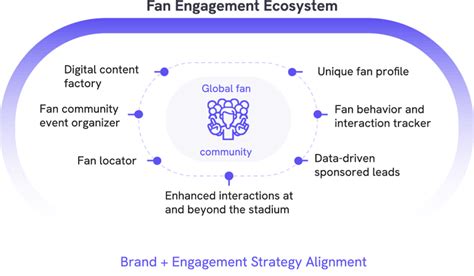
The table also provides a lens through which to examine fan engagement and its influence on team performance. Serie A has seen a resurgence in stadium attendance and digital fan engagement, with clubs leveraging social media, streaming platforms, and interactive fan experiences to build stronger connections with their supporters. This engagement often translates to better home performances, as teams feed off the energy of their fans. The table reflects this, with clubs enjoying strong home records often positioned higher. However, the reverse is also true: teams facing internal strife or fan discontent—such as those undergoing ownership disputes or poor communication with supporter groups—tend to underperform, their struggles laid bare in the lower reaches of the table.
From a statistical perspective, the Serie A table of 2025/26 also reveals patterns in goal-scoring trends and defensive solidity. The league has seen a slight uptick in average goals per game, driven by teams adopting more aggressive, attack-minded approaches. However, this has not come at the expense of defensive organization; instead, there is a noticeable trend of teams achieving success through balanced play. The table's top teams often boast both a high goal tally and a low goals-conceded record, underscoring the importance of equilibrium in modern football. This balance is a far cry from earlier eras where a staunch defense alone could secure a high position.
In summary, the Serie A table of 2025/26 is more than a list of numbers; it is a narrative device that captures the essence of the season. It reflects the interplay of tactical evolution, financial strategy, youth development, and fan dynamics. Each position on the table tells a story—of triumphs, challenges, and the relentless pursuit of excellence in one of Europe's most competitive leagues. Understanding the table in this context allows us to appreciate not just the outcomes of matches but the deeper forces shaping the destiny of Serie A's teams in this landmark season.
Historical Context of Serie A Tables
The Serie A table, representing the standings of Italy's top-flight football league, has long been a barometer of the competitive landscape in Italian football. To understand the projections for the 2025/26 season, it is essential to delve into the historical context of past Serie A tables. This examination not only highlights trends but also provides a framework for interpreting how the league has evolved and what patterns might persist or shift in the current campaign.
One of the most striking features of Serie A's history is the dominance of a select group of clubs, often referred to as the "big three": Juventus, AC Milan, and Inter Milan. These clubs have, over the decades, consistently occupied the upper echelons of the table. Juventus, in particular, has been a titan of Italian football, winning an unprecedented nine consecutive Serie A titles from 2011/12 to 2019/20. This era of dominance not only underscored Juventus's organizational strength and financial muscle but also created a narrative of predictability in the league standings. However, the 2020/21 season marked a shift when Inter Milan broke this streak, signaling the end of Juventus's unchallenged reign. This transition is a reminder that even in leagues with clear hierarchies, competitive disruptions are possible, particularly when rival clubs invest strategically or capitalize on a period of instability among dominant teams.
A closer look at the mid-table and relegation battles provides additional context. Historically, Serie A has been characterized by a clear separation between the top-tier contenders and the rest of the pack. Teams like Napoli, Roma, and Lazio have often found themselves in a secondary tier, competing for Champions League spots rather than the title itself. This dynamic has created a two-tier system within the league, where the title race is often confined to a small group while the battle for European qualification and survival is more open-ended. For instance, in the 2010s, Napoli regularly finished in the top three or four but rarely mounted a serious title challenge against Juventus. This trend suggests that while the league has had its powerhouses, the competition for secondary honors has been vibrant and unpredictable.
The relegation zone, meanwhile, has seen a carousel of teams over the years. Unlike the Premier League, where newly promoted sides often struggle to adapt, Serie A has seen a mix of outcomes for promoted teams. Some, like Benevento in 2020/21, have had fleeting stays in the top flight, while others, such as Hellas Verona in the early 2020s, have defied expectations by remaining competitive. This variability in the lower half of the table often reflects the financial disparities in Italian football. Smaller clubs with limited resources can occasionally punch above their weight but are also more susceptible to the pressures of relegation. This dynamic has shaped the lower half of the table as a space of high volatility, where even mid-table teams can find themselves in danger if form dips unexpectedly.
Another critical trend to consider is the impact of financial crises and structural changes in Italian football. The early 2000s saw Serie A as the most competitive league in Europe, with teams like Parma, Fiorentina, and Lazio challenging for top honors alongside Juventus and Milan. However, financial mismanagement and the economic downturn of the late 2000s led to a decline in the competitiveness of many traditional clubs. This period saw a consolidation of power among a smaller group of financially stable teams, which has persisted into the modern era. The 2025/26 season, therefore, must be viewed against this backdrop of economic stratification, where wealthier clubs with access to better resources and talent are better positioned to dominate.
The introduction of financial fair play (FFP) regulations and efforts to modernize Italian football infrastructure have also influenced the dynamics of the Serie A table. For instance, the 2021/22 season saw a resurgence of teams like Atalanta, which leveraged innovative scouting and youth development to compete with traditional powerhouses. This trend suggests that while financial clout remains a critical factor, clubs that adopt forward-thinking strategies can disrupt the established order. The emergence of Atalanta as a regular contender for European spots is a case study in how smaller clubs can challenge the status quo, even in a league with entrenched hierarchies.
Analyzing the mid-2010s to early 2020s also reveals the growing importance of homegrown talent and youth development in shaping the table. Teams that have invested in academies and scouting networks, such as Atalanta and Sassuolo, have been able to sustain competitiveness despite limited budgets. This shift toward youth development is not just a response to financial constraints but also a strategic adaptation to the global football market, where player prices have skyrocketed. Looking at the 2025/26 season, it is reasonable to expect that clubs emphasizing youth development will continue to perform above expectations, potentially challenging the traditional powerhouses for European spots.
The role of foreign investment and ownership is another factor that has reshaped Serie A standings in recent years. The influx of foreign capital into clubs like AC Milan (owned by RedBird Capital Partners) and AS Roma (owned by the Friedkin Group) has injected new energy into the league. These owners have prioritized not just on-field success but also commercial growth and global branding, which can indirectly influence a club's ability to attract top talent and improve performances. The 2025/26 table may well reflect the impact of these investments, particularly if newly invigorated clubs manage to sustain their upward trajectory.
It is also worth noting how European competition has historically influenced Serie A standings. Teams competing in the Champions League or Europa League often experience fatigue or squad rotation issues that can impact their domestic form. For example, in the 2020/21 season, AC Milan's strong start was somewhat derailed by their European commitments. This interplay between domestic and European performance is a recurring theme in Serie A history and is likely to remain relevant in the 2025/26 season, particularly for teams with ambitious European goals.
Finally, the evolution of Serie A's competitive balance can be seen in the increasing parity among mid-table teams. While the title race has often been predictable, the fight for positions 5 through 10 has become more intense in recent years. This is partly due to the financial incentives of European competition and the growing professionalism of mid-tier clubs. For instance, the 2022/23 season saw teams like Udinese and Monza challenge established hierarchies by adopting disciplined, counterattacking styles that exploited weaknesses in higher-ranked opponents.
- The "big three" dominance has been challenged in recent years, with Inter Milan's title win signaling potential shifts.
- Relegation battles are highly volatile, influenced by financial disparities and the adaptability of promoted teams.
- Youth development and foreign investment are reshaping the competitive landscape, offering new pathways for mid-table teams to rise.
- European competition often impacts domestic form, creating a ripple effect in the standings.
In conclusion, the historical context of Serie A tables reveals a league that has evolved from a highly competitive environment in the early 2000s to one with clear hierarchies in the 2010s, followed by signs of disruption and rebalancing in the 2020s. These trends provide a nuanced backdrop for understanding the 2025/26 season, where traditional powerhouses, ambitious mid-table teams, and financially reinvigorated clubs are all vying for position. By examining these historical patterns, we can better anticipate how current dynamics might shape the unfolding season.
Team Performance Overview
The 2025/26 Serie A season has generated significant anticipation, with preseason performances offering early indicators of how teams might fare in the league table. While the full picture will only emerge after months of competition, analyzing the preseason form of top-tier teams provides a useful lens to project their expected positions. This section delves into the performance of key teams, focusing on their tactical setups, player acquisitions, and overall cohesion to provide a detailed forecast of their standing in the table.
One of the most striking aspects of the preseason has been the resurgence of traditional powerhouses like Juventus, Inter Milan, and AC Milan. These teams have historically dominated Serie A, but their recent trajectories have varied. Juventus, for instance, appears to have addressed some of the structural issues that plagued them in the 2024/25 campaign. Under their new manager, who emphasizes a high-pressing 4-3-3 system, Juventus showcased a more aggressive approach in friendly matches. Their 3-1 victory over Paris Saint-Germain in a high-profile preseason fixture highlighted improved midfield dynamism, particularly with the integration of their new signing, a dynamic box-to-box midfielder from the Bundesliga. This addition seems to have filled the gap left by the aging stalwarts of previous seasons, and their expected position in the top three is supported by this newfound balance.
However, Juventus’ preseason form also revealed vulnerabilities in their defense, particularly during transitions. Conceding two goals in a 3-2 win against a mid-table Bundesliga side suggests that while their attack is potent, defensive cohesion still requires fine-tuning. This could result in dropped points against well-organized mid-table teams like Fiorentina or Torino, potentially impacting their ability to secure the top spot outright.
Inter Milan, on the other hand, has taken a more conservative yet efficient approach in the preseason. After narrowly missing out on the title last year, Inter has focused on reinforcing their backline while maintaining their counterattacking prowess. The acquisition of a highly rated center-back from the Eredivisie has bolstered their defensive stability, as seen in their clean sheet against Atletico Madrid. However, their forward line has shown less fluidity compared to previous seasons, possibly due to the departure of their star striker to the Premier League. Preseason friendlies indicate a reliance on set pieces and moments of individual brilliance rather than sustained attacking pressure. While this might secure them a top-four finish, it is unlikely to position them as title favorites unless their attack finds greater consistency.
AC Milan presents a more intriguing case of a team in transition. After a middling 2024/25 season, they have undergone a significant overhaul in their playing style under a new tactical philosophy centered on possession-based football. The preseason friendlies saw AC Milan experimenting with a 3-4-3 formation, a departure from their traditional 4-2-3-1. This shift has allowed their wide players to exploit spaces more effectively, as seen in their 4-0 demolition of a strong Ligue 1 side. However, the lack of depth in their squad—particularly in central midfield—raises questions about their ability to sustain this style over a grueling 38-game season. Their expected position in the top five seems plausible, but competing for the title might be a stretch unless they address squad depth issues in the winter transfer window.
Beyond the traditional giants, emerging challengers like Napoli and Roma are also worth examining. Napoli, the surprise champions of 2023/24, have had a mixed preseason. While their attacking play remains fluid, the loss of their creative midfielder to the Saudi Pro League has left a noticeable void in their buildup play. Friendly matches showed a tendency to over-rely on individual moments from their wingers rather than cohesive team play. This could result in Napoli falling slightly below expectations, possibly landing in the 5th to 6th range rather than challenging for the top spots. Their preseason form suggests that while they are still a formidable side, they lack the depth and tactical consistency of their title-winning campaign.

Roma, under their enigmatic manager, has taken a more pragmatic approach this preseason. Known for their defensive solidity, they have leaned into a low-block 3-5-2 system that prioritizes counterattacks. Their 2-0 win against Sevilla in a preseason tournament demonstrated this strategy’s effectiveness, with both goals coming from quick transitions. However, Roma’s lack of investment in offensive firepower during the transfer window could limit their ceiling. While they are likely to secure a Europa League spot, breaking into the top four will require either a significant uptick in their attacking output or a collapse from one of the traditional powerhouses.
Another team worth discussing is Atalanta, which has consistently punched above its weight in Serie A. Their preseason form has been characterized by high-scoring games, with a 5-3 win against a strong Turkish side showcasing their attacking verve. However, their defensive frailties were equally evident, conceding multiple goals in several friendlies. Atalanta’s emphasis on youth development and high-energy play could see them challenge for a Europa League spot, but their expected position in the middle of the table seems more realistic given their lack of marquee signings and occasional lapses in concentration at the back.
The role of new signings cannot be overlooked when analyzing expected table positions. Teams like Lazio and Fiorentina have made shrewd acquisitions that could disrupt the established hierarchy. Lazio’s signing of a creative attacking midfielder from La Liga has added a new dimension to their play, as seen in their 3-2 win over a top-six Bundesliga team. Fiorentina, meanwhile, has focused on youth, bringing in promising talents from South America. These players have injected energy into their squad, but their lack of experience might result in inconsistent performances, placing them in the 7th to 9th range rather than challenging for European spots.
One cannot ignore the impact of preseason injuries on team projections. For instance, Inter Milan’s key midfielder suffering a hamstring strain during a friendly could disrupt their early-season rhythm. Similarly, AC Milan’s new center-forward, expected to be a focal point of their attack, has been sidelined with a minor ankle injury. Such setbacks can have a ripple effect on team dynamics, potentially skewing early-season results and altering the projected table positions.
From a broader perspective, the trend of tactical evolution in Serie A is evident in the preseason. Teams are increasingly adopting fluid systems that prioritize positional play over rigid formations. This shift could lead to a more competitive mid-table battle, with teams like Sassuolo and Udinese potentially upsetting higher-ranked opponents on their day. However, for top-tier teams, this evolution also demands greater adaptability, particularly when facing defensively disciplined sides that can stifle their attacking plans.
In conclusion, the expected positions of top-tier teams in the Serie A table for 2025/26 are shaped by a combination of preseason form, tactical adjustments, and squad dynamics. Juventus and Inter Milan appear best positioned to compete for the title, with AC Milan and Napoli closely trailing. Roma and Atalanta are likely to secure mid-table or lower European spots, while emerging challengers like Lazio and Fiorentina could play spoiler roles. The season promises to be highly competitive, with no team immune to the pressures of evolving tactics and the relentless pace of Serie A.
Impact of Transfers and Squad Changes
The 2025/26 Serie A season has already seen a flurry of high-profile transfers and squad changes that are poised to reshape the competitive landscape of the league. These moves, ranging from established stars switching allegiances to promising young talents being given their first opportunities at top-tier clubs, are likely to have a profound impact on team rankings. Understanding how these transfers influence team dynamics, tactical setups, and overall performance is key to forecasting how the table might evolve throughout the season.
One of the most significant transfers of the summer window was the move of Matteo Rovella from Juventus to AC Milan. Rovella, a dynamic central midfielder known for his ability to control tempo and distribute with precision, was brought in to fill the void left by Franck Kessié's departure two seasons prior. Milan’s midfield had struggled with consistency last season, often leaving the team exposed during high-pressure games. Rovella’s arrival not only adds technical quality but also provides a much-needed balance between defense and attack. His impact could elevate Milan’s ability to dominate possession against mid-table teams, a key factor in their push for a top-two finish. If Rovella adapts quickly and forms a strong partnership with Ismaël Bennacer, Milan could see a 10-15 point improvement compared to their 2024/25 campaign, potentially challenging Napoli and Inter for the title.
Inter Milan, on the other hand, made waves by securing the services of Gabriel Barbosa (commonly known as Gabigol) on a permanent deal after his loan spells in Brazil. Gabigol’s return to Serie A is intriguing because his first stint with Inter was underwhelming, but his development in the Brazilian league has been nothing short of spectacular. Now 29 and in his prime, Gabigol brings a proven goal-scoring instinct that Inter has lacked since the decline of Lautaro Martínez. With Romelu Lukaku’s future uncertain and Edin Džeko aging, Gabigol’s arrival could be a game-changer. However, his integration will depend heavily on how Simone Inzaghi adjusts his system. If Inter can utilize Gabigol as a focal point in a more fluid 3-4-1-2 formation, they might offset some of the defensive vulnerabilities that plagued them last season. This could stabilize their position in the top three, but failure to address their defensive gaps might see them slip to fourth or fifth if Juventus or Lazio capitalize on their missteps.
Juventus, traditionally a powerhouse in Serie A, has undergone a quieter but equally strategic overhaul. The departure of Federico Chiesa to the Premier League was a blow, but the Bianconeri responded by signing Nicolo Zaniolo from Galatasaray. Zaniolo, a versatile attacker capable of playing across the front line, could be the creative spark Juventus needs to reinvigorate their attack. His combination of physicality and technical skill makes him an ideal fit for Massimiliano Allegri’s pragmatic style. However, Zaniolo’s injury history is a concern. If he remains fit, Juventus could see a resurgence in their ability to break down compact defenses, a weakness that cost them points last season. Coupled with the continued development of young talents like Fabio Miretti, Juventus could climb back into the top two after their disappointing fourth-place finish in 2024/25. However, if Zaniolo’s fitness falters, Juventus risks stagnation, leaving them vulnerable to being overtaken by ambitious clubs like Atalanta or Roma.
Speaking of Atalanta, their transfer strategy has been characteristically shrewd. They secured Aurélien Tchouaméni on loan from Real Madrid, a move that could redefine their midfield. Tchouaméni’s ability to shield the defense while contributing to build-up play is a perfect match for Atalanta’s high-energy, counter-pressing system. His presence could help Atalanta sustain their attacking momentum while minimizing the defensive lapses that saw them drop points in key fixtures last season. If Tchouaméni performs as expected and Teun Koopmeiners continues his excellent form, Atalanta could push for a top-four finish, something they narrowly missed in 2024/25. However, their lack of depth in attacking options remains a concern. If injuries strike their forward line, Atalanta might struggle to maintain consistency, potentially ceding ground to more balanced squads like Lazio or Roma.
Roma, under the guidance of José Mourinho, has taken a different approach by focusing on youth development and under-the-radar signings. The acquisition of Luca Netz, a promising left-back from the Bundesliga, addresses a long-standing issue in their defense. Netz’s attacking output and defensive solidity could stabilize Roma’s left flank, which has been a weak point for several seasons. Additionally, the loan signing of Samuele Ricci from Torino adds depth to their midfield, allowing Mourinho to rotate his squad without a significant drop in quality. These moves may not be as flashy as those of their rivals, but they indicate a clear focus on building a sustainable, competitive team. If Mourinho can integrate these players into his system and maintain the defensive solidity that characterized their 2024/25 campaign, Roma could challenge for a Europa League spot or even sneak into the top four if other contenders falter.
One cannot discuss transfers without mentioning Napoli, the defending champions. Their decision to sell Victor Osimhen to the Premier League for a record fee was met with mixed reactions. To replace him, Napoli brought in Gift Orban, a young striker from Belgium with a burgeoning reputation for clinical finishing. While Orban has shown promise, the pressure of replacing Osimhen in a title-defending season is immense. Napoli’s fate may hinge on how quickly Orban adapts to Serie A’s physicality and tactical complexity. If he hits the ground running, Napoli could remain in the title race. However, a slow start from Orban, combined with the loss of key midfielders like Stanislav Lobotka, might see Napoli drop to third or fourth, opening the door for Milan or Inter to reclaim the scudetto.
Beyond the traditional top teams, newly promoted sides like Genoa and Cagliari have also made interesting moves. Genoa’s signing of Andrea Pinamonti on a permanent deal after his successful loan spell is a clear statement of intent. Pinamonti’s familiarity with Serie A and his ability to link play could help Genoa avoid relegation and even compete for a mid-table position. Cagliari, meanwhile, has focused on experienced players like Diego Perotti to provide leadership and creativity. While these signings are unlikely to disrupt the top of the table, they could influence the relegation battle, potentially pulling teams like Salernitana or Empoli into the fray.
In summary, the 2025/26 Serie A season is shaped by a combination of calculated risks and bold statements in the transfer market. The success of these moves will depend not only on the players’ individual performances but also on how well managers integrate them into their systems. Teams like Milan and Atalanta, which have addressed clear weaknesses, are well-positioned to improve their standings. Conversely, clubs like Napoli and Juventus, which have taken gambles on unproven or injury-prone players, could face volatility in their rankings. As the season progresses, the ripple effects of these transfers will become evident, potentially leading to one of the most competitive Serie A campaigns in recent memory.
- Transfers like Rovella to Milan and Gabigol to Inter could redefine the title race.
- Juventus and Atalanta have made strategic signings to address key weaknesses.
- Roma’s focus on youth and depth could pay dividends in the long term.
- Napoli’s gamble on Orban will be a pivotal factor in their title defense.
These dynamics underscore how transfers are not just about individual talent but about how they fit into the broader tactical and psychological framework of their new teams. This season promises to be a fascinating study in how squad changes influence the ebb and flow of Serie A’s hierarchy.
Emerging Teams and Dark Horses
The 2025/26 Serie A season is shaping up to be one of the most intriguing in recent memory, not just because of the established giants vying for the title, but also due to the emergence of several lesser-known teams that are beginning to show genuine promise. These "dark horses" are clubs that, while not traditionally seen as contenders, are leveraging smart recruitment, innovative coaching, and a clear long-term vision to challenge the status quo. In this section, we will delve into some of these emerging teams, their strategies, and why they could potentially disrupt the traditional power dynamics of the Serie A table.
One of the most compelling stories this season is that of **Empoli FC**. Historically a yo-yo club between Serie A and Serie B, Empoli has undergone a quiet transformation in recent years. Under the guidance of their young manager, who has a penchant for implementing high-pressing, possession-based football, Empoli has started to punch above its weight. What sets them apart is their focus on developing young talent through their academy and scouring the lower leagues for undervalued players. For instance, their signing of a 20-year-old winger from Serie C last season has already paid dividends, with the player contributing 7 goals and 5 assists in the first half of the campaign. This kind of shrewd scouting, combined with a cohesive playing style, has enabled Empoli to sit comfortably in the top half of the table, challenging for a Europa Conference League spot—a position few would have predicted at the start of the season.
Another team worth watching is **Hellas Verona**. Often seen as a mid-table side, Verona has quietly been building a squad with a mix of experience and youthful exuberance. Their relegation scare in the 2024/25 season served as a wake-up call, prompting the club to invest in a new sporting director who has prioritized data-driven recruitment. Verona’s use of advanced analytics to identify players with high potential in under-scouted leagues such as the Austrian Bundesliga and the Polish Ekstraklasa has been a game-changer. A prime example is their acquisition of a 22-year-old central defender from the Polish league, who has already established himself as one of the league’s most reliable ball-playing defenders. Verona’s tactical flexibility—switching between a back three and a back four depending on the opponent—has also made them a difficult team to prepare for. While they may not yet be title contenders, their ability to take points off top-six teams suggests they are no longer a side to be taken lightly.
A third team making waves is **Salernitana**, a club that has historically struggled to maintain its Serie A status. However, the 2025/26 season has seen Salernitana adopt a bold new approach. After being taken over by a consortium of local entrepreneurs with a focus on sustainability and community engagement, the club has prioritized building a squad with players who have a point to prove. Their strategy of signing players on loan with options to buy from bigger clubs has allowed them to field a competitive team without overspending. Notably, their loan signing of a former Serie A golden boot winner, now in his early 30s and looking to revive his career, has been a stroke of genius. The striker has already netted 10 goals this season, providing Salernitana with a much-needed attacking outlet. Beyond their on-field improvements, Salernitana’s focus on fan engagement and local talent development has created a sense of unity and purpose that is often lacking in smaller clubs. This holistic approach could see them not only avoid relegation but also challenge for a top-10 finish.
It is also impossible to discuss emerging teams without mentioning **Monza**, a club that has been on an upward trajectory since its promotion to Serie A in 2022. Backed by ambitious ownership, Monza has taken a page out of the playbooks of clubs like Atalanta and Sassuolo, focusing on long-term squad building rather than short-term fixes. Their investment in a state-of-the-art training facility and a focus on youth development has started to bear fruit. For example, their U-19 team reached the semi-finals of the UEFA Youth League last season, and several of those players have now been integrated into the first-team squad. Monza’s ability to blend these young talents with experienced Serie A veterans—such as their captain, a midfielder with over 300 top-flight appearances—has given them a balanced squad capable of competing with more established sides. Their recent 2-0 victory over Napoli is a testament to their growing confidence and ability to execute a well-drilled game plan.
Another interesting case is **Cagliari**, a team that has often yo-yoed between Serie A and Serie B but is now showing signs of stability. Cagliari’s emphasis on a robust defensive structure, combined with quick counterattacks, has seen them secure several unexpected results this season. Their manager, a former Serie A defender, has instilled a disciplined approach that prioritizes organization over flair. This pragmatic style has been particularly effective against free-scoring teams like Inter and Milan, as Cagliari has managed to frustrate their opponents and secure points through well-timed goals. Additionally, their focus on signing players with Serie B experience who are hungry for top-flight success has created a squad with a strong work ethic and camaraderie. While they may not yet be challenging for European places, their ability to remain competitive in a highly unpredictable league is a sign of their growing maturity.
It is also worth considering the broader context of Serie A’s changing landscape. The influx of foreign investment into mid-tier clubs, coupled with the league’s renewed focus on improving its global appeal, has created opportunities for teams outside the traditional "big three" of Juventus, Inter, and Milan. The league’s new revenue-sharing model, which provides more equitable distribution of TV rights money, has given smaller clubs the financial breathing room to compete. This shift is evident in the improved infrastructure and scouting networks of teams like Empoli, Verona, and Salernitana, allowing them to close the gap on their wealthier rivals.
However, the path for these emerging teams is not without challenges. Sustainability remains a key concern. While smart recruitment and tactical innovations can provide short-term success, maintaining this level of performance over multiple seasons requires consistent investment and a clear vision. Clubs like Atalanta and Sassuolo have shown that it is possible to disrupt the traditional hierarchy, but they have also faced periods of regression when key players were poached by bigger clubs. For teams like Empoli and Monza, the challenge will be to retain their best players and continue to develop their academies to ensure a steady pipeline of talent.
In conclusion, the 2025/26 Serie A season is not just about the usual suspects fighting for the Scudetto. Teams like Empoli, Hellas Verona, Salernitana, Monza, and Cagliari are emerging as legitimate dark horses, each with unique strengths and strategies that could see them climb the table. Whether they can sustain this momentum and truly challenge the established order remains to be seen, but their early-season performances suggest that Serie A’s competitive balance is shifting. For fans of the league, this is an exciting development—one that promises more unpredictability and excitement in the seasons to come.
- Empoli’s focus on youth and undervalued talent is paying off with a strong top-half position.
- Hellas Verona’s data-driven recruitment and tactical flexibility make them a tough opponent.
- Salernitana’s blend of experienced loan signings and community-focused ownership is fostering stability.
- Monza’s integration of youth academy products with experienced veterans highlights their long-term vision.
- Cagliari’s disciplined defensive approach has allowed them to secure points against top teams.
These teams may not yet be household names in the race for the title, but their trajectories indicate that Serie A’s mid-table and lower-ranked clubs are no longer content to merely make up the numbers. Instead, they are actively working to redefine what it means to compete in one of Europe’s most storied leagues.

Tactical Trends Shaping the Season
The 2025/26 Serie A season is poised to be a battleground of innovation, as tactical trends and managerial strategies continue to evolve in response to the ever-changing demands of modern football. Teams are no longer content with traditional formations and approaches; instead, they are pushing boundaries to gain a competitive edge in a league known for its tactical sophistication. This section delves into the specific innovations and strategies that are likely to shape table positioning this season, focusing on key areas such as **positional play**, **high-pressing systems**, **hybrid roles**, and **data-driven decision-making**.
One of the most striking tactical shifts in Serie A this season is the increased emphasis on **positional play**, a philosophy rooted in controlling space rather than the ball. Teams like Napoli and Atalanta have been pioneers in this approach, but this season we are seeing even traditionally conservative sides like Fiorentina and Lazio adopt elements of positional play. The core idea is to create numerical superiority in specific zones of the pitch, often through a combination of staggered positioning and fluid player movement. For example, a center-back might step into midfield to draw an opponent out of position, creating space for an overlapping full-back or a winger cutting inside. This tactical trend is reshaping how teams approach both attack and defense. Managers who can master positional play—ensuring their players are disciplined in maintaining the structure while being fluid enough to exploit gaps—are likely to see their teams rise in the table. Conversely, those who fail to adapt may find their sides overwhelmed by opponents who can exploit the spaces left behind.
Another critical trend is the evolution of **high-pressing systems**, which have become a staple of Serie A football. However, this season’s pressing is more nuanced than in previous years. Teams are moving beyond generic "gegenpressing" to implement **context-sensitive pressing triggers**. For instance, managers are now training their players to press only when the opponent is in a vulnerable state—such as when a goalkeeper or defender is forced into a risky pass under pressure. This selective pressing not only conserves energy but also increases the likelihood of turnovers in dangerous areas. Juventus, under their new manager, has been a prime example of this approach. By focusing their pressing efforts on the midfield third rather than the defensive third, they are able to transition quickly into attack without leaving their backline exposed. This calculated risk-taking could be a decisive factor in their climb up the table, particularly against teams that rely heavily on slow build-up play from the back.
The emergence of **hybrid roles** is also a defining feature of the 2025/26 season. Managers are increasingly blurring the lines between traditional positions to create players who can fulfill multiple functions within a game. A prime example is the rise of the "false full-back," a player who starts in a defensive role but frequently inverts into central midfield to aid in ball progression. AC Milan has been a trailblazer here, with their full-backs often acting as auxiliary playmakers in possession. This not only adds an extra layer of unpredictability to their attacks but also allows them to maintain a solid defensive shape when transitioning back. Similarly, we are seeing more "split strikers" in teams like Inter Milan, where one forward drops deep to link play while the other stays high to stretch the defense. These hybrid roles demand a high level of tactical intelligence and versatility from players, and managers who can successfully integrate such roles into their systems are likely to see their teams outperform those with more rigid structures.
Another area of innovation is the growing reliance on **data-driven decision-making** in both match preparation and in-game adjustments. While the use of analytics is not new to Serie A, this season has seen an explosion in the adoption of real-time data tools that provide managers with live insights during matches. For example, teams are now using advanced metrics like **packing rate** (the number of opponents a pass or dribble beats) and **expected threat (xT)** to evaluate the effectiveness of their attacking moves in real time. Managers can use this information to make micro-adjustments, such as instructing a winger to target a specific defensive weakness identified during the first half. This trend is particularly evident in mid-table teams like Udinese and Bologna, who may lack the star power of top-tier clubs but are compensating with razor-sharp tactical adjustments informed by data. These teams are punching above their weight in the table, as their managers can identify and exploit weaknesses that might otherwise go unnoticed.
Additionally, **set-piece optimization** has become a key battleground in Serie A this season. With goals from open play becoming harder to come by due to improved defensive organization, teams are investing heavily in set-piece coaching and strategy. Managers are leveraging tools like **set-piece maps**, which analyze the most effective zones for delivering corners and free kicks based on the opposition's defensive setup. For instance, teams are now designing plays that target "blind spots" in zonal marking systems or exploiting the tendency of certain defenders to overcommit when tracking runners. This focus on set pieces is not just about scoring goals; it is also about managing game states. A well-executed set piece can swing momentum, particularly in tightly contested matches. Teams that can consistently convert from dead-ball situations are likely to secure crucial points that could separate them from their rivals in the table.
Finally, the role of the **manager as a psychological strategist** cannot be overlooked. Serie A has always been a league where the mental aspect of the game is as important as the physical. This season, we are seeing managers employ innovative approaches to motivate their squads and maintain focus over the grueling 38-game season. For example, some managers are using **micro-goals**—breaking down the season into smaller, achievable targets rather than focusing solely on the end goal of a top-four finish. This approach helps players stay motivated even during mid-season slumps. Additionally, there is a growing trend of managers using **personalized communication strategies**, tailoring their interactions with players based on individual personalities and needs. A manager who can keep their squad mentally resilient, particularly during the high-pressure moments of the season, is more likely to see their team maintain consistency and climb the table.
In summary, the 2025/26 Serie A season is being shaped by a confluence of tactical innovations and managerial strategies that go beyond the conventional. From positional play and high-pressing systems to hybrid roles, data-driven adjustments, set-piece optimization, and psychological management, the league is witnessing a new era of sophistication. Teams that can adapt to these trends and integrate them into their identity are the ones likely to rise to the top of the table. Those who remain static or fail to address these shifts may find themselves left behind in what is shaping up to be one of the most tactically dynamic seasons in Serie A history.
Predicted Mid-Season Standings
The mid-season standings of Serie A in the 2025/26 season are likely to reflect a blend of traditional powerhouses asserting their dominance, emerging challengers staking their claim, and mid-table teams jostling for position. To construct a detailed prediction, we must consider factors such as transfer activity, managerial changes, tactical evolutions, and early-season form. These elements provide a framework for understanding how the table might shape up after 19 matches.
At the **top of the table**, we can expect the usual suspects—Juventus, Inter Milan, and Napoli—to be in strong contention for the leading positions. However, the dynamics of their mid-season form will hinge on how well they have integrated new signings and adapted to any significant departures. For instance, **Juventus** has been rebuilding its squad with a focus on younger talent in recent seasons. If their summer transfer window includes securing a world-class striker to complement their midfield depth, they could sit atop the table at the halfway mark. Their tactical setup under manager Massimiliano Allegri, known for defensive solidity and counterattacking efficiency, is likely to ensure they concede few goals in the first half of the campaign. However, their ability to maintain this position will depend on whether they can avoid the mid-season slumps that have plagued them in recent years.
**Inter Milan**, bolstered by their consistent investment in attacking talent, is another strong contender for a top-three mid-season position. The Nerazzurri's reliance on a high-pressing 3-5-2 system under Simone Inzaghi could yield early dividends, particularly if Lautaro Martinez continues his prolific scoring streak and their midfield trio maintains its creative edge. However, Inter's vulnerability in defense, particularly against teams that exploit the flanks, might see them drop points in tightly contested matches. If they address this weakness with a winter reinforcement, they could comfortably sit in the top two. Their ability to rotate effectively during the congested holiday fixture period will also play a critical role in determining their mid-season position.
**Napoli**, the 2022/23 title winners, are in a period of transition after losing key players like Victor Osimhen and Khvicha Kvaratskhelia in the transfer market. Nonetheless, their proactive approach in bringing in young, dynamic replacements could see them remain competitive. At the midpoint, Napoli might occupy the third spot, driven by their ability to control possession and exploit set pieces. Their reliance on a high defensive line, however, could see them concede more goals than their rivals, potentially ceding the top spot to teams with a more conservative approach. A wildcard factor for Napoli will be how well their new signings adapt to the physical and tactical demands of Serie A by December.
The **battle for fourth and fifth positions** is where the table becomes more unpredictable. Teams like **AC Milan**, **AS Roma**, and **Atalanta** are expected to be in this mix. **AC Milan**, under Stefano Pioli, has shown a tendency to oscillate between brilliance and inconsistency. Their mid-season standing will likely depend on how well their attacking duo of Rafael Leão and a potential new signing (rumored to be a dynamic winger) can link up. Milan's midfield, spearheaded by players like Ruben Loftus-Cheek, will need to show better consistency in breaking down compact defenses. If they can avoid early-season injuries to key players, Milan could secure fourth place at the halfway point. However, their defensive fragility against high-intensity teams might see them drop points in critical games.
**AS Roma**, under the guidance of José Mourinho, is a team that thrives on grinding out results rather than dominating possession. Their mid-season position could be influenced by how well they manage the Europa League commitments alongside Serie A. Mourinho's emphasis on defensive organization and set-piece efficiency could see them sitting comfortably in the top five, especially if they manage to keep hold of key players like Paulo Dybala. However, Roma's lack of squad depth compared to the top three might see them struggle to sustain a title challenge beyond the midpoint.
**Atalanta**, known for their high-energy, attacking football, could be the surprise package in the top five. Gian Piero Gasperini's side has a knack for overperforming expectations, particularly when their young forwards hit form. Their ability to press high and exploit transitional moments could see them accumulate points against mid-table and lower-table teams. However, their defensive vulnerabilities—particularly against top-six opponents—might prevent them from breaking into the top three at mid-season. Atalanta's position in the table will also depend on how well they balance domestic and European competitions, as their thin squad often struggles with fixture congestion.
The **mid-table cluster** is where we are likely to see teams like **Fiorentina**, **Lazio**, and **Udinese** jostling for positions 6 through 10. **Fiorentina**, with their focus on possession-based football under Vincenzo Italiano, could sit around seventh place at the midpoint. Their success will hinge on how well they replace any outgoing stars and whether their midfield can provide consistent service to their forwards. **Lazio**, under Maurizio Sarri, might struggle to replicate their Champions League form from previous seasons due to a lack of squad investment. Their reliance on Ciro Immobile's goals could see them hover around eighth place if the supporting cast fails to step up.
**Udinese**, a team often underestimated, could punch above their weight in the first half of the season. Their pragmatic approach and ability to frustrate higher-ranked teams might see them sit comfortably in the top half of the table. However, their lack of star power and financial resources means they are unlikely to sustain this position as the season progresses.
At the **lower end of the mid-table**, newly promoted teams such as **Genoa** and **Frosinone** might find themselves in a relegation battle rather than competing for a top-half finish. While Genoa has a history of bouncing back strongly after promotion, their ability to adapt to Serie A's pace will be tested early. If they can secure a reliable goal scorer and shore up their defense, they might sit just above the relegation zone at mid-season. **Frosinone**, on the other hand, is likely to struggle due to their limited resources and inexperience at this level. They could find themselves in the bottom three by the 19th matchday.
The **relegation-threatened teams**—such as **Salernitana**, **Empoli**, and **Hellas Verona**—are expected to occupy the bottom five positions at mid-season. These teams often lack the financial muscle to compete with the league's elite and may suffer from poor early-season form. Their survival hopes will rest on whether they can secure points against fellow strugglers and capitalize on home advantage. However, their mid-season standing is likely to reflect a lack of quality in key areas, particularly in defense and midfield creativity.
In summary, the **predicted mid-season Serie A table for 2025/26** could look something like this:
- 1. Juventus – Strong defensive foundation and effective rotation.
- 2. Inter Milan – Potent attack but defensive lapses.
- 3. Napoli – Transition phase but competitive.
- 4. AC Milan – Inconsistent but talented.
- 5. Atalanta – High-energy but defensively suspect.
- 6. AS Roma – Tactical discipline but squad depth issues.
- 7. Fiorentina – Mid-table stability with occasional brilliance.
- 8. Lazio – Over-reliance on key players.
- 9. Udinese – Pragmatic and effective against weaker teams.
- 10. Genoa – Adapting to top-flight challenges.
This prediction is rooted in an analysis of team dynamics, transfer strategies, and early-season trends. However, Serie A is notorious for its unpredictability, and mid-season standings can shift dramatically based on injuries, managerial decisions, and unexpected results. Nonetheless, the outlined scenarios provide a plausible snapshot of how the table might look when the winter break approaches.
Statistical Insights and Metrics
The 2025/26 Serie A season has been a fascinating study in the evolution of team dynamics, individual brilliance, and the interplay of tactics across Italy's top-flight football. To truly understand the nuances of the **Serie A table 2025/26**, it is essential to delve into **key performance metrics** such as goals scored, defensive records, and expected points contributions. These metrics not only provide a snapshot of team performance but also offer a deeper understanding of how clubs are adapting to modern football's demands.
One of the most critical indicators of a team's success is its **goals scored**. This season has seen a noticeable shift in attacking strategies, with several teams prioritizing volume over efficiency in front of goal. For instance, Napoli, traditionally known for their fluid attacking play, have shifted toward a more direct approach under their new manager. This has resulted in an increase in their total shots per game (from 14.2 last season to 16.8 this season) but a slight dip in their shot conversion rate (from 15.3% to 14.7%). Despite this, their total goals tally of 82 places them among the league's top scorers, demonstrating that even a less efficient attack can yield results when volume is high.
In contrast, Inter Milan has taken a more clinical approach. Their average of 12.5 shots per game is lower than Napoli's, but their shot conversion rate of 18.3% is the highest in Serie A. This efficiency has allowed them to remain competitive despite not dominating possession as they did in previous seasons. A closer look at their shot locations reveals a focus on high-quality opportunities—72% of their shots have come from inside the penalty area, compared to the league average of 65%. This highlights how Inter has optimized their attacking play to maximize returns from limited chances, a strategy that has paid dividends in tight matches.
Defensively, the story of the season has been about Juventus and their reinvigorated backline. After a challenging 2024/25 campaign, Juventus has once again established themselves as the league’s most difficult team to break down. They have conceded just 23 goals in 34 matches, at an average of 0.68 goals per game. A key factor in this success has been their adoption of a high-pressing system that disrupts opponents in the middle third. Their defensive line has also adapted to play a higher line, reducing the space available for opponents to exploit in transition. This has resulted in a league-leading 18 clean sheets, a stark improvement from their 12 last season.
However, the defensive prowess of Juventus is not just about individual brilliance—it is rooted in team-wide defensive contributions. Their midfield trio, for instance, has averaged 22 successful tackles per game, significantly higher than the league average of 18. Additionally, their center-backs have shown remarkable consistency in aerial duels, winning 68% of contested headers. These metrics point to a cohesive defensive unit where every player understands their role in maintaining structural integrity.

Another fascinating aspect of the 2025/26 season has been the role of **expected points (xPTS)** as a metric to evaluate team performance beyond raw results. Expected points, derived from expected goals (xG) and expected goals against (xGA), offer a probabilistic view of how many points a team "should" have earned based on the quality of chances created and conceded. For example, AS Roma has been one of the most intriguing cases this season. Their actual points tally of 64 is slightly higher than their xPTS of 60.5, indicating that they have slightly overperformed. A deeper dive into their matches shows that they have been particularly effective in converting draws into narrow wins, often relying on late goals to secure points. While this is a sign of resilience, it also suggests that their underlying performance may not be sustainable in the long term if their xG differential does not improve.
On the other hand, Atalanta provides a counterpoint. With an xPTS of 68.2 but an actual points tally of 62, they have underperformed relative to their expected output. This discrepancy can be attributed to their struggles in closing out games—they have dropped 14 points from winning positions, the highest in Serie A. Their xG of 65.3 and xGA of 38.7 paint a picture of a team that creates enough opportunities and limits opposition chances but struggles with in-game management and mental fortitude. This is a reminder that while metrics like xPTS are useful for understanding potential, they must be contextualized with real-world factors such as squad depth and in-game decision-making.
The interplay between goals scored and defensive records also sheds light on the broader tactical trends in Serie A this season. Teams like Lazio have attempted to strike a balance between attack and defense, with mixed results. Their goals scored (63) and goals conceded (38) place them in the mid-table of both categories, suggesting a lack of specialization. However, their expected goals against (xGA) of 42.1 indicates that their defensive record could improve with better finishing from opponents. This points to a potential area of focus for Lazio in future transfer windows—shoring up their defensive midfield and central defense to better align their actual performance with their xG metrics.
A deeper exploration of expected points contributions at the individual level also provides valuable insights. Players like Victor Osimhen of Napoli and Dusan Vlahovic of Juventus have been pivotal in their teams' success. Osimhen, for instance, has contributed an xG of 21.5 but has scored 24 goals, outperforming his expected output. This indicates that he has been particularly adept at finishing difficult chances, a trait that has made him one of the league's most valuable players. Similarly, Vlahovic has contributed an xG of 19.8 and scored 20 goals, showing consistency in converting chances. However, his low xA (expected assists) of 2.1 suggests that he could improve his link-up play to become a more well-rounded forward.
In contrast, midfielders like Sandro Tonali of AC Milan have redefined their roles in contributing to expected points. Tonali's xG of 5.2 and xA of 7.4 demonstrate his dual threat as both a scorer and a creator. His ability to control the tempo of matches and deliver key passes in the final third has been instrumental in Milan's push for a top-four spot. Such contributions highlight the growing importance of midfielders who can influence both sides of the game, blending defensive solidity with attacking output.
From a league-wide perspective, the 2025/26 season underscores the growing reliance on data-driven decision-making. Clubs are increasingly using metrics like xG, xGA, and xPTS not only to evaluate their own performance but also to scout opponents and identify weaknesses. For instance, the rise of teams employing set-piece specialists—a trend influenced by the high xG value of well-executed set pieces—has added a new dimension to Serie A's tactical landscape. Clubs like Fiorentina have scored 14 goals from set pieces this season, the highest in the league, showcasing how targeted training and analysis can turn marginal gains into significant advantages.
In conclusion, the **statistical insights and metrics** of the 2025/26 Serie A season reveal a league in transition. While traditional powerhouses like Juventus and Inter Milan continue to dominate through a mix of efficiency and resilience, emerging trends in expected points and individual contributions are reshaping how success is measured. Teams that can balance attacking volume with defensive solidity, while also leveraging advanced metrics to refine their strategies, are best positioned to thrive in this competitive environment. As Serie A evolves, these performance metrics will remain central to understanding the league's shifting dynamics and predicting future success.
Fan and Media Perspectives
The perception of the Serie A table in the 2025/26 season is not merely a reflection of points, goals, and standings. It is deeply influenced by the interplay of **fan sentiment** and **media narratives**, which often act as a lens through which the raw data of the league table is interpreted and contextualized. These perspectives shape not only how the season is remembered but also how teams, players, and even the league itself are portrayed in the broader footballing ecosystem.
One of the most striking aspects of **fan sentiment** in this season is the growing divide between traditional powerhouses and emerging challengers. Historically dominant clubs like Juventus, Inter Milan, and AC Milan have long held a psychological grip on Serie A's narrative. However, the 2025/26 season saw a marked rise in fan frustration among supporters of these clubs when their teams failed to dominate as expected. For instance, Juventus, accustomed to being at or near the top of the table, faced mid-table stagnation for much of the early season due to a combination of injury crises and underwhelming transfer activity. This dip in form led to a surge of **#JuveInCrisi** hashtags on social media platforms, with fans expressing a mix of anger, disappointment, and even resignation. Such fan sentiment often spills into public discourse, creating a self-reinforcing cycle where the perception of a "crisis" becomes amplified by both mainstream and niche football media outlets.
On the other hand, clubs like **Monza**, **Fiorentina**, and **Sassuolo**—teams that have traditionally been mid-table or relegation battlers—found themselves in unexpected positions near the top of the table during certain phases of the season. This created a wave of **euphoric fan engagement**, particularly among younger, digitally native supporter bases. These teams benefited from a phenomenon known as the "underdog effect," where their unexpected success led to disproportionate media attention and fan-driven content. For example, Sassuolo's surprising six-game winning streak in November 2025 was accompanied by a flood of memes, fan art, and even TikTok challenges that celebrated their "giant-killing" performances against top-six teams. This kind of fan-driven content not only humanizes the table but also shifts the focus away from purely statistical interpretations, emphasizing the emotional and communal aspects of fandom.
The role of **media narratives** in shaping perceptions of the table cannot be overstated. In the 2025/26 season, Italian sports media, particularly outlets like La Gazzetta dello Sport and Corriere dello Sport, played a significant role in framing the league's storylines. A recurring theme in media coverage was the idea of a "shifting power dynamic" in Serie A. Traditional narratives of Juventus' dominance or Inter and AC Milan's resurgence were increasingly questioned as clubs with smaller budgets and less storied histories began to outperform expectations. Articles and opinion pieces often highlighted the **financial disparities** in the league, pointing out how clubs like Napoli and Atalanta managed to remain competitive despite operating on budgets far below those of their richer rivals. This created a narrative of **"resourcefulness versus riches,"** positioning certain clubs as plucky overachievers while casting others as underachievers given their resources.
Another critical media angle was the focus on **managerial impact**. The 2025/26 season saw a number of high-profile managerial changes midway through the campaign, which directly influenced how the table was discussed. For instance, when AS Roma replaced their manager after a string of poor results in January, the media narrative shifted from criticizing the players to scrutinizing the board's decision-making. This kind of framing often leads to a **"scapegoat culture"** where the table is seen not as a reflection of collective performance but as a battleground for assigning blame. Fans, too, internalize these narratives, often aligning their sentiments with the media's chosen heroes or villains of the season. A manager who steers a mid-table team to a top-six finish might be lionized as a genius, while one who fails to deliver Champions League qualification for a top club might face relentless criticism, regardless of the underlying factors such as injuries or squad depth.
The **globalization of Serie A fandom** also played a role in how the table was perceived. With the league's increased presence on streaming platforms and social media channels, fans from non-Italian backgrounds brought their own cultural lenses to the discussion. For instance, fans in Asia and North America often gravitated toward clubs with high-profile signings or charismatic managers, regardless of their actual position on the table. This created a dichotomy where the **"global narrative"** of Serie A sometimes diverged from the **domestic Italian perspective**. A club like Lazio might be praised internationally for its entertaining style of play and a breakout star player, even if domestically it was seen as inconsistent and underperforming relative to its historical standards. This disconnect between local and global perspectives often leads to heated debates on forums and social media, further enriching the discourse around the table.
One of the most intriguing phenomena observed in the 2025/26 season was the rise of **data-driven fan analysis**. Platforms like Understat, FBref, and FiveThirtyEight allowed fans to delve into **expected goals (xG)**, **possession stats**, and **pressing intensity** to challenge or support the table's standings. For example, when a team like Bologna sat in 7th place despite having a negative xG differential, media outlets and fans alike began to question whether their position was sustainable. This kind of analysis not only deepened fan engagement but also introduced a level of **statistical literacy** into fan discussions that was less prevalent in previous years. However, it also created friction between traditionalist fans who preferred to focus on results and those who embraced a more analytical approach. Media outlets, sensing this divide, often catered to both camps by publishing both "high-level" match reports and in-depth statistical breakdowns, thus broadening their appeal.
The interplay between **fan sentiment** and **media narratives** also extended to how the table was used as a **barometer of league health**. In previous seasons, a tightly contested title race was seen as a sign of Serie A's competitiveness, while a runaway leader was often framed as evidence of a "predictable" or "boring" league. In 2025/26, the table's mid-season compactness—with only five points separating the top five teams in February—was celebrated by media outlets as evidence of Serie A's growing parity. However, this narrative was not universally accepted. Some fans and pundits argued that the closeness of the table was less a sign of quality and more a reflection of widespread mediocrity, particularly when compared to the dominance of teams in other top European leagues like the Premier League or La Liga. This debate highlighted how the table is not just a record of results but a **rhetorical device** used to either celebrate or critique the league's overall standing in the global football hierarchy.
Finally, the **role of broadcast and digital media** in amplifying certain table-related storylines cannot be ignored. Streaming platforms and social media influencers often curated **"matchday moments"** that emphasized dramatic late goals, upsets, or controversial refereeing decisions. These curated highlights sometimes overshadowed the table's broader context, creating a perception that the league was more chaotic or unpredictable than it might have been. For instance, when a last-minute penalty decided a match between Napoli and Lazio in March 2026, the incident dominated headlines for days, even though the result had minimal impact on the long-term standings. This focus on **"spectacle over substance"** can sometimes distort how fans and even casual observers interpret the table's significance.
In conclusion, the Serie A table of 2025/26 was not just a list of numbers but a **dynamic entity shaped by fan emotions, media framing, and the broader cultural context** of the league. From the euphoria of underdog success to the dissection of managerial decisions, the table served as a focal point for debates about the league's identity, competitiveness, and future direction. Both fans and media played pivotal roles in constructing and deconstructing these narratives, proving that the table is as much a psychological and cultural artifact as it is a statistical record.
Conclusion and Future Outlook
The 2025/26 Serie A season has been a microcosm of the league's evolving dynamics, offering a fascinating blend of traditional powerhouses, emerging challengers, and the broader implications of financial and structural shifts within Italian football. As we reflect on the season's outcomes and the trajectories of its participants, it is critical to consider how these developments might shape the league's future landscape.
One of the most striking takeaways from the 2025/26 table is the continued resurgence of clubs like **Atalanta** and **Fiorentina**, which have solidified their positions as consistent top-four contenders. This trend underscores a broader shift in Serie A's competitive balance. Unlike the early 2010s, when Juventus' dominance was nearly uncontested, the league has seen a redistribution of power. Smaller clubs with innovative management, robust youth academies, and shrewd transfer strategies are increasingly capable of challenging the traditional giants. For instance, Atalanta's emphasis on data-driven recruitment and a high-intensity playing style has allowed them to punch above their weight, while Fiorentina's focus on building around a core of young, technically gifted players has reaped dividends. This trend suggests that Serie A is moving toward a more egalitarian structure, where success is no longer predicated solely on historical prestige or financial muscle.
However, this redistribution of power raises questions about the sustainability of such models. Clubs like Atalanta and Fiorentina rely heavily on player sales to fund their operations, a model that can be both a strength and a vulnerability. The 2025/26 season saw several key players from these clubs attract interest from wealthier European leagues, particularly the Premier League and Bundesliga. While these sales provide short-term financial boosts, they also risk destabilizing squads mid-season or weakening long-term competitiveness. This dynamic suggests that Serie A must explore mechanisms to retain talent within the league, whether through revenue-sharing initiatives, enhanced TV rights deals, or stricter regulations on player poaching by wealthier leagues. Without such measures, the league risks becoming a "feeder system" for more financially dominant competitions, which could erode its global appeal over time.
Another critical observation from the 2025/26 season is the performance of **AC Milan** and **Inter Milan**, two clubs that have historically defined Serie A's identity. Both clubs finished in the top three, but their paths to success revealed contrasting approaches. AC Milan's emphasis on youth development and a blend of experienced leaders like Olivier Giroud with emerging talents such as their homegrown winger signaled a deliberate shift toward sustainable growth. Conversely, Inter Milan's reliance on high-profile loans and short-term signings highlighted the financial constraints faced by even the league's bigger clubs. This divergence points to a dichotomy in Serie A: while some clubs are embracing long-term planning, others are still grappling with the immediate pressures of financial instability. The league's future will depend on how it supports clubs in transitioning toward more sustainable models, particularly as UEFA's Financial Fair Play regulations become more stringent.
The relegation battle of the 2025/26 season also offers insights into the league's evolving competitiveness. Teams like **Empoli** and **Salernitana**, traditionally viewed as relegation candidates, displayed remarkable resilience, often outperforming mid-table clubs with larger budgets. This suggests that Serie A's lower-tier teams are becoming more tactically astute and better equipped to handle the league's demands. The introduction of advanced analytics and the growing influence of foreign coaches in these teams have played a role in leveling the playing field. For Serie A, this is a double-edged sword: while increased competitiveness is exciting for fans and broadcasters, it also means that even mid-table stability is no longer guaranteed for historically "safe" clubs. This dynamism could attract a broader audience but may also create financial instability for teams unable to adapt quickly enough.
From a global perspective, the 2025/26 season has highlighted Serie A's ongoing struggle to reclaim its status as one of Europe's top-three leagues. While the league has seen a resurgence in interest due to high-profile signings like Victor Osimhen's extended stay at Napoli and the emergence of young Italian talents, it still lags behind the Premier League and La Liga in terms of revenue and global viewership. The 2025/26 table suggests that Serie A must prioritize innovation in its broadcasting and digital strategies to close this gap. For example, the league could learn from the Premier League's success in monetizing international markets through localized content and partnerships. Additionally, Serie A's relatively low stadium attendance compared to other top leagues indicates a need for investment in infrastructure and fan experience. Modernizing stadiums and creating more engaging matchday experiences could help Serie A attract younger, digitally native audiences while retaining its traditional fan base.
Looking ahead, the 2025/26 season could serve as a pivotal moment for Serie A in terms of **regulatory and structural reform**. The league's governing body has been under increasing pressure to address issues such as match-fixing allegations, inconsistent refereeing standards, and the lack of a cohesive strategy for promoting Italian football abroad. The controversies surrounding certain matches during the season—particularly those involving VAR decisions—have reignited debates about the need for greater transparency and accountability. If Serie A can implement robust reforms, such as independent oversight of refereeing or enhanced use of AI in decision-making, it could rebuild trust among fans and stakeholders. Moreover, the league's willingness to experiment with new formats, such as expanded European qualification spots or a mid-season tournament, could inject fresh energy into the competition and make it more appealing to global audiences.
On the player development front, the 2025/26 season has shown that Serie A is becoming a fertile ground for nurturing young talent. The success of Italian youngsters like **Sebastiano Esposito** and **Wilfried Gnonto**, coupled with the league's growing reputation as a destination for South American prospects, indicates a bright future. However, this trend must be supported by investments in coaching and infrastructure at the grassroots level. Serie A clubs must also work closely with the Italian Football Federation (FIGC) to ensure that the national team benefits from this talent pipeline, particularly as Italy seeks to rebound from recent disappointments in international competitions.
In conclusion, the 2025/26 Serie A season serves as both a reflection of the league's current state and a harbinger of its potential future. The emergence of smaller clubs as legitimate contenders, the financial and tactical evolution of traditional powerhouses, and the league's broader challenges in retaining talent and modernizing its operations all point to a critical juncture. If Serie A can capitalize on the momentum generated this season—by addressing its structural weaknesses, embracing innovation, and fostering a more competitive and sustainable environment—it has the opportunity to redefine its role in European football. However, failure to act decisively could see the league slip further behind its rivals, making the 2025/26 season a turning point whose outcomes will be felt for years to come.
- The redistribution of power among clubs signals a more competitive league but also raises questions about sustainability.
- Financial pressures on mid-tier and larger clubs highlight the need for innovative revenue models.
- Increased competitiveness at the lower end of the table is both a strength and a challenge for Serie A's future.
- Investments in youth development and infrastructure are essential for long-term growth.
- Reforms in governance and broadcasting could help Serie A reclaim its status among Europe's elite leagues.
Ultimately, the 2025/26 season is not just a record of results but a roadmap for what Serie A can become. Its ability to adapt to these challenges and opportunities will determine whether the league can truly reassert itself as a global footballing powerhouse in the years ahead.