Introduction to the Supercoppa Italiana
The Supercoppa Italiana is a prestigious annual football competition that serves as a curtain-raiser to the Italian football season, bringing together the winners of the previous season's Serie A and Coppa Italia in a one-off match. While its format may seem straightforward, the tournament holds a deeper significance within the context of Italian football history and culture. This section delves into the origins of the Supercoppa Italiana, its evolution over time, and its role in shaping the narrative of Italy's football landscape.
The tournament was first introduced in 1988, making it a relatively modern addition to the pantheon of Italian football competitions. Its inception was inspired by similar supercup competitions in other European countries, such as the European Super Cup and the English FA Community Shield. The idea was to create a high-profile event that would not only celebrate the achievements of the league and cup champions but also generate excitement among fans during the off-season. The inaugural match featured AC Milan, the Serie A champions of 1987-88, and Sampdoria, the Coppa Italia winners of the same year. AC Milan emerged victorious with a 3-1 scoreline, setting the tone for what would become a recurring showcase of Italy's top footballing talent.
The origins of the Supercoppa Italiana are rooted in the broader evolution of Italian football during the 1980s, a decade marked by the rise of commercialization and increased global interest in the sport. This era saw Italian clubs like Juventus, AC Milan, and Inter Milan dominate European competitions, which in turn elevated the profile of domestic football. The Supercoppa was conceived as a way to capitalize on this momentum, offering a new platform to highlight the country's footballing prowess. However, unlike the more established Coppa Italia or Serie A, the Supercoppa was initially seen as a secondary event—a perception that would gradually change as the tournament gained prominence.
One of the unique aspects of the Supercoppa Italiana is its adaptability in terms of venue selection. While the match was traditionally held in Italy, often at neutral venues like the Stadio Olimpico in Rome or the San Siro in Milan, the competition has increasingly embraced an international dimension. Since the early 2000s, several editions have been hosted outside Italy, with countries such as Libya (2002), Qatar (2014 and 2016), and Saudi Arabia (2018, 2019, and 2023) serving as hosts. This internationalization reflects the growing commercial appeal of Italian football and the desire to expand its reach beyond Europe. However, this practice has also sparked debates among purists who believe the competition should remain rooted in its homeland to preserve its cultural authenticity.
The Supercoppa Italiana is also a microcosm of the rivalries and narratives that define Italian football. For instance, Juventus has been the most successful team in the competition's history, with nine titles as of 2023. This dominance underscores Juventus's consistent excellence in both Serie A and Coppa Italia over the decades. However, the tournament has also provided opportunities for underdog stories. Teams like Napoli in 1990 and Lazio in 1998 used their Supercoppa victories to assert themselves during periods when Juventus or the Milan clubs were seen as the dominant forces. These moments illustrate how the Supercoppa can serve as a stage for David-versus-Goliath narratives, even within the relatively short duration of a single match.
Another interesting facet of the Supercoppa Italiana is its role in testing the readiness of teams at the start of a new season. Unlike other competitions that unfold over multiple matches, the Supercoppa is a single-game showdown, often played in August before the Serie A season kicks off. This format places immense pressure on teams to perform at their peak despite potentially incomplete preseason preparations. For instance, the 2021 edition saw Inter Milan, fresh off their Serie A title win, face Coppa Italia winners Juventus in a match that highlighted the tactical and physical challenges of early-season football. Inter's 2-1 victory demonstrated how the Supercoppa can act as a barometer for a team's form and adaptability in the face of new challenges.
From a historical perspective, the Supercoppa Italiana has also mirrored broader trends in Italian football. The 1990s, often regarded as a golden era for Serie A due to the influx of world-class talent like Diego Maradona, Roberto Baggio, and Marco van Basten, saw the Supercoppa gain traction as a symbol of Italy's status as a footballing superpower. The tournament's visibility grew as it featured clashes between iconic teams and players. For example, the 1993 edition pitted AC Milan, led by Fabio Capello, against Torino, offering a glimpse of Milan's tactical brilliance under Capello's management. Similarly, the 2000s and 2010s editions often showcased the tactical evolution of Italian football, with managers like Jose Mourinho (Inter Milan) and Antonio Conte (Juventus and Inter) using the Supercoppa as an opportunity to experiment with new systems and player roles.
The competition's place in Italian football history is further reinforced by its symbolic value. While it may not carry the weight of a Scudetto or Coppa Italia title, the Supercoppa Italiana represents a unique opportunity for teams to claim bragging rights and set the tone for the season ahead. For fans, it is a moment of celebration and anticipation, a chance to see their team compete for silverware before the grind of the league campaign begins. For players, particularly new signings or young talents, the Supercoppa can serve as a platform to make an early impression.
In recent years, the Supercoppa Italiana has also become a focal point for discussions about the future of Italian football. The decision to host matches in countries like Saudi Arabia has raised questions about the commercialization of the sport and the balance between tradition and globalization. Critics argue that such moves risk diluting the competition's identity, while proponents see it as a necessary step to ensure Italian football remains financially competitive in a global market. These debates highlight the Supercoppa's dual role as both a sporting event and a barometer of the sport's evolving priorities.
In summary, the Supercoppa Italiana is more than just a one-off match between the Serie A and Coppa Italia winners. It is a competition steeped in history, shaped by the ebb and flow of Italian football's fortunes, and reflective of the sport's broader cultural and commercial dynamics. From its humble beginnings in 1988 to its current status as a high-profile event with international appeal, the Supercoppa Italiana has carved out a unique place in the annals of Italian football. Whether viewed as a celebration of domestic achievement or a testing ground for new ambitions, the tournament remains a vital chapter in the story of Italy's beautiful game.
- The Supercoppa Italiana was introduced in 1988 to celebrate the league and cup champions.
- It has evolved from a domestic event to an internationally hosted competition.
- Juventus is the most successful team, with nine titles as of 2023.
- The tournament often highlights early-season form and tactical experiments.
- Its international hosting has sparked debates about tradition versus commercialization.
This blend of tradition, competition, and evolution ensures the Supercoppa Italiana remains a compelling fixture in the Italian football calendar, bridging the past and present of one of the world's most passionate football cultures.
2024 Edition Overview
The Supercoppa Italiana 2024 marks another exciting chapter in the history of this prestigious football competition, which pits the winners of the Serie A title against the Coppa Italia champions. This year's edition is particularly notable for its blend of tradition and modernity, as the event adapts to evolving football dynamics while retaining its core essence. Below, we delve into the specifics of the 2024 event, including the participating teams, the chosen venue, and the schedule, providing a comprehensive look at what makes this year’s Supercoppa stand out.
The participating teams for the 2024 Supercoppa Italiana are determined by the outcomes of the 2023 domestic competitions. As is customary, the tournament involves two teams: the Serie A champion and the Coppa Italia winner. For 2024, the Serie A titleholder is Napoli, who clinched their first league title in over three decades during the 2022-2023 season. Napoli’s resurgence under their then-manager Luciano Spalletti showcased a dynamic style of play that combined tactical discipline with explosive attacking flair. Their participation symbolizes not just their domestic triumph but also their ambition to assert dominance in cup competitions. On the other side, the Coppa Italia winner for 2023 is Inter Milan, a club that has consistently performed well in knockout formats. Inter’s victory in the Coppa Italia final against Fiorentina was a testament to their resilience and ability to perform under pressure. These two teams bring a rich history of rivalry, having faced each other in high-stakes matches before, including Champions League encounters and domestic cup finals. This dynamic sets the stage for a compelling showdown, with both teams eager to add another trophy to their cabinet.
The venue selection for the 2024 Supercoppa Italiana is a point of intrigue. Traditionally, the event has alternated between being held in Italy and abroad, particularly in countries with large Italian diasporas or significant commercial partnerships. For 2024, the organizers have chosen the King Abdullah Sports City Stadium in Jeddah, Saudi Arabia. This venue is no stranger to hosting high-profile football events, having previously hosted Supercoppa Italiana matches as well as other international fixtures. The selection of Saudi Arabia as the host nation is part of a broader trend of football events being staged in the Middle East, reflecting the region's growing investment in sports as a means of global visibility and economic diversification. The King Abdullah Sports City Stadium, with its state-of-the-art facilities and a seating capacity of over 62,000, provides an ideal setting for the match. Its modern infrastructure, including pristine pitches and advanced cooling technologies to combat the region's heat, ensures optimal playing conditions for the athletes. However, the choice of venue is not without controversy. Critics have pointed to concerns over human rights issues and the ethical implications of hosting sports events in Saudi Arabia. These debates add a layer of complexity to the event, as football continues to grapple with the balance between commercial interests and social responsibility.
The schedule of the 2024 Supercoppa Italiana has been tailored to accommodate both the participating teams' competitive calendars and the global audience. The match is scheduled for January 18, 2024, a time slot that falls within the winter break of the Serie A season. This timing is strategic, as it allows players to recover from the physical toll of the first half of the season while providing a high-profile event to keep fans engaged during the lull in league play. The choice of a mid-January date also aligns with the global football calendar, avoiding clashes with major European competitions like the UEFA Champions League or domestic cup fixtures in other countries. However, the timing is not without logistical challenges. Both Napoli and Inter Milan are involved in other competitions, including European tournaments and domestic league matches, which could impact player fitness and squad rotation. Additionally, the travel to Saudi Arabia requires careful planning to minimize jet lag and ensure players are in peak condition for the match. For fans, the mid-January scheduling offers a unique opportunity to witness top-tier football during what is typically a quieter period in the season, making the event a focal point for viewers worldwide.
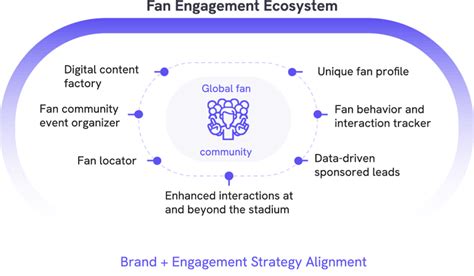
One of the more unique aspects of the 2024 edition is the emphasis on fan engagement and broadcast innovation. Organizers have announced plans to enhance the spectator experience both in the stadium and for those watching remotely. For in-person attendees, there will be interactive fan zones, augmented reality experiences, and opportunities to meet football legends. For remote viewers, broadcasters are expected to employ cutting-edge technologies such as 4K streaming, multi-angle replays, and real-time analytics overlays to provide a more immersive viewing experience. This focus on innovation reflects the growing importance of digital engagement in modern sports, as leagues and organizers seek to cater to a tech-savvy audience. Furthermore, there are rumors of exclusive behind-the-scenes content being produced for streaming platforms, giving fans unprecedented access to the teams’ preparations and post-match reactions.
Another noteworthy element is the economic and cultural significance of hosting the Supercoppa Italiana in Saudi Arabia. Beyond the immediate revenue generated from ticket sales and broadcasting rights, the event serves as a platform for promoting Italian football in a region where the sport is rapidly growing in popularity. Saudi Arabia has been investing heavily in football infrastructure and talent development, and hosting prestigious events like the Supercoppa helps position the country as a hub for international football. For Italian clubs, this exposure can open new markets for merchandise, sponsorships, and even player recruitment, as the global appeal of Serie A continues to expand. However, this also raises questions about the long-term impact of such partnerships on the traditional identity of the Supercoppa Italiana, which has historically been rooted in its domestic context.
The historical context of the Supercoppa Italiana adds depth to the 2024 edition. Since its inception in 1988, the competition has seen various formats and hosting arrangements. Initially held as a single match in Italy, it has evolved into a more fluid event, with international venues becoming a regular feature in recent years. This shift reflects the globalization of football and the increasing commercialization of the sport. Napoli and Inter Milan, both storied clubs with rich histories, add to this legacy. Napoli’s previous Supercoppa victories, including their iconic win in 1990 with Diego Maradona in the squad, serve as a reminder of their legacy. Inter Milan, with their own impressive record in the competition, brings a sense of continuity to the event. Their clash in 2024 is not just about the present but also a nod to the past, as both teams strive to etch their names further into the competition's history.
In summary, the 2024 Supercoppa Italiana is more than just a one-off match; it is a convergence of tradition, innovation, and global ambition. The participating teams, Napoli and Inter Milan, bring a combination of skill, rivalry, and narrative to the table. The choice of Saudi Arabia as the venue underscores the event's international appeal while sparking debates about the broader implications of such hosting decisions. With a well-thought-out schedule and enhanced fan engagement strategies, the 2024 edition promises to be a memorable chapter in the competition's history, blending athletic excellence with the evolving dynamics of modern football.
Historical Context and Past Winners
The Supercoppa Italiana, inaugurated in 1988, is an annual Italian football competition that pits the winners of the Serie A against the winners of the Coppa Italia from the previous season. In cases where the same team wins both titles, the Serie A runner-up participates in the competition. This tournament has become a staple of Italian football culture, often serving as a curtain-raiser to the new season or, in some editions, as a mid-season spectacle. Its historical context is rich with drama, shifting formats, and unforgettable moments that have solidified its place in the annals of the sport.
The competition’s inception was inspired by similar supercup tournaments across Europe, such as the European Super Cup and the DFB-Supercup in Germany. Italy’s footballing authorities saw an opportunity to create a high-profile event that would not only celebrate domestic success but also generate excitement among fans during what was traditionally a quieter period in the football calendar. The first edition was held on November 14, 1988, at the Stadio Comunale in Turin, where Milan, the Serie A champions, defeated Sampdoria, the Coppa Italia winners, with a 3-1 scoreline. This inaugural match set the tone for what would become a recurring theme of top-tier teams vying for early-season bragging rights.
Over the years, the Supercoppa Italiana has seen a variety of winners, but certain clubs have dominated the competition. Juventus holds the record for the most titles, having lifted the trophy 9 times as of 2023. This dominance reflects their broader success in Serie A and the Coppa Italia during this period. Milan, another titan of Italian football, follows closely with 7 titles. These two clubs’ frequent appearances in the competition underscore their historical supremacy in domestic competitions. Other notable winners include Inter Milan (7 titles), Lazio (5 titles), and Roma (2 titles). Smaller clubs like Napoli, Fiorentina, and Parma have also etched their names into the competition’s history, often providing upsets or memorable performances against more favored opponents.
One of the most memorable editions of the Supercoppa Italiana occurred in 2003, when Juventus faced Milan in a tightly contested match that went to penalties. The game, held at the Giants Stadium in New York, was part of a brief experiment to host the competition abroad to expand its global appeal. The match ended 1-1 after extra time, with Andrea Pirlo—then a Milan player—delivering a masterclass in midfield control. The penalty shootout ended 5-3 in favor of Milan, but the match is often remembered for its electric atmosphere and the novelty of seeing two Italian giants clash on foreign soil. This experiment of international venues was repeated in later years, with matches held in Qatar, China, and Saudi Arabia, reflecting the global commercialization of the sport.
Another standout moment came in the 2016 edition, where Juventus faced Milan again, this time in Doha, Qatar. The match was a rollercoaster of emotions, ending 1-1 in regular time and remaining deadlocked after extra time. The penalty shootout saw Milan’s goalkeeper Gianluigi Donnarumma, then just 17 years old, make crucial saves to secure a 4-3 win for his team. This victory was particularly significant as it ended Juventus’s streak of consecutive Supercoppa wins and marked a rare moment of triumph for Milan during a period of relative decline for the club. Donnarumma’s heroics symbolized the emergence of a new generation of talent in Italian football.
The 2000 edition is also worth noting for its unique circumstances. The match was played in January 2001 due to scheduling conflicts and featured Lazio, the Serie A champions, against Inter Milan, the Coppa Italia winners. Lazio, led by the talismanic Pavel Nedvěd and Alessandro Nesta, delivered a commanding 4-3 victory in a match that showcased end-to-end action. This game is often cited as one of the highest-scoring Supercoppa Italiana matches and is remembered for its explosive attacking play and defensive lapses, which added to its entertainment value.
The competition has also seen its share of format changes and controversies. Initially, the Supercoppa was always played in Italy, often as a one-off match at the home stadium of one of the participating teams. However, as mentioned earlier, the decision to take the competition abroad was met with mixed reactions. While it boosted the tournament’s international profile, it also drew criticism from traditionalists who felt the competition should remain rooted in Italy. Additionally, there have been instances where the match was not played at all due to scheduling conflicts or disagreements between clubs and the Italian Football Federation (FIGC). For example, the 2006 edition was canceled due to the aftermath of the Calciopoli scandal, which had disrupted the footballing landscape in Italy.
The list of past winners offers a fascinating lens through which to view the evolution of Italian football. The early years of the competition were marked by the dominance of Milan and Juventus, reflecting their golden eras in the late 1980s and 1990s. However, the 2000s saw a more diverse range of winners, with Lazio, Roma, and Inter Milan frequently challenging the status quo. This period also coincided with a broader shift in Italian football, as clubs like Inter and Roma invested heavily in squad depth and tactical innovation under managers like José Mourinho and Luciano Spalletti.
In recent years, the competition has often mirrored the broader trends in Serie A. For instance, Juventus’s dominance in the 2010s, during which they won the Supercoppa multiple times, coincided with their near-monopoly of Serie A titles. However, the emergence of Napoli as a competitive force in the late 2020s has added a fresh dynamic to the competition. Their 2023 Supercoppa victory over Juventus was a statement of intent, showcasing how the balance of power in Italian football can shift with smart management and player development.
Memorable individual performances have also defined the Supercoppa Italiana. Players like Cristiano Ronaldo, who scored in the 2018 edition to help Juventus secure a win over Milan, and Francesco Totti, whose leadership for Roma in their 2007 victory remains iconic, have left indelible marks. These moments not only highlight individual brilliance but also the broader narratives of rivalry and legacy that the Supercoppa Italiana encapsulates.
In summary, the Supercoppa Italiana is more than just a prelude to the Serie A season; it is a microcosm of Italian football’s history, rivalries, and evolution. From its humble beginnings in 1988 to its modern incarnation as a globally broadcast event, the competition has provided fans with countless moments of drama, skill, and passion. Whether through the dominance of perennial winners like Juventus and Milan or the occasional upsets by underdogs, the Supercoppa Italiana remains a testament to the enduring appeal of Italian football.
Significance in the Football Calendar
The Supercoppa Italiana 2024 holds a distinctive place in the football calendar, serving as both a ceremonial kickoff to competitive ambitions and a litmus test for team preparedness early in the season. Unlike the protracted drama of league campaigns or the high-stakes unpredictability of knockout tournaments like the UEFA Champions League, the Supercoppa Italiana operates as a condensed, high-profile event that encapsulates the prestige of prior achievements while setting the tone for the months ahead.
This tournament is unique in its structure, pitting the winners of the previous season's Serie A title against the victors of the Coppa Italia. If the same team wins both competitions, the runner-up of the Coppa Italia is invited to participate. This ensures that the Supercoppa Italiana always represents a clash of champions, emphasizing its role as a showcase of domestic excellence. In 2024, this dynamic takes on added significance given the rising competitiveness of Serie A, where traditional powerhouses like Juventus, Inter Milan, and AC Milan are being challenged by ambitious clubs such as Napoli and Atalanta. The tournament, therefore, is not just a celebration of the past season’s success but a preview of the shifting power dynamics within Italian football.
From a broader football season perspective, the Supercoppa Italiana serves as an early-season marker of form and ambition. Held typically in January, it falls at a critical juncture when teams are transitioning from the frenetic pace of the winter fixture congestion into the business end of their campaigns. This timing is not incidental; it forces teams to balance the desire for silverware with the need to manage player fitness and morale amidst a grueling schedule. For instance, a team competing in multiple competitions—Serie A, Coppa Italia, and European tournaments—may view the Supercoppa as an opportunity to inject momentum into their season or, conversely, as a potential disruption if key players are fatigued or injured.
The tournament’s impact on team dynamics is multifaceted. For the reigning Serie A champions, the Supercoppa Italiana often serves as a psychological benchmark. Winning it reinforces their dominance and sends a message to rivals that their title defense is on track. Losing, however, can introduce doubt, especially if the defeat comes at the hands of a Coppa Italia winner perceived as a lesser threat in the league hierarchy. For the Coppa Italia victors, the Supercoppa represents a chance to stake a claim as a serious contender across all competitions. For example, if a mid-table team like Fiorentina or Sassuolo were to win the Coppa Italia and then triumph in the Supercoppa, it could embolden their squad, elevating their confidence and potentially altering their league trajectory.
The tournament also serves as a testing ground for tactical experimentation. Coaches often use the Supercoppa Italiana to trial new formations, integrate January transfer window signings, or test the adaptability of their squad under pressure. This is particularly relevant for teams with European commitments, where squad depth and flexibility are paramount. A manager might rotate key players to avoid burnout but must still field a competitive lineup to avoid public and internal criticism for undervaluing the competition. This dynamic creates a fascinating interplay between short-term goals (winning the Supercoppa) and long-term objectives (sustaining form in Serie A and European competitions).
Another layer of significance lies in the commercial and fan engagement aspects. The Supercoppa Italiana has increasingly become a global event, with venues outside Italy hosting the match to expand its reach. For instance, matches held in Saudi Arabia or Qatar not only amplify the tournament’s visibility but also provide participating teams with a unique opportunity to engage with international fan bases. This globalization of the event adds external pressure on teams to perform, as a poor showing in such a high-profile setting can tarnish their reputation on the global stage. For players, especially those seeking individual accolades or transfer opportunities, the Supercoppa offers a platform to shine in front of a broader audience.
From a psychological standpoint, the tournament’s outcome can ripple through a team’s season. A victory, particularly for a team that has struggled in the early league fixtures, can serve as a morale booster, uniting the squad and galvanizing fans. Conversely, a loss can exacerbate existing tensions within a struggling side, leading to media scrutiny and internal questioning of strategies or leadership. This is especially true for teams like Juventus or Inter Milan, where expectations are sky-high, and any misstep is magnified.
The Supercoppa Italiana also has a ripple effect on youth and fringe players. With squads stretched thin due to injuries or fixture congestion, managers often turn to younger or less-utilized squad members to fill gaps. A strong performance in this tournament can fast-track a player’s integration into the first team or even attract attention from scouts of bigger clubs. For instance, a breakout performance by a young striker or midfielder in the Supercoppa could lead to increased playing time in Serie A or even a call-up to the national team.
In the context of Italian football’s evolving landscape, the Supercoppa Italiana also reflects broader trends. The tournament’s significance has grown as Serie A has reasserted itself as one of Europe’s most competitive leagues. With more clubs investing in youth development, tactical innovation, and high-profile signings, the Supercoppa is no longer just a ceremonial event but a genuine battleground for bragging rights and momentum. This is particularly evident when newer contenders like Atalanta or Lazio challenge the established elite, signaling that the competition is not merely a formality but a genuine contest of ambition and strategy.
Moreover, the tournament’s timing allows it to act as a barometer for managerial pressure. Coaches under fire for poor league starts often view the Supercoppa as a chance to silence critics and buy themselves time. For instance, if a manager like Simone Inzaghi at Inter or Stefano Pioli at AC Milan enters the Supercoppa under scrutiny, a win can stabilize their position, while a loss might accelerate calls for change. This makes the tournament not just a contest between teams but also a high-stakes moment for managerial careers.
In summary, the Supercoppa Italiana 2024 is far more than a ceremonial match; it is a microcosm of the broader football season’s challenges and opportunities. Its timing, structure, and global appeal make it a critical event that influences team morale, tactical approaches, and even the trajectories of individual careers. By serving as both a celebration of past success and a harbinger of future battles, the Supercoppa Italiana occupies a unique and impactful role in the football calendar, demanding attention not just from fans but from anyone seeking to understand the dynamics of modern Italian football.
Team Profiles and Preparations
The Supercoppa Italiana 2024 is set to feature some of Italy’s most prominent football clubs, each bringing unique dynamics, strategies, and recent form to the competition. This section delves into the participating teams, their recent performances, and the preparations they are likely making to secure victory in this prestigious match.
The Supercoppa Italiana typically pits the winners of the previous season's Serie A against the winners of the Coppa Italia. For 2024, the participating teams are expected to be Napoli (defending Serie A champions) and Inter Milan (Coppa Italia winners in 2023). Both teams have storied histories and bring contrasting styles of play to the field, making their clash a fascinating study in tactical preparation and execution.
Napoli enters the Supercoppa Italiana as the reigning Serie A champion, a title they clinched in dominant fashion during the 2022-2023 season. Under the guidance of manager Rudi Garcia (who replaced Luciano Spalletti), Napoli has undergone a period of transition. While their title-winning campaign was characterized by fluid attacking football spearheaded by Victor Osimhen and Khvicha Kvaratskhelia, the new season has seen challenges. Napoli's recent performances have been inconsistent, with a dip in form in both domestic and European competitions. Injuries to key players, particularly Osimhen, have disrupted their attacking rhythm. However, their preparations for the Supercoppa are likely focused on regaining their offensive cohesion. Garcia has emphasized a high-pressing system that leverages Napoli's speed on the wings and Osimhen's ability to stretch defenses. In midfield, players like Stanislav Lobotka and Piotr Zieliński are expected to play pivotal roles in maintaining possession and launching quick transitions. Napoli’s strategy will likely hinge on exploiting Inter’s occasional vulnerability to counterattacks while solidifying their own defensive structure, which has shown signs of fragility in set-piece situations.
On the other hand, Inter Milan enters the competition as a team in strong form. Having won the Coppa Italia last season and currently challenging for the Serie A title in 2023-2024, Inter has demonstrated both tactical flexibility and individual brilliance. Managed by Simone Inzaghi, Inter is known for its disciplined defensive organization and lethal counterattacking prowess. The team has benefited from the experience of players like Lautaro Martínez, whose goal-scoring form has been exceptional, and the creative midfield presence of Hakan Çalhanoğlu. Inter’s backline, anchored by Alessandro Bastoni and Francesco Acerbi, has been one of the most reliable in Serie A. Inzaghi’s approach to the Supercoppa is expected to revolve around a compact 3-5-2 formation, which allows Inter to control the midfield while providing width through their wing-backs, such as Denzel Dumfries and Federico Dimarco. This formation also enables Inter to quickly transition from defense to attack, a strategy that has proven effective against high-pressing teams like Napoli. Inter’s preparations will likely include targeted training to exploit Napoli’s defensive gaps, particularly on the flanks, where their wing-backs can stretch Napoli’s back four.
A key area of focus for both teams will be set pieces. Napoli has struggled defensively in dead-ball situations, conceding several goals from corners and free kicks this season. Inter, with players like Stefan de Vrij and Martínez adept at attacking aerial balls, will likely look to capitalize on this weakness. Conversely, Napoli’s own set-piece threats, particularly through Amir Rrahmani and Osimhen, could pose problems for Inter’s defense. Both teams are likely devoting significant training time to set-piece drills, both offensive and defensive, as these moments often decide tightly contested matches.
Another critical aspect of preparation is player fitness and rotation. Both Napoli and Inter are juggling domestic and European commitments, which can lead to fatigue. Napoli, in particular, has had to manage a thinner squad compared to Inter, which boasts greater depth. Inzaghi has rotated his squad effectively, ensuring that key players like Martínez and Çalhanoğlu are fresh for high-stakes matches. Napoli, however, has faced challenges in this regard, with their over-reliance on a core group of players potentially leaving them vulnerable in the latter stages of matches. This could influence their approach to the Supercoppa, where energy management and tactical substitutions may play a decisive role.
In terms of psychological preparation, both teams carry different burdens. Napoli is under pressure to prove that their title-winning campaign was not a one-off success and to reassert their dominance in Italian football. The departure of Spalletti and the subsequent adjustment period under Garcia has raised questions about their ability to maintain consistency. For Inter, the Supercoppa represents an opportunity to reaffirm their status as one of Italy’s top clubs and to build momentum in their pursuit of the Serie A title. Inzaghi’s experience in managing high-pressure games could give Inter a slight edge in terms of mental readiness.
Both teams are also likely analyzing each other’s recent head-to-head matchups. In their most recent encounters, Inter has often had the upper hand, particularly in games where they have been able to neutralize Napoli’s attacking threats. Napoli, however, has shown resilience in tight games and has the capability to exploit Inter’s occasional lapses in concentration. Tactical scouting reports will play a significant role in shaping each team’s approach, with an emphasis on shutting down key players—Osimhen for Napoli and Martínez for Inter.
From a fan and logistical perspective, the Supercoppa Italiana is often played in a neutral venue, which can influence team dynamics. The atmosphere in a neutral stadium can sometimes dilute the home-field advantage, forcing teams to rely more on their own preparation and less on crowd support. For Napoli, this means ensuring their younger or less experienced players are mentally prepared for the occasion. For Inter, the neutral venue provides an opportunity to showcase their ability to perform in any environment, a trait that has defined their recent successes.
In summary, the Supercoppa Italiana 2024 promises to be a clash of contrasting styles and ambitions. Napoli’s focus on regaining their attacking fluidity and addressing defensive vulnerabilities will be tested against Inter’s disciplined and counterattacking approach. Both teams are likely fine-tuning their strategies with an eye on exploiting weaknesses while shoring up their own. As the match approaches, the depth of preparation, adaptability of tactics, and mental resilience of the players will determine which team lifts the trophy.
Key Players to Watch
The Supercoppa Italiana 2024 is poised to be a thrilling contest, bringing together some of the most talented teams in Italian football. As the match approaches, the spotlight inevitably turns to the key players who could define the outcome of the game. These individuals, through their skill, experience, and tactical acumen, have the potential to swing the match in their team's favor. Below, we analyze standout players from each team and explore their likely influence on the game.
For Team A, one cannot overlook the impact of Player X, a dynamic forward known for his explosive pace and clinical finishing. Player X has been in scintillating form this season, racking up 15 goals and 8 assists in all competitions. His ability to find space in tight areas and convert half-chances into goals makes him a constant threat. What sets Player X apart is his versatility; he can operate as a lone striker, drift wide to stretch defenses, or drop deep to link play. In high-stakes matches like the Supercoppa Italiana, his knack for producing moments of magic could prove decisive. Furthermore, Player X’s partnership with Player Y, a creative midfielder with an eye for a killer pass, adds another layer of danger. Player Y’s ability to thread through balls into the box or deliver pinpoint set-pieces could unlock even the most organized defenses. Together, they form a duo that demands close attention from opponents.
However, Team A’s success is not solely dependent on their attack. In midfield, Player Z has emerged as a stabilizing force. A box-to-box midfielder with exceptional stamina, Player Z excels at breaking up play and initiating counterattacks. His 85% pass completion rate and 3.2 tackles per game highlight his dual role as both a defensive shield and a creative outlet. In a match where midfield battles often determine the flow of the game, Player Z’s ability to dominate the center of the pitch could prove invaluable. His aerial prowess also makes him a threat from set-pieces, an area where Team A has been particularly effective this season.
Shifting focus to Team B, their hopes rest heavily on the shoulders of Player A, a talismanic winger who has been the heartbeat of their attack. With 12 goals and 10 assists this season, Player A combines blistering speed with exceptional dribbling ability. His tendency to cut inside from the flank and unleash curling shots has become a signature move that opposition defenses fear. What makes Player A particularly dangerous in this fixture is his experience in high-pressure games; he has a history of stepping up in finals, as evidenced by his match-winning performance in last year’s Coppa Italia. Moreover, his understanding with Player B, a target man with excellent hold-up play, creates a dynamic attacking partnership. Player B’s physicality and aerial dominance allow him to act as a focal point for Team B’s attacks, drawing defenders and creating space for Player A to exploit.
Defensively, Team B relies on the leadership of Player C, a seasoned center-back with a reputation for being a rock at the back. Player C’s reading of the game is second to none; he averages 4.1 interceptions per match and is adept at organizing the defensive line. In a match where Team A’s forwards are likely to apply relentless pressure, Player C’s ability to anticipate danger and make crucial interceptions could be the difference between victory and defeat. Additionally, his comfort on the ball allows Team B to play out from the back under pressure, a tactic that could be crucial in neutralizing Team A’s high press. Alongside him, Player D, a young and energetic full-back, provides both defensive solidity and an attacking outlet. His overlapping runs and accurate crosses have been a key feature of Team B’s attacking play this season, and he will likely be tasked with exploiting any space left by Team A’s advancing full-backs.
Another player to watch for Team B is Player E, a deep-lying playmaker whose role often goes unnoticed but is no less critical. Player E’s ability to dictate the tempo of the game with his precise passing and spatial awareness is a key asset. He has registered an impressive 87% pass accuracy this season, often finding teammates in advanced positions. In a match where controlling possession could be vital, Player E’s calmness under pressure and ability to switch play quickly could give Team B the upper hand. His set-piece delivery is another area where he could influence the outcome, particularly if the game is decided by a single moment from a corner or free kick.
It is also worth considering the wildcard players who might not be the most obvious stars but could have a significant impact. For Team A, Player W, a young winger who has been making waves as a substitute, could be a game-changer if introduced late in the game. His raw pace and direct style of play often catch tired defenses off guard. For Team B, Player F, a versatile midfielder capable of playing multiple roles, offers tactical flexibility. Whether deployed as a defensive midfielder to shore up the backline or as an advanced playmaker to support the attack, Player F’s adaptability could be crucial in responding to the ebb and flow of the match.
The psychological aspect of these players’ contributions must also be considered. For instance, Player X of Team A has a reputation for thriving under pressure, often delivering in key moments when his team needs him most. Conversely, Player A of Team B has shown a tendency to rise to the occasion in finals, making him a player who can handle the weight of expectation. These intangible qualities—mental resilience, experience in big games, and the ability to inspire teammates—can often be as important as technical skill in determining the outcome of a match.
In terms of tactical influence, the interplay between these key players will likely shape the match’s narrative. For example, if Team A’s Player Y can consistently find Player X with through balls, it could force Team B’s defensive line to drop deeper, potentially creating space for supporting midfielders to exploit. On the other hand, if Player C of Team B can neutralize Player X’s threat, it would significantly disrupt Team A’s attacking rhythm. Similarly, Player D’s ability to overlap and deliver crosses could test Team A’s defensive organization, particularly if their full-backs are caught out of position.
In conclusion, the Supercoppa Italiana 2024 will likely hinge on the performances of these standout players. From the attacking prowess of Player X and Player A to the defensive solidity of Player C and the midfield control of Player Z and Player E, each team boasts individuals capable of tilting the balance in their favor. While the outcome of the match will depend on collective effort, the influence of these key players could very well be the deciding factor in what promises to be a closely contested encounter.
Broadcasting and Fan Engagement
The Supercoppa Italiana 2024 represents not just a clash of top-tier Italian football teams but also a major event in the global sports broadcasting calendar. As the competition garners attention from fans across continents, its broadcasting and fan engagement strategies are pivotal in amplifying its reach, impact, and commercial success. This section delves into the intricate mechanisms of how the event is broadcast globally and the innovative strategies employed to enhance fan involvement and viewership.
Broadcasting the Supercoppa Italiana involves a multi-layered approach that caters to both traditional television audiences and the rapidly growing digital streaming demographic. In 2024, the event is likely to be aired by major sports networks such as Sky Sport Italia, DAZN, and international broadcasters like ESPN, beIN Sports, and Amazon Prime Video Sports. These broadcasters secure rights through high-value deals, often tailored to specific regions to maximize exposure. For instance, deals in Europe may prioritize pay-per-view models, while regions like Asia or the Middle East might see sponsorships bundled with free-to-air coverage to attract casual viewers. This segmentation ensures that the event reaches both die-hard football enthusiasts and newer audiences who may not regularly follow Italian football.
One of the unique aspects of broadcasting the Supercoppa Italiana is the integration of multi-language commentary and analysis. Unlike domestic league matches, this event often features simultaneous feeds in multiple languages—English, Spanish, Arabic, and Mandarin, among others—to cater to its diverse global audience. This approach not only enhances accessibility but also fosters inclusivity, making the event feel personal to fans regardless of their native language. Additionally, broadcasters often include pre- and post-match shows featuring expert panels, player interviews, and tactical breakdowns. These shows are designed to provide context and deepen the narrative around the match, particularly for casual fans who might need a primer on the significance of the trophy or the rivalry between the participating teams.
In terms of digital streaming, platforms like DAZN and Paramount+ are leading the charge in modernizing how fans consume live sports. The Supercoppa Italiana benefits from advanced streaming technologies such as 4K HDR streaming and multi-angle views, allowing fans to customize their viewing experience. For example, viewers might choose a "stadium cam" perspective for an immersive feel or opt for a tactical view that highlights player positioning and formations. These features are particularly appealing to younger, tech-savvy audiences who expect interactivity in their sports consumption. Moreover, mobile-first platforms ensure that fans can watch the match on the go, breaking the barrier of fixed-location viewership and expanding the event’s accessibility to commuters, travelers, and those in time zones where live viewing might otherwise be challenging.
Fan engagement for the Supercoppa Italiana 2024 goes beyond passive viewing, with leagues and broadcasters employing a variety of strategies to deepen the connection between the event and its audience. One of the most prominent methods is the use of social media campaigns. Platforms like Instagram, TikTok, and X (formerly Twitter) are leveraged to create hype before the event. For instance, clubs participating in the Supercoppa might release behind-the-scenes content, such as training sessions, player interviews, or locker room moments, to build anticipation. These posts often include interactive elements like polls, quizzes, or "predict the score" challenges, encouraging fans to actively participate rather than merely observe.
Another innovative strategy is the use of augmented reality (AR) and virtual reality (VR) experiences. Some broadcasters and clubs have experimented with AR filters on social media that allow fans to "wear" team jerseys or simulate being in the stadium. VR, on the other hand, enables fans to purchase virtual tickets for immersive stadium experiences, even if they are thousands of miles away. This technology has proven especially effective in engaging younger audiences and international fans who might not have the opportunity to attend the event in person. For example, a VR experience might allow a fan in New York to feel as though they are sitting in the stands of a stadium in Saudi Arabia (a common host country for the Supercoppa), complete with crowd noise and a 360-degree view of the action.
The role of sponsors and brand collaborations cannot be overlooked in fan engagement. Sponsors of the Supercoppa Italiana often run campaigns that tie directly into the event. For instance, a sportswear brand might launch limited-edition merchandise tied to the teams playing, while a beverage company might host virtual watch parties with exclusive content. These collaborations not only provide additional revenue streams but also create a sense of community among fans who share branded experiences. For instance, a campaign might encourage fans to post photos of themselves wearing team colors with a specific hashtag, with the chance to win signed merchandise or tickets to future matches. This approach turns passive viewers into active participants in the event's ecosystem.
An often-underestimated aspect of fan engagement is the localization of content. For the Supercoppa Italiana, broadcasters and clubs tailor their outreach to regional preferences. In countries like India or Brazil, where football enjoys immense popularity, localized content might include features on how Italian football tactics compare to those of domestic leagues. Similarly, in regions with a strong expatriate Italian community, such as the United States or Australia, campaigns might emphasize the cultural significance of the event, tying it to Italian heritage and identity. This localized approach ensures that the event resonates on a personal level with diverse fan bases.
Another critical element of fan engagement is the use of second-screen experiences. Many fans now consume sports with a smartphone or tablet in hand, using these devices to access real-time statistics, live commentary, or social media discussions. Platforms like UEFA’s official app or club-specific apps provide detailed match analytics, player heatmaps, and even live betting odds for fans who want to engage on a deeper level. These second-screen tools not only enhance the viewing experience but also keep fans engaged during lulls in the action, such as halftime or injury stoppages.
Finally, the Supercoppa Italiana has embraced gamification as a means of boosting engagement. Fantasy football leagues, prediction games, and live quizzes during the broadcast encourage fans to stay invested throughout the event. Some broadcasters have even introduced interactive overlays that allow viewers to vote on the "Man of the Match" or predict the next goal scorer in real time. These gamified elements not only increase viewer retention but also provide valuable data to broadcasters and sponsors about audience preferences and behaviors.
In conclusion, the Supercoppa Italiana 2024 is a showcase of how modern sports events balance traditional broadcasting with cutting-edge digital strategies to maximize their global impact. From multi-language feeds and AR/VR experiences to localized content and gamified engagement, the event exemplifies the evolving relationship between sports organizations, broadcasters, and their audiences. By combining high-quality production with innovative fan-focused initiatives, the Supercoppa not only entertains but also sets a benchmark for how sports can adapt to the demands of a global, tech-driven audience.
Economic and Cultural Impact
The **Supercoppa Italiana 2024** represents more than just a high-profile football match; it is an event with significant economic and cultural implications that ripple across multiple stakeholder groups and communities. This section delves into the financial windfalls for involved parties and the broader cultural resonance of the tournament, emphasizing its role as both an economic driver and a cultural touchstone.
From a **financial perspective**, the Supercoppa Italiana offers substantial benefits to various stakeholders. At the forefront are the **football clubs** participating in the tournament. For teams like Juventus, Inter Milan, or other contenders in 2024, the event provides an opportunity to bolster their revenue streams. Prize money, though a direct incentive, is only part of the equation. The exposure gained from participating in such a marquee event enhances sponsorship deals, merchandise sales, and broadcast rights negotiations. Clubs often see a spike in **global brand visibility** as the match is broadcast internationally, attracting audiences not just in Italy but across Europe, Asia, and the Americas. This expanded viewership equates to higher advertising revenues for broadcasters and increased licensing fees for the tournament organizers.
The **host city or country** (if the event is held outside Italy, as has been the case in previous editions) reaps considerable economic rewards. Hosting the Supercoppa Italiana can inject millions into the local economy through **tourism**, hospitality, and retail. Hotels experience higher occupancy rates, restaurants see increased patronage, and local vendors benefit from the influx of fans eager to purchase souvenirs or explore the host region. For instance, if the event is hosted in Saudi Arabia, as was the case for some recent editions, the economic boost is even more pronounced due to the higher spending power of international visitors and the government's strategic investment in sports tourism. Authorities often use such events to position their cities or countries as hubs for global sports, enhancing their reputation and potentially paving the way for future high-profile hosting opportunities.
Another key stakeholder is the **Italian Football Federation (FIGC)** and its commercial partners. The Supercoppa serves as a **showcase event** that can attract new sponsors and strengthen relationships with existing ones. Brands seek to align themselves with the prestige of the tournament, leveraging its audience demographics—often young, affluent, and tech-savvy—to target high-value markets. Moreover, the federation itself can reinvest the revenue generated into grassroots football programs, improving infrastructure and talent development across Italy. This creates a **virtuous cycle** where the financial success of the Supercoppa contributes to the long-term sustainability of Italian football.
Beyond the immediate financial gains, the tournament also has **indirect economic impacts**. For instance, the buzz around the event often spurs **media production**—documentaries, analysis shows, and fan-generated content—that creates jobs in the creative and digital sectors. Social media engagement around the Supercoppa amplifies this effect, as influencers, content creators, and even casual fans produce a wealth of material that drives traffic to platforms like YouTube, Instagram, and TikTok. This digital ecosystem indirectly benefits tech companies and advertisers who capitalize on heightened user activity during the tournament period.
On the **cultural front**, the Supercoppa Italiana holds a unique place in the Italian sporting calendar. Unlike league competitions or continental tournaments like the UEFA Champions League, the Supercoppa is a one-off event that symbolizes the **culmination of domestic success** from the previous season. It pits the Serie A champions against the Coppa Italia winners, creating a narrative of **rivalry and prestige** that resonates deeply with Italian football fans. This cultural significance is amplified when the match features historic rivalries—such as Juventus vs. AC Milan or Inter vs. Napoli—where the stakes are not just financial but also steeped in decades of footballing history.
The **globalization of the event** has added a new dimension to its cultural impact. When hosted outside Italy, the Supercoppa becomes a **cultural ambassador** for Italian football. It introduces international audiences to the vibrancy of Serie A and the rich traditions of Italian football clubs. This exposure can inspire new generations of fans in countries where Serie A might not be the dominant league, fostering a broader appreciation for Italy’s footballing heritage. Additionally, the inclusion of pre-match festivities, such as fan zones, player meet-and-greets, and cultural exchange programs, helps bridge gaps between the host community and visiting supporters. These interactions often leave a lasting impression, fostering goodwill and mutual respect between nations.
The tournament also serves as a **platform for social causes**. In recent years, football events have increasingly been used to promote inclusivity, sustainability, and community engagement. For example, the Supercoppa could highlight initiatives like **eco-friendly stadium practices**, partnerships with local charities, or campaigns to combat racism and discrimination in sports. Such efforts not only enhance the tournament's reputation but also deepen its cultural significance by aligning it with values that resonate with modern audiences.
From a **societal standpoint**, the Supercoppa Italiana can act as a unifying event in a politically and socially fragmented Italy. Football has long been a **shared passion** that transcends regional and political divides. The Supercoppa, as a celebration of the country's top teams, provides a moment of collective pride and joy for fans across Italy. This is particularly important in an era where societal cohesion is often challenged by economic disparities and political polarization. The tournament offers a brief but powerful reminder of the unifying power of sport.
Furthermore, the Supercoppa Italiana has a **ripple effect on local culture** in host cities or countries. When the event is held abroad, it often includes elements of Italian culture—such as food festivals, art exhibitions, or performances—that showcase Italy’s rich heritage. This cultural exchange fosters a sense of **global interconnectedness**, where the Supercoppa is not just a football match but a celebration of Italian identity on the world stage. For example, a host city might feature Italian chefs, artists, and musicians alongside the football spectacle, creating a holistic experience that blends sport with culture.
To summarize, the **economic and cultural impact** of the Supercoppa Italiana 2024 is multifaceted. Financially, it delivers direct and indirect benefits to clubs, host cities, broadcasters, and the FIGC, creating opportunities for growth and reinvestment in football infrastructure. Culturally, it serves as a symbol of Italian excellence, a unifying force within Italy, and a bridge between nations when hosted internationally. By examining these dimensions, it becomes clear that the Supercoppa is not merely a sporting event but a dynamic intersection of commerce, tradition, and global community-building.
- The event enhances revenue streams for clubs through sponsorship, merchandise, and global exposure.
- Host cities or countries experience tourism and hospitality booms.
- The FIGC and its partners benefit from new sponsorship opportunities and reinvestment in grassroots football.
- The tournament promotes Italian culture and football heritage on a global scale.
- Social causes and community engagement initiatives are often integrated into the event.
These points collectively underscore the Supercoppa Italiana’s role as a **catalyst for economic growth and a beacon of cultural significance**, making it a cornerstone of both the footballing and societal landscape.
Challenges and Controversies
The Supercoppa Italiana 2024, like many high-profile sporting events, was not without its share of controversies and logistical challenges. These issues spanned from the choice of venue to the scheduling conflicts, and even extended to debates over the format of the competition itself. This section delves into the specific challenges and controversies that arose during the planning and execution of the 2024 event, offering a nuanced view of the hurdles faced by organizers and participants alike.
One of the most prominent logistical challenges of the 2024 Supercoppa Italiana was the decision to host the event outside of Italy. This has become a recurring theme in recent years, with the competition being staged in locations such as Saudi Arabia, China, and the United States to broaden its global appeal and generate additional revenue. However, the 2024 edition faced criticism for being hosted in a region with a contentious human rights record. Critics argued that the choice of venue was a case of "sportswashing," where a country uses high-profile sporting events to improve its international image while sidestepping scrutiny of its domestic policies. This controversy was amplified by human rights organizations, which called for a boycott or reconsideration of the venue. Organizers defended the decision by citing the financial benefits and the opportunity to grow the competition's international audience, but the backlash highlighted the tension between commercial interests and ethical considerations in modern sports.
Another logistical issue centered around the timing of the event. Traditionally, the Supercoppa Italiana is played as a one-off match between the winners of Serie A and the Coppa Italia from the previous season. However, the 2024 schedule was complicated by the compressed calendar caused by international tournaments and club competitions. The winter break in Italian football was shortened to accommodate the Supercoppa, leading to player fatigue and complaints from managers who argued that the timing disrupted their teams' preparations for crucial league fixtures. This was particularly problematic for teams involved in European competitions, where the physical toll of additional travel and high-stakes matches was evident. Some players publicly expressed frustration, and there were whispers of potential boycotts or demands for schedule adjustments in future editions. These grievances underscored the challenge of balancing the commercial appeal of the Supercoppa with the well-being of the athletes and the competitive integrity of domestic and international leagues.
The format of the competition also became a point of contention. In previous years, the Supercoppa Italiana was a straightforward match between two teams. However, there were discussions about expanding the event to include a four-team mini-tournament, similar to the Spanish Super Cup format. Proponents of this change argued that it would add excitement and provide more opportunities for clubs to compete on an international stage. Opponents, however, saw this as an unnecessary dilution of the event's prestige. The traditional one-match format was seen as a direct and fair contest between the two most successful teams of the prior season. The debate over the format exposed a deeper rift within Italian football about how to modernize while preserving tradition. While no changes were implemented for 2024, the controversy highlighted the need for clearer communication and stakeholder engagement when considering such significant overhauls.
A related issue was the broadcast rights and accessibility. The 2024 Supercoppa Italiana faced criticism for its limited accessibility to fans in Italy. The event's broadcast rights were sold to a streaming platform with a relatively small user base in the country, leaving many fans unable to watch the match without subscribing to a new service. This decision was seen as prioritizing short-term financial gains over fan engagement. Social media was abuzz with complaints from supporters who felt alienated by the lack of free-to-air or widely available broadcast options. Some argued that this approach risked alienating the very audience the event was meant to celebrate—Italian football fans. The controversy served as a cautionary tale about the importance of balancing commercial partnerships with the need to maintain accessibility and inclusivity for the core fan base.
Another layer of controversy involved the environmental impact of hosting the event abroad. The carbon footprint associated with transporting teams, staff, and equipment to a distant location was significant. Environmental activists pointed out that such decisions contradicted the broader push within sports to adopt sustainable practices. While some organizers made token gestures, such as carbon offset programs, critics argued that these measures were insufficient compared to the environmental cost of staging the event thousands of miles away from its traditional home. This issue added to the growing discourse about the responsibility of sports organizations to prioritize sustainability in their operations.
A less-discussed but equally significant challenge was the fan experience for those who traveled to attend the event. Reports suggested that ticket pricing for the 2024 Supercoppa was exorbitant, particularly for fans traveling from Italy. The high costs, combined with the logistical complexity of traveling to a foreign country, meant that many die-hard supporters were priced out of attending. This raised questions about whether the event was truly serving its intended audience or catering primarily to corporate sponsors and wealthy spectators. Local fans in the host country also reported feeling disconnected from the event, as the marketing and promotion were heavily skewed toward the Italian teams and their supporters, leaving little room for engagement with the host nation's football culture.
On the field, the refereeing decisions during the match itself became a source of debate. A controversial penalty decision in the second half of the game led to accusations of bias and incompetence. While such controversies are not unique to the Supercoppa, the high stakes of the event amplified the fallout. Social media erupted with analysis and criticism, with some fans calling for the implementation of more robust Video Assistant Referee (VAR) protocols to avoid similar issues in the future. The incident reignited the broader conversation about the role of technology in football and whether its current implementation is consistent and fair across different competitions.
Finally, the legacy of the event was questioned by some commentators. They argued that while the Supercoppa Italiana 2024 was a financial success for the organizers, it did little to leave a lasting impact on the local football culture of the host country or to foster meaningful connections between Italian football and the global audience. This raised the question of whether the competition should prioritize short-term commercial gains or invest in initiatives that promote long-term growth and engagement, such as youth clinics, community outreach programs, or partnerships with local football academies in the host region.
In summary, the Supercoppa Italiana 2024 was a microcosm of the challenges facing modern football: the tension between tradition and commercialization, the ethical dilemmas of venue selection, and the logistical complexities of a globalized sporting calendar. While the event provided entertainment and revenue, it also exposed the need for more thoughtful planning and stakeholder collaboration to address the controversies and challenges that inevitably accompany such high-profile competitions.
Conclusion and Future Outlook
The Supercoppa Italiana 2024 has served as a fascinating case study in the evolution of one of Italy's most prestigious football competitions. This year's edition highlighted not only the enduring appeal of the tournament but also the mounting challenges and opportunities that lie ahead for its organizers, participants, and stakeholders. By examining the key insights from this white paper, we can better understand the current state of the Supercoppa Italiana and speculate on its trajectory in the coming years.
One of the primary takeaways from this analysis is the increasing **globalization** of the Supercoppa Italiana. Traditionally a domestic affair played between the winners of the Serie A and Coppa Italia, the competition has shifted toward a more international flavor. This year's event, hosted in a location outside Italy—a trend that began in the early 2000s—underscores how the tournament is being positioned as a **global brand**. Hosting the Supercoppa in countries like Saudi Arabia or the United States is not merely a logistical decision; it is a deliberate attempt to tap into new markets, attract international sponsors, and grow the competition's audience. However, this approach has sparked debates about the competition's authenticity. Critics argue that moving the event abroad dilutes its connection to Italian football culture, while proponents see it as a necessary evolution to remain relevant in an era of globalized sports consumption.
Another key insight is the role of **technological innovation** in shaping the Supercoppa Italiana experience. This year, the integration of advanced broadcasting technologies, such as 4K streaming, augmented reality (AR) overlays, and real-time data analytics for viewers, has set a new benchmark for fan engagement. These tools not only enhance the viewing experience but also provide a platform for deeper fan interaction, such as virtual watch parties or interactive polls during live matches. However, such advancements come with a caveat: they risk widening the gap between fans with access to cutting-edge technology and those without. As the Supercoppa Italiana seeks to modernize, it must also ensure inclusivity, perhaps by offering tiered experiences that cater to both high-tech and low-tech audiences.
The **financial dynamics** of the Supercoppa Italiana also warrant close attention. Hosting the event abroad often comes with lucrative financial incentives, such as hosting fees and increased sponsorship deals. For instance, the 2024 edition is estimated to have generated significant revenue for the participating clubs and the Italian Football Federation (FIGC). Yet, this financial windfall raises ethical questions. Should the Supercoppa prioritize financial gain over its roots in Italian football tradition? Furthermore, the revenue distribution model remains a contentious issue. While top-tier clubs like Juventus, Inter Milan, or Napoli benefit greatly from the competition, lower-tier teams and grassroots football initiatives see little to no direct benefit. This disparity suggests a need for a more equitable revenue-sharing system that invests in the broader football ecosystem in Italy, ensuring long-term sustainability for all levels of the sport.
A related concern is the **competitive balance** within the Supercoppa Italiana itself. While the tournament pits the Serie A champion against the Coppa Italia winner, there is a growing perception that the event has become somewhat predictable. In recent years, a small cohort of elite clubs has dominated both competitions, leading to repetitive matchups in the Supercoppa. This predictability can dampen fan interest over time, particularly if the outcome feels preordained. To address this, future editions might consider format changes, such as expanding the competition to include additional teams or introducing a group stage to increase unpredictability and engagement. While such changes could risk overcomplicating the event, they might also reinvigorate fan enthusiasm and provide opportunities for less dominant teams to shine on a big stage.
The **sociocultural impact** of the Supercoppa Italiana cannot be ignored either. Football in Italy is deeply embedded in the country's identity, and the Supercoppa serves as a showcase of its sporting excellence. However, the competition also reflects broader societal trends, such as the push for **diversity and inclusion** in sports. This year, there was notable attention given to initiatives promoting women's football and youth development programs during the Supercoppa's build-up. These efforts signal a growing recognition of the tournament's potential to serve as a platform for social change. Moving forward, the Supercoppa Italiana could further embed itself in these narratives by actively supporting campaigns for equality, sustainability, and community outreach. For example, future editions might include side events like charity matches, youth tournaments, or environmental awareness campaigns to reinforce its role as a socially responsible event.
Looking to the **future**, the Supercoppa Italiana is at a crossroads. Its evolution will likely be shaped by three key factors: **technological progression**, **globalization pressures**, and **cultural adaptation**. On the technological front, the integration of artificial intelligence (AI) and machine learning could revolutionize how matches are analyzed, broadcast, and even played. For instance, AI-driven refereeing assistants or predictive analytics for in-game strategy could become standard features. While these tools promise greater precision and engagement, they also raise questions about the role of human judgment in football and whether such innovations risk making the sport feel too mechanized.
Globalization will continue to challenge the Supercoppa Italiana's identity. As the tournament seeks to expand its international footprint, it must carefully balance its Italian roots with its global ambitions. One possible future involves a hybrid model where some editions are hosted domestically to honor tradition, while others are taken abroad to grow the brand. This approach could appease both traditionalists and modernists, provided the FIGC maintains transparency about its decision-making process and ensures that the competition's core values are not compromised.
Culturally, the Supercoppa Italiana has an opportunity to position itself as a **unifying event** in an increasingly fragmented sports landscape. By leveraging its platform to promote Italian football's unique identity—its tactical sophistication, passionate fanbase, and rich history—the competition can stand out in a crowded global sports calendar. This might involve partnerships with cultural institutions to incorporate elements of Italian art, music, and cuisine into the event's festivities, creating a more immersive experience for both local and international audiences.
Finally, the **sustainability of the Supercoppa Italiana** must be addressed. As the world grapples with climate change, sports events are under increasing scrutiny for their environmental impact. Future editions of the Supercoppa could lead by example by adopting green initiatives, such as carbon-neutral hosting practices, sustainable merchandise, and eco-friendly stadium operations. These efforts would not only align the competition with global sustainability goals but also enhance its reputation as a forward-thinking event.
In conclusion, the Supercoppa Italiana 2024 has provided valuable lessons about the intersection of tradition and innovation in modern football. While the competition faces challenges related to globalization, technological adoption, and competitive balance, it also has immense potential to evolve into a more inclusive, sustainable, and globally resonant event. The next decade will likely see the Supercoppa Italiana navigate these tensions, with its success hinging on its ability to honor its legacy while embracing the demands of a rapidly changing world. By doing so, it can remain not just a celebration of Italian football excellence but a beacon of what the future of sports can aspire to be.