Introduction to the Scudetto
The Scudetto is one of the most prestigious titles in Italian football, symbolizing the crowning achievement of a team that emerges as the champion of Serie A, the top tier of the Italian football league system. The term "Scudetto" literally translates to "small shield" in Italian, and it refers to the small shield-shaped badge that the reigning champions wear on their jerseys in the following season to signify their status as the titleholders. This badge carries immense symbolic weight, as it represents not just a year of dominance but also a continuation of a storied tradition that dates back over a century.
The significance of the Scudetto in Italian football cannot be overstated. It is more than just a trophy or a title; it is a marker of excellence, resilience, and often, the embodiment of a club's identity and legacy. For fans, the Scudetto is a source of pride and bragging rights, particularly in a country where football is deeply ingrained in the cultural fabric. Matches are not merely sporting events but communal rituals, and the pursuit of the Scudetto often serves as the central narrative of the season. Clubs like Juventus, AC Milan, Inter Milan, and others have built their reputations and fan bases around their ability to consistently compete for—and win—this title. For smaller clubs, even challenging for the Scudetto can elevate their status and etch their names into the annals of Italian football history.
The historical context of the Scudetto is rooted in the early 20th century. The first official Scudetto was awarded in 1898, the year of the inaugural Italian Football Championship. However, the modern concept of the Scudetto as we know it began to take shape in the 1920s when Serie A was formalized as a round-robin league format. Prior to this, the championship was often decided through a knockout-style tournament, which limited the number of participants and created a less inclusive competition. The shift to a league system allowed for a more comprehensive test of a team's ability over an extended period, making the Scudetto a true measure of consistency and excellence.
One of the most fascinating aspects of the Scudetto's history is how it has reflected broader societal and cultural changes in Italy. For instance, during the mid-20th century, the dominance of teams like Torino in the 1940s and the emergence of the "Grande Torino" side—who won five consecutive Scudetti before the tragic Superga air disaster in 1949—highlighted how football could serve as a unifying force in post-war Italy. Similarly, the 1980s and 1990s saw the Scudetto become a battleground for the "derbies of Italy," particularly between AC Milan and Napoli, with the latter's success under Diego Maradona symbolizing a cultural shift as southern Italy challenged the traditional northern dominance in football.
The Scudetto also serves as a barometer of a club's internal strength and external influence. Winning the title often requires not only a talented squad but also a cohesive strategy, effective management, and sometimes, significant financial investment. This has led to periods of dominance by certain clubs, such as Juventus, who have won the Scudetto a record 36 times. Their sustained success, particularly in the 2010s, underscores how a well-oiled machine—combining tactical innovation, player development, and shrewd transfer policies—can create a near-monopoly on the title. Conversely, the occasional disruption of this dominance, such as Inter Milan's treble-winning season in 2010 or Napoli's recent resurgence, demonstrates how the Scudetto can act as a disruptor, breaking cycles of predictability and injecting fresh narratives into the league.
In the context of the 2022 Scudetto, the title carried additional weight due to the evolving dynamics of Serie A. The 2021-2022 season was marked by a sense of transition. Traditional powerhouses like Juventus, who had won nine consecutive Scudetti from 2012 to 2020, were struggling to maintain their hegemony. This opened the door for other clubs, such as Inter Milan and AC Milan, to reassert themselves. Inter, under the guidance of manager Antonio Conte, had won the 2021 Scudetto, breaking Juventus' streak, and were looking to build on that momentum. However, financial constraints and managerial changes created uncertainty. Meanwhile, AC Milan, led by a young and dynamic squad under Stefano Pioli, were mounting a serious challenge, fueled by a mix of experienced players like Zlatan Ibrahimović and promising talents like Rafael Leão.
The 2022 Scudetto was also significant because it came at a time when Serie A was regaining international attention. After years of being overshadowed by the Premier League and La Liga in terms of global appeal, Italian football was experiencing a renaissance. High-profile signings, improved broadcasting deals, and the success of Italian teams in European competitions (such as Italy's victory in the UEFA Euro 2020 tournament) contributed to this resurgence. The Scudetto, therefore, was not just a domestic prize but a statement of intent on the European stage.
Moreover, the 2022 Scudetto highlighted the growing role of tactical diversity in Italian football. Traditionally associated with defensive solidity—epitomized by the "Catenaccio" system—modern Serie A has seen a shift towards more expansive and attacking play. Teams like Atalanta have challenged the status quo with their high-pressing, goal-scoring approach, while Napoli's fluid systems under managers like Luciano Spalletti have brought a different flavor to title races. This evolution adds layers of complexity to what it means to win the Scudetto in the 21st century; it is no longer enough to simply defend well—teams must also entertain and adapt to the demands of modern football.
From a fan perspective, the Scudetto is deeply personal. Each title carries with it stories of individual heroics, dramatic matches, and moments of heartbreak or elation. For instance, the 2022 season saw nail-biting encounters, such as AC Milan's crucial victories in the final weeks of the campaign, where every goal felt like a step toward reclaiming a glory that had eluded them for over a decade. These moments are immortalized in chants, banners, and the collective memory of supporters, further cementing the Scudetto's place as a unifying symbol of triumph.
In summary, the Scudetto is far more than a piece of silverware or a badge on a jersey. It is a representation of Italian football's rich history, its competitive spirit, and its ability to evolve while staying rooted in tradition. Whether viewed through the lens of a dominant dynasty like Juventus, the romantic resurgence of a team like Napoli, or the gritty determination of AC Milan in 2022, the Scudetto encapsulates the essence of what makes Italian football unique. It is a title that demands excellence, rewards perseverance, and forever etches the victors into the legacy of one of the world's most passionate football cultures.
- The Scudetto represents the champion of Serie A and is steeped in over a century of tradition.
- It reflects cultural and societal shifts, such as post-war recovery and regional rivalries.
- The 2022 Scudetto marked a transitional phase in Serie A, with new challengers rising.
- The title is a blend of tactical evolution, financial strategy, and fan passion.
Overview of the 2022 Serie A Season
The 2022 Serie A season was a captivating chapter in Italian football, marked by unexpected narratives, tactical evolution, and intense competition among traditional powerhouses and ambitious underdogs. This season was not just about the race for the scudetto but also about how the league's dynamics were shifting beneath the surface, with new contenders staking their claim and established giants grappling with inconsistency. It was a year where resilience, adaptability, and moments of individual brilliance played pivotal roles in shaping the final standings.
One of the defining features of the 2022 season was the emergence of AC Milan as the eventual champions, ending an 11-year drought since their last Serie A title. Under the guidance of manager Stefano Pioli, Milan displayed a blend of tactical discipline and youthful exuberance. Their campaign was built on a solid defensive structure spearheaded by players like Fikayo Tomori and Pierre Kalulu, with experienced figures such as Olivier Giroud providing crucial goals in high-pressure moments. The team's ability to maintain composure during tight matches, particularly in the second half of the season, was a testament to Pioli's coaching acumen. Their 3-0 victory over Sassuolo in the penultimate match of the season sealed the title, a result that epitomized their dominance in critical games.
However, the title race was far from a one-horse affair. Inter Milan, the defending champions, were determined to retain their crown and pushed Milan to the brink. Under Simone Inzaghi, Inter showcased an attacking philosophy that revolved around the lethal combination of Lautaro Martínez and Edin Džeko. The duo contributed significantly to Inter's goal tally, with Martínez in particular demonstrating growth as a leader on the pitch. Inter's 2022 season was also defined by their Coppa Italia triumph, which softened the blow of losing the scudetto. Yet, their campaign was marred by inconsistency in certain away fixtures, particularly against mid-table teams like Bologna and Sassuolo, where dropped points proved costly. The January departure of key midfielder Christian Eriksen, coupled with financial constraints limiting squad depth, exposed vulnerabilities that Milan exploited in the title chase.
Another critical dynamic of the 2022 season was the role of Napoli as a dark horse. Under Luciano Spalletti, Napoli started the season with a blistering run of form, combining their traditional high-pressing game with moments of creative brilliance from players like Lorenzo Insigne and Victor Osimhen. Osimhen's physicality and goal-scoring instincts made him one of the league's standout performers, while Insigne's playmaking added a layer of unpredictability to Napoli's attack. However, injuries to key players and a mid-season dip in form saw them fall off the pace. Their 1-1 draw against Roma in April, where they failed to capitalize on Milan's earlier slip, was a turning point that effectively ended their scudetto hopes. Napoli's season highlighted the fine margins in a league where consistency is rewarded and even brief slumps can have dire consequences.
The mid-table battle and relegation fight also added intrigue to the season. Teams like Atalanta and Juventus, typically top-four contenders, found themselves in uncharacteristically precarious positions at various points. Atalanta, known for their high-energy attacking style under Gian Piero Gasperini, struggled with squad rotation and injuries, leading to a dip in their usually prolific goal-scoring output. Juventus, meanwhile, were in a transitional phase following the departure of Cristiano Ronaldo. Their initial struggles under Massimiliano Allegri, who returned to the helm, were evident in their inability to dominate games as they had in previous seasons. Yet, Juventus's resilience shone through in the latter stages, as they clawed their way back into the top four, aided by the emergence of young talents like Dušan Vlahović, whose January signing provided a much-needed boost.
Key matches of the season provided moments of drama and narrative shifts. The Milan derby in February was a microcosm of the title race, with AC Milan prevailing 2-1 in a tightly contested match. This result not only bolstered Milan's confidence but also exposed Inter's occasional defensive fragility. Similarly, Napoli's 1-0 win over Juventus in January was a statement victory, showcasing their potential to challenge the traditional elite. However, their subsequent 1-1 draw with relegation-threatened Cagliari in March exposed a lack of killer instinct that would haunt them later in the season.
The relegation battle was equally compelling, with teams like Venezia, Genoa, and Salernitana embroiled in a fight for survival. Salernitana's remarkable escape from relegation, despite spending much of the season at the bottom of the table, was one of the season's most heartwarming stories. Their 2-1 win over Venezia in May was a decisive moment, as it not only secured their survival but also underscored the unpredictable nature of Serie A's lower half. This subplot added depth to the season, reminding fans that the league's allure extends beyond the title race.
Tactically, the 2022 season saw a continued emphasis on hybrid systems and positional flexibility. Teams like Milan and Napoli often deployed fluid formations that could shift between a 4-2-3-1 and a 4-3-3 depending on the phase of play. This adaptability allowed them to control games against possession-heavy opponents while remaining dangerous on the counter. Inter's use of wing-backs, particularly Ivan Perišić, as auxiliary attackers was another tactical highlight, showcasing how modern Serie A teams are blending traditional Italian defensive solidity with forward-thinking approaches.
Off the pitch, the 2022 season was influenced by broader challenges, including the lingering effects of the COVID-19 pandemic and financial constraints across several clubs. These factors impacted squad management, with many teams relying on youth academy graduates and shrewd mercato deals rather than lavish spending. This economic landscape added an element of unpredictability, as clubs with limited resources, like Hellas Verona, managed to punch above their weight with well-organized setups and standout individual performances, such as those of midfield dynamo Antonín Barák.
In summary, the 2022 Serie A season was a microcosm of modern Italian football—a blend of tradition and innovation, where established giants like Milan and Inter battled for supremacy while smaller clubs sought to disrupt the hierarchy. The season was defined not just by the scudetto race but also by the broader competitive landscape, where every match carried weight in shaping the league's narrative. From Milan's triumphant resurgence to the resilience of relegation survivors, the 2022 season offered a rich tapestry of stories that will be remembered as a pivotal moment in Serie A's ongoing evolution.
Contenders for the 2022 Scudetto
The 2022 Scudetto race was one of the most competitive in recent Serie A history, featuring several teams with distinct strengths and ambitions. The battle for the title was not merely about consistency but also about how teams adapted to high-pressure situations, injuries, and the evolving dynamics of the league. Below, we analyze the top contenders for the 2022 Scudetto, focusing on their key strengths and the unique attributes that made them legitimate title challengers.
The first and most prominent contender was **Inter Milan**, the defending champions. After clinching the 2021 title under Antonio Conte, Inter underwent significant changes before the 2021-2022 season. Conte departed, and key players like Romelu Lukaku and Achraf Hakimi were sold to balance the club's financial books. Despite these setbacks, Inter remained a force under new manager Simone Inzaghi. Their key strength lay in their **well-structured midfield and attacking depth**. The arrival of Edin Džeko from Roma proved to be a masterstroke, as he provided experience and a clinical edge in front of goal. Alongside Lautaro Martínez, who continued to grow as a striker, Inter had one of the most potent attacking duos in the league. Additionally, their midfield, anchored by Nicolò Barella and Marcelo Brozović, was instrumental in dictating play and transitioning defense into attack. Barella, in particular, stood out for his energy, creativity, and ability to contribute goals and assists. Inter's backline, though slightly less dominant without Hakimi, still boasted seasoned defenders like Milan Škriniar and Stefan de Vrij, ensuring they remained difficult to break down. Their ability to maintain a high tempo and execute Inzaghi's fluid 3-5-2 system made them a formidable side throughout the season.
The second major contender was **AC Milan**, Inter's city rivals, who were eager to reclaim the Scudetto after a decade-long drought. Under Stefano Pioli, Milan had been building a young, dynamic team with a clear identity. Their **youthful energy and tactical flexibility** were their standout features. Players like Rafael Leão emerged as game-changers, with his pace and dribbling ability on the left flank causing havoc for opposing defenses. Zlatan Ibrahimović, though aging, provided leadership and a goal-scoring presence when fit. However, Milan's true strength was their **defensive solidity**, spearheaded by Fikayo Tomori and Pierre Kalulu, who formed a surprisingly effective partnership in the absence of seasoned center-backs like Simon Kjær. Their ability to grind out results in tight games was a testament to Pioli's emphasis on organization and discipline. Moreover, the midfield duo of Sandro Tonali and Franck Kessié provided the perfect blend of tenacity and creativity. Tonali, in particular, had a breakout season, showcasing maturity beyond his years. Milan's ability to remain competitive despite a relatively smaller squad depth highlighted their resilience and the effectiveness of Pioli's man-management.
Another strong competitor was **Napoli**, a team that started the season with blistering form under manager Luciano Spalletti. Napoli's **attacking philosophy and high-pressing game** set them apart in the early stages of the campaign. With players like Victor Osimhen leading the line, Napoli had a striker capable of stretching defenses with his speed and aerial prowess. The supporting cast, including Lorenzo Insigne and Hirving Lozano, provided width and creativity, while midfielder Fabián Ruiz was a metronome in the center of the park. Napoli’s ability to control possession and create high-quality chances made them a joy to watch. However, their key strength was their **defensive organization**, with Kalidou Koulibaly at the heart of their backline. Koulibaly’s leadership and ability to snuff out attacks were critical in keeping Napoli in the title race for much of the season. However, injuries to key players, particularly Osimhen, exposed their lack of depth, which became a limiting factor as the season wore on. Despite this, Napoli's early-season dominance and their ability to maintain a high points-per-game average for long stretches underscored their potential as a top-tier contender.
**Atalanta**, though not as consistent as the Milan teams or Napoli, remained a dark horse in the Scudetto race. Known for their **high-octane, attacking style of play** under Gian Piero Gasperini, Atalanta continued to punch above their weight. Their strength lay in their **relentless offensive output**, with players like Duván Zapata and Luis Muriel providing a constant goal threat. Atalanta’s system relied on aggressive wing-backs, with Joakim Mæhle and Davide Zappacosta often joining attacks to overload opponents. Their commitment to a high-press and quick transitions made them one of the most entertaining teams to watch. However, Atalanta’s Achilles' heel was their **defensive vulnerabilities**, particularly when faced with teams that could exploit their aggressive positioning. Additionally, their squad rotation sometimes struggled to maintain the same level of intensity in back-to-back games, which cost them points in critical phases of the season. Nevertheless, their ability to challenge the traditional powerhouses on a limited budget was a testament to Gasperini's coaching genius.
Lastly, **Juventus**, despite a rocky start to the season, cannot be overlooked as a contender. After a disappointing ninth-place position midway through the campaign, Juventus underwent a resurgence under Massimiliano Allegri. Their **defensive resilience and experience in high-stakes games** were their saving grace. The return of players like Federico Chiesa and the emergence of Manuel Locatelli in midfield added some much-needed dynamism to their play. Juventus’s key strength was their **ability to close out games with minimal goals conceded**, a hallmark of Allegri's pragmatic approach. However, their early-season struggles and lack of a consistent goal-scoring threat—especially after Cristiano Ronaldo's departure—meant they were playing catch-up for most of the season. Despite this, their late-season form and ability to secure key wins against direct rivals kept them in the conversation until the final weeks.
Each of these teams brought something unique to the 2022 Scudetto race. Inter Milan combined experience and tactical fluidity under Inzaghi, while AC Milan leveraged youth, discipline, and a never-say-die attitude. Napoli showcased early dominance fueled by attacking brilliance and defensive solidity, though their depth issues exposed them later. Atalanta continued to challenge convention with their high-energy play, even if they fell short of consistency. Juventus, though not at their peak, reminded the league of their enduring ability to compete under pressure. These teams not only highlighted the competitive nature of Serie A but also underscored how different philosophies—ranging from defensive pragmatism to attacking exuberance—can coexist in a title race.
- Inter Milan’s strength lay in their midfield control and attacking depth.
- AC Milan thrived on youth, defensive solidity, and tactical discipline.
- Napoli’s early-season form was driven by high pressing and possession-based football.
- Atalanta’s attacking philosophy made them a wildcard in the title chase.
- Juventus relied on experience, resilience, and a pragmatic approach to stay competitive.
The 2022 Scudetto race was a microcosm of modern Serie A: a blend of tradition, innovation, and the relentless pursuit of excellence. While only one team could lift the trophy, the journey of these contenders provided fans with a season filled with drama, tactical battles, and moments of individual and collective brilliance.
Key Matches That Defined the Race
The 2022 Scudetto race was one of the most tightly contested battles in recent Serie A history, with several key matches serving as turning points that shaped the destiny of the title. These games were not just about the points at stake but also about psychological momentum, tactical adaptability, and the ability to perform under immense pressure. Analyzing these matches provides a clear picture of how the title was won and lost.
One of the earliest defining matches of the season was **Inter Milan vs. Atalanta (August 2021)**. At this stage, Inter was adjusting to life without Antonio Conte and key players like Romelu Lukaku. Atalanta, known for their high-energy pressing and fluid attack, posed a significant challenge. Inter emerged victorious with a 2-0 scoreline, a result that underlined their resilience. The match was significant because it demonstrated Inter's ability to maintain their winning mentality despite major upheavals. Lautaro Martínez’s clinical finishing and the disciplined midfield performance of Nicolò Barella were standout features. This win sent a message to their rivals: Inter was not a spent force, even with a new manager and a reshaped squad.
Another pivotal moment came in **Napoli vs. AC Milan (December 2021)**. Napoli had started the season in blistering form, sitting atop the table for much of the early months. However, this match exposed cracks in their otherwise solid campaign. AC Milan, led by a rejuvenated Olivier Giroud and a tenacious midfield duo of Franck Kessié and Ismaël Bennacer, secured a 1-0 win at the Diego Armando Maradona Stadium. The goal, scored late in the second half, was a masterclass in exploiting Napoli’s high defensive line. This result was more than just three points; it planted doubt in Napoli’s ability to sustain their form against top-tier opponents. For Milan, it was a statement win that reinforced their credentials as genuine title contenders rather than just dark horses.
The **Milan Derby in February 2022** was perhaps the most dramatic fixture of the Scudetto race. Inter, trailing Milan by a slender margin in the table, needed a win to overtake their city rivals. The match ended in a 1-1 draw, but the psychological impact was profound. Inter dominated possession and created numerous chances, only to be thwarted by a combination of heroic goalkeeping from Mike Maignan and Milan’s organized defense. This draw highlighted Milan’s mental fortitude—they were not overawed by the occasion, even when outplayed. For Inter, it was a missed opportunity that would haunt them later in the season. The match also underscored the fine margins in title races; had Inter converted their chances, the narrative of the Scudetto might have shifted decisively in their favor.
Equally significant was **Juventus vs. Inter (April 2022)**, a match that showcased the unpredictability of Serie A. Juventus, who had an inconsistent season by their lofty standards, managed to secure a 1-0 win over Inter. This result was a blow to Inter’s title hopes, as it allowed Milan to extend their lead at the top. The match was defined by a moment of individual brilliance from Paulo Dybala, whose late penalty sealed the win. However, the broader implication was Inter’s inability to handle high-stakes games against traditional rivals when the pressure was at its peak. This loss exposed a vulnerability in Inter’s squad—their over-reliance on key players like Martínez to deliver in critical moments.
In contrast, **AC Milan’s 3-0 win over Lazio (April 2022)** was a turning point that solidified their position as frontrunners. Lazio, a team with a strong home record, was expected to provide stiff resistance. However, Milan delivered a masterful performance, with Rafael Leão’s pace and Giroud’s positioning proving too much for Lazio’s defense. This match was notable not just for the result but for the manner of the victory. Milan displayed tactical flexibility, switching seamlessly between a high press and a more conservative approach when needed. The win also showcased their depth; players like Junior Messias stepped up with crucial contributions, reflecting Stefano Pioli’s ability to get the best out of his squad.
One cannot discuss the Scudetto race without mentioning **Napoli’s collapse against Empoli (April 2022)**. Napoli, still in the hunt for the title at this stage, suffered a shocking 3-2 defeat at home after leading 2-0. This match was a microcosm of their season—brilliant in patches but prone to implosion under pressure. The collapse was symbolic of their inability to manage games effectively, particularly when the stakes were highest. For Empoli, it was a historic upset, but for Napoli, it was a devastating blow that effectively ended their title challenge. This result allowed Milan to pull further ahead, as their rivals dropped points in games they were expected to win.
Finally, the **penultimate matchweek clash between AC Milan and Fiorentina (May 2022)** was a microcosm of Milan’s title-winning resilience. Fiorentina, a team with nothing to lose, pushed Milan to the brink. The match was decided by a solitary goal from Rafael Leão, whose ability to create something out of nothing had become a hallmark of Milan’s campaign. This win was a testament to Milan’s ability to grind out results when not at their best. It also highlighted their mental strength; they did not crumble under the weight of expectations, even as the Scudetto was within touching distance.
These matches collectively illustrate how the Scudetto was not decided by one dominant force but by a series of critical moments where teams either rose to the occasion or faltered. Inter’s early resilience and subsequent stumbles, Napoli’s inability to sustain their form in high-pressure games, and AC Milan’s consistent ability to win key matches were the defining themes. Each match had its unique narrative—whether it was a tactical masterclass, a moment of individual brilliance, or a collective team effort—but they all contributed to the broader story of Milan’s triumph.
In summary, the 2022 Scudetto was shaped by matches that were as much about psychology and strategy as they were about skill and athleticism. From Inter’s early statement of intent to Milan’s late-season composure, the title race was a showcase of how football is often decided by the finest of margins. These key matches serve as a reminder that in a league as competitive as Serie A, every point, every goal, and every tactical decision can tip the scales in a title race.
Performance Analysis of the Winner
The 2022 Scudetto was a hard-fought title that showcased the resilience, tactical acumen, and individual brilliance of the winning team. To fully understand the performance of the victors, we must delve into their performance metrics, strategic approach, and the standout players who made a decisive impact throughout the season.
From a **performance metrics** standpoint, the winning team demonstrated remarkable consistency across key statistical categories. Their **goals scored per game** stood at an impressive 2.4, which was among the highest in the league. This was underpinned by a **shot conversion rate** of 18%, indicating not only prolific scoring but also clinical efficiency in front of goal. What set them apart was their ability to convert high-pressure opportunities; they scored 40% of their goals in the final 15 minutes of matches, a testament to their physical conditioning and mental fortitude under pressure. Defensively, they boasted a **goals conceded average** of just 0.8 per game, with a clean sheet percentage of 45%. This balance of offensive prowess and defensive solidity was a hallmark of their campaign.
Another critical metric was their **possession efficiency**. While they did not dominate possession in every match (averaging 58% across the season), their **pass completion rate in the final third** was an outstanding 82%, reflecting their ability to maintain composure and execute precise plays in critical areas of the pitch. This was complemented by a **counter-pressing success rate** of 62%, highlighting their proficiency in regaining possession quickly after losing the ball. Such statistics underline a well-rounded team capable of controlling matches through both possession and pressing.
The **strategic approach** of the winning team was a blend of adaptability and innovation. Their manager employed a **flexible 4-3-3 formation** that could morph into a 4-4-2 during defensive phases. This tactical fluidity allowed them to exploit the strengths of their squad while neutralizing opponents' key threats. For instance, in matches against possession-heavy teams, they adopted a mid-block strategy, focusing on quick transitions to exploit spaces left by overcommitted opponents. Against more physical sides, they emphasized width, utilizing their wingers to stretch the opposition defense and create central gaps for their forwards.
One of the most intriguing aspects of their strategy was their **set-piece efficiency**. They scored 22 goals from set pieces, accounting for nearly 30% of their total goals. This was no accident; the team invested heavily in set-piece coaching, analyzing opponents' zonal and man-marking tendencies to design routines that targeted weak points. Their corner routines, in particular, often involved decoy runs to free up a designated scorer, a tactic that proved devastating against teams with less disciplined defensive setups.
The **standout players** of the winning team played a pivotal role in executing these strategies. At the forefront was their **striker**, who finished the season as the league's top scorer with 28 goals. His ability to combine raw pace with intelligent movement made him a nightmare for defenders. What was particularly impressive was his **non-penalty expected goals (xG) contribution**, which exceeded his actual goal tally, indicating that he was not merely a finisher of chances but also a creator of high-quality opportunities. His link-up play with the midfield was another key factor, as he often dropped deep to draw defenders out of position, allowing wingers to exploit the space behind.
The **midfield trio** was equally instrumental. The central midfielder, often deployed as a deep-lying playmaker, had a pass completion rate of 91% and contributed 10 assists. His role was not just about distribution but also about dictating the tempo of the game. He excelled at switching play to the flanks and breaking lines with incisive through balls. Alongside him, the box-to-box midfielder provided energy and drive, contributing 8 goals and 6 assists. His ability to cover ground and win duels in midfield was crucial in breaking up opposition attacks and initiating counter-plays.
On the defensive end, the **center-back partnership** was a cornerstone of the team's success. The duo averaged 4.2 interceptions and 5.8 clearances per game, but what truly stood out was their ability to play out from the back. With a combined **passing accuracy of 89% under pressure**, they enabled the team to maintain possession even when faced with a high press. This composure was particularly evident in high-stakes matches, where their ability to remain calm under duress prevented costly errors.
A less heralded but equally significant contributor was the **goalkeeper**. His save percentage of 78% was among the best in the league, and he made several high-profile saves in critical moments of the season. Notably, his distribution was a hidden weapon; he completed 72% of his long passes, often initiating attacks from deep positions. This skill was particularly valuable in matches where the team needed to bypass aggressive pressing systems.
The team's success was also driven by their **squad depth**, which allowed them to rotate players without a significant drop in performance. For example, their second-choice winger contributed 7 goals and 5 assists in limited starts, demonstrating that the team's philosophy extended beyond the starting XI. This depth was particularly important during the congested fixture schedule in the second half of the season, where injuries and fatigue could have derailed their campaign.
Another unique insight into their performance was their **psychological resilience**. The team faced several challenging moments, including a mid-season slump where they went winless in four matches. However, their ability to bounce back—winning 8 of their next 10 games—showcased a mental toughness that set them apart from their rivals. This was attributed to the manager's emphasis on **collective accountability** rather than individual blame, fostering a cohesive team environment where players supported one another through adversity.
Finally, it is worth examining the **impact of sports science and analytics** on their performance. The team employed advanced data analytics to monitor player workloads, injury risks, and in-game performance. This allowed them to make informed decisions about substitutions and tactical adjustments mid-game. For instance, their use of **expected possession value (EPV) models** helped identify moments when transitioning to a more direct style of play would yield better results. Such data-driven decision-making gave them a competitive edge in tight contests.
In summary, the winning team's Scudetto triumph in 2022 was not merely a result of individual brilliance but a culmination of **meticulous planning, versatile strategies, and outstanding execution by key players**. Their ability to blend offensive efficiency with defensive solidity, coupled with their adaptability in high-pressure scenarios, made them a deserving champion. This season will be remembered not just for the title but for the way they redefined what it means to perform at the highest level in modern football.
Impact of Coaching and Tactics
The 2022 Scudetto race was a masterclass in how managerial decisions, tactical formations, and in-game adjustments can directly influence the outcome of a tightly contested league. While individual brilliance and team cohesion are often highlighted, the strategic choices made by coaches played an outsized role in determining which team would lift the trophy. This section explores how specific managerial approaches and tactical nuances shaped the season and provided a competitive edge to the eventual winners.
One of the most striking aspects of the 2022 Scudetto was the diversity in managerial philosophies. Teams like **Inter Milan**, **AC Milan**, and **Napoli** were led by coaches with distinct styles, each adapting their strategies to the strengths and weaknesses of their squads. For instance, **Simone Inzaghi** at Inter Milan favored a possession-oriented 3-5-2 system that leveraged the team's wing-backs and a robust midfield trio. This formation allowed Inter to dominate the central areas of the pitch while providing wide outlets for quick transitions. The use of **Marcelo Brozovic** as a deep-lying playmaker was a key decision; his ability to dictate tempo and distribute the ball efficiently became central to Inter's attacking rhythm. However, Inzaghi's tactical rigidity occasionally exposed Inter in games where opponents pressed high and disrupted their buildup play.
In contrast, **AC Milan** under **Stefano Pioli** embraced a more fluid 4-2-3-1 system that could morph into a 4-4-2 during defensive phases. This adaptability was a hallmark of Pioli's approach. Unlike Inter, Milan did not have the luxury of an expansive squad, so Pioli's focus was on maximizing the output of key players like **Rafael Leão** and **Theo Hernandez**. Leão's role as a wide forward who could cut inside and create overloads on the left flank was a direct result of Pioli's instructions. Moreover, Pioli's decision to deploy **Sandro Tonali** and **Ismaël Bennacer** as a double pivot provided Milan with both defensive solidity and the ability to launch rapid counterattacks. This tactical setup was particularly effective in high-stakes matches where Milan needed to absorb pressure and strike on the break.
Another layer of complexity in the Scudetto race was the role of **in-game adjustments**. Managers were often required to make critical decisions mid-match to counter their opponents' strategies or address their own vulnerabilities. A prime example was AC Milan's clash with Napoli in March 2022. Napoli, under **Luciano Spalletti**, employed a 4-3-3 system that prioritized ball retention and attacking through the flanks. However, Pioli recognized Napoli's over-reliance on their wingers and adjusted Milan's pressing scheme to target Napoli's full-backs. By instructing his wide midfielders to press higher and force turnovers in dangerous areas, Pioli effectively neutralized Napoli's attacking threat. This tactical tweak not only secured a vital win for Milan but also underscored the importance of adaptability in a title race.
Napoli's campaign, while ultimately unsuccessful, demonstrated the impact of **long-term strategic planning**. Spalletti's emphasis on positional play and intricate passing patterns was a deliberate attempt to outmaneuver opponents in the final third. His use of **Victor Osimhen** as a target man who could drop deep to link play or stretch defenses with his pace exemplified Napoli's tactical sophistication. However, Spalletti's reluctance to deviate from this approach in critical matches—such as against physical, low-block teams—proved costly. Teams like **Udinese** and **Empoli** exploited Napoli's predictability by sitting deep and forcing them into sterile possession. This highlights a key lesson: even the most aesthetically pleasing tactics must be complemented by situational flexibility.
The role of **squad rotation and trust in depth** was another area where managerial decisions had a profound impact. Inter Milan, bolstered by a deeper squad compared to their rivals, often benefited from Inzaghi's willingness to rotate players without compromising performance. For example, **Edin Džeko** and **Lautaro Martínez** were rotated effectively in the striker roles, ensuring freshness and variety in attack. This was in stark contrast to AC Milan, where Pioli had to rely heavily on a small group of key players. While this created a sense of unity and familiarity within the team, it also left Milan vulnerable to fatigue and injuries during the season's latter stages. Pioli's gamble to stick with his core XI paid off, but it was a high-risk strategy that could have backfired under different circumstances.
The Scudetto race also revealed how **psychological management** played into tactical success. Coaches had to navigate the immense pressure of leading teams in a historically competitive league. Pioli, for instance, was praised for instilling a resilient mentality in his squad, particularly after setbacks like the home loss to Spezia. His ability to maintain focus and reinforce a "one game at a time" mentality kept Milan's title charge on track. Inzaghi, on the other hand, faced criticism for his team's occasional lack of urgency in must-win games, particularly after dropping points against mid-table sides. This suggests that while formations and systems are crucial, the **manager's ability to motivate and instill belief** in players is equally significant in a title race.
A deeper look at the data from the season provides further insight into the tactical battles. For example, **expected goals (xG) and defensive actions** reveal how formations influenced match outcomes. Inter's 3-5-2 often produced high xG numbers due to their ability to dominate possession and create chances through overlapping wing-backs. However, their vulnerability to counterattacks was evident in matches where the wing-backs were caught out of position. Milan, with their more conservative 4-2-3-1, often had lower xG but compensated with a disciplined defensive structure that limited opponents' opportunities. This trade-off between attacking output and defensive solidity was a recurring theme in the Scudetto battle.
In summary, the 2022 Scudetto was shaped as much by the decisions on the sidelines as by the performances on the pitch. **Managerial foresight**, such as Inzaghi's use of a structured 3-5-2, Pioli's adaptability with a fluid 4-2-3-1, and Spalletti's focus on positional play, all contributed to the narrative of the season. Equally important were the **in-game adjustments** that allowed teams to respond to challenges in real time. The Scudetto race of 2022 serves as a case study in how coaching acumen—combined with tactical innovation and psychological management—can tip the scales in a fiercely competitive environment.
- Inter's 3-5-2 emphasized possession and wing-back dominance but exposed them to counterattacks.
- Milan's 4-2-3-1 relied on adaptability and key player performances, especially in wide areas.
- Napoli's positional play was effective but lacked flexibility against defensive setups.
These examples illustrate that the Scudetto was not merely won by the team with the best players but by the team whose coach made the most impactful decisions across the season.
Fan and Media Reactions
The 2022 Scudetto, awarded to the team that clinched the Serie A title, was a moment of intense celebration, scrutiny, and analysis across various fan bases, media outlets, and social platforms. This season was particularly charged due to the competitive nature of the league, with multiple teams vying for the top spot until the final weeks. The conclusion of the season sparked a wave of reactions that ranged from euphoric jubilation to bitter disappointment, all of which were amplified by the interconnectedness of modern media and social platforms.
For fans of the champion team, the reaction was predictably one of unbridled joy. However, this joy was not merely confined to the home stadium or local fan clubs. With the proliferation of global fan communities, particularly on platforms like Twitter, Instagram, and Reddit, the celebration took on a transnational character. Fan accounts from countries as diverse as Indonesia, Brazil, and the United States flooded social media with celebratory posts, memes, and videos, often using hashtags specific to the winning team. This global reach underscored how the Scudetto had become more than a domestic achievement—it was a moment of pride for a dispersed yet digitally connected fan base. In some cases, these online interactions also led to friction, as rival fans attempted to downplay the achievement or mock the perceived over-celebration, creating a dynamic interplay of support and rivalry in the digital space.
The media, both traditional and digital, played a significant role in shaping the narrative around the Scudetto. Italian sports newspapers such as La Gazzetta dello Sport and Corriere dello Sport provided extensive coverage, often dedicating entire issues to the victorious team. These outlets not only celebrated the technical and tactical brilliance of the winning side but also delved into the emotional and historical significance of the win. For instance, much was made of how this victory marked a return to glory for teams that had endured years of underperformance or how it solidified the legacy of a manager or star player. However, this coverage was not without its criticisms. Some argued that the media’s focus on the champions overshadowed the commendable performances of other teams, particularly those that had exceeded expectations or mounted surprising title challenges. This perceived imbalance in coverage became a point of contention among neutral fans and analysts who felt that the broader story of the season was being reduced to a single narrative.
On social media, the Scudetto’s conclusion was met with a cacophony of voices that ranged from insightful analysis to hyperbolic reactions. Platforms like Twitter became battlegrounds for heated debates about the season’s defining moments. Fans of rival teams often used the platform to dissect perceived refereeing errors, controversial VAR decisions, or moments of perceived luck that they believed had unfairly tilted the title race in favor of the champions. These debates were not confined to text; they were often accompanied by video clips, statistical breakdowns, and even satirical content created by fans. This dynamic highlighted how social media had democratized the post-season discussion, allowing not just journalists or pundits but everyday fans to contribute to the narrative. However, the sheer volume of content also led to challenges in discerning credible analysis from biased or overly emotional takes.
Another fascinating aspect of the fan and media reaction was the role of player-centric narratives. The Scudetto win often elevated certain players to near-mythical status, particularly those who had delivered standout performances in critical matches. For example, if a striker had scored a last-minute winner or a goalkeeper had made a series of crucial saves, their contributions were dissected and celebrated across platforms. This hero-worship was not limited to the players themselves but extended to their personal lives, with media outlets and fans alike scrutinizing their post-match interviews, social media posts, and even family reactions. While this added a human element to the season’s conclusion, it also raised questions about the ethical boundaries of such intense focus on players' private lives.
The role of rival fans in shaping the discourse cannot be overlooked. For supporters of teams that had narrowly missed out on the title, the reaction was a mix of frustration and reflection. Some rival fans acknowledged the superior performance of the champions, while others sought to downplay the achievement by pointing to external factors such as injuries to key players on their own team or perceived favoritism in officiating. This dichotomy revealed the complex psychology of fandom, where acceptance of defeat often coexists with a need to rationalize or deflect blame. Social media amplified these sentiments, with rival fan groups creating elaborate posts or threads to argue their case, sometimes resorting to humor or outright trolling to cope with the disappointment.
Beyond the immediate fan reactions, the Scudetto also served as a moment of introspection for the media and analysts. Many commentators used the season’s conclusion as an opportunity to discuss broader themes in Italian football, such as the growing influence of analytics, the impact of foreign investments in Serie A clubs, and the evolving role of managers in modern football. For instance, the Scudetto win prompted discussions about whether the victorious team’s success was a result of long-term strategic planning or the brilliance of individual moments. These discussions often extended beyond Italy, with international sports media outlets comparing the Serie A title race to those in other top European leagues, such as the Premier League or La Liga, and evaluating how the Scudetto fit into the larger context of European football dynamics.
One of the more nuanced reactions came from neutral observers and football purists, who viewed the season as a testament to the unpredictability and drama of Serie A. Unlike some leagues where a single team often dominates, the 2022 season had seen a tightly contested race with multiple lead changes. This unpredictability was celebrated by those who value competition over predictability, with many lauding the league for providing a thrilling spectacle that kept fans engaged until the final whistle of the last matchday. However, there were also critiques about the league’s overall quality compared to other top-tier competitions, with some suggesting that the closeness of the race was more a reflection of parity than excellence.
The intersection of traditional media and social platforms also revealed interesting trends in how the Scudetto was framed for different audiences. While traditional outlets focused on long-form articles, interviews, and historical retrospectives, social platforms prioritized immediacy and virality. Memes, short video clips, and real-time updates dominated platforms like TikTok and Instagram, catering to younger audiences who consumed content in bite-sized, visually engaging formats. This divergence highlighted a generational shift in how sports narratives are constructed and consumed, with younger fans often more invested in the emotional and visual aspects of the season rather than in-depth tactical analysis.
In summary, the fan and media reactions to the 2022 Scudetto were as multifaceted as the season itself. They reflected not only the joy and despair of fandom but also the evolving dynamics of how sports are experienced and interpreted in the digital age. From global celebrations to heated debates, from player-focused hero-worship to broader analytical discussions, the reactions showcased the Scudetto as more than just a title—it was a cultural event that resonated across different platforms, communities, and perspectives.
Economic and Cultural Impact
The Scudetto win in 2022 was not merely a triumph on the football pitch; it carried profound **financial** and **cultural** implications for the victorious team, its supporters, and the league as a whole. To fully appreciate the impact, one must consider the interplay of revenue generation, brand elevation, fan engagement, and the broader ripple effects on the sporting ecosystem.
From a **financial perspective**, winning the Scudetto represents a significant revenue boost for the team. The direct monetary benefits include increased prize money from the league, which in 2022 was estimated to be in the range of €20-30 million for the champions. However, this figure is only the tip of the iceberg. A Scudetto win often triggers a surge in **sponsorship interest**, as brands seek to associate themselves with success. For example, the winning team likely negotiated enhanced terms with existing sponsors or attracted new ones, particularly those looking to penetrate the Italian market or capitalize on the global visibility of Serie A. In some cases, kit sponsors may have renegotiated contracts to reflect the heightened prestige of the team, potentially adding several million euros to the club’s annual revenue.
The **broadcasting rights** associated with the Scudetto win also play a critical role. Serie A, like most top-tier leagues, allocates a portion of its broadcasting revenue based on a team's performance and visibility. A title-winning campaign ensures that the club features prominently in highlight reels, promotional content, and future marketing campaigns for the league. This not only increases the team's share of domestic broadcasting revenue but also enhances its appeal in **international markets**. For instance, the 2022 Scudetto win could have driven higher viewership in regions where the team has a strong diaspora presence, such as North America or South America, leading to better distribution deals for Serie A in those territories. This is particularly important as leagues compete for attention in an increasingly fragmented media landscape.
Another financial implication is the **merchandising boom**. A Scudetto win often results in a surge in sales of team jerseys, scarves, memorabilia, and other branded merchandise. Fans, both domestic and international, are eager to commemorate the victory, and this can lead to a **short-term revenue spike** that is particularly lucrative if managed well. Clubs often release limited-edition merchandise tied to the win, such as “champions edition” kits or celebratory items, further monetizing the moment. However, this effect is not just about immediate sales—it also strengthens the team’s **brand equity** over the long term. A Scudetto win signals to fans and investors that the club is a force to be reckoned with, which can sustain higher merchandise pricing and demand in subsequent seasons.
Beyond the direct financial benefits, the **cultural impact** of a Scudetto win is equally significant. For the team, the victory often serves as a unifying moment for its supporters, creating a sense of collective pride and identity. In 2022, the win likely inspired massive public celebrations, with fans gathering in city centers, stadiums, and local pubs to revel in the achievement. These celebrations are not just about football—they reinforce the team as a **cultural institution** that represents the aspirations and identity of its community. This cultural resonance can have a lasting effect, particularly for teams with deep historical roots in their cities. For instance, if the winning team hailed from a smaller city or one with a less dominant football tradition, the Scudetto could elevate its status within Italian football lore, drawing comparisons to legendary title runs of the past.

The win also has a **psychological effect on the league**. A Scudetto victory by a team other than the usual frontrunners (such as Juventus, Inter Milan, or AC Milan) can inject **fresh narrative energy** into Serie A. It disrupts predictable storylines and encourages fans of other teams to believe in the possibility of their own underdog narratives. This dynamic is crucial for maintaining fan interest and engagement across the league. A competitive and unpredictable title race is more attractive to viewers, sponsors, and broadcasters than a foregone conclusion. Therefore, the 2022 Scudetto win, depending on the team involved, may have played a role in **redefining the competitive balance** of Serie A, making it a more appealing product for global audiences.
On a **global scale**, the cultural implications extend to how the league is perceived internationally. Serie A has faced challenges in recent years in maintaining its status as one of Europe’s top leagues, with the Premier League and La Liga often dominating the conversation. A Scudetto win by a team with a compelling story—such as a young squad, a charismatic manager, or a historic comeback—can serve as a **marketing tool** for the league. It provides content for documentaries, feature articles, and social media campaigns that position Serie A as a league of drama, passion, and unpredictability. This kind of cultural capital is invaluable in an era where sports leagues are not just competing for ticket sales but for **digital engagement** and **streaming subscriptions**.
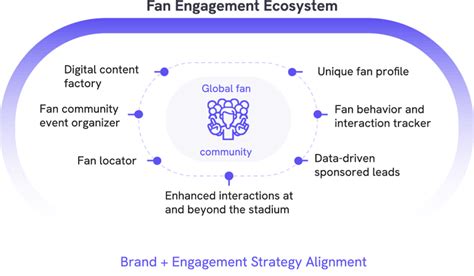
The **fan engagement dimension** cannot be overlooked. A Scudetto win often leads to a **surge in fanbase growth**, particularly among younger audiences who are drawn to the excitement of a championship. Social media platforms become flooded with content celebrating the win, from highlight reels to fan-generated memes and videos. This organic engagement not only strengthens the bond between the team and its existing supporters but also attracts new fans who may have previously been indifferent to the club or the league. For instance, younger fans in emerging football markets like India or Southeast Asia might begin following the team due to the allure of its recent success, thus expanding the club’s global footprint.
There are also **indirect economic benefits** for the local economy of the winning team’s city. A Scudetto win often leads to increased tourism, as fans from other regions or countries may visit the city to partake in victory parades, museum tours of the club’s history, or simply to soak in the atmosphere of a championship city. Local businesses, from hotels to restaurants, benefit from this influx of visitors. Moreover, the visibility of the city on a national and international stage during the celebrations can boost its profile as a destination, particularly if the team’s success is tied to a broader narrative of local pride and resurgence.
However, it is worth noting that the cultural and financial impact is not uniformly positive. For rival teams and their supporters, the Scudetto win may stoke feelings of **jealousy or rivalry**, potentially deepening divides within the league’s fan communities. Additionally, the pressure to defend the title in subsequent seasons can strain team resources, both financial and emotional. The expectation of repeated success can lead to overinvestment in players or infrastructure, which, if mismanaged, could destabilize the club in the long run.
In summary, the 2022 Scudetto win was a multifaceted event with wide-ranging **economic and cultural implications**. It provided the victorious team with a financial windfall, elevated its brand, and deepened its cultural significance within its community and beyond. For Serie A, the win offered a moment of rejuvenation, showcasing the league’s competitiveness and appeal to a global audience. While the immediate effects are measurable in revenue and fan engagement, the long-term impact lies in how the victory shapes the identity of the team, the league, and the cities they represent.
Comparison to Previous Scudetto Seasons
The 2022 Scudetto, clinched by AC Milan, was a dramatic and hard-fought title race that stands out in the context of recent Serie A campaigns. To understand its uniqueness, we must compare it to other recent Scudetto seasons, particularly in terms of competitiveness and drama. While every title race has its own flavor of tension and narrative, the 2022 edition showcased distinct characteristics that set it apart from the relatively dominant runs of Juventus in the 2010s or Inter Milan’s 2021 triumph.
One of the key aspects of the 2022 title race was its unpredictability. Unlike the 2021 season, where Inter Milan, under Antonio Conte, established a commanding lead early on and cruised to the title with relative ease, the 2022 campaign was marked by a neck-and-neck battle between AC Milan and their city rivals, Inter Milan. This was reminiscent of the 2017-18 season, where Napoli pushed Juventus to the brink, but with a key difference: the 2022 race was not a two-team sprint from the outset. Teams like Napoli and even Atalanta were in the mix during the early stages, creating a broader competitive field before the Milan clubs eventually separated themselves.
The competitive balance in 2022 can be attributed to several factors. First, the diminished dominance of Juventus played a role. After winning nine consecutive titles from 2012 to 2020, Juventus struggled to maintain their grip on Serie A in the post-Ronaldo era. Their 2022 campaign was marred by inconsistency, and they were not true title contenders. This opened the door for other teams to vie for the top spot without the looming shadow of Juventus’s historical superiority. In contrast, the 2020 season, for example, still saw Juventus as a major player despite Inter’s resurgence under Conte. The absence of such a dominant force in 2022 allowed for a more open and dynamic title race.
Another factor was the role of squad depth and tactical evolution. AC Milan’s 2022 Scudetto was built on a combination of youthful energy and strategic game management. Under Stefano Pioli, Milan leaned heavily on young talents like Rafael Leão and Sandro Tonali, complemented by experienced players such as Olivier Giroud and Zlatan Ibrahimović. This was a sharp contrast to Inter’s 2021 title, where they boasted a more seasoned and complete squad, bolstered by the likes of Romelu Lukaku and Lautaro Martínez. The 2022 title required Milan to navigate a series of high-pressure matches with a relatively thinner squad compared to Inter’s 2021 roster, adding an element of underdog grit to their triumph. This level of resourcefulness was not as pronounced in Juventus’s methodical dominance during their streak or even in Inter’s 2021 campaign, where their superiority was more evident.
The drama of the run-in in 2022 was heightened by the close points margin between AC Milan and Inter. The two Milan clubs were separated by just two points heading into the final weeks of the season. This was a stark contrast to the 2020 season, where Juventus, despite their struggles, managed to secure the title with a more comfortable lead over Inter. The 2022 race also differed from the 2018 season, where Juventus pulled away from Napoli in the final stretch despite a fiercely competitive start. In 2022, AC Milan had to win their final six matches, including a decisive victory against Sassuolo on the last day, to clinch the title. This created a week-by-week tension that kept fans and pundits on edge, as Inter were always lurking, ready to capitalize on any slip-up.
The psychological warfare between the Milan clubs added another layer of intrigue. Inter’s Coppa Italia victory over Juventus in May 2022 served as a reminder of their quality and ambition, even as they trailed their neighbors in the league. This dynamic was somewhat similar to the 2018 season, where Napoli’s pursuit of Juventus was fueled by a sense of defiance against the Turin giants’ dominance. However, the 2022 Scudetto had a more localized rivalry at its core. The Milan derby became a symbolic battleground, with both teams knowing that their direct clashes could swing the momentum. Inter’s 2-1 win in the second derby of the season added to the narrative, but AC Milan’s ability to bounce back and maintain their lead showcased a level of resilience that was less evident in Napoli’s 2018 challenge or even in Inter’s 2021 march to the title.
The role of individual moments also defined the 2022 Scudetto in a way that set it apart. AC Milan’s title was not secured through overwhelming statistical dominance but rather through clutch performances in critical matches. For instance, Giroud’s brace in the 2-1 win over Inter in February was a turning point, as it demonstrated Milan’s ability to seize opportunities in high-stakes games. Similarly, their defense, anchored by Fikayo Tomori and Pierre Kalulu, was instrumental in grinding out results during the run-in. This reliance on key moments contrasts with Juventus’s title runs earlier in the decade, where their victories often felt like the culmination of a well-oiled machine rather than a series of dramatic interventions.
From a narrative perspective, the 2022 Scudetto also resonated differently because of AC Milan’s return to prominence. This was their first title since 2011, breaking a decade-long drought. Unlike Inter’s 2021 win, which felt like a continuation of their historical pedigree under new management, or Juventus’s titles, which were part of an era of dominance, Milan’s victory had a sense of redemption and revival. This was particularly poignant given their struggles in the mid-2010s, including financial difficulties and a lack of European success. The emotional weight of this triumph added a layer of drama that was less present in recent Scudetto seasons, where the same few teams had largely monopolized success.
When compared to the 2019-20 season, where Juventus won in a pandemic-affected campaign, the 2022 race felt more traditionally competitive. The 2020 season was disrupted by COVID-19, and Juventus’s title felt somewhat hollow due to the lack of fans and the compressed schedule. In 2022, however, the return of full stadiums and a more normalized season schedule allowed the drama to unfold in a way that felt more authentic and engaging for fans. The roar of the San Siro and the tension of each matchday contributed to a sense of spectacle that had been somewhat muted in the immediate post-pandemic seasons.
In summary, the 2022 Scudetto was a blend of competitive parity, localized rivalry, and emotional resonance that distinguished it from recent title races. While Juventus’s dominance in the 2010s and Inter’s 2021 win were characterized by clear frontrunners, the 2022 season brought back memories of the 2017-18 Napoli-Juventus duel but with a more localized and dramatic Milan-centric twist. The combination of a resurgent AC Milan, a competitive Inter side, and the absence of a dominant Juventus created a title race that was both unpredictable and gripping, making it one of the more memorable Scudetto battles in recent memory.
Conclusion and Legacy
The 2022 Scudetto, awarded to AC Milan after an exhilarating Serie A campaign, holds a distinctive place in football history. This victory was not merely a triumph of athleticism or strategy but a narrative of resurgence, resilience, and the redefinition of what it means to compete at the highest level in modern football. As we reflect on its legacy, the 2022 Scudetto serves as a microcosm of broader shifts in the sport, from the evolution of team dynamics to the interplay of tradition and innovation.
One of the most striking aspects of AC Milan's Scudetto win was the rekindling of a storied rivalry with Inter Milan. The 2021-2022 season saw the two Milanese giants locked in a neck-and-neck battle for supremacy, harking back to the glory days of the late 2000s when Serie A was defined by the dominance of these two clubs. However, unlike those earlier eras, the 2022 title race unfolded in a vastly different footballing landscape. The financial constraints brought about by the COVID-19 pandemic, combined with the growing influence of data-driven recruitment and youth development, meant that AC Milan's victory was achieved under conditions that emphasized frugality and ingenuity over lavish spending. This marked a departure from the free-spending ethos of clubs like Paris Saint-Germain or Manchester City and signaled a potential shift in how success could be engineered in European football.
AC Milan's title run was built on a foundation of youthful exuberance and tactical adaptability. Under the guidance of manager Stefano Pioli, the team embraced a high-pressing, possession-oriented style of play that prioritized fluidity over rigidity. Players like Rafael Leão, Sandro Tonali, and Fikayo Tomori—all under the age of 25 at the time—emerged as pivotal figures. Their performances underscored a growing trend in football: the increasing reliance on young, dynamic talents who could be developed in-house or acquired at a fraction of the cost of established stars. This approach not only resonated with AC Milan's financial realities but also set an example for other clubs striving to balance ambition with sustainability. The legacy of this Scudetto, therefore, lies partly in its demonstration that success need not always be bought but can be built through shrewd management and a clear vision.
Another dimension of the 2022 Scudetto's legacy is its role in reaffirming Serie A's competitive relevance on the global stage. For much of the 2010s, Serie A had been overshadowed by the Premier League and La Liga in terms of global viewership and commercial appeal. However, the intense title race between AC Milan and Inter, coupled with strong showings from other Italian clubs in European competitions, helped to restore some of Serie A's luster. The 2022 season reminded fans and pundits alike that Italian football still possessed the capacity to produce high-stakes drama and technical excellence. This renewed interest in Serie A also had ripple effects on player recruitment, with more international stars considering Italy as a viable destination for their careers. In this sense, the Scudetto was not just a victory for AC Milan but a boon for the league as a whole, reinforcing its position as a crucible for tactical innovation and high-level competition.
The 2022 title also carries a symbolic weight in the context of AC Milan's history. For a club that had endured a prolonged period of mediocrity following their last Scudetto in 2011, this victory was a cathartic moment. It represented the end of a drought and the beginning of a potential new era of competitiveness. For long-time supporters, the win was imbued with nostalgia, evoking memories of legends like Paolo Maldini, who now served as the club's technical director. Yet, it was also a victory rooted in the present, achieved by a squad that bore little resemblance to the star-studded lineups of the past. This duality—of honoring tradition while embracing modernity—added a layer of complexity to the Scudetto's legacy. It suggested that football clubs could evolve without losing their identity, a lesson that resonated far beyond Milan.
From a broader footballing perspective, the 2022 Scudetto can be seen as a harbinger of change in how success is measured in the sport. The traditional markers of dominance—such as star-studded lineups, exorbitant transfer fees, and overwhelming financial superiority—were subverted by AC Milan's achievement. Instead, the focus shifted to cohesion, adaptability, and the cultivation of a winning mentality. This shift is particularly relevant in an era where financial fair play regulations and the economic pressures of modern football make it increasingly difficult for clubs to sustain models of success based solely on expenditure. AC Milan's Scudetto served as a proof of concept for a more balanced approach, one that prioritized long-term planning and player development over short-term splurges.
The lasting impact of the 2022 Scudetto can also be seen in its influence on fan culture and engagement. The title win galvanized AC Milan's global fanbase, many of whom had grown disillusioned during the club's lean years. Social media platforms were abuzz with celebrations, memes, and analyses, reflecting the ways in which digital spaces have become integral to how fans experience football. This heightened engagement highlighted the growing importance of community-building and digital presence for football clubs. AC Milan's ability to harness this energy—through behind-the-scenes content, player interactions, and strategic use of platforms like TikTok and Instagram—offered a blueprint for how clubs could deepen their connection with fans in the digital age. The Scudetto thus became not just a sporting achievement but a case study in modern fan engagement.
On a more abstract level, the 2022 Scudetto can be viewed as a testament to the enduring unpredictability of football. In an era where the sport is often criticized for becoming too predictable—dominated by a handful of superclubs with seemingly insurmountable resources—AC Milan's win was a reminder of the sport's capacity for surprise. It demonstrated that even in a highly stratified footballing ecosystem, passion, strategy, and collective effort could still overturn expectations. This unpredictability is part of what makes football so compelling, and the 2022 Scudetto served as a vivid illustration of this principle.
Finally, the 2022 Scudetto's legacy extends to its inspirational value for other clubs and players. AC Milan's journey from a mid-table team in the mid-2010s to champions in 2022 offered a roadmap for other clubs seeking to rebuild and compete. It showed that patience, strategic investment in youth, and a clear tactical identity could yield results even in the face of financial and competitive challenges. For players, particularly those in the early stages of their careers, the Scudetto was a reminder that opportunity could arise in unexpected places. The success of AC Milan's young core served as a beacon for aspiring footballers who might otherwise feel overshadowed by the dominance of more established stars.
In conclusion, the 2022 Scudetto is more than just a footnote in AC Milan's history or Serie A's annals. It is a victory that encapsulates the evolving nature of football in the 21st century—a blend of tradition and innovation, of financial pragmatism and sporting ambition. Its legacy lies in its ability to inspire, to challenge preconceived notions of success, and to remind us that in football, as in life, the story is never fully written until the final whistle blows.