Introduction to Calciomercato
Calciomercato, a term rooted in Italian football culture, refers to the period of player transfers and market activity that occurs between football seasons. The word itself is a blend of "calcio" (Italian for football) and "mercato" (market), encapsulating the essence of a bustling transfer window where clubs negotiate, strategize, and compete to secure players who can elevate their performance. While transfer windows are a standard feature in global football, calciomercato holds a unique cultural and operational significance in the football world, particularly in Italy, where it is not just a logistical event but a spectacle deeply intertwined with the sport's narrative.
The concept of calciomercato extends beyond the simple buying and selling of players. It represents a strategic chessboard where clubs, agents, and even media outlets play pivotal roles. Unlike other sports markets, calciomercato is characterized by its intense focus on the human element—players as assets, yes, but also as individuals whose careers, ambitions, and personal lives are reshaped by these transactions. This dynamic makes calciomercato a microcosm of the broader football ecosystem, where the stakes are not limited to a club's immediate success but also influence long-term team identity, fan loyalty, and even national football trends.
One of the most striking aspects of calciomercato is its role in **player transfers**, which are often seen as high-stakes gambles. Clubs invest significant sums to acquire talent, sometimes spending hundreds of millions of euros in a single window. For instance, the 2017 transfer of Neymar to Paris Saint-Germain for €222 million, though not directly within the Italian calciomercato framework, exemplifies the kind of seismic shifts these windows can produce. In Italy, clubs like Juventus, Inter Milan, and AC Milan use the calciomercato to reshape their squads, often focusing on a mix of marquee signings and under-the-radar acquisitions that can provide both immediate results and future potential. This dual focus underscores the strategic depth of calciomercato, where clubs must balance short-term competitiveness with sustainable squad development.
The **significance of calciomercato in team dynamics** cannot be overstated. A well-executed transfer window can rejuvenate a struggling team or solidify the dominance of a top-tier club. For example, Juventus' acquisition of Cristiano Ronaldo in 2018 was more than a high-profile signing; it was a statement of intent to dominate both domestically and in European competitions. Ronaldo's presence not only boosted the team's attacking prowess but also elevated the club's global brand, attracting sponsors and increasing merchandise sales. However, calciomercato is not without its risks. Poorly planned transfers can disrupt team cohesion, burden a club with unsustainable wages, or result in players who fail to adapt to new systems or cultures. This is why the role of **sporting directors and technical staff** becomes critical during calciomercato. These individuals must not only identify talent but also assess how a player's skills, personality, and playing style will integrate with the existing squad.
Calciomercato also plays a **cultural role** in the football world, particularly in Italy, where it is treated as a season unto itself. Fans eagerly follow rumors, leaks, and official announcements, often engaging in heated debates about potential signings. Media outlets, both traditional and digital, amplify this frenzy by publishing daily updates, exclusive interviews, and speculative articles. This media-driven aspect of calciomercato has created a symbiotic relationship between football clubs and the press. Clubs use the media to gauge public opinion or even to inflate a player's market value, while media outlets capitalize on the public's insatiable appetite for transfer news. This interplay has turned calciomercato into a year-round conversation rather than a seasonal event, with discussions about potential transfers beginning long before the official windows open.
From a **global perspective**, calciomercato highlights the interconnected nature of modern football. While it is most prominently associated with Italian football, its principles and practices are mirrored in other leagues, such as the Premier League's summer and winter transfer windows or La Liga's mercado de fichajes. However, what sets calciomercato apart is its **regional flavor**. Italian clubs often prioritize nurturing homegrown talent or acquiring players with experience in Serie A, reflecting a preference for familiarity and tactical cohesion. This approach contrasts with the more globalized transfer strategies of leagues like the Premier League, where clubs frequently scout talent from diverse regions, including South America, Africa, and Asia. This regional focus in calciomercato underscores the importance of local knowledge and networks in player recruitment, making it a unique phenomenon even within the broader context of football transfers.
Another critical dimension of calciomercato is its impact on **player psychology and career trajectories**. For players, the transfer window is a period of uncertainty and opportunity. A successful move can revitalize a stagnating career, as seen with players like Romelu Lukaku, whose return to Inter Milan on loan in 2022 reignited his form after a challenging spell at Chelsea. Conversely, a poorly timed or ill-suited transfer can lead to diminished playing time, loss of confidence, or even public backlash. Agents, who act as intermediaries in these deals, often wield significant influence during calciomercato, negotiating contracts, orchestrating moves, and sometimes even engineering standoffs to secure better terms for their clients. This layer of agent involvement adds complexity to the process, as clubs must navigate not just the desires of players but also the agendas of agents who may prioritize financial gain over long-term career stability.
Calciomercato also serves as a **barometer of a club's ambitions**. A club’s activity—or lack thereof—during the transfer window can signal its financial health, strategic priorities, and level of competitiveness. For instance, a club that refrains from major signings might be interpreted as either financially constrained or confident in its existing squad. Conversely, a club that aggressively pursues high-profile signings communicates a desire to challenge for titles or reassert dominance. This transparency, while not always intentional, shapes how fans, rivals, and even potential sponsors perceive the club.
In summary, calciomercato is far more than a simple transfer window; it is a **complex, multifaceted phenomenon** that shapes the football landscape in profound ways. Its influence extends beyond the technical aspects of player recruitment to touch on cultural, psychological, and economic dimensions. By understanding calciomercato as a blend of strategy, spectacle, and human drama, one gains a deeper appreciation of its role in the football world. Whether viewed through the lens of a club's ambitions, a player's aspirations, or a fan's passion, calciomercato remains a cornerstone of football's ever-evolving narrative, a period where dreams are built, fortunes are wagered, and the future of the beautiful game is reimagined.
Historical Evolution of Calciomercato
The term calciomercato, which translates to "football market" in English, refers to the transfer window in Italian football where clubs buy, sell, and loan players. Its historical evolution is deeply intertwined with the broader development of football as a professional sport, especially in Italy, where the sport has been a cultural and economic cornerstone. To understand calciomercato's trajectory, we must delve into its origins, major shifts in policies, and how it has adapted to the globalized football ecosystem.
The concept of player transfers in football dates back to the late 19th century when the sport transitioned from amateurism to professionalism. In Italy, the early 20th century marked the formalization of club structures and player contracts. However, the calciomercato as we know it began to take shape in the post-World War II era. During this time, Italian football underwent significant reorganization, with the establishment of Serie A as a fully professional league in 1946. This period saw clubs beginning to negotiate player transfers more systematically, often influenced by regional rivalries and the need to strengthen squads for competitive success.
One of the earliest defining features of calciomercato was its seasonality. Unlike the year-round transfer negotiations seen in some modern contexts, early Italian football operated with strict transfer windows aligned with the start and end of the season. This approach was designed to maintain competitive balance and prevent mid-season disruptions. However, as the sport grew in popularity and commercial appeal in the 1960s and 1970s, calciomercato began to reflect a more dynamic and fluid system. Clubs like Juventus, AC Milan, and Inter Milan emerged as dominant forces, not just on the pitch but in their ability to navigate the transfer market strategically. The influx of foreign talent during this period, particularly from South America, marked a shift in how Italian clubs approached player acquisition. Legends like Omar Sívori and José Altafini were emblematic of this era, as their transfers highlighted the growing importance of scouting networks and financial investment in calciomercato.
The 1980s and 1990s were transformative decades for calciomercato, driven by several key policy changes and external factors. The Bosman ruling in 1995, although a European legal decision, had profound implications for Italian football. This ruling allowed players to move freely at the end of their contracts without transfer fees, challenging the traditional power dynamics of calciomercato. Italian clubs, which had previously relied heavily on transfer fees and long-term contracts to maintain control over players, had to adapt. This period also saw the rise of "super agents" like Mino Raiola and Jorge Mendes, who began to play a pivotal role in brokering high-profile deals. Their influence underscored a shift toward player-centric negotiations, where individual preferences and financial incentives often outweighed club loyalty.
Another critical development during this era was the advent of co-ownership deals in Italian football. This practice, unique to Italy, allowed two clubs to share the contractual rights of a player. While it provided smaller clubs with financial flexibility and allowed larger clubs to secure promising talent without immediate full payment, it also introduced complexities and controversies. Co-ownership deals were eventually phased out in 2015 due to concerns over ethical implications and operational inefficiencies, marking a significant evolution in calciomercato's regulatory framework.
The turn of the millennium brought calciomercato into the global spotlight, fueled by the commercialization of football and the rise of media coverage. The advent of 24/7 sports news channels, online platforms, and social media transformed the transfer window into a spectacle. Italian clubs, particularly those with global fanbases like Juventus and AC Milan, began to leverage calciomercato as a marketing tool. High-profile signings such as Zlatan Ibrahimović, Cristiano Ronaldo, and Romelu Lukaku were not just footballing decisions but also calculated moves to enhance brand visibility and attract sponsors. This era also saw the influence of Financial Fair Play (FFP) regulations introduced by UEFA, which aimed to curb excessive spending and promote financial sustainability. Italian clubs had to navigate these rules carefully, often resorting to creative transfer strategies such as loan deals with obligatory purchase clauses or player swaps to balance their books.
A notable trend in recent years has been the increasing role of analytics and data-driven decision-making in calciomercato. Clubs now employ teams of analysts to assess player performance metrics, injury histories, and even psychological profiles before committing to transfers. This shift reflects a broader trend in global football but has been particularly pronounced in Italy, where clubs like Atalanta have gained acclaim for their ability to identify undervalued talent through meticulous scouting and data analysis. The success of such clubs has redefined the narrative around calciomercato, proving that strategic, cost-effective transfers can compete with the high-spending approaches of traditional powerhouses.
The globalization of calciomercato has also brought challenges. The Italian league, once a dominant force in European football, has seen its allure wane in comparison to the Premier League and La Liga, which boast higher revenues and global reach. This has led to a more cautious approach in the transfer market, with Italian clubs often prioritizing youth development and loan systems to remain competitive. However, high-profile transfers, such as Cristiano Ronaldo's move to Juventus in 2018, demonstrate that Italian football can still command global attention when opportunities align with ambition.
Looking ahead, the evolution of calciomercato is likely to be shaped by emerging trends such as the integration of artificial intelligence in scouting, the impact of streaming platforms on player visibility, and the potential for cross-league collaborations. The COVID-19 pandemic also introduced new dynamics, with clubs forced to operate under financial constraints and prioritize squad depth over marquee signings. These factors suggest that while calciomercato will continue to evolve, its essence as a reflection of Italian football's identity—strategic, passionate, and deeply rooted in tradition—will remain intact.
- The post-war period established calciomercato as a seasonal, structured process.
- The Bosman ruling and super agents transformed player-club dynamics in the 1990s.
- Globalization and media exposure turned calciomercato into a spectacle in the 2000s.
- Recent trends emphasize data-driven strategies and financial sustainability.
In summary, the historical evolution of calciomercato is a microcosm of Italian football's journey—adapting to economic, legal, and cultural shifts while maintaining its unique identity. From its humble beginnings in the early 20th century to its current status as a globalized, highly scrutinized phenomenon, calciomercato remains a fascinating lens through which to explore the interplay of sport, commerce, and culture.
Key Stakeholders in Calciomercato
The term calciomercato, Italian for "football market," refers to the transfer window periods during which clubs engage in buying, selling, and loaning players. This dynamic ecosystem is driven by a complex interplay of stakeholders, each with distinct roles and motivations. Understanding these stakeholders is essential to grasp how transfer activities are shaped and executed in the football world.
At the heart of calciomercato are the football clubs. Clubs are the primary drivers of transfer activities, as they seek to build competitive squads while balancing financial and sporting objectives. Major clubs, such as those in the English Premier League, Serie A, or La Liga, often operate with significant budgets, enabling them to target high-profile players. However, even smaller clubs play a critical role, particularly as sellers or developers of talent. For instance, clubs like Ajax or Benfica are renowned for their youth academies, which produce players who become hot commodities in the transfer market. Clubs must navigate a delicate balance between short-term success and long-term sustainability, often dictated by financial fair play (FFP) regulations.
Another key stakeholder is the player, whose career trajectory and personal ambitions often dictate transfer decisions. Players are not merely passive participants; their preferences for playing time, salary, location, or even lifestyle can heavily influence negotiations. For example, a young player may prioritize joining a club with a strong developmental reputation, while an established star might seek a club offering Champions League exposure or higher wages. Agents often act as intermediaries to align player interests with club offers, but players themselves, particularly those with strong personal brands, may directly influence the market. Social media platforms have amplified player voices, allowing them to signal interest or dissatisfaction publicly, which can accelerate or complicate transfer processes.
The role of agents and intermediaries in calciomercato cannot be overstated. Agents are often portrayed as dealmakers, tasked with securing the best financial and professional terms for their clients. Prominent agents like Mino Raiola (before his passing) or Jorge Mendes have become power brokers, wielding influence over multiple clubs and players. These "super agents" often operate as network builders, connecting clubs with players and even facilitating multi-club deals. However, their role is not without controversy; agents can drive up transfer fees and salaries, sometimes to the detriment of a club’s financial health. Additionally, intermediaries who are not officially registered as agents may play behind-the-scenes roles, brokering deals or providing insider information to clubs and players alike.
The leagues and governing bodies form the regulatory framework within which calciomercato operates. Each league has its own set of rules regarding transfer windows, squad registration, and financial compliance. For instance, the Premier League operates under a summer window that closes before the season begins, while Serie A’s window typically extends slightly longer. These variations can influence strategic timing in transfer negotiations. Governing bodies like UEFA and FIFA impose broader regulations, such as transfer fee caps, loan restrictions, and FFP rules, which aim to maintain competitive balance and prevent financial overreach. However, these regulations are not without loopholes; creative accounting or third-party ownership arrangements have occasionally allowed clubs to circumvent restrictions, although such practices are increasingly scrutinized.
Clubs are often influenced by their owners and executives, who bring varying philosophies to transfer activities. Owner-driven clubs, such as Paris Saint-Germain under Qatar Sports Investments or Manchester City under the City Football Group, often prioritize marquee signings to enhance global brand visibility. In contrast, clubs with more traditional ownership models, such as those in Germany's Bundesliga, may emphasize sustainable development and homegrown talent. Executives like sporting directors or directors of football act as the operational bridge between ownership and on-field strategy. They are responsible for scouting, negotiating, and aligning transfers with the club's broader vision.
The media and fanbases also shape calciomercato dynamics, albeit indirectly. Media outlets, from traditional sports newspapers like Gazzetta dello Sport to digital platforms like Transfermarkt, play a significant role in driving speculation and hype around potential transfers. While some reports are well-sourced, others are speculative or even fabricated to generate clicks. This "transfer rumor mill" can create pressure on clubs to act, particularly when fans demand signings to address perceived weaknesses in the squad. Fan expectations, amplified by social media, can push clubs to make hasty or ill-advised decisions, especially when a club is underperforming or facing relegation threats.
An often-overlooked stakeholder group in calciomercato is the financial and sponsorship ecosystem. Sponsors and commercial partners may influence transfer decisions by tying their support to a club's ability to attract high-profile players. For example, the arrival of Cristiano Ronaldo at Juventus in 2018 was partially driven by the club’s desire to expand its commercial appeal, particularly in Asian markets. Similarly, financial institutions and investment funds may play a role, particularly in structuring player payment plans or facilitating third-party ownership deals. This financial layer adds another dimension to calciomercato, where the movement of players is not just a sporting decision but also a commercial one.
Finally, rivalries and competition between clubs add a layer of complexity to transfer activities. Clubs often engage in bidding wars for the same player, not just for sporting reasons but also to deny a rival the opportunity to strengthen. This phenomenon, sometimes referred to as "strategic blocking," can inflate transfer fees and create a ripple effect across the market. For instance, when two top clubs compete for a star player, other clubs may exploit the distraction to secure secondary targets at better terms.
In summary, calciomercato is a multifaceted process involving a web of interconnected stakeholders. Clubs drive the market with their needs and resources, players bring personal ambitions and leverage, agents act as deal facilitators, leagues and governing bodies enforce the rules, and media and fans amplify the drama. Add to this the influence of owners, sponsors, and rivals, and the calciomercato becomes a microcosm of the broader football industry—a blend of sport, business, and spectacle. Understanding these roles provides a clearer picture of how transfer activities are not random but the result of calculated strategies and competing interests.
Market Dynamics and Trends
The world of calciomercato, or the football transfer market, is a dynamic and ever-evolving ecosystem influenced by a myriad of factors ranging from club strategies and player aspirations to regulatory frameworks and economic conditions. Understanding the market dynamics and trends in this space requires a nuanced look at the forces shaping modern football transfers, particularly in the context of rising transfer fees, the loan systems, and the impact of financial fair play (FFP) regulations.
One of the most pronounced trends in recent years has been the exponential rise in transfer fees. This phenomenon is driven by several interrelated factors. First, the globalization of football has turned top-tier players into global brands, with clubs willing to invest heavily to secure talent that can not only perform on the pitch but also drive revenue through merchandise sales, sponsorships, and international fan engagement. For instance, the record-breaking transfer of Neymar to Paris Saint-Germain for €222 million in 2017 was not merely a reflection of his footballing prowess but also a strategic move to position PSG as a global powerhouse. This trend has created a ripple effect, inflating the market value of even moderately talented players as clubs attempt to keep pace with the elite.
Another contributing factor to rising transfer fees is the concentration of wealth in a handful of clubs. The financial dominance of clubs like Manchester City, Chelsea, and PSG—backed by state-linked ownership or billionaire investors—has distorted the traditional supply-and-demand dynamics. These clubs operate in a realm where financial prudence often takes a backseat to the desire for immediate success. Their ability to outbid competitors has created a seller's market, where even mid-tier clubs demand exorbitant fees for their players, knowing that the wealthiest clubs can afford to pay. This has led to a polarization of the transfer market, where smaller clubs struggle to compete for talent, often resorting to creative strategies such as scouting younger, less-established players or relying on the loan system.
The loan system has become a critical tool in the calciomercato landscape, particularly for clubs operating on limited budgets. Loans serve multiple purposes: they allow clubs to temporarily acquire players without the full financial commitment of a permanent transfer, provide opportunities for young players to gain experience, and offer a mechanism for clubs to offload surplus talent while retaining some control over their development. For example, the loan moves of players like Fikayo Tomori from Chelsea to AC Milan have proven mutually beneficial—Milan gained a talented defender without an upfront cost, while Chelsea could reassess his value later. However, the loan system is not without its controversies. Critics argue that it can be exploited to circumvent FFP regulations, allowing wealthier clubs to stockpile talent and maintain influence over player development without fully committing to their future. This practice has prompted calls for stricter loan regulations, particularly in leagues like Serie A, where the practice is widespread.
Closely tied to these dynamics is the role of financial fair play (FFP) regulations, introduced by UEFA to promote financial stability and fairness in European football. FFP aims to ensure that clubs operate within their means, limiting the extent to which they can rely on external funding or unsustainable spending. While the intent of FFP is laudable, its implementation has sparked debate. Wealthier clubs often find creative ways to comply with FFP while continuing to spend heavily, such as through lucrative sponsorship deals with companies closely tied to their ownership groups. For instance, Manchester City's sponsorship agreements with Etihad Airways have been scrutinized for potentially inflating revenue figures. Meanwhile, smaller clubs, which lack access to such financial engineering, are often more constrained by FFP rules, leading to a perceived imbalance in how the regulations are enforced. This has fueled discussions about whether FFP truly levels the playing field or merely entrenches the dominance of the financially elite.
Another trend worth examining is the increasing reliance on data analytics in the transfer market. Clubs are now leveraging advanced metrics to identify undervalued players, assess their compatibility with team systems, and predict future performance. This shift has introduced a more scientific approach to calciomercato, reducing some of the speculative risk associated with high-profile transfers. For example, clubs like Liverpool have used data-driven insights to target players like Andrew Robertson and Mohamed Salah, who were not considered marquee signings at the time but have since become integral to the team's success. This trend suggests that while transfer fees may continue to rise for top-tier talent, clubs with robust analytical frameworks can still compete by identifying value in less obvious places.
The impact of the COVID-19 pandemic has also left a lasting imprint on calciomercato trends. The financial strain experienced by clubs during the pandemic led to a temporary slowdown in transfer spending, with many teams prioritizing loan deals, free transfers, and swap agreements over high-cost acquisitions. However, as the market rebounds, there is evidence of a return to pre-pandemic spending patterns, particularly among the wealthiest clubs. This rebound underscores the resilience of the transfer market but also highlights the growing gap between the haves and have-nots in football.
It is also important to consider the geopolitical influence on transfer market trends. The rise of clubs in non-traditional football markets, such as those in the Middle East or the United States, has introduced new dynamics. For instance, Saudi Arabian clubs have recently made waves by offering lucrative contracts to aging stars like Cristiano Ronaldo and Karim Benzema, reshaping the landscape of player movement. While these moves are often dismissed as retirement deals, they signal a broader attempt by these leagues to establish themselves as competitive alternatives to Europe's top divisions. This trend could further complicate the traditional calciomercato ecosystem, particularly if more players are tempted by the financial incentives offered outside Europe.
Finally, the role of agents and intermediaries cannot be overlooked. Agents have become powerful players in the transfer market, often driving negotiations and influencing player movement. Their growing influence has led to concerns about conflicts of interest and the prioritization of personal profit over the long-term interests of players or clubs. For example, the protracted saga of Paul Pogba's transfers has highlighted the significant role agents can play in inflating fees and prolonging negotiations.
In summary, the calciomercato is shaped by a complex interplay of economic forces, regulatory frameworks, and technological advancements. Rising transfer fees reflect the commercialization of football and the concentration of wealth among elite clubs, while the loan system and FFP regulations reveal the tensions between financial flexibility and fairness. As the market continues to evolve, clubs must navigate these dynamics with a mix of strategic foresight, analytical rigor, and adaptability to remain competitive in an increasingly unpredictable environment.
The Role of Media in Calciomercato
The media plays a pivotal role in shaping the dynamics of calciomercato, the Italian term for the football transfer market. This period, marked by frenzied speculation, high-stakes negotiations, and dramatic announcements, is as much a spectacle as the sport itself. Media outlets, ranging from traditional newspapers to digital platforms and social media, have become central to how transfer narratives are constructed, player valuations are influenced, and fan expectations are managed—or mismanaged. Their influence extends beyond mere reporting, often acting as active participants in the theater of calciomercato.
One of the most significant ways media outlets influence calciomercato is through the construction of **transfer narratives**. In an era of 24/7 news cycles and click-driven content, outlets often prioritize sensationalism over substance. A rumor about a star player being "linked" to a club can be spun into a multi-day saga, even when there is little to no substance behind the claim. For instance, a simple quote from a player’s agent about "exploring options" can be amplified into a full-blown transfer story. This practice not only fuels speculation but also creates a feedback loop where clubs, agents, and players may feel compelled to respond to media-generated rumors, further legitimizing the narrative. The result is a marketplace where perception often outweighs reality, with clubs sometimes forced to address baseless rumors to maintain credibility with fans and stakeholders.
The **impact on player valuations** is another area where media influence is profound. In calciomercato, player prices are not solely determined by performance metrics, contract terms, or market demand; they are also shaped by the intangible force of media hype. When a player is consistently featured in headlines as a "hot prospect" or "in-demand talent," their perceived value can skyrocket. This phenomenon is particularly evident in the cases of young players or those who have performed well in high-profile matches. For example, a striker who scores a brace in a Champions League knockout stage might see their valuation inflate disproportionately due to the media spotlight. Clubs, aware of this effect, sometimes leak information to the press to drive up a player’s price or create a bidding war. Conversely, negative media coverage—such as reports of a player’s poor attitude or off-field issues—can deflate their market value, even if their on-field contributions remain solid. This dynamic underscores how media narratives can serve as a double-edged sword in the transfer market.
Fan expectations are perhaps the most volatile element influenced by media coverage during calciomercato. Fans, hungry for news about potential signings, often rely on media reports to gauge their club’s ambitions and prospects for the upcoming season. However, the line between informed reporting and baseless speculation is frequently blurred. A well-timed "exclusive" about a club being "close to signing" a marquee player can send fan forums and social media into a frenzy, even if the report is little more than conjecture. This creates a precarious situation where fan disappointment can turn into anger or disillusionment if the touted signing does not materialize. Clubs, aware of this dynamic, sometimes use the media strategically to manage expectations. For instance, a club might plant a story about pursuing a high-profile player to placate fans, even if their actual transfer strategy is more modest. Conversely, clubs may downplay interest in certain players to avoid inflating prices or overpromising to their supporter base.
Social media has amplified the media’s role in calciomercato, creating a more direct and immediate channel for influence. Platforms like Twitter, Instagram, and TikTok allow rumors to spread at lightning speed, often bypassing traditional media gatekeepers. A single tweet from a journalist with a large following can set the agenda for an entire day of transfer speculation. Moreover, players and agents now use social media to directly engage with fans, sometimes fueling transfer rumors themselves. A cryptic post from a player—such as a photo in a new city or a comment about "new challenges"—can be interpreted as a hint about an impending move, regardless of its actual intent. This creates a landscape where the media, fans, and participants in the transfer market are all interconnected in a web of influence and reaction.
The **economic implications** of media involvement in calciomercato cannot be overlooked. Transfer stories drive traffic, subscriptions, and advertising revenue for media outlets, particularly during the transfer window. This financial incentive can lead to exaggerated or even fabricated stories designed to capture attention. While some outlets maintain journalistic integrity, others prioritize sensationalism to remain competitive in a saturated market. This race for clicks can distort the transfer market, as clubs and agents may feel pressured to respond to fabricated reports to avoid being seen as inactive or uncompetitive. In this way, the media not only reflects the transfer market but actively shapes its contours.
Another layer of complexity is added by the **regional and cultural nuances** of calciomercato in Italy. Italian media, particularly outlets like La Gazzetta dello Sport and Corriere dello Sport, have a long-standing tradition of intense focus on transfer rumors. These outlets often adopt a partisan tone, catering to the fan bases of specific clubs. For example, a Milan-based outlet might emphasize AC Milan’s pursuit of a player while downplaying Inter Milan’s interest in the same individual. This regional bias further fuels rivalries and creates a fragmented media landscape where narratives are tailored to specific audiences. Such practices not only influence how fans perceive their club’s transfer activity but also how rival clubs are portrayed in the broader transfer discourse.
The role of media in calciomercato also raises questions about **accountability and ethics**. While some outlets strive for balanced reporting, others thrive on rumor-mongering and unverified claims. This lack of uniform standards can erode trust between fans and the media, particularly when high-profile transfers fall through after weeks of hype. Moreover, the sheer volume of transfer stories during the window makes it difficult for fans to discern credible sources from unreliable ones. This dynamic has led to calls for greater transparency and fact-checking in transfer reporting, though implementing such measures in a fast-paced, competitive environment remains a challenge.
In conclusion, the media is both a mirror and a mover of calciomercato. Through transfer narratives, player valuations, and fan expectations, media outlets wield enormous influence over the transfer market’s direction and perception. While their role can enhance the excitement and drama of the window, it also introduces elements of unpredictability and distortion. As calciomercato continues to evolve in the digital age, the interplay between media, clubs, players, and fans will remain a fascinating and complex aspect of modern football.
Strategic Approaches to Calciomercato
The transfer market, or calciomercato as it is known in Italian football, is a high-stakes arena where clubs vie for talent to strengthen their squads, achieve competitive goals, and secure financial sustainability. Beyond the glamour of headline-grabbing signings lies a complex web of **strategic approaches** that clubs must deploy to navigate this dynamic and often unpredictable environment. Clubs that excel in calciomercato often differentiate themselves not merely by the size of their budgets but by their ability to execute well-thought-out strategies.
One of the most critical components of successful transfer market navigation is **scouting**. Scouting is not merely about identifying talented players; it is about understanding how those players fit within a club’s tactical framework and culture. Elite clubs invest heavily in data-driven scouting systems that analyze player performance metrics such as expected goals (xG), progressive passes, and defensive actions. However, top-tier scouting goes beyond numbers. Scouts must assess intangible qualities like a player’s adaptability to different leagues, psychological resilience under pressure, and compatibility with the coach's preferred system. For instance, when Liverpool signed Mohamed Salah from Roma, their scouting team not only identified his raw speed and goal-scoring ability but also recognized his potential to thrive in Jürgen Klopp’s high-pressing system. This level of insight requires clubs to maintain a global network of scouts who can provide localized expertise, particularly in emerging markets like South America and Africa, where untapped talent often resides.
Another key facet of calciomercato strategy is **negotiation tactics**. Clubs must balance the art of persuasion with the science of financial prudence. Negotiation in the transfer market is a multi-layered process involving not just the buying and selling clubs but also player agents, third-party intermediaries, and sometimes even sponsors. Clubs with a clear understanding of their financial limits often employ **bracketing techniques**—setting a range of acceptable fees and refusing to exceed them. This approach allows clubs to avoid overpaying while maintaining a reputation for being firm yet fair. For example, when Ajax sold Matthijs de Ligt to Juventus, they set a clear valuation and resisted the temptation to inflate the price unnecessarily, knowing that overvaluation could sour future deals. Additionally, clubs can use **swap deals or player-plus-cash arrangements** to mitigate costs while addressing squad imbalances. A well-executed swap deal, like the one involving Arthur Melo and Miralem Pjanić between Barcelona and Juventus, can serve multiple purposes: reducing net spend, offloading surplus players, and securing a target without overburdening the budget.
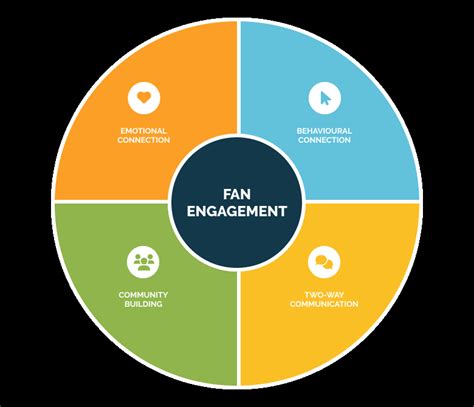
However, even the best scouting and negotiation strategies can falter without **long-term planning**. Successful clubs view the transfer market not as a series of isolated events but as part of a broader, multi-year vision. This involves aligning transfer activity with the club’s **sporting and financial objectives**. For instance, a club aiming for sustained success in domestic and European competitions might prioritize young, high-potential players who can grow into key roles over several seasons. This strategy is evident in the approach of clubs like RB Leipzig and borussia dortmund, which have built reputations for identifying and developing under-the-radar talents such as Erling Haaland and Jadon Sancho. These players are often acquired at lower fees due to their lack of immediate stardom but are groomed to become valuable assets both on the pitch and in future transfer windows.
Long-term planning also requires clubs to anticipate **market trends and external pressures**. The COVID-19 pandemic, for example, forced many clubs to reassess their transfer policies, favoring loan deals, free transfers, and lower-cost signings due to reduced revenues. Clubs that had already adopted sustainable transfer policies, such as focusing on youth development or leveraging loan-to-buy arrangements, were better positioned to weather this disruption. Similarly, clubs must consider the impact of **financial fair play (FFP) regulations**, which limit reckless spending and encourage prudent financial management. This has led to increased emphasis on **sell-to-buy models**, where clubs offload players at a profit to fund new acquisitions. A prime example is Benfica, which has consistently turned profits on players like João Félix and Darwin Núñez, reinvesting those funds strategically to maintain competitiveness.
Clubs must also factor in **squad depth and positional needs** when planning transfers. A common pitfall is overloading on attacking talent while neglecting defensive or midfield stability. This was evident in Chelsea’s 2022-2023 season, where an influx of attacking signings left the midfield and defense exposed, highlighting the importance of a **balanced approach** to squad building. Clubs with strong sporting directors or technical directors often excel in this area because they can oversee a cohesive strategy that aligns with the coach’s philosophy while avoiding impulsive decisions driven by short-term pressures.
Another underappreciated element of calciomercato strategy is **leveraging the loan market**. Loans are not just stopgap measures for underperforming squads; they are a tool for player development and market testing. Clubs like Atalanta have mastered the art of loaning out young players to smaller clubs, where they gain valuable experience before returning to compete at a higher level. Similarly, loan deals with **purchase options** allow clubs to trial players in their system before committing to a permanent transfer. This strategy mitigates risk while providing flexibility in a volatile market.
Finally, **relationship management** plays a pivotal role in calciomercato success. Clubs that maintain strong relationships with agents, other clubs, and even rival sporting directors are often better positioned to secure favorable deals. These relationships can lead to **preferential access to talent pipelines** or early insights into player availability. For instance, Manchester City’s close ties with partner clubs in the City Football Group allow them to scout and sign players from a wide network of teams, giving them a competitive edge in identifying emerging stars. Additionally, clubs that foster trust with agents are more likely to secure favorable terms during negotiations, as agents are more inclined to prioritize clubs that treat their clients well.
In summary, calciomercato is not merely about spending money or chasing star names; it is a **multi-dimensional chess game** requiring clubs to balance immediate needs with long-term goals. From sophisticated scouting systems and shrewd negotiation tactics to strategic planning and relationship management, the most successful clubs treat the transfer market as a core component of their broader footballing and business strategy. Those that fail to adopt a holistic approach risk overspending, mismanaging squad dynamics, or falling behind in the race for silverware.
Case Studies of Successful Transfers
The term calciomercato, Italian for "football market," refers to the transfer window where clubs negotiate player acquisitions, sales, and loans. Successful transfers are not merely about spending big money; they involve a blend of strategic foresight, financial planning, and cultural integration. This section explores case studies of high-impact transfers that not only enhanced individual teams but also reshaped leagues and narratives in football.
One of the most iconic examples of a transformative transfer is **Cristiano Ronaldo's move to Juventus in 2018**. Juventus, a dominant force in Serie A, sought to elevate its stature in European competitions. The club paid €100 million to secure Ronaldo from Real Madrid, a fee that was unprecedented for a player of his age (33 at the time). On the surface, this seemed like a gamble, given Ronaldo's advanced years in football terms. However, the transfer was deeply strategic.
From a **financial perspective**, Juventus leveraged Ronaldo's global brand to boost its commercial revenues. In the year following his arrival, Juventus reported a 30% increase in merchandise sales and a significant uptick in social media engagement. The club's sponsorship deals also grew, with brands eager to associate with Ronaldo's star power. This transfer was not just about on-field performance but also about monetizing a global audience. On the field, Ronaldo contributed 101 goals in 134 appearances, helping Juventus secure two Serie A titles. While the Champions League eluded them during his tenure, his presence elevated Juventus's profile in the competition and reaffirmed their ambition to be a European heavyweight.
Another compelling case is **Liverpool's acquisition of Virgil van Dijk in 2018**. The Reds paid £75 million to Southampton for the Dutch defender, making him the most expensive defender in history at the time. Critics questioned the price tag, but Liverpool's management had identified a glaring weakness in their defense. Van Dijk’s arrival was part of a broader strategy to build a team capable of challenging for the Premier League and Champions League titles.
The impact was immediate and profound. Van Dijk brought leadership, composure, and a defensive solidity that transformed Liverpool’s backline. In his first full season, Liverpool conceded the fewest goals in the Premier League and reached the Champions League final, which they won. The following year, they clinched their first Premier League title in 30 years. Beyond his on-field contributions, Van Dijk’s presence instilled confidence in the squad and allowed other players, like Trent Alexander-Arnold and Andrew Robertson, to thrive in more attacking roles. This transfer underscores how a well-targeted signing can address specific tactical needs and catalyze team-wide success.
Shifting focus to a less conventional example, **Monaco's 2013 transfer strategy** offers a fascinating study in squad building. After being taken over by Russian billionaire Dmitry Rybolovlev, Monaco invested heavily in young talent. Among their signings were **James Rodríguez, Radamel Falcao, and Joao Moutinho**. While these players were costly, Monaco’s strategy was twofold: compete for Ligue 1 and use the players as assets to generate future revenue.
The 2013-14 season saw Monaco finish second in Ligue 1, reestablishing themselves as a force in French football after years of mediocrity. However, the real success of this transfer strategy became evident in the subsequent years. James Rodríguez was sold to Real Madrid for a profit of over €40 million after a stellar World Cup performance, and other players like Anthony Martial were sold for substantial fees. This approach demonstrated how calciomercato could be used not just for immediate success but as part of a sustainable business model. Monaco's case highlights the importance of blending short-term competitiveness with long-term financial planning.
Another intriguing example is **Manchester City's signing of Sergio Agüero in 2011**. At £38 million, Agüero was a significant investment for a club still establishing itself as a Premier League contender under new ownership. His arrival was part of a larger plan to assemble a squad capable of challenging the traditional elite. Agüero's impact was felt immediately—his last-minute goal against Queens Park Rangers in the final match of the 2011-12 season secured Manchester City's first Premier League title in dramatic fashion.
What made this transfer particularly significant was its ripple effect on the league. Agüero's success signaled Manchester City’s intent to dominate English football, and it forced rivals to adapt. Over the next decade, City would win multiple Premier League titles, with Agüero becoming their all-time leading scorer. This transfer exemplifies how one player can act as a catalyst for a club's broader ambitions, reshaping its identity and competitive standing.
From a **financial and league-wide perspective**, the **Neymar transfer to Paris Saint-Germain (PSG) in 2017** is worth examining. PSG activated Neymar's €222 million release clause, shattering the world transfer record. This move was not just about footballing prowess; it was a statement of intent by PSG and its Qatari owners to position the club as a global brand. The transfer had profound implications for Financial Fair Play (FFP) regulations, as it tested the limits of what clubs could spend without breaching UEFA's rules.
On the field, Neymar's arrival elevated PSG's attacking play, contributing to domestic dominance. However, the transfer also had a destabilizing effect on Barcelona, Neymar's former club, which struggled to replace him. This case study reveals how a single transfer can alter the power dynamics of an entire league. Additionally, it showcased the growing influence of state-backed clubs in reshaping the financial landscape of football.
Finally, we turn to a less heralded but equally impactful transfer: **Riyad Mahrez's move to Leicester City in 2014**. Signed for just £400,000 from Ligue 2 side Le Havre, Mahrez was an unheralded player at the time. However, his role in Leicester's miraculous Premier League title win in 2016 cannot be overstated. Alongside Jamie Vardy and N'Golo Kanté, Mahrez formed the backbone of a team that defied 5000-to-1 odds to win the league. This transfer exemplifies how scouting and identifying undervalued talent can yield extraordinary results. Leicester's success disrupted the established hierarchy of the Premier League and served as a blueprint for other mid-table teams aspiring to challenge the elite.
These case studies illustrate that successful transfers are multifaceted. They require a combination of **strategic vision** (identifying how a player fits into the team's system), **financial acumen** (balancing cost with potential returns), and **cultural integration** (ensuring the player adapts to the new environment). Whether it is a blockbuster signing like Ronaldo or a shrewd acquisition like Mahrez, the calciomercato is a high-stakes arena where the right moves can reshape the destiny of teams, leagues, and even the sport itself.
Challenges and Controversies in Calciomercato
The world of **calciomercato**, the Italian term for the football transfer market, is a high-stakes arena where clubs, agents, players, and even fans engage in a complex dance of negotiations, ambitions, and sometimes outright chaos. While the transfer window is often romanticized as a time of fresh starts and exciting prospects, it is also fraught with **challenges and controversies** that test the ethical, financial, and competitive boundaries of the sport.
One of the most pervasive issues in calciomercato is the phenomenon of **inflated transfer fees**. In recent years, the market has seen astronomical sums paid for players, often driven by a combination of speculative valuation and the need for clubs to make a statement. For instance, when Neymar moved to Paris Saint-Germain for €222 million in 2017, it not only shattered the previous transfer record but also set a dangerous precedent. Clubs now routinely demand exorbitant fees for even moderately talented players, knowing that the market's inflationary spiral justifies their stance. This creates a **feedback loop** where smaller clubs hold out for higher fees, larger clubs overpay to secure talent, and the financial ecosystem of football becomes increasingly unsustainable. The ripple effect is felt across leagues, where mid-tier and lower-tier clubs struggle to compete, as their best players are poached at prices that dwarf their actual on-field value.
Another significant challenge lies in **player disputes**, which often take center stage during the transfer window. These disputes can arise from a variety of factors, such as a player's desire to leave a club for better opportunities, personal conflicts with management, or dissatisfaction with their current role. A notable example is the protracted saga of Harry Kane's potential move from Tottenham Hotspur to Manchester City in 2021. Kane expressed a clear desire to leave, citing his ambition to win trophies, but Tottenham's chairman Daniel Levy held firm, valuing the player at a price Manchester City was unwilling to meet. Such situations create a **toxic environment** within clubs, as players may become disengaged or even refuse to train, undermining team morale and performance. Furthermore, the media frenzy surrounding these disputes often places undue pressure on all parties, turning what should be a professional negotiation into a public spectacle. This not only affects the player's mental health but also the club's reputation and fanbase loyalty.
Ethical concerns in calciomercato are perhaps the most troubling aspect of the transfer market. The involvement of **agents and intermediaries** has grown exponentially, with some individuals wielding disproportionate influence over player movements. Agents often negotiate deals that prioritize their own financial gain over the best interests of the player or the club. For example, the role of super-agents like Mino Raiola has been widely criticized for driving up player salaries and transfer fees while creating a culture of short-termism. Raiola's clients, such as Paul Pogba and Erling Haaland, have been at the center of high-profile moves that often seem motivated more by financial incentives than sporting merit. This raises questions about the **conflict of interest** inherent in the agent-player relationship and whether the current regulatory framework is sufficient to curb exploitative practices.
Additionally, there are **ethical dilemmas** surrounding the recruitment of young players. The transfer market often sees wealthy clubs poaching talent from smaller academies or even from countries with less developed football infrastructures. While FIFA has rules in place to regulate the transfer of minors, such as the "Training Compensation" and "Solidarity Mechanism," these are frequently circumvented or inadequately enforced. Clubs in Europe's top leagues can exploit loopholes to sign young prospects from Africa, South America, or Asia, often leaving the players' original clubs with little compensation and the players themselves in uncertain situations if they fail to adapt to the pressures of European football. This practice not only disrupts the development pathways of local football ecosystems but also raises broader questions about the **moral responsibility** of wealthier clubs in fostering global football equity.
The **role of social media** has added a new layer of complexity to calciomercato. Platforms like Twitter and Instagram have become battlegrounds where rumors, leaks, and even deliberate misinformation are disseminated at lightning speed. While this can increase fan engagement, it also fuels **player anxiety** and **club paranoia**. A player linked with a move might find their every action scrutinized, from Instagram likes to cryptic posts, leading to speculation that can derail negotiations or damage relationships. Clubs, too, are not immune to the pressures of the digital age. Leaked information about potential signings can alert rivals, inflate prices, or even scuttle deals altogether. This dynamic has turned the transfer market into a high-stakes game of **perception management**, where clubs must balance transparency with the need to maintain a competitive edge.

Another area of contention is the **financial Fair Play (FFP) regulations** introduced by UEFA to ensure that clubs operate within their means. While FFP was intended to curb excessive spending and promote long-term sustainability, it has been criticized for being inconsistently applied and easily circumvented by wealthy clubs with creative accounting practices. For instance, Manchester City and Paris Saint-Germain have faced allegations of inflating sponsorship deals with state-backed entities to meet FFP requirements, a practice that undermines the spirit of the rules. This has led to accusations that FFP disproportionately penalizes smaller clubs while allowing the richest ones to exploit loopholes, further entrenching the **inequality** in the transfer market.
Beyond the financial and ethical dimensions, there is also the human element of **player welfare** to consider. The pressure of a potential transfer can be overwhelming for players, particularly younger ones who may not have the experience or support systems to navigate such high-pressure situations. Stories of players being **frozen out** of squads or subjected to public criticism by managers during transfer negotiations highlight the toll this process can take on individuals. Clubs, too, are not immune to the emotional fallout of failed deals, as seen in cases where fans turn against management for perceived mismanagement of transfer priorities.
To address these challenges, there is a growing call for **reform** in how the transfer market operates. Suggestions include **capping transfer fees** to prevent runaway inflation, introducing stricter regulations for agents, and enhancing transparency in deal-making. Some proponents argue for a **centralized clearinghouse** for transfers, akin to systems used in other sports, to reduce the influence of intermediaries and ensure fairer outcomes for all parties. However, such measures face significant resistance, as they threaten the lucrative status quo enjoyed by agents, clubs, and even leagues that benefit from the current system.
In conclusion, the challenges and controversies in calciomercato are deeply rooted in the intersection of **finance, ethics, and human dynamics**. While the transfer market is an essential part of modern football, its current form often prioritizes spectacle and profit over fairness and sustainability. Addressing these issues requires not just stricter regulations but also a cultural shift within the sport—one that values long-term stability and ethical conduct over short-term gains. Without such changes, the beautiful game risks becoming a reflection of its most chaotic and exploitative elements rather than its most inspiring ones.
Technological Innovations in Transfer Management
The world of calciomercato, or the football transfer market, has evolved dramatically over the past decade, driven largely by technological innovations. Gone are the days when scouting relied solely on the intuition of coaches or the recommendations of agents. Today, data analytics and artificial intelligence (AI) are at the forefront of player scouting, evaluation, and transfer decisions, reshaping how clubs identify talent, assess potential, and negotiate deals. This transformation is not merely a trend but a fundamental shift in how theBeautiful Game operates behind the scenes.
One of the most significant areas of impact is in player scouting. Traditional scouting methods often involved physical observation of players over multiple games, coupled with subjective assessments by scouts. While this approach still holds value, it is now augmented—and in many cases, replaced—by advanced data analytics tools. Platforms like Wyscout, Opta, and StatsBomb provide clubs with access to vast datasets covering every aspect of a player's performance. These tools track metrics such as pass completion rates, expected goals (xG), defensive actions, and even off-the-ball movement. By analyzing this data, clubs can identify players who excel in specific roles or systems, even if they play in less prominent leagues or competitions.
For example, consider the case of a midfielder in a lower-tier league whose pass accuracy under high-pressure situations is exceptional. Traditional scouting might overlook this player due to the league's lower visibility, but analytics platforms can flag such outliers. This capability has democratized talent discovery, enabling smaller clubs to compete with giants in identifying hidden gems. Furthermore, AI algorithms can process these datasets to predict a player's adaptability to a new league or team style. This predictive modeling is particularly useful for clubs operating on tight budgets, as it reduces the risk of expensive transfer missteps.
Another area where technology is making waves is in player evaluation. Beyond raw performance metrics, AI-driven systems now incorporate contextual analysis to assess a player's contributions within the framework of their team's strategy. For instance, a striker's goal tally might be impressive, but AI can determine whether those goals were scored against top-tier defenses or in games where the opposition was weak. Similarly, systems can evaluate how a defender performs under varying levels of team possession or when faced with high-pressing attacks. This level of granularity ensures that clubs are not just buying players based on surface-level statistics but are instead making informed decisions based on their true impact on the pitch.
AI also enhances the transfer negotiation process by providing objective benchmarks for player valuations. Traditionally, transfer fees were influenced by subjective factors such as a player's reputation, recent form, or even media hype. While these elements still play a role, clubs now use AI-generated player market valuations to establish a baseline for negotiations. Tools like TransferLab and Football Manager's real-world data integration provide estimated market values based on historical transfer trends, player performance, and contract status. This objectivity helps clubs avoid overpaying for hyped players while also ensuring they do not undervalue their own assets during sales.
The role of wearable technology and real-time data cannot be overlooked in this discussion. Devices such as GPS trackers and heart rate monitors are now commonplace in training and matches, providing teams with live data on player fitness, workload, and injury risk. During the transfer window, this information becomes a critical factor in assessing a player's readiness to adapt to a new environment. For instance, if a club is considering signing a player recovering from an injury, real-time data can reveal whether their rehabilitation progress aligns with the club's immediate needs. This level of insight minimizes the risk of signing players who might struggle to meet physical demands early in their tenure.
Moreover, the integration of machine learning models is enabling clubs to simulate transfer scenarios and predict long-term outcomes. For example, a club might use AI to model how a new signing would fit into their existing squad dynamics. By analyzing past performance data of both the player and the team, AI can project how the player's inclusion might affect team cohesion, tactical flexibility, and even on-field chemistry. Such simulations are particularly valuable in high-stakes transfers, where the financial and sporting stakes are enormous.
A notable example of this approach is the use of AI in youth player development tracking. Clubs with robust academies are leveraging AI to monitor the progress of young talents. By comparing their performance metrics against established benchmarks for players of similar age and position, AI can identify those with the highest potential for future stardom. This not only informs transfer strategies—such as when to promote a youth player to the first team or when to loan them out for experience—but also helps clubs decide whether to invest in external youth prospects.
Despite these advancements, there are challenges and limitations to consider. Data is only as good as its collection methods, and biases in how metrics are recorded or interpreted can skew results. For instance, AI models trained on data from European leagues might undervalue players from South America or Africa due to differences in playing styles or competition quality. Additionally, while technology can provide objective insights, the human element of football—such as a player's personality, adaptability, and mental resilience—remains difficult to quantify. Clubs must strike a balance between relying on data and maintaining the intuition of experienced scouts and coaches.
Another challenge lies in the accessibility of these technologies. While top-tier clubs like Manchester City or Paris Saint-Germain can afford to invest heavily in AI and analytics platforms, smaller clubs may find these tools cost-prohibitive. This creates a potential imbalance, where wealthier clubs can leverage technology to maintain their dominance in the transfer market. However, the increasing availability of cloud-based analytics platforms and open-source tools is beginning to bridge this gap, allowing mid-tier and lower-tier clubs to adopt similar strategies.
In conclusion, technological innovations are revolutionizing calciomercato by making player scouting, evaluation, and transfer decisions more precise, efficient, and data-driven. From identifying under-the-radar talents to simulating the long-term impact of transfers, AI and data analytics are empowering clubs to make smarter, more strategic choices. However, as with any technological shift, the key to success lies in integrating these tools with human expertise. The future of the transfer market will likely see a hybrid approach, where the cold logic of algorithms is tempered by the emotional intelligence and experience of football professionals. This fusion of man and machine is set to redefine how clubs navigate the complex, high-stakes world of player transfers in the modern era.
Conclusions and Future Outlook
The world of **calciomercato**—the bustling transfer market in football—has long been a fascinating microcosm of the sport's broader dynamics. It is where strategy, finance, and human ambition collide, often reshaping the fortunes of clubs, players, and even entire leagues. As we reflect on its current state and speculate about its future, several key takeaways emerge that highlight both its enduring significance and the forces that may drive its evolution.
One of the most significant **takeaways** from the modern calciomercato is the growing influence of **financial regulation**. Over the past decade, governing bodies like UEFA have introduced mechanisms such as Financial Fair Play (FFP) to curb excessive spending and ensure clubs operate within sustainable financial frameworks. While these regulations have had some success in tempering the wildest excesses of the market, they have also created new challenges. Clubs are now forced to innovate in player trading, such as leveraging amortization of transfer fees over longer contracts or engaging in complex swap deals. This trend suggests that calciomercato will increasingly become a space where **financial engineering** plays as crucial a role as traditional scouting and player development. For instance, smaller clubs have found success by acting as "feeder" teams for larger ones, using shrewd transfers and sell-on clauses to remain competitive despite limited resources. This evolution points to a future where **data-driven analytics** and **economic modeling** will be indispensable tools for clubs navigating the market.
Another key development is the impact of **globalization** on calciomercato. The market is no longer confined to Europe's traditional powerhouses; instead, it has become a truly global phenomenon. Emerging markets such as the Middle East, China, and the United States have injected new capital and ambition into the sport. Players are now more willing to consider moves to leagues outside of Europe if the financial incentives are strong enough, as seen with high-profile transfers to the Saudi Pro League. This shift not only redistributes talent but also challenges the traditional hierarchy of football. Clubs in less glamorous leagues are now competing for marquee signings, often using their **cultural appeal** or **lifestyle advantages** as selling points. In the future, we may see calciomercato becoming less Eurocentric, with a more **distributed talent pool** across continents. This could lead to a diversification of playing styles and tactical approaches as players adapt to different footballing cultures.
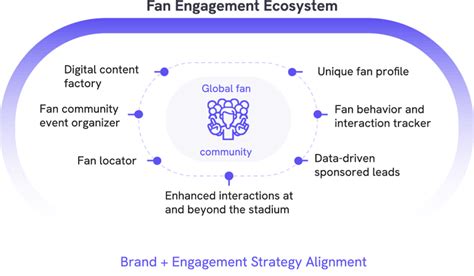
The **role of fan engagement** in calciomercato is another area of transformation. Social media has turned transfer speculation into a year-round spectacle, with fans actively participating in rumors, debates, and even lobbying for their clubs to sign certain players. Platforms like Twitter, Instagram, and TikTok amplify the drama of transfer windows, creating a direct line of communication between fans, players, and clubs. While this has increased the commercial appeal of calciomercato—sponsors and broadcasters capitalize on the frenzy—it has also introduced **new pressures** on clubs. Managers and sporting directors must now consider not only the sporting and financial viability of transfers but also their **perceived popularity** among the fanbase. In the future, we might see clubs adopting more **transparent communication strategies** during transfer windows, perhaps even co-opting fan input through polls or forums. However, this also risks diluting the authority of club management, as public opinion can be fickle and driven by short-term emotions rather than long-term strategy.
Looking ahead, **technological advancements** are likely to reshape calciomercato in profound ways. The rise of **artificial intelligence (AI)** and **machine learning** in football analytics is already influencing how clubs identify and evaluate talent. Tools that assess a player's performance metrics, injury risk, and even psychological profile are becoming standard in scouting departments. This could lead to a more **rationalized calciomercato**, where decisions are less influenced by subjective opinions and more by quantifiable data. However, this also raises questions about the human element of the market—will the art of spotting raw, unpolished talent be overshadowed by algorithms? There is a risk that clubs might become overly reliant on data, missing out on players whose intangible qualities, such as leadership or adaptability, are harder to measure. Striking a balance between **technological precision** and **human intuition** will be a defining challenge for the future of calciomercato.
Regulations surrounding **player development and transfers** are also set to evolve. FIFA has been exploring ways to limit the dominance of "super clubs" that hoard talent through extensive youth academies and loan systems. Proposed changes, such as caps on the number of players a club can loan out or restrictions on signing underage players from abroad, could significantly alter the dynamics of calciomercato. These reforms aim to create a more **level playing field**, particularly for smaller clubs and leagues. However, they may also lead to unintended consequences, such as increased reliance on short-term contracts or a rise in third-party ownership models. Clubs will need to be agile in adapting to these changes, potentially forming **alliances or consortiums** to pool resources and share risks in player development.
Another fascinating aspect of calciomercato's future is its intersection with **fan ownership and decentralization**. The emergence of initiatives like **fan tokens** and **decentralized autonomous organizations (DAOs)** in football hints at a future where supporters could have a direct say in transfer decisions. Imagine a scenario where fans collectively vote on whether their club should pursue a certain player or negotiate a specific deal. While this idea is still in its infancy and fraught with logistical challenges, it represents a potential shift toward a more **democratic calciomercato**. Such models could redefine the relationship between clubs and their supporters, making the transfer market not just a domain of executives and agents but a collaborative space shaped by collective will.
Lastly, we must consider how **environmental and ethical concerns** might influence calciomercato. As football grapples with its carbon footprint and societal responsibilities, the market could see a shift toward more **sustainable practices**. For example, clubs might prioritize signing players from nearby regions to reduce travel-related emissions during negotiations or focus on promoting local talent to minimize the environmental impact of global transfers. Similarly, ethical considerations around **player welfare**—such as ensuring fair treatment of young prospects or avoiding exploitative loan systems—could reshape how deals are structured.
In conclusion, calciomercato is at a crossroads. While it remains a cornerstone of football's drama and dynamism, its future will be shaped by a confluence of **financial innovation**, **global dynamics**, and **technological disruption**. Clubs that can navigate these changes with agility—balancing tradition with modernity, data with intuition, and commercial appeal with ethical responsibility—will be best positioned to thrive. The market will continue to be a barometer of football's evolution, reflecting not just the sport's commercial ambitions but also its broader societal and cultural shifts. For fans, players, and stakeholders alike, the calciomercato of tomorrow promises to be as unpredictable and enthralling as the game itself.