Introduction to Seven Sisters
Seven Sisters, located in the London Borough of Haringey, is a vibrant and historically rich area that offers a unique blend of urban energy and community spirit. Situated in North London, this locale is defined by its dynamic mix of cultures, its storied past, and its evolving identity as a hub of regeneration and opportunity. To truly understand Seven Sisters, one must delve into its geographical, historical, and social dimensions, which together make it a compelling destination for exploration.
The name "Seven Sisters" is derived from seven elm trees that once stood in the area, a symbol of nature's imprint on the urban landscape. These trees were part of an ancient grove, and while the original elms are no longer present, their legacy has been memorialized in the form of new plantings and the area's enduring name. This connection to nature amidst urban sprawl is a metaphor for Seven Sisters itself—a place where history and modernity coexist, often in surprising ways.
Geographically, Seven Sisters is marked by its strategic location. It is served by the Victoria Line on the London Underground, making it one of the well-connected neighborhoods in the city. This accessibility has made it a key transit point for residents and visitors alike, enabling easy access to both central London and other parts of the city. The area’s proximity to green spaces like Downhills Park and Lordship Recreation Ground further enhances its appeal, offering a respite from the hustle of urban life while maintaining its urban character. This juxtaposition of connectivity and greenery is one of the reasons why Seven Sisters stands out as a location worth exploring.
Historically, Seven Sisters has been shaped by waves of migration and cultural exchange. In the mid-20th century, it became a landing point for post-war immigrants, particularly from the Caribbean, Africa, and the Mediterranean. This influx of diverse communities has left an indelible mark on the area’s identity. The local markets, such as the Seven Sisters Indoor Market (also known as the Latin Village), are a testament to this diversity. The market, which has faced challenges related to redevelopment in recent years, is a microcosm of the area’s cultural richness. Here, one can find an array of goods, foods, and services that reflect the global heritage of its vendors and patrons. The market is not just a commercial space but a living archive of the area’s multicultural evolution, making it a must-visit for anyone interested in the social fabric of London.
Another aspect of Seven Sisters’ significance lies in its role as a site of urban transformation. The area has been part of broader regeneration efforts in London, with mixed reactions from locals. The Wards Corner redevelopment project, for instance, has sparked debates about gentrification, community preservation, and the balance between modernization and heritage. While some view these changes as opportunities for economic growth and improved infrastructure, others express concern about the potential erasure of the area’s unique character. This tension is emblematic of broader conversations about urban development in London, and exploring Seven Sisters offers a front-row seat to these ongoing dynamics.
Culturally, Seven Sisters is a treasure trove of experiences. The area is home to a thriving arts scene, with local artists and performers often drawing inspiration from its eclectic environment. Events like the Tottenham Literature Festival and performances at venues such as the Bernie Grant Arts Centre showcase the creative energy of the community. Additionally, the area’s street art—bold, colorful, and often politically charged—adds another layer to its cultural landscape. Walking through Seven Sisters, one can encounter murals that tell stories of resistance, identity, and hope, offering a visual narrative of the area’s spirit.
The architectural landscape of Seven Sisters is equally intriguing. The area features a mix of Victorian terraces, post-war housing estates, and modern developments. The iconic Seven Sisters Road, a major thoroughfare, is lined with shops, restaurants, and businesses that cater to a wide range of tastes and needs. The diversity in architecture mirrors the diversity of its population, creating a visual tapestry that is both chaotic and harmonious. For architecture enthusiasts or those curious about urban design, Seven Sisters provides a fascinating case study in how a location can evolve while retaining elements of its past.
Why is Seven Sisters worth exploring? Beyond its tangible attractions, the area offers a window into the soul of contemporary London. It is a place where global and local intersect in meaningful ways. For instance, the presence of community-driven initiatives, such as campaigns to save the Latin Village or efforts to promote local businesses, highlights the resilience and agency of its residents. These grassroots movements are a reminder that Seven Sisters is not just a location but a living, breathing community with stories to tell and battles to fight. Visitors who take the time to engage with these stories—whether by striking up a conversation with a market vendor or attending a local event—gain a deeper appreciation of what makes London such a dynamic city.
Moreover, Seven Sisters is emblematic of the broader challenges and opportunities faced by urban neighborhoods in the 21st century. Its blend of regeneration, cultural diversity, and historical depth makes it a microcosm of London’s wider narrative. Exploring the area allows one to witness firsthand how a community navigates the tensions between tradition and progress, local identity and global influence. This makes Seven Sisters not just a place to visit but a space to learn from and reflect upon.
For those interested in food, Seven Sisters offers a culinary adventure. The area is known for its array of international cuisines, from Latin American arepas to Caribbean jerk chicken and Mediterranean mezze. Small family-run eateries rub shoulders with trendy cafes, creating a food scene that is both authentic and eclectic. Sampling the local fare is not just a gastronomic experience but a way to connect with the area’s cultural roots.
In summary, Seven Sisters is more than just a stop on the Victoria Line or a name on a map. It is a location steeped in history, brimming with cultural vibrancy, and emblematic of London’s evolving urban identity. Whether one is drawn to its markets, its green spaces, its architectural diversity, or its community-driven spirit, Seven Sisters offers a rich and multifaceted experience. For those willing to look beyond the surface, it is a location that rewards curiosity and promises a deeper understanding of the complexities and charms of modern London.
Historical Background
The area of Seven Sisters in London, located in the borough of Haringey, carries a rich and layered history that stretches back centuries. To understand its origins and the derivation of its name, one must explore its geographical, cultural, and social evolution. This section delves into the historical backdrop of Seven Sisters, shedding light on the factors that shaped its identity and significance within the broader tapestry of London’s urban history.
The name "Seven Sisters" is believed to have originated from seven elm trees that once stood in the area. These trees were a prominent feature of the landscape and were grouped together in a circular formation, often referred to as a "groves" in historical records. The exact age of these trees is uncertain, but they were well-documented by the 17th century. Local folklore suggests that the trees symbolized unity or were planted as a memorial or marker, though no definitive evidence supports these claims. What is clear is that the name "Seven Sisters" became associated with the area due to these natural landmarks, which held both practical and symbolic importance for the local community. Over time, the trees became a point of reference for travelers and residents, anchoring the area's identity in its natural features.
The elm trees, however, were not eternal. By the 19th century, several of the original seven had succumbed to disease or were removed due to urban development. This gradual loss of the physical "sisters" underscores the tension between the rural past of Seven Sisters and its transformation into a more urbanized area. The trees were eventually replaced in the 19th century by a new set of trees—hornbeams rather than elms—as part of an effort to preserve the legacy of the name. This act of replanting reflects how the area's history has been intertwined with both preservation and change, a theme that recurs throughout its development.
The broader historical context of Seven Sisters must be understood in relation to its location within Tottenham, a settlement that dates back to the Domesday Book of 1086. Initially, the area was characterized by open fields, small farms, and modest settlements. Its proximity to Ermine Street, an ancient Roman road, made it a natural thoroughfare for trade and travel. This strategic position contributed to Seven Sisters' gradual emergence as a hub of activity. By the 18th century, the area was part of the urban sprawl emanating from central London, driven by industrialization and population growth. The construction of roads and later railways would play a pivotal role in connecting Seven Sisters to the wider city, marking the beginning of its shift from a rural outpost to a suburban center.
One of the key events that shaped Seven Sisters was the arrival of the Great Eastern Railway in the mid-19th century. The railway station, opened in 1872, transformed the area by improving accessibility and attracting new residents and businesses. This period saw a surge in housing development, as terraced homes were built to accommodate the growing working-class population. The railway also facilitated industrial expansion, with factories and warehouses springing up nearby. However, this rapid urbanization was not without its challenges. Overcrowding, poor living conditions, and limited infrastructure became pressing issues, particularly for the lower-income residents who formed the backbone of the area’s labor force. These dynamics highlight the dual nature of Seven Sisters' growth—opportunities for economic advancement coexisted with social and infrastructural struggles.
Another significant chapter in the history of Seven Sisters was the impact of post-World War II reconstruction. Like many parts of London, the area suffered damage during the Blitz, with bombings leaving scars on its landscape. The post-war period saw extensive redevelopment efforts, including the construction of council housing estates to address the housing crisis. Notable among these was the Broadwater Farm Estate, built in the 1960s. While initially hailed as a modern solution to housing needs, the estate later became associated with social challenges, including tensions that culminated in the 1985 Broadwater Farm riot. This event underscored the complexities of urban planning and community dynamics in Seven Sisters, illustrating how historical and socio-economic factors could shape the lived experience of its residents.
The cultural evolution of Seven Sisters is also worth exploring. Throughout its history, the area has been a melting pot of diverse communities. In the late 19th and early 20th centuries, waves of Irish immigrants settled in the area, drawn by industrial jobs. This was followed by post-war migration from the Caribbean, Africa, and the Indian subcontinent, which added new layers of cultural richness. The 1960s and 1970s saw the establishment of businesses and community spaces that catered to these immigrant populations, such as markets and places of worship. Today, Seven Sisters is celebrated for its multicultural vibrancy, exemplified by the bustling Seven Sisters Market (also known as the Latin Village), which has become a symbol of the area's diversity and a focal point for community activism.
The name and legacy of the "Seven Sisters" have also been preserved in more modern contexts. For instance, the Seven Sisters Road, a major thoroughfare connecting the area to other parts of London, serves as a reminder of the historical roots of the name. Additionally, the area has seen efforts to commemorate its past through public art and local history initiatives. These efforts aim to ensure that the origins and evolution of Seven Sisters are not forgotten amidst the rapid pace of urban change.
Key events in Seven Sisters' history also include its role in political and social movements. The area has been a site of activism, particularly around issues of housing, immigration rights, and community empowerment. Organizations and grassroots groups have often used Seven Sisters as a base for advocating for marginalized communities. This activist spirit is rooted in the area's history of economic disparity and social struggle, which has fostered a sense of solidarity among its residents.
In summary, the history of Seven Sisters is a tapestry woven from its natural origins, its evolution through industrialization and urbanization, and its resilience in the face of social and economic challenges. From the ancient elms that gave it its name to the multicultural vibrancy of its modern-day identity, Seven Sisters embodies the dynamic interplay between preservation and transformation. Each phase of its history—whether marked by the planting of trees, the laying of railway tracks, or the construction of housing estates—has contributed to the area's unique character. Understanding this historical background provides not only a glimpse into the past but also a lens through which to view its present and future trajectory.
- The name derives from seven elm trees that were a natural landmark.
- The Great Eastern Railway in 1872 catalyzed urban growth and industrialization.
- Post-war redevelopment introduced council estates like Broadwater Farm.
- The area has a long history of cultural diversity and community activism.
This rich historical context positions Seven Sisters as more than just a place on the map—it is a living testament to London's ability to adapt, grow, and embrace change while holding onto the echoes of its past.
Geographical and Demographic Insights
Seven Sisters, located in the London Borough of Haringey, is a vibrant and historically significant area in North London. Its geographical positioning and demographic makeup offer a rich tapestry of insights into urban life, cultural diversity, and the intersection of historical development with modern city dynamics. To fully understand Seven Sisters, one must delve into its location, boundaries, population characteristics, and the nuanced diversity that defines the area.
Geographically, Seven Sisters is situated approximately 6 miles north of Central London, making it part of the inner-city fringe. It lies within the N15 postcode district and is bordered by areas such as Tottenham to the north, Stamford Hill to the west, and Harringay to the south. The area is defined by its location along the A10 road, a major arterial route that connects Central London to the northern suburbs and beyond. This strategic positioning has historically made Seven Sisters a hub for trade, transportation, and community activity. The area is also marked by the presence of Seven Sisters Road, which runs through it and serves as a key thoroughfare, enhancing its accessibility and prominence within the urban landscape.
The boundaries of Seven Sisters are somewhat fluid, as is common in many London neighborhoods. However, it is generally understood to encompass the area around Seven Sisters Underground Station, which is on the Victoria Line and part of the London Overground network. This station serves as a focal point for the area, drawing commuters, residents, and visitors alike. The station’s location near the intersection of Seven Sisters Road and Tottenham High Road reinforces the area's role as a transit nexus. Additionally, the nearby River Moselle, though largely culverted in this part of London, historically influenced the area’s development and serves as a subtle geographical marker.
Demographically, Seven Sisters is a microcosm of London's broader diversity. According to the most recent census data, the area has a population of approximately 20,000 residents, with a significant proportion of residents identifying as Black, Asian, or from other minority ethnic groups. The Black community, particularly those of African and Caribbean descent, constitutes a notable portion of the population. This presence is a legacy of post-World War II migration patterns when many individuals from the Caribbean and later Africa settled in areas like Seven Sisters, drawn by employment opportunities and community networks. Today, this heritage is evident in the local businesses, cultural events, and community organizations that thrive in the area.
In addition to its African and Caribbean population, Seven Sisters is home to a growing Latin American community. This demographic shift has been observed over the past two decades, as increasing numbers of Latin Americans, particularly from countries such as Colombia, Brazil, and Ecuador, have made North London their home. This community has brought with it a vibrant cultural influence, seen in the proliferation of Latin American grocery stores, restaurants, and social spaces. The coexistence of these communities creates a unique cultural dynamic, where traditions from different parts of the world are celebrated and integrated into the local fabric.
The area's diversity is further reflected in its socioeconomic profile. Seven Sisters has a mix of residents across income levels, with a significant proportion of households falling into lower-middle and working-class categories. However, this is juxtaposed with pockets of gentrification, particularly around areas closer to green spaces like Downhills Park and properties near transport links. This socioeconomic diversity is both a challenge and an opportunity, as it fosters a dynamic community but also highlights issues such as housing affordability and access to services.
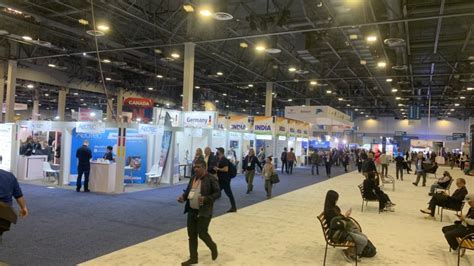
One of the standout features of Seven Sisters is its age distribution. The area has a relatively young population compared to the London average, with a higher proportion of residents in the 25-40 age bracket. This is partly due to the area’s appeal to young professionals and students, who are attracted by its affordability relative to more central London locations and its excellent transport links. The presence of educational institutions nearby, such as the College of Haringey, Enfield, and North East London (CONEL), further supports this demographic trend.
The cultural diversity of Seven Sisters is also reflected in its linguistic landscape. A walk through the area reveals a polyglot environment where English is the dominant language but is supplemented by a variety of others, including Spanish, Portuguese, Somali, and Turkish. This multilingualism is not just a reflection of the area's immigrant communities but also a testament to its role as a space where different cultures meet and interact.
The demographic profile of Seven Sisters is also shaped by its housing stock and urban layout. The area features a mix of Victorian terraces, post-war council estates, and more recent developments. The council estates, such as the Tower Gardens Estate, provide affordable housing options and contribute to the area's socioeconomic diversity. However, there has been increasing pressure on housing due to rising property prices and redevelopment projects, which have sparked debates about gentrification and the preservation of the area's character.
Another aspect of Seven Sisters’ demographic story is its role as a center for community activism and social cohesion. The area has a long history of grassroots movements, particularly around issues such as housing rights, racial equality, and support for migrant communities. Local organizations and initiatives often reflect the area's multicultural identity, working to address the needs of diverse groups while fostering a sense of shared purpose. For example, the Wards Corner Community Coalition has been active in advocating for the preservation of local heritage in the face of redevelopment plans.
In terms of religious diversity, Seven Sisters is home to a variety of faith communities. Places of worship range from Christian churches to mosques, synagogues, and temples, reflecting the multi-faith nature of the area. These institutions often serve as not just places of worship but also as community hubs, offering services and support to residents regardless of their background.
The demographic and geographical insights of Seven Sisters reveal an area that is both a product of London’s historical evolution and a dynamic, living space shaped by its residents. Its location at the crossroads of major transport routes, combined with its diverse population, makes it a microcosm of the city’s broader urban challenges and opportunities. From its rich cultural tapestry to its socioeconomic complexities, Seven Sisters embodies the pluralism and adaptability that define modern urban life in London.
- Seven Sisters is strategically located 6 miles north of Central London, with excellent transport links via the Victoria Line and Overground.
- The area is demographically diverse, with significant African, Caribbean, and Latin American communities.
- Its population is relatively young, with a higher proportion of residents in the 25-40 age bracket.
- Housing includes Victorian terraces, council estates, and newer developments, reflecting a mix of historical and modern urban planning.
- Community activism and multilingualism underscore the area's role as a hub for social cohesion and cultural exchange.
In conclusion, the geographical and demographic profile of Seven Sisters offers a compelling study of how location, history, and diversity interact to shape a neighborhood. Its position as a transit hub, combined with its vibrant multicultural identity, ensures that Seven Sisters remains a dynamic and significant part of London’s urban landscape.
Cultural and Community Aspects
Seven Sisters in London is a vibrant and diverse area that reflects the rich tapestry of cultures that make up the city. Located in the borough of Haringey, this neighborhood is known for its multicultural character, local traditions, and active community-driven initiatives. These aspects contribute to a dynamic atmosphere where residents and visitors experience a blend of global influences and local pride.
The area's cultural diversity is one of its most defining features. Seven Sisters has long been a hub for immigrant communities, particularly from Latin America, the Caribbean, Eastern Europe, and Africa. This diversity is evident in the local businesses, food, and languages spoken on the streets. For instance, the Seven Sisters Market, also known as the "Latin Village," is a microcosm of this diversity. It serves as a gathering place for Latin American vendors and customers, offering traditional foods like pupusas, arepas, and tamales. The market is not just a commercial space but a cultural touchpoint where people from different backgrounds come together to share their heritage. However, the market has also faced challenges, including threats of redevelopment, which has sparked significant community activism to preserve this vital space.
The local traditions in Seven Sisters are shaped by its immigrant populations and long-standing residents. One example is the celebration of cultural festivals that bring the community together. Events such as Carnival del Pueblo, an annual Latin American festival, showcase vibrant parades, music, and dance that highlight the area's Latin American roots. Similarly, Caribbean influences are felt during events like the Notting Hill Carnival, which resonates with residents of Seven Sisters due to shared cultural connections. These traditions are not isolated but are often intertwined with broader London-wide celebrations, emphasizing how Seven Sisters contributes to the city's multicultural identity.
Another aspect of local tradition is the area's historical architecture and landmarks. While much of Seven Sisters has modernized, remnants of its past remain, such as the Seven Sisters Road, which connects the area to other parts of North London. The name itself is derived from seven elm trees planted in the 17th century, symbolizing the area's deep historical roots. These historical layers coexist with the newer, multicultural identity of the neighborhood, creating a unique blend of old and new.
Community-driven initiatives are a cornerstone of life in Seven Sisters. The neighborhood has a strong tradition of grassroots activism, particularly around issues of gentrification and displacement. For example, the fight to save the Latin Village has become a symbol of resistance against the pressures of urban development. Local activists and organizations have worked tirelessly to protect the market as a space for cultural expression and economic opportunity for its vendors. These efforts are supported by groups like the Save Latin Village campaign, which has garnered attention not only locally but also on a national scale, emphasizing the importance of preserving spaces that serve as cultural anchors for immigrant communities.
In addition to activism, there are numerous local organizations that focus on improving the quality of life for residents. The Seven Sisters Community Hub is one such initiative, providing services ranging from language classes for non-native English speakers to employment support and youth programs. These services are tailored to address the needs of the area's diverse population, ensuring that newcomers and long-term residents alike feel supported. The hub also serves as a space for events and workshops that promote cross-cultural understanding, such as art exhibitions featuring work by local artists or storytelling sessions that celebrate the area's varied heritage.
Education and youth engagement are also key components of community life. The presence of local schools and youth centers reflects a commitment to nurturing the next generation. Programs like after-school clubs and mentorship initiatives are often designed to bridge cultural gaps, helping young people from different backgrounds learn from one another. For instance, projects that teach traditional crafts or music from various cultures allow children to appreciate their own heritage while learning about others. These programs not only foster inclusivity but also instill a sense of pride in the neighborhood's diversity.
The role of faith communities in Seven Sisters is also worth noting. Places of worship, such as churches, mosques, and temples, play a significant role in bringing people together. These institutions often serve as more than just places of prayer; they are centers for social support, hosting events like food drives, language exchange programs, and community dinners. For example, a local mosque might host an iftar dinner during Ramadan that is open to people of all faiths, fostering interfaith dialogue and understanding. Similarly, churches in the area often run community outreach programs that address issues like homelessness and food insecurity, emphasizing the area's spirit of solidarity.
Art and creativity are also integral to the cultural landscape of Seven Sisters. The area has seen a rise in street art and murals that reflect its diverse identity. Many of these works are community-led, created by local artists or through collaborative projects that involve residents. These murals often depict themes of unity, resistance, and celebration of cultural heritage. For instance, a mural depicting the history of the Latin Village not only beautifies the area but also serves as a visual reminder of the community's struggles and triumphs.
Despite its challenges, such as economic inequality and the pressures of urban development, Seven Sisters remains a place where community spirit thrives. The area's grassroots movements and volunteer-led projects demonstrate the power of collective action. For example, residents often organize clean-up drives, community gardens, and local markets that promote sustainable living and economic opportunities for small businesses. These initiatives are a testament to the resilience of a neighborhood that values its identity and works to preserve it amidst change.
In summary, the cultural and community aspects of Seven Sisters are deeply intertwined, shaped by its diverse population and a shared commitment to preserving its unique character. From the bustling energy of the Latin Village to the quiet solidarity of faith-based outreach programs, the area exemplifies how a neighborhood can maintain its vibrancy through inclusivity, activism, and a deep respect for its roots. This blend of cultural richness and community-driven action makes Seven Sisters a microcosm of London’s broader multicultural ethos, offering lessons in how urban spaces can thrive when diversity is embraced and supported.
Economic Landscape
The economic landscape of Seven Sisters in London is a dynamic and evolving tapestry shaped by its diverse community, historical context, and recent urban regeneration efforts. Situated in the borough of Haringey, this area is characterized by a blend of independent retailers, local markets, and a growing number of commercial enterprises, all of which contribute to its distinct economic profile. Understanding the local economy requires delving into its businesses, employment opportunities, and the trends driving its commercial growth.
One of the defining features of Seven Sisters is its **vibrant local market economy**. The area is home to the **Seven Sisters Market**, also known as the **Latin Village**, a cultural and economic hub that has served as a center for small businesses, particularly those run by Latin American entrepreneurs. This market has long been a focal point for economic activity, offering goods and services that cater to both the local community and visitors. However, the market has faced challenges in recent years, including disputes over redevelopment plans and the preservation of its cultural identity. Despite this, it remains a critical economic driver, providing low-barrier entry points for small business owners and fostering a sense of community-driven commerce. The resilience of such markets highlights the role of informal and semi-formal economic structures in sustaining local livelihoods, particularly in areas with high levels of immigrant populations.
In addition to the market, **independent retail businesses** form a significant part of the local economy. Seven Sisters Road and Tottenham High Road are lined with a mix of shops ranging from grocery stores and clothing outlets to cafes and service providers. Many of these businesses are family-owned and cater to the area's multicultural demographic. For instance, shops selling Afro-Caribbean and Latin American products are common, reflecting the area's ethnic diversity. These businesses not only serve the immediate population but also attract customers from other parts of London seeking niche or culturally specific goods. This diversity in retail offerings creates a microeconomic ecosystem that thrives on **specialization and community loyalty**, even as it faces competition from larger chain stores and e-commerce platforms.
The **employment landscape** in Seven Sisters is closely tied to its small business ecosystem. Many residents find work within the local market, retail shops, and service-oriented businesses such as hairdressers, repair shops, and food establishments. However, the area also faces challenges related to **underemployment and low-wage jobs**. According to recent data, Haringey has a higher-than-average unemployment rate compared to other London boroughs, and many jobs available in Seven Sisters are part-time or temporary. This underscores the need for targeted interventions to support skill development and create pathways for higher-paying, stable employment. Initiatives like **local business incubators** and **partnerships with vocational training providers** could help bridge the gap between the available workforce and the demands of a modern economy.
Another area of focus is the **impact of urban regeneration projects** on the local economy. Seven Sisters has been earmarked for significant redevelopment as part of broader efforts to revitalize Tottenham. These projects aim to improve infrastructure, attract new businesses, and increase housing stock. While such initiatives hold the promise of economic growth, they also raise concerns about **gentrification and displacement**. For instance, the proposed redevelopment of the Wards Corner site, which includes the Latin Village, has sparked debates about balancing economic development with the preservation of existing community assets. If managed thoughtfully, regeneration could open new avenues for commercial growth, such as the establishment of co-working spaces, tech hubs, or creative industries that align with London’s broader economic trends. However, without adequate safeguards, there is a risk that long-standing businesses and residents could be priced out, leading to a loss of the area's unique character and economic diversity.
The **trends in commercial growth** in Seven Sisters are also influenced by its connectivity to the rest of London. The area is served by the **Victoria Line**, one of the city’s fastest and most reliable tube lines, making it an attractive location for businesses looking for affordable commercial space with excellent transport links. This accessibility has encouraged a slow but steady influx of **new commercial ventures**, including boutique cafes, artisanal shops, and creative studios. These businesses are often run by younger entrepreneurs who see Seven Sisters as a more affordable alternative to central London while still benefiting from its proximity. Additionally, the area's relatively low commercial rents compared to other parts of the city make it a testing ground for innovative business models, such as pop-up stores and collaborative retail spaces.
A critical aspect of the local economy is the **role of community-led initiatives** in shaping economic opportunities. Organizations and grassroots groups in Seven Sisters have been instrumental in advocating for sustainable economic growth that benefits existing residents. For example, campaigns to save the Latin Village have highlighted the importance of preserving spaces that support micro-entrepreneurs and cultural exchange. Similarly, there is growing interest in **green economy initiatives**, such as urban farming projects and sustainability-focused startups, which align with broader environmental goals while providing employment opportunities for local residents. These efforts point to the potential for Seven Sisters to carve out a niche as a center for **socially responsible commerce**, blending economic development with community well-being.
The area’s **proximity to major redevelopment zones**, such as Tottenham Hale and the new stadium district around Tottenham Hotspur Football Club, also presents opportunities for economic spillover. These areas have seen significant investment in recent years, and their growth could create demand for auxiliary services in Seven Sisters, such as hospitality, logistics, and retail. However, for this potential to be fully realized, there must be a concerted effort to connect local businesses to these larger economic networks. For instance, partnerships between small enterprises in Seven Sisters and larger firms in neighboring redevelopment zones could help integrate the local economy into the wider urban economy.
Finally, **digital transformation** is beginning to play a role in reshaping the economic landscape of Seven Sisters. While many businesses in the area have traditionally relied on face-to-face interactions, there is increasing adoption of **e-commerce platforms** and **digital marketing tools**. Local business support programs, such as those offered by Haringey Council or community organizations, are helping entrepreneurs build online presences and reach wider audiences. This shift is particularly important given the challenges posed by the COVID-19 pandemic, which underscored the need for businesses to diversify their revenue streams and adapt to changing consumer behaviors. The embrace of digital tools could open new growth avenues for Seven Sisters businesses, particularly those in retail and service sectors.

In summary, the economic landscape of Seven Sisters is a complex interplay of traditional market dynamics, small business resilience, and the pressures of urban regeneration. While the area faces challenges related to underemployment, gentrification, and economic inequality, it also holds significant potential for growth driven by its diversity, connectivity, and community-driven initiatives. By fostering an environment that supports both established businesses and new ventures, Seven Sisters can position itself as a model for inclusive and sustainable economic development in a rapidly changing urban context.
Infrastructure and Connectivity
Seven Sisters in London is a vibrant and diverse area located in the borough of Haringey, known for its strong community roots and bustling urban environment. A critical aspect of its appeal and functionality lies in its **infrastructure and connectivity**, which serve as the backbone of its economic and social activity. This section will delve into the area's transportation links, public services, and ongoing infrastructure developments that support its growth and accessibility.
One of the most defining features of Seven Sisters is its **transportation links**, which connect it to central London and other parts of the city. The area is served by the **Victoria Line**, one of the fastest and most reliable underground lines in the London transport network. The Seven Sisters tube station provides direct access to key destinations such as Oxford Circus (13 minutes away) and King’s Cross (8 minutes away), making it a highly desirable location for commuters. This rapid connectivity to the city center enhances the area's attractiveness for both residents and businesses. Additionally, the **Overground services** at Seven Sisters station offer connections to north London and beyond, including Stratford and Liverpool Street. These rail services are complemented by a network of **bus routes**, such as the 76, 259, and 476, which provide local and inter-borough connectivity. This multi-modal transport system ensures that residents and visitors can easily navigate the area and reach key economic hubs without significant delays.
The **strategic location** of Seven Sisters also benefits from its proximity to major road networks. The A10, a key arterial road, runs through the area, providing a direct link to the City of London and the M25 motorway. This accessibility by road supports **logistics and trade**, making it easier for local businesses to receive supplies and distribute goods. However, this also presents challenges such as traffic congestion during peak hours, which local authorities are addressing through initiatives like improved traffic management systems and cycling infrastructure. The introduction of **cycle lanes** and bike-sharing schemes has encouraged sustainable transport options, aligning with London's broader goals of reducing carbon emissions.
In terms of **public services**, Seven Sisters benefits from a well-established network of amenities that cater to its diverse population. The area is home to **healthcare facilities**, including the nearby North Middlesex University Hospital, which serves not only Seven Sisters but also surrounding communities. The presence of such a major healthcare provider ensures that residents have access to essential medical services. Furthermore, the **local council** has invested in community health initiatives, such as mental health support programs and wellness workshops, which are often hosted in community centers like the **Bernie Grant Arts Centre**. These services are integral to maintaining the well-being of a population that includes a mix of long-term residents, young professionals, and immigrant communities.
Education infrastructure is another critical component of the area's public services. Seven Sisters is served by a range of **primary and secondary schools**, as well as further education institutions like **CONEL (College of Haringey, Enfield, and North East London)**. These institutions play a vital role in equipping the local population with skills and knowledge, supporting economic mobility. For instance, the college offers vocational training programs tailored to the needs of local industries, such as healthcare, construction, and creative arts. This focus on **skills development** is particularly important given the area’s demographic diversity and economic potential.
Infrastructure developments in Seven Sisters have been shaped by both **public and private investments** aimed at regenerating the area while preserving its cultural identity. One notable project is the **redevelopment of Wards Corner**, a historic site that has long been a point of contention between developers and community groups. Plans for this area include mixed-use developments with residential units, retail spaces, and improved public spaces. While these projects aim to modernize the area, they have also sparked debates about gentrification and the potential displacement of long-standing businesses and residents. Balancing **regeneration with community preservation** is a key challenge for local authorities and developers.
Another significant infrastructure development is the **expansion of affordable housing projects** in Seven Sisters. The borough of Haringey has prioritized increasing the supply of affordable homes to address the housing crisis in London. Initiatives such as the **Wood Green Area Action Plan** aim to create thousands of new homes in the vicinity of Seven Sisters, with a focus on mixed-income housing. These developments are supported by improvements in local amenities, such as upgraded **parks and green spaces** like Downhills Park, which provide recreational opportunities for families and individuals alike. The integration of green spaces into urban planning not only enhances the quality of life but also supports environmental sustainability by mitigating the urban heat island effect.
The area's **digital infrastructure** is also worth noting. Seven Sisters has seen investments in **broadband and 5G connectivity**, which are crucial for supporting the growing number of remote workers and small businesses in the area. With the rise of gig economy workers and tech-savvy entrepreneurs, reliable internet access has become a non-negotiable aspect of urban living. Local initiatives to provide free Wi-Fi in public spaces, such as libraries and community centers, further bridge the digital divide and support economic inclusion.
A unique aspect of Seven Sisters’ infrastructure is its **cultural and commercial hubs**, which are deeply intertwined with its connectivity. The **Seven Sisters Market**, also known as the Latin Village, is a vibrant example of how infrastructure supports both commerce and community. This market has been a focal point for Latin American traders and customers, offering a space for cultural exchange and economic activity. However, redevelopment plans for the market have sparked tensions, as some fear the loss of its unique character. These challenges highlight the delicate balance between **modernizing infrastructure** and maintaining the cultural fabric of the area.
The **resilience of Seven Sisters’ infrastructure** is tested by its dense population and high footfall. To address this, local authorities have implemented **smart city technologies**, such as real-time traffic monitoring and intelligent street lighting. These technologies not only improve day-to-day functionality but also prepare the area for future growth. For instance, the integration of **sustainable urban drainage systems (SUDS)** in new developments helps manage flood risks, a growing concern in urban areas due to climate change.
In conclusion, the **infrastructure and connectivity** of Seven Sisters are pivotal to its role as a dynamic urban hub. Its transport links provide seamless access to central London and regional destinations, while public services and community-focused developments ensure a high quality of life for its residents. However, the area’s growth is not without challenges, particularly in balancing modernization with the preservation of its unique character. As Seven Sisters continues to evolve, its ability to adapt its infrastructure to meet the needs of a diverse and growing population will determine its long-term success as a thriving part of London.
Real Estate and Housing Trends
The Seven Sisters area of London, located in the borough of Haringey, has undergone significant transformation in recent years, making it a focal point for real estate and housing trends. This section delves into the nuances of property types, average prices, rental opportunities, and investment potential in this dynamic part of the city.
The area is characterized by a mix of property types that cater to a diverse demographic. Seven Sisters features a blend of Victorian and Edwardian terraced houses, post-war council estates, and modern apartment complexes. The terraced houses, often with period features such as high ceilings and bay windows, are particularly sought after by families and professionals looking for spacious accommodations. These homes often undergo refurbishment to meet contemporary living standards, blending historical charm with modern amenities. On the other hand, post-war estates, such as those around the Broadwater Farm area, have seen regeneration projects aimed at improving living conditions and increasing property appeal. Meanwhile, newer developments, particularly around the Tottenham Hale regeneration zone, are introducing sleek, high-spec apartments that attract younger professionals and investors.
In terms of average property prices, Seven Sisters remains relatively affordable compared to more central London areas, though prices have been steadily rising due to its improving infrastructure and connectivity. According to recent market data, the average price for a terraced house in the area hovers around £650,000, while flats are priced closer to £400,000. These figures are influenced by proximity to transport links, particularly the Victoria Line, which offers rapid access to central London. Properties closer to Seven Sisters station and green spaces like Downhills Park tend to command higher prices due to their desirability. For investors and first-time buyers, the area presents an opportunity to enter the property market at a lower cost compared to zones 1 and 2 while still benefiting from London’s long-term growth prospects.
The rental market in Seven Sisters is vibrant and diverse, reflecting the area's status as a hub for both long-term residents and transient populations. Rental prices for a one-bedroom flat typically range between £1,300 and £1,600 per month, while larger properties such as three-bedroom houses can cost upwards of £2,500. This makes the area attractive for renters who want relatively affordable accommodations with good transport links. A notable trend is the rise of co-living spaces and shared accommodations, particularly among younger professionals and students attending nearby institutions such as University College London or Middlesex University. Landlords and property managers are increasingly offering flexible lease terms and furnished options to cater to this market segment.
From an investment perspective, Seven Sisters holds considerable potential, driven by several factors. The area is part of the Tottenham Hale regeneration project, a £500 million initiative aimed at transforming the area into a vibrant mixed-use district. This includes the development of new residential properties, retail spaces, and improved public amenities. Such projects tend to boost property values over time, making early investments in the area a potentially lucrative opportunity. Additionally, the planned improvements to transport infrastructure, including upgrades to Tottenham Hale station and the nearby Crossrail 2 (if it comes to fruition), are expected to enhance the area’s connectivity and appeal.
Another key driver of investment potential is the cultural and commercial growth in Seven Sisters. The area has a strong community vibe, bolstered by independent shops, cafes, and cultural spaces like the Bernie Grant Arts Centre. These elements make it appealing not just for residents but also for businesses looking to establish a presence in an up-and-coming area. Investors who focus on properties near these cultural and commercial hubs may benefit from higher rental yields and long-term capital appreciation. However, it is worth noting that the area still faces challenges such as pockets of deprivation and crime rates that can impact property desirability. Savvy investors should conduct thorough due diligence and consider partnering with local experts to identify the most promising opportunities.
One of the unique aspects of Seven Sisters is its community-driven development initiatives. Unlike some areas where large-scale corporate developers dominate, Seven Sisters has seen grassroots efforts to preserve its character while encouraging sustainable growth. For instance, the Wards Corner Community Coalition has campaigned to protect local businesses and heritage sites from over-commercialization. This dynamic creates a balance between modernization and the preservation of the area's identity, which can be a selling point for ethical investors or those looking to support community-focused developments.
The demographic shift in Seven Sisters also plays a role in its housing trends. The area has seen an influx of young professionals and families drawn by its affordability and proximity to central London. This has led to increased demand for properties that cater to these groups, such as modernized flats with home-office spaces or family-friendly houses with gardens. Developers are responding by repurposing older buildings into mixed-use properties that combine residential and commercial spaces. For instance, the redevelopment of the old warehouse spaces along the River Lea has introduced loft-style apartments that appeal to creative professionals.
Another emerging trend is the interest in eco-friendly housing. As sustainability becomes a priority for both buyers and renters, properties with energy-efficient features, green roofs, or proximity to parks are gaining traction. Local councils and developers are increasingly incorporating these elements into new projects, particularly in response to London’s broader environmental goals. Properties that align with these values may see higher demand and premium pricing in the coming years.
It is also worth considering the risks and challenges associated with investing in Seven Sisters. While the area’s affordability and growth potential are attractive, there are concerns about gentrification and its impact on long-term residents. Rising property prices and rents could lead to displacement of lower-income families, which may create tensions within the community. Investors should be mindful of these dynamics and consider how their projects or purchases align with broader social responsibilities.
In summary, Seven Sisters offers a compelling mix of opportunities and challenges in its real estate landscape. The area’s blend of property types, from historic homes to modern developments, caters to a wide range of buyers and renters. Average prices remain accessible compared to central London, while rental opportunities are buoyed by strong demand from young professionals and students. Investment potential is supported by regeneration projects and improving infrastructure, though investors must navigate challenges like community sensitivities and market fluctuations. For those willing to engage with the area’s unique character and growth trajectory, Seven Sisters represents a promising avenue for both residential and investment purposes.
Education and Amenities
Seven Sisters in London is a vibrant area that offers a range of educational and recreational opportunities for residents and visitors. From well-regarded schools to expansive parks and community facilities, the area is well-equipped to support a diverse population with varying needs. This section delves into the specifics of the schools, higher education facilities, parks, and recreational amenities available in Seven Sisters, providing a comprehensive overview of what the area has to offer.
The educational landscape in Seven Sisters is characterized by a mix of primary, secondary, and higher education institutions. These cater to both local families and those seeking specialized learning environments. Among the primary schools in the area, South Harringay Junior School is particularly notable for its strong focus on inclusive education and creative learning approaches. The school has a reputation for fostering a supportive environment where students are encouraged to develop both academically and socially. Similarly, North Harringay Primary School is recognized for its emphasis on community engagement, often hosting events that bring together students, parents, and local residents. These schools are part of the Haringey Borough's educational framework, which ensures a high standard of teaching and access to extracurricular programs such as music, art, and sports.
For secondary education, Park View School stands out as a prominent choice in Seven Sisters. This co-educational secondary school is known for its diverse student body and its commitment to providing a well-rounded education. The school offers a broad curriculum, including STEM subjects, humanities, and the arts, alongside a range of enrichment activities such as debate clubs, drama productions, and sports teams. Park View also places a strong emphasis on preparing students for higher education and future careers, with partnerships that provide work experience opportunities and university preparation programs. Such initiatives are particularly valuable in an area with a mix of socioeconomic backgrounds, as they help level the playing field for students aiming to pursue further education.
In terms of higher education facilities, while Seven Sisters does not host a university within its immediate boundaries, it benefits from its proximity to key institutions in London. The area is well-connected by public transport to University College London (UCL), London Metropolitan University, and City, University of London, all of which are within a short commute. This proximity allows students from Seven Sisters to access world-class higher education without the need to relocate. Additionally, Tottenham University Technical College (UTC), located nearby, offers specialized programs for students aged 14-19 in fields such as engineering, science, and digital technologies. This institution is a unique blend of academic and vocational training, designed to equip students with practical skills that are directly applicable to modern industries.
Beyond formal education, Seven Sisters is home to a variety of parks and green spaces, which provide essential recreational and leisure opportunities. One of the most prominent is Downhills Park, a large green area that features playgrounds, sports facilities, and a café. The park is a hub for community activity, hosting events such as outdoor fitness classes, farmers' markets, and cultural festivals. Its well-maintained gardens and open spaces offer a tranquil retreat from the urban environment, making it a favorite spot for families, joggers, and those looking to relax. The presence of sports facilities, including tennis courts and a multi-use games area, further enhances the park's appeal, particularly for younger residents and sports enthusiasts.
Another significant green space is Lordship Recreation Ground, located just a short distance from Seven Sisters. This park is one of the largest in the area and has undergone extensive regeneration in recent years. It now boasts a model traffic area for children to learn road safety, a large adventure playground, and an eco-hub that promotes sustainability and environmental education. The park also features a river and woodland areas, providing opportunities for nature walks and wildlife observation. Such amenities are particularly important in urban areas like Seven Sisters, where access to nature can significantly improve residents' mental and physical well-being.
In addition to parks, recreational amenities in Seven Sisters include a variety of community centers and sports facilities. The Bernie Grant Arts Centre is a cultural landmark in the area, offering a range of activities beyond its primary function as a performance venue. The center hosts workshops, classes, and events that cater to all age groups, from dance and drama sessions for children to fitness and wellness programs for adults. This facility not only enriches the cultural life of Seven Sisters but also serves as a meeting point for local artists and performers, fostering a sense of community and creativity.
For those interested in sports and fitness, the New River Sport and Fitness Centre is a key destination. Located nearby, this facility offers a wide range of activities, including swimming, gym workouts, and team sports. It also features outdoor pitches and courts, making it a popular choice for local sports leagues and casual players alike. The centre’s commitment to accessibility ensures that both seasoned athletes and beginners feel welcome, with programs tailored to different skill levels and age groups.
Seven Sisters also benefits from a range of community-focused initiatives that enhance its recreational offerings. For example, the Living Under One Sun project, based in the area, promotes outdoor activities such as gardening, cycling, and environmental education. This initiative not only provides recreational opportunities but also fosters a sense of environmental stewardship among participants. Similarly, local libraries and community hubs, such as the Marcus Garvey Library, offer spaces for learning, reading, and social interaction. These facilities often host events like book clubs, study groups, and workshops, making them invaluable resources for both education and leisure.
The area’s cultural diversity is reflected in its amenities, with many facilities catering to the needs of its multicultural population. For instance, community centers often host language classes, cultural festivals, and support groups that help residents connect with their heritage while integrating into the local community. These initiatives underscore the inclusive nature of Seven Sisters, where education and recreation are seen as tools for fostering social cohesion and personal growth.
In summary, Seven Sisters provides a robust mix of educational and recreational amenities that cater to a wide range of interests and needs. From schools that prioritize inclusivity and academic excellence to parks and community centers that offer spaces for relaxation, learning, and social interaction, the area is well-equipped to support its residents. This combination of resources not only enhances the quality of life for those living in Seven Sisters but also positions the area as a dynamic and supportive environment for personal and communal development.
Challenges and Opportunities
The "Seven Sisters" area of London, located in the borough of Haringey, is a vibrant and diverse community that has long been a microcosm of urban transformation. This section delves into the **challenges and opportunities** facing Seven Sisters, with a focus on the tension between **gentrification** and **urban development**, and how these forces shape the area's prospects for growth and improvement. Understanding these dynamics requires a nuanced approach that considers both the socio-economic impacts on local residents and the broader implications for urban planning and community cohesion.
One of the most significant **challenges** in Seven Sisters is the pressure of **gentrification**. Over the past decade, this area has seen an influx of new developments, particularly around the Tottenham Hale regeneration zone. While these projects aim to modernize infrastructure and attract investment, they often come at the expense of long-standing communities. For instance, the redevelopment of the **Wards Corner site**, a historic market and community hub, has been a contentious issue. Local traders and residents have fought against plans that threaten to displace small businesses in favor of upscale retail and residential spaces. This type of gentrification can erode the cultural identity of Seven Sisters, as independent shops and family-run enterprises are replaced by chain stores and luxury apartments. The result is a **loss of affordability**, where rising property prices and rents push out lower-income families who have called the area home for generations.
Another challenge is the **displacement of communities** due to urban development. While Haringey Council has emphasized the need for affordable housing in its regeneration plans, the reality often falls short of promises. Developers are frequently granted permission to build with minimal affordable housing quotas, citing financial viability assessments. This creates a **disconnect** between the stated goals of urban renewal and the lived experiences of residents. For example, the construction of high-rise apartments near Seven Sisters station has led to increased density but has not necessarily addressed the housing needs of those most vulnerable. Instead, these developments often cater to young professionals or investors rather than the existing community. This dynamic reinforces a cycle of **inequality**, where the benefits of urban growth are not equitably distributed.
Urban development in Seven Sisters also faces **infrastructure strain**. The area's transport links, particularly the Victoria Line and the busy Seven Sisters Road, are both a boon and a burden. While the area is well-connected to central London, the increased footfall and vehicular traffic from new developments can overwhelm existing systems. For instance, the narrow streets and limited parking options in some parts of Seven Sisters exacerbate congestion. Additionally, public services such as schools, healthcare facilities, and green spaces are often insufficient to meet the demands of a growing population. This creates a **quality-of-life challenge** for both new and existing residents, as the area struggles to balance density with livability.
Despite these challenges, there are **opportunities for growth and improvement** that can redefine Seven Sisters in a more inclusive and sustainable way. One such opportunity lies in **community-led development**. Grassroots organizations and local activists have been instrumental in advocating for the preservation of spaces like Wards Corner. These efforts highlight the potential for development that is driven by the needs and desires of the people who live there. For example, the **Seven Sisters Market** (also known as the Latin Village) has been a symbol of resistance against displacement. Its vibrant mix of Latin American traders and culture represents a unique asset that could be leveraged as a **cultural tourism destination**, drawing visitors while supporting local livelihoods. By supporting such community-focused initiatives, the council and developers could foster a model of urban regeneration that prioritizes **social equity** over profit maximization.
Another opportunity is the **greening of Seven Sisters**. The area has pockets of underutilized land and neglected green spaces that could be transformed into **community gardens**, parks, or urban farms. These projects not only improve the aesthetic appeal of the area but also provide environmental benefits such as better air quality and biodiversity. For instance, the **Markfield Park** near the River Lea offers a glimpse of how green spaces can serve as community focal points. Expanding such initiatives in Seven Sisters could help mitigate some of the negative impacts of urban density, offering residents a respite from the pressures of city life. Moreover, green infrastructure can attract investment by positioning Seven Sisters as a forward-thinking, environmentally conscious neighborhood.
The **economic potential** of Seven Sisters is another area ripe for exploration. The area's diversity is one of its greatest strengths, with a rich tapestry of cultures contributing to its unique character. This diversity can be harnessed to create **economic opportunities** through initiatives like local entrepreneurship programs, cultural festivals, and support for small businesses. For example, the annual **Carnival del Pueblo**, which celebrates Latin American culture, could be expanded and better integrated into the area's identity. Such events not only foster community pride but also position Seven Sisters as a destination for visitors, boosting local commerce. Additionally, targeted support for **creative industries**—given the area's proximity to artistic hubs like Hackney—could help establish Seven Sisters as a hub for innovation and creativity.
A related opportunity is the **redevelopment of underused spaces** for mixed-use purposes. For instance, vacant lots or underperforming commercial properties could be repurposed into **co-working spaces**, affordable live-work units, or hubs for local artisans. This approach would not only address the need for affordable workspaces but also encourage a **mixed-income community** where residents can live, work, and socialize in close proximity. Such projects can help counteract the homogenizing effects of gentrification by ensuring that new developments serve a broader demographic.
Finally, **collaborative governance** presents an opportunity to address the challenges of urban development in a more equitable manner. Partnerships between the council, developers, and community groups can create frameworks where local input is not only sought but actively incorporated into decision-making processes. For example, participatory budgeting models or community land trusts could give residents a direct stake in how public and private funds are allocated. This would ensure that the benefits of regeneration are felt by those who need them most, rather than being funneled toward external investors.
In summary, the challenges facing Seven Sisters—such as gentrification, displacement, and infrastructure strain—are significant but not insurmountable. By focusing on **community-led initiatives**, **green infrastructure**, and **economic diversification**, there is an opportunity to reshape the area in a way that balances growth with inclusivity. The key lies in embracing a **holistic approach** to urban development that prioritizes the needs of existing residents while leveraging the area's unique cultural and economic potential. If these opportunities are pursued thoughtfully, Seven Sisters can serve as a model for how London's diverse neighborhoods can evolve without losing their soul.
Conclusion and Future Outlook
The exploration of Seven Sisters in London has revealed a dynamic and evolving area with a rich cultural tapestry, a complex socio-economic landscape, and a blend of challenges and opportunities. This conclusion seeks to distill the findings of this white paper, offer actionable insights for stakeholders, and project a vision for the future of Seven Sisters that aligns with its unique character and potential.
One of the central findings of this study is the area's cultural vibrancy, which is deeply rooted in its diverse community. Seven Sisters is home to a mix of long-standing residents, immigrant populations, and newer arrivals, all of whom contribute to its distinct identity. This diversity has shaped the local economy, with small businesses, ethnic food markets, and independent retailers playing a crucial role in the area's charm and appeal. However, the gentrification pressures observed in recent years pose a threat to this vibrancy. As property prices rise and larger commercial entities move in, there is a risk of eroding the very qualities that make Seven Sisters unique. This finding underscores the need for a balanced approach to urban development—one that preserves the area's cultural identity while accommodating growth and modernization.
Another key finding is the infrastructure challenges faced by Seven Sisters. Despite its central location and connectivity via the Victoria Line and other transport links, the area struggles with issues such as inadequate green spaces, overcrowded housing, and a lack of modern community facilities. These challenges are particularly pronounced in areas with high population density, where the demand for affordable housing and public amenities outstrips supply. The white paper highlights how these infrastructural deficits can stifle the area's potential for inclusive growth. Addressing these issues requires a multi-pronged strategy: investment in affordable housing initiatives, the creation of new green spaces, and the enhancement of existing community facilities such as libraries, sports centers, and recreational areas.
From an economic perspective, the findings suggest that Seven Sisters has untapped potential as a hub for small and medium enterprises (SMEs). The area's entrepreneurial spirit is evident in the proliferation of independent shops, cafes, and service providers. However, these businesses often lack access to the resources and support systems needed to scale and thrive. Actionable insights in this area include the establishment of a local business incubator or support network that provides mentoring, funding opportunities, and training programs tailored to the needs of Seven Sisters' entrepreneurs. Additionally, partnerships between the local council, community organizations, and private investors could be leveraged to create a sustainable economic ecosystem that prioritizes local employment and reduces dependency on external corporate chains.
The social dynamics of Seven Sisters also play a critical role in shaping its future. The area has seen tensions between long-term residents and newer, often wealthier, arrivals. These tensions are rooted in fears of displacement, loss of community identity, and the perceived prioritization of profit over people in urban redevelopment projects. To address this, the white paper recommends the implementation of community-led planning initiatives. These would involve residents in decision-making processes related to development, ensuring that their voices are heard and their needs are prioritized. Moreover, fostering intergenerational and intercultural dialogue through events, workshops, and public forums can help bridge divides and create a stronger sense of shared ownership over the area's future.
Looking to the future, Seven Sisters is poised at a crossroads. On one hand, its location within London, its transport links, and its cultural richness make it a prime candidate for further investment and development. On the other hand, this potential must be harnessed thoughtfully to avoid the pitfalls of unchecked gentrification and social fragmentation. A visionary approach to Seven Sisters' future would involve the following key strategies:
- Sustainable Urban Planning: Future development should prioritize environmentally sustainable practices, such as green architecture, energy-efficient public transport, and the integration of renewable energy sources. For instance, rooftops in Seven Sisters could be utilized for solar panels or community gardens, blending modern sustainability with the area's existing character.
- Affordable Housing Policies: The white paper suggests that future housing projects should include a mix of affordable, social, and market-rate housing to ensure that Seven Sisters remains accessible to a broad demographic. Policies like inclusionary zoning and rent control could help mitigate the pressures of rising property costs.
- Cultural Preservation: Efforts to document and celebrate the area's cultural heritage should be stepped up. This could include initiatives such as oral history projects, public art installations that reflect local stories, and the designation of cultural heritage zones to protect key sites from overdevelopment.
- Digital Transformation: The future of Seven Sisters could also be shaped by embracing digital tools to improve local services and connectivity. For example, a community-focused app could provide residents with access to local services, event listings, and a platform for reporting issues or sharing ideas. This would not only enhance engagement but also create a sense of digital inclusivity.
In terms of policy recommendations, the white paper suggests that local authorities should adopt a more proactive role in steering development. This includes implementing transparent consultation processes for major projects, ensuring that residents and small business owners are involved in shaping the area's trajectory. Furthermore, the creation of a Seven Sisters Development Fund—supported by a mix of public and private funding—could provide the financial backing needed for community-driven projects. Such a fund could support initiatives ranging from the refurbishment of historic buildings to the establishment of co-working spaces for local entrepreneurs.
The future outlook for Seven Sisters is one of cautious optimism. While the area faces significant challenges, its strengths—cultural diversity, entrepreneurial energy, and strategic location—provide a solid foundation for growth. However, realizing this potential will require a collaborative effort among residents, local authorities, businesses, and investors. A shared vision that prioritizes inclusivity, sustainability, and community well-being is essential. Without such an approach, Seven Sisters risks becoming another casualty of London's rapid urban transformation, where unique neighborhoods are homogenized in the name of progress.
In conclusion, the white paper underscores the importance of viewing Seven Sisters not merely as a geographic location but as a living, evolving community with its own identity and aspirations. The findings suggest that the area's future hinges on the ability of stakeholders to balance growth with preservation, innovation with tradition, and economic development with social equity. By taking bold, informed steps today, Seven Sisters can chart a path toward a future that is not only prosperous but also deeply rooted in the values and spirit of its people. This is not merely an opportunity but a responsibility—one that demands careful thought, collective action, and a commitment to ensuring that Seven Sisters remains a vibrant, inclusive, and thriving part of London for generations to come.