Introduction to the Coppa Italia Final
The Coppa Italia, Italy's premier domestic cup competition, is a tournament steeped in history and tradition, representing a unique blend of passion, rivalry, and footballing excellence. Its culmination in the **Coppa Italia Final** is not merely a match but a theatrical event that captures the imagination of fans across the country and beyond. To understand the significance of this final, one must delve into the tournament's origins, its evolution, and the role it plays in Italian football culture.
The **Coppa Italia** was first introduced in **1922**, making it one of the oldest cup competitions in Europe. However, its early years were marked by inconsistency. The tournament was suspended multiple times due to organizational challenges and the impact of global events like World War II. It was only in **1958** that the Coppa Italia found a stable format and began to be held annually. This period marked the beginning of its modern era, where the tournament became a fixture in the Italian football calendar. Unlike league competitions, which reward consistency over a season, the Coppa Italia offers a different kind of drama—a knockout format where even lower-tier teams can dream of upsetting giants in a one-off match.
The **final match** of the Coppa Italia is particularly significant because it is often seen as a microcosm of Italian football itself. The event is held in prestigious venues like the **Stadio Olimpico in Rome**, which adds to its grandeur. For many clubs, especially those outside the traditional powerhouses of Serie A, the Coppa Italia represents a rare opportunity to claim silverware. While teams like Juventus, Inter Milan, and AS Roma have dominated the competition over the years, the final has also seen underdog stories, such as when **Vicenza** reached the final in 1997 or when **Fiorentina** triumphed in 2001 despite not being Serie A champions that season. These moments underline the competition's ability to level the playing field, even if momentarily.
The **significance of the final** extends beyond the sporting aspect. For Italian clubs, winning the Coppa Italia is not just about the trophy but also about securing a place in the **UEFA Europa League** (or, in some cases, the UEFA Champions League in earlier formats). This European qualification adds a layer of strategic importance to the final, particularly for teams that may have underperformed in the league. For instance, a mid-table Serie A team winning the Coppa Italia can transform an otherwise forgettable season into a successful one by earning a route into European competition. This dual purpose—sporting glory and practical rewards—makes the final a high-stakes affair.
From a **historical perspective**, the Coppa Italia has often been a stage for some of the most memorable moments in Italian football. Legendary players like **Roberto Baggio**, **Francesco Totti**, and **Paolo Rossi** have etched their names in the tournament's lore with match-winning performances in finals. The 1990 final between Juventus and Milan, for example, is remembered not just for the quality of football but also for the intense rivalry it showcased. Similarly, the 2003 final between Milan and Roma was a tense affair that went to penalties, illustrating how the knockout nature of the competition often leads to nail-biting conclusions. These matches are not just games; they are cultural touchpoints that fans reminisce about for decades.
The **Coppa Italia Final** also serves as a barometer of a team's form and mental fortitude. Unlike league titles, which reward long-term consistency, the cup final is a one-off event where psychological preparedness, tactical acumen, and even luck play a decisive role. Coaches often approach the final with unique strategies, knowing that a single mistake can cost them the trophy. This has led to some fascinating tactical battles, such as when managers opt for unconventional lineups or gamble on young talents to make an impact. The unpredictability of the final often contrasts with the more predictable nature of league titles, adding to its allure.
Another layer of significance lies in the **fan culture surrounding the final**. For Italian supporters, the Coppa Italia Final is more than a match; it is a pilgrimage. The build-up to the event often involves vibrant displays of regional pride, with fans traveling across the country to support their teams. The final becomes a celebration of local identity, especially when teams from smaller cities or regions make it to the deciding match. This aspect of the tournament underscores its role as a unifier of communities, even as it pits them against each other on the pitch.
In recent years, the **commercial aspect of the Coppa Italia Final** has also grown. Broadcasting rights, sponsorships, and the global reach of the event have turned it into a lucrative property for Italian football. The final is now broadcast in multiple countries, drawing attention not just from Italian expatriates but also from neutral fans who appreciate the drama of a cup final. This commercialization, however, has not diluted the tournament's essence; if anything, it has amplified its importance by bringing it to a wider audience.
The **modern era of the Coppa Italia** has seen the competition adapt to the changing landscape of football. With VAR technology, increased media coverage, and the inclusion of more teams in earlier rounds, the tournament has modernized while retaining its traditional charm. However, controversies surrounding fixture congestion and the perceived favoritism toward top-tier teams in scheduling have sparked debates about the competition's future. Despite these challenges, the final remains a jewel in the crown of Italian football, a moment where the sport's beauty and drama are distilled into 90 (or more) minutes of action.
In summary, the **Coppa Italia Final** is not just a match but a celebration of Italian football's rich tapestry. It embodies the spirit of competition, the unpredictability of knockout football, and the deep-rooted passion of fans. Whether it is a clash of titans like Juventus and Inter or an unexpected showdown between a giant and an underdog, the final encapsulates what makes football in Italy so unique. It is a blend of history, emotion, and tactical brilliance, making it one of the most anticipated events in the football calendar.
- The Coppa Italia has a storied history dating back to 1922, with its modern era beginning in 1958.
- The final offers both sporting glory and European qualification, adding strategic weight to the match.
- It serves as a platform for legendary performances and unforgettable moments in Italian football.
- The fan culture and commercial growth surrounding the final add to its significance.
Understanding the Coppa Italia Final requires appreciating its dual role as a sporting event and a cultural phenomenon. It is a testament to the enduring appeal of cup competitions and their ability to create stories that resonate far beyond the final whistle.
Historical Evolution of the Tournament
The **Coppa Italia**, Italy's premier domestic cup competition, has a rich and layered history that reflects the evolution of Italian football itself. Its origins are rooted in a desire to expand the competitive landscape of the sport beyond the league system, offering smaller clubs a chance to shine on a national stage. This section delves into the tournament's beginnings, its development over the decades, and the key milestones that have shaped its identity as a cornerstone of Italian football.
The **origins of the Coppa Italia** can be traced back to 1922, when the tournament was first introduced. However, its inaugural edition was short-lived and fraught with organizational challenges. Only a handful of teams participated, and the competition was abandoned after just one season due to a lack of interest and logistical issues. This initial failure underscored the difficulties of creating a cohesive cup competition in a football landscape that was still fragmented. At the time, the Italian league system was in its infancy, and clubs were more focused on regional competitions than national ones. It wasn’t until 1935 that the Coppa Italia was revived, this time with a more structured approach.
The **revival in 1935** came at a time when Italian football was undergoing significant changes. The fascist regime of Benito Mussolini had taken a keen interest in sports as a tool for national unity and propaganda. The revival of the Coppa Italia was part of this broader push to centralize and elevate Italian football. The tournament was designed to include teams from all levels of the football hierarchy, from Serie A giants to lower-tier clubs. This inclusivity was a deliberate choice to foster a sense of national unity through sport. The inaugural winner of the revived Coppa Italia was **Juventus**, who defeated **Fiorentina** in the final. This marked the beginning of a tradition where the cup would often serve as a stage for the country's most prominent clubs to assert their dominance.
During the **post-World War II years**, the Coppa Italia faced another period of inconsistency. The tournament was suspended during the war years and only resumed in 1958. This hiatus reflected the broader challenges Italy faced in rebuilding its social and economic structures after the war. When the competition returned, it was met with renewed enthusiasm, as football had become a vital source of entertainment and escapism for a population recovering from the traumas of conflict. The 1958 edition saw **Lazio** claim their first Coppa Italia title, signaling the tournament's growing prestige. From this point onward, the Coppa Italia began to establish itself as a regular fixture in the Italian football calendar.
One of the **key milestones in the tournament's history** came in the 1960s and 1970s, a period marked by the rise of televised football. The increased visibility of the Coppa Italia brought it to a wider audience, enhancing its importance. Clubs began to take the competition more seriously, as winning it offered not just a trophy but also a pathway to European competitions. For instance, in 1968, **Roma** won the Coppa Italia and earned a spot in the UEFA Cup Winners' Cup, showcasing how the cup could serve as a springboard for international success. This era also saw the introduction of a two-legged format for earlier rounds, which added a layer of tactical complexity to the competition.
The **1980s and 1990s** were characterized by the dominance of a few elite clubs, particularly **Juventus**, **Milan**, and **Inter**. These teams used the Coppa Italia as a means to reinforce their status as Italy’s footballing powerhouses. Juventus, in particular, has been the most successful club in the tournament’s history, with their repeated victories cementing their legacy. However, this period also saw moments of upset, with smaller clubs occasionally defying the odds. For example, **Vicenza** reached the final in 1997, a testament to the cup’s ability to provide a platform for underdog stories. This dynamic—where the giants of Italian football often clash with spirited minnows—has become a defining feature of the Coppa Italia.
Another significant development came in the **2000s**, when the tournament underwent structural changes to adapt to the demands of modern football. The introduction of a more streamlined format, with single-leg matches in the earlier rounds and a focus on high-stakes knockout games, made the competition more engaging for both players and fans. This era also saw the Coppa Italia finals being played at neutral venues, such as the **Stadio Olimpico** in Rome, adding to the spectacle of the event. These changes were part of a broader effort to modernize Italian football and make its competitions more appealing in an era of increasing competition from other European leagues.
The **21st century** has also seen the Coppa Italia serve as a battleground for some of the most intense rivalries in Italian football. Matches between **Inter and Juventus** or **Roma and Lazio** in the cup have often been imbued with added drama due to their historical and regional significance. These fixtures have elevated the tournament’s profile, making it not just a secondary competition to the Serie A title but a prestigious prize in its own right. Additionally, the inclusion of **VAR (Video Assistant Referee)** technology in recent editions has added a modern touch to the tournament, ensuring fairer outcomes in critical moments.
A deeper look at the **evolution of the Coppa Italia’s format** reveals how it has adapted to the changing landscape of football. Initially a competition with a straightforward knockout system, it has evolved to include group stages in certain periods and later reverted to a pure knockout format. This flexibility has allowed the tournament to remain relevant despite the challenges posed by an increasingly crowded football calendar. The prize of **European qualification** for the winner has further solidified its importance, particularly for mid-tier clubs who might not otherwise have a chance to compete on the continental stage.
From a **cultural perspective**, the Coppa Italia has also played a role in shaping the narratives of Italian football. It has provided a stage for some of the most memorable moments in the sport’s history, such as **Roberto Baggio’s heroics for Juventus in the 1990 final** or **Napoli’s emotional win in 2012**, which was seen as a tribute to their beloved former player **Diego Maradona**. These moments are etched in the collective memory of fans and highlight how the Coppa Italia is more than just a competition—it is a repository of stories that reflect the passion and drama of Italian football.
In summary, the **historical evolution of the Coppa Italia** is a story of resilience and adaptation. From its shaky beginnings in 1922 to its status as a prestigious national competition today, the tournament has grown in tandem with Italian football. Its ability to balance tradition with innovation, to provide a stage for both giants and underdogs, and to capture the imagination of fans across generations speaks to its enduring significance. As the tournament continues to evolve, it remains a vital thread in the tapestry of Italian football history, a symbol of the sport's ability to unite and inspire.
- The tournament was introduced in 1922 but faced early challenges.
- It was successfully revived in 1935 as part of a national push for unity through sport.
- The post-war revival in 1958 marked its establishment as a regular competition.
- The 1960s and 1970s saw increased visibility through television.
- Structural changes in the 2000s modernized the format and added prestige.
- Key rivalries and underdog stories have added to its cultural significance.
Format and Structure of the Competition
The Coppa Italia, Italy's premier domestic cup competition, is a tournament that has evolved significantly since its inception in 1922. Its format and structure have been shaped by historical, logistical, and competitive considerations, ensuring that it remains both accessible to a broad range of teams and a prestigious title to win. This section delves into the intricate details of how the tournament is organized, focusing on team participation, the progression through rounds, and the journey to the final.
The Coppa Italia is structured as a knockout competition, meaning that teams are eliminated after a single loss in each round. This high-stakes format ensures that every match carries significant weight, as there is no room for error. Unlike league competitions where consistency over a season determines success, the Coppa Italia rewards teams that can perform under pressure in isolated matches.
The competition typically involves 78 teams from various levels of Italian football. This includes clubs from Serie A (the top division), Serie B (the second division), and lower-tier leagues such as Serie C and even some amateur teams from Serie D. The wide range of participants is a deliberate choice to give smaller clubs a chance to compete against giants of Italian football. However, not all teams enter the competition at the same stage. This staggered entry system is designed to ensure that higher-ranked teams face a manageable number of matches while still providing lower-ranked teams with opportunities to advance.
The initial rounds of the Coppa Italia are characterized by a preliminary phase that involves teams from Serie C and Serie D. These matches are often single-leg ties played at the home stadium of one of the competing teams, determined by a draw. The lower-tier teams battle it out in the early stages to reduce the field to a more manageable number before Serie B and Serie A teams enter the fray. This phase is crucial for smaller clubs, as it offers them a platform to showcase their talent and, occasionally, pull off upsets that resonate throughout Italian football.
Once the preliminary rounds are complete, the competition transitions to the main tournament structure, where Serie A and Serie B teams join. A total of 44 teams typically enter at this stage, with the exact number depending on the year and any adjustments made by the Italian Football Federation (FIGC). From here, the format shifts to a round-of-64, where matches are still single-leg affairs. This ensures that the competition progresses quickly while maintaining the excitement of sudden-death football.
The draw for these rounds is often seeded, meaning that higher-ranked teams (usually from Serie A) are paired against lower-ranked opponents. This seeding system is not just a formality; it is a deliberate mechanism to balance competitiveness while giving top-tier teams a slightly easier path in the early stages. However, this does not eliminate the possibility of upsets. Smaller clubs, particularly those with strong home support or tactical discipline, have been known to defeat Serie A teams in these early rounds, adding to the drama of the competition.

As the tournament progresses, the number of teams is halved in each subsequent round—round of 32, round of 16, quarter-finals, and semi-finals. At the round-of-16 stage, all remaining Serie A teams are typically involved, and the matches begin to feature more high-profile clashes. The single-leg format continues until the semi-finals, where the structure changes slightly.
The semi-finals are the only stage of the Coppa Italia that use a two-legged format, with each team hosting one match. This change is significant because it introduces an element of strategy and endurance. Teams must now consider not only the outcome of a single match but also how to manage their performance over two legs. Away goals can play a decisive role, adding another layer of complexity. This format often favors teams with strong squads capable of maintaining high performance levels across both matches.
The path to the final is thus a blend of survival and strategy. For top Serie A teams, the competition often serves as an opportunity to rotate their squads in the early rounds, giving younger or fringe players valuable game time. However, as the tournament narrows, the stakes rise, and first-choice lineups are typically fielded in the later rounds. This dynamic creates a fascinating contrast: while the Coppa Italia can be a proving ground for emerging talents, it is also a stage where established stars aim to etch their names into history.
The final itself is a one-off match, usually held at a neutral venue such as the Stadio Olimpico in Rome or other iconic stadiums across Italy. The venue selection is a deliberate effort to give the final a sense of grandeur and accessibility to fans from across the country. The final is not just a culmination of the tournament but also a celebration of Italian football, often drawing significant media attention and large crowds. For the teams involved, it is a chance to win silverware and, in some cases, secure a spot in European competitions, as the winner of the Coppa Italia earns a place in the UEFA Europa League (or, in certain scenarios, the UEFA Europa Conference League).
The path to the final is fraught with challenges, particularly for teams outside the traditional powerhouses of Italian football. For instance, a Serie C team that advances to the later stages must navigate through multiple rounds against progressively stronger opposition. While rare, such runs are not unheard of and often become the stuff of legend. For example, teams like Calcio Lecco in 1977 or Ancona in 2003 made surprising deep runs, even if they did not ultimately win the trophy. These stories highlight the inclusive nature of the Coppa Italia, where David-versus-Goliath narratives are a genuine possibility.
Another unique aspect of the competition's structure is its flexibility in scheduling. Matches are spread across the football season, typically beginning in August and concluding in May. This staggered timeline allows teams to balance their Coppa Italia commitments with league and, for some, European obligations. However, this can also lead to challenges, particularly for smaller clubs with limited squad depth, as they must juggle multiple competitions with fewer resources.
The Coppa Italia's structure has undergone changes over the years to adapt to the evolving landscape of Italian football. For example, the number of participating teams and the inclusion criteria for lower-tier sides have been adjusted to ensure the competition remains relevant and engaging. Despite these changes, the essence of the tournament—a knockout battle that offers a mix of predictability and unpredictability—has remained intact.
In summary, the Coppa Italia is a meticulously structured competition that balances inclusivity with prestige. From the early rounds featuring lower-tier teams to the high-stakes semi-finals and the climactic final, the tournament provides a platform for clubs of all levels to compete. Its format, with its single-leg early rounds, two-legged semi-finals, and a one-off final, ensures that every match is a spectacle. This structure not only upholds the competitive integrity of the tournament but also reinforces its role as a unifying event in Italian football, where dreams of glory are pursued by teams big and small.
Iconic Moments in Coppa Italia Final History
The Coppa Italia final has long been a stage for some of the most dramatic and unforgettable moments in Italian football history. Over the years, this tournament has provided a blend of high-stakes drama, exceptional skill, and contentious incidents that have etched themselves into the collective memory of fans. This section delves into some of the most iconic moments that have defined the Coppa Italia final, focusing on memorable matches, goals, and controversies that have shaped its legacy.
One of the most memorable matches in Coppa Italia final history took place in 1973 between Milan and Juventus. This match is often remembered for its sheer intensity and the narrative of redemption it offered to Milan. After a tense 1-1 draw in regular time, Milan emerged victorious in extra time with a 2-1 win. The defining moment came from Gianni Rivera, whose sublime finish showcased not only his technical brilliance but also the emotional weight of the occasion. Rivera’s goal symbolized Milan’s resurgence after a period of struggle, and it remains a touchstone for fans who view that final as a turning point in the club's modern history. Such matches underline how the Coppa Italia can serve as a stage for clubs to reassert their dominance or redefine their identity.
In 1988, the final between Sampdoria and Torino provided another classic. Sampdoria, led by the dynamic duo of Roberto Mancini and Gianluca Vialli, secured a 4-0 victory in what was one of the most lopsided finals in the tournament's history. However, the scoreline belies the quality of the goals scored. Mancini’s curling effort from the edge of the box and Vialli’s thunderous volley were not just goals but works of art that epitomized Sampdoria’s golden era. This match is a prime example of how the Coppa Italia final can serve as a showcase for individual brilliance within the framework of a team’s success. Those goals are still replayed today as examples of how attacking football can elevate a final beyond mere competition into something truly special.
The 2000s brought new dimensions to the Coppa Italia final, particularly with the rise of Inter Milan as a dominant force. The 2005 final against Roma was a rollercoaster of emotions. Inter took an early lead through a goal from Adriano, whose physicality and lethal left foot made him a nightmare for defenders. However, Roma fought back with a late equalizer from Francesco Totti, one of the most iconic figures in Italian football. The match went to penalties, and it was Inter who held their nerve to win 6-5 in the shootout. This final is remembered not only for the dramatic conclusion but also for the contrasting styles of the teams—Inter’s pragmatic approach versus Roma’s flair. It was a clash of philosophies that encapsulated the diversity of Italian football.
No discussion of iconic Coppa Italia moments would be complete without mentioning the goals that have defined the tournament. One such goal came in the 2007 final between Roma and Inter. Francesco Totti, in a moment of sheer audacity, executed a stunning chipped goal over the goalkeeper from outside the box. The goal was not just a display of skill but also a statement of Totti’s enduring influence on Roma and Italian football. It was a goal that seemed to freeze time, as fans and players alike were left in awe of its beauty. Such moments remind us that the Coppa Italia is not just about the trophy but also about the artistry that football can produce under pressure.
Another unforgettable goal came in the 2015 final between Juventus and Lazio. Alessandro Matri, a substitute for Juventus, scored the winning goal in extra time with a composed finish after a chaotic passage of play. While the goal itself was not the most aesthetically pleasing, its significance was immense. It secured Juventus a domestic double and underscored their dominance in Italian football during that period. This match also highlighted how substitutes can play a pivotal role in finals, turning the tide when it matters most.
However, the Coppa Italia final has not been without its controversies. The 2018 final between Juventus and Milan was marred by a highly contentious refereeing decision. In the dying minutes of the match, with the score at 0-0, a penalty was awarded to Juventus for a disputed handball. The decision was met with outrage from Milan players and fans, and replays showed that the call was far from clear-cut. Juventus converted the penalty, winning 1-0. This incident reignited debates about the role of referees in high-stakes matches and the need for better officiating standards. While the result stood, the controversy left a bitter aftertaste for many, emphasizing how even the most celebrated tournaments are not immune to human error or perceived injustice.
Another controversial moment occurred in the 2019 final between Lazio and Atalanta. Lazio won 2-0, but the match was overshadowed by off-field issues. Reports of discriminatory chants from a section of Lazio supporters tarnished the occasion. This incident highlighted the ongoing challenges Italian football faces in combating racism and intolerance within its fan bases. While the on-field action was compelling, the off-field narrative served as a stark reminder of the broader societal issues that can spill into the sport.
The Coppa Italia final has also seen its share of underdog stories, which add to its charm. In 2011, Palermo faced Inter in the final, with many expecting Inter to cruise to victory given their superior squad. However, Palermo put up a spirited fight, taking the lead through a goal from Javier Pastore. Although Inter eventually won 3-1, Palermo’s performance was a testament to the unpredictability of football. Such moments remind us that the Coppa Italia can be a great equalizer, where smaller clubs can challenge the giants on their day.
One of the most recent defining moments came in the 2020 final between Napoli and Juventus. Played amidst the backdrop of the COVID-19 pandemic, the match was held in an empty stadium, adding a surreal atmosphere to the occasion. Napoli won 4-2 on penalties after a goalless draw, with their disciplined defensive display and clinical spot-kicks securing the trophy. This final was unique not just for its context but also for what it represented—a moment of unity and resilience in a time of global uncertainty. It underscored how football can provide a sense of normalcy and celebration even in challenging times.
In summary, the Coppa Italia final has been shaped by a rich tapestry of memorable matches, spectacular goals, and controversial incidents. From Rivera’s redemption in 1973 to Totti’s audacious chip in 2007, and from the drama of penalty shootouts to the dark shadow of off-field controversies, the tournament has provided a stage for every emotion football can evoke. These moments not only define the matches themselves but also contribute to the broader narrative of Italian football, showcasing its passion, artistry, and occasional flaws. The Coppa Italia final remains a microcosm of the sport’s beauty and complexity, a tournament where history is written in 90 minutes—or sometimes a little longer.
Impact on Italian Football Culture
The Coppa Italia Final is more than just a match—it is a cultural touchstone that reverberates through Italian football, shaping fan culture, media narratives, and the broader football ecosystem. This annual event serves as a culmination of the domestic cup competition, but its impact extends far beyond the 90 minutes on the pitch. In this section, we will explore how the Coppa Italia Final influences fan behavior, media engagement, and the structural dynamics of Italian football.
One of the most visible ways the Coppa Italia Final shapes fan culture is through its ability to galvanize regional and club-based identities. Unlike the Scudetto, which is often dominated by a handful of elite clubs, the Coppa Italia offers a more level playing field for mid-tier and underdog teams to make their mark. This opens the door for fans of smaller clubs to experience the thrill of a final, often for the first time in decades. For instance, when Atalanta reached the final in 2019, the city of Bergamo was swept up in a wave of communal pride. Streets were adorned with banners, and local businesses capitalized on the excitement by offering themed products. Such moments deepen the emotional connection between fans and their clubs, creating traditions that persist long after the final whistle. These events also serve as a unifying force for local communities, who rally around their team irrespective of their usual league standings. This phenomenon is particularly significant in a country like Italy, where football is deeply intertwined with regional pride and identity.
The Coppa Italia Final also acts as a showcase for ultras culture, the highly organized and passionate groups of supporters who define much of Italian football fandom. The final is often an opportunity for ultras to display elaborate choreographies, banners, and pyrotechnics that are planned months in advance. These displays are not merely aesthetic; they are statements of loyalty, defiance, and sometimes political or social commentary. For example, during the 2021 final between Juventus and Atalanta, the ultras of both teams used their displays to highlight themes of resilience—Juventus emphasizing their quest for continued dominance, and Atalanta underscoring their rise as a competitive force. This interplay of visual storytelling and fandom adds a layer of theatricality to the event, elevating it beyond sport into a form of collective performance art. However, this aspect of fan culture is not without controversy. The Coppa Italia Final has, at times, been a flashpoint for hooliganism or clashes between rival groups, underscoring the tension between the passion of the ultras and the need for safety and order in modern football.
From a media coverage perspective, the Coppa Italia Final is a centerpiece of the Italian sporting calendar. Unlike league matches, which are spread across a season, the final is a singular, high-stakes event that commands national attention. Broadcasters often deploy extensive pre-match coverage, featuring documentaries about the competing teams, interviews with players and coaches, and analysis of historical rivalries. This saturation of media content serves to heighten anticipation and ensures that even casual fans are drawn into the narrative. Moreover, the final is frequently used as a testing ground for new broadcasting technologies. For instance, in recent years, there has been an increased focus on immersive viewing experiences, such as multi-angle replays, augmented reality graphics, and in-depth statistical overlays. These innovations not only enhance the viewing experience but also set a precedent for how other football events in Italy are covered. The Coppa Italia Final, in this sense, serves as a laboratory for media experimentation, influencing how football is consumed across the country.
The economic ripple effects of the Coppa Italia Final are also worth noting. Media rights for the event are highly lucrative, with broadcasters willing to pay a premium for exclusive coverage. This revenue is often reinvested into the football ecosystem, funding grassroots programs, stadium upgrades, and youth academies. Additionally, the final generates significant revenue for host cities. Hotels, restaurants, and local vendors benefit from the influx of traveling fans, many of whom spend generously to be part of the occasion. This economic boost is particularly important for smaller cities that might not regularly host major sporting events. For example, when the final was held in Reggio Emilia in 2022, the local economy saw a noticeable uptick in activity, with hotels reporting record occupancy rates. This dynamic illustrates how the Coppa Italia Final serves as both a cultural and economic engine for Italian football.
On a broader scale, the Coppa Italia Final influences the competitive landscape of Italian football. While the Scudetto is the ultimate prize for league performance, the Coppa Italia offers a different kind of prestige—one that is accessible to a wider range of teams. This inclusivity has a leveling effect on the football hierarchy, allowing clubs outside the traditional "big three" (Juventus, Inter Milan, and AC Milan) to claim silverware and assert their relevance. When Napoli won the Coppa Italia in 2020, it was a statement of intent from a club that had been rebuilding its identity. Such victories can act as springboards for clubs to attract better talent, negotiate improved sponsorships, and strengthen their brand. Furthermore, the final often serves as a barometer for the health of Italian football. A thrilling, well-contested match can bolster the reputation of Serie A as a league capable of producing high-quality football, while a dull or one-sided affair might prompt introspection about the state of competition.
The event also has implications for youth engagement and grassroots football. The Coppa Italia Final is often used as an opportunity to promote youth initiatives, with clubs and federations hosting parallel events such as youth tournaments or community outreach programs. These efforts help cultivate the next generation of players and fans, embedding the competition into the fabric of Italian football culture. Schools and local football academies often organize viewing parties or educational sessions around the final, using it as a teaching moment about sportsmanship, strategy, and the history of the game. This focus on youth ensures that the Coppa Italia Final is not just a spectacle for the present but a bridge to the future of Italian football.
Lastly, the Coppa Italia Final has a subtle but significant impact on the national team. Coaches and scouts often use the final as a stage to evaluate players under high-pressure conditions. A standout performance in the final can elevate a player’s profile, potentially leading to a call-up for the Azzurri. This dynamic creates an added layer of stakes for players, particularly those from smaller clubs who might not regularly feature in high-profile matches. For example, when Nicolò Zaniolo scored twice in Roma's 2018 Coppa Italia semi-final, it marked a turning point in his career, drawing attention from both club and country.

In conclusion, the Coppa Italia Final is a microcosm of Italian football culture, encapsulating its passion, diversity, and complexity. It shapes fan culture by amplifying regional pride and ultras traditions, influences media coverage through its status as a marquee event, and impacts the broader football landscape by offering a platform for inclusivity, economic growth, and player development. As much as it is a celebration of the beautiful game, the final is also a reflection of Italy’s enduring love affair with football—a love that is as much about community, identity, and storytelling as it is about goals and trophies.
Economic and Commercial Significance
The Coppa Italia final is not merely a showcase of top-tier Italian football but also a significant economic and commercial event that impacts clubs, sponsors, and broadcasters in profound ways. The final represents a culmination of months of competition, drawing attention from fans, businesses, and stakeholders across the globe. This section delves into the financial implications associated with the event, focusing on how it serves as a revenue generator and a platform for brand visibility.
For clubs, the economic stakes of reaching the Coppa Italia final are considerable. Participation in the final often brings a direct financial reward in the form of prize money. While the exact figures can vary from year to year, the Italian Football Federation (FIGC) typically allocates a substantial sum to the finalists, with the winner receiving a higher share. However, the financial benefits extend far beyond prize money. A club's journey to the final boosts its matchday revenue through ticket sales for the final itself, often held in iconic venues like the Stadio Olimpico in Rome. These venues have high seating capacities, and ticket prices for such a high-profile match are set at a premium. Clubs can generate hundreds of thousands of euros from this single event, even after accounting for the FIGC's share of gate receipts.
Additionally, the final enhances merchandise sales for the clubs involved. Fans are highly motivated to purchase official jerseys, scarves, and other memorabilia to commemorate the occasion. Clubs often release limited-edition kits or products tailored for the final, which can become collector's items. For instance, if a smaller club like Fiorentina or Atalanta reaches the final against a heavyweight like Juventus or Inter Milan, their merchandise sales can see a disproportionate spike due to the "underdog" narrative. This dynamic not only boosts immediate revenue but also strengthens the club's brand identity in both domestic and international markets.
From the perspective of sponsors, the Coppa Italia final is a golden opportunity for brand exposure. Sponsors of the competing clubs, as well as the tournament's official partners, benefit from the heightened visibility of their logos during the event. Broadcast coverage, stadium signage, and player kits all serve as platforms for sponsor logos to be displayed to millions of viewers. For example, a sponsor like TIM (a frequent Coppa Italia sponsor) can leverage the final to reach not just Italian audiences but also international markets through global broadcasting deals. The final often features additional pre-match and post-match programming, which extends the duration of sponsor exposure. This is particularly valuable for brands aiming to associate themselves with the prestige of Italian football.
The broadcasters of the Coppa Italia final also stand to gain significantly. The match is typically broadcast on both free-to-air and subscription-based platforms in Italy, with international rights sold to networks worldwide. The final attracts a larger-than-average audience compared to earlier rounds of the tournament, as it features top-tier teams and often high-stakes narratives, such as a chance for a club to salvage its season or secure a domestic double. Broadcasters can command premium advertising rates during the final, especially for slots during halftime or key moments of the game. Advertisers ranging from automotive companies to tech giants are willing to invest heavily in these slots, knowing that the viewership will include a mix of dedicated football fans and casual viewers drawn to the spectacle of a final.
One of the unique insights into the economic significance of the Coppa Italia final is its role in reinforcing broadcasting contracts. The final serves as a key performance indicator for broadcasters when negotiating future rights deals. A highly rated final can justify increased fees for broadcasting rights in subsequent years, particularly if the match delivers dramatic moments or features star players. For instance, a final involving Cristiano Ronaldo during his time at Juventus or a high-profile matchup between AC Milan and Inter Milan can drive viewership to record levels. This, in turn, strengthens the bargaining power of the FIGC when renegotiating media rights packages.
Another critical aspect is the international appeal of the Coppa Italia final. While the tournament is rooted in Italian football tradition, its final has become a global event. Broadcasters in regions like Asia, the Middle East, and North America often secure rights to air the match, tapping into the growing popularity of European football in these markets. This international exposure not only benefits Italian football as a whole but also provides clubs and sponsors with a foothold in emerging markets. A club like Napoli, with its passionate fan base and global icon Diego Maradona as part of its legacy, can attract viewers from South America, adding another layer of commercial value to the event.
The hospitality and experiential economy surrounding the final also plays a role. Corporate sponsors and affluent fans often purchase VIP packages that include premium seating, access to exclusive lounges, and meet-and-greet opportunities with players or legends of the game. These packages are sold at a premium and contribute to the overall revenue pool. For example, a club's official hospitality partner might offer tailored experiences for high-net-worth individuals, further monetizing the event beyond traditional revenue streams.
It is also worth noting the indirect economic impact on local businesses and the host city. The Coppa Italia final often brings a surge in tourism, as fans travel to the host city for the match. Hotels, restaurants, and local vendors experience increased demand, particularly if the final involves a team with a strong traveling support base. Cities like Rome, which frequently host the final, can see a temporary economic boom as fans flock to the area. This ripple effect benefits not just football stakeholders but also the broader community.
However, there are challenges and risks associated with the financial expectations of the final. For clubs, the cost of preparing for the event—such as travel, accommodation, and logistical arrangements—can be significant. Smaller clubs may find it difficult to fully capitalize on the commercial opportunities due to limited infrastructure or marketing capabilities. For sponsors, there is always the risk that a lopsided or unexciting final could result in lower-than-expected engagement. Similarly, broadcasters face the challenge of ensuring that advertising slots are sold at optimal rates, particularly if viewer interest wanes due to predictable outcomes or lack of star power.
In conclusion, the economic and commercial significance of the Coppa Italia final is multi-faceted. It serves as a revenue driver for clubs through prize money, merchandise, and enhanced brand visibility. Sponsors leverage the event to amplify their reach, while broadcasters capitalize on high viewership to secure lucrative advertising deals. The final also has a tangible impact on local economies and reinforces the global appeal of Italian football. While challenges exist, the event's ability to generate revenue and create lasting brand associations makes it a cornerstone of the football calendar for all involved parties.
Performance Analysis of Top Contenders
The Coppa Italia final has long been a stage for Italy's most accomplished football clubs to showcase their pedigree. Over the years, teams like Juventus, Inter Milan, AC Milan, and Roma have dominated this competition, leaving an indelible mark on its history. To understand the performance of these historically successful teams in the Coppa Italia final, it is essential to dissect their key statistics, tactical trends, and individual contributions that have shaped their journeys to glory or disappointment.
One of the most striking features of the Coppa Italia final is the recurring presence of Juventus, which has won the trophy a record 14 times. Juventus' success in this competition is underpinned by their ability to maintain defensive solidity under pressure. In the last decade, Juventus has reached the final seven times, winning five of them. A critical trend in their performance is their focus on possession-based football combined with a structured counter-attacking approach. For instance, in the 2018 final against AC Milan, Juventus maintained 58% possession and completed 87% of their passes, reflecting their dominance in controlling the tempo of the game. Their tactical setup often involves deploying a midfield trio capable of both shielding the defense and initiating attacks. In that same final, Sami Khedira and Miralem Pjanić were pivotal in dictating play, with Pjanić completing 92% of his passes and creating two key chances. This blend of control and efficiency has been a hallmark of Juventus' success in the Coppa Italia.
However, Juventus has also faced setbacks in finals, particularly when they are unable to break down defensively compact opponents. In the 2017 final against Lazio, despite having a higher share of possession, Juventus conceded two goals from counter-attacks, highlighting a vulnerability when their defensive line is stretched. This demonstrates that while Juventus has been a dominant force, their performance in finals is not immune to tactical lapses, especially when faced with teams that prioritize speed and direct play over possession.
Another historically successful team in the Coppa Italia is Inter Milan, with nine titles to their name. Inter's approach in finals has often been characterized by a balance between attack and defense, particularly under managers like José Mourinho and Antonio Conte. In the 2022 Coppa Italia final against Juventus, Inter showcased a high-pressing system that disrupted Juventus' build-up play. Lautaro Martínez and Edin Džeko were instrumental in this strategy, combining for three goals in a 4-2 victory. Inter's success in this match was also bolstered by their set-piece efficiency; both Džeko's goals came from well-executed corner routines. This highlights a trend in Inter's Coppa Italia finals: their ability to exploit dead-ball situations as a reliable source of goals. Over the last five finals they have played, Inter has scored at least one set-piece goal in three of them, underscoring the importance of preparation in these scenarios.
Interestingly, Inter's performance in finals often hinges on their ability to adapt to in-game challenges. For example, in the 2011 final against Palermo, Inter trailed 0-1 at halftime but rallied in the second half with a tactical shift. The introduction of Diego Milito proved decisive, as he scored twice to secure a 3-1 win. This adaptability is a recurring theme in Inter's finals, where their managers have shown a knack for making impactful substitutions and adjusting formations mid-game. However, Inter has also faced criticism for occasional over-reliance on individual brilliance rather than cohesive team play, which has occasionally led to inconsistent performances in high-stakes matches.
When discussing the Coppa Italia final, one cannot overlook AC Milan, a team with five titles but a more sporadic presence in recent finals. AC Milan's approach in this competition has often leaned on their ability to grind out results rather than overwhelm opponents with flair. In the 2003 final against Roma, Milan won 6-3 on aggregate, but their performance was marked by a pragmatic style rather than dominant football. They conceded possession but were clinical in front of goal, with Filippo Inzaghi scoring three times across the two legs. This pragmatic approach has been a double-edged sword for Milan in finals; while it has helped them secure victories against stronger opponents, it has also made them susceptible to being outplayed by teams with higher energy and intensity.
A notable trend in AC Milan's Coppa Italia finals is their defensive fragility in high-pressure situations. For instance, in the 2016 final against Juventus, Milan took the lead but conceded two late goals to lose 1-2 in extra time. Their inability to maintain focus in the closing stages of matches has been a recurring issue. However, their recent resurgence under Stefano Pioli has shown promise, with a greater emphasis on youth and energy in their squad. This shift in focus could redefine their approach in future finals, potentially moving away from their traditional conservative style.
Another team with a storied history in the Coppa Italia is Roma, which has won the trophy nine times. Roma's performances in finals often reflect their attacking ethos, particularly under managers like Luciano Spalletti and Paulo Fonseca. In the 2008 final against Inter, Roma demonstrated their attacking flair by attempting 18 shots, with Francesco Totti and Mirko Vučinić combining effectively to create scoring opportunities. However, their Achilles' heel has been their defensive lapses, particularly in transitions. Roma has lost four of their last six Coppa Italia finals, often conceding goals due to positional errors or a lack of defensive coordination. This trend suggests that while Roma can excel in attack, their inability to shore up vulnerabilities at the back has been a limiting factor in their quest for consistent success.
Analyzing key statistical trends across these teams reveals some interesting patterns. For instance, teams with a higher pass completion rate in the final tend to control the game's narrative. Juventus and Inter have consistently ranked among the top in this metric, reflecting their emphasis on structured play. Conversely, teams like Roma and AC Milan, while capable of high-scoring games, often struggle with maintaining clean sheets in finals. This points to a broader trend in the Coppa Italia: the balance between attack and defense is often the deciding factor in determining the winner.
Another fascinating trend is the role of individual brilliance in deciding Coppa Italia finals. Players like Cristiano Ronaldo for Juventus, Zlatan Ibrahimović for AC Milan, and Romelu Lukaku for Inter have often been the X-factors in tight matches. Ronaldo's brace in the 2021 final against Atalanta exemplifies how a single player's performance can tilt the balance in favor of their team. However, this reliance on star players also exposes a risk; if these individuals are marked out of the game or suffer from poor form, the team's overall performance can suffer.
In conclusion, the performance of historically successful teams in the Coppa Italia final is shaped by a combination of tactical discipline, individual brilliance, and adaptability. Juventus and Inter have shown a knack for dominating possession and exploiting set-pieces, while AC Milan and Roma have often relied on clinical finishing and attacking flair. However, each team's vulnerabilities—be it Juventus' occasional defensive lapses, Inter's over-reliance on individual moments, or Roma and AC Milan's defensive frailties—offer a nuanced understanding of their journeys in this storied competition. These insights not only highlight the strategic depth of the Coppa Italia final but also provide a lens through which future performances can be anticipated and analyzed.
Tactical Breakdown of Recent Finals
The Coppa Italia final has often served as a showcase of high-stakes football, where teams bring their most refined tactical approaches to the fore. In recent years, the finals have highlighted a fascinating blend of strategic innovation and adaptability, with managers leveraging their squads' strengths to outmaneuver opponents under immense pressure. This section delves into the tactical nuances observed in recent Coppa Italia finals, focusing on key strategic elements such as formation choices, in-game adjustments, and the role of individual players in executing team strategies.
One of the most striking trends in recent finals has been the increased reliance on **fluid formations** that prioritize positional interchange and adaptability over rigid structures. For instance, in the 2021 final between Juventus and Atalanta, both teams showcased this approach. Juventus, under Andrea Pirlo, deployed a 4-4-2 that often morphed into a 3-5-2 during buildup play. This was achieved by pushing one of the fullbacks, typically Juan Cuadrado, into a wingback role while the other fullback stayed deeper to provide cover. Atalanta, known for their aggressive 3-4-1-2 system under Gian Piero Gasperini, sought to exploit Juventus's occasional defensive disorganization by overloading the wide areas. Their wingbacks, Hans Hateboer and Robin Gosens, were tasked with stretching Juventus's backline, creating space for the forwards Duván Zapata and Luis Muriel to operate in central areas. This tactical chess match underscored how modern finals often hinge on the ability of teams to dynamically adjust their shape based on the flow of the game.
Another critical aspect of recent Coppa Italia finals has been the **use of pressing systems** to disrupt opponents' buildup play. In the 2022 final between Inter Milan and Juventus, Simone Inzaghi's Inter employed a high-intensity pressing scheme designed to stifle Juventus's attempts to play out from the back. Inter's front two, Lautaro Martínez and Edin Džeko, were instrumental in this strategy, pressing Juventus's center-backs aggressively while supported by the midfield trio of Nicolò Barella, Marcelo Brozovic, and Hakan Çalhanoğlu. This approach forced Juventus into long balls or errors in possession, particularly in the first half. However, Juventus adapted by dropping one of their midfielders, often Manuel Locatelli, deeper to act as a pivot and bypass Inter's press. This adjustment highlighted the importance of **midfield control** in determining the outcome of high-pressure encounters. Inter's eventual victory, secured through a combination of patient buildup and clinical finishing, demonstrated how effective pressing can create scoring opportunities while also disrupting the opponent's rhythm.
The role of **set pieces** has also been a recurring theme in recent finals. In the 2020 final between Napoli and Juventus, set-piece execution proved decisive. Napoli, managed by Gennaro Gattuso, prioritized defensive solidity and relied on quick counterattacks spearheaded by Lorenzo Insigne and Dries Mertens. However, their winning goal came from a well-rehearsed free-kick routine, with Insigne delivering a precise ball into the box for Nikola Maksimovic to flick on, leading to a goal by Mertens. This underscored how set pieces, often overlooked in broader tactical discussions, can become a critical weapon in tightly contested matches where open-play chances are at a premium. Juventus, despite their technical superiority in possession, struggled to cope with Napoli's compact 4-3-3 defensive block, which transitioned seamlessly into a low-block 4-4-2 when out of possession. This tactical discipline from Napoli highlighted how a well-organized defense can neutralize even the most attacking-minded teams.

In the 2023 Coppa Italia final, the matchup between Fiorentina and Inter Milan provided a masterclass in **exploiting space behind high defensive lines**. Fiorentina, under Vincenzo Italiano, deployed a 4-3-3 system that emphasized quick vertical passes to release their forwards, particularly Nicolás González and Arthur Cabral, into space. Inter, meanwhile, utilized a 3-5-2 formation that sought to dominate the midfield and create overloads on the flanks through their wingbacks, Federico Dimarco and Denzel Washington. However, Fiorentina's ability to draw Inter's wingbacks high up the pitch and then exploit the space behind them with incisive through balls was a key feature of their strategy. This approach was particularly effective in the first half, where Fiorentina created several promising opportunities. Inter, however, adjusted by dropping one of their midfielders, typically Henrikh Mkhitaryan, into a deeper role to provide additional cover. This tactical tug-of-war showcased how modern teams must balance their attacking intent with defensive responsibility, particularly when facing opponents who excel in transition.
A less discussed but equally important element in recent finals has been the **impact of individual matchups**. For example, in the 2021 final, Atalanta's focus on overloading the flanks often pitted their wingbacks against Juventus's wide midfielders, such as Federico Chiesa and Dejan Kulusevski. Chiesa's ability to track back and provide defensive support while also posing a threat on the counter was a key factor in Juventus's ability to contain Atalanta's attacks. Similarly, in the 2022 final, Inter's center-back pairing of Milan Škriniar and Alessandro Bastoni had to contend with Juventus's dynamic forward duo of Paulo Dybala and Álvaro Morata. Bastoni's ability to step out of the defensive line and intercept passes intended for Dybala was instrumental in stifling Juventus's attacking threat. These individual battles often serve as microcosms of the larger tactical narrative, illustrating how player-specific strategies can tip the balance in finely poised encounters.
The use of **substitutions and in-game management** has also played a significant role in shaping the outcomes of recent finals. Managers have increasingly shown a willingness to make bold changes to influence the game. In the 2023 final, Inter's introduction of Joaquín Correa in the second half provided a different dimension to their attack, as his movement between the lines unsettled Fiorentina's midfield. Conversely, Fiorentina's decision to bring on Luka Jović injected fresh energy into their forward line, though it ultimately proved insufficient to overturn Inter's lead. These substitutions highlight how managers must not only prepare meticulously for the starting XI but also remain adaptable to the unfolding dynamics of the match.
In summary, the tactical landscape of recent Coppa Italia finals has been defined by a combination of **formation flexibility**, **pressing intensity**, **set-piece execution**, and **individual brilliance**. Teams have demonstrated a willingness to experiment with their systems while remaining pragmatic enough to adjust mid-game. These tactical battles not only provide a thrilling spectacle for fans but also serve as a case study in how modern football demands both strategic depth and real-time adaptability from coaches and players alike.
Global Viewership and Reach
The Coppa Italia Final, one of Italy's most prestigious football events, attracts not only a dedicated domestic audience but also a growing international viewership. This section delves into the global reach of the tournament, analyzing broadcasting strategies, fan engagement, and the factors that contribute to its international appeal.
The broadcasting rights for the Coppa Italia Final play a pivotal role in expanding its global footprint. Over the past decade, the tournament has seen a significant increase in international broadcasters acquiring rights to air the final match. Networks such as ESPN in the United States, beIN Sports across the Middle East and North Africa, and Sony Pictures Networks in South Asia have ensured that the event reaches millions of households outside of Italy. These broadcasters often package the final as part of their premium sports offerings, bundling it with other high-profile football events like the UEFA Champions League or domestic league playoffs. This strategy not only maximizes viewership potential but also positions the Coppa Italia Final as a key component of the global football calendar.
One of the reasons for this widespread broadcasting interest is the star power of participating teams. Clubs like Juventus, Inter Milan, and AC Milan—regular contenders in the final—boast enormous international fan bases. For instance, Juventus’ global appeal, amplified by Cristiano Ronaldo's stint with the club, ensured that matches involving the team were broadcast in over 200 countries during his time there. Even after his departure, the club's brand and historical success continue to attract viewers. Similarly, Inter Milan’s resurgence under Simone Inzaghi and their strong South American contingent—players like Lautaro Martínez—have drawn attention from football-crazy regions such as Argentina and Brazil. This star-driven viewership underscores how player popularity can indirectly elevate the tournament's global standing.
Another critical aspect of global reach is streaming platforms and digital engagement. In recent years, the Coppa Italia has embraced over-the-top (OTT) platforms to cater to younger, tech-savvy audiences. Platforms like DAZN, which holds streaming rights in several regions, have introduced features such as multi-angle replays, real-time statistics, and interactive fan forums. These additions enhance the viewing experience and foster deeper engagement among international audiences who might not have traditional TV access. For example, DAZN’s collaboration with social media influencers and football content creators has helped promote the final in non-European markets, particularly in Southeast Asia and Latin America, where football fandom is rapidly growing.
Fan engagement worldwide is further fueled by the cultural significance of Italian football. Italy's rich footballing history, combined with the Coppa Italia’s status as a knockout tournament that often features dramatic upsets and underdog stories, resonates with fans who appreciate the unpredictability of cup football. For example, when Atalanta reached the final in 2019, their story of being a smaller club competing against giants like Lazio captured global attention. Such narratives are amplified by international sports media, which often frame the Coppa Italia as a stage for "romantic football," where David can challenge Goliath. This romanticism is particularly appealing in regions where football is seen as more than just a sport—it is a vehicle for storytelling and community identity.
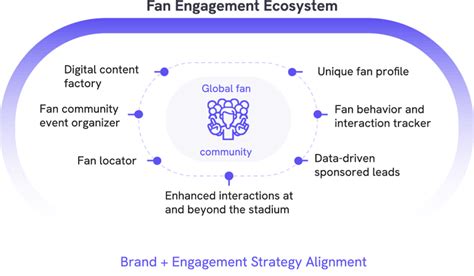
The role of social media cannot be overlooked in understanding the global reach of the Coppa Italia Final. Platforms like Twitter, Instagram, and TikTok have become battlegrounds for fan interaction, with clubs, players, and broadcasters using them to create buzz around the event. For instance, during the 2022 final between Inter Milan and Juventus, the hashtag #CoppaItaliaFinal trended worldwide, with millions of tweets originating from regions as diverse as Nigeria, India, and the United States. Clubs often run dedicated campaigns targeting international fans, such as sharing player interviews with subtitles in multiple languages or hosting virtual watch parties for overseas supporters. These initiatives reflect a deliberate effort to make the tournament feel inclusive and globally relevant.
A unique aspect of the Coppa Italia’s international appeal is its time zone advantage. Unlike tournaments like the Copa Libertadores or the AFC Champions League, which often face challenges in catering to European or North American audiences due to inconvenient scheduling, the Coppa Italia Final is typically held in the evening Italian time. This scheduling aligns well with prime-time viewing in Asia and late-afternoon slots in the Americas, making it accessible to a broader audience. Broadcasters often capitalize on this by running pre-match shows tailored to regional audiences, featuring local commentators and analysts who can contextualize the match for viewers unfamiliar with the intricacies of Italian football.
The sponsorship and commercial angle also plays a role in the event’s global visibility. Major brands like TIM (the tournament’s title sponsor for many years) and global partners such as Nike and Puma use the Coppa Italia Final as a platform to engage with international markets. For instance, sponsors often run parallel campaigns featuring localized content in key regions. A notable example is Puma’s 2021 campaign, which highlighted the rivalry between Inter and Juventus through region-specific advertisements in Latin America and Europe. Such campaigns not only promote the brands but also elevate the tournament's profile by associating it with global commercial entities.
Despite its growing international presence, the Coppa Italia Final faces challenges in fan engagement in certain markets. For instance, in countries where domestic leagues like the English Premier League or La Liga dominate the sports landscape, the Coppa Italia can sometimes struggle to compete for attention. However, creative solutions are being explored. For example, broadcasters in these regions have experimented with "watch party" events in pubs and community centers, creating a shared experience for fans who might not otherwise prioritize the tournament. Additionally, collaborations with local football associations to promote grassroots tournaments under the Coppa Italia banner have helped cultivate interest in Italy’s football culture.
In terms of hard numbers, the global viewership of the Coppa Italia Final has seen a steady upward trend. Reports from the 2023 edition indicated that the match was watched by an estimated 15 million viewers outside of Italy, with significant audiences in regions like North America (3 million), Asia (5 million), and the Middle East (4 million). These figures, while not as high as those of the UEFA Champions League Final, are impressive for a domestic cup competition and highlight its growing stature on the world stage.
In conclusion, the global viewership and reach of the Coppa Italia Final are shaped by a combination of broadcasting strategies, star power, digital innovation, and cultural resonance. As the tournament continues to adapt to the demands of a global audience—leveraging streaming platforms, social media, and creative sponsorship—it is poised to solidify its position as one of football’s premier international events. By embracing both traditional and modern methods of engagement, the Coppa Italia ensures that its final is not just a celebration of Italian football but a spectacle that resonates with fans across the globe.
Conclusion and Future Outlook
The Coppa Italia Final holds a unique place in the tapestry of Italian football. As one of the country's most prestigious domestic cup competitions, it has provided a stage for some of the most dramatic, emotional, and skillful displays of the sport. Its legacy is rooted not only in the matches themselves but in the way it encapsulates the passion, rivalry, and cultural significance of Italian football as a whole. To understand its enduring impact and speculate on its future, we must look at how it has shaped team narratives, fan culture, and the broader footballing ecosystem in Italy.
The legacy of the Coppa Italia Final is deeply intertwined with the narratives of the clubs that have competed in it. For many teams, particularly those outside the traditional "big three" of Juventus, Inter Milan, and AC Milan, the Coppa Italia represents a rare opportunity to claim silverware and etch their name into history. Clubs like Napoli, Fiorentina, and Lazio have used Coppa Italia victories to assert their relevance in a league often dominated by a few elite teams. These victories serve as a reminder that Italian football is not solely about the Scudetto race but also about the stories of underdogs and mid-table teams who, through grit and tactical brilliance, can rise to claim glory. This inclusivity has made the Coppa Italia a unifying competition—one where smaller clubs can dream of upsetting giants on the biggest stage.
Another enduring aspect of its legacy is the role it plays in reinforcing regional pride and rivalries. Italian football is steeped in localism, with clubs often serving as symbols of their cities or regions. The Coppa Italia Final frequently pits teams with deep-seated rivalries against one another, amplifying the stakes. For instance, matches between Roma and Lazio or Juventus and Inter carry an added weight of historical and cultural significance. These finals are not just about winning a trophy but about asserting dominance in a rivalry that often extends beyond the pitch into the social and political fabric of Italian society. This dynamic ensures that the Coppa Italia Final remains a fixture of intense emotional investment for fans, creating moments that are remembered for decades.
From a broader perspective, the Coppa Italia has also been a proving ground for tactical innovation. Italian football is renowned for its emphasis on defensive solidity and strategic depth, and the cup competition has often been a laboratory for managers to experiment with formations, youth players, and high-pressure scenarios. The single-elimination format of the tournament, culminating in the final, demands adaptability and precision. Managers like Carlo Ancelotti, Antonio Conte, and Roberto Mancini have all used the Coppa Italia as a stage to test new ideas or blood young talent, with some of these experiments later influencing their approaches in league and European competitions. This tradition of tactical exploration ensures that the Coppa Italia remains relevant not just as a competition but as a contributor to the evolution of Italian football strategy.
Looking to the future evolution of the Coppa Italia, several trends and challenges stand out. One of the most pressing questions is how the competition will adapt to the changing landscape of European football. With the rise of expanded European tournaments like the UEFA Champions League and Europa League, top-tier Italian clubs are increasingly prioritizing these competitions over domestic cups. This shift has led to occasional instances of weakened squads in Coppa Italia matches, raising concerns about the competition's prestige. To counter this, the Italian Football Federation (FIGC) may need to consider reforms that enhance the appeal of the Coppa Italia, such as increased prize money, greater television exposure, or even a revised format that ensures more competitive matches throughout the tournament.
Additionally, the integration of technology and fan engagement could play a significant role in the Coppa Italia's future. As Italian football embraces innovations like VAR, goal-line technology, and digital fan experiences, the Coppa Italia Final could serve as a testing ground for these advancements. For example, augmented reality (AR) experiences for fans watching at home or in stadiums could create a more immersive final experience. Similarly, leveraging social media and streaming platforms to target younger, global audiences could help the competition transcend its traditional boundaries and appeal to a new generation of football enthusiasts.
Another area of potential evolution lies in the promotion of inclusivity and diversity within the competition. While the Coppa Italia has long been a celebration of Italian football's regional diversity, there is room to expand its role as a platform for underrepresented groups. Initiatives such as featuring women's teams in parallel cup competitions or hosting community-driven events around the final could help position the Coppa Italia as a more socially conscious event. This approach would not only align with broader societal expectations but also enhance the competition's reputation as a forward-thinking and inclusive part of Italian football culture.
The commercial aspect of the Coppa Italia Final also warrants attention. As football becomes increasingly commercialized, the final could be positioned as a premium event with global appeal. Sponsorship deals, high-profile halftime shows, and collaborations with international broadcasters could elevate the competition's profile. However, this must be balanced with preserving the competition's identity as a celebration of Italian football's unique character. Over-commercialization risks alienating traditional fans who value the Coppa Italia for its authenticity and historical significance.
Speculating further, the future of the Coppa Italia could involve greater integration with youth development. As Italy seeks to rebuild its reputation as a producer of world-class talent, the cup competition could serve as a showcase for young Italian players. Mandating a certain number of under-21 players in matchday squads for the earlier rounds, for instance, could encourage clubs to invest in their academies while giving fans a glimpse of the future stars of the sport. This would not only enrich the competition but also support Italy's long-term footballing ambitions.
Finally, the role of the Coppa Italia in post-pandemic football cannot be overlooked. The COVID-19 pandemic disrupted fan attendance and altered the dynamics of live sports. As Italy and the world recover, the Coppa Italia Final has an opportunity to reassert itself as a communal event—one that brings people together in celebration of the sport. Enhanced stadium experiences, fan-friendly pricing, and initiatives to include underserved communities could help rekindle the sense of unity and joy that the final has historically embodied.
In conclusion, the Coppa Italia Final is more than just a match; it is a microcosm of Italian football's rich history, cultural depth, and competitive spirit. Its legacy is built on moments of glory for underdogs, the fiery rivalries that define the sport, and the tactical brilliance that Italy has contributed to the global game. As the competition looks to the future, it must balance tradition with innovation, ensuring that it remains a vibrant and meaningful part of Italian football. By embracing inclusivity, technology, and strategic reforms, the Coppa Italia can continue to evolve while staying true to its roots, ensuring that its final remains a highlight of the football calendar for generations to come.