Introduction to Italian Soccer
Italian soccer, often referred to as **calcio** in its native tongue, is a cornerstone of the nation's cultural identity and a global phenomenon that has shaped the landscape of international sports. Italy’s relationship with soccer is not merely about the sport itself but also about how it embodies the country’s history, societal dynamics, and competitive spirit. This section delves into the origins, evolution, and worldwide impact of Italian soccer, exploring why it holds such a revered position in the global sports arena.
The roots of Italian soccer can be traced back to the late 19th century when the sport was introduced by British expatriates and merchants. The first official soccer match in Italy took place in 1898, and the **Italian Football Federation (FIGC)** was established in the same year. This early period saw soccer as a pastime for the elite, played in exclusive clubs. However, the sport quickly transcended class boundaries, becoming a unifying force for communities across the country. By the early 20th century, soccer had entrenched itself as a national obsession, with the establishment of leagues like **Serie A** in 1929, which remains one of the most competitive and prestigious domestic leagues in the world.
Italian soccer’s **global reputation** is built on a combination of tactical brilliance, iconic clubs, and legendary players. The nation has produced some of the most celebrated teams in history, including **AC Milan**, **Inter Milan**, and **Juventus**, which have collectively won numerous **UEFA Champions League** titles. These clubs are synonymous with a certain style of play—a blend of defensive solidity and strategic counterattacks—often referred to as **catenaccio**. While this defensive approach has sometimes drawn criticism for being overly cautious, it has also been a hallmark of Italian success, particularly in high-stakes international tournaments. Italy’s ability to adapt its strategies to the demands of modern soccer while retaining elements of its traditional ethos has kept it relevant in an ever-evolving sport.
The role of Italian soccer in **international sports** cannot be understated. Italy has won the **FIFA World Cup** four times (1934, 1938, 1982, and 2006), placing it second only to Brazil in the all-time winners' list. These victories are not just milestones in sports history but also moments of national unity and pride. For instance, the **2006 World Cup win** came at a time when Italian soccer was embroiled in the **Calciopoli scandal**, a match-fixing controversy that shook the foundations of the domestic league. This triumph symbolized resilience and served as a unifying force for a country grappling with internal turmoil. Similarly, Italian clubs have left an indelible mark on European competitions. **AC Milan’s dominance in the late 20th century**, including their back-to-back Champions League wins in 1989 and 1990 under the guidance of **Arrigo Sacchi**, redefined how the world viewed Italian soccer. Sacchi’s emphasis on high-pressing, cohesive team play challenged the stereotype of Italy as a purely defensive soccer nation.
Beyond its competitive success, Italian soccer has played a significant role in **shaping global soccer culture**. The tactical innovations pioneered in Italy have influenced coaching philosophies worldwide. For example, the concept of the **libero** (a free-roaming defender) and the focus on zonal marking were refined in Italy and later adopted by teams globally. Managers like **Marcello Lippi**, **Carlo Ancelotti**, and **Antonio Conte** have exported Italian coaching acumen to clubs and national teams outside Italy, further solidifying the country’s influence. Italian players, too, have been ambassadors of the sport. Icons such as **Francesco Totti**, **Roberto Baggio**, and **Paolo Maldini** are not just celebrated for their skill but also for their embodiment of loyalty, passion, and sportsmanship—qualities that resonate deeply with fans worldwide.
The **sociocultural impact of Italian soccer** is another dimension worth exploring. In Italy, soccer is more than a game—it is a reflection of regional identities and rivalries. Clubs like **Napoli**, **Roma**, and **Fiorentina** are deeply tied to their cities’ histories and local pride. Matches between these teams are not just sporting events but also expressions of cultural and political narratives. For example, the fierce rivalry between **Inter Milan** and **AC Milan**, known as the **Derby della Madonnina**, encapsulates the cosmopolitan versus traditionalist dichotomy within the city of Milan. Similarly, the **Derby d'Italia** between Juventus and Inter represents a clash of northern industrial power versus historical prestige. These rivalries add layers of meaning to Italian soccer, making it a microcosm of the country’s broader social fabric.
Italian soccer also plays a pivotal role in **global sports economics**. Serie A, despite facing challenges such as financial mismanagement and competition from leagues like the English Premier League, remains a significant revenue generator. The league attracts top talent and has a dedicated fan base not just in Europe but in regions like South America, Africa, and Asia. Italian clubs’ participation in international tournaments ensures a steady flow of viewership and sponsorship deals. Moreover, the **transfer market dynamics** involving Italian clubs often set benchmarks for player valuations and contract negotiations, influencing the global soccer economy.
One cannot discuss Italian soccer without acknowledging its **dual-edged legacy**. While the sport has brought immense glory, it has also been a platform for controversies, including instances of racism, hooliganism, and corruption. The **Calciopoli scandal** and recurring issues with fan behavior highlight the challenges faced by Italian soccer in maintaining its integrity. However, these challenges have also spurred efforts at reform, with initiatives aimed at improving stadium safety, promoting inclusivity, and modernizing league structures. These ongoing efforts demonstrate a commitment to preserving the sport’s legacy while adapting to contemporary expectations.
In the broader context of international sports, Italian soccer serves as a **benchmark for excellence and tradition**. Its blend of technical skill, tactical depth, and emotional intensity offers a unique flavor that distinguishes it from other soccer cultures. The sport’s ability to inspire global audiences while remaining deeply rooted in its national identity is a testament to its enduring appeal. Whether through the artistry of a perfectly executed free kick, the roar of a packed **Stadio Olimpico**, or the quiet determination of a youth academy player honing their skills, Italian soccer encapsulates the essence of what makes sports a universal language.
In conclusion, Italian soccer is not merely a component of the global sports ecosystem—it is a **cultural export** that has shaped and been shaped by the world around it. Its history, rivalries, innovations, and global influence make it a subject of fascination for enthusiasts and scholars alike. As Italian soccer continues to evolve, it remains a symbol of how a sport can transcend boundaries, bringing people together while preserving the unique identity of its origins.
Historical Foundations of Calcio
The origins of Italian soccer, or calcio as it is traditionally called in Italy, are deeply rooted in the country's cultural and historical fabric. To understand the development of soccer in Italy, one must look beyond the modern game and explore its ancient and medieval precursors, as well as the societal shifts that allowed soccer to take hold as a national passion. This exploration reveals a rich tapestry of influences, from folk traditions to the emergence of organized sports in the late 19th century.
One of the earliest references to a game resembling soccer in Italy can be traced back to calcio fiorentino, a 16th-century sport played in the streets of Florence. This precursor to modern soccer was a chaotic and physical game, often described as a mix of soccer, rugby, and wrestling. Played by teams of 27 players on a sand-covered field, calcio fiorentino involved scoring goals by throwing a ball into designated areas at opposite ends of the field. While the rules were loose and the matches often violent, the game was highly organized for its time, with matches often held during festivals and patronized by the city's aristocracy. This early form of calcio highlights how physical competition and communal celebration were intertwined in Italian society, setting the stage for the communal fervor that soccer would later ignite.
However, the transition from folk games like calcio fiorentino to organized soccer required external influences. The British industrial revolution played a pivotal role in spreading modern soccer across Europe, including Italy. British expatriates and merchants who settled in industrial hubs like Turin, Genoa, and Milan brought with them the rules and structure of association football, which had been codified in England in 1863. These early adopters of the game established informal teams and matches, often within British communities or among workers in factories. For instance, Genoa Cricket and Football Club, founded in 1893 by British expats, is one of Italy’s oldest soccer clubs and a testament to the British influence on the sport’s introduction to Italy.
The late 19th century marked a period of rapid industrialization and urbanization in Italy, which created the conditions for the formal organization of sports. As cities grew and working-class populations expanded, soccer provided an accessible outlet for recreation and competition. Unlike the elite-focused calcio fiorentino, soccer’s simplicity and minimal equipment requirements made it a sport of the masses. By the 1890s, local teams began to form in various Italian cities, often initiated by schools, churches, or social clubs. These early teams were amateur in nature but demonstrated the growing appeal of soccer as a unifying activity.
A key milestone in the development of Italian soccer came in 1898 with the establishment of the Federazione Italiana Giuoco Calcio (FIGC), the governing body for soccer in Italy. This organization was instrumental in formalizing the sport, setting standardized rules, and organizing competitions. The FIGC’s creation was not just a bureaucratic step; it symbolized soccer’s transition from a loosely organized pastime to a structured sport with national aspirations. The first official Italian soccer championship was held the same year, with Genoa winning the inaugural title. This event marked the beginning of a competitive framework that would evolve into the Serie A league we know today.
Another significant influence on early Italian soccer was the role of regional identity. Italy’s unification in 1861 was relatively recent, and the country was still grappling with strong regional differences. Soccer became a way for communities to express local pride and assert their uniqueness. Clubs like Juventus (founded in Turin in 1897) and AC Milan (1899) were not just sports teams but embodiments of their cities’ industrial and cultural identities. This regional focus also led to intense rivalries, such as the one between Inter Milan and AC Milan, which began as a reflection of the city’s social and economic divides.
The early 20th century saw Italian soccer begin to assert itself on the international stage. In 1910, Italy played its first international match against France, winning 6-2. This victory was more than a sporting achievement; it symbolized Italy’s desire to be seen as a modern, unified nation capable of competing with established European powers. However, the sport’s growth was not without challenges. The two World Wars disrupted soccer’s development, as resources and attention were diverted to the war effort. Yet, in the interwar period, soccer’s popularity continued to grow, fueled by Mussolini’s regime, which used the sport as a tool for propaganda and national unity. The regime invested in infrastructure and organized high-profile events like the 1934 FIFA World Cup, hosted and won by Italy. While this period is fraught with ethical complexities, it undeniably accelerated the professionalization and global recognition of Italian soccer.
An often-overlooked aspect of Italian soccer’s early history is the role of immigrant communities in shaping the sport. For instance, Swiss and Hungarian coaches and players brought tactical innovations to Italian teams in the early 20th century. The concept of catenaccio, a defensive strategy that would become synonymous with Italian soccer, has roots in these cross-cultural exchanges. This blend of local passion and foreign expertise helped Italian soccer develop its distinctive character, balancing technical skill with tactical discipline.
The interwar years also saw the rise of stadium culture in Italy. The construction of venues like the San Siro in Milan (1926) reflected not only the sport’s growing popularity but also its role as a communal gathering space. Stadiums became arenas where class divisions blurred, and people from all walks of life could share in the collective experience of supporting their teams. This phenomenon underscored soccer’s ability to transcend social barriers and foster a sense of belonging.
In summary, the historical foundations of calcio are a blend of ancient folk traditions, foreign influences, and societal transformations in modern Italy. From the chaotic fields of calcio fiorentino to the structured competitions of the FIGC, Italian soccer evolved as both a reflection of and a contributor to the nation’s identity. Key milestones, such as the founding of early clubs, the establishment of the FIGC, and Italy’s first international successes, laid the groundwork for what would become one of the most storied soccer cultures in the world. These early influences not only shaped the game but also embedded it deeply into the Italian psyche, making soccer more than just a sport—it became a symbol of unity, pride, and resilience.
- Calcio fiorentino provided an early framework for physical competition in Italian society.
- British expatriates introduced modern soccer rules and structures in the late 19th century.
- The FIGC’s creation in 1898 formalized soccer as a national sport.
- Regional identity and rivalries shaped the early club landscape.
- Stadiums like San Siro became cultural hubs for community engagement.
This intricate history demonstrates how Italian soccer is not merely a modern phenomenon but a sport with deep historical roots, shaped by centuries of evolution and adaptation.
The Structure of Italian Football Leagues
The organization of Italian football leagues is a well-structured hierarchy that ensures both competitive balance and opportunities for clubs to rise or fall based on performance. The system is anchored by **Serie A**, the top division, followed by **Serie B**, and a network of lower divisions that form the backbone of Italian football. Each tier plays a crucial role in the broader ecosystem of the sport, with a clear focus on promotion, relegation, and maintaining a competitive edge across all levels.
At the pinnacle of this structure is **Serie A**, Italy's premier football league, which consists of 20 teams. These teams compete in a double round-robin format, meaning each team plays 38 matches—one home and one away against every other team in the league. The competitive dynamics of Serie A are intense, as the league is not only a showcase of domestic talent but also a battleground for European qualification. The top four teams at the end of the season qualify for the **UEFA Champions League**, while the fifth and sixth-placed teams earn spots in the **UEFA Europa League** or the **UEFA Europa Conference League**, depending on the year's results and coefficents. Relegation is a harsh reality for the bottom three teams, which are demoted to Serie B, emphasizing the high stakes of every match. This creates a dynamic where even mid-table teams are constantly under pressure to avoid slipping into the bottom half of the table.
One of the unique aspects of Serie A's competitive structure is the dominance of certain clubs like **Juventus**, **AC Milan**, and **Inter Milan**, which have historically set the standard for success. However, recent years have seen a shift in competitiveness, with clubs such as **Atalanta** and **Napoli** challenging the status quo. This shift is partly due to financial fair play regulations and the increasing role of analytics and youth development in Italian football. The league's structure ensures that even smaller clubs with strong youth academies, like **Sassuolo**, can rise to prominence if they manage resources effectively. This creates an environment where long-term strategy often outweighs short-term spending sprees, although wealthier clubs still hold a significant advantage.
Beneath Serie A lies **Serie B**, the second division, which consists of 20 teams as well. Serie B operates on a similar double round-robin system, with 38 matches per team. However, the competitive dynamics here are even more volatile. The top two teams at the end of the season are automatically promoted to Serie A, while teams finishing third through eighth enter a playoff system to determine the third promoted team. This playoff format is particularly dramatic, as it often pits teams with vastly different seasonal performances against each other in a high-stakes mini-tournament. For instance, a team that finishes third might face a team that barely scraped into the playoffs in eighth place, creating an environment where form and momentum often trump overall season consistency.
Relegation from Serie B is equally unforgiving, with the bottom four teams dropping to **Serie C**, the third tier of Italian football. This sharp drop highlights the thin line between success and failure in the Italian league system. Serie B clubs often operate with smaller budgets than their Serie A counterparts, making player development and scouting critical. Many Serie B teams rely heavily on loan players from Serie A clubs, which can create an uneven playing field but also serves as a proving ground for young talent. Clubs like **Empoli** and **Hellas Verona** have used Serie B as a springboard back to the top division, showcasing the league's role as a critical stepping stone.
The lower divisions, particularly **Serie C**, are where the organization of Italian football becomes more complex. Serie C is divided into three geographic groups (Girone A, Girone B, and Girone C) to reduce travel costs and logistical challenges. Each group consists of 20 teams, meaning there are 60 clubs in this tier. The competitive dynamics in Serie C are unique because the focus shifts from purely sporting success to survival and financial stability. Promotion to Serie B is determined through a mix of automatic promotion for group winners and a playoff system among the best-performing teams from each group. This multi-group structure often leads to disparities in quality between the groups, as some regions may have stronger clubs due to historical or economic factors.

Relegation from Serie C is even more intricate, with the bottom teams in each group facing demotion to **Serie D**, the top amateur division. However, financial mismanagement or licensing issues can also result in clubs being relegated or expelled regardless of their on-field performance. This adds a layer of unpredictability to the lower divisions, where a club's off-field stability can be just as important as its results. Serie D, although technically amateur, is highly competitive and serves as a breeding ground for future professionals. Clubs in this division often have strong community ties and can occasionally rise through the ranks, as seen with teams like **Pro Vercelli** and **Virtus Entella**, which have navigated the lower divisions to return to professional football.
The competitive dynamics across these leagues are shaped by the **pyramid structure** of Italian football, which allows for mobility between tiers. This mobility is both a blessing and a curse. On one hand, it provides smaller clubs with a clear pathway to success, as seen in the rise of teams like **Crotone** and **Benevento** to Serie A in recent years. On the other hand, the financial gulf between Serie A and the lower divisions can make sustained success difficult for newly promoted teams. Many clubs that achieve promotion to Serie A struggle to compete due to limited resources, often resulting in immediate relegation. This "yo-yo effect" is a common phenomenon, where teams bounce between Serie A and Serie B due to the challenges of maintaining a competitive squad at the highest level.
Another critical aspect of the league structure is the role of the **Italian Football Federation (FIGC)** and **Lega Serie A** in overseeing the organization and regulation of competitions. These governing bodies enforce rules related to stadium standards, financial health, and youth development, which indirectly influence the competitive landscape. For example, clubs in Serie A are required to meet certain infrastructure standards, which can be a barrier for smaller clubs aiming for promotion. This creates a system where success is not only about on-field performance but also about meeting off-field criteria, further deepening the divide between well-funded clubs and those operating on tighter budgets.
The organization of Italian football leagues also has a cultural dimension. Serie A is often seen as a global brand, with its matches broadcast worldwide and its clubs attracting international stars. In contrast, Serie B and lower divisions are more localized, with a strong emphasis on regional rivalries and community support. This dichotomy creates a unique dynamic where the top division serves as a global showcase, while the lower tiers act as the lifeblood of grassroots football, nurturing future talent and maintaining the sport's connection to local communities.
In summary, the structure of Italian football leagues is a carefully balanced system that promotes competition while allowing for mobility between tiers. **Serie A** represents the pinnacle of professional football, with its mix of traditional powerhouses and emerging challengers. **Serie B** serves as a proving ground for teams on the cusp of top-tier football, while Serie C and below provide the foundation for long-term growth and development. The competitive dynamics across these tiers are shaped by financial disparities, regulatory requirements, and the cultural significance of football in Italy, making the system both robust and complex.
Iconic Clubs and Their Legacy
Italian soccer, or **calcio**, is steeped in history and passion, with its clubs serving as pillars of the sport's global appeal. Among the many teams that have graced the pitches of Serie A, a select few stand out for their enduring influence, both domestically and internationally. **Juventus**, **AC Milan**, and **Inter Milan** are not just clubs; they are institutions that have shaped the narrative of Italian soccer and left an indelible mark on the global stage.
Let us begin with **Juventus**, the most successful club in Italian football history. Founded in 1897 in Turin, Juventus has become synonymous with dominance in Serie A. The club has won the league title a record 36 times, a feat unmatched by any other team in Italy. This unparalleled success is not merely a product of luck or sporadic brilliance but rather a result of a deeply ingrained culture of excellence. Juventus has often been at the forefront of innovation, particularly in its approach to squad building and management. For instance, the club was among the first in Italy to embrace a modern, business-oriented model of operation under the ownership of the Agnelli family, who have been associated with Juventus since the 1920s. This long-term vision has allowed Juventus to maintain a consistent presence at the top, even during periods of financial or sporting turbulence.
One of Juventus's most significant contributions to the sport lies in its ability to attract and nurture world-class talent. The club has been home to legends like **Michel Platini**, **Alessandro Del Piero**, and **Cristiano Ronaldo**, each of whom brought a unique dimension to the team's playing style. Platini's elegance in midfield during the 1980s, Del Piero's loyalty and artistry as a forward in the 1990s and 2000s, and Ronaldo's goal-scoring prowess in the modern era all underscore how Juventus has adapted its identity while staying true to its winning ethos. Moreover, Juventus’s influence extends beyond the field. The club’s state-of-the-art **Allianz Stadium**, opened in 2011, set a benchmark for modern stadium design in Italy, emphasizing fan experience and revenue generation through non-sporting events.
Moving to **AC Milan**, the club represents a different yet equally impactful legacy. Established in 1899, AC Milan has carved its name into the annals of soccer through its emphasis on attacking play and a global brand identity. With 19 Serie A titles and 7 UEFA Champions League trophies, AC Milan is one of the most decorated clubs in Europe. What sets AC Milan apart is its golden era in the late 20th century, particularly under the stewardship of **Silvio Berlusconi** and the tactical genius of coaches like **Arrigo Sacchi** and **Fabio Capello**. Sacchi’s Milan of the late 1980s and early 1990s is often regarded as one of the greatest teams in history, characterized by a high-pressing, fluid style of play that redefined modern soccer.
This era saw the rise of the iconic Dutch trio—**Marco van Basten**, **Ruud Gullit**, and **Frank Rijkaard**—who blended technical brilliance with physical dominance. Their success not only elevated AC Milan but also inspired a generation of coaches and players to prioritize tactical innovation. AC Milan's legacy is also tied to its ability to remain relevant in the face of adversity. Even during periods of financial strain in the 2010s, the club's focus on youth development and its rich history ensured it remained a prestigious destination for players. The recent resurgence under **Stefano Pioli**, culminating in a Scudetto win in 2022, is a testament to the club's resilience and its ability to rebuild while honoring its legacy.
Closely tied to AC Milan in history and rivalry is **Inter Milan**, the other half of the **Derby della Madonnina**. Founded in 1908 as a breakaway faction of AC Milan, Inter has established itself as a force in Italian and European soccer. With 19 Serie A titles and 3 UEFA Champions League trophies, Inter Milan’s legacy is defined by its ability to challenge and often surpass its city rival. A key chapter in Inter’s history came during the 1960s under **Helenio Herrera**, a period often referred to as the era of **Grande Inter**. Herrera’s implementation of the **Catenaccio** system—a highly defensive yet effective tactical approach—brought Inter unprecedented success, including back-to-back European Cups in 1964 and 1965. This tactical innovation, though criticized for its conservatism, highlighted Inter’s willingness to adopt and perfect strategies that suited its squad composition.
In the modern era, Inter Milan has continued to assert its influence, particularly through its ability to attract top talent from diverse regions. Players like **Ronaldo Nazário** in the late 1990s, **Zlatan Ibrahimović** in the mid-2000s, and **Romelu Lukaku** in recent years have all donned the black-and-blue stripes, contributing to Inter’s dynamic and adaptable playing style. The club’s treble-winning season in 2010 under **José Mourinho** remains a high point, as Inter became the first Italian team to win the Serie A title, Coppa Italia, and Champions League in the same year. This achievement not only cemented Inter’s place among Europe’s elite but also demonstrated how a well-managed, cohesive team could overcome financial and structural challenges to dominate on multiple fronts.
The rivalry between Juventus, AC Milan, and Inter Milan is not just a competition for domestic supremacy but a microcosm of Italian soccer’s broader identity. Each club has contributed uniquely to the sport’s evolution. Juventus exemplifies consistency and business acumen, AC Milan embodies the beauty of attacking football and tactical innovation, and Inter Milan showcases adaptability and resilience in the face of competition. These clubs have also played pivotal roles in shaping Italy’s soccer infrastructure. Their participation in European competitions has often been a showcase of Italian tactical ingenuity, with each club contributing to Italy’s reputation as a breeding ground for defensive mastery and strategic depth.
Beyond their on-field achievements, these clubs have also influenced the socio-cultural fabric of Italian society. **Juventus** represents the industrial heart of Turin, **AC Milan** the cosmopolitan flair of Lombardy, and **Inter Milan** the inclusivity of a club initially formed to welcome foreign players. This diversity in identity has allowed Italian soccer to resonate with fans worldwide, as each club offers a distinct narrative that appeals to different demographics.
In conclusion, the legacy of **Juventus**, **AC Milan**, and **Inter Milan** extends far beyond their trophy cabinets. These clubs have been instrumental in defining what Italian soccer means to the world—a blend of tactical brilliance, passionate fanbases, and an unwavering commitment to excellence. Their stories are not just about soccer; they are about how sport can become a vehicle for cultural expression, innovation, and global influence. As Italian soccer continues to evolve, the contributions of these iconic clubs will remain a cornerstone of its enduring appeal.
The Tactical Evolution of Italian Soccer
The tactical evolution of Italian soccer is a fascinating journey that reflects the country's deep-rooted passion for the sport, its cultural emphasis on strategy, and its ability to adapt to global trends while maintaining a distinct identity. From the defensive masterclass of catenaccio to the fluid and dynamic systems of modern play, Italian soccer has continually redefined itself in response to both internal pressures and external influences.
The foundation of Italian tactical philosophy lies in catenaccio, a system that became synonymous with Italian soccer during the mid-20th century. Literally meaning "door-bolt" in Italian, catenaccio was a highly defensive approach designed to nullify opponents' attacks while seeking opportunities to counter. This system was epitomized by teams like Inter Milan under Helenio Herrera in the 1960s. Herrera's iteration of catenaccio employed a libero (a free-roaming defender) behind a rigid backline, creating a near-impenetrable defensive wall. The philosophy was rooted in the idea of pragmatism over aesthetics—winning at all costs, even if it meant sacrificing the fluidity and flair associated with other soccer cultures like Brazil or Hungary. This approach brought Italy immense success, including multiple European titles, and established the nation as a defensive juggernaut.
However, the effectiveness of catenaccio began to wane as global soccer evolved. The 1970s and 1980s saw the rise of total football from the Netherlands and the high-pressing, attacking styles of other European nations. These systems exposed the limitations of a purely defensive setup. Italian teams, known for their adaptability, began to incorporate more proactive elements into their play. For instance, AC Milan under Arrigo Sacchi in the late 1980s revolutionized Italian soccer by moving away from the passive, reactive nature of catenaccio. Sacchi’s Milan played a high-pressing, zonal marking system that emphasized collective movement and coordination. This was a stark departure from the man-marking focus of earlier Italian teams. The success of Sacchi’s Milan in domestic and European competitions signaled a shift in Italian soccer’s tactical mindset—defense was no longer just about containing but about controlling space and dictating play.
The 1990s marked another turning point with the advent of zonal defense and a greater emphasis on ball possession. The 1994 FIFA World Cup, where Italy reached the final under coach Arrigo Sacchi’s successor, Cesare Maldini, showcased a more balanced Italian side. While the team still prioritized defensive solidity, there was a noticeable effort to involve midfield playmakers like Roberto Baggio and Alessandro Del Piero in constructing attacks. This period also saw the rise of serie a as a dominant league, attracting global stars and fostering tactical experimentation. Coaches like Marcello Lippi at Juventus blended traditional Italian defensive rigor with a more expansive approach to attacking transitions, creating teams that could both stifle opponents and launch devastating counterattacks.
The early 2000s brought further evolution as Italian soccer grappled with the globalization of tactics. The influence of Spanish tiki-taka and the high-intensity pressing of German teams forced Italian sides to rethink their strategies. This era saw the emergence of coaches like Carlo Ancelotti and Jose Mourinho, who adapted Italian pragmatism to incorporate possession-based play and psychological warfare. Ancelotti’s Milan teams, for example, combined a solid defensive structure with fluid attacking movements, often relying on the creative genius of players like Kaká. Mourinho’s Inter Milan, which won the treble in 2010, exemplified a modernized version of Italian pragmatism—a team capable of absorbing pressure and striking with lethal efficiency.
In the modern era, Italian soccer has embraced a more hybrid approach that blends its traditional defensive strengths with contemporary attacking philosophies. The success of Roberto Mancini’s Italy in winning UEFA Euro 2020 is a case in point. Mancini’s Italy was a far cry from the catenaccio-era teams; instead, it played with a high press, quick ball circulation, and an emphasis on attacking fullbacks like Leonardo Spinazzola. This style was not just about winning but about winning with style—a clear departure from the "win at all costs" mentality of earlier generations. The tactical flexibility seen in Mancini’s squad highlighted how Italian soccer had learned to integrate elements of possession play, pressing, and positional fluidity without abandoning its core defensive principles.
One of the most significant drivers of this evolution has been the globalization of player development. Italian teams now feature players from diverse backgrounds, bringing new ideas and techniques into the fold. For example, the influence of South American players in Serie A has introduced a flair and creativity that complements the tactical discipline inherent in Italian soccer. Additionally, the rise of analytics and sports science has enabled coaches to fine-tune their systems, optimizing player performance and tactical execution. This data-driven approach is evident in how modern Italian teams manage in-game transitions and player rotations, ensuring both defensive solidity and attacking potency.
Another critical aspect of the evolution is the role of youth academies. Clubs like Atalanta and Sassuolo have invested heavily in nurturing young talent, producing players who are technically proficient and tactically versatile. These academies emphasize not just individual skill but also a deep understanding of spatial awareness and team dynamics, which are crucial in modern soccer. This focus on youth development has allowed Italian soccer to remain competitive in an era where the financial dominance of other European leagues, such as the English Premier League, poses challenges.
It is also worth noting the impact of global competitions on Italian tactical thinking. The exposure to different styles in the UEFA Champions League and international tournaments has pushed Italian teams to experiment. For instance, the use of a back-three system, popularized by coaches like Antonio Conte, has become a hallmark of modern Italian soccer. This system balances defensive solidity with attacking width, as seen in Conte’s successful stints with Juventus, the Italian national team, and Inter Milan.
In summary, the tactical evolution of Italian soccer is a testament to its ability to adapt while staying true to its roots. From the rigid, defense-first approach of catenaccio to the dynamic, hybrid systems of today, Italian soccer has consistently found ways to remain relevant on the global stage. This evolution is not just about tactics but about a broader cultural willingness to learn, innovate, and compete. As Italian soccer continues to evolve, it will likely maintain its unique blend of pragmatism and artistry, ensuring its place as one of the most influential forces in the beautiful game.
- Catenaccio laid the foundation for Italian defensive excellence but had to evolve as global soccer grew more dynamic.
- The influence of coaches like Sacchi, Ancelotti, and Mancini showcases Italy’s ability to blend tradition with innovation.
- Youth development and global exposure have been key drivers in modernizing Italian soccer tactics.
This ongoing transformation ensures that Italian soccer remains not just a defender of its legacy but also a pioneer in the ever-changing landscape of the sport.

The Role of Italian Soccer in Global Competitions
Italy's role in global soccer competitions is deeply rooted in its history, culture, and the strategic evolution of its playing style. As one of the most successful nations in international soccer, Italy has left an indelible mark on tournaments like the FIFA World Cup, UEFA Champions League, and other high-profile events. This section explores how Italian soccer has shaped and been shaped by these competitions, emphasizing its unique contributions and challenges.
The FIFA World Cup is perhaps the most significant stage where Italy has demonstrated its prowess. With four World Cup titles (1934, 1938, 1982, and 2006), Italy is tied with Germany as the second-most successful team in the tournament's history, trailing only Brazil. Each victory reveals a different facet of Italian soccer. The 1934 and 1938 wins, under coach Vittorio Pozzo, were marked by a disciplined and physically robust style of play, often associated with the political climate of the time. These early successes were not just about athletic achievement but also served as a symbol of national pride during a period of global upheaval.
The 1982 World Cup win in Spain is often cited as a turning point for Italian soccer. After a shaky group stage, Italy, led by the legendary Dino Zoff and fueled by the brilliance of Paolo Rossi, staged a remarkable comeback. Rossi's six goals in the tournament, including a hat-trick against Brazil in the second group stage, epitomized Italy's ability to rise when it mattered most. This victory underscored the team's tactical flexibility and mental resilience, traits that have since become hallmarks of Italian soccer.
The 2006 World Cup win in Germany is particularly notable for its context. Amid a match-fixing scandal (Calciopoli) that rocked Italian domestic soccer, the national team rallied to achieve an unlikely triumph. The final against France, decided on penalties after a 1-1 draw, showcased Italy's defensive solidity and composure under pressure. The heroics of goalkeeper Gianluigi Buffon and the leadership of captain Fabio Cannavaro symbolized a team that thrived on unity and determination. This win also highlighted Italy's ability to perform amidst adversity, a quality that has often defined its global reputation.
However, Italy's World Cup journey has not been without setbacks. The team's failure to qualify for the 2018 and 2022 tournaments was a stark reminder of the challenges posed by an evolving soccer landscape. These absences exposed a reliance on aging stars and a lack of investment in youth development, prompting a broader conversation about the need for systemic reform in Italian soccer.
In the UEFA Champions League, Italian clubs have been equally influential. Teams like Juventus, AC Milan, Inter Milan, and Napoli have consistently competed at the highest level. AC Milan, with seven Champions League titles, is one of the most successful clubs in the competition's history. Juventus, with two titles and numerous final appearances, has also been a dominant force. These clubs have often been associated with a tactical approach that prioritizes defensive organization, a hallmark of the Catenaccio system that became synonymous with Italian soccer in the mid-20th century.
The success of Italian clubs in the Champions League has often been linked to their ability to blend domestic talent with international stars. For instance, AC Milan's dominance in the late 1980s and early 1990s under Arrigo Sacchi was built on a team that combined Italian stalwarts like Franco Baresi and Paolo Maldini with global stars such as Marco van Basten and Ruud Gullit. This era not only elevated Milan but also showcased how Italian clubs could export their tactical philosophy to the European stage.
However, the modern era has seen a decline in Italian club dominance in the Champions League. Since Inter Milan's 2010 victory, no Italian team has won the competition. This decline has been attributed to financial disparities with clubs in England, Spain, and Germany, as well as the growing influence of state-owned teams. Despite this, Italian clubs continue to produce memorable moments, such as Atalanta's unexpected run to the quarter-finals in 2020, which highlighted the depth of talent and tactical innovation present in Serie A.
Beyond the World Cup and Champions League, Italy has also made its presence felt in other international tournaments. The UEFA European Championship has been a mixed bag for Italy. While the Azzurri won the tournament in 1968 and 2020, their performances in other editions have often been inconsistent. The 2020 win, under manager Roberto Mancini, was particularly significant as it came after the disappointment of missing the 2018 World Cup. Mancini's emphasis on youth and attacking football marked a departure from the traditionally conservative Italian approach, signaling a potential shift in how the national team is prepared for international competitions.
Italy's performance in youth tournaments also merits attention. The Under-21 team has won five UEFA European Under-21 Championships, reflecting a strong pipeline of talent. However, the transition of these young players to the senior team has often been uneven, raising questions about the integration of youth development into the broader national strategy.
Another critical aspect of Italy's role in global competitions is its defensive legacy. The Italian style of play, often characterized by a focus on defensive solidity and tactical discipline, has influenced how soccer is played and understood worldwide. While this approach has drawn criticism for being overly cautious, it has also produced some of the most iconic moments in soccer history. For instance, Italy's ability to neutralize attacking powerhouses like Brazil and Germany in key matches has reinforced its reputation as a team that can adapt to any opponent.
On the flip side, the evolution of global soccer has posed challenges for Italy. The rise of high-pressing, possession-based teams has sometimes exposed the limitations of Italy's more reactive style. This has led to debates within Italian soccer about the need to modernize its approach while preserving the elements that have made it successful. The appointment of progressive coaches like Mancini and the focus on integrating a more dynamic, attack-oriented philosophy suggest that Italy is actively addressing these challenges.
In women's soccer, Italy has also been making strides. The women's national team reached the quarter-finals of the 2019 FIFA Women's World Cup, signaling a growing interest and investment in the women's game. While Italy is not yet a dominant force in women's global soccer, its progress reflects a broader trend of inclusivity and development within the sport.
In summary, Italy's role in global competitions is a story of triumphs, setbacks, and adaptation. From its World Cup glories to its influence on European club soccer, Italian soccer has been a blend of tradition and innovation. While recent challenges have tested its standing, the country's rich history and ongoing efforts to evolve suggest that Italy will remain a key player in the global soccer landscape for years to come.
Cultural and Societal Impact of Calcio
Italian soccer, or calcio, is more than a sport in Italy; it is a cultural phenomenon that permeates every aspect of society. From the bustling streets of Naples to the historic piazzas of Milan, calcio serves as both a unifying force and a mirror reflecting the complexities of Italian identity. Its influence extends beyond the pitch, shaping national identity, fostering community pride, and driving social dynamics in ways that are deeply ingrained in the fabric of Italian life.
One of the most striking aspects of calcio's role in Italian society is its contribution to national identity. Italy, a country with a history of regional fragmentation, has often struggled to reconcile its diverse local cultures under a single national banner. However, soccer has emerged as a unifying thread. The Italian national team, affectionately known as the Azzurri, embodies this unity. During major tournaments like the FIFA World Cup or the UEFA European Championship, the country sets aside regional rivalries to rally behind the team. The iconic blue jerseys symbolize a collective Italian spirit that transcends political, economic, and social divides. This phenomenon was perhaps most evident in 2006 when Italy won the World Cup in Germany. In a time of political instability and economic uncertainty, the victory brought the nation together in a shared moment of pride and celebration, demonstrating how calcio can serve as a powerful tool for national cohesion.
At the same time, calcio is deeply tied to regional and local identities. Italy’s soccer landscape is defined by its fiercely loyal club cultures, where local teams are not just sports organizations but symbols of regional pride and heritage. Clubs like Juventus in Turin, AC Milan, Inter Milan, and AS Roma are not merely teams; they are extensions of their cities' identities. For example, the rivalry between Inter and AC Milan, known as the Derby della Madonnina, is not just a contest of athletic prowess but a reflection of Milan's dual nature—a city of industry and innovation that houses contrasting visions of progress. Similarly, in Naples, SSC Napoli is more than a team; it is a symbol of Neapolitan resilience and defiance against the north's economic and cultural dominance. The adoration for Diego Maradona, who led Napoli to its first Serie A titles in the late 1980s, is a testament to how a player and a team can embody the hopes and struggles of an entire city. This regional pride fosters a sense of belonging and solidarity among fans, reinforcing the idea that calcio is not just about the game but about representing one’s roots.
The role of calcio in community dynamics is equally profound. Soccer clubs often act as social hubs, especially in smaller towns and villages where the local team is a focal point of communal life. These teams provide a sense of purpose and belonging for players, coaches, and fans alike. Youth academies attached to clubs are not merely talent pipelines but community initiatives that offer structure, discipline, and opportunities for young people. In economically disadvantaged areas, calcio can serve as a pathway out of poverty or a means of channeling energy away from negative influences. For instance, clubs like Atalanta in Bergamo have invested heavily in youth development programs, not only producing top-tier talent but also creating a sense of hope and aspiration in their communities. This dynamic underscores how calcio functions as a social equalizer, providing avenues for upward mobility and collective engagement.
However, the societal impact of calcio is not without its challenges. The sport has often been a stage for social tensions, including issues of racism, class divides, and political affiliations. Italian stadiums have, at times, been arenas for discriminatory chants and behaviors, reflecting broader societal problems. For example, incidents of racism directed at players of African descent have sparked national debates about inclusivity and the need for systemic change within the sport. These issues highlight how calcio, while a unifying force, can also expose the fault lines in Italian society. Yet, they also present an opportunity for the sport to evolve and lead conversations about diversity and equality. Initiatives like anti-racism campaigns and the integration of immigrant players into top-tier teams are steps toward addressing these challenges and using calcio as a platform for positive social change.
Another dimension of calcio’s societal impact lies in its influence on gender dynamics. Historically, soccer in Italy has been a male-dominated domain, both in terms of players and fandom. However, the landscape is slowly shifting. The success of the Italian women’s national team, particularly their strong performance in recent international tournaments, has begun to challenge traditional gender roles and inspire a new generation of female athletes. Additionally, the growing visibility of women in leadership roles within soccer organizations, such as club managers and federation executives, signals a gradual but meaningful shift in how calcio interacts with gender norms. This evolution not only diversifies the sport but also enriches its societal impact by making it more inclusive and representative of modern Italy.
Calcio also plays a role in economic and political dynamics. Soccer clubs in Italy are often intertwined with local economies and political structures. Ownership of teams by prominent business magnates or even politicians can turn clubs into symbols of power and influence. For example, the Agnelli family’s long-standing association with Juventus reflects the deep connection between industrial wealth and soccer prestige. Similarly, the involvement of local governments in stadium projects or youth development programs demonstrates how calcio can be leveraged as a tool for urban development and social policy. However, this intersection of sports and politics can also lead to controversies, such as accusations of corruption or favoritism in the allocation of resources. These dynamics reveal how calcio is not isolated from the broader socio-political landscape but is instead deeply embedded within it.
Finally, calcio shapes everyday social interactions in Italy. Conversations about last night’s match or the performance of a star player are commonplace in cafes, workplaces, and family gatherings. Soccer serves as a shared language that bridges generational and social gaps. A grandparent and grandchild might bond over their mutual support for a team, just as strangers in a bar might find common ground in debating a referee’s decision. This everyday integration of calcio into social life underscores its role as a cultural touchstone that fosters connection and dialogue across diverse groups.
In conclusion, the cultural and societal impact of calcio in Italy is multifaceted and profound. It is a sport that not only entertains but also defines and reflects the nation’s identity. From fostering national unity during global competitions to reinforcing local pride through club loyalties, calcio is a lens through which Italy’s social fabric can be understood. While it faces challenges related to inclusivity and equity, its potential to inspire, unite, and transform remains undeniable. In this way, Italian soccer is not just a game—it is a living, breathing expression of Italy itself.
Challenges and Controversies in Italian Football
Italian soccer, or calcio as it is known locally, is one of the most storied and passionately followed sports in the world. However, beneath its glittering history of iconic clubs, legendary players, and tactical brilliance lies a complex web of **challenges and controversies** that have often overshadowed the sport's on-field brilliance. This section delves into three major issues—**match-fixing scandals**, **financial struggles**, and **fan violence**—that have left a lasting imprint on the reputation of Italian football.
One of the most persistent and damaging issues in Italian football is **match-fixing scandals**. These scandals are not isolated incidents but rather a recurring theme that has plagued the sport for decades. The most infamous example is the **Calciopoli scandal of 2006**, which exposed a network of corruption involving top clubs like Juventus, AC Milan, Fiorentina, and Lazio. Investigations revealed that club officials and referees were involved in a system of manipulating match outcomes through biased referee appointments and illicit communications. Juventus, the most successful club in Serie A history, was stripped of two league titles and relegated to Serie B as a result. While this was a watershed moment that led to stricter regulations and oversight, the stain of Calciopoli persists. More recently, lower-tier leagues have seen a resurgence of match-fixing allegations, often linked to **illegal betting syndicates** operating across Europe. These scandals not only erode trust in the fairness of the game but also **undermine the competitive integrity** of Italian football on the international stage. For a country that prides itself on its tactical sophistication and footballing heritage, the recurrence of such scandals raises questions about the systemic vulnerabilities within its football ecosystem.
Another significant challenge is the **financial struggles** of Italian clubs, particularly those outside the elite tier. While clubs like Juventus, Inter Milan, and AC Milan have global revenue streams and brand appeal, many smaller and mid-tier clubs face chronic financial instability. The economics of Italian football are deeply skewed; television rights are heavily concentrated among the top clubs, leaving others to struggle with dwindling gate receipts, limited sponsorship deals, and outdated infrastructure. For instance, clubs such as Parma and Palermo have faced **bankruptcy and relegation** in recent years due to unsustainable debts. This financial disparity is exacerbated by the **lack of modern stadium ownership** among many clubs. Unlike the English Premier League, where most clubs own and operate state-of-the-art facilities that generate significant matchday and commercial revenue, Italian clubs often play in municipally owned stadiums that limit their ability to monetize events. This issue is compounded by the global shift toward **luxury tax models and stricter Financial Fair Play (FFP) regulations**, which have made it harder for Italian clubs to compete with wealthier leagues like the Premier League or La Liga. Without substantial investment in infrastructure and a more equitable distribution of revenue, the gap between the haves and have-nots in Italian football is likely to grow, threatening the long-term competitiveness of Serie A as a whole.

The third major issue is **fan violence**, which has been a persistent shadow over Italian football. The country has a rich tradition of **ultras culture**, where highly organized and passionate fan groups create an electric atmosphere in stadiums. However, this fervor often spills over into **violence, intimidation, and hooliganism**. Incidents of fan clashes, both inside and outside stadiums, have been a recurring issue. For example, the 2021 incident involving Atalanta and AC Milan fans saw violent confrontations that led to arrests and match delays. Moreover, the problem is not confined to domestic rivalries; Italian clubs playing in European competitions have often been penalized for the behavior of their supporters, including racist chants and the use of pyrotechnics. These incidents not only tarnish the image of Italian football but also lead to **heavy fines, stadium bans, and reputational damage** for the clubs involved. The roots of this violence are often tied to deeper socio-political tensions within Italian society, where football becomes a proxy for expressing regional pride, political ideologies, or even xenophobia. Efforts to curb this issue, such as increased stadium security, fan ID systems, and bans on certain fan groups, have had mixed success. However, the persistence of such violence suggests that the problem is not merely one of enforcement but a deeper cultural challenge that requires a **holistic approach involving education, community engagement, and stricter legal consequences**.
These challenges are interconnected and feed into a broader narrative of **institutional fragility** within Italian football. For instance, match-fixing scandals are often linked to financial desperation among lower-tier clubs, where players and officials might be tempted by illicit offers due to poor wages and job insecurity. Similarly, fan violence can be seen as a byproduct of the **intense tribalism** fostered by the sport, which is both its strength and its Achilles' heel. When a club faces financial difficulties or is embroiled in a scandal, the frustration of fans often manifests in destructive ways, further compounding the club's woes.
To address these issues, Italian football must adopt a **multi-faceted strategy**. On the match-fixing front, there is a need for **greater transparency in refereeing appointments** and the implementation of advanced monitoring systems to detect irregular betting patterns. Financial struggles could be mitigated by **reforming revenue-sharing models** to ensure smaller clubs have a fighting chance to grow sustainably. Additionally, Italian football authorities should encourage clubs to invest in **privately owned stadiums** that can serve as revenue hubs, similar to the successful models seen in Germany and England. As for fan violence, there is a need for **collaboration between clubs, local authorities, and supporter groups** to foster a culture of accountability and respect. Educational campaigns aimed at younger fans could help shift the narrative away from hostility and toward a celebration of the sport's unifying power.
It is also worth noting that these challenges are not unique to Italy; other footballing nations have faced similar issues. However, what sets Italy apart is the **intensity of its football culture** and the **historical weight** of its clubs and leagues. This makes the stakes higher and the need for reform more urgent. Italian football has shown resilience in the past—bouncing back from Calciopoli to produce world-class talent and competitive teams—but the road ahead requires not just recovery but **transformation**. Without addressing these deep-seated issues, the risk is that Italian football could lose its place among the elite leagues of the world, a fate that would be as tragic as it is avoidable.
- Match-fixing scandals like Calciopoli reveal systemic vulnerabilities in the sport's governance.
- Financial struggles disproportionately affect mid-tier clubs, exacerbated by outdated stadium models.
- Fan violence, rooted in ultra culture, reflects both passion and socio-political tensions.
In conclusion, the challenges and controversies in Italian football are not merely isolated problems but symptoms of a broader need for **structural reform and cultural evolution**. Addressing these issues is not just about salvaging the reputation of calcio but about ensuring its future as a beacon of excellence in the global football landscape.
The Economic Influence of Italian Soccer
Italian soccer, often referred to as "calcio," is not merely a sport in Italy; it is a cultural institution with deep economic roots. The financial influence of Italian soccer extends far beyond the pitches of Serie A, permeating various sectors of Italy's economy. This section delves into the intricate ways in which the sport contributes to national revenue, supports local businesses, and drives both domestic and international economic activity.
One of the most direct ways Italian soccer impacts the economy is through revenue generation from match-day operations. Serie A, the top-tier league, attracts millions of spectators annually to stadiums across the country. Ticket sales alone contribute hundreds of millions of euros to the economy. Beyond ticket revenue, stadiums serve as hubs for ancillary spending. Fans purchase food, beverages, and merchandise, often sourced from local vendors who rely on match days for a significant portion of their income. For example, smaller businesses near iconic venues like the San Siro in Milan or the Stadio Olimpico in Rome see spikes in sales during home games, creating a ripple effect that supports local employment and supply chains.
However, the economic footprint of Italian soccer is not confined to stadium gates. Broadcasting rights form one of the most lucrative revenue streams for the sport. Contracts with domestic and international broadcasters are worth billions of euros over multiyear deals. These rights not only enrich the clubs and the league but also bolster Italy's media and entertainment industry. For instance, Sky Italia and DAZN, two major broadcasters, have invested heavily in securing Serie A rights, which in turn drives subscription growth and technological advancements in streaming services. This symbiotic relationship ensures a steady flow of capital into Italy’s media sector while making the sport accessible to global audiences, thereby increasing the international profile of Italian soccer and its associated brands.
Another critical area of economic impact is sponsorships and partnerships. Italian soccer clubs are global brands, and their jerseys, stadiums, and even training kits are prime real estate for advertisers. Major Italian companies, such as Pirelli (long associated with Inter Milan) and Jeep (sponsoring Juventus), leverage these partnerships to enhance their brand visibility both domestically and internationally. These sponsorships are not merely financial transactions; they are strategic alignments that can influence consumer behavior. For instance, a global audience exposed to the Jeep logo during a Juventus match might associate the brand with the prestige of the club, driving sales in markets far beyond Italy. Similarly, smaller clubs often attract regional sponsors, creating a localized economic boost by funneling advertising budgets into community-focused businesses.
The export of talent also plays a significant role in the economic dynamics of Italian soccer. Italy has a long history of producing world-class players who are sold to clubs abroad for substantial transfer fees. These transactions not only enrich the selling clubs but also contribute to Italy's balance of payments. For example, the sale of a player like Jorginho from Napoli to Chelsea in 2018 for €57 million injected foreign capital into the Italian economy. While such transfers may seem like a loss of talent, they often reinvigorate club finances, enabling investment in youth academies, infrastructure, and local community programs. Moreover, the global visibility of Italian players abroad serves as a form of "soft power," promoting Italian culture and tourism indirectly.
Tourism is another sector profoundly influenced by Italian soccer. Sports tourism has become a growing niche, with fans traveling from around the world to attend matches, visit club museums, and experience the culture surrounding their favorite teams. Cities like Turin, Milan, and Rome benefit immensely from this influx of visitors. For example, a Juventus home game can attract thousands of international fans who spend on accommodations, dining, and local experiences. This phenomenon is particularly pronounced during high-profile matches or European competitions, where the presence of foreign teams and their supporters amplifies economic activity. Studies have shown that sports-related tourism can account for up to 10% of total tourism revenue in cities with prominent soccer clubs, underscoring the sport's role as a driver of urban economic vitality.
Italian soccer also has a profound impact on job creation. The sport supports a vast array of jobs, ranging from players and coaches to stadium staff, media professionals, and even manufacturers of soccer-related merchandise. According to estimates, the soccer industry directly and indirectly supports tens of thousands of jobs in Italy. This includes roles in broadcasting, event management, and even the production of equipment like balls and uniforms, much of which is sourced locally. For instance, smaller towns with ties to specific clubs often see localized economic benefits, as clubs invest in training facilities and community outreach programs that provide employment opportunities.
A less obvious but equally significant economic contribution comes from the role of soccer in fostering international trade and investment. Italian soccer clubs often serve as vehicles for foreign investment. Wealthy individuals and corporations from outside Italy have purchased stakes in clubs like AC Milan (owned by RedBird Capital Partners) and AS Roma (owned by the Friedkin Group). These investments not only provide clubs with financial stability but also open doors for broader economic collaboration. For instance, foreign owners often bring expertise in marketing, technology, and infrastructure development, which can modernize the sport and create spillover effects in related industries. Additionally, international partnerships fostered through soccer can lead to trade opportunities in sectors like fashion, food, and technology, as foreign stakeholders seek to leverage their Italian connections.
However, it is essential to acknowledge the challenges and inefficiencies in this economic model. Italian soccer has faced issues such as financial mismanagement, corruption scandals, and outdated infrastructure, which can dampen its economic potential. For example, the underutilization of stadiums outside of match days—unlike multipurpose venues in other countries—limits revenue diversification. Moreover, the overreliance on a few powerhouse clubs (like Juventus, Inter Milan, and AC Milan) for revenue generation creates an uneven economic landscape, where smaller clubs struggle to compete and sustain themselves.
Despite these challenges, the economic influence of Italian soccer remains undeniable. A holistic view reveals that the sport is a pillar of Italy's economy, intertwining with media, tourism, international trade, and local business ecosystems. The revenue streams—be it from match-day operations, broadcasting deals, sponsorships, or even player transfers—highlight how deeply embedded calcio is in Italy's financial framework. Furthermore, the sport's ability to attract foreign capital and promote Italy as a global brand underscores its role as both a cultural and economic export.
In conclusion, Italian soccer is more than a game; it is a dynamic economic engine that fuels multiple sectors of the national economy. From the bustling streets of Naples on match day to the boardrooms of foreign investors negotiating club acquisitions, the sport's financial impact is as expansive as it is nuanced. While there are areas for improvement, the enduring appeal and global reach of Italian soccer ensure its continued significance as a driver of economic growth and cultural identity in Italy.
The Future of Italian Soccer
The future of Italian soccer is poised at a critical juncture, shaped by both its storied past and the rapidly evolving dynamics of the modern sporting world. To remain competitive and influential, Italian soccer must address several key areas of potential growth, with a focus on youth development and its role in a globalized world. These areas are not just about maintaining Italy's reputation as a soccer powerhouse but also about ensuring the sport's sustainability and cultural relevance in the decades to come.
One of the most pressing areas for Italian soccer's future is youth development. Historically, Italy has produced world-class talents like Paolo Maldini, Francesco Totti, and Alessandro Del Piero, who were nurtured through robust club academies and a deep-rooted soccer culture. However, in recent years, there has been a noticeable decline in the number of homegrown players breaking into top-tier teams. This trend is partly due to the increasing reliance on foreign players, which, while enriching the league with diverse talent, has limited opportunities for young Italian players to gain experience. To counter this, Serie A clubs must invest more heavily in their youth academies, focusing on holistic player development that goes beyond technical skills. This includes mental resilience training, tactical education, and exposure to high-pressure environments through structured youth leagues. A model to emulate might be Germany's post-2000 youth overhaul, which revitalized their national team and club system by prioritizing academy investment and mandatory youth player quotas in matchday squads.
Another critical aspect of youth development is the integration of data-driven methodologies in scouting and training. Italian soccer has been somewhat slower than its European counterparts in adopting advanced analytics to identify and nurture talent. Clubs should leverage technologies like AI-powered performance tracking, biomechanics analysis, and predictive modeling to spot potential stars early and tailor their development paths. For instance, using wearable tech to monitor young players' physical output and recovery patterns can help prevent injuries and ensure they are progressing optimally. This approach not only benefits individual players but also strengthens the overall pipeline of talent available to both club and national teams.
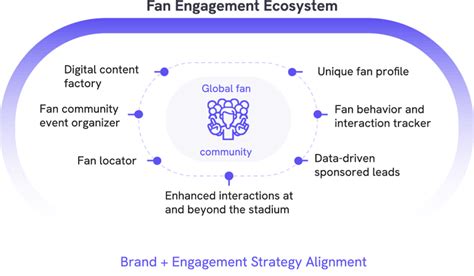
In addition to youth development, Italian soccer must consider its globalization strategy. The sport is no longer confined to local or national boundaries; it is a global enterprise with fans, players, and revenue streams spanning continents. Italian clubs have a rich history of international success, but their global footprint can be expanded further. One promising avenue is the digital engagement of international audiences. Clubs can develop more robust online platforms, offering exclusive content, interactive fan experiences, and even virtual reality match simulations to attract younger, tech-savvy fans globally. For example, Juventus has successfully leveraged its brand by partnering with global celebrities like Drake and expanding its social media presence, particularly in markets like Asia and North America. Such initiatives not only grow the fan base but also open new sponsorship and merchandising opportunities.
Another area of growth lies in leveraging Italy's unique soccer identity in the global market. The Italian style of play, often characterized by tactical sophistication, defensive mastery, and moments of creative brilliance, has a distinct appeal. This "Italian way" can be marketed as a brand in itself, particularly in coaching education and player exchanges. For instance, Italian clubs and federations could establish global training partnerships where coaches and young players from other countries come to Italy to learn the intricacies of catenaccio or modern adaptations of zonal marking. This not only spreads the influence of Italian soccer but also positions the country as a center of excellence for soccer education.
The integration of women's soccer into the broader Italian soccer ecosystem is another area with immense potential. While women's soccer has grown exponentially worldwide, Italy has lagged behind in providing the same level of investment and visibility as countries like the United States, England, or even neighboring Spain. Establishing a dedicated women's league with better funding and media coverage could unlock a new demographic of fans and players. This is not just about equality but also about tapping into a rapidly growing market. The success of the Italian women's national team in recent tournaments, such as their quarterfinal run in the 2019 FIFA Women’s World Cup, shows that there is untapped potential. By prioritizing women's soccer, Italy can not only grow its domestic league but also enhance its reputation as a progressive and inclusive soccer nation.
In the context of a globalized world, Italian soccer must also adapt to the challenges posed by climate change and sustainability. Stadiums and training facilities can be reimagined as models of environmental innovation, using renewable energy sources, efficient water management systems, and sustainable materials. For example, Juventus has already taken steps in this direction by installing solar panels at the Allianz Stadium. Such initiatives not only align with global sustainability goals but also enhance the sport's appeal to environmentally conscious fans and sponsors. Furthermore, Italian soccer could pioneer green broadcasting practices, such as carbon-neutral live streaming events or partnerships with eco-friendly brands, setting an example for other leagues.
Lastly, the role of technology in fan engagement and match experience cannot be overlooked. As the world becomes more interconnected, fans expect more than just 90 minutes of action. Augmented reality (AR) and virtual reality (VR) can transform how fans experience games, whether through immersive replays, interactive stadium tours, or real-time player stats overlaid on live broadcasts. Italian clubs can also experiment with blockchain technology to create fan tokens or NFTs that offer unique perks like voting on minor club decisions or exclusive access to player meet-and-greets. These innovations not only modernize the fan experience but also create new revenue streams in an increasingly competitive entertainment landscape.
In summary, the future of Italian soccer is bright but requires deliberate and forward-thinking strategies. By prioritizing youth development through modernized academies and data-driven approaches, embracing globalization with digital engagement and cultural branding, and addressing broader challenges like sustainability and women's soccer, Italy can ensure its place at the forefront of the sport. In doing so, it will not only honor its legacy but also carve out a dynamic and influential role in the future of global soccer.