Introduction to Serie A in the UK
The presence of Serie A in the UK has evolved significantly over the decades, shaped by the league's storied history, its iconic clubs, and the changing dynamics of football broadcasting. Serie A, Italy's top-flight football league, has long held a unique allure for British football enthusiasts, blending tactical sophistication, star players, and a sense of continental glamour. However, the league's reception in the UK has not been static; it has experienced peaks and troughs influenced by factors such as player transfers, competition from other leagues, and the accessibility of live broadcasts.
In the late 20th century, Serie A was widely regarded as the pinnacle of European club football. The 1980s and 1990s were a golden era for the league, with clubs like AC Milan, Juventus, and Inter Milan dominating both domestically and in European competitions. This period coincided with the arrival of some of the world's best players in Italy, including Diego Maradona at Napoli, Ronaldo at Inter Milan, and Zinedine Zidane at Juventus. For UK audiences, these star-studded lineups were a major draw. British fans, accustomed to the physicality and pace of the Premier League (or its predecessors), found Serie A's emphasis on technical skill, defensive organisation, and methodical play both intriguing and educational. This fascination was amplified by the presence of high-profile British players in Serie A, such as Paul Gascoigne at Lazio and David Platt at Bari, Sampdoria, and later Juventus. Their exploits provided a direct connection for UK audiences to the league, sparking interest in matches and storylines that would otherwise have felt distant.
The historical broadcasting presence of Serie A in the UK can be traced back to the advent of satellite television. Channel 4’s iconic Football Italia programme, launched in 1992, was a watershed moment for the league’s visibility in Britain. At a time when terrestrial TV dominated, Channel 4 secured rights to broadcast live Serie A matches and provided weekly highlights shows. This initiative was largely driven by the arrival of Gascoigne in Italy, whose move to Lazio created a media frenzy. Football Italia not only brought live games to living rooms across the UK but also introduced viewers to the cultural nuances of Italian football, from the passionate tifosi in the stands to the pre-match rituals of players. The show’s presenter, James Richardson, became synonymous with Serie A in the UK, delivering updates from sun-drenched piazzas while holding a copy of La Gazzetta dello Sport. This blend of high-quality football and accessible, engaging presentation made Serie A feel both aspirational and approachable for British fans.
However, the league’s prominence in the UK was not without challenges. By the early 2000s, Serie A began to face competition from the Premier League, which was rapidly growing in global appeal due to its fast-paced style, increasing commercialisation, and influx of international talent. Simultaneously, Serie A grappled with issues such as match-fixing scandals (notably the Calciopoli scandal of 2006), which tarnished its reputation and led to a decline in its global standing. This period saw a dip in Serie A's UK audience as broadcasters and fans alike turned their attention to the Premier League and, to a lesser extent, La Liga, which boasted its own array of superstars like Lionel Messi and Cristiano Ronaldo.
The landscape of Serie A's UK broadcasting underwent another transformation in the 2010s. The rise of subscription-based sports channels and streaming platforms created new opportunities for the league to re-establish itself. Channels like BT Sport and, later, Premier Sports began to secure rights to Serie A matches, offering UK viewers access to live games and curated highlights packages. These platforms positioned Serie A as a complementary product to the Premier League, appealing to fans who appreciated its tactical depth and the presence of stars such as Cristiano Ronaldo, who joined Juventus in 2018. Ronaldo's move was a boon for Serie A's visibility in the UK, reigniting interest among fans who had perhaps drifted away during the league's less illustrious years. His presence not only boosted match viewership but also encouraged broadcasters to invest in comprehensive coverage, including pre- and post-match analysis tailored to a UK audience.
Another factor influencing Serie A's reception in the UK has been the broader globalisation of football fandom. The internet and social media have allowed UK-based fans to engage with Serie A in ways that were previously impossible. Platforms like YouTube host dedicated Serie A content, ranging from match highlights to tactical breakdowns, while fan communities on Twitter and Reddit foster discussions about the league’s teams and players. This digital engagement has helped Serie A carve out a niche among UK fans who value its unique identity, even as the Premier League continues to dominate domestic viewership.
Despite these efforts, Serie A’s position in the UK market remains somewhat niche compared to the Premier League or even the Bundesliga, which has successfully marketed itself as an accessible and high-quality alternative. One challenge for Serie A has been its inconsistency in producing must-watch narratives for UK audiences. While the league has its share of compelling rivalries—such as the Derby della Madonnina between Inter and AC Milan or the historic clashes between Juventus and Napoli—these storylines often lack the sustained global appeal of Premier League rivalries like Manchester United vs. Liverpool or Manchester City’s quest for dominance. Additionally, Serie A's stadiums and matchday atmospheres, while steeped in tradition, are sometimes perceived as less modern or vibrant compared to those of other top European leagues.
That said, there are signs of renewed interest. The 2020s have seen Serie A take steps to modernise its brand, with initiatives aimed at improving stadium infrastructure, enhancing digital engagement, and attracting younger audiences. The league’s UK highlights shows, now available through platforms like Premier Sports and streaming services, are presented with a focus on accessibility and depth. Features such as tactical analysis, player interviews, and cultural insights aim to provide more than just a recap of goals and assists—they offer a window into the league’s broader appeal.
In summary, Serie A’s journey in the UK has been one of evolution, shaped by its historical highs, challenges, and adaptations to a changing media landscape. From the halcyon days of Football Italia to the current era of digital streaming and tactical appreciation, the league has maintained a foothold in the UK market, even if it has not consistently dominated. For UK audiences, Serie A remains a league of contrasts—revered for its technical brilliance and iconic clubs, yet still seeking to recapture the widespread appeal it enjoyed in earlier decades. As broadcasting technology and fan engagement strategies continue to evolve, the potential for Serie A to solidify its position in the UK market remains significant, provided it can continue to showcase its unique identity while addressing the expectations of modern football fans.
The Rise of Highlights Shows
The growth of highlights programming, particularly in the context of sports like Serie A in the UK, is a fascinating evolution tied closely to shifting viewer habits and the broader transformation of media consumption. In an era where time is a precious commodity and attention spans are increasingly fragmented, the demand for condensed, high-impact content has driven the rise of highlights shows as a key part of the sports broadcasting landscape.
One of the primary drivers behind this trend is the **fragmentation of audience attention**. Traditional live sports broadcasts often require a significant time commitment—90 minutes for a football match, not including pre-game and post-game analysis. For many modern viewers, particularly younger demographics, this is no longer feasible. The average person juggles work, social media, streaming services, and other entertainment options, leaving little room for extended viewing sessions. Highlights shows address this by offering a **compressed version of the action**—key goals, dramatic saves, and pivotal moments—condensed into a 10-20 minute package that fits neatly into a lunch break or commute.
Another critical factor is the **proliferation of digital platforms**. Streaming services, social media, and on-demand content have redefined how people interact with sports. Platforms like YouTube, Instagram, and TikTok thrive on short, engaging clips that can be consumed quickly and shared widely. Serie A highlights shows in the UK have capitalized on this by not only airing on traditional TV but also being distributed across **multiple digital touchpoints**. This multi-channel approach ensures that fans who may not tune into a full match can still engage with the league through bite-sized content. For instance, a well-curated highlights reel posted on social media can attract thousands of views and serve as a gateway for casual fans to explore the full league experience.
The **globalization of sports audiences** also plays a role. Serie A, like other top-tier football leagues, has a diverse international fanbase. However, not all fans live in time zones conducive to watching live matches. A match that kicks off at 8:00 PM in Italy might air at 7:00 AM in parts of Asia or late at night in the Americas. Highlights shows provide a **universal solution** for fans who want to stay connected to the league without sacrificing sleep or rearranging their schedules. In the UK, where Serie A might not command the same primetime slot as the Premier League, highlights programming serves as a bridge for fans who want to follow Italian football without the full-time investment of live viewing.
The rise of **on-demand culture** is another cornerstone of this phenomenon. Streaming giants like Netflix and Amazon Prime have trained audiences to expect content tailored to their schedules. Sports broadcasters have adapted by offering not just live coverage but also **on-demand highlights packages** that can be accessed at any time. This flexibility has made highlights shows an essential component of sports programming, particularly for leagues like Serie A that aim to remain relevant in a crowded market. In the UK, where the Premier League dominates local attention, Serie A highlights shows help the league maintain a foothold by offering fans an accessible way to keep up with star players like Victor Osimhen or iconic clubs such as Juventus and AC Milan.
It is also worth exploring the **psychological appeal of highlights**. Research into viewer behavior suggests that people are drawn to the most emotionally charged moments of a sporting event—goals, red cards, or last-minute drama. Highlights shows distill these moments into a concentrated form, offering a **guaranteed emotional payoff** without the slower build-up of a full match. This is particularly effective in football, where a single goal or save can define the narrative of a game. For Serie A, which has a reputation for tactical nuance and moments of individual brilliance, highlights shows serve as a **showcase for its unique brand of football**, distilling its essence into a digestible format for UK audiences.
The **commercial implications** of this shift cannot be ignored. Highlights shows are not just about catering to viewer preferences; they are also a **strategic tool for broadcasters and leagues**. By packaging content into highlights, rights holders can maximize the value of their investments. For example, a well-produced highlights show can be monetized through advertising, sponsorships, and digital subscriptions. In the UK, where Serie A might not have the same live viewership as domestic leagues, highlights programming allows broadcasters to **extend the shelf life of their content**. A match that airs live to a niche audience can be repackaged into a highlights show that appeals to a broader demographic, thereby increasing its overall reach and revenue potential.
Furthermore, the **role of technology** in enhancing highlights programming must be acknowledged. Advances in video editing, AI-driven analytics, and even augmented reality have made it possible to create **highly polished and engaging highlights packages**. For instance, AI can identify the most dramatic moments of a match and automatically generate a highlights reel, while augmented reality can overlay statistics or player data to add depth to the viewing experience. These technological advancements have elevated highlights shows from simple recaps to **high-quality productions** that rival live broadcasts in terms of production value.
The **competitive landscape of sports broadcasting** also fuels the growth of highlights shows. With multiple leagues vying for attention—Premier League, La Liga, Bundesliga, and more—broadcasters must find ways to differentiate their offerings. Serie A highlights shows in the UK are not just about showing goals; they are about **crafting a narrative** around the league. This might include showcasing the league's rich history, iconic rivalries, or emerging talents. By doing so, highlights shows become more than just a recap—they become a **marketing tool** for Serie A, helping it carve out a distinct identity in a market dominated by the Premier League.
Finally, the **feedback loop between fans and content creators** has played a significant role. Social media platforms allow fans to express their preferences, and broadcasters have become adept at listening. If fans respond positively to a particular type of highlight—such as skill compilations or in-depth tactical breakdowns—broadcasters can tailor future content to meet those demands. This iterative approach has made highlights shows more **dynamic and responsive** to audience needs, further solidifying their place in the sports media ecosystem.
- The demand for **time-efficient content** has made highlights shows a natural evolution in sports broadcasting.
- The **global and digital nature of modern fandom** ensures that condensed content appeals to diverse audiences.
- **Technological advancements** have elevated the quality and accessibility of highlights programming.
- The **commercial potential** of highlights shows makes them a win-win for broadcasters and leagues alike.
In conclusion, the rise of highlights shows is not merely a reaction to changing viewer habits but a **strategic adaptation** to the realities of modern sports consumption. For Serie A in the UK, these shows represent a critical tool for engaging fans, competing with other leagues, and ensuring its place in the crowded sports media landscape. As viewer habits continue to evolve, highlights programming will likely remain a cornerstone of how sports content is packaged and consumed, blending tradition with innovation to meet the needs of an ever-changing audience.
Target Audience Analysis
Understanding the target audience for a 'Serie A highlights show UK' requires a detailed examination of the demographics and preferences of UK viewers who are drawn to Italian football content. This analysis must consider not only the general appeal of football but also the unique factors that differentiate Serie A from other European leagues such as the Premier League, La Liga, or the Bundesliga. By delving into the specific characteristics of this audience, content producers can tailor their offerings to maximize engagement and satisfaction.
The first aspect to consider is the **demographic makeup** of Serie A enthusiasts in the UK. While football as a sport has broad appeal across age groups, genders, and socioeconomic statuses, Serie A content tends to attract a slightly more niche audience compared to the Premier League. A significant portion of this audience is likely to fall within the **25-45 age bracket**, which represents individuals who grew up during the peak of Serie A's global popularity in the 1990s and early 2000s. During this era, Serie A was widely regarded as the most competitive and star-studded league in the world, featuring iconic players like Diego Maradona, Roberto Baggio, Paolo Maldini, and Zinedine Zidane. Fans who were introduced to Italian football during this golden era may have developed a lasting affinity for the league, even as its global dominance has waned in recent years.
Additionally, this audience is likely to include a higher proportion of **football purists and tactical enthusiasts**. Serie A is renowned for its emphasis on defensive organization, tactical sophistication, and methodical playstyles, which contrast with the high-tempo, physically intense football seen in the Premier League. UK viewers who appreciate the subtleties of positional play, zonal marking, and intricate midfield battles are more likely to seek out Serie A content. This subset of fans often overlaps with those who enjoy in-depth match analysis, manager interviews, and expert commentary that dissects the strategic elements of the game. These preferences suggest that a Serie A highlights show in the UK should prioritize features such as **tactical breakdowns, player spotlights, and post-match analysis** rather than focusing solely on goal compilations or fast-paced action.
The **geographic distribution** of Serie A fans in the UK is another important consideration. While football fandom is widespread across the country, interest in Serie A may be more concentrated in urban areas with diverse populations, such as London, Manchester, and Birmingham. These cities are home to large communities of Italian expatriates and descendants, as well as football fans who have a general interest in European football beyond their domestic leagues. For instance, **Italian restaurants, cultural organizations, and fan clubs** in these areas often serve as hubs for Serie A enthusiasts, creating localized pockets of interest. A highlights show could tap into this geographic concentration by incorporating **regionalized content**, such as interviews with Italian community leaders or features on how Serie A is viewed within these cultural enclaves.
In terms of **media consumption habits**, the target audience for Serie A content in the UK is likely to exhibit a mix of traditional and modern viewing behaviors. While many fans still enjoy watching football on linear TV channels, there is a growing preference for **on-demand and digital platforms**. Streaming services like Amazon Prime, YouTube, and DAZN have become popular among younger audiences who value flexibility and accessibility. For a Serie A highlights show, this shift suggests the need for a **multi-platform strategy** that includes both televised broadcasts and digital-first content. Features such as short-form highlight reels, interactive polls, and behind-the-scenes footage could appeal to younger, tech-savvy fans who consume content in bite-sized formats on their smartphones or tablets.
Another critical factor is the **cultural and emotional connection** that UK viewers have with Serie A. Unlike the Premier League, which is deeply embedded in British identity, Serie A offers a sense of **exoticism and escapism**. UK fans of Italian football often view it as a window into a different footballing culture, characterized by passionate crowds, historic stadiums like the San Siro and the Stadio Olimpico, and a rich tradition of footballing excellence. This emotional resonance can be leveraged by a highlights show through the inclusion of **cultural storytelling**. For example, segments that explore the history of iconic clubs like Juventus, AC Milan, and Inter Milan, or that delve into the rivalry between northern and southern Italian teams, can add depth and context to the viewing experience. Such content not only informs but also fosters a sense of connection between UK viewers and the Italian football landscape.
Preferences for **specific content elements** also warrant attention. UK viewers interested in Serie A are likely to value **star player coverage**, particularly when it involves globally recognized names like Cristiano Ronaldo (during his time at Juventus) or emerging talents such as Victor Osimhen and Rafael Leão. However, there is also a strong appetite for **underdog stories and narratives of revival**, such as the resurgence of clubs like Napoli or the underdog triumphs of Atalanta in recent years. These stories resonate with UK audiences who appreciate the romanticism of football, where smaller clubs can challenge the dominance of traditional powerhouses. A highlights show could capitalize on this by featuring **human-interest stories**, player interviews, and club profiles that emphasize the emotional and aspirational aspects of Serie A.

The **language barrier** is another factor that influences the preferences of UK viewers. While some fans may be fluent in Italian or enjoy the authenticity of Italian commentary, most will expect content to be presented in English. This creates an opportunity for a highlights show to include **localized commentary and analysis** that caters to a British audience while retaining the essence of Serie A's unique charm. For instance, integrating British pundits with a deep understanding of Italian football—such as those who have played or coached in Serie A—can bridge the gap between the league's cultural roots and the expectations of a UK audience.
Finally, it is worth considering the **overlap with other football leagues**. Many UK viewers who watch Serie A are likely to also follow the Premier League, Champions League, or other competitions. This overlap suggests that a Serie A highlights show should position itself as a **complementary product** rather than a direct competitor to domestic football coverage. Features like comparisons between Serie A and Premier League playstyles, or segments that explore how Italian tactics are influencing global football trends, could appeal to this dual-interest audience. Additionally, cross-promotion with other football-related content, such as documentaries or podcasts, could help build a loyal viewership base.
In summary, the target audience for a 'Serie A highlights show UK' is a diverse yet distinct group characterized by a mix of nostalgic fans, tactical enthusiasts, culturally curious individuals, and younger, digitally inclined consumers. By tailoring content to their preferences—emphasizing tactical depth, cultural storytelling, star player coverage, and multi-platform accessibility—producers can create a product that not only satisfies existing fans but also attracts new audiences to the world of Italian football.
Broadcasting Rights and Partnerships
The availability of Serie A highlights in the UK is a direct result of intricate licensing deals and channel partnerships that enable broadcasters to secure the rights to showcase content from one of Europe's most prestigious football leagues. These agreements are not merely transactional; they are strategic moves designed to cater to a growing audience of football enthusiasts while aligning with business objectives of involved stakeholders. Understanding the dynamics of these deals provides insight into how Serie A maintains its visibility and appeal in a competitive sports broadcasting landscape.
Licensing deals for sports content, particularly football, are complex because they involve multiple layers of negotiation. For Serie A, the league's rights are typically auctioned to the highest bidder or distributed regionally through exclusive agreements. In the UK, the process often begins with Serie A's commercial arm or a third-party agency managing the sale of broadcasting rights. These agencies assess the market potential, including audience size, advertiser interest, and competition from other leagues such as the Premier League, La Liga, or the Bundesliga. The UK market is particularly lucrative due to its well-established football culture and the presence of a diverse audience base that includes both domestic fans and expatriates with a vested interest in Italian football.
One key aspect of these licensing deals is the **exclusivity clause**. Broadcasters often seek exclusive rights to air highlights because it allows them to differentiate their offering from competitors. For instance, if a channel like BT Sport or Sky Sports secures exclusive Serie A highlight rights, it can position itself as the go-to destination for Italian football fans. This exclusivity not only drives subscriber growth but also provides opportunities for cross-promotion with other football-related programming. However, exclusivity comes at a premium cost, and broadcasters must weigh the potential return on investment against the risks of overpaying for content that might not yield sufficient viewership.
Channel partnerships play a pivotal role in this ecosystem. While the primary broadcaster holds the rights, they often collaborate with secondary channels or platforms to expand the reach of Serie A highlights. For example, a broadcaster might sublicense some of its content to free-to-air channels or digital platforms, ensuring that a broader audience can access the highlights without needing a subscription. This strategy is particularly effective in reaching younger audiences who are more inclined to consume sports content through streaming services or social media.
A notable trend in recent years is the involvement of **digital-first platforms** in these partnerships. Streaming services like Amazon Prime Video, YouTube, or even league-specific apps have emerged as viable alternatives to traditional TV channels. These platforms often negotiate sublicensing agreements to offer Serie A highlights as part of a broader package of sports content. For instance, a digital platform might include Serie A highlights alongside other leagues, creating a one-stop destination for football fans. This approach not only increases accessibility but also diversifies revenue streams for the rights holders by tapping into subscription-based or ad-supported models.
Another dimension of these deals is the **localization of content**. Broadcasters in the UK often tailor Serie A highlights to appeal to British audiences. This might involve adding commentary in English, incorporating pre- and post-match analysis featuring UK-based pundits, or focusing on storylines that resonate with local viewers—such as the performances of British players in Serie A or the rivalry between top Italian clubs like Juventus, AC Milan, and Inter Milan. These localized elements are not accidental; they are part of a deliberate effort to make the content feel more relevant and engaging for UK audiences.
The financial aspect of licensing deals cannot be overlooked. Serie A's appeal in the UK is influenced by its ability to command competitive fees for its rights. However, the league faces challenges in maintaining high valuation when compared to the Premier League, which dominates the UK market. To counter this, Serie A has explored partnerships with niche broadcasters or platforms that cater specifically to football enthusiasts. For example, partnerships with channels like Premier Sports or niche streaming services have allowed Serie A to carve out a dedicated space in the UK market without directly competing with the Premier League's overwhelming presence.
The role of **regulatory frameworks** also shapes how these deals are structured. In the UK, broadcasting rights must comply with competition laws to ensure fair access and prevent monopolistic practices. This means that even if a broadcaster secures exclusive rights, there may be provisions requiring them to make certain content available to other platforms or audiences. For instance, highlights packages might be mandated to be offered to free-to-air channels after a specific time delay, ensuring that fans who cannot afford subscription services are not entirely excluded from enjoying Serie A content.
From a commercial perspective, these deals are not just about broadcasting rights but also about **sponsorship and advertising opportunities**. Channel partnerships often include clauses that allow sponsors of Serie A or the broadcaster to have a presence in the highlights show. This might include branded segments, sponsored player profiles, or even co-branded promotional campaigns. For example, a sportswear brand sponsoring a Serie A team might negotiate to have its logo featured prominently during highlight reels aired in the UK.
The dynamics of these partnerships are further influenced by **viewer preferences and consumption habits**. UK audiences have shown a growing appetite for on-demand content, prompting broadcasters to offer Serie A highlights in flexible formats. Some channels now provide "bite-sized" highlight packages tailored for mobile viewing or social media sharing, recognizing that not all fans have the time or inclination to watch a full 30-minute highlights program. This adaptability is a direct response to the changing media landscape and the need to remain competitive in an era of short attention spans and platform diversity.
Finally, it is worth noting the **long-term implications of these deals**. Securing Serie A highlights for the UK market is not just about immediate viewership; it is about building a loyal audience base over time. Broadcasters and channels invest in these partnerships with the expectation that consistent exposure to Serie A content will cultivate a dedicated fanbase. This, in turn, can lead to increased merchandise sales, higher viewership for live matches (if rights are later acquired), and even opportunities for co-branded events or tours involving Italian clubs in the UK.
- Licensing deals are shaped by market potential and competition from other leagues.
- Exclusivity clauses help broadcasters differentiate their offerings but come at a cost.
- Digital platforms are increasingly involved in sublicensing and diversifying content delivery.
- Localization efforts make Serie A content more engaging for UK audiences.
- Regulatory compliance ensures fair access to highlights for diverse audience segments.
- Sponsorship integration enhances the commercial viability of these deals.
- On-demand and flexible content formats cater to modern consumption habits.
In conclusion, the role of licensing deals and channel partnerships in bringing Serie A highlights to UK audiences is multifaceted and deeply strategic. These arrangements are not merely about broadcasting matches but about creating a sustainable ecosystem where Serie A can thrive alongside other football properties. By leveraging exclusivity, digital innovation, localization, and commercial integration, broadcasters and rights holders ensure that Serie A remains a relevant and engaging part of the UK sports landscape.
Content Structure and Presentation
The format and presentation of a Serie A highlights show in the UK is shaped by a blend of traditional sports broadcasting practices and the specific expectations of football enthusiasts. These shows aim to distill the drama, skill, and narrative of Italian football into a digestible format that caters to both casual viewers and die-hard fans. To achieve this, the content structure is carefully curated, with a focus on striking a balance between comprehensive match coverage and engaging storytelling.
One of the defining features of Serie A highlights shows is their match selection process. Unlike leagues with fewer high-profile teams, Serie A boasts a mix of historically significant clubs like Juventus, AC Milan, and Inter Milan, alongside emerging forces such as Napoli and Atalanta. This diversity necessitates a strategic approach to which matches are prioritized in the highlights reel. Producers typically focus on games featuring title contenders, matches with significant implications for European qualification, or fixtures that involve underdog stories. For instance, if a smaller club like Hellas Verona secures a surprise win over a top-tier team, it often receives extended coverage to emphasize the upset. This selective approach ensures that the show captures not just the predictable outcomes but also the league's unpredictability, which is a major draw for UK audiences accustomed to the Premier League's similar dynamics.
The commentary style used in these shows is another critical element. Unlike live match broadcasts, where commentary often serves a play-by-play purpose, highlights shows demand a more narrative-driven approach. Commentators are tasked with summarizing 90 minutes of action into a few minutes of footage while maintaining the emotional intensity of key moments. This often involves a mix of descriptive analysis—explaining tactical decisions, player movements, and pivotal goals—and emotive storytelling, where the tone and delivery amplify the drama of a last-minute winner or a crucial save. For UK audiences, there is a preference for commentators who can provide context about Serie A's unique attributes, such as its tactical emphasis on defense and counterattacks, compared to the high-pressing style prevalent in the Premier League. This contextual layering helps bridge the gap for viewers who may not follow Serie A as closely as their domestic league.
Production quality in Serie A highlights shows is a point of differentiation that can elevate the viewing experience. UK broadcasters often invest in high-definition editing and dynamic visual effects to enhance the appeal of the content. Clips are usually interspersed with slow-motion replays of goals, skillful dribbles, or contentious refereeing decisions. These replays are not merely aesthetic but serve to underscore the technical brilliance or controversy of a moment. For example, a stunning volley by a player like Paulo Dybala might be shown from multiple angles, accompanied by graphics that break down the technique involved. This level of detail caters to the growing segment of football fans who consume content with a more analytical lens, influenced by platforms like YouTube and tactical podcasts.
The integration of studio segments is another hallmark of Serie A highlights shows. These segments often feature expert panels comprising former players, coaches, or journalists with a deep understanding of Italian football. Their role is multifaceted: they provide post-match analysis, offer insights into team strategies, and sometimes debate controversial moments. For UK audiences, the presence of a familiar face—such as a former Premier League player with Serie A experience—can add credibility and relatability to the discussion. These studio discussions often extend beyond the matches themselves, delving into broader narratives such as managerial changes, transfer rumors, or the historical significance of certain rivalries (e.g., the Derby della Madonnina between Inter and AC Milan). This broader framing helps position the highlights show as not just a recap of games but a comprehensive look at the league's ongoing storylines.
Another aspect worth examining is the use of localized elements to appeal to the UK audience. While the core content remains focused on Italian football, producers often incorporate features that make the show feel more accessible to British viewers. This might include comparative analysis between Serie A and Premier League teams, particularly when Italian clubs face English opposition in European competitions. Additionally, some shows include fan-focused content, such as interviews with UK-based Serie A supporters or features on how Italian football culture differs from the British experience. These touches help create a sense of connection for viewers who might otherwise feel removed from the league's context.
The pacing and structure of the show also play a significant role in its effectiveness. A typical Serie A highlights show in the UK is divided into clear segments: an opening overview of the matchday's key results, followed by extended highlights of the most significant games, and concluding with a brief roundup of other matches. This structure ensures that viewers are not overwhelmed by too much information while still feeling they have received a thorough overview of the league's action. Within this framework, producers often employ time-coded transitions—such as on-screen graphics indicating "Goal of the Week" or "Save of the Week"—to maintain viewer engagement and provide a sense of progression through the content.
One challenge faced by Serie A highlights shows in the UK is the language barrier for viewers unfamiliar with Italian. To address this, producers often rely on subtitled interviews with players and managers, ensuring that key soundbites are accessible. However, there is also a growing trend of incorporating bilingual presenters or analysts who can provide direct translations or cultural insights. This approach not only enhances the show's inclusivity but also enriches the viewer's understanding of the league's unique atmosphere, where passionate fans and expressive managers are integral to the experience.
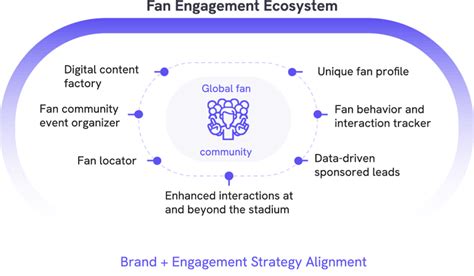
Finally, the role of digital integration cannot be overlooked. Many Serie A highlights shows in the UK now incorporate social media tie-ins, such as showcasing fan reactions on platforms like Twitter or TikTok. These integrations serve a dual purpose: they make the content feel more interactive and allow producers to gauge audience preferences for future episodes. For instance, if a particular goal or save garners significant online buzz, it might receive additional focus in the show to capitalize on viewer interest.
In summary, the content structure and presentation of Serie A highlights shows in the UK are a carefully balanced mix of technical precision, narrative depth, and audience-focused enhancements. From the selection of matches to the nuanced commentary and high production values, these shows aim to provide a window into the vibrant world of Italian football while resonating with the preferences and expectations of a UK audience. This meticulous approach not only showcases the league's on-field brilliance but also reinforces its position as a compelling alternative to other European football competitions.
Competitor Landscape
The landscape of football highlights shows in the UK is highly competitive, driven by the insatiable appetite of fans for timely, engaging, and in-depth content about their favorite leagues. When examining the Serie A highlights show in the UK, it is essential to position it within the broader context of similar offerings for other top-tier leagues, such as the Premier League and La Liga, to understand how it differentiates itself or aligns with audience expectations.

The Premier League, as the most-watched football league in the UK, naturally enjoys a dominant position in terms of broadcast rights and dedicated highlights programming. Shows like Match of the Day on the BBC and Sky Sports' Premier League Highlights set the gold standard for football highlights in the region. These programs benefit from the league's local popularity and the cultural resonance of clubs like Manchester United, Liverpool, and Arsenal. The production quality of these shows is unmatched, with high-definition replays, expert analysis from former players, and access to exclusive interviews. Moreover, the BBC’s free-to-air model ensures that even casual fans can access highlights without a subscription, which broadens its reach. This ubiquity creates a challenge for Serie A highlights shows, as they must carve out a niche in a market where the Premier League is not just a competitor but often the default choice for football consumption.
In contrast, La Liga highlights shows in the UK face similar challenges to Serie A but have leveraged the global appeal of teams like Real Madrid and Barcelona to maintain a foothold. Broadcasters such as LaLigaTV, available through Premier Sports, offer comprehensive coverage, including full match replays, dedicated highlight segments, and expert commentary tailored to the Spanish league. However, La Liga’s UK presence is bolstered by the star power of players like Vinícius Júnior and the historical dominance of Barcelona and Real Madrid in European competitions. This creates a halo effect that Serie A struggles to replicate consistently. While Serie A has had its moments of global attention, particularly during Juventus' dominance or the era of Cristiano Ronaldo’s tenure, its highlights shows often lack the same regularity of marquee matchups or globally recognized narratives that La Liga can offer week in, week out.
One area where Serie A highlights shows can differentiate themselves is through a focus on tactical depth and storytelling. Italian football has long been associated with a more methodical, defensive style of play, often referred to as catenaccio. While this reputation has evolved with more attacking play in recent years, the league still offers a unique flavor of football that appeals to a niche but dedicated audience. A well-crafted Serie A highlights show in the UK could lean into this by providing deep tactical breakdowns, focusing on managers like Simone Inzaghi or tactical innovators such as Maurizio Sarri. This approach would appeal to the growing segment of football fans who are as interested in the "how" of a game as they are in the "what." For instance, a detailed analysis of how Inter Milan’s high press dismantled a mid-table side or how Napoli’s fluid attack overcame a traditionally defensive opponent could serve as a point of differentiation from the more generalist approach of Premier League highlights, which often prioritize spectacle over strategy.
Another critical factor in the competitor landscape is the timing and accessibility of highlights. The Premier League benefits from matches being played across a variety of time slots, including the highly popular Sunday 4:30 PM fixtures, which align well with UK viewing habits. Serie A, however, often schedules its key matches in the early evening Italian time, which translates to late afternoon or early evening in the UK. This can be advantageous for UK broadcasters aiming to capture post-work or weekend viewership. However, it also means that Serie A highlights shows must compete with other leisure activities during these time slots. To counter this, some broadcasters have experimented with bite-sized digital content distributed via social media platforms like YouTube or TikTok. This strategy allows Serie A to reach younger, more digitally native audiences who may not tune into traditional TV broadcasts but are highly engaged with short-form video content. La Liga has also adopted this approach, particularly through its partnership with social media influencers and football content creators, giving it a slight edge in digital engagement over Serie A in the UK market.
The language barrier and cultural framing also play a role in how Serie A highlights shows are perceived. While Premier League and La Liga shows often feature commentators and analysts fluent in English and well-versed in UK football culture, Serie A shows sometimes struggle to localize their content effectively. For example, references to Italian football history, rivalries like Inter vs. AC Milan, or cultural nuances around clubs like Napoli or Roma may not resonate as strongly with a UK audience unless contextualized. A successful Serie A highlights show could address this by incorporating localized storytelling—explaining the historical significance of certain fixtures or providing cultural insights into Italian football fandom. For instance, framing a Juventus vs. Napoli match as not just a game but a continuation of Southern Italy’s historical rivalry with the North could add depth and intrigue for UK viewers.
From a sponsorship and commercial standpoint, Premier League highlights shows often enjoy higher advertising revenues due to their broad appeal and guaranteed viewership. Serie A highlights shows, while potentially catering to a smaller audience, could tap into sponsorships from Italian brands with a UK presence, such as luxury goods companies or food and beverage brands like Peroni or Lavazza. This alignment of cultural and commercial interests could help Serie A carve out a more defined space in the UK market, particularly if the highlights show integrates subtle branding opportunities without overwhelming the viewer experience.
Finally, the role of streaming platforms cannot be overlooked. While the Premier League and La Liga have embraced hybrid models of traditional TV and streaming, Serie A highlights shows in the UK have been somewhat slower to adapt. Services like Paramount+ in the US have shown that streaming-first models can work for Serie A, providing comprehensive packages that include live games, highlights, and analysis. However, in the UK, the absence of a dedicated Serie A streaming platform comparable to LaLigaTV or even the Premier League’s integration with Sky Sports and BT Sport leaves room for improvement. A tailored streaming service for Serie A highlights, perhaps bundled with other European league content, could help bridge this gap and position the league as a viable alternative for UK viewers seeking variety beyond the Premier League.
In summary, while Serie A highlights shows in the UK face stiff competition from the Premier League and La Liga, they have unique opportunities to differentiate themselves through tactical analysis, cultural storytelling, and innovative digital strategies. By understanding the strengths and weaknesses of their competitors, Serie A can position its highlights programming as not just a secondary option but a compelling choice for UK football fans seeking diversity and depth in their viewing experience.
Cultural and Fan Engagement Impact
The presence of a dedicated Serie A highlights show in the UK represents more than just a broadcasting initiative; it is a cultural bridge that connects two football-loving nations with distinct yet overlapping traditions. Such shows play a significant role in fostering fan loyalty, community building, and the broader promotion of Italian football culture in the UK. To understand this impact deeply, it is necessary to examine how these programs contribute to the emotional, social, and cultural fabric of football fandom in a cross-border context.
At the core of fan loyalty is the idea of emotional investment. Serie A highlights shows provide UK-based fans with a curated, accessible window into the league's most thrilling moments—goals, saves, tactical masterclasses, and even controversies. For fans of Italian clubs like Juventus, AC Milan, Inter Milan, or AS Roma, these shows act as a lifeline, particularly for those who may not have access to live matches due to broadcast restrictions or time zone differences. The condensed format of highlights serves to distill the essence of a match into digestible segments, reinforcing the emotional highs and lows that keep fans hooked. This is especially important in an era where the global football landscape is crowded with competition from the Premier League, La Liga, and other leagues vying for viewer attention. By offering a consistent platform to celebrate Serie A's unique brand of football—characterized by its tactical sophistication, storied rivalries, and flair—these shows help maintain and grow a loyal base of supporters who feel personally invested in the league’s narrative.
Community building is another critical outcome of these shows. In the UK, football fandom is often a communal experience, whether through local fan clubs, online forums, or pub gatherings to watch matches. A Serie A highlights show creates a focal point for fans of Italian football to congregate, both physically and virtually. For instance, fan groups for Italian teams in cities like London, Manchester, and Birmingham often use such shows as discussion starters for meetups or online debates. These gatherings are not just about reliving the action but also about sharing cultural anecdotes, discussing the league’s history, and even exploring the culinary and artistic heritage associated with Italy. This interplay of football and culture helps to create a sense of belonging among fans who might otherwise feel isolated in a Premier League-dominated environment. By fostering these micro-communities, the highlights show indirectly supports the growth of a more inclusive and diverse football culture in the UK, one that appreciates and integrates the nuances of Serie A alongside domestic and other international leagues.
The promotion of Italian football culture in the UK is perhaps the most nuanced and far-reaching impact of these shows. Serie A has a rich tapestry of history, from the dominance of teams like AC Milan in the late 20th century to the modern resurgence of clubs like Napoli and Atalanta. Highlight shows often incorporate contextual storytelling—delving into the historical significance of certain matches, the evolution of iconic players, and the tactical innovations introduced by legendary managers such as Arrigo Sacchi or Marcelo Lippi. This educational element serves a dual purpose: it not only enriches the viewing experience for seasoned fans but also acts as an entry point for newer or younger fans who may be encountering Serie A for the first time. For example, a segment explaining the cultural importance of the Milan derby (Derby della Madonnina) or the significance of Juventus' dominance in the 2010s can spark curiosity and deepen appreciation for the league’s heritage. In this way, the highlights show becomes a medium for cultural exchange, where the UK audience is exposed not just to the sport but to the broader Italian ethos—its passion, artistry, and regional pride.
Beyond the direct fanbase, these shows also have a role in enhancing the visibility of Italian football as a brand in the UK market. In recent years, Serie A has faced challenges in maintaining its global standing compared to the Premier League or La Liga, partly due to issues like stadium infrastructure and broadcast accessibility. A well-produced highlights show can counteract some of these perceptions by showcasing the league’s best attributes—dynamic play, emerging talents like Victor Osimhen or Rafael Leão, and the enduring appeal of clubs with global followings. This is particularly relevant in an age where football consumption is increasingly driven by content that can be shared on social media platforms. A striking goal or a dramatic last-minute save featured on a UK-based Serie A highlights show can quickly gain traction online, drawing attention to the league from audiences who might not have otherwise tuned in. This ripple effect helps position Serie A as a league worth following, not just for its history but for its contemporary relevance.
Another layer of impact lies in the cross-pollination of footballing cultures. UK fans who engage with Serie A through these shows often find themselves drawing comparisons and contrasts between the Italian and English approaches to the game. For instance, the tactical emphasis in Serie A—where defensive organization and midfield control are highly prized—can offer a refreshing contrast to the fast-paced, physically intense style of the Premier League. These contrasts can lead to deeper discussions about the evolution of football tactics and the influence of different footballing philosophies. Such engagement not only enriches the fan experience but also contributes to a more nuanced understanding of global football, where no single league holds a monopoly on innovation or excitement.
Additionally, these shows often feature localized content tailored to the UK audience, such as interviews with British players or managers who have played in Serie A, or expert analysis from commentators familiar with both leagues. This localized approach helps bridge the gap between the two footballing cultures, making the Italian league feel more accessible and relatable. For instance, a feature on how a player like Tammy Abraham adapted to life at AS Roma can resonate strongly with UK fans, as it combines elements of familiarity (a British player) with the allure of a foreign league. This kind of storytelling fosters a sense of connection and makes the highlights show feel like a personalized experience rather than a generic broadcast.
Finally, the long-term impact of these shows can be seen in their potential to inspire grassroots engagement. Young footballers in the UK who watch Serie A highlights may be inspired by the technical skills on display, such as the dribbling prowess of a player like Khvicha Kvaratskhelia or the goalkeeping brilliance of Mike Maignan. This can lead to a subtle shift in how the game is played and appreciated at amateur and youth levels in the UK, as players and coaches begin to incorporate elements of Italian football’s emphasis on technique and strategy. Over time, this can contribute to a more diverse and globally influenced footballing landscape in the UK.
In summary, a Serie A highlights show in the UK is far more than a recap of football matches. It is a vehicle for fan loyalty, a catalyst for community building, and a platform for promoting Italian football culture. By blending entertainment, education, and accessibility, these shows create a space where fans can engage with Serie A on multiple levels—emotionally, intellectually, and socially. This not only strengthens the league’s foothold in the UK market but also enriches the broader football ecosystem by fostering cross-cultural appreciation and understanding.
Technological Advancements and Streaming
The advent of digital platforms and over-the-top (OTT) services has fundamentally reshaped the landscape of sports broadcasting, including the distribution and accessibility of Serie A highlights in the UK. Traditional television networks, which once held a monopoly over sports content delivery, are now sharing—and in some cases ceding—ground to streaming services that offer flexibility, interactivity, and global reach. This shift has not only increased the availability of Serie A highlights but has also introduced new paradigms for how fans consume football content.
One of the most significant impacts of digital platforms is the democratization of access. Platforms like Amazon Prime Video, DAZN, and YouTube have broken down geographical barriers that once limited Serie A's audience to regions with broadcast deals. OTT services, in particular, allow fans in the UK to watch Serie A highlights on-demand, regardless of time zone differences or scheduling conflicts. This flexibility is a stark contrast to the rigid broadcast schedules of traditional TV, where fans had to align their routines with fixed programming times. The ability to stream highlights at any time, often within minutes of a match concluding, has made Serie A more accessible to casual fans and die-hard supporters alike.
The rise of personalized content delivery is another area where OTT services excel. Streaming platforms use advanced algorithms and user data to recommend highlights tailored to individual preferences. For instance, a fan who frequently watches games featuring AC Milan might receive curated highlight reels of that team’s matches or key moments involving their star players. This level of personalization not only enhances user engagement but also fosters a deeper connection between fans and the league. Traditional broadcasters, constrained by linear programming, struggle to offer such bespoke experiences, giving OTT services a competitive edge in retaining and growing audiences.
Additionally, the integration of interactive features on digital platforms has redefined the viewing experience. Many streaming services now include options for viewers to choose specific moments within a highlight package—such as goals, saves, or controversial refereeing decisions—rather than passively consuming a pre-edited reel. This interactivity empowers fans to curate their own viewing experience, which is particularly appealing in the fast-paced world of football where every moment can be a talking point. For Serie A, this capability ensures that even fans with limited time can engage meaningfully with the league’s most exciting content.
The role of social media integration cannot be overlooked in this discussion. OTT platforms and digital services often cross-promote Serie A highlights through platforms like Twitter, Instagram, and TikTok. These short, shareable clips serve as teasers that drive traffic to full highlight packages on streaming services. For example, a stunning goal by a Serie A star might be clipped and shared on social media with a link to the full highlights package on DAZN. This symbiotic relationship between social media and OTT services amplifies the visibility of Serie A content, particularly among younger audiences who are more likely to discover sports content through their social feeds rather than traditional TV channels.
Another critical aspect is the globalization of Serie A's audience enabled by digital platforms. While the UK has a strong football culture, Serie A has historically lagged behind the Premier League and La Liga in terms of international appeal. OTT services, however, have leveled the playing field by making Serie A highlights available to audiences worldwide. Services like ESPN+ and Paramount+ in the US, for instance, simulcast Serie A content that originates from OTT providers in Europe. This cross-pollination of audiences means that Serie A highlights are no longer confined to niche football communities in the UK but are instead part of a broader, interconnected global sports ecosystem.
However, this shift is not without its challenges. The fragmentation of streaming rights across multiple platforms can create confusion and frustration for fans. For example, a UK viewer might need subscriptions to multiple services to access all Serie A content, including live matches, extended highlights, and analysis. This multi-platform approach can lead to "subscription fatigue," where fans feel overwhelmed by the need to manage and pay for numerous services. Furthermore, the quality of streaming can vary significantly based on internet connectivity, which may alienate fans in areas with limited broadband infrastructure.
Despite these challenges, the influence of OTT services on Serie A’s distribution in the UK has been largely positive. These platforms have introduced data-driven enhancements that go beyond mere accessibility. For instance, some services offer advanced analytics overlays during highlights, such as heatmaps, passing accuracy stats, or expected goals (xG) metrics. These features cater to a growing segment of fans who crave a deeper, more analytical engagement with the sport. This trend aligns with Serie A's efforts to position itself as a technologically forward league, appealing to both traditional fans and a new generation of data-savvy viewers.
The economic implications of this technological shift are also worth noting. OTT services often operate on subscription-based models, which provide a steady revenue stream for content distributors. For Serie A, this model offers an opportunity to monetize its content more effectively than through traditional TV licensing deals. The ability to sell directly to consumers via platforms like DAZN allows the league to capture a larger share of the revenue pie, potentially reinvesting in production quality, marketing, and even grassroots football initiatives.

Furthermore, the archival potential of digital platforms is a boon for Serie A’s historical legacy. OTT services often maintain extensive libraries of past matches and highlights, enabling fans to revisit classic moments from Serie A’s storied history. This archival accessibility not only serves as a nostalgic draw for older fans but also educates newer audiences about the league’s rich heritage, further solidifying its cultural footprint in the UK and beyond.
In summary, the influence of digital platforms and OTT services on the distribution and accessibility of Serie A highlights in the UK has been transformative. These technologies have expanded the league’s reach, personalized the viewing experience, and introduced interactive and analytical features that enhance fan engagement. While challenges such as subscription fragmentation and connectivity issues persist, the overall impact has been to position Serie A as a more dynamic, globally relevant football product in the digital age. As streaming technologies continue to evolve, the symbiosis between OTT services and football leagues like Serie A is likely to deepen, offering even greater opportunities for innovation and audience growth.
Challenges and Opportunities
The landscape for producing and distributing Serie A highlights shows in the UK is fraught with challenges and opportunities that demand a nuanced understanding of market dynamics, audience behavior, and technological advancements. To navigate this space effectively, it is essential to dissect the key barriers and enablers that shape the potential success of such programming.
Challenges
One of the foremost challenges for Serie A highlights shows in the UK is intense competition from other football leagues and sports content. The Premier League dominates the local football landscape, with its matches, highlights, and narratives deeply embedded in the cultural fabric of UK sports fans. This dominance creates a high bar for Serie A to carve out a niche, as viewers often prioritize domestic league content over foreign leagues. Additionally, other European leagues like La Liga, Bundesliga, and Ligue 1 are also vying for attention, each with their own established fan bases and broadcast deals. For Serie A, this means not only competing for airtime but also for mindshare among football enthusiasts who may perceive Serie A as secondary to these alternatives.
Another significant challenge is the cost of broadcast rights. Serie A highlights are tied to the broader framework of broadcast rights negotiations, which are increasingly expensive and competitive. UK broadcasters must weigh the potential return on investment against the price of acquiring even non-live content like highlights. With streaming platforms and traditional broadcasters alike facing budget constraints, the willingness to invest heavily in Serie A highlights can be limited. This financial barrier can lead to reduced production quality or limited distribution, which in turn hampers the ability of the show to attract a loyal audience.
A third challenge lies in the perception of Serie A itself. While the league boasts iconic clubs like Juventus, AC Milan, and Inter Milan, as well as global stars such as Cristiano Ronaldo in recent years, there is a lingering perception among some UK audiences that Serie A is less dynamic or competitive compared to the Premier League or even the Champions League. This perception is partly rooted in historical narratives about defensive-minded playstyles and match-fixing scandals, which have occasionally tarnished the league's reputation. Overcoming this requires consistent efforts to showcase the league's modern vibrancy, including its fast-paced matches, technical brilliance, and emerging talents like Victor Osimhen or Rafael Leão.
Finally, the fragmentation of viewing habits presents a logistical challenge. UK audiences are increasingly shifting toward on-demand and digital-first consumption models. Traditional TV broadcasts of highlights shows may struggle to capture the attention of younger, tech-savvy viewers who prefer bite-sized content on platforms like YouTube, TikTok, or even directly through club apps. This shift means that Serie A highlights shows must adapt their format and delivery to remain relevant, which can require significant investment in digital production and distribution strategies.
Opportunities
Despite these challenges, there are numerous opportunities for Serie A highlights shows to thrive in the UK market. One of the most promising is the growing audience interest in global football. The UK audience is not monolithic; there is a sizable contingent of fans who are passionate about football beyond the Premier League. The success of shows like "Match of the Day" and the rise of "alternative" football podcasts and YouTube channels demonstrate a willingness among fans to engage with diverse football content. Serie A, with its rich history, iconic clubs, and global stars, is well-positioned to tap into this appetite for variety. A well-produced highlights show that emphasizes storytelling—focusing on rivalries like Milan derbies or the resurgence of Napoli—can attract viewers seeking something distinct from the Premier League narrative.
Another opportunity lies in the rise of new platforms and distribution models. Streaming services such as Amazon Prime, DAZN, and even niche platforms like Mola TV are increasingly competing with traditional broadcasters to secure sports content. These platforms offer flexibility in how content is packaged and consumed, allowing for innovative approaches to Serie A highlights. For instance, a highlights show could be bundled with interactive features, such as real-time stats, fan polls, or post-match analysis with former Serie A players. This not only enriches the viewing experience but also differentiates the content in a crowded market.
The diversification of football fandom in the UK also presents an opportunity. The UK is home to a growing multicultural audience, many of whom have direct or indirect connections to Serie A through heritage, favorite players, or travel experiences. Clubs like Juventus and AC Milan have global brands that resonate with audiences far beyond Italy. By tailoring content to appeal to these diverse fan bases—for example, by featuring interviews with UK-based Serie A supporters or showcasing the cultural significance of certain clubs—highlights shows can build a loyal and engaged following.
Moreover, the digital-first mindset of younger audiences can be turned into an advantage. While traditional TV may struggle to capture this demographic, platforms like TikTok and Instagram offer new ways to present Serie A content. Short, high-energy clips of goals, skills, and match moments can be optimized for these platforms to attract younger viewers who might not sit through a full highlights show on TV. This approach also opens the door for partnerships with influencers or content creators who can help amplify Serie A's visibility in the UK.
Another underutilized opportunity is the integration of Serie A highlights into broader football narratives. For instance, UK-based shows could frame Serie A content within the context of European competition, emphasizing how Serie A teams perform in the Champions League or Europa League. Highlighting the league's role as a "breeding ground" for top talent that eventually moves to the Premier League (e.g., Romelu Lukaku, Paulo Dybala) can create a bridge between UK and Italian football fandoms, making Serie A feel more relevant to UK viewers.
Lastly, there is potential in leveraging nostalgia and history. Serie A has a storied past, filled with iconic moments, legendary players, and historic rivalries. A highlights show could incorporate retro segments or "throwback" features, appealing to older fans who remember the days of Maradona at Napoli or the AC Milan team of the late 1980s. This approach not only adds depth to the programming but also fosters a sense of continuity and legacy that can attract a multigenerational audience.
In conclusion, while Serie A highlights shows in the UK face significant challenges related to competition, rights costs, and audience fragmentation, they are also presented with a wealth of opportunities. By addressing these challenges with innovative strategies—such as embracing digital platforms, diversifying content formats, and leveraging the league's unique appeal—producers can position Serie A as a compelling and distinctive part of the UK's football media landscape.
Future Trends and Recommendations
The landscape of sports broadcasting is evolving rapidly, driven by technological advancements, changing consumer behaviors, and the increasing competition for audience attention. For Serie A highlights shows targeting the UK audience, understanding and adapting to these dynamics is essential to remain relevant and grow viewership. This section explores actionable insights and predictions that can guide the future evolution of such shows.
One of the most significant trends shaping the future of sports broadcasting is the **rise of personalized content delivery**. In the UK, audiences are increasingly drawn to platforms and services that offer tailored experiences. For Serie A highlights shows, this means moving beyond a one-size-fits-all approach. Implementing **AI-driven recommendation systems** that curate clips based on user preferences—such as favorite teams, players, or match moments—can create a more engaging experience. For example, a fan of AC Milan might receive a highlight reel focused on their team's goals, defensive plays, and key moments, while a neutral fan might get a broader overview of the weekend’s best action. This level of personalization not only increases viewer satisfaction but also encourages repeat engagement.
Another critical area of focus is **integration with social media and short-form content platforms**. Platforms like TikTok, Instagram Reels, and YouTube Shorts are where younger audiences, particularly in the UK, consume sports content. Serie A highlights shows need to embrace these channels by producing **snackable, high-energy clips** optimized for these formats. This could include 15-second compilations of the best goals, skill highlights, or even humorous or dramatic moments from matches. By doing so, Serie A can tap into the virality potential of these platforms, reaching audiences who may not traditionally tune into full highlights shows on linear TV. Additionally, incorporating interactive features such as polls, quizzes, or "guess the outcome" challenges on social media can foster a sense of community and encourage deeper engagement.
The **gamification of sports content** is another emerging trend that Serie A highlights shows can leverage. In the UK, fantasy football and betting apps are immensely popular, indicating a strong appetite for interactive and competitive experiences tied to sports. Highlight shows could incorporate **gamified elements** such as allowing viewers to predict the top plays of the week or earn points for correctly identifying key moments in matches. These features can be integrated into companion apps or web platforms, creating a more immersive experience. For instance, a viewer might earn rewards for watching a full highlights episode or participating in a live chat during the show. This not only increases engagement but also provides opportunities for monetization through partnerships with betting platforms or merchandise sellers.
A related consideration is the **localization of content**. While Serie A has a global appeal, its UK audience has unique preferences and cultural touchpoints. Highlight shows can enhance their appeal by incorporating **localized commentary and analysis**. This might involve hiring UK-based presenters or analysts who can provide insights tailored to British football fans, drawing parallels between Serie A and the Premier League to make the content more relatable. For example, comparing the tactical styles of Italian teams to those in the Premier League or highlighting how former Premier League stars like Romelu Lukaku or Chris Smalling are performing in Serie A can create a stronger connection with the audience. Additionally, featuring UK-specific narratives, such as how Serie A results impact European competition scenarios involving British teams, can add a layer of relevance.
The **role of technology in enhancing the viewing experience** cannot be overstated. Innovations such as **augmented reality (AR) and virtual reality (VR)** are beginning to reshape how sports content is consumed. Serie A highlights shows could experiment with AR features that allow viewers to explore key plays in 3D or VR experiences that let them "step into" a match replay. While these technologies are still in their infancy for mainstream use, even small-scale implementations—such as AR overlays in mobile apps that provide tactical breakdowns of goals or defensive setups—can differentiate Serie A from competitors like the Premier League or La Liga.
Another area of opportunity lies in **partnerships and cross-promotion**. Collaborating with UK-based football clubs, influencers, or even non-sports brands can help Serie A highlights shows reach new audiences. For instance, partnering with Premier League clubs that have former Serie A players can create crossover content, such as interviews or features that explore the player’s journey. Similarly, collaborations with UK-based sports influencers who have a strong following among younger demographics can introduce Serie A content to audiences who might not actively seek it out. These partnerships can also extend to co-branded merchandise or events, further embedding Serie A in the UK sports ecosystem.
A critical challenge for Serie A highlights shows is **competing with on-demand and live streaming services**. UK viewers are increasingly accustomed to watching sports content at their convenience, thanks to services like Sky Sports, BT Sport, and streaming platforms such as Amazon Prime Video. To remain competitive, Serie A highlights shows must prioritize **flexibility in content distribution**. This includes offering on-demand highlight packages through apps or streaming services, as well as creating **time-shifted content** for viewers who may not watch live. For example, a "Weekend Roundup" episode released on Monday mornings could cater to fans who prefer to catch up on the weekend’s action at their leisure.
Finally, the **emphasis on storytelling** will be a key differentiator. While goals and match results are the bread and butter of highlights shows, UK audiences are drawn to narratives that go beyond the pitch. Highlighting the **human stories** behind the players, coaches, and teams—such as a young talent's rise to stardom, a veteran's final season, or a team's quest for redemption—can add emotional depth to the content. This approach not only makes the shows more engaging but also helps build a loyal audience that feels invested in the league’s journey. Incorporating mini-documentaries or featurettes as part of the highlights package can further enrich the viewing experience.
In summary, the future of Serie A highlights shows in the UK hinges on their ability to innovate and adapt. By embracing **personalization, social media integration, gamification, localization, technology, partnerships, flexible distribution, and storytelling**, these shows can not only maintain their existing audience but also attract new viewers. The key lies in understanding the UK audience's preferences and staying ahead of the curve in delivering content that resonates with them. With these strategies, Serie A can position itself as a dynamic and essential part of the UK sports media landscape.