Introduction to the Italian Soccer League
The Italian Soccer League, officially known as **Serie A**, is one of the most storied and revered football leagues in the world. Its roots stretch back to 1898, making it one of the oldest organized football competitions globally. Over the decades, Serie A has established itself not just as a cornerstone of Italian sports culture but also as a significant player in the global football ecosystem. This section delves into the league's global and cultural importance, exploring its influence on the sport and its deep-seated role in Italian society.
To understand Serie A's significance in global football, one must first recognize its historical impact. Serie A has been home to some of the most iconic teams and players in the history of the sport. Clubs like **Juventus**, **AC Milan**, and **Inter Milan** have not only dominated Italian football but have also left indelible marks on European competitions. For instance, Juventus has won the UEFA Champions League multiple times, and both Milan clubs have had their share of European glory, particularly during the late 20th century. This dominance helped position Serie A as a "league of champions" during the 1980s and 1990s, a period often referred to as the league's "golden era." During this time, Serie A was widely regarded as the most competitive and technically advanced league in the world, attracting the best talent from across the globe. Players such as Diego Maradona at Napoli, Michel Platini at Juventus, and Marco van Basten at AC Milan became synonymous with the league’s prestige.
The global appeal of Serie A lies not only in its competitive nature but also in its tactical sophistication. Italian football is often associated with **catenaccio**, a highly defensive style of play that emphasizes organization and counterattacks. While this approach has evolved over time, Serie A remains a breeding ground for innovative tactical systems. Coaches like Arrigo Sacchi and Marcello Lippi, who led AC Milan and Juventus to European success, respectively, revolutionized football strategy. Their emphasis on zonal marking, high pressing, and fluid attacking play influenced coaches worldwide. Even today, Serie A is a laboratory for tactical experimentation, with managers like Antonio Conte and Maurizio Sarri continuing to push boundaries in how the game is played.
Beyond its technical and competitive aspects, Serie A holds immense **cultural importance in Italy**. Football in Italy is more than a sport; it is a unifying force that transcends regional and social divides. Each city or town in Italy has its own football identity, often tied to its local club. For instance, Naples is inextricably linked to Napoli, a club that embodies the passion and resilience of the city. When Napoli won its first Serie A title in 1987 with Maradona at the helm, it was not just a sporting achievement but a moment of collective pride for a region often marginalized in Italian politics and economics. Similarly, clubs like AS Roma and Lazio represent the fierce local rivalries that define Italian football culture. These rivalries are not merely about points on a table but are imbued with historical, political, and social undertones.
The cultural significance of Serie A is also evident in how football is woven into the fabric of Italian daily life. Matches are events that bring families and communities together, often watched in local bars, town squares, or homes filled with passionate supporters. The **tifosi** (fans) of Serie A clubs are among the most fervent in the world, known for their colorful displays, chants, and unwavering loyalty. This fan culture is both a source of vibrancy and occasional controversy, as ultra groups have sometimes been associated with hooliganism or political extremism. However, the overarching narrative is one of passion and belonging, where football serves as a medium for expression and identity.
Serie A's role in shaping the Italian national team, the **Azzurri**, is another dimension of its cultural importance. Many of Italy's greatest footballing moments—such as their World Cup victories in 1982 and 2006—were built on the foundation of Serie A's talent pool. The league has consistently produced world-class players who have donned the national team jersey with distinction. Figures like Paolo Maldini, Francesco Totti, and Roberto Baggio are not just footballers but cultural icons whose careers are deeply intertwined with Serie A's legacy. This interplay between club and national team success underscores how Serie A serves as both a training ground and a showcase for Italian football excellence.
From an economic perspective, Serie A contributes significantly to Italy's sports industry and global football market. The league generates substantial revenue through broadcasting rights, sponsorships, and merchandise sales. While it may not currently rival the financial juggernauts of the English Premier League or La Liga in terms of global revenue, Serie A remains a critical player in the football economy. Its historic clubs, combined with a growing focus on modernizing infrastructure and improving fan engagement, position it as a league with untapped potential for growth. Initiatives like the development of new stadiums and investments in youth academies are part of a broader effort to restore Serie A to its former glory in the face of competition from other European leagues.
It is also worth noting the league's role in **global football diplomacy**. Serie A has often been a stage where players from diverse backgrounds come together, showcasing Italy's ability to integrate talent from around the world. Players from South America, Africa, and Eastern Europe have found a home in Italian clubs, enriching the league's diversity and global appeal. This aspect of Serie A reflects a broader trend in football as a unifier across cultures, even as it remains deeply rooted in local traditions.
In summary, the Italian Soccer League is a microcosm of football's dual nature as a global sport and a local tradition. Its historical achievements, tactical innovations, and cultural resonance make it a league of immense significance. While Serie A has faced challenges—such as financial instability, match-fixing scandals, and competition from other leagues—its enduring legacy as a beacon of football excellence and Italian identity is undeniable. As the league continues to evolve, its blend of tradition and innovation ensures that it remains a vital chapter in the story of global football.
- Serie A's golden era in the 1980s and 1990s established it as a premier league globally.
- The league's tactical sophistication has influenced football strategy worldwide.
- Italian football culture is deeply embedded in local communities and national identity.
- Serie A serves as a talent pipeline for the Italian national team.
- The league's economic and cultural impact extends beyond Italy's borders.
By appreciating these facets, one gains a deeper understanding of why Serie A is not just a football league but a symbol of Italy's passion, ingenuity, and enduring love for the beautiful game.
Historical Evolution of Serie A
The **Serie A**, Italy's top-tier professional soccer league, has a storied history that mirrors the evolution of the sport itself within the country. From its humble beginnings to its current status as one of the most prestigious leagues in the world, Serie A has undergone significant transformations influenced by social, political, and economic factors. Understanding its historical evolution provides a lens into how Italian soccer culture has shaped and been shaped by broader societal dynamics.
The origins of Serie A trace back to the late 19th century when soccer was introduced to Italy by British expatriates and enthusiasts. The first organized matches were informal and took place in cities like Genoa and Turin, where industrial growth and British influence were prominent. In 1898, the **Italian Football Federation (FIGC)** was founded, and the first national championship was held. This early competition was regional rather than national, with teams primarily from Northern Italy participating. Clubs like Genoa Cricket and Football Club, which won the inaugural championship, laid the foundation for what would become a structured league system.
The early 20th century saw the league expand as soccer grew in popularity across Italy. However, it was not until 1929 that Serie A as we know it today was formally established. This was a result of the **Lega Calcio** reorganization, which transitioned the competition from a fragmented, regional format to a unified, nationwide league. This shift was partly driven by the fascist regime of Benito Mussolini, which sought to use sports as a tool for national unity and propaganda. Under this centralized structure, teams from all regions of Italy, including the traditionally less soccer-focused South, began to compete on equal footing. This era also saw the rise of iconic clubs such as Juventus, AC Milan, and Inter Milan, who would dominate the league for decades to come.
One of the key milestones in Serie A's development was the **post-World War II resurgence** of Italian soccer. The war had devastated the country, and many clubs faced financial and infrastructural challenges. However, the 1950s and 1960s marked a golden age for Serie A. This period saw the influx of world-class talent, both domestic and international, as well as the adoption of tactical innovations. The **catenaccio** system, a highly defensive style of play, became synonymous with Italian soccer during this time. Teams like Inter Milan under manager Helenio Herrera perfected this approach, winning multiple league titles and European trophies. The era also introduced legendary players like Gianni Rivera and Giuseppe Meazza, whose contributions elevated the league's global profile.
The 1980s and 1990s are often regarded as Serie A's zenith in terms of global influence. This period was marked by the arrival of some of the greatest players in soccer history, including Diego Maradona at Napoli, Michel Platini at Juventus, and Marco van Basten at AC Milan. The league's financial power allowed it to attract top talent from around the world, making Serie A the most competitive and glamorous league of the time. Clubs invested heavily in infrastructure and youth development, and the league became a hub for tactical innovation. The success of AC Milan under Arrigo Sacchi, with their high-pressing, possession-based style, showcased how Italian soccer could evolve beyond its defensive stereotypes.
However, this golden era was not without its controversies. The 1980 **Totonero scandal**, involving match-fixing and illegal betting, tarnished the league's reputation. Several players and clubs were implicated, leading to bans and point deductions. Despite this, Serie A rebounded and continued to thrive, driven by its unparalleled star power and fan engagement. The 1990s also saw the league benefit from Italy hosting the **1990 FIFA World Cup**, which spurred significant investment in stadiums and facilities, further cementing its status as a soccer powerhouse.
The turn of the 21st century brought both opportunities and challenges for Serie A. While the league continued to produce world-class talent and maintain a strong domestic fanbase, it faced increasing competition from other European leagues, particularly the English Premier League and Spain's La Liga. Financial mismanagement, aging stadiums, and a lack of commercial growth relative to rivals began to show. The **2006 Calciopoli scandal**, which exposed widespread corruption and influenced refereeing decisions, dealt another significant blow to Serie A's credibility. Top clubs like Juventus were relegated, and others faced heavy penalties. This period of turmoil forced Italian soccer to confront systemic issues and rebuild its reputation.
In recent years, Serie A has undergone a period of **gradual revitalization**. The league has worked to modernize its operations, improve its global broadcasting reach, and attract a new generation of fans. The rise of clubs like Atalanta and Napoli as competitive forces has added diversity to the title race, breaking the historical dominance of Juventus, AC Milan, and Inter Milan. Moreover, the league has embraced technology, such as the introduction of VAR (Video Assistant Referee), to enhance fairness and transparency in officiating. The signing of global superstars like Cristiano Ronaldo by Juventus in 2018 demonstrated that Serie A could still attract top-tier talent, even amidst financial constraints.
A notable trend in the modern era of Serie A is the focus on **youth development and sustainability**. Clubs are increasingly investing in academies and scouting networks to nurture homegrown talent, a shift driven by UEFA's Financial Fair Play regulations and the need to compete economically with wealthier leagues. This focus on long-term growth is complemented by efforts to improve stadium experiences and fan engagement, as seen in projects like the redevelopment of AS Roma's stadium plans.
From a cultural perspective, Serie A remains deeply embedded in Italian society. The league's passionate supporters, known as ultras, create an atmosphere that is both electric and occasionally controversial. While the passionate fandom has been a hallmark of Serie A, incidents of hooliganism and political extremism among certain fan groups have posed challenges to the league's image. Nevertheless, the league continues to work on fostering inclusivity and safety within its stadiums.
Looking ahead, Serie A faces the dual challenge of maintaining its historical legacy while adapting to the rapidly changing landscape of global soccer. The league's ability to innovate, whether through digital engagement, sustainable practices, or competitive balance, will determine its place in the future of the sport. As it stands, Serie A's journey from a regional competition in the late 19th century to a globally recognized league is a testament to the resilience and adaptability of Italian soccer.
- The league's origins lie in regional championships organized by British-influenced clubs.
- The 1929 establishment of a nationwide league marked a turning point in professionalism and competition.
- The post-war era introduced tactical systems like catenaccio, which became a hallmark of Italian soccer.
- The 1980s and 1990s were a golden age, defined by star players and global appeal.
- Modern challenges include financial sustainability, stadium modernization, and competition from other leagues.
In summary, the historical evolution of Serie A is a narrative of growth, resilience, and transformation. From its early days shaped by British expatriates to its modern identity as a league striving for global relevance, Serie A encapsulates the highs and lows of Italian soccer's journey. Its story is not just about the games played on the pitch but also about how the league has navigated the intersections of culture, politics, and economics to remain a cornerstone of the global soccer landscape.
Structure and Organization of Serie A
The **Serie A**, Italy's top-tier professional football league, is one of the most storied and competitive football leagues in the world. Its structure and organization reflect a blend of tradition, strategic planning, and the dynamic nature of modern football. To understand how Serie A operates, it is essential to delve into its **format**, **number of teams**, **promotion/relegation system**, and **schedule**, as these elements define the league's rhythm and competitive framework.
Serie A consists of **20 teams** that compete in a round-robin format over the course of a season. This means that each team plays **38 matches**—19 at home and 19 away—against every other team in the league. The format is designed to ensure fairness and provide a comprehensive test of a team's abilities across various stadiums and against diverse playing styles. Unlike leagues with unbalanced schedules (where certain teams might play more matches against top-tier opponents), Serie A's round-robin system is egalitarian, offering each team an equal opportunity to prove its mettle. This structure has been in place since the league adopted its modern format in the 1929-30 season, solidifying its reputation as a league of consistency and predictability in terms of competitive design.
The **promotion and relegation system** in Serie A is a key feature that maintains the league's dynamism and ensures a steady influx of talent and ambition from lower divisions. At the end of each season, the **bottom three teams** in the Serie A table are relegated to **Serie B**, the second division of Italian football. Simultaneously, the top two teams from Serie B are automatically promoted to Serie A, while the third promotion spot is determined through a playoff involving teams ranked third to sixth in Serie B. This system creates a high-stakes environment, particularly for teams hovering near the relegation zone in the final weeks of the season. For instance, clubs like **Parma** and **Cagliari** have experienced both the highs of Serie A participation and the challenges of relegation, illustrating how this system can reshape club fortunes year after year.
The relegation mechanism also has a profound impact on club strategies. Teams newly promoted to Serie A often face a steep learning curve, as the financial and competitive gap between Serie B and Serie A is significant. Promoted teams must invest heavily in their squads, often signing experienced players or those with Serie A experience to avoid immediate relegation. However, this gamble does not always pay off, as seen with clubs like **Benevento**, which have yo-yoed between divisions. On the other hand, the threat of relegation incentivizes mid-table Serie A teams to remain competitive, as even a slight dip in form can lead to a catastrophic drop into Serie B, with attendant financial and reputational losses.

The **schedule** of Serie A is another aspect that reflects careful planning and tradition. The season typically begins in **late August** and concludes in **early May**, aligning with the European football calendar. This timeline allows Serie A clubs to participate in concurrent competitions like the **UEFA Champions League**, **Europa League**, and domestic cup tournaments such as the **Coppa Italia**. The schedule is meticulously designed to avoid clashes with international breaks and to ensure player recovery periods, particularly during the busy holiday period around Christmas and New Year. Unlike the Premier League, Serie A incorporates a **winter break**, usually lasting two to three weeks in December and January. This break is a nod to the physical demands of the game and also reflects Italian cultural traditions around the holiday season. However, the winter break has sparked debates; some argue it disrupts momentum, while others see it as a necessary respite for players in a physically demanding league.
One of the unique features of Serie A's schedule is its **asymmetry** in fixture distribution. While the round-robin format ensures every team plays each other twice, the order of home and away matches is not identical in the first and second halves of the season. This approach adds an element of unpredictability, as teams may face tougher stretches of away games or favorable home stretches at different points in the season. For example, a team might play several top-five opponents consecutively in the first half of the season but encounter a more balanced schedule in the second half. This variability can influence team strategies and is often a point of analysis for coaches and pundits.
Another intriguing aspect of Serie A's organization is its **points system**, which follows the standard European model of awarding **3 points for a win**, **1 point for a draw**, and **0 points for a loss**. This system was adopted in the 1994-95 season to encourage attacking play and reduce the prevalence of defensive draws, which had been a hallmark of Italian football in earlier decades. The change has had a noticeable impact on the league's style of play, with teams becoming more adventurous in pursuit of wins rather than settling for safe draws. This shift is particularly evident in the increased emphasis on offensive tactics among modern Serie A teams, contrasting with the "catenaccio" (defensive lock) philosophy that dominated Italian football in the mid-20th century.
The **competitive balance** of Serie A is also influenced by its **financial structure** and the distribution of television rights revenue. While top clubs like **Juventus**, **AC Milan**, and **Inter Milan** often dominate due to their larger budgets and global appeal, the league has seen a gradual narrowing of the gap between elite and mid-table teams. This is partly due to reforms in revenue sharing and the growing commercialization of the league. Teams like **Atalanta** and **Udinese** have demonstrated that shrewd management, youth development, and tactical innovation can allow smaller clubs to challenge the traditional powerhouses. This competitive diversity enriches the league's narrative and ensures that the battle for European qualification spots and survival is fiercely contested each season.
Serie A's organization also includes provisions for **European qualification**. The top four teams in the league automatically qualify for the **UEFA Champions League**, while the fifth-placed team and the Coppa Italia winner (or the sixth-placed team if the Coppa Italia winner is among the top five) qualify for the **UEFA Europa League**. This system not only rewards domestic success but also provides a clear pathway for Italian clubs to compete on the continental stage. However, the increasing competitiveness of Serie A means that even mid-table teams often harbor ambitions of breaking into the top six, adding another layer of intrigue to the season's proceedings.
In summary, the structure and organization of Serie A are a testament to its adaptability and enduring appeal. The **20-team round-robin format**, coupled with a robust **promotion/relegation system**, ensures both stability and dynamism. The carefully planned **schedule**, with its winter break and asymmetrical fixtures, reflects both practical considerations and cultural nuances. Meanwhile, the points system and European qualification pathways underscore the league's focus on competitive integrity and international representation. These elements collectively make Serie A not just a football league but a microcosm of Italian football's rich history and evolving identity.
Iconic Clubs and Rivalries
The Italian soccer league, officially known as Serie A, is one of the most storied and competitive football leagues in the world. At its core, the league is defined not just by the quality of play but by the rich histories of its clubs and the fierce rivalries that have shaped its identity. These clubs and their clashes are more than just sporting events—they are cultural phenomena that resonate deeply with fans across Italy and the globe.
One of the most influential clubs in Serie A is Juventus. Based in Turin, Juventus, often referred to as "The Old Lady," boasts an unparalleled record of success. Founded in 1897, Juventus has won more Serie A titles than any other club, with 36 scudetti to its name. This dominance is rooted in a combination of factors: a disciplined approach to team-building, a willingness to invest in top talent, and a strong administrative structure. Juventus has been home to some of the greatest players in soccer history, including Michel Platini, Alessandro Del Piero, and Cristiano Ronaldo. Their iconic black-and-white striped jerseys are instantly recognizable, symbolizing a legacy of excellence. However, Juventus’s success has also fueled animosity from rival clubs, particularly due to controversies such as the 2006 Calciopoli scandal, where the club was stripped of two titles and relegated to Serie B for match-fixing allegations.
Another titan of Italian soccer is AC Milan, a club steeped in tradition and global appeal. Founded in 1899, AC Milan has a rich history of European success, having won the UEFA Champions League seven times—second only to Real Madrid. The club’s golden era in the late 1980s and early 1990s, under the guidance of manager Arrigo Sacchi and later Fabio Capello, saw them dominate both domestically and internationally. Players like Paolo Maldini, Franco Baresi, and Marco van Basten became synonymous with Milan’s style of play, which blended tactical brilliance with individual flair. The club’s home ground, San Siro (shared with city rivals Inter Milan), is a cathedral of Italian football. Yet, what makes AC Milan particularly fascinating is its storied rivalry with Inter Milan, known as the Derby della Madonnina. This rivalry is unique because the two clubs share not just a city but also a stadium, creating a deeply personal and intense competition that often transcends the sport itself.
Inter Milan, or Internazionale, is no less significant in the annals of Serie A history. Founded in 1908 as a breakaway club from AC Milan, Inter has always positioned itself as a more inclusive entity, initially welcoming foreign players at a time when AC Milan was more restrictive. This ethos gave rise to their nickname, "The Nerazzurri," and their reputation as a cosmopolitan club. Inter has won numerous Serie A titles and three Champions League trophies, including their most recent triumph in 2010 under José Mourinho. The club has been home to legends like Javier Zanetti, Ronaldo (the Brazilian phenomenon of the late 1990s), and more recently, Romelu Lukaku. However, Inter’s identity is inextricably linked to its rivalry with AC Milan. The Derby della Madonnina is not just a contest of skill but a clash of ideologies—AC Milan’s historic association with the city’s working class versus Inter’s broader, more international appeal.
Beyond the Milan clubs, AS Roma and Lazio represent another dimension of Serie A’s rivalries. Based in Rome, these two clubs share the Stadio Olimpico and compete in the Derby della Capitale, one of the most heated and politically charged rivalries in world football. AS Roma, founded in 1927, embodies the spirit of the city’s working-class neighborhoods, while Lazio, established in 1900, often identifies with a more conservative and regional pride. The rivalry here is not just about football but about identity, with both clubs drawing support from different socio-political factions within Rome. This derby has produced some of the most dramatic moments in Serie A history, including on-field brawls, controversial refereeing decisions, and unforgettable goals. Players like Francesco Totti for AS Roma and Giorgio Chinaglia for Lazio have become emblematic of their clubs’ ethos, further intensifying the rivalry.
No discussion of iconic Serie A clubs would be complete without mentioning Napoli. Based in Naples, Napoli has a unique place in Italian football history, largely due to its association with Diego Maradona. During Maradona’s time at the club in the 1980s, Napoli achieved its greatest successes, including two Serie A titles (1987 and 1990). Maradona’s impact was so profound that he is still revered as a demigod in Naples, with murals and tributes adorning the city. Napoli’s passionate fan base, known for their unwavering support and fiery displays, adds to the club’s mystique. While Napoli may not have the consistent dominance of Juventus or the European pedigree of Milan, its role as a symbol of southern Italy’s defiance against the wealthier northern clubs gives it a unique place in the league’s narrative.
The rivalries in Serie A are not limited to city derbies. Matches between Juventus and Napoli, for instance, carry a heavy historical weight. This rivalry is often seen as a clash between Italy’s industrial north (represented by Juventus) and its agrarian south (embodied by Napoli). These matches are laden with political and cultural undertones, as much about regional pride as about football. Similarly, Juventus vs. Inter Milan, often called the Derby d'Italia, is a clash of two of Italy’s most successful clubs. This rivalry intensified during the 1960s and 1970s when both clubs were at the peak of their powers, and it remains one of the most anticipated fixtures in the Serie A calendar.
What sets Serie A apart is how these rivalries are rooted in history, culture, and geography. The league’s structure has allowed clubs from smaller cities, like Atalanta (based in Bergamo) and Fiorentina (from Florence), to occasionally disrupt the dominance of the bigger teams. For example, Atalanta’s recent surge under coach Gian Piero Gasperini has shown that passion and tactical innovation can challenge even the most established giants. However, the core of Serie A’s appeal lies in the enduring narratives of its most influential clubs.
The rivalries in Serie A are also shaped by player transfers and managerial changes, which often add fuel to the fire. For instance, when players like Zlatan Ibrahimović or Gonzalo Higuaín moved between rival clubs, it heightened tensions and created subplots that extended beyond the pitch. Similarly, managers such as Antonio Conte, who has coached both Juventus and Inter Milan, have found themselves at the center of heated debates and fan criticisms due to their allegiances.
In summary, the iconic clubs and rivalries of Serie A are a tapestry of history, culture, and human emotion. From the grandeur of Juventus’s dominance to the fiery clashes of the Rome derby, each element contributes to the league’s unique identity. These rivalries are not mere competitions; they are reflections of Italy’s regional diversity, its socio-political landscape, and its unwavering passion for the beautiful game.
- Juventus: A symbol of sustained success but also controversy.
- AC Milan and Inter Milan: A city divided by shared glory and rivalry.
- AS Roma and Lazio: A derby steeped in socio-political undertones.
- Napoli: A club that represents the spirit of the south.
- Smaller clubs like Atalanta: Proof of Serie A’s competitive depth.
These narratives ensure that Serie A remains not just a league but a saga of passion, pride, and perpetual drama.
Economic Impact of Italian Soccer
The Italian soccer league, officially known as Serie A, is not merely a sporting spectacle; it is a significant economic engine for Italy. Beyond the cheers of fans and the drama on the pitch, the league plays a pivotal role in driving revenue streams, attracting global tourism, and fostering lucrative sponsorships. This section delves into the intricate ways Serie A contributes to Italy's economy, with a focus on its multifaceted economic impact.
One of the most direct ways Serie A bolsters Italy's economy is through revenue generation. The league itself is a billion-euro industry, with revenue streams stemming from broadcasting rights, ticket sales, and merchandise. Broadcasting rights form the backbone of this revenue. In recent years, Serie A has negotiated lucrative deals with domestic and international broadcasters. For instance, the league's current domestic broadcasting deal is valued at over €900 million annually, while international rights add another substantial sum. These agreements not only inject capital into the league but also funnel money into clubs, enabling them to invest in players, infrastructure, and community projects. Ticket sales, though smaller in scale compared to broadcasting, still contribute meaningfully. Iconic stadiums like the San Siro in Milan and the Stadio Olimpico in Rome regularly host matches that attract tens of thousands of paying spectators. Merchandising, especially jerseys of star players such as those from Juventus, AC Milan, and Inter Milan, further amplifies revenue. This direct economic infusion supports not just the clubs but also ancillary industries like local vendors, transport services, and nearby hospitality businesses that benefit from matchday foot traffic.
Another critical avenue of economic contribution is tourism. Italian soccer has a global fanbase, and Serie A matches are a magnet for international visitors. Fans from countries like China, the United States, and various European nations often travel to Italy specifically to watch matches or tour club facilities. This phenomenon is particularly pronounced during high-profile matches such as the Milan derby (Inter vs. AC Milan) or Juventus vs. Napoli. According to estimates, soccer tourism accounts for a significant share of Italy's overall tourism revenue. For example, a visitor attending a Juventus match in Turin might also explore the city's historical sites, dine in local restaurants, and stay in hotels—activities that ripple through the local economy. Data from Italy's National Tourism Agency suggests that sports-related tourism injects billions of euros annually into the economy, with Serie A matches being a key driver. Moreover, iconic players like Cristiano Ronaldo (during his time at Juventus) or Zlatan Ibrahimović have acted as "ambassadors" for Italian soccer, drawing fans who might not otherwise consider visiting Italy. This blend of sports and cultural tourism creates a unique synergy that benefits not just Serie A clubs but the broader Italian tourism ecosystem.
Sponsorships represent another pillar of Serie A's economic influence. The league and its clubs attract high-profile sponsors ranging from global brands to local enterprises. Sponsorship deals are not limited to kit providers or stadium naming rights; they extend to partnerships with tech companies, financial institutions, and lifestyle brands. For instance, Serie A has had title sponsors such as TIM (a major Italian telecommunications company) and has seen clubs like AC Milan partner with brands such as Emirates and Puma. These sponsorships are mutually beneficial: brands gain visibility in one of Europe's most-watched leagues, while clubs receive financial backing to sustain operations and innovate. Notably, sponsorships also drive ancillary economic activity. For example, a sponsorship deal between a club and a car manufacturer might lead to the manufacturer increasing production or advertising spend in Italy, creating jobs and stimulating related industries. Additionally, sponsorship revenue often supports youth academies and grassroots soccer initiatives, which have long-term economic implications by fostering local talent and reducing youth unemployment in certain regions.
Beyond these direct avenues, Serie A also has a ripple effect on related industries. Media production companies, for instance, benefit from the demand for live broadcasts, highlight reels, and sports documentaries centered on the league. Italian media giants like Sky Italia and DAZN heavily invest in covering Serie A, which in turn supports jobs in journalism, production, and post-production. Similarly, the league's global appeal has spurred the growth of sports analytics and betting industries. Companies offering real-time data services or odds calculations often rely on Serie A matches as a key part of their portfolio, further diversifying the economic footprint of the league.
It is also worth examining how Serie A contributes to regional economic balance within Italy. While cities like Milan, Turin, and Rome are obvious beneficiaries due to the presence of top-tier clubs, smaller cities such as Bergamo (home to Atalanta) and Udine (Udinese) also see significant economic uplift. Atalanta's recent success in European competitions, for example, has put Bergamo on the map for international soccer fans, leading to increased hotel bookings, local business growth, and even infrastructure improvements funded partly by the club's success. This redistribution of economic benefits helps mitigate regional disparities, a challenge Italy has historically faced.
However, the economic impact of Serie A is not without its challenges and criticisms. Revenue from broadcasting, for instance, is unevenly distributed, with top clubs like Juventus and Inter Milan receiving a disproportionate share compared to smaller clubs. This has led to debates about financial sustainability and competitiveness within the league. Additionally, some argue that the economic benefits of soccer tourism are concentrated in urban centers, leaving rural areas less impacted. Addressing these inequities through better revenue-sharing models or targeted tourism campaigns could further enhance the league's economic contributions.
In summary, the Italian soccer league is a cornerstone of Italy's economy, weaving itself into the fabric of revenue generation, tourism, and sponsorships. Its ability to attract global audiences, foster local business growth, and support regional development underscores its importance beyond the realm of sports. While challenges remain in ensuring equitable distribution of these benefits, the league's overall economic footprint is undeniable. Serie A is not just a source of national pride but a dynamic contributor to Italy's economic resilience and global brand.

Player Development and Global Influence
Serie A, the top-tier Italian soccer league, has long been a crucible for player development and a launchpad for global talent. Its rich history, tactical sophistication, and emphasis on technical skill have made it a breeding ground for some of the world's most influential soccer players. This section delves into how Serie A has not only shaped individual player careers but also exported talent that has left an indelible mark on leagues and teams worldwide.
One of the most striking aspects of Serie A's role in player development is its tradition of nurturing defensive excellence and tactical intelligence. Italian soccer is synonymous with the art of catenaccio, a highly structured and disciplined defensive system that demands players master positional awareness, anticipation, and physical resilience. Legends like Franco Baresi and Paolo Maldini, who spent their entire careers at AC Milan, exemplify how Serie A's focus on defensive craft elevated players to global stardom. Their influence extended beyond Italy, as their styles were emulated by coaches and players in other leagues, particularly those seeking to balance attacking flair with defensive solidity. Maldini, for instance, became a template for the modern full-back, blending defensive reliability with offensive contributions—a model that has been widely adopted in the Premier League and La Liga.
Beyond defense, Serie A has been instrumental in developing playmakers and creative midfielders who thrive on technical precision and vision. The league has historically valued players who can control the tempo of a game, a trait epitomized by figures such as Andrea Pirlo and Francesco Totti. Pirlo, who began his career at Brescia before becoming a linchpin for AC Milan and Juventus, showcased how Serie A's slower, more methodical pace allowed for the cultivation of deep-lying playmakers. His ability to dictate play from a withdrawn position became a blueprint for midfielders in other leagues, including the Bundesliga and MLS, where he later played. Similarly, Totti's loyalty to AS Roma and his unique blend of creativity and goal-scoring prowess highlighted how Serie A could foster players with a distinct, almost poetic style of play that resonated globally.
Serie A's impact on exporting talent is equally profound. Over the decades, the league has served as a finishing school for players who later dominated in other competitions. A prime example is Cristiano Ronaldo, who joined Juventus in 2018 after achieving superstardom in the Premier League and La Liga. While Ronaldo was already a global icon, his time in Serie A allowed him to adapt his game to a league known for its tactical rigor. This period reinforced his reputation as a complete forward capable of excelling in diverse soccer environments. His move also underscored how Serie A remains a magnet for top-tier talent seeking new challenges, even in the latter stages of their careers.
The league has also been a springboard for South American talent, particularly from Brazil and Argentina. Players like Ronaldo Nazário, Zlatan Ibrahimović, and Gabriel Batistuta honed their skills in Serie A before becoming global phenomena. Ronaldo's time at Inter Milan in the late 1990s demonstrated how the league's physical and tactical demands could refine raw talent into world-class ability. Similarly, Batistuta's prolific goal-scoring for Fiorentina and later AS Roma highlighted how Serie A provided a platform for South American players to transition into European soccer while retaining their unique flair. This exchange of talent has created a two-way street, with Serie A benefiting from the infusion of dynamic, attacking players while also exporting refined versions of these athletes to leagues like the Premier League, where their technical foundation often set them apart.
Another area where Serie A has left a lasting impact is in the development of goalkeepers. The league has a long-standing tradition of producing some of the world's best shot-stoppers, such as Gianluigi Buffon and Dino Zoff. Buffon's career, largely spent at Juventus, exemplifies how Serie A's emphasis on defensive organization and high-pressure situations can mold goalkeepers into leaders and decision-makers. This tradition has influenced goalkeeper training programs worldwide, with many academies adopting Italian methodologies to develop keepers who are not just shot-stoppers but also adept at playing with their feet and managing game flow.
Serie A's global influence is also evident in how it has shaped coaching philosophies across the world. Coaches who have worked within the league, such as Carlo Ancelotti and Antonio Conte, have taken the lessons learned in Italy—particularly around tactical flexibility and man-management—to other leagues. Ancelotti's success at AC Milan, where he blended Italian pragmatism with attacking dynamism, served as a model for his later triumphs in the Premier League, Ligue 1, and the Bundesliga. Similarly, Conte's intense, high-pressing systems at Juventus and Inter Milan have been exported to the Premier League, where he led Chelsea to a title. These examples illustrate how Serie A's tactical depth extends beyond players to influence the global soccer ecosystem at a strategic level.
In recent years, Serie A has faced challenges in retaining top talent due to financial constraints and the rise of more lucrative leagues like the Premier League and Ligue 1. However, this has not diminished its role as a talent exporter. Young players who cut their teeth in Serie A, such as Romelu Lukaku and Erling Haaland (during their formative loan spells), have often used the league as a stepping stone to greater success elsewhere. Lukaku's time at Inter Milan under Conte, for instance, transformed him into a more complete striker, capable of leading the line for top European clubs. This trend highlights how Serie A continues to play a pivotal role in player trajectories, even as its position in the global soccer hierarchy evolves.
The league's influence is not limited to Europe. Serie A has played a significant role in popularizing soccer in emerging markets, particularly in Asia and North America. The presence of iconic players like Roberto Baggio and more recently, the global broadcasting of matches featuring star-studded teams like Juventus and Inter Milan, has drawn new audiences to the sport. This exposure has not only elevated the profiles of individual players but also increased the league's brand equity, making it a recognizable name even in regions where soccer is not the dominant sport.
In conclusion, Serie A's impact on player development and its global influence is multifaceted. It has been a laboratory for technical and tactical innovation, a finishing school for raw talent, and a bridge connecting diverse soccer cultures. While its dominance in the global soccer landscape has waned compared to its heyday in the 1990s, its legacy as a shaper of careers and an exporter of talent remains undeniable. From defenders to playmakers, goalkeepers to coaches, Serie A's imprint on the world of soccer is both deep and enduring.
Tactical Styles and Strategies
The Italian soccer league, widely known as Serie A, has long been associated with a distinct tactical identity that sets it apart from other top European leagues. This identity is rooted in a blend of pragmatism, discipline, and innovation that has evolved over decades. While the league has seen a range of playing styles, certain tactical approaches and philosophies have become synonymous with Italian soccer, deeply influencing how the game is played and perceived within the country.
One of the most enduring tactical hallmarks of Italian soccer is the emphasis on **defensive solidity**. This is not merely about parking the bus or playing negatively, as some critics suggest, but rather a highly structured and intelligent approach to nullifying opposition threats. The roots of this philosophy can be traced back to the 1960s and 1970s, when coaches like Nereo Rocco and Helenio Herrera pioneered the use of **catenaccio**—a system that prioritized a strong defensive line, often anchored by a **libero** (a sweeper) who provided additional cover behind the back line. While the raw form of catenaccio has largely faded, its principles of compactness, organized pressing, and swift counterattacks remain embedded in modern Italian teams.
For instance, teams like **Juventus** in the 2010s under managers such as Antonio Conte and Massimiliano Allegri exemplified a modern adaptation of this defensive philosophy. Their use of a well-drilled backline, often in a 3-5-2 or 4-4-2 formation, showcased how defensive setups could be both proactive and flexible. The focus was not just on absorbing pressure but on **controlling space**—forcing opponents into less dangerous areas of the pitch and then exploiting the transition moments with precision. This approach requires players with high tactical intelligence, as they must understand when to press, when to drop, and how to maintain the shape of the team under varying game states.
Another key aspect of Italian soccer’s tactical landscape is the focus on **positional play and ball retention** in recent years, influenced by global trends and the arrival of coaches like Maurizio Sarri and Roberto De Zerbi. This shift signifies a departure from the purely reactive systems of the past. Sarri’s tenure at Napoli (2015–2018) is a prime example of how Italian teams can blend traditional defensive discipline with a more possession-oriented, attacking style. His teams were known for their **vertical tiki-taka**—a system that combined short, quick passes with incisive forward movements. The emphasis was on creating **triangles of play** across the pitch, allowing players to maintain possession while probing for openings in the opposition defense. This style required not only technical skill but also a deep understanding of spatial dynamics, as players needed to move in synchrony to stretch and disorganize opponents.
In contrast to the fluidity of Sarri-ball, there are teams that have embraced a more **pragmatic, counterattacking approach**, particularly those with limited resources compared to the league’s giants. Clubs like Atalanta and, at times, Roma have shown how Italian soccer can adapt to different circumstances while maintaining a competitive edge. **Gian Piero Gasperini’s Atalanta** is a fascinating case study in this regard. His 3-4-1-2 system relies on high-energy pressing and rapid transitions, but it is far from one-dimensional. Atalanta’s approach combines **aggressive man-marking** in advanced areas with a focus on exploiting the wide channels through wingbacks who act as both defenders and playmakers. This blend of physical intensity and tactical nuance has allowed smaller clubs to punch above their weight in Serie A, challenging the traditional hierarchy of the league.
A distinct feature of Italian soccer’s tactical evolution is its **adaptability to individual player strengths**. Unlike leagues where a coach might impose a rigid system regardless of personnel, Italian managers are often lauded for tailoring their strategies to the talents at their disposal. For example, when **Antonio Conte** took over Inter Milan, he recognized the unique skill set of forwards like Romelu Lukaku and Lautaro Martínez and adapted his system to maximize their partnership. The use of a two-striker system with supporting wingbacks allowed Inter to dominate both physically and tactically, eventually leading them to a Scudetto in 2021. This flexibility is a hallmark of Italian coaching—an ability to **innovate within constraints**, whether those constraints are financial, squad-related, or situational.
Italian soccer also places a significant emphasis on **set pieces** as a legitimate and crucial part of the game plan. This focus is not accidental but rather a reflection of the league’s broader philosophy of maximizing efficiency. Serie A teams are known for their meticulous preparation for corner kicks, free kicks, and even throw-ins, often turning these moments into goal-scoring opportunities. This attention to detail is rooted in the idea that **marginal gains** can make a significant difference in tightly contested matches, a mindset that has been particularly evident in teams like **AC Milan** under Stefano Pioli or **Lazio** under Simone Inzaghi. Their ability to score from dead-ball situations often provides a competitive edge in low-scoring games, a common feature of Serie A.
The league’s tactical diversity is also shaped by its **geographic and cultural influences**. Northern Italian teams, such as Juventus and Milan, have historically leaned towards a more structured and disciplined style, often associated with industrial and organized approaches to the game. In contrast, southern teams like Napoli have embraced a more expressive and fluid style, perhaps influenced by the region's vibrant and dynamic cultural ethos. This dichotomy adds an extra layer of complexity to the league’s tactical landscape, as matches often become a clash of philosophies—organized pragmatism versus fluid creativity.
Another fascinating development in recent years is the growing influence of **data analytics and technology** in shaping Italian soccer’s tactical strategies. Clubs are increasingly using advanced metrics to analyze player performance, opposition weaknesses, and in-game patterns. This has led to more nuanced approaches to pressing, positional play, and even substitutions. For example, coaches now have access to heatmaps, pass completion rates in specific zones, and real-time tracking data, enabling them to make informed decisions that align with their broader strategic goals. This integration of technology has not replaced the human element of coaching but has enhanced it, allowing for a more scientific underpinning to traditional Italian tactical wisdom.
Finally, it is worth noting the role of **youth development and tactical education** in sustaining these philosophies. Italian soccer has a strong tradition of producing coaches who are steeped in the league’s tactical heritage. Many of these coaches begin their careers in lower divisions or youth setups, where they are encouraged to experiment with systems and strategies. This grassroots emphasis on tactical education ensures that the league continues to produce managers who are not only well-versed in the historical styles of Italian soccer but are also capable of innovating and adapting to modern challenges.
In summary, the tactical styles and strategies of Italian soccer are a rich tapestry of tradition and evolution. From the defensive rigidity of catenaccio to the attacking flair of possession-based systems, Serie A remains a league where tactical diversity thrives. This is not a league that clings to one dominant philosophy but rather one that encourages coaches and teams to find their unique path within a framework of discipline and innovation. As Italian soccer continues to evolve, its tactical approaches will undoubtedly remain a fascinating study of how tradition and modernity coexist on the pitch.
Challenges and Controversies
The Italian soccer league, known as Serie A, has a storied history that spans over a century, marked by iconic clubs, legendary players, and some of the most passionate fan bases in the world. However, this legacy is not without its darker chapters. The league has faced numerous **challenges and controversies** that have not only tarnished its reputation but also raised questions about its sustainability and ethical standards. Among these issues, **financial mismanagement**, **match-fixing scandals**, and **fan violence** stand out as particularly damaging forces that have shaped the league's trajectory.
One of the most pervasive issues in Serie A has been **financial mismanagement**. Italian clubs, particularly those outside the elite tier of Juventus, AC Milan, and Inter Milan, have often struggled with unsustainable spending practices. Many clubs operate with high levels of debt, relying on short-term loans or wealthy owners to bail them out. For example, clubs like Parma and Fiorentina have faced bankruptcy in the past, leading to demotions and reconstructions. Parma's collapse in 2015 was particularly emblematic of this issue—the club was found to have amassed over €200 million in debt, with mismanagement of funds exacerbated by reckless transfers and wage structures that far exceeded revenue. While UEFA's Financial Fair Play (FFP) regulations have aimed to curb such excesses, enforcement has been inconsistent, and Italian clubs have often found loopholes or delayed compliance. This lack of financial discipline has not only harmed individual clubs but also weakened the league's competitiveness on the European stage, as clubs struggle to retain top talent or invest in youth development.
A more insidious challenge has been the specter of **match-fixing scandals**, which have periodically rocked Serie A and undermined its credibility. The most infamous instance is the **Calciopoli scandal of 2006**, which exposed a network of collusion between top clubs and referees to influence match outcomes. Juventus, the most successful club in Italian history, was stripped of two league titles and demoted to Serie B as a result. Other clubs, such as AC Milan, Fiorentina, and Lazio, were also implicated and faced penalties ranging from point deductions to European competition bans. While Calciopoli is the most well-known case, it is not an isolated incident. Smaller-scale match-fixing allegations have continued to surface in lower divisions and even in Serie A itself, as recently as the early 2020s. These scandals are not merely about unethical behavior; they reveal systemic vulnerabilities in how the league monitors and enforces integrity. The involvement of organized crime groups in betting-related match-fixing has further complicated efforts to clean up the sport. This persistent issue has eroded fan trust and made it harder for Serie A to attract international audiences who associate the league with controversy rather than excellence.
Closely tied to financial and ethical challenges is the problem of **fan violence**, which has long been a stain on Italian soccer culture. The phenomenon of **ultras**—highly organized and often politically motivated fan groups—has been both a source of vibrant support and a vector for violence. Ultras are known for their elaborate displays of pyrotechnics, chants, and tifo art, but they have also been implicated in violent clashes with rival fans, police, and even their own club's management. Incidents like the 2018 stabbing of a Napoli fan before a match against Roma, or the frequent closure of stadium sections due to crowd trouble, highlight how deeply ingrained this issue is. What makes fan violence in Italy particularly concerning is its intersection with **political extremism**. Many ultras groups are affiliated with far-right or far-left ideologies, using soccer as a platform to express their views. This politicization of fandom not only fuels violence but also alienates neutral fans and families who might otherwise attend matches. The league's response to fan violence has been inconsistent, with sanctions like stadium bans or point deductions often seen as too lenient or applied unevenly across clubs. Moreover, the economic reliance on ultras—who often purchase season tickets and drive merchandise sales—has sometimes led clubs to turn a blind eye to their excesses, further entrenching the problem.

Another layer to the issue of fan violence is the league's **stadium infrastructure**. Many Serie A stadiums are outdated, with poor facilities and inadequate security measures that exacerbate safety concerns. Unlike the modern, all-seater stadiums seen in the Premier League or Bundesliga, many Italian venues were constructed in the 1980s or earlier and have not been significantly upgraded. This creates an environment where crowd control is more difficult, and incidents of violence are harder to contain. Efforts to modernize stadiums, such as Juventus' construction of the Allianz Stadium, have shown promise, but progress has been slow across the league due to financial constraints and bureaucratic hurdles.
These challenges are interconnected in ways that make them harder to address in isolation. For instance, **financial mismanagement** can lead to desperation, which in turn might encourage clubs or individuals to engage in unethical practices like match-fixing to secure results or financial rewards. Similarly, the economic strain of maintaining competitive squads amid financial instability can make clubs more dependent on their ultras for revenue and support, even when those groups engage in violent or disruptive behavior. This interconnected web of issues suggests that meaningful reform requires a holistic approach rather than piecemeal solutions.
To address these problems, Serie A and its governing bodies must prioritize **transparency and accountability**. Financial audits, stricter enforcement of FFP rules, and independent oversight of club operations could help mitigate the risks of insolvency and unethical spending. On the match-fixing front, collaboration with law enforcement and betting regulators is essential to identify and prosecute those involved in corruption. Additionally, the league must invest in **education and outreach programs** to dissuade players, referees, and club officials from participating in corrupt activities. For fan violence, a combination of **stadium modernization**, enhanced security protocols, and community engagement initiatives could help reduce the prevalence of violent incidents. Clubs should also be encouraged to diversify their revenue streams to reduce their dependence on ultra groups, allowing them to take a firmer stance against disruptive behavior without fear of financial repercussions.
It is also worth considering the role of **media and public perception** in shaping the league's response to these issues. The Italian media has often sensationalized controversies, which can amplify their impact and create a self-fulfilling narrative of chaos. While media scrutiny is necessary for accountability, a more balanced approach that highlights positive developments—such as successful youth academies, community outreach programs, or clubs adopting sustainable practices—could help restore the league's image.
In conclusion, the challenges and controversies faced by the Italian soccer league are deeply rooted and multifaceted. From financial mismanagement that threatens club solvency to match-fixing scandals that undermine trust and fan violence that tarnishes the sport's reputation, Serie A has much work to do to reclaim its status as one of the world's premier soccer leagues. While these issues are daunting, they are not insurmountable. With concerted effort, collaboration, and a commitment to ethical governance, the league can address its flaws and rebuild its standing as a beacon of soccer excellence.
Comparison with Other Top Leagues
The Italian soccer league, commonly referred to as Serie A, has long been considered one of the most prestigious football competitions in the world. However, in recent decades, the dynamics of global football have shifted, prompting a closer examination of how Serie A compares to other top-tier leagues such as the Premier League, La Liga, and the Bundesliga in terms of competitiveness and global appeal.
To begin with, competitiveness is a multifaceted metric that includes factors like the distribution of titles, the quality of teams across the league table, and the unpredictability of match outcomes. Serie A has historically been dominated by a small number of clubs, most notably Juventus, which has won the Scudetto a record 36 times. This dominance, particularly in the 2010s when Juventus won nine consecutive titles, has often been cited as evidence of a lack of parity within the league. In comparison, the Premier League has seen a more diverse range of champions in recent years, with Manchester City, Liverpool, Chelsea, and even Leicester City (in their remarkable 2015-16 campaign) lifting the trophy. This variability contributes to the perception that the Premier League is more competitive at the top level.
Similarly, La Liga has often been critiqued for its "two-horse race" dynamic between Real Madrid and Barcelona, although Atletico Madrid has occasionally disrupted this duopoly. However, the broader strength of La Liga lies in the depth of its mid-table and lower-tier teams, many of which have performed well in European competitions like the Europa League. For instance, clubs like Villarreal and Sevilla have consistently overperformed in continental tournaments, a feat less commonly associated with mid-table Serie A teams. The Bundesliga, on the other hand, is often seen as less competitive due to the overwhelming dominance of Bayern Munich, which has won the league title for 11 consecutive seasons. Yet, the Bundesliga compensates for this by offering high-scoring matches, a strong emphasis on youth development, and a more evenly matched race for European qualification spots among teams like borussia dortmund, RB Leipzig, and Union Berlin.
Serie A, while still influenced by Juventus’ historical dominance, has seen a resurgence in competitiveness in recent years. The emergence of clubs like Inter Milan, AC Milan, and Napoli as title contenders has injected new energy into the league. For example, the 2020-21 season saw Inter Milan break Juventus’ streak, followed by AC Milan’s triumph in 2021-22. Moreover, the improved performances of teams like Atalanta and Lazio in European competitions suggest that Serie A is no longer as top-heavy as it once was. However, the league still struggles to match the Premier League’s depth, where even newly promoted teams like Nottingham Forest or Brentford can challenge established giants on their day.
In terms of global appeal, Serie A faces a unique challenge. During the 1980s and 1990s, Serie A was arguably the most glamorous league in the world, attracting superstars like Diego Maradona, Michel Platini, and Roberto Baggio. The league’s reputation was bolstered by its tactical sophistication and the presence of iconic clubs with rich histories. However, the turn of the century saw a decline in Serie A’s global standing, partly due to issues like match-fixing scandals (e.g., Calciopoli in 2006), aging infrastructure, and a lack of investment in modern broadcasting and marketing strategies. This allowed the Premier League to surge ahead as the most-watched league worldwide, fueled by its lucrative broadcasting deals, aggressive marketing campaigns, and a diverse array of star players from across the globe.
The Premier League has mastered the art of global branding, with matches broadcast in over 180 countries and a relentless focus on fan engagement through digital platforms. Its appeal is further enhanced by the presence of world-class managers like Pep Guardiola and Jurgen Klopp, as well as a steady influx of high-profile signings. La Liga, while slightly behind the Premier League in global viewership, benefits from the star power of clubs like Barcelona and Real Madrid, as well as their ability to market the league through the iconic El Clasico fixture. The Bundesliga, though not as globally dominant, has carved a niche by emphasizing affordability for fans, high-quality youth academies, and a reputation for entertaining, attack-oriented football.
Serie A, by contrast, has struggled to maintain its global footprint. While it still boasts iconic clubs and players—such as Cristiano Ronaldo’s stint at Juventus from 2018 to 2021—the league has been slower to adapt to the demands of modern sports consumption. For instance, the Premier League’s adoption of cutting-edge broadcast technologies like 4K streaming and immersive fan experiences contrasts sharply with Serie A’s more traditional approach. However, there are signs of progress. Streaming partnerships, such as those with platforms like Paramount+ in the United States, and the league’s efforts to promote younger talents like Victor Osimhen and Khvicha Kvaratskhelia suggest that Serie A is attempting to reclaim its global allure. Additionally, the league’s rich tactical heritage—often described as more “cerebral” compared to the high-octane pace of the Premier League or the technical artistry of La Liga—remains a unique selling point for purists.
Another critical dimension is the financial ecosystem of these leagues, which directly impacts their competitiveness and appeal. The Premier League’s revenue from broadcasting rights dwarfs that of Serie A, allowing English clubs to outspend their Italian counterparts in the transfer market. La Liga, while not as financially robust as the Premier League, benefits from the global commercial success of its top two clubs. The Bundesliga, with its 50+1 ownership rule (which ensures fan involvement in club governance), has a more egalitarian financial structure but struggles to compete with the spending power of the Premier League or even La Liga’s elites.
Serie A’s financial landscape is more fragmented. While clubs like Juventus and the Milan teams have significant resources, many others operate on tighter budgets, limiting their ability to attract world-class talent. This financial disparity often translates into a gap in global appeal, as top players are more likely to choose leagues with higher salaries and greater exposure. However, initiatives like the development of new stadiums (e.g., AC Milan and Inter Milan’s plans for a new shared stadium) and increased investment in digital engagement could help Serie A bridge this gap over time.
In summary, while Serie A has made strides in improving its competitiveness, particularly through a more open title race in recent seasons, it still lags behind the Premier League in terms of unpredictability and global reach. La Liga and the Bundesliga offer different models of success—La Liga through its star-driven appeal and the Bundesliga through its youth focus and fan-friendly ethos. Serie A must continue to modernize its infrastructure, enhance its marketing strategies, and foster a deeper pool of competitive teams to truly rival these leagues on the global stage. Despite its challenges, Serie A’s blend of tactical depth, historical prestige, and emerging talent ensures it remains a vital part of the conversation among the world’s top leagues.
Future of the Italian Soccer League
The future of the Italian Soccer League, commonly referred to as Serie A, is at a crossroads. While the league has a rich history and boasts some of the most iconic clubs and players in football history, its global standing has faced challenges in recent years. To maintain or enhance its position on the world stage, Serie A must embrace a combination of innovative approaches, strategic investments, and forward-thinking policies that address both on-field competitiveness and off-field marketability. This section explores potential changes, innovations, and strategies that could shape the league's trajectory in the coming decades.
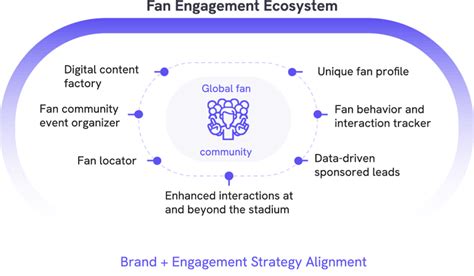
One of the most significant areas of focus is revenue generation and financial sustainability. Serie A has lagged behind leagues like the English Premier League (EPL) and La Liga in terms of broadcast rights revenue. While the EPL has leveraged its global appeal to secure lucrative international broadcasting deals, Serie A has struggled to maximize its overseas market share. A potential innovation here could be the creation of a dedicated global streaming platform tailored to fans outside of Italy. Similar to how the NBA has its League Pass, Serie A could offer a subscription-based service with exclusive content, multi-language commentary, and interactive features to engage fans worldwide. This approach would not only increase direct revenue but also allow the league to gather valuable data on its global audience for targeted marketing and fan engagement strategies.
Another area of innovation lies in technological integration within the sport. While VAR (Video Assistant Referee) has been adopted across top leagues, Serie A could take a step further by implementing advanced AI-driven analytics for real-time match insights. For instance, using AI to provide live statistics and predictive modeling during broadcasts could enhance viewer engagement. Imagine a system where fans can access live heat maps, expected goals (xG) calculations, or even AI-generated player performance ratings in real-time. These features would not only attract tech-savvy younger audiences but also position Serie A as a forward-thinking league in the adoption of sports technology.
The league must also address infrastructure modernization. Many Serie A stadiums are outdated compared to those in other top European leagues. Stadiums like the Allianz Stadium (Juventus) and the San Siro are exceptions rather than the norm. A concerted effort to renovate or build state-of-the-art venues with a focus on fan experience, sustainability, and revenue-generating amenities (such as premium seating, retail spaces, and esports zones) could revitalize matchday attendance and revenue streams. Additionally, these modern facilities could host non-football events, such as concerts or esports tournaments, diversifying income sources and making the stadiums profitable year-round.
Serie A also needs to focus on player development and youth academies. While Italy has a strong tradition of producing world-class defenders and midfielders, the league has seen a decline in homegrown attacking talent compared to other top leagues. To address this, clubs could adopt a model similar to that of Ajax in the Netherlands, which prioritizes youth development and seamless integration of academy players into the first team. Investing in data-driven scouting and development programs could help identify and nurture young Italian talent while also attracting top prospects from other regions. This approach would ensure a steady pipeline of skilled players who can compete at the highest level and potentially reduce reliance on expensive foreign signings.
The league's global branding strategy is another area ripe for transformation. Serie A has a strong cultural identity tied to its history, style of play, and iconic clubs like AC Milan, Inter Milan, and Juventus. However, it has not fully capitalized on this identity in the digital age. A potential strategy could involve creating a narrative-driven content ecosystem that emphasizes the league's unique qualities. For example, partnerships with streaming platforms like Netflix or Amazon Prime to produce docuseries about the league's history, rivalries, and current stars could attract global audiences. These docuseries could focus on the passion of Italian football, the tactical intricacies of Serie A matches, and the vibrant fan culture that defines the league. Such initiatives would not only promote the sport but also create a sense of emotional connection with fans outside Italy.
In terms of competitive balance, Serie A faces challenges due to the dominance of a few clubs, particularly Juventus in recent years. While this dominance has brought some stability to the league, it can also make the competition less appealing to neutral fans who crave unpredictability. To address this, the league could explore revenue-sharing models that provide smaller clubs with greater financial resources to compete. Additionally, introducing salary cap mechanisms or luxury taxes—similar to those in American sports leagues—could help level the playing field. These measures would encourage clubs to invest more strategically in talent rather than relying on financial imbalances to secure success. A more competitive league would not only attract more diverse fanbases but also improve Serie A's appeal to broadcasters and sponsors.
Another area of focus is sustainability and social responsibility. As global awareness of environmental issues grows, Serie A has an opportunity to position itself as a leader in green football initiatives. This could include commitments to carbon-neutral matchdays, investments in eco-friendly stadium designs, and partnerships with organizations focused on community development. For example, clubs could host "green derby" matches where all proceeds go toward local environmental projects. Such initiatives would not only enhance the league's reputation but also align it with the values of younger, socially conscious fans.
The role of women’s football in Serie A’s future should not be overlooked. The women’s game is growing rapidly worldwide, and leagues like the Women’s Super League (WSL) in England have demonstrated how investing in women’s football can drive broader interest in the sport. Serie A could take a similar approach by increasing investment in women’s teams, providing better facilities, and promoting women’s matches through integrated marketing campaigns. A strong women’s league would not only diversify the league’s appeal but also demonstrate a commitment to inclusivity and equality, which are increasingly important to modern sports audiences.
Finally, international expansion is a key strategy for Serie A to maintain its global standing. While other leagues have successfully hosted matches abroad (such as the EPL’s plans for “Game 39” or La Liga’s matches in the U.S.), Serie A has been relatively conservative in this regard. Organizing high-profile preseason tournaments or regular-season matches in emerging football markets like the United States, India, or Southeast Asia could help the league tap into new fanbases. Additionally, partnering with local academies or grassroots programs in these regions could create long-term brand loyalty and a steady stream of talent.
In summary, the future of the Italian Soccer League hinges on its ability to adapt and innovate. By embracing technological advancements, infrastructure improvements, youth development, sustainable practices, and global outreach, Serie A can not only preserve its legacy but also redefine its role in the global football landscape. These changes are not just about competing with other leagues but about setting a new standard for what a modern football league can achieve in an increasingly interconnected and dynamic world.