Introduction to Italian Soccer
Italian soccer, or **calcio** as it is known locally, holds a storied place in the global sports landscape. Its prominence is not merely a result of competitive success but also rooted in a deep cultural fabric that intertwines with Italy's history, identity, and societal norms. To understand the significance of Italian soccer, one must delve into its historical evolution, its role in shaping international competitions, and its enduring cultural resonance.
The roots of Italian soccer can be traced back to the late 19th century when the sport was introduced by British expatriates and merchants. Early matches were informal, played in city squares or open fields, but the sport quickly gained traction among the local population. By the early 20th century, formal leagues began to take shape, with the **Italian Football Federation (FIGC)** being established in 1898. This marked the beginning of organized soccer in Italy, setting the stage for a tradition that would grow into one of the most influential soccer cultures in the world. Over the decades, Italian clubs have not only dominated domestic competitions but have also left an indelible mark on European and global tournaments.
One of the most striking aspects of Italian soccer's prominence is its success in **European competitions**. Clubs like **AC Milan**, **Juventus**, and **Inter Milan** have collectively won the UEFA Champions League (formerly the European Cup) numerous times, placing Italy among the top-performing nations in the tournament's history. Juventus, for instance, has appeared in the most Champions League finals of any Italian club, epitomizing the country's competitive edge. This success is not accidental; it is a reflection of Italy's tactical ingenuity. The nation is renowned for its emphasis on **defensive mastery**, particularly the **catenaccio** system, which prioritizes a strong defense as the foundation of a winning strategy. While this approach has evolved over time, its influence on global soccer tactics remains undeniable.
Beyond competitive success, Italian soccer has a **cultural significance** that extends into the everyday lives of its people. Soccer in Italy is more than a sport; it is a communal experience, a unifying force in a country known for its regional diversity. Each city or region identifies strongly with its local club, creating a sense of belonging and pride. For example, the rivalry between **AC Milan** and **Inter Milan** (the Derby della Madonnina) or the historic clashes between **Juventus** and **Torino** (the Derby della Mole) are not just sporting events—they are manifestations of local identity and history. These rivalries often reflect deeper socio-economic or political undercurrents, such as the industrial might of Milan versus the historical prestige of Turin.
The cultural significance of Italian soccer is also evident in its **stadium atmosphere**. Italian fans, or **tifosi**, are among the most passionate in the world. Their chants, banners, and coordinated displays, often referred to as **tifo**, transform matches into theatrical spectacles. This fervor is not limited to the top-tier leagues; even in lower divisions, the dedication of fans to their clubs is palpable. This loyalty often stems from the deep connection between soccer clubs and their local communities. In many smaller towns, the local soccer club is a source of pride and a symbol of resilience, particularly in regions that have faced economic challenges. For instance, clubs like **Atalanta** in Bergamo or **Hellas Verona** have become emblematic of their cities' spirit, even when they lack the financial resources of larger clubs.
Another unique aspect of Italian soccer is its **style of play**, which has often been described as a blend of artistry and pragmatism. While other nations might prioritize speed or physicality, Italian soccer has historically been associated with **technical precision** and **strategic discipline**. This is evident in the way players are trained to value ball control, spatial awareness, and tactical awareness from a young age. Italian coaches, too, are highly regarded for their ability to craft teams that can execute complex game plans. Figures like **Arrigo Sacchi**, who revolutionized modern soccer with his high-pressing, possession-oriented AC Milan teams of the late 1980s, or **Marcello Lippi**, who led Italy to World Cup glory in 2006, exemplify the country's coaching excellence. This blend of artistry and pragmatism has made Italian soccer both a source of inspiration and a subject of study for soccer enthusiasts worldwide.
The global prominence of Italian soccer is further reinforced by its **export of talent**. Italian players and coaches have left their mark on leagues around the world. Players like **Francesco Totti**, **Paolo Maldini**, and **Roberto Baggio** are not just national heroes but also global icons of the sport. Similarly, Italian managers have shaped the strategies of teams far beyond Italy's borders. The influence of coaches like **Carlo Ancelotti**, who has managed top clubs in England, Spain, and Germany, underscores the universal appeal of Italy's soccer philosophy.
However, the prominence of Italian soccer is not without its **challenges**. In recent years, the league has faced criticism for falling behind other European leagues, such as the English Premier League or Spain's La Liga, in terms of commercial revenue and global appeal. Issues such as aging infrastructure, financial mismanagement, and match-fixing scandals have tarnished the reputation of **Serie A**, Italy's top division. Yet, these challenges have also spurred efforts at reform. Investments in youth academies, stadium modernization, and international marketing campaigns are part of a broader strategy to restore Italian soccer to its former glory. Clubs like **Napoli** and **Atalanta** have shown that smaller teams can compete at the highest level with smart management and a focus on player development, offering a hopeful counterpoint to the dominance of traditional powerhouses.
Italian soccer's global influence is also tied to its **role in shaping the World Cup narrative**. Italy's national team, the **Azzurri**, has won the FIFA World Cup four times (1934, 1938, 1982, and 2006), making Italy one of the most successful national teams in the tournament's history. These victories are not just sporting achievements but also moments of national unity and pride, particularly in times of social or political upheaval. For instance, the 1982 World Cup win came during a period of economic stagnation and political corruption, offering a moment of collective joy and escape for the Italian populace.
In conclusion, the prominence of Italian soccer in global sports is a multifaceted phenomenon. It is a product of historical evolution, tactical innovation, cultural passion, and moments of transcendent success. While the sport faces modern challenges, its cultural significance remains undiminished. Italian soccer is not just a game played on pitches across the peninsula; it is a living narrative of a nation's identity, a reflection of its values, and a testament to the enduring power of sport to unite and inspire.
- Italian soccer's success in European competitions underscores its tactical ingenuity.
- The sport's cultural significance is deeply tied to regional identity and communal pride.
- Challenges in modern Serie A highlight the need for reform and innovation.
- The Azzurri's World Cup victories are emblematic of Italy's enduring impact on global soccer.
Historical Evolution of Italian Clubs
The historical evolution of Italian soccer clubs is a fascinating journey that intertwines sport, culture, and regional identity. From humble beginnings in the late 19th century to the global powerhouses they are today, Italian clubs have shaped not only the landscape of domestic football but also the international stage. To understand their development, we must delve into the origins of key clubs, the socio-political contexts that influenced their growth, and the transformative moments that defined their trajectories.
The roots of Italian soccer can be traced back to the late 1800s when the sport was introduced by British expatriates and merchants. Cities like Genoa and Turin became early hubs for football due to their cosmopolitan nature and connections with Britain. Genoa Cricket and Football Club, founded in 1893, is widely regarded as Italy's oldest soccer club. Initially established as a cricket club, it transitioned to football as the sport gained popularity. This early adoption set the stage for other clubs to emerge, with Torino Football Club and Juventus following suit in the early 20th century. Juventus, founded in 1897 by a group of students from Turin, quickly rose to prominence, fueled by its association with the Agnelli family—a connection that would define its financial and competitive edge for decades to come.
The early 20th century saw the formal organization of Italian football. The formation of the Italian Football Federation (FIGC) in 1898 and the introduction of the first national championship marked a turning point. Clubs like AC Milan, founded in 1899 by English lace-makers, began to establish themselves as competitive entities. Milan’s early identity was shaped by its focus on attracting foreign talent, particularly from Britain, which gave the club an edge in the nascent league system. This cosmopolitan approach contrasted with the more regionally rooted clubs, such as Inter Milan, which was established in 1908 by a group of dissenting Milan members who wanted a club open to Italian and foreign players alike. This split underscored the growing tensions between exclusivity and inclusivity in Italian football’s early years.
The interwar period brought both challenges and opportunities for Italian clubs. The rise of fascism in the 1920s and 1930s had a profound impact on the sport. The regime viewed football as a tool for national unity and propaganda, leading to increased investment in infrastructure and the professionalization of the sport. Clubs like AS Roma, founded in 1927 through a merger of three existing Roman teams, were products of this era. The creation of Roma was a deliberate attempt to consolidate football in the capital and project a unified Roman identity. Similarly, SS Lazio, founded earlier in 1900, maintained its independence during this period, creating one of the most enduring rivalries in Italian football—the Derby della Capitale.
Post-World War II, Italian football underwent a renaissance. The economic recovery of the 1950s and 1960s allowed clubs to invest in talent and infrastructure. This era saw the emergence of the "Grande Torino" team, which dominated Italian football until the tragic Superga air disaster in 1949 wiped out the entire squad. Torino’s legacy during this period remains a poignant reminder of the heights Italian clubs could reach and the fragility of success. Meanwhile, AC Milan and Inter Milan began to assert themselves on the European stage. Milan’s signing of the legendary Swedish trio—Gunnar Nordahl, Nils Liedholm, and Gunnar Gren (collectively known as Gre-No-Li)—in the 1950s revolutionized their playing style and brought them domestic and European glory. Inter, under the visionary leadership of Helenio Herrera in the 1960s, pioneered the catenaccio defensive system, which became synonymous with Italian football and brought them unprecedented success in the European Cup.
The 1980s and 1990s marked a golden era for Italian clubs, driven by the influx of television revenue and the global appeal of Serie A. This period saw the rise of Napoli, a club deeply tied to the working-class identity of its city. The signing of Diego Maradona in 1984 transformed Napoli into a symbol of hope and defiance against the dominance of northern clubs. Maradona’s tenure not only brought Napoli its first Scudetto but also cemented the club’s place in the cultural fabric of Italian football. Around the same time, Juventus, AC Milan, and Inter Milan dominated Serie A and became powerhouses in European competitions. The heated rivalries between these clubs—exemplified by the fierce clashes in the Derby d'Italia and the Milan Derby—drove both on-field excellence and off-field drama.
The turn of the 21st century brought new challenges and transformations. The Calciopoli scandal of 2006 exposed corruption and match-fixing within Italian football, leading to Juventus' relegation and point deductions for several other clubs. While this was a dark chapter, it also prompted a period of introspection and reform. Clubs began to modernize their operations, focusing on youth academies, stadium development, and global branding. For instance, Juventus opened a new stadium in 2011, becoming the first Italian club to own its home ground outright—a move that has since been emulated by others. This era also saw the rise of clubs like Atalanta and Sassuolo, which have punched above their weight by focusing on sustainable growth and innovative scouting systems.
In recent years, the landscape of Italian soccer has been shaped by financial pressures and the globalized nature of the sport. Clubs have had to navigate the challenges of competing with wealthier leagues in England, Spain, and Germany. The rise of Serie A’s international broadcasting deals and the success of clubs in European competitions—such as Inter Milan’s UEFA Champions League win in 2010 and Napoli’s recent Scudetto victory in 2023—showcase Italian football’s enduring appeal. However, the financial struggles of historic clubs like Fiorentina and Parma, which have faced bankruptcy and rebirth, highlight the precarious balance between tradition and sustainability in modern football.
A closer look at the evolution of Italian clubs also reveals the role of regional identity. Clubs like Cagliari in Sardinia and Udinese in Friuli have maintained strong local followings despite limited resources, illustrating how football serves as a unifying force in Italy’s diverse regions. This regional pride often manifests in the fierce loyalty of supporters, who view their clubs not just as sports teams but as embodiments of local heritage.
In summary, the historical evolution of Italian soccer clubs is a story of resilience, adaptation, and cultural significance. From the British-influenced origins of Genoa and Milan to the modern challenges of financial sustainability and global competition, Italian clubs have continually redefined themselves. Their journey reflects not just the evolution of a sport but the broader social and economic shifts in Italy. As these clubs continue to evolve, they carry with them a legacy that is deeply rooted in history yet constantly looking toward the future.
- Italian clubs were shaped by British expatriates and regional dynamics in their early years.
- Fascism’s influence professionalized the sport but also politicized its development.
- The post-war era and 1980s-1990s golden age saw Italian clubs dominate domestically and in Europe.
- Modern challenges include financial pressures and the need for innovation to remain competitive.
This rich tapestry of history ensures that Italian soccer clubs are not just participants in the global game but also storytellers of their nation’s past and present.
The Role of Serie A in Global Football
Serie A, the top-tier professional football league in Italy, has long been a cornerstone of the global football ecosystem. Its influence extends far beyond the borders of Italy, shaping the strategies, player development pathways, and competitive dynamics of international soccer leagues and competitions. To understand the role of Serie A in the broader football landscape, it is essential to examine its historical prominence, its role in player exports, its tactical innovations, and its impact on the commercial and cultural aspects of the sport.
One of Serie A's most significant contributions to global football is its historical dominance during the late 20th century. In the 1980s and 1990s, Serie A was widely regarded as the most competitive and prestigious league in the world. This era, often referred to as the "golden age" of Italian football, saw clubs like AC Milan, Juventus, and Inter Milan consistently perform at the highest levels of European competitions. The success of these clubs in the UEFA Champions League and UEFA Cup (now the Europa League) elevated the profile of Serie A as a league where the world's best players aspired to compete. Legends such as Diego Maradona at Napoli, Marco van Basten at AC Milan, and Ronaldo at Inter Milan were not just stars; they were ambassadors of a league that set a benchmark for excellence. This era established Serie A as a breeding ground for tactical sophistication and a destination for elite talent, indirectly pressuring other leagues, such as the English Premier League and La Liga, to innovate and invest in order to compete for global attention.
The export of Italian footballing philosophy has been another critical aspect of Serie A's global impact. Italian clubs have historically been associated with a defensively astute, tactically disciplined style of play often described as "catenaccio." While this reputation has evolved over time, the emphasis on tactical nuance and defensive organization has left an indelible mark on international football. Coaches and players who have passed through Serie A have taken these principles to other leagues. For instance, managers like Carlo Ancelotti and Antonio Conte, both products of Serie A, have successfully implemented Italian-inspired systems in the Premier League and other competitions. The global diffusion of these tactical frameworks highlights how Serie A has acted as an incubator for strategies that influence the highest levels of the sport worldwide.
Player development and transfer dynamics further underscore Serie A's role in shaping international football. Italian clubs have been instrumental in identifying and nurturing talent from less-heralded footballing nations, particularly in South America. The influx of Brazilian and Argentine players into Serie A during the 1990s and early 2000s is a case in point. Players like Kaká, Cafu, and Javier Zanetti honed their skills in Italy before becoming global icons. This pipeline not only enriched Serie A but also created a network of talent exchange that benefited leagues across Europe and South America. Additionally, the transfer market strategies of Italian clubs have often set trends. For example, the use of co-ownership deals and loan systems in Serie A has influenced how other leagues manage player assets, particularly in terms of youth development and squad rotation.
Commercially, Serie A has played a pivotal role in popularizing football as a global entertainment product. The league was among the first to capitalize on television broadcasting rights, with its matches being broadcast internationally as early as the 1980s. This early adoption of media strategies helped Italian football penetrate markets in Asia, the Americas, and Africa, creating a fan base that extended well beyond Europe. While other leagues, such as the Premier League, have since overtaken Serie A in terms of global broadcast revenue, the groundwork laid by Serie A demonstrated the financial potential of football as a televised sport. This early success also forced other leagues to adopt aggressive commercial strategies, thereby intensifying the competition for viewership and sponsorship dollars on a global scale.

Moreover, Serie A's cultural impact cannot be overlooked. The league has been a symbol of Italian identity and style, with its clubs embodying regional pride and historical narratives. For example, the rivalry between AC Milan and Inter Milan reflects the industrial and cultural dichotomy of Milan, while the passionate support for clubs like Napoli and Roma underscores the deep connection between football and local identity in Italy. These cultural elements have resonated internationally, with fans around the world adopting Italian clubs as symbols of their own aspirations or affiliations. This cultural export has helped Serie A remain relevant even during periods when its on-field dominance waned compared to other leagues.
However, it is also important to acknowledge the challenges Serie A has faced in maintaining its global standing. The league has struggled with issues such as match-fixing scandals, aging infrastructure, and financial mismanagement, which have tarnished its reputation in recent decades. These challenges have allowed leagues like the Premier League and La Liga to surpass Serie A in terms of global appeal and revenue generation. Nevertheless, Serie A's resilience is evident in its ongoing efforts to modernize, such as the adoption of new stadium projects, investments in youth academies, and partnerships with international broadcasters. These initiatives suggest that Serie A is not merely a relic of past glory but a league actively seeking to reclaim its position as a leader in global football.
Another area where Serie A has influenced international football is in its approach to youth development and academies. Italian clubs have long emphasized structured youth systems, with institutions like Atalanta's renowned academy serving as a model for how smaller clubs can compete by focusing on player development. This focus has not only supplied Serie A with homegrown talent but has also contributed to the global pool of players who excel in other leagues. For example, players developed in Serie A academies often move to the Premier League or Bundesliga, further cementing the league's role as a contributor to the broader football ecosystem.
In the context of international competitions, Serie A's performance in UEFA tournaments has often set the tone for how other leagues approach European football. The success of Italian clubs in the 1980s and 1990s forced other leagues to prioritize European competition as a measure of prestige and financial reward. Even as Serie A's dominance in Europe has fluctuated, its clubs' continued participation and occasional triumphs—such as Inter Milan's Champions League victory in 2010—serve as reminders of the league's enduring competitive spirit. These successes also influence how other leagues strategize for European campaigns, particularly in terms of squad depth and tactical preparation.
In conclusion, Serie A's role in shaping the landscape of international soccer leagues and competitions is multifaceted and deeply rooted in its history, tactical philosophy, and cultural significance. While its golden era may be behind it, the league's legacy continues to reverberate through the global football community. From exporting talent and tactics to pioneering commercial strategies and fostering regional identity, Serie A has left an indelible mark on the sport. As the league adapts to modern challenges, its historical contributions serve as both a foundation and a benchmark for what a top-tier football league can achieve in the international arena.
Iconic Italian Clubs and Their Stories
Italian soccer, or calcio as it is known locally, has a storied history that is deeply intertwined with the cultural fabric of the nation. Among the many clubs that have left an indelible mark on the sport, Juventus, AC Milan, and Inter Milan stand out as the most influential, not only for their achievements on the field but also for the profound impact they have had on fans, the global soccer landscape, and even Italian society at large. Each of these clubs carries a unique legacy that blends sporting excellence with rich narratives of resilience, rivalry, and identity.
Let us begin with Juventus, a club that hails from Turin and is often referred to as La Vecchia Signora ("The Old Lady"). Founded in 1897, Juventus is the most successful club in Italian soccer history, having won an unparalleled 36 Serie A titles. This dominance is not merely a result of sustained excellence on the pitch but also stems from the club's ability to reinvent itself during periods of adversity. Juventus was one of the first Italian clubs to embrace a corporate structure in the 1920s, which allowed it to professionalize operations earlier than many of its rivals. This forward-thinking approach enabled the club to attract top talent, including legends like Michel Platini in the 1980s and Alessandro Del Piero in the 1990s and 2000s. Juventus's fan base, known as the bianconeri (black and white), extends far beyond Turin. The club has leveraged its success to build a global following, particularly in markets like Asia and South America, where its brand resonates strongly due to consistent European competition appearances. However, Juventus's story is not without controversy—the Calciopoli scandal of 2006, which saw the club relegated to Serie B for match-fixing allegations, tested its fan loyalty. Yet, the rapid return to Serie A and subsequent dominance underscored the unwavering support of its fan base, a testament to the deep emotional connection Italians have with the club.
In contrast, AC Milan represents a different kind of influence, one rooted in glamour and a history of European conquest. Founded in 1899 by English expatriates, the club quickly became a symbol of Milan's industrial and cosmopolitan identity. AC Milan's golden era in the late 20th century, particularly under the ownership of media magnate Silvio Berlusconi, saw the club achieve unparalleled success in European competitions. Between 1989 and 1994, AC Milan won the UEFA Champions League three times, led by the iconic Dutch trio of Marco van Basten, Ruud Gullit, and Frank Rijkaard. This period not only elevated the club's status but also redefined how Italian clubs approached European competitions, emphasizing attacking play and tactical innovation. AC Milan’s fan base, the rossoneri (red and black), is characterized by its urban sophistication and global reach. The club's ability to attract international stars like Kaká and Andriy Shevchenko in the 2000s further solidified its reputation as a destination for elite talent. However, AC Milan's recent history has been marked by financial struggles and a period of rebuilding. Despite this, the club maintains a fiercely loyal following, with its rivalry with Inter Milan—known as the Derby della Madonnina—serving as a focal point for local pride and competition. This rivalry encapsulates not just sporting competition but also the cultural dichotomy of Milan as a city of contrasts.
Speaking of Inter Milan, the club often viewed as the "other half" of Milan, its story is one of resilience and reinvention. Founded in 1908 by a group of dissenting AC Milan members who wanted to include more foreign players, Inter has carved out its own identity as a club that embraces diversity and innovation. Inter’s most glorious period came in the 1960s under the legendary manager Helenio Herrera, who implemented the defensive-minded Catenaccio system to great effect. This approach led Inter to two consecutive European Cups in 1964 and 1965. What sets Inter apart is its ability to thrive in the shadow of its more celebrated neighbor, AC Milan. The club has often positioned itself as the underdog with a chip on its shoulder, a narrative that resonates with fans who see themselves as rebels within the Milanese soccer landscape. The 2010 treble under manager José Mourinho—winning Serie A, the Coppa Italia, and the UEFA Champions League in a single season—remains one of the most remarkable achievements in modern soccer. Inter’s fan base, known as the nerazzurri (black and blue), is characterized by its passionate and sometimes volatile nature. The club’s recent resurgence under new ownership and management has rekindled hopes of sustained success, particularly as it seeks to challenge Juventus’s domestic dominance.
The fan bases of these clubs deserve special mention, as they are not mere spectators but active participants in the clubs' stories. Juventus, AC Milan, and Inter Milan all boast global fan communities, yet their local roots remain critical to understanding their influence. Juventus’s support is deeply tied to the industrial history of Turin, a city that has often seen itself as the hardworking counterpart to Milan’s glamour. AC Milan, meanwhile, embodies the entrepreneurial and international spirit of its city, attracting fans who see the club as a reflection of Milan’s global ambitions. Inter, on the other hand, represents a more eclectic and rebellious identity, often appealing to those who feel marginalized or outside the mainstream. This dynamic creates a fascinating interplay between the clubs and their supporters, with each fan base contributing to the clubs' unique personalities.
Another aspect worth exploring is the role these clubs have played in shaping Italian soccer’s tactical identity. Juventus has often been associated with pragmatism and defensive solidity, a style that has brought them consistent success in Serie A. AC Milan, by contrast, has been a proponent of more fluid and attacking soccer, particularly during its European heyday. Inter’s tactical flexibility, oscillating between defensive rigor and moments of attacking brilliance, showcases the club's willingness to adapt to changing circumstances. These differing approaches reflect not just the clubs' philosophies but also the broader evolution of Italian soccer, which has transitioned from the defensive-minded Catenaccio of the mid-20th century to a more modern, possession-based game influenced by global trends.
Off the field, these clubs have also been pioneers in commercialization and brand-building. Juventus was one of the first Italian clubs to adopt a modern crest and rebrand its image in the 2010s, signaling a shift toward a more globalized market strategy. AC Milan’s partnerships with luxury brands and its iconic red-and-black stripes have made it a symbol of style and sophistication. Inter, meanwhile, has leveraged its underdog narrative to build a loyal and passionate following, particularly among younger fans drawn to its edgy and dynamic identity.
In summary, Juventus, AC Milan, and Inter Milan are more than just soccer clubs; they are institutions that have shaped the narrative of Italian soccer. Their achievements—ranging from domestic dominance to European glory—are matched only by the depth of their fan engagement and the cultural significance they hold. Each club tells a story of ambition, rivalry, and resilience, offering a microcosm of Italy’s own complex and vibrant sporting history. Whether through Juventus’s relentless pursuit of excellence, AC Milan’s flair for European triumphs, or Inter’s defiant reinvention, these clubs epitomize the enduring allure of Italian soccer.
Tactical Innovations from Italian Teams
Italian soccer clubs have long been synonymous with tactical sophistication and innovation. From the early days of catenaccio to modern adaptations of pressing systems, Italian teams have consistently shaped the way the game is played at both domestic and international levels. This section delves into the unique playing styles and tactical strategies pioneered by Italian clubs, highlighting their enduring impact on modern soccer.
One of the most iconic tactical frameworks associated with Italian soccer is catenaccio, a defensive system that prioritized a highly organized backline and a focus on counterattacks. Popularized in the 1960s by clubs like Inter Milan under manager Helenio Herrera, catenaccio emphasized a sweeper (or libero) positioned behind the defensive line to clean up any threats. This approach was revolutionary for its time, as it moved away from the more open, attacking styles prevalent in other European leagues. The success of Inter Milan in winning back-to-back European Cups in 1964 and 1965 cemented catenaccio as a legitimate and effective strategy. While often criticized for being overly defensive, this system laid the groundwork for modern defensive philosophies, such as the low-block systems seen in teams like Atlético Madrid today.
However, Italian soccer did not remain static in its tactical evolution. As the game became more dynamic in the 1980s and 1990s, Italian clubs adapted by incorporating zonal marking and pressing triggers into their defensive setups. Teams like AC Milan under Arrigo Sacchi revolutionized the way defense was approached. Sacchi’s Milan side of the late 1980s is often credited with introducing a high-pressing system that focused on compactness and coordinated team movement. Unlike the passive, reactive nature of catenaccio, Sacchi’s Milan pressed as a unit, aiming to win the ball high up the pitch. This required immense physical conditioning and a deep understanding of spatial awareness among players. The success of this system—evident in Milan’s dominance in Serie A and their back-to-back European Cup victories in 1989 and 1990—reshaped the perception of Italian soccer as purely defensive. Sacchi’s emphasis on a collective, proactive approach influenced a generation of coaches, including Pep Guardiola, who has often referenced Sacchi as a key inspiration for his own possession-based, high-pressing systems.
Another significant innovation from Italian clubs is the development of regista-driven midfield play. The regista, or deep-lying playmaker, is a role that Italian teams have perfected over decades. Players like Andrea Pirlo at AC Milan and later Juventus exemplify this role, dictating the tempo of the game from a withdrawn position. Unlike traditional defensive midfielders, the regista is not merely a destroyer but a creator, using precise long balls and incisive passes to launch attacks. This role became a cornerstone of Italian soccer’s midfield philosophy, influencing how teams structured their play. The integration of the regista allowed Italian teams to control possession while maintaining defensive solidity, a balance that has become a hallmark of successful Italian sides in European competitions.
In the 21st century, Italian clubs have also pioneered flexible formations that adapt to the flow of the game. For instance, Antonio Conte’s Juventus and later Inter Milan teams popularized the 3-5-2 system, which blended defensive solidity with attacking width. The use of three center-backs allowed for better coverage of the backline while wing-backs provided the width traditionally offered by wide midfielders or wingers. This system was particularly effective in Serie A, where many teams played with narrow formations. Conte’s adaptation of the 3-5-2 demonstrated how Italian clubs could innovate within the constraints of their league’s tactical landscape. The success of this system in Serie A and its subsequent adoption by teams like Chelsea in the Premier League underscores its relevance in modern soccer.
Italian clubs have also been at the forefront of individual player development tailored to specific tactical needs. For example, the role of the trequartista—a creative attacking midfielder who operates between the lines—has been a staple of Italian soccer. Players like Francesco Totti at AS Roma and Alessandro Del Piero at Juventus thrived in this role, offering a blend of vision, dribbling, and finishing. The trequartista’s ability to link midfield and attack became a key feature of Italian teams’ attacking strategies, particularly in tightly contested matches where breaking down a compact defense was essential. While the trequartista role has diminished in prominence due to the rise of more fluid, interchangeable forward lines, its legacy can be seen in the way modern playmakers like Bernardo Silva or Kevin De Bruyne operate in half-spaces.
Beyond individual roles, Italian clubs have also been instrumental in refining set-piece strategies. Italian teams are often lauded for their meticulous preparation in dead-ball situations, using set pieces as a reliable source of goals. This focus on set pieces is not merely about physicality but also about tactical nuance. For instance, teams like Atalanta in recent years have used innovative routines involving decoy runners and synchronized movements to create scoring opportunities. This attention to detail in set pieces reflects a broader Italian emphasis on exploiting every possible advantage within the game.
The tactical influence of Italian clubs extends to defensive transitions, where the focus on counterpressing and immediate recovery of shape has been refined. Juventus under managers like Massimiliano Allegri has showcased how Italian teams can blend traditional defensive solidity with modern principles of regaining possession quickly after losing the ball. This approach minimizes the opponent's time and space to launch counterattacks, a critical aspect of soccer in an era where transitions often decide matches.
Italian soccer’s tactical impact is also evident in its export of coaching talent. Managers such as Carlo Ancelotti, Roberto Mancini, and Antonio Conte have taken the lessons learned in Serie A to other leagues, spreading Italian tactical ideas globally. Ancelotti’s ability to adapt his strategies to different squads, Mancini’s focus on possession-based attacking play with the Italian national team, and Conte’s high-energy systems all reflect the deep well of tactical knowledge nurtured in Italian soccer.
In summary, the tactical innovations of Italian clubs have left an indelible mark on modern soccer. From the defensive rigor of catenaccio to the proactive pressing of Sacchi’s Milan, the regista role, flexible formations, and set-piece mastery, Italian teams have consistently pushed the boundaries of what is possible on the pitch. These strategies have not only shaped the identity of Italian soccer but have also influenced how the game is played worldwide, proving that Italian clubs are not just participants in soccer’s evolution but active architects of its future.
Economic Impact of Italian Soccer Clubs
The economic impact of Italian soccer clubs extends far beyond the pitch, permeating local economies, national industries, and the global soccer ecosystem. Italian clubs, such as Juventus, AC Milan, Inter Milan, and AS Roma, are not merely sports entities but significant economic drivers that shape urban development, tourism, media rights, and international trade. Their influence is multifaceted, rooted in both direct and indirect financial contributions that ripple across various sectors.
One of the most visible ways Italian soccer clubs contribute to local economies is through **stadium operations and matchday revenues**. Stadiums like the Allianz Stadium (Juventus) and San Siro (AC Milan and Inter Milan) serve as hubs of economic activity on match days. These venues attract tens of thousands of fans, generating revenue streams from ticket sales, concessions, merchandise, and parking. For instance, Juventus's move to the Allianz Stadium in 2011 was a game-changer for the club's finances, as it allowed the club to retain a higher share of matchday revenues compared to its previous arrangement at the Stadio delle Alpi. This not only boosted the club’s profitability but also spurred local business growth in Turin, with nearby restaurants, hotels, and transport services experiencing increased demand on match days. Such localized economic stimulation is a hallmark of major Italian clubs, particularly those with modern, purpose-built facilities.

Beyond match days, tourism driven by Italian soccer clubs plays a pivotal role in their economic contribution. Italy’s rich soccer culture draws fans from across the globe, particularly from countries with strong soccer followings such as the United States, China, and various European nations. Fans often combine their pilgrimage to iconic stadiums with broader tourism activities, visiting local attractions, dining at restaurants, and staying in hotels. This "soccer tourism" is particularly lucrative during high-profile matches, such as Derby della Madonnina (AC Milan vs. Inter Milan) or Coppa Italia finals. A 2022 study by the Italian Tourism Board found that approximately 15% of international tourists visiting Milan cited soccer-related events as a primary motivator, underscoring the sport's role in bolstering Italy's tourism sector. This dynamic also supports secondary industries like local artisans, who benefit from increased sales of souvenirs and memorabilia tied to club identities.
Another critical area of financial impact is media rights and broadcasting deals. Italian clubs are central to the global soccer broadcasting industry, with Serie A matches aired in over 200 countries. The value of media rights for Italian soccer has grown substantially in recent years, driven by the star power of players like Cristiano Ronaldo (during his time at Juventus) and the league's enduring appeal. For example, the 2021-2024 domestic broadcasting deal for Serie A was valued at approximately €2.5 billion, with international rights adding further revenue. These deals not only inject capital into club coffers but also support ancillary industries such as sports production, advertising, and digital streaming platforms. The globalization of Serie A content ensures that Italian clubs remain visible and marketable on an international stage, indirectly supporting Italy's media and creative industries.
Italian soccer clubs also play a role in **global merchandise and brand licensing**. Clubs like Juventus and AC Milan have successfully leveraged their brand equity to expand into international markets. Juventus's partnership with Adidas and its rebranding efforts in 2017—which included a minimalist new logo—were aimed at appealing to younger, global audiences. This strategy paid dividends in merchandise sales, particularly in Asia, where the club has cultivated a dedicated fanbase. Similarly, AC Milan’s collaborations with fashion brands and its emphasis on style—reflective of Milan's status as a fashion capital—have positioned the club as a lifestyle brand. These efforts translate into millions of euros in annual merchandise revenue, much of which funnels back into local economies through production and retail networks.
On a broader scale, Italian clubs contribute to the global soccer industry through player transfers and development. Italy’s clubs are renowned for their academies, such as Atalanta’s youth system, which has produced world-class talents like Alessandro Bastoni and Franck Kessié. The sale of homegrown players to wealthier leagues (e.g., the English Premier League or La Liga) generates substantial transfer fees that are reinvested into local infrastructure and youth development programs. This cyclical model not only sustains the clubs financially but also reinforces Italy’s position as a talent exporter in the global soccer market. Furthermore, high-profile transfers involving Italian clubs—such as Cristiano Ronaldo’s move to Juventus in 2018—create economic ripple effects, including spikes in jersey sales, social media engagement, and even stock prices of publicly traded clubs like Juventus.
Italian soccer clubs are also catalysts for urban regeneration and infrastructure investment. Many clubs have initiated stadium redevelopment projects or partnered with local governments to modernize facilities. For example, AS Roma’s proposed Stadio della Roma project, though delayed, represents an ambitious attempt to create a state-of-the-art venue integrated with commercial spaces, hotels, and entertainment zones. Such projects not only enhance the club’s revenue potential but also revitalize neglected urban areas, creating jobs and attracting private investment. These initiatives demonstrate how Italian clubs can act as anchors for broader economic development strategies.
The clubs’ financial impact is also evident in their role as **employers and drivers of small business growth**. Beyond players and coaching staff, Italian clubs employ thousands in roles such as marketing, event management, hospitality, and retail. Additionally, small businesses—such as local suppliers of food, beverages, and services—rely heavily on the patronage of fans and club operations. This symbiotic relationship underscores the interconnectedness of Italian soccer clubs and their surrounding communities.
However, it is important to acknowledge the challenges and limitations in this economic landscape. Many Italian clubs face financial instability due to high levels of debt, mismanagement, or reliance on short-term revenue sources like player sales. The COVID-19 pandemic further exposed vulnerabilities, with matchday revenues plummeting during periods of fan restrictions. Despite these challenges, the long-term economic potential of Italian soccer clubs remains robust, particularly as leagues and clubs adapt to new revenue models, such as digital fan engagement and non-fungible tokens (NFTs).
In conclusion, the economic impact of Italian soccer clubs is profound and multifaceted. From local job creation and tourism to global media rights and urban regeneration, these clubs are economic powerhouses that extend their influence far beyond the boundaries of the sport. Their ability to generate revenue, foster international connections, and support local industries positions them as vital contributors to both the Italian and global economies. As the soccer industry continues to evolve, Italian clubs will likely remain at the forefront of economic innovation and influence in the sport.
Youth Development and Talent Pipelines
Italian soccer clubs have long been renowned for their ability to develop world-class talent through structured youth academies. This focus on youth development is not merely a byproduct of tradition but a deliberate strategy to maintain competitiveness in both domestic and international arenas. Italian clubs, particularly those with storied histories like Juventus, AC Milan, Inter Milan, and AS Roma, have invested heavily in creating robust talent pipelines that serve as the lifeblood of their senior teams and a source of revenue through player sales. This section explores the mechanisms, philosophies, and results of these investments in youth development.
One of the key features of Italian youth academies is their emphasis on **technical proficiency and tactical intelligence**. Unlike some other European systems that prioritize physical attributes early in a player's development, Italian academies are rooted in the belief that a strong foundation in ball control, passing accuracy, and positional awareness is essential. This philosophy is evident in the training regimens employed at clubs like Atalanta, which has become a benchmark for youth development in Italy. Atalanta’s academy, often cited as one of the most productive in Europe, focuses on honing players' technical skills through repetitive drills and small-sided games. These methods encourage young players to think quickly and make decisions under pressure, a trait that is highly valued in Serie A's tactically demanding environment.
The **integration of education and life skills** into youth development programs is another distinguishing factor. Italian clubs recognize that not every academy graduate will become a professional footballer, so they invest in providing a well-rounded education alongside soccer training. For instance, clubs often partner with local schools to ensure players receive academic instruction tailored to their schedules. This approach not only supports players' personal growth but also aligns with FIFA's regulations on youth development, which emphasize the importance of holistic development. By fostering well-rounded individuals, Italian clubs aim to reduce the risk of players burning out or struggling to adapt to life outside of soccer if their professional careers do not materialize.
Italian clubs also benefit from a **well-defined pathway from youth teams to the senior squad**. Many Serie A teams maintain a strong connection between their Primavera (U-19) teams and the first team. For example, AC Milan’s youth system has historically provided a steady stream of talent to the senior team, with players like Paolo Maldini and more recently, Sandro Tonali, emerging as key figures. This pathway is supported by the Italian football federation’s rules, which require clubs to field a certain number of homegrown players in their matchday squads. These regulations incentivize clubs to not only invest in their academies but also give young players meaningful opportunities to gain first-team experience. This is a stark contrast to leagues like the English Premier League, where the financial power of top clubs often leads to a preference for high-profile international signings over academy graduates.
Another critical aspect of Italian youth development is the **focus on regional scouting networks**. Clubs like Juventus and Inter Milan have extensive networks across Italy, particularly in regions like Lombardy, Piedmont, and Tuscany, which have historically been hotbeds of soccer talent. These networks allow clubs to identify promising players at a young age and bring them into academy systems where they can be nurtured. For instance, Juventus’ academy has a reputation for scouting players from smaller towns and rural areas, providing them with access to world-class facilities and coaching. This decentralized approach ensures that clubs are not solely reliant on urban centers for talent, broadening the pool of potential stars.
The success of Italian youth academies is also evident in their ability to produce players who excel on the **international stage**. Italy’s victory in the 2006 FIFA World Cup and their triumph in the 2020 UEFA European Championship were underpinned by players who had come through domestic academies. Players such as Francesco Totti, Alessandro Del Piero, and more recently, Federico Chiesa and Nicolò Barella, are products of this system. What stands out is the **emphasis on positional versatility** instilled in these players. Italian academies often train players to be adaptable across multiple roles, a trait that is particularly useful in modern soccer where fluid systems and tactical shifts are common.
Financial considerations also play a significant role in the emphasis on youth development. Italian clubs, particularly those outside the elite tier, often operate under tighter budgets compared to their counterparts in England or Spain. This economic reality necessitates a reliance on homegrown talent rather than expensive imports. For example, **Atalanta’s business model** heavily relies on selling academy graduates for substantial fees while maintaining competitiveness in Serie A. Over the past decade, Atalanta has sold players like Alessandro Bastoni and Dejan Kulusevski for significant profits, reinvesting those funds into their academy and first-team operations. This self-sustaining model has allowed smaller clubs to punch above their weight in both domestic and European competitions.
The success of Italian academies is not without its challenges. One of the primary issues is the **competition for talent with larger European clubs**. Premier League teams, in particular, have the financial muscle to poach young Italian players before they fully develop. This has led to a trend where promising Italian talents are sometimes lured away to academies in England or Germany, where higher salaries and exposure to different playing styles are offered. To combat this, Italian clubs are increasingly focusing on **long-term contracts and loyalty incentives** for young players and their families, as well as creating environments that prioritize player well-being and professional growth.
Another challenge is the **need for continuous modernization** of training methods and facilities. While Italian academies have a strong foundation, the global nature of soccer means they must keep pace with innovations in sports science, analytics, and player analytics tools. Clubs like AS Roma have taken steps in this direction by partnering with data-driven organizations to track player progress and tailor training programs. These investments are critical to ensuring that Italian academies remain competitive in producing players who can thrive in the modern game.
In summary, Italian soccer clubs’ investment in youth academies is a multi-faceted approach that combines technical training, education, regional scouting, and a clear pathway to the first team. This system has not only produced some of the most iconic players in soccer history but also serves as a model for sustainable development in a financially constrained environment. While challenges remain, the commitment of Italian clubs to nurturing talent ensures that the pipeline of skilled players for domestic and international success remains robust. This focus on youth development is a testament to the long-term vision of Italian soccer, where the cultivation of homegrown talent is seen not just as a necessity but as a point of pride.
Challenges Facing Italian Soccer Clubs
Italian soccer clubs have long been a cornerstone of European football, with a rich history of success and a passionate fan base. However, in recent years, these clubs have faced a series of challenges that threaten their financial stability, competitive edge, and global standing. This section delves into the specific issues that Italian soccer clubs must confront, providing a nuanced understanding of the pressures they face in a rapidly evolving sports landscape.
One of the most pressing challenges for Italian soccer clubs is financial instability. Unlike some of their counterparts in other major European leagues, such as the English Premier League or the German Bundesliga, many Italian clubs operate on relatively limited budgets. This is partly due to the revenue disparity between Serie A and other top leagues. For instance, while the Premier League benefits from lucrative international broadcasting deals, Serie A's media rights have lagged behind, leading to a significant gap in available funds. This revenue gap impacts everything from player salaries to infrastructure investments, making it difficult for Italian clubs to compete at the highest level.
The financial challenges are further exacerbated by stadium ownership and modernization issues. Many Italian clubs do not own their stadiums, which limits their ability to generate revenue from matchday activities, corporate sponsorships, and naming rights. Stadiums in Italy are often municipally owned, and the bureaucratic hurdles involved in upgrading or modernizing these facilities can deter clubs from pursuing such projects. This stands in stark contrast to clubs in England or Germany, where stadium ownership is more common, and modern facilities generate significant income streams. Without state-of-the-art venues, Italian clubs struggle to attract high-spending fans and international sponsors, further constraining their financial potential.
Another critical issue is the competition from other leagues, particularly the Premier League, La Liga, and the Bundesliga. These leagues have positioned themselves as the most attractive destinations for top-tier talent, both in terms of players and coaches. The financial muscle of these leagues allows them to offer higher wages and better facilities, making it increasingly difficult for Italian clubs to retain their star players or attract high-profile signings. For example, the exodus of Italian talent to wealthier leagues—or even to emerging markets like the Saudi Pro League—has left Serie A clubs with a diminished pool of elite players. This talent drain not only weakens the on-field competitiveness of Italian teams but also diminishes their appeal to global audiences.
In addition to financial and competitive pressures, Italian soccer clubs must grapple with the challenge of maintaining global relevance. The global popularity of soccer has surged in the last decade, driven by digital media, streaming platforms, and the rise of new fan bases in Asia, North America, and Africa. However, Italian clubs have been slower to adapt to these trends compared to their rivals. While clubs like Manchester United, Barcelona, and Bayern Munich have built robust international brands through aggressive marketing, digital engagement, and pre-season tours, Italian clubs have been less proactive in this regard. This lack of a cohesive global strategy has left Serie A clubs trailing in the race for international fans, particularly among younger, digitally native audiences who are more likely to engage with clubs that have a strong online presence.
A related concern is the aging fan base of many Italian clubs. While the passion of Italian supporters is legendary, there is a growing recognition that younger generations are less engaged with Serie A compared to other leagues. This can be attributed to several factors, including the perception of Serie A as less dynamic or entertaining than other competitions. The league has faced criticism for its defensive style of play, which some argue is less appealing to modern fans who are drawn to high-scoring, fast-paced games. Additionally, issues such as match-fixing scandals and hooliganism in the past have tarnished the league's reputation, making it harder to attract new fans and retain existing ones. Addressing these perceptions requires not only better marketing but also a concerted effort to improve the on-field product and uphold ethical standards within the sport.
The globalization of soccer has also created new challenges related to diversity and inclusivity. Italian soccer clubs have historically been rooted in local identities, which can sometimes create barriers to appealing to a broader, more diverse audience. For instance, clubs in England and Germany have embraced multiculturalism, both in their squads and in their fan engagement strategies, positioning themselves as global entities. Italian clubs, by contrast, have been slower to adopt such inclusive approaches. This can limit their ability to tap into emerging markets, particularly in regions where soccer is growing rapidly, such as Africa and Southeast Asia. Without a more inclusive and outward-looking ethos, Italian clubs risk being left behind in the race for global fandom.

Another area of concern is the lack of investment in youth development. While Italy has a proud tradition of producing world-class players, the infrastructure for youth academies in many clubs is not as robust as it could be. This is partly due to financial constraints but also reflects a broader issue of prioritization. Some clubs have focused more on short-term gains, such as signing established players, rather than investing in long-term talent pipelines. This approach leaves Italian clubs vulnerable to the success of their rivals, who are often better equipped to nurture young talent and integrate them into their first teams. A stronger focus on youth development could not only improve the quality of Italian players but also provide a sustainable model for success in an era where transfer fees for established players are skyrocketing.
Finally, there is the issue of governance and leadership within Italian soccer. The management of Serie A and its constituent clubs has often been criticized for being fragmented and inefficient. Unlike the centralized structures of leagues like the Premier League, Serie A has struggled to present a united front when it comes to commercial strategies, broadcasting deals, and league-wide initiatives. This lack of cohesion can hinder collective efforts to address the challenges facing Italian soccer. For example, while other leagues have successfully negotiated blockbuster media rights deals or launched joint ventures to enhance their global profile, Serie A has often been mired in internal disagreements that slow down progress.
To address these challenges, Italian soccer clubs must adopt a more strategic and forward-thinking approach. This includes modernizing their revenue models, investing in infrastructure, and embracing digital transformation to engage with global audiences. Clubs must also prioritize youth development and adopt a more inclusive approach to appeal to diverse fan bases. Additionally, there is a need for stronger league-wide governance to ensure that Serie A can compete as a cohesive entity rather than a collection of individual clubs. By tackling these issues head-on, Italian soccer clubs can not only overcome their current difficulties but also position themselves for long-term success in an increasingly competitive global sports market.
- Financial instability stems from revenue disparities and stadium ownership issues.
- Competition from other leagues leads to talent drain and reduced appeal.
- Maintaining global relevance requires better marketing and digital engagement.
- Youth development and inclusivity are critical for sustainable growth.
- Improved league governance can foster collective progress.
In conclusion, the challenges facing Italian soccer clubs are multifaceted and deeply rooted in both historical and contemporary factors. However, with targeted interventions and a willingness to adapt to the demands of modern soccer, these clubs have the potential to reclaim their position as leaders in the global game.
The Cultural Significance of Italian Soccer
Italian soccer clubs are not merely sports organizations; they are deeply woven into the fabric of Italian society, serving as pillars of tradition, community, and identity. Soccer in Italy, or calcio as it is locally known, transcends the boundaries of a simple game. It is a cultural phenomenon that reflects regional pride, historical narratives, and even political undercurrents. To understand the cultural significance of Italian soccer clubs, one must delve into how they function as both symbols and agents of Italian life.
At the heart of this phenomenon is the concept of regionalism. Italy is a country of strong local identities, shaped by its history of city-states and regional differences. Soccer clubs often embody the spirit of their cities or regions, becoming a medium through which locals express their distinctiveness. For instance, AC Milan and Inter Milan, two of Italy's most storied clubs, are not just rivals on the pitch; they represent different facets of Milanese identity. AC Milan, with its historical association with the working class and later its global outreach, contrasts with Inter Milan’s image as a club with a more cosmopolitan and inclusive ethos. This duality mirrors the broader socio-economic dynamics of Milan as a city.
Similarly, clubs like Juventus in Turin and Napoli in Naples highlight the stark contrasts between Italy's industrial north and its more economically challenged south. Juventus, owned by the Agnelli family—titans of the Italian automotive industry—has long been seen as a symbol of northern industrial success and efficiency. On the other hand, Napoli, with its passionate fan base and the iconic legacy of Diego Maradona, is a beacon of southern resilience and defiance against perceived northern dominance. The chants, banners, and even the colors of these clubs—black and white for Juventus, sky blue for Napoli—are imbued with meanings that extend beyond sport.
Italian soccer clubs are also tied to traditions and rituals that go beyond the 90 minutes of a match. The tifosi (fans) play a central role in this cultural tapestry. The word tifosi itself derives from "typhus," evoking the feverish passion that fans bring to the stadiums. The Ultras, a highly organized and vocal subgroup of fans, are particularly emblematic of this passion. They create elaborate choreographies, sing anthems rooted in local folklore, and often act as the moral compass of their communities. For example, the Curva Sud of AS Roma or the Curva Nord of Lazio are not just sections of a stadium; they are spaces where generations of fans gather to uphold traditions, pass down stories, and reinforce a sense of belonging.
The historical roots of Italian soccer clubs further embed them in the national identity. Many clubs were founded in the late 19th or early 20th century, often by English expatriates or local youth organizations. These origins tie the clubs to Italy's modernization and its embrace of global sports culture. For example, Genoa Cricket and Football Club, founded in 1893, is one of Italy's oldest clubs and a testament to how soccer was initially introduced as part of a broader cultural exchange. Over time, these clubs evolved to represent not just athletic prowess but also the collective memory of their cities. The tragedies and triumphs of clubs like Torino, which lost its entire team in the 1949 Superga air disaster, are etched into the national consciousness as moments of collective mourning and resilience.
Soccer clubs in Italy also serve as vehicles for social commentary and political expression. The terraces of Italian stadiums have often been platforms for voicing dissent or solidarity. During the 1970s and 1980s, a period of political turbulence in Italy, soccer clubs became arenas where left-wing and right-wing ideologies clashed. Clubs like Bologna and Livorno, with their historically left-leaning fan bases, often displayed banners and slogans that reflected broader societal struggles. Conversely, clubs like Lazio have had sections of their support associated with far-right movements, showcasing how soccer can mirror Italy’s complex political landscape. This interplay between soccer and politics underscores how clubs are not isolated from the societal forces that shape Italy.
The role of soccer clubs in shaping community identity is perhaps most evident in smaller towns and cities. For clubs like Atalanta in Bergamo or Hellas Verona, soccer is a unifying force that brings together people across social and economic strata. These clubs often act as the heartbeat of their communities, providing not just entertainment but also a sense of purpose and pride. In Bergamo, for instance, Atalanta’s success in European competitions has been celebrated as a collective achievement for a city that is otherwise overshadowed by larger urban centers. This dynamic highlights how soccer clubs can elevate the profile of their hometowns, turning them into symbols of aspiration and unity.
Another layer of cultural significance lies in the intergenerational transmission of fandom. In Italy, supporting a soccer club is often a family tradition passed down from parents to children. This ritualistic passing of allegiance fosters a deep emotional connection to the club, making it a part of one’s personal identity. A child growing up in a household of Fiorentina supporters in Florence is likely to inherit not just a preference for purple jerseys but also a shared history of joys and disappointments associated with the club. This continuity reinforces soccer as a thread that links generations, preserving memories and values in a rapidly changing world.
The economic impact of soccer clubs should not be overlooked in this discussion. Many clubs are significant employers and drivers of local economies. Stadiums, merchandise, and even the tourism generated by high-profile matches contribute to the financial health of their regions. For example, the allure of watching a match at San Siro or the Stadio Olimpico draws fans from across the globe, turning these venues into pilgrimage sites for soccer enthusiasts. This economic dimension further cements the clubs' roles as not just cultural institutions but also vital components of Italy's economic ecosystem.
Finally, the globalization of Italian soccer has added a new dimension to its cultural significance. While clubs like Juventus, AC Milan, and Inter Milan have expanded their fan bases internationally, they remain deeply rooted in their local contexts. This duality—of being globally recognized yet locally cherished—demonstrates how Italian soccer clubs navigate the tension between tradition and modernity. They are both keepers of Italy's rich cultural heritage and ambassadors of its contemporary identity on the world stage.
In summary, Italian soccer clubs are far more than athletic organizations; they are cultural touchstones that embody the complexities of Italian society. From regional pride to historical legacy, from community rituals to political expression, these clubs are embedded in the very essence of what it means to be Italian. They are not just teams; they are storytellers, historians, and guardians of a nation's collective soul.
Conclusion and Future Prospects
The current state of Italian soccer clubs reflects a blend of tradition, resilience, and adaptation in a rapidly evolving global sports landscape. Italy's Serie A, once considered the pinnacle of European football during the 1990s, has seen a fluctuating trajectory in terms of competitive dominance and financial stability. While clubs like Juventus, AC Milan, and Inter Milan have maintained their prominence on the European stage, challenges such as financial constraints, aging infrastructure, and competition from other leagues have created a complex environment for growth.
One of the defining features of Italian soccer today is the **economic disparity** among clubs. Juventus, backed by the Agnelli family’s financial resources, has been a consistent force both domestically and in European competitions. However, this dominance has also exposed the gap between top-tier clubs and mid-table or lower-tier teams. Smaller clubs, such as Hellas Verona or Sassuolo, often struggle to compete not only in terms of squad quality but also in areas like youth development and commercial revenue generation. This disparity is further exacerbated by the global broadcasting deals that disproportionately benefit top clubs, leaving others to rely heavily on matchday revenues and local sponsorships, which are often insufficient for sustained growth.
On the positive side, Italian clubs have shown a growing willingness to **modernize their operations**. The adoption of data analytics, sports science, and advanced scouting techniques has helped teams like Atalanta and Napoli punch above their weight in recent years. Atalanta, in particular, has become a model for how smaller clubs can achieve success through innovative player development and shrewd transfer strategies. Their ability to identify undervalued talent, develop it within their system, and sell at a profit has not only bolstered their financial position but also inspired other clubs to follow suit. This trend suggests that Italian soccer is not merely resting on its laurels but actively seeking ways to remain competitive in a highly competitive market.
Another area of focus has been the **stadium infrastructure**. Many Italian stadiums are outdated compared to their counterparts in England, Germany, or even Spain. For example, while Juventus invested in building the Allianz Stadium, which has become a revenue-generating hub for the club, other teams continue to play in municipally owned venues with limited commercial opportunities. The lack of modern facilities impacts fan experience, matchday revenues, and the ability to attract top-tier sponsors. However, there are signs of progress. Inter and AC Milan have been exploring plans for a shared stadium, which could potentially redefine how clubs collaborate to address infrastructure challenges. Such initiatives, if successfully implemented, could serve as a blueprint for other clubs striving to modernize their operational base.
The **global appeal of Italian soccer** is another area of potential growth. Serie A has traditionally been a league that attracts top talent, from Diego Maradona in the 1980s to Cristiano Ronaldo more recently. However, the league has faced challenges in maintaining its allure amid competition from the Premier League, La Liga, and the Bundesliga. The influx of young, dynamic players like Victor Osimhen and exciting coaches such as Simone Inzaghi and Luciano Spalletti signals a renewed focus on creating an attractive product. Additionally, the league's broadcast deals in emerging markets, particularly in Asia and North America, are starting to show promise. If Italian clubs can sustain this momentum by emphasizing high-quality matches, competitive balance, and digital engagement, they could position themselves as a more prominent player in the global sports entertainment industry.
However, **challenges loom large** on the horizon. One of the most pressing issues is **financial sustainability**. The COVID-19 pandemic exposed vulnerabilities in the financial models of many Italian clubs, with matchday revenues plummeting and debts mounting. While UEFA’s Financial Fair Play regulations aim to curb excessive spending, they also limit the flexibility of clubs to invest in squad improvements. This creates a paradox where clubs must balance short-term competitiveness with long-term stability. Furthermore, the rise of state-backed clubs like Paris Saint-Germain and Manchester City has introduced a new dynamic where traditional revenue streams may no longer be sufficient to keep pace. Italian clubs must explore innovative revenue models, such as fan tokens, digital merchandise, and even esports, to diversify their income sources.
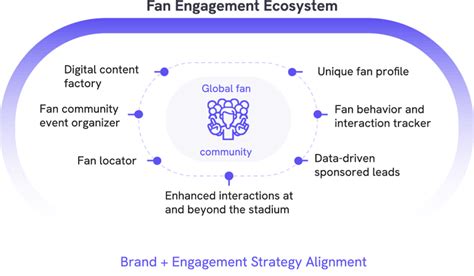
Another challenge is the **aging fan base** and the need to attract younger audiences. Unlike the Premier League, which has successfully marketed itself as a global entertainment brand, Serie A has struggled to connect with younger, digitally native fans. The league’s social media presence, while improving, lags behind its competitors. Clubs must invest in creating engaging content tailored to platforms like TikTok, Instagram, and YouTube, while also leveraging technologies like augmented reality and virtual reality to enhance the fan experience. Initiatives such as offering exclusive behind-the-scenes access or interactive matchday features could help cultivate a new generation of supporters.
The **rise of women’s soccer** also presents an opportunity for Italian clubs. While the women’s game is still in its nascent stages in Italy compared to countries like the United States or England, there is growing interest and investment. Clubs like Juventus and AC Milan have established women’s teams, and their success could pave the way for broader acceptance and commercialization of women’s soccer in Italy. This not only diversifies the sport but also opens new revenue streams and audience segments.
Looking ahead, the **prospect of a European Super League** looms as both an opportunity and a threat. While Italian clubs were among the initial proponents of this concept, its controversial nature and public backlash have left its future uncertain. If such a league materializes, it could provide Italian teams with greater financial resources and global exposure. However, it could also widen the gap between elite clubs and the rest of Serie A, potentially destabilizing the domestic league. Italian soccer must carefully navigate this landscape, ensuring that any reforms or new competitions align with the long-term health of the sport in the country.
In terms of **youth development**, Italy has a rich history of producing world-class talent, from Paolo Maldini to Francesco Totti. However, the focus on immediate results often leads clubs to prioritize signing established players over nurturing homegrown talent. Initiatives like the “quota system” for Italian players in Serie A squads are steps in the right direction, but sustained investment in academies and grassroots programs is essential. Clubs that prioritize youth development, such as Atalanta, are likely to reap long-term benefits, both competitively and financially.
In conclusion, Italian soccer clubs are at a crossroads. While they possess a rich history, passionate fan bases, and a tradition of tactical innovation, they must address systemic challenges related to financial sustainability, infrastructure, and global competitiveness. The future prospects of Italian soccer hinge on their ability to modernize, embrace innovation, and foster a more equitable and dynamic league structure. If clubs can navigate these challenges with foresight and collaboration, the next decade could see Serie A reclaim its status as one of the most exciting and influential leagues in world football.