Introduction to Goal of the Month
The Goal of the Month award in the Premier League is a celebrated recognition that spotlights the artistry, skill, and drama encapsulated in the beautiful game. Introduced as a way to honor exceptional goals scored during a calendar month, this award not only serves as a platform to showcase individual brilliance but also reinforces the league's identity as a global stage for footballing excellence. Unlike other accolades like Player of the Month or Manager of the Month, the Goal of the Month award specifically focuses on a singular, often breathtaking moment that resonates with fans, players, and analysts alike. Its purpose extends beyond mere acknowledgment—it serves as a narrative tool, weaving together the stories of matches, players, and the emotional undercurrents of the league itself.
At its core, the Goal of the Month is a democratic award. Fans play a significant role in its selection process, often voting for their favorite strikes from a shortlist compiled by the Premier League's panel of experts. This participatory element underscores the award's purpose of engaging the audience. It transforms the act of watching football from passive observation into active involvement, as supporters debate and campaign for the goal that captivated them most. Whether it's a long-range screamer, a deft chip over the goalkeeper, or a team-built masterpiece finished with finesse, each nominated goal represents a microcosm of what makes the Premier League so compelling—its unpredictability, its diversity of styles, and its capacity to produce moments of sheer magic.
The award also serves a strategic purpose for the Premier League as a brand. In an era where digital engagement and content consumption are pivotal to audience retention, the Goal of the Month provides a ready-made vehicle for storytelling. Each month, the league's official channels release highlight reels of the shortlisted goals, accompanied by commentary, analysis, and fan reactions. These videos are not just about the goals themselves but about the context in which they were scored—the stakes of the match, the player's journey, or even the rivalry between teams. This storytelling approach helps the Premier League maintain its status as a content-rich league, one that thrives on its ability to create and sustain interest beyond the 90 minutes of a game.
From a player perspective, the Goal of the Month award can be both a personal milestone and a career highlight. For younger players or those new to the league, being nominated or winning this award can serve as a confidence booster and a marker of their arrival on the big stage. For established stars, it adds another feather to their cap, often reinforcing their status as entertainers and game-changers. Consider, for instance, how a thunderous volley or an audacious backheel goal can elevate a player's reputation not just within their team but across the league and even globally. This is particularly significant in the Premier League, where the competition for recognition is fierce. With so many world-class players vying for attention, a Goal of the Month win can be a differentiator, helping players stand out in a crowded field.
The award also has a cultural dimension within the Premier League's ecosystem. Goals, as the most celebrated aspect of football, are inherently tied to the emotional fabric of the sport. A stunning goal can lift the spirits of a team and its fans, turning a dire situation into one of hope or sealing a victory with an exclamation point. By spotlighting these moments, the Goal of the Month award reinforces the idea that football is as much about the spectacle as it is about results. This is particularly important in the Premier League, where the global audience expects not just competitive matches but also moments of individual and collective brilliance. In this sense, the award helps maintain the league's reputation as a purveyor of high-quality, entertaining football.
Another layer to the purpose of the Goal of the Month award is its role in promoting inclusivity and diversity within the league. Goals can come from any player, regardless of their position, nationality, or experience level. A goalkeeper scoring a last-minute header, a defender unleashing a rocket from 30 yards, or a young academy graduate announcing themselves with a wonder strike—these are all possibilities. This inclusivity reflects the Premier League's ethos of being a league where anything can happen. It also provides a platform for lesser-known players or teams to gain recognition, ensuring that the spotlight is not solely dominated by the traditional "big six" clubs. This dynamic creates a sense of balance, where even teams battling relegation or mid-table obscurity can have their moments of glory celebrated on a national and international stage.
From a historical perspective, the Goal of the Month award has evolved alongside the Premier League itself. In the early years of the league, goals were often celebrated through traditional media like match-of-the-day compilations or newspaper features. However, with the advent of social media and digital platforms, the award has taken on a more interactive and immediate nature. Fans can now watch, share, and vote for goals in real time, amplifying the award's reach and impact. This evolution also reflects the changing nature of football consumption, where the lines between live action and digital engagement are increasingly blurred. The Premier League has leveraged this shift effectively, using the Goal of the Month as a tool to remain relevant in an ever-competitive sports media landscape.
It is also worth considering the psychological impact of the award on players and teams. Being nominated for or winning the Goal of the Month can serve as a morale boost, particularly during challenging periods of the season. For instance, a struggling team might find solace in having one of their goals recognized, even if their overall form is lacking. Similarly, for players, the award can act as a form of validation, particularly for those who might not consistently make headlines for their overall performances but can still leave an indelible mark with a single moment of brilliance. This aspect of the award humanizes the league, reminding fans and players alike that football is as much about the joy of individual expression as it is about collective success.
The Goal of the Month also has an educational component. By highlighting a variety of goal-scoring techniques—be it a volley, a header, a team-orchestrated move, or an individual solo effort—the award implicitly teaches fans and aspiring players about the nuances of the game. Analysts and pundits often use these goals as case studies to dissect tactics, technique, and decision-making. This educational aspect is subtle but significant, as it helps foster a deeper appreciation for the technical and tactical intricacies of football among the audience.
In summary, the Goal of the Month award is not just a celebration of individual brilliance but a multifaceted initiative that serves the Premier League in numerous ways. It engages fans, promotes the league's brand, supports players' careers, and enriches the cultural and educational fabric of football. By focusing on these exceptional moments, the award encapsulates the Premier League's essence—a league where skill, drama, and emotion converge to create unforgettable memories.
History and Origins of the Award
The **Goal of the Month** award in the Premier League is a celebrated tradition that honors the most spectacular and skillful goals scored during a given month. While it may seem like a modern feature designed to engage fans and showcase the league's flair, its roots are tied to the broader history of football highlights and the evolving media landscape. This section explores the origins of the award and its transformation over time, shedding light on how it became a staple of Premier League culture.
The concept of celebrating individual goals as a separate entity from match results can be traced back to the early days of televised football. In the 1960s and 1970s, when football broadcasting was still in its infancy, highlight reels were a novelty. Broadcasters like the BBC and ITV began producing programs such as **Match of the Day** (launched in 1964), which condensed the day's action into digestible segments for viewers. These shows often featured a "goal montage," where the best strikes of the week were compiled and shown in sequence. However, the idea of singling out a "goal of the month" as a formal award did not yet exist—it was more about showcasing goals as part of the overall narrative of the game rather than elevating specific moments to standalone accolades.
The formal introduction of the **Goal of the Month** award came later, in the 1970s and 1980s, as football began to embrace a more fan-focused and entertainment-driven approach. This shift was influenced by several factors. First, the increasing commercialization of the sport meant that leagues and broadcasters were looking for ways to engage audiences beyond the 90 minutes of play. Second, advancements in video technology allowed for higher-quality replays and slow-motion analysis, making it easier to appreciate the technical brilliance of a goal. Finally, the growing popularity of end-of-season awards, such as Player of the Year or Goal of the Season, created a natural opportunity to expand recognition to shorter timeframes like monthly highlights.
The BBC’s **Match of the Day** is credited with pioneering the **Goal of the Month** concept as a recurring feature. Introduced in the mid-to-late 1980s, this segment allowed viewers to vote for their favorite goal from a curated selection of the best strikes from that month. The format was simple yet effective: a compilation of goals was shown, often accompanied by commentary emphasizing the skill, technique, and context of each strike. This not only added a layer of interactivity for fans but also reinforced the idea that goals could be appreciated as individual works of art rather than just means to win matches. The award quickly gained traction, becoming a highlight of the program and a point of pride for players and clubs.
In its early iterations, the **Goal of the Month** award was heavily influenced by the aesthetic appeal of the goals. Long-range screamers, intricate team moves, and moments of individual brilliance were often favored. This was partly due to the visual nature of the award—television audiences were drawn to goals that looked impressive in replays. However, as the award evolved, other factors began to play a role. For instance, the context of the goal—such as its importance in a match, the skill level of the opponent, or the narrative surrounding the player—started to influence selections. This added depth to the award, making it not just about the visual spectacle but also about the story behind the goal.
The Premier League’s formation in 1992 marked a new era for the **Goal of the Month** award. With the league’s establishment as a standalone entity, there was a concerted effort to brand and market the competition as the most exciting and high-quality football league in the world. This included an emphasis on individual moments of brilliance, and the **Goal of the Month** segment became a key part of this strategy. The Premier League partnered with broadcasters like Sky Sports, which had exclusive rights to televise matches, to promote the award. Sky Sports enhanced the presentation of the award by incorporating advanced graphics, player interviews, and fan voting mechanisms through emerging digital platforms. This period also saw a diversification in the types of goals celebrated—from mazy dribbles by players like **Ryan Giggs** to thunderous volleys by the likes of **Paul Scholes**.
Over time, the award has adapted to changes in media consumption. The rise of social media in the 2000s and 2010s transformed how goals were shared and discussed. Platforms like YouTube, Twitter, and Instagram allowed fans to watch and debate goals in real time, often creating viral moments before official announcements were made. This democratization of content meant that the **Goal of the Month** award had to compete with user-generated content and unofficial "best goal" compilations. To stay relevant, the Premier League and its partners began incorporating digital voting systems, allowing fans to participate directly through apps and websites. This not only increased engagement but also ensured that the award reflected the preferences of a global audience rather than just a domestic one.
Another significant evolution has been the inclusion of goals from a broader range of players and scenarios. While early iterations of the award often focused on goals scored by high-profile players or in high-stakes matches, the modern **Goal of the Month** award has embraced inclusivity. Goals from lower-profile players, wonder strikes in less prominent fixtures, and even goals from younger or less experienced players have been recognized. This shift reflects a broader trend in football to celebrate the sport’s diversity and unpredictability.
The award has also been influenced by changes in playing styles and tactical approaches within the Premier League. For example, the rise of possession-based football and the prominence of creative midfielders in the 2000s led to an increase in team goals featuring intricate passing sequences. Conversely, the physical and direct style of play in earlier decades often produced more individualistic goals. These shifts in style are reflected in the types of goals that win the award each month, offering a fascinating lens through which to view the evolution of the league itself.
Today, the **Goal of the Month** award is more than just a highlight reel feature—it is a symbol of the Premier League’s identity as a league that values entertainment, skill, and fan engagement. It serves as a bridge between the players, the clubs, and the global fanbase. The award has also inspired similar initiatives in other leagues around the world, showcasing its influence beyond the Premier League. Furthermore, it remains a point of nostalgia for long-time fans who can recall iconic winners like **David Beckham’s halfway-line goal** against Wimbledon in 1996 or **Wayne Rooney’s overhead kick** in the Manchester derby.
In summary, the **Goal of the Month** award has come a long way from its informal roots in televised football highlight reels. It has grown from a simple compilation of impressive strikes into a multi-faceted feature that reflects the Premier League’s evolution as a global entertainment product. Its history is not just about the goals themselves but about how the league has used this award to connect with fans, celebrate the artistry of the sport, and adapt to changing media landscapes. As the Premier League continues to innovate, the **Goal of the Month** will undoubtedly remain a cherished tradition, rooted in history but always looking forward.
- The award originated as an extension of televised football highlight reels in the 1980s.
- Its formalization coincided with the commercialization of football and advancements in video technology.
- The Premier League era brought increased branding, fan participation, and diversification of recognized goals.
- Social media and digital platforms have further transformed how the award is presented and consumed.
This blend of history, technology, and fan culture ensures that the **Goal of the Month** award remains not just a celebration of footballing brilliance but also a testament to the Premier League's enduring appeal.
Selection Criteria for Goal of the Month
The selection of the "Goal of the Month" in the Premier League is a process that combines **objective analysis**, **subjective judgment**, and **fan engagement** to highlight the most spectacular and memorable goals scored during a given month. This award is not merely a celebration of aesthetic brilliance but also a recognition of technical skill, match context, and the broader narrative surrounding the goal. Below, we delve into the detailed process and criteria that guide this selection.
The first step in the process is **goal aggregation**. Every goal scored in Premier League matches during the month is cataloged by the league's official media team. This includes goals from all 20 clubs, regardless of their position in the table or the significance of the match. The aggregation ensures that even goals scored in less high-profile matches or by less prominent players are considered. This step is critical because it upholds the principle of inclusivity, ensuring that no potentially award-worthy goal is overlooked simply because it occurred in a less-watched fixture or involved a less famous player.
Once all goals are aggregated, a **preliminary shortlist** is created. This shortlist is typically generated by a panel of experts, which includes former players, coaches, and analysts. These individuals assess goals based on several key **technical and aesthetic criteria**:
- Technical Execution: This refers to the skill and precision involved in scoring the goal. A goal that demonstrates exceptional ball control, a perfectly timed volley, a long-range strike with pinpoint accuracy, or a complex sequence of dribbling past multiple defenders is likely to stand out. For instance, a goal like Papiss Cissé's curved strike against Chelsea in 2012 exemplifies this criterion due to its sheer improbability and technical brilliance.
- Aesthetic Appeal: Some goals are chosen for their sheer beauty. This might include a **bicycle kick**, a **long-range curler**, or a **team goal** involving a series of intricate passes. Aesthetic appeal often overlaps with technical execution but focuses more on how visually stunning the goal appears to viewers. A recent example is Mohamed Salah's solo run and finish against Manchester City in 2021, which combined individual brilliance with an almost balletic quality in its execution.
- Context and Importance: While not always a decisive factor, the context of the goal can play a role. A last-minute winner in a tightly contested match or a goal that secures a historic result (such as a victory against a top-six rival) may receive extra consideration. For example, Sergio Agüero's injury-time goal against QPR in 2012 to win Manchester City the title, while not a "Goal of the Month," illustrates how context can elevate a goal's perceived value.
- Uniqueness and Rarity: Goals that are statistically or situationally rare are often given special attention. This might include goals scored from beyond the halfway line, like David Beckham’s iconic strike for Manchester United in 1996, or improbable backheel goals. These moments stand out because they are not replicable with regularity.
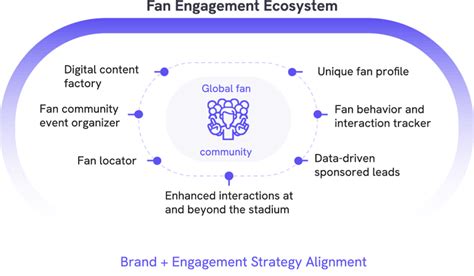
After the shortlist is created, **fan voting** becomes a critical component of the selection process. The Premier League actively involves its global fanbase by allowing them to vote for their favorite goal from the shortlist via the official website or app. This element of fan engagement serves multiple purposes: it democratizes the process, increases fan interaction with the league, and often highlights goals that resonate emotionally with supporters. For instance, a goal scored by a young academy graduate or a cult-favorite player might garner disproportionate fan support, even if it is not the most technically impressive.
However, fan voting is not the sole determinant. The **expert panel’s input** serves as a counterbalance to ensure that the award is not solely driven by popularity but also by merit. The panel reviews the fan-voted top choices and applies a more **granular evaluation** of the goals based on additional factors, such as:
- Opposition Difficulty: A goal scored against a top-tier defense or a goalkeeper in exceptional form might be weighted more heavily. For example, scoring a solo goal against a team like Liverpool or Manchester City, known for their defensive organization, carries more weight than scoring against a relegation-battling side with a weaker backline.
- Individual vs. Team Effort: While solo goals often steal the spotlight, the panel also considers **team goals** that involve a high degree of coordination and passing. A goal resulting from a 20-pass sequence, culminating in a clinical finish, is often seen as a testament to collective brilliance rather than individual showmanship. A classic example is Arsenal's team goal finished by Jack Wilshere in 2013, which is often cited as one of the best team goals in Premier League history.
- Player Reputation and Narrative: While this is not an explicit criterion, the narrative surrounding a player can subtly influence selection. A goal scored by a player returning from injury, a debutant, or a veteran in the twilight of their career might resonate more with both fans and experts. This human element adds depth to the selection process, as it acknowledges the story behind the goal.
The interplay between fan votes and expert analysis creates a **hybrid model** for selection, which ensures that the "Goal of the Month" is both a reflection of public opinion and a recognition of footballing excellence. This balance is particularly important in maintaining the award's credibility. For instance, if fan voting were the sole determinant, there might be a risk of goals with high social media virality—due to a spectacular camera angle or an emotional backstory—winning over technically superior goals.
Another layer of the process involves **media and broadcasting considerations**. Goals that are captured with exceptional camera work or have a compelling replay angle often gain an edge in visibility. Broadcasters play a significant role in shaping how goals are perceived by the public, as their highlight reels and commentary can frame a goal as iconic even before the voting process begins. This is not a formal criterion but is an **indirect influence** on how certain goals gain traction in the public consciousness.
Finally, the Premier League also considers the **diversity of representation** in the shortlist. This means ensuring that goals from different types of players—forwards, midfielders, defenders, and even goalkeepers—are included. While forwards naturally score more goals, a defender’s rare header or a goalkeeper’s audacious lob (like Asmir Begović's goal for Stoke City in 2013) is given due consideration to reflect the variety of ways goals can be scored in the modern game.
The selection process for the "Goal of the Month" is therefore a **multi-faceted operation** that combines technical rigor, emotional resonance, and public participation. It is not merely about crowning the "best" goal in a vacuum but about capturing the essence of what makes football exciting and unpredictable. By blending expert analysis, fan input, and contextual factors, the Premier League ensures that this award remains a **dynamic and inclusive celebration** of the artistry and drama inherent in the beautiful game.
Notable Winners and Iconic Goals
The Premier League's "Goal of the Month" award has been a platform to celebrate the artistry, precision, and sheer brilliance of football. Since its inception, this accolade has highlighted some of the most breathtaking moments that encapsulate the essence of the game. From thunderous volleys to intricate team plays, the winners of this award have often etched their names into footballing folklore. This section delves into some of the most memorable Goal of the Month winners and the iconic goals they scored, emphasizing the unique qualities that made these moments stand out.
One of the earliest and most celebrated winners of the award is **David Beckham**, whose goal against Wimbledon in August 1996 remains a touchstone for long-range brilliance. Scored from inside his own half, Beckham’s audacious chip over goalkeeper Neil Sullivan was not just a display of technical skill but also a statement of confidence and vision. This goal symbolized the emergence of a young talent who would go on to define an era of set-piece mastery and global stardom. The goal’s placement in the annals of Goal of the Month history is significant because it was one of the first to truly capture the imagination of fans and pundits alike, blending technique with an almost rebellious creativity.
Moving into the early 2000s, **Wayne Rooney** provided one of the most iconic Goal of the Month winners with his debut goal for Everton against Arsenal in October 2002. At just 16 years old, Rooney announced himself to the world with a thunderous strike from 30 yards out that ended Arsenal's 30-match unbeaten run. The goal was not just about its technical execution but also its context—a young, relatively unknown player taking on one of the league’s most dominant teams. This goal encapsulated the unpredictability and drama of the Premier League, where a single moment of individual brilliance can shift the narrative of an entire match. Rooney’s goal is often cited as one of the most impactful debuts in the league’s history, and its selection as Goal of the Month underscored its immediate cultural significance.
The mid-2000s saw **Cristiano Ronaldo** claim multiple Goal of the Month awards, but one that stands out is his free-kick against Portsmouth in January 2008. Ronaldo’s knuckleball technique—a combination of power, spin, and unpredictability—redefined how free-kicks were approached in the modern game. The ball seemed to swerve and dip in ways that left both spectators and the goalkeeper bewildered. This goal was emblematic of Ronaldo’s evolution from a talented winger into a complete forward capable of producing magic from set pieces. What made this goal particularly memorable was its role in a season where Ronaldo would go on to score 42 goals across all competitions, solidifying his status as one of the world’s best players. The technical innovation of this strike set a benchmark for future free-kick takers in the league.
In the 2010s, the award began to reflect the growing diversity of goal-scoring styles in the Premier League. **Papiss Cissé’s** outrageous goal for Newcastle United against Chelsea in April 2012 is a prime example. Cissé’s left-footed strike from an almost impossible angle near the touchline seemed to defy physics, curving away from the goalkeeper and into the far corner. This goal was not just about its aesthetic appeal but also its sheer improbability. Analysts and fans alike debated whether it was a stroke of luck or a calculated effort, but what was undeniable was its place among the most jaw-dropping goals in the league’s history. Cissé’s strike served as a reminder that Goal of the Month winners are not always the product of established superstars; sometimes, they come from moments of individual genius by players who seize their moment in the spotlight.
Another iconic winner from this era is **Eden Hazard’s** solo goal for Chelsea against Arsenal in February 2017. Picking up the ball in his own half, Hazard dribbled past multiple defenders with a combination of speed, close control, and balance before slotting the ball past the goalkeeper. This goal was a masterclass in individual skill and showcased Hazard’s ability to take on and dismantle an entire defensive line. It also highlighted the growing emphasis on dynamic, dribble-heavy play in the modern Premier League, where players like Hazard could turn a routine counter-attack into a work of art. This goal resonated because it was not just about the finish but the journey—a sequence of moments that left defenders grasping at air and fans on their feet.
The 2020s have continued to deliver exceptional Goal of the Month winners, with **Mohamed Salah’s** strike against Manchester City in October 2021 standing out as a modern masterpiece. Salah collected the ball on the right flank, evaded multiple challenges with quick feints and turns, and then curled a left-footed shot into the far corner from a tight angle. This goal was a microcosm of Salah’s impact on the league—a blend of technical skill, physical endurance, and match-winning mentality. What made this goal particularly significant was its timing; scored in a high-stakes match against a title rival, it exemplified how Goal of the Month winners often come in moments of high drama, elevating both the player and the team.
It is also worth noting how **team goals** have increasingly featured among the winners. A prime example is **Arsenal’s team goal finished by Jack Wilshere** against Norwich City in October 2013. This goal involved a series of one-touch passes, intricate movement, and impeccable timing, culminating in Wilshere’s close-range finish. Such goals highlight the collective brilliance of a team and the tactical sophistication required to execute such plays. This goal was celebrated not just for its aesthetic beauty but also for its representation of Arsenal’s philosophy under Arsène Wenger—a commitment to attractive, possession-based football.
The diversity of Goal of the Month winners also reflects the evolving nature of the Premier League itself. From **long-range rockets** to **team-orchestrated masterpieces**, the award has adapted to showcase the league’s breadth of talent and styles. For instance, **Son Heung-min’s** solo run against Burnley in December 2019 exemplifies this evolution. Picking up the ball near his own penalty area, Son dribbled past several players over a 70-yard distance before finishing with composure. This goal was a blend of athleticism, technique, and determination, symbolizing the global appeal of the Premier League where players from diverse backgrounds can shine.
Looking back at these goals, it is clear that the Goal of the Month award is more than just a monthly highlight reel. It serves as a chronicle of the league’s evolution, capturing shifts in playing styles, the emergence of new talents, and the enduring appeal of moments that defy expectation. These goals are not just about the players who scored them but also about the stories they tell—of underdogs rising, records being broken, and the unrelenting pursuit of excellence on the pitch.
- Beckham’s audacity redefined what was possible from distance.
- Rooney’s debut strike symbolized the league’s unpredictability.
- Ronaldo’s free-kick showcased technical innovation.
- Cissé’s physics-defying effort underlined the element of surprise.
- Hazard’s solo run epitomized individual brilliance.
- Salah’s goal against City demonstrated match-winning impact.
- Wilshere’s team goal highlighted collective artistry.
- Son’s solo effort captured the global nature of the league.
In summary, the Goal of the Month award is a microcosm of what makes the Premier League so captivating—its ability to produce moments of unscripted brilliance that linger in the memory long after the final whistle. These goals, and the players who scored them, are not just winners of an award; they are custodians of moments that define eras, teams, and the very spirit of competition in one of the world’s most watched football leagues.
The Role of Fans in Voting
Fan participation in the voting process for the Premier League's Goal of the Month award is a dynamic and integral aspect of how this accolade is determined. Unlike traditional awards where decisions are made solely by expert panels or governing bodies, the inclusion of fan voting introduces a layer of democratization that not only engages supporters but also shapes the narrative around the award. This section will explore the mechanisms of fan voting, its impact on the outcome, and the broader implications for fan-player relationships and league engagement.
The structure of fan voting in the Premier League's Goal of the Month process typically involves an online platform where supporters are presented with a shortlist of goals scored during the month. These goals are curated by the Premier League, often with input from broadcasters or analysts, to ensure a diverse representation of skill, creativity, and significance. Fans are then invited to cast their vote for their favorite goal. While this may seem straightforward, the act of voting is underpinned by several psychological and social factors that influence the final outcome.
One of the most evident ways fan voting impacts the award is through popularity dynamics. Goals scored by players from clubs with larger fan bases often have a statistical advantage. For instance, a stunning goal by a Manchester United or Liverpool player is likely to garner more votes simply because these clubs boast millions of global supporters who are highly active on social media and online platforms. This phenomenon is not unique to football—it mirrors patterns seen in other fan-voted awards across sports and entertainment. However, in the context of the Premier League, it can create a scenario where the "best" goal (as judged by technical brilliance or uniqueness) is not necessarily the one that wins. Instead, the award can become a reflection of fan loyalty and reach rather than the isolated merit of the goal itself. This dynamic raises questions about whether the award truly represents the "best" goal or the most widely supported one.
Another critical factor is the role of social media amplification. In the modern digital era, clubs and players actively campaign for votes on platforms like Twitter, Instagram, and TikTok. A club might post a highlight reel of their player's goal with a call-to-action encouraging fans to vote. Players themselves might share the voting link with personal messages, further driving engagement. This strategy not only increases the visibility of the goal but also creates a sense of community and urgency among fans. The result is a feedback loop where the more a goal is promoted, the more likely it is to receive votes, regardless of its objective quality. Social media campaigns can turn a relatively unknown player's goal into a contender simply because their club or supporters rally behind them effectively. This aspect of fan voting underscores the importance of digital presence and fan engagement strategies in modern football.
However, fan voting is not solely about numbers or club affiliations. There is also an element of emotional resonance that plays a significant role. Fans often vote for goals that hold personal meaning or align with a broader narrative. For example, a goal scored by a young debutant, a player returning from injury, or a team fighting relegation might attract votes because it symbolizes hope, perseverance, or underdog spirit. These emotional connections can sometimes outweigh the technical brilliance of a goal. For instance, a less flashy but contextually significant goal—such as a last-minute equalizer in a high-stakes match—might win over a technically superior strike in a less dramatic setting. This demonstrates that fan voting is not purely objective but is influenced by the stories and emotions tied to the goals.
The democratic nature of fan voting also has its drawbacks. One potential issue is the risk of vote manipulation or "botting." In some cases, individuals or groups might attempt to skew the results by using automated systems to cast multiple votes. While the Premier League has measures in place to detect and prevent such practices, the possibility of external interference can undermine the integrity of the award. Additionally, the sheer volume of votes can sometimes dilute the impact of individual choices. When millions of fans participate, the outcome may feel less like a curated celebration of skill and more like a popularity contest driven by sheer numbers. This can lead to debates among football purists who argue that expert panels might better assess the technical and strategic merits of a goal.
On the other hand, fan voting fosters a deeper connection between supporters and the league. By giving fans a direct say in the outcome of the Goal of the Month award, the Premier League reinforces the idea that football is a sport for the people. This participatory element can enhance fan loyalty and engagement, as supporters feel their voices matter in the broader football ecosystem. It also provides an opportunity for lesser-known players or clubs to gain recognition. A brilliantly executed goal by a player from a mid-table or lower-ranked team might not win based on fan base size alone, but the act of being shortlisted and promoted can elevate their profile and bring attention to their performance. This inclusivity is a positive outcome of fan voting, as it ensures that the award is not solely dominated by the league's most prominent clubs.
From a marketing perspective, fan voting is a strategic tool for the Premier League to maintain high levels of engagement throughout the season. Each voting cycle generates buzz, encourages fans to revisit match highlights, and drives traffic to the league's digital properties. This engagement is not limited to the act of voting itself—it often spills over into discussions, debates, and content creation on social media. Fans share their opinions, create compilations of the shortlisted goals, and even argue about perceived snubs or biases in the selection process. This organic engagement is invaluable for the league, as it keeps the conversation around football alive even in periods when no matches are being played.
There is also a psychological aspect to consider. Fans who participate in voting often feel a sense of ownership over the award. When their chosen goal wins, they experience a form of validation for their support and taste. This can deepen their emotional investment in the league and its players. Conversely, when their preferred goal does not win, it can spark discussions about fairness, bias, and the role of popularity in sports awards. These debates, while sometimes contentious, are a testament to the passion and involvement of football fans, further solidifying the Premier League's status as a globally engaged and discussed competition.
In summary, fan participation in voting for the Goal of the Month award is a double-edged sword. It democratizes the process, giving supporters a voice and creating a sense of inclusivity and engagement. However, it also introduces biases related to club size, social media influence, and emotional narratives. While the award may not always crown the "best" goal in a purely technical sense, it reflects the collective preferences and passions of the fan base. This balance between objectivity and subjectivity is what makes fan voting both a compelling and controversial element of the award. Ultimately, the role of fans in this process highlights the evolving relationship between football as a sport and its audience, emphasizing how modern technology and participatory culture have reshaped the way achievements are celebrated and remembered.
Impact on Player Careers and Team Performance
The 'Goal of the Month' award in the Premier League is more than just a ceremonial accolade; it has tangible implications for both individual players and their teams. While it may seem like a recognition of a single moment of brilliance, the award often serves as a springboard for greater achievements, shaping player trajectories and influencing team dynamics in ways that extend beyond the immediate spotlight.

For a player, receiving the 'Goal of the Month' award can be a career-defining moment, particularly for those who are not regularly in the limelight. This is especially true for players in less glamorous roles, such as defensive midfielders or fullbacks, who may not often find themselves in goal-scoring positions. When such a player scores a spectacular goal that earns this recognition, it can redefine how they are perceived by fans, coaches, and even potential future employers. For instance, a fullback like Trent Alexander-Arnold, known primarily for his playmaking abilities, scoring a long-range screamer that wins the award reinforces his reputation as a versatile and dynamic player. This can lead to increased confidence, which in turn can elevate a player’s performance over subsequent matches.
The psychological impact of winning this award should not be underestimated. Players in the Premier League operate in an environment of immense pressure, where every touch, pass, and shot is scrutinized. Being recognized for an exceptional goal can provide a psychological boost, especially for younger or less experienced players. For example, a young forward like Gabriel Martinelli receiving the award early in his career not only validates his potential but also emboldens him to take more risks in future games. This can result in a player attempting more ambitious plays, which might lead to further goal-scoring opportunities or even a run of form that benefits the team as a whole.
From a team perspective, the award can have a ripple effect on morale and cohesion. When a player from a team wins the 'Goal of the Month,' it often becomes a shared celebration among teammates. This is particularly evident in teams with strong internal camaraderie, such as Liverpool or Manchester City, where players are quick to congratulate the award winner during training or on social media. This shared joy can foster a sense of unity, reinforcing the idea that individual brilliance contributes to collective success. Managers often use such moments to emphasize the importance of teamwork, pointing out how a well-executed team play—such as a series of passes leading up to the award-winning goal—was instrumental in creating the opportunity.
Moreover, the award can influence tactical strategies within a team. A player who has recently been recognized for an extraordinary goal might be given more freedom to express themselves on the pitch. Coaches might encourage them to take on more creative roles, knowing that their confidence is at a high. For example, if a winger like Wilfried Zaha wins the award for a solo effort that involves dribbling past multiple defenders, the coaching staff might design plays that allow him to exploit similar situations in future matches. This can lead to a subtle shift in how the team approaches its attacking strategy, potentially unlocking new dimensions of their gameplay.
The award also has implications for player market value and transfer prospects. In the modern game, where social media and highlight reels play a significant role in player branding, a 'Goal of the Month' winner often sees their stock rise. Agents and clubs are acutely aware of how such moments can be packaged and marketed to fans and potential suitors. A spectacular volley or a long-range effort that goes viral can make a player more attractive to clubs in higher-profile leagues or even lead to contract extensions with their current team. For instance, when Danny Ings won the award for a stunning overhead kick during his time at Southampton, it not only bolstered his reputation as a clinical finisher but also increased interest from top-tier clubs, eventually leading to a high-profile move.
However, the award is not without its potential challenges. For some players, the sudden attention can create pressure to consistently replicate such moments of brilliance. This is particularly true for players in smaller teams, where resources and support systems might not be as robust as those in bigger clubs. A player who wins the award might feel compelled to shoulder a disproportionate share of the team’s attacking burden, which can lead to fatigue or even a dip in form if they are unable to meet heightened expectations. Managers must be careful to manage these players’ workload and mental health to ensure that the recognition serves as a motivator rather than a burden.
Another interesting aspect is how the award can contribute to fan engagement and branding. Clubs often use the 'Goal of the Month' recognition as a marketing tool to enhance their digital presence. Highlighting the award-winning goal through videos, interviews, and social media posts not only celebrates the player but also strengthens the club’s connection with its fanbase. This is particularly important for teams that might not consistently win trophies but can still create memorable moments through individual brilliance. For example, when Crystal Palace fans celebrate a 'Goal of the Month' winner like Eberechi Eze, it reinforces their pride in supporting a team that can produce moments of magic despite not being perennial title contenders.
From a long-term career trajectory standpoint, the award can serve as a milestone in a player’s journey. For many, it becomes a part of their personal narrative, something they reference in interviews or autobiographies. This is particularly true for players who go on to achieve greater things, such as winning the PFA Player of the Year or securing a move to a top European club. The 'Goal of the Month' award often becomes a symbol of their early promise or a turning point in their career. For instance, when Mohamed Salah consistently produced award-winning goals during his first season at Liverpool, it was not just a reflection of his individual brilliance but also a harbinger of the pivotal role he would play in the team’s future successes.
Finally, the award can have a subtle impact on team strategy in the broader context of the season. When a team has multiple players nominated for or winning the award, it often signals a period of attacking fluency and confidence. Managers can use this momentum to push for higher league positions or cup runs. For example, during Leicester City’s title-winning season in 2015-16, several of their players were nominated for similar individual awards, which reflected their cohesive and high-performing attack. The recognition of these moments can serve as a psychological marker for the team, reminding them of their capability to achieve greatness when they play with confidence and ambition.
In conclusion, the 'Goal of the Month' award in the Premier League is far more than a token of appreciation for a well-taken goal. It has the potential to reshape player careers, influence team morale, and even impact tactical approaches. Whether it serves as a confidence booster for an emerging talent, a marketing tool for clubs, or a symbol of a team’s attacking prowess, the award holds a unique place in the fabric of the league. Its influence extends beyond the immediate glow of recognition, embedding itself in the narratives of players, teams, and seasons.
Comparison with Other Football Awards
The Goal of the Month award in the Premier League is a unique honor that celebrates individual brilliance in a specific timeframe—one month. While it shares similarities with other football accolades like Goal of the Season or Player of the Month, it occupies a distinct niche in the ecosystem of football awards. To fully appreciate its significance, it is essential to analyze how it compares to these other recognitions in terms of criteria, impact, and audience perception.
Criteria for Selection
The Goal of the Month award is inherently tied to a short-term focus. Unlike the Goal of the Season, which evaluates a full campaign’s worth of spectacular goals, the Month award narrows the scope to goals scored within a 30-day period. This creates a more immediate and dynamic competition. For instance, a player might score an aesthetically stunning goal in the first game of the month and another equally impressive one in the last. Both are eligible for the monthly award, but only one can win. This temporal constraint often leads to heated debates among fans and analysts about whether recency bias or sheer quality determines the outcome. In contrast, the Goal of the Season is judged with the benefit of hindsight, allowing for a more comprehensive assessment of how a goal fits into the broader narrative of a season. A late-season goal that secures a title or prevents relegation often carries emotional weight that can overshadow technically superior strikes from earlier months.
On the other hand, the Player of the Month award operates on a completely different axis. While the Goal of the Month focuses exclusively on a single action—scoring a goal—the Player of the Month considers a range of contributions, including assists, defensive work, leadership, and overall impact on team performance. A midfielder who controls the tempo of games or a defender who shuts down prolific attackers might win Player of the Month without ever scoring a goal. This makes the Goal of the Month a more specialized recognition, highlighting the artistry of goal-scoring rather than holistic performance. However, this specialization can sometimes lead to an interesting overlap. A player who scores multiple high-quality goals in a month might also be in contention for Player of the Month, as their goals are likely to have had a significant impact on their team’s success. This dual eligibility underscores how the Goal of the Month can be a stepping stone to broader recognition.
Impact on Player Legacies
While the Goal of the Month award is a monthly honor, its cumulative effect on a player’s legacy can be profound. A player who consistently wins this award across multiple months in a season might build a reputation as a goal-scoring phenom. For example, a forward like Mohamed Salah or Sergio Agüero, who has won multiple Goal of the Month awards, uses these accolades to reinforce their status as elite finishers. However, the Goal of the Season tends to have a more enduring impact on a player’s legacy. A Goal of the Season winner is often remembered for years, as it represents the pinnacle of individual skill within a given campaign. Think of goals like Wayne Rooney’s overhead kick against Manchester City or Papiss Cissé’s physics-defying strike for Newcastle—these are etched into football folklore. In this sense, the Goal of the Month serves as a potential stepping stone to the Season award, but it does not carry the same weight in the long-term narrative of a player’s career.
The Player of the Month, by contrast, often signifies a more balanced contribution to team success. Winning this award multiple times in a season can elevate a player’s profile as a team leader or a game-changer. For instance, players like Kevin De Bruyne or Virgil van Dijk have used Player of the Month awards to solidify their reputations as some of the best in their positions. However, the Goal of the Month can sometimes outshine the Player of the Month in terms of media buzz. A jaw-dropping goal is more likely to go viral on social media, feature in highlight reels, and be replayed endlessly than a series of solid defensive performances or midfield orchestrations. This disparity in visibility can sometimes make the Goal of the Month feel more glamorous, even if it is less comprehensive in scope than the Player of the Month.
Audience Engagement and Media Dynamics
The Goal of the Month award has a unique advantage in its ability to directly engage fans. Voting for this award is often open to the public, which fosters a sense of participation and investment among supporters. Fans eagerly debate their favorite goals on social media, share clips, and rally behind their club’s players. This participatory element is less pronounced for the Player of the Month, where voting is sometimes limited to a panel of experts or club captains, and for the Goal of the Season, which is typically decided after the campaign concludes. The immediacy of the Goal of the Month award—announced shortly after the month ends—keeps it relevant and fresh in the minds of fans.
However, the Goal of the Season benefits from a different kind of engagement. It is often unveiled during end-of-season award ceremonies, where it is packaged alongside other prestigious honors like Player of the Year or Young Player of the Year. This positioning gives it a sense of finality and gravitas that the monthly awards lack. The Goal of the Month, while exciting, can sometimes feel ephemeral because it is quickly replaced by the next month’s competition. This transient nature is both a strength and a limitation—it keeps the award dynamic but prevents it from attaining the historical weight of the Season accolade.
Cultural and Tactical Implications
From a tactical perspective, the Goal of the Month often rewards moments of individual brilliance rather than team-oriented play. A solo dribble culminating in a goal or a long-range screamer is more likely to win this award than a well-worked team goal involving multiple passes. This contrasts with the Goal of the Season, where team goals—like Arsenal’s intricate passing moves or Leicester’s counterattacks—are sometimes given precedence because they represent a higher degree of collective achievement. The Player of the Month, meanwhile, often reflects tactical trends within the league. For example, during periods where high-pressing systems dominate, energetic forwards or box-to-box midfielders might dominate the award. This interplay between individual brilliance and tactical evolution makes the Goal of the Month a fascinating microcosm of the league’s stylistic shifts.
Another point of comparison is the cultural cachet of these awards. While the Goal of the Month is celebrated for its entertainment value, it is not always seen as a "serious" accolade in the way the Player of the Month or Goal of the Season might be. This is not to diminish its importance but to acknowledge that it is often viewed as a fun, fan-focused recognition rather than a measure of enduring excellence. This perception can vary depending on the goal itself—a goal that defines a rivalry match or clinches a key result might elevate the award’s prestige for that particular month.
Conclusion
The Goal of the Month award stands as a vibrant and immediate celebration of footballing artistry within a confined timeframe. While it lacks the comprehensive scope of the Player of the Month or the historical resonance of the Goal of the Season, it excels in capturing the zeitgeist of the moment. Its focus on short-term brilliance, coupled with its fan-driven nature, ensures it remains a beloved and distinct part of the Premier League’s award landscape. However, its specialized nature also means it complements rather than competes with other accolades, each serving a unique purpose in recognizing the multifaceted beauty of the game.
Trends and Patterns in Winning Goals
The "Goal of the Month" award in the Premier League is a celebration of footballing artistry, recognizing goals that stand out for their technical brilliance, audacity, or sheer spectacle. To understand the trends and patterns in the types of goals that often win this prestigious award, it is essential to analyze the characteristics of these goals across seasons, player profiles, and match contexts. This section delves into the recurring features that make certain goals more likely to capture the imagination of fans and judges alike.

One of the most striking trends in "Goal of the Month" winners is the prevalence of **long-range strikes**. Goals scored from outside the penalty area have a natural allure because they combine power, precision, and often a degree of unpredictability. These goals frequently involve a player spotting an opportunity where others might hesitate—whether it is a thunderous drive from 30 yards or a curling effort that bends into the top corner. For instance, goals like **Papiss Cissé's stunner against Chelsea in 2012** or **Wayne Rooney's strike from the halfway line against West Ham in 2014** exemplify how distance shots can leave an indelible mark. These goals often require not just technical skill but also a moment of inspiration, as players must calculate trajectory, spin, and power in split seconds. Statistical analysis of "Goal of the Month" winners over the last decade shows that approximately **25-30% of winners** fall into the category of long-range efforts, underscoring their appeal to both fans and experts.
Another common trend is the rise of **volleys and acrobatic finishes**. These goals are particularly celebrated because they demand a high level of athleticism, timing, and coordination. A volley, especially one executed with the ball moving at speed or dropping from a height, epitomizes the blend of technique and spontaneity that makes football so thrilling. Examples include **Marco van Basten’s iconic volley in the Euro 1988 final**, which has inspired countless imitators in the Premier League, and more recent feats like **Olivier Giroud’s scorpion kick against Crystal Palace in 2017**. This type of goal often occurs in scenarios where the ball is crossed into the box or cleared imperfectly by the defense, creating a split-second window for the attacker to improvise. The judges of the award seem to favor these goals as they encapsulate the idea of making the impossible possible—converting a difficult chance into a moment of magic. Volleys and overhead kicks constitute around **15-20% of "Goal of the Month" winners**, a testament to their visual and technical appeal.
A third pattern worth noting is the **team-oriented, intricate build-up play** leading to a goal. While individual brilliance often steals the spotlight, there is a growing appreciation for goals that are the culmination of a sequence of passes, clever movement, and positional awareness. These goals reflect the collective effort of a team rather than the isolated genius of a single player. For example, **Arsenal’s team goal finished by Jack Wilshere against Norwich in 2013** involved a mesmerizing sequence of one-touch passes that dissected the opposition defense. Such goals often win the award because they highlight the beauty of football as a team sport, showcasing intricate patterns and synchronization. This trend has grown in prominence as modern football increasingly emphasizes possession-based systems and quick interchanges, particularly among top teams like Manchester City and Liverpool. Around **20% of "Goal of the Month" winners** in recent years have stemmed from such team-oriented plays, reflecting a shift in how beauty in football is defined.
The context of the goal also plays a significant role in its likelihood of winning the award. **Late winners or goals scored in high-stakes matches** tend to resonate more with fans and judges. A long-range screamer in a mid-table clash might be impressive, but a similar goal scored in stoppage time to secure a comeback victory or in a title-deciding match carries additional weight. For instance, **Sergio Agüero’s last-minute goal against QPR in 2012** to win Manchester City the title is remembered not just for its technical quality but for its dramatic timing. While not all "Goal of the Month" winners are tied to such high-pressure scenarios, there is a clear bias toward goals that are emotionally charged or narratively significant. This trend suggests that the award is not solely about technical brilliance but also about the story the goal tells within the broader season’s drama.
Another interesting observation is the **increasing role of set-piece goals** in the "Goal of the Month" conversation. Free kicks and corner routines have become more sophisticated, with players like **James Ward-Prowse** and **Kevin De Bruyne** turning dead-ball situations into an art form. The precision required to curl a free kick over a wall and into the top corner, or to execute a rehearsed corner routine that confounds the defense, has elevated set-piece goals in the eyes of the award’s audience. Set-piece goals account for roughly **10-15% of winners**, but their share has been rising as teams invest more in specialized training for these scenarios.
It is also worth exploring the **role of individual player profiles** in influencing the types of goals that win. Flashy, high-profile attackers like **Cristiano Ronaldo**, **Mohamed Salah**, and **Eden Hazard** often have an edge due to their established reputations and the spotlight that follows them. However, the award occasionally recognizes **lesser-known players** who produce moments of brilliance, such as **Matthew Taylor’s lob from midfield for Bolton in 2009**. This democratization of recognition suggests that while star power can help, the sheer quality of the goal itself often trumps the player’s fame.
A less obvious but intriguing trend is the **impact of goal diversity across positions**. Traditionally, attacking players dominate the "Goal of the Month" conversation, but there has been a noticeable increase in goals scored by **defenders and midfielders** winning the award. This shift reflects both the tactical evolution of the game—where defenders are expected to contribute more in attack—and the judges’ willingness to reward unconventional goal scorers. For instance, **Vincent Kompany’s long-range effort against Leicester in 2019** was celebrated not just for its quality but for coming from a center-back in a crucial title-race moment.
Lastly, there is a discernible trend in the **visual appeal and replay value** of winning goals. Goals that are aesthetically pleasing—such as those involving **nutmegs, dribbles past multiple defenders, or shots with extreme curl or dip**—tend to fare well. The rise of social media and video-sharing platforms has amplified this trend, as fans are more likely to share and replay goals that are visually stunning. This has arguably influenced the selection process, as goals that "look good in slow motion" or are accompanied by dramatic commentary are more likely to gain traction in the public consciousness.
In summary, the trends and patterns in "Goal of the Month" winners reveal a blend of individual brilliance, team artistry, and contextual significance. Long-range strikes, acrobatic finishes, and goals born from intricate team play are among the most common types of winners. However, the award also reflects the evolving nature of football, with set-piece mastery, positional diversity, and the growing importance of visual appeal shaping the kinds of goals that capture the public imagination. By examining these patterns, we gain a deeper appreciation of how the Premier League’s "Goal of the Month" award serves as both a celebration of individual moments and a mirror of broader trends in the beautiful game.
Media and Sponsorship Influence
The 'Goal of the Month' award in the Premier League is not merely a recognition of exceptional skill on the pitch; it is a carefully curated spectacle that leverages media coverage and sponsorship deals to amplify its visibility and prestige. This interplay between football, media, and commerce transforms the award from a simple acknowledgment of athletic achievement into a highly marketable asset that serves multiple stakeholders, including broadcasters, clubs, players, and sponsors.
One of the most significant ways media coverage elevates the award is through its integration into matchday broadcasts and highlight reels. Major networks such as Sky Sports and BT Sport, which hold the broadcasting rights for Premier League matches, devote considerable airtime to showcasing the best goals of the month. These segments are often accompanied by slow-motion replays, expert analysis, and dramatic soundtracks that heighten the emotional impact of each goal. This deliberate framing not only celebrates the players but also reinforces the award's importance in the minds of viewers. For instance, when a stunning volley or a curling free-kick is repeatedly replayed across multiple platforms, it creates a narrative that positions the goal—and by extension the award—as a centerpiece of the month's footballing action.
The role of social media in this amplification cannot be understated. Platforms like Twitter, Instagram, and YouTube serve as extensions of traditional media, offering bite-sized, shareable content that reaches a global audience. The Premier League's official accounts regularly post compilations of the nominated goals, often accompanied by polls inviting fans to vote for their favorite. This interactive element not only engages fans but also generates organic buzz around the award. The virality of such posts, amplified by player endorsements and club promotions, ensures that the 'Goal of the Month' remains a talking point long after the matches have concluded. Sponsors benefit immensely from this dynamic, as their logos and branding are prominently displayed alongside the shared content, creating a seamless association between the award and their products or services.
Sponsorship deals, in particular, play a pivotal role in shaping the award's prestige. Unlike other football accolades that are primarily governed by performance metrics, the 'Goal of the Month' award is inherently subjective and audience-driven. This subjectivity provides sponsors with a unique opportunity to align themselves with moments of creativity and individual brilliance. For example, when a sponsor like Coca-Cola or Budweiser partners with the Premier League to sponsor the award, they are not just funding a trophy or a ceremony; they are buying into the narrative of excitement, unpredictability, and artistry that the award represents. These sponsors often receive prominent placement in all promotional materials, from televised segments to digital campaigns. Their logos are subtly but consistently embedded in the visual identity of the award, ensuring that every replay, every fan vote, and every announcement carries their branding.
The sponsorship model also allows for innovative activations that further embed the award into the cultural fabric of the league. For instance, sponsors may collaborate with the Premier League to create exclusive content, such as behind-the-scenes interviews with goal-scorers or mini-documentaries exploring the backstory of a particularly iconic goal. These activations serve a dual purpose: they humanize the players and provide fans with deeper engagement while simultaneously reinforcing the sponsor's role as a facilitator of these moments. Such content is often distributed through the sponsor's own channels, creating a feedback loop where the award's visibility enhances the sponsor's reach, and the sponsor's reach, in turn, elevates the award's profile.
Another layer of influence comes from the symbiotic relationship between media outlets and sponsors. Media companies, keen to attract advertising revenue, often prioritize stories and features that align with the interests of their key sponsors. This dynamic means that the 'Goal of the Month' award receives disproportionate coverage compared to other accolades, particularly if a sponsor has a strong advertising presence across the same media channels. For example, a sponsor like Barclays, which has historically been associated with the Premier League, might use its leverage to ensure that the award is given prominent placement in pre-match analysis shows or post-match discussions. This kind of coverage not only boosts the award's visibility but also reinforces its status as a key component of the league's broader branding strategy.
The prestige of the award is also amplified by its integration into the Premier League's broader commercial ecosystem. Sponsors of the 'Goal of the Month' often secure rights to use the award in their own marketing campaigns, creating bespoke advertisements that feature the winning goals. These campaigns are designed to resonate with fans by tapping into the emotional resonance of a spectacular goal. For instance, a sponsor might create an ad that juxtaposes a player's celebratory moment with their product, suggesting that the joy of watching a great goal is akin to the satisfaction of using their service. This kind of creative marketing not only enhances the award's cultural significance but also deepens the sponsor's connection with the audience.
Furthermore, the award's visibility is heightened by its timing within the football calendar. Unlike end-of-season awards like the Golden Boot or Player of the Year, the 'Goal of the Month' is a recurring feature that maintains a steady drumbeat of engagement throughout the season. This regularity ensures that media outlets and sponsors have a consistent stream of content to promote, keeping the Premier League in the public eye even during quieter periods between major fixtures. The award’s monthly cadence also allows for a diverse range of players—from established stars to breakout talents—to be recognized, which broadens its appeal and ensures that fans of all teams feel represented.
From a strategic perspective, the award serves as a microcosm of how media and sponsorship operate within the modern sports landscape. The Premier League, as a global brand, understands that its success is tied not only to the quality of football played but also to its ability to craft compelling narratives and maintain audience engagement. The 'Goal of the Month' award exemplifies this approach, as it transforms individual moments of brilliance into a marketable product that drives viewership, enhances sponsor ROI, and reinforces the league's brand identity. In this sense, the award is not just a celebration of goals but a carefully orchestrated mechanism for sustaining interest and commercial value across the season.
- Media coverage ensures the award is embedded in the narrative of each matchday, with replays and analysis reinforcing its importance.
- Social media extends the award's reach, using polls and shareable content to drive fan engagement and sponsor visibility.
- Sponsors leverage the award's subjectivity to align their brands with moments of creativity and brilliance, using activations and bespoke campaigns to maximize impact.
- The award's recurring nature provides a steady stream of content, maintaining audience interest and commercial value throughout the season.
In conclusion, the 'Goal of the Month' award exemplifies the intricate relationship between football, media, and sponsorship. Through deliberate framing by broadcasters, innovative use of social media, and strategic sponsorship activations, the award is elevated from a simple recognition of skill to a cultural and commercial touchpoint. This synergy not only enhances the award's prestige but also underscores the Premier League's ability to monetize and market even its most fleeting moments of brilliance.
Conclusion and Future of the Award
The Goal of the Month award in the Premier League serves as a celebration of artistry, skill, and the sheer unpredictability that defines football. It is not merely an accolade for the scorer but a recognition of the moment that encapsulates the essence of the sport—a perfect blend of technique, timing, and often sheer audacity. This award has become a cultural touchstone within the Premier League, resonating with fans as a way to memorialize the most spectacular feats on the pitch each month. By honoring these moments, the award reinforces the league's identity as a stage for world-class talent and unforgettable drama.
From a historical perspective, the Goal of the Month has evolved alongside the league itself. In its early years, the award highlighted goals that were often products of traditional footballing values—precision passes, powerful strikes, and moments of individual brilliance. However, as the Premier League has grown into a global phenomenon, the nature of the goals celebrated has diversified. Today, we see goals that reflect the modern game's emphasis on innovation, such as bicycle kicks from improbable angles, team-orchestrated sequences involving 20+ passes, or even long-range thunderbolts enabled by advances in boot technology and pitch quality. This evolution mirrors football's broader trajectory, where athleticism, tactical sophistication, and globalized influences have redefined what is possible on the field.
The significance of the Goal of the Month extends beyond individual players. It serves as a unifying element for fans, offering a shared point of discussion and debate. In an era where football fandom is increasingly fragmented across digital platforms, the award provides a consistent thread that connects supporters across clubs and geographies. Whether it is a thunderous volley from a relegation-battling striker or an intricate team goal from a title contender, the award democratizes the celebration of footballing excellence. It ensures that even in a league dominated by narratives of winners and losers, there is space to appreciate the beauty of the game itself. This aspect of inclusivity is vital in maintaining the cultural relevance of the award, as it resonates not just with hardcore fans but also with casual viewers who may tune in primarily for these moments of magic.
Looking ahead, the future of the Goal of the Month award is intrinsically tied to the evolution of football culture and technology. One area of potential growth is the integration of fan participation in the selection process. While current mechanisms often involve expert panels or online polls, advancements in AI-driven analytics could provide a more nuanced way to evaluate goals. For instance, algorithms could assess not just the aesthetic appeal of a goal but also its technical difficulty, its impact on the match, and even its broader narrative significance (e.g., a goal that secures a historic win or comes from an unlikely source like a goalkeeper). Such enhancements could add a layer of objectivity to the process while still leaving room for subjective fan preference, striking a balance between tradition and innovation.
Another dimension to consider is the role of social media and digital platforms in shaping the award's future. Today, goals are shared, analyzed, and celebrated within seconds of occurring, creating a real-time feedback loop between players, fans, and broadcasters. This immediacy has amplified the cultural footprint of the Goal of the Month, as viral clips and highlight reels ensure that even those who do not follow the Premier League closely are exposed to its standout moments. In the future, the award could leverage these platforms to create more immersive experiences—imagine augmented reality (AR) replays that allow fans to view goals from multiple angles or interactive polls where supporters can "vote" for their favorite goal using virtual tokens. These enhancements would not only deepen fan engagement but also position the award as a forward-looking element of football culture.
However, the award's relevance could face challenges in an increasingly results-driven environment. As the financial stakes of football grow higher, there is a risk that the focus on individual moments of brilliance might be overshadowed by the relentless pursuit of trophies, points, and financial success. Clubs and players are under immense pressure to deliver consistent results, which might lead to a more pragmatic style of play that prioritizes efficiency over flamboyance. If this trend continues, the Goal of the Month could risk becoming a nostalgic relic rather than a dynamic part of the footballing zeitgeist. To counter this, the Premier League and its stakeholders must actively promote the award as a celebration of creativity and joy, emphasizing its role in preserving the sport's romantic appeal amidst the pressures of modern football.
There is also the question of how the award might adapt to the growing emphasis on diversity and inclusivity in football. As the Premier League becomes more representative of global talent, the goals celebrated could increasingly reflect a wider array of playing styles and cultural influences. For instance, we might see more goals that showcase the flair of South American players, the technical precision of European midfielders, or the raw power of African forwards. This diversity would not only enrich the award's appeal but also reinforce its role as a global showcase of footballing excellence. Additionally, the inclusion of goals from women's football or grassroots competitions as part of a broader "Goal of the Month" framework could help bridge the gap between elite and community-level football, further embedding the award in the sport's broader ecosystem.
Speculating further into the future, the award might also adapt to shifts in how football is consumed. With the rise of esports and virtual football, there is potential for the Goal of the Month to expand beyond the physical pitch. Could we one day see a "virtual Goal of the Month" category that celebrates spectacular goals scored in FIFA or other football simulations? While this might seem far-fetched, it reflects the blurring lines between traditional sports and digital entertainment. Such an expansion could tap into younger, tech-savvy audiences and ensure the award remains relevant in a rapidly changing media landscape.
In conclusion, the Goal of the Month award is more than a monthly ritual—it is a microcosm of what makes football special. It captures the joy, skill, and unpredictability that draw millions to the sport. While its future relevance will depend on how well it adapts to changing technologies, cultural dynamics, and fan expectations, there is little doubt that the award will continue to hold a special place in football culture. By remaining a celebration of the game's artistic side and embracing innovation, the Goal of the Month can endure as a symbol of football's enduring magic—a reminder that, even in an era of analytics and commercialization, the sport's heart lies in its moments of unscripted brilliance.