Introduction to San Siro Stadium
The San Siro Stadium, officially known as the Stadio Giuseppe Meazza, is one of the most iconic and storied venues in world football. Located in Milan, Italy, it serves as the home ground for two of the country's most successful and rival clubs, AC Milan and Inter Milan. Its rich history, architectural significance, and central role in Italian football make it a landmark not just for sports enthusiasts but for anyone interested in the cultural fabric of Italy.
The stadium was inaugurated on September 19, 1926, initially built to serve as the exclusive home of AC Milan. Designed by architect Ulisse Stacchini, who also designed Milan’s Central Station, the stadium was constructed in the rationalist architectural style prevalent in the early 20th century. Its original capacity was around 35,000, but even in its infancy, it symbolized Milan’s growing prominence as a footballing city. Over the decades, the stadium has undergone numerous renovations and expansions to accommodate its ever-increasing importance in Italian football.
The name "San Siro" comes from the district in which the stadium is located. However, in 1980, it was renamed Stadio Giuseppe Meazza to honor the legendary Italian footballer who played for both Milan clubs and achieved immense success with the Italian national team. This dual identity—San Siro for AC Milan fans and Meazza for Inter supporters—reflects the intertwined yet competitive nature of the two clubs sharing this venue. Such a dynamic is rare in global football and underscores the unique cultural significance of this stadium.
San Siro has been a witness to some of the most pivotal moments in Italian and European football. The stadium hosted matches during the 1934 FIFA World Cup, a tournament Italy won on home soil. It also played a critical role in the 1990 World Cup, where it hosted the opening match between Argentina and Cameroon and several other key fixtures. These events elevated San Siro’s status on the global stage, as millions of viewers around the world tuned in to see the action unfold in this iconic venue. Beyond World Cups, the stadium has been a regular host of UEFA Champions League matches, including memorable finals. For instance, the 2001 Champions League final between Bayern Munich and Valencia was held here, adding another layer of prestige to its history.
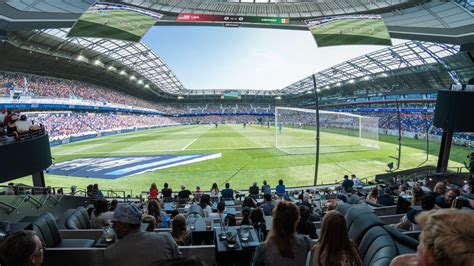
The stadium’s architecture has evolved significantly since its inception. Initially a simple open-air venue, it now features a four-tiered structure with a distinctive spiraling ramp system that provides access to the upper levels. This design not only enhances the stadium's capacity—now at approximately 80,000—but also creates a unique visual identity. The towering concrete and steel structure has become a symbol of Milan’s industrial and modernist ethos. Moreover, the steep incline of the stands ensures that fans are close to the action, creating an intense and electric atmosphere during matches. This proximity between spectators and players is a hallmark of San Siro and one of the reasons it is often considered one of the most intimidating venues for visiting teams.
The role of San Siro in Italian football extends beyond being a venue for club matches. It has been a stage for some of the most heated Derby della Madonnina clashes between AC Milan and Inter Milan. These derbies are not just football matches; they are cultural events that encapsulate the passion, rivalry, and unity of Milanese football. The shared use of the stadium by two rival teams is a logistical and emotional challenge, but it also exemplifies the coexistence of competition and respect in Italian football culture. Fans of both teams fill the stands with banners, chants, and colors, turning the venue into a cauldron of energy. This duality has cemented San Siro as a symbol of Milan’s footballing identity, where rivalry fuels excellence.
San Siro’s significance is also tied to its role in hosting major non-football events. Over the years, it has been a venue for concerts by global superstars such as Bob Marley, Michael Jackson, and U2, showcasing its versatility. These events highlight how the stadium is not merely a sports arena but a space that brings people together for diverse forms of entertainment, reinforcing its place in Milan’s cultural landscape.

From a historical perspective, the stadium has been a barometer of Italian football’s evolution. During the mid-20th century, as Serie A grew in prominence and clubs like AC Milan and Inter became dominant forces in Europe, San Siro became a symbol of Italy’s post-war resurgence. The economic boom of the 1950s and 1960s saw investments in infrastructure, including sports facilities, and San Siro was at the forefront of this wave. Its expansion in the 1950s and 1990s mirrored Italy’s broader ambitions to remain a leader in European football.
However, the stadium is not without its challenges. As of the 2020s, there has been significant debate about its future. Both AC Milan and Inter Milan have expressed interest in building a new, modern stadium to replace San Siro, citing the venue's aging infrastructure and the need for a more commercially viable facility. This has sparked a broader conversation about the balance between preserving historical landmarks and embracing modernity in sports. For many fans and historians, the idea of replacing San Siro is met with resistance, as the stadium is seen as an irreplaceable piece of football heritage.
The emotional attachment to San Siro is deeply rooted in its ability to evoke nostalgia. For generations of fans, it is not just a place to watch football but a site of shared memories—of triumphant victories, heartbreaking losses, and the sheer joy of being part of a collective experience. The curva sud (AC Milan’s ultras section) and curva nord (Inter’s ultras section) are legendary for their passionate support, making the stadium a living, breathing entity that thrives on the energy of its spectators.
San Siro’s legacy is also intertwined with the broader narrative of Italian football’s global influence. Italy’s tactical innovations, such as catenaccio, and its production of world-class players have often been showcased on this pitch. The stadium has been a laboratory for footballing greatness, where strategies were tested, heroes were made, and rivalries were intensified. It stands as a testament to how sports venues can become more than physical structures—they can embody the spirit of a sport and a nation.
- San Siro was among the first stadiums in Europe to adopt a multi-tiered design, setting a precedent for modern stadium architecture.
- It has hosted over 100 matches featuring the Italian national team, making it a home away from home for the Azzurri.
- The stadium’s museum, which showcases memorabilia from both AC Milan and Inter Milan, attracts thousands of visitors annually, further cementing its role as a cultural hub.
In conclusion, the San Siro Stadium is more than a venue; it is a living chronicle of Italian football’s journey. Its walls have absorbed the cheers of millions, the tension of derbies, and the echoes of historic goals. Whether through its architectural grandeur, its role in hosting world-class events, or its embodiment of Milan’s footballing duality, San Siro remains an enduring symbol of the beautiful game’s power to unite, inspire, and endure.
Types of Events Hosted at San Siro
The San Siro Stadium, officially known as the Stadio Giuseppe Meazza, is one of the most iconic venues in the world, located in Milan, Italy. Its reputation as a multi-purpose facility extends far beyond its primary association with football. While it is home to two of Italy's most celebrated football clubs, AC Milan and Inter Milan, the stadium has also hosted a wide array of events that showcase its versatility. This section delves into the **types of events hosted at San Siro**, emphasizing the diversity of its offerings and the unique experiences it provides to attendees.
The first and most prominent category of events at San Siro is **football matches**. As the home ground for AC Milan and Inter Milan, the stadium regularly hosts Serie A league games, Coppa Italia fixtures, and European competitions such as the UEFA Champions League and Europa League. These matches attract tens of thousands of fans, creating an electrifying atmosphere that is synonymous with Italian football culture. The stadium's capacity of over 80,000 seats ensures that it can accommodate massive crowds, making it a prime venue for high-stakes matches. For instance, San Siro has been a key venue for international tournaments, including the 1990 FIFA World Cup, where it hosted several matches, including the opening game. Its legacy in football is further enhanced by the numerous historic moments that have unfolded on its pitch, such as legendary derbies between AC Milan and Inter, known as the Derby della Madonnina. These matches are not just sporting events but cultural phenomena that bring the city of Milan to life.
However, the stadium’s appeal is not limited to football. **Concerts** form another significant category of events hosted at San Siro. Over the years, the venue has become a preferred choice for some of the biggest names in the music industry, thanks to its size, acoustics, and iconic status. Artists like U2, Madonna, The Rolling Stones, and Coldplay have graced the stage at San Siro, turning the stadium into a musical haven. What makes these concerts unique is the way the stadium transforms to accommodate large-scale productions. The stage setups often include elaborate lighting, pyrotechnics, and massive screens, ensuring that even those seated far from the stage have a memorable experience. A notable example is U2’s 360° Tour in 2009, where the band performed in front of sold-out crowds, utilizing the stadium's space to create an immersive, circular stage design. Such events not only highlight the stadium's adaptability but also its role in Milan’s cultural scene, bridging the gap between sports and entertainment.
Beyond football and music, San Siro has also been a host to **other major gatherings** that reflect its versatility. One example is **international sporting events outside of football**. The stadium has occasionally been used for rugby matches, including high-profile fixtures in the Six Nations Championship. These events bring a different audience to the stadium, showcasing how its infrastructure can support sports with distinct requirements compared to football. Additionally, the venue has been used for **charity events and fundraisers**, where its scale and reputation help draw attention to important causes. For example, benefit concerts or friendly football matches involving retired legends have been organized to raise funds for disaster relief or community development projects. These events emphasize the stadium’s role as a unifying space that transcends its primary purpose.
Another fascinating aspect of San Siro’s event portfolio is its use for **esports and technology-driven events**. In recent years, as esports have gained global traction, stadiums like San Siro have adapted to host tournaments and live gaming events. While this is a relatively new development, the stadium’s ability to house large screens, high-speed internet infrastructure, and seating arrangements conducive to viewing competitions demonstrates its forward-thinking approach. Events like these cater to a younger, tech-savvy demographic, further diversifying the stadium’s audience base. This shift also signals how traditional venues are evolving to remain relevant in a rapidly changing entertainment landscape.
The stadium has also been a site for **cultural and community events**. For instance, it has hosted religious gatherings such as papal visits, where the Pope has addressed massive crowds. These events are particularly significant because they highlight how the stadium can serve as a space for collective reflection and unity, far removed from its typical association with competition or entertainment. Similarly, San Siro has been used for **exhibitions and trade shows**, where its vast open spaces and accessibility make it an ideal location for large-scale displays. These events often attract professionals and enthusiasts from various industries, adding another layer to the stadium's multifaceted identity.
An often-overlooked but equally important category of events at San Siro is **private and corporate events**. The stadium offers facilities for conferences, product launches, and team-building activities. Companies can rent parts of the stadium, including VIP boxes and lounge areas, to host high-profile meetings or celebrations. This use of the stadium underscores its appeal as a versatile venue that can cater to both large-scale public events and intimate corporate functions. The ability to leverage the stadium’s iconic status for branding purposes makes it an attractive choice for organizations looking to create a lasting impression.
It is also worth noting how **the variety of events hosted at San Siro impacts the local economy and community**. Each event, whether a football match, concert, or trade show, brings significant foot traffic to the area, benefiting local businesses such as hotels, restaurants, and transportation services. Moreover, the stadium's ability to host such a wide range of events ensures that it remains a focal point of Milan’s identity, contributing to its reputation as a dynamic and culturally rich city. The management of San Siro has also invested in making the venue more sustainable, with initiatives aimed at reducing waste and improving energy efficiency during events. This commitment to environmental responsibility adds another dimension to the stadium’s reputation as a forward-thinking facility.
In summary, the San Siro Stadium is far more than a football venue. Its ability to host a diverse range of events—from high-profile football matches and international concerts to esports tournaments and charity gatherings—demonstrates its adaptability and enduring relevance. Each event type brings its own unique flavor to the stadium, enriching its legacy while ensuring it remains a vibrant part of Milan's cultural and economic landscape. Whether you are a sports enthusiast, a music lover, or a professional attending a corporate event, San Siro offers an experience that is as dynamic as the events it hosts.
Understanding Ticket Categories
When planning to attend a match or event at the San Siro Stadium, understanding the various ticket categories is essential to ensure you select the option that best suits your needs and preferences. San Siro offers a range of ticket types designed to cater to different audience segments, from avid football fans to families and luxury seekers. Each category comes with its own set of features, benefits, and pricing structures, which can significantly impact your overall experience at the stadium. Below is a detailed breakdown of the primary ticket types available, including their unique attributes and considerations for potential buyers.
VIP Tickets are the premium option for those looking to elevate their experience at San Siro. These tickets are not merely about access to the event; they are an all-encompassing package that combines exclusivity, comfort, and high-end amenities. VIP tickets often include access to private lounges or skyboxes, where guests can enjoy a more secluded and luxurious environment. These lounges are typically equipped with plush seating, dedicated food and beverage service, and sometimes even live entertainment or match analysis sessions. The seating associated with VIP tickets is usually located in the best sections of the stadium, offering unobstructed views of the pitch. What sets VIP tickets apart is the personalized service—guests might receive complimentary parking, fast-track entry, or even a guided tour of the stadium before the event. However, this exclusivity comes at a steep price, making VIP tickets an option primarily for corporate clients, high-net-worth individuals, or die-hard fans who are willing to invest in a once-in-a-lifetime experience.
Another aspect of VIP tickets worth noting is their appeal for networking opportunities. Many businesses purchase these tickets to host clients or partners in an environment that blends entertainment with professional engagement. For instance, a company might use a VIP box during a high-profile match to discuss deals in a relaxed yet prestigious setting. This dual-purpose nature of VIP tickets makes them a unique offering within the San Siro ticket ecosystem.
Standard Tickets are the most commonly purchased option and are designed for the average spectator. These tickets provide access to general seating areas, which are divided into various sections based on proximity to the pitch and overall view quality. Standard tickets are generally more affordable than VIP options, making them accessible to a broader audience, including local fans and tourists. However, the pricing of standard tickets can vary widely depending on factors such as the importance of the match, the teams playing, and the specific section of the stadium. For example, seats closer to the halfway line or in lower tiers are priced higher due to their superior views, while upper-tier or corner seats are more budget-friendly.
One of the key considerations with standard tickets is the trade-off between cost and experience. While these tickets offer a genuine matchday atmosphere, they lack the added perks of VIP options. Spectators in standard seating areas often need to plan for their own food, beverages, and parking, which can add to the overall cost. Additionally, standard tickets are subject to high demand during major events, such as derby matches between AC Milan and Inter Milan or Champions League fixtures, which can lead to price surges or limited availability. Fans should book these tickets well in advance to secure better seats and avoid inflated prices from resellers.
Family Packages are a specialized ticket category aimed at making the San Siro experience more accessible and enjoyable for families. These packages typically include discounted rates for groups, particularly when adults and children are attending together. The family-friendly approach often involves designated seating areas that are quieter or more suitable for younger audiences. For instance, some family packages might place ticket holders in sections away from the more rowdy supporter groups, ensuring a more relaxed environment for parents with children.
In addition to discounted pricing, family packages sometimes include added perks such as kid-friendly meal options, goodie bags, or even access to pre-match activities like face painting or mini-games in designated fan zones. This category is particularly appealing for parents who want to introduce their children to the excitement of live sports in a controlled and enjoyable setting. However, it’s important to note that family packages are not always available for every match, particularly high-stakes games where demand for tickets is exceptionally high. Families should check the stadium’s event calendar and ticket policies to confirm availability and plan accordingly.
A unique insight into family packages is their role in fostering the next generation of fans. Stadiums like San Siro recognize the importance of creating an inclusive environment that encourages younger audiences to engage with football culture. By offering family-specific ticket options, the stadium not only broadens its audience base but also invests in the long-term sustainability of its fan community. This approach is particularly significant in an era where digital entertainment competes with live events for children’s attention.
Beyond these primary categories, San Siro also occasionally offers special event tickets for non-football activities, such as concerts or charity matches. These tickets may follow similar structures to standard or VIP options but are tailored to the nature of the event. For example, a concert ticket might prioritize acoustics and stage visibility over pitch proximity, whereas a charity match might include opportunities for fan interaction with players or celebrities.
Another factor to consider when exploring ticket categories is the role of season tickets and membership benefits. While not a one-time purchase like the above categories, season tickets provide loyal fans with guaranteed access to all home games for a given season. These often come with perks such as priority access to cup matches, discounts on merchandise, and exclusive member events. Season tickets are a significant investment but can offer better value for money for frequent attendees compared to purchasing individual standard tickets for each game.
It is also worth mentioning the growing trend of digital ticketing at San Siro. Many ticket categories, including standard and family options, are now available through online platforms and mobile apps. This shift not only simplifies the purchasing process but also allows for features like seat selection previews and real-time updates on availability. Digital tickets can often be linked to loyalty programs, enabling fans to accumulate points that can be redeemed for discounts or exclusive experiences.
In summary, the ticket categories at San Siro Stadium are designed to serve a diverse audience, each with distinct needs and budgets. VIP tickets offer luxury and exclusivity for those seeking a premium experience, while standard tickets provide an affordable way to enjoy the matchday atmosphere. Family packages cater to a niche yet important audience, promoting inclusivity and long-term fan engagement. Understanding these distinctions allows potential attendees to make informed decisions, ensuring their visit to San Siro is both enjoyable and aligned with their expectations. Whether you’re a first-time visitor, a family looking for a fun outing, or a business professional hosting clients, the range of ticket options at San Siro ensures there’s something for everyone.
How to Purchase San Siro Tickets
Purchasing tickets for events at the San Siro Stadium, one of the most iconic sports venues in the world, requires careful planning to ensure you secure legitimate tickets from authorized sources. Whether you are looking to attend a football match featuring AC Milan or Inter Milan, or a high-profile concert, understanding the official and authorized platforms for ticket acquisition is crucial. This section provides a detailed guide on how to navigate both online and offline options for buying San Siro tickets while avoiding common pitfalls associated with unauthorized sellers.
The first and most reliable option for purchasing San Siro tickets is through the **official websites of the teams or event organizers**. For football matches, both AC Milan and Inter Milan have dedicated ticketing platforms where fans can directly buy tickets for home games. These platforms are acmilan.com and inter.it, respectively. These sites offer a streamlined experience, allowing users to select specific matches, view seating charts, and choose from available sections based on their budget and preferences. Tickets purchased directly from these platforms are guaranteed to be authentic, and they often come with additional benefits such as early access to seats for season ticket holders or loyalty program members.
One unique insight about using these official sites is that they frequently provide **dynamic pricing** based on demand. For instance, high-profile matches like the Milan Derby (AC Milan vs. Inter Milan) or matches against top-tier opponents like Juventus may see ticket prices increase as the event date approaches. Fans are advised to monitor these sites early and set up alerts for ticket releases to avoid missing out. Additionally, these platforms often include detailed FAQs about ticket delivery options, including mobile tickets, print-at-home options, or physical ticket collection at the stadium’s box office.
Another official platform worth considering is **Ticketone**, a major ticketing service provider in Italy that partners with San Siro for various events. Ticketone serves as an authorized reseller for football matches and other events hosted at the stadium. Their website offers a similar user experience to the team-specific sites but may include bundled options such as hospitality packages or VIP experiences. For instance, fans looking for premium seating with access to exclusive lounge areas or complimentary food and beverages can explore these options on Ticketone. However, it is important to verify that you are on the official Ticketone site to avoid phishing scams that mimic its appearance.
For those who prefer offline methods, the **San Siro Stadium box office** is an excellent choice. Located at the stadium itself, the box office offers in-person ticket sales for matches and events. This option is particularly appealing for locals or visitors who are already in Milan and wish to avoid online transaction fees or potential delivery delays. The box office typically operates on match days and during specific hours on non-match days. A key advantage of purchasing tickets in person is the ability to ask staff questions about seating arrangements, stadium accessibility, or any special accommodations needed. However, this method requires you to arrive well in advance of the event, as tickets for popular matches can sell out quickly, even at the box office.
In addition to the primary offline option, **authorized ticket resellers** in Milan, such as travel agencies or sports tourism companies, may offer packages that include San Siro tickets alongside other services like hotel stays or guided stadium tours. While these options can be convenient for tourists, it is critical to verify that the reseller is officially authorized by the stadium or the teams. Unauthorized resellers often inflate prices or sell counterfeit tickets, leading to disappointment on the day of the event. To ensure legitimacy, look for resellers that display official partnership badges or are listed on the AC Milan or Inter Milan websites as trusted partners.
For online purchases, another emerging option is the use of **mobile apps** associated with the teams or third-party platforms like StubHub Italy or Viagogo. While these apps can provide a convenient way to buy last-minute tickets, they come with caveats. StubHub and Viagogo are secondary marketplaces where individuals resell tickets. While these platforms claim to vet sellers, there is a higher risk of encountering overpriced tickets or, in rare cases, fraudulent listings. To mitigate this risk, always check the seller’s ratings, ensure the tickets are transferable (if digital), and confirm that the platform offers a guarantee for ticket authenticity. These precautions are particularly important for high-demand events where ticket scalping is common.
It is also worth noting that San Siro tickets can sometimes be bundled with **tourist packages** offered by Milan’s tourism board or affiliated travel agencies. These packages might include match tickets along with city tours, museum passes, or transportation options. While this can be a great way to experience Milan as a whole, fans should carefully review the terms of such packages to ensure the tickets are legitimate and not marked up excessively. A pro tip for tourists is to compare the total package cost against the price of buying tickets and accommodations separately to determine whether the bundle offers genuine value.
For international fans, purchasing tickets well in advance is often necessary due to the global popularity of events at San Siro. Both AC Milan and Inter Milan cater to their international fan base by offering tickets through their official websites with options for English-language interfaces. Furthermore, some platforms allow for ticket delivery to international addresses or provide e-tickets that can be scanned directly from a smartphone. This accessibility has made it easier than ever for fans outside Italy to plan their visit to San Siro without relying on third-party intermediaries.
One lesser-known but highly effective method for securing tickets is to join **fan clubs or official membership programs** for AC Milan or Inter Milan. Members often receive priority access to tickets before they are made available to the general public. These memberships typically come with an annual fee but can be a worthwhile investment for avid fans who plan to attend multiple matches or events. Membership benefits may also include discounts on merchandise, exclusive content, and invitations to fan events. For international fans, this is a great way to feel more connected to the team and gain an edge in the ticket-buying process.
Lastly, it is important to address the issue of **scalpers and unauthorized sellers**, particularly around the stadium on match days. While it might be tempting to purchase tickets from individuals offering last-minute deals, this is a high-risk strategy. Counterfeit tickets are a persistent problem, and even if the ticket appears genuine, there is no guarantee it will scan successfully at the entrance. Stadium security is vigilant about identifying and denying entry to holders of fraudulent tickets, so this approach is strongly discouraged.
In summary, the safest and most reliable ways to purchase San Siro tickets include using the official team websites, authorized resellers like Ticketone, the stadium box office, and membership programs. Online platforms and mobile apps can also be useful but require extra diligence to avoid scams. By prioritizing official channels and planning ahead, fans can ensure a seamless experience and focus on enjoying the electric atmosphere of San Siro Stadium.
Seasonal Demand and Pricing Trends
The pricing of tickets for events at the San Siro Stadium is not uniform and is heavily influenced by a variety of factors, including seasonal demand, team performance, and the type of event being hosted. Understanding these dynamics requires a closer look at how each of these elements interplay to shape the ticket market for one of Italy's most iconic sports venues.
One of the primary drivers of ticket pricing at the San Siro is seasonal demand. The stadium primarily hosts two major football clubs, AC Milan and Inter Milan, both of which have passionate fan bases. The football season in Italy typically runs from August to May, with matches spread across this period. However, not all months experience the same level of demand for tickets. For instance, matches scheduled during the winter months, particularly in December and January, often see a dip in attendance due to colder weather and holiday-related travel. This dip can lead to lower ticket prices as clubs attempt to incentivize attendance. Conversely, matches in the spring, especially those occurring in April and May during the final stages of league competitions or European tournaments, tend to attract higher demand. Fans are more likely to pay a premium for these high-stakes games, knowing that the outcomes could decide championships or European qualification. This seasonal ebb and flow directly impacts ticket availability and pricing, with dynamic pricing models often employed by ticketing platforms to adjust costs in real time based on anticipated attendance.
Another significant factor is team performance. Both AC Milan and Inter Milan have storied histories and large followings, but their on-field success in any given season can dramatically influence ticket prices. When either team is performing well—leading the Serie A table, advancing in the Champions League, or competing in high-profile derbies like the Milan Derby (Derby della Madonnina)—ticket prices soar. This is particularly evident when AC Milan or Inter are in contention for a title or are hosting a rival team with a similarly large fan base, such as Juventus or Napoli. For example, during the 2021-2022 season when Inter Milan won the Serie A title, tickets for their home matches in the latter part of the season saw a sharp increase in price due to heightened fan enthusiasm and the team's strong form. On the other hand, if either team is underperforming or facing relegation concerns, ticket prices for less critical matches can drop as clubs aim to fill seats and maintain fan engagement. This fluctuation underscores how closely ticket pricing is tied to the perceived importance of a match and the emotional investment of the fan base.
The type of event hosted at the San Siro also plays a pivotal role in determining ticket prices. While football matches are the primary events, the stadium occasionally hosts other spectacles, such as concerts, rugby matches, or one-off sporting events like friendly internationals or charity games. Concerts, in particular, can command higher ticket prices than regular football matches due to the global appeal of the artists and the limited nature of such events. For instance, when artists like Coldplay or U2 have performed at the San Siro, ticket prices have been set at a premium, often exceeding those of even the most high-profile football matches. This is because concerts are less frequent and cater to a different audience segment, often one willing to pay more for a unique experience. In contrast, rugby matches or less prominent sporting events may have lower ticket prices due to their niche appeal compared to football. This diversification of events creates a pricing hierarchy where football matches, especially those involving top-tier teams, remain the most expensive, followed by concerts and other special events.
An interesting trend to note is the impact of secondary markets and resale platforms on ticket pricing. With the rise of online ticket resellers and marketplaces like StubHub or Viagogo, the prices for San Siro tickets can fluctuate even more wildly than the initial pricing set by the clubs or event organizers. For example, if AC Milan secures a surprise win in a Champions League match, the demand for their next home game might spike on resale platforms, driving prices higher than the face value. This secondary market behavior often creates a disparity between the official pricing and the "street price" of tickets, especially for high-demand events. Clubs and organizers have attempted to combat this by introducing measures such as ticket caps or exclusive member-only presales, but the secondary market remains a wildcard in the pricing ecosystem.
Another layer of complexity is added by special promotions and bundled packages. During periods of lower demand, such as mid-season matches against lower-ranked teams or less popular cup competitions like the Coppa Italia early rounds, clubs may offer discounted tickets or family packages to attract a broader audience. These promotions are often timed to coincide with school holidays or other periods when families are more likely to attend. For example, AC Milan has been known to offer "Kids Go Free" promotions during certain matches to encourage younger fans to attend and build future loyalty. These initiatives can temporarily suppress ticket prices but also create opportunities for budget-conscious fans to experience the stadium at a lower cost.
Additionally, the historical significance of certain matches can lead to unique pricing patterns. Matches with historical rivalries, such as the Milan Derby or games against Juventus, often see ticket prices inflated due to their cultural and emotional significance. These games are not just sporting events but social phenomena that draw fans from across Italy and beyond. Clubs capitalize on this by setting higher baseline prices for such fixtures, knowing that the demand will support the cost. On the flip side, friendly matches or preseason games tend to have lower prices as they lack the competitive stakes of regular season matches.
It is also worth considering the role of economic factors in shaping ticket demand and pricing. Inflation, changes in disposable income, and broader economic conditions in Italy can impact how much fans are willing to spend on tickets. For instance, during periods of economic downturn, clubs may need to adjust their pricing strategies to avoid alienating their fan base while still covering operational costs. This balancing act often results in more flexible pricing tiers, where premium seats remain expensive but general admission tickets are made more affordable.
In summary, the ticket pricing trends at the San Siro Stadium are a complex interplay of seasonal demand, team performance, event type, and external economic conditions. Understanding these factors can help fans and analysts predict when tickets might be most affordable or when they are likely to spike in cost. Whether it is a high-stakes Champions League clash in the spring, a summer concert by a global superstar, or a mid-winter league match against a mid-table opponent, the pricing dynamics at the San Siro reflect the multifaceted nature of modern stadium economics. This deep dive into the seasonal and situational variables provides a clearer picture of how ticket prices are not static but are instead a reflection of the broader context in which each event is situated.
Tips for First-Time Visitors
Visiting the San Siro Stadium for the first time can be an exhilarating experience, whether you're attending a high-energy football match or a star-studded concert. However, the sheer scale of the venue and the unique dynamics of Italian stadium culture can make it overwhelming for first-time visitors. To ensure a smooth and enjoyable visit, it’s essential to plan ahead and understand some key aspects of the stadium, particularly regarding seating, accessibility, and what to expect on match or event days.
Seating Choices: Where to Sit for the Best Experience The San Siro Stadium, officially known as Stadio Giuseppe Meazza, is one of the largest stadiums in Europe, with a capacity of over 80,000 seats. The seating arrangement is divided into distinct sections, each offering a different perspective on the action. For football matches, the most sought-after seats are in the Tribuna Rossa (Red Tribune) and Tribuna Arancio (Orange Tribune), which are located along the sides of the pitch. These areas offer unobstructed views and are closest to the mid-field, making them ideal for those who want to see the game's tactical nuances. However, they are also the most expensive.
If you’re looking for a more budget-friendly option without compromising too much on the view, the Curva Sud and Curva Nord are excellent choices. These are the sections behind the goals where the most passionate fans of AC Milan (Curva Sud) and Inter Milan (Curva Nord) gather. Sitting here means you’ll be immersed in the chanting, flag-waving, and energy of the die-hard supporters. However, be prepared for a lively atmosphere—it can get noisy, and standing is common in these areas during intense moments of the game. For first-timers who want a balanced experience, the Secondo Anello (Second Tier) offers a good compromise. The views are still decent, and the tickets are moderately priced compared to the premium sections.
For concerts or non-sporting events, the seating dynamics change slightly. The stage is usually set up at one end of the stadium, so seats in the Primo Anello (First Tier) near the stage offer the best views. Avoid seats in the upper tiers at the far end of the stadium for concerts, as the sound quality and visibility can be less than ideal from these positions.
Accessibility: Navigating the Stadium with Ease San Siro Stadium is an older venue, and while it has undergone renovations over the years, its accessibility features can vary. For visitors with mobility challenges, it’s important to know that the stadium provides designated areas for wheelchair users and their companions. These are located in the Primo Anello, where ramps and elevators are available for access. However, the availability of these spaces is limited, so it’s highly recommended to book in advance and specify your needs when purchasing tickets. Some online ticketing platforms allow you to filter options for accessible seating, which can save time and ensure you get the right spot.
For general navigation, the stadium is vast, and getting to your seat can involve a fair amount of walking. The venue is divided into four rings (tiers), and the higher tiers require climbing many stairs. While there are elevators in some areas, they are primarily reserved for those with mobility issues or VIP ticket holders. Wear comfortable shoes and plan to arrive early to give yourself ample time to find your seat, especially if you’re unfamiliar with the layout. Additionally, the stadium has multiple entrances, so double-check your ticket for the correct gate number to avoid unnecessary detours.
Another aspect of accessibility to consider is transportation to the stadium. San Siro is located in a suburban area of Milan, and while it is well-connected by public transport, match days can lead to heavy traffic and crowded buses or metro trains. The M5 (purple line) metro stops at the San Siro Stadio station, which is just a short walk from the venue. This is the most convenient option for most visitors. If you’re driving, be aware that parking near the stadium is limited and can be chaotic on event days. Pre-booked parking or using a taxi/ride-share service might be a better option for stress-free travel.
What to Expect on Match or Event Days Match days at San Siro are a spectacle in themselves. The atmosphere is electric, with fans arriving hours before kickoff to soak in the pre-game energy. If you’re attending a football match, expect a sea of jerseys, scarves, and flags. It’s worth noting that Italian football culture is deeply rooted in tradition, and the fans take their support seriously. While this creates a vibrant ambiance, it can also mean that rivalries are intense. If you’re seated in a section dominated by one team’s supporters but are wearing the opposing team’s colors, it’s wise to be discreet to avoid any unnecessary tension.
Security at the stadium is tight, particularly for high-profile matches. All visitors are subject to bag checks and metal detector screenings. To expedite this process, avoid bringing large bags or backpacks—the stadium has strict size restrictions for bags. Additionally, outside food and drinks are not allowed, so plan to purchase refreshments inside. The food stalls offer typical stadium fare like pizza, sandwiches, and beer, but the lines can get long during peak times, so consider eating before you enter if you’re not keen on waiting.
For concerts or other events, the vibe is slightly different but no less exciting. The stadium transforms into a massive entertainment venue, and the sound system is usually top-notch for international artists. However, the sheer size of the venue means that acoustics can vary depending on your seat. If sound quality is a priority, aim for seats closer to the stage or in the central sections of the lower tiers.
One unique aspect of San Siro events is the weather. The stadium is open-air, so matches or concerts held in the cooler months (October to March) can be chilly. Dress in layers, and consider bringing a rain jacket or poncho, as umbrellas are not permitted inside. On the flip side, summer events can be hot, so stay hydrated and wear sunscreen if attending a daytime event.
Another practical tip is to familiarize yourself with the stadium’s layout beforehand. Large screens are available to enhance the viewing experience, but they are primarily used for replays during football matches or close-ups during concerts. Knowing where the restrooms, food stalls, and emergency exits are located can save time and reduce stress during the event.
Finally, for first-time visitors, it’s worth exploring the San Siro Museum and Tour if you have time before or after the event. This offers a glimpse into the history of the stadium and its legendary teams, complete with access to the locker rooms, pitch-side views, and the tunnel players use to enter the field. It’s a great way to enrich your visit and understand why San Siro is considered one of football’s most iconic venues.
In summary, a little preparation goes a long way when visiting San Siro Stadium for the first time. Choose your seats wisely based on your priorities, plan for accessibility needs, and anticipate the unique energy of match or event days. Whether you’re there to cheer for your favorite team or enjoy a world-class performance, these tips will help you make the most of your experience at this historic venue.
Navigating San Siro Stadium
San Siro Stadium, officially known as Stadio Giuseppe Meazza, is one of the most iconic football venues in the world, hosting matches for both AC Milan and Inter Milan. With a seating capacity of over 80,000, the stadium can be an overwhelming space for first-time visitors. Understanding its layout, entrances, and facilities is crucial to ensure a seamless and enjoyable experience. This guide will provide an in-depth look at navigating the stadium, focusing on its structure, access points, and key amenities like food courts and restrooms.
The stadium is divided into four main tiers or rings: the First Tier (commonly referred to as the lower tier), the Second Tier (middle tier), the Third Tier (upper tier), and the Fourth Tier (the highest seats, offering panoramic views). Each tier is segmented into numbered sections, which are critical for locating your seat. Tickets for matches or events specify the gate number, section, row, and seat number. Pay close attention to these details as the stadium is vast, and finding your way without this information can be time-consuming.
The layout of the seating areas follows a bowl-like design, with the pitch at the center surrounded by steeply inclined stands. This design ensures excellent sightlines from most seats, but certain areas, particularly in the higher tiers, can feel quite distant from the action. Sections in the First Tier are closest to the field and are ideal for fans who want an immersive experience. However, these seats can be pricier and harder to secure for high-demand matches. The Second and Third Tiers offer a balance of proximity and affordability, while the Fourth Tier is often the most budget-friendly but may not suit those with a fear of heights or mobility issues.
When it comes to entrances, San Siro Stadium has multiple access points categorized by gate numbers. Gates are distributed around the perimeter of the stadium and are clearly marked. For instance, Gates 1 to 14 are located around the structure, with specific gates assigned to particular sections of the stadium. Your ticket will indicate the gate you should use to enter. It is highly recommended to arrive at least an hour before the event starts to account for potential queues and security checks. Certain gates are designated for VIP ticket holders or specific fan groups, so double-checking your ticket details can save you from unnecessary detours.
One unique aspect of San Siro is its curved external ramps, which are used to access the upper tiers. These ramps are an architectural feature of the stadium and can be a bit of a climb, especially for those seated in the Third or Fourth Tiers. If you have mobility concerns or are bringing young children, consider requesting seats in the lower tiers or using elevators where available. The ramps also serve as a gathering point for fans before and after matches, contributing to the vibrant pre-game atmosphere.
Inside the stadium, the facilities are designed to accommodate the large crowds efficiently. Food courts are a highlight for many visitors, offering a variety of options ranging from quick snacks to more substantial meals. You’ll find kiosks and stalls scattered throughout the concourses, particularly in the areas behind the seating sections. Common offerings include pizza slices, sandwiches, hot dogs, and soft drinks. For a more local experience, look out for stands selling panini al salame or other Italian snacks. However, be prepared for higher-than-average prices, as stadium food is notoriously expensive. Bringing a small bottle of water is allowed, but note that the cap may be removed at security to prevent it from being used as a projectile.
Restrooms are another essential facility, and San Siro has a reasonable number of them given its size. However, they can become crowded during halftime or immediately after the match. The restrooms are typically located near the main concourses and are marked with clear signage. While they are functional, they may not always meet the standards of modern stadiums in terms of cleanliness or modernity. It’s a good idea to plan restroom visits outside of peak times to avoid long waits. If you’re seated in the upper tiers, be aware that the restrooms in these areas might be slightly less accessible due to the stadium’s older design.
For those interested in souvenirs, there are several merchandise shops within the stadium. These shops sell a variety of items, including jerseys, scarves, and other team-related memorabilia. Prices can be steep, so if you’re looking for more affordable options, consider purchasing items from vendors outside the stadium before entering. Keep in mind that once you’re inside, re-entry is not permitted, so make your purchases beforehand if you’re unsure about what’s available indoors.
Another key feature of the stadium is its designated fan zones. These areas are particularly lively during matches, with fans of AC Milan and Inter Milan often segregated to maintain order and safety. The Curva Sud is the traditional stronghold of AC Milan supporters, while the Curva Nord is where Inter Milan fans congregate. These sections are known for their passionate chants and displays, making them an exciting but potentially intense environment. If you’re a neutral fan or attending with family, you might prefer seats in more neutral areas of the stadium, such as the lateral sections of the First or Second Tiers.
For visitors with accessibility needs, San Siro has made efforts to improve its facilities over the years. There are reserved seating areas for wheelchair users and their companions, typically located in the lower sections of the stadium for easier access. Elevators are available in some parts of the stadium, though they may be limited in number. It is advisable to contact the stadium in advance if you require special assistance to ensure a smoother experience.
One often-overlooked aspect of navigating San Siro is the parking and transportation infrastructure around the stadium. The area can get extremely congested on match days, so using public transport is highly recommended. The stadium is well-served by the Milan Metro, with the San Siro Stadio station on Line M5 dropping you off just a short walk away. If you must drive, arrive early to secure parking in one of the nearby lots, but be prepared for significant traffic when leaving after the event.
In terms of practical tips, it’s worth noting that the stadium’s age means it lacks some of the modern conveniences found in newer venues. For example, Wi-Fi can be spotty, and the concourses can feel cramped during peak times. Bringing a small bag is allowed, but large backpacks or items that could obstruct views are prohibited. Security checks are thorough, so avoid bringing prohibited items like glass bottles, flares, or large umbrellas.
Finally, while the stadium is a marvel of football history, its age and layout can pose challenges for newcomers. Understanding the tier system, knowing which gate to use, and planning your food and restroom breaks can make a significant difference. Exploring the stadium with a sense of curiosity—whether it’s admiring the curved ramps or sampling local snacks—can turn the experience into more than just attending a match. It becomes a journey through one of football’s most storied venues.
Common Challenges and How to Overcome Them
Attending a match or event at the San Siro Stadium is a bucket-list experience for many sports and music enthusiasts. However, like any high-profile venue, securing tickets and planning your visit can come with its fair share of challenges. Whether you're a first-time visitor or a seasoned attendee, it’s important to anticipate potential issues and know how to navigate them effectively. Below, we explore some of the most common challenges associated with San Siro stadium tickets—sold-out games, ticket scams, and transportation hurdles—and provide actionable strategies to overcome them.
Sold-Out Games: The Race for Availability One of the most frustrating experiences for fans is discovering that tickets for a highly anticipated match or event are sold out. San Siro hosts some of the most popular football clubs in the world, including AC Milan and Inter Milan, as well as major concerts and international fixtures. These events often attract massive crowds, and tickets can disappear within minutes of going on sale. This is especially true for derby matches, Champions League games, or performances by globally renowned artists.
To overcome this challenge, planning ahead is key. Start by subscribing to official ticket sale alerts from San Siro’s website or the respective clubs. Many ticket platforms offer pre-sale opportunities for registered users or fan club members. Being part of these groups can give you a critical edge in securing tickets before they are released to the general public. Additionally, keep an eye on secondary markets, but with caution (this ties into the next point about scams). Some platforms like StubHub or Viagogo may offer resold tickets, but prices can be inflated. If you're flexible, consider targeting less popular matches or midweek fixtures, where demand is generally lower.
Another strategy is to leverage social media groups or forums dedicated to San Siro events. Fans often resell tickets at face value when they can no longer attend. However, ensure you verify the authenticity of the seller and use secure payment methods to avoid falling victim to fraud.
Ticket Scams: Protecting Yourself from Fraud Ticket scams are a pervasive issue in the world of high-demand events, and San Siro is no exception. Fraudsters often exploit fans' eagerness to attend sold-out matches or concerts by offering fake or overpriced tickets. These scams can take many forms, from counterfeit paper tickets to non-existent e-tickets sold online.
The first line of defense is to purchase tickets only from official sources. The San Siro Stadium website, club websites (AC Milan and Inter Milan), and authorized resellers are your safest bets. Avoid third-party sellers who cannot provide proof of purchase or a valid ticket verification process. If you're buying from a reseller, insist on seeing the ticket's unique barcode or QR code and cross-check it with the venue’s verification system if possible.
It’s also worth noting that electronic tickets have made scams slightly harder but not impossible. Some scammers create fake e-tickets that look legitimate but fail at the gate due to duplication or invalid codes. To mitigate this risk, opt for mobile tickets when available—these are often tied to your identity and less prone to duplication. If you must buy from a reseller, platforms like Ticketmaster's verified resale program offer a safer alternative because they guarantee the authenticity of the tickets being resold.
Lastly, beware of deals that seem too good to be true. If someone is offering a premium seat at a heavily discounted price, it’s likely a red flag. Always compare prices across multiple platforms to understand the market rate for the event you're targeting. Educating yourself on the typical pricing structure for San Siro tickets can save you from costly mistakes.
Transportation Challenges: Navigating Milan on Event Days San Siro Stadium is located in the western part of Milan, and while it is well-connected by public transport, event days can bring unique transportation challenges. The area around the stadium is bustling with tens of thousands of fans, leading to overcrowded buses, trams, and metro stations. Traffic congestion is another major issue, particularly for those driving to the venue.
One effective way to address this is to plan your route in advance. San Siro is served by the M5 (purple line) metro, which has a stop conveniently named "San Siro Stadio." This is often the most efficient way to reach the venue, especially since the metro operates extended hours on event days. However, expect long queues and packed trains immediately before and after the event. To avoid the rush, consider arriving at the stadium earlier than necessary or waiting a while after the event to head back. If you prefer above-ground transport, trams 16 and 49 also serve the area, but they can be slower due to traffic.
For those driving, parking is a significant concern. The stadium has limited parking spaces, and these are often reserved for season ticket holders or VIPs. Public parking in the vicinity fills up quickly, and unauthorized parking can result in fines or towing. If you must drive, look into pre-booked parking options through apps or websites that specialize in event parking. Alternatively, consider parking farther away and using a shuttle service or public transport to complete your journey.
Another underrated option is to use ride-sharing services like Uber or local taxis, but be prepared for surge pricing on event days. Booking your ride well in advance or using carpool options can help mitigate costs. Some fans also bike to the stadium, taking advantage of Milan’s growing network of bike lanes, though this is only feasible for those staying relatively close to the venue.
Finally, consider staying in accommodations near San Siro if you’re visiting from out of town. This can eliminate the need for complex travel plans on the day of the event. Hotels and Airbnb options in the area are often in high demand during major events, so booking early is essential.
Additional Tips for a Smooth Experience Beyond the main challenges, there are a few other considerations to keep in mind. For instance, language barriers can sometimes complicate ticket purchases or interactions with staff. While many services in Milan cater to English-speaking visitors, it’s helpful to have key phrases translated or use translation apps to ensure clear communication. Also, be aware of stadium rules regarding prohibited items (e.g., large bags, professional cameras) to avoid being turned away at the entrance.
Another helpful tip is to download the official San Siro app if available. These apps often provide real-time updates on ticket availability, transport options, and event schedules. Some even include features like interactive stadium maps to help you find your seat or nearby amenities.
In summary, while challenges like sold-out games, ticket scams, and transportation issues can dampen the experience of visiting San Siro Stadium, they are not insurmountable. By staying informed, planning ahead, and leveraging trusted resources, you can focus on enjoying the electric atmosphere of one of the world’s most iconic venues rather than worrying about logistics.
Enhancing the Matchday Experience
Visiting the San Siro Stadium for a match is not just about the 90 minutes of football; it is an opportunity to immerse oneself in the culture, history, and vibrancy of Milan. To truly enhance the matchday experience, it is essential to look beyond the stadium gates and explore what the city and its surroundings offer. From pre-game rituals to post-match relaxation, a well-planned visit can transform a simple outing into a memorable event.
One of the first steps to maximizing enjoyment is to **arrive early and soak in the atmosphere**. The area around San Siro buzzes with energy on matchdays. Fans from both AC Milan and Inter Milan, the two iconic clubs that call the stadium home, create a carnival-like environment. Arriving a few hours before kickoff allows you to witness the spectacle of fan marches, chants, and the sea of jerseys flooding the streets. Many supporters gather at local bars or designated fan zones near the stadium, where the camaraderie and banter are as entertaining as the game itself. These informal gatherings are a great way to feel part of the community, even as a visitor. For those who want a structured pre-game activity, guided tours of the stadium are available on non-matchdays and sometimes even on the morning of a game. These tours offer an insider’s look at the locker rooms, the pitch, and the iconic spiral ramps that define the stadium’s architecture.
Another way to elevate the experience is to **explore local food and drink options**. Milan is a city renowned for its culinary scene, and the area around San Siro is no exception. Instead of settling for generic stadium snacks, consider visiting nearby trattorias or street food vendors that serve authentic Milanese dishes. Risotto alla Milanese, a saffron-infused rice dish, or a hearty cotoletta alla Milanese (breaded veal cutlet) can be excellent choices to fuel up before the game. Pair these with a glass of local wine or a cold Peroni beer for a true taste of the region. For those who prefer a quick bite, food trucks often line the streets near the stadium, offering everything from panini to arancini. Sampling these local flavors not only satisfies your appetite but also connects you to the city’s culture in a tangible way.
To add a layer of depth to your visit, take the time to **learn about the history of the teams and the stadium**. San Siro is steeped in football lore, having hosted some of the most legendary matches in European football history. Before heading to the game, read up on the storied rivalries between AC Milan and Inter Milan, or watch documentaries about iconic players like Paolo Maldini or Javier Zanetti. This context enriches your understanding of the passion displayed by fans and players alike. Additionally, the **San Siro Museum**, located within the stadium complex, provides an excellent opportunity to delve into the clubs’ histories. Exhibits showcase trophies, jerseys, and memorabilia that tell the story of Milan’s footballing legacy. Even a brief visit to the museum can make the match feel like part of a larger narrative rather than an isolated event.
For those looking to extend their visit beyond the immediate vicinity of the stadium, Milan offers a plethora of **local attractions** that can be woven into the matchday itinerary. The city is a hub of art, fashion, and architecture, and many of its landmarks are just a short metro or taxi ride away. For instance, the Duomo di Milano, an awe-inspiring Gothic cathedral, is a must-see for first-time visitors. Spending the morning exploring the Duomo and its rooftop terraces offers a breathtaking view of the city and a serene contrast to the adrenaline of the stadium later in the day. Similarly, the Navigli District, known for its picturesque canals and vibrant aperitivo culture, is a great place to unwind before or after the game. Enjoying a pre-match aperitivo—a drink accompanied by small plates of food—is a quintessentially Milanese experience that can set the tone for an exciting evening.
Another unique suggestion is to **engage with fan culture through merchandise and memorabilia**. Many fans enjoy purchasing jerseys, scarves, or other items to commemorate their visit. While the official San Siro store is a go-to spot, exploring smaller, independent shops or market stalls can yield more unique finds. Some vendors sell vintage jerseys or handcrafted items that are not available in mainstream outlets. Owning a piece of Milanese football history can serve as a lasting reminder of your trip and add a personal touch to your matchday experience.
For families or groups attending the game, planning kid-friendly or group-oriented activities can make the day more inclusive. Several parks and green spaces near the stadium, such as Parco di Trenno, offer a relaxed environment for picnics or casual games of football before heading to the match. These spaces are particularly appealing for families with younger children who might need a break from the high-energy atmosphere. Additionally, organizing a mini scavenger hunt related to the stadium or the teams can keep younger fans engaged and excited.
Post-match, the experience does not have to end with the final whistle. Milan’s **nightlife scene** provides ample opportunities to celebrate a win or commiserate a loss. The Corso Como area is famous for its trendy bars and clubs, while the Brera District offers a more laid-back, artsy vibe with cozy wine bars and live music venues. If you are with a group of fellow fans, consider heading to a sports bar where the post-match analysis and replays are often shown on big screens. Sharing the highs and lows of the game with locals and fellow travelers can extend the sense of community fostered during the match.
Finally, for those who want to make the trip truly unforgettable, consider **combining the match with a broader Milanese experience**. For example, if your visit coincides with Milan Fashion Week or a major cultural festival, you can blend the excitement of football with the city’s other world-class events. Attending a match and then exploring a fashion show or art exhibition provides a well-rounded view of what Milan has to offer. Alternatively, for history enthusiasts, a visit to Sforza Castle or The Last Supper by Leonardo da Vinci can add a cultural dimension to your trip.
In summary, enhancing the matchday experience at San Siro Stadium involves more than just showing up for the game. It is about immersing yourself in the local culture, savoring the city’s culinary delights, engaging with its history, and exploring its attractions. By planning ahead and embracing both the football and the broader Milanese experience, you can turn a simple ticket purchase into a journey that stays with you long after the final whistle.
Conclusion and Future of San Siro
The San Siro Stadium, officially known as the Stadio Giuseppe Meazza, stands as an iconic symbol of European football, steeped in history and brimming with unforgettable moments. As one of the largest and most celebrated venues in the world, it has hosted countless high-profile matches, from Serie A clashes to UEFA Champions League finals. However, as we look toward the future of this legendary stadium, it is essential to consider both its enduring legacy and the evolving dynamics of the modern sports and entertainment landscape.
One of the key takeaways from the current state of San Siro ticket sales and stadium experiences is the undeniable pull of its historical significance. Fans flock to the stadium not just for the matches but for the atmosphere—a blend of passion, tradition, and the electric energy that only a venue of this magnitude can provide. This allure has kept ticket demand high despite occasional challenges such as limited seating upgrades, variable sightlines in certain sections, and competition from newer stadiums with more modern amenities. The enduring popularity of San Siro underscores a critical insight: historical venues can maintain their relevance by leveraging their unique identity rather than solely competing on technological advancements.
However, the future of San Siro is not without its challenges. In recent years, discussions around the stadium's redevelopment or even replacement have gained traction. Both AC Milan and Inter Milan, the two clubs that call San Siro home, have expressed interest in modernizing their facilities to meet the growing expectations of fans and athletes alike. Proposals for a new stadium, such as the "Cathedral" project, have been floated, emphasizing sustainability, state-of-the-art technology, and enhanced fan experiences. While these plans are ambitious, they also raise questions about what will happen to the existing structure. The challenge lies in balancing the sentimental value of San Siro with the practical need for modernization. Many argue that completely abandoning the stadium would erase a piece of football history, while others see the potential for a hybrid approach—retaining parts of the old structure while integrating new elements.
From a ticketing perspective, upcoming developments are poised to reshape the fan experience. One area of focus is the integration of digital-first ticketing solutions. The adoption of mobile ticketing, dynamic pricing models, and blockchain-based ticket authenticity checks could streamline the process for fans while reducing fraud and scalping. For instance, a fan purchasing a ticket for a high-demand match might receive a dynamically priced option based on real-time demand, ensuring fairer access while maximizing revenue for the clubs. Additionally, augmented reality (AR) and virtual reality (VR) could play a role in pre-match engagement. Imagine a fan using an AR app to explore the stadium's history, view 3D replays of classic goals, or even "sit" in their seat before purchasing a ticket—enhancing the purchasing journey and deepening the emotional connection to the venue.
Another critical aspect of the stadium’s future is its role in community engagement and sustainability. San Siro is more than a sports venue; it is a cultural touchpoint for Milan and Italy as a whole. Future developments must prioritize eco-friendly practices, such as solar panel installations, rainwater harvesting systems, and waste reduction initiatives. These efforts would not only align with global trends but also enhance the stadium’s appeal to environmentally conscious fans. Furthermore, there is potential for San Siro to expand its use beyond football matches. Hosting esports events, concerts, and even interactive fan festivals could diversify revenue streams while keeping the venue active year-round. This multifunctional approach is already being tested in other historic stadiums, such as Wembley and Camp Nou, and could provide a blueprint for San Siro’s evolution.
The experience of attending a match at San Siro is also likely to see notable changes. As fan expectations grow, so does the need for personalized and immersive experiences. Future upgrades might include dedicated VIP zones with exclusive amenities, such as behind-the-scenes tours, meet-and-greets with players, or access to private lounges with gourmet dining options. For general admission fans, improvements in seating comfort, enhanced acoustics to amplify crowd noise, and better connectivity through high-speed Wi-Fi are all on the table. These upgrades are not just about luxury but about ensuring that San Siro remains competitive in attracting both local and international visitors.
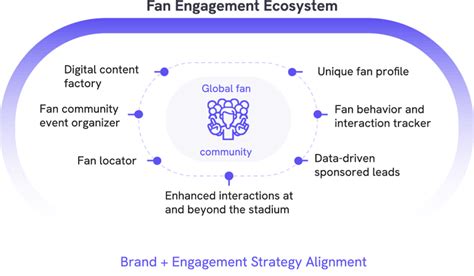
One of the more intriguing possibilities lies in the realm of data-driven fan engagement. Stadiums are increasingly becoming hubs for collecting and analyzing fan behavior. By leveraging technologies like IoT sensors and AI-driven analytics, San Siro could offer tailored experiences. For example, if data shows that a particular section of fans tends to arrive early and stay late, the stadium could provide targeted offers, such as discounted food and merchandise during those times. Similarly, real-time feedback mechanisms—such as apps allowing fans to rate their experience or report issues—could enable the management to address concerns promptly and improve the overall atmosphere.
However, amidst these exciting possibilities, there are potential pitfalls to consider. The risk of over-commercialization looms large. If ticket prices soar too high or if the focus shifts too heavily toward premium experiences, there is a danger of alienating the average fan—the lifeblood of the stadium's atmosphere. Striking a balance between exclusivity and inclusivity will be crucial. Initiatives like discounted tickets for local residents, loyalty programs for long-time supporters, and affordable family packages could help mitigate this risk.
Looking ahead, the intersection of tradition and innovation will define San Siro’s trajectory. While the stadium’s physical structure may change—whether through renovation or replacement—its soul lies in the stories it has witnessed and the emotions it evokes. Future developments must honor this legacy while embracing the opportunities presented by modern technology and shifting fan expectations. A well-thought-out strategy could ensure that San Siro remains not just a venue but a living, breathing entity that continues to inspire generations of football fans.
In conclusion, the future of San Siro is a fascinating blend of preservation and progress. Whether through sustainable redesigns, digital innovation in ticketing, or expanded community uses, the stadium has the potential to redefine what it means to be a modern sports venue while staying true to its roots. For fans considering San Siro tickets in the years to come, the promise is clear: the magic of the past will inform the excitement of the future, ensuring that this legendary stadium remains a cornerstone of global football culture.